Uganda
Report: Uganda’s Anti-Homosexuality Act has cost country $1.6 billion
Open for Business released findings on Oct. 10
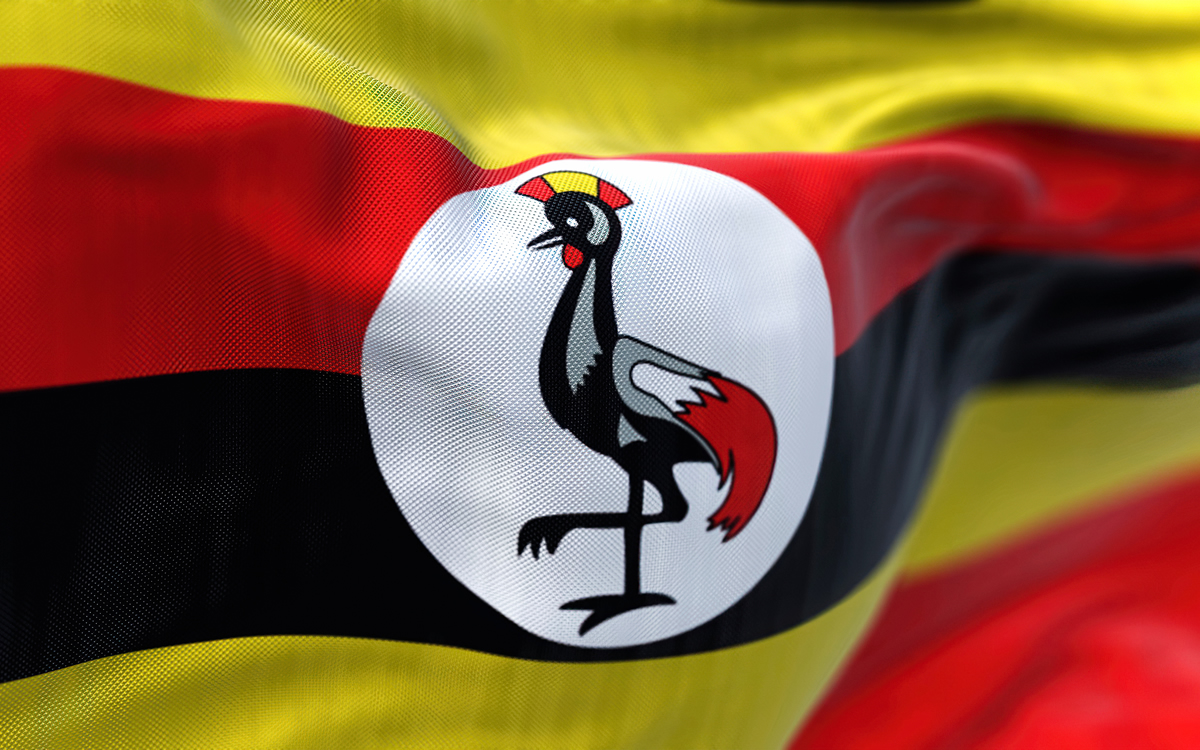
Some Ugandan queer rights organizations have asked the government to repeal the country’s Anti-Homosexuality Act that is currently under appeal at the Supreme Court to save the country from huge economic losses.
The organizations, while reacting to a new report that reveals the Anti-Homosexuality Act has cost Uganda up to $1.6 billion since President Yoweri Museveni signed it in May 2023, note the draconian law is not just “regressive” to LGBTQ rights, but also the economy.
The report that Open for Business, a coalition of leading global organizations that champion LGBTQ inclusion, released on Oct. 10 identifies foreign direct investment, donor aid, trade and tourism, and public health and productivity as major areas that economic losses have impacted.
“Combined losses over five years are projected between $2.3 billion and $8.3 billion,” the report states.
The estimated annual loss breakdown to Uganda’s economy includes $75 million in foreign direct investment, more than $1 billion in donor funding, $312 million in the fight against HIV/AIDS and other public health efforts, $99 million in tourism and $500,000 in trade for tariff payments after the Biden-Harris administration suspended Kampala from the preferential Africa Growth and Opportunity Act.
Other projected annual losses over the next five years because of the Anti-Homosexuality Act are $24 million in labor production because at least 15,000 queer people have fled Uganda, $58 million in national productivity from homophobic stigma and legal repercussions for LGBTQ people, and $500,000 from over-policing and legal costs associated with the law’s enforcement.
The recorded and projected Uganda’s economic losses are attributed to its strained relations with international partners, such as Western countries that imposed sanctions on Kampala over the Anti-Homosexuality Act, and global financiers, such as the World Bank Group that suspended funding.
The Open for Business report notes Kampala’s damaged global relations and funding suspension has impacted Ugandans’ access to antiretroviral therapy because of shortages and medical workers who refuse to treat queer patients because they fear that authorities will punish them.
It also indicates the impact on Uganda’s tourism sector because of the Anti-Homosexuality Act’s negative global perceptions has indirectly affected the hospitality, transport, and retail industries.
“As the global economy becomes more interconnected and competitive, countries that fail to embrace diversity, and inclusivity are likely to fall behind,” the report states.
The report points out that nearly half of the 49 percent of Ugandans who sought asylum in the UK last year said homophobia prompted them to flee the country. It warns this exodus diminishes Kampala’s growth potential and urges Museveni’s administration to amend or repeal the Anti-Homosexuality Act to restore international confidence in economic support and investment.
“Uganda continues to enforce the AHA (Anti-Homosexuality Act) without addressing international concerns, leading to severe economic isolation,” the report states.”In this scenario, FDI (foreign direct investment) and donor aid could decline sharply, tourism might collapse, and key partners could impose more trade sanctions.”
Uganda Minority Shelters Consortium, a local NGO that supports and advocates for the rights of LGBTQ people who are homeless and/or victims of violence, described the report’s findings as “alarming,” and added it shows how the Anti-Homosexuality Act and other anti-LGBTQ policies affect the economy.
UMSC Coordinator John Grace told the Washington Blade that the Ugandan government should heed the report’s warnings and “take immediate action to repeal the AHA in its entirety” and not to hurt the country’s economic development.
“The economic cost of this discriminatory law is too high and the human rights violations it perpetuates are unacceptable,” Grace said.
Grace also noted the projected exodus of 15,000 LGBTQ people from Uganda because of the Anti-Homosexuality Act would be a “tragic loss” for the country in terms of skilled manpower.
Let’s Walk Uganda, a local lobby group that openly LGBTQ people lead, also responded to the report, noting its findings add more economic pain to the “ravages of the COVID-19 pandemic.”
“The anxiety within the investment and general business community as a result of the AHA cannot be underestimated,” Let’s Walk Uganda Legal Manager Alex Musiime said. “The ridiculous law should be dropped. The court (Supreme Court) ought to do the right thing and annul this apartheid law.”
Musiime said the World Bank and Uganda’s other international partners and financiers should “intensify dialogue” with Museveni’s government to repeal the Anti-Homosexuality Act to save the vulnerable population from the suffering that the freezing of crucial aid to them has caused.
“The Ugandan government should be moved to commit to respecting the rights of LGBTQ+ persons in the implementation of World Bank projects. It should treat this piece of hate in the AHA as no law at all,” he said.
Both Musiime and Grace applauded the Uganda’s Human Rights Commission’s recent plea for the government to decriminalize consensual same-sex sexual relations. They consider it a “positive step” that should be “followed by concrete actions” to end homophobic discrimination, violence, and harassment.




Uganda
Ugandan activist named Charles F. Kettering Foundation fellow
Clare Byarugaba founded PFLAG-Uganda
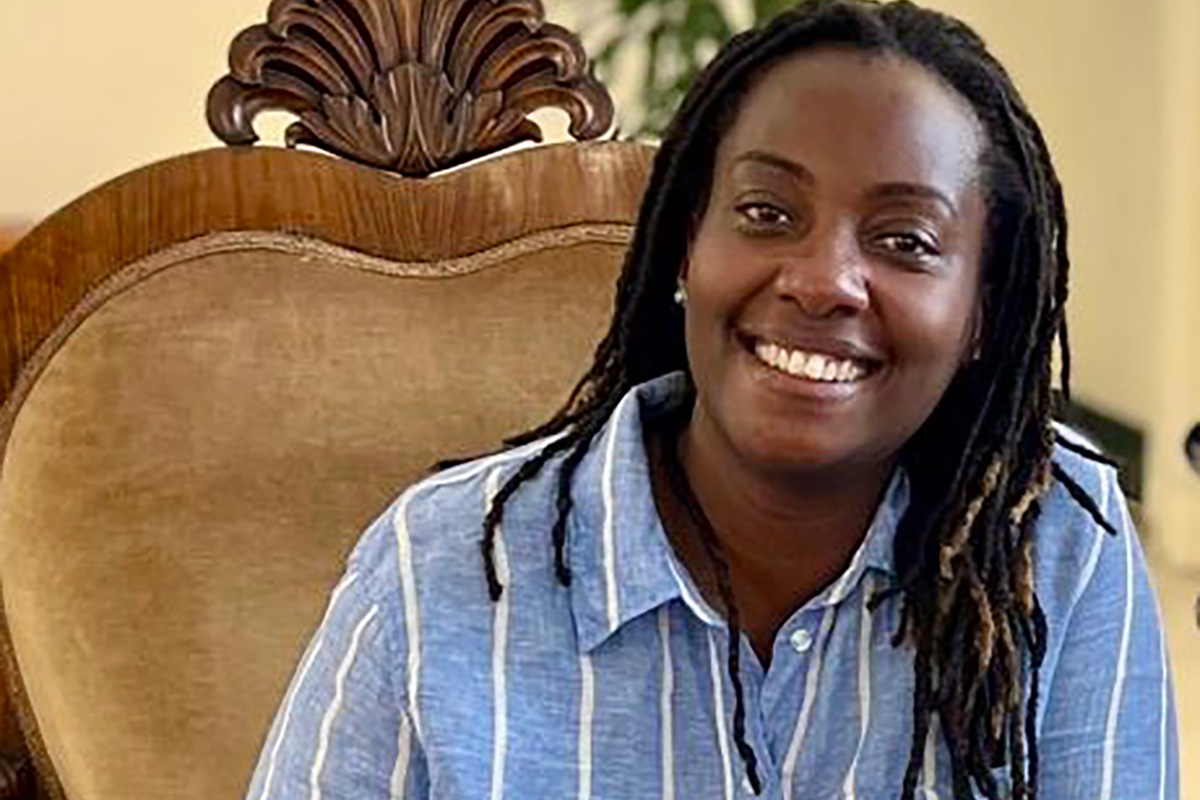
The Charles F. Kettering Foundation has named a prominent Ugandan LGBTQ activist as one of its 2026 fellows.
Clare Byarugaba, founder of PFLAG-Uganda, is one of the foundation’s five 2026 Global Fellows.
Byarugaba, among other things, has been a vocal critic of Uganda’s Anti-Homosexuality Act. Byarugaba in 2024 met with Pope Francis — who criticized criminalization laws during his papacy — at the Vatican.
The foundation on its website says it “is dedicated to bringing research and people together to make the promise of democracy real for everyone, everywhere.”
“Clare is the kind of hero who rushes toward the emergency to help,” said PFLAG CEO Brian K. Bond in a Feb. 27 statement to the Washington Blade. “She founded PFLAG-Uganda as the country pushed to criminalize homosexuality and those who support LGBTQ+ people. Yet, she never hesitated in her courage, telling us that families wanted to organize to keep their LGBTQ+ loved ones safe, and PFLAG was the way to do it. Clare Byarugaba not only deserves this honor, but she will use her compassion and experience to teach the world about LGBTQ+ advocacy as a Kettering Global Fellow.”
Uganda
LGBTQ Ugandans targeted ahead of country’s elections
President Yoweri Museveni won 7th term in disputed Jan. 15 vote
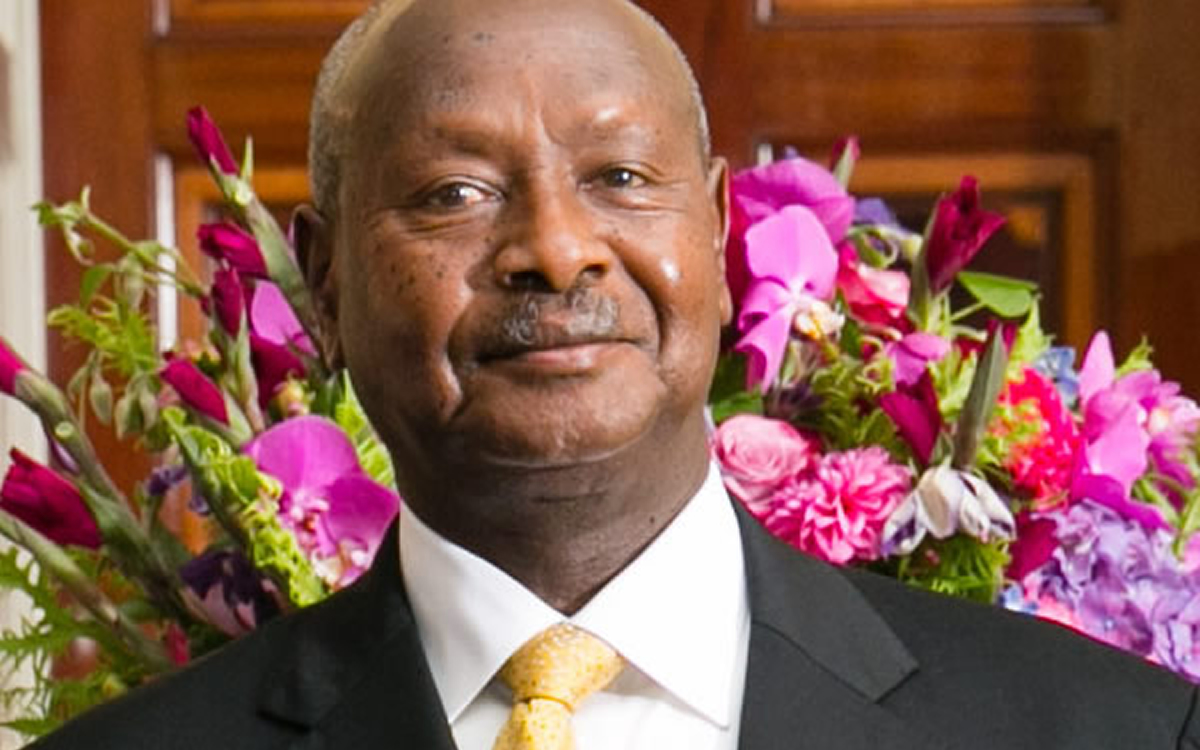
Barely a week after Ugandan President Yoweri Museveni secured a 7th term in an election marred by state violence, intimidation, and allegations of fraud, the country’s queer community spoke about how the election environment impacted it.
The LGBTQ lobby groups who spoke with the Washington Blade noted that, besides government institutions’ failure to create a safe and inclusive environment for civic participation by all Ugandans, authorities weaponized the Anti-Homosexuality Act to silence dissent and discourage queer voter engagement.
The rights groups note that candidates aligned with Museveni’s ruling National Resistance Movement — including Parliament Speaker Anita Among — during the campaigns accused their rivals of “promoting homosexuality” to discredit them while wooing conservative voters.
Queer people and LGBTQ rights organizations as a result were largely excluded from the formal political processes for the election as voters, mobilizers, or civic actors due to fear of exposure, stigma, violence, and legal reprisals.
“This homophobic rhetoric fueled public hostility and emboldened vigilante violence, forcing many queer Ugandans into deeper hiding during the election period,” Uganda Minority Shelters Consortium Coordinator John Grace stated.
Some queer people had expressed an interest in running for local council seats, but none of them formally registered as candidates or campaigned openly because of safety concerns and local electoral bodies’ discriminatory vetting of candidates.
“UMSC documented at least three incidents of election-related violence or intimidation targeting LGBTQ+ individuals and activists,” Grace noted. “These included harassment, arbitrary detentions, extortions by state and non-state actors, digital cat-fishing, and threats of outing.”
Amid such a militarized and repressive election environment, Let’s Walk Uganda Executive Director Edward Mutebi noted queer-led and allied organizations engaged in the election process through restricted informal voter education, community discussions, and documenting human rights violations.
“Fear of backlash limited visibility and direct participation throughout the election cycle,” Mutebi said. “But despite the hostile environment of work, Let’s Walk Uganda was able to organize a successful transgender and gender diverse youth training on electoral security and safety.”
Museveni’s government escalated its repressive actions during the Jan. 15 elections by shutting down the internet and suspending nine civil society organizations, including Chapter Four Uganda and the National Coalition of Human Rights Defenders, for allegedly engaging in activities that are prejudicial to the security and laws of the country.
The suspension of the rights organizations remains in force, an action both Mutebi and Grace condemn. They say it prevents queer Ugandans from accessing urgent services from the affected groups.
“For the LGBTQ community, the impact has been immediate and deeply harmful. Many of the suspended organizations, like Chapter Four Uganda, were critical partners in providing legal representation, emergency response, and documentation of rights violations,” Grace said.
This has compelled UMSC and its other partners to handle increased caseloads with limited resources, while navigating heightened scrutiny and operational risk.
“The suspension has disrupted referral pathways, delayed urgent interventions, and weakened collective advocacy for marginalized groups and minority rights defenders, which calls for urgent international solidarity, flexible funding, and protection mechanisms to safeguard the work of grassroots organizations operating under threat,” Grace stated.
Mutebi warned that such repressive actions are tyrannical and are indicative of shrinking civic space, which undermines democratic accountability as the promotion and protection of human rights is ignored.
With Museveni, 81, extending his tenure at State House from a landslide win of 72 percent, UMSC and LWU consider a bleak future in the protection of rights for queer Ugandans and other minority groups.
“Without significant political and legal shifts, LGBTQ persons will face continued criminalization, reduced civic space, and heightened insecurity, making sustained advocacy and international solidarity more critical than ever,” Mutebi said. “ It is unimaginable how it feels to live in a country with no hope.”
Grace, however, affirmed the resistance by local queer lobby groups will continue through underground networks, regional solidarity, and digital organizing.
The duo noted that a win by Museveni’s main challenger and rapper, Bobi Wine, who only managed 24 percent of the total votes cast, could have enabled the opening up of civil space and human rights protections in Uganda.
Wine, for his part, spoke in favor of the respect for the rule of law and human rights during his campaign.
“While Bobi Wine’s past stance on LGBTQ rights was inconsistent, his recent shift toward more inclusive rhetoric and international engagement suggested a potential opening for dialogue,” Grace said. “A win might have created space for policy reform or at least reduced state-sponsored homophobia, though structural change would still require sustained pressure and coalition-building.”
Mutebi stated that a change in Uganda’s leadership to a youthful leader like Wine could have offered an opening, but not a guarantee for progress on inclusion and human rights. Mutebi added existing institutionalized and societal homophobia remain in place.
Uganda
Ugandan government agrees to accept migrants deported from US
Anti-Homosexuality Act signed in 2023; White House mum on sanctioned officials
A White House spokesperson on Thursday did not say whether the Trump-Vance administration plans to lift sanctions against Ugandan officials responsible for human rights abuses against LGBTQ people and other groups as part of an agreement to accept migrants deported from the U.S.
Ugandan Foreign Affairs Ministry Permanent Secretary Bagiire Vincent Waiswa in a statement said the agreement between his country and the U.S. “is in respect of third country nationals who may not be granted asylum in the United States, but are reluctant to or may have concerns about returning to their countries of origin.”
Waiswa described the agreement as “a temporary arrangement with conditions, including that individuals with criminal records and unaccompanied minors will not be accepted.”
“Uganda also prefers that individuals from African countries shall be the ones transferred to Uganda,” added Waiswa. “The two parties are working out the detailed modalities on how the agreement shall be implemented.”
STATEMENT CONCERNING AGREEMENT ON MIGRATION ISSUES WITH THE GOVERNMENT OF THE UNITED STATES
As part of the bilateral cooperation between Uganda and the United States, an Agreement for cooperation in the examination of protection requests was concluded.
The Agreement is in… pic.twitter.com/dStdBSXtBN
— Ministry of Foreign Affairs – Uganda 🇺🇬 (@UgandaMFA) August 21, 2025
Ugandan President Yoweri Museveni in May 2023 signed the Anti-Homosexuality Act, which contains a death penalty provision for “aggravated homosexuality.”
The Biden-Harris administration imposed visa restrictions on Ugandan officials and removed the country from a program that allows sub-Saharan African countries to trade duty-free with the U.S. The World Bank Group in June resumed lending to Uganda after it suspended new loans in response to the Anti-Homosexuality Act.
The State Department’s 2024 human rights report that advocacy groups say “erased” LGBTQ people does not specifically mention the Anti-Homosexuality Act or the impact it has had on LGBTQ Ugandans. The report, however, does note Ugandan government officials “reportedly committed acts of sexual violence.”
“NGOs reported police medical staff subjected at least 15 persons to forced anal examinations following their arrests,” it reads. “Opposition protesters stated security forces used or threatened to use forced anal examinations during interrogations.”
“The Trump administration is committed to fulfilling President Trump’s promise to carry out the largest mass deportation operation of criminal illegal aliens in history, using all the tools at our disposal,” said White House spokesperson Abigail Jackson in response to the Washington Blade’s request for comment on the agreement.
Secretary of State Marco Rubio on Thursday spoke with Museveni.
“Secretary of State Marco Rubio spoke with Ugandan President Yoweri Museveni to discuss opportunities to deepen U.S.-Uganda cooperation on migration, reciprocal trade, and commercial ties,” said State Department spokesperson Tommy Pigott in a statement. “The secretary also thanked Uganda for providing a model of regional stability including its valuable contributions to peacekeeping in East Africa.”
A State Department spokesperson told the Blade the State Department does not “comment on the content of private diplomatic negotiations.”
“However, we would note that for decades, Uganda has hosted refugees from across Africa and has one of the world’s most comprehensive protection regimes for refugees,” added the spokesperson.

Bar Betsie, inviting and intimate, marks one-year anniversary

Trump, Netanyahu, and Putin are all war criminals

Center Arts Gallery celebrates 10 years with reception, auction

U.S. int’l trade negotiator, consultant James Bedore dies at 82

Campaign urges Virginia High School League to reverse stance on trans athletes

Eliot Glazer’s new book an engaging collection of essays

Equality Chamber hosts Pride in Business Expo and Profits & Pours

Learn more about Virginia’s queer history

‘Merrily’ is for Sondheim super fans, the uninitiated, and anyone in between

The financial realities facing LGBTQ+ first-time buyers
-

 Books4 days ago
Eliot Glazer’s new book an engaging collection of essays
-
Out & About4 days ago
Equality Chamber hosts Pride in Business Expo and Profits & Pours
-
Out & About4 days ago
Learn more about Virginia’s queer history
-
Theater4 days ago
‘Merrily’ is for Sondheim super fans, the uninitiated, and anyone in between