Books
Sam Altman bio traces AI guru from gay student to Trump acolyte
How a young idealist’s crusade mutated into a billionaire’s collaboration
Now that the acid bath of authoritarian government is undermining the foundations of our democracy, historians will ask, “Who were the big enablers, the billionaires who collaborated? And why, when there was still hope?”
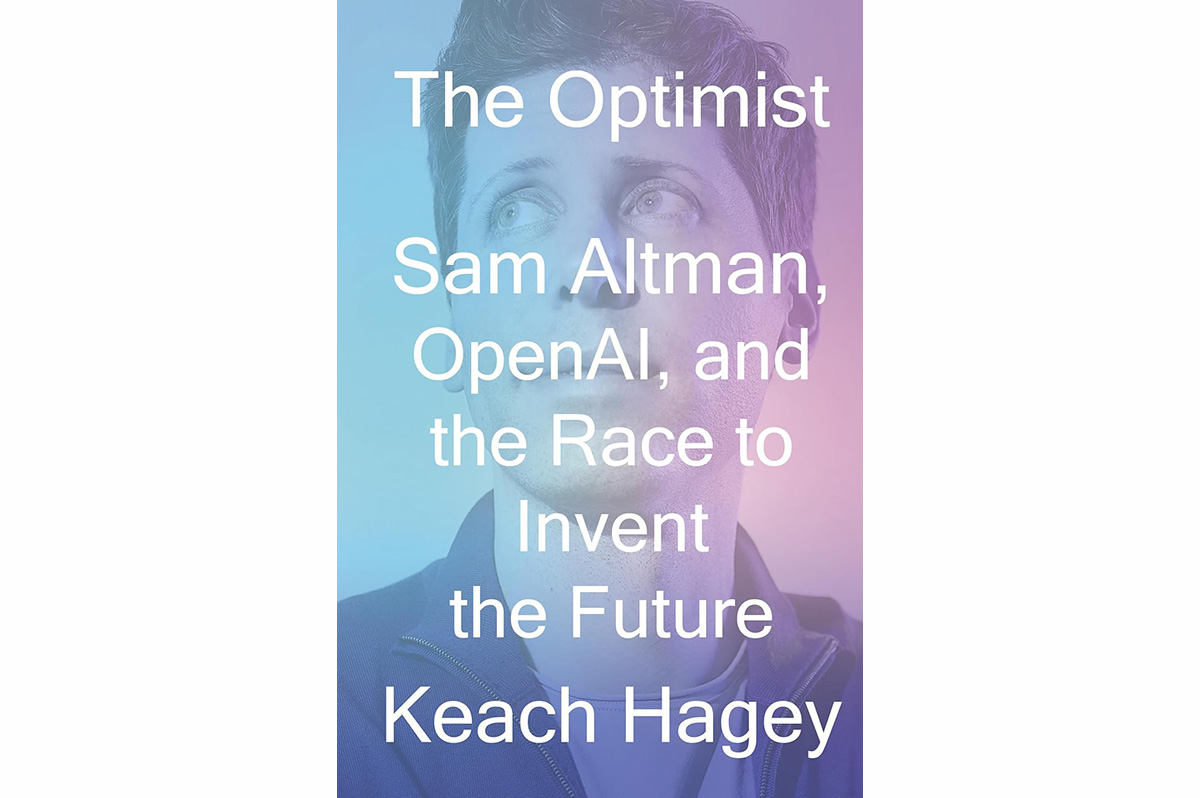
A biography of Sam Altman, the visionary CEO of OpenAI, an artificial general intelligence (A.G.I.) development company, tells the story with the weight of a great novel. “The Optimist: Sam Altman, OpenAI, and the Race to Invent the Future” by Wall Street Journal reporter Keach Hagey is framed as the story of a corporate struggle. However, it can be appreciated as a “bildungsroman,” a novel of education about a gay young man’s personal quest to ultimately create superintelligence with the development of A.G.I. Sounds like Marvel but thanks to Keach Hagey and the research of her colleagues over the years at the Wall Street Journal this story soars in the real world.

Sam Altman gathers his personal force through so many moments and epic events brought to life in this biography. My favorite is his high school Gay Straight Alliance “he almost willed into existence,” according to one of his gay friends at the time. In a “Child is father to the Man” moment, Altman is incensed the GSA student assembly he organized has generated controversy because a Christian group and their parents have demanded their kids be excused. Altman presses ahead and uses the opportunity as a “bombshell for maximum rhetorical impact” to come out in front of the entire student body. Until then, only a few friends knew his story. A natural leader with preternatural confidence as a kid, Altman’s message carried the day as it would in the years to come in Silicon Valley.
In pursuit of his quest with optimistic brilliance, Altman brings the first commercial application of OpenAI, ChatGPT to the market. This generates billions in shareholder value while he survives upheavals in the governance of OpenAI, including getting fired by independent board members, then hired by Microsoft and called back by OpenAI. Hagey makes this both comprehensible and exciting. Amid the turmoil, the story darkens with head-snapping reversals of direction on the two most important principles of his adult life. The first was A.G.I. should be controlled by a non-profit board to ensure its safety and benefits for all humanity before it devours us. The second was his classically liberal worldview of government’s role to ensure the future of his techno-utopian ideals with open source technology for the public benefit. Hagey describes in gripping detail how Altman betrayed those twin pillars of a young man’s quest that withered in the face of ambition. “Founders are kings, emperors, gods” to the billionaire venture capitalists who fund them, Hagey explains Altman’s ability to raise billions and be courted by politicians while living a maxed-out gay life.
Altman and Oliver Mulhering (whom he met in Trump-backer Peter Thiel’s hot tub at 3 a.m., according to Hagey) married in 2024 “beneath a jasmine-draped chuppah (canopy) erected among the palm trees of his Hawaiian estate.” A scene of “almost unimaginable splendor,” she describes the wedding in gauzey awe but then draws a wrenching direct line from this moment of “splendor” to the fate of British mathematician Alan Turing, the WW II computing genius who broke the Nazi’s Enigma code. Turing, Hagey writes, “whose ideas had inspired the technology behind Altman’s ChatGPT,” committed suicide in 1954 after a punishment of chemical castration by the British government for being homosexual. The British government formally acknowledged and apologized for its persecution of Turing after software engineer John Graham-Cumming led a 10-year long movement in the UK for an apology. Living astride such epic historical context in the computing world when asked about the significance of his marriage, Altman responded in an Advocateinterview in an uncharacteristically underwhelming way “the laws have changed more quickly than I ever thought they would, so I’m grateful for that … I don’t have time for politics.”
He soon would.
Altman had already compared Donald Trump to Adolph Hitler posing “an unprecedented threat to America.”
“To anyone familiar with the history of Germany in the 1930s, it’s chilling to watch Trump in action,” he said. After Trump’s victory in 2024, and dining with Trump at Mar-a-Lago and more conversations with Trump, came his $1 million personal contribution to the Trump 2025 inaugural, and a confession I have “really changed my perspective on him.” Trump “will be incredible for the country in many ways,” Altman said. Perhaps because of a push to release the book, “The Optimist” fails to explore this and coming contortions: Altman alongside Trump announcing a $500 billion “Stargate Initiative” for massive A.I. data centers alongside A.I. deregulation, no more handwringing about safety. “I hope he’s right about A.I.,” Trump said.
Whatever happened to the kid who stood up for his Gay Straight Alliance? When asked in that Advocateinterview after his wedding what LGBTQ people he may have admired when growing up, he responded, “That’s a really great question, and you know, I never really thought about that.” Thanks to this excellent biography, we know young Sam is in there somewhere. Yet “The Optimist” is also a novel without an ending. How could it be otherwise at this stage of Sam Altman’s quest mutated into a billionaire’s collaboration.
Charles Francis is president of the Mattachine Society of Washington, D.C., and author of “Archive Activism: Memoir of a ‘Uniquely Nasty’ Journey,” UNT Press, 2023.
The Blade may receive commissions from qualifying purchases made via this post.




Books
Laverne Cox, Liza Minnelli among authors with new books
A tome for every taste this reading season
Spring is a great time to think about vacations, spring break, lunch on the patio, or an afternoon in the park. You’ll want to bring one (or all!) of these great new books.
So let’s start here: What are you up for? How about a great new novel?
If you’re a mystery fan, you’ll want to make reservations to visit “Disaster Gay Detective Agency” by Lev AC Rosen (Poisoned Pen Press, June 2). It’s a whodunit featuring a group of gay roommates, one of whom is a swoony romantic. Add a mysterious man who disappears and a murder, of course, and you’ve got the novel you need for the beach.
Don’t discount young adult books, if you want something light to read this spring. “What Happened to Those Girls” by Carlyn Greenwald (Sourcebooks Fire, June 30) is a thriller about mean girls and a camping trip that goes terribly, bloodily wrong. Meant for teens ages 14 and up, young adult books are breezier and lighter fare for the busy grown-up reader.
If you loved “Boyfriend Material” and “Husband Material,” you’ll be eager for the next installment from author Alexis Hall. “Father Material” (Sourcebooks Casablanca, June 2) takes Luc and Oliver to the next step. First was dating. Then was marriage. Is it time for the sound of pitter-patter on the kitchen floor?
Maybe something even lighter? Then how about a book of essays – like “The Terrible, Horrible, No Good, Very Bad Gay” bycomedian and writer Eliot Glazer (Gallery Books, Aug. 11). It’s a book of essays on being gay today, the irritations, the joys, and fitting in. Be aware that these essays may contain a bit of spice – but isn’t that what you want for your reading pleasure anyhow, hmmm?
But okay, let’s say you want something with a little more heft to it. How about a biography?
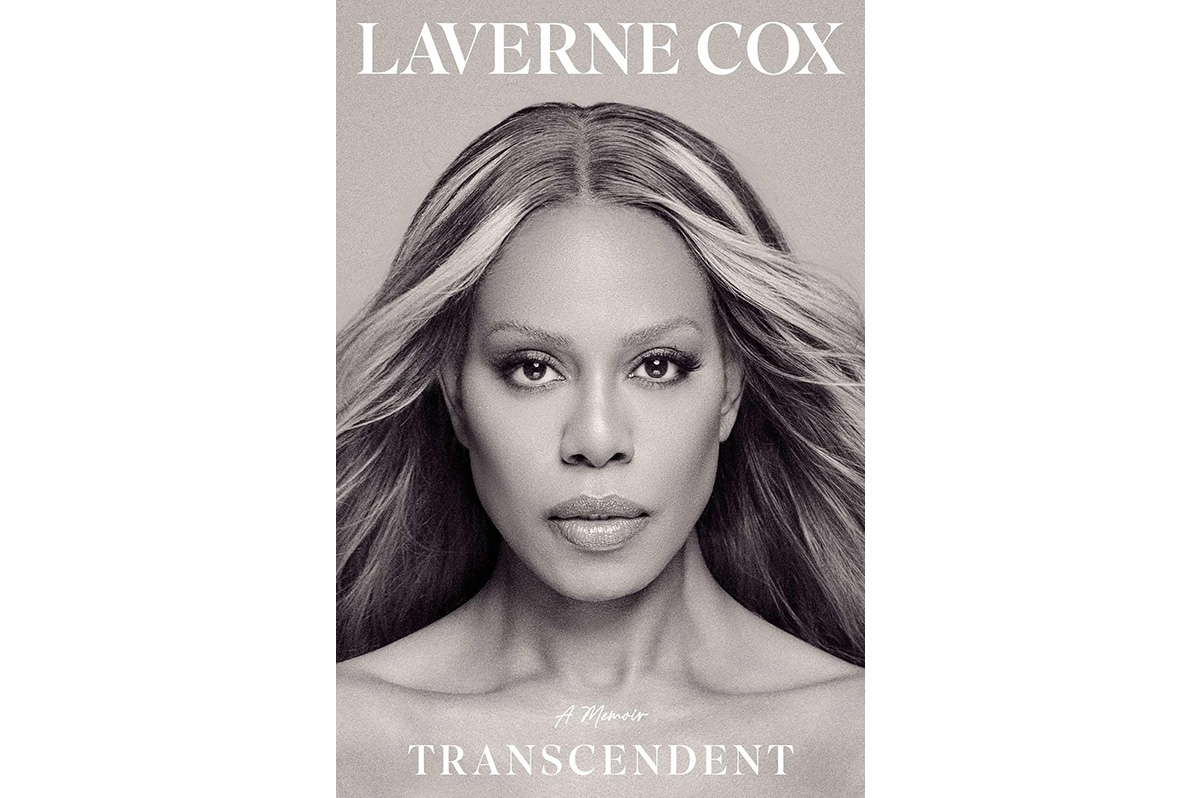
Look for “Transcendant” by Laverne Cox (Gallery Books, June 9), or “Kids, Wait Till You Hear This” by Liza Minnelli (Grand Central Publishing, March 10), and “Every Inch a Lady” by Audrey Smaltz with Alina Mitchell (Amistad, July 14). Keep your eyes open for “Without Prejudice: My Life as a Gay Judge” by Harvey Brownstone (ECW Press, May 26) or “The Double Dutch Fuss” by Phill Branch (Amistad, June 2).
Then again, maybe you want some history, or something different.
So here: look for “Queer Saints: A Radical Guide to Magic, Miracles, and Modern Intercession” by Antonio Pagliarulo (Weiser, June 1) for a little bit of faith-based gay. Music lovers will want “Mighty Real: A History of LGBTQ Music, 1969-2000” by Barry Walters (Viking, May 12). Activists will want “In the Arms of Mountains: A Memoir of Land, Love, and Queer Resistance in Red America” byformer Idaho state Sen. Cole Nicole LeFavour (Beacon Press, May 26).
And if these books aren’t enough, then be sure to check with your favorite bookseller or librarian. They’ll have exactly what you’re in the mood to read. They’ll find what you need for that patio, beach towel, or easy chair.
Books
Love or fear flying you’ll devour ‘Why Fly’
New book chronicles a lifetime obsession with aircraft
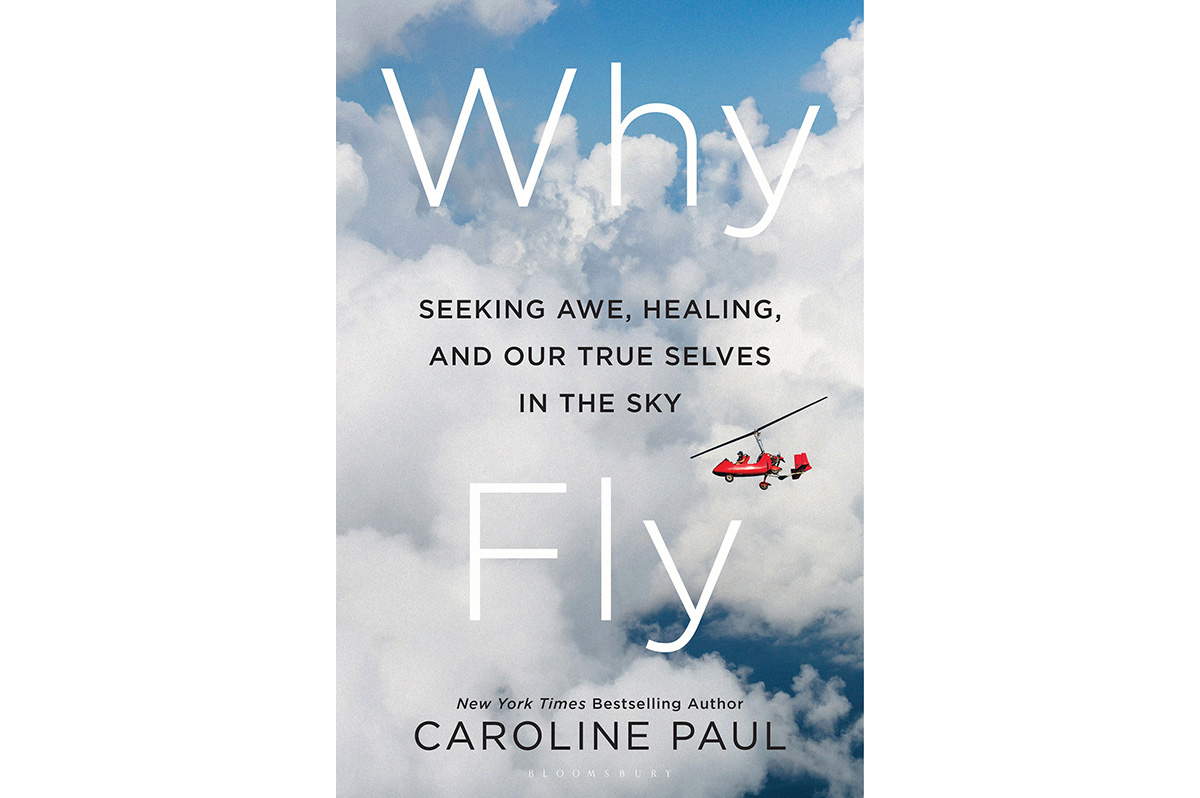
‘Why Fly’
By Caroline Paul
c. 2026, Bloomsbury
$27.99/256 pages
Tray table folded up.
Check. Your seat is in the upright position, the airflow above your head is just the way you like it, and you’re ready to go. The flight crew is making final preparations. The lights are off and the plane is backing up. All you need now is “Why Fly” by Caroline Paul, and buckle up.
When she was very young, Paul was “obsessed” with tales of adventure, devouring accounts written by men of their derring-do. The only female adventure-seeker she knew about then was Amelia Earhart; later, she learned of other adventuresome women, including aviatrix Bessie Coleman, and Paul was transfixed.
Time passed; Paul grew up to create a life of adventure all her own.
Then, the year her marriage started to fracture, she switched her obsession from general exploits to flight.
Specifically, Paul loves experimental aircraft, some of which, like her “trike,” can be made from a kit at home. Others, like Woodstock, her beloved yellow gyrocopter, are major purchases that operate under different FAA rules. All flying has rules, she says, even if it seems like it should be as freewheeling as the birds it mimics.
She loves the pre-flight checklist, which is pure anticipation as well as a series of safety measures; if only a relationship had the same ritual. Paul loves her hangar, as a place of comfort and for flight in all senses of the word. She enjoys thinking about historic tales of flying, going back before the Wright Brothers, and including a man who went aloft on a lawn chair via helium-filled weather balloons.
The mere idea that she can fly any time is like a gift to Paul.
She knows a lot of people are terrified of flying, but it’s near totally safe: generally, there’s a one in almost 14 million chance of perishing in a commercial airline disaster – although, to Paul’s embarrassment and her dismay, it’s possible that both the smallest planes and the grandest loves might crash.
If you’re a fan of flying, you know what to do here. If you fear it, pry your fingernails off the armrests, take a deep breath, and head to the shelves. “Why Fly” might help you change your mind.
It’s not just that author Caroline Paul enjoys being airborne, and she tells you. It’s not that she’s honest in her explanations of being in love and being aloft. It’s the meditative aura you’ll get as you’re reading this book that makes it so appealing, despite the sometimes technical information that may flummox you between the Zen-ness. It’s not overwhelming; it mixes well with the history Paul includes, biographies, the science, heartbreak, and exciting tales of adventure and risk, but it’s there. Readers and romantics who love the outdoors, can’t resist a good mountain, and crave activity won’t mind it, though, not at all.
If you own a plane – or want to – you’ll want this book, too. It’s a great waiting-at-the-airport tale, or a tuck-in-your-suitcase-for-later read. Find “Why Fly” and you’ll see that it’s an upright kind of book.
The Blade may receive commissions from qualifying purchases made via this post.
Books
New book profiles LGBTQ Ukrainians, documents war experiences
Tuesday marks four years since Russia attacked Ukraine
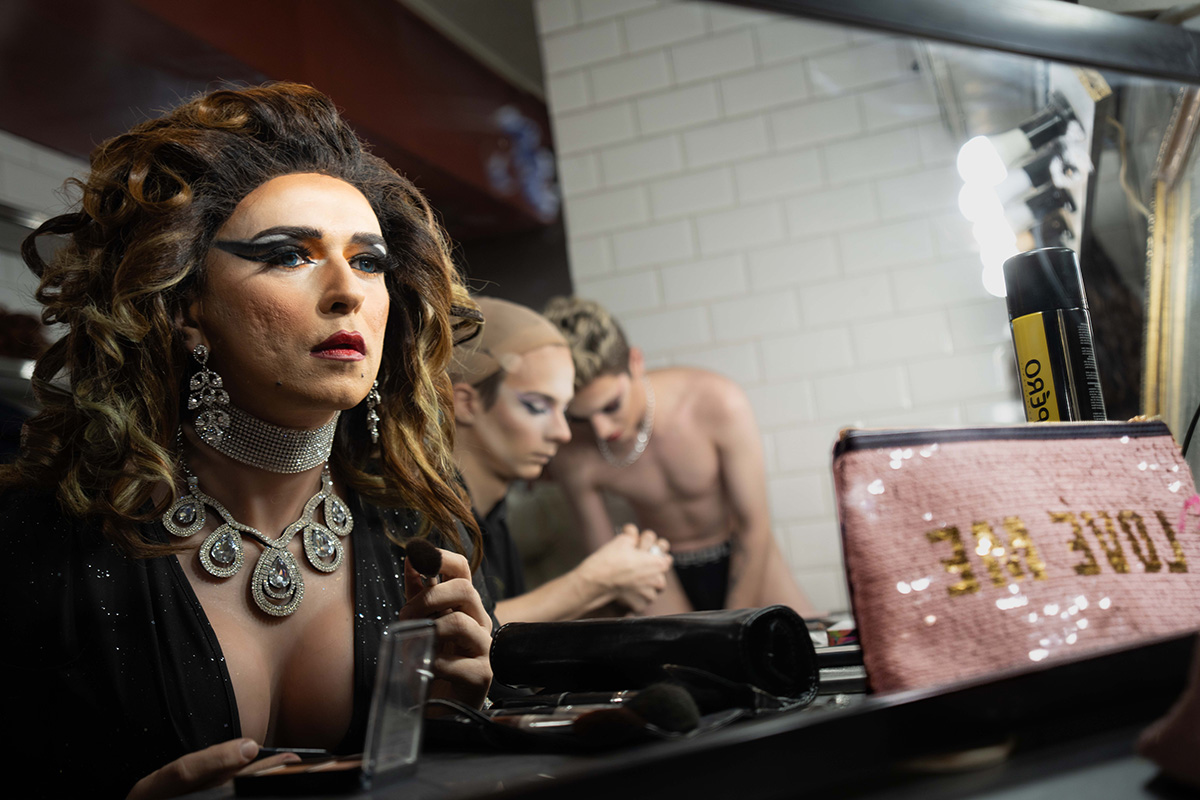
Journalist J. Lester Feder’s new book profiles LGBTQ Ukrainians and their experiences during Russia’s war against their country.
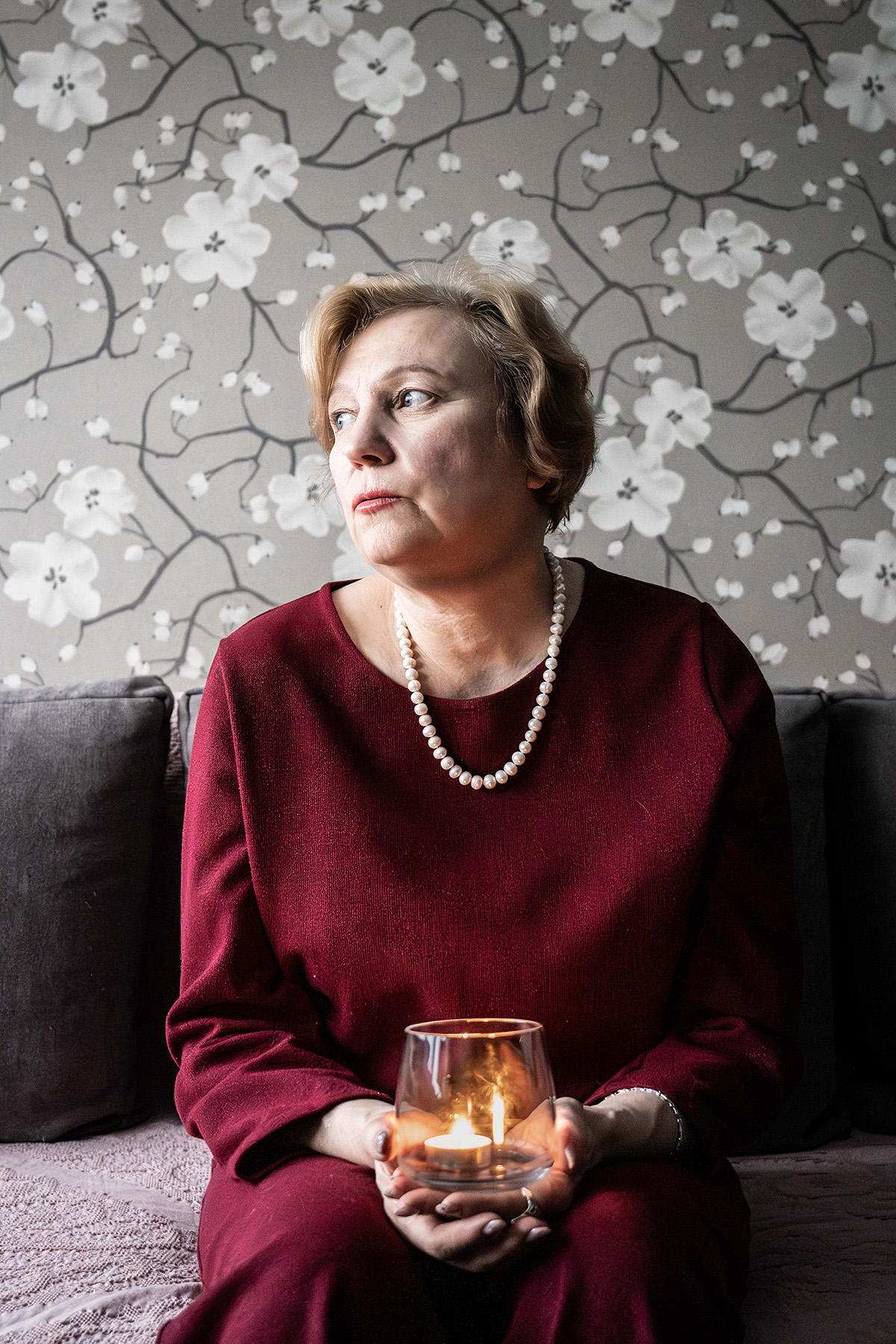
Feder for “The Queer Face of War: Portraits and Stories from Ukraine” interviewed and photographed LGBTQ Ukrainians in Kyiv, the country’s capital, and in other cities. They include Olena Hloba, the co-founder of Tergo, a support group for parents and friends of LGBTQ Ukrainians, who fled her home in the Kyiv suburb of Bucha shortly after Russia launched its war on Feb. 24, 2022.
Russian soldiers killed civilians as they withdrew from Bucha. Videos and photographs that emerged from the Kyiv suburb showed dead bodies with their hands tied behind their back and other signs of torture.
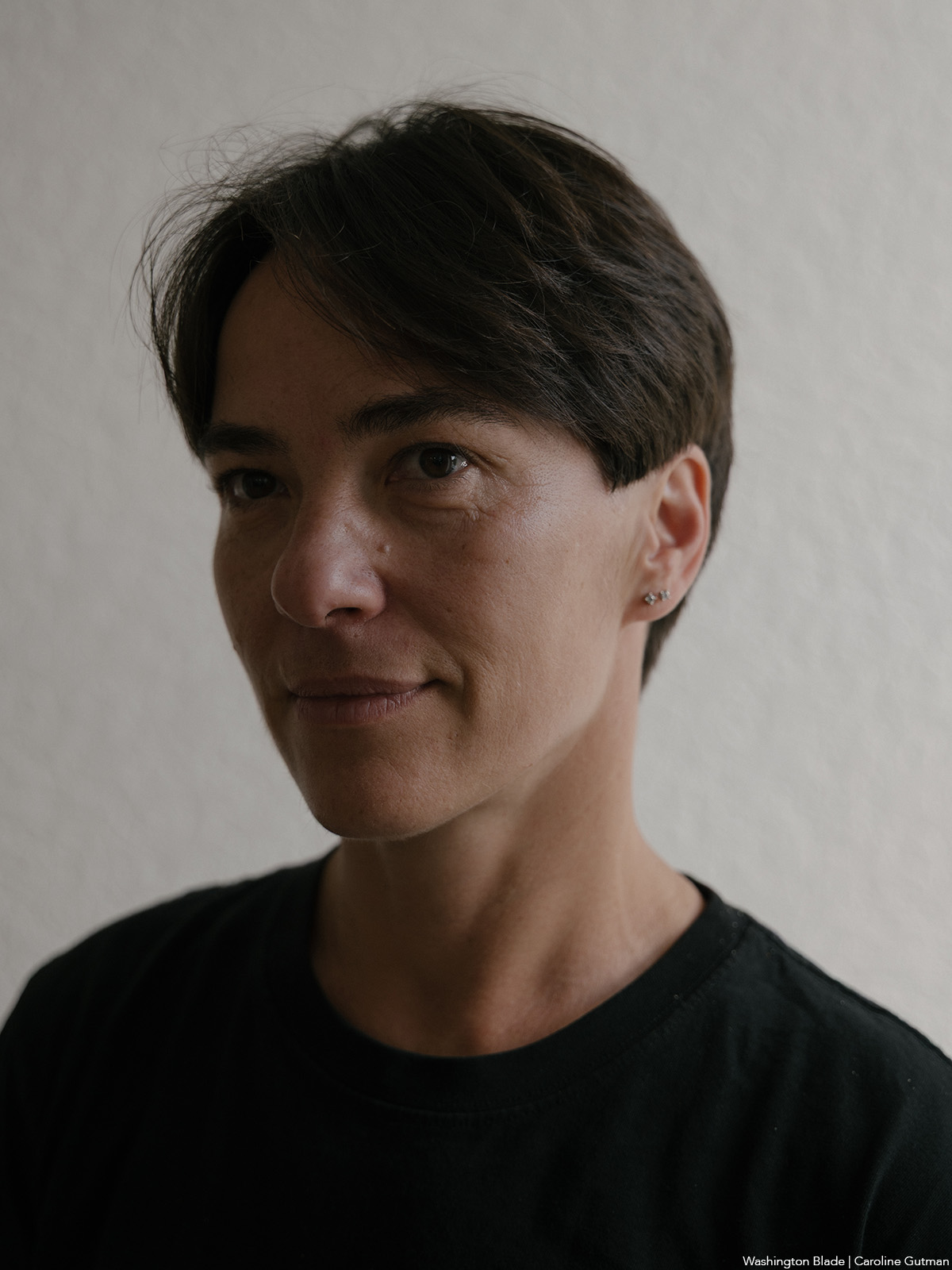
Olena Shevchenko, chair of Insight, a Ukrainian LGBTQ rights group, wrote the book’s forward.
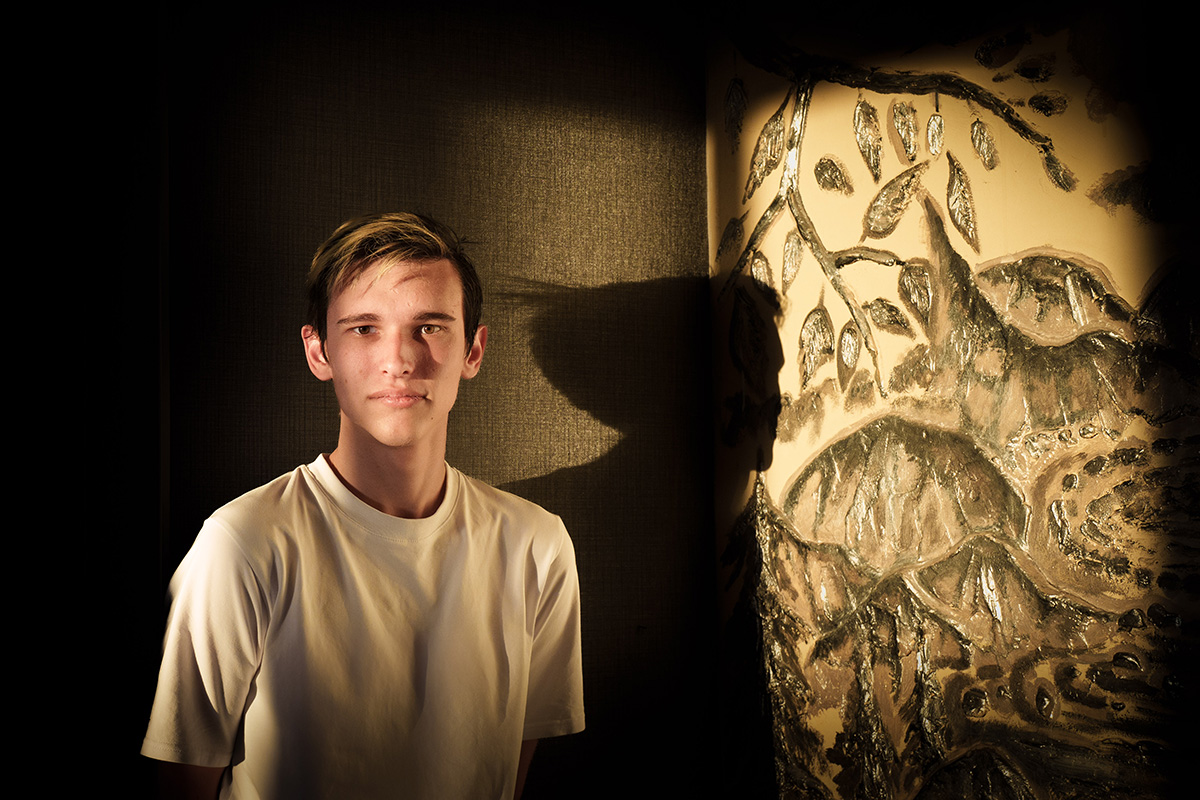
The book also profiles Viktor Pylypenko, a gay man who the Ukrainian military assigned to the 72nd Mechanized Black Cossack Brigade after the war began. Feder writes Pylypenko’s unit “was deployed to some of the fiercest and most important battles of the war.”
“The brigade was pivotal to beating Russian forces back from Kyiv in their initial attempt to take the capital, helping them liberate territory near Kharkiv and defending the front lines in Donbas,” wrote Feder.
Pylypenko spent two years fighting “on Ukraine’s most dangerous battlefields, serving primarily as a medic.”
“At times he felt he was living in a horror movie, watching tank shells tear his fellow soldiers apart before his eyes,” wrote Feder. “He held many men as they took their final breaths. Of the roughly one hundred who entered the unit with him, only six remained when he was discharged in 2024. He didn’t leave by choice: he went home to take care of his father, who had suffered a stroke.”
Feder notes one of Pylypenko’s former commanders attacked him online when he came out. Pylypenko said another commander defended him.
Feder also profiled Diana and Oleksii Polukhin, two residents of Kherson, a port city in southern Ukraine that is near the mouth of the Dnieper River.
Ukrainian forces regained control of Kherson in November 2022, nine months after Russia occupied it.
Diana, a cigarette vender, and Polukhin told Feder that Russian forces demanded they disclose the names of other LGBTQ Ukrainians in Kherson. Russian forces also tortured Diana and Polukhin while in their custody.
Polukhim is the first LGBTQ victim of Russian persecution to report their case to Ukrainian prosecutors.
Feder, who is of Ukrainian descent, first visited Ukraine in 2013 when he wrote for BuzzFeed.
He was Outright International’s Senior Fellow for Emergency Research from 2021-2023. Feder last traveled to Ukraine in December 2024.
Feder spoke about his book at Politics and Prose at the Wharf in Southwest D.C. on Feb. 6. The Washington Blade spoke with Feder on Feb. 20.
Feder told the Blade he began to work on the book when he was at Outright International and working with humanitarian groups on how to better serve LGBTQ Ukrainians. Feder said military service requirements, a lack of access to hormone therapy and documents that accurately reflect a person’s gender identity and LGBTQ-friendly shelters are among the myriad challenges that LGBTQ Ukrainians have faced since the war began.
“All of these were components of a queer experience of war that was not well documented, and we had never seen in one place, especially with photos,” he told the Blade. “I felt really called to do that, not only because of what was happening in Ukraine, but also as a way to bring to the surface issues that we’d had seen in Iraq and Syria and Afghanistan.”
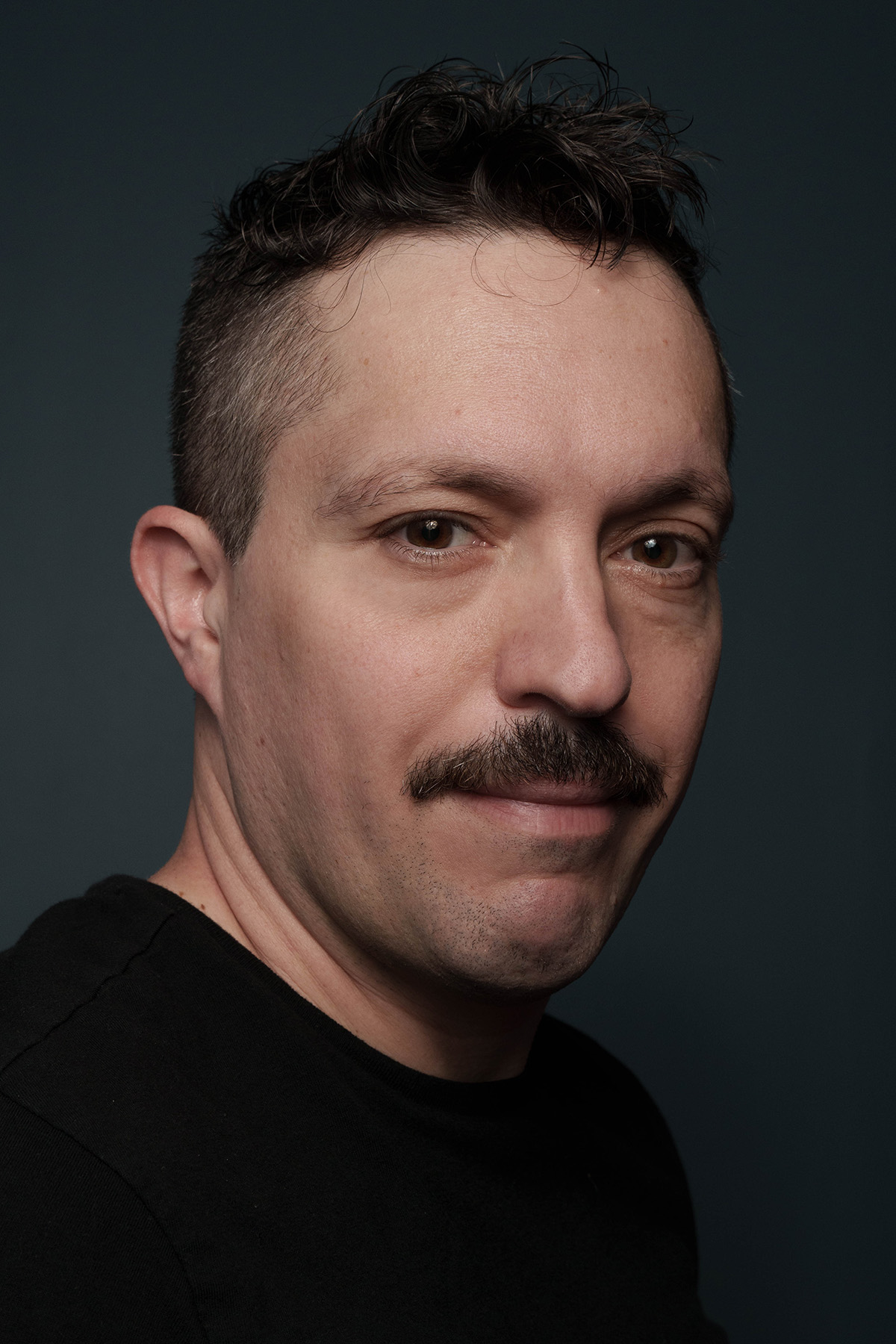
Feder also spoke with the Blade about the war’s geopolitical implications.
Russian President Vladimir Putin in 2013 signed a law that bans the “promotion of homosexuality” to minors.
The 2014 Winter Olympics took place in Sochi, a Russian resort city on the Black Sea. Russia annexed Crimea from Ukraine a few weeks after the games ended.
Russia’s anti-LGBTQ crackdown has continued over the last decade.
The Russian Supreme Court in 2023 ruled the “international LGBT movement” is an extremist organization and banned it. The Russian Justice Ministry last month designated ILGA World, a global LGBTQ and intersex rights group, as an “undesirable” organization.
Ukraine, meanwhile, has sought to align itself with Europe.
Ukrainian President Volodymyr Zelenskyy after a 2021 meeting with then-President Joe Biden at the White House said his country would continue to fight discrimination based on sexual orientation and gender identity. (Zelenskyy’s relationship with the U.S. has grown more tense since the Trump-Vance administration took office.) Zelenskyy in 2022 publicly backed civil partnerships for same-sex couples.
Then-Ukrainian Ambassador to the U.S. Oksana Markarova in 2023 applauded Kyiv Pride and other LGBTQ and intersex rights groups in her country when she spoke at a photo exhibit at Ukraine House in D.C. that highlighted LGBTQ and intersex soldiers. Then-Kyiv Pride Executive Director Lenny Emson, who Feder profiles in his book, was among those who attended the event.
“Thank you for everything you do in Kyiv, and thank you for everything that you do in order to fight the discrimination that still is somewhere in Ukraine,” said Markarova. “Not everything is perfect yet, but you know, I think we are moving in the right direction. And we together will not only fight the external enemy, but also will see equality.”
Feder in response to the Blade’s question about why he decided to write his book said he “didn’t feel” the “significance of Russia’s war against Ukraine” for LGBTQ people around the world “was fully understood.”
“This was an opportunity to tell that big story,” he said.
“The crackdown on LGBT rights inside Russia was essentially a laboratory for a strategy of attacking democratic values by attacking queer rights and it was one as Ukraine was getting closet to Europe back in 2013, 2014,” he added. “It was a strategy they were using as part of their foreign policy, and it was one they were using not only in Ukraine over the past decade, but around the world.”
Feder said Republicans are using “that same strategy to attack queer people, to attack democracy itself.”
“I felt like it was important that Americans understand that history,” he said.

Surviving spring cleaning

Iconic Eddie Izzard takes on 23 characters in ‘Hamlet’

How Pepper the courthouse dog helps victims of abuse

Women’s FEST returns to Rehoboth Beach next week

Belarusian lawmakers approve bill to crackdown on LGBTQ rights

Thousands attend ‘No Kings’ protests in D.C.

Supreme Court rules against Colo. law banning conversion therapy for minors

Senegalese president signs bill that further criminalizes homosexuality

Trans activists gather on National Mall for Transgender Day of Visibility

Md. lawmakers reaffirm legislative priorities
-

 The White House5 days ago
Thousands attend ‘No Kings’ protests in D.C.
-
U.S. Supreme Court4 days ago
Supreme Court rules against Colo. law banning conversion therapy for minors
-
Senegal4 days ago
Senegalese president signs bill that further criminalizes homosexuality
-
District of Columbia4 days ago
Trans activists gather on National Mall for Transgender Day of Visibility