Asia
Asian Development Bank urged to uphold LGBTQ, intersex rights commitments
Activists met in the Philippine capital of Manila earlier this month
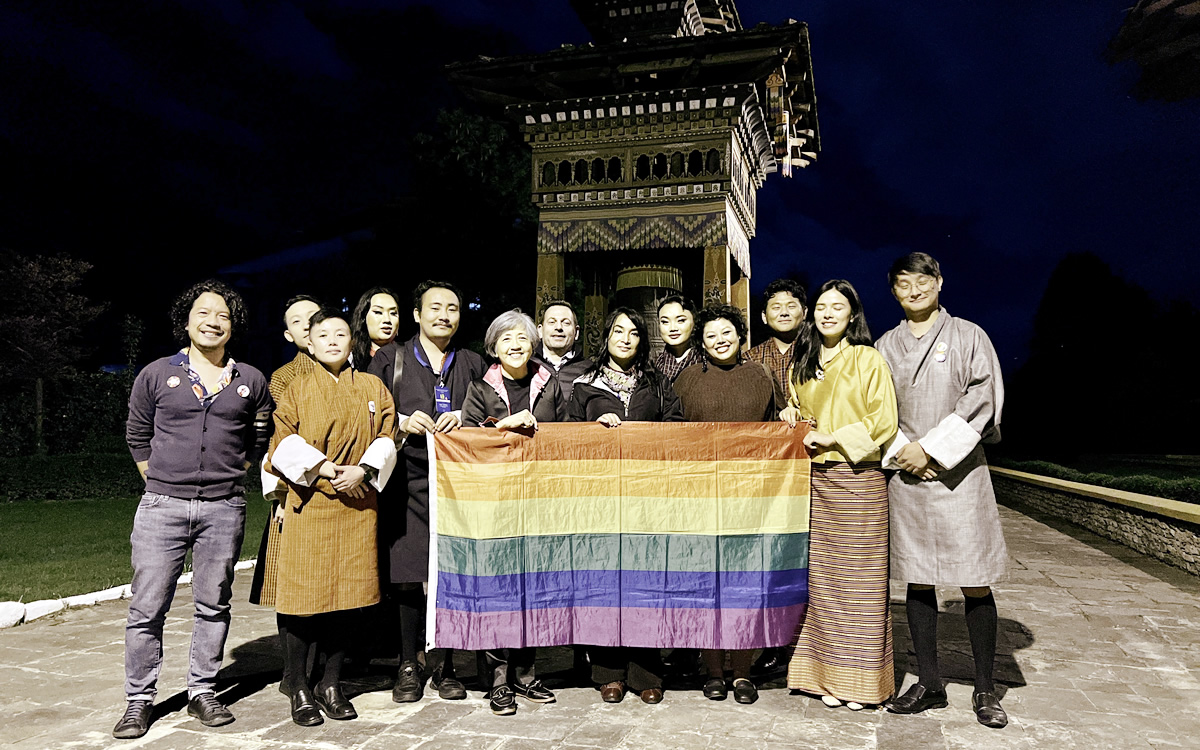
APCOM and the Asian Development Bank hosted the 3rd Asian Development Bank Learning Week in the Philippine capital of Manila from Sept. 8-9.
The meeting brought together LGBTQ and intersex activists, civil society organizations, and human rights defenders from Asia and the Pacific to engage with bank management on development that is LGBTQ and intersex-inclusive. The ASEAN SOGIE Caucus, ILGA Asia, Intersex Asia, and the Pacific Sexual and Gender Diversity Network co-organized the event.
The bank’s presence and collaboration, however, was noticeably absent.
Although invitations had been extended and initially accepted, all bank staff who were scheduled to speak at the sessions — including representatives from the ADB NGO and Civil Society Center — withdrew at the last minute.
“It’s really unfortunate that we have this situation, but we understand if there is some trepidation to engage with the LGBTQI community given the changing geopolitical context and a dismaying pushback on rights across the spectrum. The LGBTQI community will continue its advocacy to demand accountability from the ADB to include us in its quest for a prosperous, inclusive, resilient, and sustainable Asia and the Pacific. That promise should include the LGBTQI community,” said Bambang Prayudi, executive director of Perkumpulan Suara Kita, an LGBTQ rights organization based in Indonesia. “The lessons of the past have clearly demonstrated that exclusion ultimately undermines and harms individuals, communities, and entire nations both socially and economically.”
The activists shifted from the originally planned sessions with ADB staff to engaging directly with bank board members, voicing concerns the withdrawal reflected a backtracking by an institution that had increasingly been progressive on LGBTQ and intersex-inclusion and engagement with LGBTQ and intersex communities. The move also raised questions about the bank’s commitment to its Strategy 2030, which aims to sustain efforts to eradicate extreme poverty and promote an inclusive Asia and Pacific.
APCOM, however, highlighted the bank last year approved a new Environmental and Social Framework that, for the first time, explicitly includes sexual orientation and gender identity in its definition of disadvantaged and vulnerable groups. The policy is scheduled to take effect on Jan. 1, with rollout efforts underway, including capacity-building for bank management and staff.
APCOM noted that while the move represents a significant step forward for the bank, its true impact will depend on consistent implementation and sustained, genuine engagement with the LGBTQ and intersex community.
Activists said bank management in December 2024 approved the Operational Approach to Sexual and Gender Minorities Inclusion: A Roadmap for 2025–2030, aimed at creating an environment in which people of diverse sexual orientation, gender identity, gender expression and sex characteristics are not only accepted but fully empowered. APCOM noted in a press release the bank has since removed the document from its website without explanation.
The press release said the sudden removal has left many LGBTQ and intersex activists uncertain about next steps because they were not consulted. The website removal raises questions about how firmly the bank will carry its commitment forward.
APCOM said activists met with several bank board members and requested the ADB return the document to its website. The press release also highlighted disappointment the bank this year did not commemorate the International Day Against Homophobia, Biphobia and Transphobia — the ADB has marked IDAHOBiT since 2019.
“ADB needs to have continued dialogue with the LGBTQI community and hold regular meetings with us if it seeks to implement policies that claim to benefit us,” said APCOM Executive Director Midnight Poonkasetwattana. “They have to remember: Nothing about us, without us. They cannot enact SOGIESC-inclusive policies without involving the LGBTQI community.”
LGBTQ and intersex activists who traveled to Manila, meanwhile, are urging the bank to uphold accountability in its stated commitments.
“More than policies on paper, our constituencies seek meaningful inclusion — to be consulted, engaged, and heard in the design, implementation, and monitoring of initiatives that affect their lives,” said Poonkasetwattana. “We sincerely hope ADB, whose policies are so crucial in setting an example for its member states and other stakeholders to follow, will stand strong in these challenging times and uphold principles of equality and social justice for all.”
The Washington Blade in 2022 reported then-Ambassador Chantale Wong, who was the ADB’s U.S. director during the Biden-Harris administration, pushed for sexual orientation and gender identity to be included in the bank’s safeguards.
The bank, which is based in the Philippines, seeks to promote economic and social development across Asia and the Pacific. Wong was the first openly lesbian U.S. ambassador in the U.S.





Malaysia
Malaysia blocks access to Grindr, other gay dating websites
Restrictions part of continued anti-LGBTQ crackdown
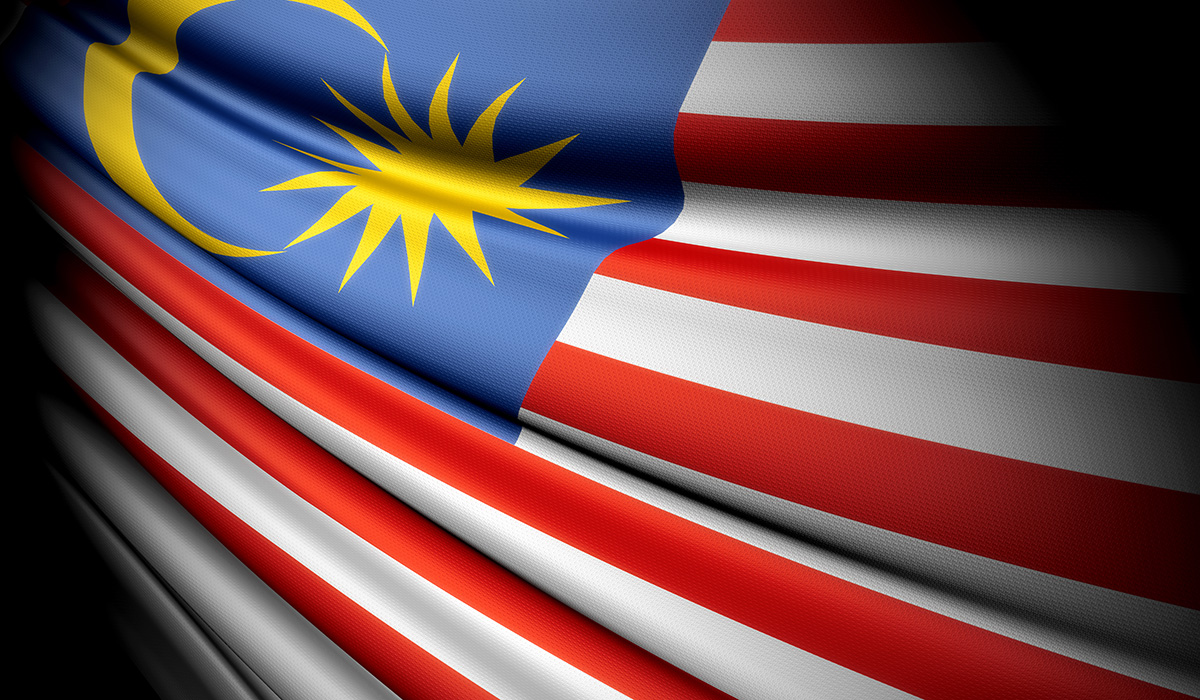
Malaysia has blocked access to Grindr, Blued, and other gay dating websites, and is now considering further steps to restrict their mobile application.
Communications Minister Fahmi Fadzil on Feb. 25 said the government is pursuing legal measures to curb the availability of LGBTQ dating apps on Google’s Play Store and Apple’s App Store.
Fadzil, in a written parliamentary reply, said the Malaysian Communications and Multimedia Commission has not received any requests to remove the mobile versions of Grindr and Blued from app stores, noting the challenges of regulating platforms owned by foreign companies.
“Control over applications on platforms such as Google Play and Apple Store is subject to regulations and policies set by the said platform providers, since both applications are owned by foreign companies operating outside of Malaysia,” Fadzil said. “This includes those that spread lewd or immoral content, exploitation, abuse, scams, exploiting children or threats towards public safety.”
Fadzil was responding to a question about whether the Malaysian Communications and Multimedia Commission had worked with app store providers to block downloads of such apps.
The Washington Blade reached out to Google and Apple multiple times for comment but did not receive a response.
Malaysia has stepped up digital restrictions targeting the LGBTQ community as part of a broader crackdown on what authorities describe as “deviant” or immoral content. Consensual same-sex sexual relations remain criminalized in the country under both civil and Sharia law.
Malaysia has proposed a Cyber Crime Bill that would expand the government’s legal powers to address the misuse of digital platforms, including the promotion of same-sex dating applications, Deputy Prime Minister Ahmad Zahid Hamidi said. The bill would replace the Computer Crimes Act of 1997.
“We are disappointed in the decision to block access to Grindr in Malaysia and believe that online platform regulation should be proportionate and consistent with international human rights law,” a Grindr spokesperson told the Blade in an email.
“At Grindr, our mission is to help make a world where the lives of our global community are free, equal, and just,” added the spokesperson. “For many of our users, Grindr is often the primary way for them to connect, express themselves, and discover the world around them. In addition to serving as an important source of information, Grindr is committed to advancing the health and well-being of the community around the world and through our social impact initiative, Grindr for Equality, we partner with hundreds of advocates, community-based organizations, and public health agencies to support the global LGBTQ+ community.”
Grindr, based in California, is popular around the world. Blued, a China-based app that BlueCity operates, is one of the world’s largest social networking and dating platforms for gay men.
Blued did not respond to the Blade’s request for comment.
Online platforms ‘critical for LGBTQ people’
Malaysian authorities in May 2023 raided Swatch stores at shopping malls across the country and confiscated more than 160 rainbow-colored watches from the company’s Pride collection, saying the designs carried “LGBT connotations.” The raids, which the Home Affairs Ministry carried out, were widely criticized by advocacy groups.
Police last June opened an investigation into a closed-door LGBTQ sexual health workshop.
Selangor police chief Hussein Omar Khan said authorities were examining the event under the Penal Code for allegedly causing “disharmony or ill will” on religious grounds, as well as under the Communications and Multimedia Act, a law frequently used to police online speech. Critics said the investigation reflected growing government overreach and warned against the criminalization of public health initiatives aimed at marginalized communities. Activists cited this case as another example of Prime Minister Anwar Ibrahim’s crackdown on LGBTQ rights.
The Home Affairs Ministry in November 2020 banned the book “Gay Is OK! A Christian Perspective,” written by Pastor Oyoung and published by Gerakbudaya in 2013, saying it was likely to be “prejudicial to public order, morality and the public interest.” The Kuala Lumpur High Court later overturned the ban and ordered the respondents — then-Home Affairs Minister Hamzah Zainudin and the Malaysian government — to pay costs of 5,000 Malaysian ringgit ($1,276.81.)
A 2014 Human Rights Watch report documented widespread discrimination and abuse against transgender women in the country.
The report found that trans people face arrests under laws that effectively criminalize “cross-dressing,” along with harassment and abuse by police and religious authorities. It also described systemic discrimination in employment, health care, and education, leaving many trans women marginalized and vulnerable to violence and exploitation.
Thilaga Sulathireh, a founding member of Justice for Sisters, a Malaysian trans rights group, said restrictions on LGBTQ people’s freedom of expression through censorship have been an ongoing trend in Malaysia over the past decade.
Sulathireh said there have been increasing calls to curb what critics describe as “LGBT normalization” in films, books, and social media, which activists link to what they say is a harmful and inaccurate perception that LGBTQ people are immoral. Sulathireh added Grindr had been blocked in Malaysia for several years and that, as of last weekend, the app was no longer available on Google Play and the Apple App Store. Sulathireh said Justice for Sisters views the move as a serious violation of LGBTQ people’s rights to nondiscrimination, dignity, privacy, and freedom of expression.
“The blocking of LGBTQ related apps is part of the on-going and increasing trend of state sponsored discrimination against LGBTQ people in Malaysia,” Sulathireh told the Blade in an email. “In late February, the deputy minister in the prime minister’s (Religious Affairs) Department announced that the government is opting to replace references to LGBT persons with the term “budaya songsang” (deviant culture) and encouraged others to do the same to avoid LGBT normalization in all spaces, including social media. At the same time, called on members of the public to immediately report ‘suspicious activities, events or content.’”
Sulathireh told the Blade a deputy minister recently outlined a range of government-led initiatives targeting LGBTQ people in Malaysia.
According to Sulathireh, these include so-called “spiritual guidance camps.” Sulathireh said some participants, including those who identify as “ex-LGBT” or part of the “hijrah” community, have been encouraged to act as peer educators to reach other LGBTQ people.
Additional initiatives the deputy minister listed include academic Islamic conferences, state-level sermons coordinated by the state Islamic councils, and mosque-level programs. Sulathireh told the Blade the government presented a paper to the Council of Rulers outlining what officials described as the negative implications of legal gender recognition. Sulathireh said authorities have also established a multiagency committee to address issues involving Muslim LGBTQ people, promoted what they call “psychospiritual therapy,” and worked with police and the Communications and Multimedia Commission to monitor the promotion of LGBTQ-related activities online.
“The blocking of these apps and websites severely impacts all areas of LGBTQ people’s lives,” said Sulathireh. “These platforms have proven critical for LGBTQ people to find support, communities, access life-saving resources, information and services, love and intimacy. I think being able to find love, intimacy and connections is critical for LGBTQ’s self-acceptance, self-worth, health, and well-being.”
“The blocking makes it even more challenging for people to connect safely online and offline,” added Sulathireh. “People will become more isolated and all of these have a severe impact on LGBTQ’s mental health and well-being, which is already poor.”
Sulathireh said Justice for Sisters research and observations indicate many LGBTQ people in Malaysia already experience social media and digital spaces as hostile environments. As a result, many limit their use of these platforms and adopt higher levels of self-censorship. Sulathireh added the recent bans targeting LGBTQ visibility on digital platforms are also unfolding alongside a broader policy push to restrict social media access for children under 16.
“The state sponsored LGBTQ discrimination over the years has resulted in increasing discrimination by non-state actors and anti-rights groups with impunity,” Sulathireh said. “This ban will further entrench the culture of impunity against LGBTQ people.”
Nalini Elumalai, senior Malaysia program officer at ARTICLE 19, an international freedom of expression organization, said the blocking of dating apps is not occurring in isolation but is happening under the guise of public morality, digital censorship, and the enforcement of laws that undermine the rights of LGBTQ individuals in Malaysia.
Elumalai noted that Deputy Religious Affairs Minister Marhamah Rosli recently urged the public to refrain from using the term “LGBT” and instead describe it as “deviant culture” in an effort to combat normalization and reduce LGBTQ-related content on social media. Elumalai said blocking Grindr and Blued represents an ongoing attack on the LGBTQ community, particularly their rights to freedom of expression, access to information, and to be treated equally before the law without discrimination — protections guaranteed under Articles 8 and 10 of Malaysia’s Federal Constitution.
“The blocking of LGBTQI+ dating platforms appears to reflect a broader pattern in Malaysia where LGBTQI+-related expression and activities face heightened scrutiny and repression, particularly when they become visible online,” said Elumalai in a statement to the Blade.
Elumalai noted JEJAKA, a community-based organization had to cancel their “Glamping with Pride” event that was to have taken place on Jan. 17-18 because of safety concerns after it received death threats on social media.
“Ongoing repression of LGBTQI+ expression will further entrench systemic discrimination against marginalized groups, normalise inequality, and perpetuate division and hostility among the people in Malaysia,” said Elumalai. “Further, when one group is punished or prevented from expressing themselves freely online, others, including various online platforms, may also self-censor out of fear that they too could face scrutiny or penalties, even for legitimate expressions.”
The Malaysian Communications and Multimedia Commission has not responded to the Blade’s request for comment.
India
Activists push for better counting of transgender Indians in 2026 Census
2011 count noted 488,000 trans people in country
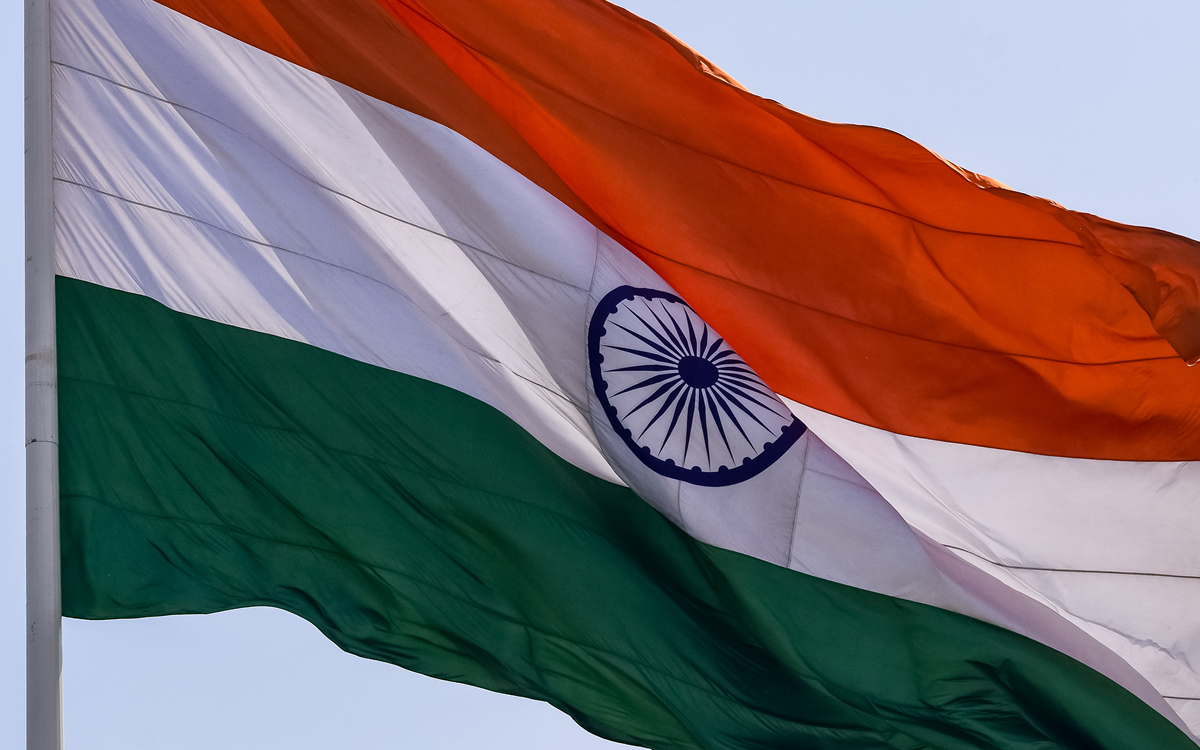
India is preparing to conduct a nationwide Census in April, the first since 2011.
Interim projections based on the previous Census placed India ahead of China as the world’s most populous country. A Technical Group on Population Projections projection in July 2020, chaired by the Registrar General of India, estimated the country’s population in 2023 was 1.388 billion. Transgender Indians are now raising concerns about the data collectors and their sensitization.
Activists have raised concerns about whether data collectors are adequately sensitive to the community ahead of the Census. Government training material emphasizes household engagement, data privacy and sensitivity while asking personal questions, but publicly available flyers do not outline specific guidance or training related to recording trans identity during enumeration.
Concerns around the counting of trans people in India are not new.
The 2011 Census recorded around 488,000 trans people, a figure activists and researchers have described as a likely undercount due to stigma, misclassification, and a reluctance to self-identify. Subsequent surveys and field reports have pointed to inconsistencies in how gender identity is recorded and the absence of uniform sensitivity among Census data collectors. Rights groups and policy researchers have also warned that gaps in official data affect access to welfare schemes, legal recognition, and targeted public policy, making accurate counting central to future Census exercises.
A decade after the 2011 Census formally recorded trans people as a distinct category, multiple studies have continued to document entrenched socio-economic disparities. Research has pointed to lower literacy rates, limited workforce participation and barriers to healthcare access within the community.
A National Human Rights Commission-supported study cited in subsequent reporting found a significant proportion of trans respondents reported employment discrimination, underscoring the gap between formal recognition and lived economic inclusion.
Educational exclusion has remained a persistent concern within the trans community. Studies have documented higher dropout rates, lower literacy levels and barriers to continuing education, often linked to stigma, discrimination and limited institutional support. Policy researchers note that despite formal recognition in official data after 2011, targeted interventions addressing school retention and access for trans people have remained uneven.
Access to housing schemes has reflected similar gaps.
The Washington Blade in December reported only a small number of trans people have benefited from India’s flagship low-income housing program, despite its nationwide rollout and eligibility provisions. The findings underscored continuing barriers to inclusion in welfare delivery systems.
The Social Justice and Empowerment Ministry and the Office of the Registrar General and Census Commissioner did not respond to the Blade’s multiple requests for comment regarding sensitization measures for Census data collectors and the recording of trans identity in the upcoming Census.
Karnataka state in southern India last September conducted its first statewide baseline survey of gender minorities. The Department of Women and Child Development, in collaboration with the Karnataka State Women’s Development Corporation, launched the initiative to document the lives of trans people across 31 administrative districts.
When the results were released, the survey identified 10,365 trans people. The country’s 2011 Census, by comparison, recorded 20,266 trans people in Karnataka, nearly double the 2025 figure. The discrepancy raised questions about how the state’s recorded trans population appeared to decline over 14 years.
The discrepancy in Karnataka’s survey has intensified scrutiny over how gender minorities are counted. Reports questioned the methodology used in the 2025 exercise, which was conducted over 45 days beginning in mid-September. Instead of door-to-door enumeration, trans people were required to report to designated registration sites — primarily district-level public hospitals and sub-district government health facilities. The approach presented barriers for potential participants, particularly those in rural areas, those without reliable transportation, those wary of institutional settings due to prior discrimination, or those who did not know about the count, raising the possibility of exclusion.
Bihar state in eastern India in January 2023 conducted a caste-based survey that included trans respondents.
The final report identified 825 trans people in the state, compared with 40,827 recorded in the 2011 Census. Activists disputed the figure, calling it inaccurate and pointing to community estimates that suggested higher numbers, including in Patna, the state capital, raising concerns about significant undercounting.
The 2011 Census marked the first attempt to enumerate trans people at the national level, but researchers and activists have described the exercise as limited in scope.
It recorded 487,803 people under the “other” category, a classification used for respondents who did not identify as male or female. Analysts have argued that the figure likely underestimated the community’s size.
The Census questionnaire provided three sex categories — “male,” “female,” and “other” — a framework that critics said did not fully capture the diversity of gender identity and may have affected how some respondents chose to identify.
During the 2011 Census, enumeration practices varied across regions.
In states such as Tamil Nadu, local reporting indicated estimates were at times derived from existing administrative records, including state-issued trans identity cards, rather than solely through door-to-door identification. Such approaches risked excluding individuals who did not possess identity documentation or were not registered with welfare boards, raising concerns about gaps in coverage.
Official data from the Social Justice and Empowerment Ministry shows only a few hundred trans people as of early 2025 have been issued identity cards through the national portal, despite nearly 2,000 applications being submitted. Many are still pending or have been rejected.
Critics of the 2011 Census said many Census data collectors were not adequately trained or sensitized to engage with gender identity beyond traditional binary classifications. Similar, detailed guidelines specific to trans sensitization have not been publicly made available for the 2026 Census, according to an examination of training materials and official circulars.
Akkai Padmashali, a trans rights activist, told the Blade that Census data collectors in earlier exercises were often not sensitized and lacked awareness of intersex people and gender-diverse communities. She said trans people and other gender and sexual minorities continue to face social exclusion and require careful handling during door-to-door data collection. Padmashali called for targeted training of data counting officers and said the government should treat the issue as a priority, adding the trans population is likely to be higher than what was recorded in 2011 and efforts to make officials more sensitive to the community are necessary.
“We will definitely join our hands with this move the government of India has taken,” said Padmashali. “I think there should be proper guidance from the main in-charge people who are conducting this enumeration, and if no such proper information is given to these Census data collectors, it is difficult to gather any sort of information concerned.”
“This whole issue of self-identification — I think India, in its current situation, is not in such a way that it openly accepts people’s identities,” she added. “It will be challenging, it will be difficult, it will be a struggle to offer people the opportunity to express their identities as concerned. But to make sure those who are part of the sexual minority community are counted, I think we also take responsibility for educating people to be part of the enumeration.”
Padmashali said many people are not accustomed to using mobile devices and only a limited number are familiar with them. She said technology should not mislead or misguide the collection of information. Padmashali added she and other trans people plan to engage with Census data collectors and officials who organize the Census.
“Government should have local meetings,” said Padmashali. “Government should hold regional consultations on why the national enumeration is important, because we also know that from 2011 to 2026 is almost 15 years, and now we are here.”
“The government should hold local meetings, especially in their constituencies,” she added. “If the government meets with non-government organizations and civil society groups, this could become a more inclusive exercise across the country. India has a population of more than 1.4 billion, and I think this is the appropriate time to bring accurate statistics to help draft policies in the context of the larger community concerned.”
India
Trans students not included in new India University Grants Commission equity rules
Supreme Court on Jan. 29 delayed implementation
The University Grants Commission is a regulatory body under India’s Education Ministry that is responsible for coordinating and maintaining standards in higher education. The University Grants Commission Equity Regulations, 2026, aim to address discrimination and promote the inclusion of lower castes, tribes, people with disabilities, those who are economically disadvantaged, and other marginalized groups in higher education.
The regulations quickly triggered controversy.
Students, faculty and civil society groups criticized them, largely around concerns about potential discrimination against students and the absence of certain procedural safeguards. Yet, even as the debate intensified, there was little public discussion about the lack of explicit mention of transgender students in the framework. The omission, though not central to the overall controversy, raised questions among some advocates about the scope of the regulations and who they ultimately protect.
According to the All India Survey on Higher Education, trans student enrollment in universities and colleges rose from 302 in the 2020-2021 academic year to 1,448 in the 2022-2023 academic year, reflecting a sharp increase but still representing a very small share of India’s overall higher education population.
The Supreme Court in its 2024 National Legal Services Authority v. Union of India affirmed trans people are entitled to full constitutional protection, including equality, dignity and access to education, and directed governments to treat them as a socially and educationally disadvantaged group eligible for quota-based protections in education and public employment. The ruling recognized gender identity as integral to personal autonomy and held that discrimination on this ground violates fundamental rights under Articles 14, 15, 16, and 21.
Against this legal backdrop, the regulations do not explicitly reference trans students, an omission that has drawn attention in discussions on how constitutional protections are implemented within higher education institutions.
In the Indian constitutional framework, Articles 14, 15, 16, and 21 collectively form the foundation of equality and personal liberty.
Article 14 guarantees equality before the law and equal protection of laws; Article 15 prohibits discrimination on grounds such as religion, race, caste, sex or place of birth; Article 16 ensures equality of opportunity in public employment; and Article 21 protects the right to life and personal liberty, which courts have interpreted to include dignity, autonomy, and access to education. These provisions underpin judicial recognition of protections for marginalized communities, including trans people, within public institutions.
Judicial and policy frameworks in India have increasingly recognized the need for institutional support for trans students, underscoring the contrast with the absence of explicit mention in the University Grants Commission Equity Regulations, 2026, regulations.
The Madras High Court has directed educational institutions to implement measures such as gender-neutral restrooms, mechanisms to update name and gender in official records, inclusion of trans identities in application forms and the appointment of LGBTQ-inclusive counselors for grievance redressal alongside enforcement of the Transgender Persons (Protection of Rights) Act and its Rules.
Policy instruments have echoed similar priorities.
The National Youth Policy 2014 acknowledged trans youth as a group facing social stigma and called for targeted interventions, while the National Education Policy 2020 emphasized reducing dropout rates and ensuring equitable access to education. The University Grants Commission itself has previously indicated that universities should adopt affirmative steps and institution-specific plans to support trans people, making their absence from the current regulatory text more pronounced.
Research and policy analyses have consistently documented structural barriers faced by trans students in India’s education system. The Center for Development Policy and Practices and other academic studies note that discrimination, bullying, and the absence of gender-sensitive infrastructure contribute to high dropout risks among trans students in both school and higher education. Census data underscore this disparity.
The 2011 Census recorded a literacy rate of about 56.1 percent among trans people, significantly lower than the national average of roughly 74 percent, reflecting long-standing barriers to access and retention in formal education.
The controversy intensified after the Supreme Court on Jan. 29 stayed the implementation of the University Grants Commission Equity Regulations, 2026, and agreed to examine their constitutional validity.
A bench led by Chief Justice Surya Kant observed the regulations raised serious legal questions, including concerns that some provisions appeared vague and potentially open to misuse, and sought responses from the federal government and the University Grants Commission. The court directed that the earlier 2012 anti-discrimination framework would remain in force in the interim and listed the matter for further hearing, signalling the need for detailed judicial scrutiny.
Public and political reactions followed, with student groups, academics, and political actors divided over the stay and the broader policy direction. The federal government, led by Prime Minister Narendra Modi, maintained the regulations were intended to address caste-based discrimination and strengthen accountability within higher education institutions even as debate intensified nationally.
The regulations go beyond paperwork. They require universities to create on-campus equity monitoring teams and designated officers responsible for identifying incidents of discrimination, receiving complaints and reporting them to institutional committees for action. However, while the framework spells out protections for certain caste and social categories, it does not explicitly include trans students within this structure. In practice, that absence could leave uncertainty about whether routine monitoring, reporting and grievance mechanisms would extend to them with the same clarity, particularly in campuses where implementation already varies widely.
The regulations also prescribe penalties for faculty and staff found responsible for discrimination, including suspension, withholding of promotions, or termination of service following institutional inquiry. For students, disciplinary action may range from warnings to suspension depending on the severity of the misconduct. Where an incident amounts to a violation of existing statutory or criminal law, institutions are required to refer the matter to law enforcement authorities, placing responsibility on universities to escalate cases beyond internal mechanisms when warranted.
The regulations do not create new criminal offences but require institutions to escalate cases to law enforcement when conduct violates existing statutes. These may include the Scheduled Castes and Scheduled Tribes (Prevention of Atrocities) Act, relevant provisions of the country’s penal code, such as criminal intimidation, assault or sexual harassment, disability rights protections, workplace harassment laws, and statutes addressing campus hazing. The framework is therefore stringent: campus inquiries can lead to disciplinary action, and, where legal thresholds are met, mandatory reporting to police. In the absence of explicit mention of trans students within the framework, questions remain about how individuals from the community would navigate complaint systems, interact with authorities, and access consistent institutional protections under these processes.
The Scheduled Castes and Scheduled Tribes (Prevention of Atrocities) Act, 1989 is among India’s strictest anti-discrimination criminal laws and applies to students, staff and any individual accused of caste-based offences. It criminalizes acts such as intentional insults or humiliation, social exclusion, threats, physical assault and other forms of harassment directed at members of specific castes or tribes. Offenses under the law can lead to arrest, non-bailable charges in several categories, and imprisonment that may extend from months to years depending on the severity of the conduct, along with fines. The law also restricts anticipatory bail in many cases and mandates prompt registration of complaints, which is why it is often viewed as a powerful legal safeguard for marginalized communities while also being regarded by some as carrying serious legal consequences once invoked.
Nishikant Dubey, a member of India’s ruling Bharatiya Jana Party, welcomed the Supreme Court’s decision to stay the regulations, stating the judges had acted appropriately and that the matter required careful legal scrutiny. Indrani Chakraborty, an LGBTQ rights activist and mother of a trans woman, told the Washington Blade the University Grants Commission Equity Regulations, 2026, is a welcome step toward supporting vulnerable students.
“The saddest part is that the transgender community is excluded which is very unfair,” said Chakraborty. “Presently, the transgender community is the most vulnerable and not mentioning the community in the act. I regard it as the biggest discrimination and will never help in changing the scenario of the transgender students.”
Chakraborty told the Blade the trans community, as a minority facing persistent social stigma and taboo, is often overlooked and must repeatedly advocate even for basic rights.
“I believe that grouping of individuals under caste, religion, gender, etc., is the base of discrimination. Personally, I disagree with naming and tagging any individual. Equity over equality is the need now for the most vulnerable. And the transgender community faces discrimination the most. Discrimination against any individual in educational institutions needs immediate attention and preventive measures should be necessarily implemented.”
Chakraborty said the absence of explicit inclusion of trans students amounts to discrimination, undermining equality in education and violating human dignity.
Ankit Bhupatani, a global diversity, equity and inclusion leader and LGBTQ activist, told the Blade that debate around the University Grants Commission Equity Regulations, 2026, has largely centered on concerns raised by relatively privileged students, particularly those in the unreserved category, while communities with limited visibility in higher education have received far less attention. Bhupatani also referenced the All India Survey on Higher Education statistics.
“According to Queerbeat, more than half of these 1,448 students are clustered in a few states and several large states still report almost no transgender students at all. Any serious equity regime has to guard every individual, including upper-caste students who are unfairly targeted or stereotyped , but the public conversation cannot pretend this tiny, highly vulnerable group does not exist,” said Bhupatani. “When outrage dominates headlines and the most marginalized are barely mentioned, the word ‘equity’ starts to lose meaning.”
Bhupatani told the Blade that the University Grants Commission Equity Regulations, 2026, define gender to include the “third gender” and prohibit discrimination on that basis, but then repeatedly identify lower castes, tribes, economically disadvantaged groups, people with disabilities, and women as specific groups, while trans students and teachers are not explicitly listed. Bhupatani said that for a young trans person reading the regulations, the message can feel indirect — that others are clearly recognized while their protections depend on interpretation. He added that explicitly naming trans people as a protected group would not dilute safeguards for others, but would instead ensure those already facing stigma are not left to seek recognition case by case.
“Transgender people sit at the intersection of legal vulnerability and social prejudice, so if they are not named and centered in large regulatory exercises, they quickly disappear from view,” said Bhupatani. “Campus rules need to start with a simple moral intuition. No one, whether Dalit or Brahmin, trans or cis, rich or poor, should be harassed, excluded or denied opportunity because of who they are. The University Grants Commission (Promotion of Equity in Higher Education Institutions) Regulations, 2026 already move in this direction by defining discrimination broadly for all students and staff and by listing grounds such as caste, gender, religion, disability, and place of birth. That universal shift is essential.”
Bhupatani said a fair equity framework should operate on two levels. First, it must guarantee that any individual, regardless of background, can seek redress if treated unfairly. Second, it should explicitly identify groups that face entrenched barriers — including lower castes and tribes, people with disabilities, and trans people — and build specific safeguards for them. He added that concerns about misuse could be addressed through clearer definitions, transparent procedures, trained inquiry committees, representation from diverse groups, and meaningful penalties for false or malicious complaints.
Kalki Subramaniam, a trans activist and artist, told the Blade that trans students face layered vulnerabilities — including social stigma, harassment, and systemic neglect — that often go unaddressed on campuses. When policies do not explicitly name them, she said, it signals that their struggles are not seen as warranting recognition, reinforcing isolation, and undermining their ability to access safe and dignified education.
“I have faced this and I really do not want this generation of transgender students to go through the same kind of exclusion and treatment,” said Subramaniam. “If the government truly believes in inclusive education, transgender students must be explicitly recognised in every policy conversation. Otherwise, we remain erased from the very spaces that claim to be suitable. We will certainly urge the government to ease and prioritise education for transgender community students.”
Subramaniam said limiting protections primarily to caste categories reflects a narrow approach to justice, noting that discrimination on campuses can also be shaped by gender, class, disability, and sexuality. She said a more expansive framework would protect any student facing discrimination, regardless of identity, and emphasized that equity must operate universally for campuses to function as spaces of learning rather than exclusion.

‘Are you on PrEP?’

Bowser appoints first nonbinary person to Cabinet-level position

Top EU court issues landmark transgender rights ruling

Senegalese lawmakers approve bill to further criminalize homosexuality

Spring’s best in queer TV and film

Too afraid to leave home: ICE’s toll on Latino HIV care

Intense doc offers transcendent treatment of queer fetish pioneer

Claudia López wins primary in Colombian presidential race

Trump will refuse to sign voting bill without anti-trans provisions

CAMP Rehoboth hires new executive director
-

 Health4 days ago
Too afraid to leave home: ICE’s toll on Latino HIV care
-
Movies4 days ago
Intense doc offers transcendent treatment of queer fetish pioneer
-
Colombia3 days ago
Claudia López wins primary in Colombian presidential race
-
The White House2 days ago
Trump will refuse to sign voting bill without anti-trans provisions