Maryland
Salisbury, Md. rainbow crosswalk removed on Veterans Day
Mayor’s order denounced by LGBTQ activists as act of bigotry
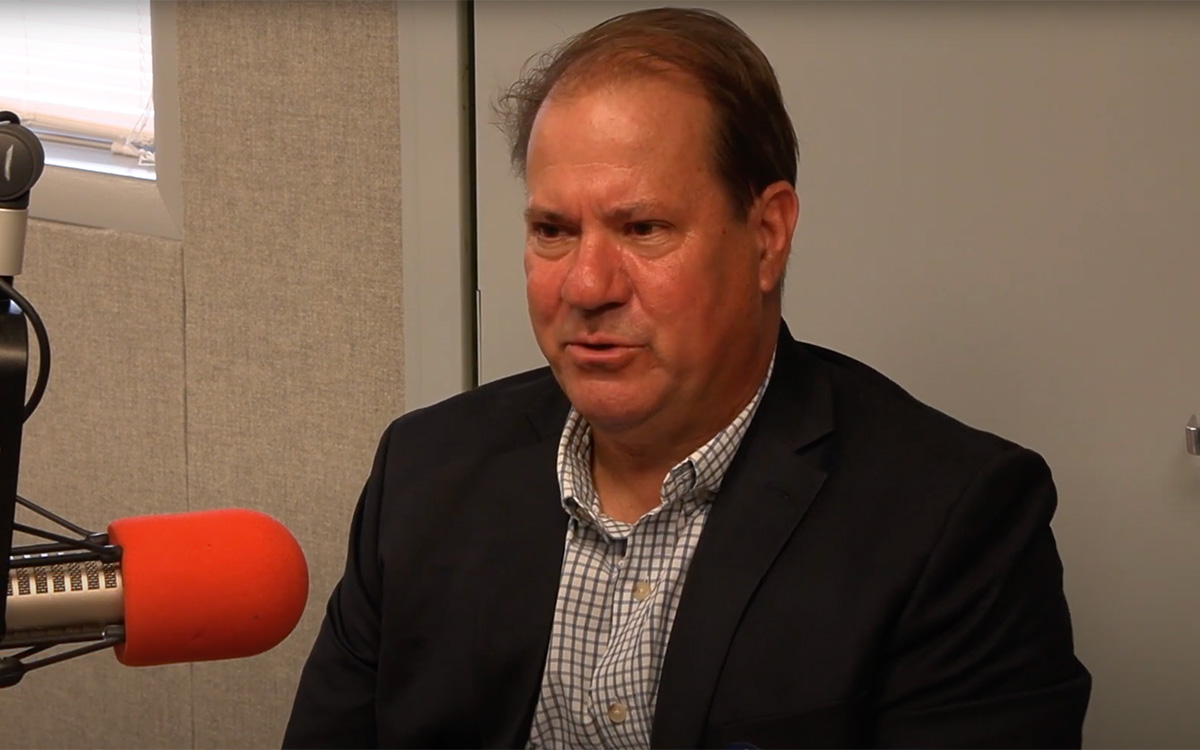
Under the directive of its mayor and over strong objections from LGBTQ rights advocates and their supporters, the city of Salisbury, Md. on Nov. 11 removed a rainbow crosswalk from a prominent intersection across from the mayor’s office and the city’s public library.
Salisbury LGBTQ rights advocate Mark DeLancey, who witnessed the crosswalk removal, said instead of painting over it as other cities have done in removing rainbow crosswalks, a powerful grinding machine was used to rip apart the asphalt pavement under the crosswalk in what he believes was an effort by the mayor to “make a point.”
Like officials in other locations that have removed rainbow crosswalks, Salisbury Mayor Randy Taylor said the crosswalk removal was required under U.S. Department of Transportation regulations put in place by the Trump administration that do not allow “political” messages on streets and roadways.
“Since taking office, I’ve been transparent about my concerns regarding the Pride crosswalks installed in Downtown Salisbury,” Taylor said in a statement. “While I have made every effort to respect the decisions of previous administrations and the folks that supported them, it has become clear that a course of correction – as planned – is necessary to align with current Department of Transportation standards for roadway markings,” he said in his Nov. 7 statement that was posted on the city’s Facebook page.
DeLancey is among the activists and local public officials in many cities and states that dispute that the federal Department of Transportation has legal authority to ban the Pride crosswalks. D.C. and the Northern Virginia jurisdictions of Arlington and Alexandria are among the localities that have refused to remove rainbow crosswalks from their streets.
“He decided to take this on himself,” DeLancey said of Taylor’s action. “It’s not a law. It’s not a ruling of any kind. He just said that was something that should happen.”
DeLancey points out that Salisbury became the first jurisdiction in Maryland to install a rainbow crosswalk on a public street in September 2018.
“This is another blatant attempt by our Republican mayor to remove any references to groups that don’t fit with his agenda,” Salisbury LGBTQ advocate Megan Pomeroy told the local publication Watershed Observer. “The rainbow crosswalk represents acceptance for everyone. It tells them, ‘You matter. You are valued. You are welcome here,’” she was quoted as saying.
The publication Delmarva Now reports that a longtime Salisbury straight ally to the LGBTQ community named K.T. Tuminello staged a one-person protest on Nov. 10 by sitting on the sidewalk next to the rainbow crosswalk holding a sign opposing its removal.
“Tuminello said Nov. 10 he had been at the embattled crosswalk since 12 a.m. that morning, and only three things could make him leave: ‘I get arrested, I have to get into an ambulance because of my medical difficulties, or Randy Taylor says you can keep that one rainbow crosswalk,’” the Delaware Now article states.
DeLancey said he has known Tuminello for many years as an LGBTQ ally and saw him on the night he staged his sit-in at the site of the crosswalk.
“I actually went to him last night trying to give him some water,” DeLancey told the Washington Blade. “He was on a hunger strike as well. He was there for a total of 40 hours on strike, not eating, no sleeping in the freezing cold”
Added DeLancey, “He has been supporting our community for decades. And he is a very strong ally, and we love his contribution very much.”
Political observers have pointed out that Salisbury for many years has been a progressive small city surrounded by some of Maryland’s more conservative areas with mostly progressive elected officials.
They point out that Taylor, a Trump supporter, won election as mayor in November 2023 with 36.6 percent of the vote. Two progressive candidates split the vote among themselves, receiving a combined total of 70.8 percent of the vote.


Cameroon
Gay Cameroonian immigrant will be freed from ICE detention — for now
Ludovic Mbock’s homeland criminalizes homosexuality
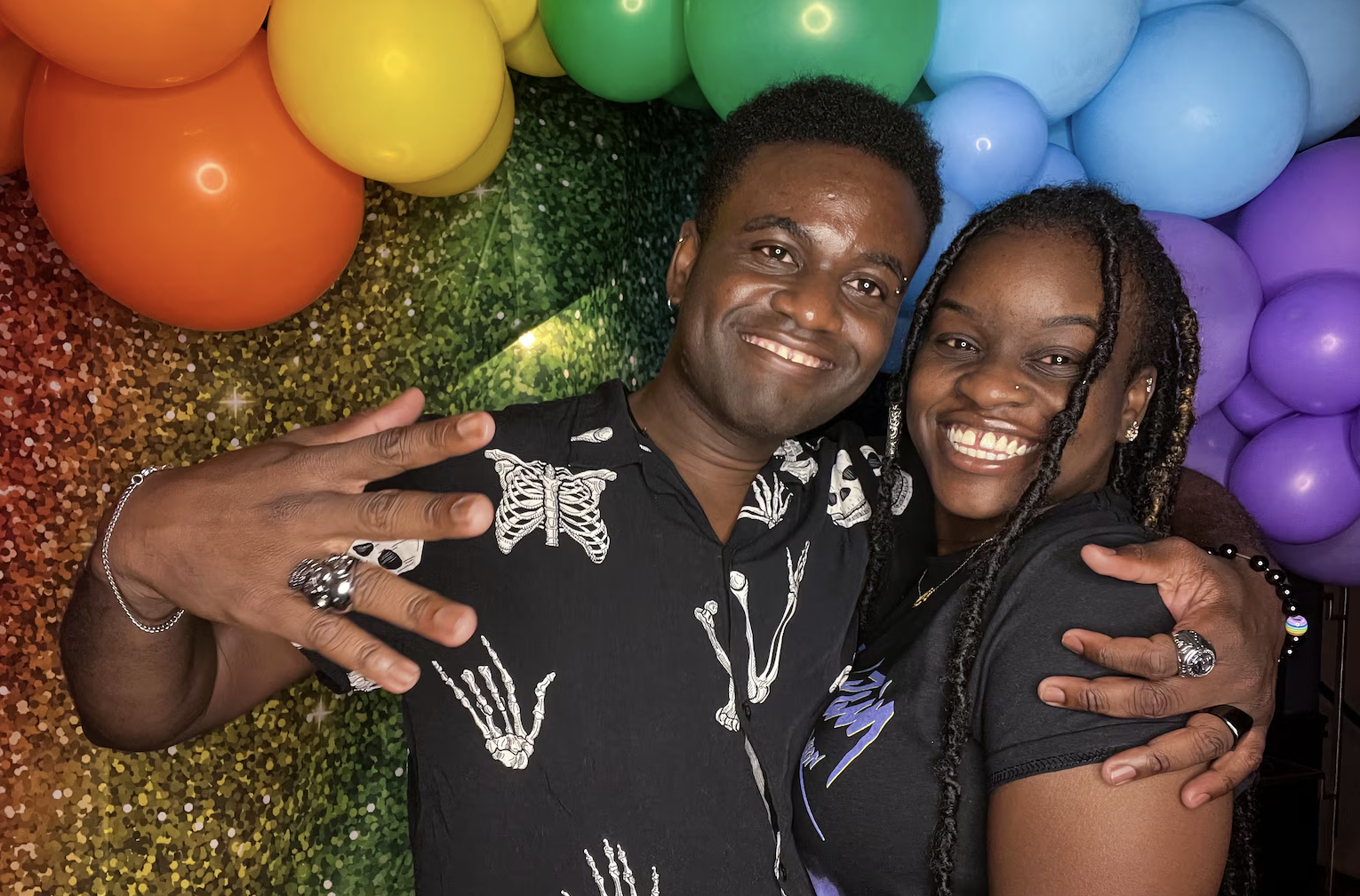
By ANTONIO PLANAS | An immigration judge on Friday issued a $4,000 bond for a Cameroonian immigrant and regional gaming champion held in federal immigration detention for the past three weeks.
The ruling will allow Ludovic Mbock, of Oxon Hill, to return to Maryland from a Georgia facility this weekend, his family and attorney said.
“Realistically, by tomorrow. Hopefully, by today,” said Mbock’s attorney, Edward Neufville. “We are one step closer to getting Ludovic justice.”
The rest of this article can be found on the Baltimore Banner’s website.
Maryland
Md. Legislative LGBTQ+ Caucus outlines 2026 priorities
Expanded PrEP access among objectives
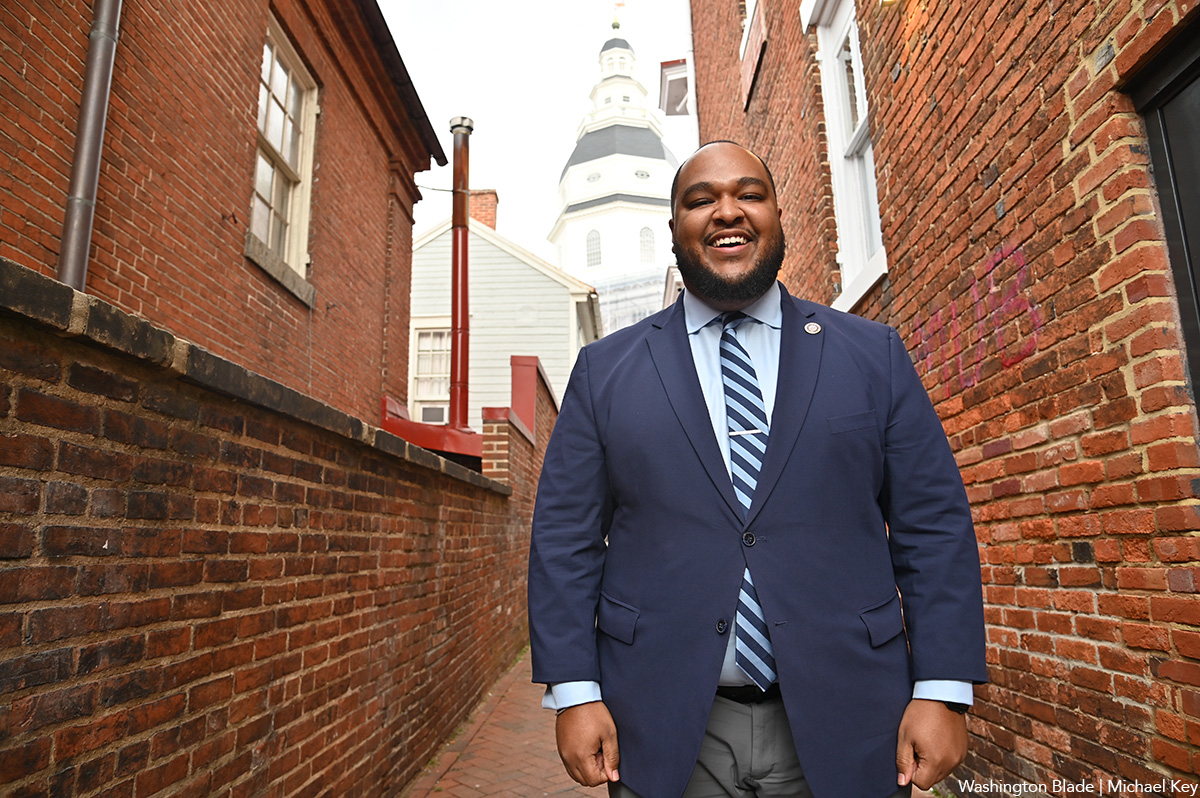
Maryland’s Legislative LGBTQ+ Caucus outlined legislative priorities for the remainder of the General Assembly’s 2026 term during a press conference on March 5.
State Del. Kris Fair (D-Fredrick County) led the press conference. State Del. Ashanti Martinez (D-Prince George’s County) and other caucus members also spoke.
Caucus members are sponsoring 12 bills and supporting four others.
Martinez is sponsoring House Bill 1114, which would expand PrEP access in Maryland.
“PrEP is 99 percent effective in preventing HIV transmission,” he explained, noting PrEP’s cost often turns away potential users.
The bill aims to extend insurance coverage and expand pharmacists’ ability to prescribe PrEP along with other HIV treatments and testing. Martinez is working with state Sen. Clarence Lam (D-Anne Arundel and Howard Counties) and FreeState Justice on the bill.
The House Health Committee had a hearing last week that included HB1114.
“Ending the HIV epidemic is about expanding access and providing these life-saving tools to all persons in Maryland,” Martinez said.
Several other pieces of legislation were highlighted during the press conferences. They included measures focused on youth and education, birth certificate markers, so-called conversion therapy, and hormone medications.
State Sen. Cheryl Kagan (D-Montgomery County) is cosponsoring Senate Bill 950, which would update and strengthen conversion therapy laws. State Del. Bonnie Cullison (D-Montgomery County) has introduced an identical bill that would extend the statute of limitations on individuals who facilitate conversion therapy.
Kagan explained the bill would allow conversion therapy victims to come to terms with their experience undergoing the widely discredited practice that “creates shame and it silences survivors.”
When questioned, Fair explained the press conference happened late into the legislative session because “we [the caucus] are constantly having to respond in real time to what’s happening in Washington” while drafting and considering pieces of legislation.
The Frederick County Democrat described this session’s bills as the “most ambitious list of priorities to date.” Fair also described the caucus’s goals.
“It’s decency, it’s dignity, and its humanity,” he said.
Maryland
Md. Commission on LGBTQIA+ Affairs released updated student recommendations
LGBTQ students report higher rates of bullying, suicide
The Maryland Commission on LGBTQIA+ Affairs has released updated recommendations on how the state’s schools can support LGBTQ students.
The updated 16-page document outlines eight “actionable recommendations” for Maryland schools, supplemented with data and links to additional resources. The recommendations are:
- Developing and passing a uniform statewide and comprehensive policy aimed at protecting “transgender, nonbinary, and gender expansive students” against discrimination. The recommendation lists minimum requirements for the policy to address: name, pronoun usage, and restroom access.
- Requiring all educators to receive training about the specific needs of LGBTQ students, by trained facilitators. The training’s “core competencies” include instruction on terminology, data, and support for students.
- Implementing LGBTQ-inclusive curricula and preventing book bans. The report highlights a “comprehensive sexual education curriculum” as specifically important in the overall education curriculum. It also states the curriculum will “provide all students with life-saving information about how to protect themselves and others in sexual and romantic situations.”
- Establishing Gender Sexuality Alliances “at all schools and in all grade levels.” This recommendation includes measures on how to adequately establish effective GSAs, such as campaign advertising, and official state resources that outline how to establish and maintain a GSA.
- Providing resources to students’ family members and supporters. This recommendation proposes partnering with local education agencies to provide “culturally responsive, LGBTQIA+ affirming family engagement initiatives.”
- Collecting statewide data on LGBTQ youth. The data on Maryland’s LGBTQ youth population is sparse and non-exhaustive, and this recommendation seeks to collect information to inform policy and programming across the state for LGBTQ youth.
- Hiring a full-time team at the Maryland Department of Education that focuses on LGBTQ student achievement. These employees would have specific duties that include “advising on local and state, and federal policy” as well as developing the LGBTQ curriculum, and organizing the data and family resources.
- Promoting and ensuring awareness of the 2024 guidelines to support LGBTQ students.
The commission has 21 members, with elections every year, and open volunteer positions. It was created in 2021 and amended in 2023 to add more members.
The Governor’s Office of Communication says the commission’s goal is “to serve LGBTQIA+ Marylanders by galvanizing community voices, researching and addressing challenges, and advocating for policies to advance equity and inclusion.”
The commission is tasked with coming up with yearly recommendations. This year’s aim “to ensure that every child can learn in a safe, inclusive, and supportive environment.”
The Human Rights Campaign’s most recent report on LGBTQ youth revealed that 46.1 percent of LGBTQ youth felt unsafe in some school settings. Those numbers are higher for transgender students, with 54.9 percent of them saying they feel unsafe in school.
Maryland’s High School Youth Risk Behavior Survey reveals a disparity in mental health issues and concerns among students who identify as LGBTQ, compared to those who are heterosexual. LGBTQ students report higher rates of bullying, feelings of hopelessness, and suicidal thoughts. Nearly 36 percent of LGBTQ students report they have a suicide plan, and 26.7 percent of respondents say they have attempted to die by suicide.
The commission’s recommendations seek to combat the mental health crisis among the state’s LGBTQ students. They are also a call for local and state governments to work towards implementing them.

Gay Venezuelan man ‘forcibly disappeared’ to El Salvador files claim against White House

Trump proclamation targets trans rights as State Dept. shifts visa policy

Adolescentes trans en Ecuador podrán cambiar datos en su cédula, pero con condicionamientos

Gay Cameroonian immigrant will be freed from ICE detention — for now

Laverne Cox, Liza Minnelli among authors with new books

Too afraid to leave home: ICE’s toll on Latino HIV care

Claudia López wins primary in Colombian presidential race

Trump will refuse to sign voting bill without anti-trans provisions

Man stuck in Lebanon as Iran war escalates

CAMP Rehoboth hires new executive director
-

 Health5 days ago
Too afraid to leave home: ICE’s toll on Latino HIV care
-
Colombia4 days ago
Claudia López wins primary in Colombian presidential race
-
The White House4 days ago
Trump will refuse to sign voting bill without anti-trans provisions
-
Iran4 days ago
Man stuck in Lebanon as Iran war escalates