Arts & Entertainment
Gay life in a brutal gypsy home
Beaten daily by his father, author reveals pain of abuse

‘Gypsy Boy’
By Mikey Walsh
$24.99/288 pages
Mikey Walsh never wanted to be a fighter. His father, as he explains in his memoir “Gypsy Boy,” had other ideas and was “fiercely determined” to have a son.
In Romany culture, having a male child was everything — even more so for the Walsh family, which was known for generations of manly men who were good with their fists. So, even though his mother was told that her heart condition precluded having a second child, Mikey followed his sister in succession. Upon the happy event, Mr. Walsh hung golden boxing gloves around his newborn son’s neck.
Growing up, Mikey loved the dramatic. He and his older sister, Frankie, enjoyed dress-up. They loved watching TV and, largely unsupervised, they played outside with their cousins, who lived on the same compound.
It was an idyllic early childhood but at age four, Mikey’s destiny caught up with him. His father decided that it was time to start fight training, and the best way to do it was to beat the boy. His disgust at Mikey’s cries meant more punches.
By age seven, Mikey was being “hidden” in school, by his mother, which was an unusual move. Gypsies were mostly forbidden to mingle with “Gorgias,” and sending a child to a Gorgia school was scandalous. It was her way of keeping Mikey safe, though, and it gave him a chance at an education, which was something she didn’t have. Yet, the beatings continued — daily, sometimes more.
By age 13, Mikey realized that he was gay, which, he knew, would enrage his father. He also knew that he needed to escape before it cost him his life.
Stunned. That was my reaction at the end of this book.
Pseudonymous author Mikey Walsh lulls his readers into first believing that they’re reading a droll memoir filled with quirky relatives and a secret world that few have dared write about. Walsh busts a few myths about Romany culture, pokes gentle fun at his family and makes us laugh out loud while he’s doing it.
But much like a cur that can’t be trusted, “Gypsy Boy” turns quick and bites. Walsh takes the laughter and, two pages later, spins it with horror and a painful void of emotion that only serves to underscore the brutality he describes, which ultimately leads to an end that shimmers like a tambourine.
Published in Europe three years ago, “Gypsy Boy” is new stateside and absolutely can’t be missed. If you’re up for a funny, brutal, sharp memoir, this is the book you want.
Photos
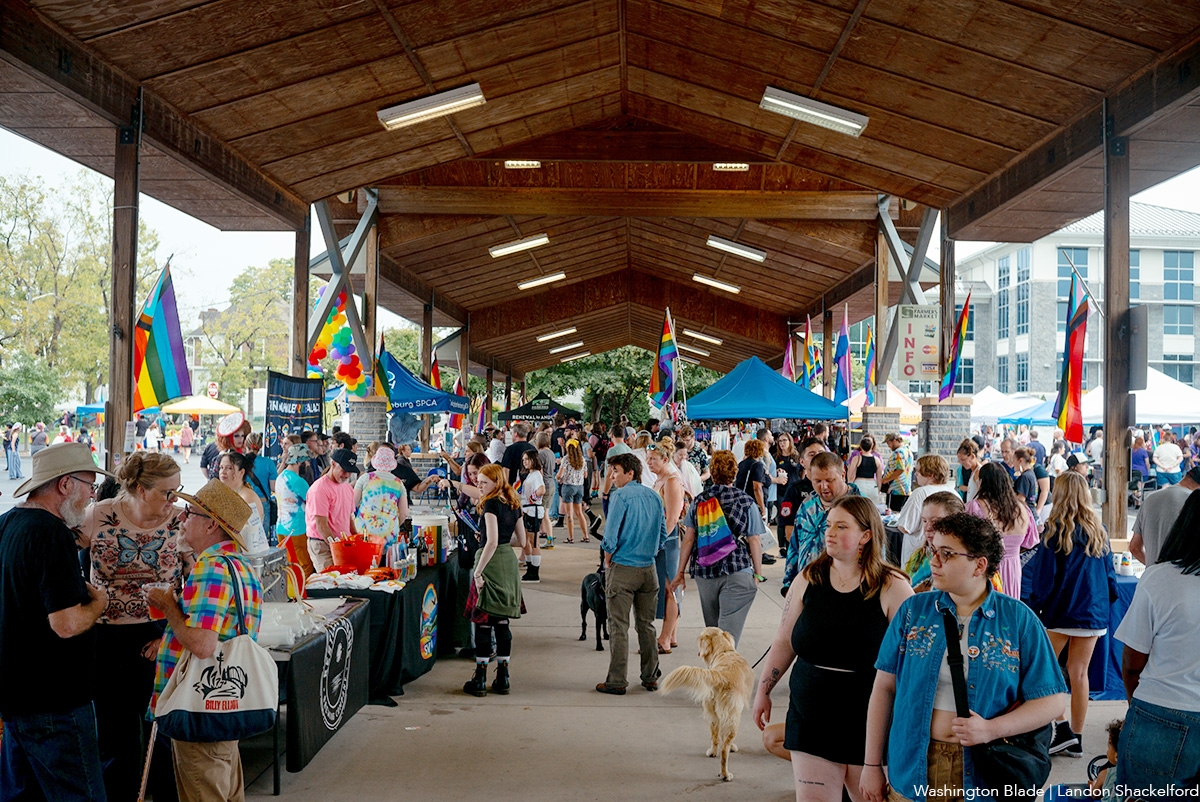
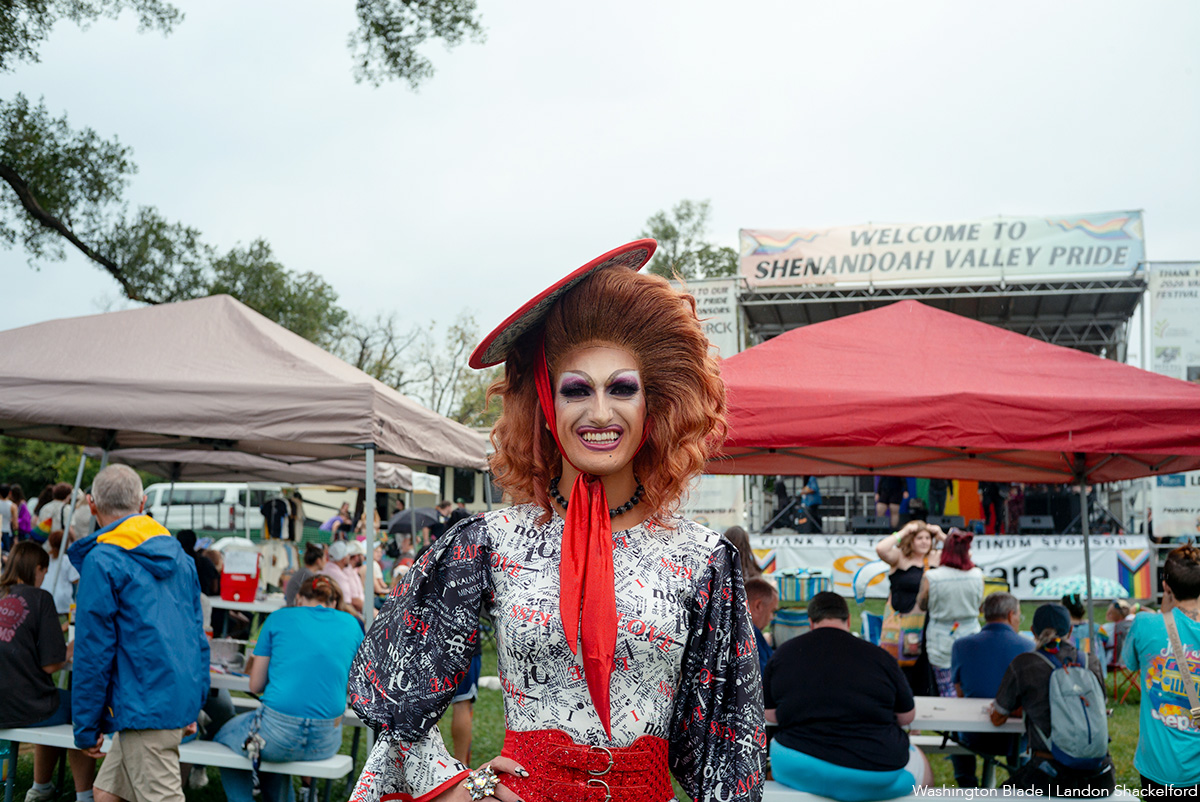
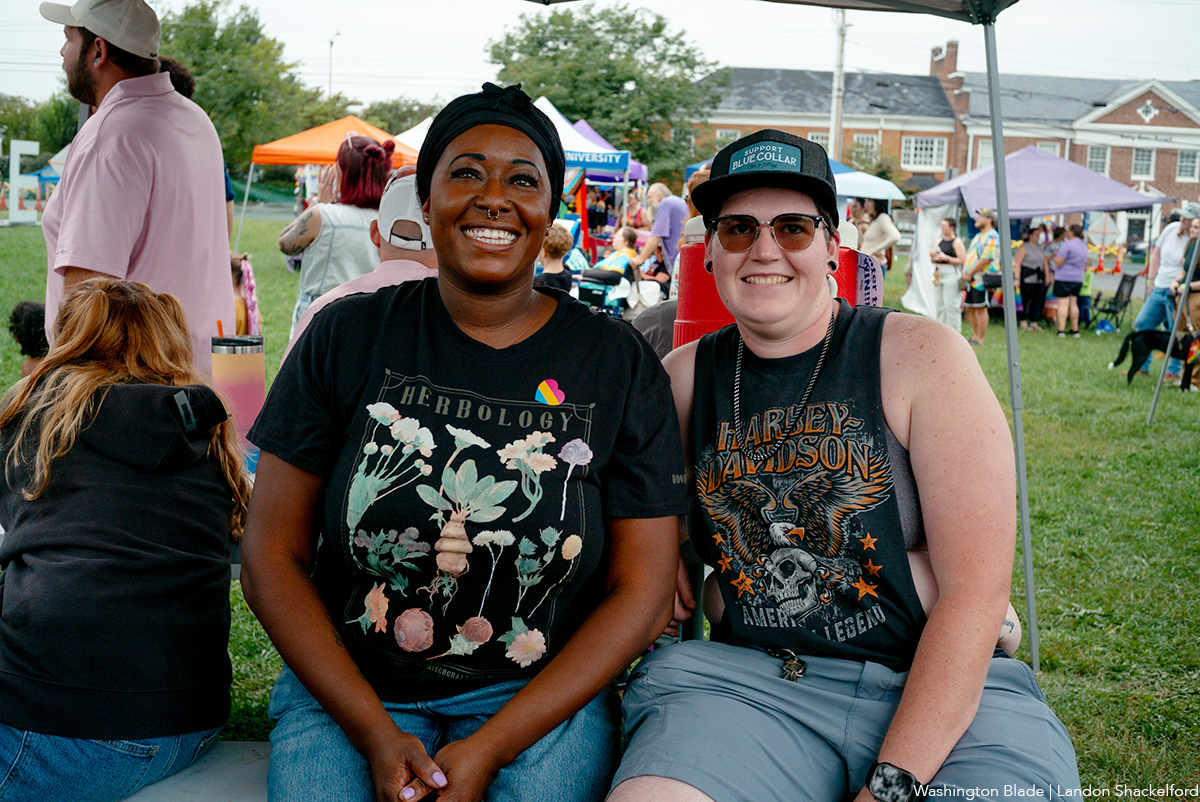
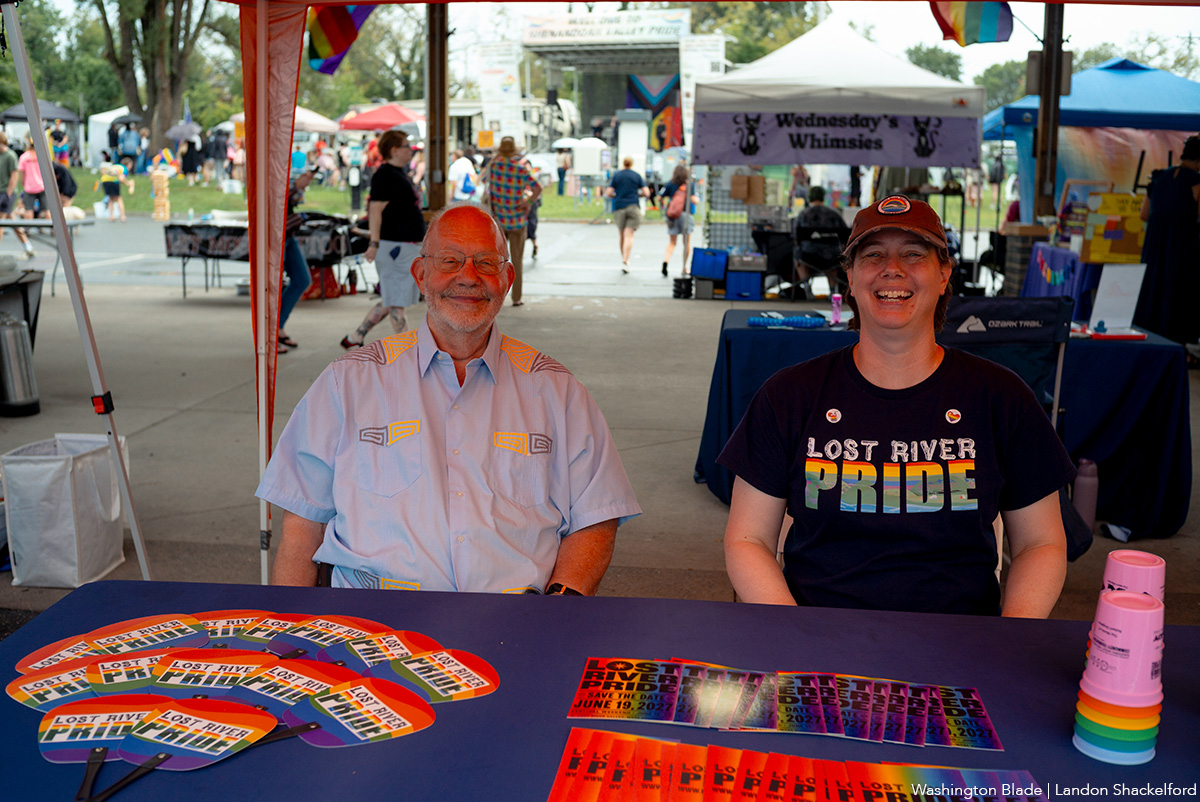
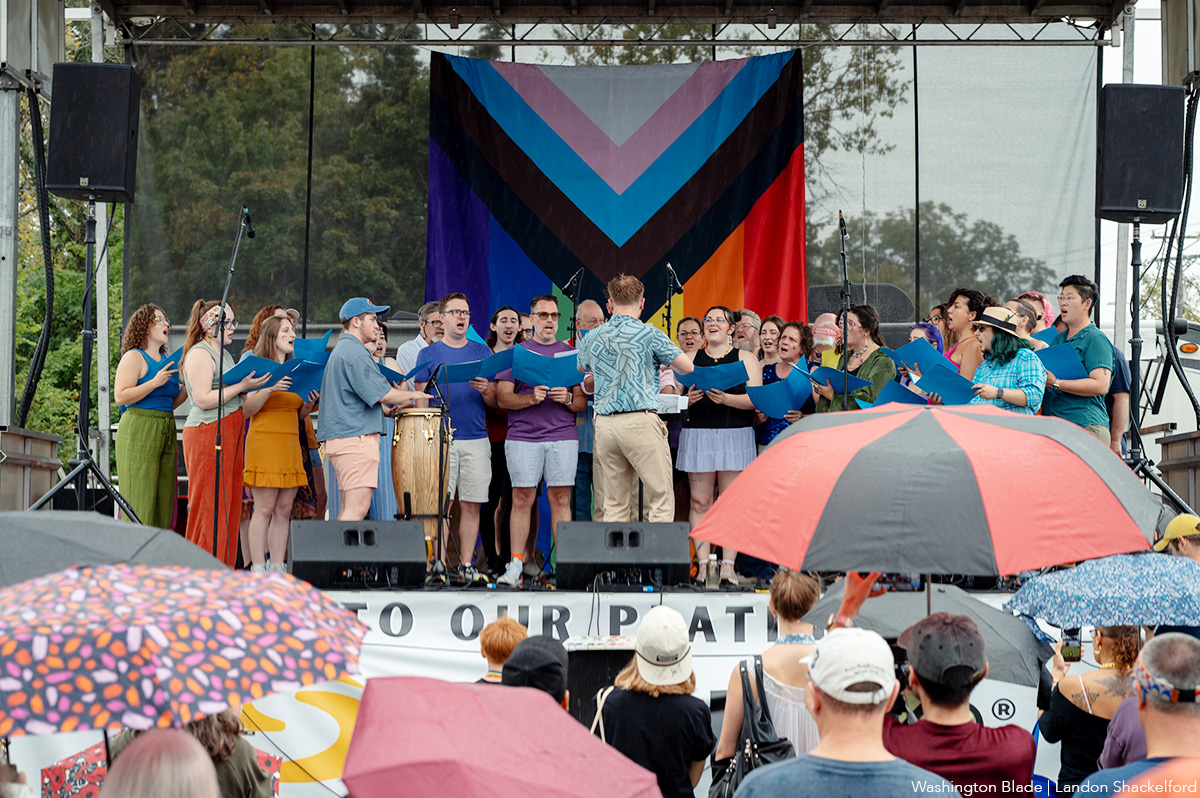
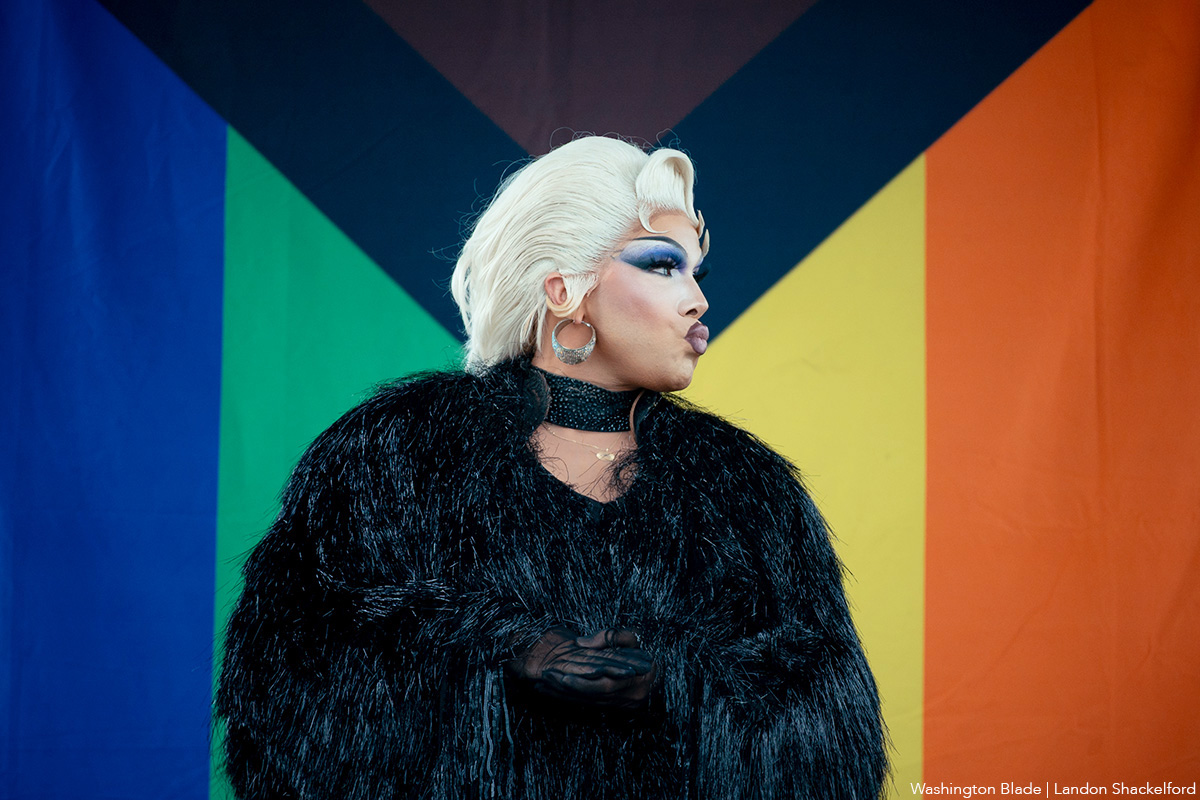
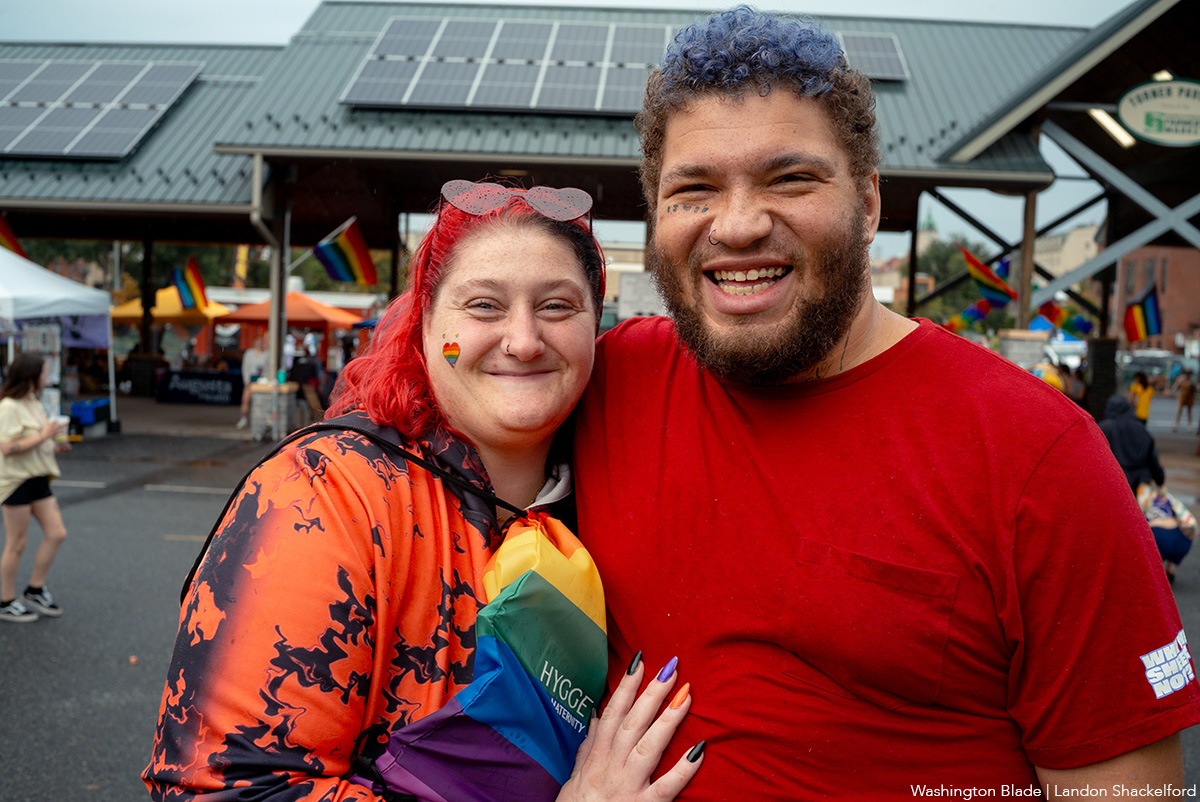
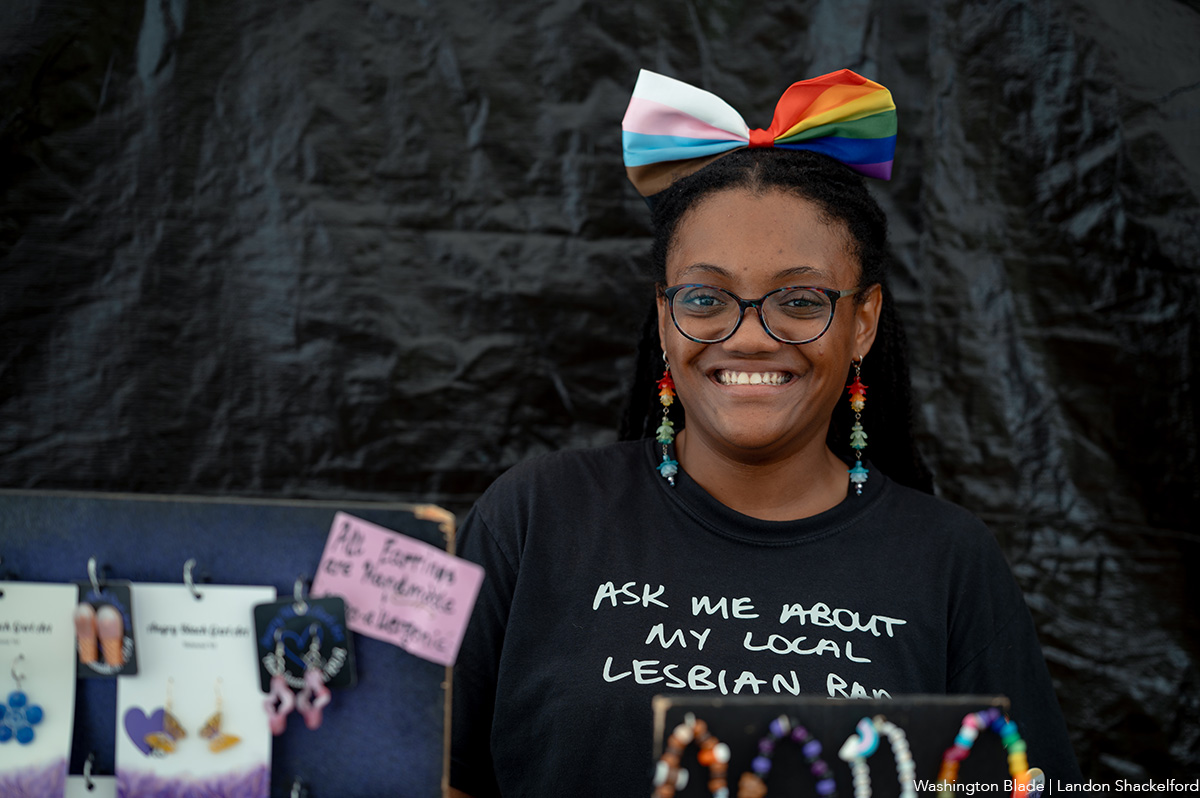
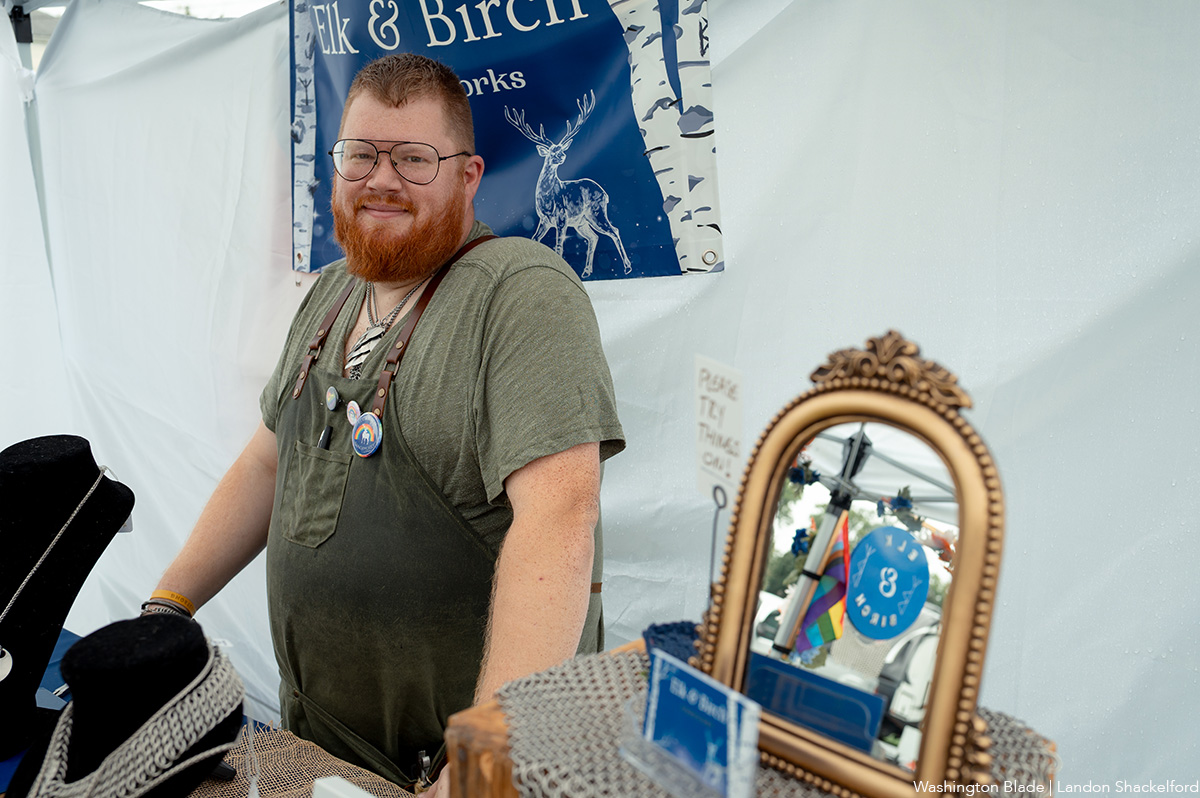
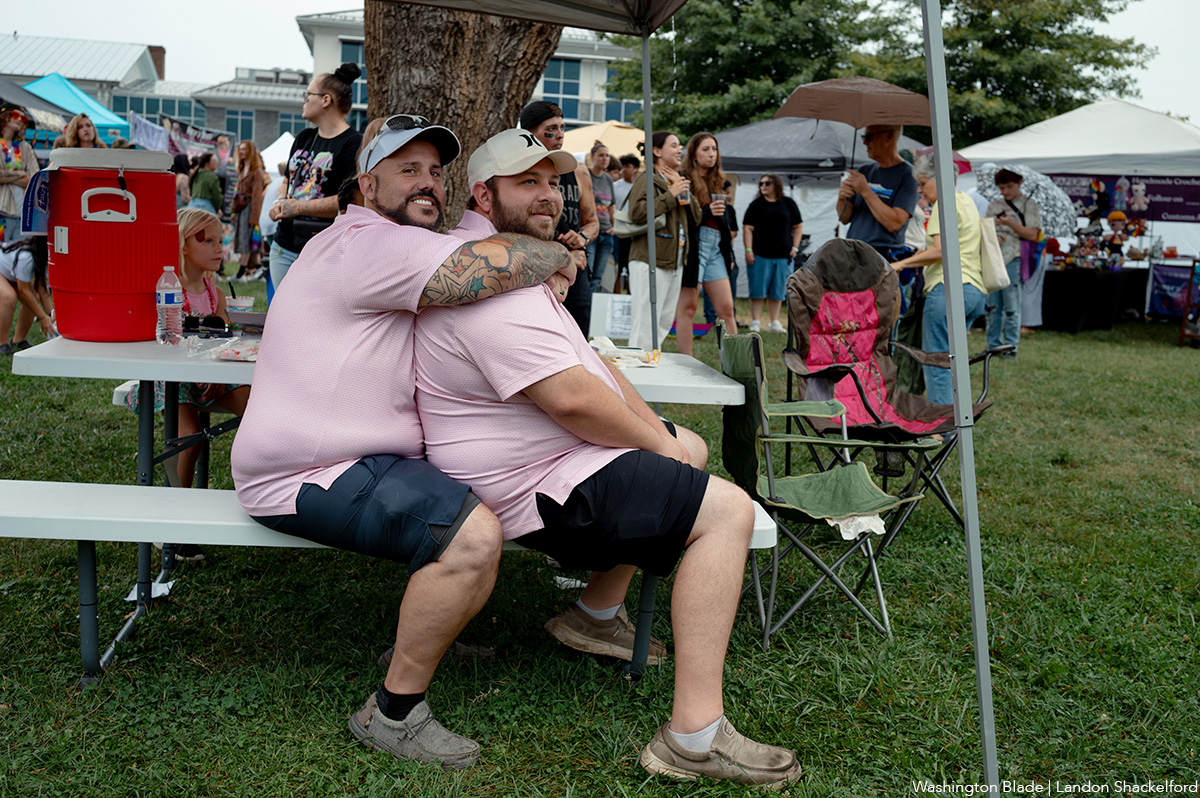
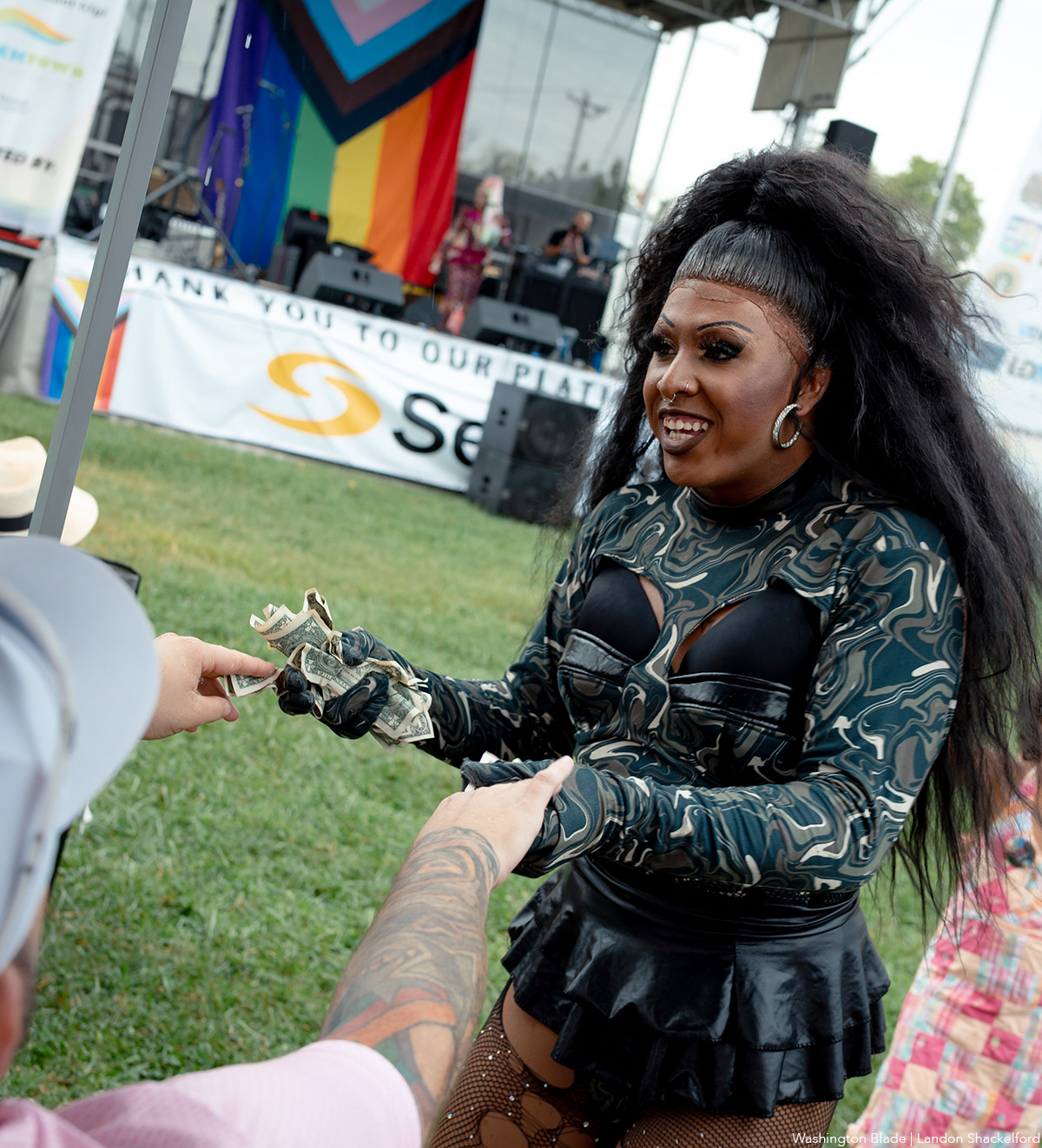
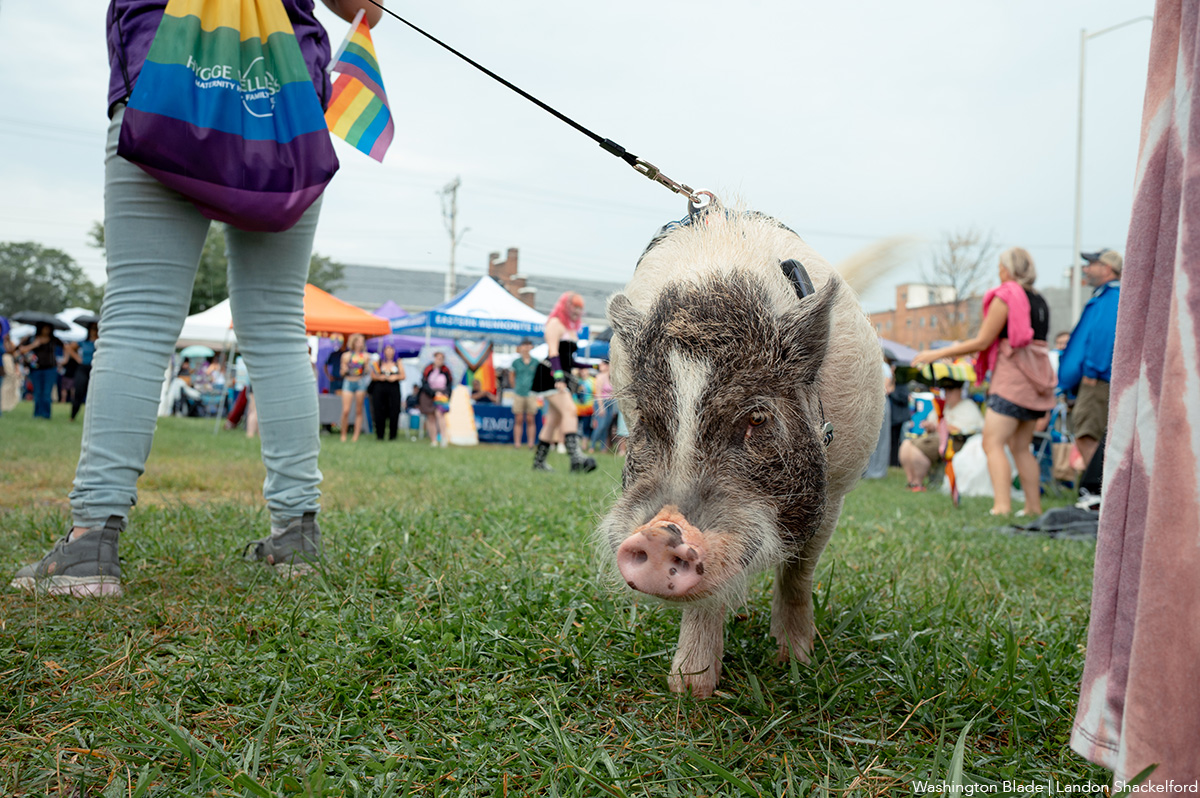
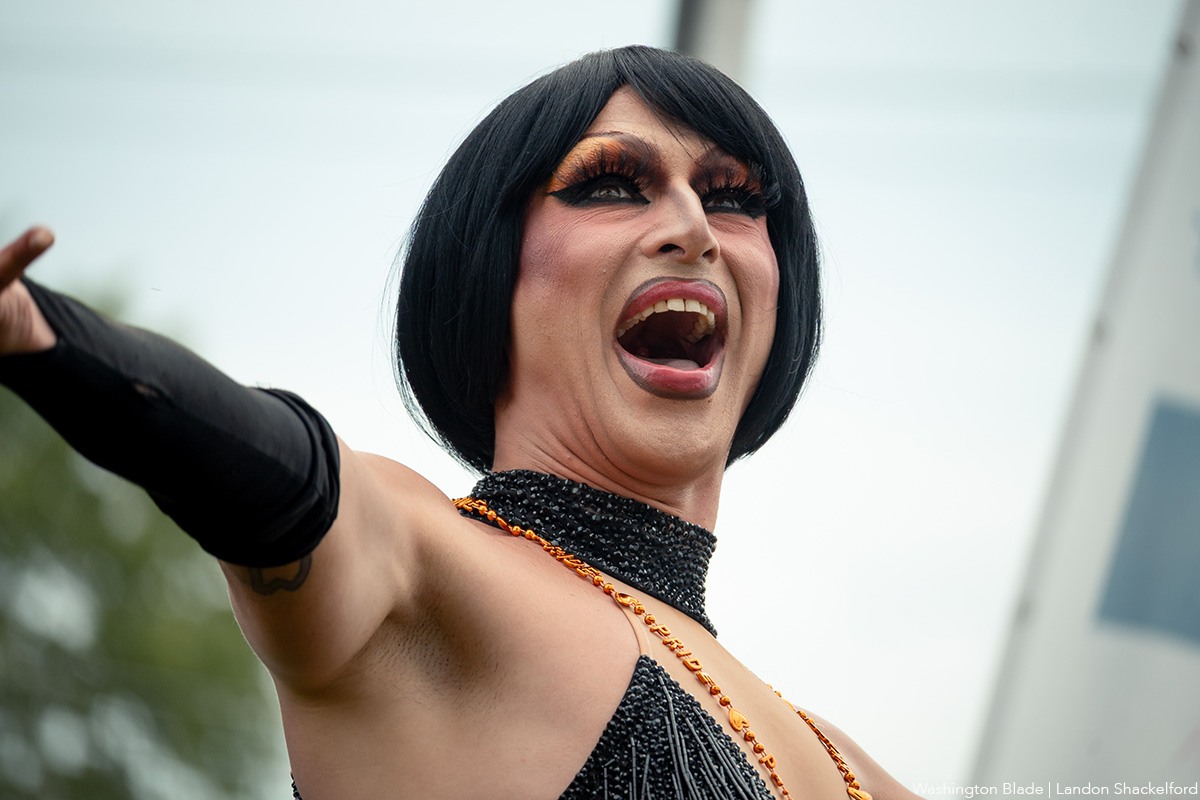
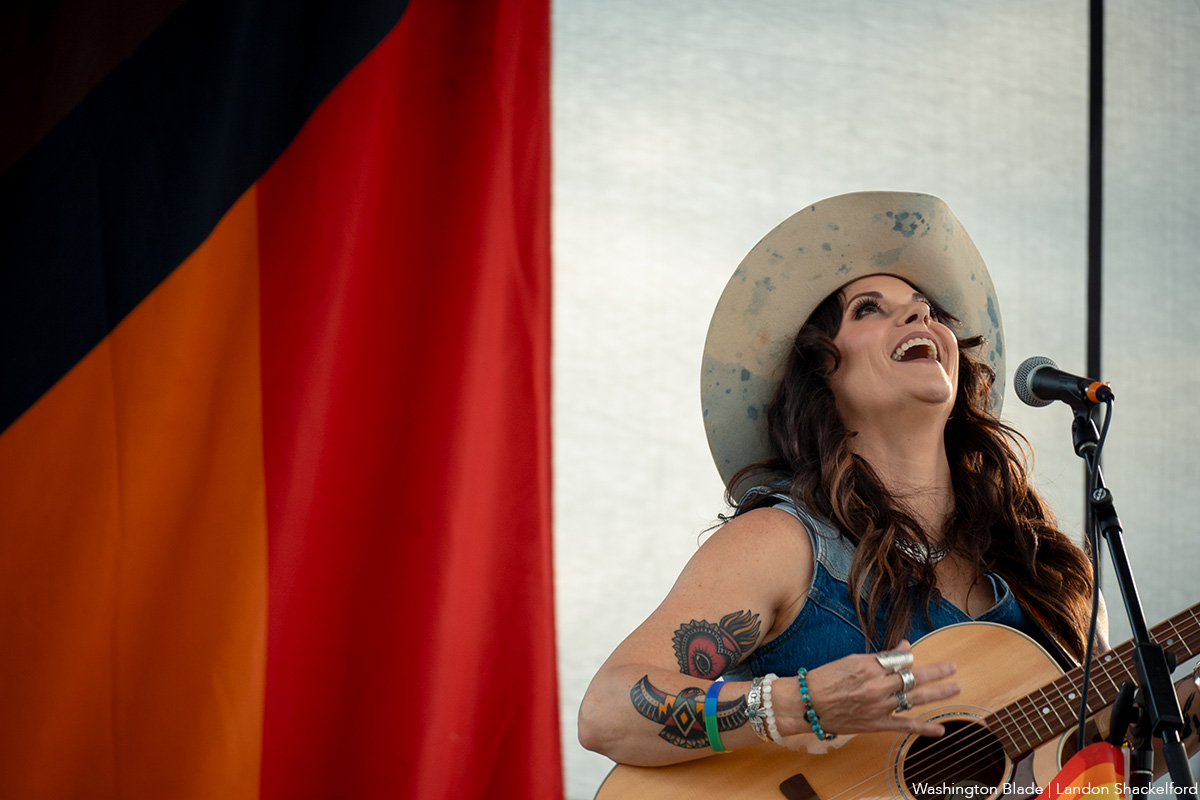
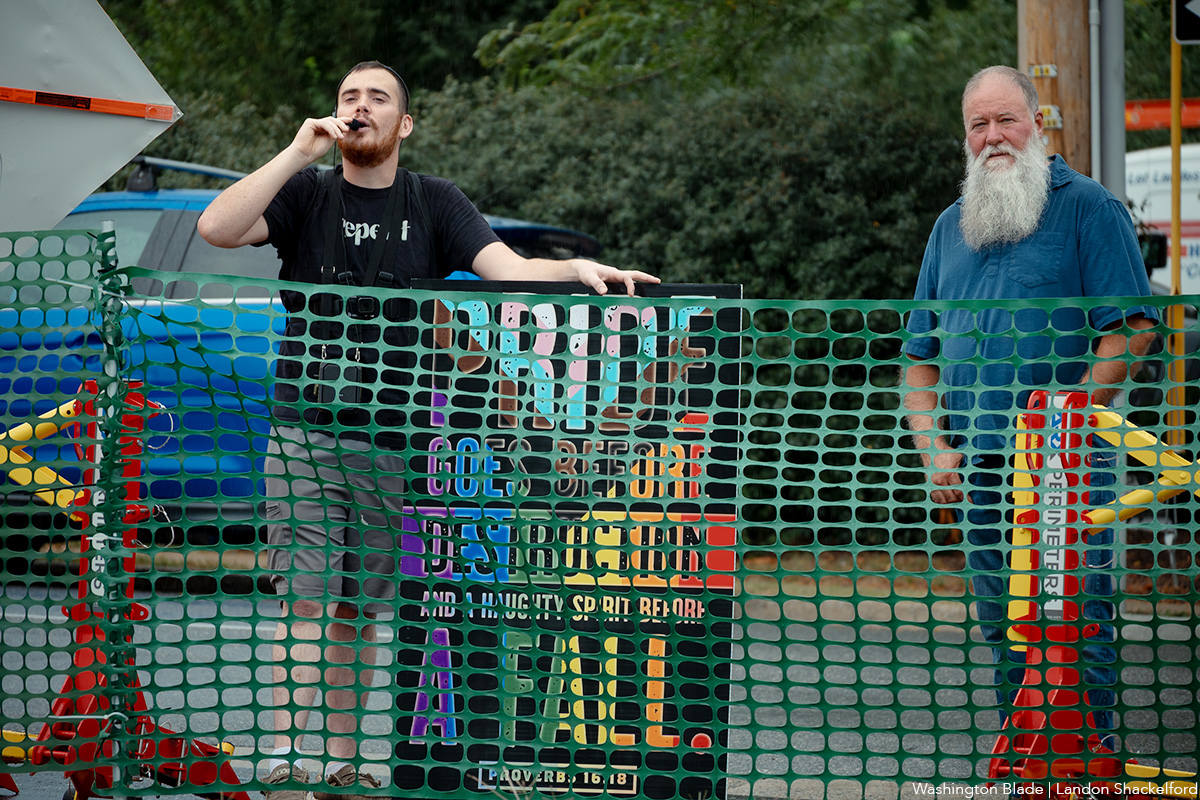
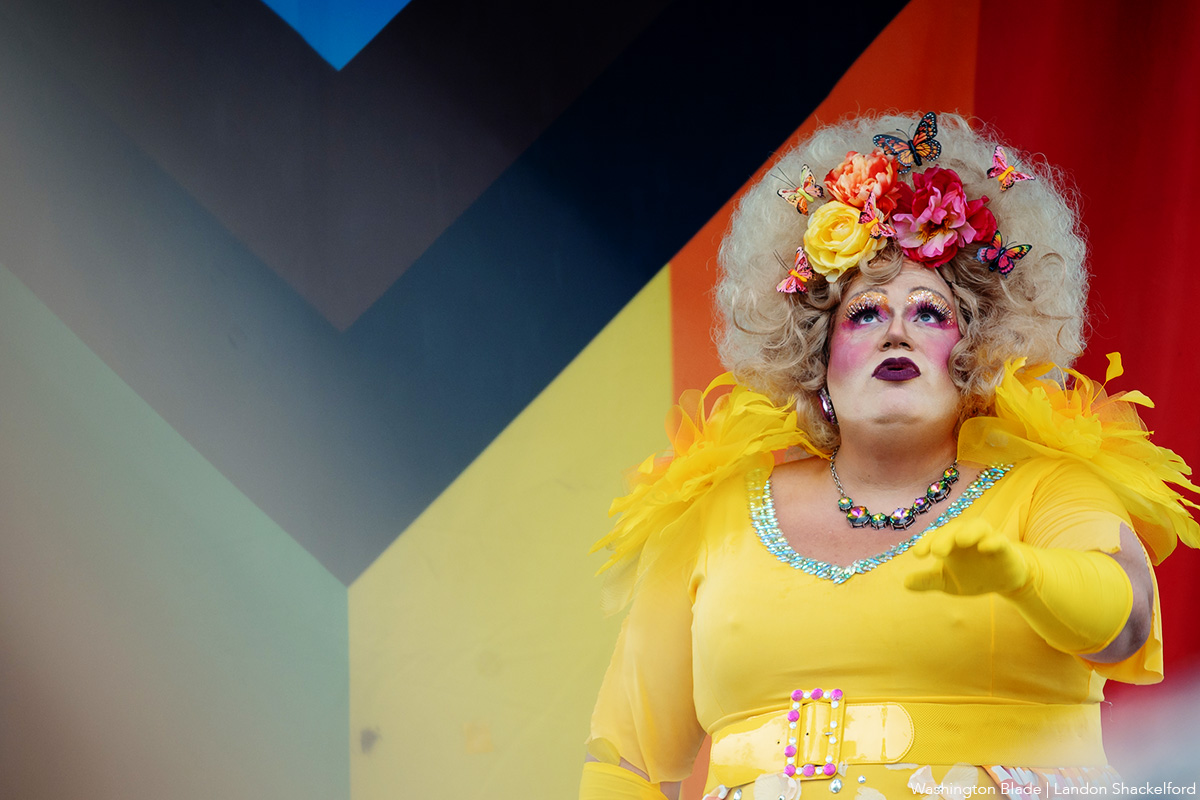
PHOTOS: Shenandoah Valley Pride
LGBTQ celebration held at Turner Pavilion in Harrisonburg, Va.
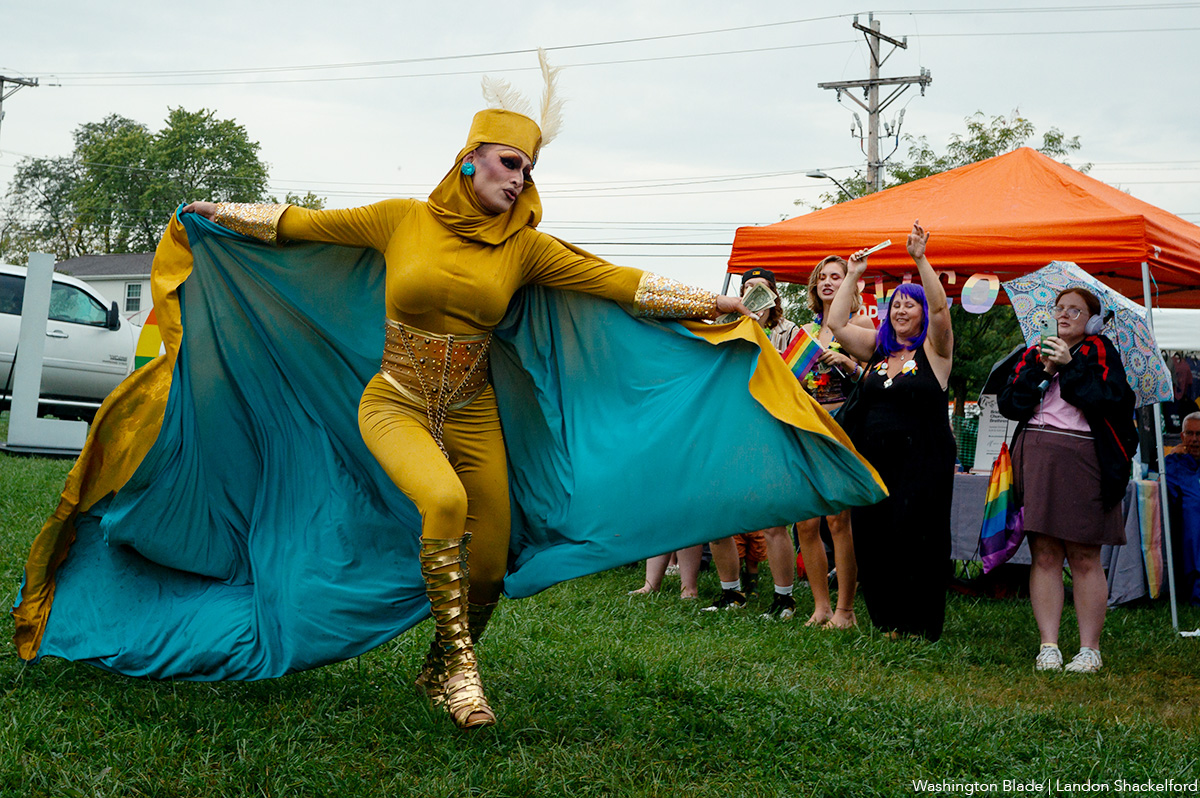
The 2026 Shenandoah Valley Pride Festival was held at Turner Pavilion in Harrisonburg, Va. on Sunday, Sept. 20.
(Washington Blade photos by Landon Shackelford)
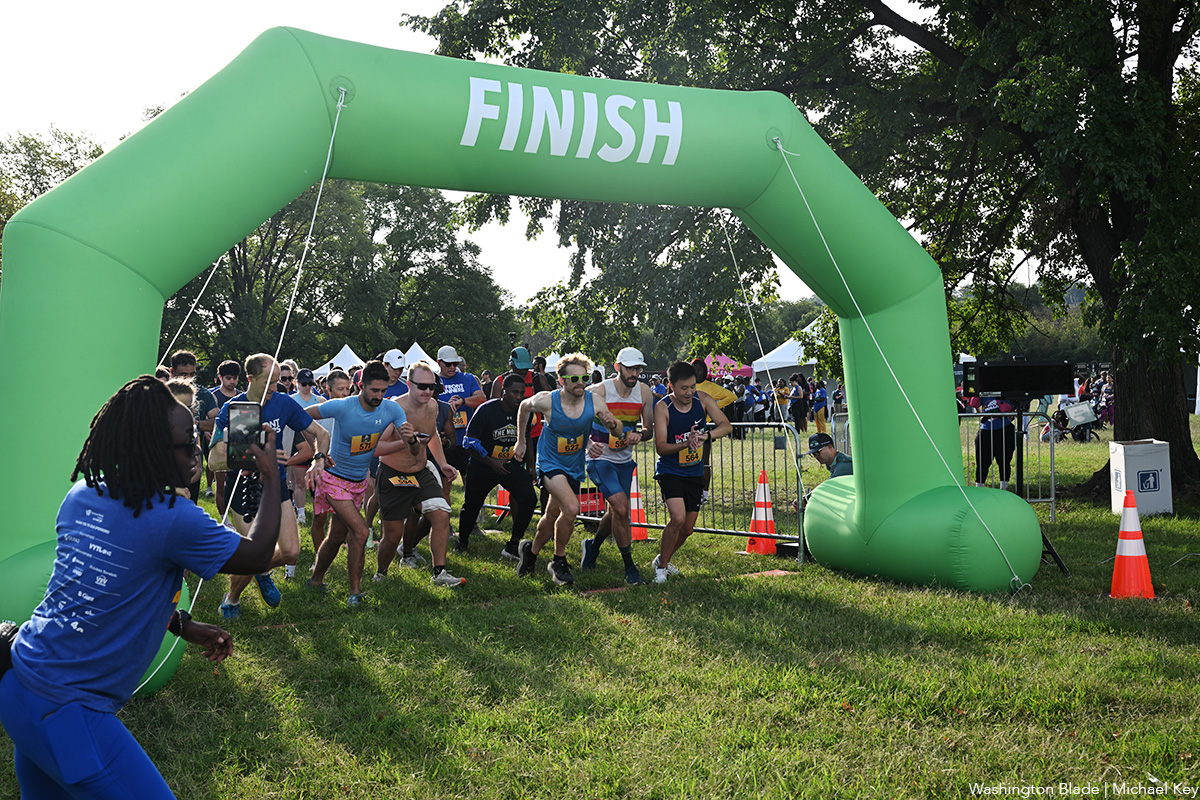
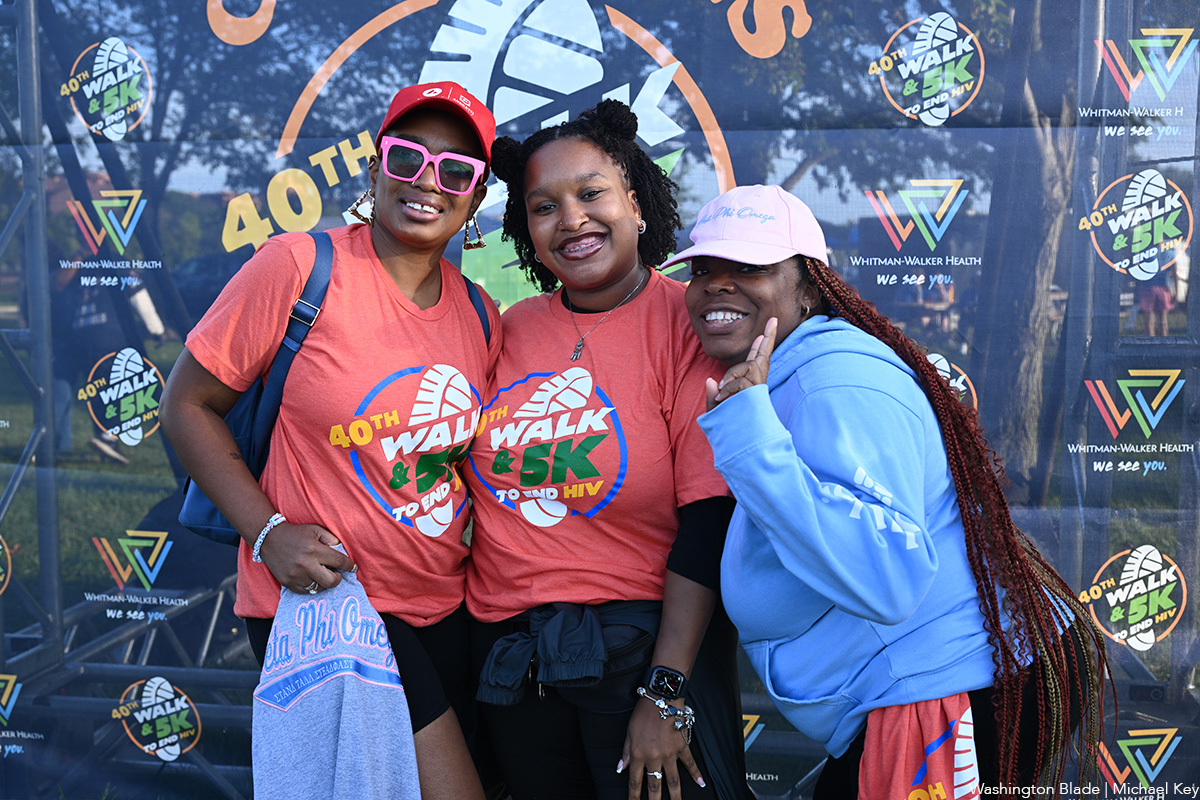
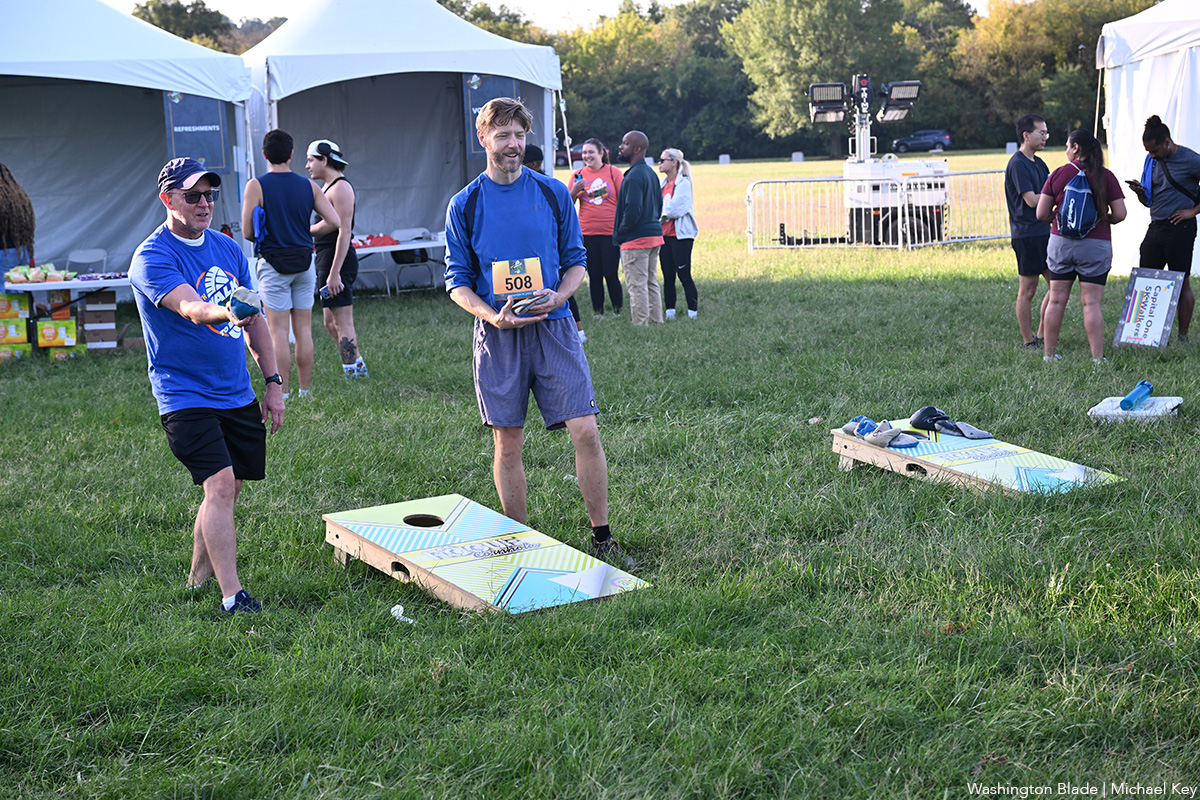
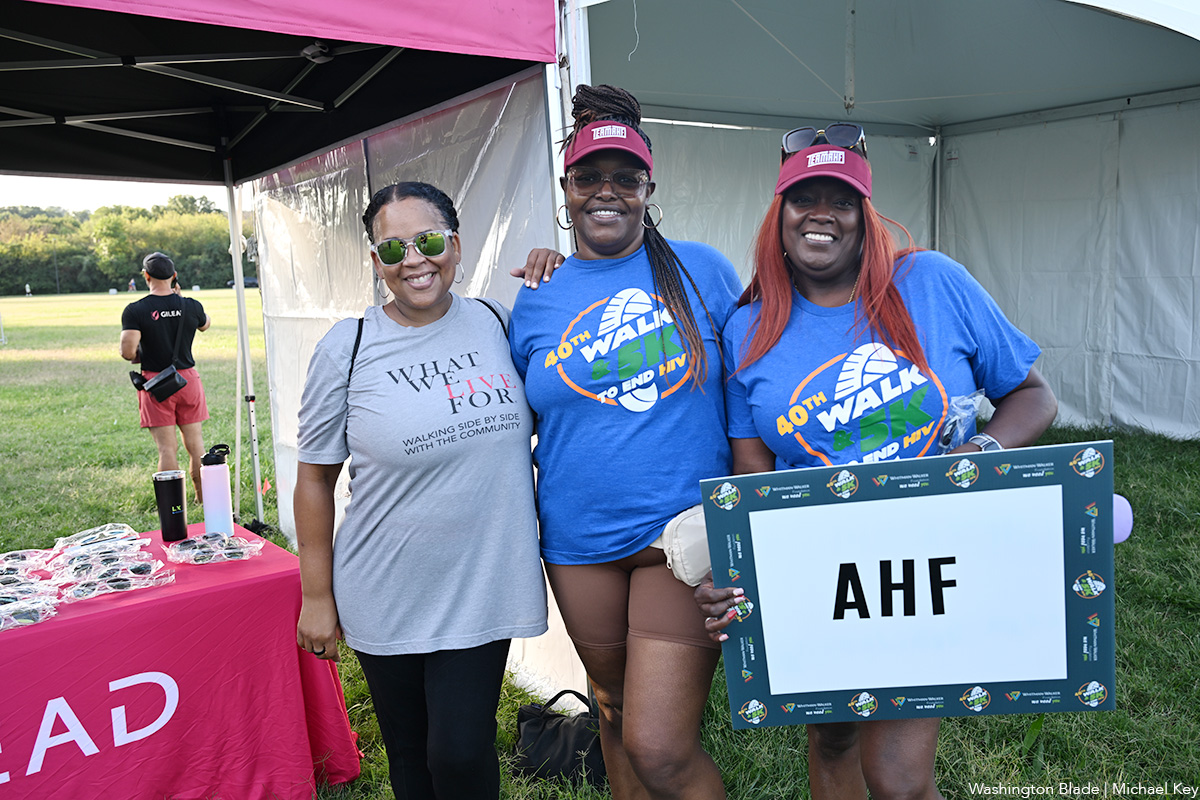
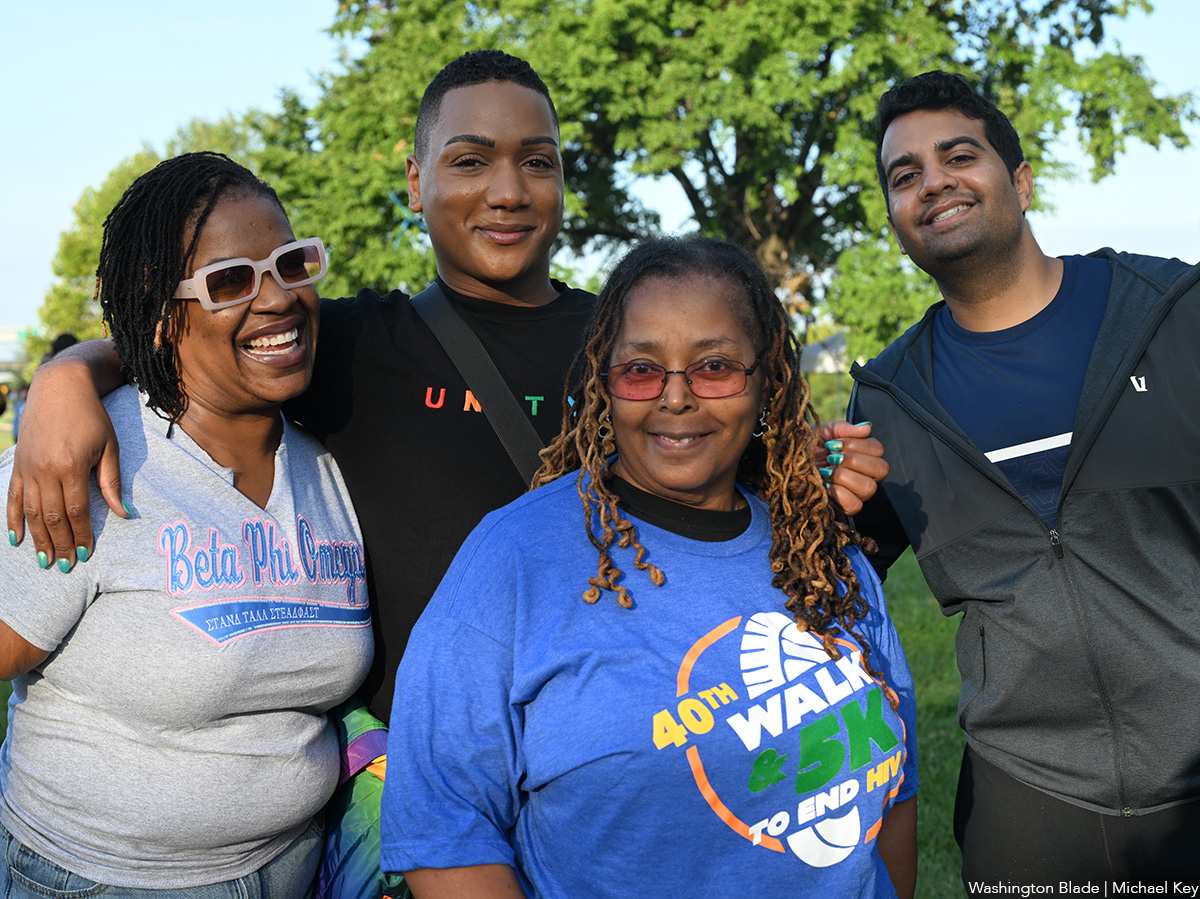
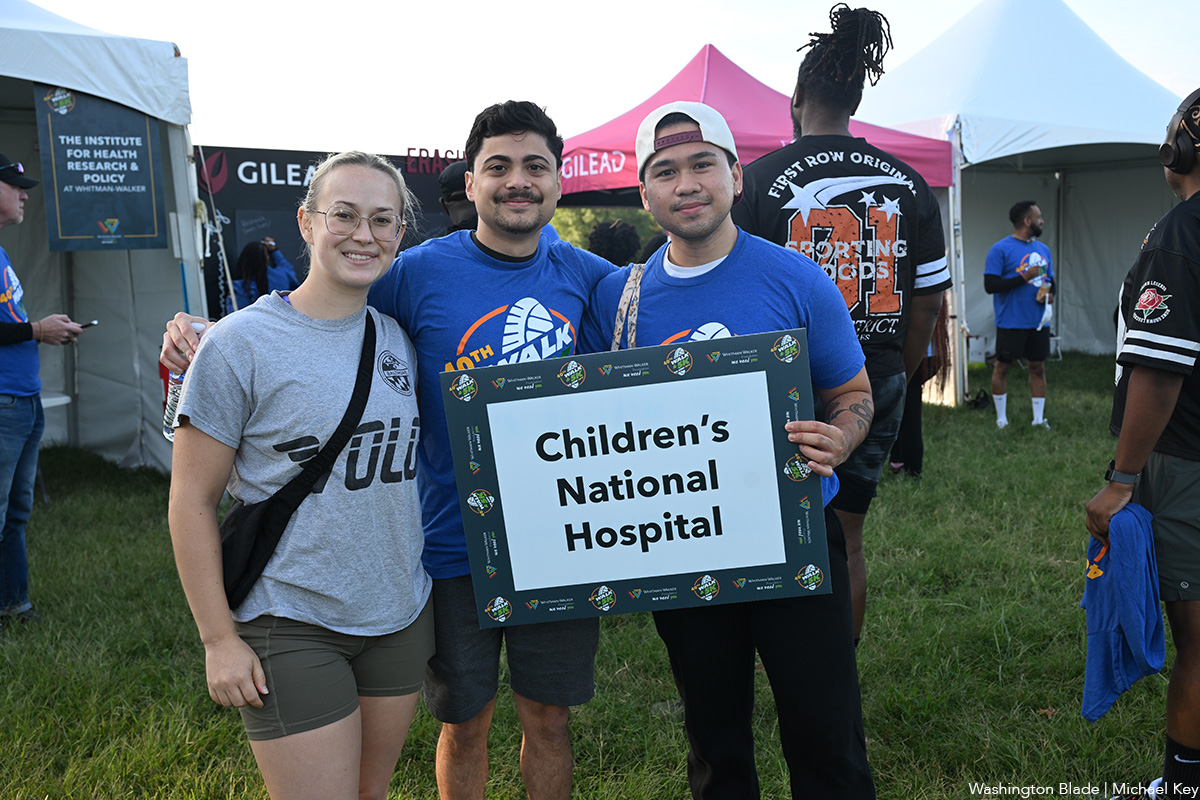
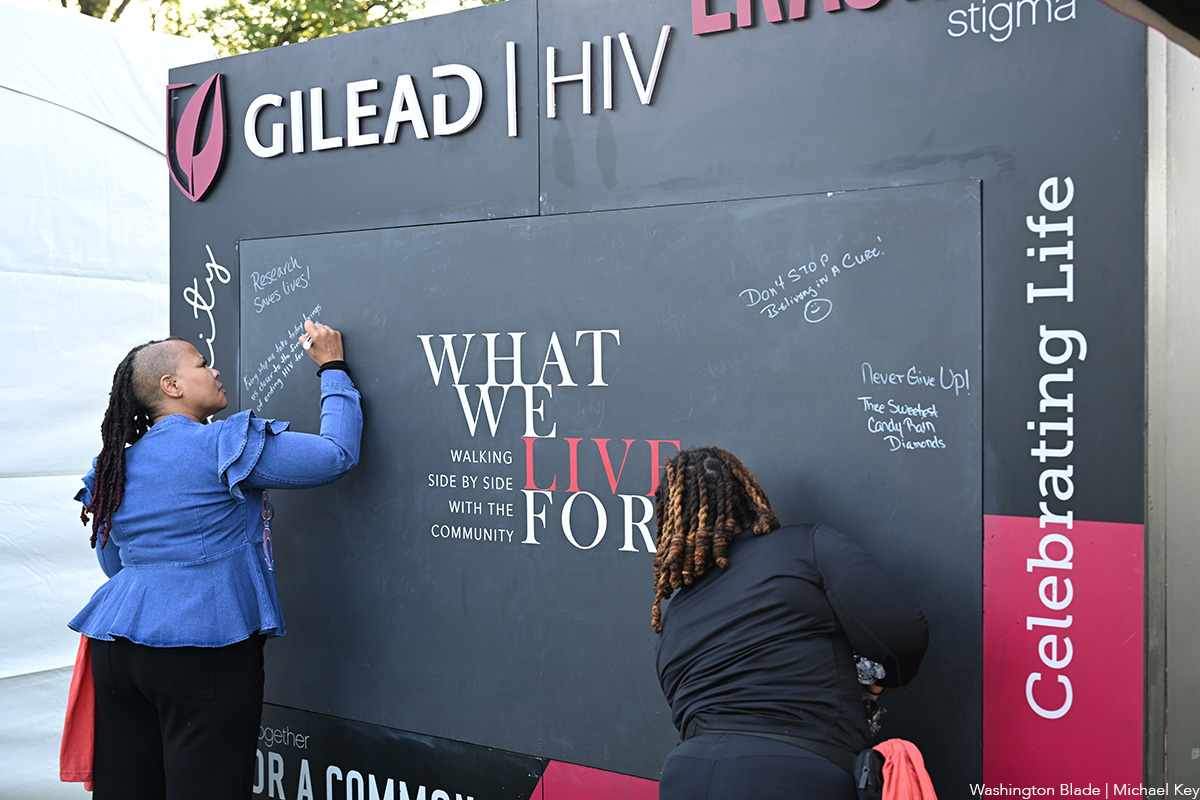
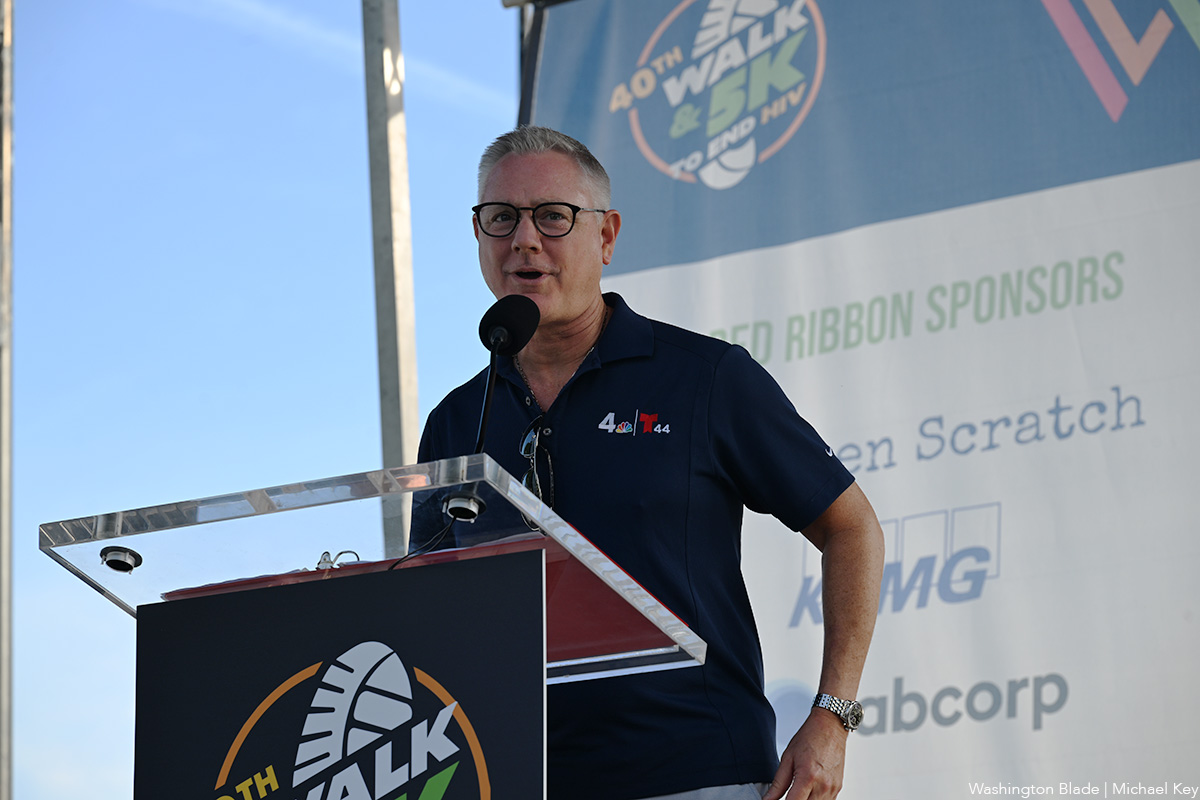
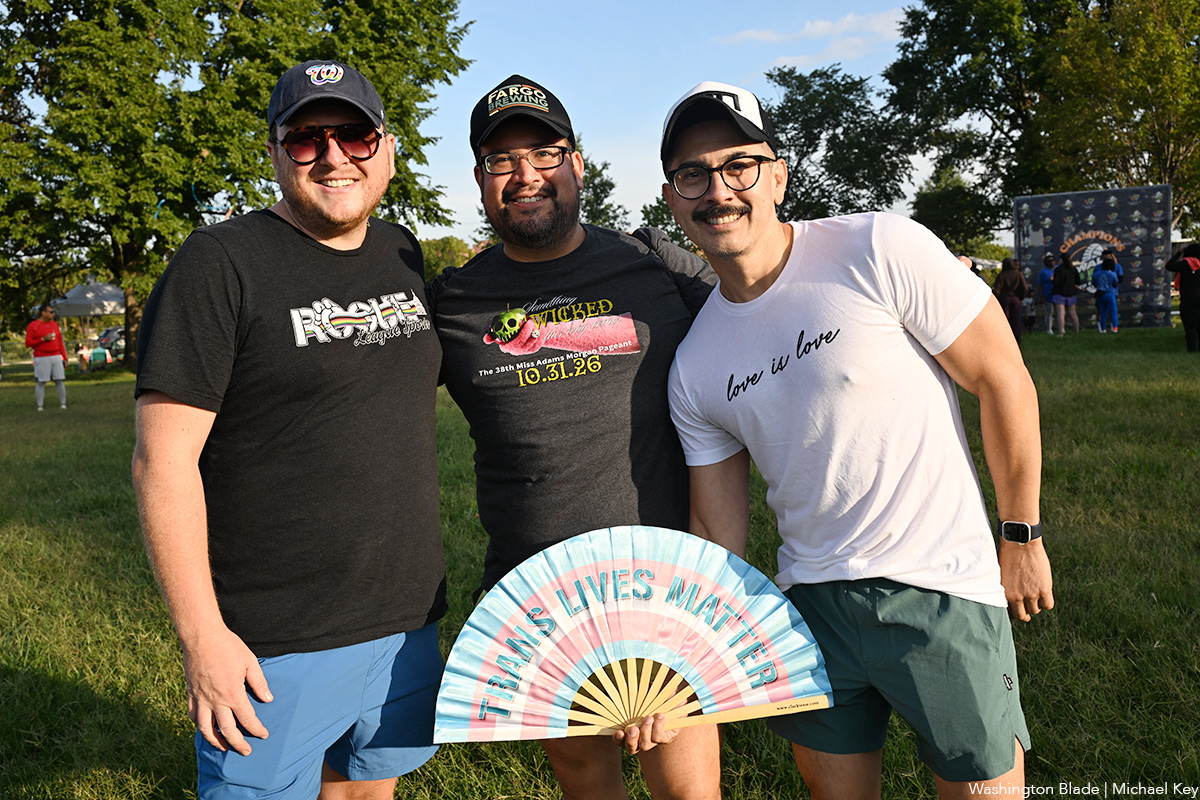
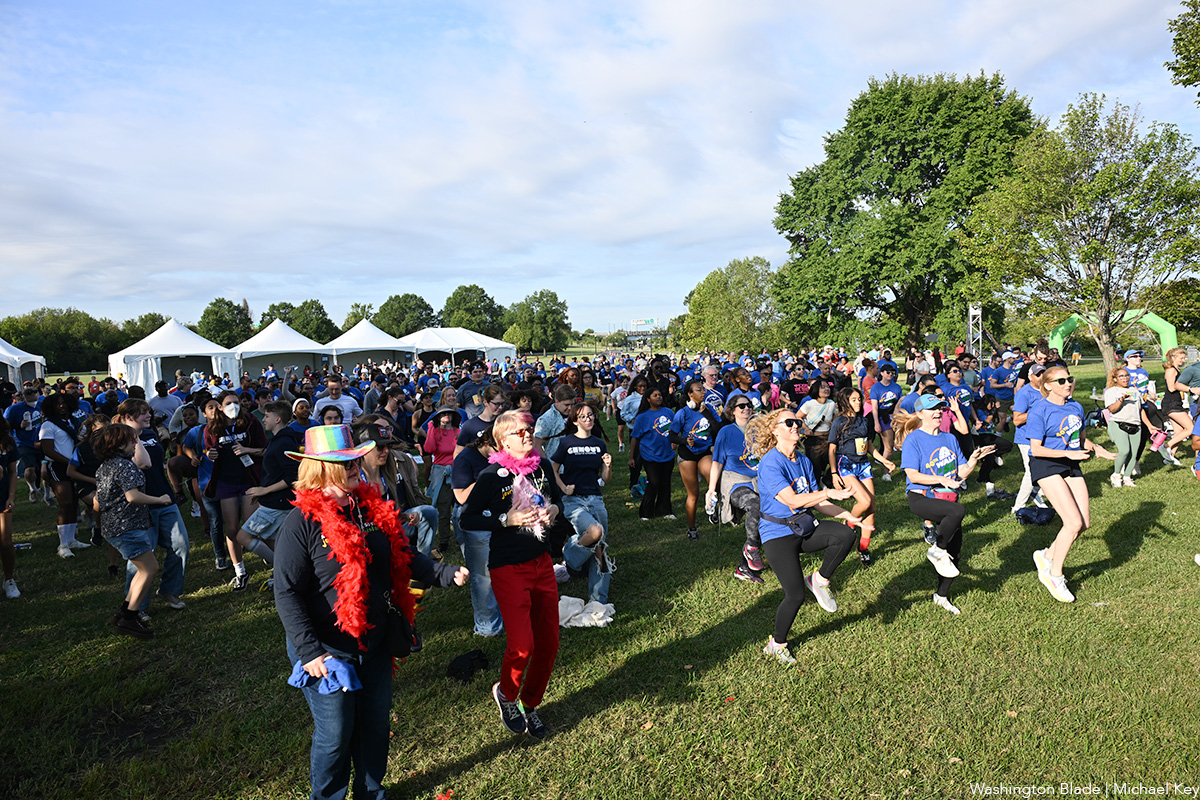
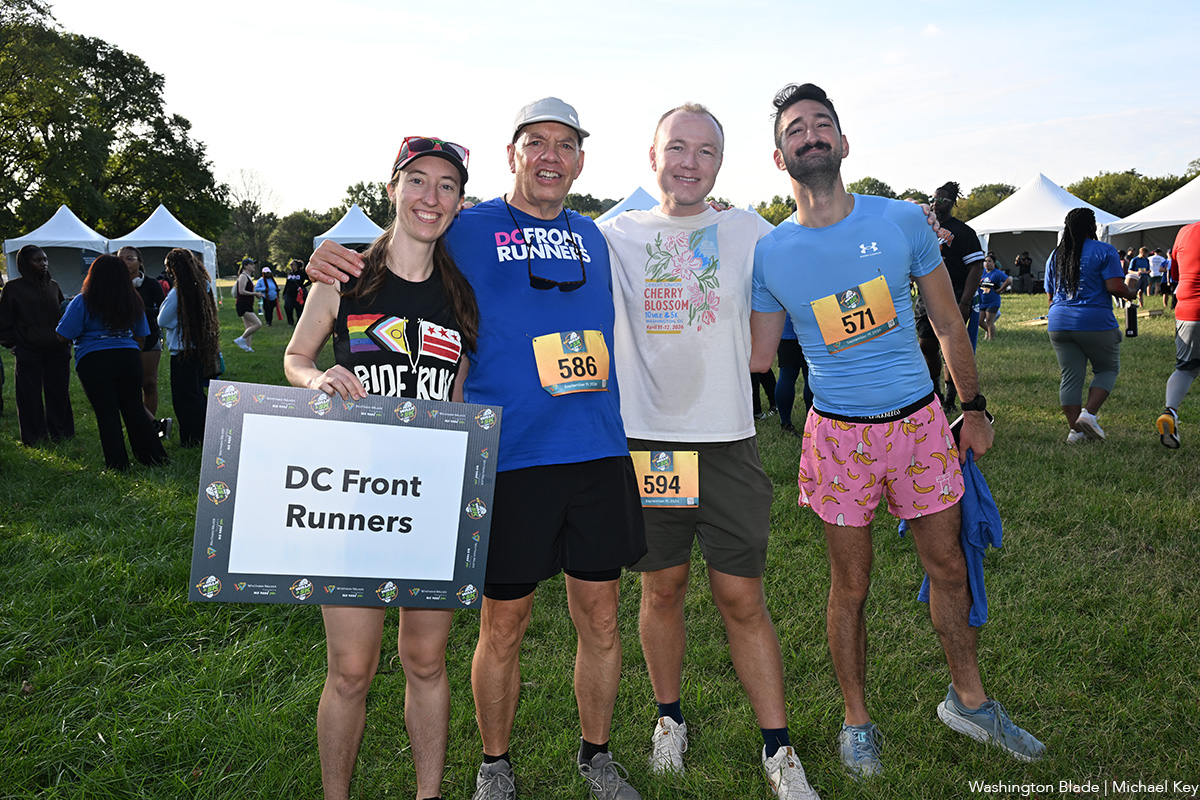
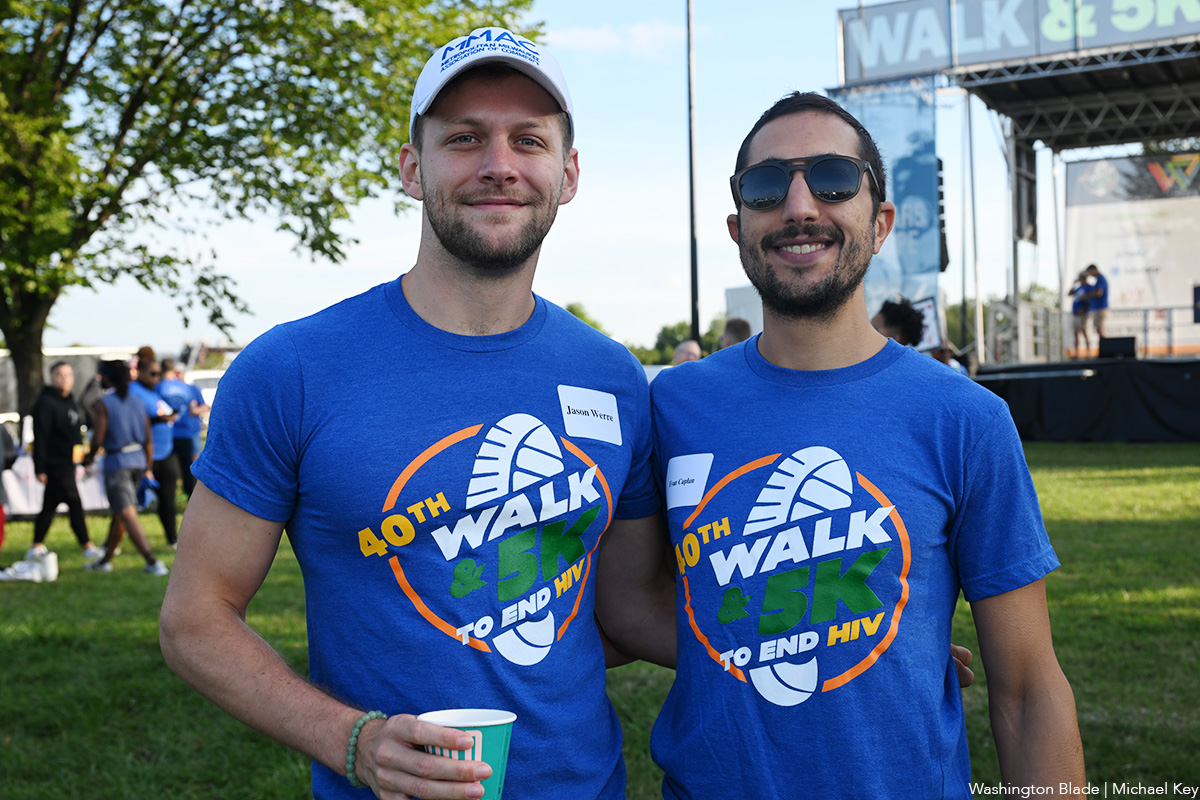
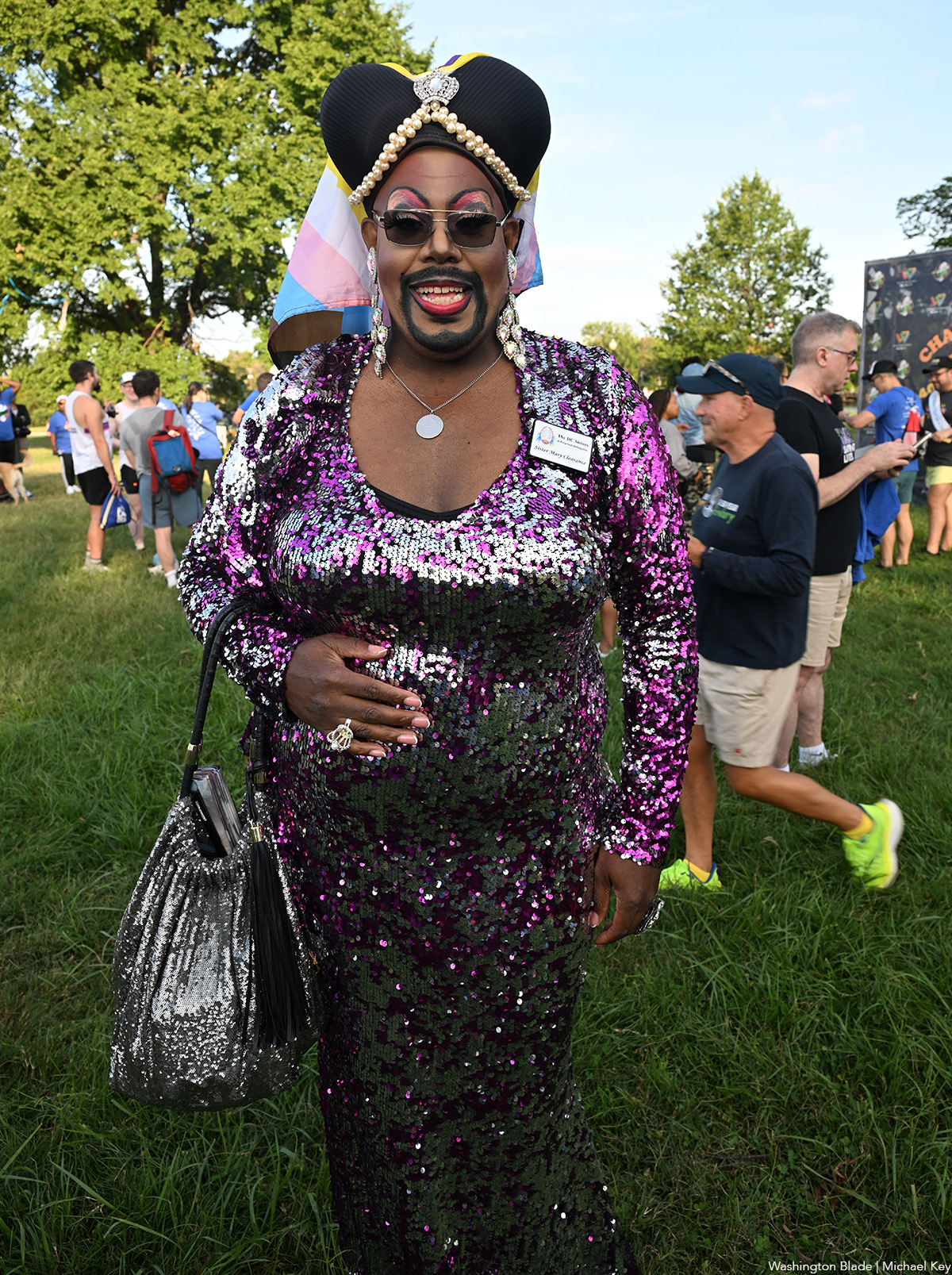
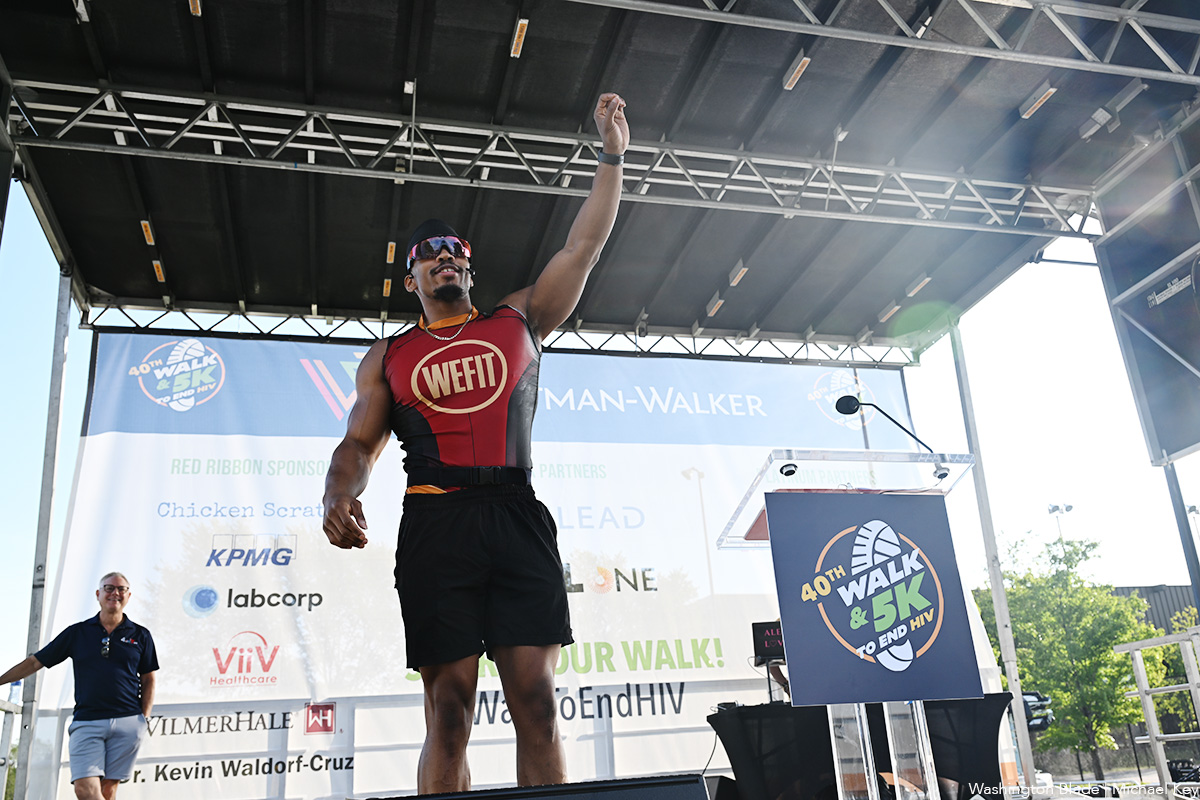
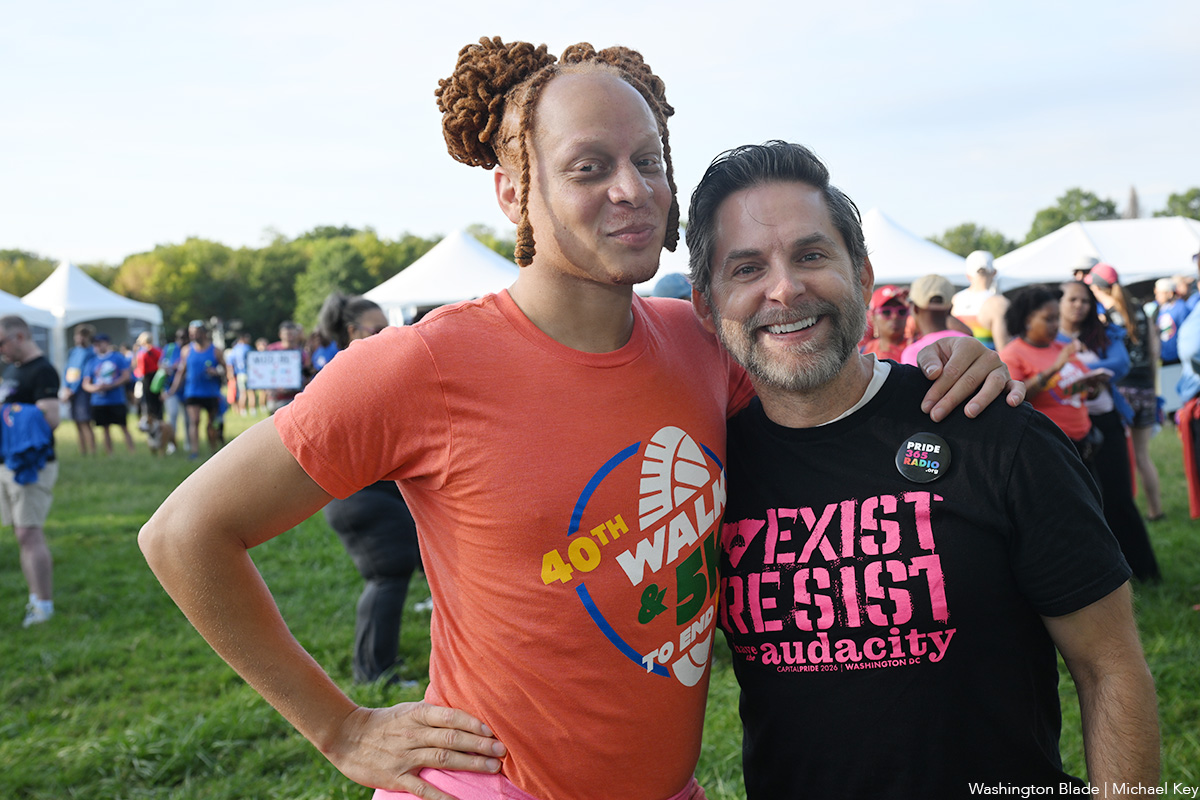
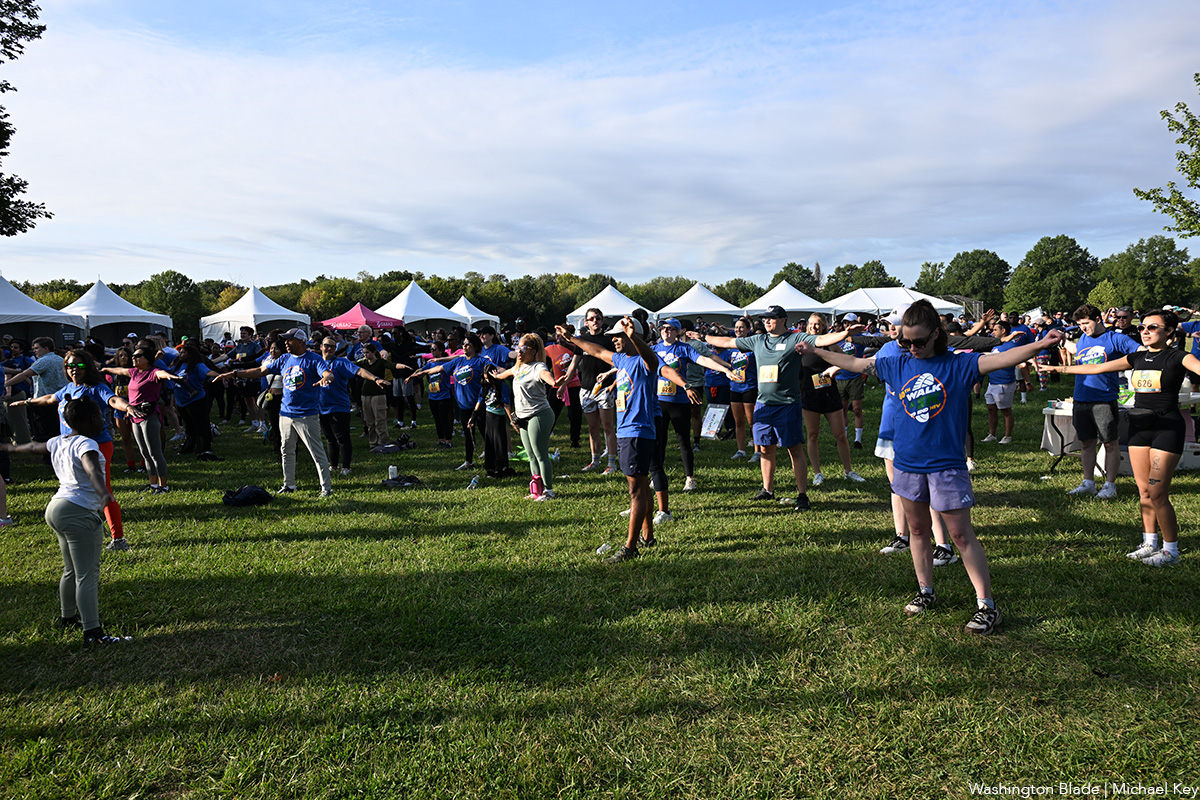
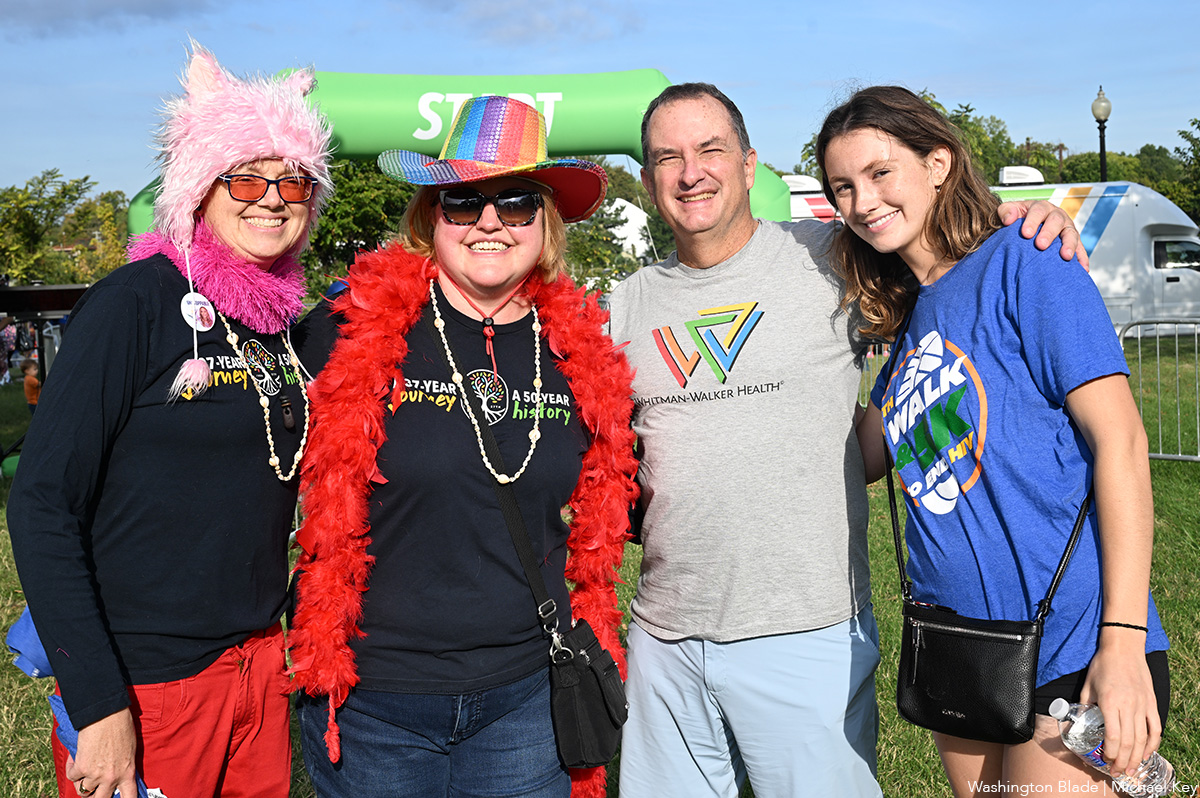
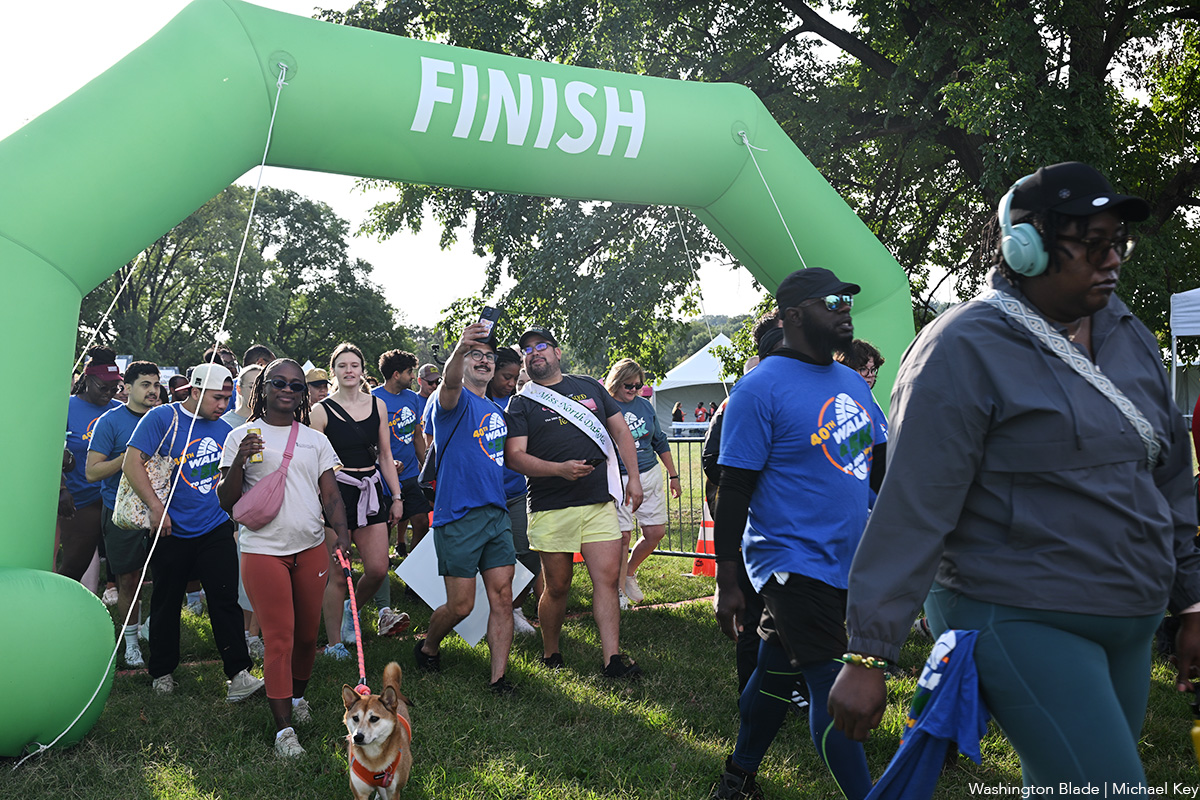
Whitman-Walker Health held the 40th annual Walk and 5K to End HIV at Anacostia Park on Saturday, Sept. 19.
(Washington Blade photos by Michael Key)


Photos
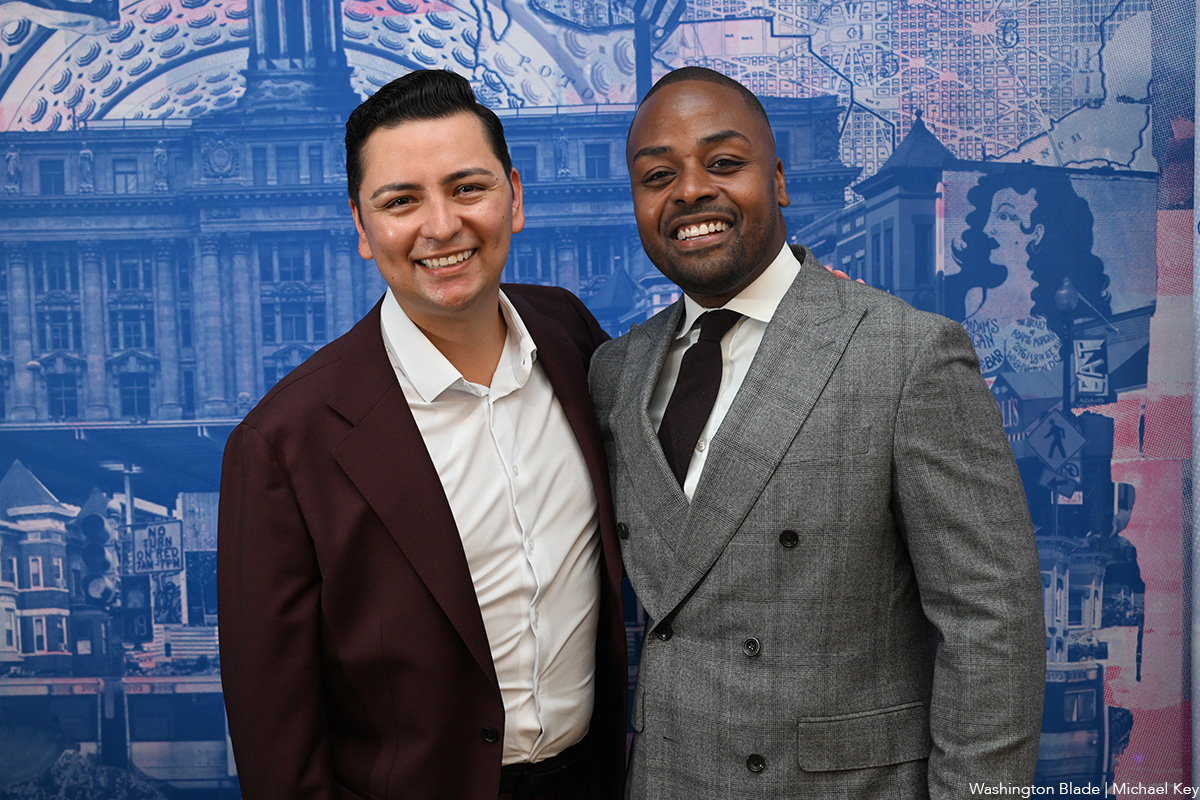
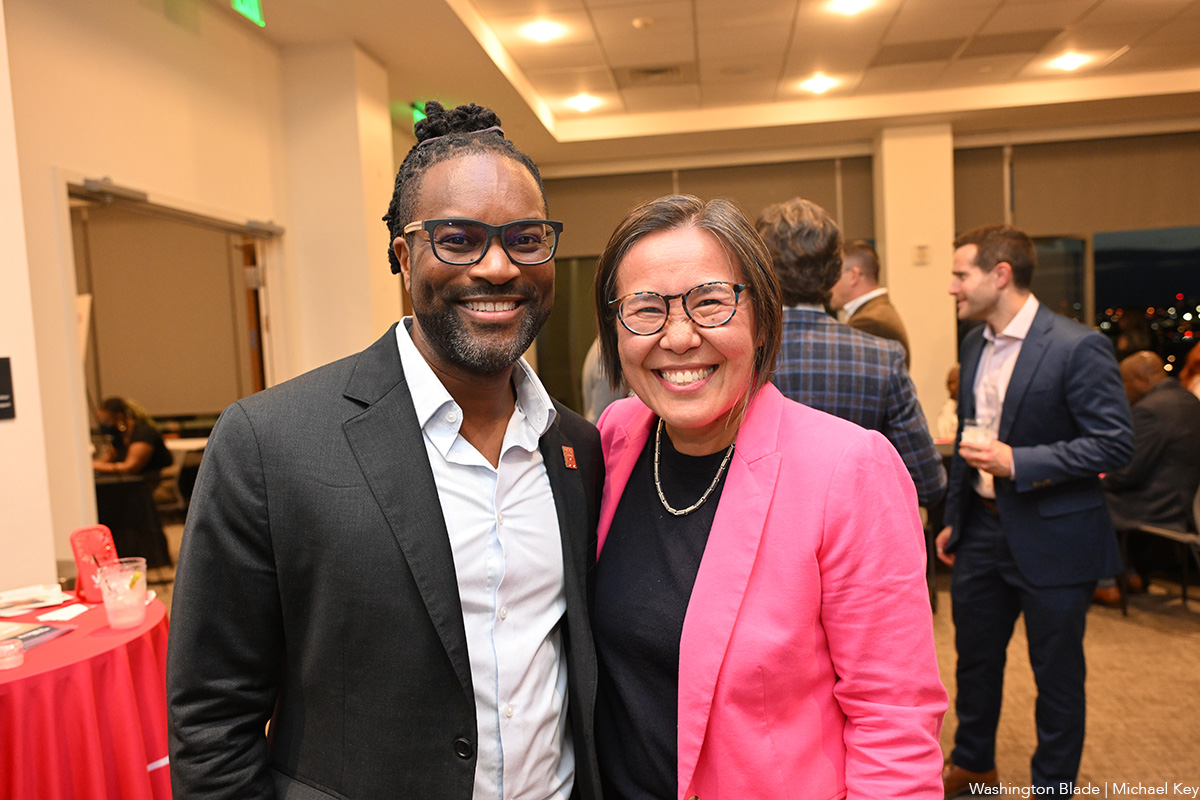
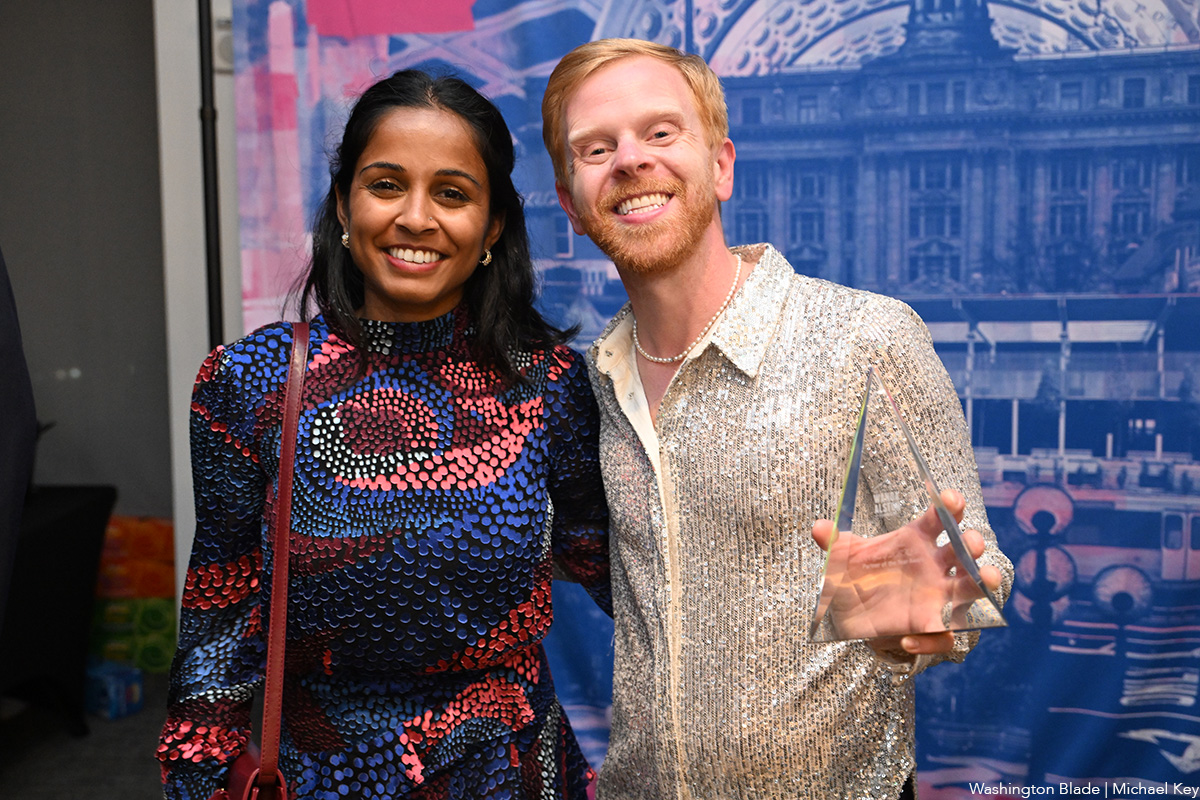
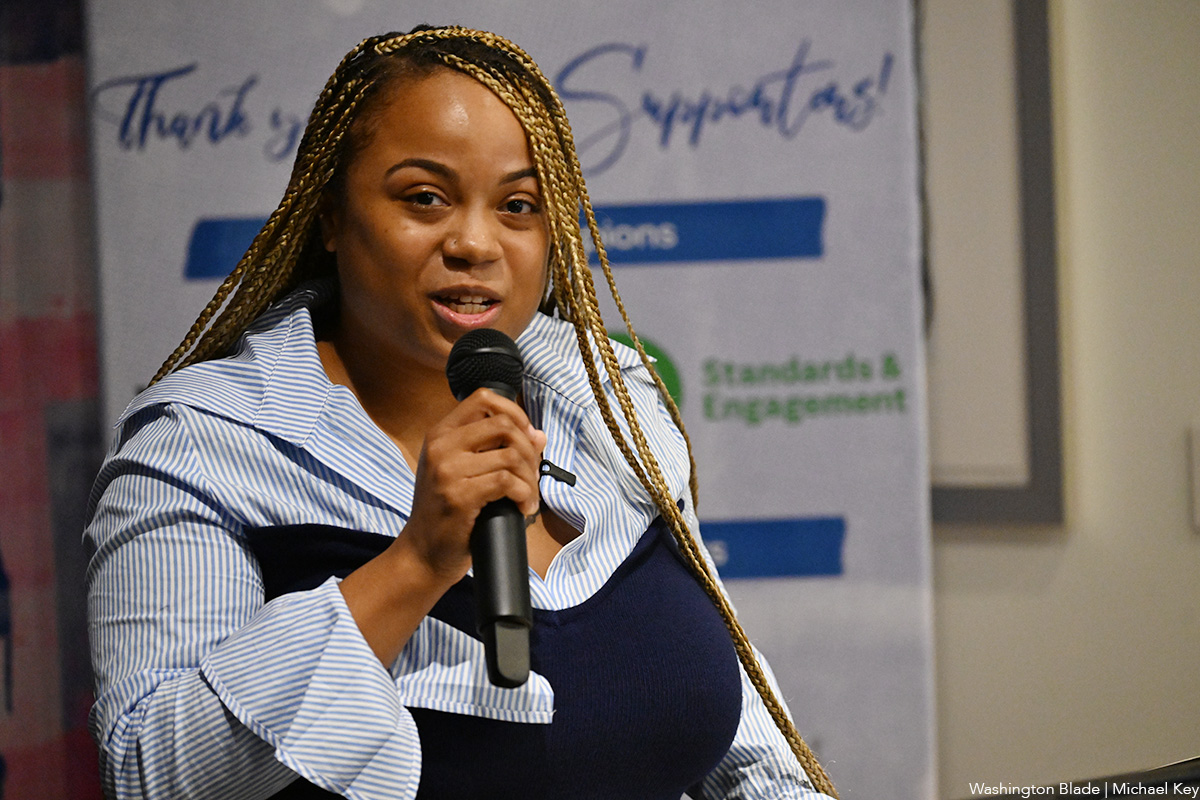
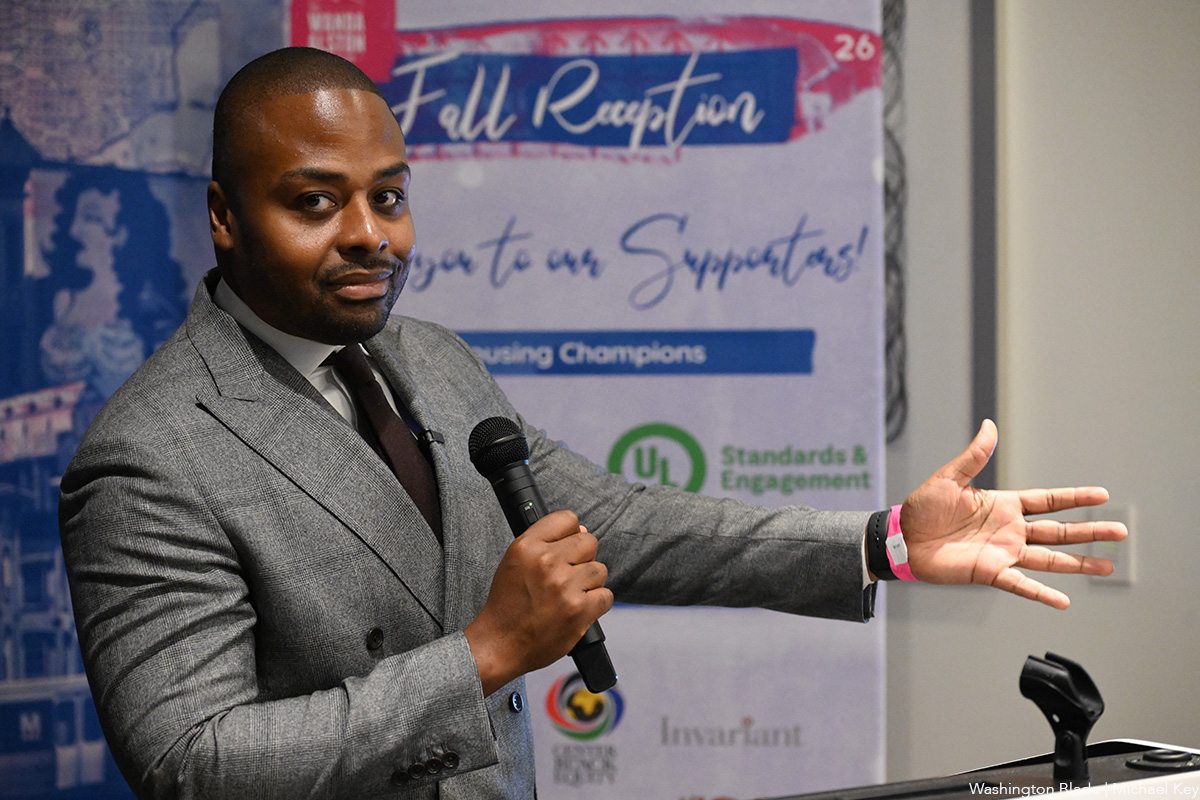
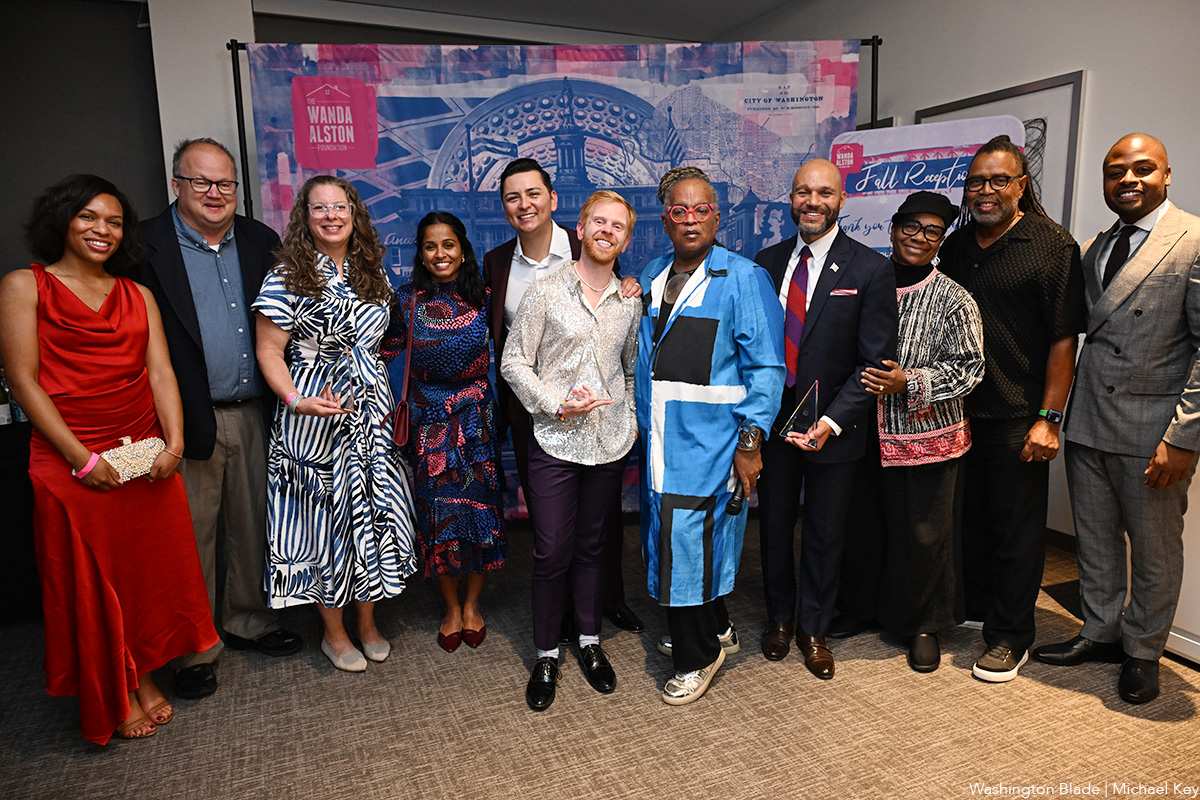
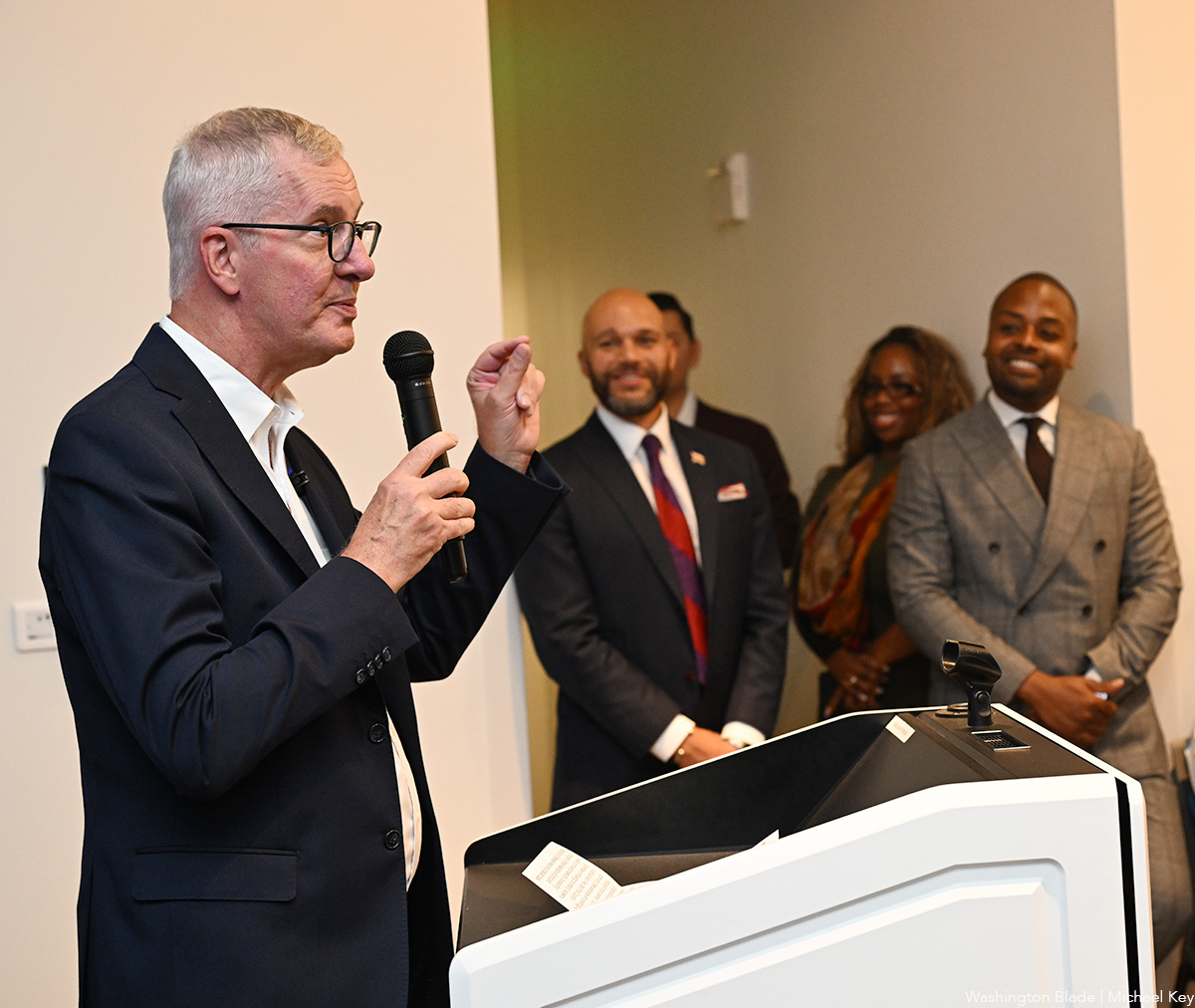
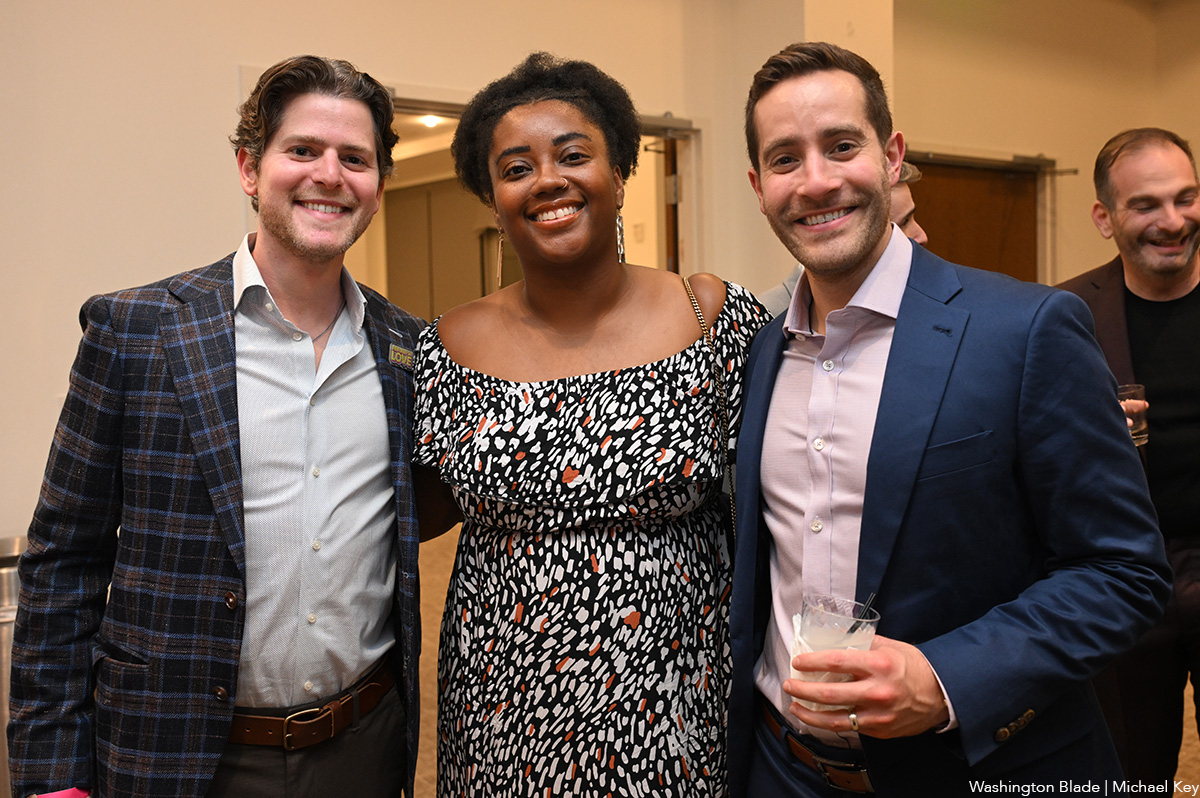
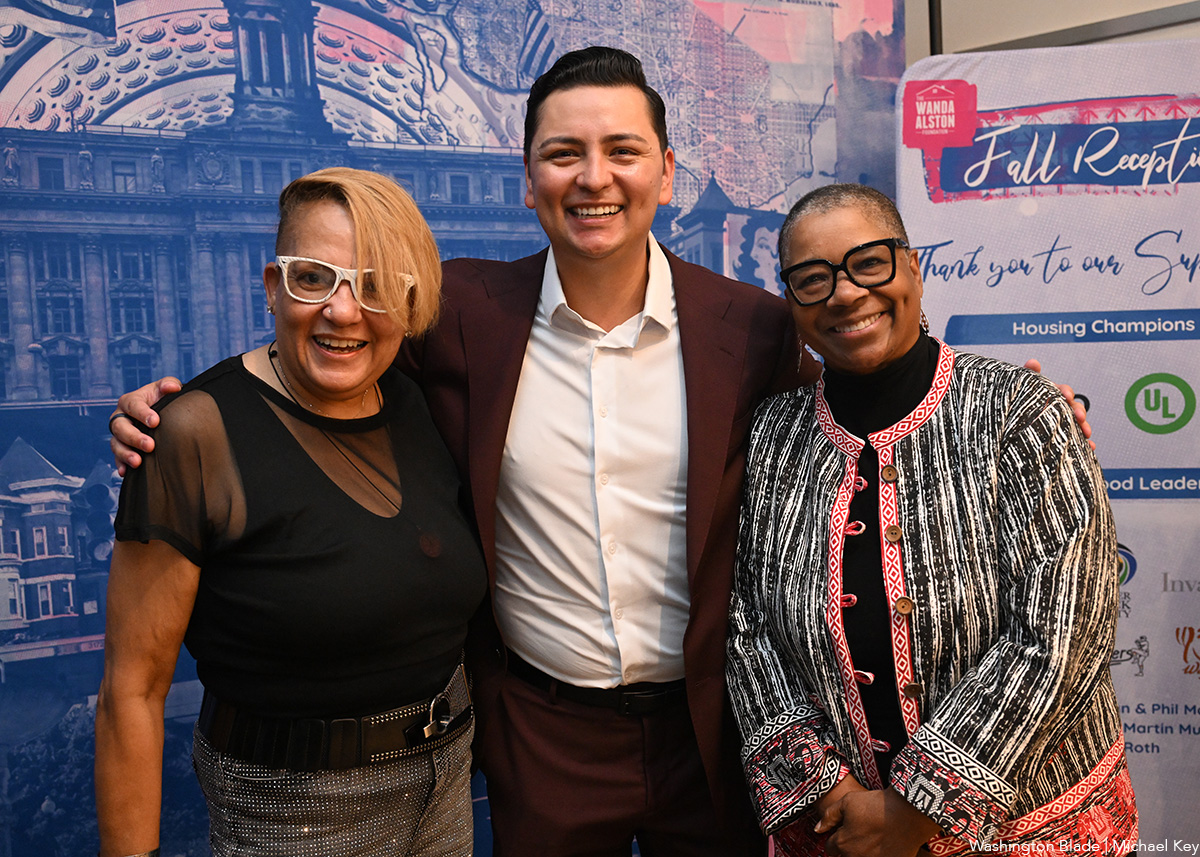
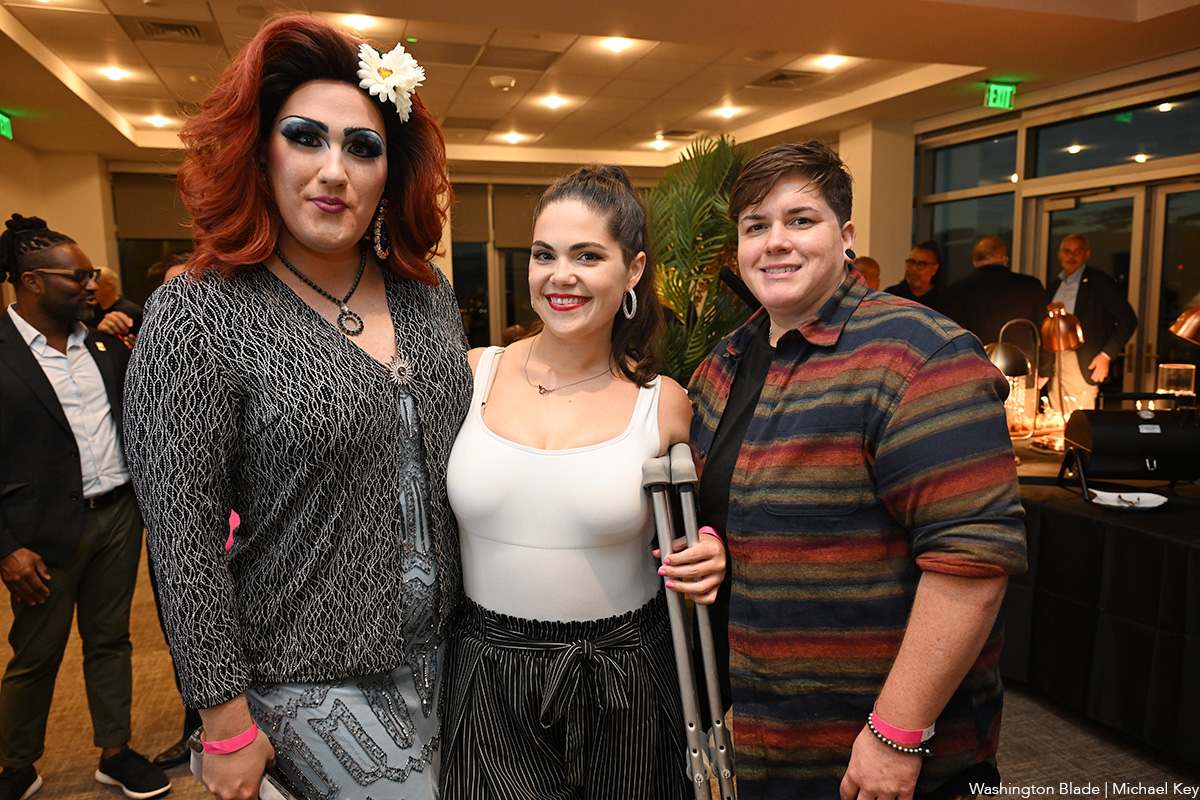
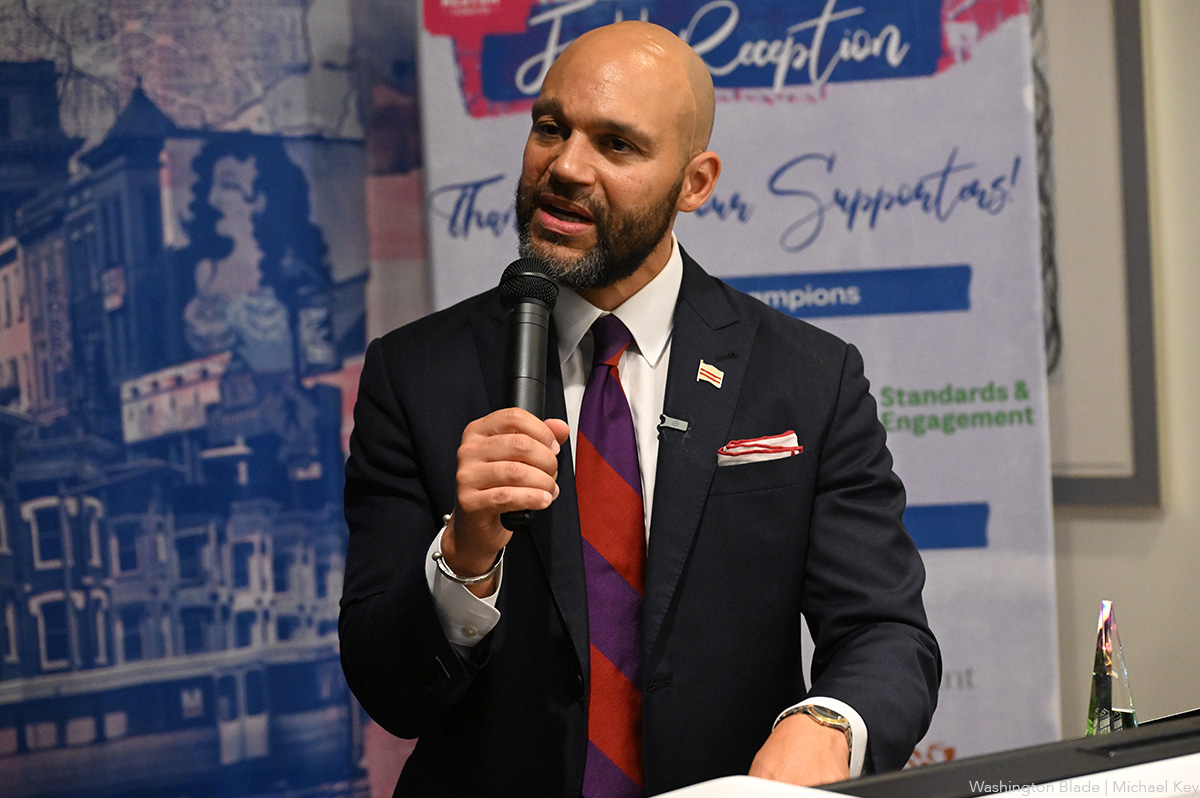
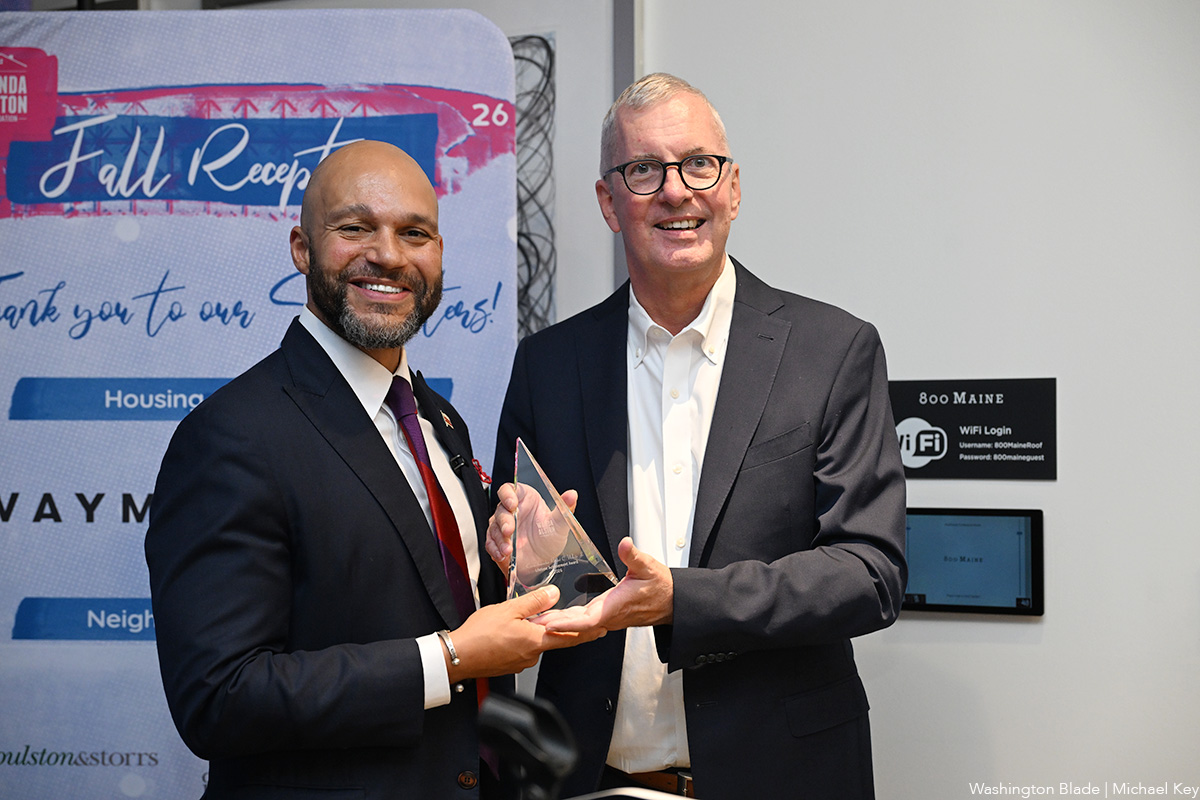
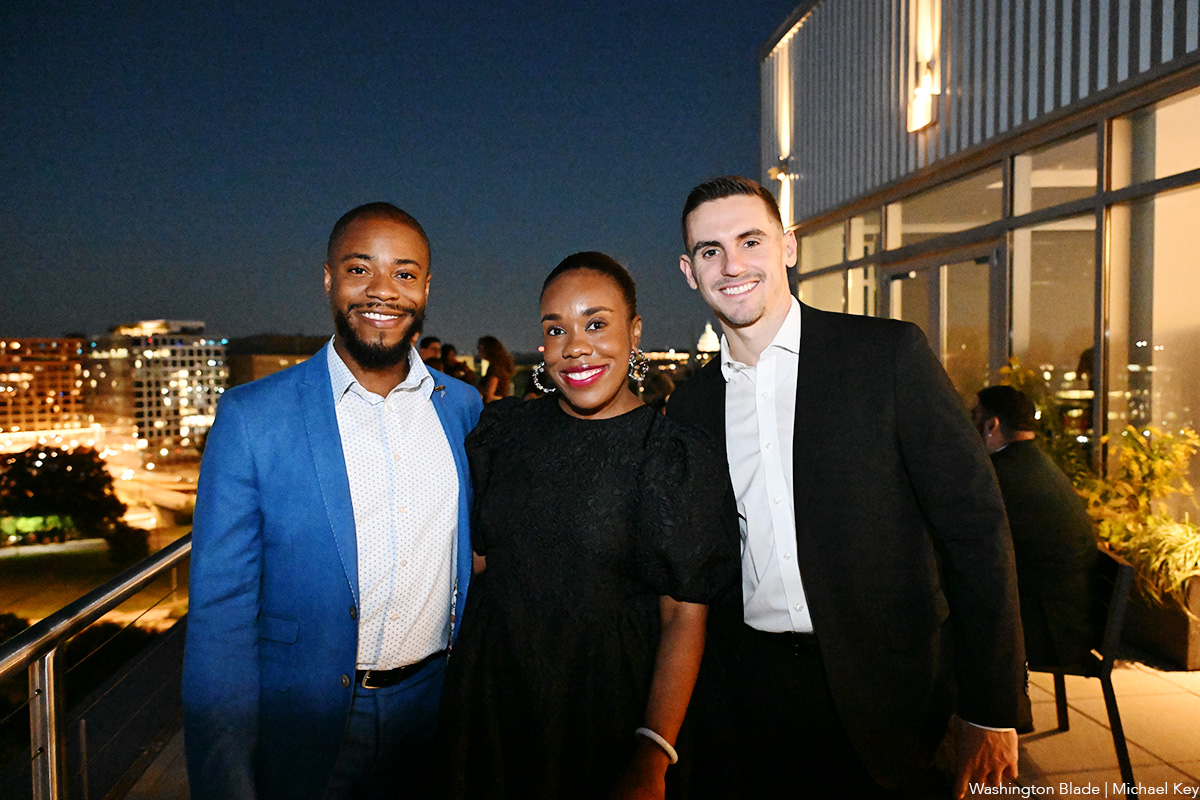
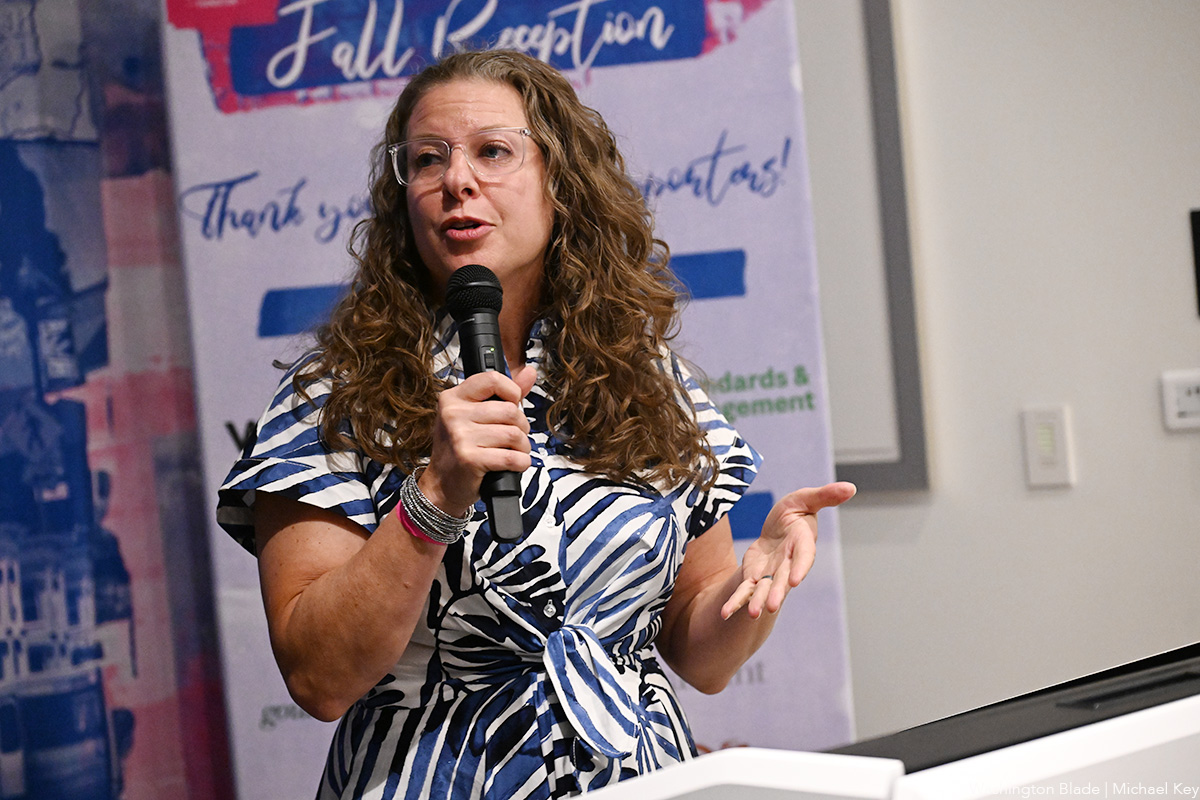
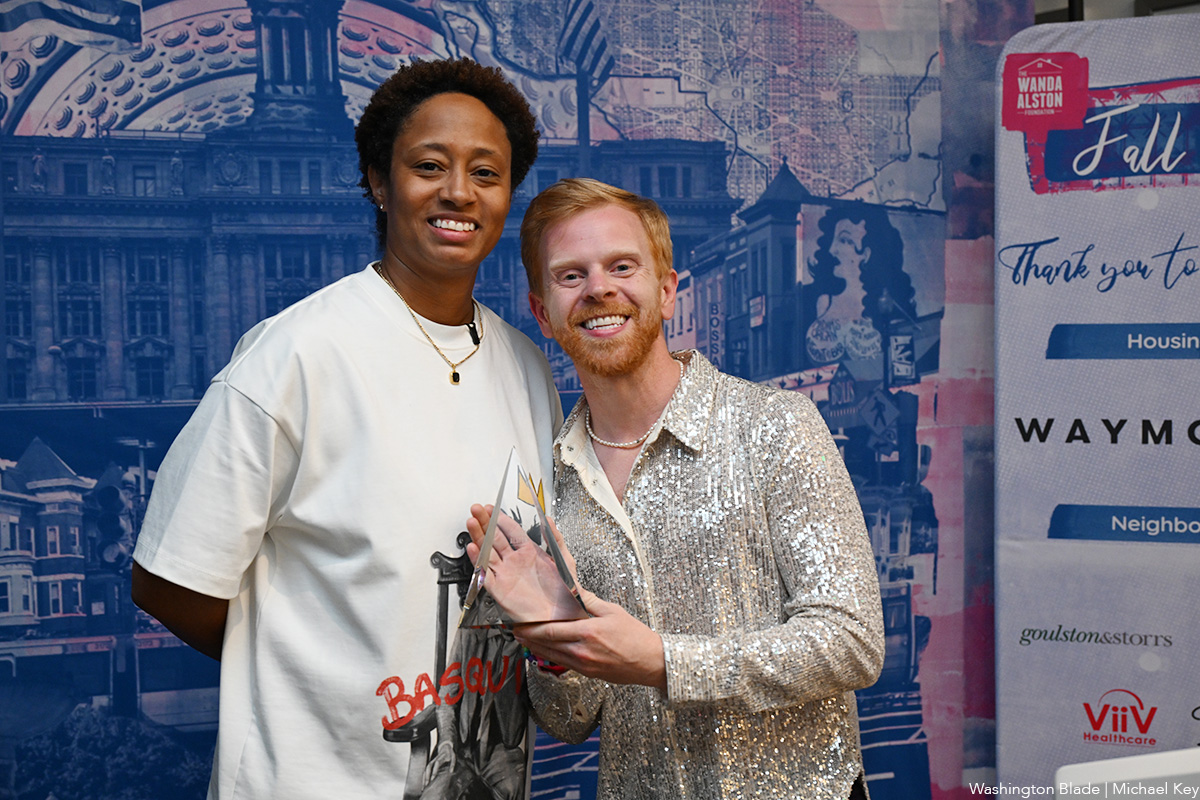
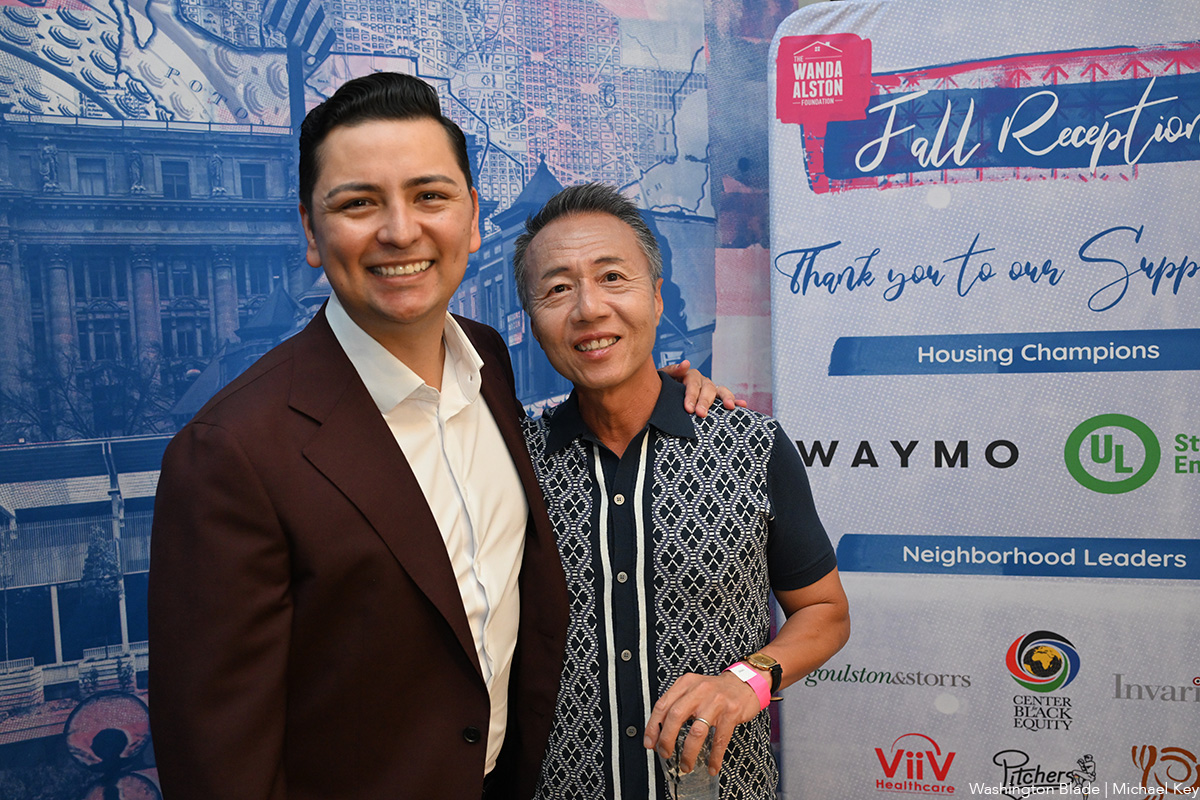
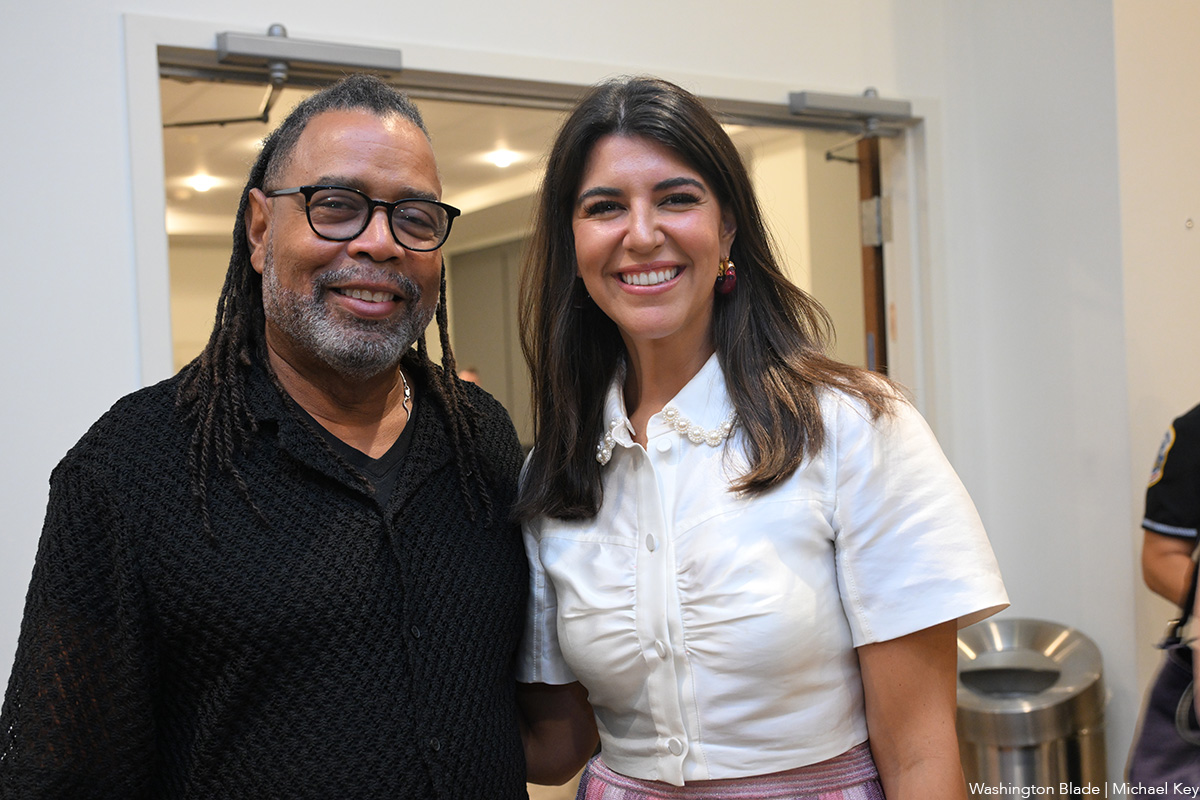
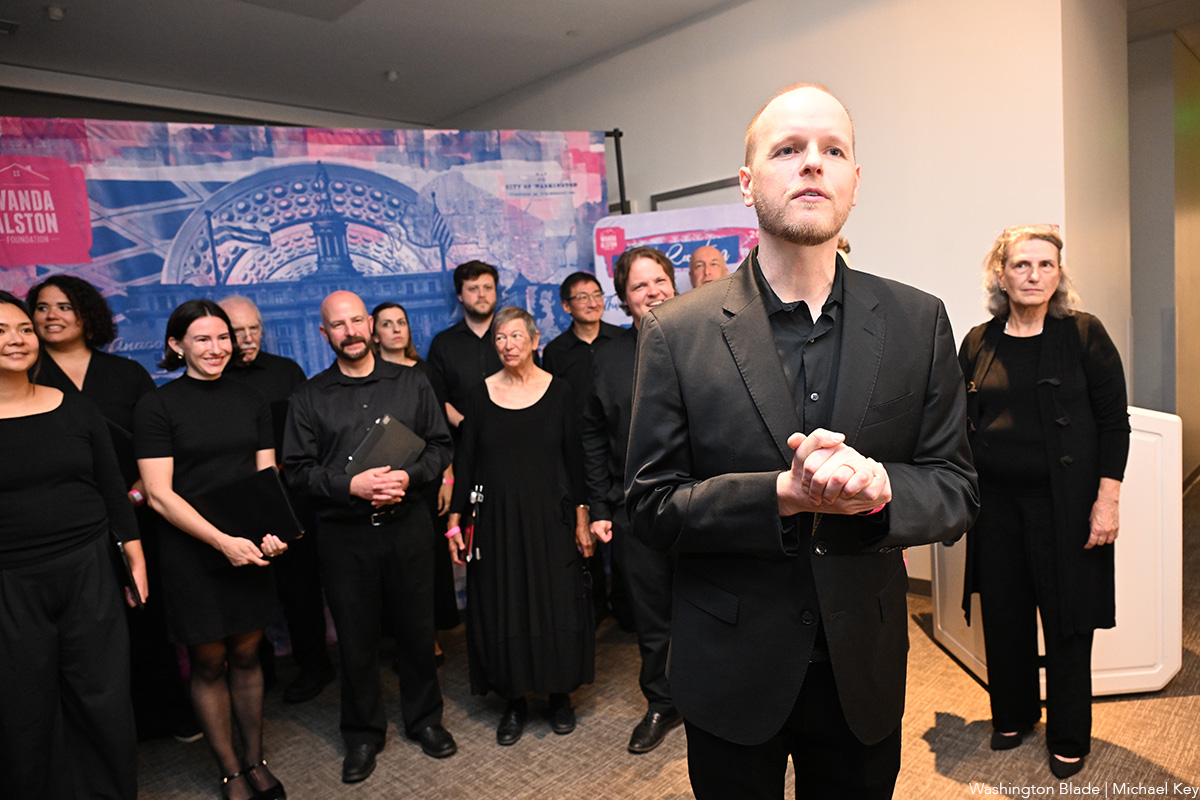
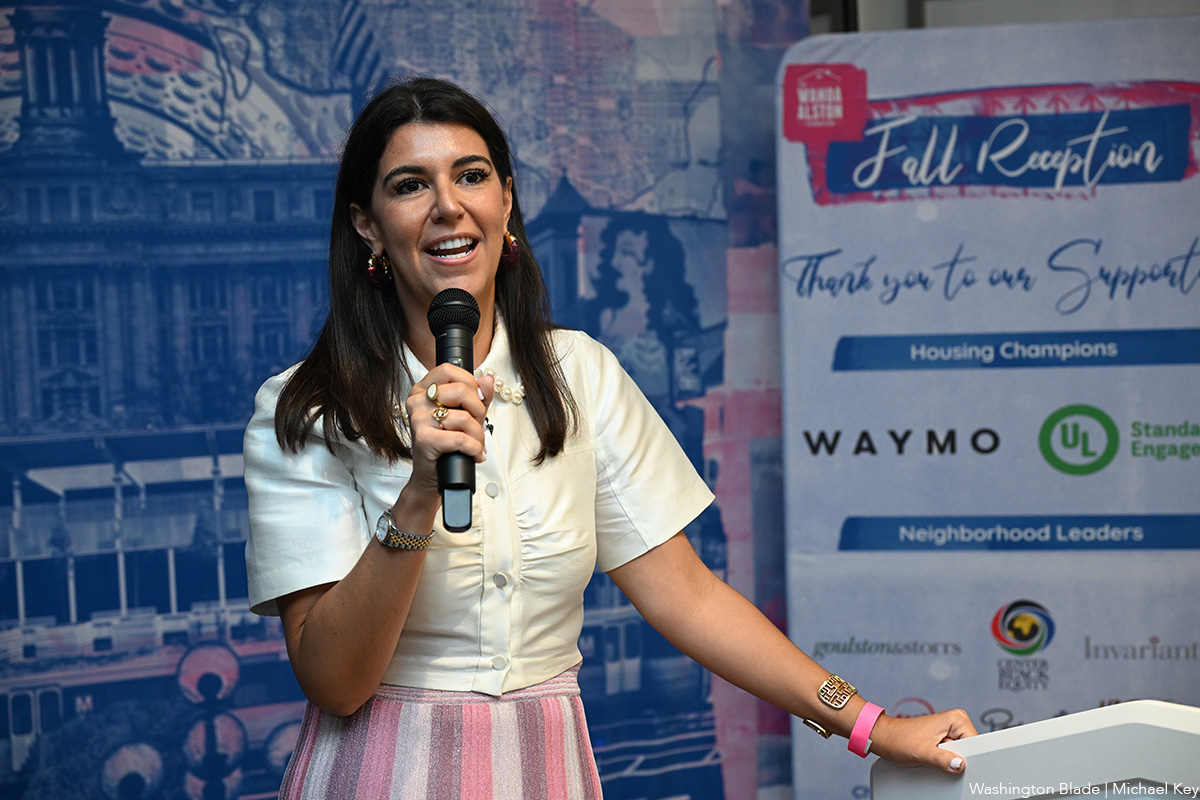
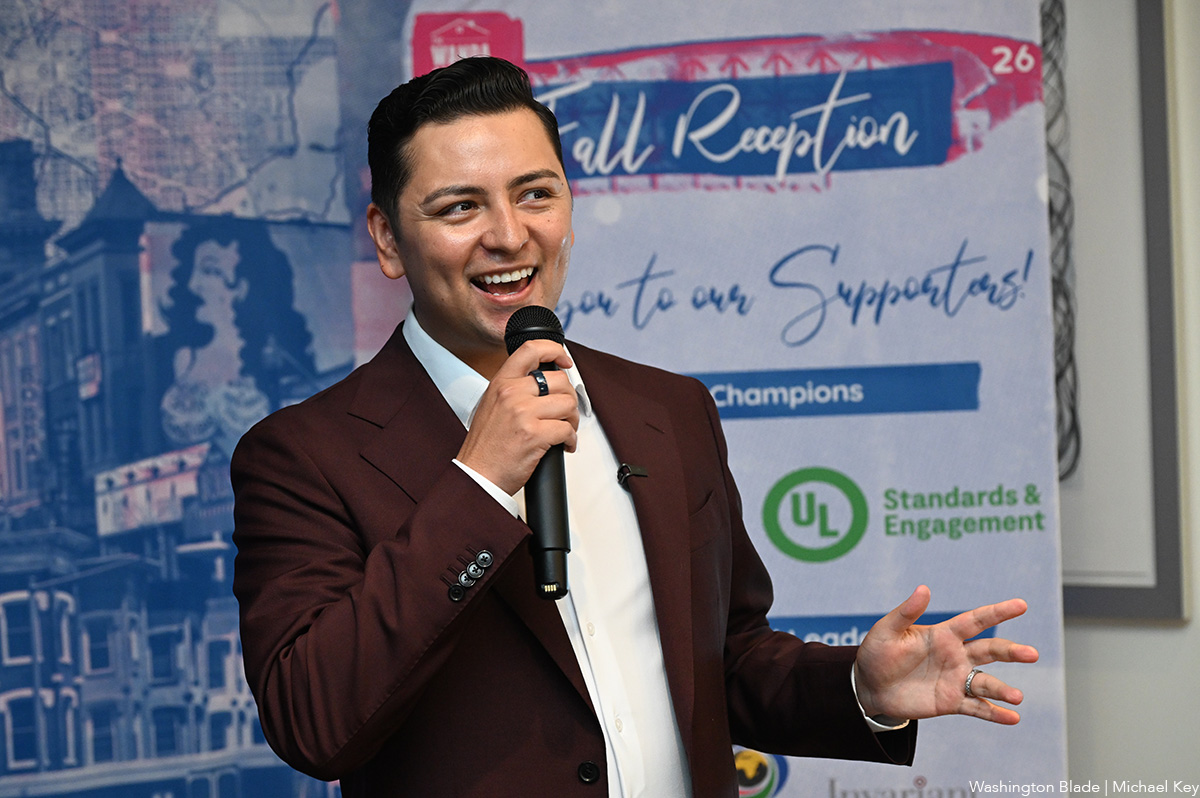
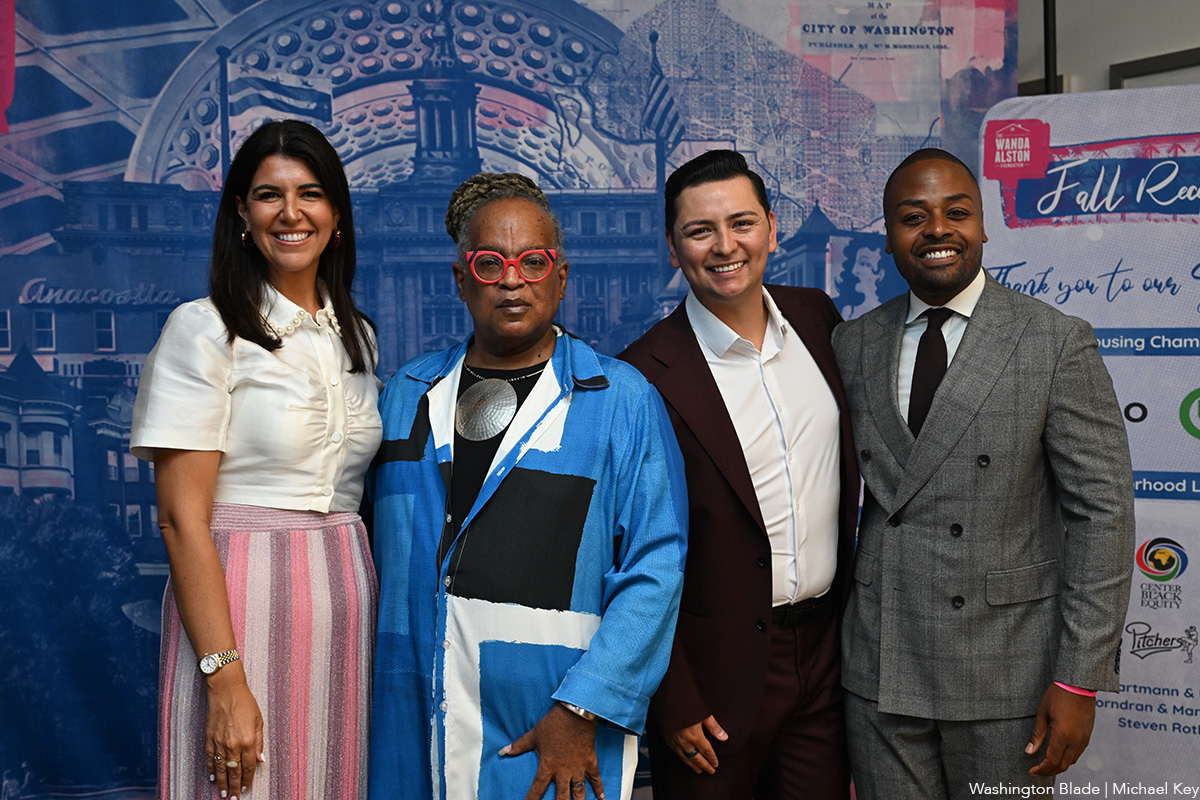
PHOTOS: Wanda Alston Foundation Fall Reception
LGBTQ youth services organization honors Robert White, Japer Bowles, Washington Capitals
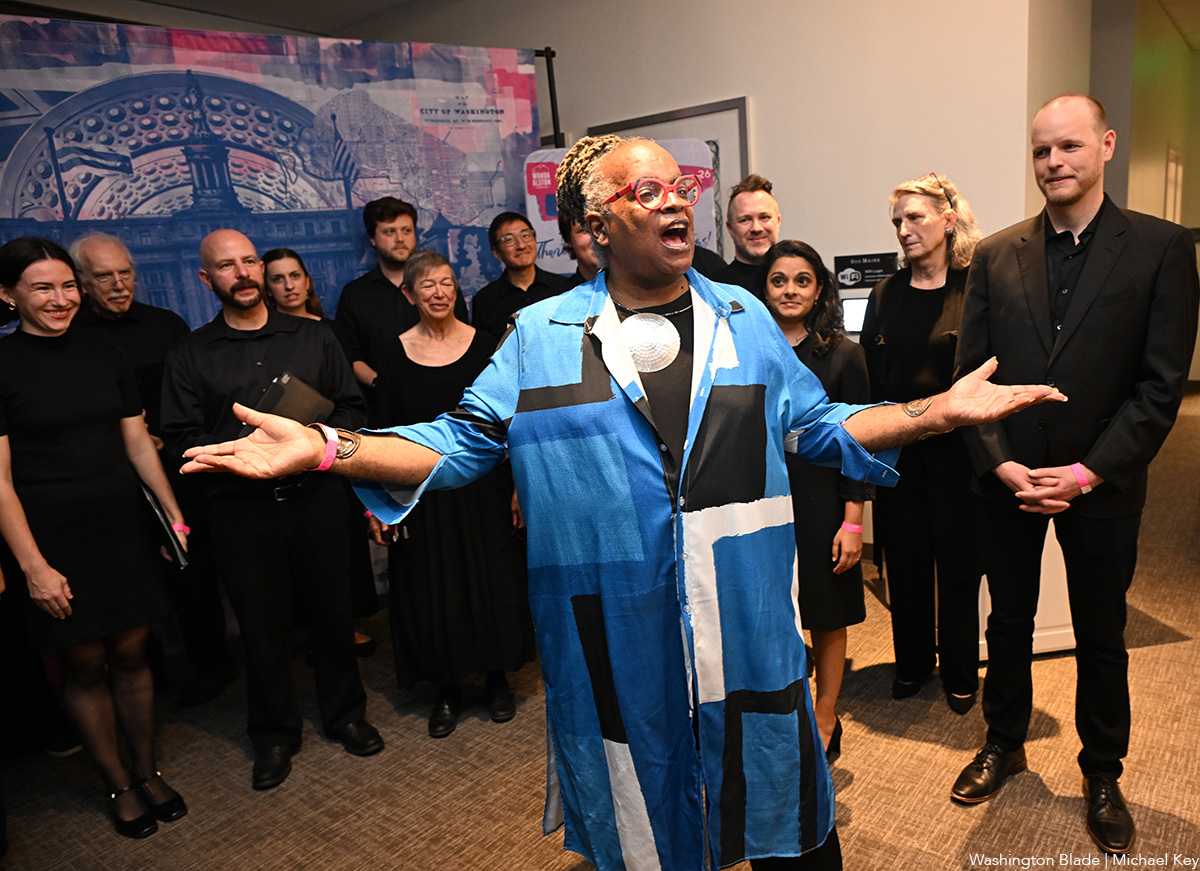
The Wanda Alston Foundation held its Fall Reception at the Penthouse Rooftop at The Wharf on Friday, Sept. 18. Honorees included D.C. Councilmember Robert White, Director of the Mayor’s Office of LGBTQ+ Affairs Japer Bowles, and the Washington Capitals. Rayceen Pendarvis served as the emcee and entertainment was provided by the Thomas Circle Singers.
(Washington Blade photos by Michael Key)

White House press pool pushes back after Trump bars three outlets

PHOTOS: Shenandoah Valley Pride

Long-time DignityUSA executive director announces retirement

PHOTOS: Walk and 5K to End HIV

PHOTOS: Wanda Alston Foundation Fall Reception

Gun reform is an LGBTQ rights issue

All the queer things to watch this fall

Parties, dinners, concerts and more on tap for fall nightlife

Jeremy Moss looks to bring LGBTQ advocacy from Lansing to Capitol Hill