Local
New leadership for community center
“The GLCCB is a truly historic center,” Beehler told the Blade. “As one of the oldest five in the nation, we are proud of our history.”
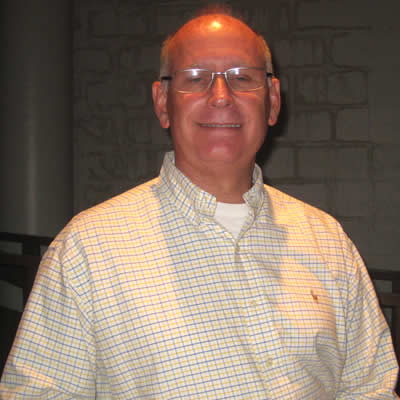
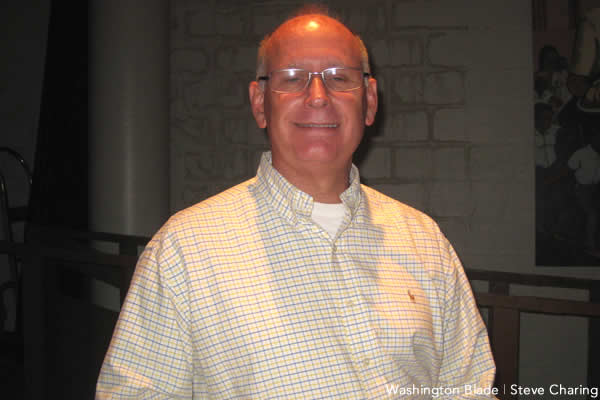
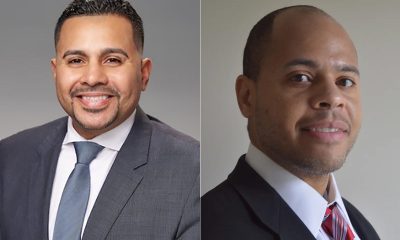
Trevor Ankeny, who served as board president for three years, was replaced by Bud Beehler, a retired school principal who had served as the board’s secretary for the past 11 months. (Washington Blade photo by Steve Charing)
On June 19, just two days after Baltimore’s Pride celebration, the board of directors of the 35-year-old Gay and Lesbian Community Center of Baltimore (GLCCB)—the producer of Pride—announced changes in leadership effective immediately. Trevor Ankeny, who served as board president for three years, was replaced by Bud Beehler, a retired school principal who had served as the board’s secretary for the past 11 months.
“The GLCCB is a truly historic center,” Beehler told the Blade. “As one of the oldest five in the nation, we are proud of our history. Like many LGBT centers, we have had a bumpy path that has been magnified for us in the past few years. The board spotted some problems in how the Center was being managed and because the current board is committed to due diligence, we made some important changes.”
Jay Day was appointed board secretary. Matt Newcomer and Mike McCarthy will continue as treasurer and vice president, respectively. Chuck Bowers, Rachael Stern and Sharon Brackett were appointed as members of the board, and Mike Robertson, Charlie Mumford and John Flannery will continue in the positions of members-at-large.
The board held a town hall meeting in Baltimore on June 25. It was the first such meeting since 2000. More than 25 members of the community attended, and after Beehler introduced the new board and current GLCCB staff, he explained that this is a “reset” for the GLCCB, and said the board is committed to “striving for transparency and engagement.” He indicated that this is the first of a series of town hall meetings with the next one to take place in 90 days.
One of the top priorities for the GLCCB is to increase diversity on the board. This issue was raised by several in attendance as a key to establishing credibility among people of color as well as transgender individuals. Beehler said that the Center is actively seeking to diversify the board. Finances are another major concern for the Center and its leadership. Net revenues from Pride cover operating expenses for about six months in a fiscal year. Many expenses and initiatives, such as renovations to meet ADA requirements and other improvements must be met by other revenue sources.


Rehoboth Beach
SUNFESTIVAL takes center stage as Rehoboth Beach closes out summer
Labor Day Weekend bustling with events, including David Archuleta performance

Labor Day Weekend marks the unofficial end of summer in Rehoboth Beach, but there will be no shortage of LGBTQ events, with CAMP Rehoboth’s annual SUNFESTIVAL taking over town this weekend.
Thursday (9/3)
Get your Labor Day Weekend started early Thursday night with happy hour from 5-7 p.m. at Diego’s Bar & Nightclub, followed by Naughtee Bingo hosted by Magnolia Applebottom at 8:30 p.m.
After bingo, the party continues with Dancing at Diego’s from 9 p.m. to 1:30 a.m.
Aqua Bar & Grill will also kick off its Labor Day Weekend festivities Thursday with a DJ spinning from 9 p.m.-1 a.m.
Friday (9/4)
The weekend ramps up Friday night at Aqua, where DJ Matt Bailer will keep the dance floor moving from 9 p.m.-1 a.m.
Over at Diego’s, DJ Steve Sidewalk will then take over Diego’s for Freedom Friday from 9 p.m.-1:30 a.m.
Saturday (9/5)
The main event of the weekend arrives Saturday with the opening night of CAMP Rehoboth’s SUNFESTIVAL.
Billed as the ultimate party to close out the summer, SUNFESTIVAL has become one of Rehoboth’s signature Labor Day Weekend events. The annual celebration sells out each year, with proceeds benefiting CAMP Rehoboth.
Doors open at 6:30 p.m. with refreshments available at the cash bar while attendees are invited to socialize and find their seats.
Saturday night will feature local singer Ashley Williams as the opening performer, followed by headliner David Archuleta. The event will also feature a live auction.
Back across town Saturday, Aqua will continue its Labor Day Weekend DJ lineup from 9 p.m. to 1 a.m.
Diego’s will also have plenty happening, with ‘Splash Party’ hosted by Magnolia Applebottom at 5 p.m., followed by a Saturday Dance Party with Brett Oosterhaus from 9 p.m.- 1:30 a.m.
The Blue Moon hosts its popular Legends Show at 9 p.m. It’s an all-live singing show by the Blue Moon cast of celebrity impersonators.
Etienne Pilon has taken Rehoboth by storm this summer. Check out the talented singer/pianist at The Pines from 7-10 p.m.
Sunday (9/6)
Sunday’s SUNFESTIVAL event will shift the focus to the dance floor, with globally renowned DJs Robbie Leslie and James Anthony scheduled to perform. Doors open at 7 p.m., with dancing continuing until 1 a.m.
On Sunday, Aqua will throw its annual White Party, with DJs spinning from 9 p.m.-1 a.m. Guests are encouraged to dress in white for the holiday weekend celebration.
Diego’s will host its Sunday High T-Dance with Pamala Stanley at 5 p.m. Later that evening, DJ Tannr will be spinning at 9 p.m.
John Flynn is on the piano from 6-8 p.m. at the Blue Moon.
Monday (9/7)
The final day of Labor Day Weekend brings one last chance to hit the dance floor before summer officially winds down.
Aqua will close out its five-day Labor Day Weekend celebration with DJ Biff from 3-7 p.m.
Maryland
Anne Arundel schools now need parent permission to call trans students by preferred names
Conservative groups challenged system’s policy
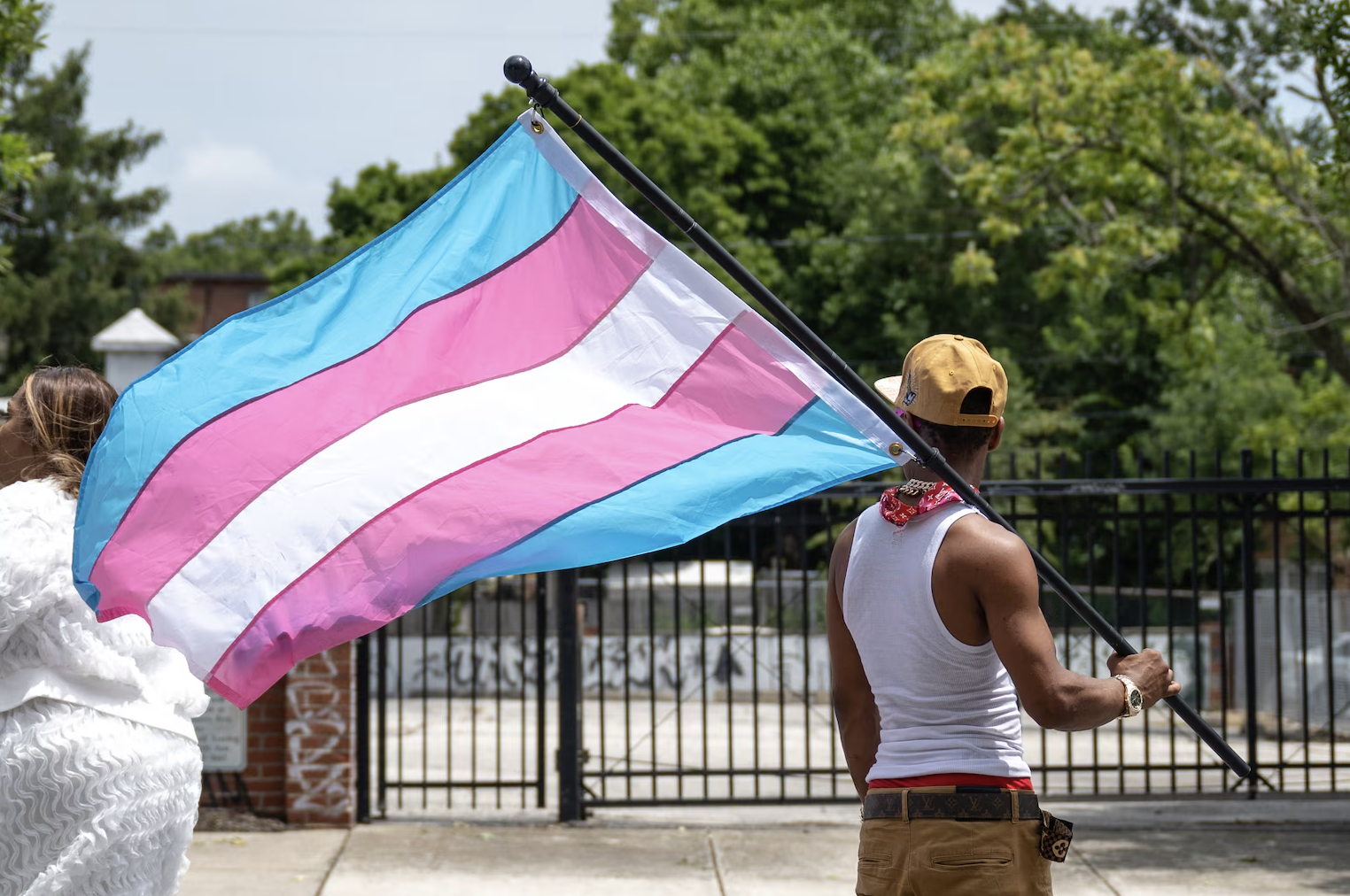
By JESSICA CALEFATI | Anne Arundel County Public Schools staff cannot use transgender students’ preferred names if their parents oppose it, according to an internal document reviewed by the Banner, a change that comes after conservative groups challenged the school system’s approach to gender identity.
Teachers union president Kristina Korona told members in an Aug. 20 email that the new guidance undermines district policy on acceptance and inclusivity and “will begin harming affected students immediately.”
Previously, the district didn’t require parental permission to use a high school student’s chosen name and pronouns corresponding to their gender identity, the internal document says. Now it does. The change comes as parents challenge the suburban school system’s gender identity policy and regulation in court and the Trump-Vance administration threatens the district’s funding.
The rest of this article can be found on the Baltimore Banner’s website.
District of Columbia
‘People don’t see me. They see a trend’
New popularity of all things Asian warps view of multiple cultures
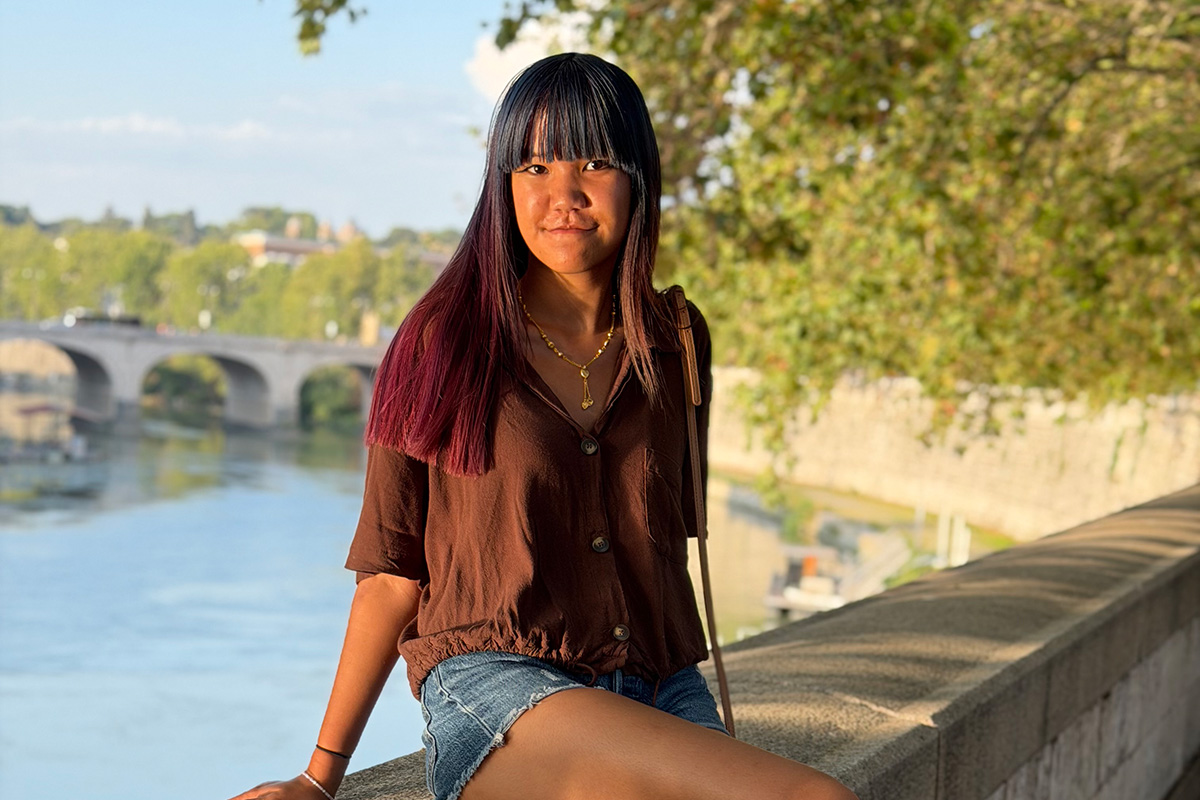
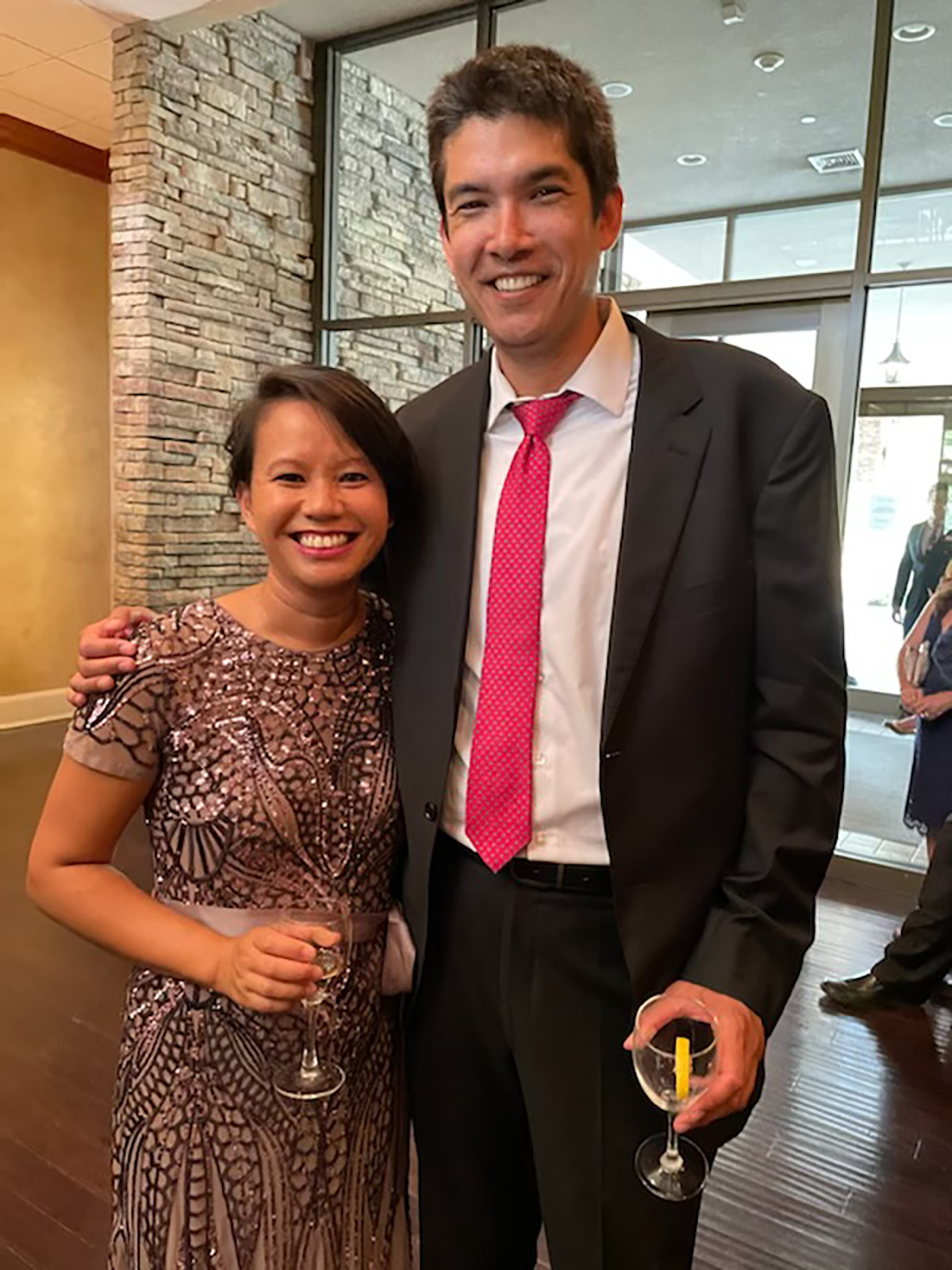
As I was growing up, my parents often shared stories about how they were bullied when they were my age, just for being Asian. My mom is Cambodian and my dad is “Wasian,” Chinese and white. Students teased them for their looks, their homemade lunches, and treated their traditional holidays as jokes.
I once asked my mom when I was little if she could pack me dumpling leftovers for lunch. “Yes,” she said with a surprised look, adding, “I would have never wanted to bring dumplings to school when I was your age because I would always get bullied for them. I’m glad times have changed.”
At the time, I was confused. Whenever I brought a homemade Asian dish to school for lunch, I was happy to hear intriguing and curious questions from the other kids. It felt good to have my meal be popular and different from the Lunchables everyone else had.
Though times have changed, racism still continues. It just has a new face. Today, social media pretends to flatter our cultures in an insincere way trying to gain popularity just for clicks. Think anything from K-pop to Japan’s surge in international tourism. Even Starbucks has added drinks with the flavor of ube yam, native to the Philippines, onto its menu.
I feel that now when people see me, they don’t see me, they see a trend.
For years, Asian people have been portrayed as foreign or exotic. The new embrace of foods and fashion at first felt good. Asians have never been represented as much as they’ve deserved.
But this new popularity warps what non-Asians see. Instead of the blunt and direct racism my parents faced, everything now is a gray area, more discreetly hidden behind some TikTok video. It actually normalizes racism and stereotypes.
Whitewashing my culture
As a 15-year-old Asian American who lives in D.C., I’ve always been one of the few Asian kids in school; my high school today counts less than 2 percent of students as being of Asian descent. I remember always being called “that one Asian girl” or some slur a kid learned from their parents. Every time I search for something related to Asian culture, such as a recipe or maybe a holiday, it’s always the same thing: some white person whitewashing my culture.
Social media is the main culprit, of course. I realized this when I entered high school and got a phone and was introduced to the internet. That is when I realized how messed up the new stereotypes around Asians are.
One pattern I started to notice was people wanting to be Asian just because it was popular. It was hurtful, patronizing, and annoying. They made assumptions about our race and then only found us “cool” because we were trending. How can people go from hating us or finding us weird, to then only liking us because we’re popular?
There was a trend going around on TikTok called “race change to another” or RCTA. It is this trend of people manifesting certain physical traits to change their appearance in order to change races. According to journalist Emi Tran, writing then as an intern for NBC Digital, the trend started when a white woman wanted to be Japanese. The woman began posting TikTok videos of herself wishing for different features such as monolids. Tran wrote in that 2023 article that “the overwhelming majority of the RCTA community wants to be East Asian.”
People also look up to K-pop culture, idolizing the pop groups pulled together by big entertainment companies. Most people expect all Koreans to be K-pop fans. Korean friends are asked about K-pop all the time even though they are not into the South Korean music genre.
Although I am not South Korean — I am half Cambodian and Chinese — I still get asked, almost like I’m expected, “You’re really into this group, right?” or “Can you tell me how to pronounce this member’s name?”
I was asked even worse questions during COVID-19. Suddenly, discrimination and violence were increasing specifically toward Asians everywhere. Suddenly, almost everyone was blaming Chinese people for spreading and causing COVID-19.
I remember going to school for one of the last times before quarantine had started and hearing kids whisper, “Oh, she’s going to give us the Coronavirus.” President Donald Trump had publicly posted his opinions about the situation on social media, blaming China for the pandemic, even calling it the “Chinese Virus” or the “Wuhan Virus.” According to NPR, anti-Asian hate crimes in U.S. cities surged 149 percent that year.
The topic of Asians in the media has always been complicated. One moment people can hate us for being weird and different and the next we’re suddenly popular and cool for the same reasons.
I feel conflicted on whether I should feel happy that we’re being represented or angry that it’s all for the wrong reason and has the wrong effects.
Lily Brugman is a sophomore at Benjamin Banneker Academic High School, one of Youthcast Media Group’s journalism class partners. She worked with YMG volunteer and Professor Emerita in journalism at American University Amy Eisman on this piece.

PHOTOS: Miss Gay Old Bay

SUNFESTIVAL takes center stage as Rehoboth Beach closes out summer

Anne Arundel schools now need parent permission to call trans students by preferred names
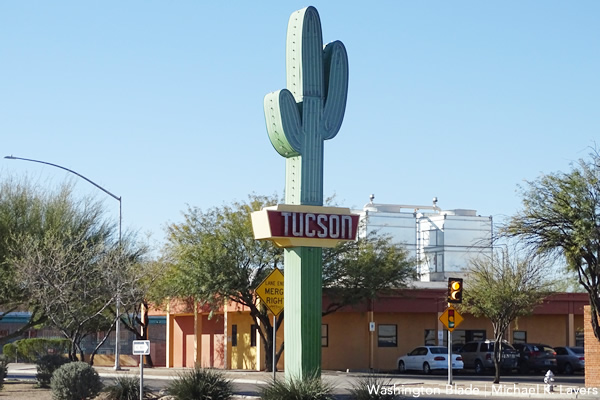
Shooting outside gay bar in Ariz. leaves three dead

‘People don’t see me. They see a trend’

San Francisco, long a queer safe haven, remains competitive for homebuyers

Trans, nonbinary Americans find refuge in the Netherlands

Calendar: August 28-September 3

‘Teenage Sex and Death’ has never been more entertaining

Actor Tim Curry dies at 80
-

 California4 days ago
San Francisco, long a queer safe haven, remains competitive for homebuyers
-
Netherlands5 days ago
Trans, nonbinary Americans find refuge in the Netherlands
-
Calendar4 days ago
Calendar: August 28-September 3
-
Movies4 days ago
‘Teenage Sex and Death’ has never been more entertaining