News
Biden: Growth of authoritarianism on global stage threatens LGBTQ rights
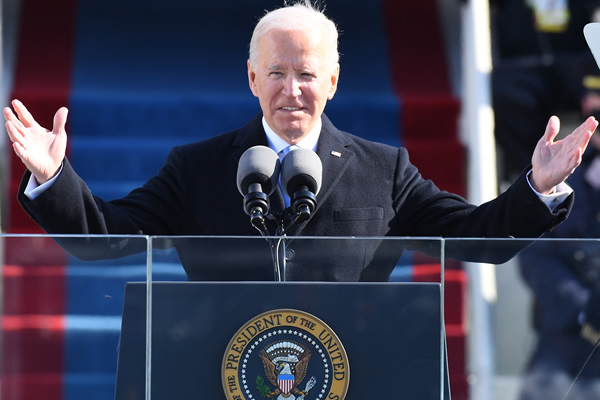
President Biden recognized on Monday the International Day against Homophobia, Transphobia & Biphobia, decrying the rising trend of authoritarianism on the global stage for continuing to “widen economic, social and safety gaps for LGBTQI+ people,” according to an advance copy of his statement obtained by the Washington Blade.
Biden criticizes authoritarian governments, as well as the coronavirus pandemic, for endangering LGBTQ people in the IDAHOTB statement and specifically enumerates violence against transgender people internationally as an ongoing issue.
“Despite this progress, both COVID-19 and rising authoritarianism around the world continue to widen economic, social, and safety gaps for LGBTQI+ people — and an epidemic of violence still rages, with a particular impact on the transgender community, specifically transgender women and girls of color,” Biden said. “Around the world, some 70 countries still criminalize same-sex relationships.”
Biden makes the statement as Russia and China are challenging democratic systems across the world and seeking to undermine the United States as a global leader and advocate for free market systems.
Meanwhile, other countries, such as Turkey and Venezuela, have shifted toward authoritarianism. According to Freedom House, which scores countries on their commitment to democratic systems, countries with aggregate score declines have outnumbered those with gains every year for the past 15 years.
Biden also enumerates in his statement his commitment to LGBTQ people at home, recognizing they lack basic protections in 25 states and renewing his call for passage of the Equality Act.
“My administration will always stand with the LGBTQI+ community,” Biden said. “Already, we have rolled back discriminatory polices targeting LGBTQI+ Americans, and we have made historic appointments of LGBTQI+ individuals to the highest levels of our government. We continue to implement my executive orders to advance equality and equity. And I continue to urge Congress to pass the Equality Act, which would confirm critical civil rights protections on the basis of sexual orientation and gender identity for all Americans.”
Read Biden’s full statement below:
Statement by President Joseph R. Biden, Jr. on International Day Against Homophobia, Transphobia and Biphobia
May 17, 2021
Jill and I are proud to recognize the International Day Against Homophobia, Transphobia and Biphobia — the anniversary of the day in 1990 when the World Health Organization took the long overdue step of declassifying ‘homosexuality’ as a mental disorder.
So much has changed for the LGBTQI+ community since that day — not only in our laws, but in the hearts and minds of the American people. Courageous activists in America and around the world have championed progress, and won. Here at home, marriage equality and greater protections against hate crimes are the law of the land. Overseas, foreign governments, civil societies, and international organizations like the United Nations finally recognize that LGBTQI+ people are deserving of the full measure of dignity and equality.
Despite this progress, both COVID-19 and rising authoritarianism around the world continue to widen economic, social, and safety gaps for LGBTQI+ people — and an epidemic of violence still rages, with a particular impact on the transgender community, specifically transgender women and girls of color. Around the world, some 70 countries still criminalize same-sex relationships. And here at home, LGBTQI+ Americans still lack basic protection in 25 states, and they continue to face discrimination in housing, education, and public services.
My Administration will always stand with the LGBTQI+ community. Already, we have rolled back discriminatory polices targeting LGBTQI+ Americans, and we have made historic appointments of LGBTQI+ individuals to the highest levels of our government. We continue to implement my executive orders to advance equality and equity. And I continue to urge Congress to pass the Equality Act, which would confirm critical civil rights protections on the basis of sexual orientation and gender identity for all Americans.
Everyone is entitled to dignity and equality, no matter who they are, whom they love, or how they identify — and we will continue to engage with allies and partners to advance the human rights of LGBTQI+ people here at home and in all corners of the world.
Georgia
Everton Blair makes history as first openly gay congressman from Ga.
Former Gwinnett County Board of Education member to serve remainder of David Scott’s term
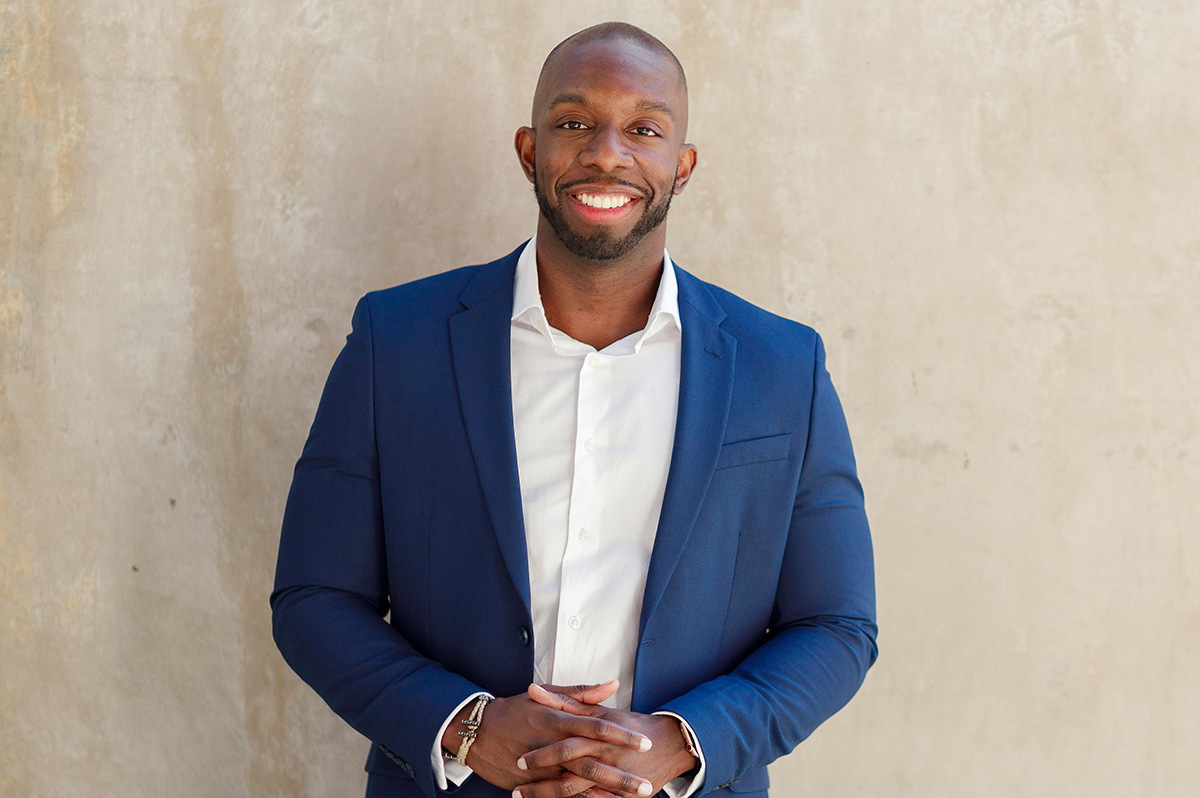
Georgia made history last week when Everton Blair, Jr., was sworn into the U.S. House of Representatives, becoming the state’s first openly LGBTQ member of Congress and the latest LGBTQ addition to the chamber.
Blair, who represents Georgia’s 13th Congressional District, was sworn in on Sept. 1 after winning a special election to fill the vacancy left by the late-Congressman David Scott. Blair defeated Marcye Scott, the late congressman’s daughter, in the Aug. 25 runoff, winning 53.2 percent of the vote to Scott’s 46.8 percent.
He will serve the remainder of Scott’s term through Jan. 3, 2027. Blair is not running in the November general election for a full term.
Blair brings a progressive platform to Congress.
The 34 year-old supports Medicare for All, a Green New Deal, raising the minimum wage, and universal gun background checks. His campaign platform also included positions on LGBTQ rights, reproductive freedom, workers’ rights, climate, and gun violence.
Since joining the House, Blair has joined the Congressional Black Caucus and Congressional Progressive Caucus. He is also a co-chair of the Congressional Equality Caucus.
Before joining the House, Blair served on the Gwinnett County Board of Education, where he became the first Black member and youngest-ever member elected to the board, as well as its first openly gay member. He was later unanimously selected as chair.
Blair also served as a fellow in President Barack Obama’s White House Initiative on Educational Excellence that focused on improving academic outcomes and expanding opportunities for minority students.
The son of Jamaican immigrants, Blair was born and raised in Georgia’s 13th Congressional District. He earned a bachelor’s degree in applied mathematics from Harvard University, a master’s degree in policy, organization, and leadership from Stanford University, and a Doctor of Education Leadership degree from Harvard.
Blair’s campaign received endorsements from a number of organizations, including the LGBTQ+ Victory Fund and progressive Democratic groups such as Future Democrats.
The Equality PAC, a political action committee dedicated to electing openly LGBTQ candidates to office, celebrated Blair’s victory and provided a statement to the Washington Blade about the historic nature of his election.
“This is a historic election for Georgia, the South, and our entire country,” Equality PAC said in an email. “Everton Blair brings a strong record of public service and a deep commitment to making government work for working families.”
The group said Blair would “fight to lower costs, expand access to quality health care, create economic opportunity, and ensure every community has a voice in Washington.”
“At the same time, Everton understands the importance of standing up for equality and defending the rights and freedoms of LGBTQ Americans and every community facing discrimination,” Equality PAC said. “His historic election as Georgia’s first openly LGBTQ Member of Congress and the first openly LGBTQ man elected from the South is a powerful reminder of how far our country has come — and how much work remains.”
Equality PAC said it was “proud to welcome Everton to the House” and looked forward to working with him.
El Salvador
Mujer trans salvadoreña es encontrada sin vida
La muerte de Yoisi Villalta vuelve a poner sobre la mesa la violencia
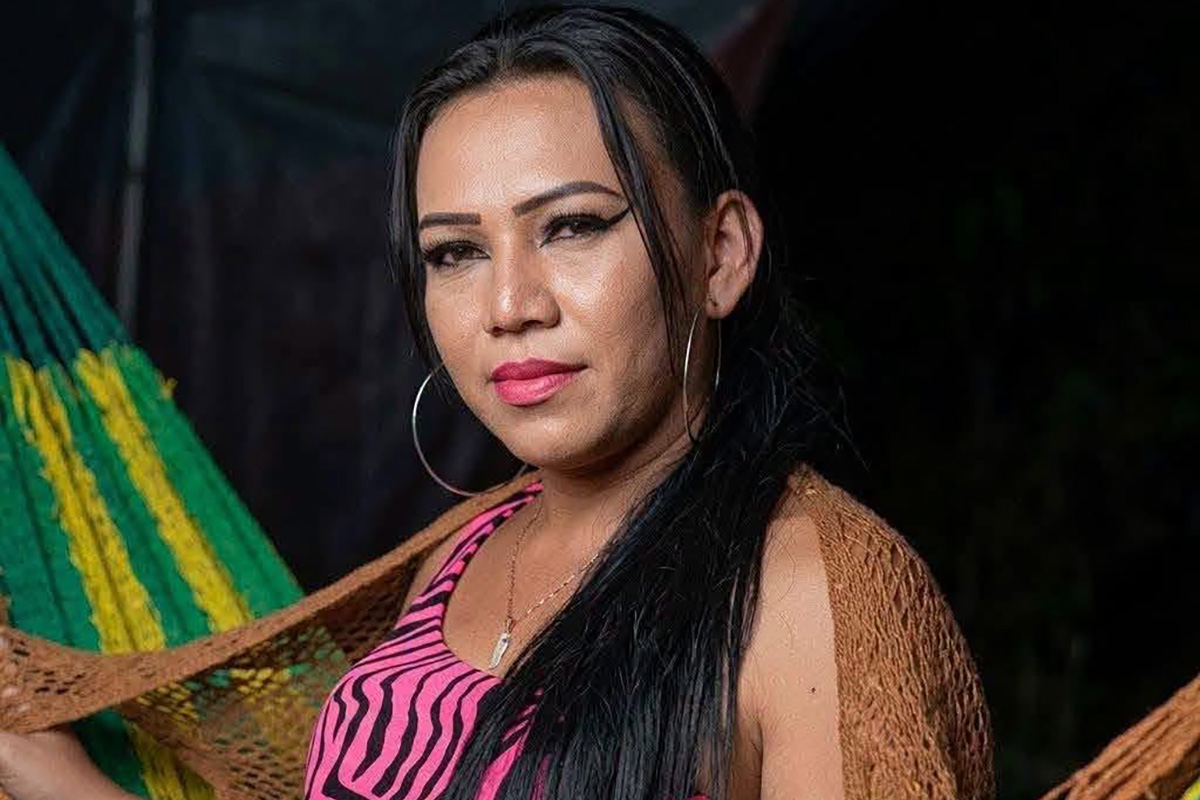
SANTA ANA, El Salvador — La muerte de Yoisi Villalta, mujer trans y vendedora de tortas en Texistepeque, Santa Ana Norte, ha vuelto a colocar en el centro del debate una realidad que durante años ha acompañado a la población LGBTQ en El Salvador: la violencia no termina con una agresión o con una muerte. También puede manifestarse en la manera en que una persona es buscada, nombrada, registrada, despedida y recordada.
Villalta fue reportada como desaparecida por su familia a finales de agosto de 2026. Días después, medios de comunicación y plataformas digitales informaron sobre el hallazgo de su cuerpo sin vida. Un reporte publicado el 5 de septiembre señala que el cuerpo fue localizado en Tacuba, Ahuachapán, ocho días después de su desaparición, mientras que la Policía Nacional Civil no había confirmado hasta entonces la causa de muerte ni clasificado oficialmente el caso como homicidio intencionado.
La precisión es importante; hasta el momento no debe afirmarse como un hecho que Yoisi haya sido víctima de un crimen de odio o de un homicidio motivado por su identidad de género, mientras no exista una investigación oficial que determine las circunstancias y causa de su muerte. Lo que sí existe es una profunda preocupación expresada por organizaciones de la sociedad civil y por personas de la comunidad LGBTQ, especialmente ante el contexto de violencia y discriminación que históricamente han enfrentado las mujeres trans en El Salvador.
Una mujer detrás de una noticia
Antes de convertirse en noticia, Villalta tenía una vida. Era una mujer trans que trabajaba como vendedora de tortas en Texistepeque. Desde su negocio desarrollaba una actividad cotidiana para ganarse la vida, pero también había convertido aquel espacio en una expresión de solidaridad con su comunidad.
De acuerdo con la información difundida por organizaciones LGBTQ, Villalta compartía alimentos con las brigadas de salud sexual que realizaban jornadas en la zona. Esa faceta de su vida permite verla más allá de las circunstancias de su muerte: como una mujer trabajadora, solidaria y vinculada a acciones comunitarias.
La Federación Salvadoreña LGBTI pidió precisamente que su memoria fuera abordada desde esa perspectiva. En el mensaje difundido tras conocerse su muerte, la organización llamó a recordarla por “su vida, su trabajo, su generosidad, y sobre todo desde su nombre”, y pidió que su historia no fuera reducida al morbo.
Ese llamado resulta especialmente importante en tiempos en que las redes sociales pueden convertir una tragedia humana en una sucesión de comentarios, fotografías, especulaciones y publicaciones hechas sin sensibilidad. Una persona fallecida no deja de tener dignidad.
Y una mujer trans no deja de ser mujer porque haya muerto.
El derecho a ser nombrada
Uno de los aspectos que más indignación ha provocado en torno al caso es el tratamiento de la identidad de Villalta durante la búsqueda. Organizaciones y personas cercanas han denunciado que durante el proceso de búsqueda se utilizó el nombre que aparece en su Documento Único de Identidad (DUI), en lugar del nombre con el que Villalta vivía y era reconocida socialmente.
Este aspecto no es meramente una cuestión semántica. Para las personas trans, el nombre puede representar una parte fundamental de su identidad y de la manera en que construyen su vida frente a la sociedad. Ser reconocidas por el nombre con el que se identifican constituye también una forma de respeto.
En el caso de Villalta, la Federación Salvadoreña LGBTI expresó que negar el nombre y la identidad de una persona trans también constituye una forma de violencia. La situación adquiere una dimensión todavía más compleja en El Salvador, donde continúa sin existir un mecanismo legal general que permita a las personas trans modificar su nombre y marcador de género en sus documentos de identidad conforme a su identidad de género.
Así, una persona puede construir durante años una vida social, familiar, laboral y comunitaria con un nombre determinado y, sin embargo, encontrarse ante instituciones que continúan identificándola exclusivamente mediante los datos registrales que no corresponden a la identidad con la que vive. El caso de Villalta vuelve a evidenciar esa tensión entre la identidad vivida y el reconocimiento institucional.
Un problema que va más allá de un solo caso
El caso de Villalta ocurre en un país donde las organizaciones de derechos humanos han advertido durante años sobre la violencia y discriminación que afectan a la población LGBTQ. La información disponible también muestra un problema relacionado con la documentación de estos hechos.
Organizaciones defensoras de derechos humanos han cuestionado la ausencia o insuficiencia de registros públicos actualizados y desagregados que permitan conocer con precisión cuántos delitos violentos afectan a personas LGBTQ y cuántos de ellos tienen como posible motivación la orientación sexual, identidad o expresión de género. La falta de información no significa necesariamente ausencia de violencia. Por el contrario, puede hacerla más difícil de identificar.
Un crimen que no registra la identidad de género de la víctima, o que no investiga adecuadamente una posible motivación relacionada con prejuicios, termina incorporándose estadísticamente como un hecho aislado, sin permitir comprender patrones. Ese problema tampoco es exclusivo de El Salvador. Sin embargo, en el país constituye una preocupación recurrente para las organizaciones que documentan vulneraciones contra personas LGBTQ.
301 denuncias en 2025
Un indicador permite dimensionar que el problema trasciende los homicidios. El Informe 2025 sobre las vulneraciones de los derechos humanos de las personas LGBTQ en El Salvador, elaborado por el Observatorio de Derechos Humanos LGBTIQ+ de ASPIDH con apoyo de Hivos y Arcus Foundation, registró 301 denuncias de vulneraciones de derechos entre el 1 de enero y el 22 de septiembre de 2025. La Comisión Interamericana de Derechos Humanos también recogió estos datos en su informe anual.
Según esa información, las mujeres trans representaron el 53,5 por ciento de las víctimas registradas y los hombres gays el 26,6 por ciento. El informe también señaló como principales presuntos responsables a cuerpos uniformados, entre ellos la Policía Nacional Civil, los cuerpos de agentes municipales y militares desplegados bajo el régimen de excepción.
Estos datos deben leerse con cautela: se trata de denuncias de vulneraciones de derechos, no de una cifra de homicidios ni de todos los casos ocurridos en el país.
Pero muestran algo importante: la violencia contra las personas LGBTQ no puede analizarse exclusivamente desde los asesinatos. También existe violencia en la discriminación, en el acceso a servicios, en el trato institucional, en la familia, en el trabajo, en los espacios públicos y en la imposibilidad de ejercer plenamente derechos fundamentales.
El precedente de Zashy Zuley
La historia reciente de El Salvador ofrece antecedentes que ayudan a comprender por qué el caso de Villalta genera preocupación. En abril de 2021 fue asesinada en San Miguel Zashy Zuley del Cid, una mujer trans y activista vinculada al trabajo comunitario de personas LGBTQ.
ACNUR condenó entonces su asesinato y señaló que Zuley había sido previamente desplazada de su hogar debido a amenazas. La agencia de Naciones Unidas explicó que trabajaba junto con COMCAVIS TRANS para apoyarla en un proceso de emprendimiento y medios de vida.
Su muerte también puso en evidencia otra forma de violencia: después de morir, hubo dificultades para que su identidad de género fuera respetada durante sus honras fúnebres. Medios que documentaron el caso señalaron que fue sepultada con una expresión masculina y que existieron obstáculos para la participación de personas LGBTQ cercanas a ella.
El caso de Zuley se convirtió así en un símbolo de una problemática que tiene dos dimensiones: la violencia contra el cuerpo y la violencia contra la identidad.
Más de cinco años después, la muerte de Villalta vuelve a colocar ambas preocupaciones en la conversación pública.
¿Dónde están los datos oficiales?
Una de las preguntas que surgen nuevamente es cuántos casos de violencia contra personas LGBTQ han ocurrido en los últimos años y cuántos han sido investigados considerando una posible motivación por prejuicio.
La ausencia de información pública reciente y desagregada dificulta responder.
Esta falta de datos no solo afecta a las organizaciones defensoras de derechos humanos. También afecta a las instituciones encargadas de diseñar políticas públicas, prevenir la violencia y garantizar justicia.
Si no sabemos cuántos casos existen, dónde ocurren, quiénes son las víctimas, qué tipos de violencia se presentan y qué resultados tienen las investigaciones, resulta mucho más difícil diseñar respuestas adecuadas. La documentación independiente adquiere entonces un papel fundamental, aunque nunca debería sustituir la obligación del Estado de generar estadísticas confiables y transparentes.
El desafío de no olvidar
El caso de Villalta vuelve a plantear una pregunta incómoda para El Salvador:
¿Qué ese está haciendo para que las personas LGBTQ puedan vivir y morir con dignidad? La respuesta no puede depender únicamente de las organizaciones LGBTQ, de las familias o de las comunidades.
Requiere instituciones que registren adecuadamente los hechos, investigaciones que determinen responsabilidades, y de acuerdo con activistas de sociedad civil, también “se necesita un Estado que cree y promueva políticas de prevención y que reconozca la identidad de las personas diversas, formación de funcionarios y una sociedad que comprenda que la diversidad no disminuye el valor de ninguna persona”. Por ahora, las circunstancias de la muerte de Yoisi dejan muchas dudas en lo sucedido y no corresponde afirmar que se trató de un crimen de odio sin una determinación oficial de una investigación que no existió.
Iceland
Iceland implements gender-neutral blood donor rules
New regulations took effect Sept. 1, allow more LGBTQ people to donate
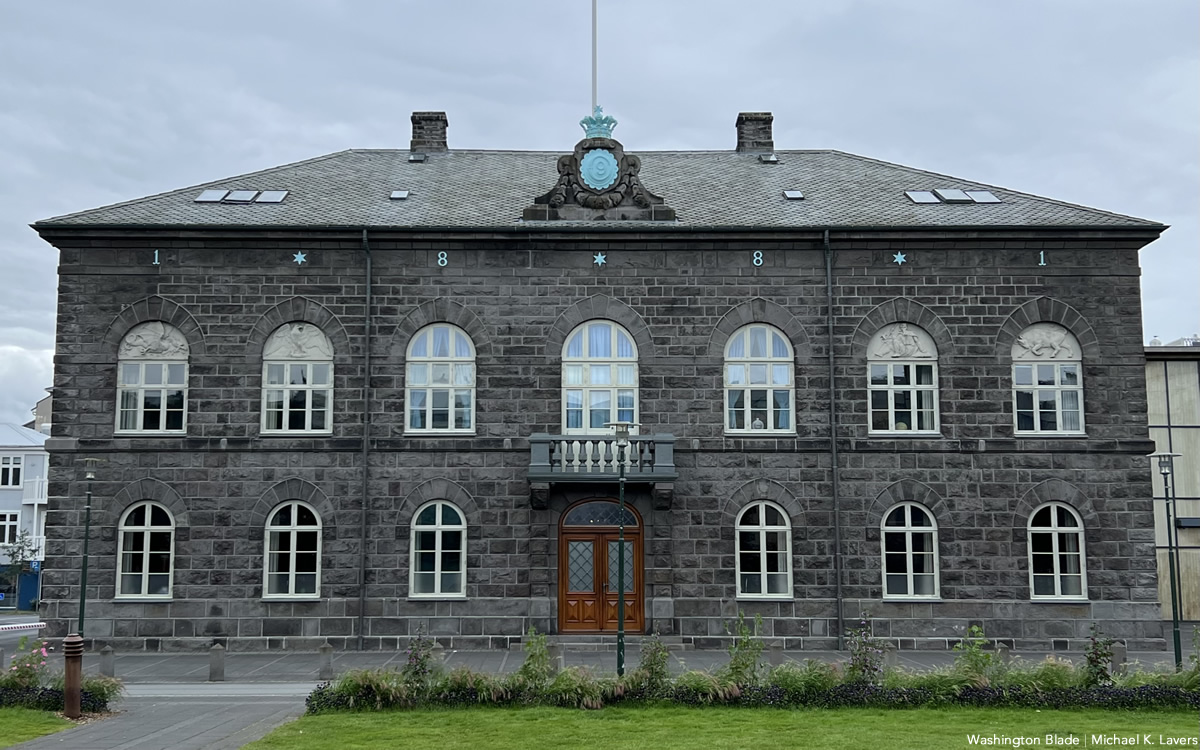
New rules that will allow more gay and bisexual men to donate blood in Iceland took effect on Sept. 1.
The Iceland Review, an English-language magazine, notes the new regulations the country’s Health Ministry approved are gender-neutral. Some restrictions, however, remain in place for potential donors, regardless of their sexual orientation or gender identity.
“Specific sexual activity can be linked to higher risk of bloodborne infections, therefore thorough screening is very important in regards to blood donor eligibility,” states the Icelandic Blood Bank on its website.
Potential donors are asked these two questions:
• In the past four months, have you had sex with a new partner?
• In the past four months, have you engaged in what is considered sexual relation of higher risk?
The Icelandic Blood Bank defines “sexual relation of higher risk” as:
• Sexual relation where a condom is not used and relationship duration is less than 4 months.
• Sexual relation outside of pre-existing long-term relationship, where a condom is not used.
• Sexual relation with many individuals (more than one) with/without a condom.
• Sexual relation, where a condom is not used, with an individual whose behavior falls under sexual relation of higher risk.
• Sexual relation where a condom is not used, with an individual that injects narcotics. If more than four months have passed since the last injection, donation is permitted.
• Sexual relation, with/without the use of condom, in exchange for payment.
• Anal sex with/without a condom with a new partner.
• Sexual relation where chemicals are used to enhance sexual experience (chemsex).
• Sexual relation with/without the use of a condom, with an individual diagnosed with HIV, HTLV, Hepatitis B or C, or syphilis.
• Sexual relation with an individual using viral medication (PrEP or PEP) for HIV.
“If yes, evaluation for possible deferral from blood donation needs to be done,” says the Icelandic Blood Bank.
A person with HIV, Human T-lymphotropic virus-1, hepatitis B or C, or syphilis cannot donate blood. A person who has taken PrEP or PEP in the previous four months is also unable to become a donor.
“If more than four months have passed since the medication was taken, viral screening can be done,” says the Icelandic Blood Bank. “If results are negative, blood donation is permitted. Deferral period is longer if administrated intravenously.”
Any potential donor who had “sexual relation with an individual using viral medication (PrEP or PEP) for HIV” must wait four months since their “last sexual relation” before they can give blood.
Anyone who has “ever, even just once, shared a needle/syringe with someone or injected yourself with an illegal substance (non- doctor prescribed), e.g. drugs, anabolic steroids, hormones or peptides.” is permanently prohibited from donating blood.
Iceland is the latest country to lift restrictions for LGBTQ blood donors.
The Australian Red Cross Blood Service in April implemented a new policy that allows “gay and bisexual men and transgender people in long-term monogamous relations (of at least six months) to donate blood and platelets for the first time.”
The U.S. Food and Drug Administration in 2023 implemented a new screening policy for potential donors that asked them questions about their sexual activity, regardless of their sexual orientation or gender identity. The previous policy required men who have sex with men to not have sex for at least three months before they could donate blood.

Anti-science, anti-LGBTQ movements go hand in hand

Everton Blair makes history as first openly gay congressman from Ga.

Mujer trans salvadoreña es encontrada sin vida

Iceland implements gender-neutral blood donor rules

Blade Foundation to host fundraiser in Rehoboth on Sept. 12

Pentagon expands testosterone screening as trans troops face hormone therapy restrictions

Swiss government backs nationwide conversion therapy ban

Calendar: September 4-10

‘Here the Whole Time’ delivers queer coming-of-age comedy
Blade Foundation to host fundraiser in Rehoboth on Sept. 12
-

 U.S. Military/Pentagon4 days ago
Pentagon expands testosterone screening as trans troops face hormone therapy restrictions
-
Switzerland4 days ago
Swiss government backs nationwide conversion therapy ban
-
Calendar4 days ago
Calendar: September 4-10
-
Movies2 days ago
‘Here the Whole Time’ delivers queer coming-of-age comedy