Sponsored
Recovery Reads: Reading in on your journey toward sobriety

The path away from substance abuse is laden with hazards, a minefield where the misstep of a moment can detonate a crisis after years of hard-won progress.
For those soldiering through the haze alone, quite frequently the case of isolated LGBTQ people who have suffered years of isolating trauma, several important important book bear unflinching witness and offer purposeful guidance — helping illuminate a way out of addiction’s oblivion. These books are particularly important to people who are not yet ready to ask for him, giving the reader private guidance on their own terms, at their own speed. These books mind the reader that they have not journeyed too far away from their authentic selves, and that their surrender to alcohol, drugs, and compulsive behaviors can be overcome.
These books range from Dustin Dunbar’s searing memoir “You’re Doing Great! And Other Lies Alcohol Told Me” (Central Recovery Press) to total abstinence and moderation guides like “Soberish” (HarperOne) by Kayla Lyons.
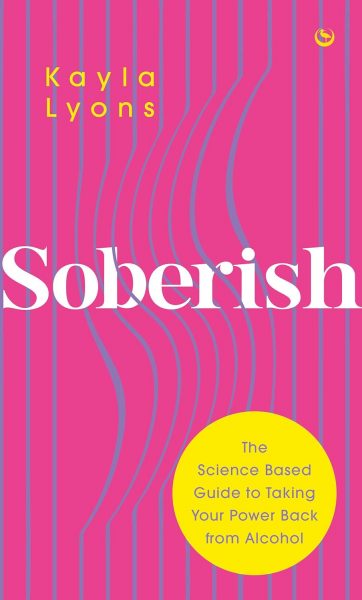
Avoiding the severe strictures of total abstinence, Lyons opens with the inclusive query “Are you ready to take your power back from alcohol?” Whether answering with a resounding “yes” to getting booze-free or a tentative “maybe” to finding moderation, her book provides an arsenal of evidence-based tools — from cold exposure therapy to sound healing and beyond — to chart a compassionate course for creating a moderate, self-determined drinking practice or kicking the habit entirely. By grounding readers in the psychology of substance use, walking them through backsliding risks, and encouraging them to rebuild an alcohol-free identity, Lyons attempts to launch a “sober-ish” movement tailored to the modern age.
For those ambivalent about quitting entirely or simply seeking to reset an unhealthy relationship with substances, Kayla Lyons offers a millennial-focused, non-judgmental guidebook in “Soberish” (HarperOne).
Avoiding the severe strictures of total abstinence, Lyons opens with the inclusive query “Are you ready to take your power back from alcohol?” Whether answering with a resounding “yes” to getting booze-free or a tentative “maybe” to finding moderation, her book provides an arsenal of evidence-based tools – from cold exposure therapy to sound healing and beyond – to chart a compassionate course for creating a moderate, self-determined drinking practice or kicking the habit entirely. By grounding readers in the psychology of substance use, walking them through backsliding risks, and encouraging them to rebuild an alcohol-free identity, Lyons attempts to launch a “sober-ish” movement tailored to the modern age.
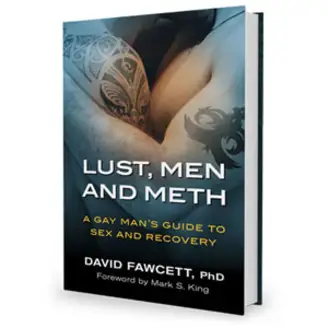
LGBTQ readers struggling with the triple-threat of meth, sex and identity problems will find candid perspective and support from David Fawcett’s “Lust, Men, and Meth” (Hazelden). With insights blended from addiction and sex therapy, the book explores how methamphetamine can hijack the brain’s dopamine systems governing mood, sex drive and compulsive behaviors. Through explicit case studies, Fawcett examines the vulnerabilities of some gay men who turn to meth to soothe feelings of disconnection, unattractiveness or being left out of the community – only to then confront serious issues from HIV/AIDS to the erosion of their sexual selves.
But the book moves beyond profiling the problem to providing solutions, equipping readers (and their helping professionals) with therapeutic tools and strategies for managing the recovery process. With increased distance from the drug, readers delve through a reckoning with powerful emotions like shame that meth once allowed them to bury, and ultimately rebuilding their relationships, identities and capacity for fulfilling sexual expression.
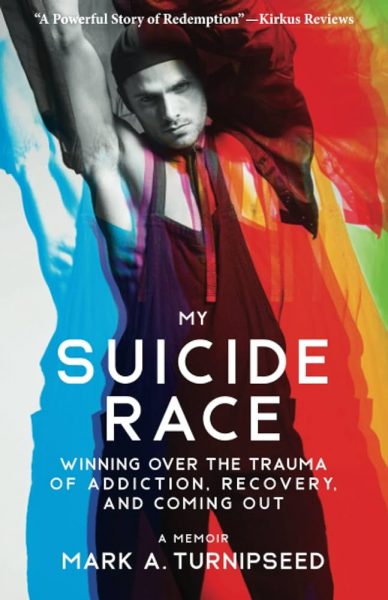
The harrowing “My Suicide Race” (Zinnia Books) by Mark Turnipseed lays bare the often-unseen connections between addiction, self-harm and sexuality trauma. At the tender age of six, Turnipseed internalized the soul-crushing message from his religious community that being gay made him destined for eternal damnation. His confusion and self-hatred set him on a devastating trajectory of alcoholism, drug abuse, prostitution and suicide attempts as he tried to become the straight boy he thought he was supposed to be.
Turnipseed spares no detail in this honest debut memoir, taking readers inside the tormented mind of an addict and trauma survivor in full denial, upending the lives of everyone who loved him. Only after surviving numerous relapses did he finally find a surprising key to saving himself – extreme physical challenges like training for a triathlon provided an avenue to rebuild self-acceptance and authenticity. While heartbreaking in its candor, Turnipseed’s book offers hope that even those who struggle for years can overcome the addictions so often brought on by shame and self-loathing.
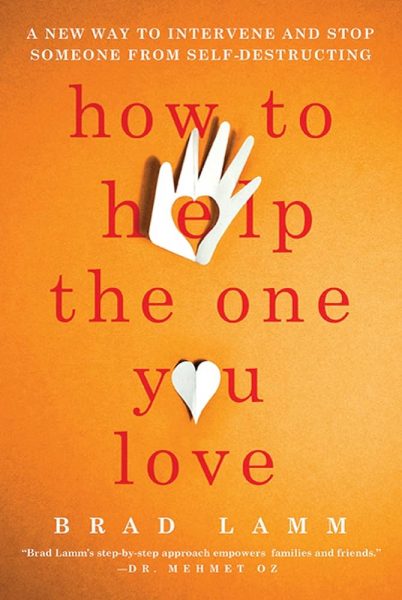
For loved one’s desperate to intervene and lacking tools beyond tough love, Brad Lamm’s “How to Help the One You Love” (Central Recovery Press) equips readers with concrete, myth-busting steps to pull someone back from the brink of self-destructive behaviors, be they alcohol, gambling, drugs or otherwise.
Bucking the “let them hit bottom” approach of the ages, Lamm objects.
Opening with a stinging wake-up call – “Is your husband drinking himself to death?” – Lamm insists that worried spouses, parents and friends can actually wield tremendous power to change people through urgent action, countering the abstinent approach of passively watching and waiting for the addict to hit rock bottom.
Dividing his book into sections like “Understand” and “Engage,” Lamm provides a roadmap for initiating productive confrontations, avoiding enabling behaviors, and operating through a framework of love and accountability rather than shame and punishment.
For those unwilling to endure abuse or watch their loved one spiral indefinitely, Lamm’s guide promises a possible path forward from desperation.
Though the path away from addiction’s torment is strewn with obstacles, these authors inscribe stepstones toward the light — reminders that even those battered by years of struggle and self-loathing can find rebirth. Their words hold open the gates of recovery for all willing to undertake the journey, bright beacons cutting through the haze and reaffirming that redemption awaits for any who reclaim their authenticity. With rawness, wisdom, and compassion, they extend a hopeful hand to those wandering the swamps of alcoholism, substance abuse, toxic behaviors, and who wish to find their way home to their true selves once more.
Breathe Life Healing Center offers provides evidence-based clinical care in a supportive environment for transformation and change.
Sponsored
First gay underwear party? How to have fun nearly naked
Gatherings aren’t exclusively sex-focused events
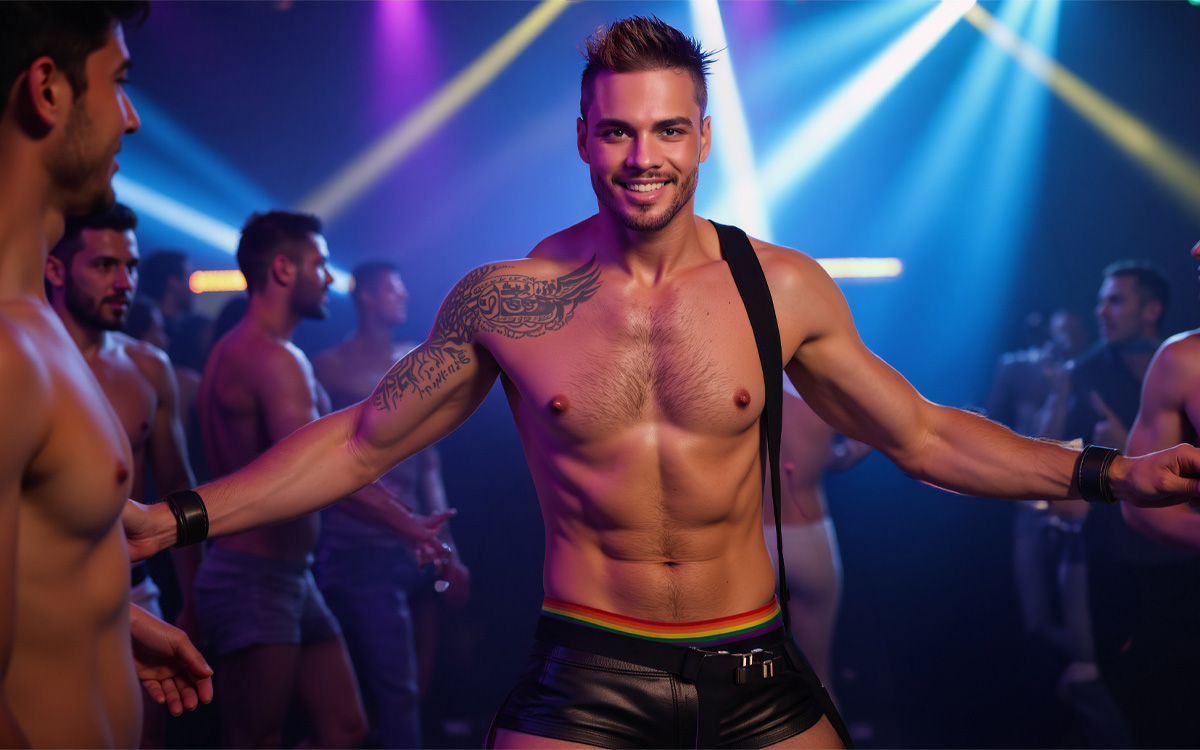
You’re at a new gay bar, mustering up the courage to leave all your clothes at coat check except for your briefs, socks, and sneakers. Through the door, you catch glimpses of pantless men laughing and grinding to house anthems, and somehow, everyone inside seems totally comfortable being nearly naked around strangers. Welcome to your first gay underwear party.
Although the air may feel thick with sexual tension, gay underwear parties aren’t exclusively sex-focused events like sex parties. In some ways, they’re similar to circuit parties on a smaller scale, but the dress code is really what differentiates them from other gay events. The atmosphere can range from a flirtatious club night to a heavier sexually charged scene, depending on the venue or even spaces within the venue (such as darkrooms.)
Similar to circuit party outfits, underwear parties require even less clothing, which is basically just gay underwear and shoes, often available at gay clothing stores like Differio. Some venues host dedicated underwear theme nights, like “Jockstrap Wednesdays” at The Eagle NYC, while other spots are totally fine with a casual mix of underwear, gear, and shorts.
If you’re feeling overwhelmed by all the “what to wear” and “what to bring” questions, here’s everything you need to know about maximizing your fun while wearing the least.
Research the venue’s dress code
Showing up confident starts way before you hit the door. Every gay underwear party has a vibe and a dress code. Check the venue’s website or social media accounts, so you can arrive looking like you understood the assignment. Some spots offer underwear-specific nights, while others are an open gay lingerie playground, allowing you to get creative with designer briefs, harnesses, or leather gear. Know the rules, find your look, and you’re already halfway there.
Actually commit to the dress code
No one is obligated to remove all of their clothing at a gay underwear party. Plenty of guys ease into the night by starting off with a tank top or micro shorts and peeling back layers as the night heats up.
However, you may draw attention to yourself for the wrong reasons if you remain completely clothed all night. Hanging out in jeans and a t-shirt just defeats the purpose of the event because you can easily do that at any other bar. If you find yourself uncomfortable for whatever reason, don’t feel pressured to stay.
Go with someone you trust
Nursing a drink by yourself in a crowded room is awkward enough when you actually have clothes on. Ease the first-time anxiety by bringing a close friend or partner you can trust, especially someone who’s already been to one before. That way, you always have someone to talk to and a second opinion on the crowd. It also gives you an immediate escape route if things get weird, like an awkward run-in from your Sniffies app history.
Find a style that works for you
Clueless about gay men’s underwear styles? Save yourself the last-minute outfit panic and try on a few styles ahead of time at home. A quick browse through different gay underwear stores will show you how far the options have come from basic cotton packs.
Thongs and jockstraps are the most booty-exposing, while square-cut trunks and boxer briefs offer the most front-and-back coverage. Briefs are a balanced middle ground for coverage and exposure that work on most body types. Jockstraps and briefs tend to be the more popular gay male underwear styles at these parties, but nothing is mandatory unless it’s specified in the dress code.
Leave the worn-out underwear at home
Leave the saggy seats and stretched-out waistbands in your dresser. Just like you wouldn’t show up to a club in a washed-out college t-shirt, you shouldn’t show up to a gay men’s underwear party looking sloppy.
With so many styles of underwear for gay men now, there’s really no excuse not to find something decent. That doesn’t mean you have to splurge on the most expensive gay underwear brands, but showing up in a well-fitting pair shows respect for both the event and yourself.
Coordinate from the ground up
Once you’ve found the right pair of sexy gay underwear, don’t forget that shoes are just as important. Stick to closed-toe shoes and leave the sandals at home. You can’t go wrong with sneakers and boots, but skip the premium suede or luxury leather (they’ll likely get scuffed or stained.)
You can pair them with knee-high or crew socks to balance your proportions. Plus, high-cut socks are great for discreetly stashing cash, ID, and condoms.
Find out if there’s a coat check
So, how do people get from point A to point B in just their underwear? Good news: they don’t. Gay underwear parties are usually held at locations with lockers or coat checks, so attendees can change at the venue. Sometimes they’re complimentary, or else you’ll have to pay a small fee.
More importantly, do not lose your coat check ticket. Treat that ticket like cash, or else you’ll be waiting nearly nude in a brightly lit lobby until the venue clears out at 4 a.m. Save it in your phone, write it on your wrist, just don’t lose it.
Wear clothes that aren’t too valuable
High-energy nightlife can be unpredictable. Personal items can easily get mixed up, lost, destroyed, or even stolen in a crowded venue. Wear an outfit you wouldn’t mind losing over your gay lingerie, and leave the expensive jewelry and high-end designer labels at home.
Even with lockers available, keep your highest-value items on you at all times, such as your ID and credit card. You can easily stash these items in a small bag or slip them down the side of your sock.
Carry a bag to stay hands-free
Wondering where to put all your things when all you’re wearing is sexy gay underwear? Bring a small bag for any essentials you’ll want to hold onto all night. Drawstring backpacks, fanny packs, or crossbody bags are all functional styles that won’t get in the way.
If you hate wearing bags, pocketed running armbands, wristband wallets, or cargo thigh harnesses are also compact styles that won’t weigh you down.
Give the respect you expect
A gay underwear party is still a sexualized space. While harassment is not tolerated, boundaries are often tested non-verbally. Guys will use a touch on the shoulder or a look to gauge your interest. Be aware that a polite smile can also be misread as an invitation for more.
If you aren’t feeling it, clearly state that you’re not interested and be obvious with your body language, such as putting a hand up or stepping away. If anyone refuses to respect your space or crosses the line, let the staff know immediately.
All bodies are welcome
Reminder: you do not need a model’s physique to attend a gay underwear party. In reality, the actual crowd is a diverse mix of body types, races, ages, and identities. Some venues will specify the types of crowds they typically draw, such as bears, jocks, or twinks, but no one is excluded from attending. Any pre-party anxiety in your head is always much worse than the reality inside the venue. Show up with an open mind and just enjoy the moment.
Real Estate
Introducing Next-Generation Assisted Living & Memory Support.
Now Available in Tysons: Kokua at The Mather
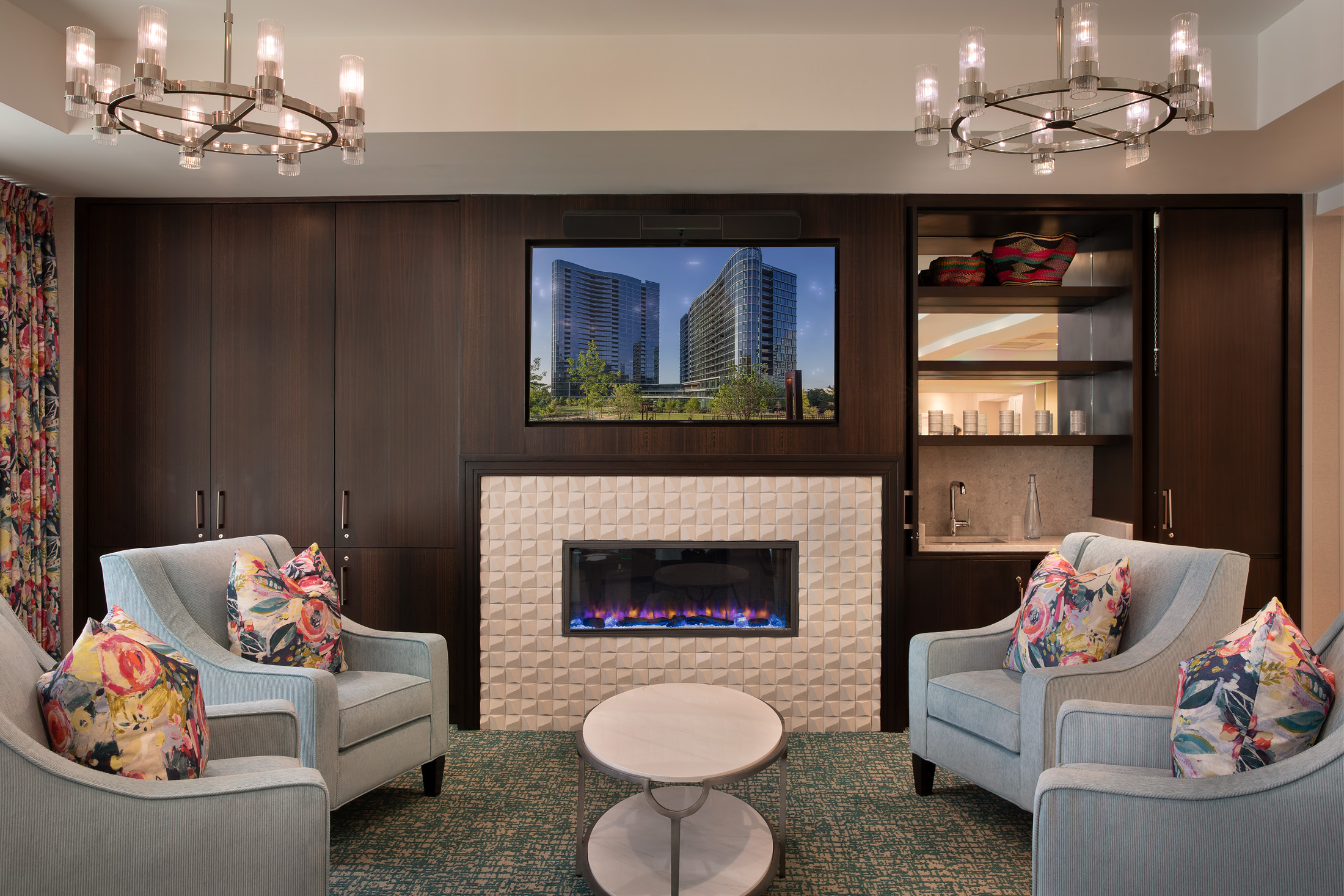
We have good news for those seeking assisted living or memory support for a loved one: a fresh, hospitality-driven approach to care is now available in the heart of Tysons, Virginia. Kokua at The Mather opened in fall 2025 and provides residents with collaborative care as well as everyday possibilities for creativity, purpose, and connection.
For a limited time, Kokua is welcoming new residents with exclusive move-in incentives.
“Kokua is a Hawaiian word meaning ‘To extend help to others without expecting anything in return,’” explains Brandon Davidson, Administrator. “If you’re seeking support for a loved one, Kokua is worth a closer look. We take an individualized approach to care, with evidence-based practices provided by a dedicated, interdisciplinary team.”

LIMITED-TIME OPPORTUNITY
“At Kokua, we focus on the individual. We blend care with our research-driven approach to deliver personalized wellness tailored to residents’ needs and preferences,” says Davidson.
Residents enjoy the freedom to choose from enriching programs, meaningful social opportunities with experiences such as sensory walks, meditation, acupuncture, Reiki, songwriting workshops, poetry readings, Sensory Symphony Swim, and more.
Assisted Living in Ādar
Ādar means “respect”, and Kokua delivers. Comfortable residential living is combined with caring assisted living services, enabling residents to remain as independent as possible. Each one-bedroom apartment home (ranging in size up to nearly 900 square feet) offers generous space and thoughtful design, complemented by assistance with daily living tasks and emergency response systems for peace of mind.
Memory Support in Miran
Miran means “peaceful”—another pillar in the Kokua way of life. Private suites are designed for those with mild to moderate Alzheimer’s disease, dementia, or similar cognitive conditions. “Our person-centered approach embraces individual strengths and needs, with an interdisciplinary team that includes a staff member in attendance 24 hours a day to assist with event reminders and activities of daily living,” says Davidson. “Residents have access to a variety of opportunities to connect, express, and explore their potential through social events, wellness programs, creative arts, and more.”
Kokua offers the next generation of care in these areas, with a commitment to highly personalized service.

INSPIRED AMENITIES & BOUTIQUE SERVICE
Nestled in a lively urban neighborhood, Kokua incorporates biophilic design that brings the outside in to enhance health and wellbeing.
Throughout Kokua, residents enjoy a collection of thoughtfully designed spaces and top-shelf hospitality in an upscale community. Beautifully appointed gathering spaces create flexible opportunities for wellness, connection, and everyday enjoyment. A spacious outdoor terrace, demonstration kitchens, art and music studios, and more are used for an array of programs and are available to residents and their visitors. Multiple restaurants offer chef-prepared cuisine with flexible, open-hour service.
“Here at Kokua, we’re offering the next generation of care in Ādar and Miran, and it’s available to the public for a limited time,” says Davidson. Now is an ideal time to explore the personalized care and quiet luxury that Kokua at The Mather has to offer.
For more information, download a brochure at www.themathertysons.com/kokua. To schedule a visit or for additional details, contact Kokua at [email protected] or (571) 282.3650.
Sponsored
Elevated Living. Personalized Care.
Introducing Kokua at The Mather— Now Welcoming Residents

At Kokua, we believe that every stage of life holds possibilities for creativity, purpose, and growth. Located in the heart of Tysons, Virginia, Kokua offers a fresh, hospitality-driven approach to care developed by Mather, a nationally recognized pioneer in the senior living space with more than eight decades of experience. Newly opened in 2025, Kokua blends care with our research-driven approach to deliver personalized wellness tailored to individual needs.
For a limited time, Kokua is welcoming new residents seeking assisted living or memory support in the DC area with exclusive move-in incentives. Nestled in a lively urban neighborhood, our LEED-Gold certified community incorporates biophilic design that brings the outside in to enhance health and wellbeing.
THOUGHTFULLY DESIGNED SPACES
In our assisted living and memory support neighborhoods, residents enjoy a collection of thoughtfully designed spaces that feel like an upscale hospitality destination.
Multiple restaurants offer chef-prepared cuisine with flexible, open-hour service, complemented by demonstration kitchens, art and music studios, as well as gathering spaces. A spacious outdoor terrace, Marzenia Salon, and beautifully appointed amenity areas create opportunities for wellness, connection, and everyday enjoyment.

FOCUS ON PERSONALIZED WELLBEING
Residents enjoy opportunities to choose from enriching programs, meaningful social opportunities with experiences such as sensory walks, meditation, acupuncture, Reiki, songwriting workshops, poetry readings, Sensory Symphony Swim, and more.
Assisted Living in Ādar
Ādar means “respect”, and Kokua delivers. Here, our team encourages residents to be as independent as possible, for as long as possible. Each one-bedroom apartment home (ranging in size up to nearly 900 square feet) offers generous space and thoughtful design, complemented by assistance with daily living tasks and emergency response systems for peace of mind.
Memory Support in Miran
Miran means “peaceful”—another pillar in the Kokua way of life. Private suites are designed for those with mild to moderate Alzheimer’s disease, dementia, or similar cognitive conditions. Our person-centered approach embraces individual strengths and needs, with an interdisciplinary team and through social events, wellness programs, creative arts, and more.
Kokua offers the next generation of care in Ādar and Miran, true to our commitment to highly personalized service rooted in respect for each individual.
With a limited number of residences available and exclusive move-in incentives currently offered, now is an ideal time to explore the personalized care and quiet luxury that Kokua at The Mather has to offer.
Contact us today if you’re interested in learning more, download our brochure at www.themathertysons.com/kokua. You can reach us at [email protected] or (571) 282.3650.

Trump uses anti-trans slur against Democratic Senate candidate

D.C.’s LGBTQ homeless facilities face possible hit from Trump funding cuts

10 years later, we still can’t shake Barry Jenkins’s ‘Moonlight’

‘Some Like It Hot’ a wild ride at renovated Bernard Family Theatre

Bessent says Trump chose him for his qualifications, not his sexuality

Eliot Glazer’s new book an engaging collection of essays

Equality Chamber hosts Pride in Business Expo and Profits & Pours

Learn more about Virginia’s queer history

Lula, Flávio Bolsonaro to face off in second round of Brazilian presidential election

‘Merrily’ is for Sondheim super fans, the uninitiated, and anyone in between
-

 Books3 days ago
Eliot Glazer’s new book an engaging collection of essays
-
Out & About3 days ago
Equality Chamber hosts Pride in Business Expo and Profits & Pours
-
Out & About3 days ago
Learn more about Virginia’s queer history
-
Brazil3 days ago
Lula, Flávio Bolsonaro to face off in second round of Brazilian presidential election