World
State Department meets with LGBT travel representatives
Agency last week added gay-specific information to web site
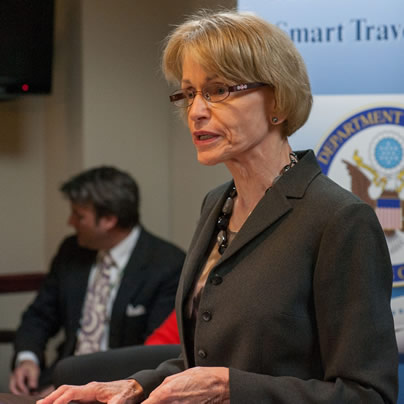
Janice Jacobs, assistant secretary of state for consular affairs, speaks at the Smart Traveler Day roundtable at the State Department on Feb. 20. (Photo courtesy of Esperanza Tilghman/State Department)
“We want all of our citizens to be informed about their destinations abroad and any particular challenges that they may face,” Janice Jacobs, assistant secretary of state for the Bureau of Consular Affairs, said. “We want them to know about the services that are available to them at our embassies and consulates if problems should happen, despite their precautions.”
Jacobs’ comments come five days after the Bureau of Consular Affairs added LGBT-specific information to its website that includes travel warnings, alerts and other country-specific advisories. These include references to “widespread” anti-gay discrimination in Ukraine, efforts to curb “the promotion of homosexuality” in Russian cities and an advisory that urges LGBT travelers to “consider exercising caution when visiting Estonia” because of harassment and violence those who have publicly shown affection have experienced.
The country-specific profiles also include information about HIV/AIDS travel restrictions.
“It’s important that our LGBT audiences know about the resources that we provide to help U.S. citizens travel safe and travel smart,” Jacobs said.
Michelle Bernier-Toth, managing director of Overseas Citizens Services at the Bureau of Consular Affairs, further stressed the protection of Americans “is really the department’s top priority.” She and other officials sought recommendations and other feedback on the Smart Traveler Day initiative from the roughly 50 people who attended the meeting.
“It’s a start,” Bernier-Toth said. “It’s a recognition that this is a community that is on the move, is traveling. It’s an important community, an important stakeholder for us. And we are going to make it as robust and as useful as we can possibly make it.”
White House LGBT liaison Gautam Raghavan also spoke at the gathering.
He pointed out the initiative typifies the Obama administration’s commitment to equality for LGBT people. Raghavan specifically pointed out the extension of benefits to same-sex partners of foreign service officers, new regulations that make it easier to change gender markers on passports and the Global Equality Fund.
“It really shows that this is how this administration does business,” he said. “We are all about advancing equality in every place that we can find.”
Former Secretary of State Hillary Clinton proclaimed in 2011 a during a speech she delivered in Geneva that “gay rights are human rights.” President Obama on the same day directed government agencies to consider a country’s LGBT rights record in the allocation of foreign aid.
The State Department in recent years has spoken out against anti-LGBT violence in Honduras, Jamaica, Uganda, Zimbabwe and other countries.
Clinton and Obama urged the Ugandan government to protect the rights of its LGBT residents following the Jan. 2011 murder of gay activist David Kato amid the debate over the so-called Anti-Homosexuality Bill that would impose the death penalty against anyone found guilty of repeated same-sex sexual acts. The former first lady last August honored Ugandan LGBT rights advocate Frank Mugisha and other human rights advocates at the U.S. embassy in Kampala, the country’s capital.
“Don’t ever lose context of what has been accomplished by this White House, by this secretary of State that will continue for four more years,” Charlie Rounds of the Forward Motion Group, who also chairs the International Gay and Lesbian Travel Association Foundation, said. “It’s huge.”
Uganda is among the countries that continue to criminalize homosexuality. Saudi Arabia and Iran are among the seven nations that impose the death penalty upon those found guilty of same-sex sexual acts.
UNAIDS notes Australia, Israel and Singapore are among the 45 countries with travel restrictions against people with HIV/AIDS. Obama in 2009 completed the process former President George W. Bush began that lifted the ban on those with the virus from entering the country.
Bernier-Toth told the Washington Blade during the meeting the State Department rarely urges an LGBT traveler not to travel to a specific country that criminalizes homosexuality.
“The decision whether to travel is always up to the individual,” she said. “Our purpose in life is to put out that information as accurately and in a timely fashion so that people can make those smart decisions.”
IGLTA President John Tanzella added his organization tries to work with a particular destination through affiliated hotels and other travel-related businesses as opposed to boycotting them.
“There’s also gay and lesbian citizens everywhere that we eventually hurt,” he said.
Lisa Peterson of the State Department’s Bureau of Democracy, Human Rights and Labor and Ken Kero-Mentz, president of Gays and Lesbians in Foreign Affairs Agencies, also attended the roundtable.



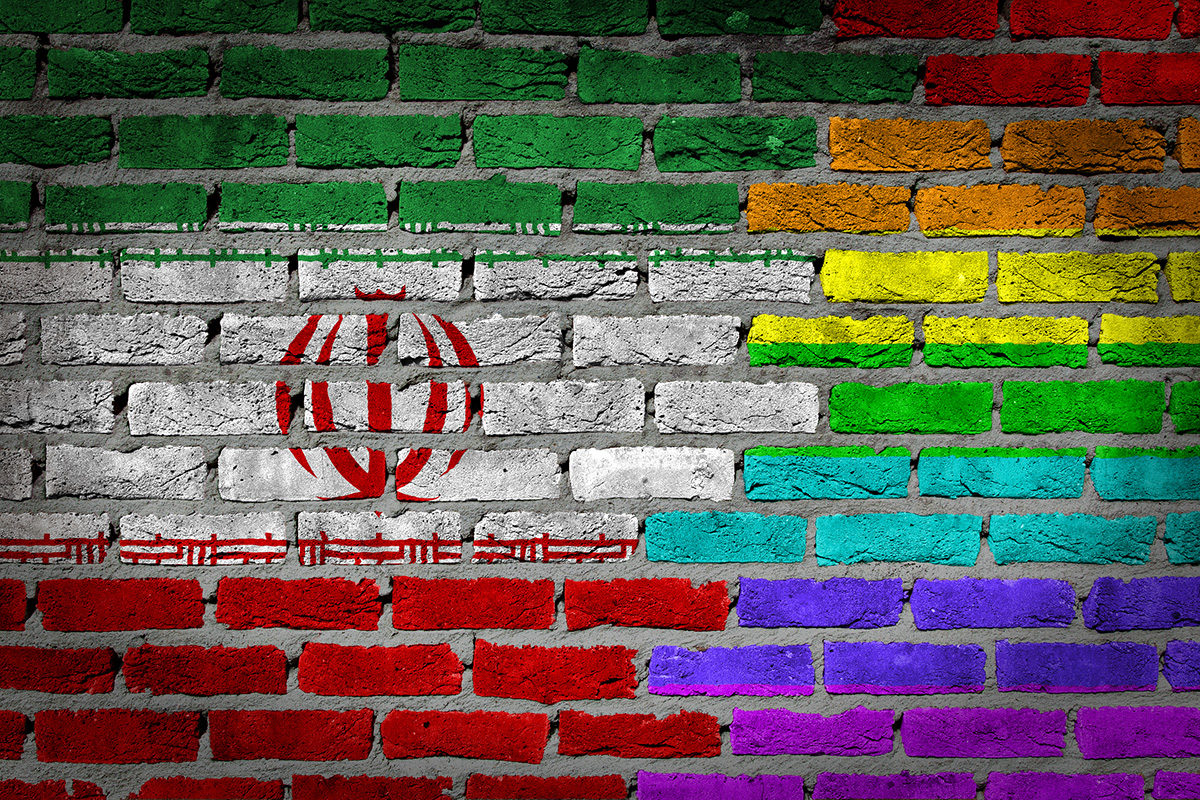
Advocacy groups are demanding the Trump-Vance administration not to deport two gay men to Iran.
MS Now on Jan. 23 reported the two men are among the 40 Iranian nationals who the White House plans to deport.
Iran is among the countries in which consensual same-sex sexual relations remain punishable by death.
The Washington Blade earlier this month reported LGBTQ Iranians have joined anti-government protests that broke out across the country on Dec. 28. Human rights groups say the Iranian government has killed thousands of people since the demonstrations began.
Rebekah Wolf of the American Immigration Council, which represents the two men, told MS Now her clients were scheduled to be on a deportation flight on Jan. 25. A Human Rights Campaign spokesperson on Tuesday told the Blade that one of the men “was able to obtain a temporary stay of removal from the” 10th U.S. Circuit Court of Appeals, and the other “is facing delayed deportation as the result of a measles outbreak at the facility where they’re being held.”
“My (organization, the American Immigration Council) represents those two gay men,” said American Immigration Council Senior Fellow Aaron Reichlin-Melnick in a Jan. 23 post on his Bluesky account. “They had been arrested on charges of sodomy by Iranian moral police, and fled the country seeking asylum. They face the death penalty if returned, yet the Trump (administration) denied their asylum claims in a kangaroo court process.”
“They are terrified,” added Reichlin-Melnick.
My org @immcouncil.org represents those two gay men. They had been arrested on charges of sodomy by Iranian moral police, and fled the country seeking asylum. They face the death penalty if returned, yet the Trump admin denied their asylum claims in a kangaroo court process.
They are terrified.
— Aaron Reichlin-Melnick (@reichlinmelnick.bsky.social) January 23, 2026 at 8:26 AM
Reichlin-Melnick in a second Bluesky post said “deporting people to Iran right now, as body bags line the street, is an immoral, inhumane, and unjust act.”
“That ICE is still considering carrying out the flight this weekend is a sign of an agency and an administration totally divorced from basic human rights,” he added.
Deporting people to Iran right now, as body bags line the street, is an immoral, inhumane, and unjust act. That ICE is still considering carrying out the flight this weekend is a sign of an agency and an administration totally divorced from basic human rights. www.ms.now/news/trump-d…
— Aaron Reichlin-Melnick (@reichlinmelnick.bsky.social) January 23, 2026 at 8:27 AM
HRC Vice President of Government Affairs David Stacy in a statement to the Blade noted Iran “is one of 12 nations that still execute queer people, and we continue to fear for their safety.” Stacy also referenced Renee Good, a 37-year-old lesbian woman who a U.S. Immigration and Customs Enforcement agent shot and killed in Minneapolis on Jan. 7, and Andry Hernández Romero, a gay Venezuelan asylum seeker who the Trump-Vance administration “forcibly disappeared” to El Salvador last year.
“This out-of-control administration continues to target immigrants and terrorize our communities,” said Stacy. “That same cruelty murdered Renee Nicole Good and imprisoned Andry Hernández Romero. We stand with the American Immigration Council and demand that these men receive the due process they deserve. Congress must refuse to fund this outrage and stand against the administration’s shameless dismissal of our constitutional rights.”
Central America
Dignidad para vidas LGBTQ en Centroamérica
Embajada canadiense en El Salvador se presentó ‘Historias de vida desde los cuerpos y territorios de la disidencia LGBTIQ+’
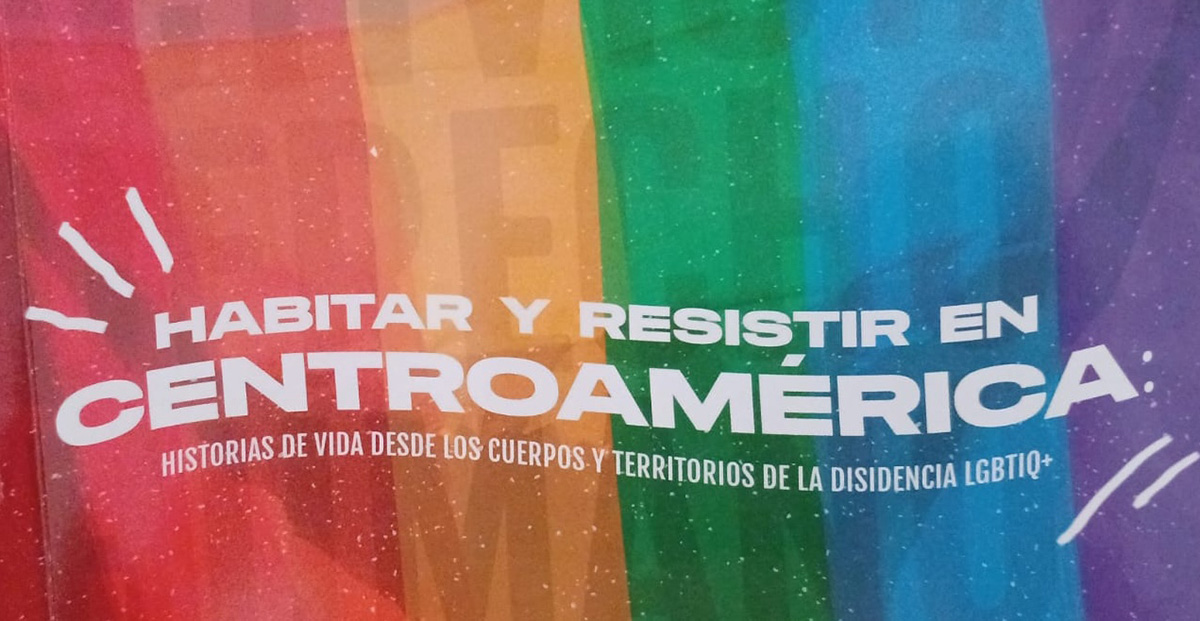
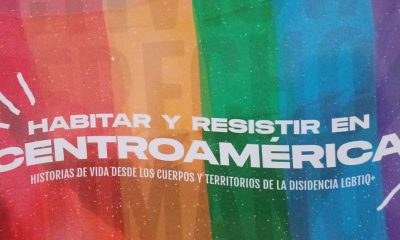
SAN SALVADOR, El Salvador — “A los 16 años, mi papá me echó”. Esa frase directa, sin adornos ni concesiones, es parte de una de las historias más impactantes del libro “Historias de vida desde los cuerpos y territorios de la disidencia LGBTIQ+”, presentado el 23 de enero. El testimonio pertenece a Estrella Cerón, mujer trans salvadoreña, cuya vida quedó marcada por la expulsión familiar y la violencia cotidiana ejercida contra su identidad.
Estrella relata que fue descubierta abrazando a un muchacho en la panadería que pertenecía a su familia, lugar donde también trabajaba. La respuesta fue inmediata: no le permitieron cambiarse de ropa ni llevar sus pertenencias. Salió “sucia, con olor a grasa, sin zapatos”. Su padre lloró al verla irse, pero no la detuvo. “Así ándate”, le dijo. Ese episodio no solo marcó su historia personal, sino que hoy se convierte en un reflejo de una realidad compartida por muchas personas trans en El Salvador y la región.
Durante la presentación del libro, Cerón tomó la palabra y compartió lo que significó volver a su historia frente a otras personas. Reconoció que no fue un proceso sencillo, pues implicó enfrentarse a recuerdos profundamente dolorosos.
“Fue doloroso hablarlo, sentí como un muro que fui rompiendo a poco a poco, saliendo adelante y pues hasta el día de hoy me siento más empoderada y más fuerte”, expresó. Sus palabras resonaron entre las y los asistentes, evidenciando que narrar la propia vida puede convertirse en un acto de sanación y afirmación personal.
Este momento público subrayó uno de los ejes centrales del proyecto: el derecho de las personas LGBTQ a contar sus historias en sus propios términos, sin miedo y con dignidad.
Rostros de la Equidad: un proyecto regional de memoria y justicia
La presentación de las publicaciones se realizó en el marco del proyecto Rostros de la Equidad, impulsado por COMCAVIS TRANS, con el apoyo de OIKOS y la Embajada de Canadá en El Salvador. El evento reunió a activistas, representantes de organizaciones sociales, cooperación internacional y público en general.
Como parte de este proyecto se presentaron dos materiales: el libro “Historias de vida desde los cuerpos y territorios de la disidencia LGBTIQ+” y el glosario vivencial y de conceptos sobre la diversidad sexual y de género. Ambos productos buscan aportar a la visibilización, sensibilización y defensa de los derechos humanos de las personas LGBTQ en Centroamérica.
El proyecto se concibió como un proceso colectivo, regional y participativo, en el que las voces protagonistas fueran las de quienes históricamente han sido marginadas.
El libro de historias de vida se distancia de la lógica del simple recopilatorio de testimonios. Tal como lo expresa su prólogo, se trata de “un acto de memoria, reparación, justicia personal y colectiva”. Su objetivo es mostrar voces que han resistido al silencio y al miedo, y que hoy deciden narrar sus verdades.
Las historias incluidas atraviesan experiencias de expulsión familiar, discriminación, violencia institucional, migración forzada y exclusión social. Sin embargo, también dan cuenta de procesos de resistencia, organización comunitaria, reconstrucción personal y esperanza.
En ese equilibrio entre dolor y dignidad, el libro se convierte en una herramienta política y pedagógica que interpela a la sociedad y a las instituciones.
Junto al libro se presentó el glosario vivencial y de conceptos sobre la diversidad sexual y de género, una propuesta que busca ir más allá de las definiciones tradicionales. El glosario no se limita a explicar términos, sino que los conecta con experiencias reales de personas LGBTQ.
Cada concepto está atravesado por el derecho a la identidad, el reconocimiento y la dignidad. De esta forma, las palabras dejan de ser etiquetas para convertirse en relatos vivos que reflejan cuerpos, territorios e historias concretas.
Las organizaciones impulsoras señalaron que el glosario pretende ser una herramienta accesible para procesos formativos, educativos y comunitarios, aportando a una comprensión más humana de la diversidad sexual y de género.
El respaldo internacional y el valor de la resistencia
Durante la presentación, la embajadora de Canadá en El Salvador, Mylène Paradis, reconoció el trabajo de COMCAVIS TRANS, OIKOS y de todas las personas que hicieron posible Rostros de la Equidad.
“Las historias de vida reunidas en este libro nos recuerdan que resistir no es solo sobrevivir, sino también afirmar la propia existencia, reclamar derechos y construir esperanza incluso en contextos adversos”, afirmó Paradis, destacando la importancia de apoyar iniciativas que promueven la justicia social y los derechos humanos.
Su intervención subrayó el valor político de la memoria y el papel de la cooperación internacional en el acompañamiento de procesos liderados por organizaciones locales.
Un proceso regional de escucha y construcción colectiva
El libro y el glosario son el resultado de una consulta a 10 personas LGBTQ: cuatro de Guatemala, dos de El Salvador y cuatro de Honduras. Además, se realizaron grupos focales en cada uno de estos países para profundizar en las experiencias compartidas.
El proceso inició en agosto de 2024 y concluyó con la presentación pública de los resultados en enero de 2026. Para las organizaciones participantes, este trabajo evidenció la necesidad de generar espacios seguros de escucha y diálogo en la región.
La dimensión regional del proyecto permite identificar patrones comunes de violencia, pero también estrategias compartidas de resistencia y organización.
Georgina Olmedo, encargada del área de formación y nuevos liderazgos de COMCAVIS TRANS El Salvador, destacó que el libro busca reconocer las historias que atraviesan las personas LGBTQ.
“Son historias marcadas por la resistencia, la dignidad, el aprendizaje y toda la esperanza”, señaló, subrayando que muchas de estas vivencias continúan siendo invisibilizadas en el discurso público.
Para Olmedo, visibilizar estas narrativas es un paso necesario para transformar las realidades de exclusión y violencia que enfrenta esta población.
Escuchar sin juzgar: el valor del acompañamiento
Desde OIKOS, Jason García resaltó que el libro incluye voces de Guatemala y Honduras, lo que le otorga un carácter regional. Señaló que fue un honor conocer historias de personas que se atrevieron a contar lo que nunca antes habían contado.
García explicó que muchas de las personas participantes expresaron estar cansadas de ocultar quiénes son y que, durante el proceso, encontraron por primera vez espacios donde fueron escuchadas sin ser juzgadas.
“Cada historia que se comparte es un recordatorio de que ninguna violencia puede apagar la dignidad de una persona”, afirmó, destacando los procesos de sanación y reconstrucción que emergen incluso en contextos adversos.
Marielos Handal, integrante del equipo de OIKOS que acompañó la investigación, compartió una reflexión sobre los retos que implicó construir estas publicaciones. Las entrevistas, explicó, dejaron nudos en la garganta, silencios densos y muchas preguntas abiertas.
Entre ellas, cómo continuar escribiendo después de escuchar relatos de abandono, rechazo y violencia sistemática; cómo narrar sin revictimizar, sin simplificar ni maquillar la verdad, pero tampoco explotarla.
Estas preguntas atravesaron todo el proceso editorial, marcando el cuidado con el que se construyeron tanto el libro como el glosario, priorizando siempre la dignidad de las personas participantes.
Palabras que se convierten en dignidad colectiva
La presentación cerró con un llamado a leer estas publicaciones no desde la lástima, sino desde la responsabilidad colectiva de reconocer las deudas históricas con las personas LGBTQ en Centroamérica.
Historias de vida desde los cuerpos y territorios de la disidencia LGBTQ y su glosario vivencial se consolidan como documentos necesarios en un contexto marcado por la exclusión, pero también por la lucha, la memoria y la esperanza.
En cada relato, como el de Cerón, queda claro que narrar la propia historia es un acto profundamente político: contar lo vivido no borra el dolor, pero lo transforma en palabra, memoria y dignidad compartida.
Russia
Russia designates ILGA World an ‘undesirable’ group
Justice Ministry announced designation on Jan. 21

Russia has designated a global LGBTQ and intersex rights group as an “undesirable” organization.
ILGA World in a press release notes the country’s Justice Ministry announced the designation on its website on Jan. 21.
The ministry’s website on Tuesday appeared to be down when the Washington Blade tried to access it. ILGA World in its press release said the designation — “which also reportedly includes eight other organizations from the United States and across Europe” — “has been confirmed by independent sources.”
“ILGA World received no direct communication of the designation, whose official reasons are not known,” said ILGA World.
The Kremlin over the last decade has faced global criticism over its crackdown on LGBTQ rights.
ILGA World notes Russians found guilty of engaging with “undesirable” groups could face up to six years in prison. The Russian Supreme Court in 2023 ruled the “international LGBT movement” is an extremist organization and banned it.
“Designating human rights groups ‘undesirable’ is outlandish and cynical, yet here we are,” said ILGA World Executive Director Julia Ehrt. “But no matter how much governments will try to legislate LGBTI people out of existence, movements will stay strong and committed, and solidarity remains alive across borders. And together, we will continue building a more just world for everyone.”

Expanded global gag rule to ban US foreign aid to groups that promote ‘gender ideology’

Confuse Iceland and Greenland, you’re an idiot

‘Pillion’ director on bikers, BDSM, and importance of being seen

Alexander Skarsgård describes ‘Pillion’ in 3 words: lube, sweat, leather

PHOTOS: SMYAL for the New Year

Convert rent check into an automatic investment, Marjorie!

Swing actor Thomas Netter covers five principal parts in ‘Clue’

Eleanor Holmes Norton ends 2026 reelection campaign

Corte IDH reconoce a Thalía Rodríguez como familia social de Leonela Zelaya

ICE agents murder another American citizen in Minneapolis
-

 Real Estate4 days ago
Convert rent check into an automatic investment, Marjorie!
-
Theater4 days ago
Swing actor Thomas Netter covers five principal parts in ‘Clue’
-
District of Columbia4 days ago
Eleanor Holmes Norton ends 2026 reelection campaign
-
Honduras4 days ago
Corte IDH reconoce a Thalía Rodríguez como familia social de Leonela Zelaya