Arts & Entertainment
‘If’ out, ‘Then’ what?
Broadway vet lets go of fear at home and on stage
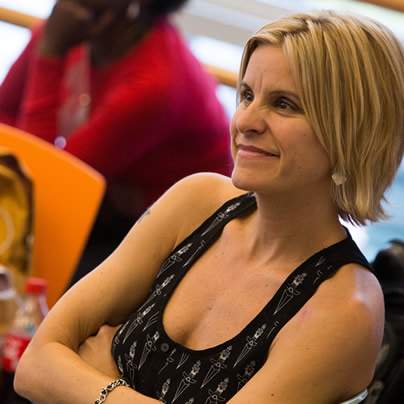
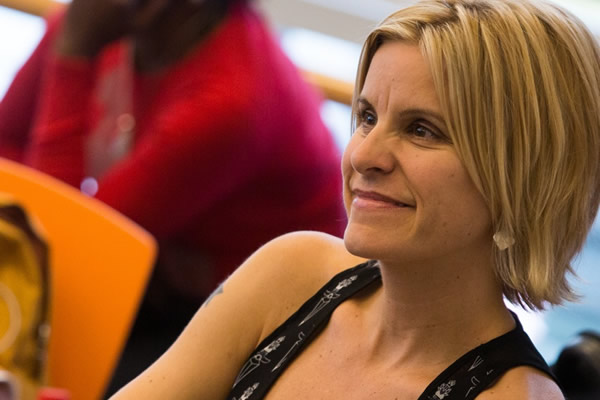
Actress Jenn Colella in rehearsal for ‘If/Then.’ (Photo by Matthew Murphy; courtesy National Theatre)
‘If/Then’
Through Dec. 8
National Theatre
1321 Pennsylvania Avenue, NW
$53-$93
800-514-3849
Early in her acting career, Broadway’s Jenn Colella was counseled that it would be unwise for her to be out professionally. When casting directors see you as lesbian, her advisors reasoned, they become less likely to cast you in straight romantic leads.
There was a time, Colella says, when she would have been reluctant to portray a lesbian on stage much less talk about her sexuality openly. But in recent years her outlook has definitely changed.
Today Colella is out and proud. She’s also playing one half of a lesbian couple in the hotly anticipated Broadway-bound musical “If/Then,” currently premiering at National Theatre. Created by Tom Kitt (music) and Brian Yorkey (book and lyrics), and staged Michael Greif (the creative team behind the Tony Award-winning “Next to Normal”), “If/Then” tells the story of Elizabeth (“Wicked’s” green-faced wonder Idina Menzel), a woman on the precipice of middle age who returns to New York City to reboot her life. The heady cast also stars LaChanze, who won a Tony Award for her portrayal of Celie in “The Color Purple, and out actor Anthony Rapp (“Rent”).
“I’m thrilled to have the opportunity to play a gay character in ‘If/Then,’ especially someone like Anne,” says Colella, 39. “She’s a sassy fun-loving girl not unlike myself who’s in a relationship with Kate [LaChanze’s character]. Anne is madly in love and very sincere about taking it to the next level and actually tying the knot. It’s a very real look at a contemporary lesbian relationship. You don’t see a lot of that in musical theater.”
She says changing attitudes overall helped her loosen up.
“As I became older and wiser, and began noticing straight comrades realizing it was no longer fair to discriminate against gay and lesbian actors, being out got easier,” Colella says. “Also, I began to feel a responsibility to be out. I used to think it was entirely a personal choice, but now I think being out is also taking responsibility for others who may not have the courage to do so.”
Last year Colella was involved romantically with a male actor, but she doesn’t identify as bisexual because the vast majority of her relationships have been with women. Currently she is in a committed relationship with a woman who is studying for her master’s degree in midwifery.
Growing up in Summerville, S.C., Colella began singing early. She and mother frequently sang Barbra Streisand around the house, and while there weren’t many theatrical training opportunities in town, Colella took advantage of what was available.
“There was a woman who taught out of her garage, but my mom was a teacher and couldn’t afford the fees, so I traded odd jobs for classes. I was scrawny at 15 but I painted that lady’s entire house. And it was worth it. The group did ‘Oklahoma,’ and I got to play to Gertie.”
Before leaving South Carolina for the West Coast, she graduated from college and did some professional acting at the respected Trustus Theater in Columbia. She earned a master of fine arts in acting from the University of California, Irvine, and remained in L.A. determined to go the sitcom route. During this time, she got into standup.
“It was challenging. If you fail in standup you can’t blame anyone but yourself. But it definitely increased my confidence and now there’s really nothing that scares frightens me in terms of performance. Scarier were the fellow comics. They can be a dark bunch.”
Next Colella smartly reconsidered musical theater. In a high profile Broadway debut, she was cast as Sissy opposite Matt Cavenaugh in the musical “Urban Cowboy” in 2003. She went on to star in “High Fidelity,” and as Hedda Hopper in “Chaplin.” Her Off-Broadway credits include, among others, “Closer Than Ever” and “Slut.” She played Daisy in “Sideshow” at the Kennedy Center.
Prior to taking on “If/Then’s” Anne, Colella was cast as a lesbian just once before. In 2008 she starred off-Broadway as the title character in “The Beebo Brinker Chronicles” based on Ann Bannon’s pulp fiction novel about a young lesbian’s adventures in 1950s Greenwich Village.
“Beebo was a real butch,” Colella says. “I wore batteries in my front pockets to alter my center of gravity. My male and feminine energies are pretty equally balanced and in that way I’m more like Anne. But like Beebo, I have been accused of being a bit of a womanizer.”
Typically Colella does new work. Not by design, she says. It just happens that way.
“I’m honored that creators trust me to collaborate on their babies. It touches me deeply. Plus I get to start from a blank slate and play. Of all the characters I’ve ever played, Anne is the closest to who I am in the world. It makes me feel very vulnerable but I love it. I’m wide open to this experience.”




Photos
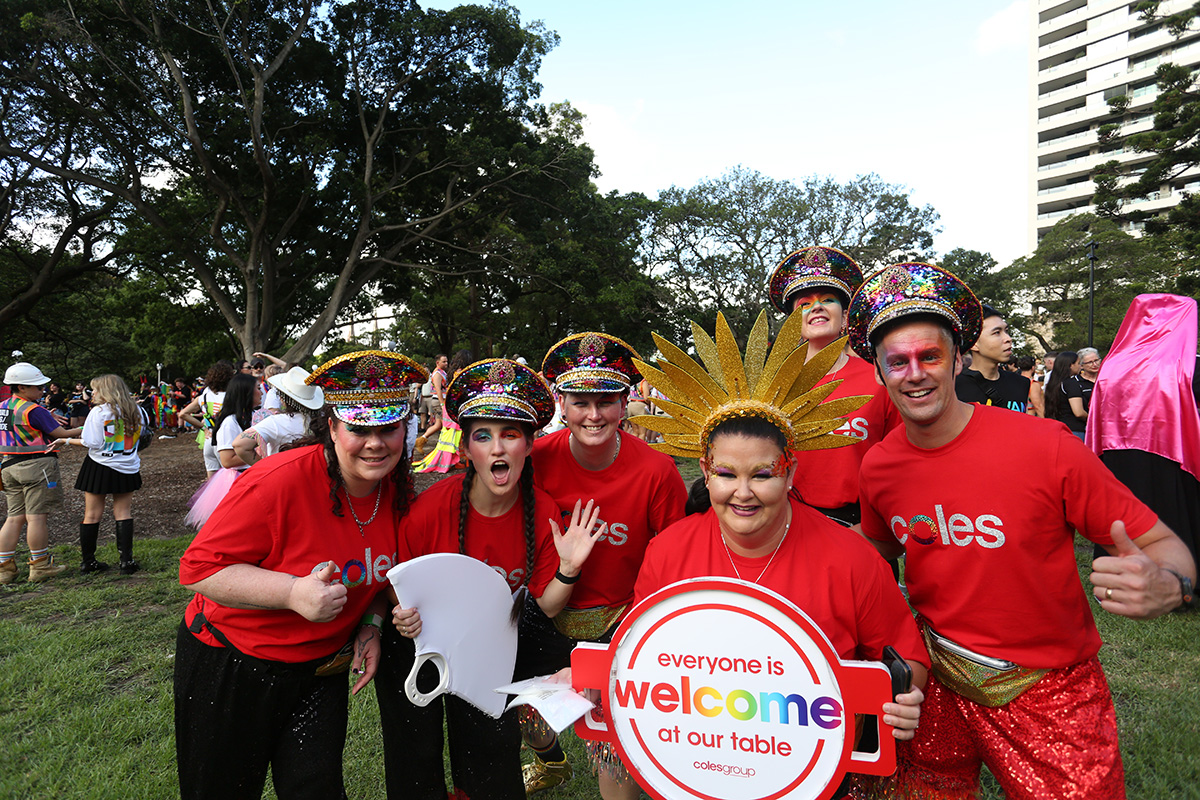
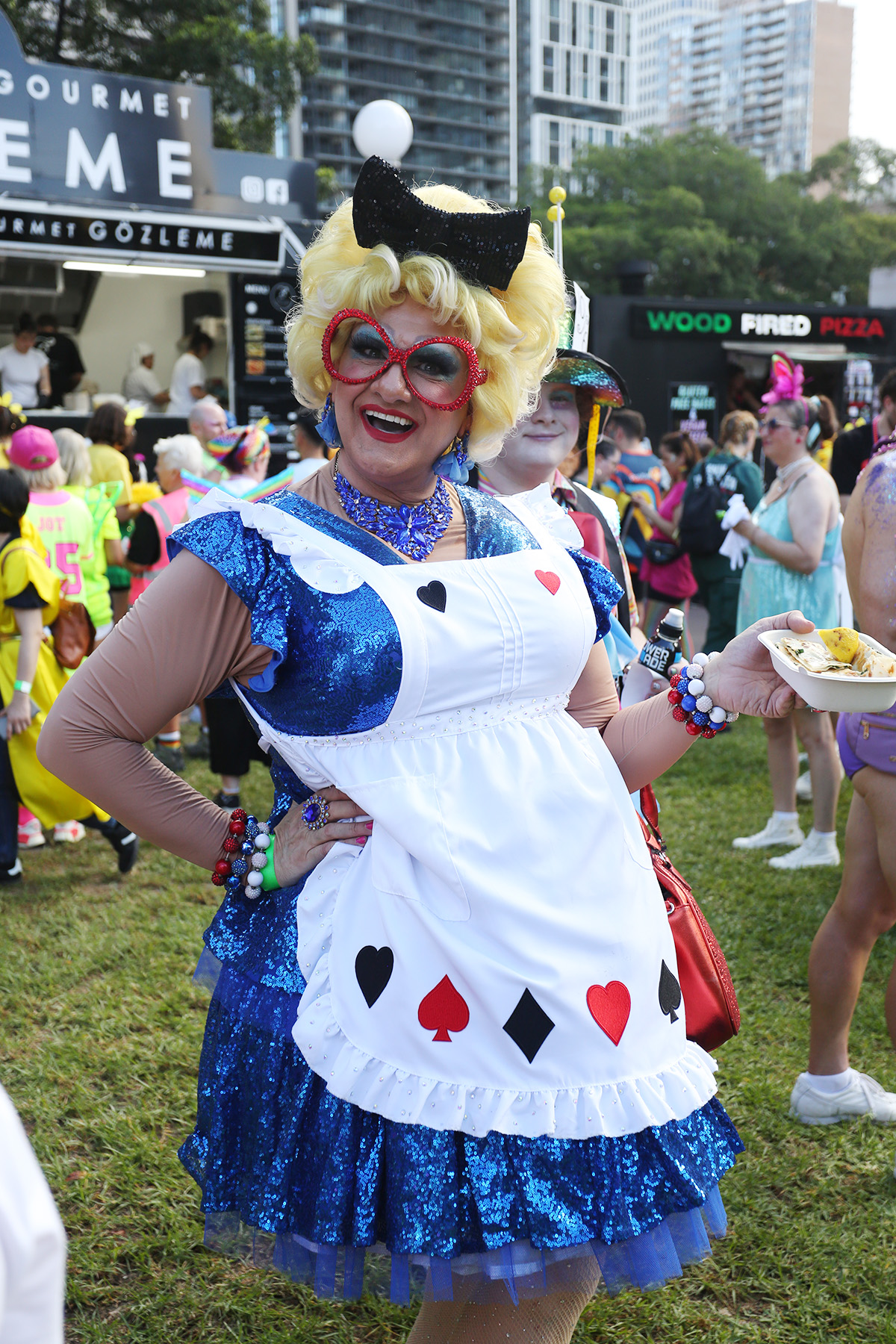
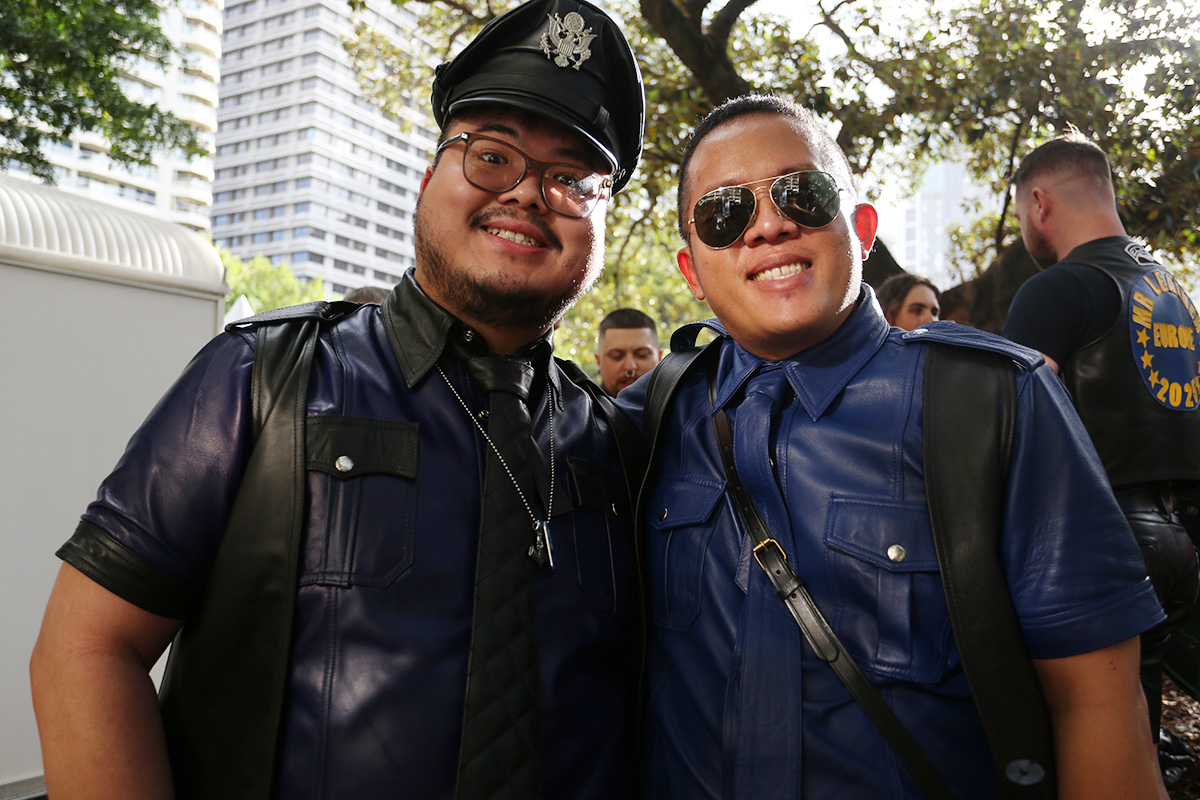
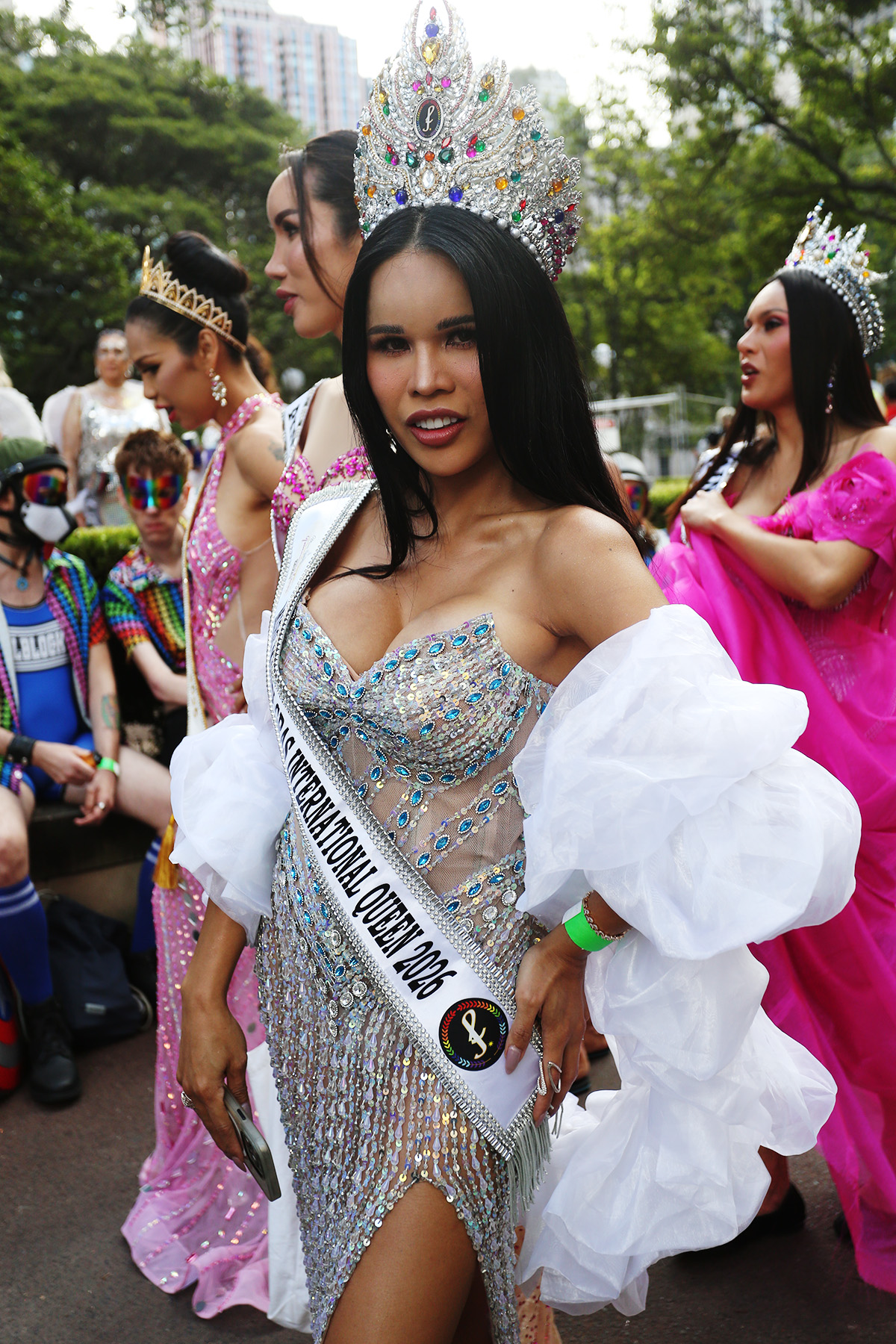
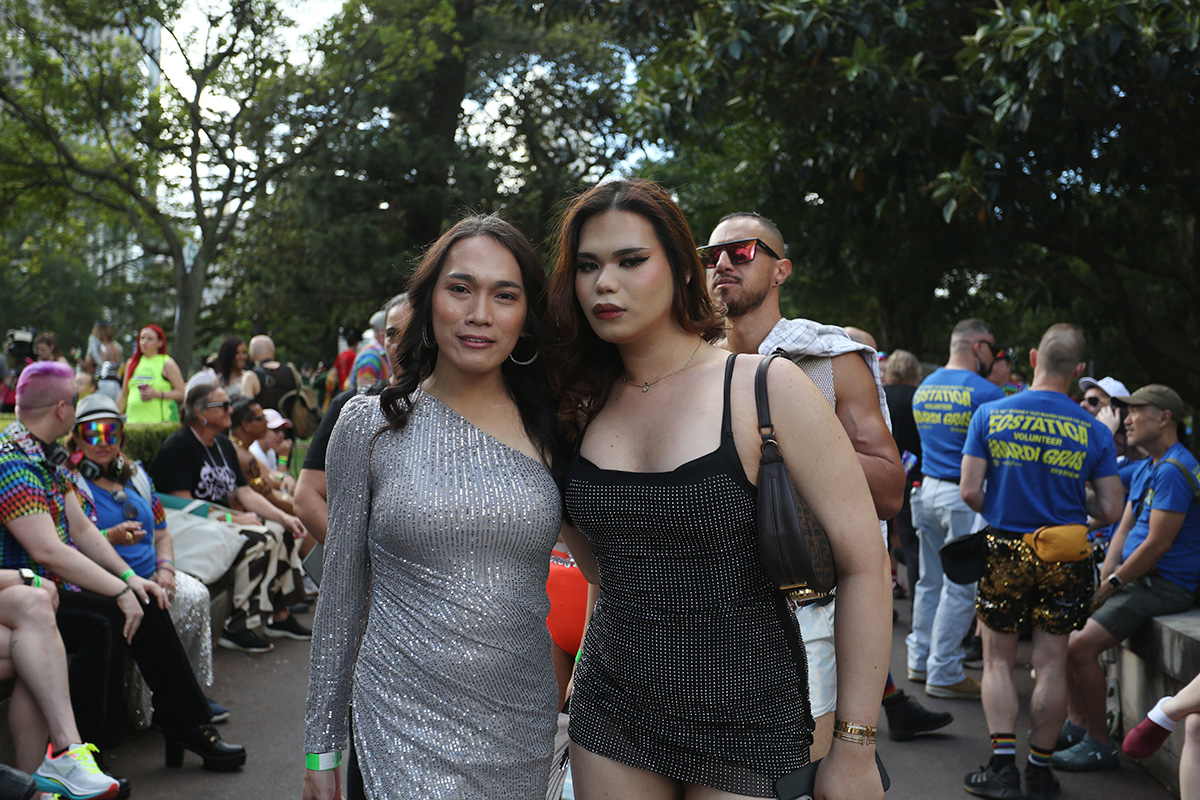
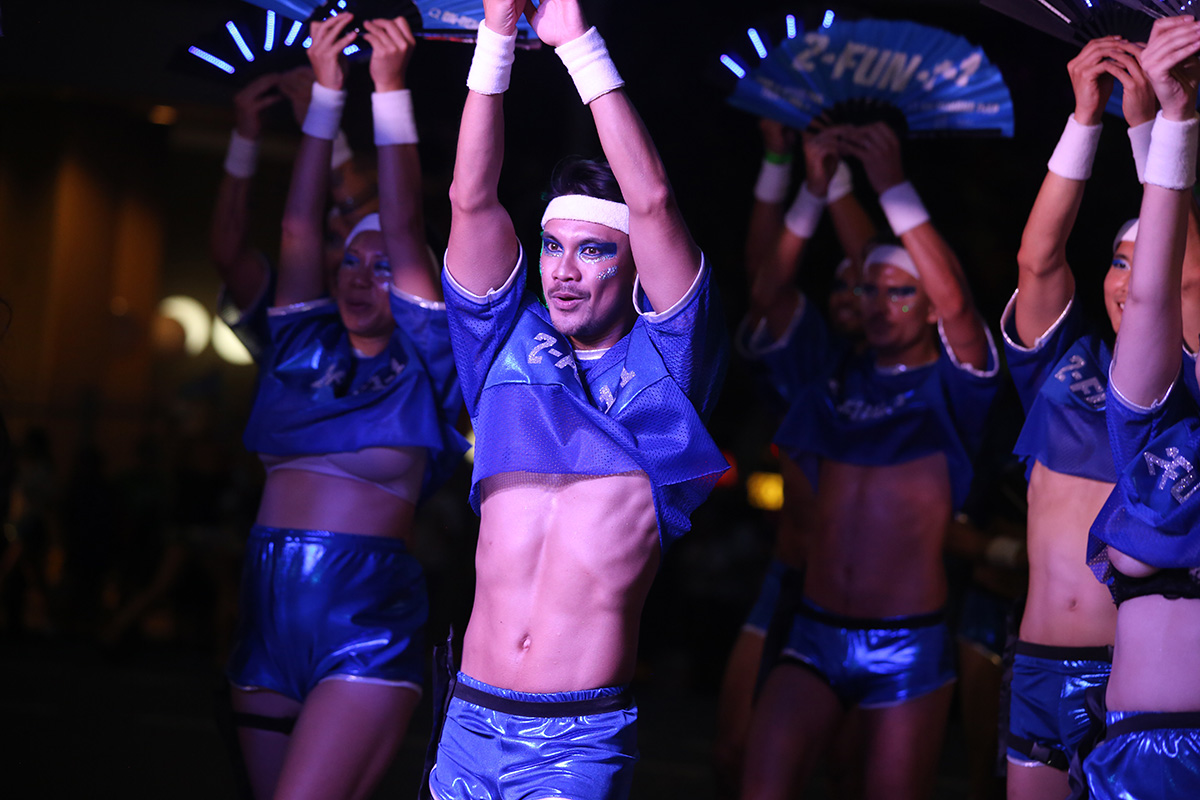
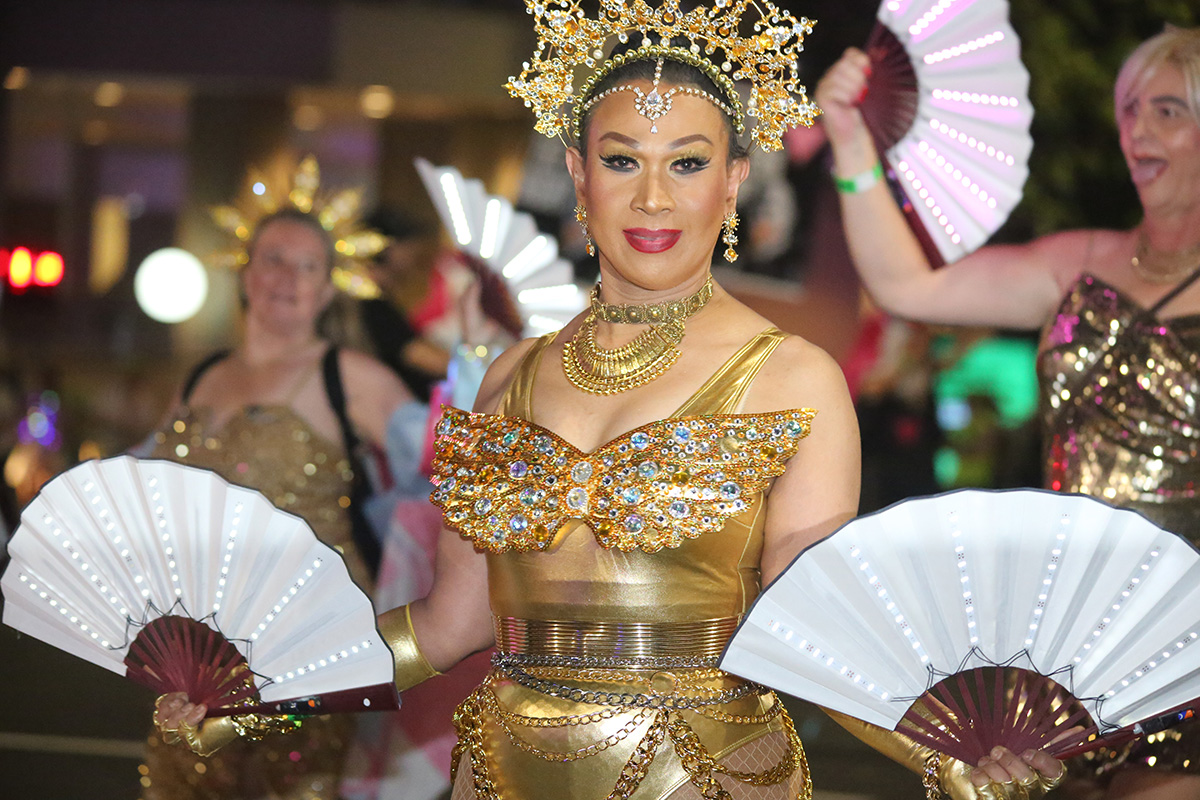
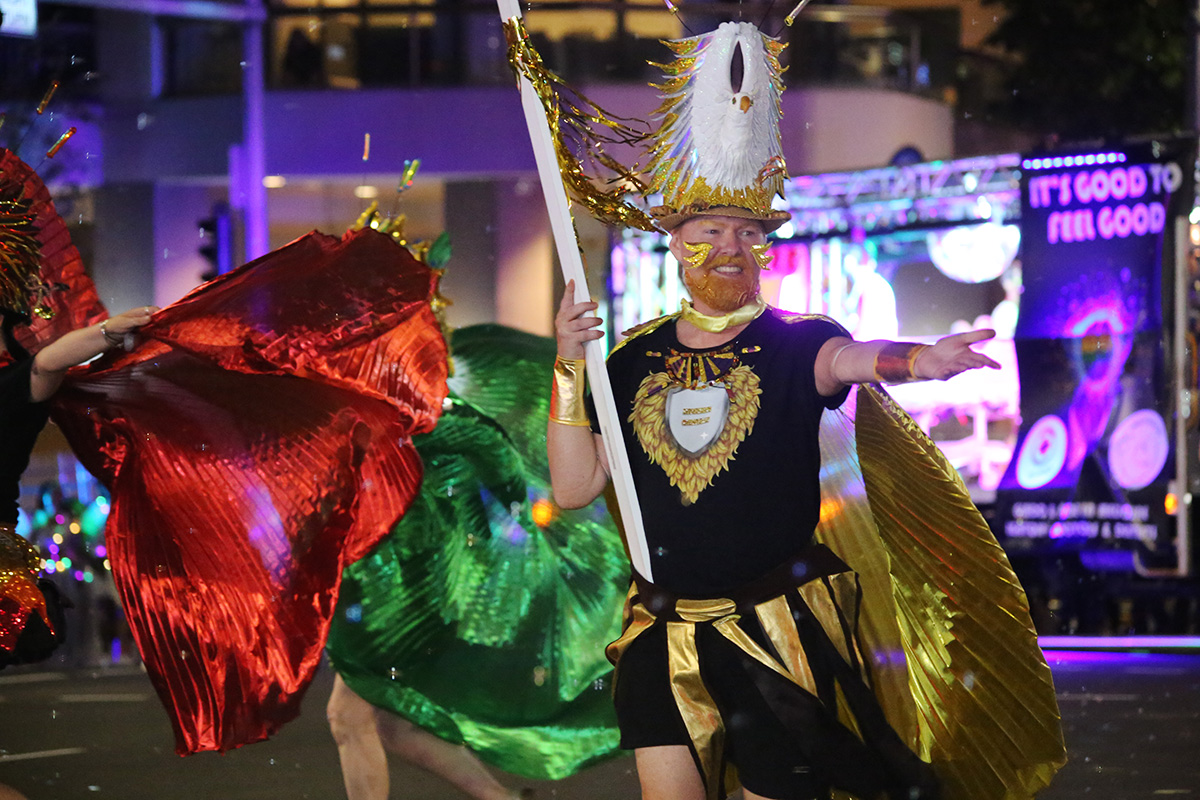
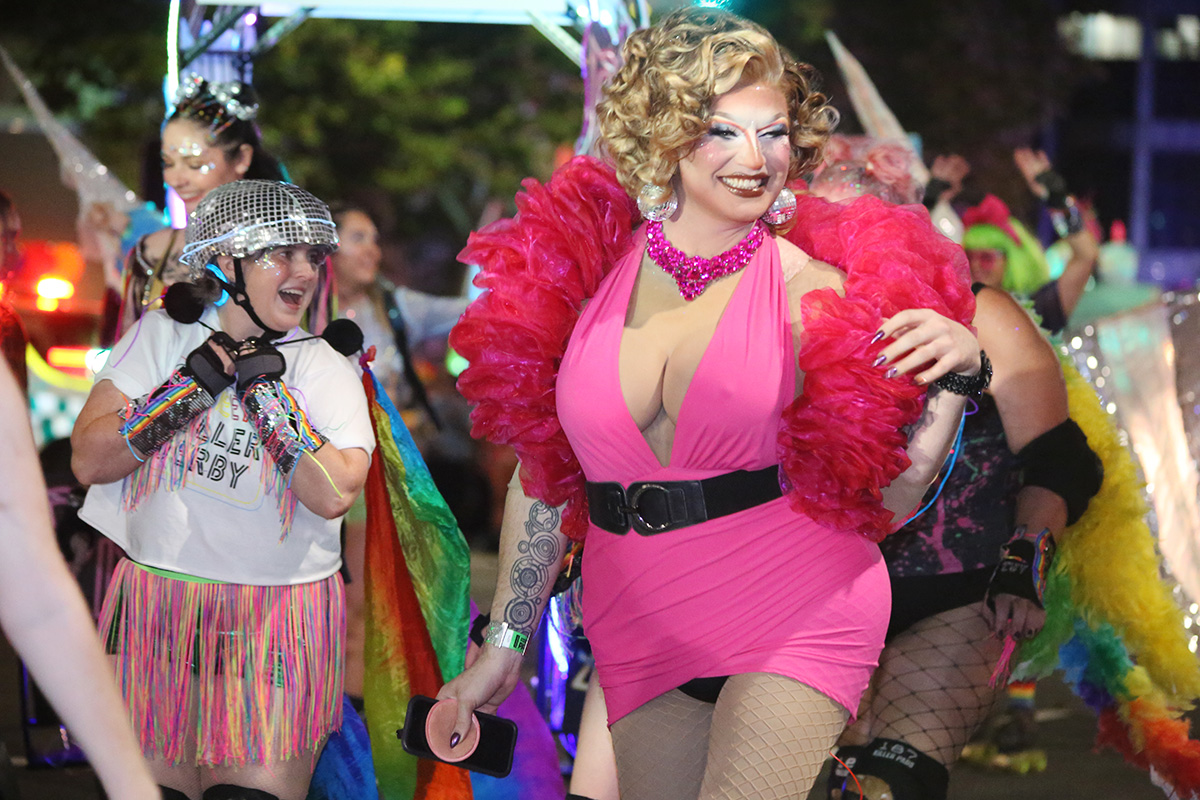
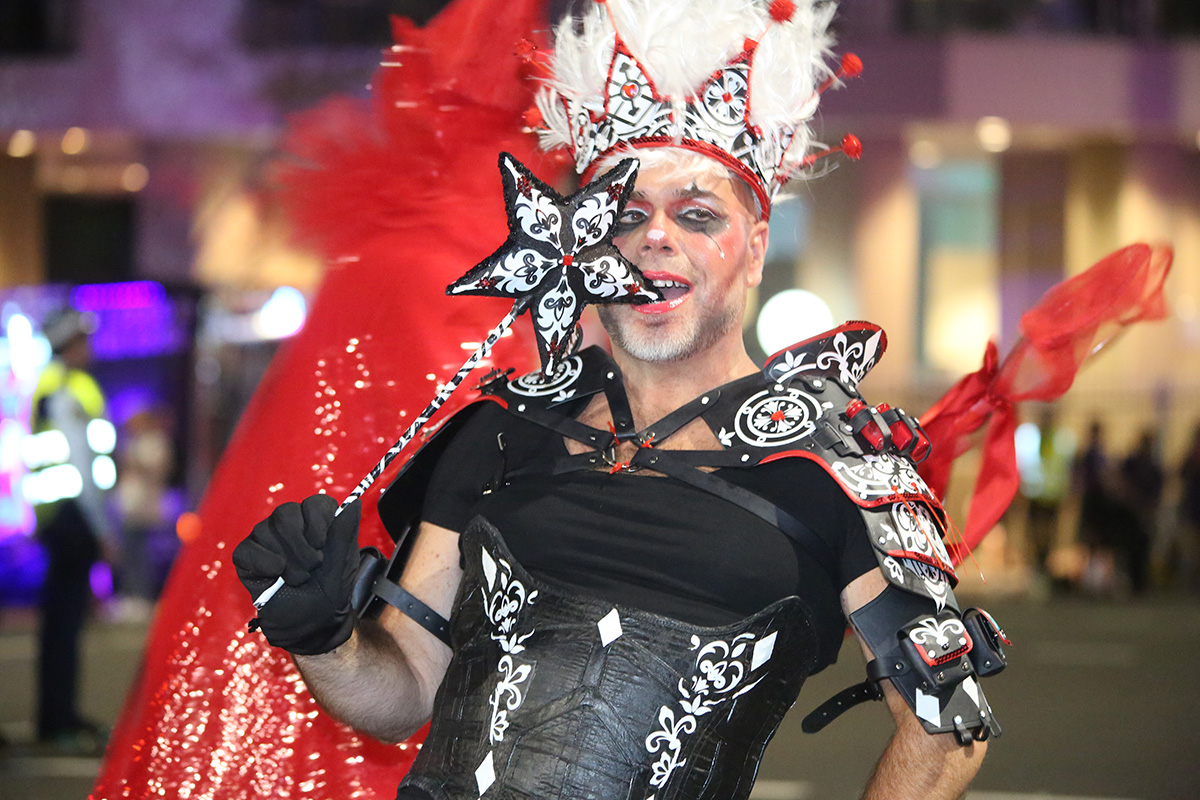
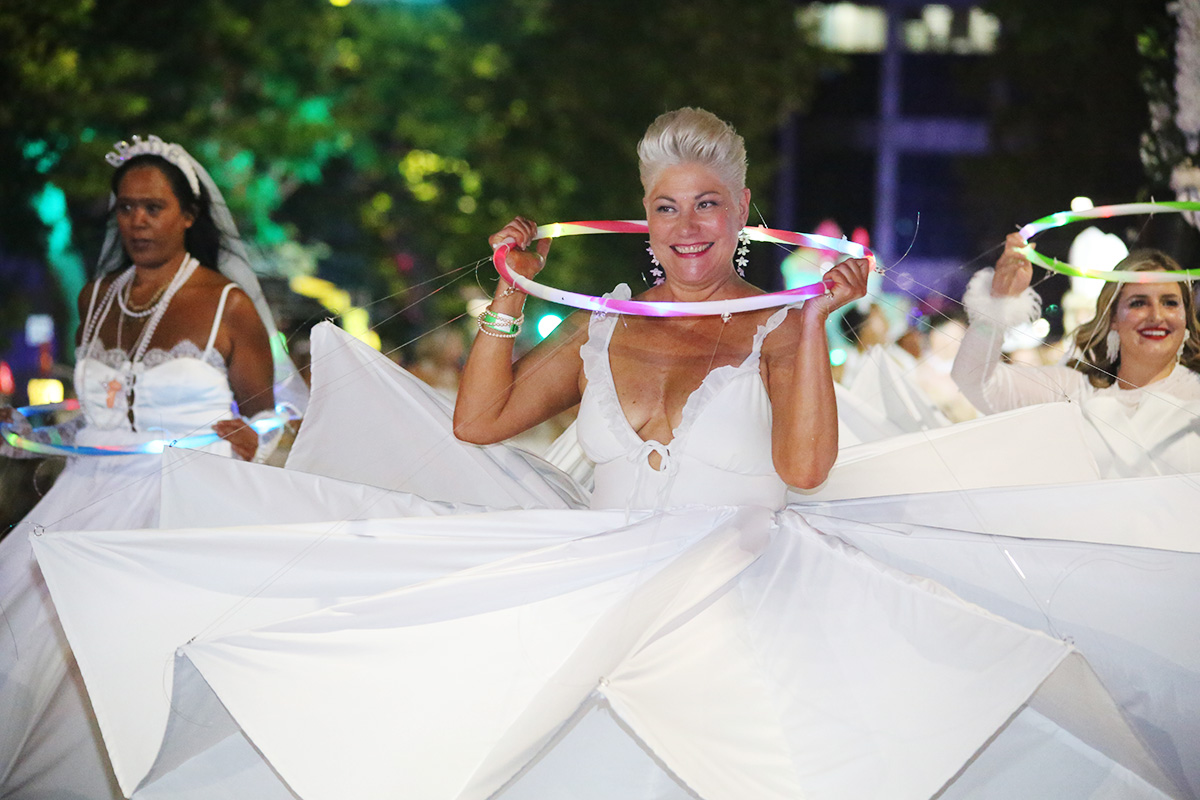
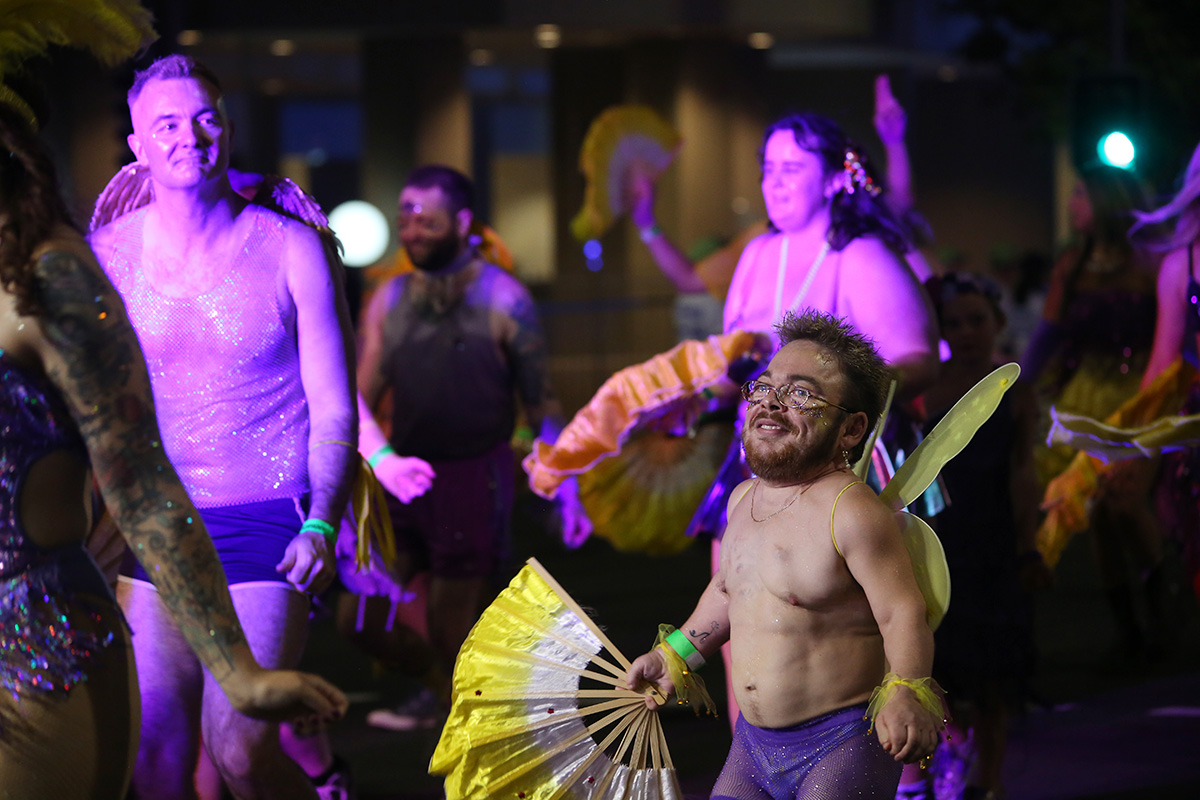
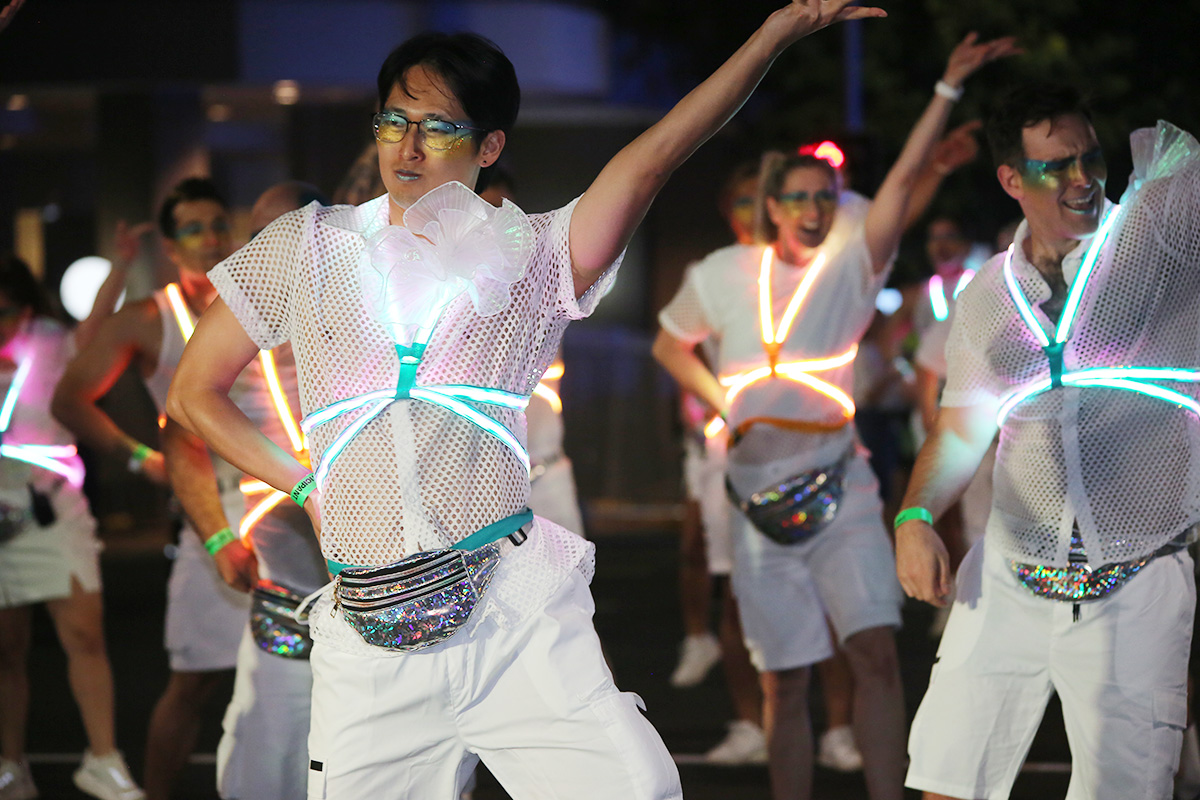
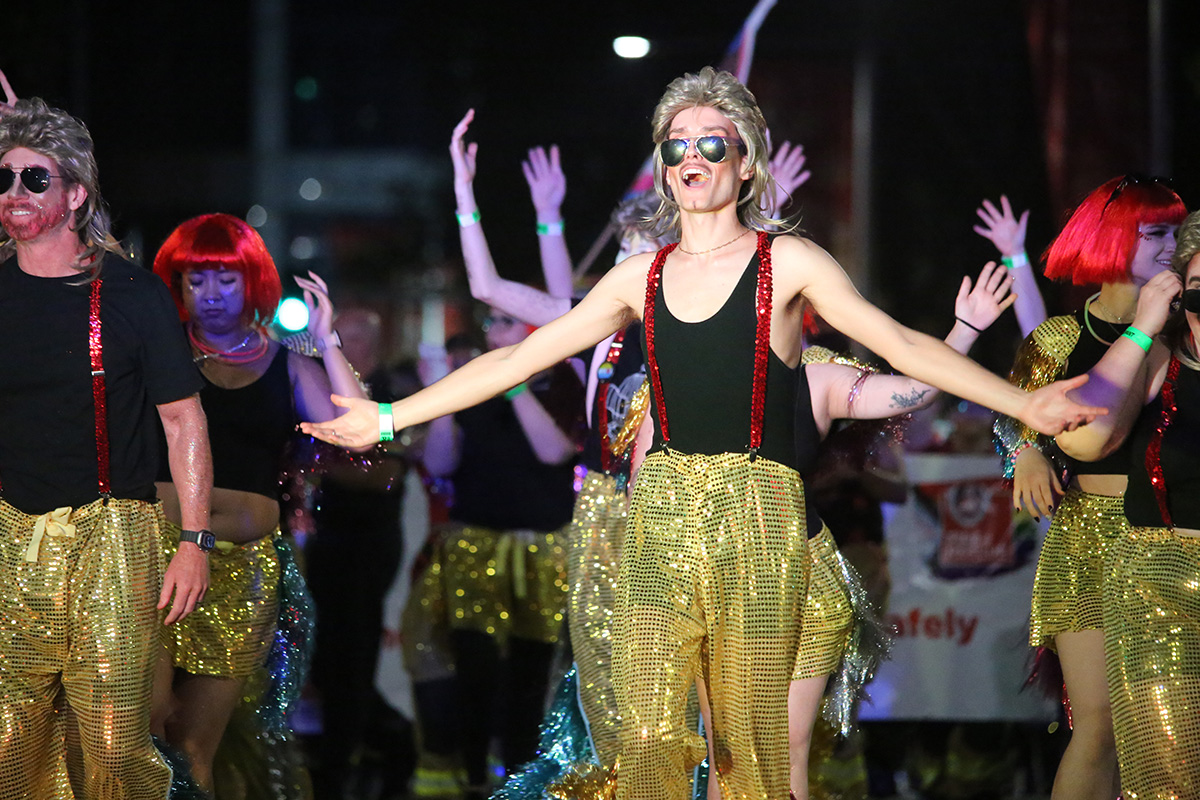
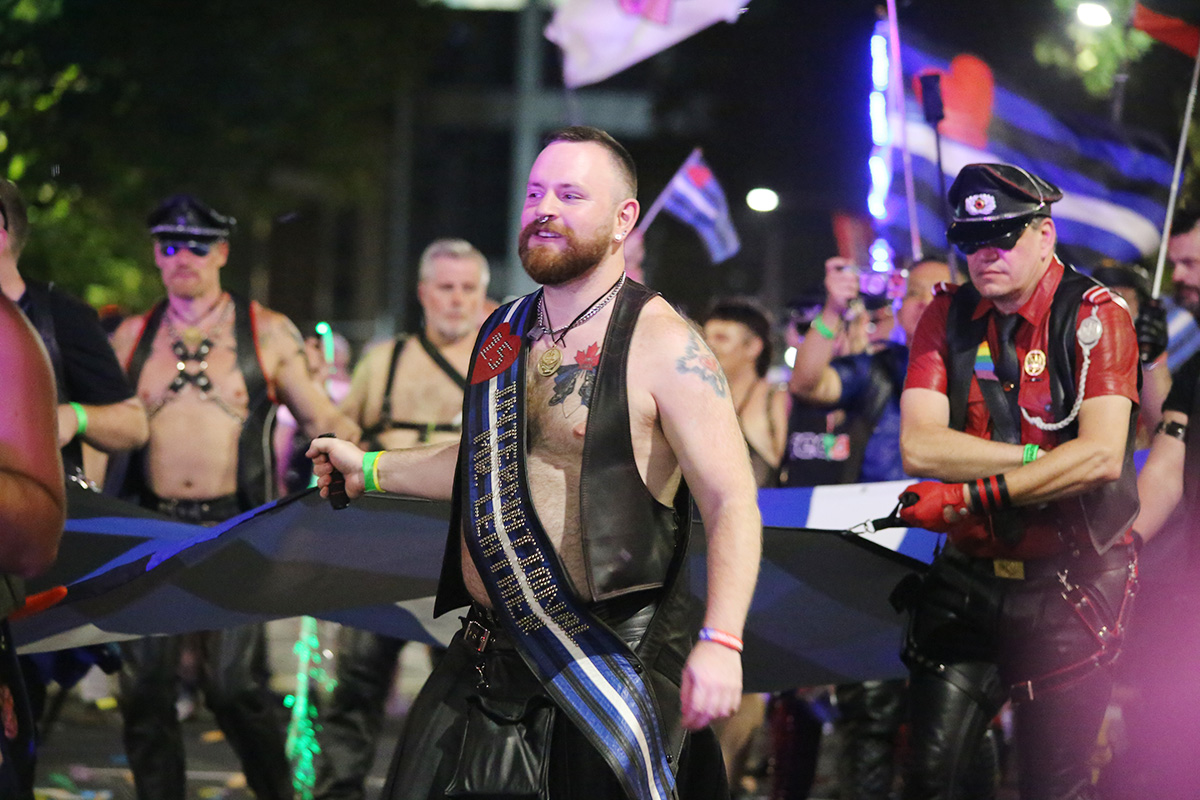
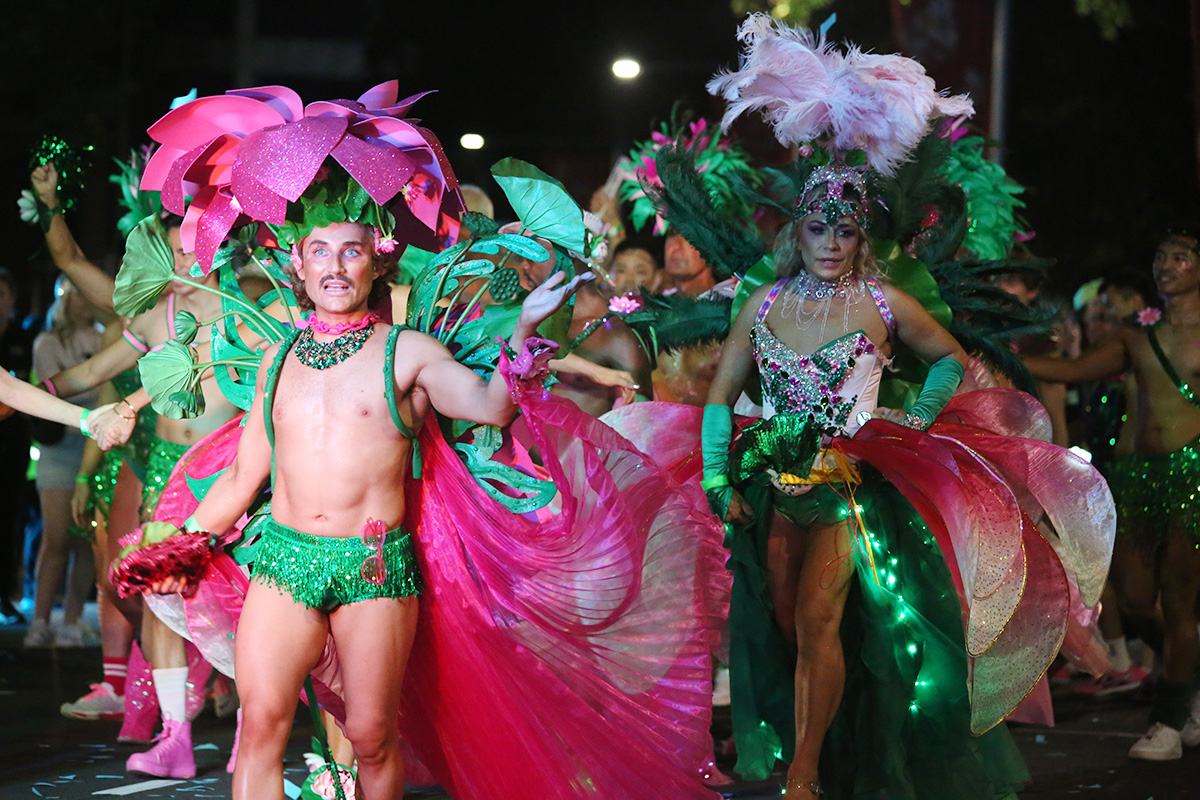
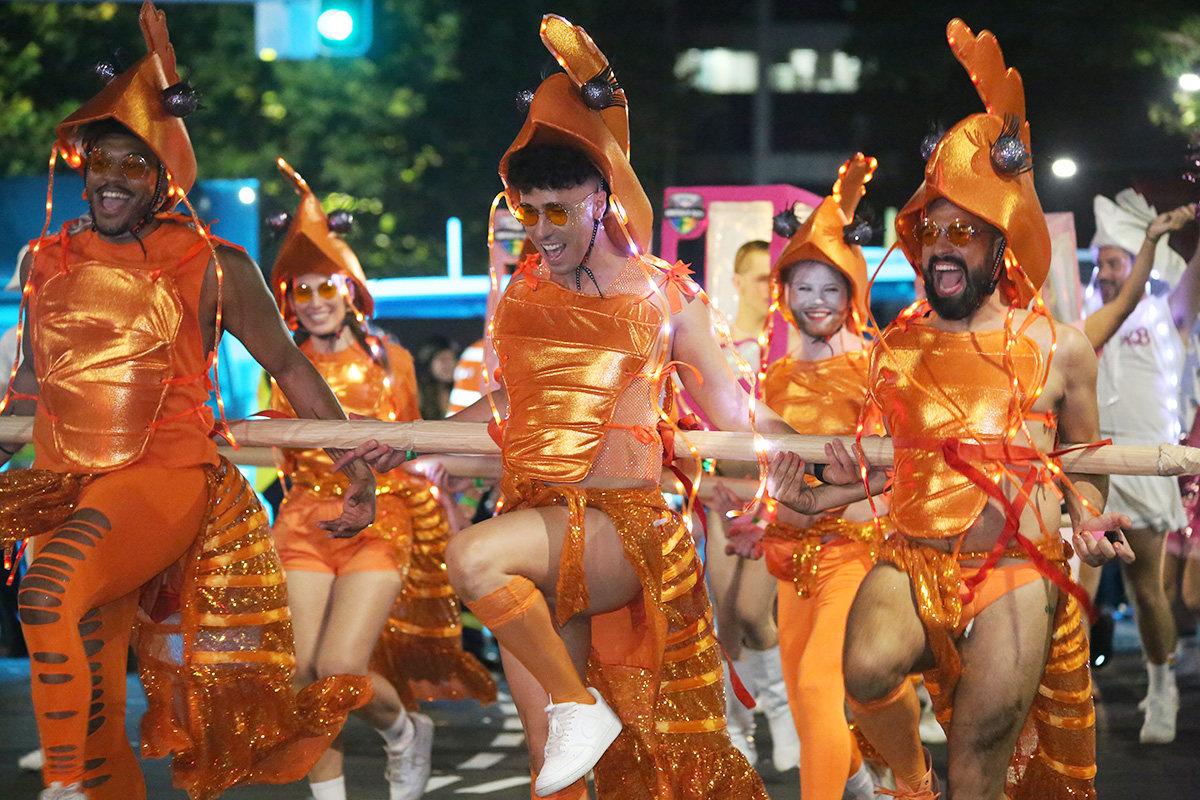
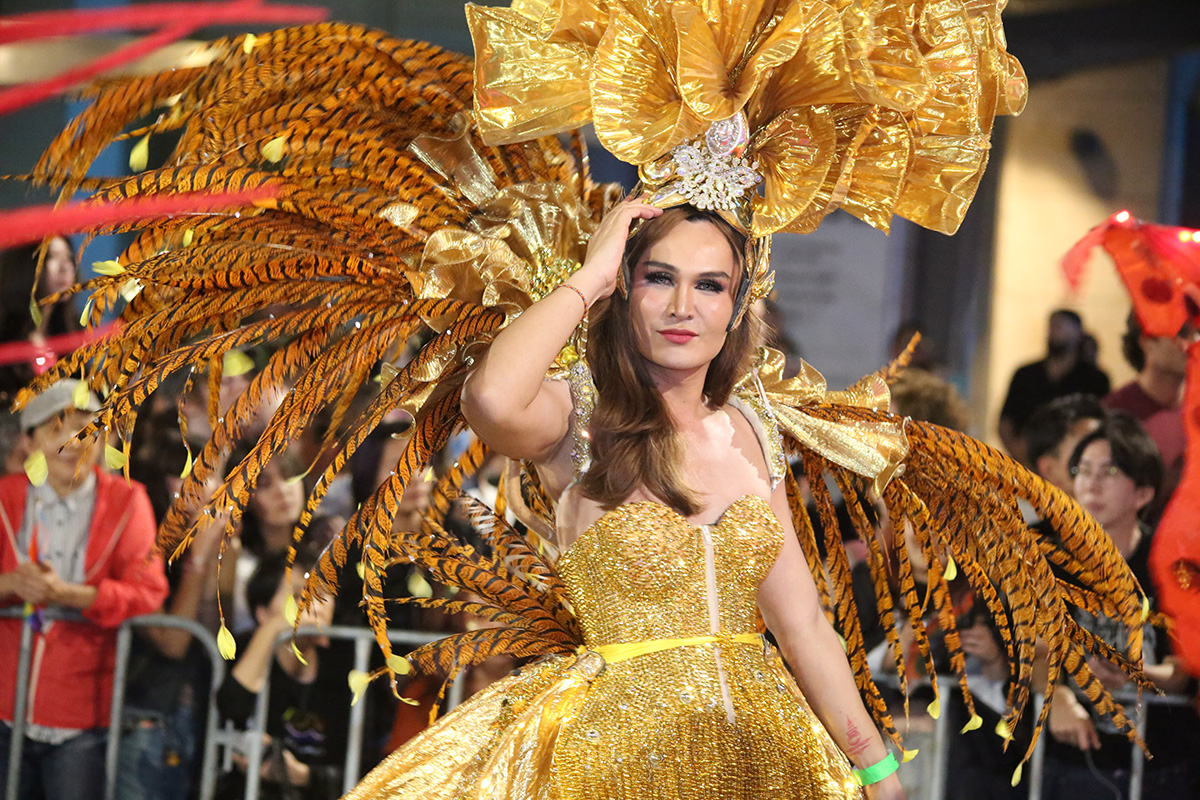
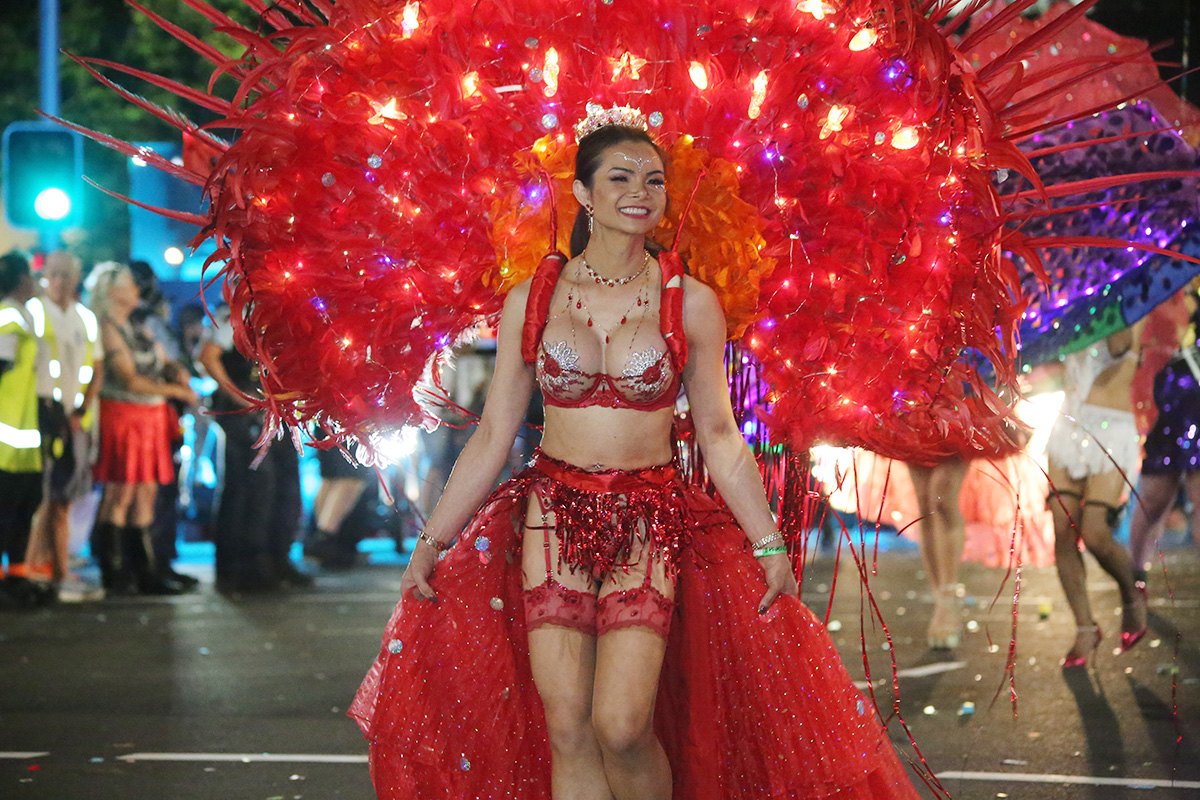
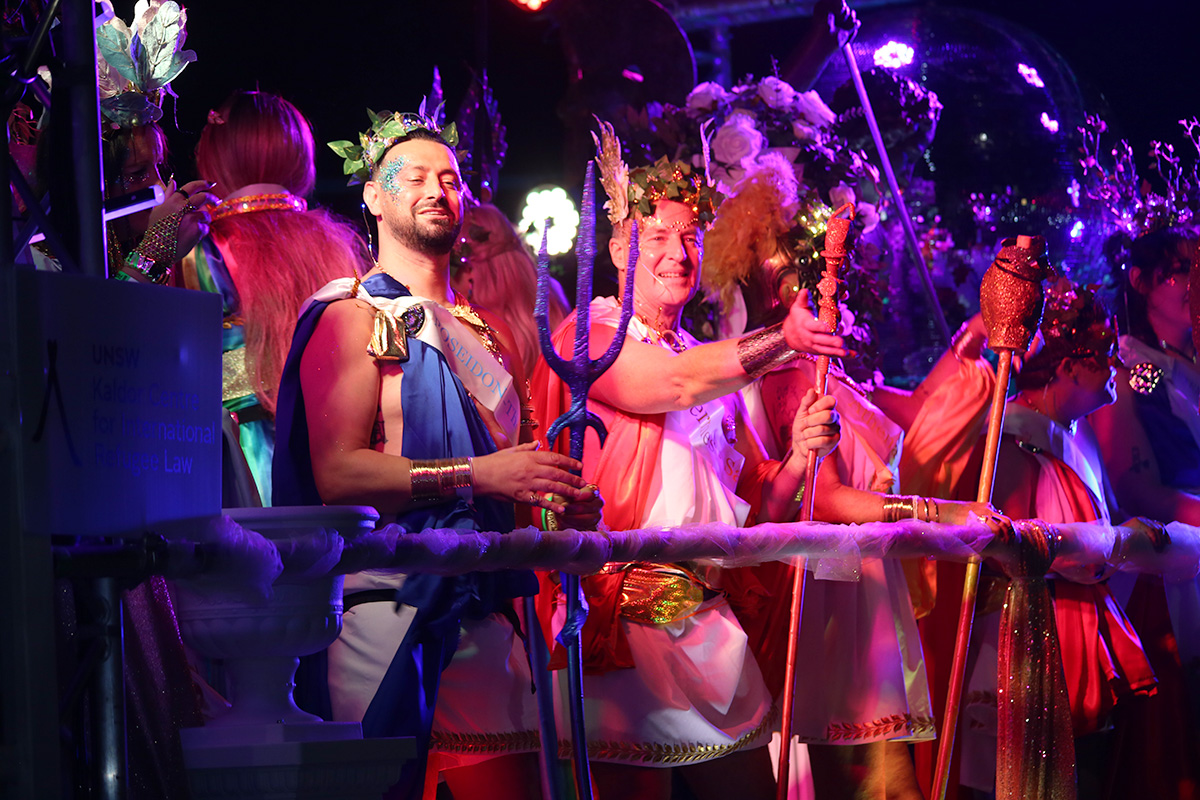
PHOTOS: Sydney Gay and Lesbian Mardi Gras Parade
48th annual LGBTQ event held in Australian city
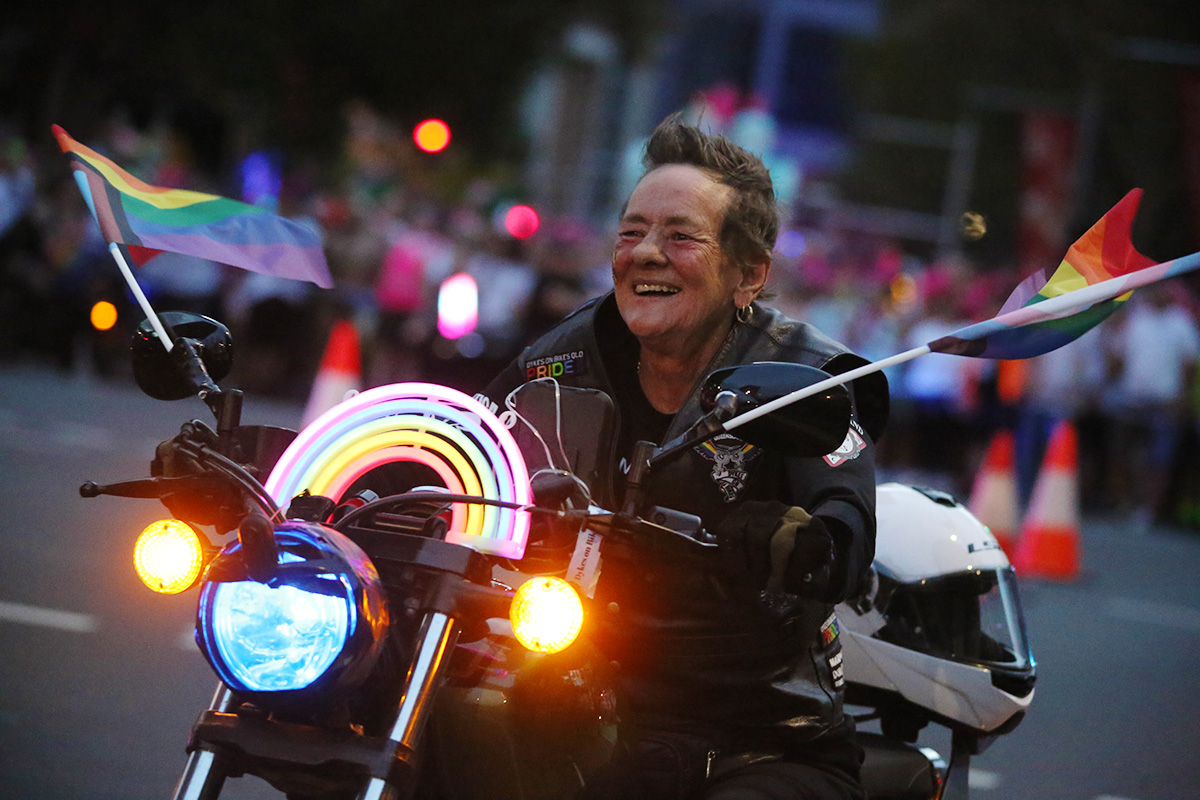
The 48th annual Sydney Gay and Lesbian Mardi Gras Parade was held on Feb. 28.
(Photos by Cori Mitchell)
a&e features
35 years after ‘Truth or Dare,’ Slam is still dancing
Salim Gauwloos on Madonna, HIV, and why he almost didn’t audition for Blond Ambition Tour
Most gay men of a certain age remember “the kiss.”
It was the moment Madonna’s dancers Salim Gauwloos and Gabriel Trupin locked lips in the hit 1991 documentary film “Truth or Dare,” which is celebrating its 35th anniversary this spring.
The kiss was hot, but what made it groundbreaking is that it appeared in a mainstream Hollywood movie that screened in suburban multiplexes across the country. This wasn’t an obscure art house film. The movie, and tour on which it was based, received months of breathless media attention all over the world for bold expressions of female empowerment and queer visibility. Madonna was threatened with arrest in Toronto for simulating masturbation on stage and Pope John Paul II urged Catholics to boycott the show, triggering a media firestorm.
“Truth or Dare” was billed as a behind-the-scenes documentary of the tour, but it quickly became clear that the real star of the show wasn’t Madonna, but rather her colorful troupe of seven backup dancers, six of whom identified as gay: Kevin Stea, Carlton Wilborn, Luis Xtravaganza Camacho, Jose Gutierez Xtravaganza, Gauwloos, and Trupin; Oliver Crumes III identifies as straight.
We saw them party and march in the New York City Pride parade. They were unabashedly queer at a dangerous time — before protease inhibitors began to stem the AIDS plague and before most celebrities and politicians embraced the gay community in any real way. Being out in 1991 carried major risks to career and reputation.
Enter Gauwloos, one of those brave dancers who vogued his way into the hearts of countless gay men entranced by his handsome looks, his stage presence, and dance skills.
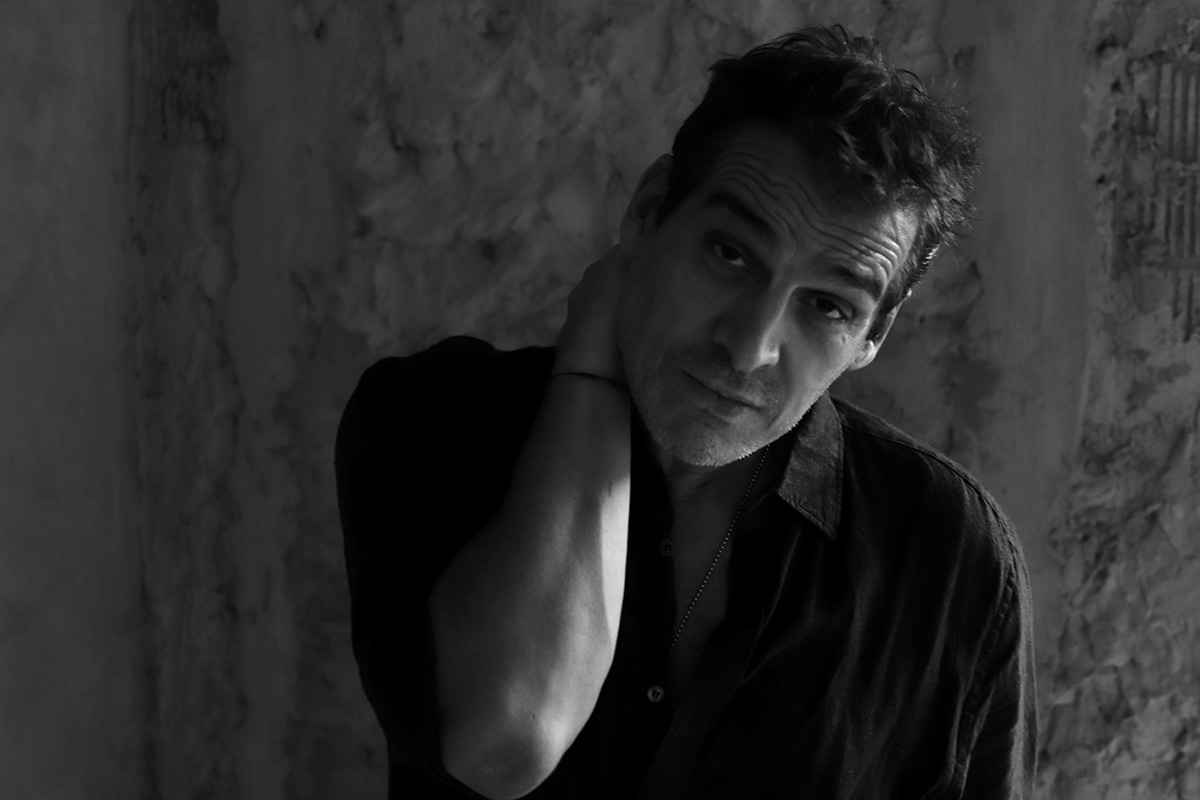
Gauwloos — known then and now as “Slam”— sat down with the Blade to talk Madonna, the lasting impact of “Truth or Dare,” the public disclosure of his HIV status, and plans for a new book on his life.
His story is fascinating — from growing up in Europe to dancing in New York to landing the gig of a lifetime with Madonna. He performed on that tour while secretly HIV positive and went without medical treatment for 10 years because he was living in the United States as an undocumented immigrant. Not even Madonna knew of his HIV status. Two other dancers on the tour were also HIV positive but no one talked about it. Ironically, Madonna was singing “Express Yourself” and advocating for condom use during her concerts yet backstage three of her dancers were secretly positive.
“A lot of people were dying so I wasn’t going to tell Madonna I had HIV,” said Slam, now 57. “And the others didn’t either. It wasn’t the moment to do it. She used to make speeches about Keith Haring and AIDS and I thought it’s going to be me next.”
Gabriel Trupin died of AIDS in 1995. Slam was diagnosed at age 18 in 1987, a frightening time when a positive test result often meant a death sentence. He booked the “Blond Ambition Tour” at age 21 after moving to New York. His friends encouraged him to audition but Slam resisted because he wasn’t a big Madonna fan.
“It was crazy, everyone wanted that job,” he said, “but I wanted to dance with Janet Jackson and Paula Abdul.” He listened to his friends and shortly after the audition, Slam received a call from Madonna herself inviting him to join the tour.
“We all wanted to be stars but not even Madonna knew how big that tour would become. The way it was choreographed and directed, the stars aligned. … It never looks dated even today.”
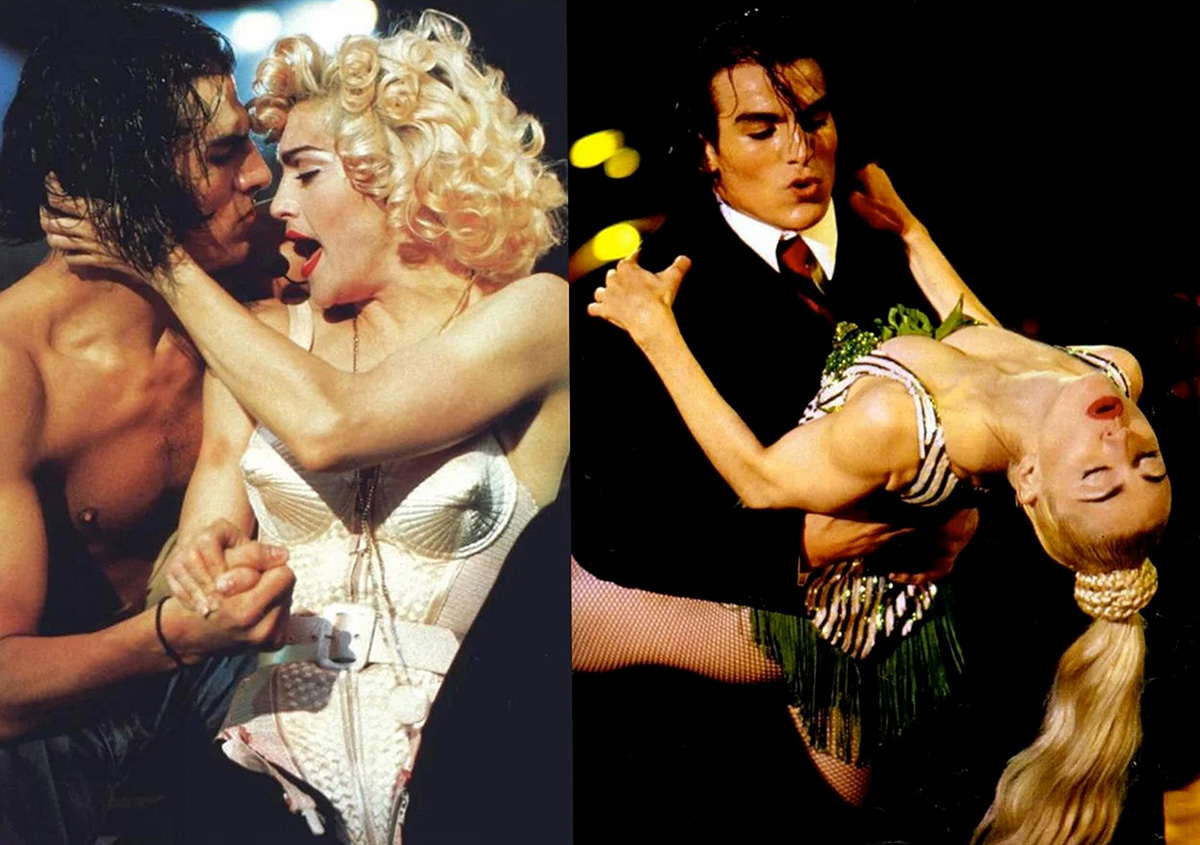
The world tour kicked off in Japan in April 1990 then moved to the United States and Europe, stirring controversy wherever it went. There was the iconic cone bra; the aforementioned simulated masturbation during “Like a Virgin”; and religious imagery that offended many Catholic groups and the Vatican.
And the controversy didn’t end with the tour. Cameras were rolling throughout the tour for what Slam thought would be a “video memory” for Madonna. But as the tour unfolded, director Alek Keshishian reportedly became more interested in what was happening behind the scenes so plans for mere tour footage were expanded into a full documentary.
“We were young and partying and didn’t really know what was going on,” Slam said. “You live in this celebrity bubble and you sign a paper – I don’t even know what I signed.”
In 1992, Kevin, Oliver, and Gabriel sued Madonna for invasion of privacy and fraud claiming she used some footage without their consent. They claim they were told nothing would be included in the film that they didn’t want to be seen. In one specific incident, Gabriel alleged that he told producers he didn’t want the scene of him kissing Slam to be in the film as he wasn’t fully out.
“Gabriel was forcibly outed,” in the movie, Kevin said in a 2016 interview.
Slam did not join his colleagues in the lawsuit.
“I couldn’t sue because I was illegal but I wasn’t ever going to sue,” Slam said. “I’m not a suing kind of person. But good for them, they fought for it and won. A lot of people don’t have the balls to sue Madonna.” The suit was settled two years later for an undisclosed sum.
“We were all conflicted about the kiss,” he said with a laugh. “The kiss, oh my God, my boyfriend is going to kill me! Belgian stress!”
Beyond worrying about his boyfriend’s reaction, Slam had concerns about the impact of being openly gay on his modeling career.
“In 1990, you couldn’t get high fashion campaigns as an openly gay model,” he said. “I was worried about that. I couldn’t get a campaign because I was gay. My agency told me to say I was straight and it was just a game.”
In 2016, pegged to the 25th anniversary of “Truth or Dare,” the surviving six dancers filmed a documentary about their lives post-Madonna titled “Strike A Pose.” In it, Slam publicly revealed his HIV status for the first time in an emotional scene with his former colleagues.
“I found the strength to tell the world I have HIV,” he recalls. “I was scared but I felt brave. The outcome and messages were beautiful. After I saw ‘Strike A Pose,’ I knew we gave people hope. And not just for gay people.”
He was infected in 1987 but didn’t get treated until 1997. After the tour ended, he said he went into a depression and his agency dropped him.
“I was partying too much after the tour,” he recalls. “I made a decision to live as an illegal alien.” In 1997, Slam collapsed and was rushed to the hospital with pneumonia.
“They started treating me and thank God the new HIV drugs were out, the cocktails, it took me a couple months to get better.”
Madonna didn’t participate in “Strike A Pose” and Slam said he hasn’t seen or spoken to her since the end of the tour. He said he had no idea of the impact “Truth or Dare” would have.
“You look at this movie in 1991 and you don’t think it’s going to be such a big thing and 35 years later it’s still helping people,” he said. “It was helpful for people who felt alone at that time. It was such an important documentary.
“I don’t think younger gay people realize how important Madonna was to gay and queer visibility — she was a big part of it. We showed the world it’s OK to be gay and that was the great message of this movie.”
He noted that, decades later, many of his friends have transgender kids and that queer culture is represented in much of mainstream pop culture.
“It’s amazing how far we’ve come,” he said. “I know we’ll always be marginalized but we have come so far. I’m really proud of our community. The current nightmare will be over and I do believe that things will get better.”
Referencing President Trump’s attacks on the LGBTQ community and crackdown on immigration, Slam described the situation in the U.S. today as “sad.”
“Everything is such a mess,” he said. “Some of these people have lived here 30-40 years and they take you out of your home. I can’t even imagine. It breaks my heart. When I was illegal it was a different story.”
Slam met his husband, Facundo Gabba, who’s from Argentina, in 2000, and he helped him get a legal case together to win citizenship. He filed a case in 2001 and was told there was a 99 percent chance he wouldn’t be permitted to stay in the United States because they weren’t allowing HIV-positive immigrants to remain in the country. But he got his green card anyway in 2005 and became a U.S. citizen in 2012.
Today, Slam and Gabba live in Brooklyn, though they travel a lot because “I can’t take the cold.” The couple married in Argentina in 2010 and in the U.S. in 2016.
Slam is still dancing and working as a choreographer. He’s teaching at a contemporary dance festival in Vienna in July and even offers online lessons via Salimdans.com.
As a longtime HIV survivor, Slam is dedicated to a healthful lifestyle.
“You have to keep moving; when you move you stay healthy,” he says. “Dance heals everything. I do yoga, I eat healthy and clean as possible. I don’t watch much TV … I try to stay healthy and positive. If I absorb all of the negativity I would be sick.”
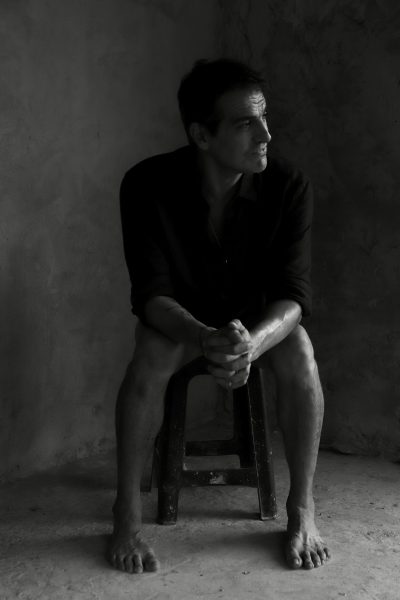
In addition to his ongoing work in dance and choreography, Slam is in the early stages of writing a book about his extraordinary life and pioneering career.
“I always knew I had a book inside of me. I want to talk about my HIV status. I know I can inspire more people. I want to tell even more secrets in the book; secrets are a poison so I want to tell everything.”
Among those secrets, he notes, is a desire to write about his strict Muslim father and the years he spent as an undocumented immigrant in America.
“Those are the things I want to talk about, the struggles. It’s a love story, hope and resilience. I know it will help people.”
As for his friends from the tour, Slam says he remains in contact with Gabriel’s mother and José Xtravaganza is his best friend. Baltimore’s Center Stage theater is currently developing a new musical about Xtravaganza’s life. And Slam said he occasionally talks to Oliver, though “he still can’t pronounce Sandra Bernhard’s name.”
At the end of our interview, Slam indulged a round a rapid fire questions:
• Favorite song to perform in the “Blond Ambition” tour? “Express Yourself.”
• Aside from Madonna, who was your favorite artist you worked with? Toni Braxton in “Aida” on Broadway.
• Favorite Madonna song? “Live to Tell”
• Favorite Madonna video? “Bedtime Stories”
• What’s more stressful: performing in a concert or performing on the VMAs? “Both, because we always had to be perfect.”
• Did you go to Madonna’s recent “Celebration” tour? “I didn’t see the show but I saw clips online.”
• What do you remember most about performing “Vogue” at the VMAs? “It was nerve-racking for them to flip those fans.”
• When was the last time you vogued? “I teach classes so a couple weeks ago.”
Books
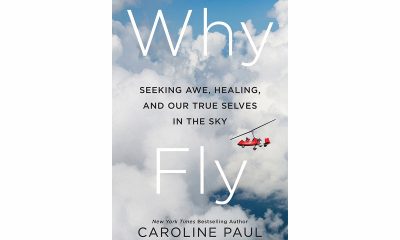
Love or fear flying you’ll devour ‘Why Fly’
New book chronicles a lifetime obsession with aircraft
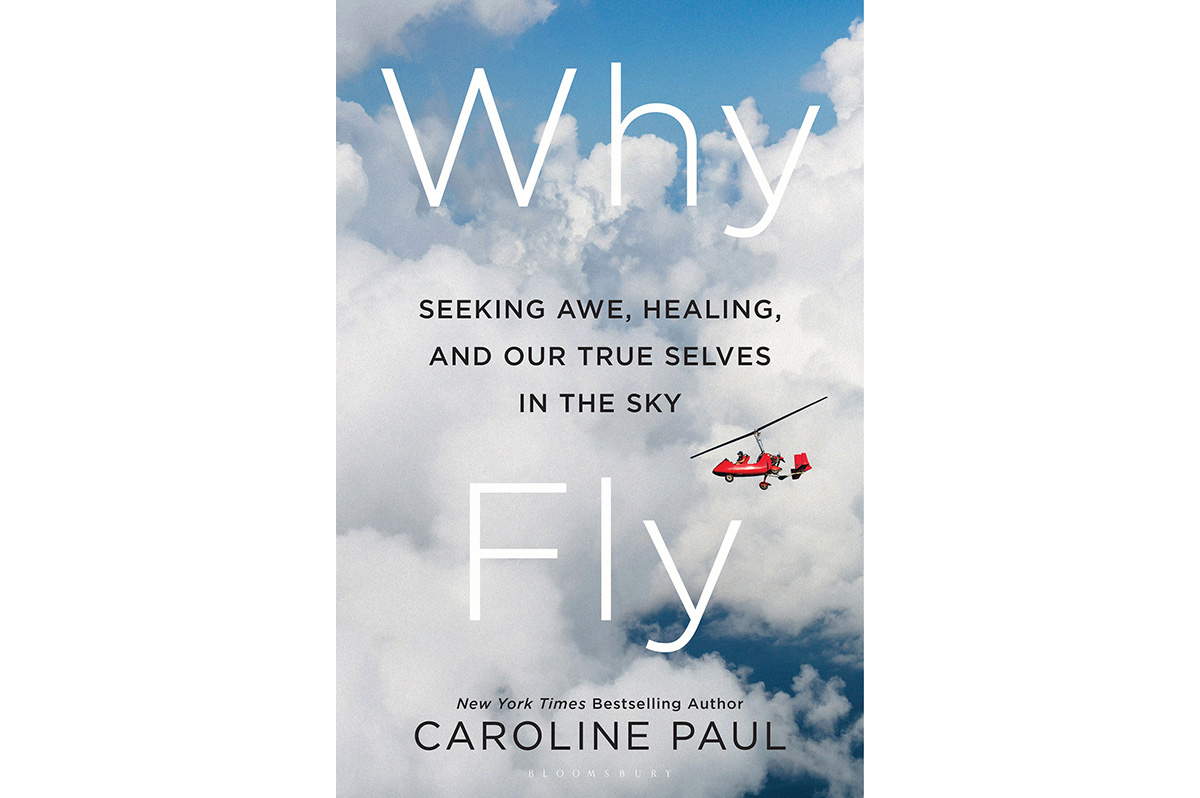
‘Why Fly’
By Caroline Paul
c. 2026, Bloomsbury
$27.99/256 pages
Tray table folded up.
Check. Your seat is in the upright position, the airflow above your head is just the way you like it, and you’re ready to go. The flight crew is making final preparations. The lights are off and the plane is backing up. All you need now is “Why Fly” by Caroline Paul, and buckle up.

When she was very young, Paul was “obsessed” with tales of adventure, devouring accounts written by men of their derring-do. The only female adventure-seeker she knew about then was Amelia Earhart; later, she learned of other adventuresome women, including aviatrix Bessie Coleman, and Paul was transfixed.
Time passed; Paul grew up to create a life of adventure all her own.
Then, the year her marriage started to fracture, she switched her obsession from general exploits to flight.
Specifically, Paul loves experimental aircraft, some of which, like her “trike,” can be made from a kit at home. Others, like Woodstock, her beloved yellow gyrocopter, are major purchases that operate under different FAA rules. All flying has rules, she says, even if it seems like it should be as freewheeling as the birds it mimics.
She loves the pre-flight checklist, which is pure anticipation as well as a series of safety measures; if only a relationship had the same ritual. Paul loves her hangar, as a place of comfort and for flight in all senses of the word. She enjoys thinking about historic tales of flying, going back before the Wright Brothers, and including a man who went aloft on a lawn chair via helium-filled weather balloons.
The mere idea that she can fly any time is like a gift to Paul.
She knows a lot of people are terrified of flying, but it’s near totally safe: generally, there’s a one in almost 14 million chance of perishing in a commercial airline disaster – although, to Paul’s embarrassment and her dismay, it’s possible that both the smallest planes and the grandest loves might crash.
If you’re a fan of flying, you know what to do here. If you fear it, pry your fingernails off the armrests, take a deep breath, and head to the shelves. “Why Fly” might help you change your mind.
It’s not just that author Caroline Paul enjoys being airborne, and she tells you. It’s not that she’s honest in her explanations of being in love and being aloft. It’s the meditative aura you’ll get as you’re reading this book that makes it so appealing, despite the sometimes technical information that may flummox you between the Zen-ness. It’s not overwhelming; it mixes well with the history Paul includes, biographies, the science, heartbreak, and exciting tales of adventure and risk, but it’s there. Readers and romantics who love the outdoors, can’t resist a good mountain, and crave activity won’t mind it, though, not at all.
If you own a plane – or want to – you’ll want this book, too. It’s a great waiting-at-the-airport tale, or a tuck-in-your-suitcase-for-later read. Find “Why Fly” and you’ll see that it’s an upright kind of book.
The Blade may receive commissions from qualifying purchases made via this post.

13 HIV/AIDS activists arrested on Capitol Hill

PHOTOS: Sydney Gay and Lesbian Mardi Gras Parade

An undeclared war of distraction by the felon

Talarico beats Crockett in Texas primary

35 years after ‘Truth or Dare,’ Slam is still dancing

Out actor Kevin Cahoon on starring role in ‘Chez Joey’

PHOTOS: Pride Reveal

Love or fear flying you’ll devour ‘Why Fly’

Arlington LGBTQ bar Freddie’s celebrates 25th anniversary