Arts & Entertainment
Back to the circle
Youth Pride returns to its original locale; suicides, bullying give event renewed urgency
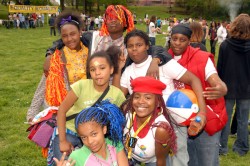
Teens gather at Youth Pride in 2007. (Blade file photo by Henry Linser)
Youth Pride is Saturday in Washington but there’s one big change this year — after several years at P Street Beach, the event is moving back to Dupont Circle where it started 15 years ago.
Nikisha Carpenter, president of the board of Youth Pride Alliance, says the board made the change so the event would have greater visibility.
“It’s just a visibility issue really truly,” the 32-year-old lesbian and D.C. resident says.
The event is open to any local LGBT youth 25 and younger. There is no minimum age to attend. Carpenter, who’s worked with the Alliance five years and has been board president of the all-volunteer agency for the last three, says tweens as young as 12 have come with their parents in past years. In a good year, about 500 youth attend, she says. Last year attendance was down because it rained on the planned day so it was postponed to the next Saturday.
That’s the group’s contingency plan if it rains this weekend but the weather forecast is calling for clear skies.
The non-profit Alliance produces the event with help from the D.C. Office of Human Rights. That government involvement led to a public awareness ad campaign in which Youth Pride promos were seen in Metro buses and stations.
Carpenter says last year’s spate of teen suicides has brought increased awareness to the need for LGBT youth resources, hence the ads.
“It’s really two different things but I do think there’s an increased sense of urgency about getting resources to the kids who need them,” she says. “We’ve even seen a lot more organizations singing up for booths this year who are really eager to service the youth.”
Usually there are about 50 booths, a concert stage, games and snacks. The event runs from noon to 5 p.m. in the circle. An “Infatuation Dance” for ages 21 and younger is from 5 to 9:30 p.m. at the U Street Music Hall (1115-A U Street, N.W.) with DJ Keenan who’ll spin house, electro, hip-hop, R&B and more. Admission is $5.
SMYAL, Whitman-Walker, the Trevor Project and others will be represented. Carpenter says it’s important to have a one-stop spot for resources.
“There are a lot of resources in D.C. but they don’t always know where to find them,” she says. “It’s important for them to have a fun, safe space to come to.”
The event typically draws a racially diverse group. Latino gay activist Jose Guttierez is spreading the word in the Latino community, Carpenter says, so black, white and Latino youth will likely be well represented.
And some teens are involved in the planning — a group of youth involved with the Office of State Superintendents volunteered their time to help with planning and will be on hand Saturday.
The Alliance welcomes donations, upon which it relies for its operating expenses. Visit youthpridealliance.org for more information.
“We hear some dramatic story at least every year,” Carpenter says. “There are kids who come and are really scared but are so excited and have a whole new group of friends by the end of the day. It’s really great to see.”
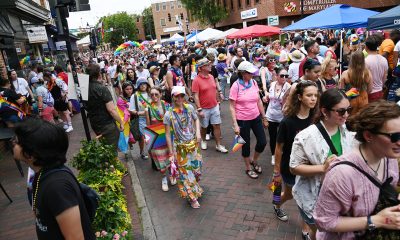

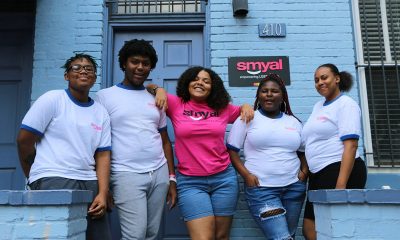



The Capital Pride Alliance presented the 2026 Capital Pride Honors at “The Audacity Brunch: In Full Fuchsia” at the Four Seasons Hotel Washington, D.C. on Sunday, June 7.
(Washington Blade photos by Landon Shackelford)


Out & About
Congressional Cemetery hosts Gays & Graves
Daylong Pride celebration blends history, remembrance, art and community

Historic Congressional Cemetery will host the second annual “Gays & Graves: A Big Gay Festival” on Sunday, June 14 at 11 a.m.
The event will feature pioneering activist Randy Wicker, the Gay Men’s Chorus of Washington, and new public art installations and programs celebrating LGBTQ+ history. Gays & Graves is an official partner event of Capital Pride 2026.
This event is a daylong Pride celebration blending history, remembrance, art and community. Visitors can shop from LGBTQ+ and allied artists and makers, experience performances and interactive installations, and engage with programs exploring LGBTQ+ history and lived experience.
For more details, visit the cemetery’s website.
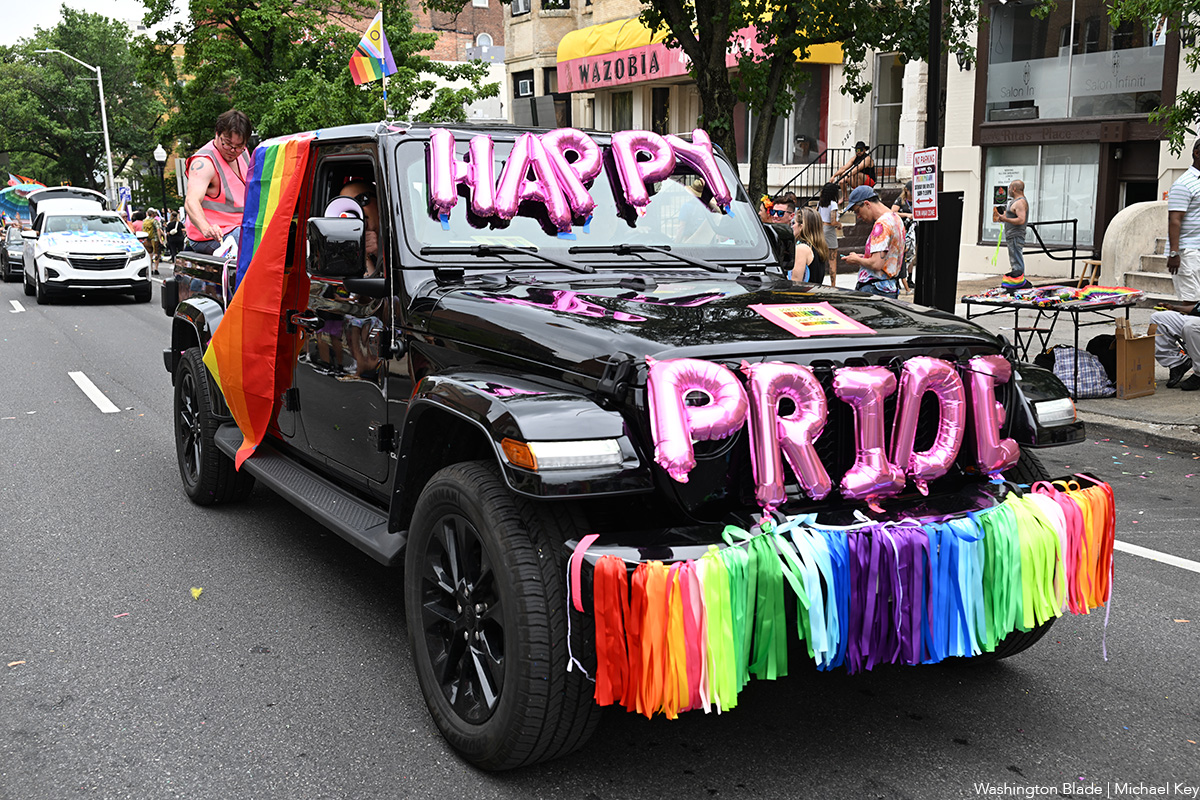
Baltimore Pride is underway, taking place from June 8-14.
The Pride Parade will be on Saturday, June 13 at 12 p.m. at Charles Street & North Avenue, followed by the Pride Block Party at 1 p.m. at Druid Hill Park. And then the Pride Festival will be held on Sunday, June 14 at 12 p.m. at Druid Hill Park.
There will be an array of additional events including: a fashion show, a “Suits and Sneakers” reception and a 5k race, among many other events.
For more details, visit Baltimore Pride’s website.

PHOTOS: The Audacity Brunch

D.C. Council approves expanded grant funding for Mayor’s Office of LGBTQ Affairs

Congressional Cemetery hosts Gays & Graves

Baltimore Pride is here

Calendar: June 12-18

Hundreds of thousands expected to attend D.C. Pride events

Queen Jean is Tony’s first transgender winner

EXCLUSIVE: Pelosi reflects on four decades of LGBTQ advocacy

David Archuleta, Monroe Alise named D.C. Pride parade marshals

D.C. prepares to party as Pride celebrations kick off Saturday
-

 District of Columbia5 days ago
Hundreds of thousands expected to attend D.C. Pride events
-
National5 days ago
Queen Jean is Tony’s first transgender winner
-
Congress4 days ago
EXCLUSIVE: Pelosi reflects on four decades of LGBTQ advocacy
-
District of Columbia4 days ago
David Archuleta, Monroe Alise named D.C. Pride parade marshals