Financial
Don’t ignore problems with your roof

(iStock photo)
By TOM DANIEL
Though people often take the roof over their heads for granted, in today’s volatile housing market it doesn’t pay to ignore trouble with your roof.
Shrug off the warning signs and you could be in for some sticker shock when it comes to fixing problems with your roof. And there are warning signs.
Is it ‘just a roof,’ or should your roof be a thing of beauty that takes your structure decades into its future? R. Thomas Daniel Roofing Company is a third generation, family-owned and operated business that provides honest roofing assessments, estimates and quality craftsmanship. The company specializes in replacing, coating and repairing roofs of all types, especially the flat and low slope roofs common on Capitol Hill, Georgetown and throughout Washington, D.C.
Providing quality workmanship on distinct residential and commercial roofs, including tin, copper, slate, shingle and synthetic membrane roof systems such as EPDM and modified bitumen is what Daniel-family roofers have specialized in for more than 90 years. We take pride in working on the unusual roofs that can be found in historic Washington, D.C., such as slate turret roofs. Many of the slate turret roofs are the originals and more than 100-years-old.
This article will provide an overview of these roofs and their energy efficient capabilities.
Membrane roofs are most commonly made from synthetic rubber (EPDM), thermoplastic (PVC and TPO) or modified bitumen (MB).
EPDM roofs are single-ply membranes that have been in use in the U.S. since the 1960s. Usually black EPDM roofs are installed but they also come in white. EPDM is UV resistant and does not require an additional surfacing layer such as tar and gravel as with asphalt “built-up” roofs (aka “slag” roofs). These roofs can be applied either fully adhered, which uses adhesive to connect the rubber to the substrate of the roof, or mechanically fastened, which is attached by using manufacturers’ approved fasteners to the substrate.
PVC roofing has been in use in the U.S. since the early 1970s. PVC is a vinyl single-ply roof membrane. The PVC membrane is installed on the roof by heat welding overlapping edges with an electrically powered heat welder or hand-held welder. These roofs also come in white.
TPO roofing, usually in white, is designed to combine the diversity of rubber with the performance of hot-air-weldable seams. This process creates a physical bond between two separate sheets of roofing membrane effectively making them one piece and highly resistant to leaking. It is highly resistant to tears, impacts and punctures with good flexibility to allow for building movement.
Modified Bitumen (MB) is a roofing membrane consisting of asphalt and plastic or rubber polymers and is considered an evolution of asphalt “built-up” roofing. MB is generally applied using a heat application process that melts the seams together to create a seal but sometimes a cold adhesive application system is used. MB is available with a white granulated surface for higher reflectivity.
Demand has increased for heat-reflective and energy efficient roofing systems and all of the above systems can offer resistance to UV, ozone and chemical exposure. In addition, some of these products meet the new version of the California Energy Efficiency Standards for Residential and Non-Residential buildings and some are also rated by the Cool Roofing Rating Council (CRRC) which has a product rating program for evaluating and labeling the solar reflectance and thermal emittance (radiative properties) of roofing products.
A cool roof reflects and emits the sun’s energy as light back to the sky instead of allowing it to enter your building below as heat. There are numerous benefits to having a cool roof including:
• Reducing utility bills associated with air conditioning resulting in energy savings typically of 10-30 percent;
• Lowering roof maintenance costs and extending the life of the roof and reducing solid waste;
• Mitigating your community’s Urban Heat Island Effect (UHIF);
• Reducing green house gas emissions by conserving electricity therefore reducing CO2 from power plants;
• Mitigating the UHIF and reducing ambient air temperatures thereby improving air quality and smog.
These developments in roofing membrane systems and complimentary energy efficiency and green qualities offer homeowners in need of a new roof an opportunity to have a quality roofing system, reduce electricity usage and help the environment.
Whenever possible we work to provide an alternative that is less expensive than an entirely new roof — saving our customers money by extending the life of their current roof. However, if a customer does need a new roof we will recommend a replacement.
Tom Daniel is the owner and general manager of R. Thomas Daniel Roofing and specializes in working on flat and low slope roofs on Capitol Hill. Reach him at 202-569-1080, [email protected] or via rthomasdanielroofing.com.



Real Estate
The LGBTQ real estate map is being redrawn
Affordability, higher mortgage rates reshaping where we choose to call home
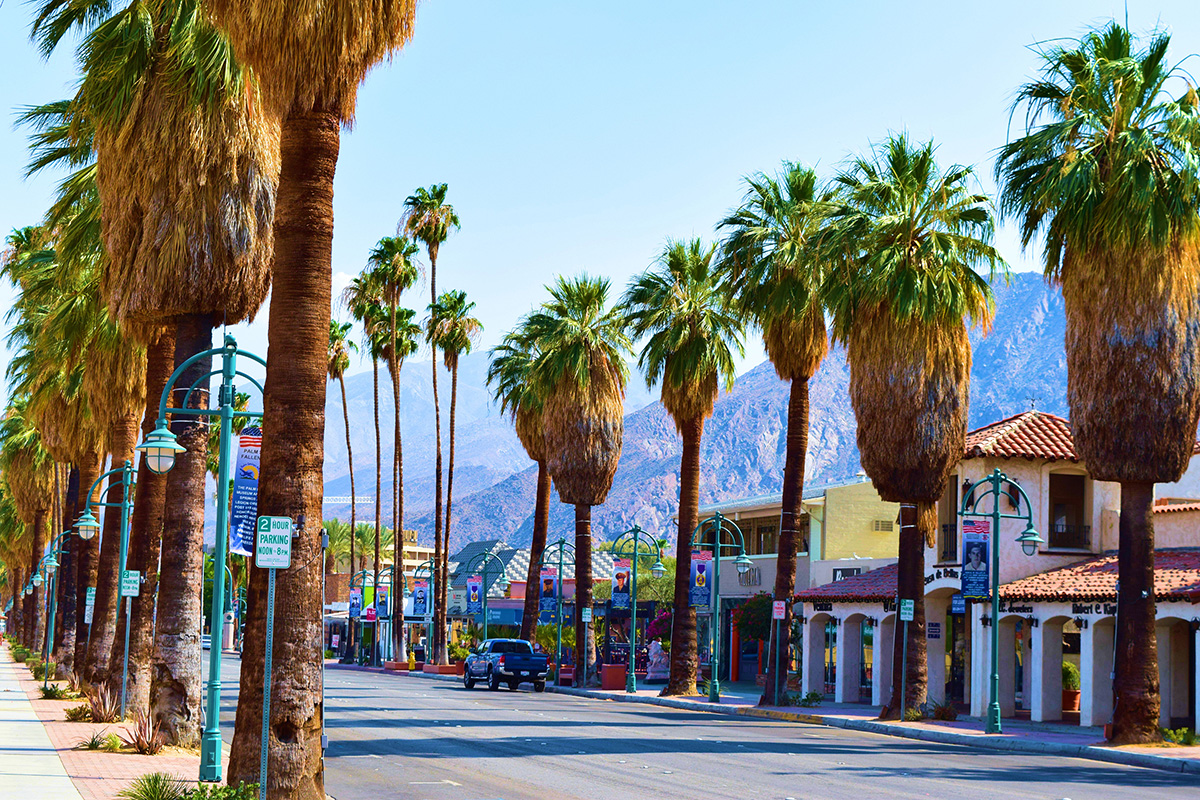
For decades, the map of LGBTQ+ America was relatively easy to recognize.
New York. San Francisco. Los Angeles. Palm Springs. Provincetown. Fort Lauderdale and Wilton Manors.
These communities became LGBTQ+ destinations because they offered something that wasn’t always easy to find elsewhere: visibility, acceptance, community and the freedom to live openly.
But that map is changing.
Today’s LGBTQ+ homebuyers are navigating a housing market defined by high prices, elevated mortgage rates and affordability challenges. At the same time, remote and hybrid work, retirement and the growth of LGBTQ+ communities beyond traditional destinations are giving buyers more choices about where to live.
Increasingly, the question isn’t simply, “Where are the most LGBTQ-friendly places to live?”
It’s also: “Where can I find community and afford the life I want?”
That shift may become one of the defining LGBTQ+ real estate trends of the coming decade.
Affordability Is Changing the Conversation
For many buyers, the biggest issue in today’s housing market is simple: the monthly payment.
The average 30-year fixed mortgage rate was 6.95% in mid-September, compared with 6.26% a year earlier, according to Freddie Mac.
Meanwhile, the median price of an existing U.S. home reached $429,100 in August, according to the National Association of Realtors.
The combination of elevated home prices and higher borrowing costs has changed what many Americans can afford—and where they can afford it.
Some buyers are purchasing smaller homes or condominiums. Others are moving farther from major urban centers. Still others are reconsidering expensive markets entirely.
For LGBTQ+ buyers, this is helping broaden the definition of an LGBTQ+-friendly place to call home.
LGBTQ+ Buyers Have More Choices
A generation ago, relocating away from a major city or established gay neighborhood could sometimes mean sacrificing access to a visible LGBTQ+ community.
That’s increasingly less true.
Traditional LGBTQ+ destinations such as Palm Springs, Fort Lauderdale and Wilton Manors, San Francisco, New York and Provincetown remain important centers of LGBTQ+ life. But today, LGBTQ+ buyers can also find established or growing communities in cities across the country.
Places such as Minneapolis, Columbus, Pittsburgh, Richmond, Atlanta and the Tampa Bay area are among the markets attracting buyers who may be looking for a different balance of housing costs, lifestyle and community.
The goal isn’t necessarily to find the cheapest house.
It’s to find the right combination of affordability, LGBTQ+ community, lifestyle, employment opportunities, healthcare, culture and quality of life.
Remote and hybrid work have expanded those possibilities for some buyers. If a job no longer requires being in an expensive employment center five days a week, the geographic search for a home can become considerably larger.
That can make communities that once seemed impractical suddenly worth considering.
Retirement Is Redrawing the Map, Too
Retirement is another important part of the changing LGBTQ+ real estate landscape.
As more Americans reach retirement age, LGBTQ+ retirees are considering where they want to spend the next chapter of their lives. Housing costs, taxes, healthcare, climate and proximity to airports, restaurants and cultural activities all play a role.
But LGBTQ+ retirees may have additional questions.
Will I feel comfortable living openly?
Is there an LGBTQ+ community nearby?
Can I find LGBTQ+-affirming healthcare?
Will I have opportunities to build a social network as I get older?
Those considerations can make choosing a retirement destination particularly personal.
Palm Springs and Fort Lauderdale/Wilton Manors remain well-known LGBTQ+ retirement destinations. But retirees are also exploring smaller cities and communities across the Southeast, Midwest and other regions where housing costs and lifestyles can look very different.
For many, the search is becoming less about moving to a famous gay destination and more about finding a place where community, lifestyle and affordability intersect.
Buyers Finally Have More Leverage
There is another significant change in today’s housing market: buyers have regained some negotiating power.
The National Association of Realtors reported 1.62 million existing homes for sale in August, up 5.9% from a year earlier. That represents approximately 4.9 months of housing supply, the highest level in more than a decade.
Realtor.com also reported that 20.4% of active listings had experienced a price reduction in August.
That’s a very different environment from the pandemic-era housing market, when buyers in many communities faced bidding wars, waived inspections and offers well above asking price.
Depending on the market, today’s buyer may have more time to evaluate a property and greater opportunity to negotiate price, repairs, closing costs or other concessions.
But there is an important caveat: there is no single national housing market.
Conditions can vary dramatically from one city—or even one neighborhood—to another. Some markets remain competitive, while others have considerably more inventory and negotiating room.
That’s one reason local expertise matters.
Sellers Need a Different Strategy
The changing market also has implications for LGBTQ+ homeowners considering selling.
Strategies that worked several years ago may not work today.
Buyers are highly sensitive to monthly payments, and an overpriced home can quickly be passed over when competing properties are available.
Sellers should pay close attention not only to recent comparable sales but also to homes currently competing for the same buyer.
Condition matters, too.
Repairs, landscaping, staging and professional photography can make a meaningful difference when buyers have more choices. Pricing correctly from the beginning has also become increasingly important.
More Than 30 Years Serving the LGBTQ+ Community
One part of buying or selling a home hasn’t changed: the importance of working with a real estate professional who understands your priorities.
For more than 30 years, GayRealEstate.com has served the LGBTQ+ community, connecting buyers and sellers with LGBTQ+ and allied real estate professionals throughout the United States.
Over that time, the GayRealEstate.com network has supported more than $2 billion in real estate sales and more than 55,000 transactions.
Behind those numbers are thousands of people making one of life’s most personal decisions: where to call home.
For LGBTQ+ buyers, that conversation can involve much more than bedrooms, bathrooms and price per square foot. It can include community, acceptance, healthcare, family, retirement, lifestyle and the ability to live openly.
An experienced LGBTQ+ or allied real estate professional can understand why those considerations belong in the real estate conversation.
Finding Home in a Changing America
The 2026 housing market presents real challenges.
Mortgage rates remain elevated. Home prices are high. Affordability continues to strain buyers across much of the country.
But there are also signs of a more balanced market. Inventory has increased. Price reductions have become more common. Buyers in many markets have regained negotiating power.
And for LGBTQ+ Americans, something else has changed: there are more places to consider calling home.
The next great LGBTQ+ destination doesn’t necessarily need the country’s largest Pride celebration or its most famous gay neighborhood.
It could be a smaller city with a growing LGBTQ+ community, attainable housing, good healthcare, strong cultural amenities and a quality of life that leaves room for travel, retirement or simply enjoying the home you’ve worked hard to own.
Ultimately, today’s LGBTQ+ real estate search increasingly comes down to three questions:
Where can I afford the life I want?
Where will I find my community?
And where will I feel at home?
The answers are becoming more varied—and that’s helping redraw the map of LGBTQ+ America.
Scott Helms is with GayRealEstate.com.
GayRealEstate.com has served the LGBTQ+ community for more than 30 years, connecting LGBTQ+ homebuyers and sellers with LGBTQ+ and allied real estate professionals across the United States. Its network has supported more than $2 billion in real estate sales and more than 55,000 transactions.

One of the biggest headaches of the new home process is the actual moving part. By the time someone is buying a home, most people are beyond the “I just need a pickup truck, a pizza and a case of beer for my friends.”
If that is still someone’s preferred way to move, that’s great. However, many people find they need a much more robust plan. It can also trigger a lot of feelings about items one owns, what to do with them, do they have too much, should I keep this memento that I never use? Etc.
Moving is a chance for a person to “clean house” literally, figuratively, spiritually and energetically. A person can figure out which items they want to keep, and which need to go. As someone who recently moved across the country, I can speak to this experience. It’s also time for what people call “the fresh start effect.” This phenomenon, according to psychologists, can happen in little moments (like the start of a new work week) and bigger moments (such as moving from one home to the next).
The fresh start effect offers these benefits often mentioned by psychologists:
- Mental Accounting: Dates act as chapter breaks, letting you put past failures into a previous period.
- Psychological Distance: You separate your flawed past self from your aspirational future self (“That was the old me”).
- Optimism Boost: New beginnings clear mental clutter and increase your sense of agency and control
Does this mean that “the new you” will be the perfect version you envisioned? Probably not. We are humans. But it might mean you get a chance to “leave some of the old you behind” within the walls you used to live in, and now have a chance to have a new layout, a new décor, a new color pattern, new wallpaper, donate old furniture and books or magazines, throw out clothes you no longer use or fit in, and enjoy the opportunity to literally use the, “Does this spark joy?” method that was made so popular by Marie Kondo in her Netflix series.
So, for all its hassle and headache, moving is a chance to shake off the “old you” and try on the new you, to incorporate the items you would like to keep and use more of, and shed the items, habits, and ways of thinking that you feel no longer serve you.
I can speak to the experiences that several of my clients had when they moved from a previous residence to a newer one. It usually coincided with a change in relationship status, a change in employment, a change in family size, but sometimes it just seemed to correlate to a new attitude and perspective that the client was really hoping for.
I have literally had clients come to me after the fact, in tears, that they were so happy they made the decision to move out of a situation that no longer served them, and move into one that felt like a much better fit.
Change can be annoying and overwhelming at times, but usually most people come out the other side, not wanting to return to the way they were before.
Joseph Hudson is a referral agent with RLAH. Reach him at 703-587-0597 or [email protected].
Real Estate
With gas prices soaring again, a staycation is a good plan
Home can be your personal retreat and your own private resort
When airfare costs more than your monthly utility bill and a weekend road trip requires a second mortgage just to fill the gas tank, many homeowners are discovering an unexpected luxury: the staycation.
A staycation isn’t settling for less—it’s reaping the benefits of one of the biggest investments you can make: your home. Much more than a place to sleep, it’s your personal retreat, your gathering place and, with a little preparation, your very own private resort.
Whether you own a single-family home, a townhouse, or a condo, creating a memorable staycation starts with appreciating what made you fall in love with your property in the first place.
Start with a home refresh. Think about checking into a beautiful vacation rental. It’s spotless, organized, and inviting. You can recreate that same feeling by spending a day preparing your home before your staycation officially begins.
Clear away clutter, deep clean the bathrooms and kitchen, wash the windows, and put fresh linens on every bed – even if you’re not expecting guests. Fluff the pillows, light a favorite candle, and place fresh flowers on the table. These small touches instantly make your home feel more luxurious.
If your budget allows, hiring a professional cleaning service can be one of the best staycation perquisites you make. After all, vacation should begin the moment you wake up and not after you’ve spent the day scrubbing floors.
Treat your staycation like a real trip. Set away messages on your phone and out of office notices on your email. Skip unnecessary chores for a few days. Giving yourself permission to relax may be the most valuable part of the entire experience.
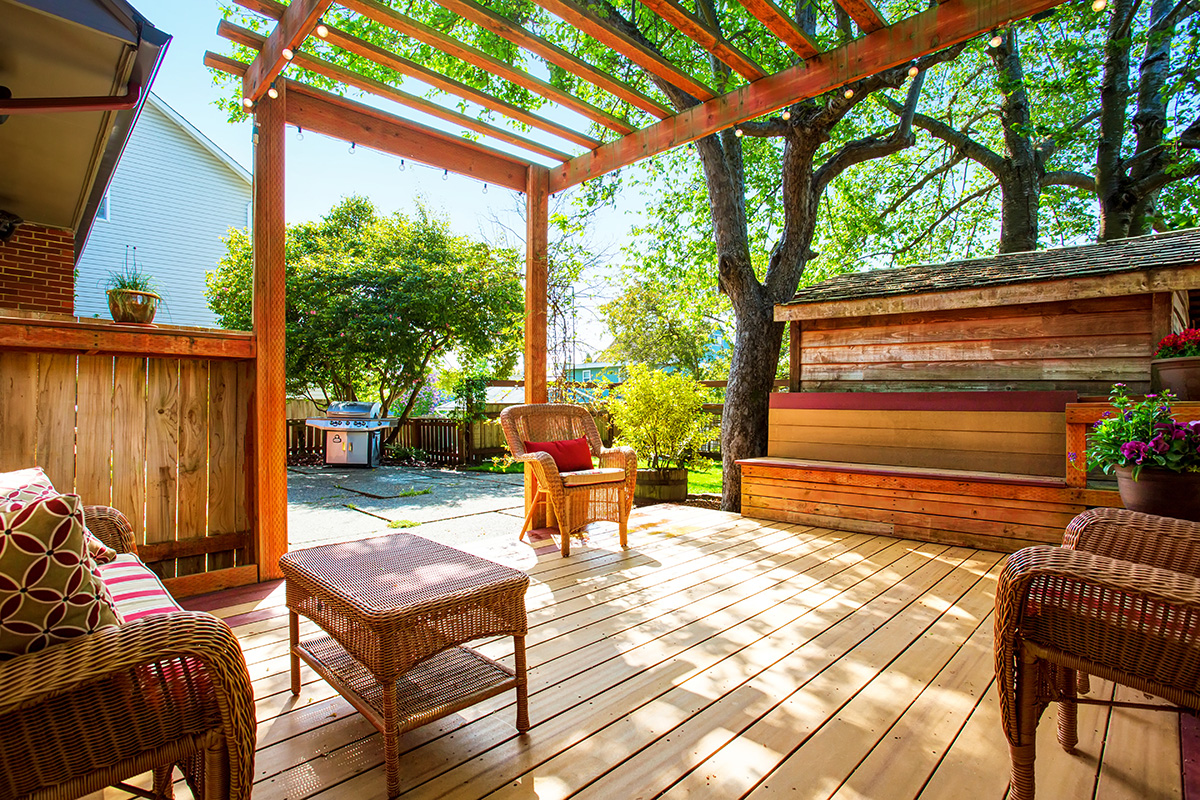
One of the greatest advantages homeowners have over travelers is private outdoor living space. Whether it’s a spacious backyard, a screened porch, a rooftop terrace, or a cozy condo balcony, these areas can become the centerpiece of your staycation.
Stringing lights and adding comfortable seating, colorful planters, and outdoor rugs can completely transform the atmosphere without spending thousands of dollars. Add a portable fire pit, a tabletop fountain, or a hammock, and suddenly your backyard starts competing with many resorts.
Host an evening cookout, organize a game night, invite neighbors over for dessert, or gather around the fire pit for conversation after sunset. These simple moments often become the memories we treasure most.
Inside, transform your family room into a home theater complete with popcorn and comfortable blankets. Turn your breakfast room into a morning coffee café. Designate a quiet reading corner where phones are prohibited. Create a spa-like bathroom with plush towels, candles, bath salts, and relaxing music.
One of the highlights of traveling is experiencing new food. Instead of dining out every night, create themed dinners inspired by your favorite destinations. Prepare homemade Italian pasta one evening, Caribbean grilled seafood another, or a backyard Texas barbecue over the weekend. For a touch of whimsy, dress the part.
Pair each meal with music and libations from the region and enjoy dinner outdoors whenever possible. Suddenly, your dining room becomes part of the vacation experience instead of just another place to eat.
Families with children can turn a staycation into an adventure by seeing their home through a child’s eyes. Set up a backyard camping experience with a tent, flashlights, and s’mores around the fire pit. Transform the living room into an indoor campground complete with sleeping bags and a movie under a blanket “fort.” Organize a backyard Olympics with relay races, water balloon tosses, scavenger hunts, or miniature golf using household items.
Encourage children to plan a family picnic in the backyard or on the patio, choose a theme for a movie marathon, or help prepare meals inspired by countries they’d like to visit someday. The goal is to create experiences your children will remember long after summer is over.
Enjoy the amenities you already pay for. Condominium communities and many planned neighborhoods offer amenities that residents often overlook.
Swimming pools, fitness centers, tennis and pickleball courts, walking trails, clubhouses, grilling stations, and community gardens are designed to enhance your lifestyle. During your staycation, make a point of exploring everything your community offers. You may discover you’ve been living beside your own private resort all along.
Real estate professionals often talk about resale value, appreciation, and return on investment. While those things certainly matter, there’s another return that’s harder to measure: the enjoyment you get from living in your home every day.
You don’t need a boarding pass to recharge. You don’t need a hotel reservation to make memories. Sometimes the perfect getaway is the one you already own.
Valerie M. Blake is a licensed Associate Broker in D.C., Maryland, and Virginia with RLAH @properties. Call or text her at 202-246-8602, email her at [email protected] or follow her on Facebook at TheRealst8ofAffairs.

The LGBTQ real estate map is being redrawn

I’m 66, he’s 27. Is it love or am I being played?

What’s frightening is also funny in ‘Venus’

‘Lizzie Borden’ might be the best ‘Monster’ yet

Comings & Goings

For lesbian victims of domestic violence, competent care is scare

United States Conference on HIV/AIDS grapples with federal budget cuts

Washington Blade responds to concerns over White House pool duties

Gov. Whitmer to serve as keynote speaker for Saturday’s HRC National Dinner

Spike in HIV cases prompts Fiji to declare national emergency
-

 National5 days ago
For lesbian victims of domestic violence, competent care is scare
-
Health5 days ago
United States Conference on HIV/AIDS grapples with federal budget cuts
-
Commentary4 days ago
Washington Blade responds to concerns over White House pool duties
-
LGBTQ Non-Profit Organizations4 days ago
Gov. Whitmer to serve as keynote speaker for Saturday’s HRC National Dinner