Arts & Entertainment
Husband, wives and memories
Bi dandy shares stories of yesteryear in new memoir

Change is good but sometimes, you have to know where you came from to appreciate where you are. In the new book “My Husband and My Wives: A Gay Man’s Odyssey” by Charles Rowan Beye, you’ll see why.
Growing up in Iowa City, Iowa, in pre-World War II years, Charles Rowan Beye was taught to maintain a genteel deportment.
His widowed mother insisted that all six of her offspring dress for dinner and conversation was never provocative. Servants were to be ignored and children weren’t allowed in certain parts of the house.
Despite that his family was well off, Beye went to public school and remembers feeling different from his peers, in part because of his mannerisms and demeanor. Still, other boys readily accepted him.
It was with one of them that Beye had his first sexual experience.
Though he’d kissed girls and paired up like other adolescents his age, Beye was definitely more attracted to boys than he was to girls. He dated girls and they loved him for his gentlemanly ways. Young men liked him because he was willing to do anything they wanted, on the spot, no questions asked.
But then, in the middle of going to college and becoming a teacher, Beye fell in love with a woman.
He met her nine days after his 21st birthday and they were married four months later. She knew he was attracted to men and she accepted it until her death four years after their wedding. Not quite a year later, Beye married another woman, then became a father four times over while continuing to sleep with men. His wife also had flings of her own, until she divorced Beye in about 1976.
“I always say to myself, I just can’t do gay,” Beye writes. But he finally did and in 2008, he married the man he hopes to spend the rest of his life with.
As a look back at small-town gay America, pre-World War II and pre-AIDS, “My Husband and My Wives” is a delightful (albeit sometimes wordy) surprise.
With droll wit and the teensiest bit of self-depreciation, author Charles Rowan Beye writes about a time when homosexuality was a subject left on the highest shelf of the deepest closet. Still, despite any former furtiveness, Beye is unrestrained and unafraid to tell tales; in fact, he admits that his graphic remembrances could make readers uncomfortable.
He’s not far off in that warning, yet this book is such a perfect look into gay life gone by, that you almost can’t help but enjoy it. For anyone who craves that step back in time, if just for a peek, “My Husband and My Wives” is a delightful change of pace.
Photos
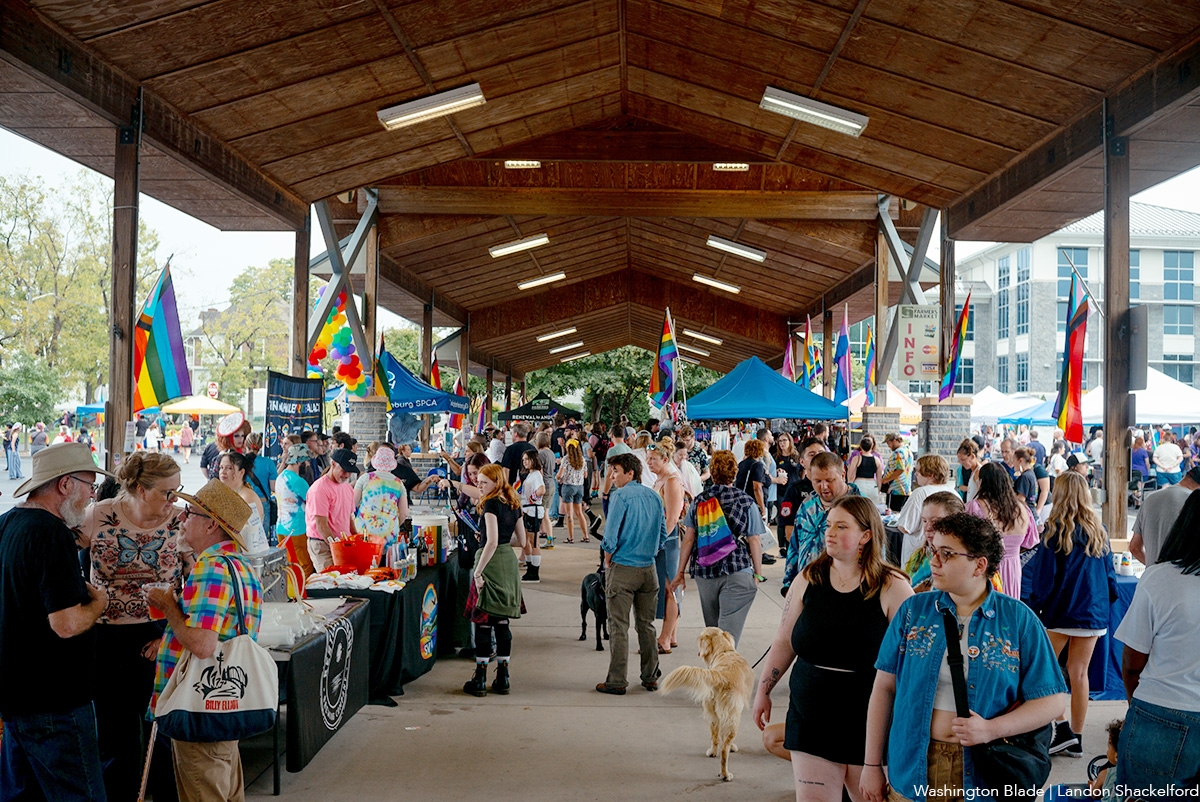
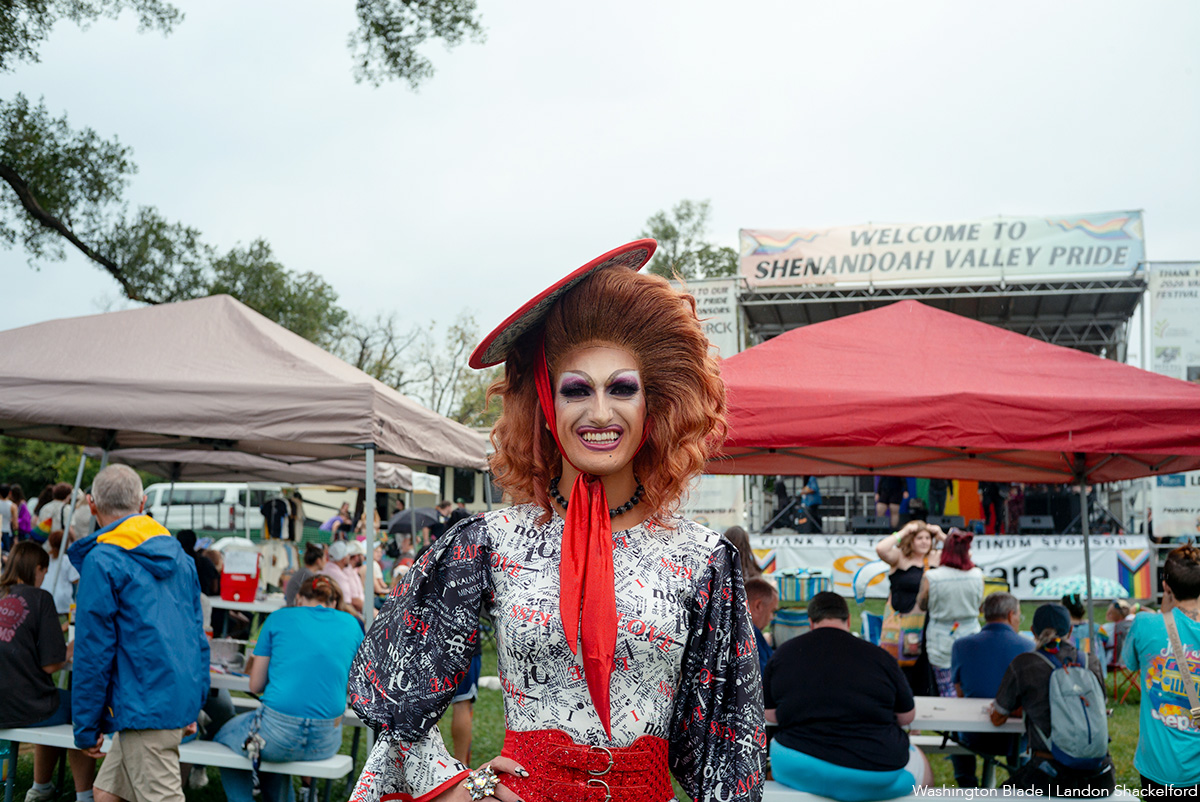
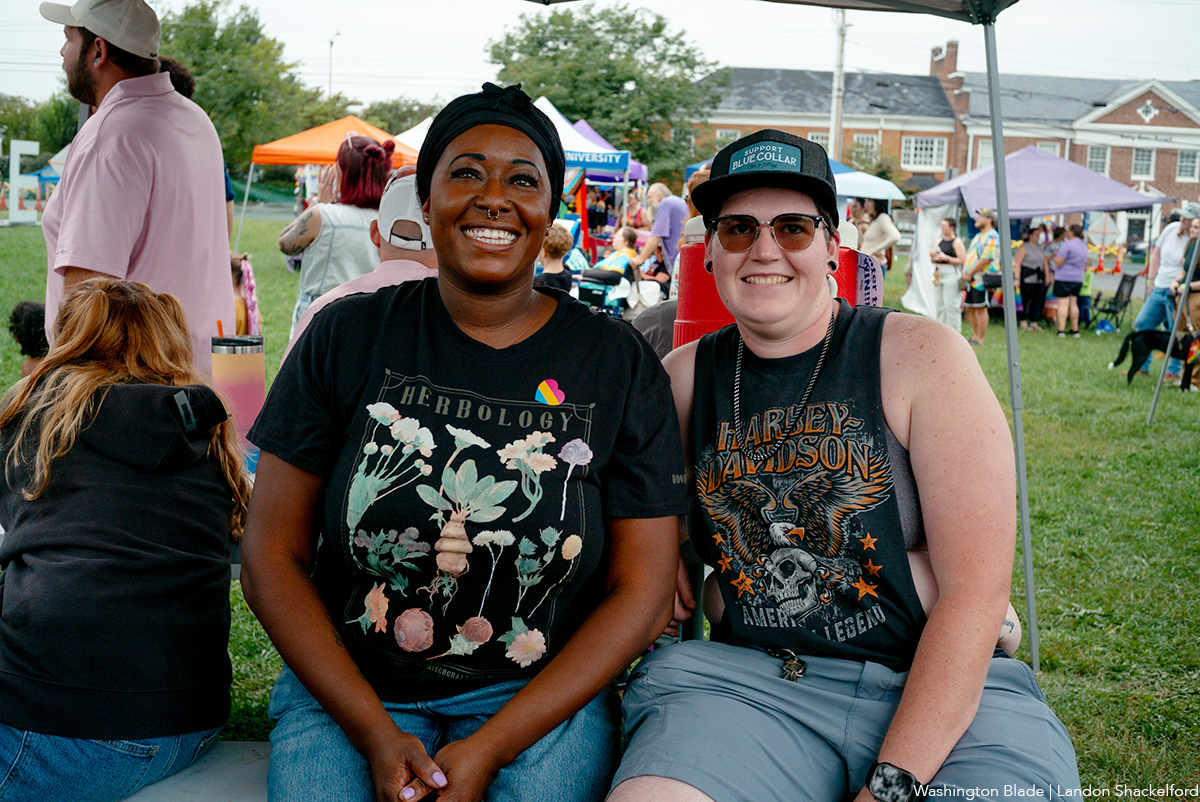
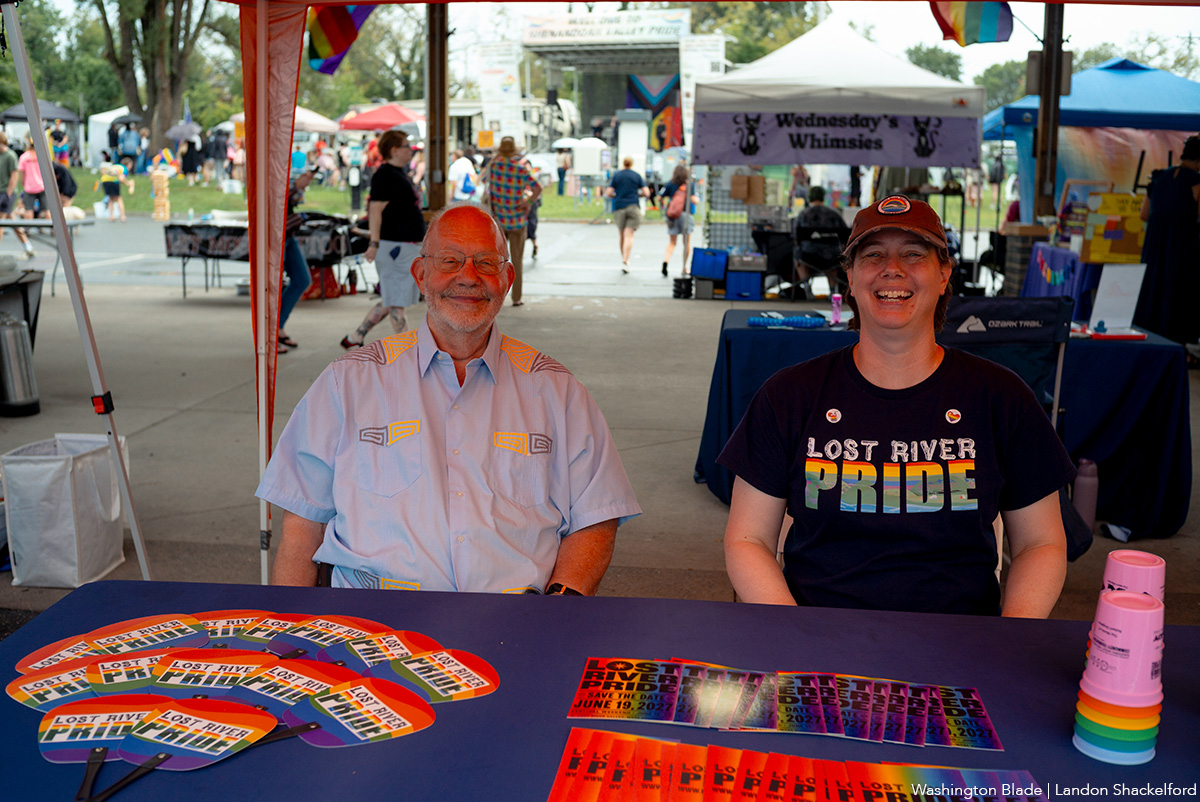
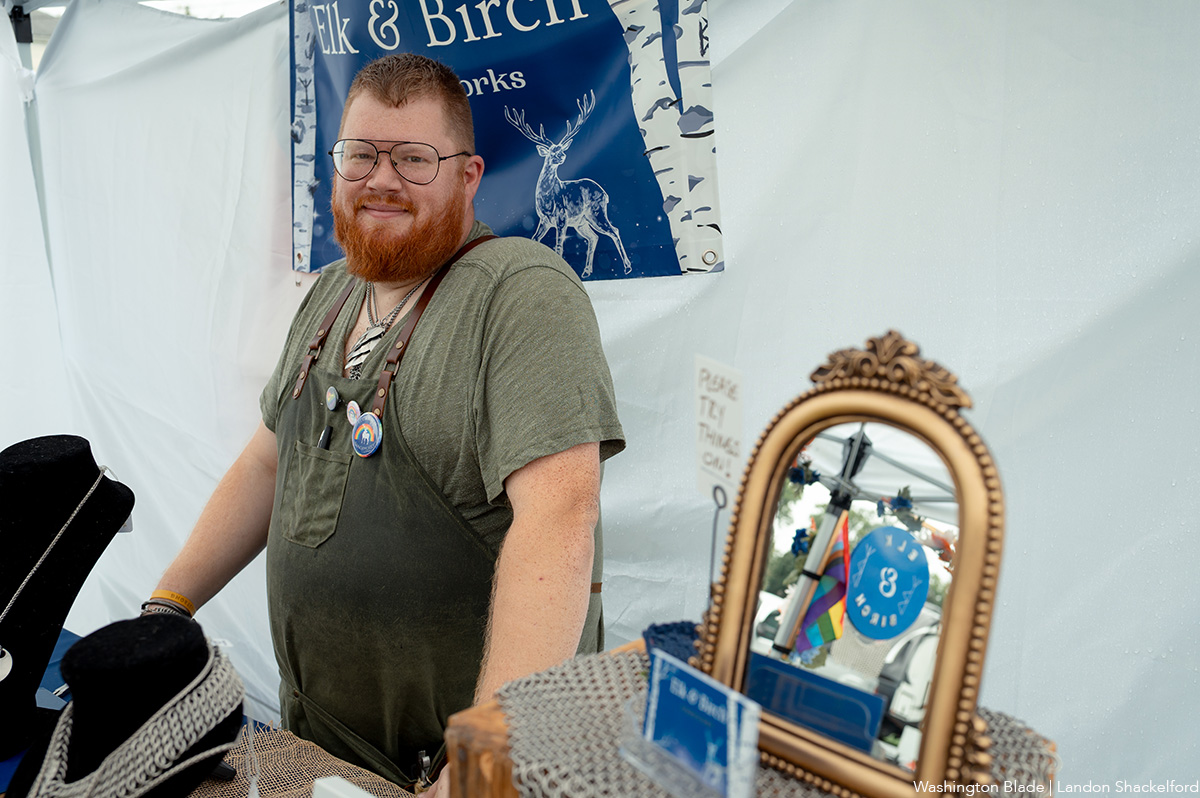
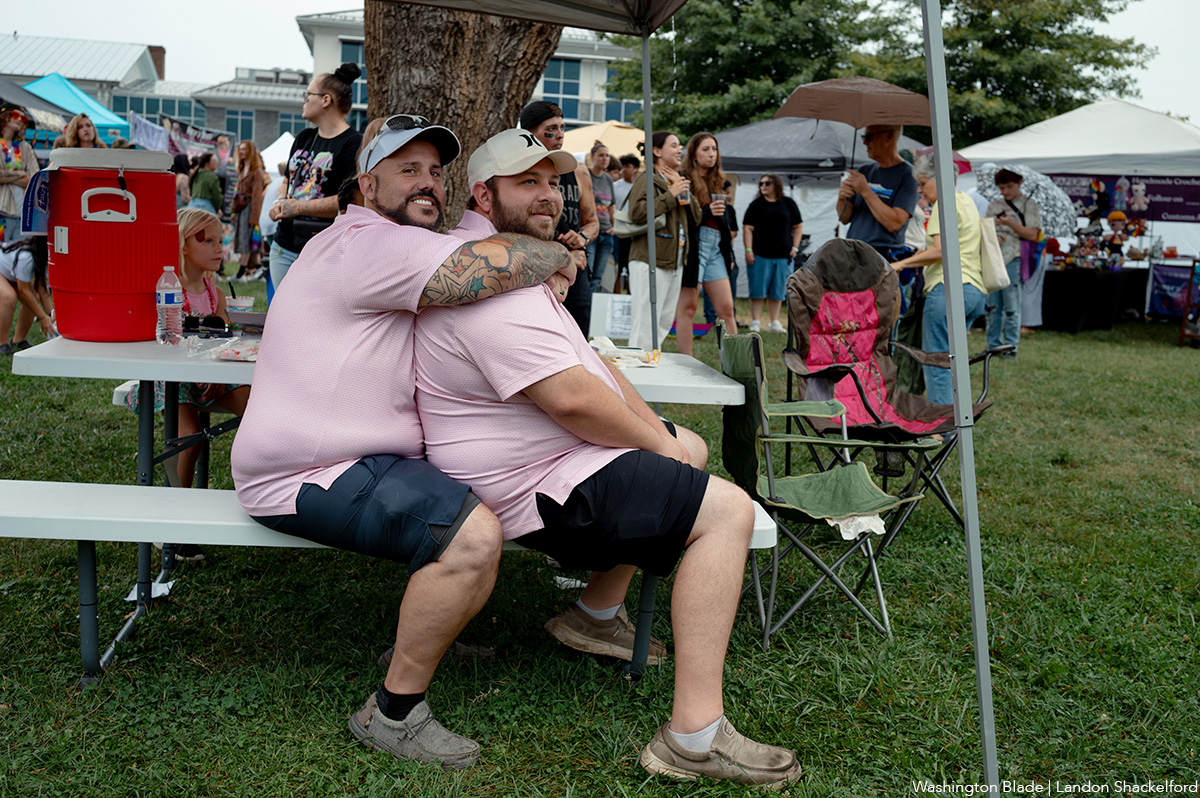
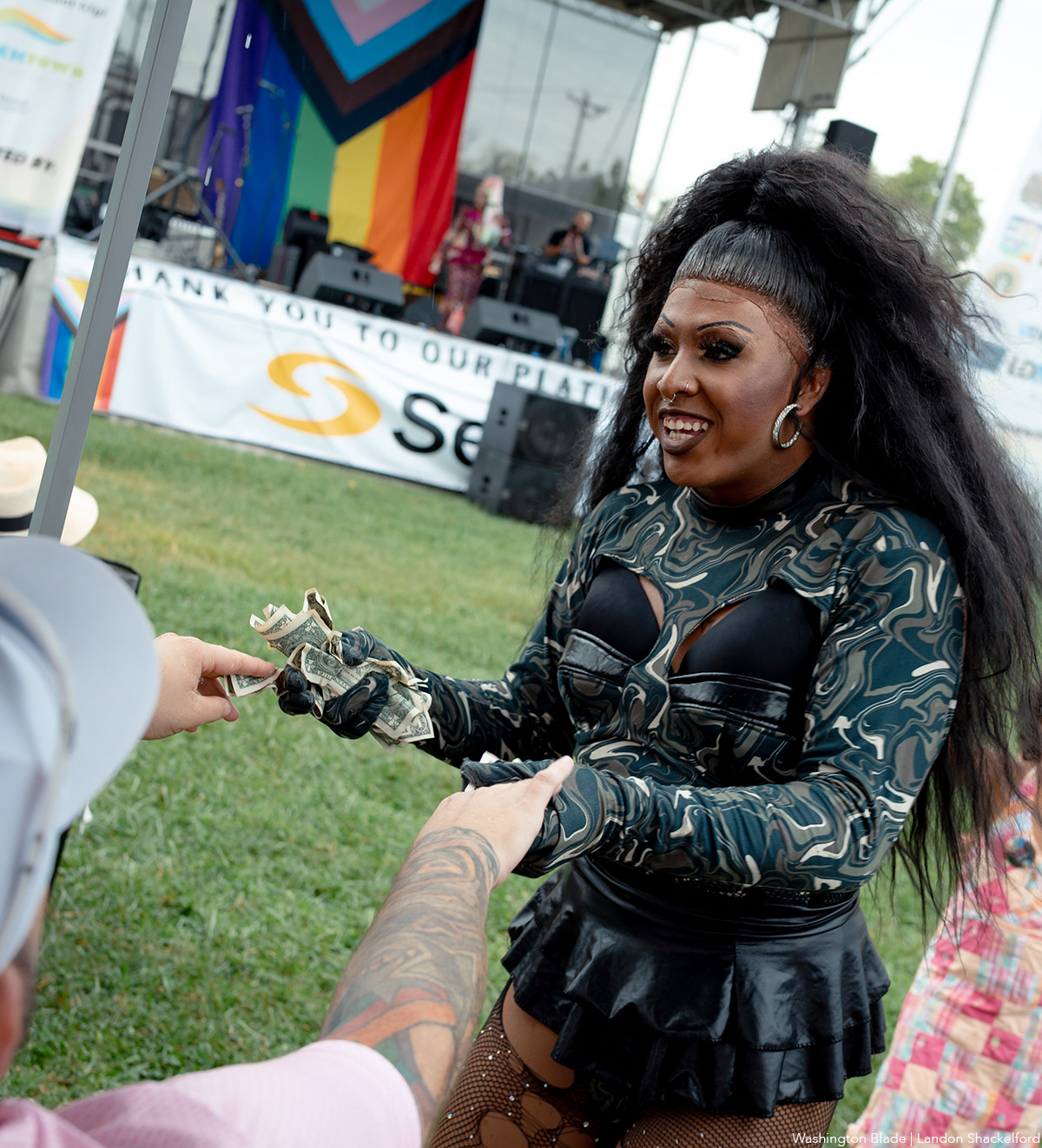
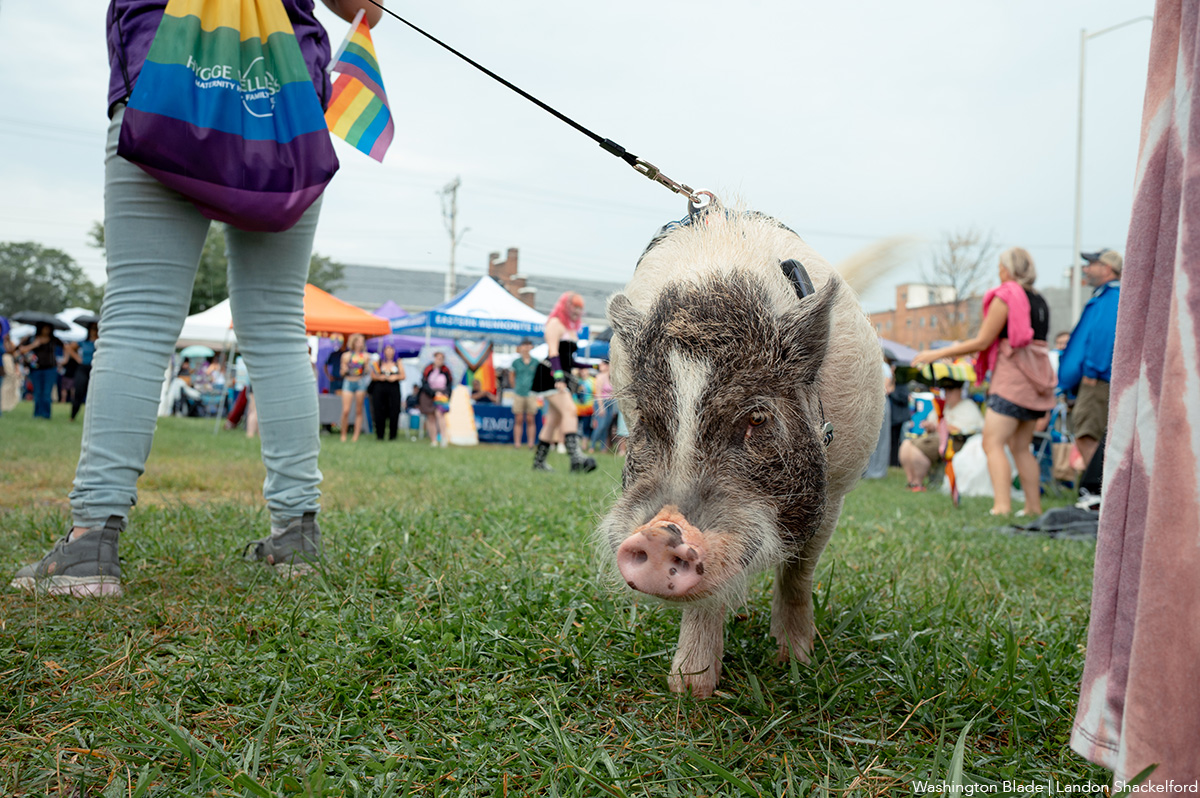
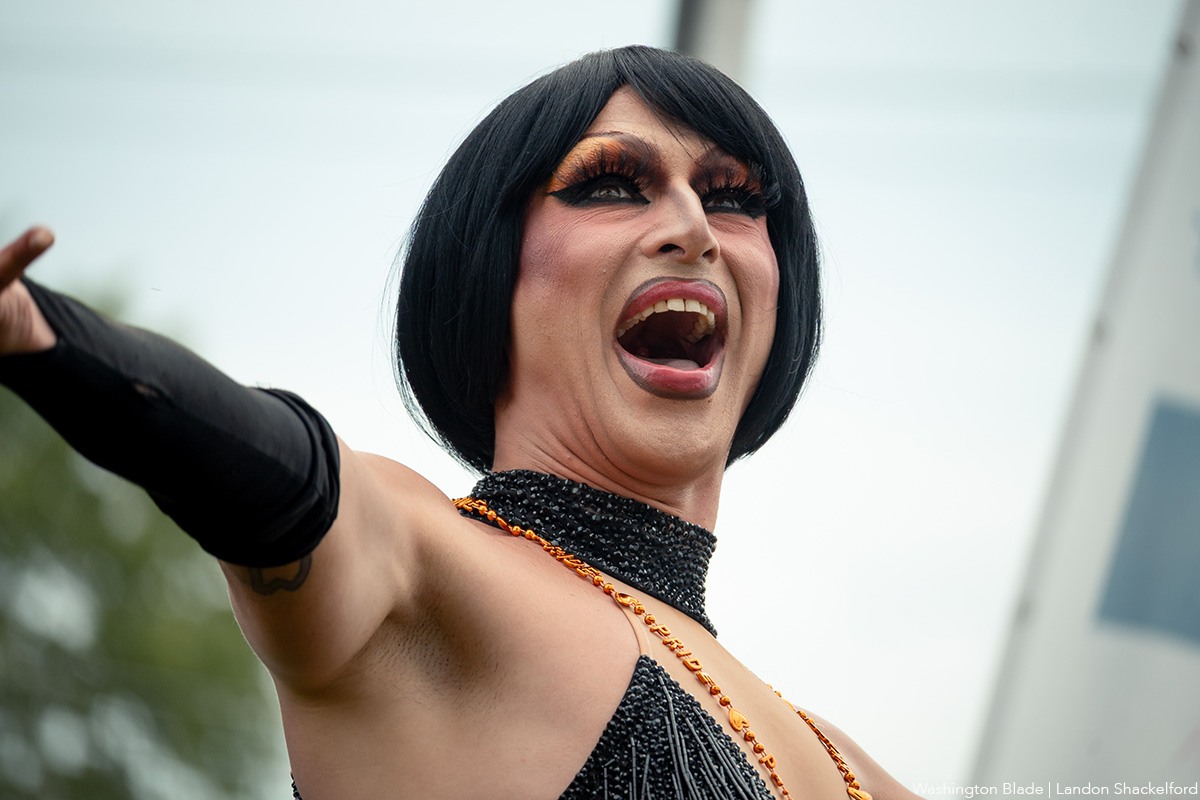
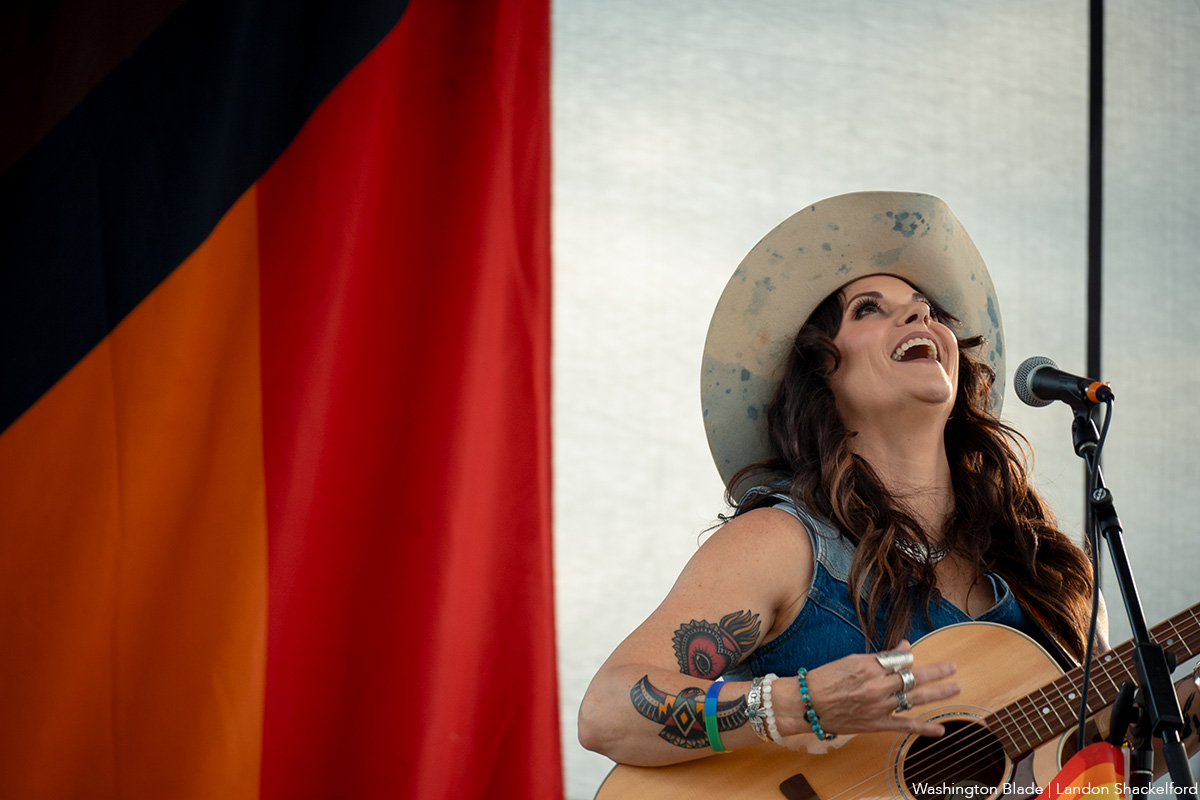
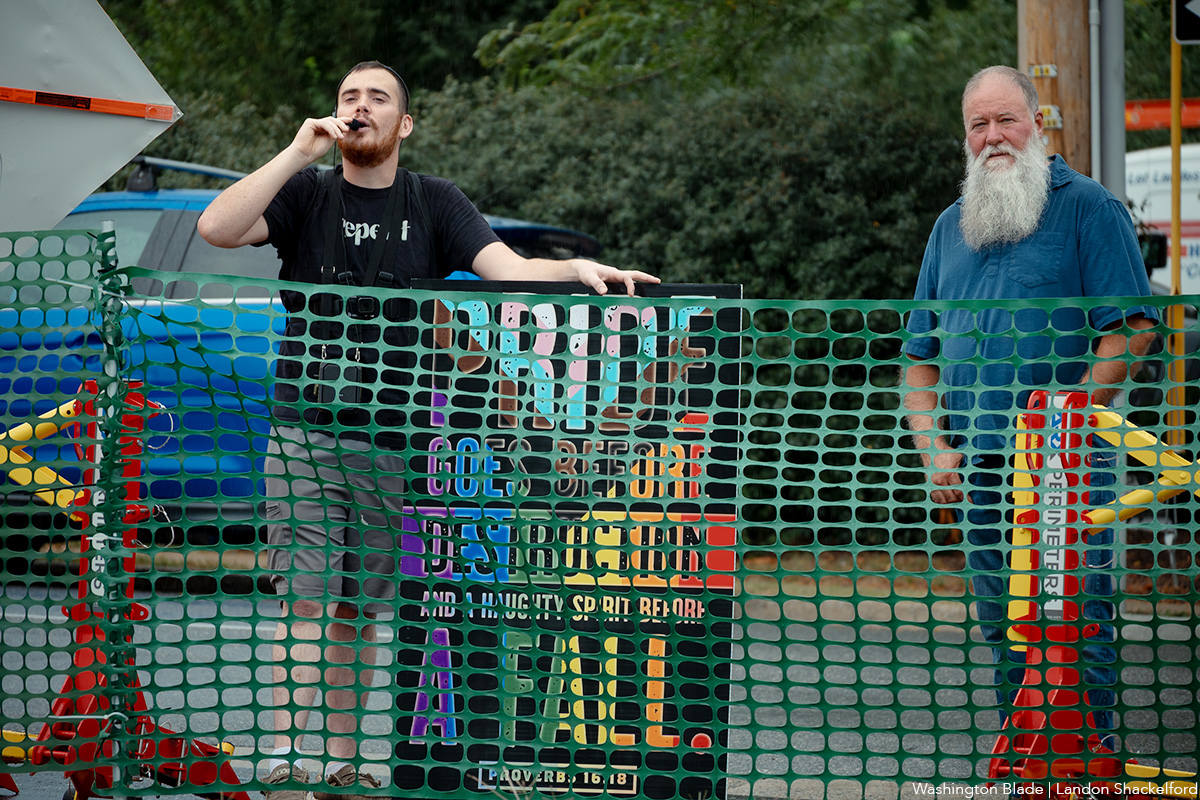
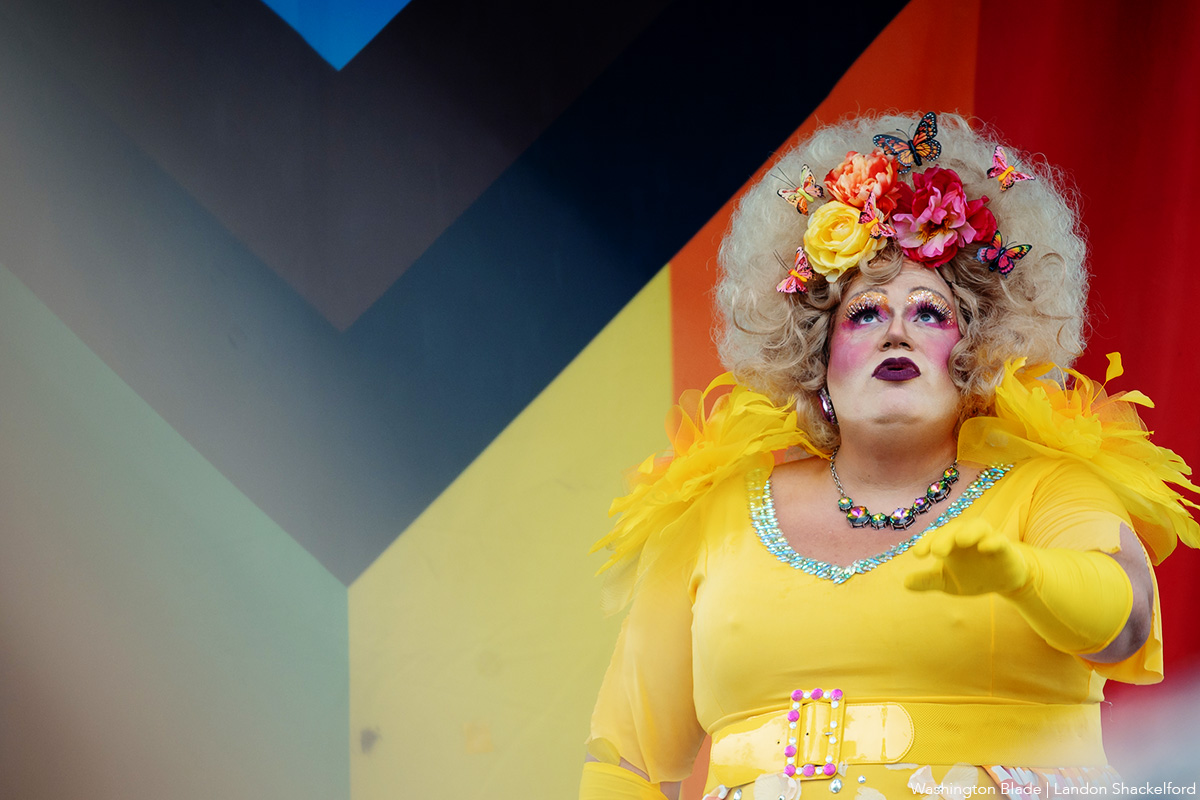
PHOTOS: Shenandoah Valley Pride
LGBTQ celebration held at Turner Pavilion in Harrisonburg, Va.
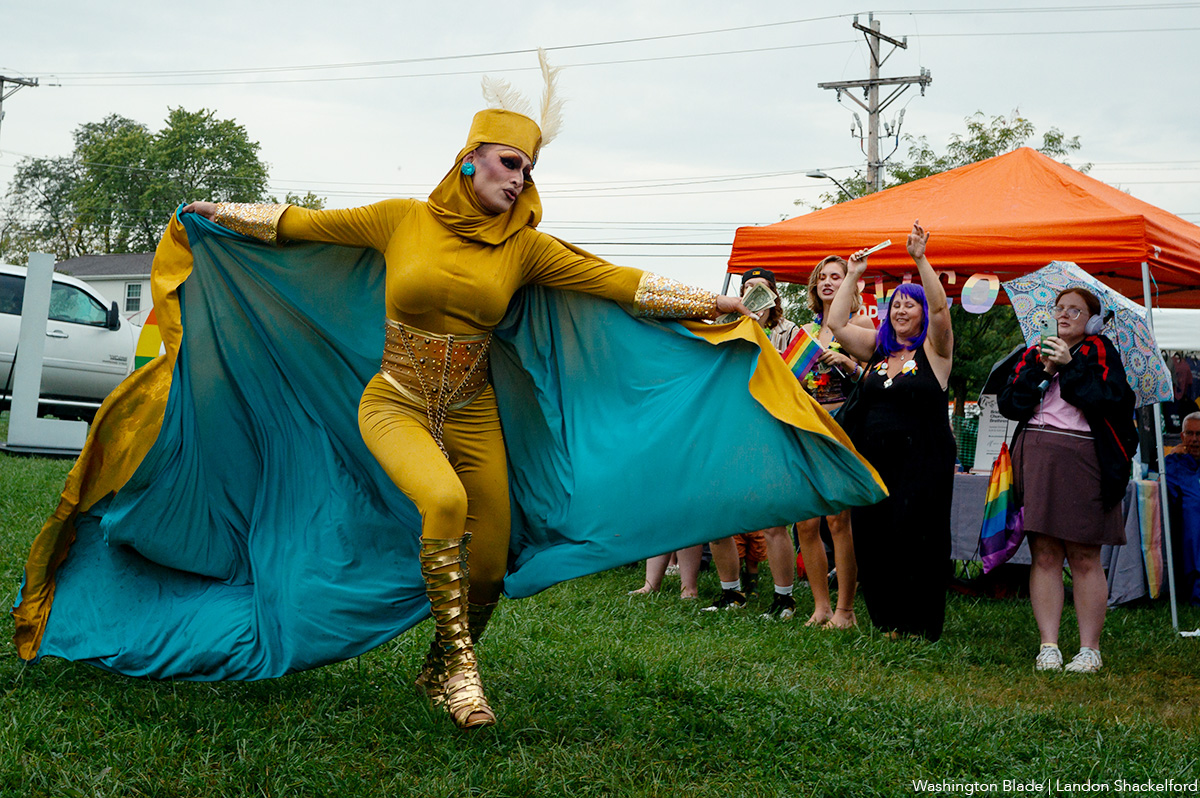
The 2026 Shenandoah Valley Pride Festival was held at Turner Pavilion in Harrisonburg, Va. on Sunday, Sept. 20.
(Washington Blade photos by Landon Shackelford)
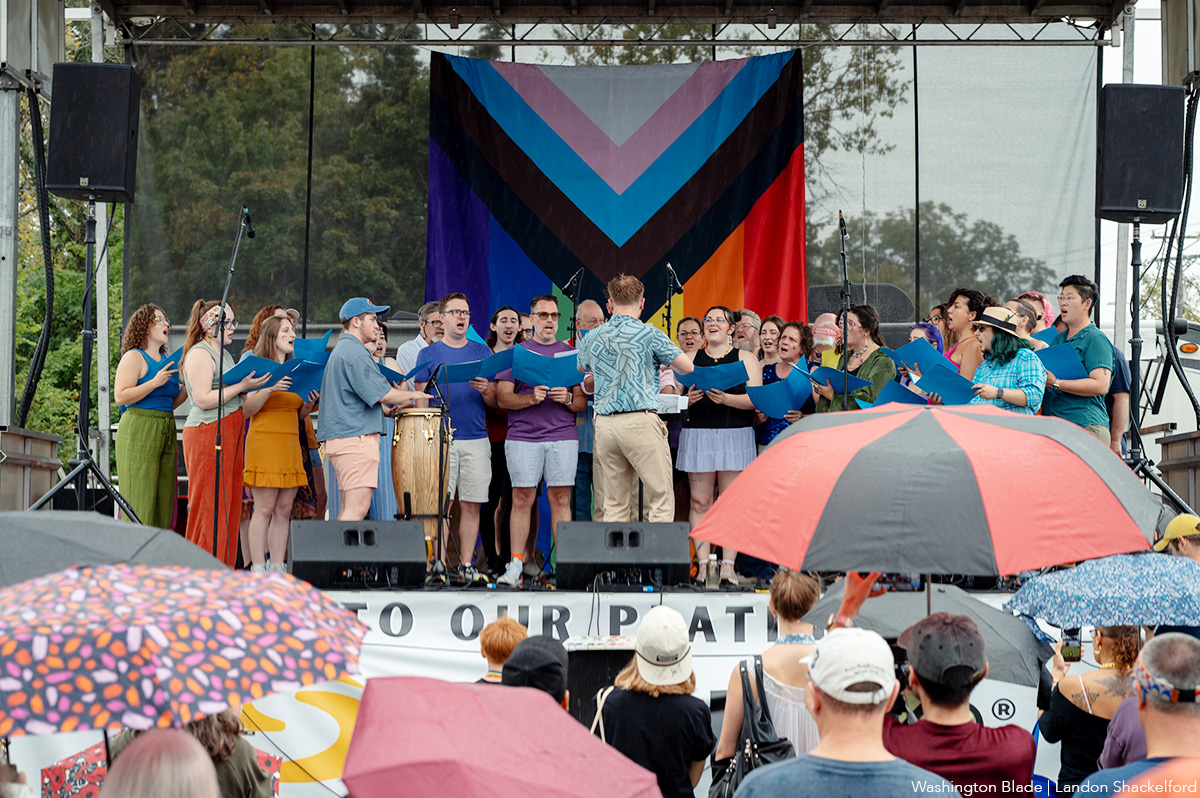
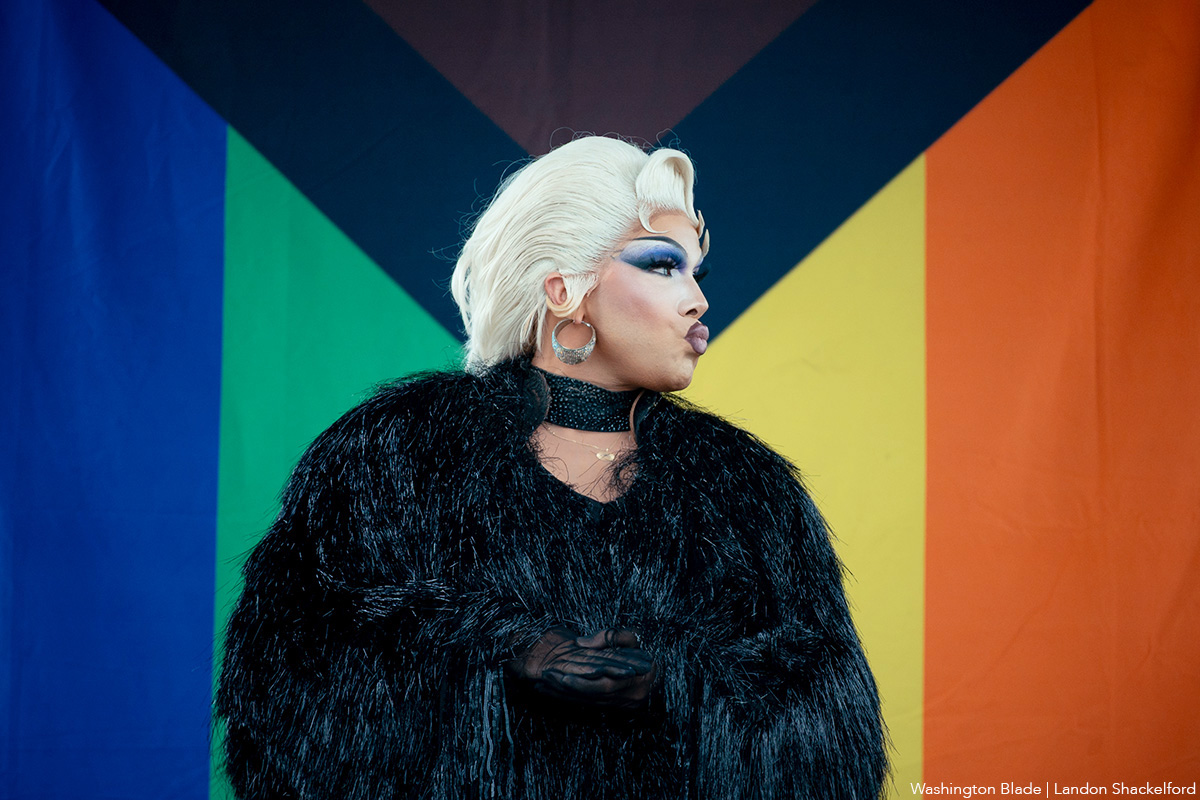
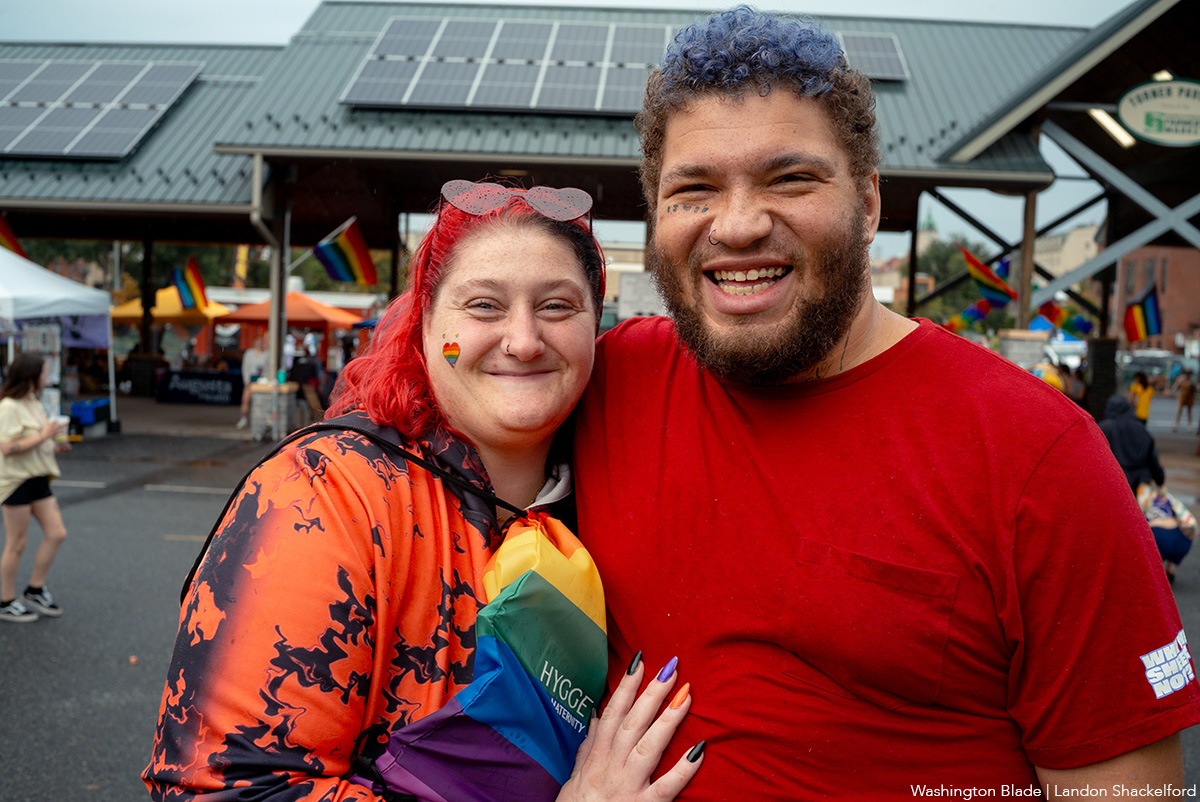
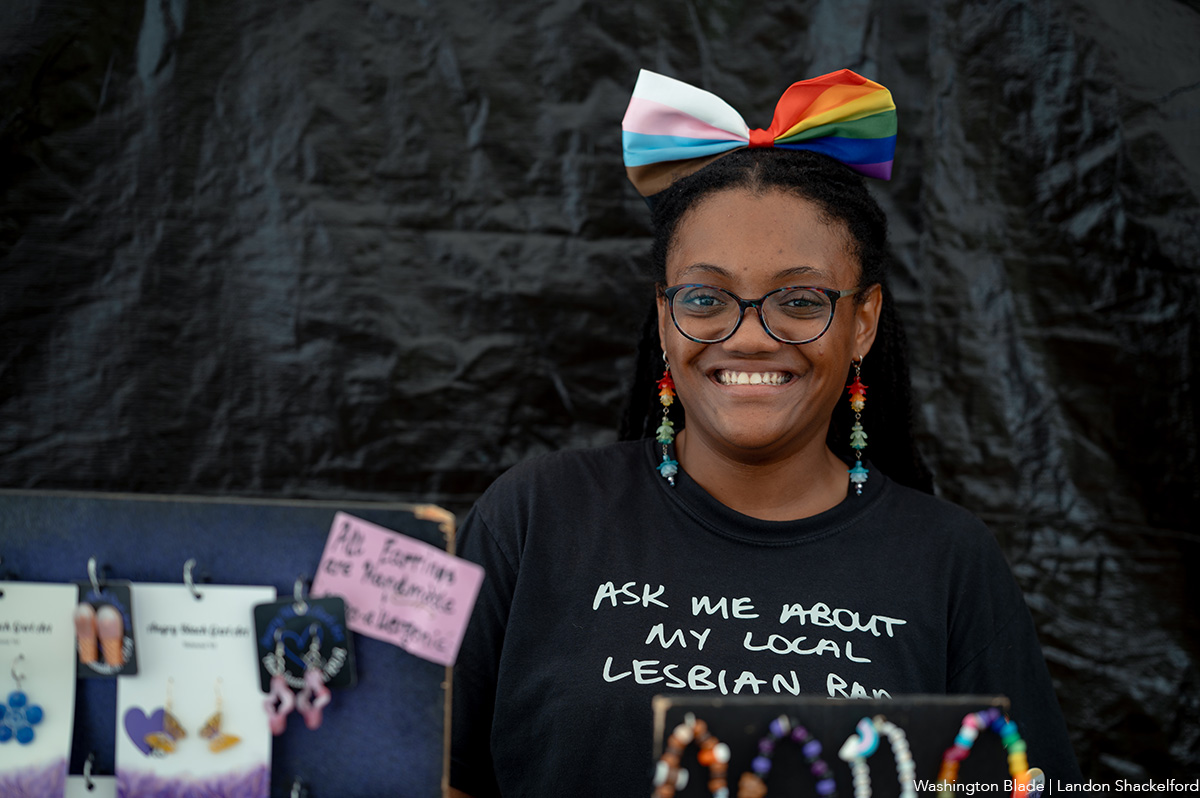
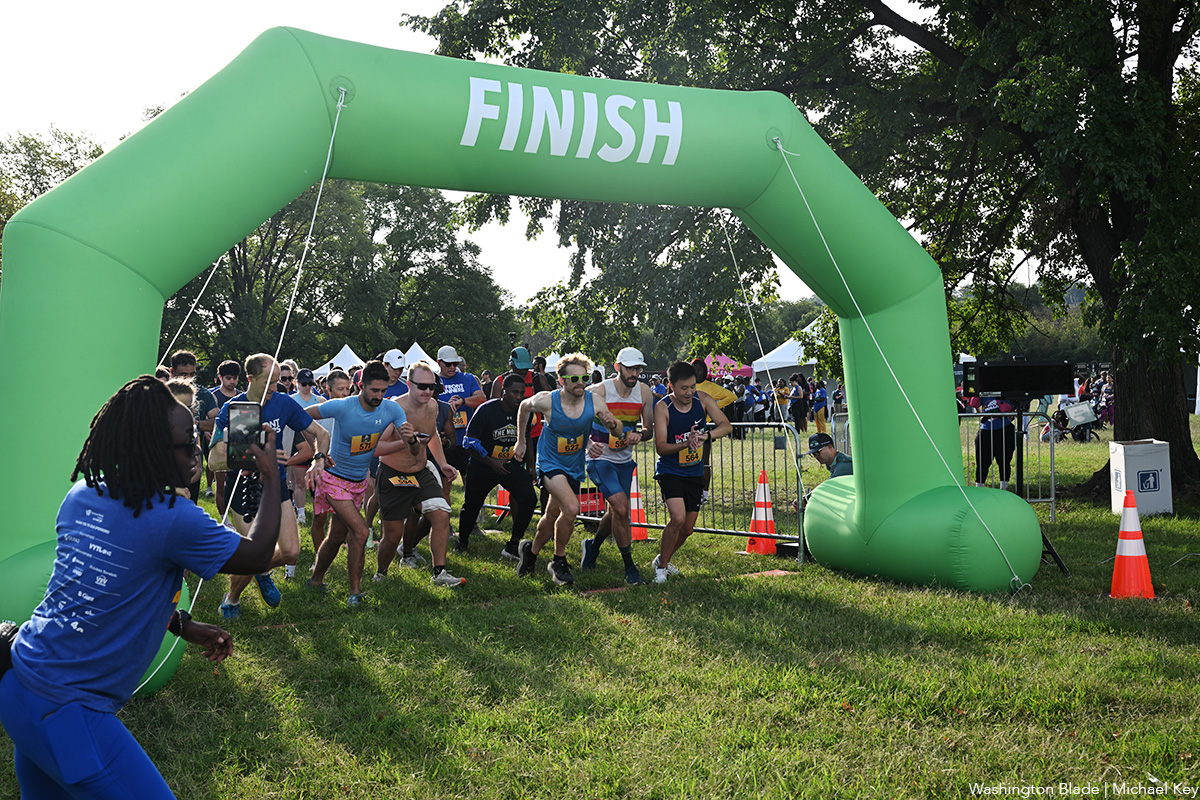
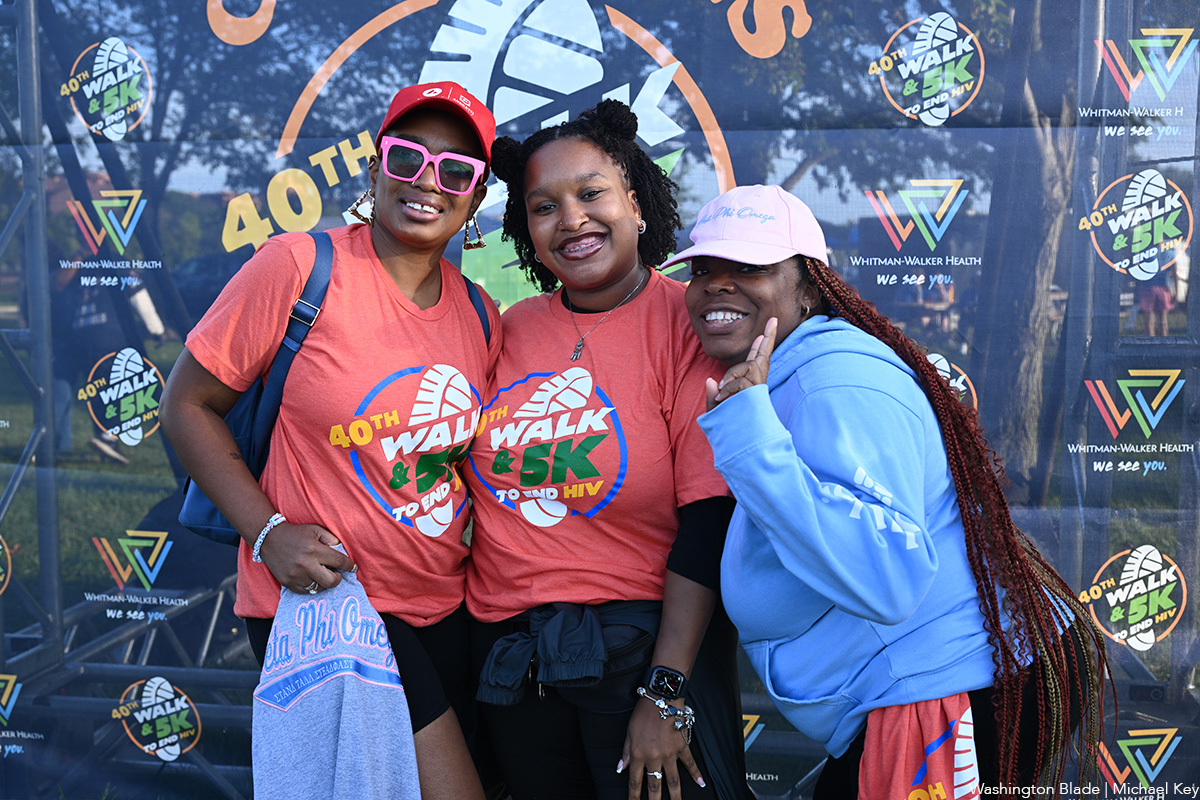
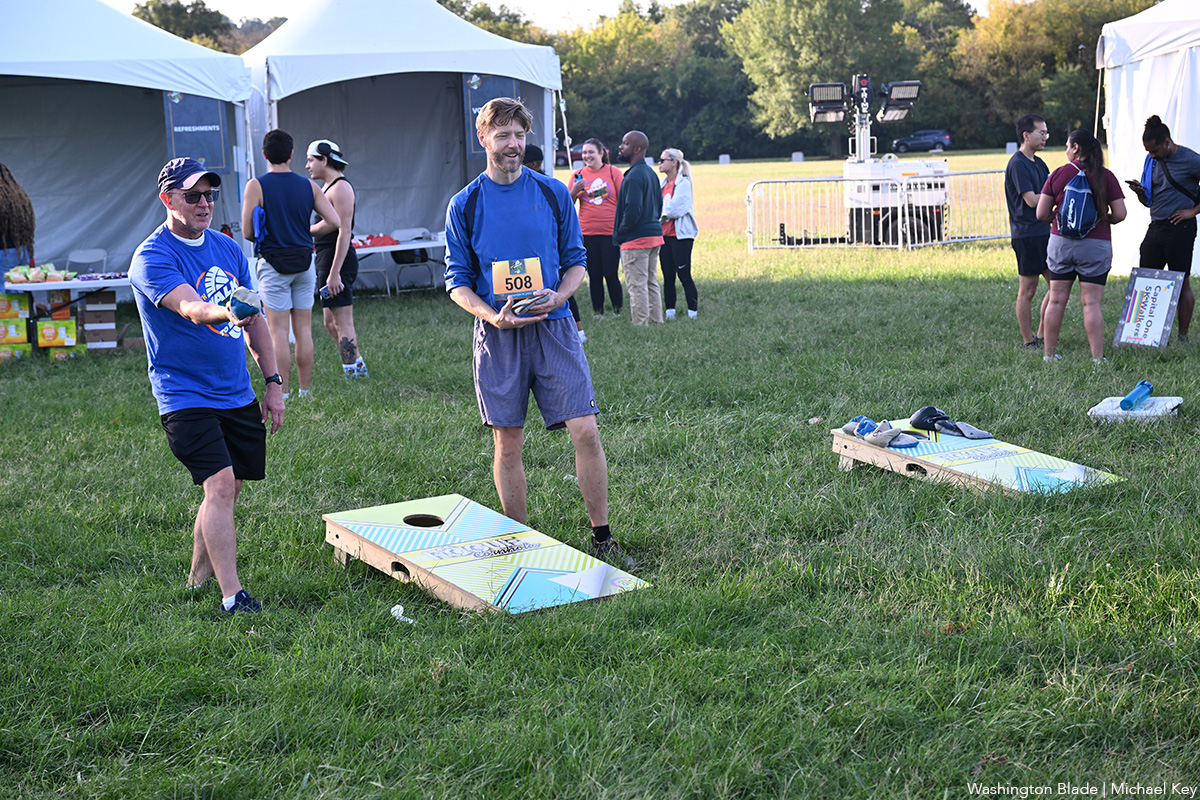
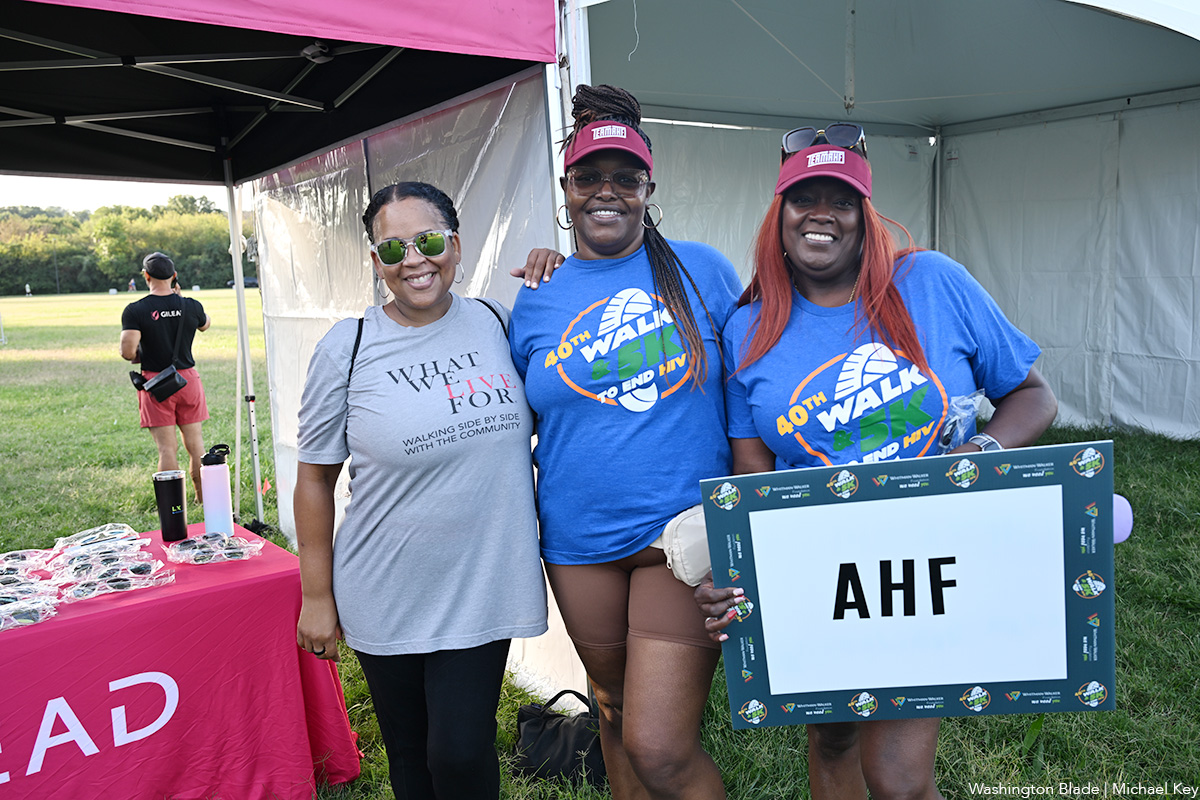
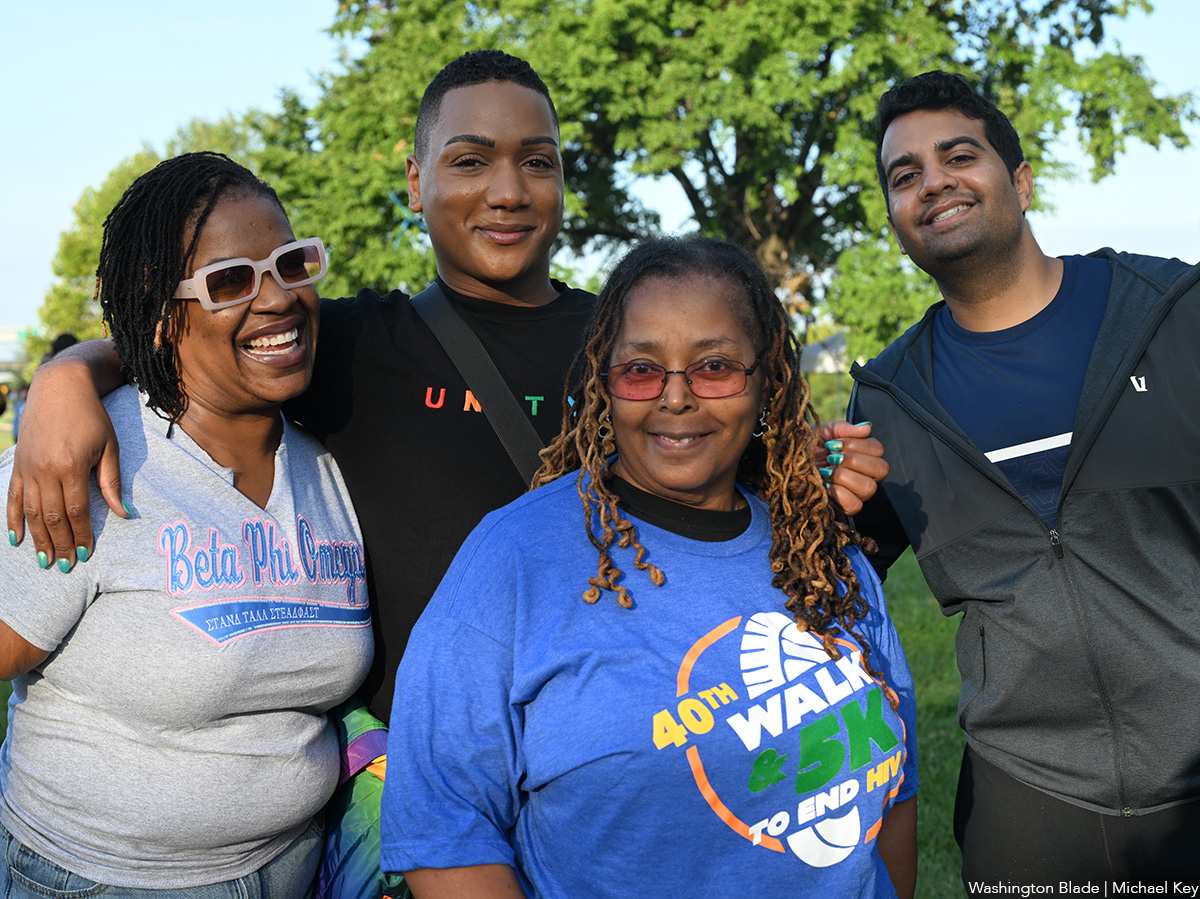
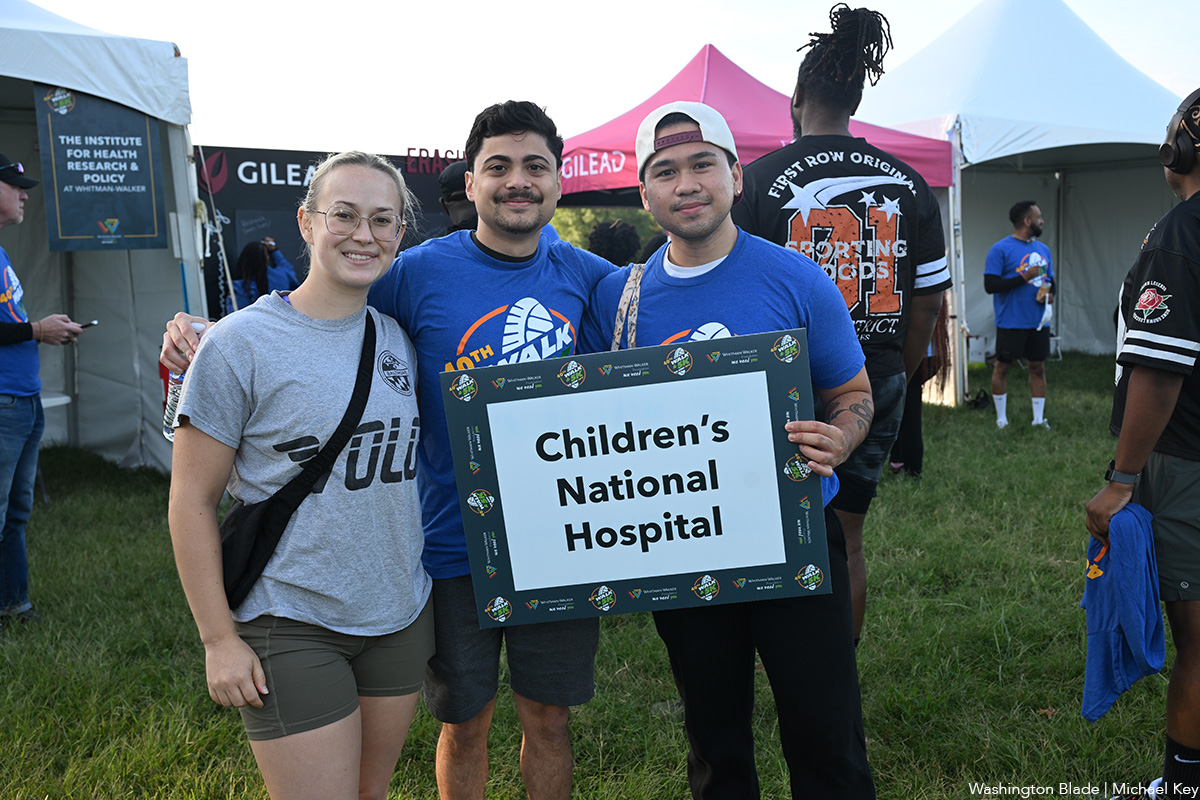
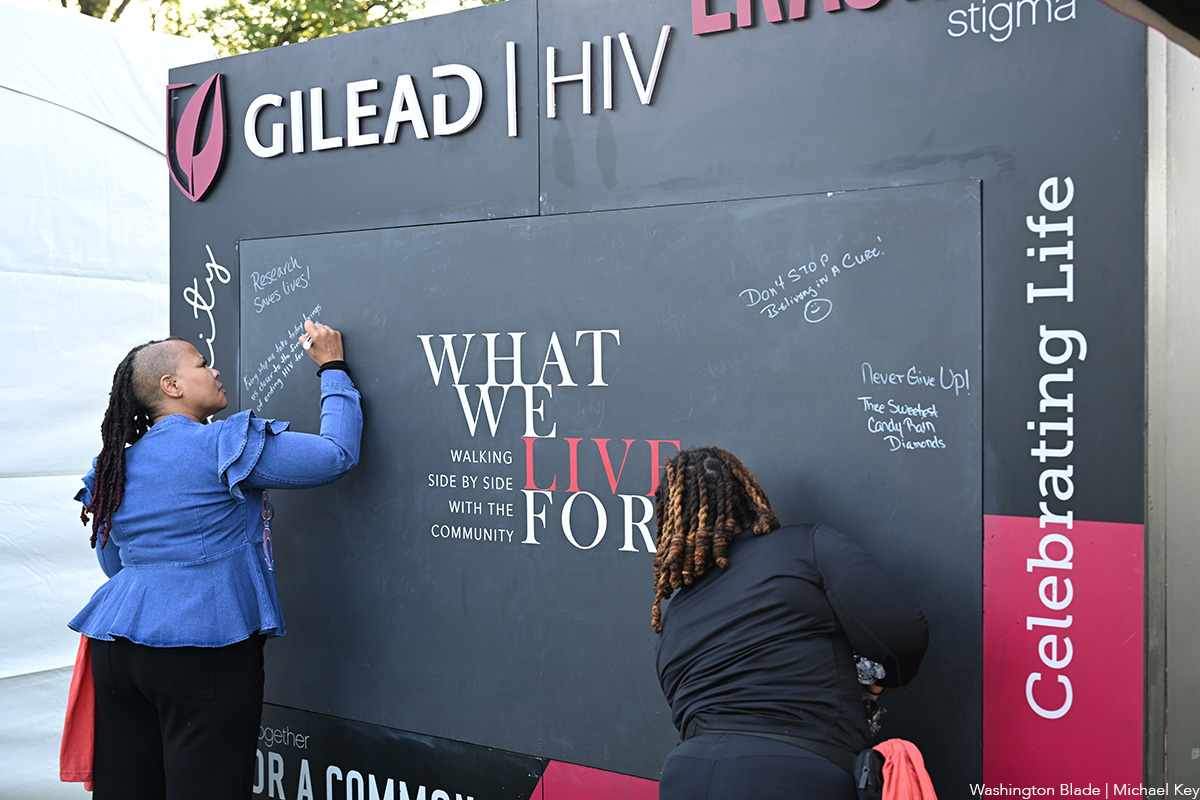
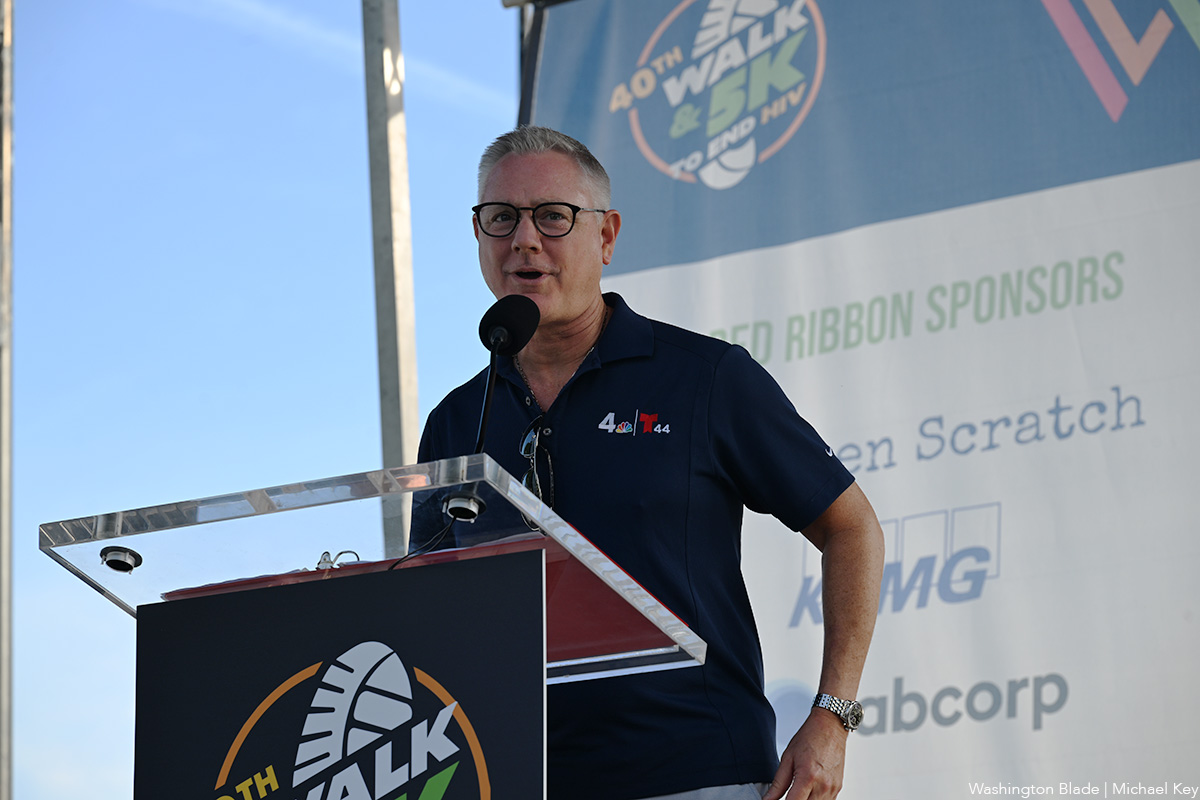
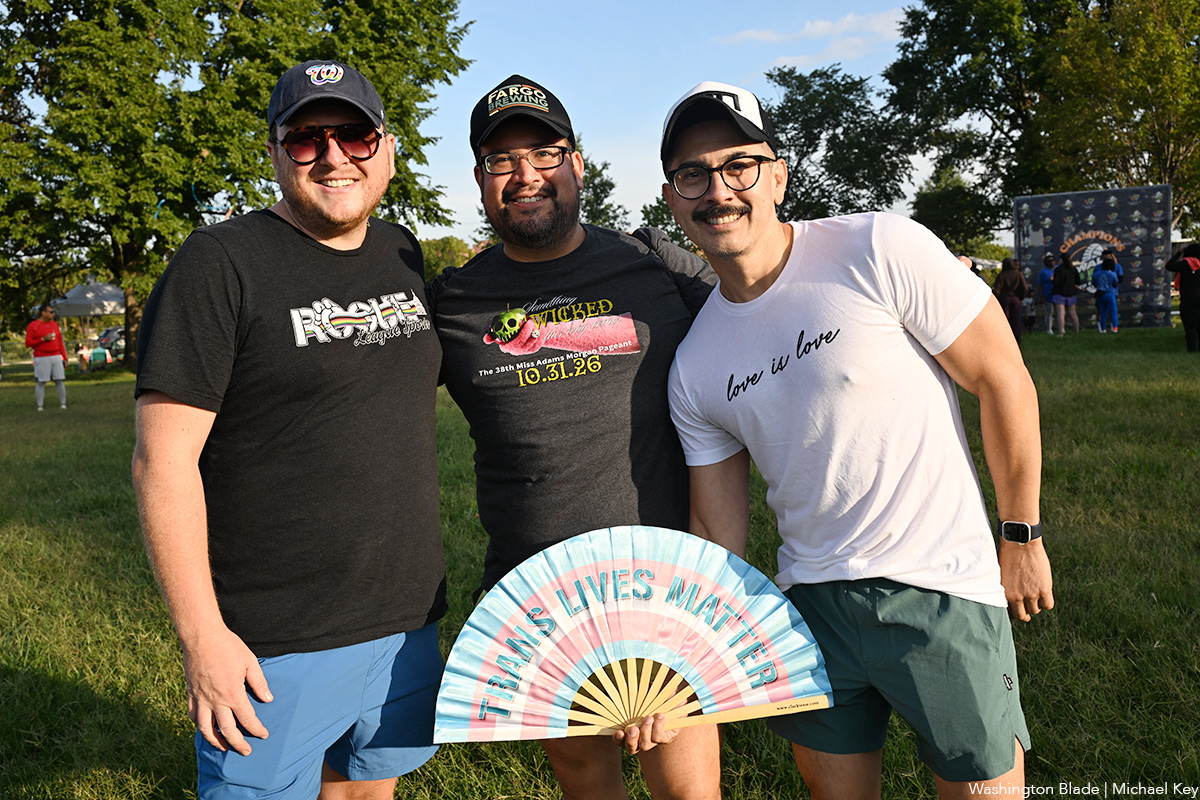
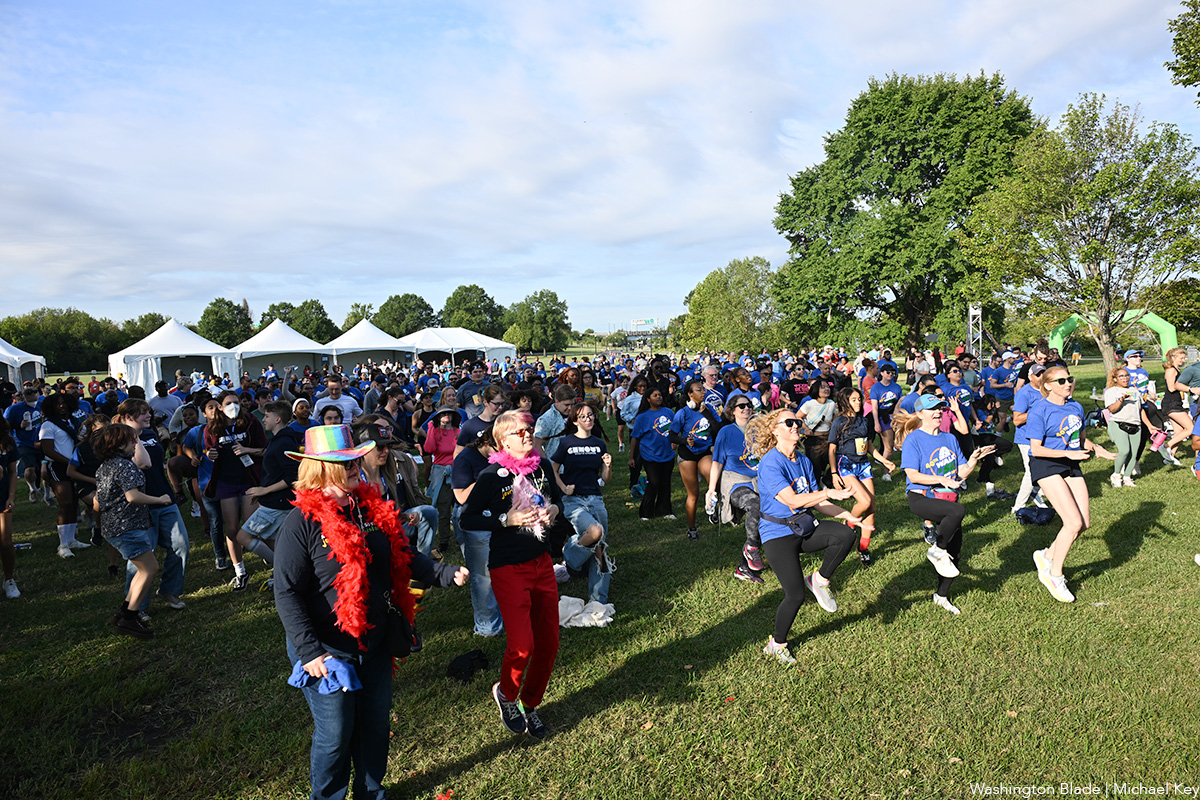
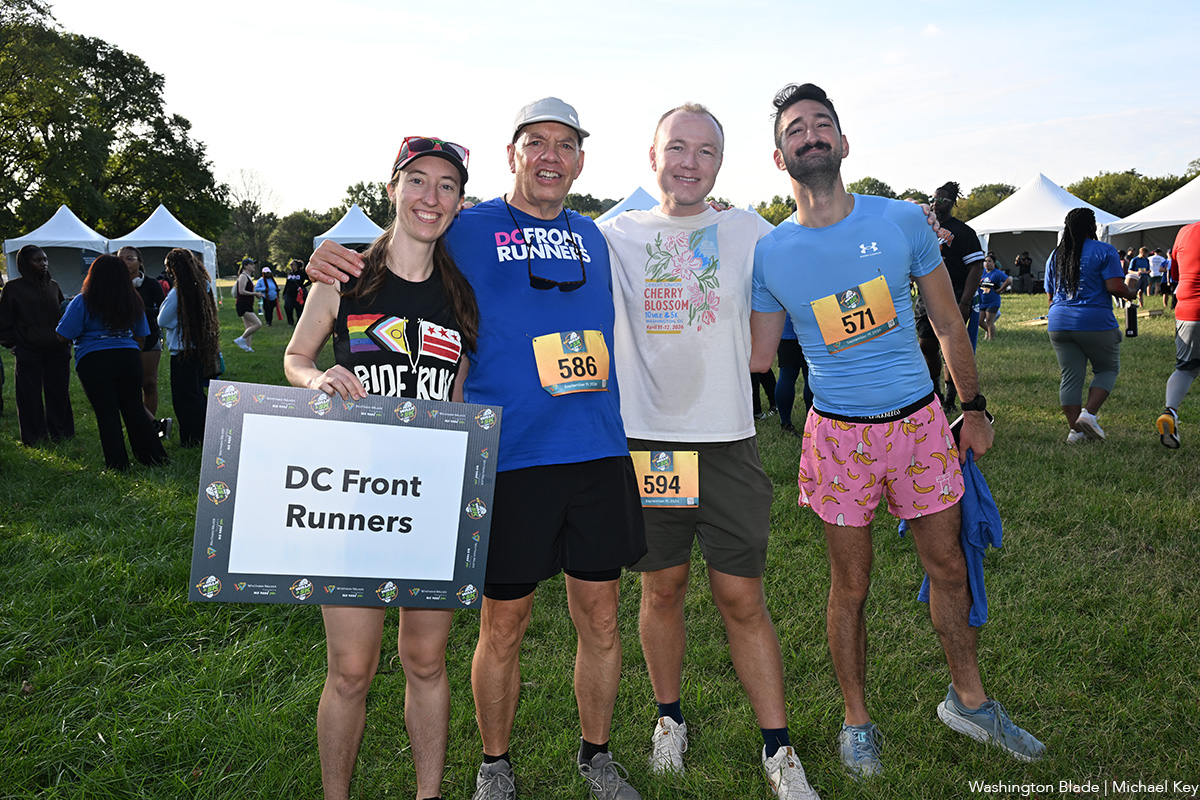
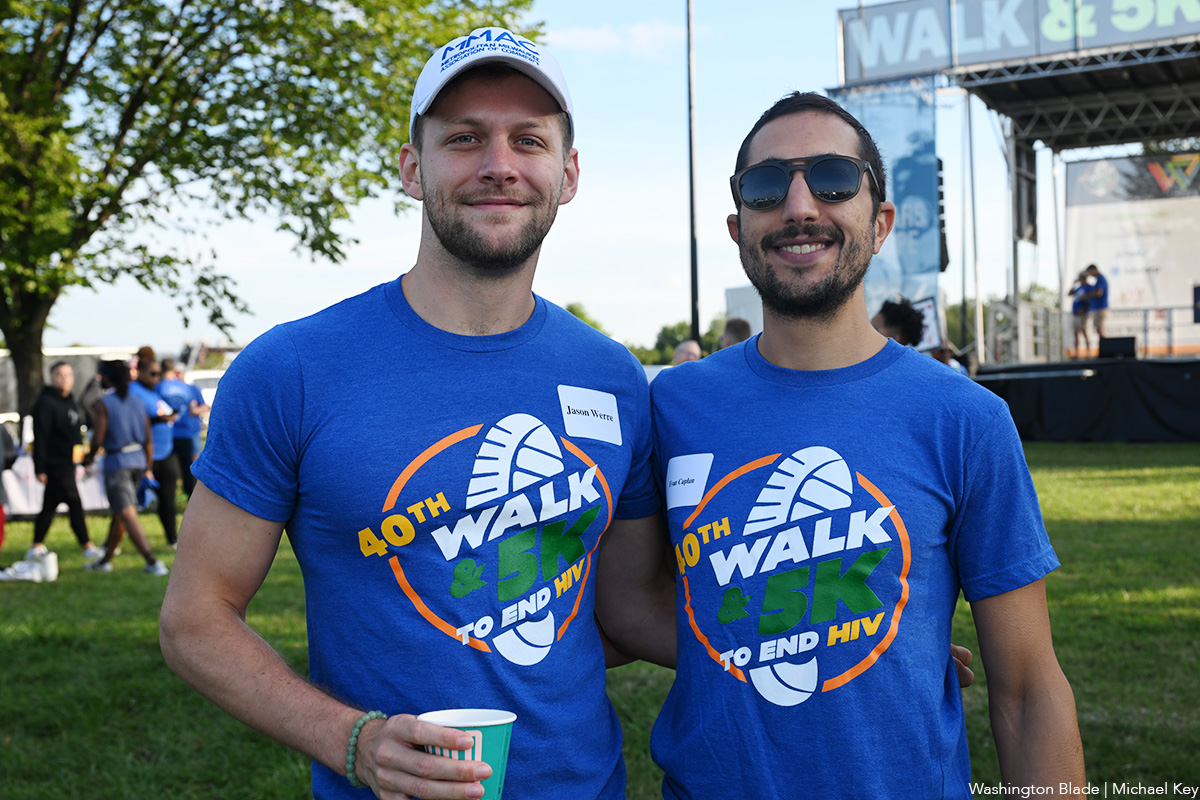
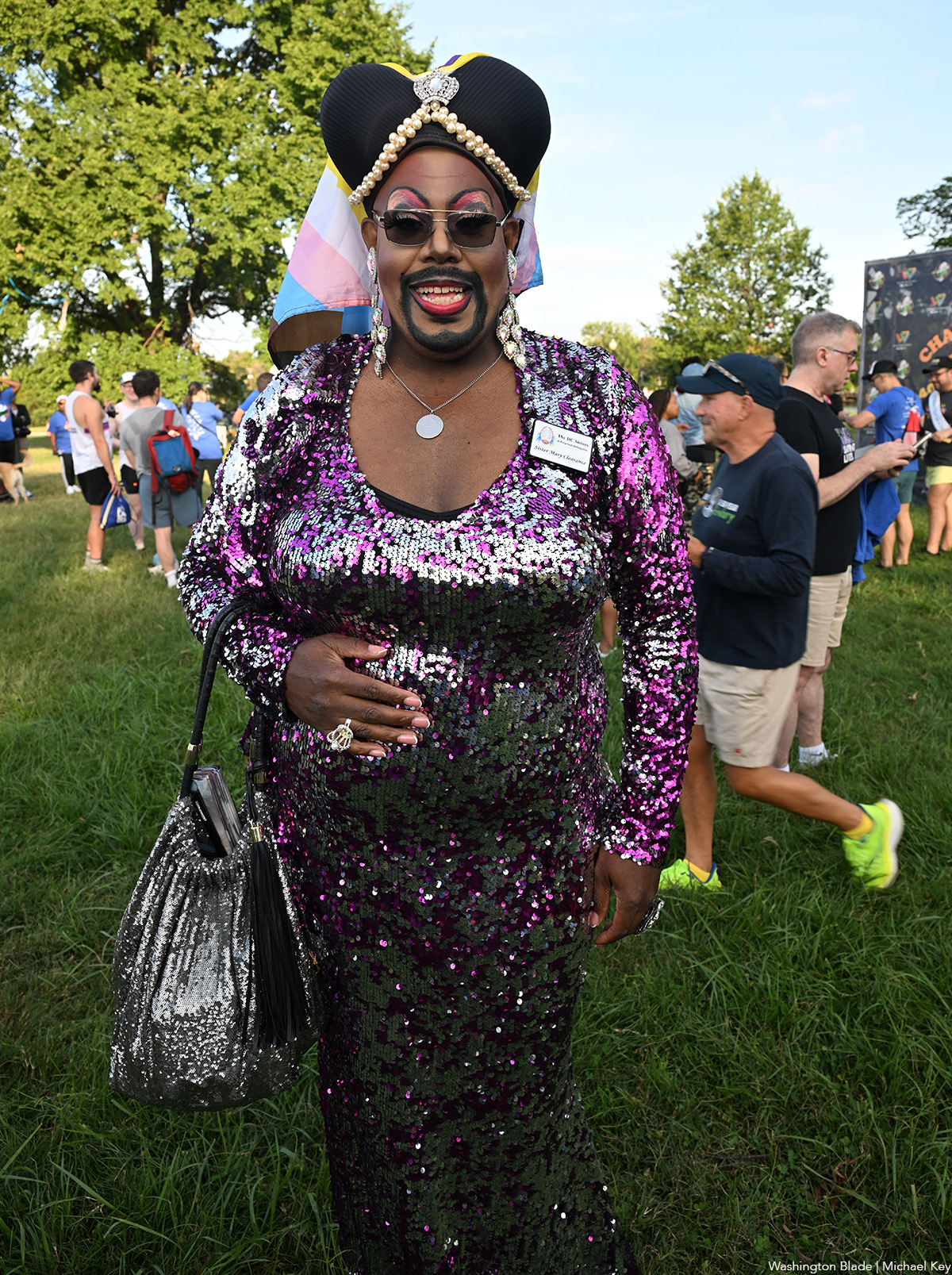
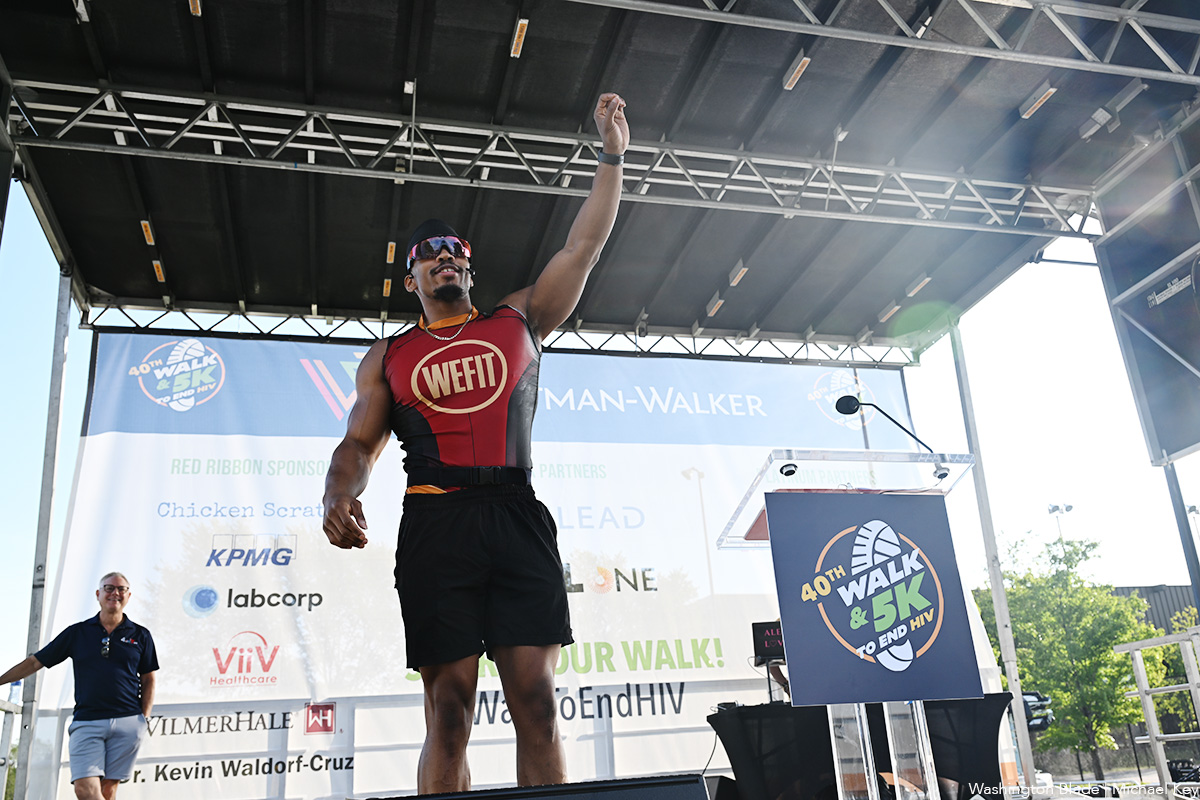
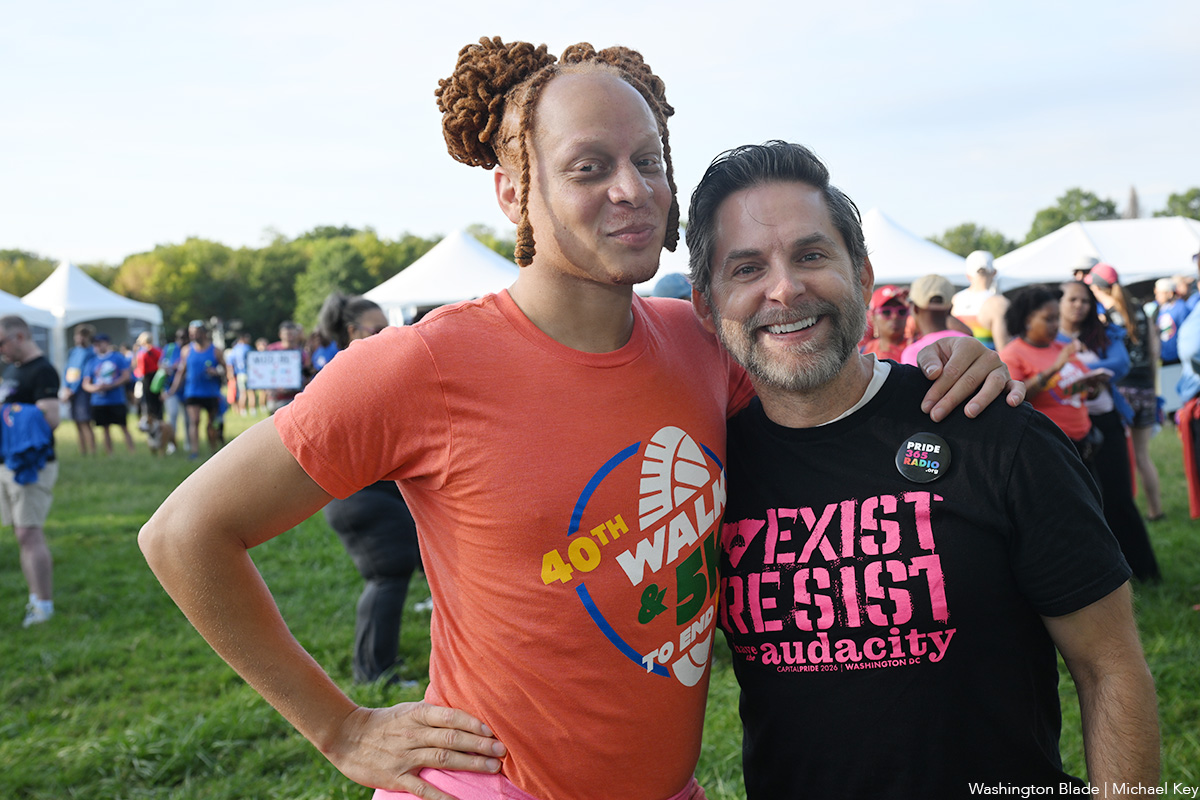
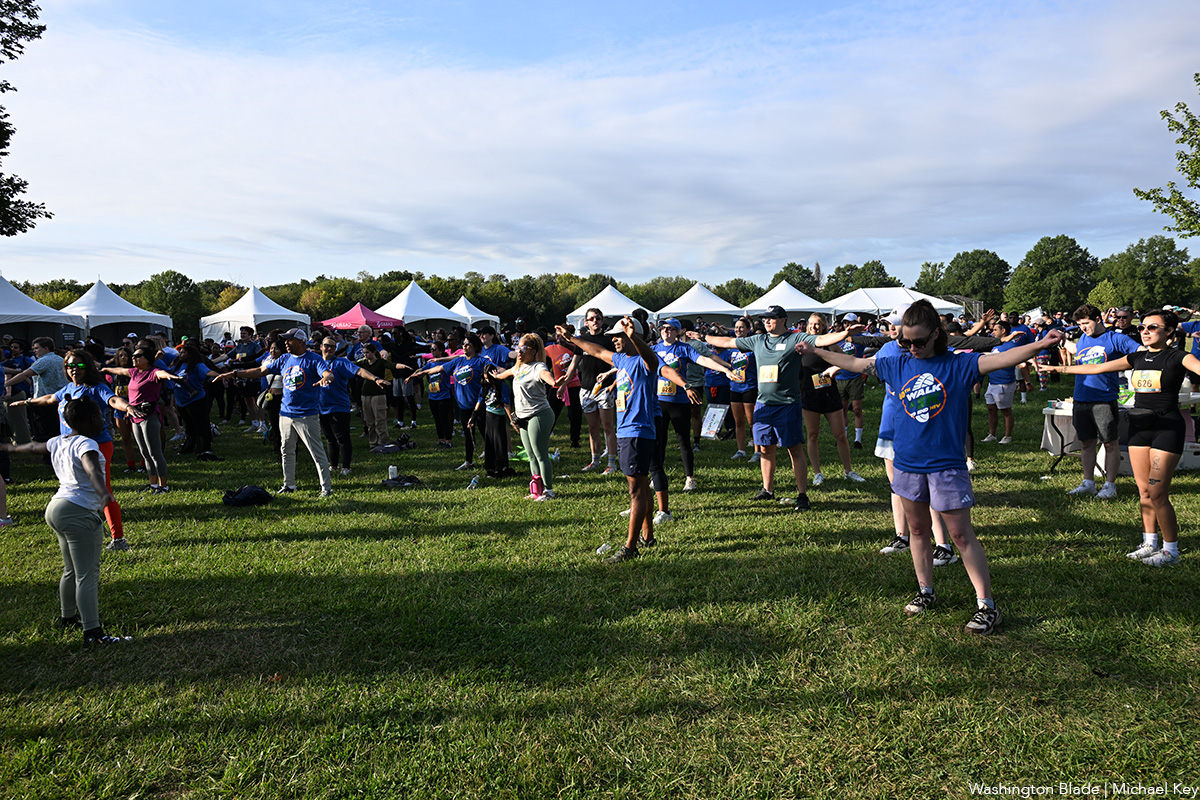
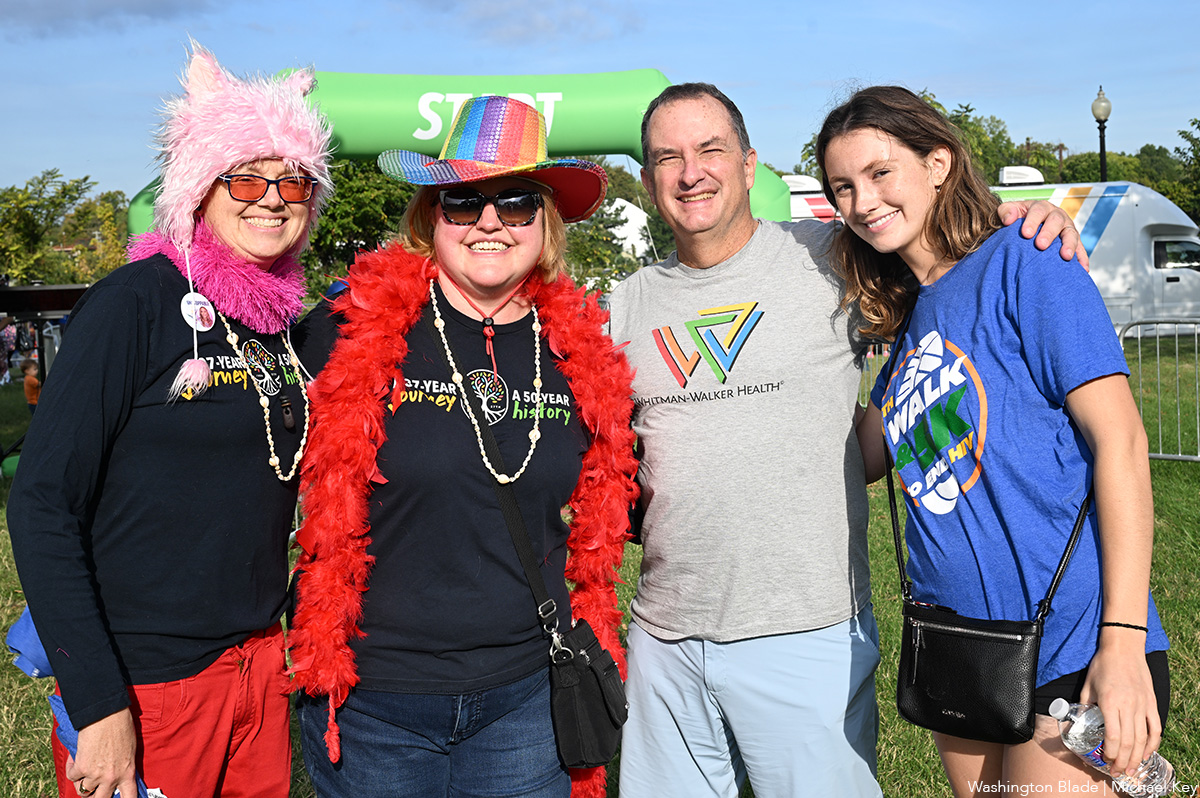
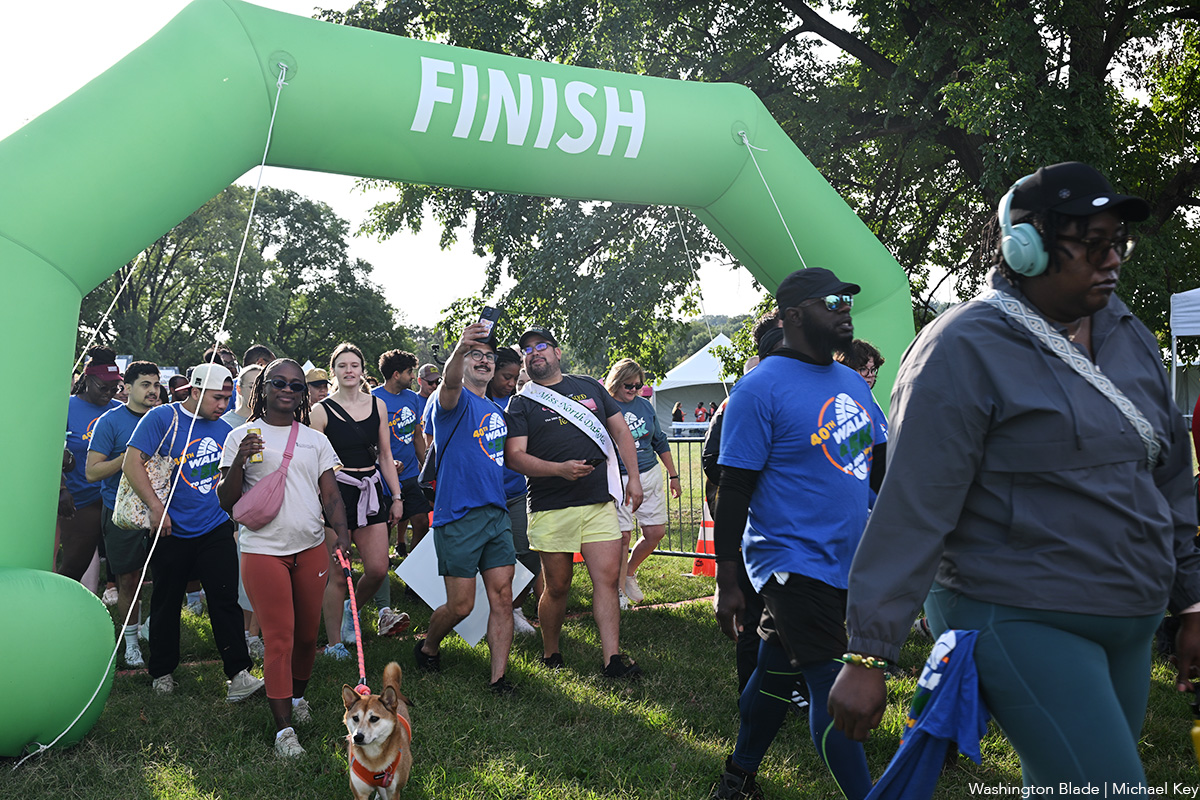
Whitman-Walker Health held the 40th annual Walk and 5K to End HIV at Anacostia Park on Saturday, Sept. 19.
(Washington Blade photos by Michael Key)


Photos
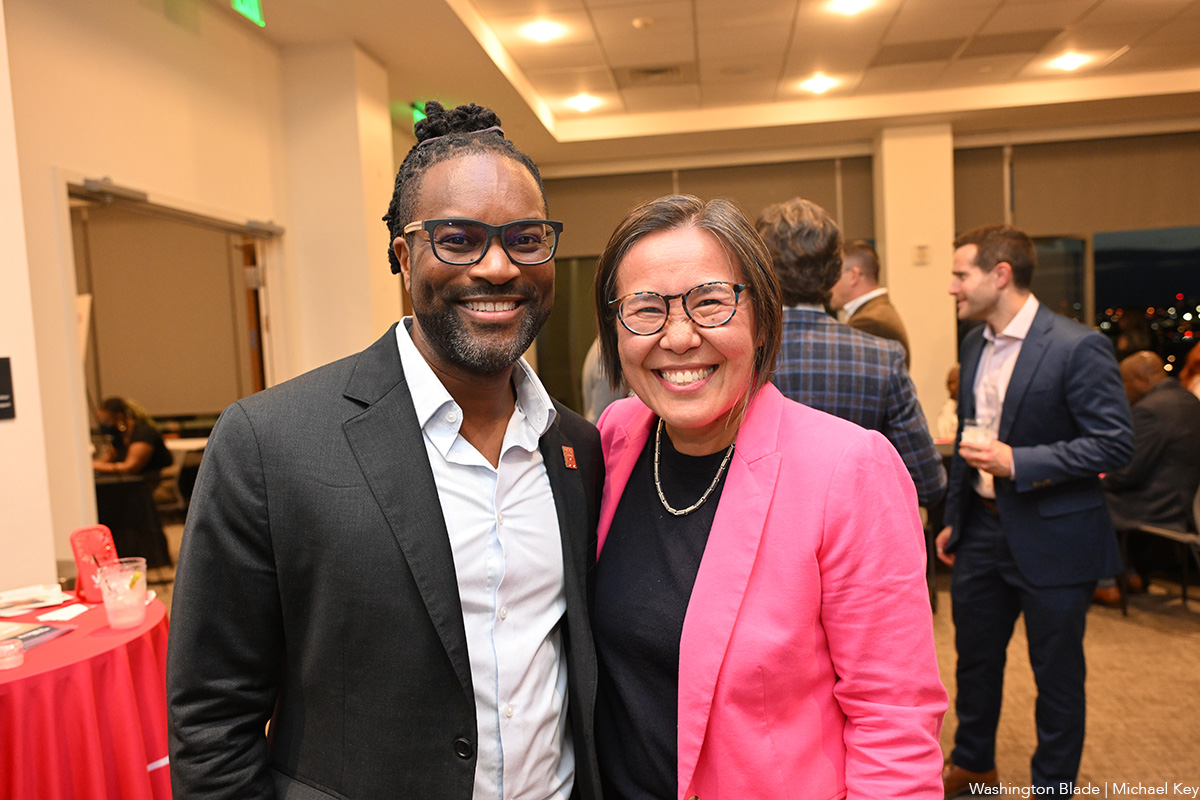
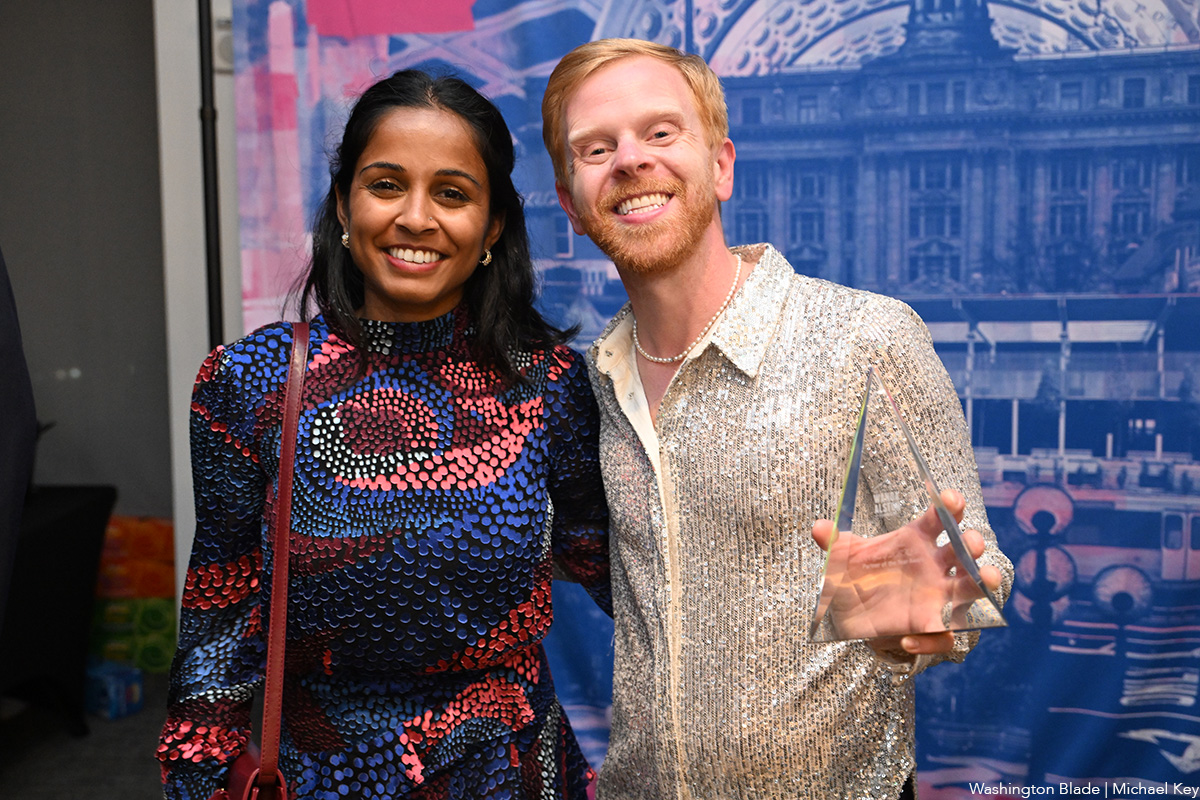
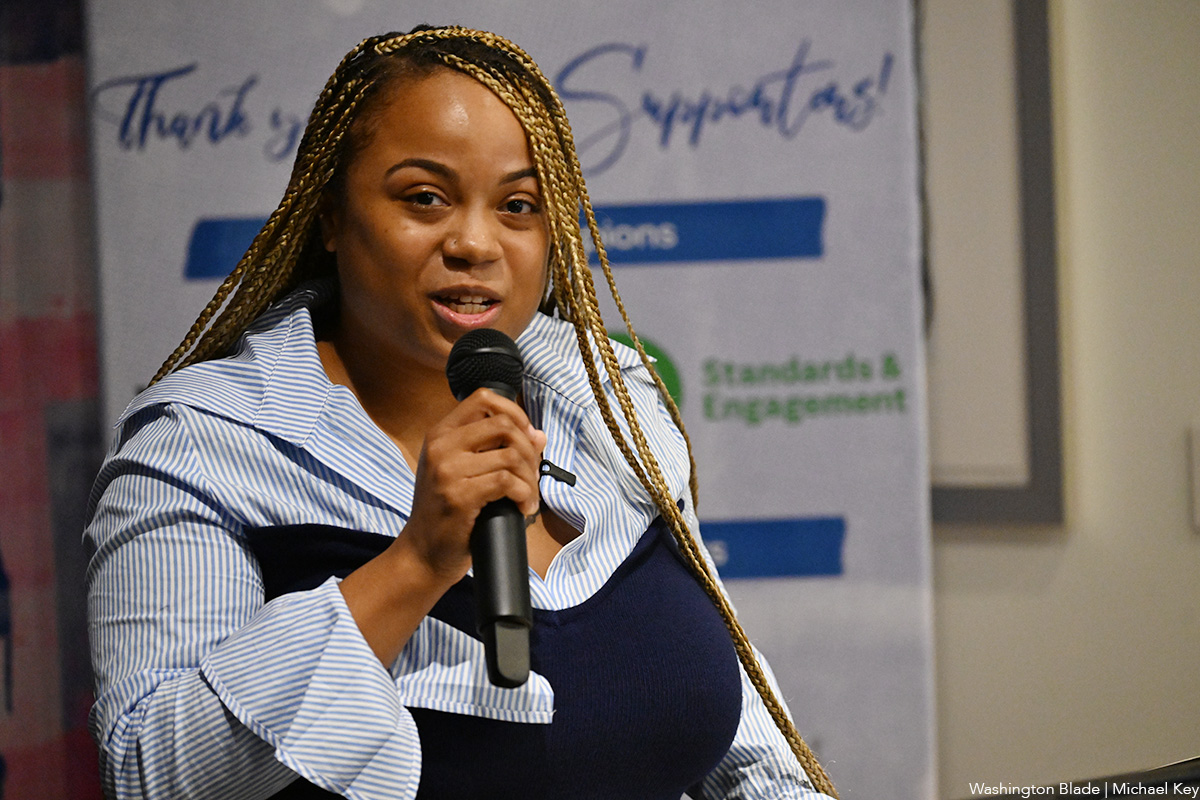
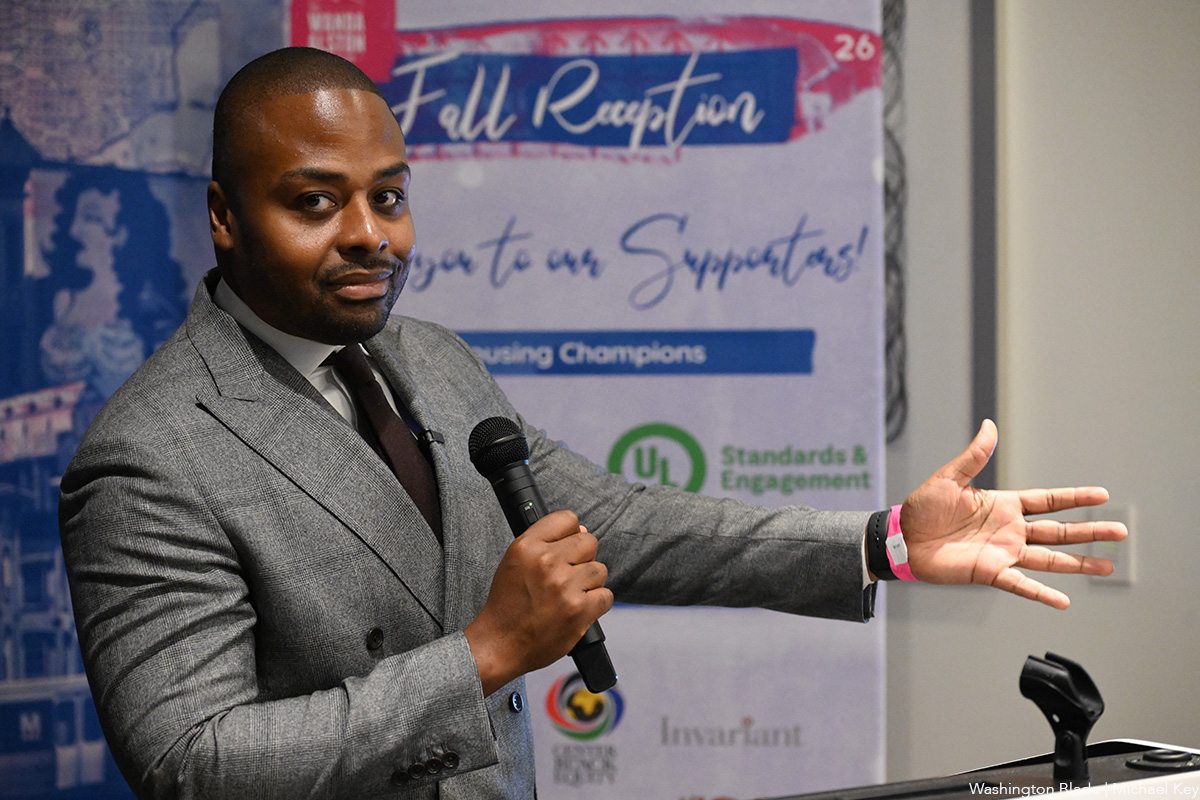
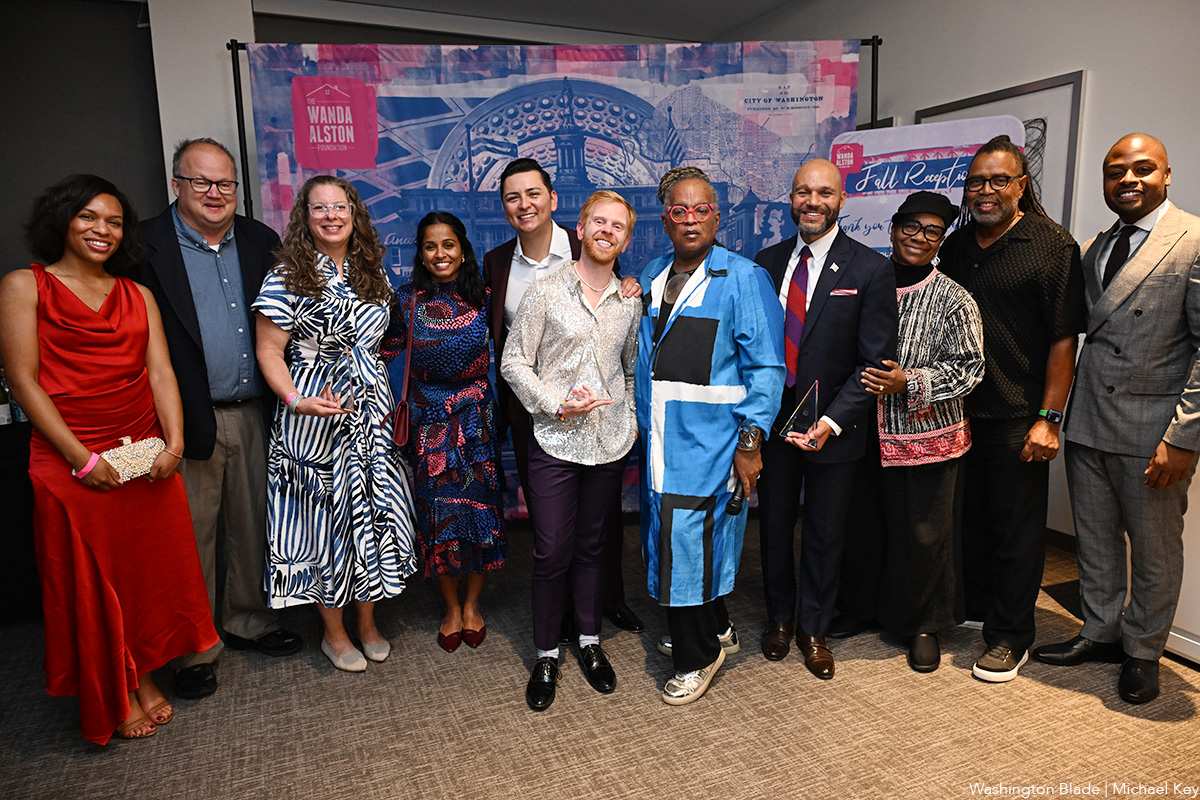
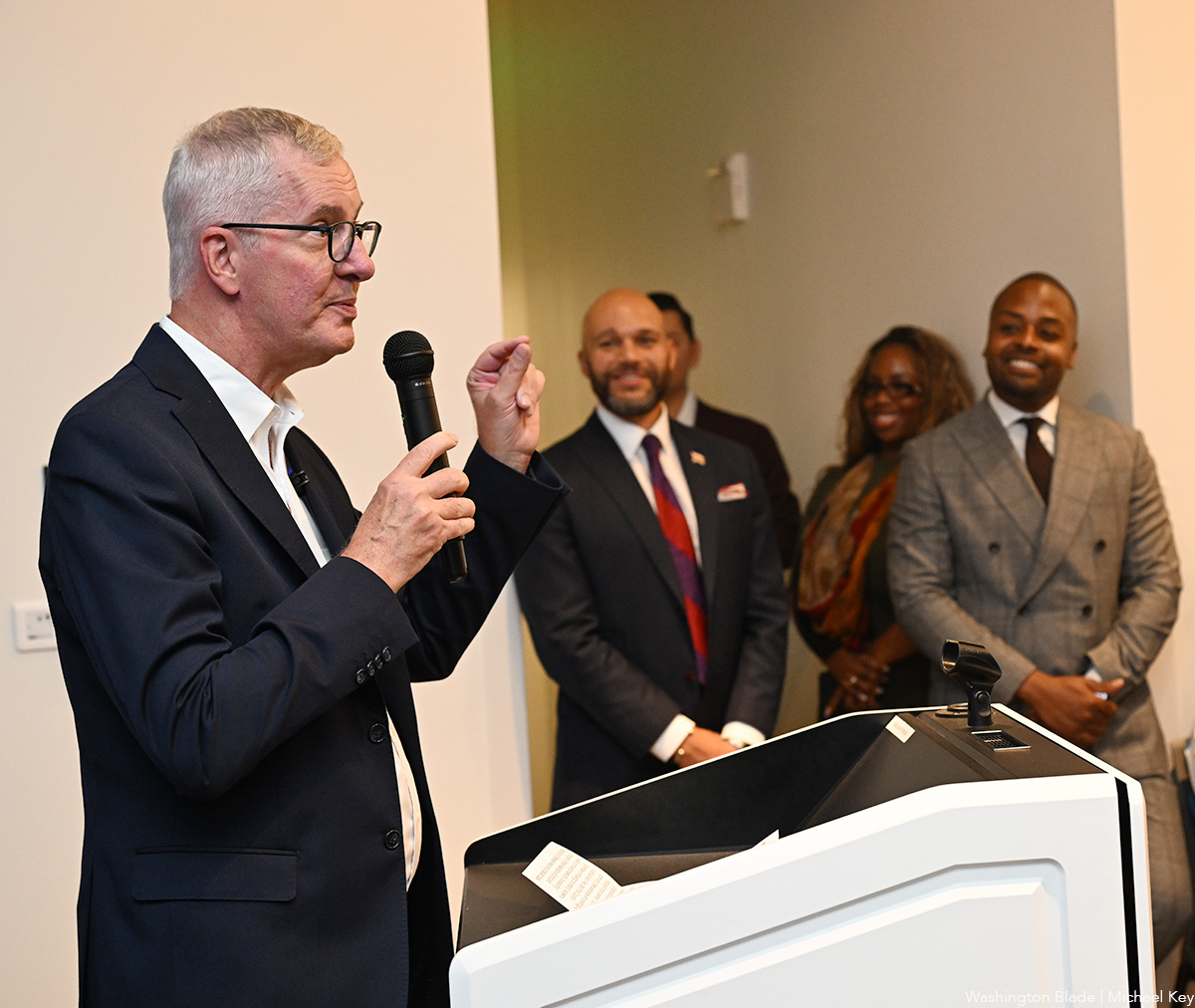
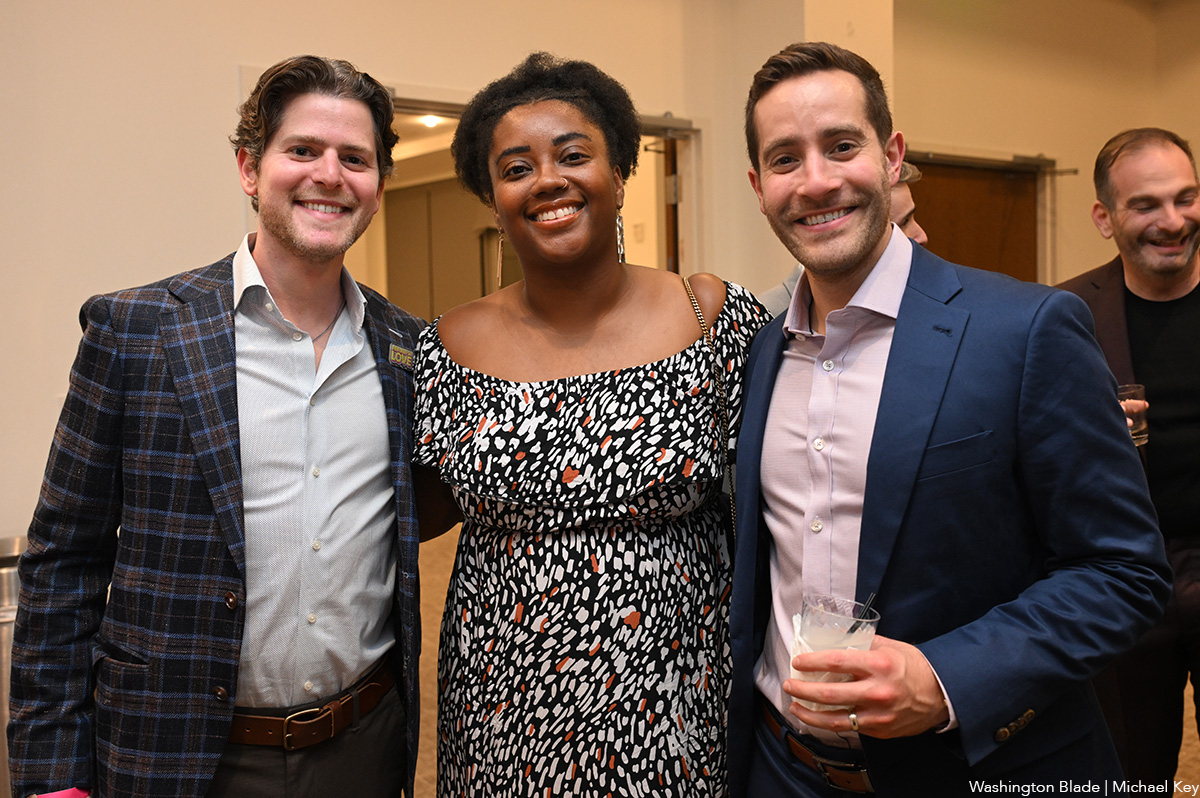
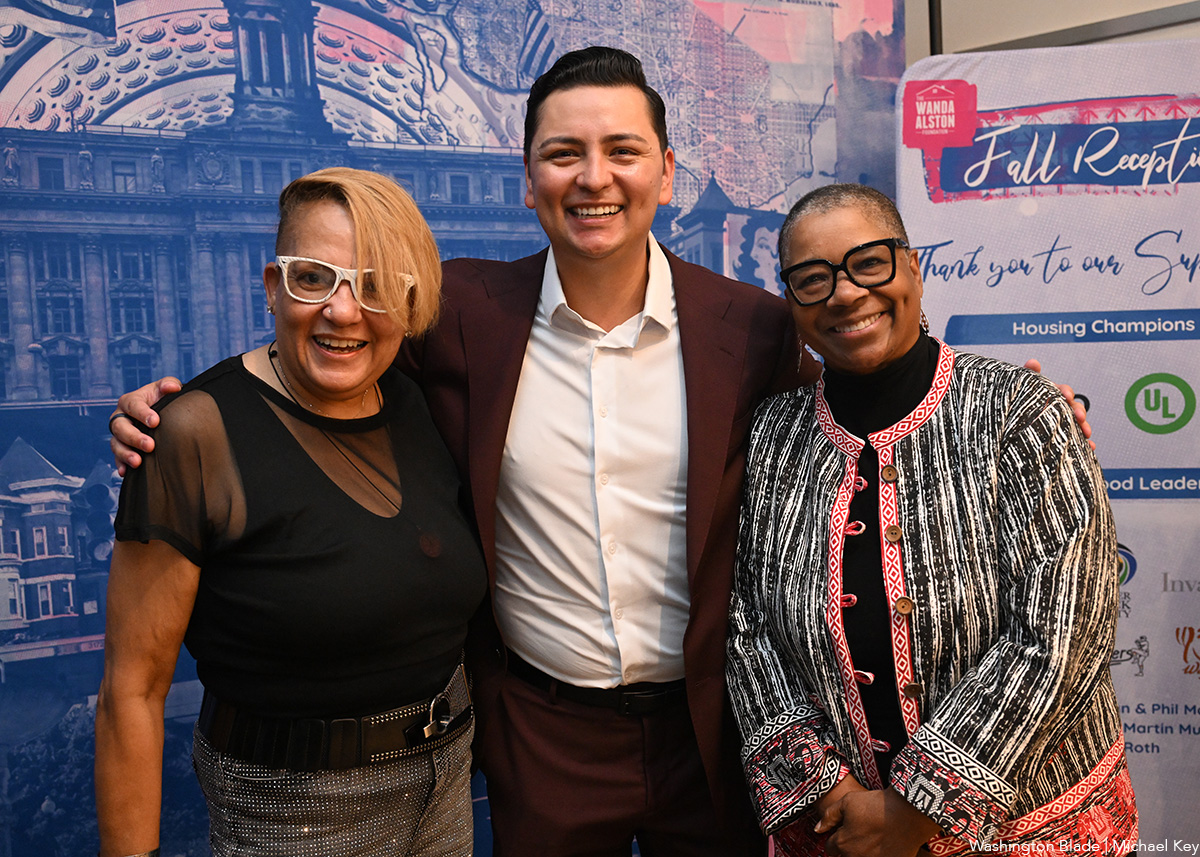
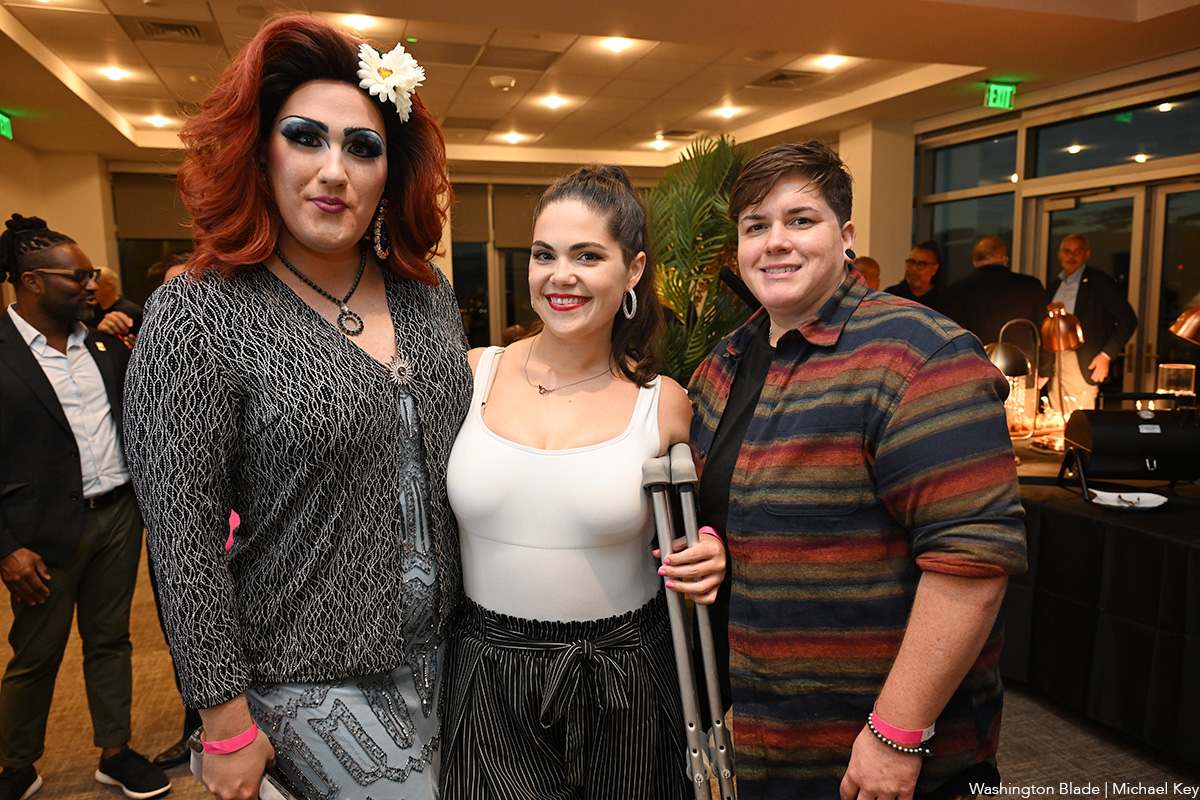
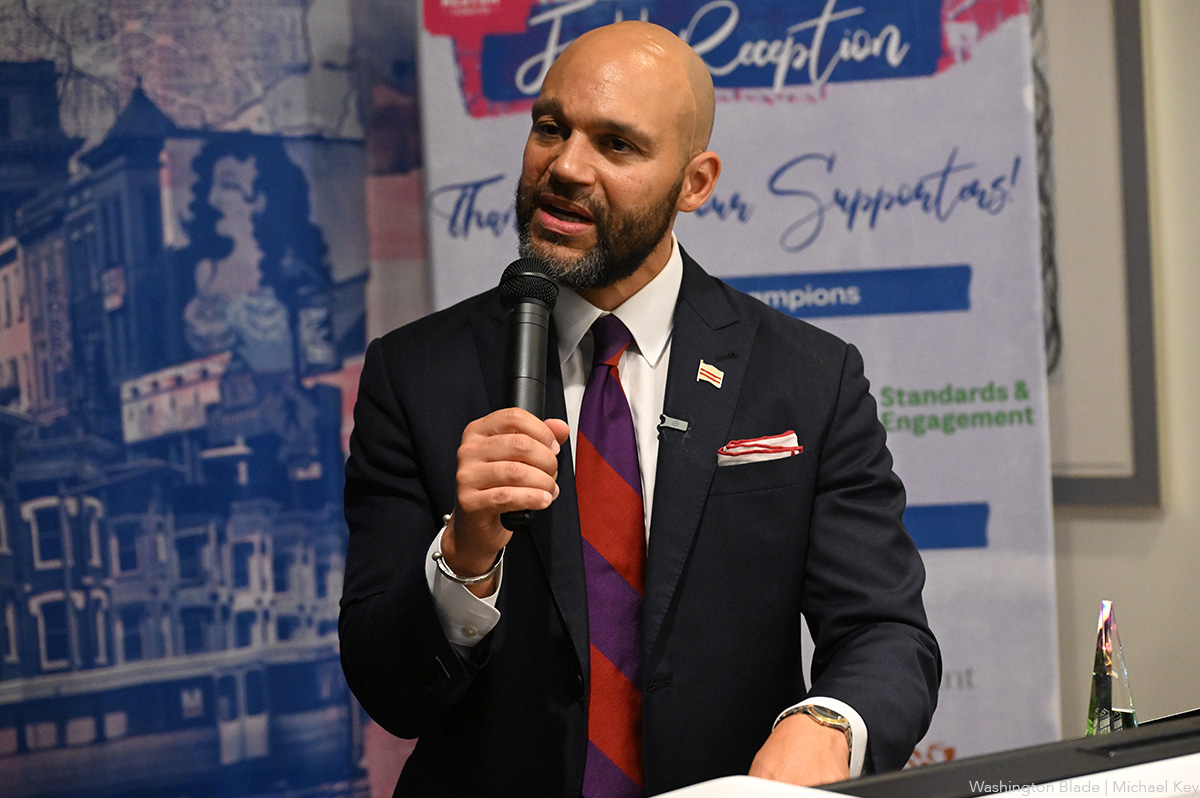
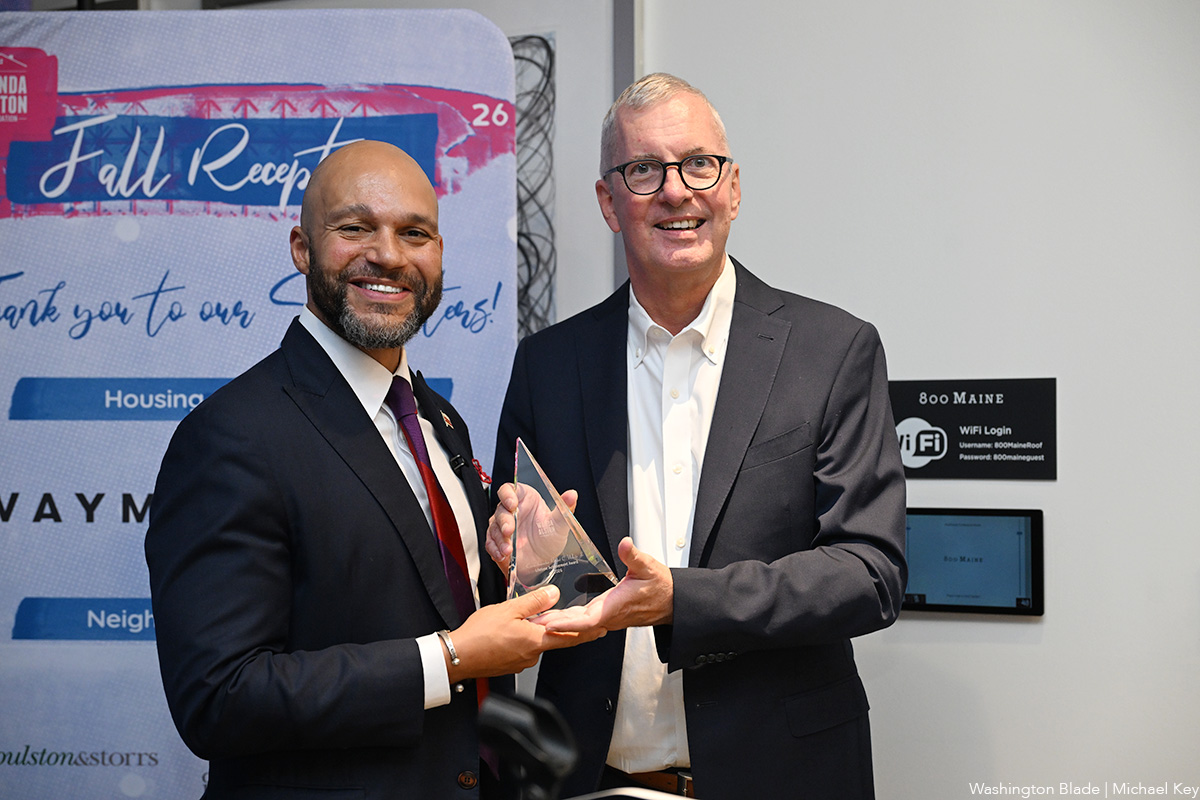
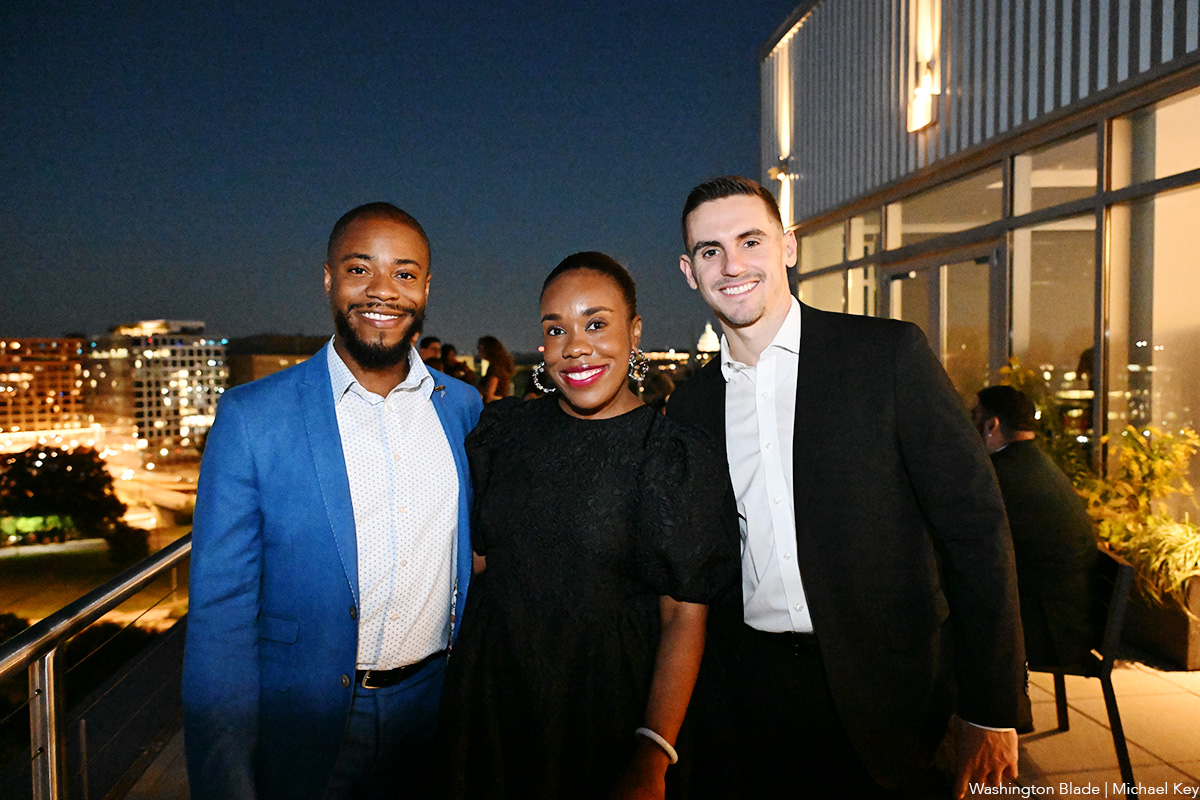
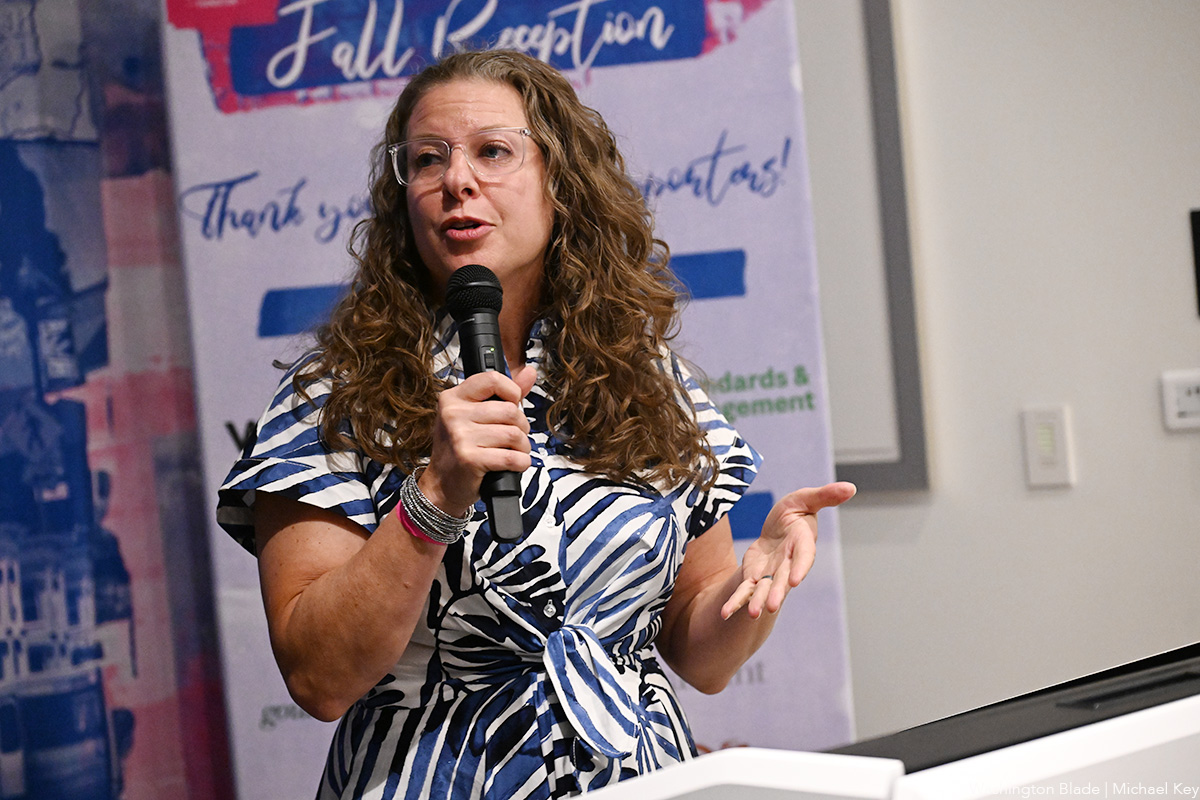
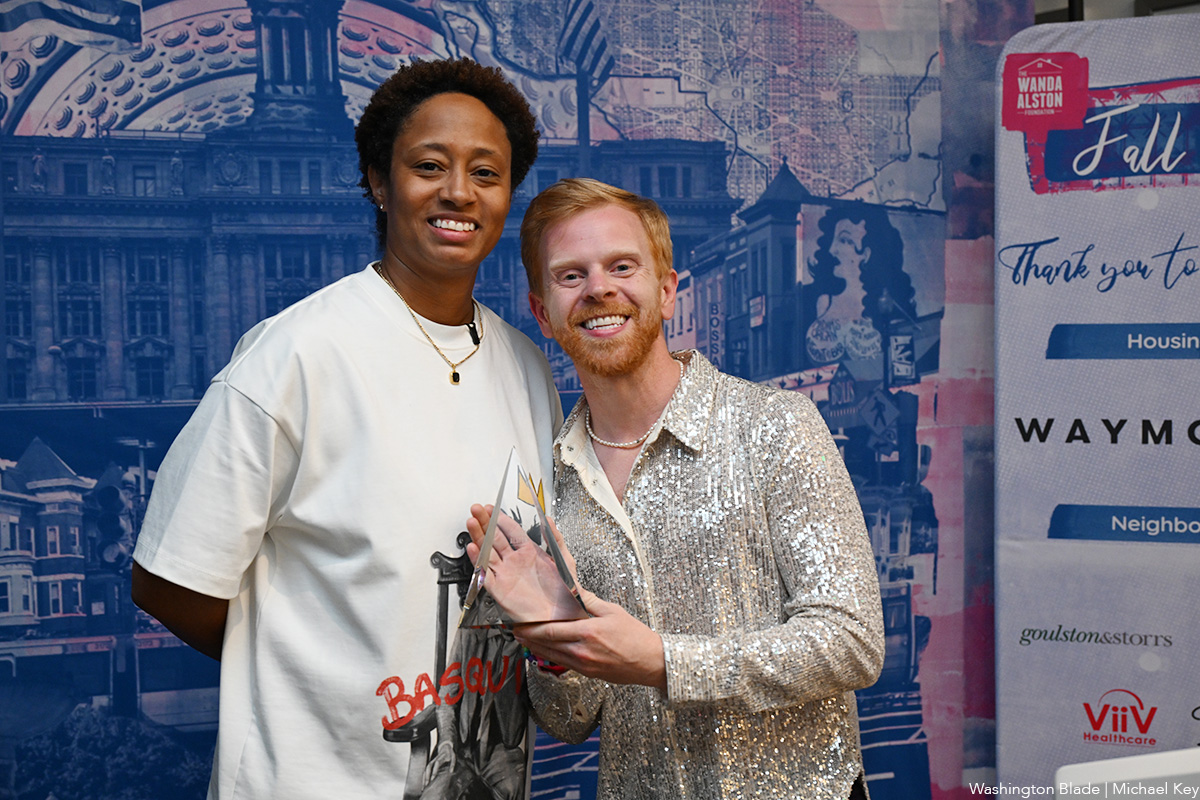
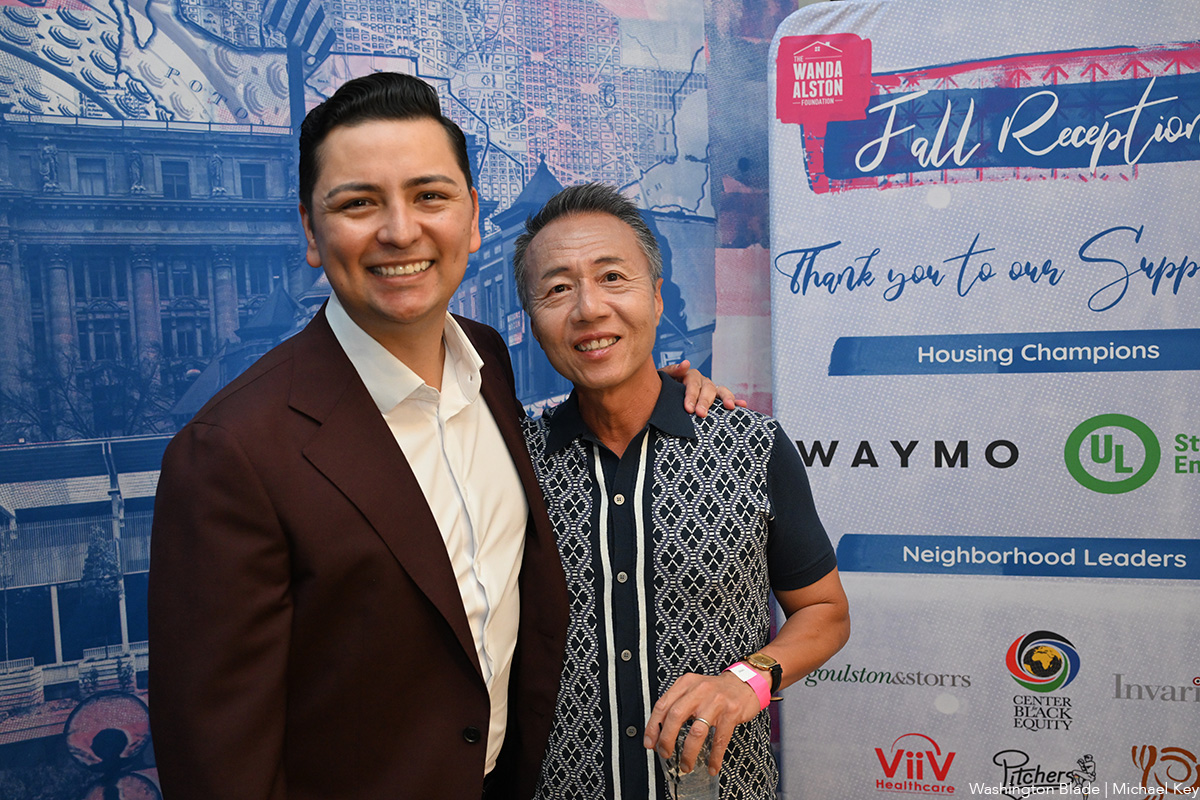
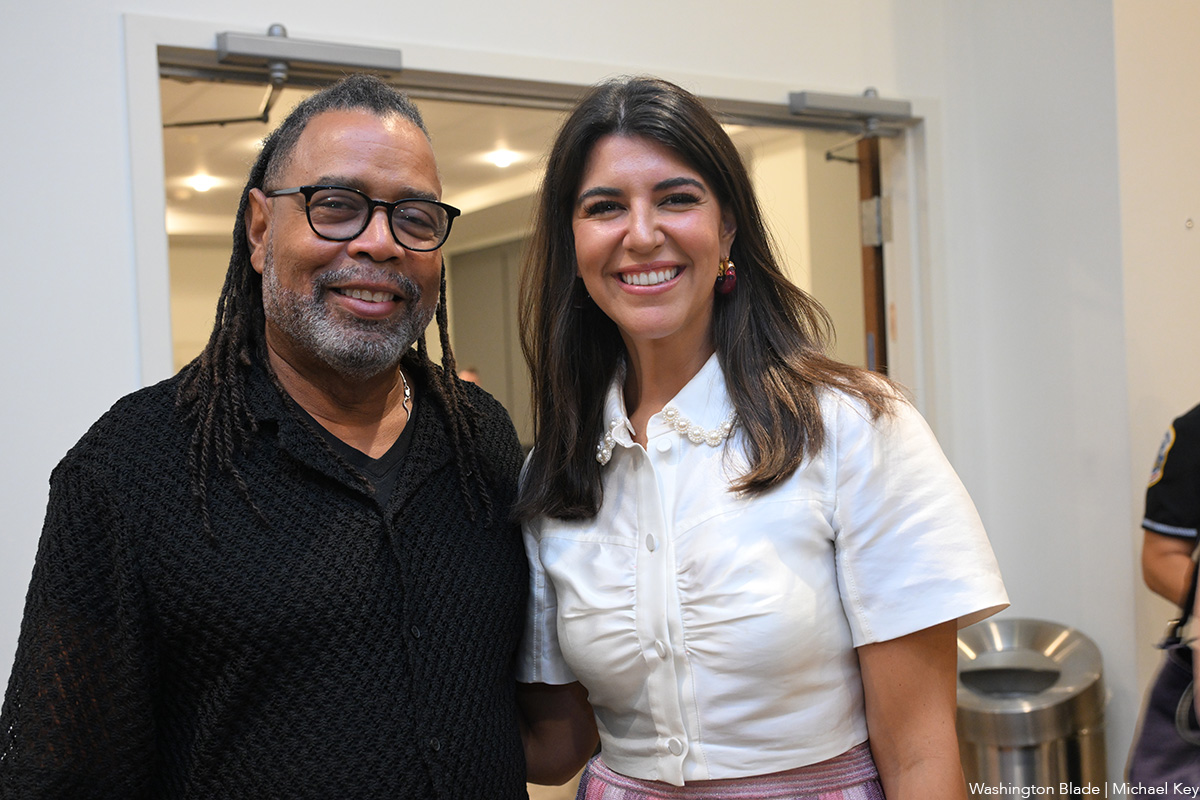
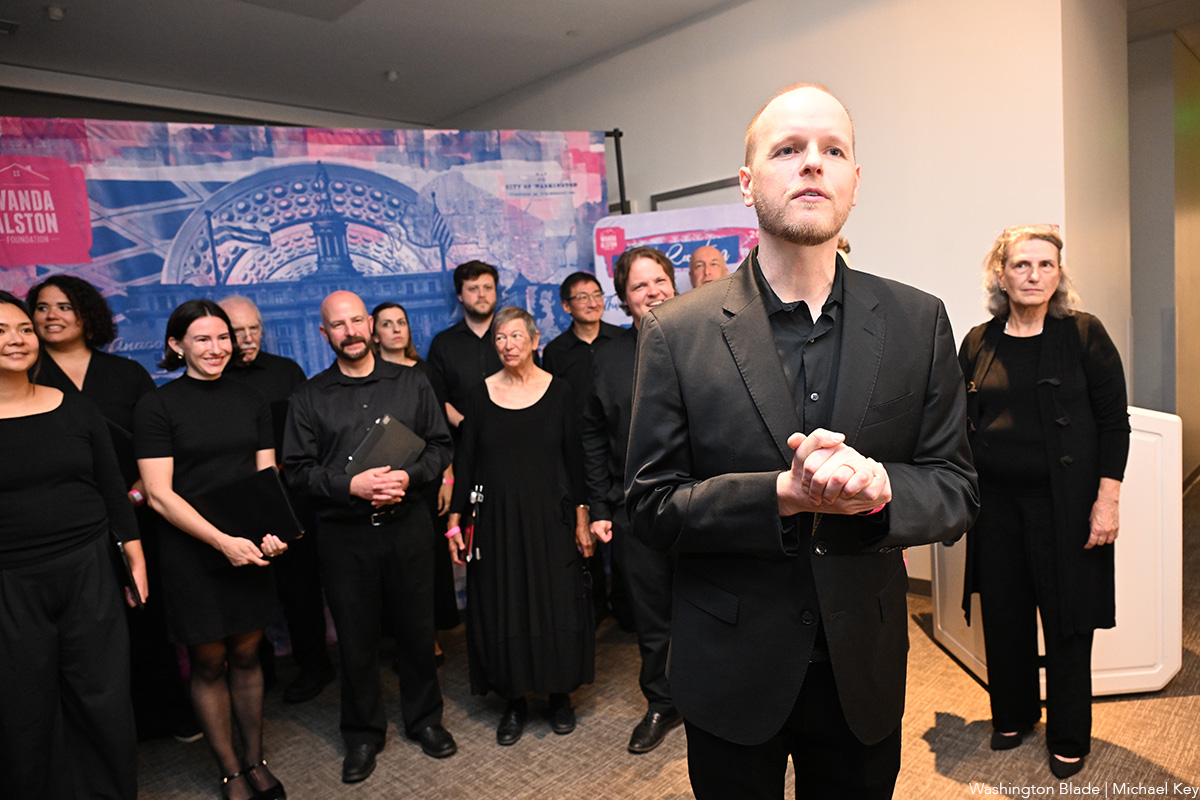
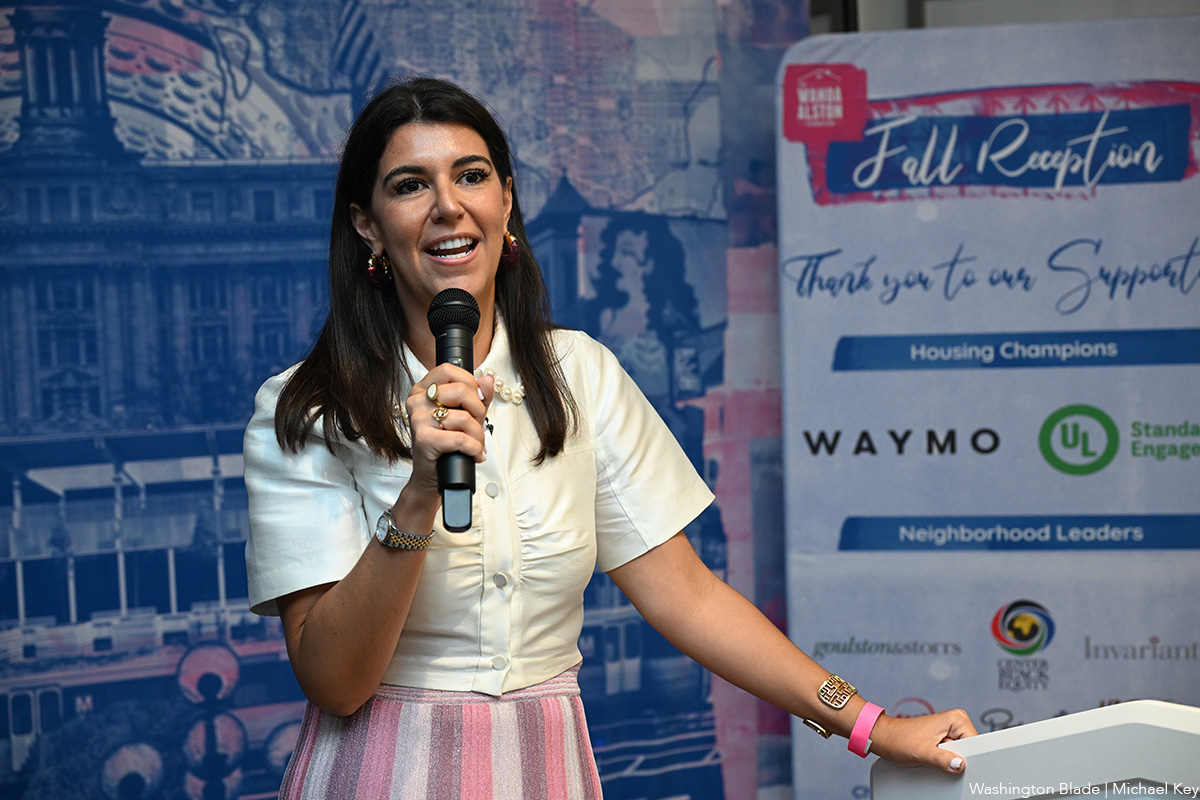
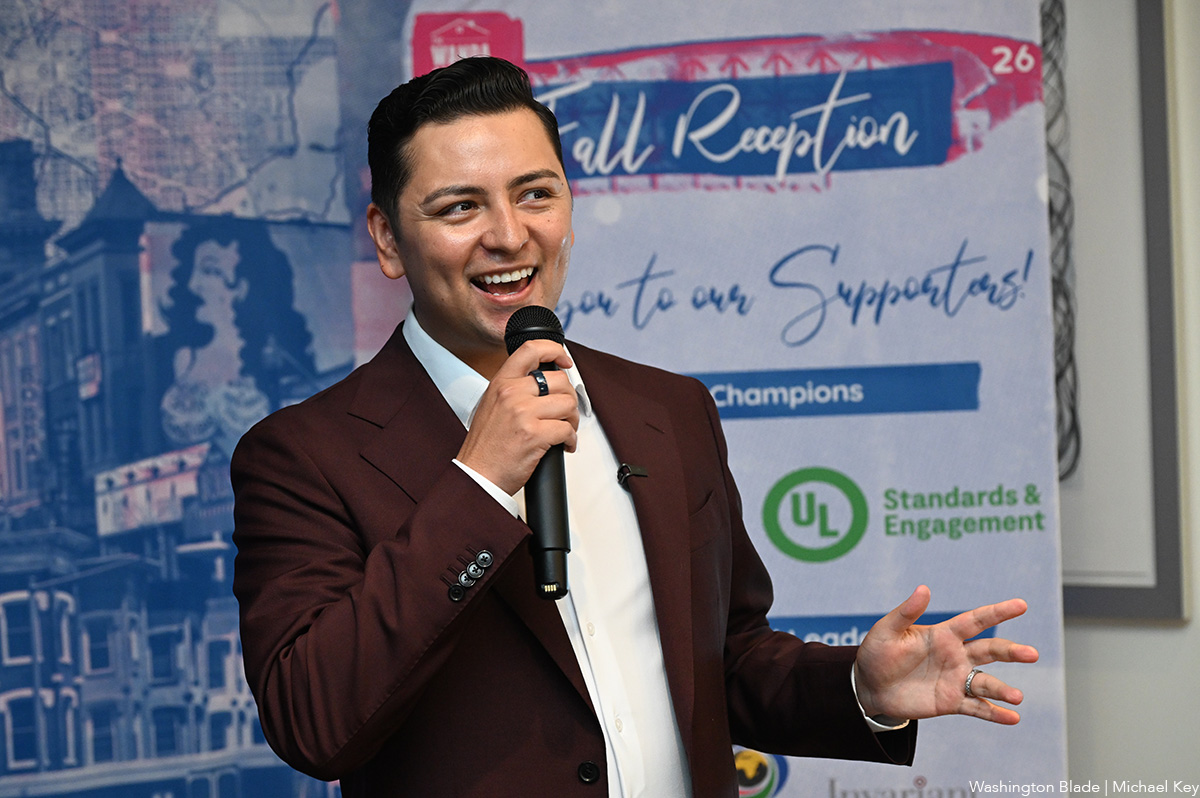
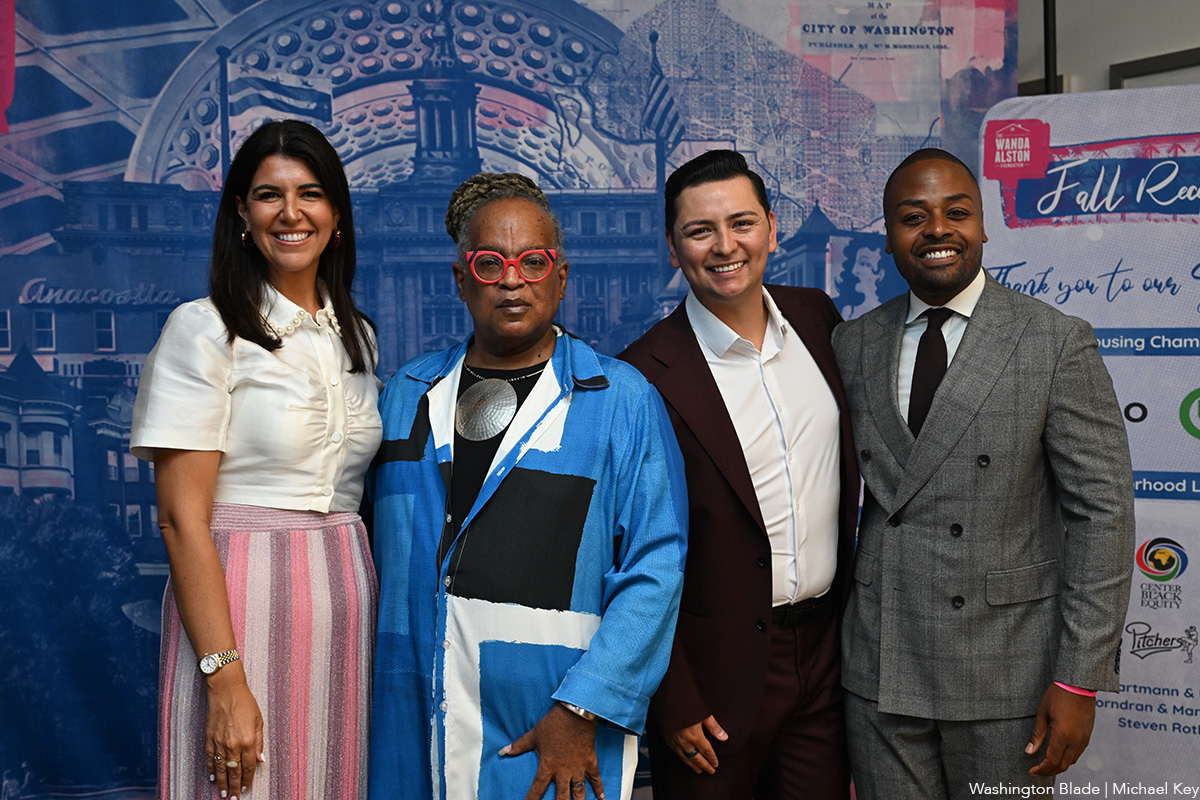
PHOTOS: Wanda Alston Foundation Fall Reception
LGBTQ youth services organization honors Robert White, Japer Bowles, Washington Capitals
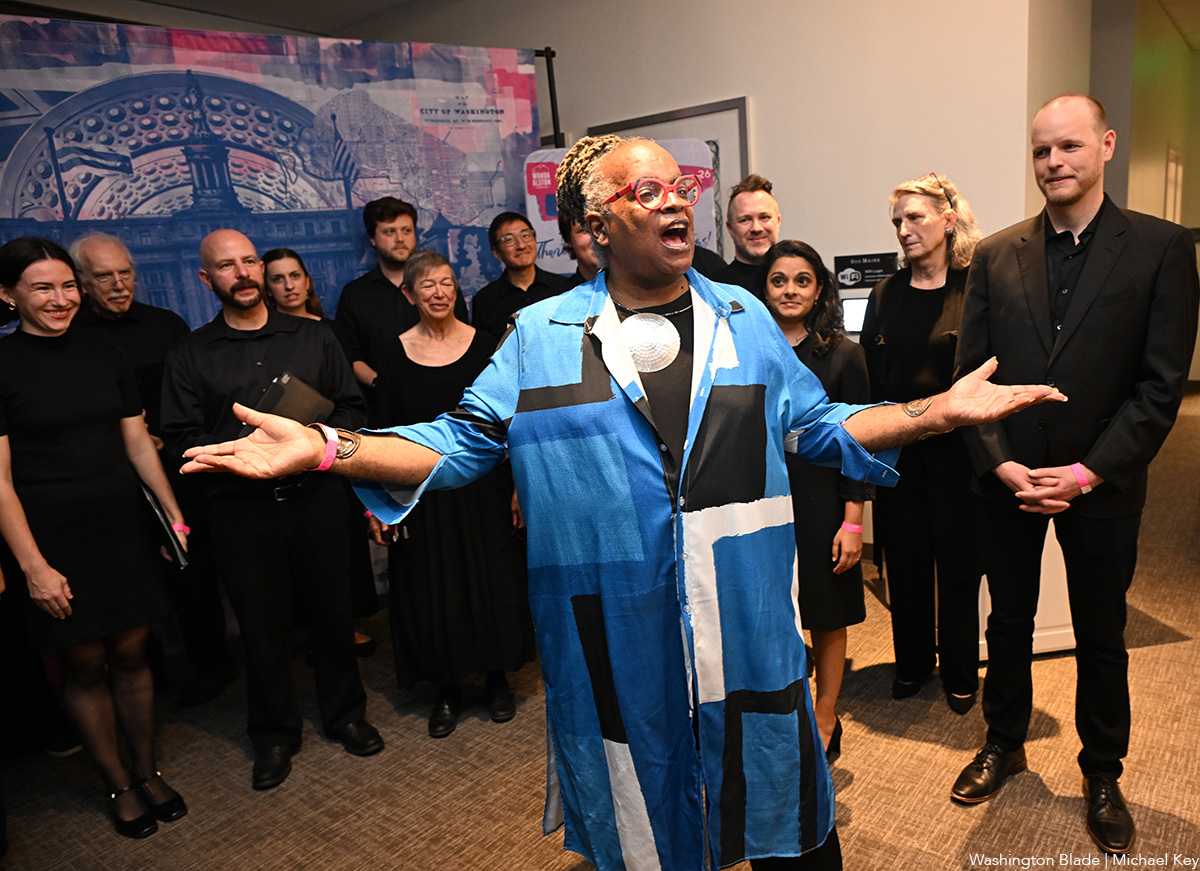
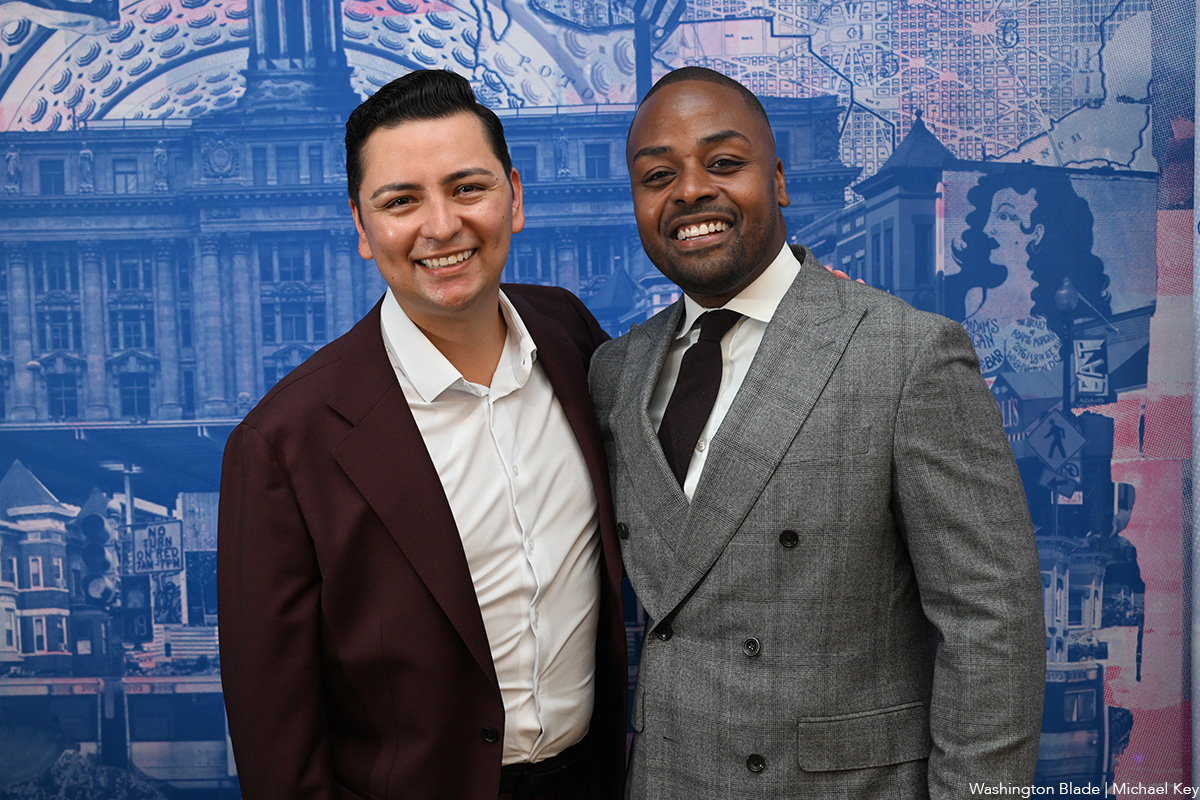
The Wanda Alston Foundation held its Fall Reception at the Penthouse Rooftop at The Wharf on Friday, Sept. 18. Honorees included D.C. Councilmember Robert White, Director of the Mayor’s Office of LGBTQ+ Affairs Japer Bowles, and the Washington Capitals. Rayceen Pendarvis served as the emcee and entertainment was provided by the Thomas Circle Singers.
(Washington Blade photos by Michael Key)

White House press pool pushes back after Trump bars three outlets

PHOTOS: Shenandoah Valley Pride

Long-time DignityUSA executive director announces retirement

PHOTOS: Walk and 5K to End HIV

PHOTOS: Wanda Alston Foundation Fall Reception

Gun reform is an LGBTQ rights issue

Parties, dinners, concerts and more on tap for fall nightlife

All the queer things to watch this fall

Jeremy Moss looks to bring LGBTQ advocacy from Lansing to Capitol Hill