Arts & Entertainment
Oyamel’s chef wows
A night of exquisite Mexican cuisine
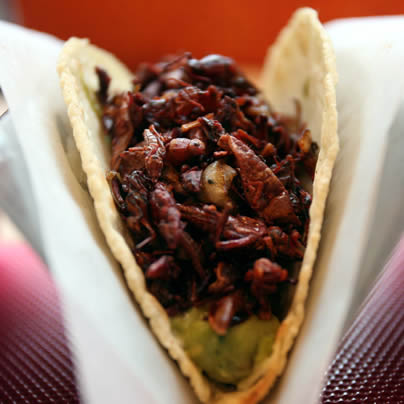
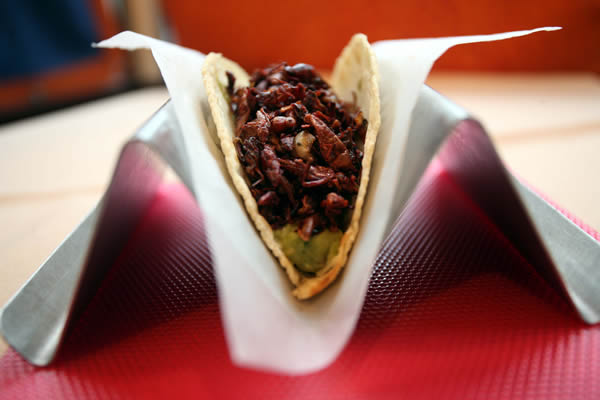
Oyamel Taco (photo courtesy Oyamel)
Chef Jose Andres is a powerhouse in the D.C. restaurant scene. Along with business partner Rob Wilder, he owns several renowned restaurants, including Jaleo, America Eats, minibar, Zaytinya, and Oyamel (401 7th St., N.W.) Andres has also won numerous awards including Outstanding Chef from the James Beard Foundation (2011) and Time magazine named him one of the world’s 100 most influential people in 2012. When Andres recently appointed a new head chef at Oyamel, it seemed like the perfect time to dine in this newly renovated space.
Chef Colin King was appointed the head chef of Oyamel after serving as the sous chef at Zaytinya under Chef Michael Costa starting in the summer of 2012. King quickly proved himself a leader in the kitchen. Prior to joining ThinkFoodGroup, Chef King worked at Market Restaurant Group in Tucson, Ariz. He served as the executive chef at Harvest Restaurant and Hacienda de Sol. Since this was our opportunity to experience all that Chef Colin King could deliver we opted for the “Oyamel Experience Menu,” where he took us on a culinary tour through Mexican cuisine for $55 per person. I personally opted to also indulge in the Artisan Bar Pairing for $35.00.
The experience began with chips, salsa, and guacamole made tableside with fresh creamy avocadoes, tomatillo, serrano chile and queso fresco. As we worked our way through the guacamole a plate of tuna ceviche was brought to the table. The tuna was lightly marinated in lime adding a fresh citrusy zip to the fish; avocado, toasted pecans and jalapenos accompanied it. After the tuna ceviche, which was an outstanding dish, we were presented with a plate of “ceviche tradicional” — raw striped bass with lime, onion, tomato, sweet potato and corn. All of these components came together perfectly and each bite erupted with freshness and well balanced flavors. To accompany the two ceviches I was served the “Sagrado Corazon,” which was tequila, cilantro, and toasted coriander gimlet over hibiscus ice. It morphed into a delightfully floral drink as the hibiscus ice melted away.
Spectacular dish after spectacular dish continued to arrive at the table, each one seeming to be better than the last. Then the seared red fish was put in front of us. This fish had a rich and meaty texture, not the flakey texture you expect from fish. It was seasoned perfectly with tomatoes, onions, olives, capers, and jalapeno chilies giving it a deep warm flavor. This was one of the true standout dishes of the evening. After the red fish we sampled a couple of tacos from the menu, including the wild mushroom taco with salsa, shallots and Mexican cream as well as the legendary sautéed grasshopper taco.
We were beginning to feel satiated when the two plates of dessert arrived at the table. The “tres leches con pina” was a cake soaked in rum, three milks, as well as pineapple salsa and it was served with a scoop of caramel ice cream. The other was the “café de olla” which was coffee ice cream, Mexican cinnamon and sugar, caramelized bananas, lime gelatin and Mexican cinnamon shortbread. Both dishes were devoured in moments and we ended up getting seconds of both.
There was not a single dish that was put in front of us that was disappointing. Head Chef Colin King does not let the diner down as he leads you through a delectable tour of Mexico. Each plate is unique and impeccably prepared, allowing the food and flavors to speak for themselves. It was a delightful evening, and the best part was, we didn’t even need to decide what to order, Chef King handled that all for us.





The Capital Pride Alliance presented the 2026 Capital Pride Honors at “The Audacity Brunch: In Full Fuchsia” at the Four Seasons Hotel Washington, D.C. on Sunday, June 7.
(Washington Blade photos by Landon Shackelford)


Out & About
Congressional Cemetery hosts Gays & Graves
Daylong Pride celebration blends history, remembrance, art and community

Historic Congressional Cemetery will host the second annual “Gays & Graves: A Big Gay Festival” on Sunday, June 14 at 11 a.m.
The event will feature pioneering activist Randy Wicker, the Gay Men’s Chorus of Washington, and new public art installations and programs celebrating LGBTQ+ history. Gays & Graves is an official partner event of Capital Pride 2026.
This event is a daylong Pride celebration blending history, remembrance, art and community. Visitors can shop from LGBTQ+ and allied artists and makers, experience performances and interactive installations, and engage with programs exploring LGBTQ+ history and lived experience.
For more details, visit the cemetery’s website.
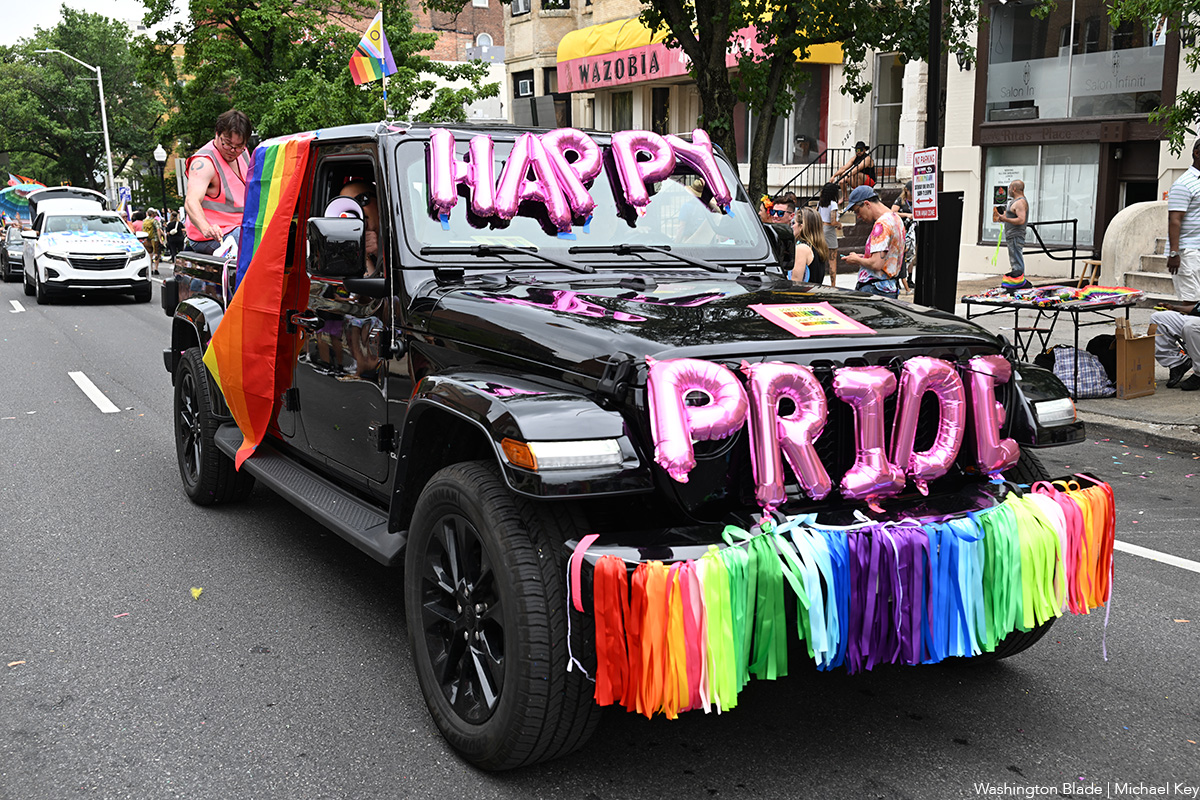
Baltimore Pride is underway, taking place from June 8-14.
The Pride Parade will be on Saturday, June 13 at 12 p.m. at Charles Street & North Avenue, followed by the Pride Block Party at 1 p.m. at Druid Hill Park. And then the Pride Festival will be held on Sunday, June 14 at 12 p.m. at Druid Hill Park.
There will be an array of additional events including: a fashion show, a “Suits and Sneakers” reception and a 5k race, among many other events.
For more details, visit Baltimore Pride’s website.

PHOTOS: The Audacity Brunch

D.C. Council approves expanded grant funding for Mayor’s Office of LGBTQ Affairs

Congressional Cemetery hosts Gays & Graves

Baltimore Pride is here

Calendar: June 12-18

Hundreds of thousands expected to attend D.C. Pride events

PHOTOS: Pride Run

Queen Jean is Tony’s first transgender winner

EXCLUSIVE: Pelosi reflects on four decades of LGBTQ advocacy