Arts & Entertainment
Triangles traction
Gay soccer group in midst of busy season
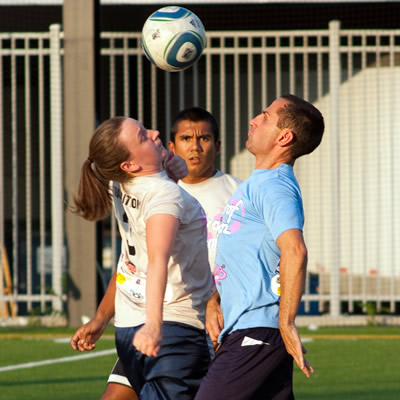
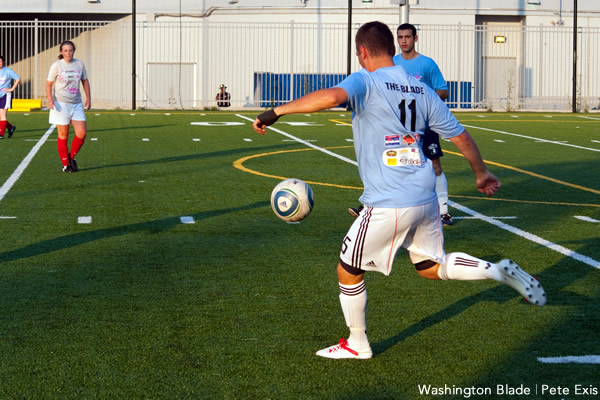
The Federal Triangles Soccer Club is one of several teams in the D.C. LGBT sports community. (Washington Blade file photo by Pete Exis)
One of the teams in the LGBT sports community of Washington that always seem to have a full lineup of playing opportunities are the Federal Triangles Soccer Club (federaltriangles.org).
It’s currently in the middle of another season of the Summer of Freedom League, the only LGBT soccer league in the D.C. area. The League brings together men and women players from their upper and lower division club leagues, pickup players, new players and their straight allies.
The League utilizes a nine-on-nine coed format with a minimum of three women on the field at all times. The majority of the games are played on a turf field at the Columbia Heights Educational Campus on Tuesday nights.
One of the mainstays of the Triangles is its weekly pickup games which are now being run on Sunday mornings from 9-11 a.m. near the MLK Memorial in West Potomac Park. Recently, the players gathered on a Saturday morning to patch holes in the field with dirt provided by the National Park Service.
This year, the Triangles are also providing Friday Night Lights Pickup games once per month (usually the last Friday) during the warmer months. The games are played at Bundy Field at 429 O Street and the event is free for members and $5 for non-members.
Another pillar of the Triangles schedule is the FTSC Academy which was launched in 2006 and serves as the educational arm that serves to help players improve their soccer skills.
“We have been offering three clinics per year,” says Jim Ensor, club trainer. “This fall the clinic will also serve as a tune-up for the women’s fall season. Following that is the clinic which coincides with our Turkey Bowl.”
The Turkey Bowl is the Triangles’ annual Thanksgiving party and is a one-day coed soccer tournament on the Saturday before Thanksgiving. It’s a casual day of soccer and players of all skill levels are welcome.
The Triangles also host two competitive tournaments: the Women’s Winter Wrap-Up Indoor Cup and the Rehoboth Beach Classic. The Women’s Wrap Up is held annually in March and registration has just opened for the Rehoboth Beach Classic, which is coed and will be held from Aug. 30-Sept. 1.
Registration for the Rehoboth event is individual and players are selected into squads of six or seven players that stay together throughout the tournament and are paired with different squads to form a complete 12-14 person team for each game. The format is 11 versus 11 on grass fields and the rotating squad format enables the players to spend time on the field with the entire roster of players before the end of the tournament.
“Next year we will be sending teams to the Gay Games in Cleveland and we are always looking to welcome new players,” Ensor says. “Our lineup of activities allows us to come in contact with a diverse base of players.”
Coming up after the Rehoboth Tournament, the Triangles will be co-hosting the United Night Out on Sept. 15 as the D.C. United take on the L.A. Galaxy at RFK Stadium. The annual event is a great opportunity for the LGBT community to experience a professional soccer match in a safe and welcoming environment.



Online Culture
Clavicular charged in alleged rape of teenage influencer
Online personality’s real name is Braden Peters
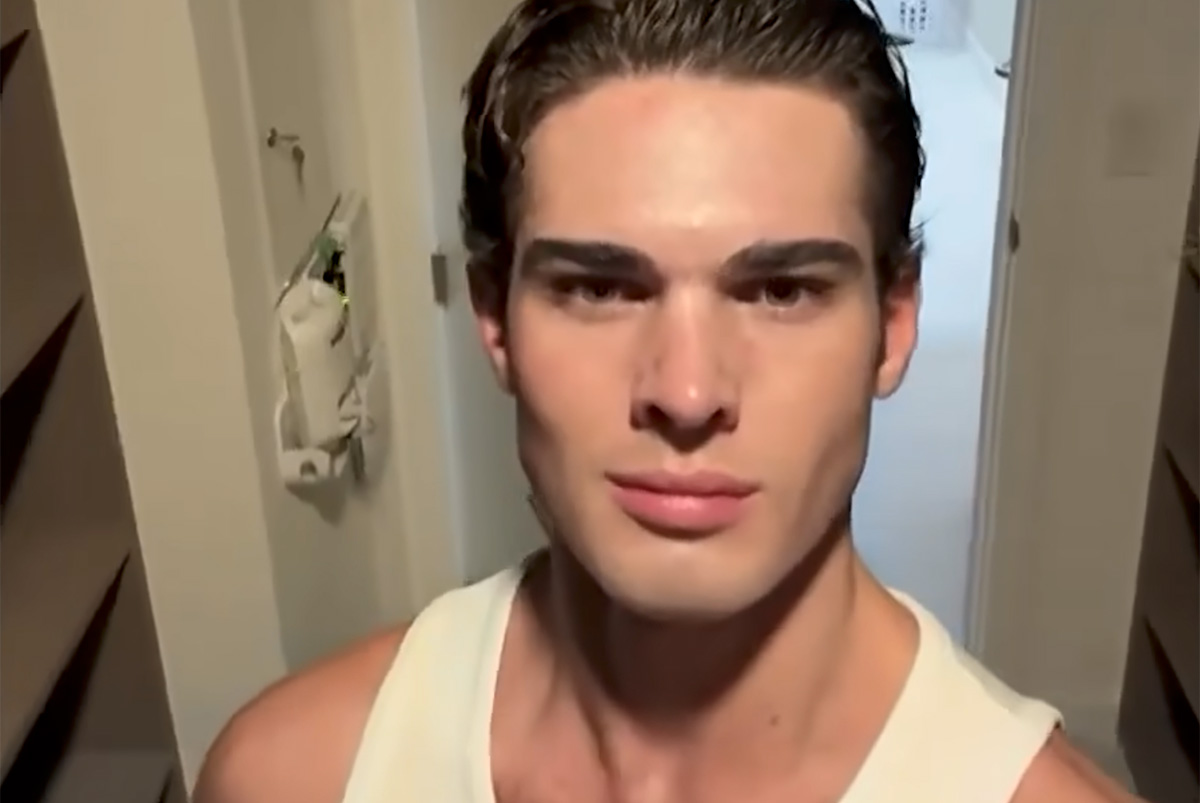
Online personality Clavicular, whose real name is Braden Peters, has been accused of rape.
According to NBC, Aleksandra Vasilevna Mendoza, an 18-year-old influencer known online as Alorah or Alorah Ziva, accused Peters of sexual assault, and the case is making its way through the court system.
The alleged incident occurred on May 23, 2025, when Mendoza was 17.
According to a criminal complaint from the Chatham (Mass.) Police Department, Peters called her an Uber to his family’s home. Once there, he allegedly got her drunk on vodka while they livestreamed on Twitch and then raped her. His mother and grandmother were allegedly in the house.
The documents allege Clavicular committed rape, drugging a person for sexual intercourse, and procuring and providing liquor to a person under 21.
According to court documents acquired by NPR, Mendoza began communicating with Peters on Instagram, where he paid her to appear on his livestreams to help her “make her name known on social media.”
According to those documents, Peters arranged for the minor to come to Cape Cod home to participate in a videostream for his 437,000 followers on Kick, 1.2 million followers on TikTok, and more than 1 million followers on Instagram.
At his home, Peters allegedly instructed Mendoza to say she was 18 on his videostream and to claim the alcohol on camera was water instead of vodka. Mendoza said she felt peer-pressured to drink the spirit and that she became noticeably intoxicated after a couple of drinks.
The allegations go on to state that after stopping the stream, Peters and Mendoza kissed on a couch and then had sex in his bed without her consent. Mendoza said she did not receive a sexual assault forensic exam after the incident. NPR does not name alleged victims of sexual assault.
The charges come months after Mendoza sued Peters in Miami, accusing him of sexual battery in connection with the events of May 2025. The civil lawsuit also separately alleges that he injected her face with a non-FDA-approved fat-dissolving substance during a November livestream in Florida.
Peters is known for his “looksmaxxing” concept of vanity, which is at the core of his online presence. The “looksmaxxing” culture he has helped cultivate combines elements of incel culture and heterosexuality, with the stated goal of attracting the opposite sex. He has gone as far as to say he has undergone “bonesmashing,” or hitting his own face with a hammer; taken anabolic steroids to more rapidly grow muscle; and used crystal meth as an appetite suppressant.
At the same time, looksmaxxing has been described as having elements of homoeroticism, with “looksmaxxers” appearing more concerned with impressing other men than women. Peters has multiple times pointed to openly gay actor Matt Bomer as the gold standard for male facial aesthetics.
Peters’s arraignment is scheduled for Oct. 14.
Photos
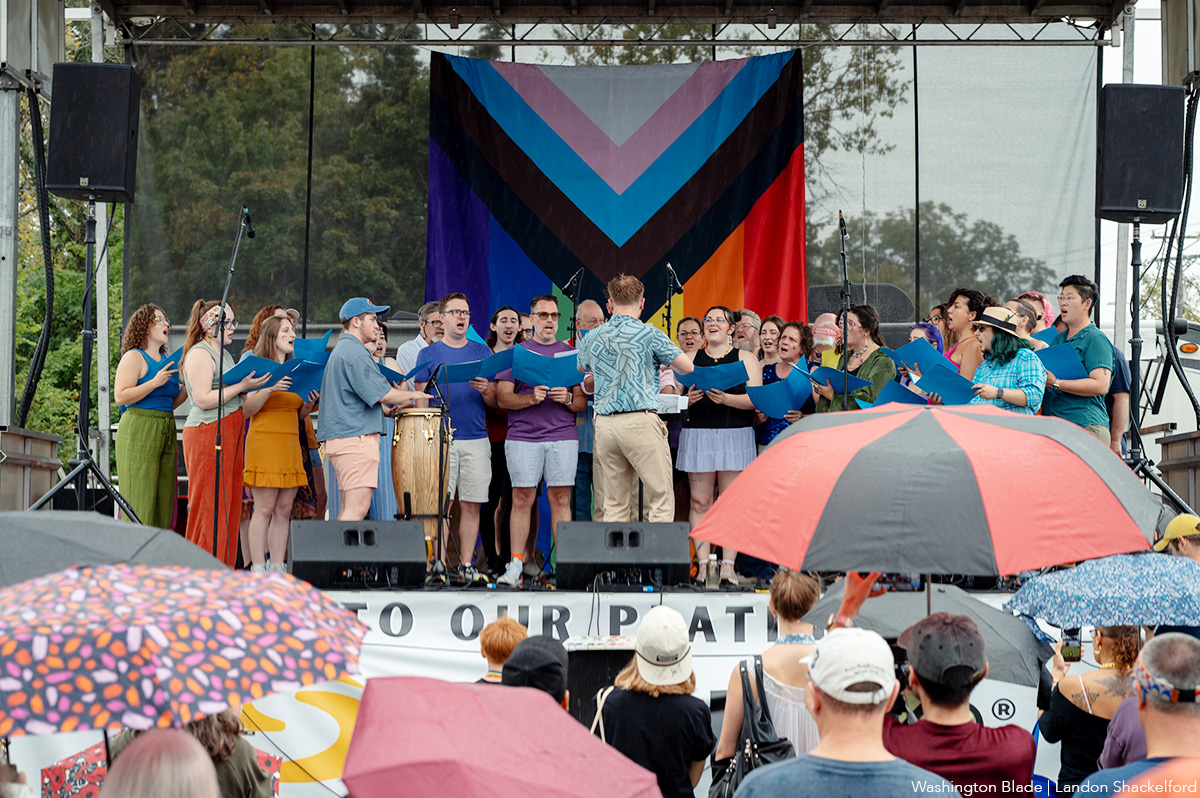
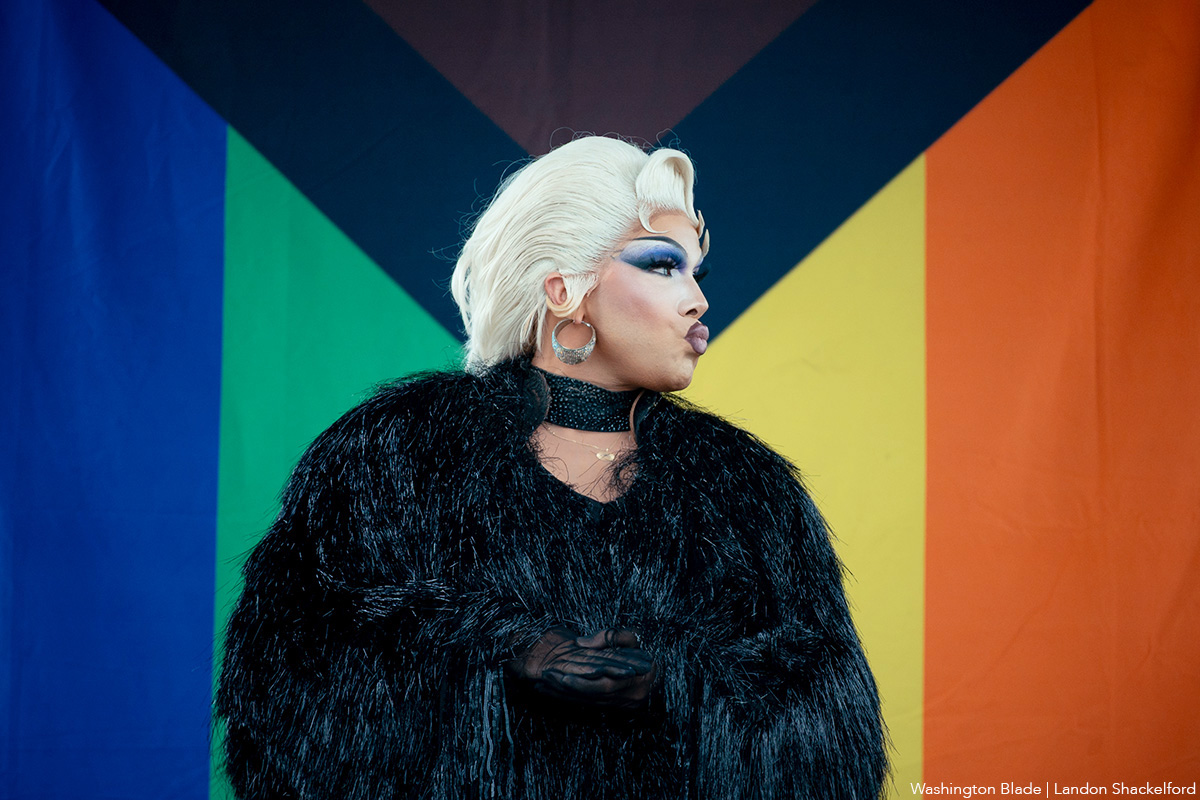
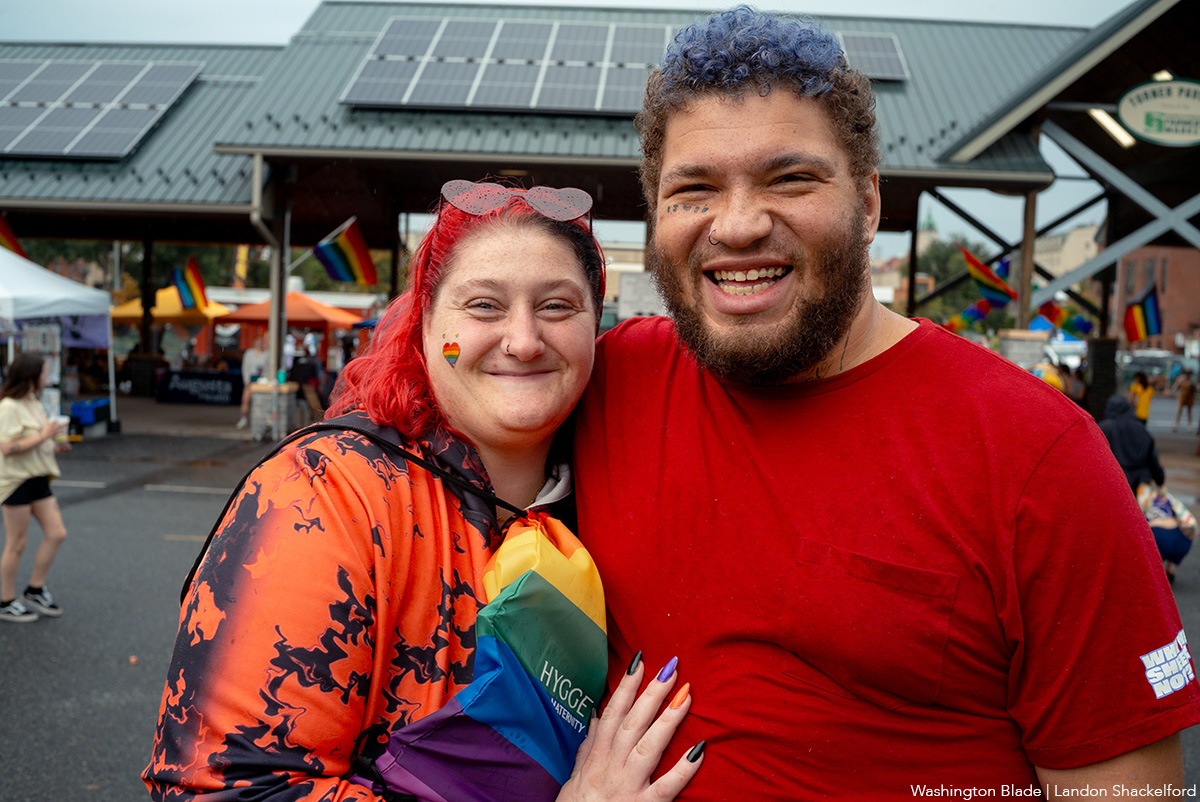
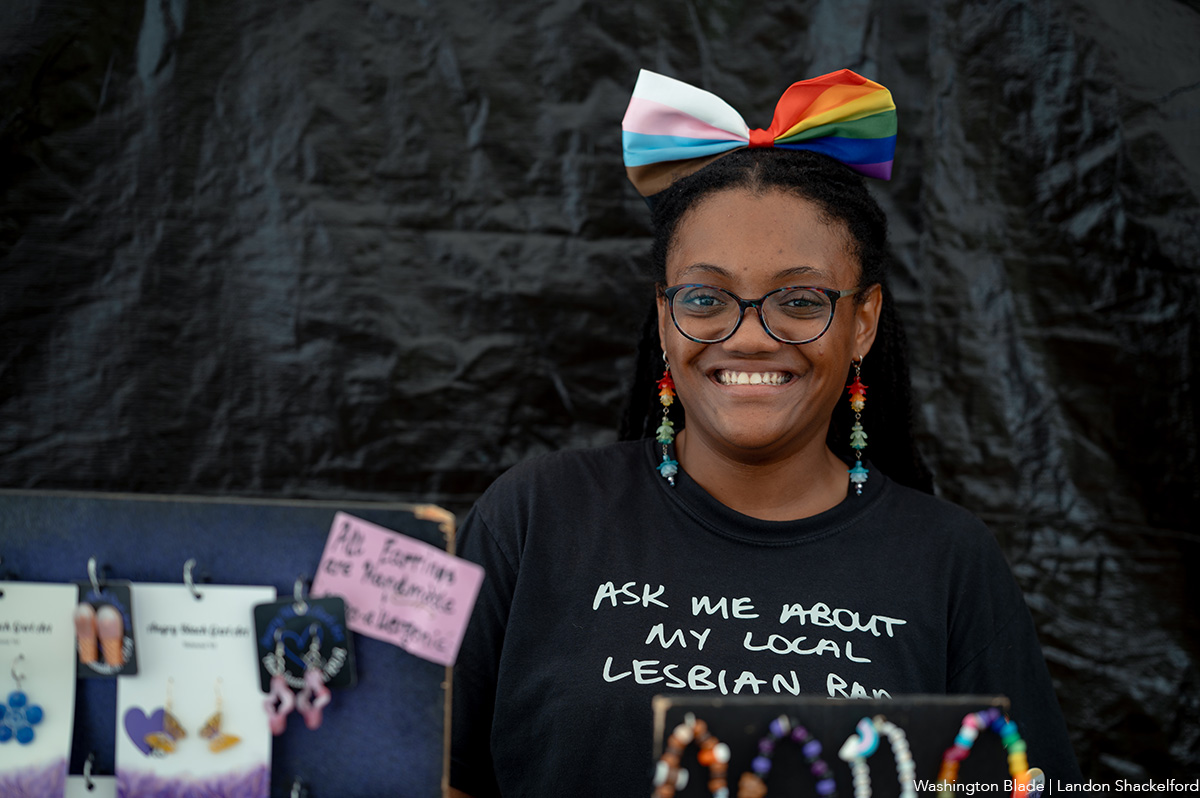
PHOTOS: Shenandoah Valley Pride
LGBTQ celebration held at Turner Pavilion in Harrisonburg, Va.
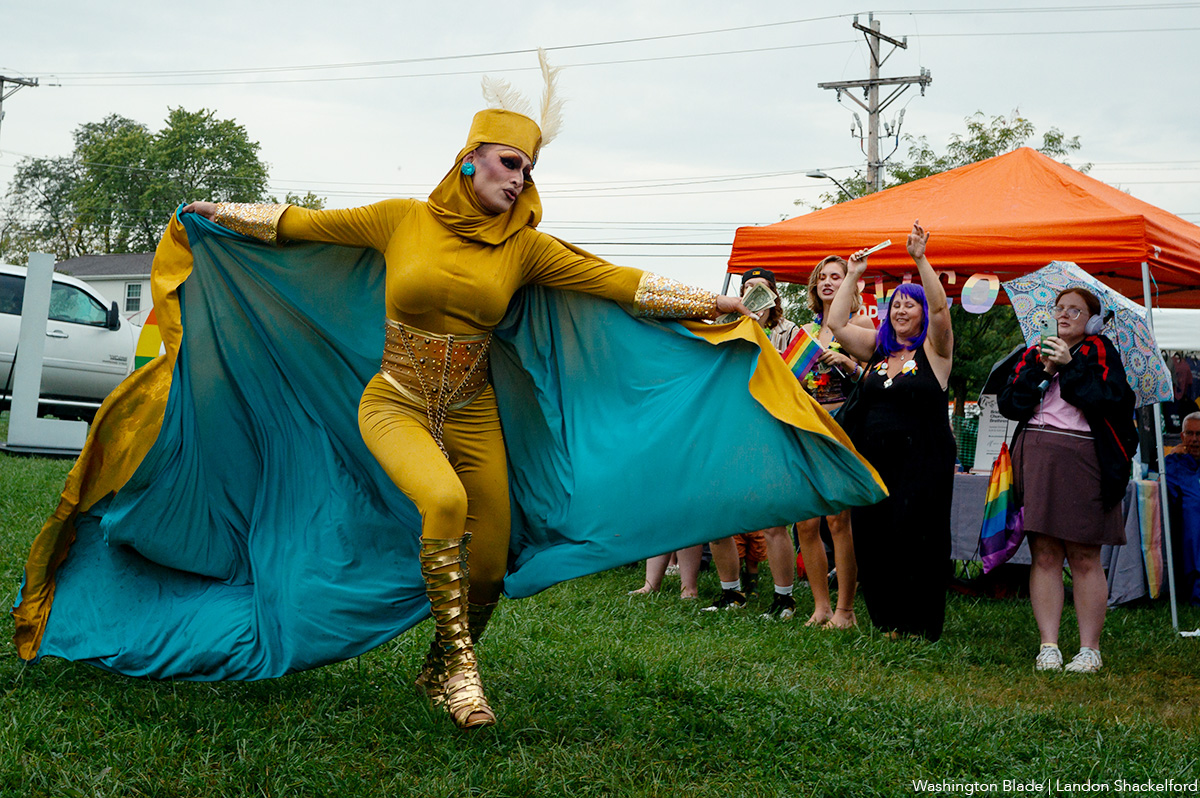
The 2026 Shenandoah Valley Pride Festival was held at Turner Pavilion in Harrisonburg, Va. on Sunday, Sept. 20.
(Washington Blade photos by Landon Shackelford)
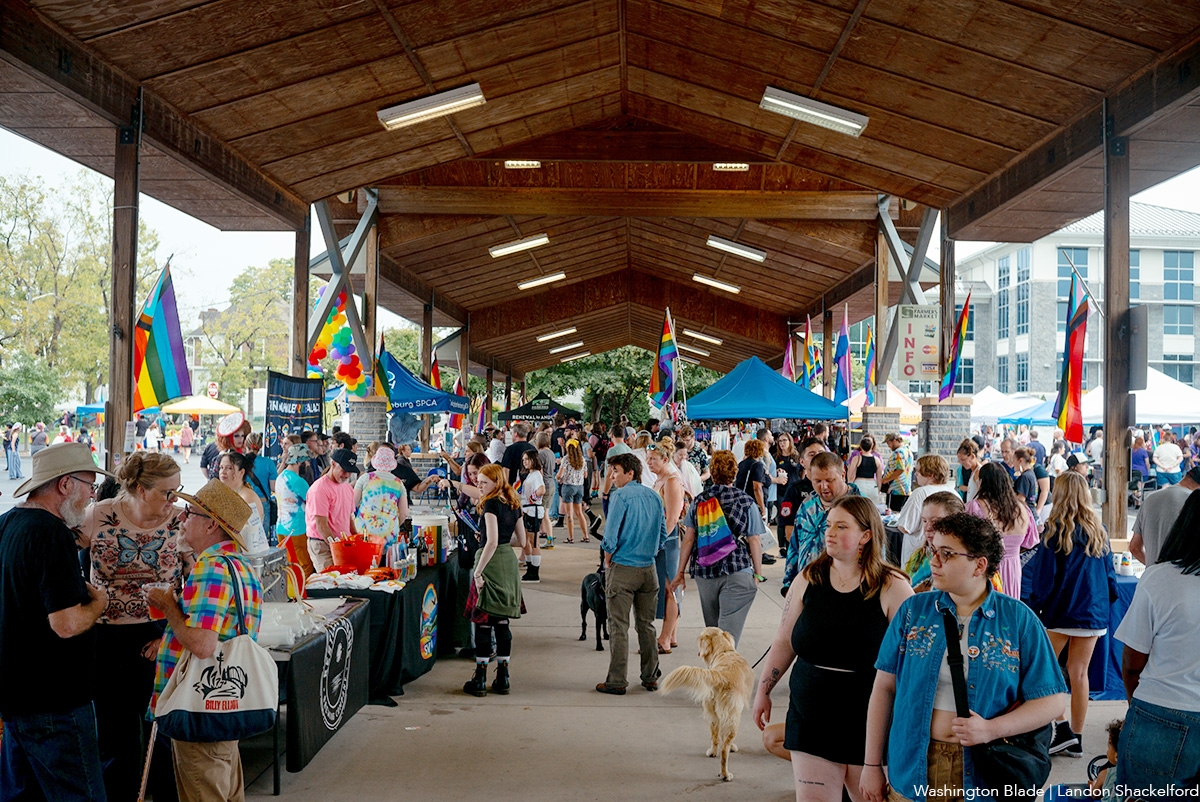
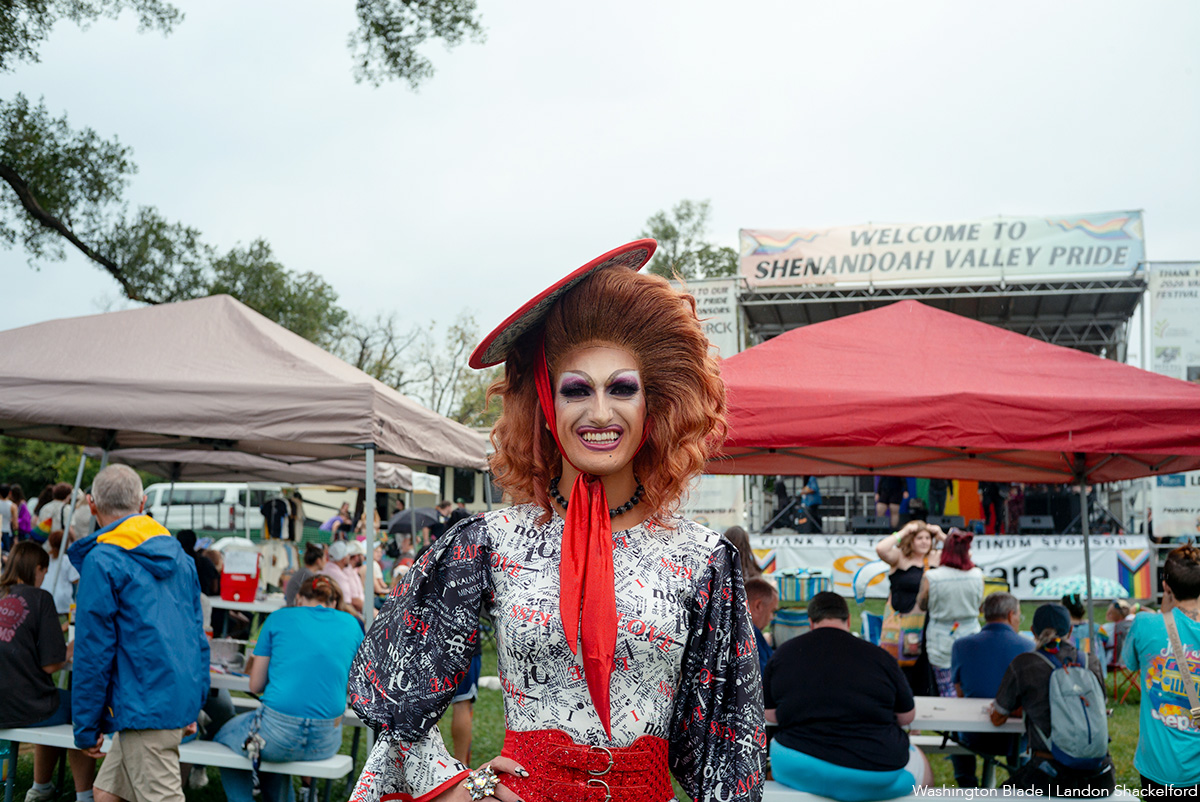
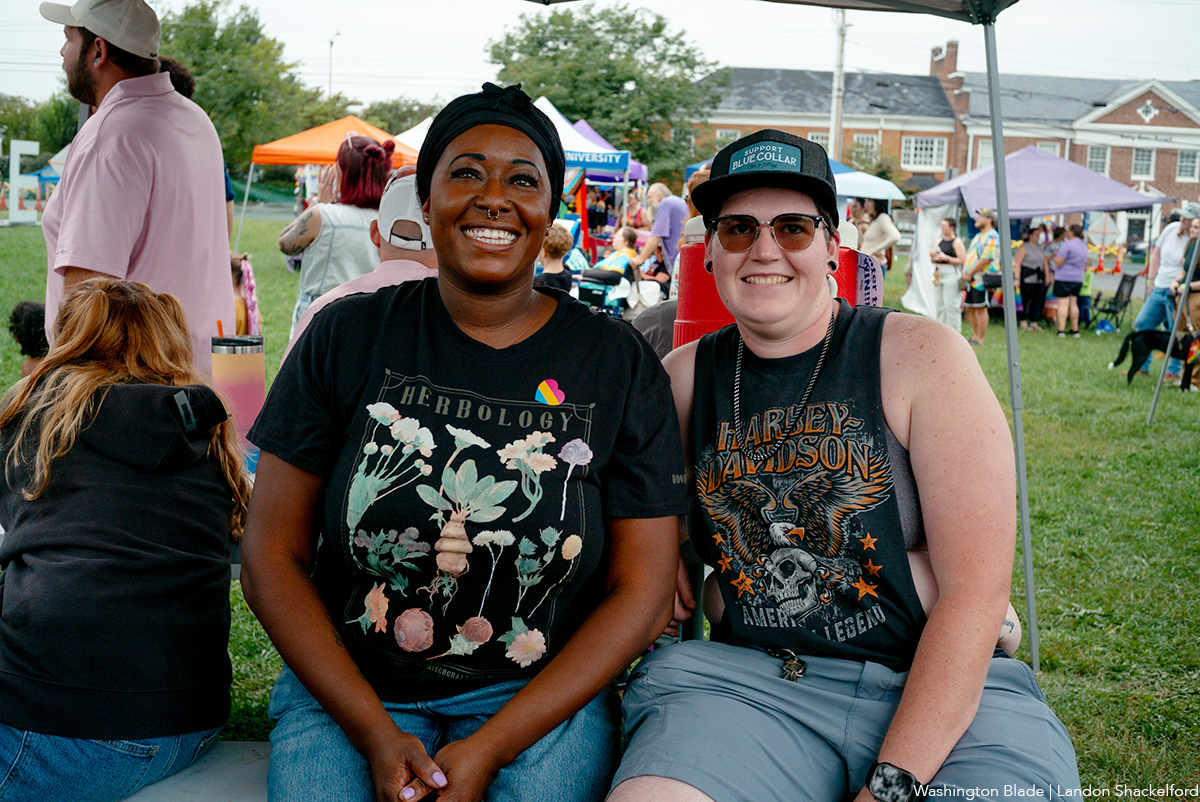
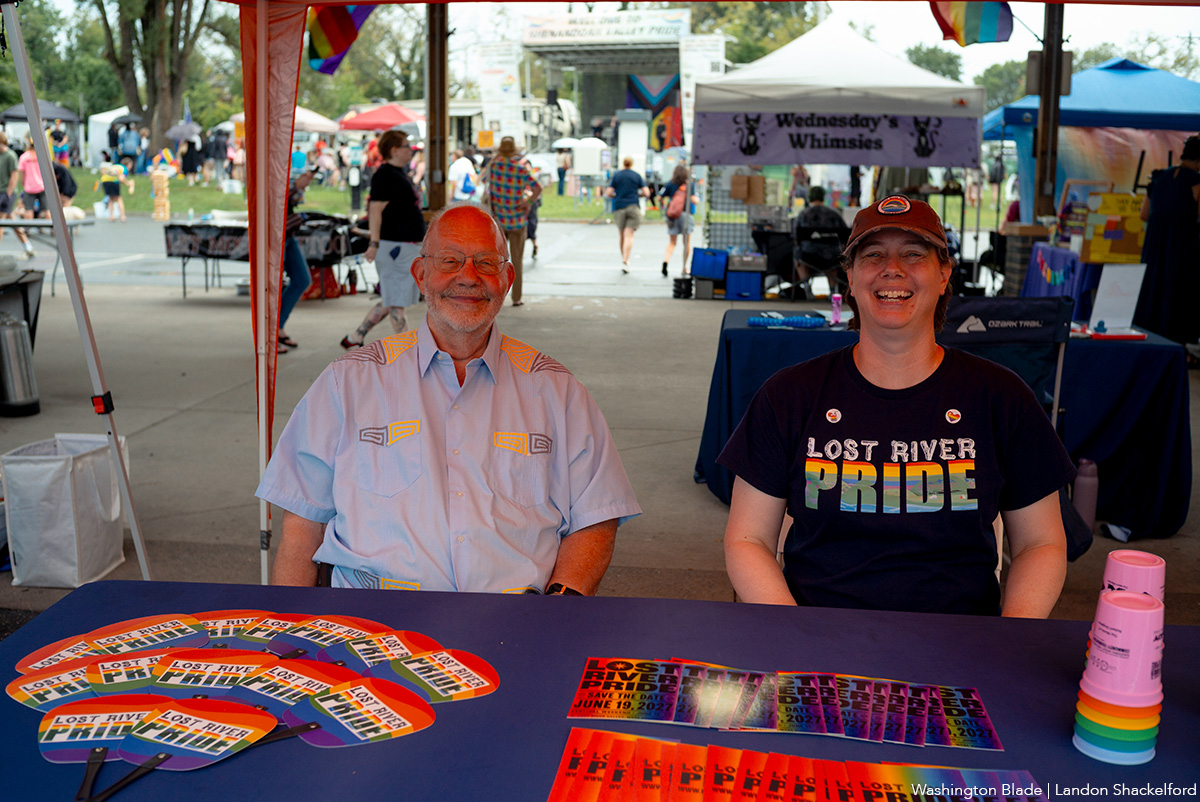
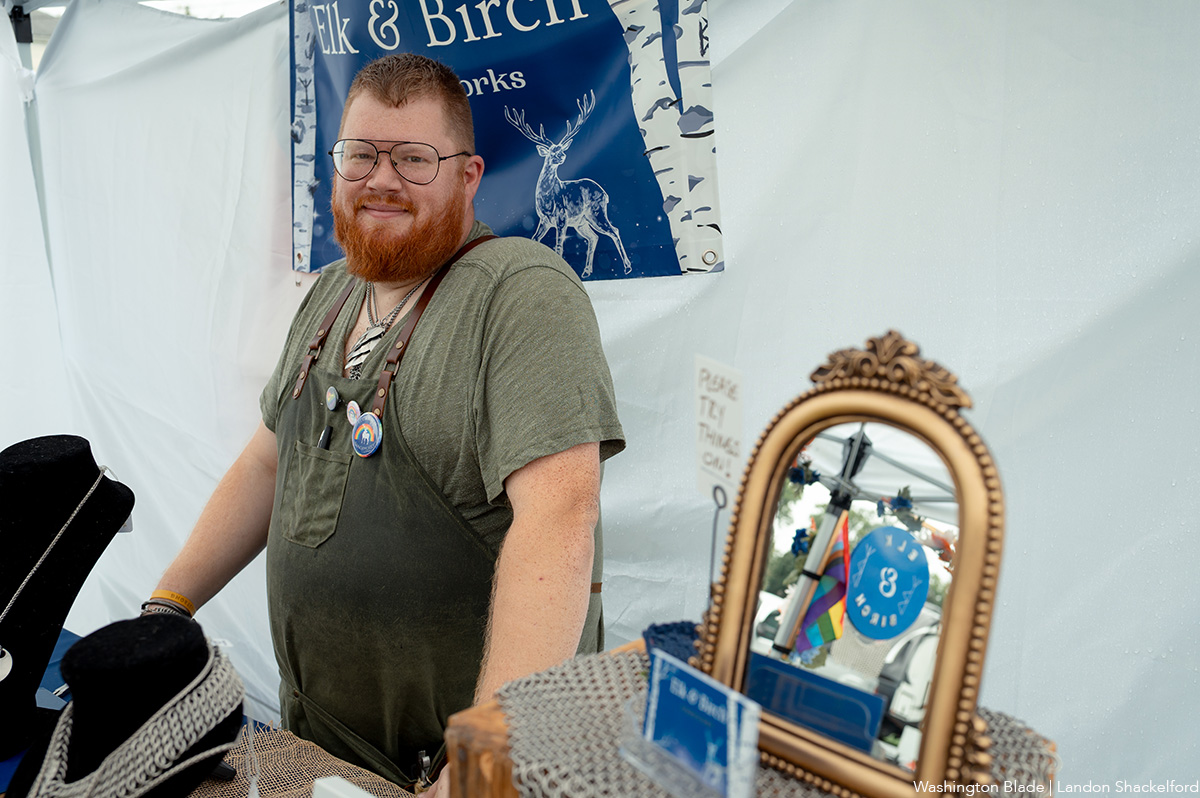
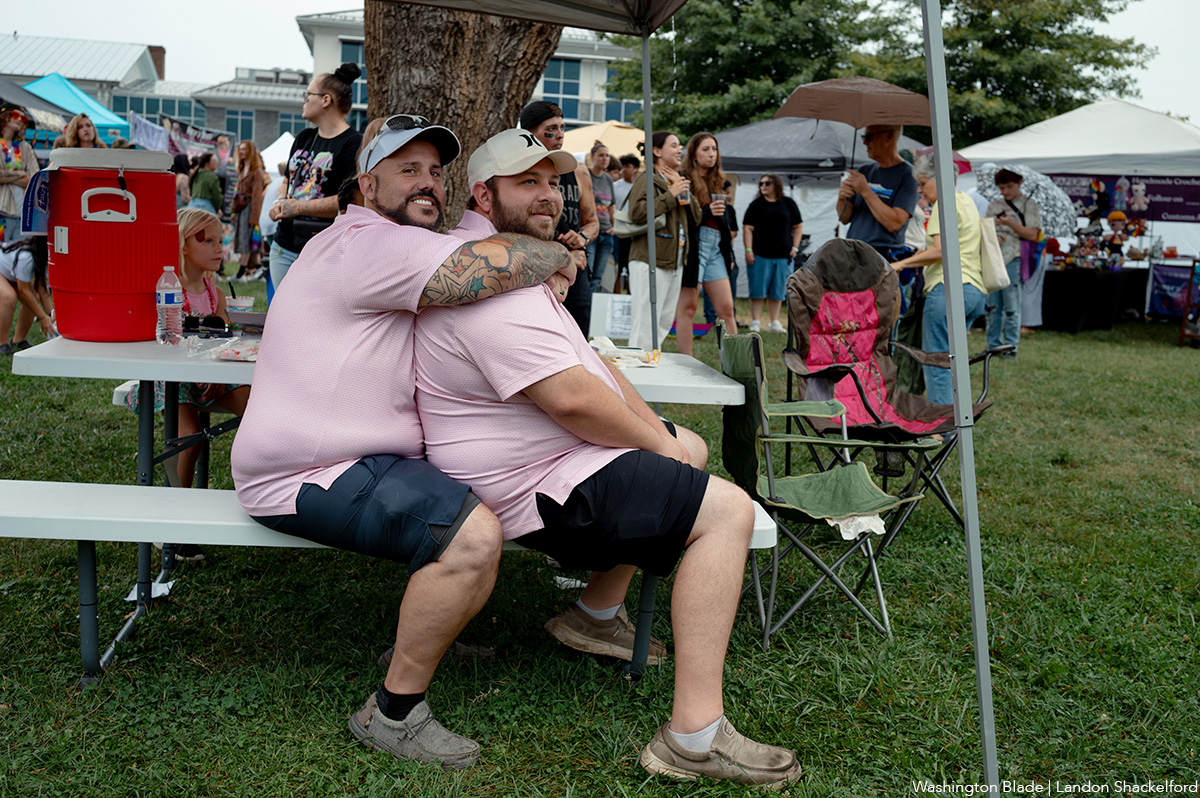
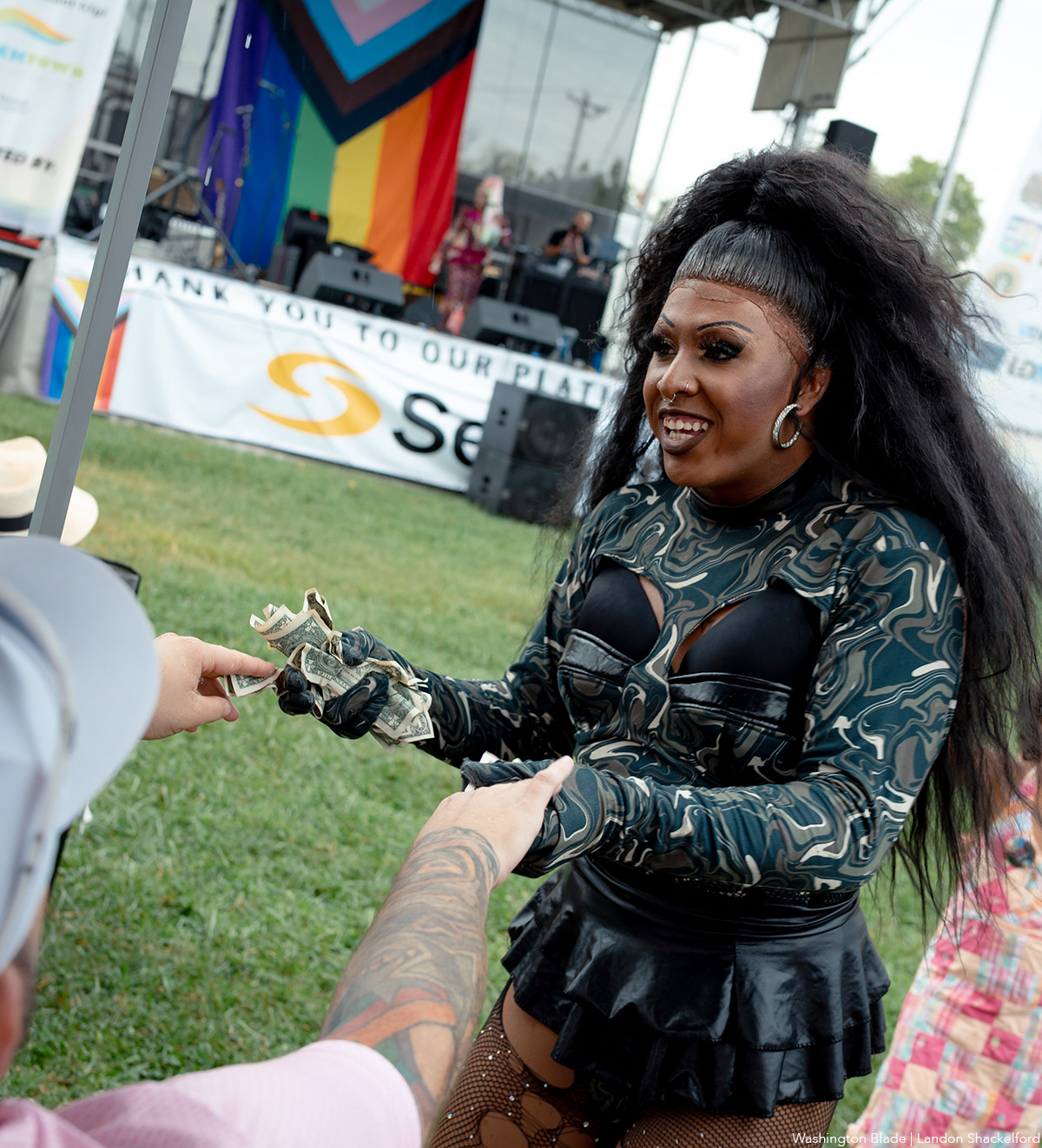
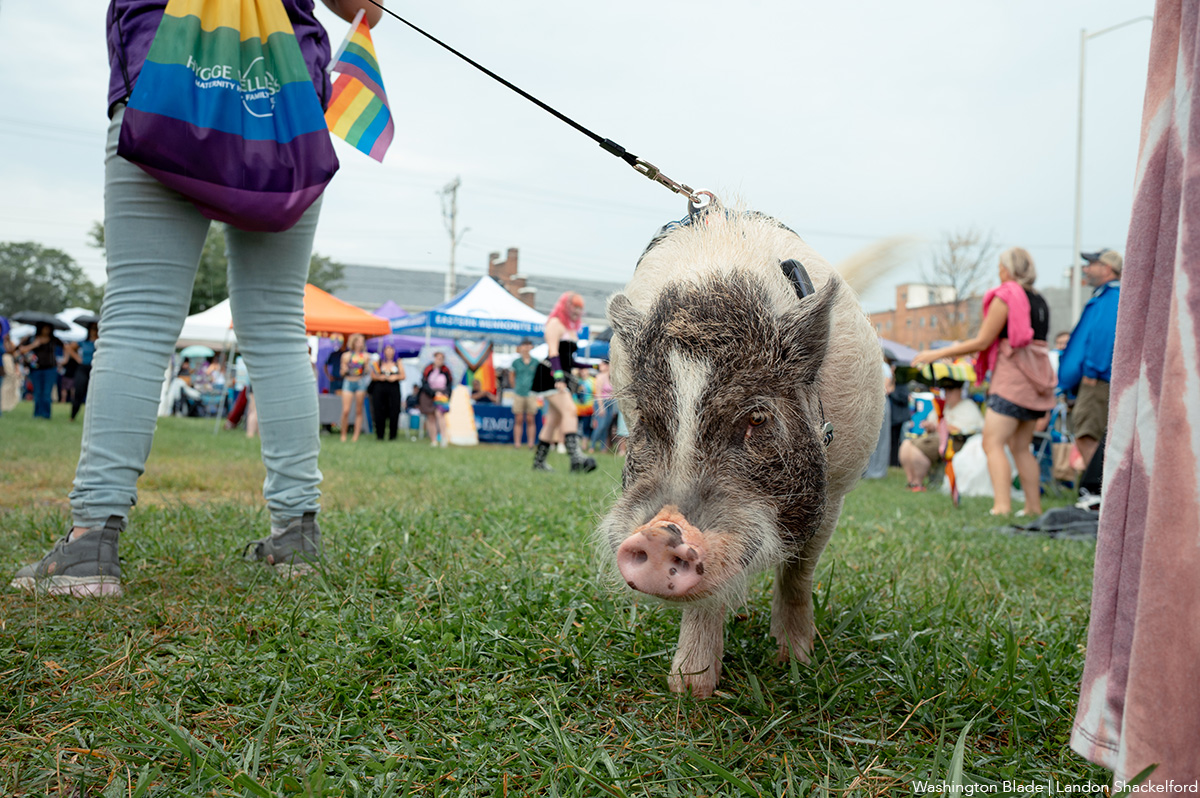
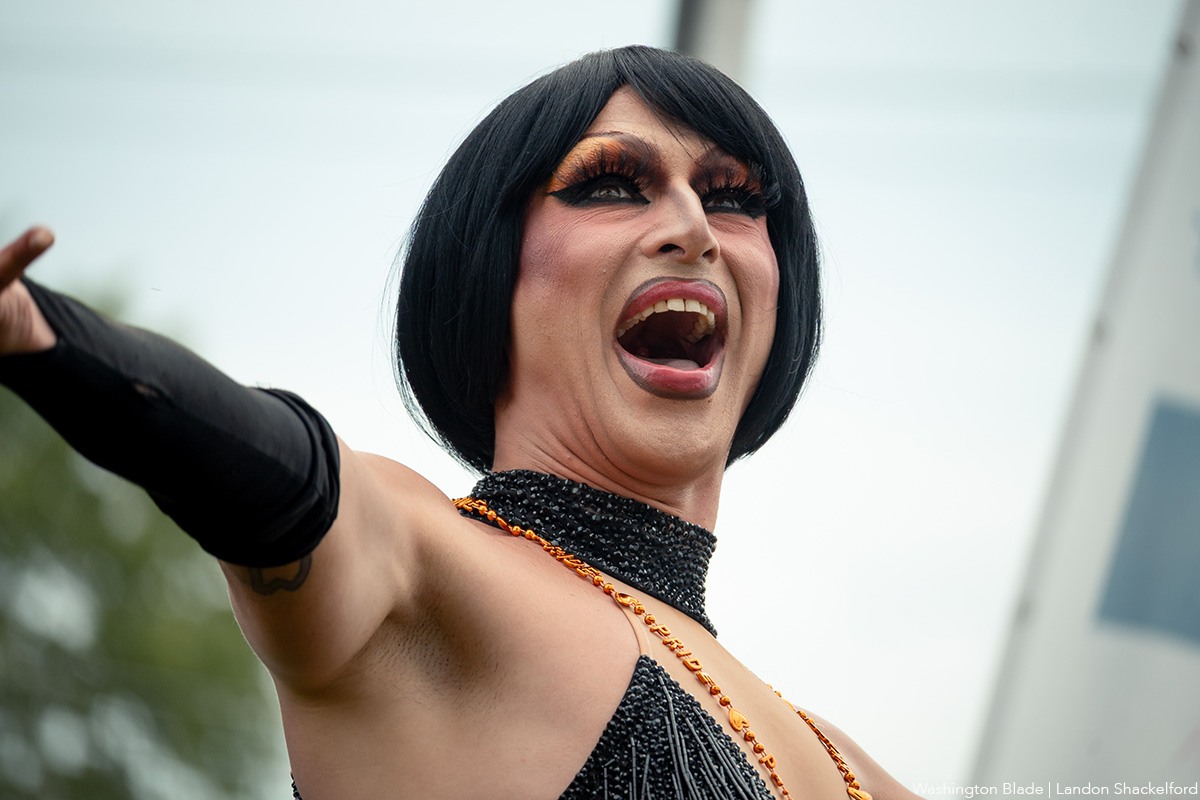
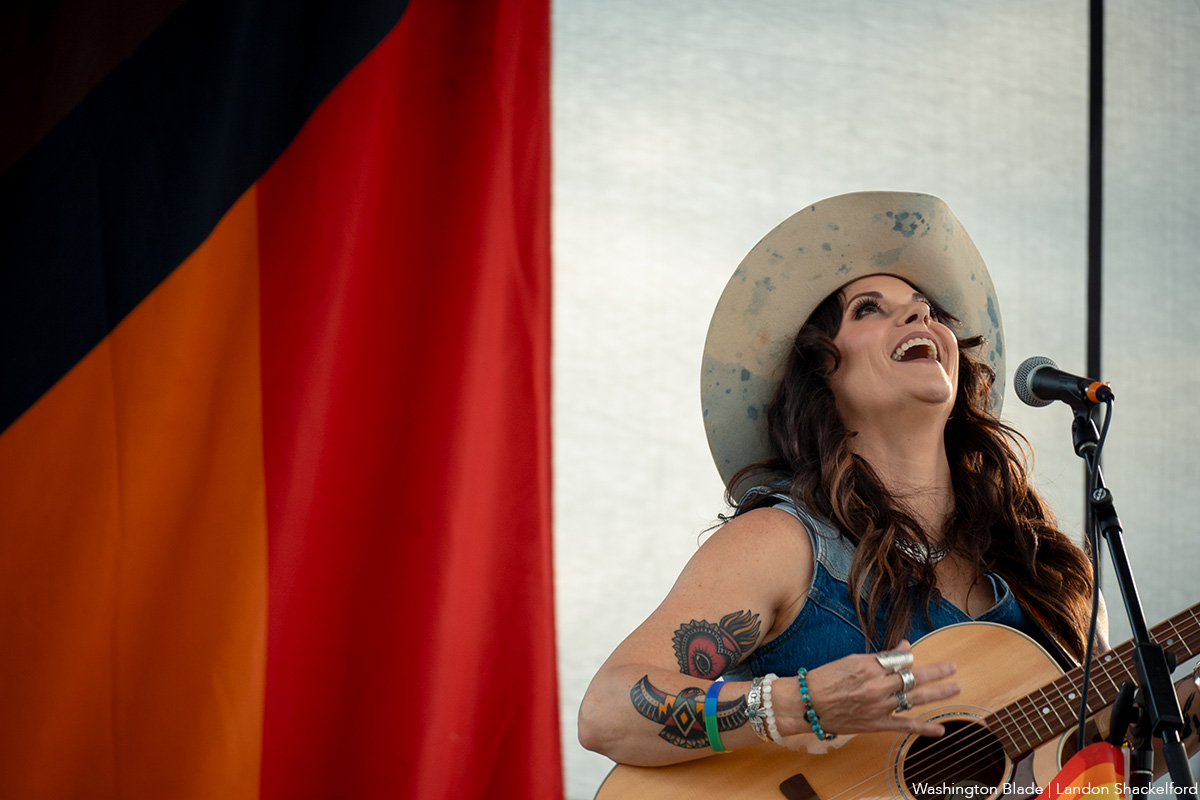
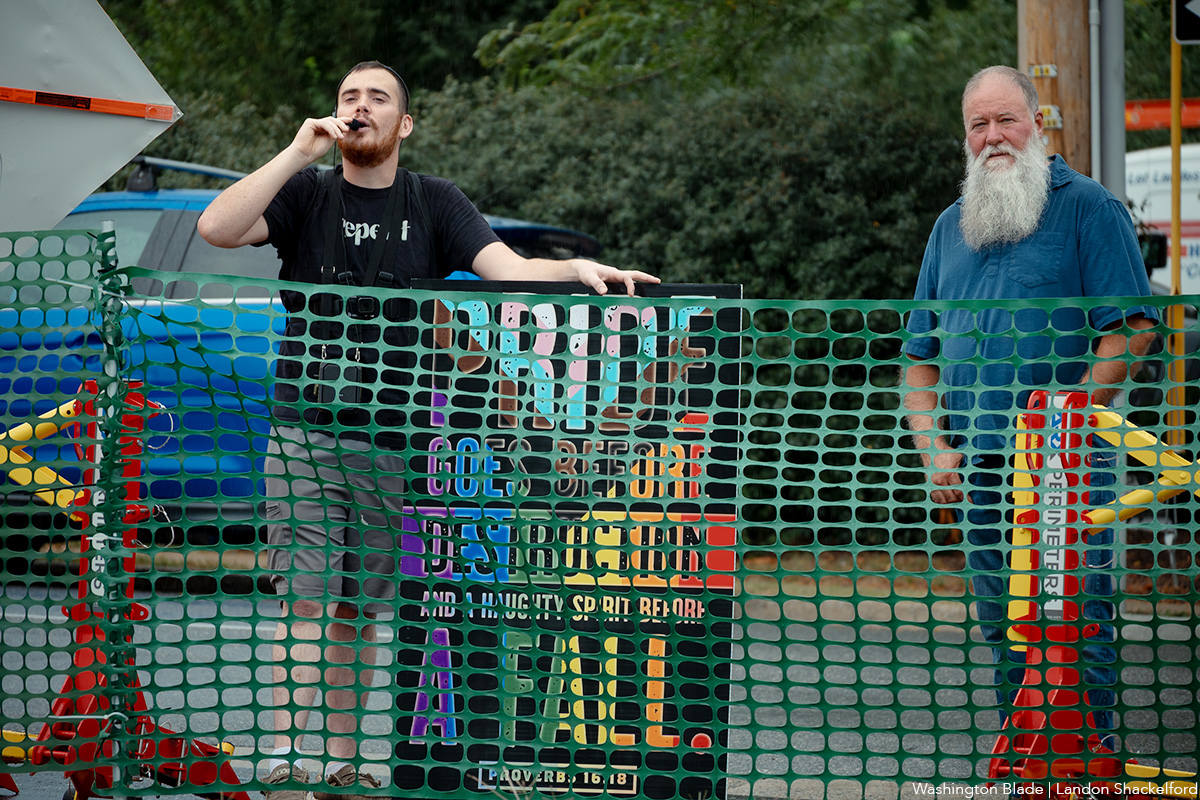
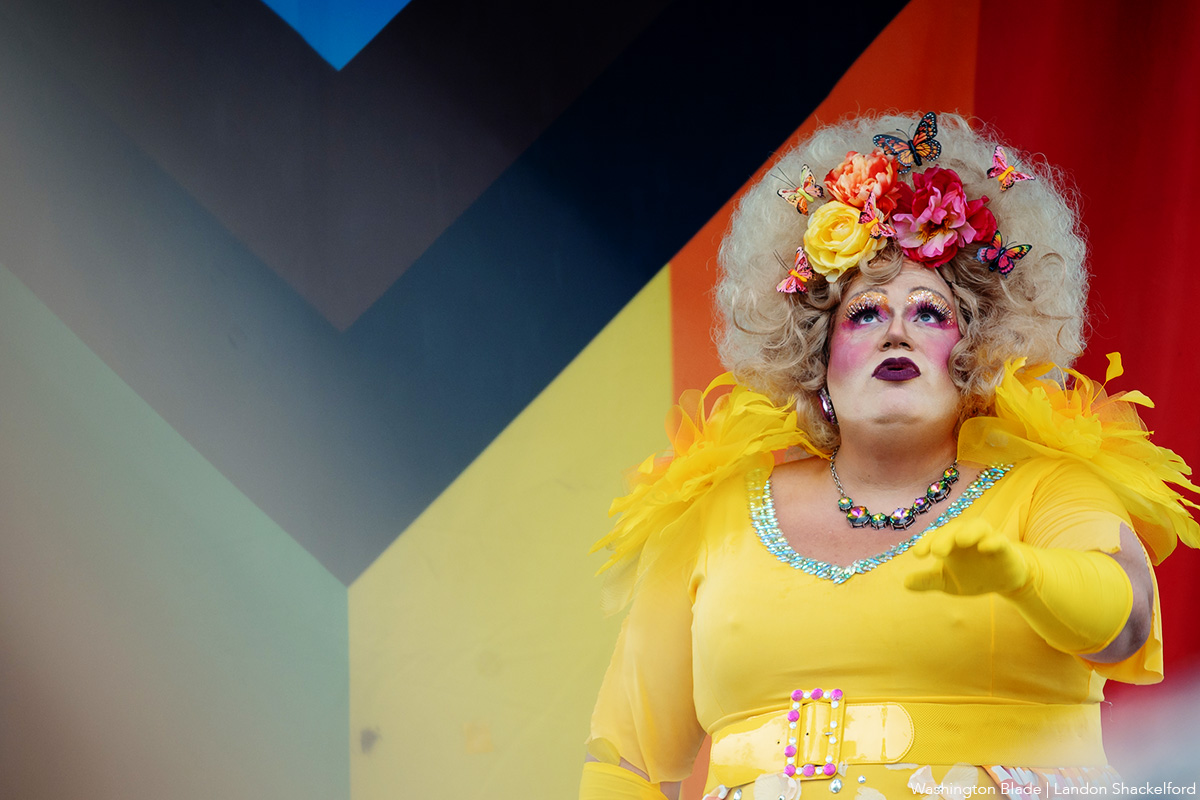
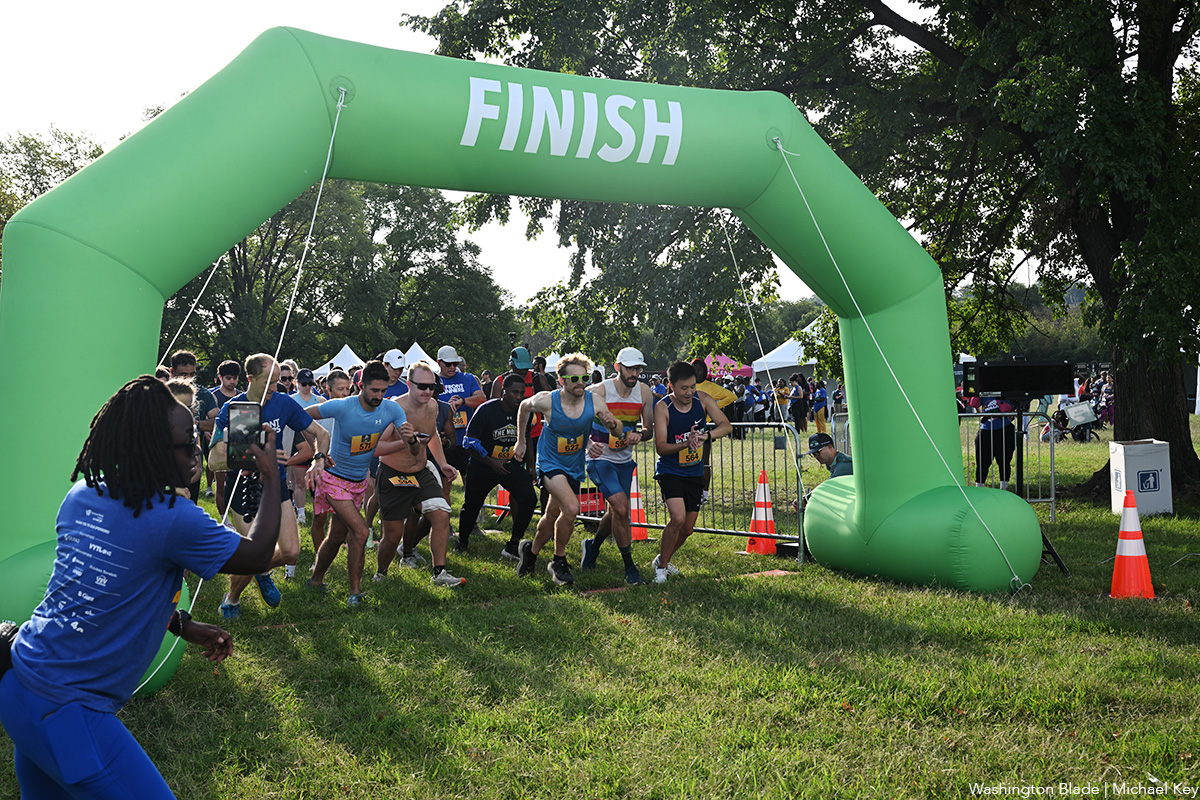
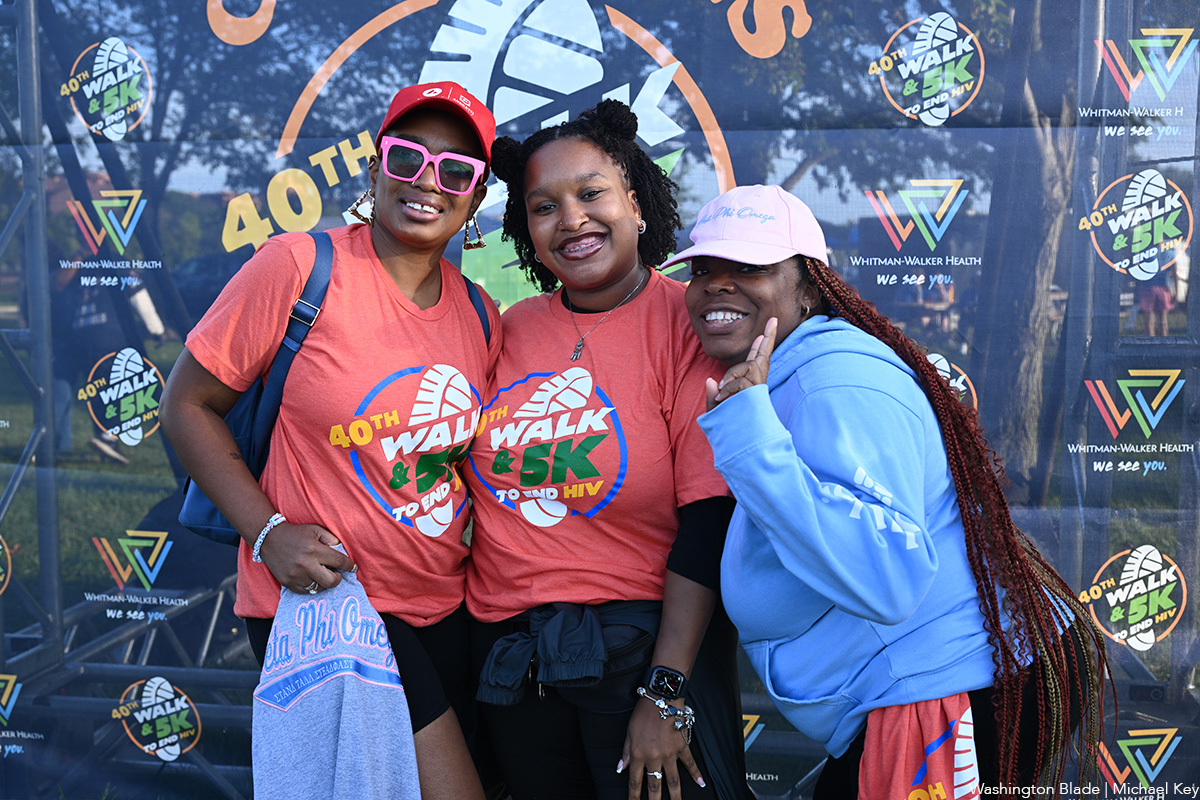
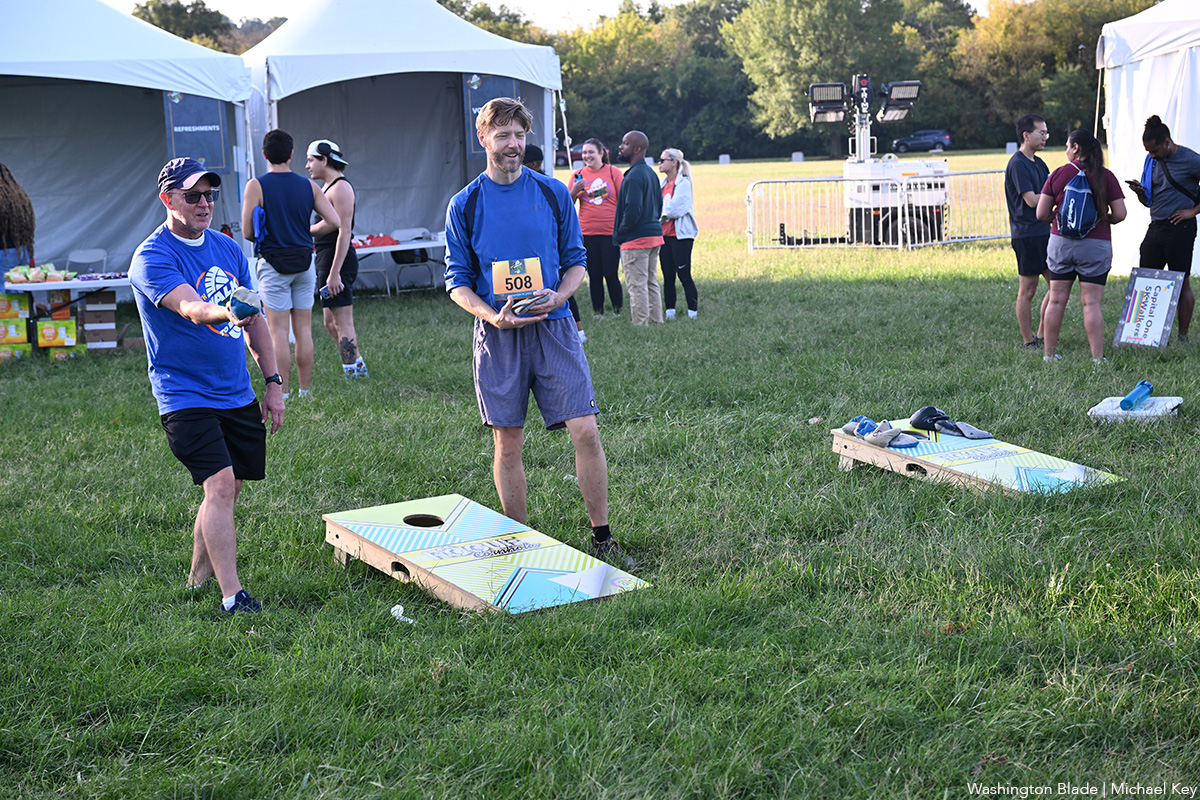
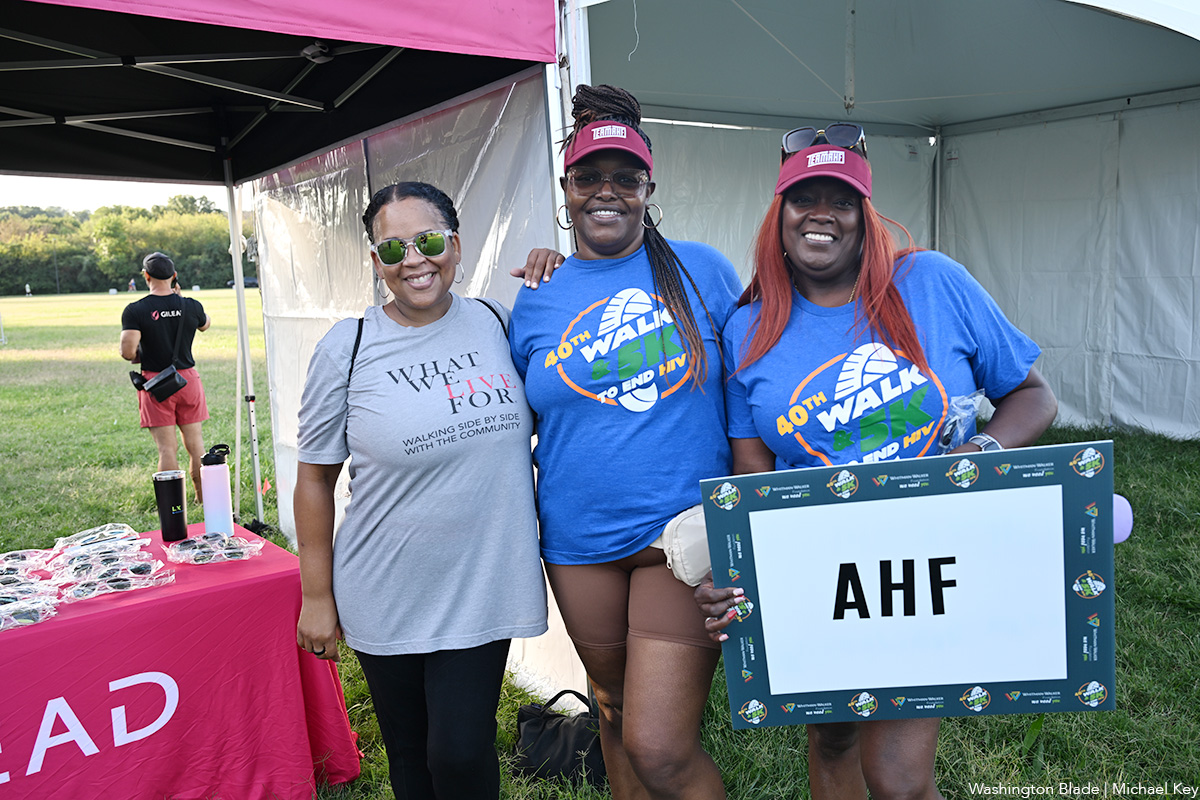
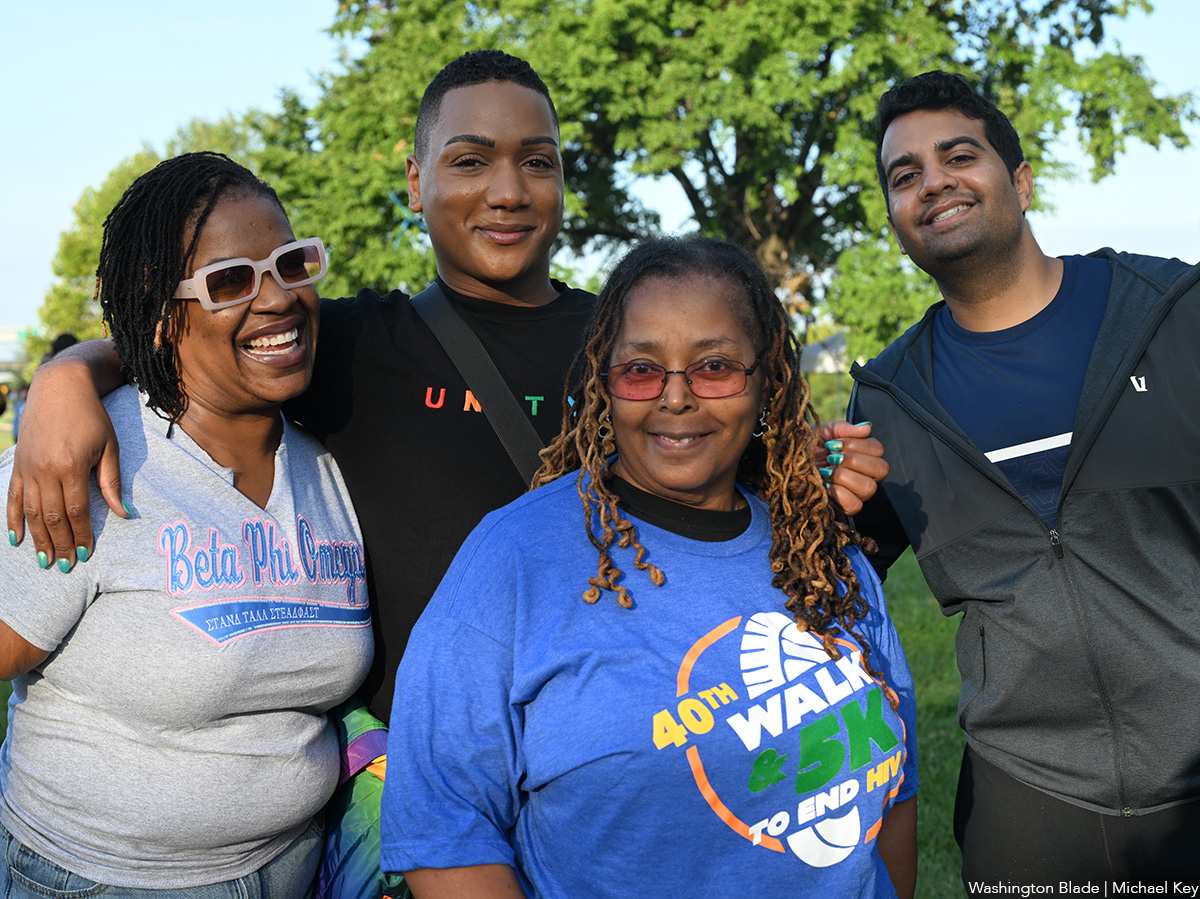
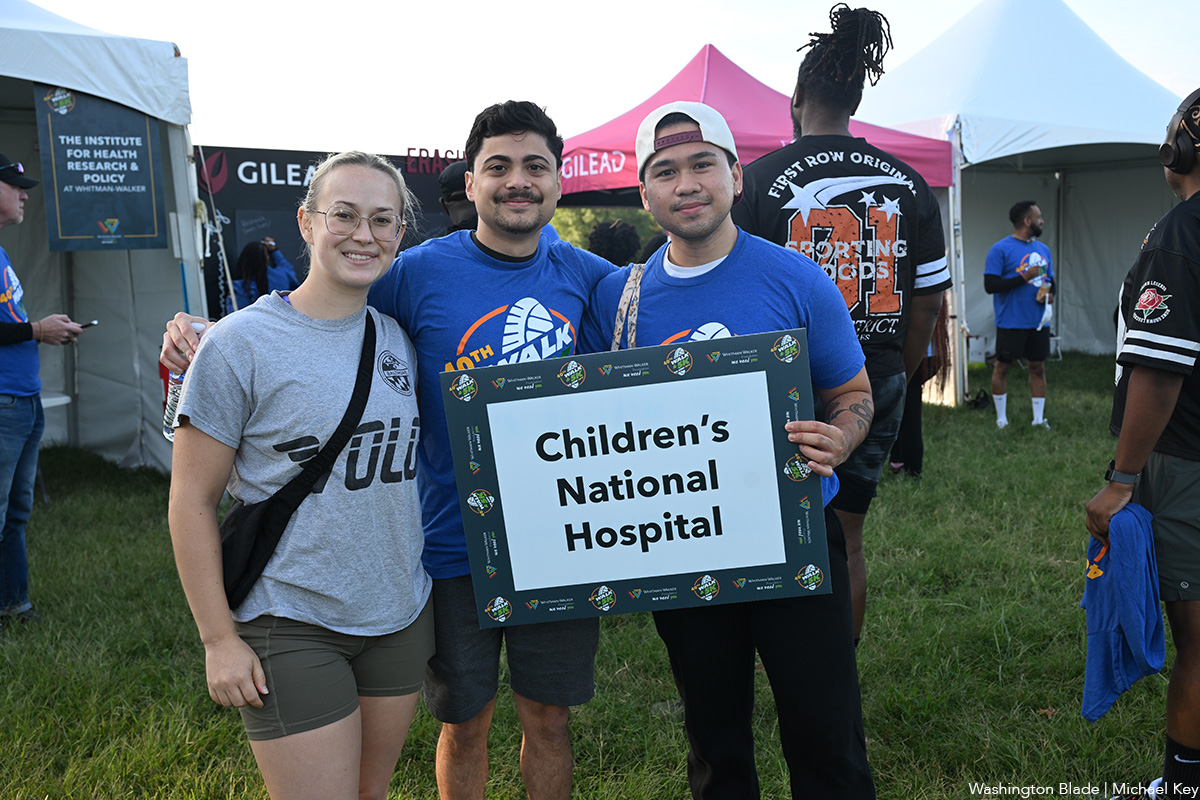
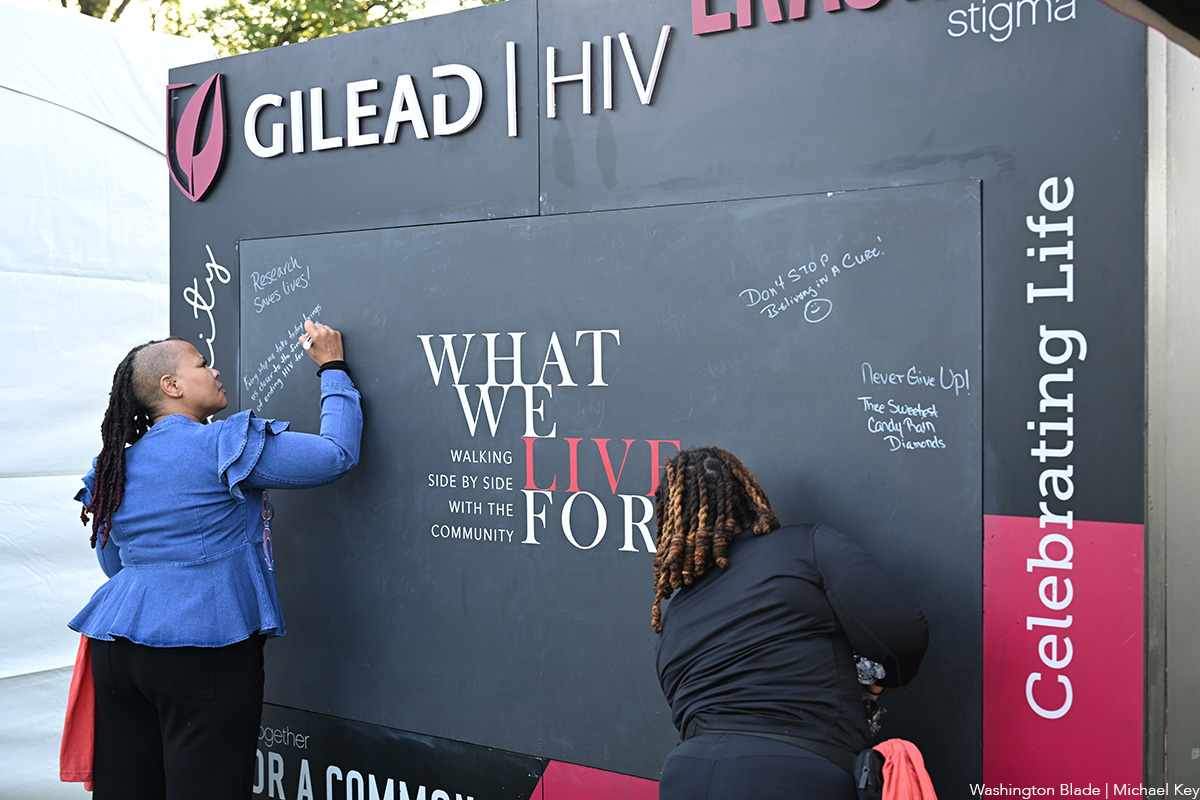
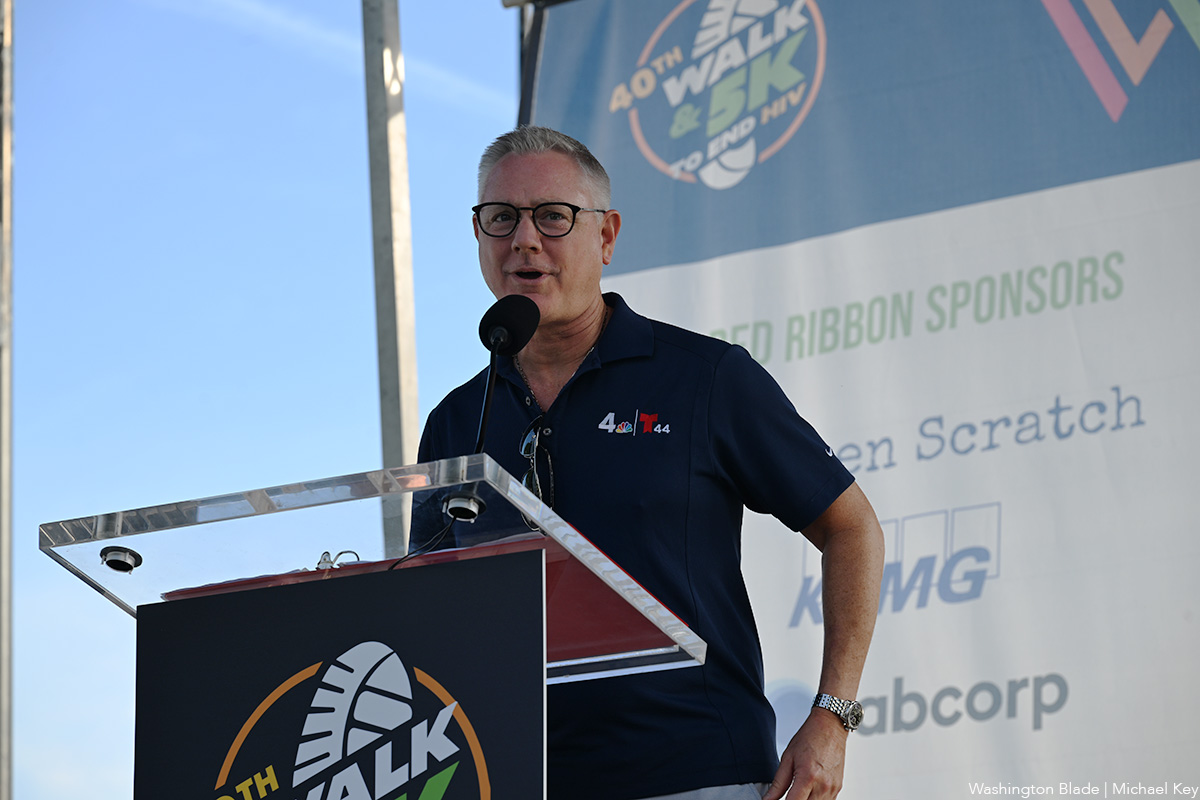
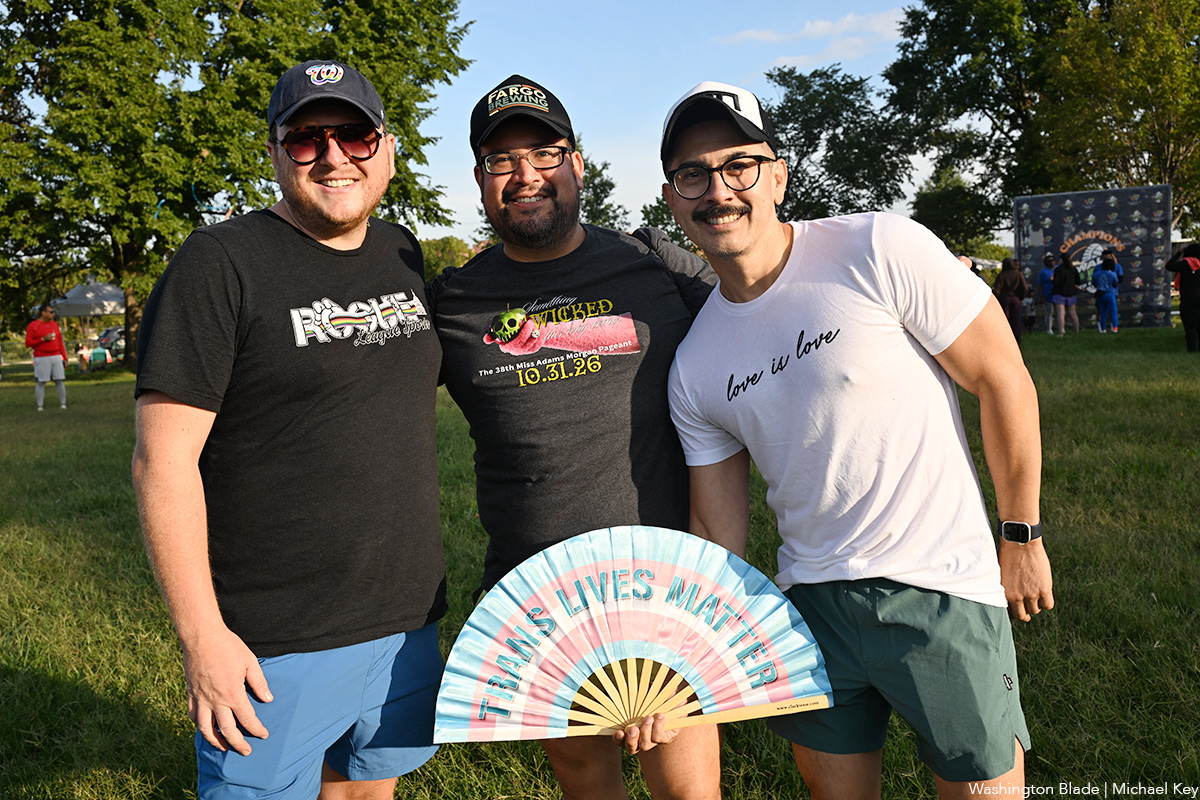
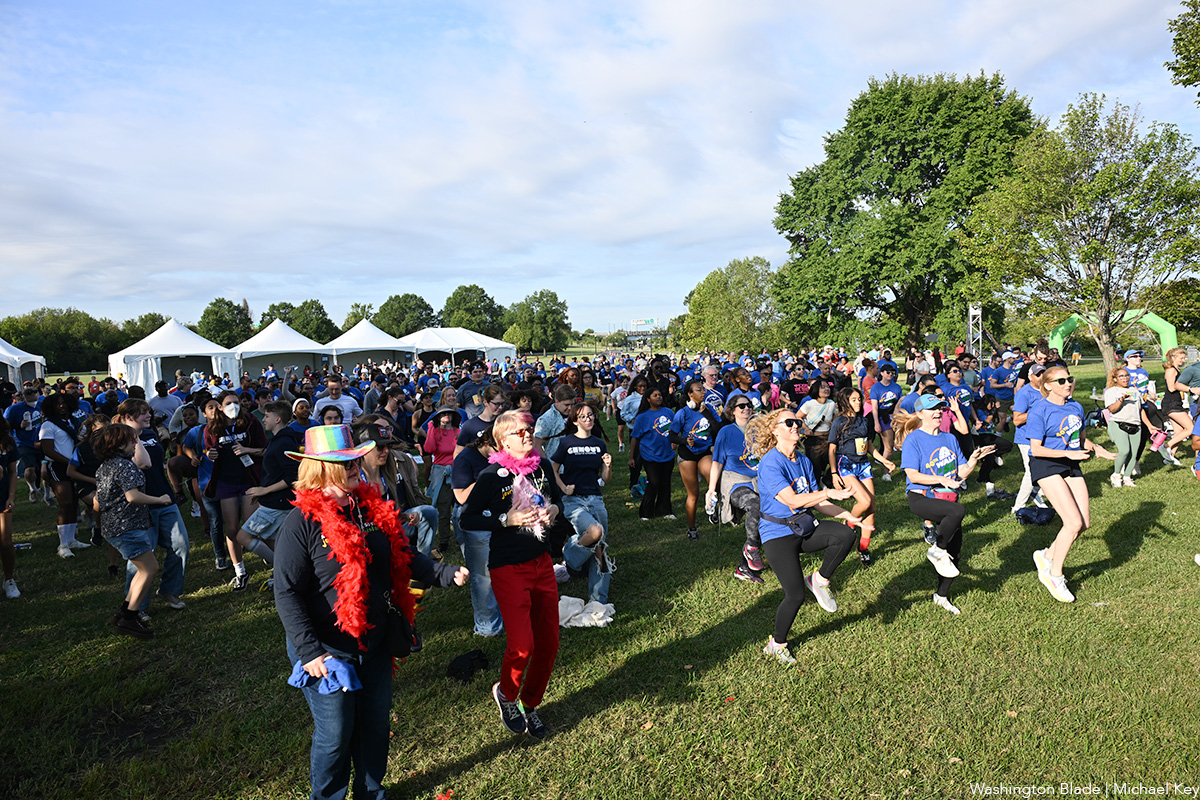
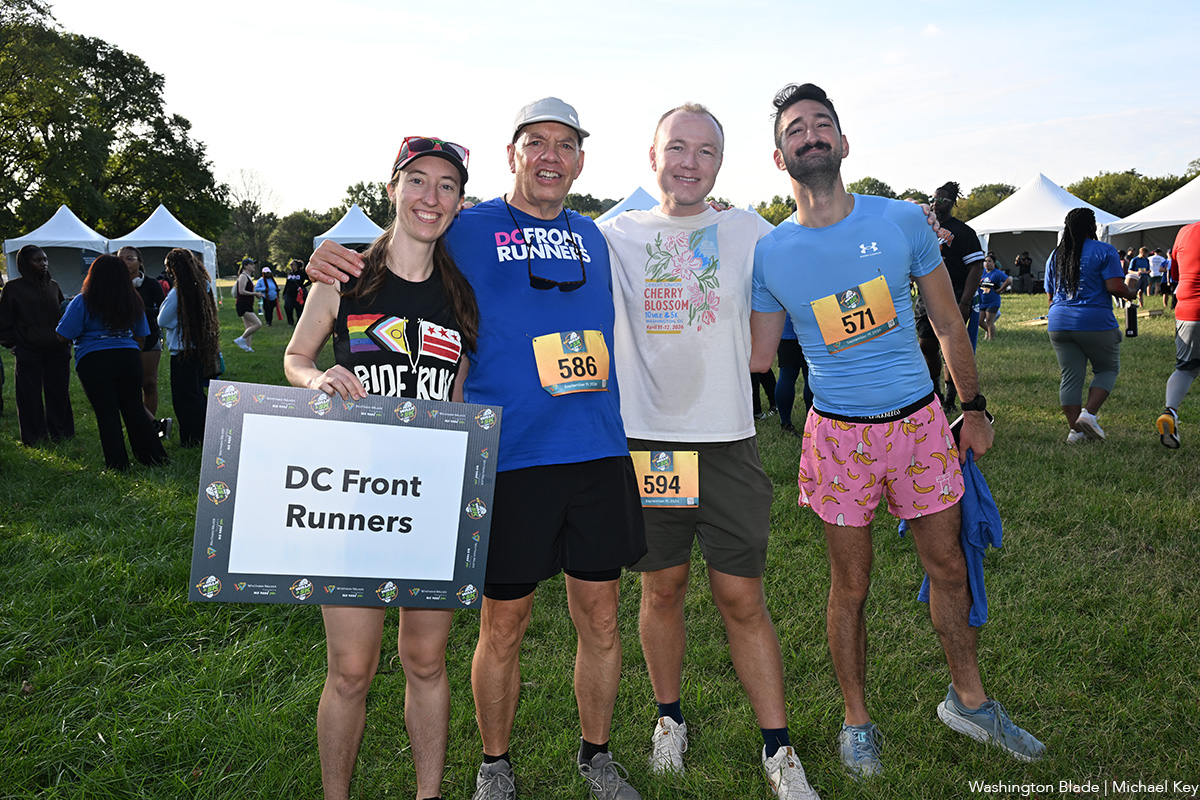
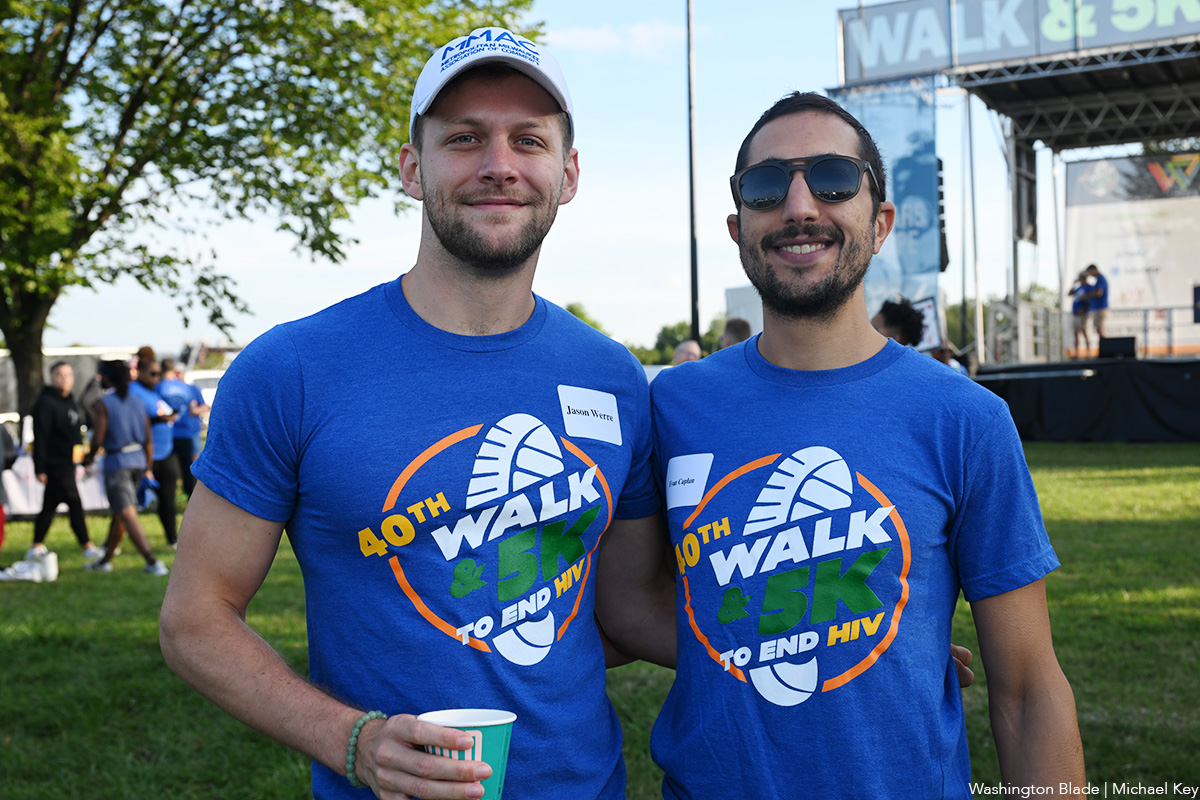
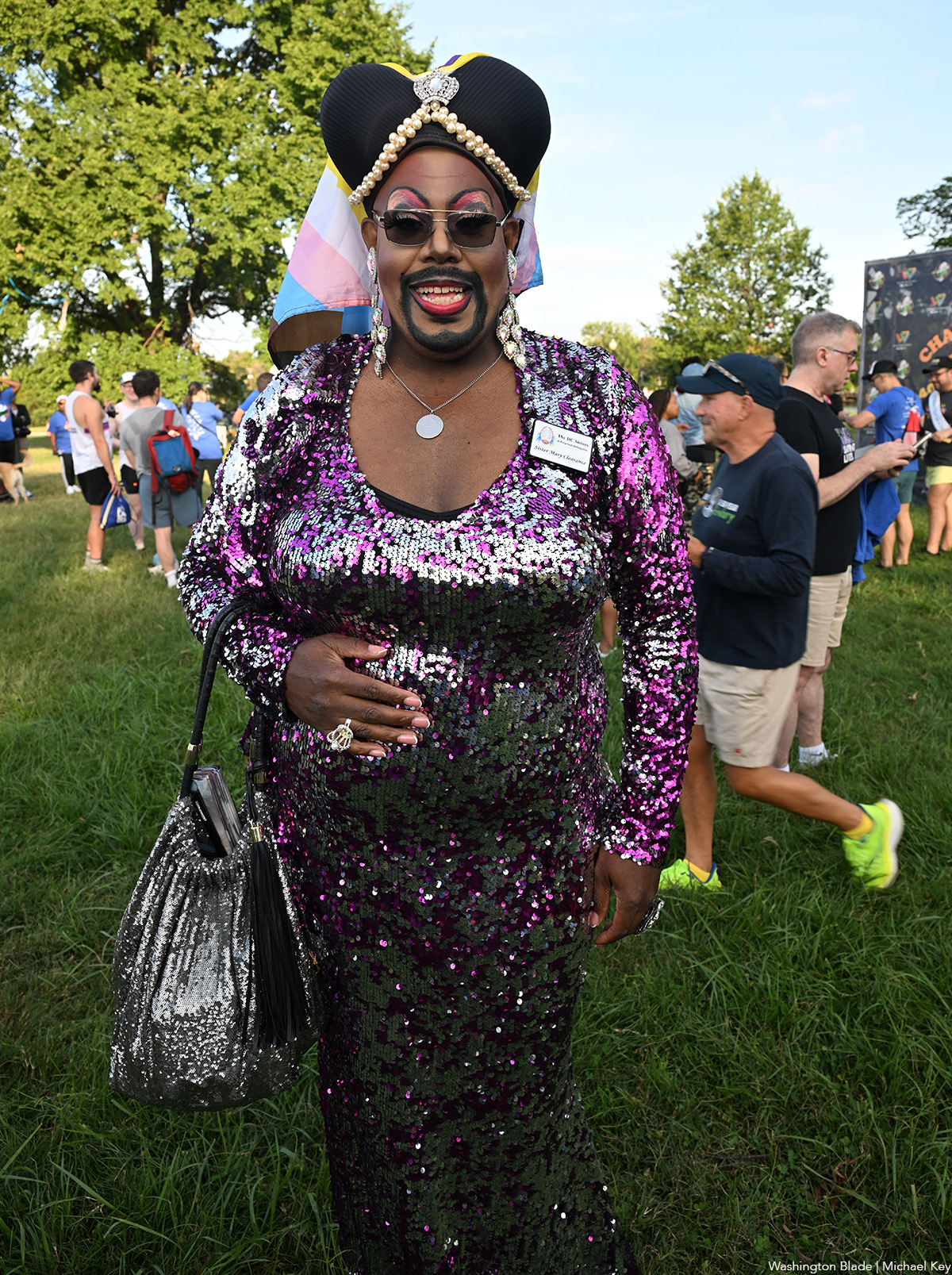
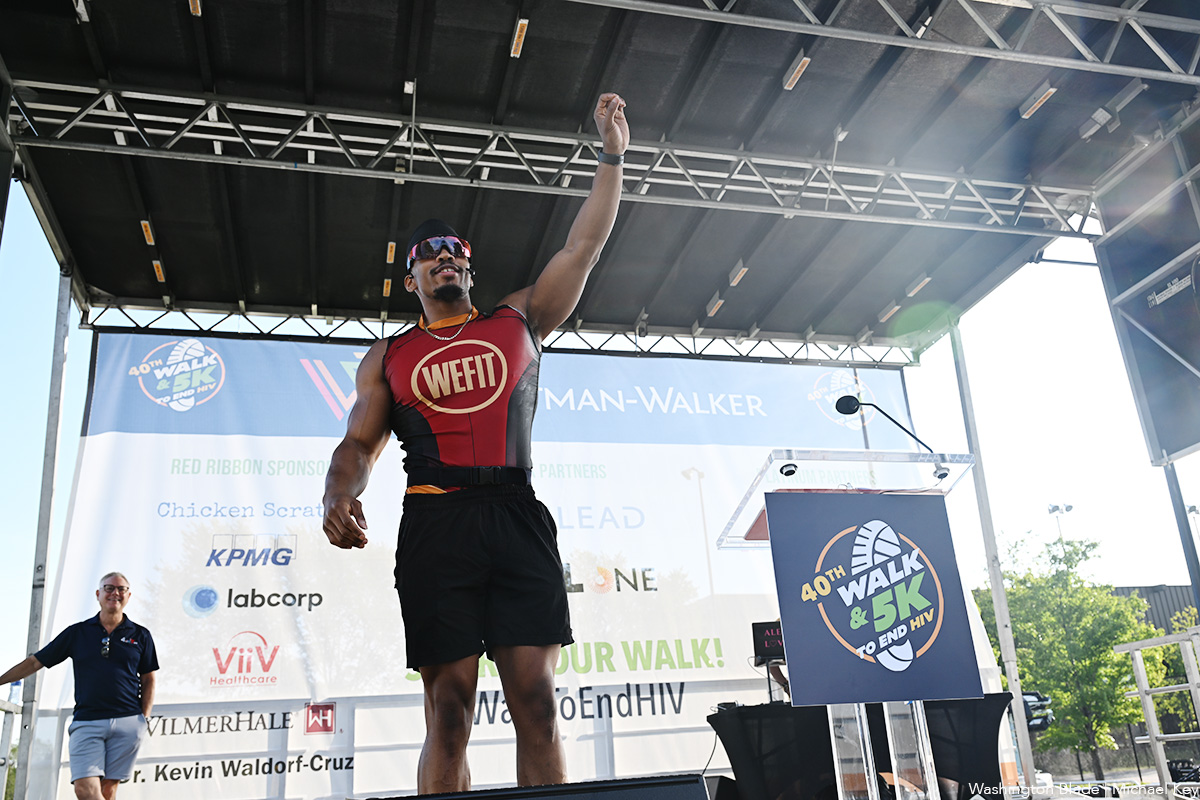
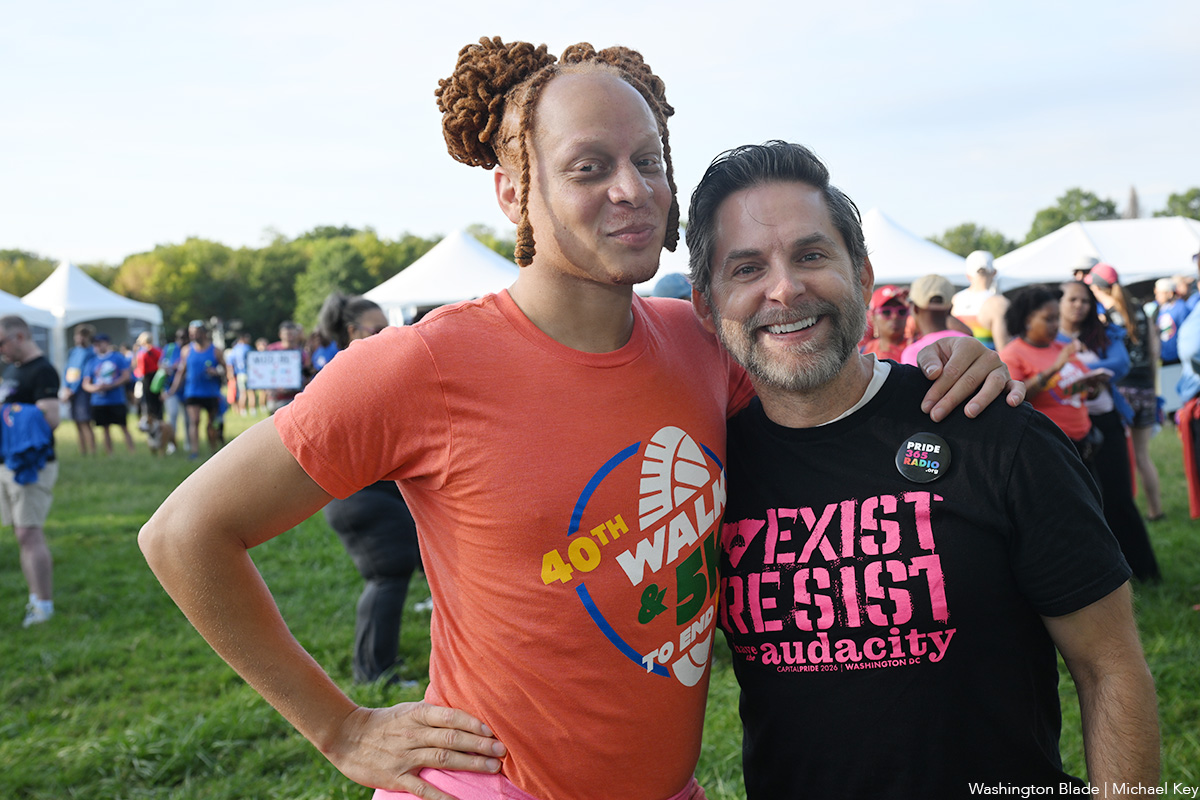
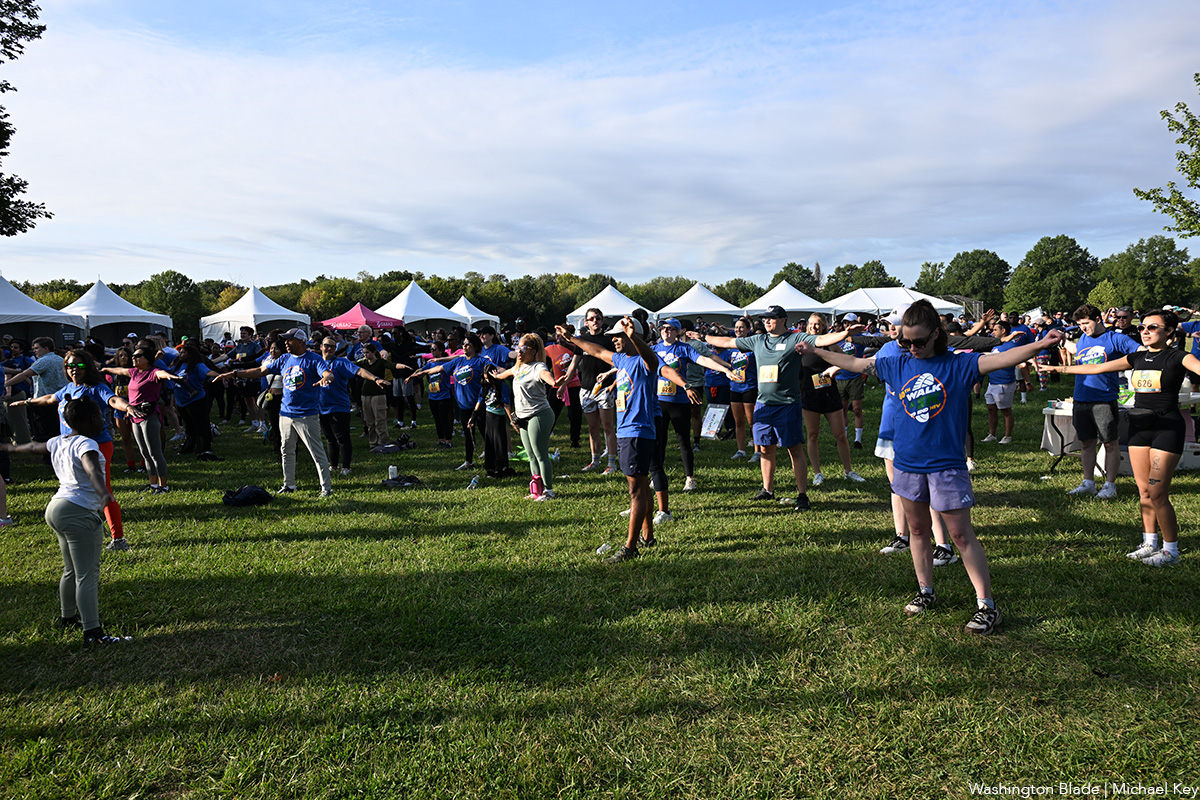
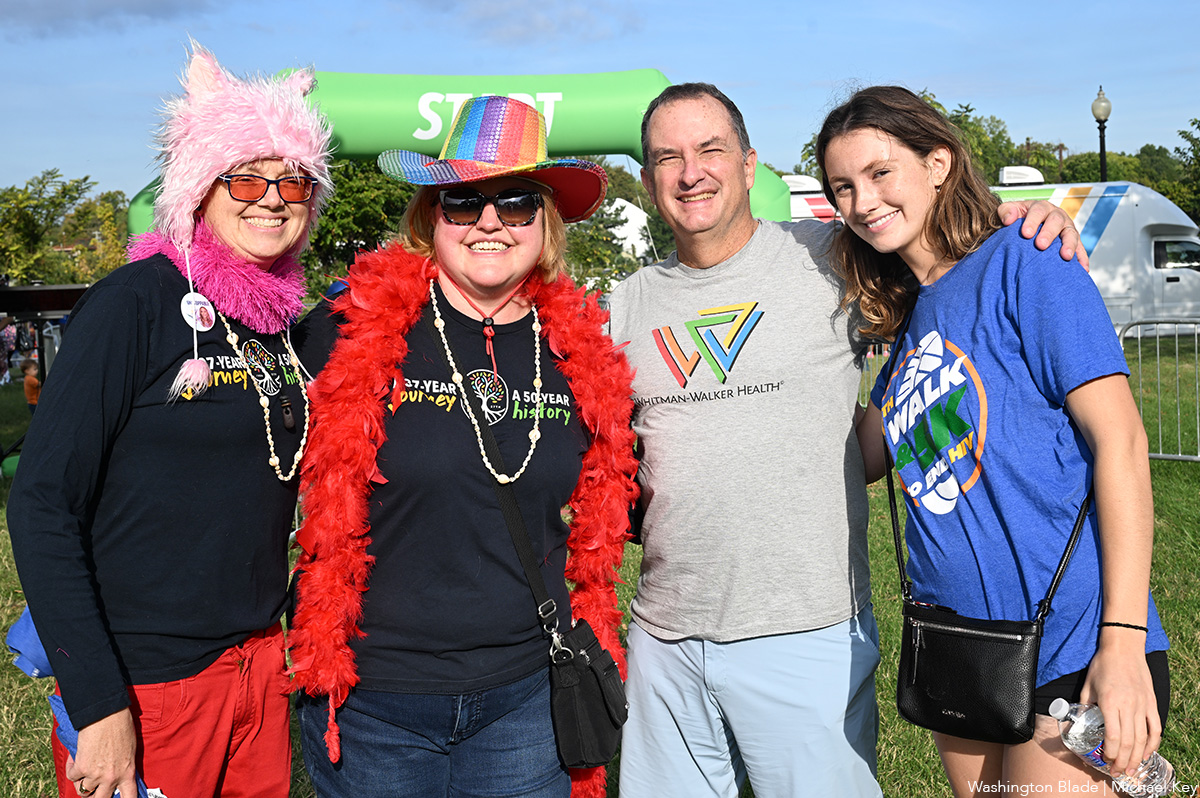
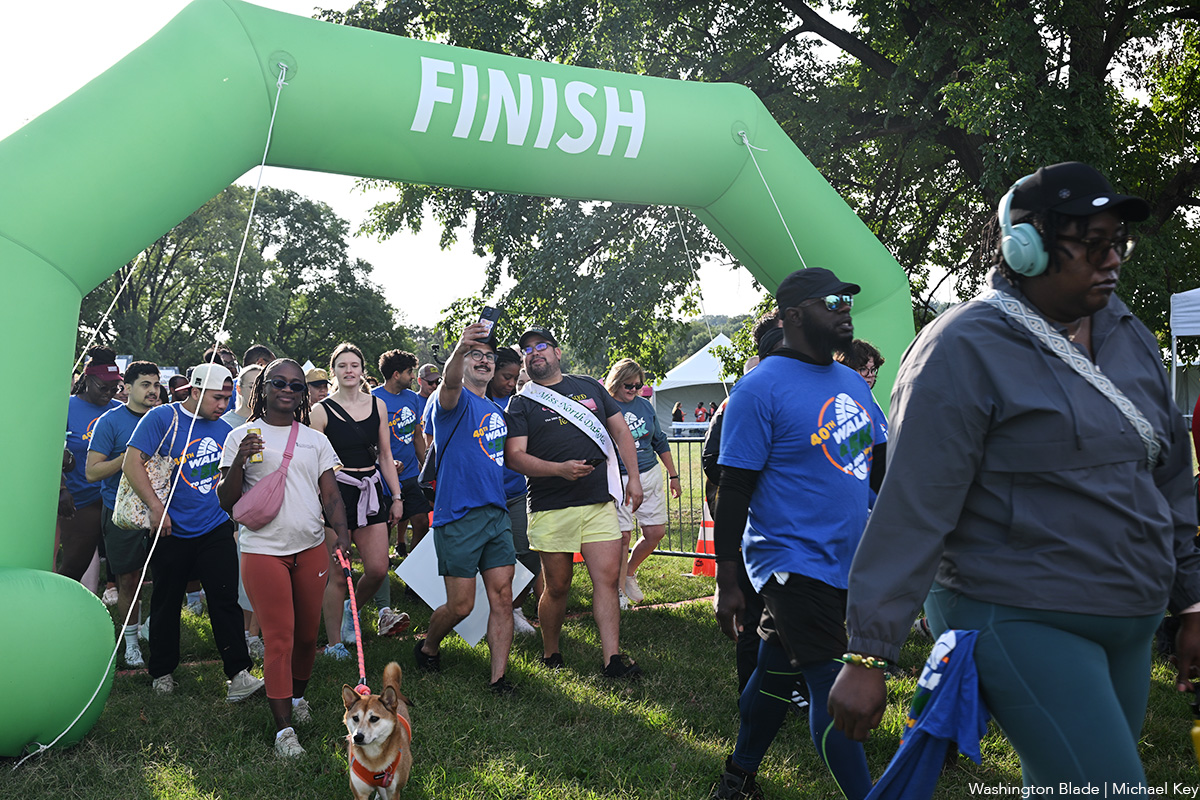
Whitman-Walker Health held the 40th annual Walk and 5K to End HIV at Anacostia Park on Saturday, Sept. 19.
(Washington Blade photos by Michael Key)



Caso Karlina: Una sentencia histórica contra las terapias de «conversión»

Washington Blade responds to concerns over White House pool duties

Young people should know history of the fight for human rights

Dutch prime minister visits Stonewall Inn

Clavicular charged in alleged rape of teenage influencer

Over 2,000 turn out for Hands Around the Kennedy Center protest

PHOTOS: Wanda Alston Foundation Fall Reception

PHOTOS: Walk and 5K to End HIV

What LGBTQ veterans are building after ‘Don’t Ask, Don’t Tell’