News
U.S. military base hosts drag show
Event celebrates new OutServe-SLDN chapter

Kadena Air Base in Okinawa, Japan. (Photo by Sonata; courtesy Wikimedia Commons)
TOKYO – A nightclub at a U.S. Air Force base in Okinawa on March 1 hosted a fundraiser for a newly formed chapter of OutServe-SLDN.
Stars and Stripes reported six service members of various sexual orientations dressed in drag and sang songs from Whitney Houston and others at the Rocker NCO Club at Kadena Air Base in Okinawa. The newspaper reported they may have been the first U.S. service personnel to “take to the stage and perform as drag queens on a military installation in support of lesbian, gay, bisexual and transgender troops.”
Stars and Stripes reported the OutServe-SLDN chapter sold 400 tickets for the fundraiser.
“We didn’t think there was much of a desire for an event like this on the island, but it has actually blown up,” Navy Lt. Marissa Greene, co-chapter leader of Outserve Okinawa, told the newspaper.






Indonesia
US funding cuts leave LGBTQ Indonesians with HIV more vulnerable
Human Rights Watch report notes increased legal, societal pressures in country
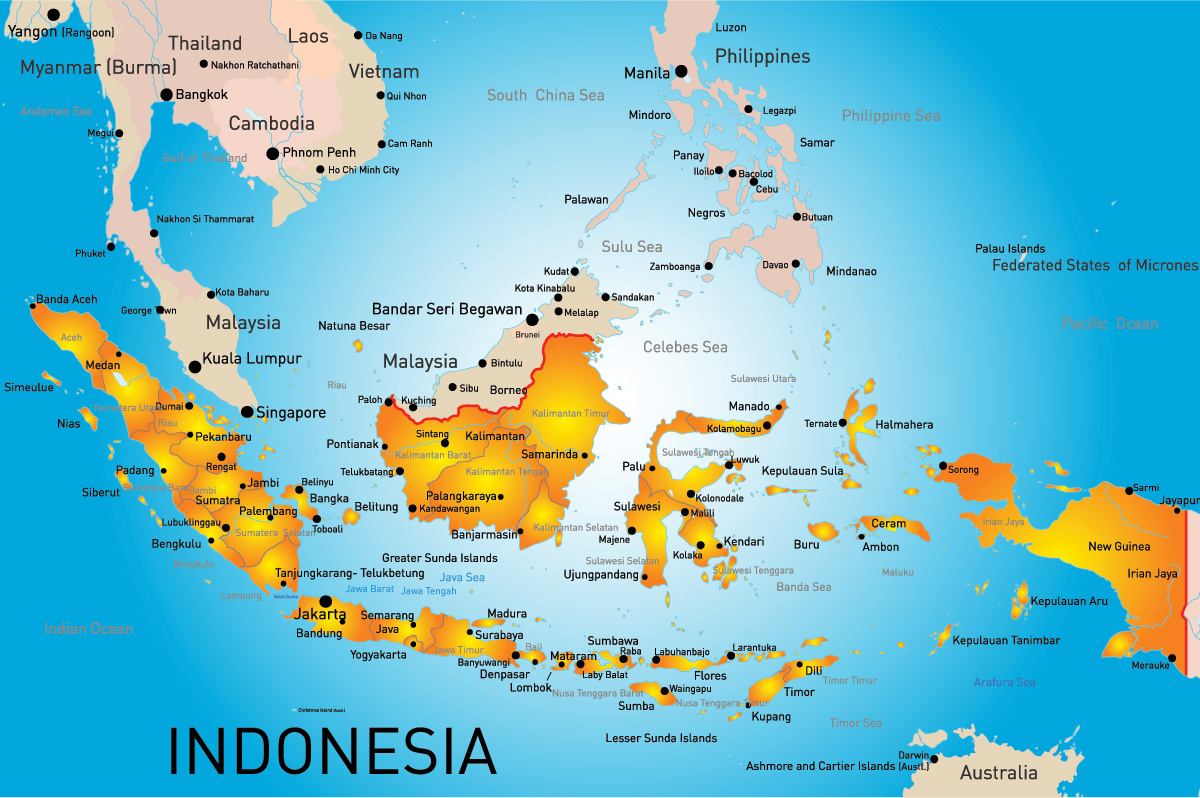
For many LGBTQ people in Indonesia, access to lifesaving HIV services depends on more than hospitals and clinics. It depends on community outreach workers who helped them get tested, obtain medication, and navigate a healthcare system often marked by stigma and discrimination.
When the U.S. cut foreign aid in 2025, many of those services disappeared, leaving vulnerable communities with fewer places to turn for care, according to a new Human Rights Watch investigation.
The 33-page investigation has documented how cuts to U.S. foreign aid disrupted HIV prevention and treatment services for LGBTQ communities in Indonesia.
The report, titled “We Want to Be Treated as Human: Impact of U.S. Foreign Aid Cuts on HIV/AIDS Prevention and Care in Indonesia,” traces the consequences of the Trump-Vance administration’s dismantling of the U.S. Agency for International Development, which ended funding for community-based programs serving people at greatest risk of HIV. Without those services, many face additional barriers to HIV testing, prevention, and lifesaving treatment. Human Rights Watch has urged Indonesia’s government and international donors to restore support for community-led HIV services.
Human Rights Watch based its findings on interviews with 35 people; including people living with HIV, outreach workers, activists, and academics. Researchers spoke to people in Jakarta, the country’s capital, and Depok and Serang during visits in November 2025 and June 2026, while also examining budget records and policy documents to understand how the funding cuts affected HIV services.
The U.S. and Indonesian governments were also given an opportunity to respond to the findings. Human Rights Watch said it had received no response from any of the three government departments it contacted.
The U.S. government’s foreign assistance records show that funding for HIV programs in Indonesia fell from $11.9 million in 2024 to $7.9 million in 2025. The reduction affected community-based prevention and care programs for LGBTQ people, including services previously supported by USAID.
The disparity is stark.
HIV affects about 0.4 percent of Indonesia’s general population, but the prevalence rises to 22 percent among men who have sex with men and 25 percent among transgender people, according to the report. Yet government spending has not reflected this divide.
In 2020, just 0.1 percent of Indonesia’s domestic HIV budget went towards programs for men who have sex with men, while none was allocated specifically for trans people. International donors funded 98 percent of HIV programs serving these communities, many of whom rely on community organizations and outreach workers to access healthcare because of stigma and discrimination in public health facilities.
The report describes how outreach workers served as a crucial link between LGBTQ people and HIV services. They distributed condoms and information about PrEP, helped people access confidential testing, accompanied them to clinics and supported adherence to antiretroviral treatment. Some also paid for clients’ transport and tests, advocated for them with clinic staff, and trained health workers to provide respectful care.
But after the funding cuts, outreach workers lost contact with some clients. The report says some people were collecting their medication late or missing doses, while local organisations no longer had the capacity to track new infections or identify interruptions in treatment.
“Just leaving the house as a trans person is scary,” said a trans outreach worker living with HIV, quoted in the Human Rights Watch report. “Without an outreach worker, the person will be alone and they won’t get care.”
The loss of those services came as LGBTQ people in Indonesia faced growing legal and social pressures.
The country’s new criminal code, which took effect on Jan. 2, 2026, makes sex outside marriage a criminal offense in certain circumstances, with cases subject to complaints by close family members. Human Rights Watch says the provisions effectively criminalize same-sex relations, adding another layer of risk for people already struggling to access healthcare.
The pressure extends beyond the new law.
Human Rights Watch says police have raided private gatherings and used condoms and suspected HIV medication as evidence in criminal cases. For people already wary of being identified or exposed, the consequences reach far beyond the threat of arrest. Carrying condoms, attending community outreach events, getting tested or seeking treatment can all become sources of fear.
For trans people, even a routine visit to a government office or health facility can bring the risk of humiliation. The report describes how those whose identity documents do not reflect their gender identity may be publicly addressed by a former name, exposing them to embarrassment and discrimination.
Outreach workers helped people navigate these barriers. They accompanied clients to clinics, intervened when they faced disrespectful treatment, helped them obtain identity documents and health insurance, and trained healthcare workers to treat them with dignity. With that support gone, many are left to negotiate a healthcare system that can be hostile to them on their own.
A gay activist living with HIV, quoted in the Human Rights Watch report, described the consequences in stark terms: “If you are LGBT and living with HIV, it’s the end of the story. You are doomed.”
The U.S. cuts were followed by reductions in HIV funding from other international donors, further shrinking the resources available to affected communities. The Human Rights Watch report notes that France, Japan, Germany, and other governments also withdrew funding for the HIV response.
The impact has been felt far beyond Indonesia.
In June, UNAIDS Executive Director Winnie Byanyima described the scale of the global disruption in stark terms.
“There’s no question that this is the most serious disruption in HIV response since the world came together to fight this disease,” she said.
Human Rights Watch says the Indonesian government must do more than simply fill the funding gap. It calls on the authorities to increase domestic funding for HIV prevention and treatment programs serving men who have sex with men and trans people, support community-led organizations, ensure a steady supply of antiretroviral medicines and train healthcare workers to provide care without discrimination.
The report also urges the government to repeal discriminatory laws, stop raids targeting LGBTQ people, and end the use of condoms and HIV medication as evidence of criminal activity. It calls for investigations into police abuses, accountability for those responsible and stronger protection for LGBTQ people facing vigilante violence.
The report also turns its attention to Washington, calling on the U.S. government to ensure that funding for PEPFAR, established in 2003, continues without interruption and is released on time. It urges the Trump-Vance administration to disclose the impact of programs it has terminated and withdraw its “Promoting Human Flourishing in Foreign Assistance Policy,” which restricts support for trans rights and related work.
Human Rights Watch also calls on international donors to increase their contributions to the Global Fund to Fight AIDS, Tuberculosis and Malaria, and to provide direct funding to LGBTQ-led community organisations working on HIV prevention and care in Indonesia.
Yudho Sudartio, an East Java representative of Jaringan Indonesia Positif, a national network and community-based organization of people living with HIV in Indonesia, told the Washington Blade the U.S. foreign aid cuts had not, so far, significantly affected access to antiretroviral therapy, HIV testing, or support services in the country.
“However, stakeholders and the government have already begun taking steps to ensure the sustainability to HIV programs through the mobilization of domestic resources,” said Sudartio. “One of the measures taken by the Indonesian government is the allocation of local funds and other domestic resources. Access to HIV treatment and testing continues to be supported through funding schemes provided by individual provinces and regencies.”
2026 Midterm Elections
Quinnie Pérez becomes first openly transgender person elected in Fla.
Candidate won seat on Orange County Soil and Water Conservation District
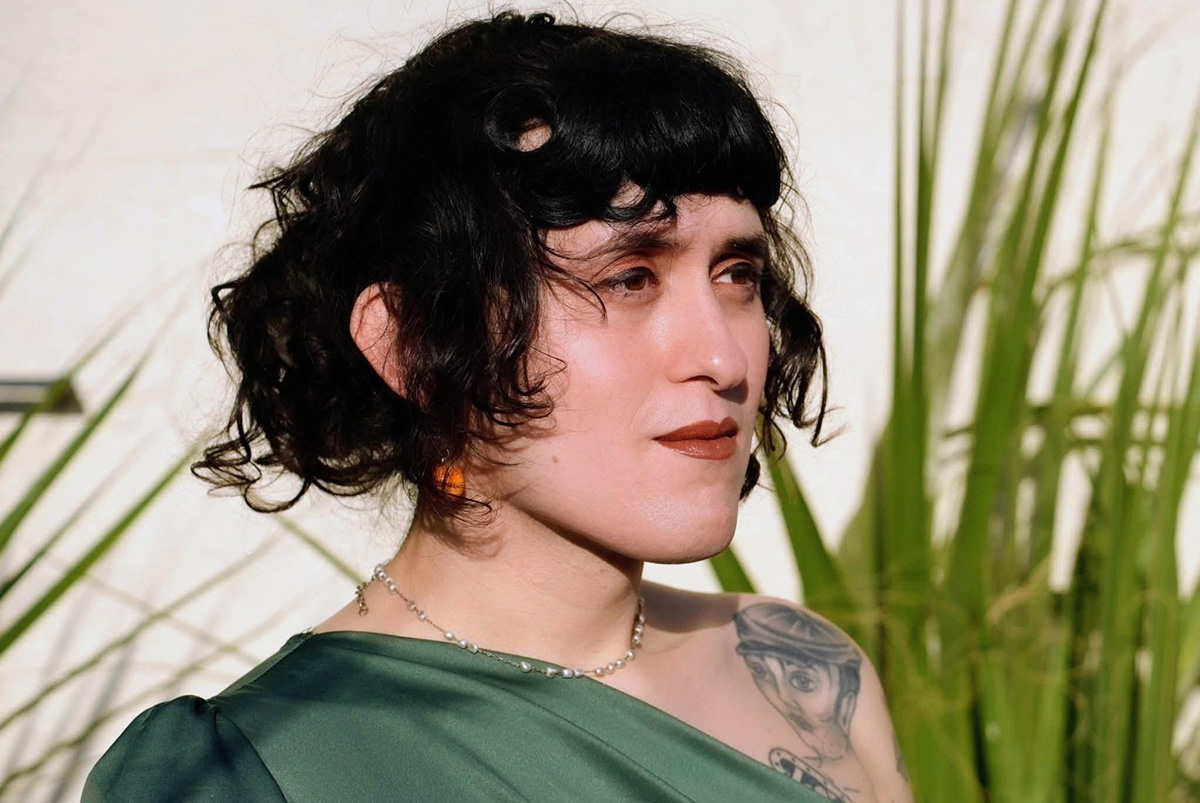
Quinnie Pérez on Nov. 3 made history when she became the first openly transgender woman elected to public office in Florida.
Pérez, 32, won a seat on the Orange County Soil and Water Conservation District. She previously worked for Equality Florida, a statewide LGBTQ rights group, as a paid intern.
Pérez on Tuesday during a virtual post-election briefing that Equality Florida organized noted anti-trans forces in the state ran $200 million worth of transphobic ads during this campaign cycle. Pérez raised around $6,000 for her campaign, but noted “we still defeated that rhetoric.”
“Money doesn’t win, hate doesn’t win,” she said. “We’re just going to keep winning.”
Pérez also said she ran for working people who are struggling in Florida.
“They don’t want to hear any full-blown rhetoric about trans people, LGBTQ+ people,” she said. “People just want to be able to afford their food, be able to afford their housing, and just be able to live another day while managing inflation and other issues around the state and our country.”
The LGBTQ+ Victory Fund also endorsed Pérez.
She will take office in January.
Congress
LGBTQ advocates look to new Congress for path forward on federal protections
Ricardo Martinez (GLAD Law) spoke about the future of LGBTQ protective policy under the 120th Congress

Following Democratic victories in the midterm elections, LGBTQ advocates are looking to the incoming Congress for renewed opportunities to pass pro-LGBTQ legislation.
For decades, advocates and lawmakers have pushed for a federal law prohibiting discrimination based on sexual orientation and gender identity. With Democrats set to take control of both chambers in January, advocates say the new majority could provide an opening to advance legislation that has repeatedly stalled in Congress, even as the Trump administration continues its efforts to roll back existing protections.
The Equality Act remains at the top of the legislative wish list. The legislation would amend the Civil Rights Act of 1964 and related federal laws to explicitly prohibit discrimination based on sexual orientation and gender identity in employment, housing, public accommodations, education, federally funded programs, credit, and jury service.
The latest version was introduced in the House by Equality Caucus Chair Rep. Mark Takano (D-Calif.) and in the Senate by Sen. Jeff Merkley (D-Ore.), with Sen. Ed Markey (D-Mass.) among its co-sponsors.
Other proposals include the Transgender Bill of Rights, reintroduced in February by Markey and Rep. Pramila Jayapal (D-Wash.), with Reps. Sara Jacobs (D-Calif.) and Takano among its co-sponsors. The resolution calls on the federal government to take steps to protect transgender and nonbinary people and ensure access to medical care, shelter, safety, and economic security.
Rep. Bonnie Watson Coleman (D-N.J.), a co-chair of the Congressional Equality Caucus, has also backed legislation aimed at addressing discrimination against LGBTQ people. She has co-sponsored the Therapeutic Fraud Prevention Act of 2025, which would prohibit commercial sexual orientation conversion therapy, as well as the Tyler Clementi Higher Education Anti-Harassment Act, which would require colleges and universities to establish policies addressing homophobia and transphobia on campus.
But while advocates see a Democratic-controlled Congress as an opportunity to advance those proposals, they are also approaching the next two years with an understanding of the political and legislative challenges ahead.
The Washington Blade spoke with Ricardo Martinez, executive director of GLAD Law, about the future of federal LGBTQ policy under the new Congress and what the midterm results revealed about the priorities of American voters.
“The first thing that I think of when I think of the election is that this election showed that people are tired of division, and they want leaders who are focused on everyday concerns like healthcare, safety, economic security,” Martinez told the Blade by phone Tuesday. “I think a lot of people in the United States, including LGBTQ people, are hurting.”
Martinez said the incoming 120th Congress has tools to protect LGBTQ people, even if passing sweeping new federal protections proves difficult in the near term.
“Passing new federal protections for LGBTQ people specifically may be hard in the near term, and we are realistic about that,” Martinez said. “But still, Congress can lay the groundwork now, either through hearings or bill development.”
He pointed to healthcare and economic policy as areas where lawmakers could make progress that benefits LGBTQ people alongside the broader public.
“But there’s a lot Congress can do on healthcare minimum wage that would apply and benefit LGBTQ people,” he said. “Lasting progress has always depended on the support of both parties, so that’s a coalition that I think is worth building, and hopefully, in the not so near future, the Equality Act can be a thing that moves.”
Beyond passing legislation, Democrats are preparing to use their new majority to scrutinize the Trump administration. Rep. Robert Garcia (D-Calif.), the gay lawmaker who won reelection, is slated to chair the House Oversight Committee when Democrats take control of the chamber.
Garcia has pledged to investigate the administration and hold officials accountable for actions he believes violated the law. That promise has already drawn a response from the White House, where Trump administration officials have warned against efforts to intimidate or threaten executive branch employees.
In response to those warnings, the Democratic staff of the House Oversight Committee defended Congress’ authority to investigate the administration, arguing that its oversight powers come from the Constitution and do not depend on White House approval.
Martinez said that kind of oversight is particularly important when government actions affect personal privacy, healthcare, and community programs.
“Oversight of the executive branch is one of Congress’s basic responsibilities, no matter who is in office,” Martinez said. “So, recent federal actions on personal privacy and data cuts to healthcare, research, and community programs deserve careful review.”
He said the consequences extend beyond LGBTQ people, warning that government actions targeting one group’s privacy or access to services can threaten protections for everyone.
“Their effects reach Americans broadly, not only LGBTQ people,” Martinez said. “And when the government can single out one group’s privacy or services, everyone’s rights are less secure, and transparency protects all of us.”
Democrats could also use their control of congressional spending negotiations to push for funding for programs serving LGBTQ communities. Martinez specifically pointed to the Ryan White HIV/AIDS Program and said lawmakers should oppose discriminatory policy riders in federal spending bills.
According to the Human Rights Campaign, House Republicans introduced more than 50 anti-LGBTQ+ policy riders across federal funding bills over the past year. The proposed provisions sought to restrict gender-affirming care, permit discrimination against same-sex couples and undermine diversity, equity and inclusion (DEI) initiatives, which have been a longstanding target of the president’s agenda.
Separately, significant cuts have affected federal funding for HIV/AIDS programs. Under the Trump-Vance administration, funding shortfalls pushed by the administration have emerged in programs serving LGBTQ people and other vulnerable communities. The HIV and Hepatitis Policy Institute says $1 billion in cuts to domestic HIV prevention, surveillance, and support programs have left some of the communities most affected by HIV struggling to cover medical costs.
“Last year was full of disruptions in HIV prevention grants and services, which created great instability. Not only do we need to maintain current funding levels, but increases are urgently needed, particularly for the AIDS Drug Assistance Program (ADAP) due to rising enrollment and insurance premium costs,” said Carl Schmid, executive director of the HIV+Hepatitis Policy Institute, earlier this year.
Still, congressional oversight and funding decisions will not necessarily stop the administration from pursuing policies LGBTQ advocates oppose. Martinez said GLAD Law plans to continue challenging those actions in court.
“Our plan has always been and will remain consistent, which is we are in the process of a surge in litigation, which means that we’re going to try to stop as much of the bad as possible,” Martinez said.
The organization’s work will also extend to state governments, where many laws directly affecting LGBTQ people’s daily lives are passed. Martinez said GLAD Law will continue challenging harmful state policies while pursuing legislation to strengthen legal protections for LGBTQ families, including in adoption, assisted reproduction and parental recognition.
The election also offered hope on transgender rights, despite continued political attacks targeting transgender people. Martinez said advocates must continue challenging misinformation and helping Americans better understand the lives of LGBTQ people.
That message was echoed by U.S. Rep. Sarah McBride (D-Del.), the nation’s first transgender member of Congress, who pushed back against the idea that Democrats should abandon transgender people politically to win elections after winning her re-election last week.
Speaking during a HRC call Tuesday night, McBride argued that Democrats’ electoral gains were not built by sacrificing vulnerable communities.
“The majority was not built by throwing vulnerable people under the bus. This majority was built by people of principle, by candidates who have defended their voters and their constituents, all of them, regardless of their sexual orientation and gender identity,” McBride said.
She also pointed to her own re-election as evidence that voters were not rejecting transgender representation at the ballot box.
“I’m proud that at a time when Republicans seemingly made every single issue in some form or fashion about trans issues, that voters in my state returned the nation’s first out transgender member of Congress to office, with the largest number of votes of any candidate on the statewide ballot this year,” she said.
For Martinez, the work ahead will involve not only legislation and litigation, but also changing how Americans understand LGBTQ people, particularly transgender people.
“Accurate information also matters,” he said. “And we’re going to continue countering misinformation and disinformation, and helping more people understand LGBTQ people’s lives, especially transgender people.”
He said advocates must continue sharing their experiences and emphasizing their place in communities across the country.
“We are your neighbors. We are small business owners. We are, you know, your colleagues and coworkers, and that’s important for people to know,” Martinez said. “Familiarity is incredibly important, and at the heart of this is something very simple: that transgender people want to live their lives in peace, like everyone else, and that’s a value I think Americans share across party lines.”

US funding cuts leave LGBTQ Indonesians with HIV more vulnerable

Quinnie Pérez becomes first openly transgender person elected in Fla.

LGBTQ advocates look to new Congress for path forward on federal protections

LGBTQ ally tapped to form new Israeli government

LGBTQ advocates among hundreds named to Lewis George transition committees

Out actor on his 25-year love affair with ‘Mamma Mia’

Comings & Goings

Epic ‘La bola negra’ delivers powerful romance for the ages

Kim Kardashian gets the bio treatment in new book