Arts & Entertainment
Calendar: March 7-13
Parties, support groups, exhibits and more for the week ahead


‘What’s Up Batman?,’ a piece from the ‘Portraits of Pop Culture’ exhibit which opens tonight at Del Ray Artisans. (Image courtesy DRA)
Calendar for LGBT D.C. for the week ahead.
Friday, March 7
Del Ray Artisans (2704 Mount Vernon Ave., Alexandria, Va.) opens its “Portraits of Pop Culture” exhibit, a collection of artists’ cartoons and caricatures of important people in pop culture, with an opening reception tonight from 7-10 p.m. The exhibit is open through March 30th. Admission is free. For more details, visit thedelrayartisans.org.
Adodi D.C., a black same gender-loving men’s social/spiritual group, hosts its bi-monthly potluck discussion at Metropolitan Community Church of Washington (474 Ridge St., N.W.) tonight at 7 p.m. featuring guest journalist and author Wyatt O’Brian. O’Brian will be talking about intimate partner violence and abuse. Please bring food to share. For details, call 202-360-1143 or email [email protected].
“Ladies and Laughter,” a benefit for Mautner Project of Whitman-Walker Health and the Human Rights Campaign is at Artisphere (1101 Wilson Blvd., Arlington, Va.) tonight from 7-11 p.m. Lesbian comedians Michele Balan, Gloria Bigelow and Dana Goldberg will perform with comedian Chelsea Shorte emceeing the event. Tickets are $75 for general admission and $100 for VIP. For more details and to purchase tickets, visit whitman-walker.org.
Gay District, a facilitated group discussion focused on building understanding of gay culture and personal identity for men ages 18 through 35, meets at the D.C. Center (2000 14th St., N.W.) tonight from 8:30-9:30 p.m. For details, visit thedccenter.org.
Saturday, March 8
Team D.C. hosts its annual fashion show and model competition at Town (2009 8th St., N.W.) tonight from 7-10 p.m. Fashions include club wear, swim wear, underwear and more. Tickets are $15 and proceeds help support the Team D.C. College Scholarship program for LGBT student athletes. You can bid for the clothes right off the models. For more details, visit teamdc.org/fashionshow.
The Mautner Project of Whitman-Walker Health holds its “24th Annual Mautner Project Gala and Dance” at JW Marriot (1331 Pennsylvania Ave., N.W.) tonight from 6 p.m.-midnight. Honorees include Maryland Delegate Heather Mizeur and former Mautner Project Executive Director Leslie J. Calman. Entertainment provided by Kellye Gray and DJ Rosie. Tickets are $250. For more information, visit whitman-walker.org.
Cobalt (1639 R St., N.W.) hosts “BEARZERK,” a bear party, tonight at 10 p.m. Music by DJs Dean Sullivan, Tommy Cornelis and George D’ADHEMAR. Well and domestic drinks are $5. Jamesons, Jagers and fireballs are $6. Cover is $5 before midnight and $7 after. Admission is limited to guests 21 and over. For details, visit cobaltdc.com.
Sunday, March 9
Perry’s (1811 Columbia Rd., N.W.) hosts its weekly “Sunday Drag Brunch” today from 10 a.m.-3 p.m. The cost is $24.95 for an all-you-can-eat buffet. For more details, visit perrysadamsmorgan.com.
Nellie’s Sports Bar hosts its weekly drag brunch today with two seatings at 10:30 a.m. and 12:30 p.m. For a full menu, including vegetarian options, visit nelliessportsbar.com.
Adventuring, an LGBT outdoors group, hosts a “Snickers Gap” hike today at 8:30 a.m.The hike is along the Appalachian Trail and centered on Snickers Gap where Route 7 crosses the blue Ride in Round Hill, Va. Bring lunch, boots, beverages and $15 for transportation fees. Meet in the Kiss and Ride lot of the East Falls Church Metro Station (2001 N Sycamore St., Arlington, Va.). For more information, visit adventuring.org.
Monday, March 10
The D.C. Center (1318 U St., N.W.) hosts coffee drop-in hours this morning from 10 a.m.-noon for the senior LGBT community. Older LGBT adults can come and enjoy complimentary coffee and conversation with other community members. For more information, visit thedccenter.org.
Youth Working Group holds its monthly meeting at the D.C. Center (2000 14th St., N.W.) this evening from 6-7:30 p.m. The group works to support and advocate for D.C.’s LGBT youth. For more details, visit thedccenter.org.
The D.C. Center (2000 14th St., N.W..) hosts coffee drop-in hours this morning from 10 a.m.-noon for the senior LGBT community. Older LGBT adults can come and enjoy complimentary coffee and conversation with other community members. For more information, visit thedccenter.org.
Us Helping Us (3636 Georgia Ave., N.W.) holds a support group for gay black men to discuss topics that affect them, share perspectives and have meaningful conversations. For details, visit uhupil.org.
Nellie’s Sports Bar (900 U St., N.W.) hosts poker night tonight at 8 p.m. Win prizes. Free to play. For more information, visit nelliessportsbar.com.
Tuesday, March 11
D.C. Bi Women hosts its monthly meeting in the upstairs room of Dupont Italian Kitchen (1637 17th St., N.W.) from 7-9 p.m. tonight. For more details, visit thedccenter.org.
SMYAL (410 7th St., S.E.) holds free and confidential HIV testing drop-in hours from 3-5 p.m. today. For details, visit smyal.org.
Wednesday, March 12
The Lambda Bridge Club meets tonight at 7:30 p.m. at the Dignity Center (721 8th St., S.E.) for duplicate bridge. No reservations required and new comers welcome. If you need a partner, call 703-407-6540.
Big Gay Book Group meets tonight at 7 p.m. at 1155 F St., N.W. Suite 200 to discuss “The Martin Duberman Reader: The Essential Historical, Biographical and Autobiographical Writings” by Martin Duberman, who founded the first graduate program LGBT studies and his writings have focused on the medical community’s attempt to “cure” homosexuality. Newcomers welcome. For more details, email [email protected].
Queer for Christ, a young-adult LGBT Christian group, hosts a March Happy Hour at Larry’s Lounge (1836 18th St., N.W.) tonight from 7-9 p.m. For more information, visit facebook.com/groups/QFCDC.
Rainbow Response, an LGBT intimate partner violence prevention group, meets in the third floor conference room at 5 Thomas Circle N.W. today from 6-7 p.m. For details, visit thedccenter.org.
Thursday, March 13
Burgundy Crescent, a gay volunteer organization, volunteers today at Food and Friends (219 Riggs Rd., N.E.) from 6-8 p.m.. Come help with food preparation and packing groceries. Coffee and donuts will be provided. For details, visit burgundycrescent.org.
Rude Boi Entertainment hosts “Tempted 2 Touch,” a ladies dance party, at the Fab Lounge (2022 Florida Ave., N.W.) Doors open at 10 p.m. Drink specials $5 and vodka shots $3 all night. No cover charge. Admission limited to guests 21 and over. For more details, visit rudeboientertainment.wordpress.com.


Photos
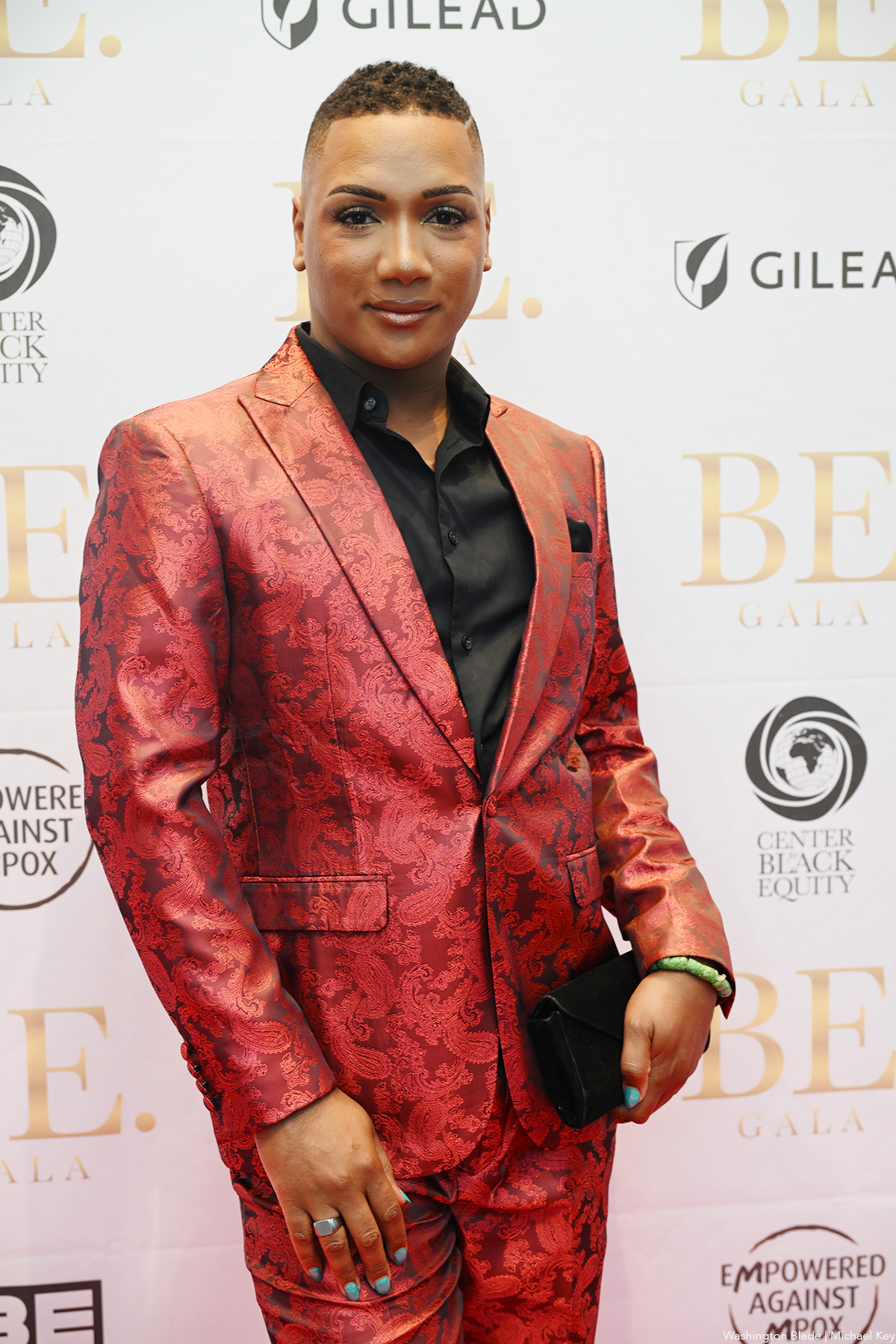
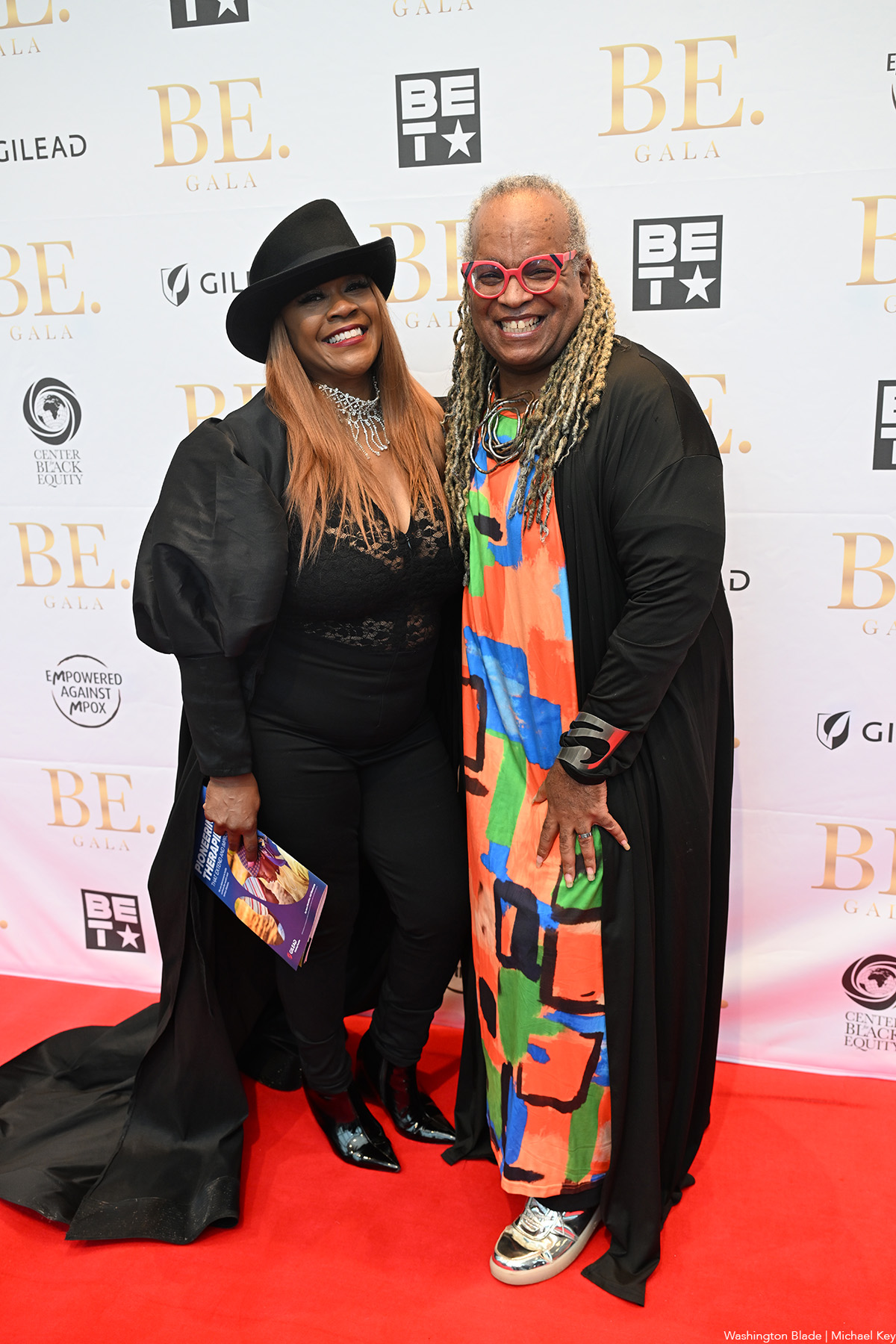
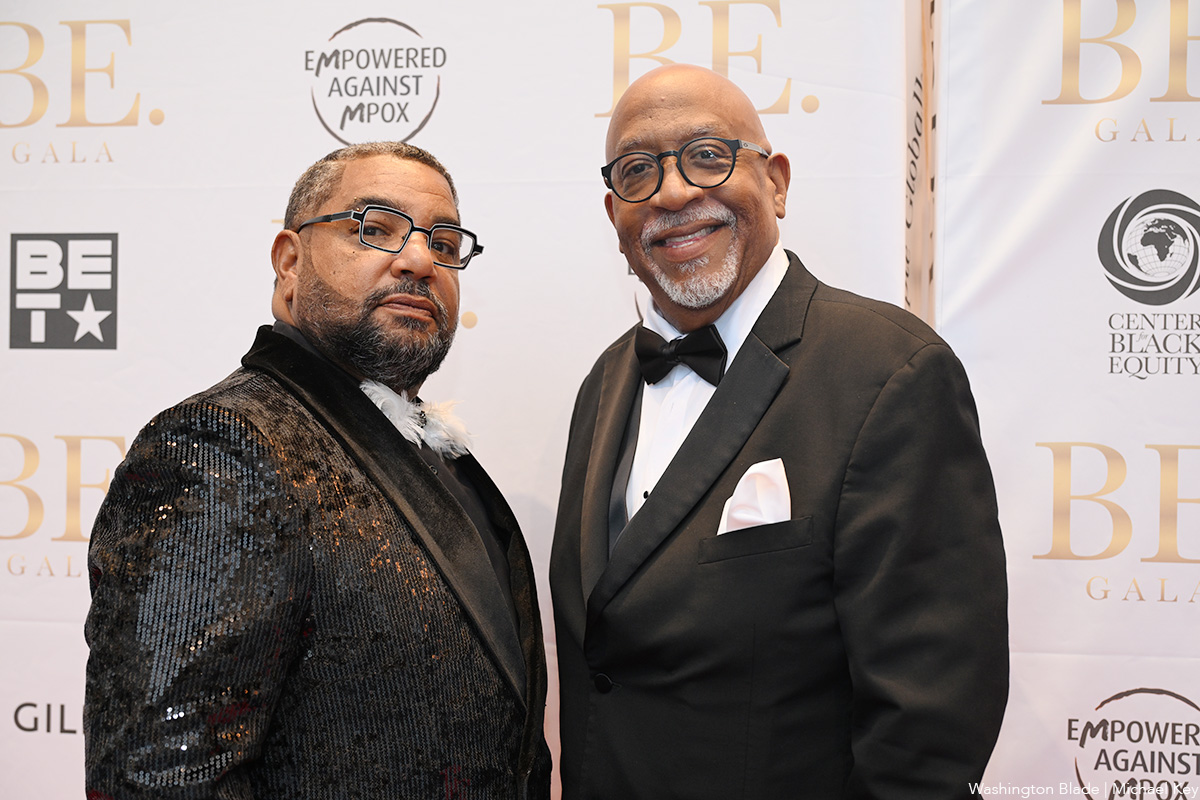
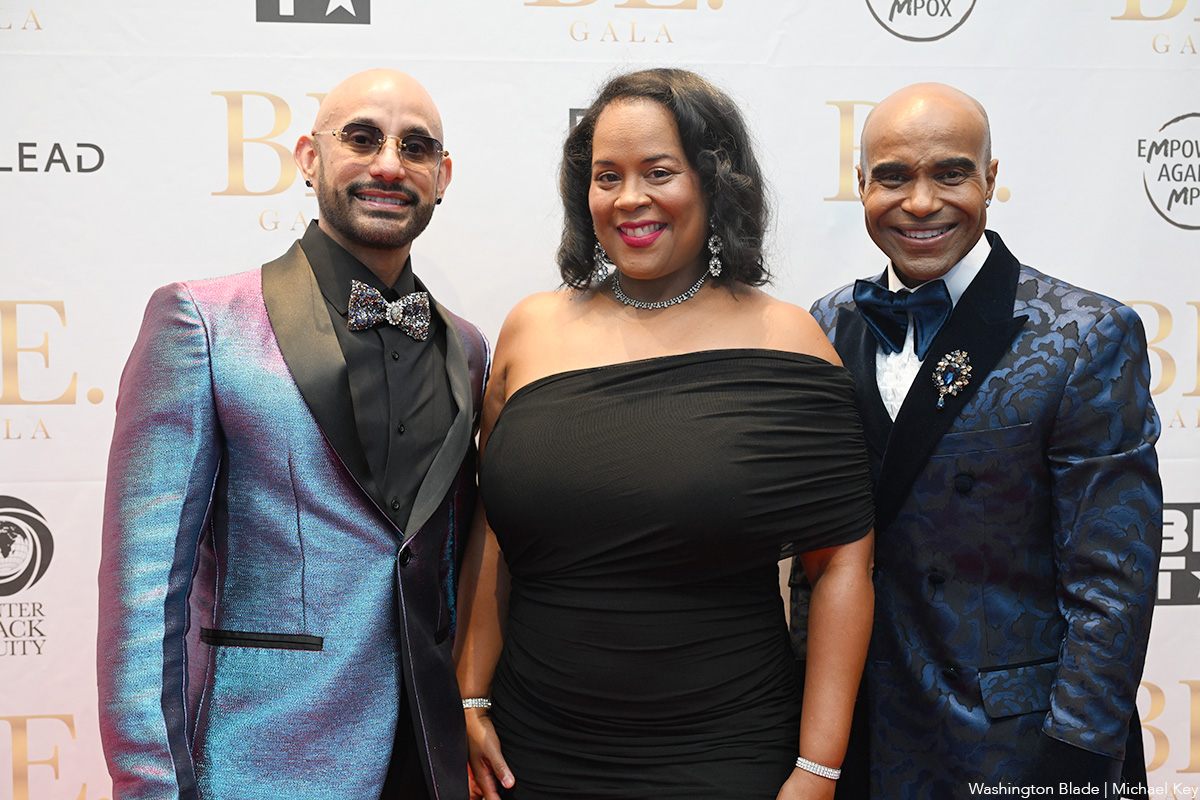
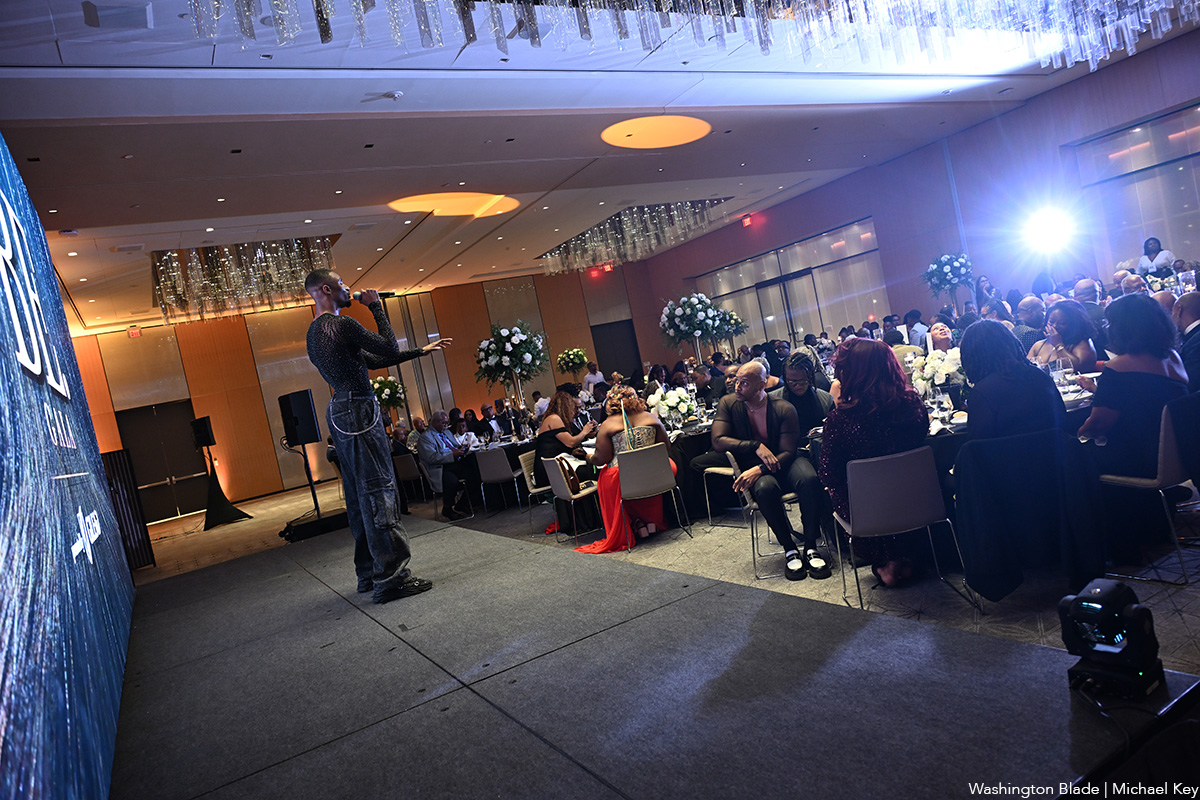
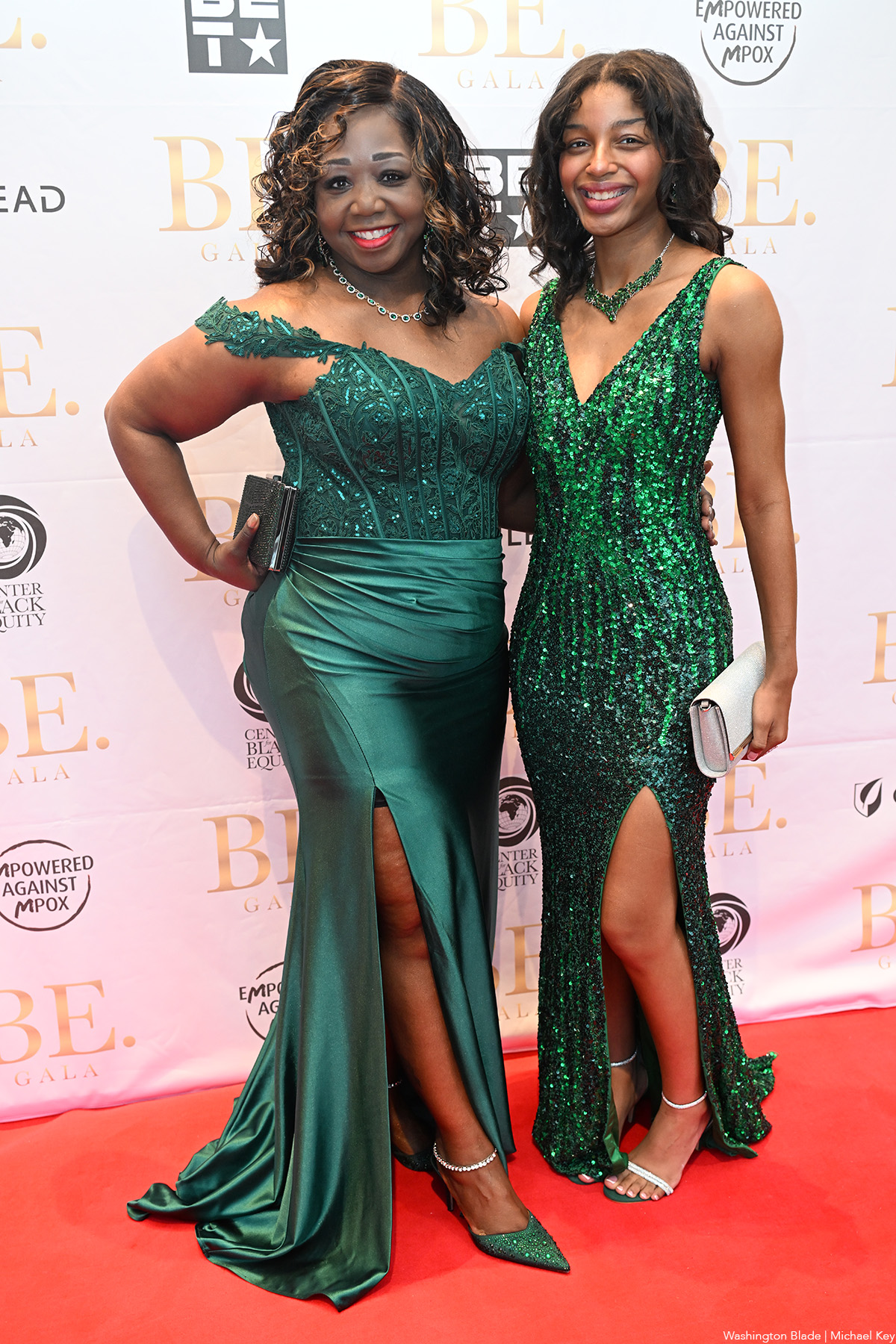
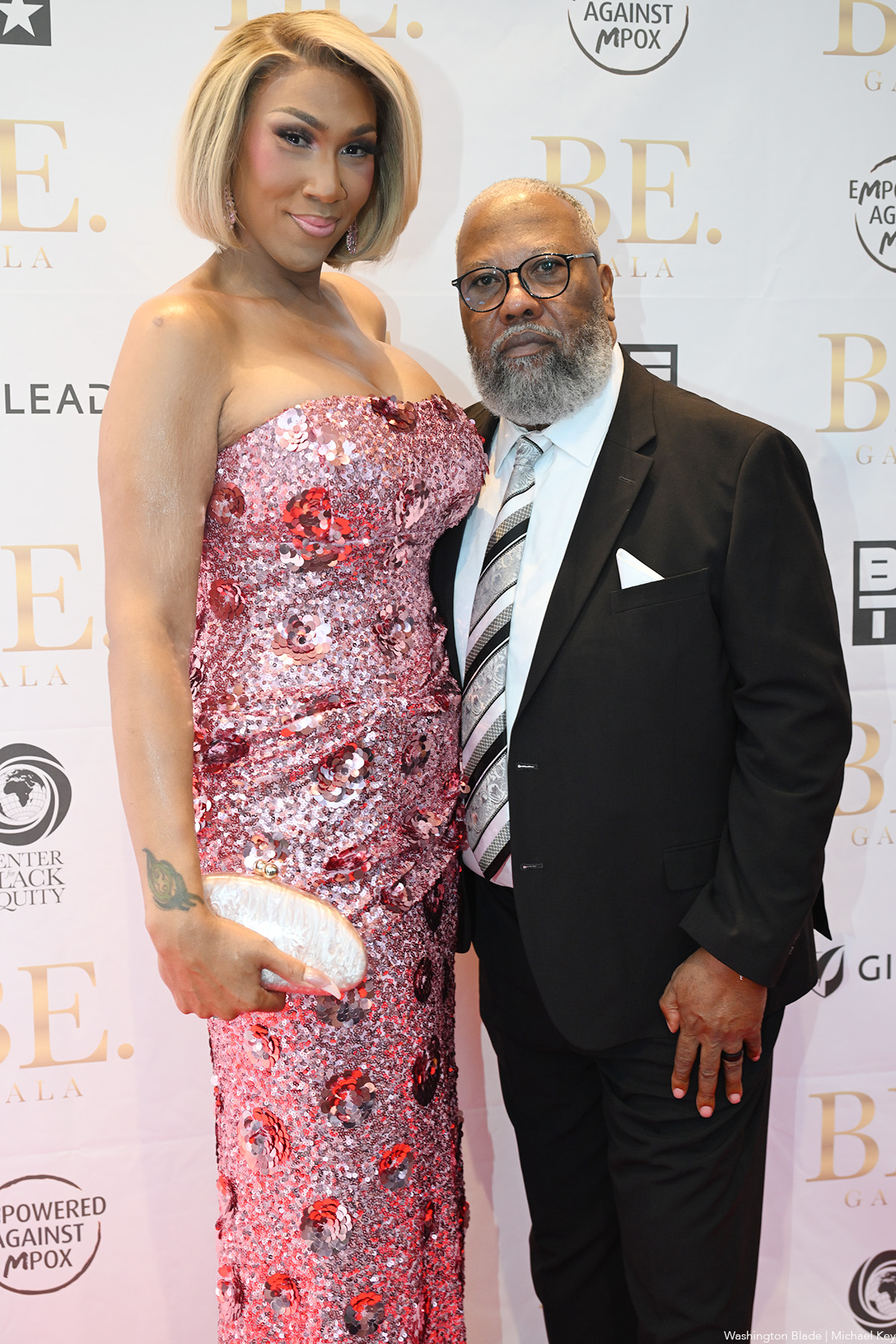
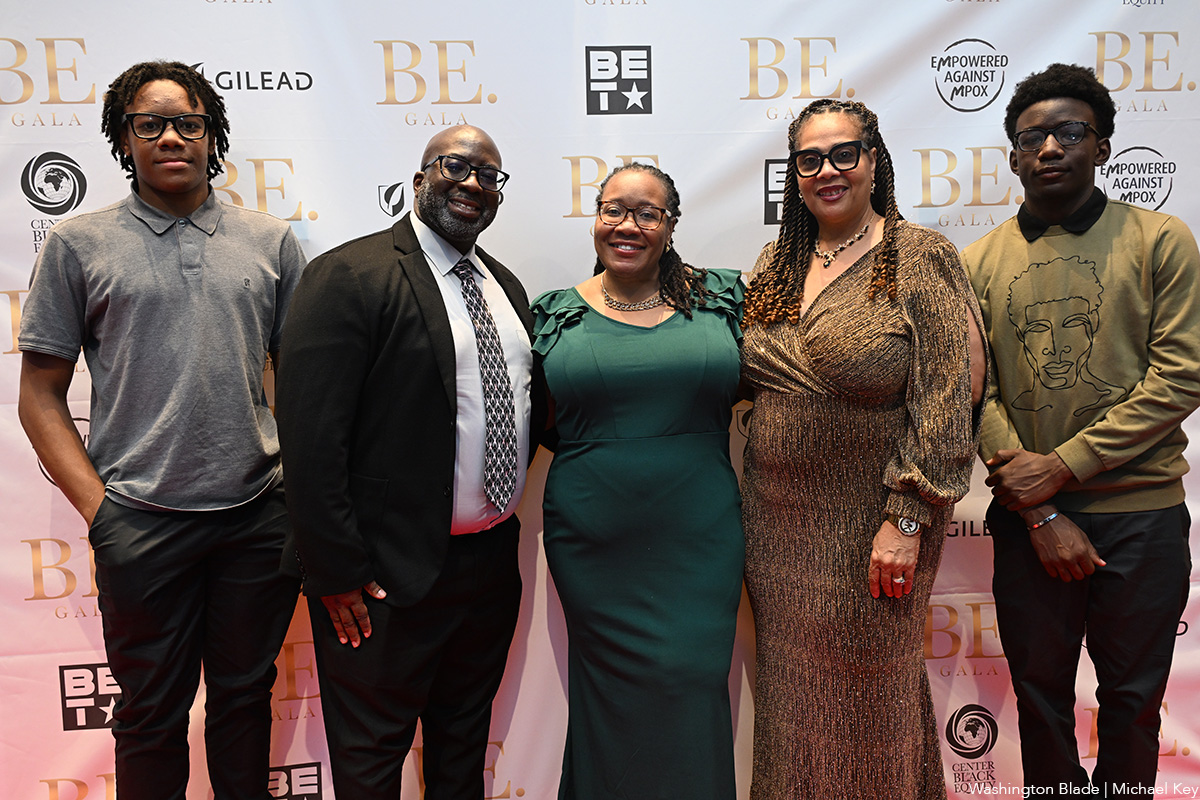
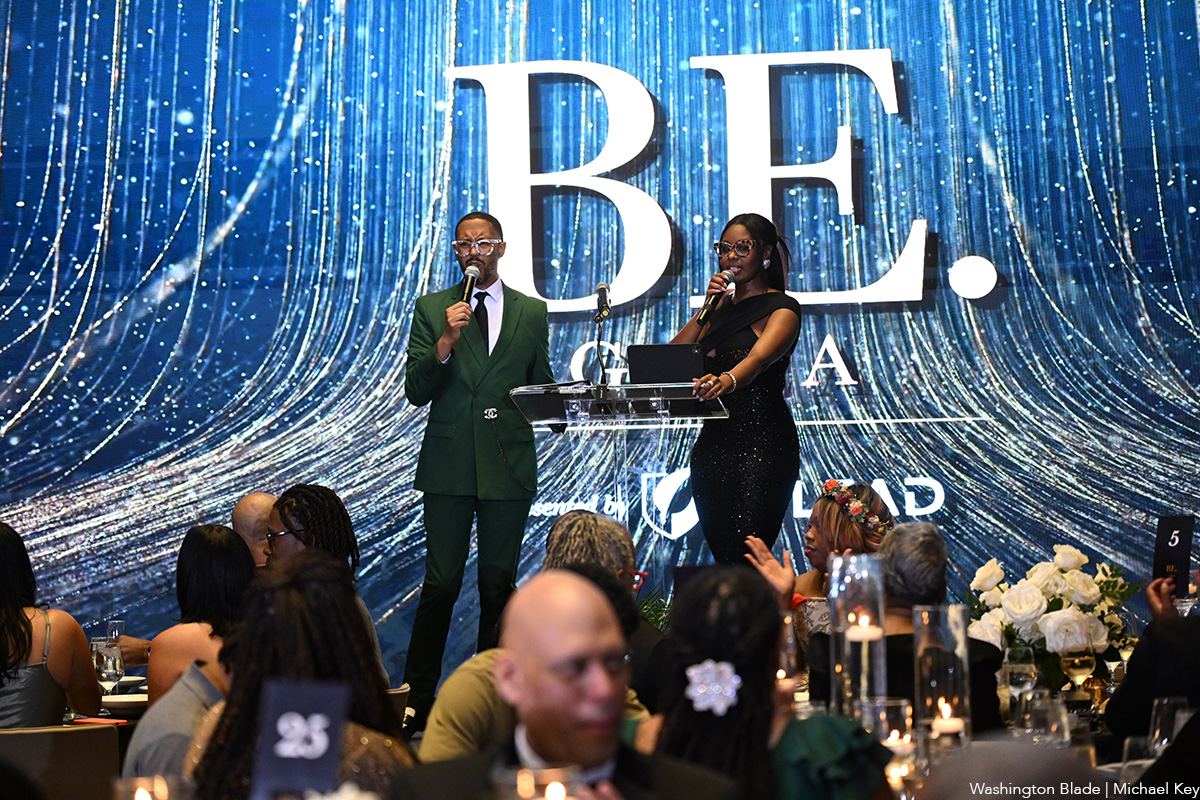
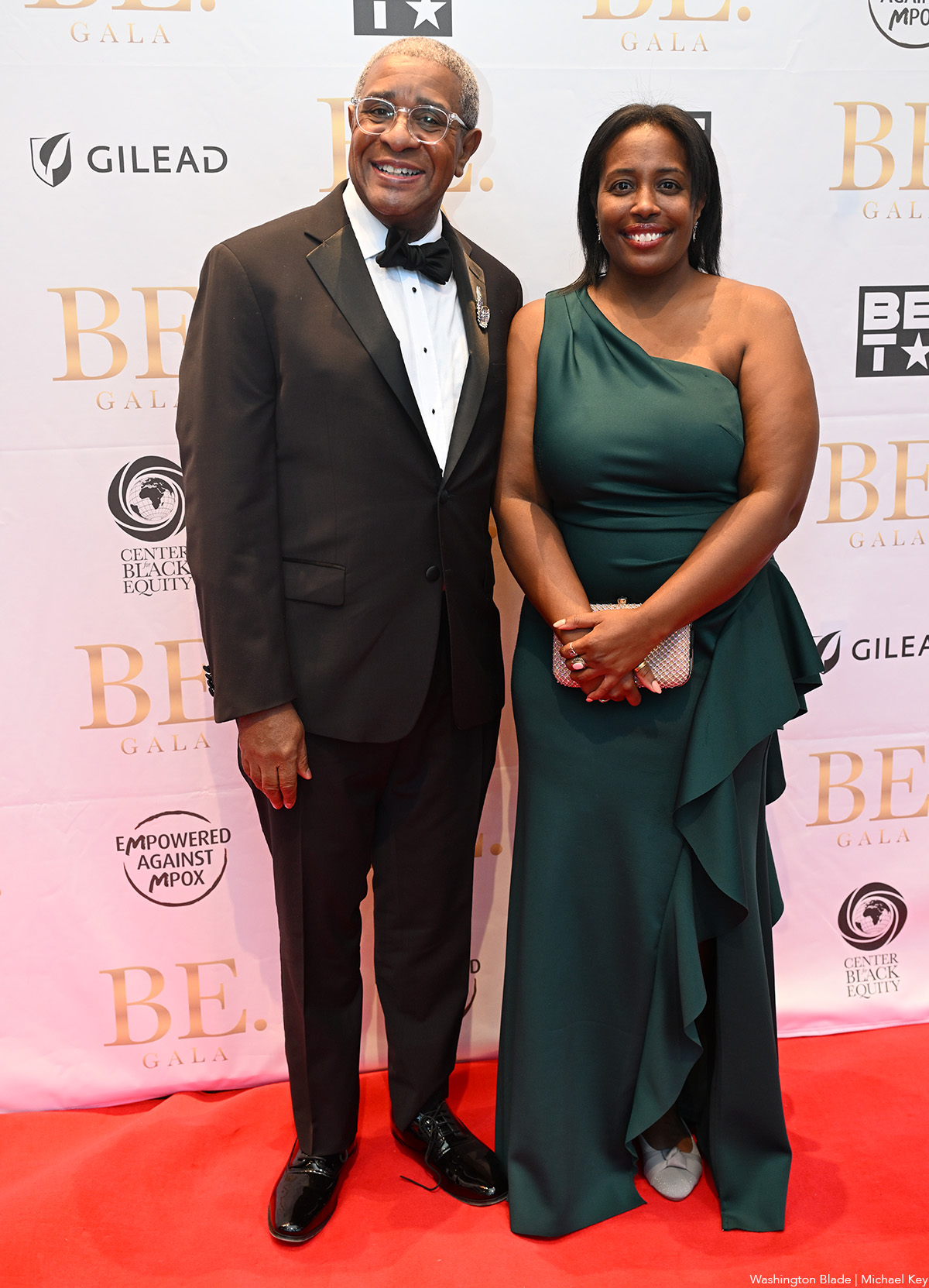
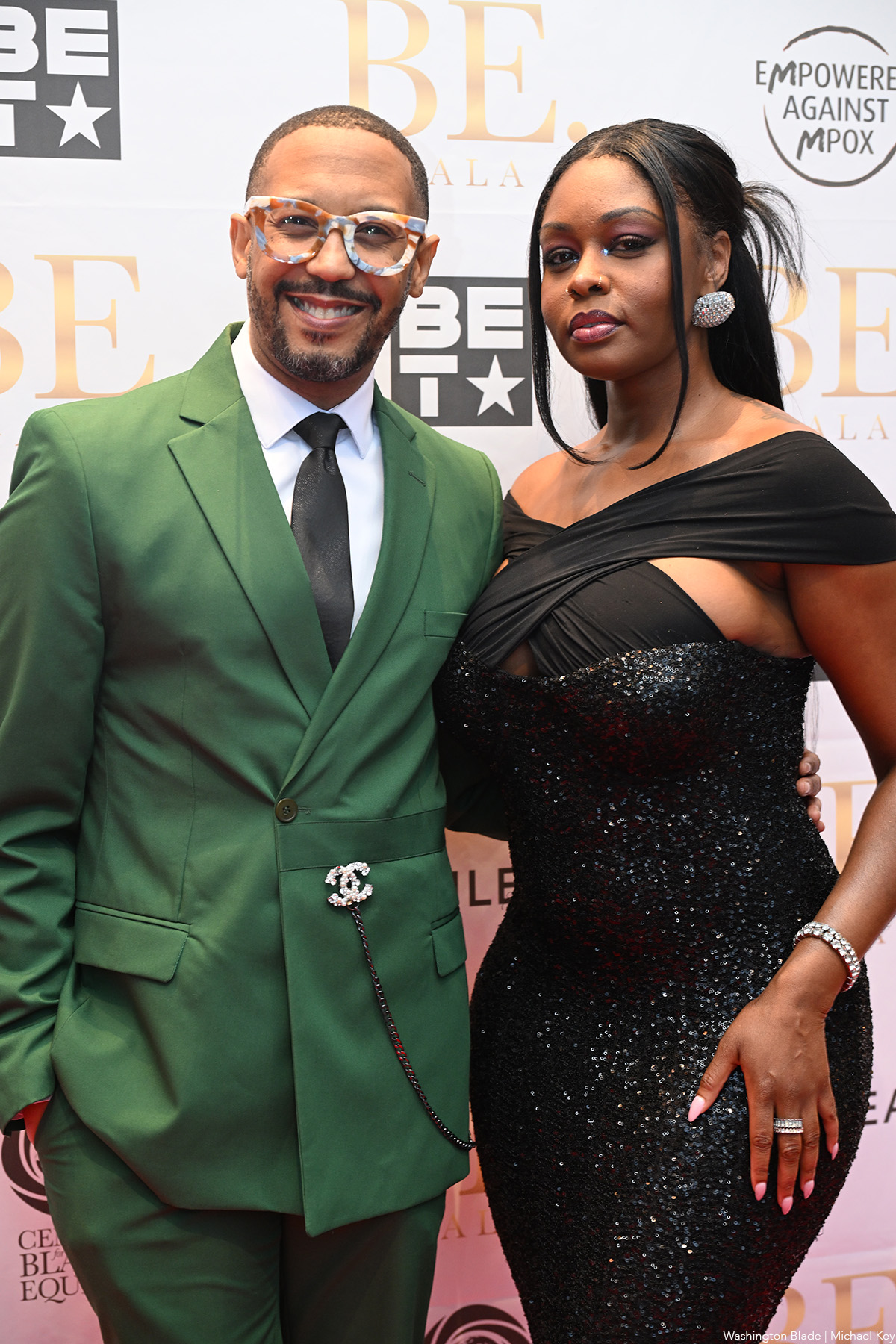
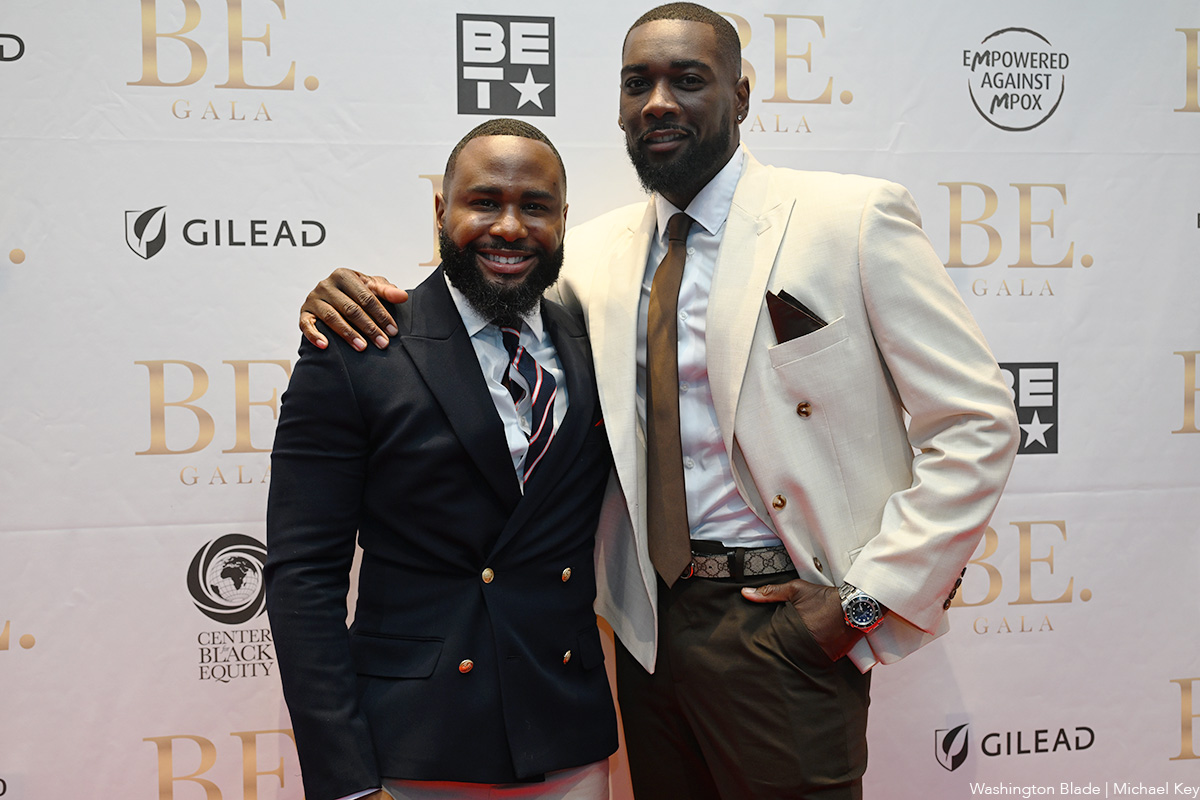
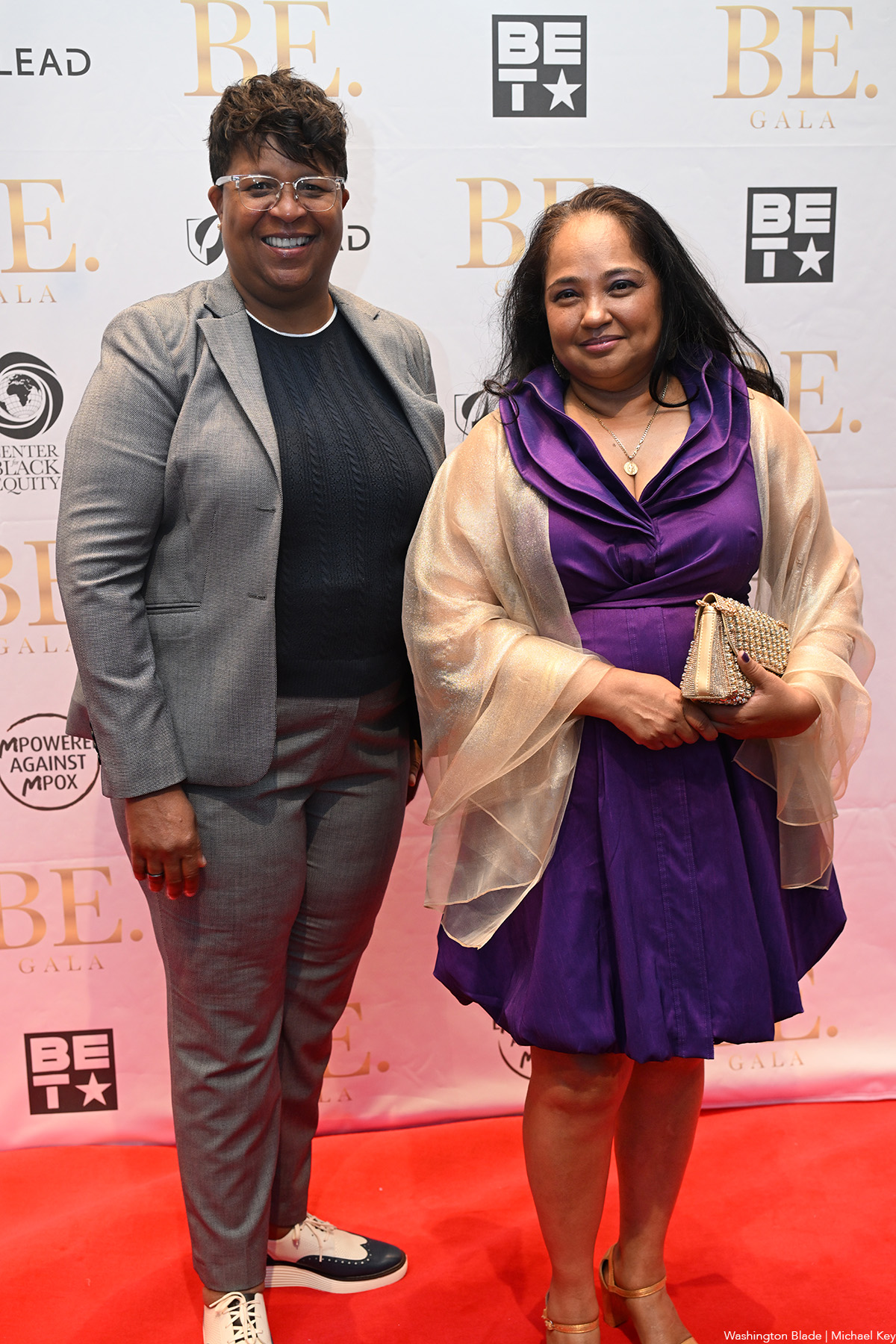
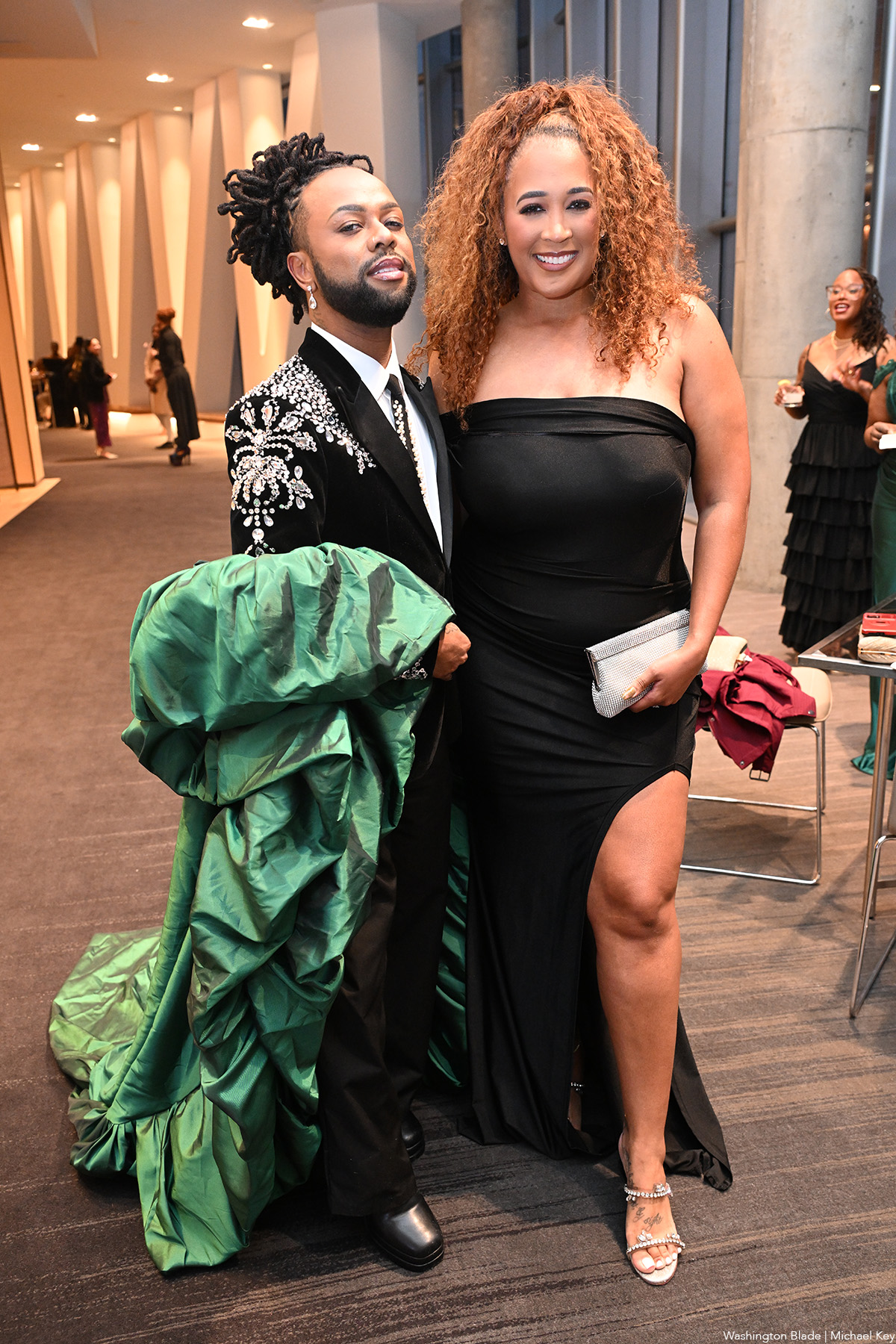
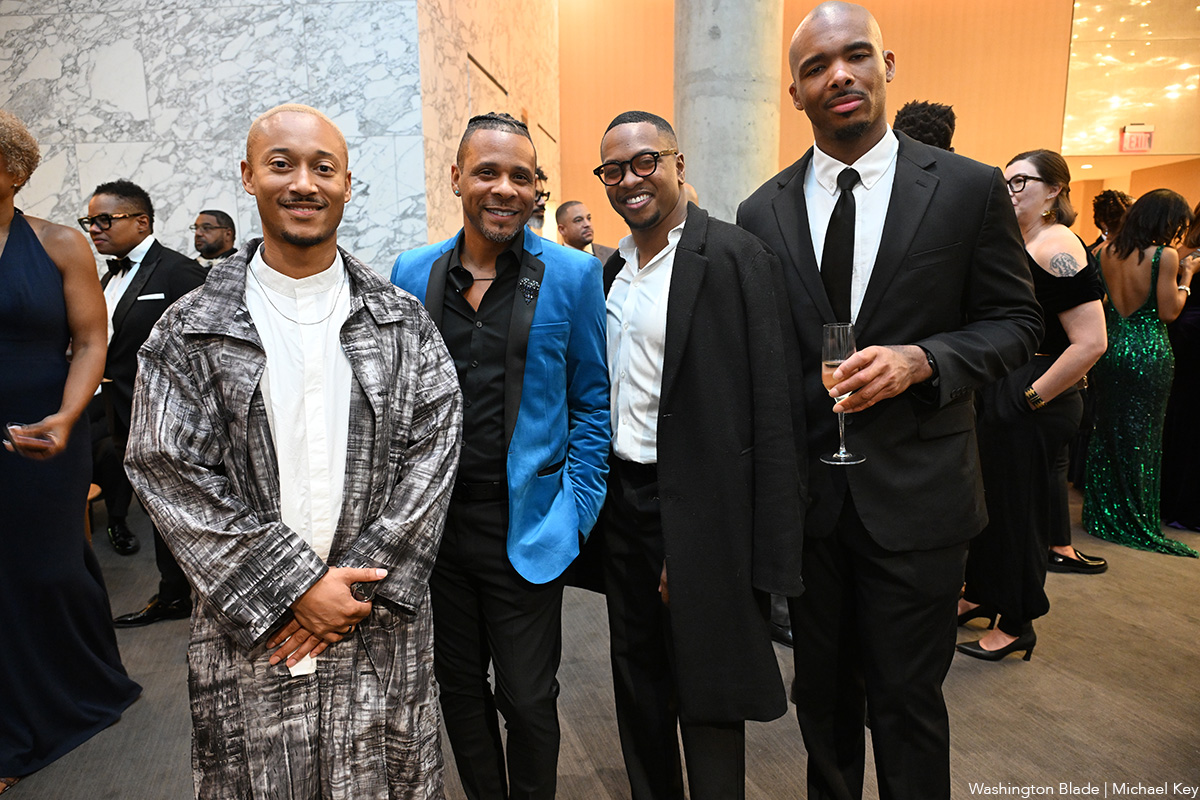
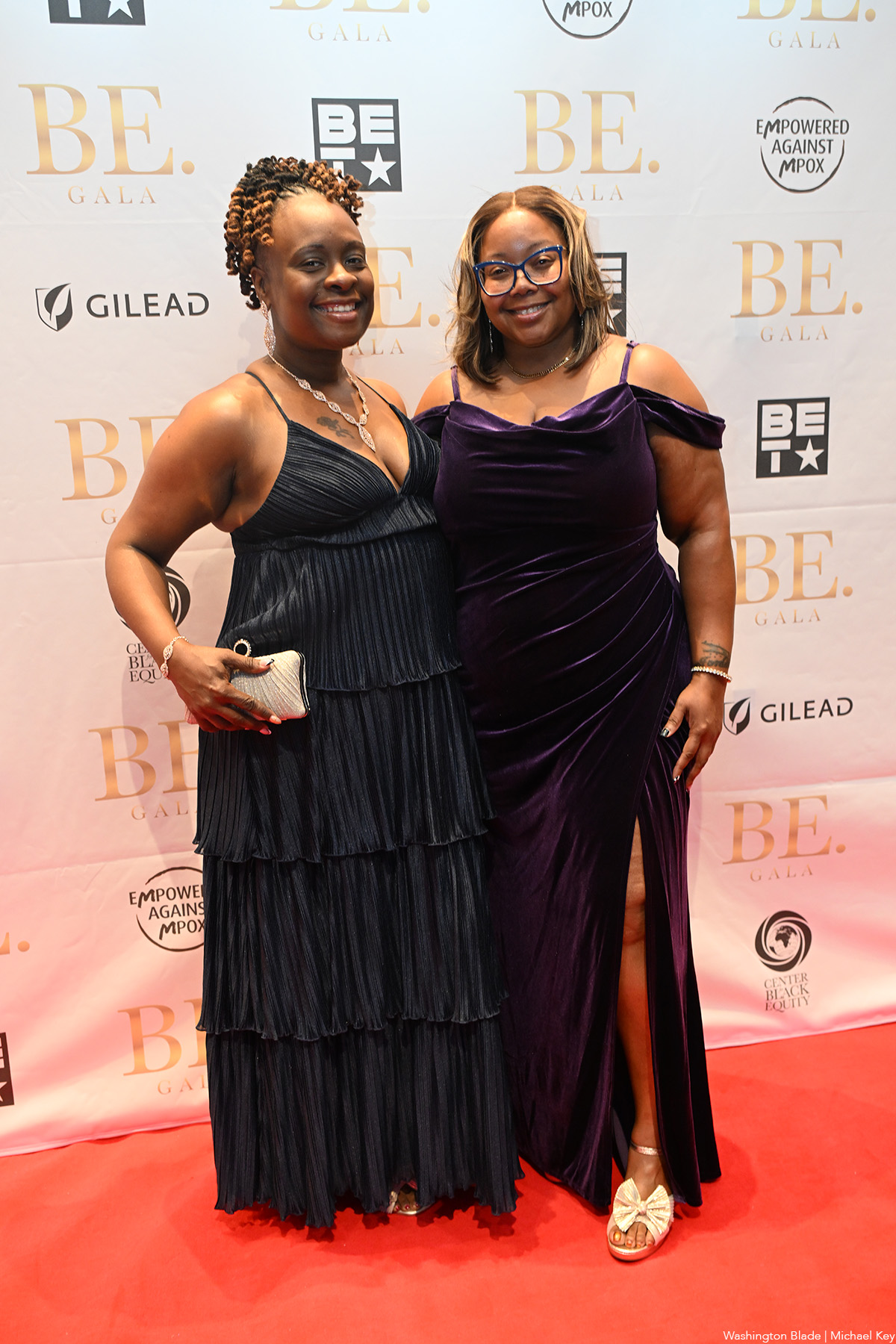
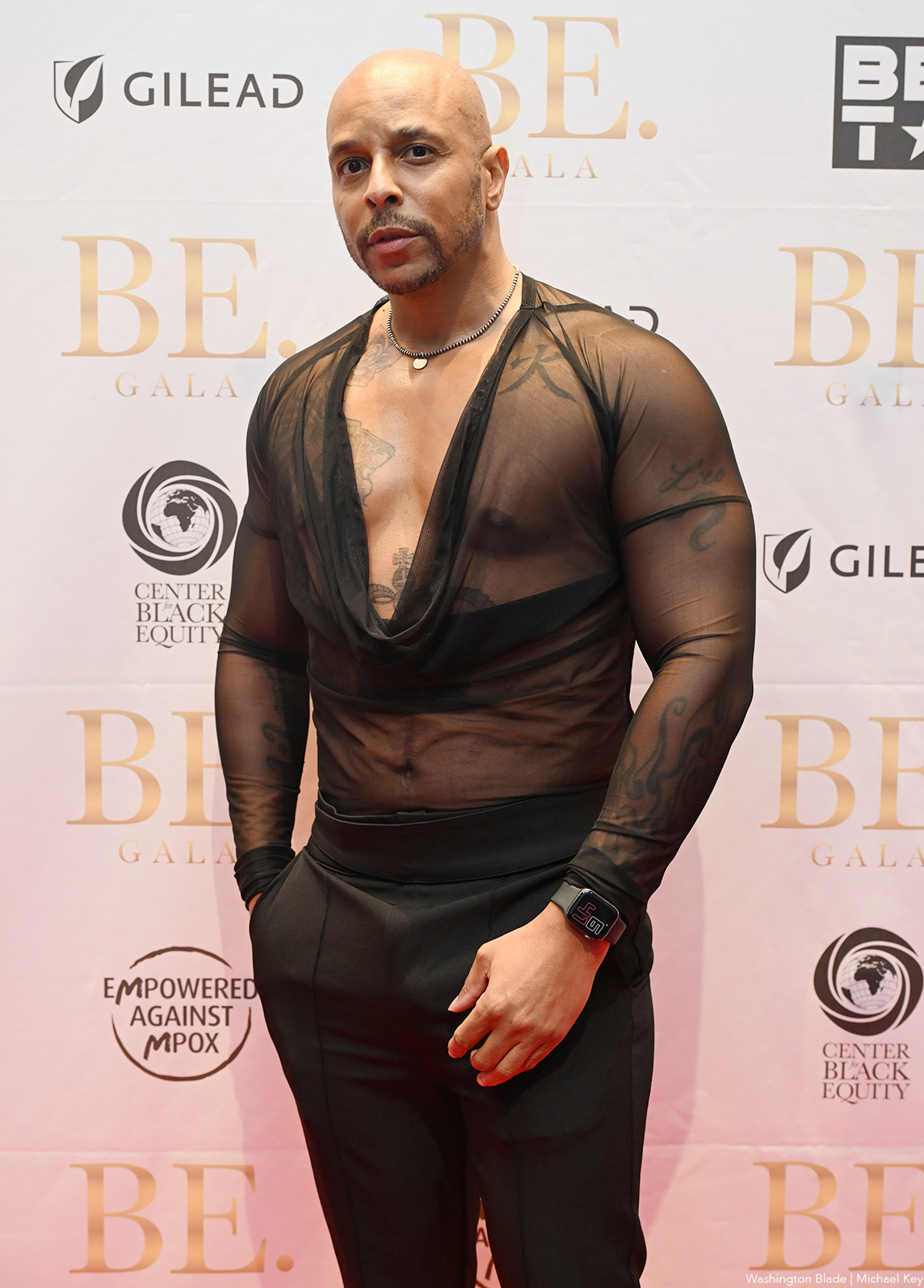
Center for Black Equity honors leaders, activists at BE. Gala
Miyake-Mugler, Oakes co-host annual awards ceremony
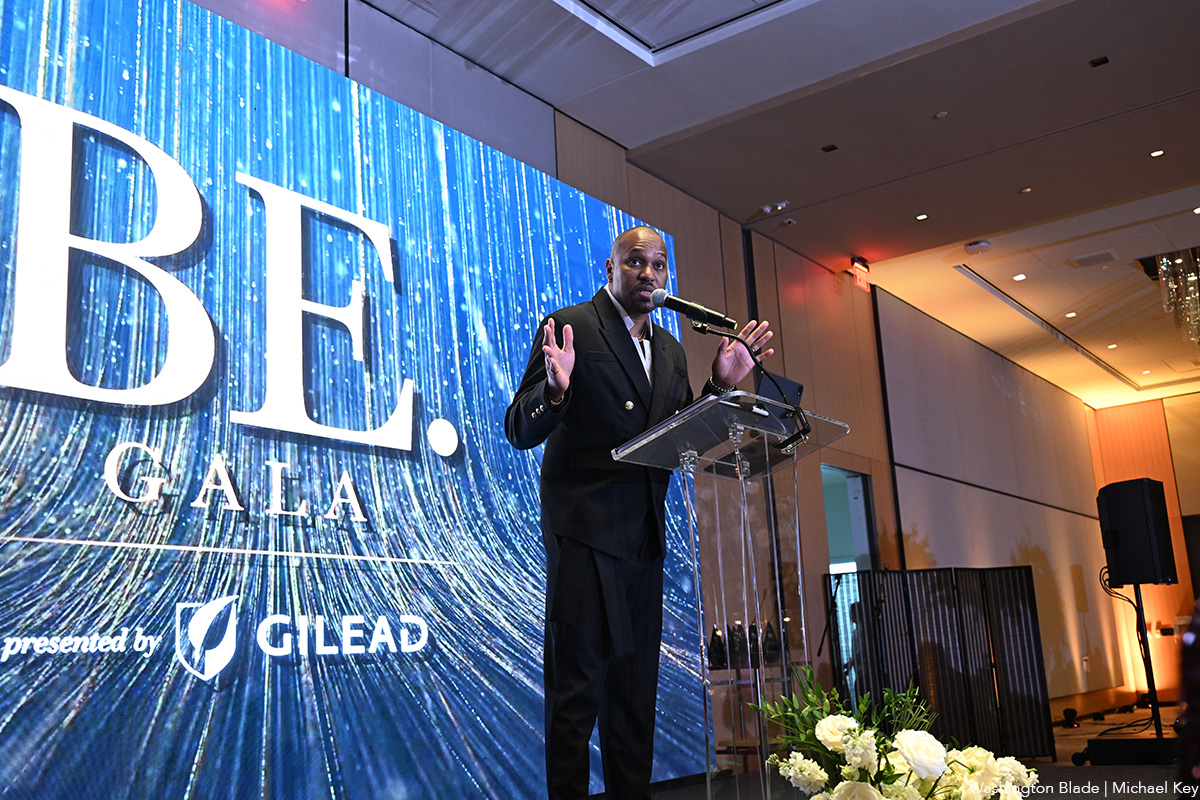
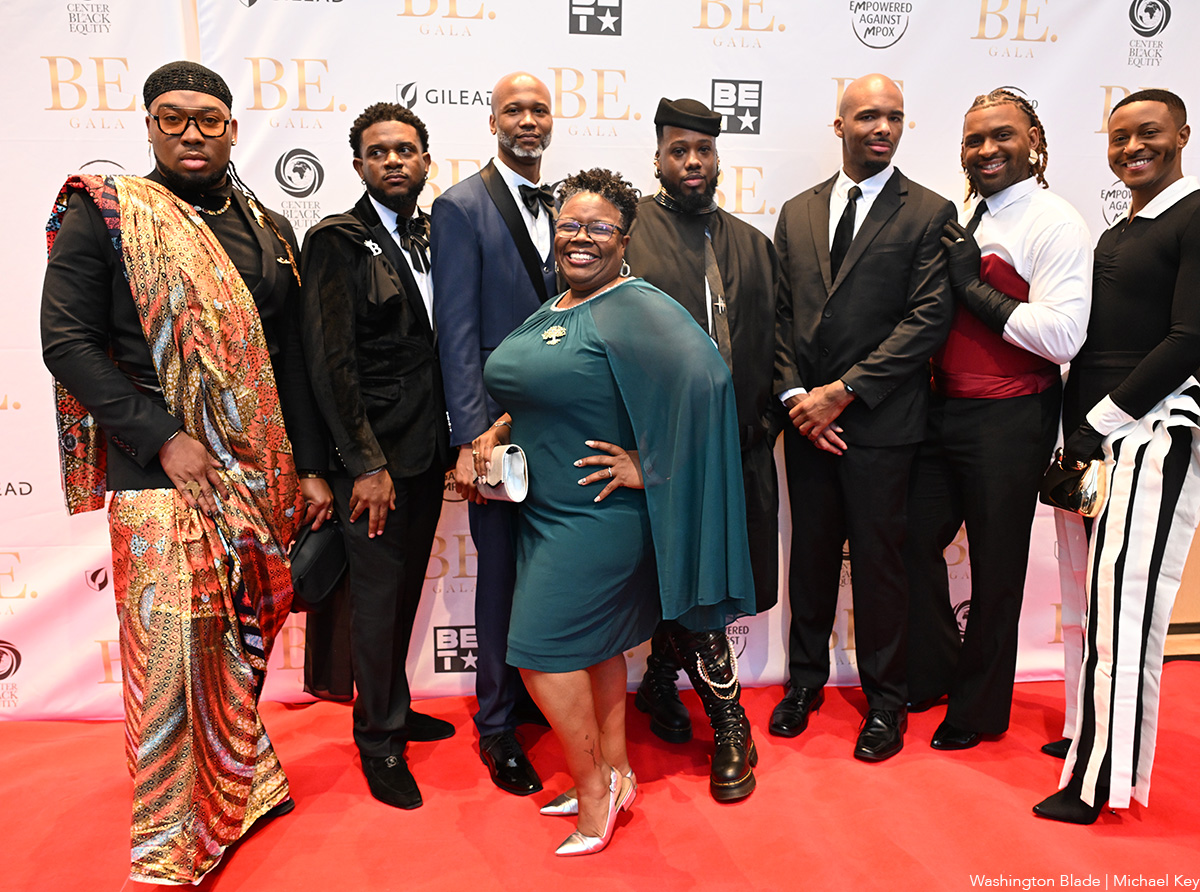
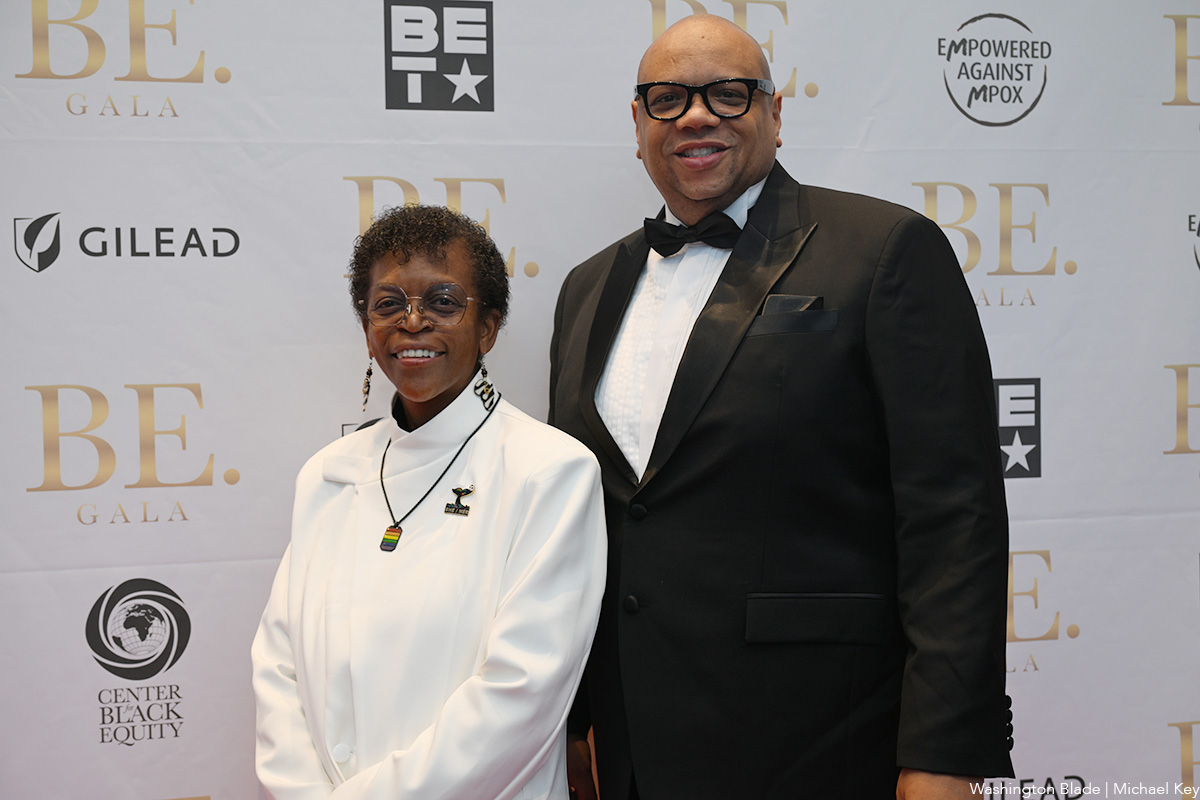
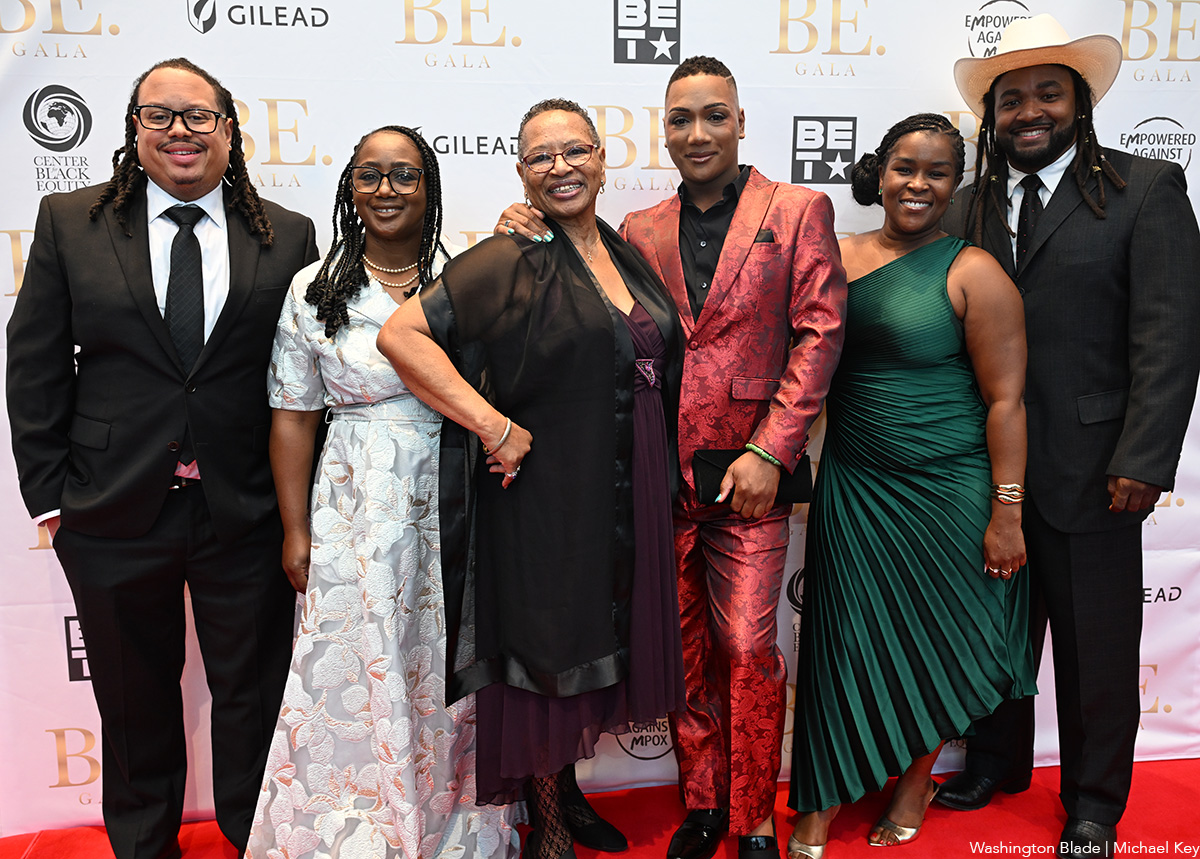
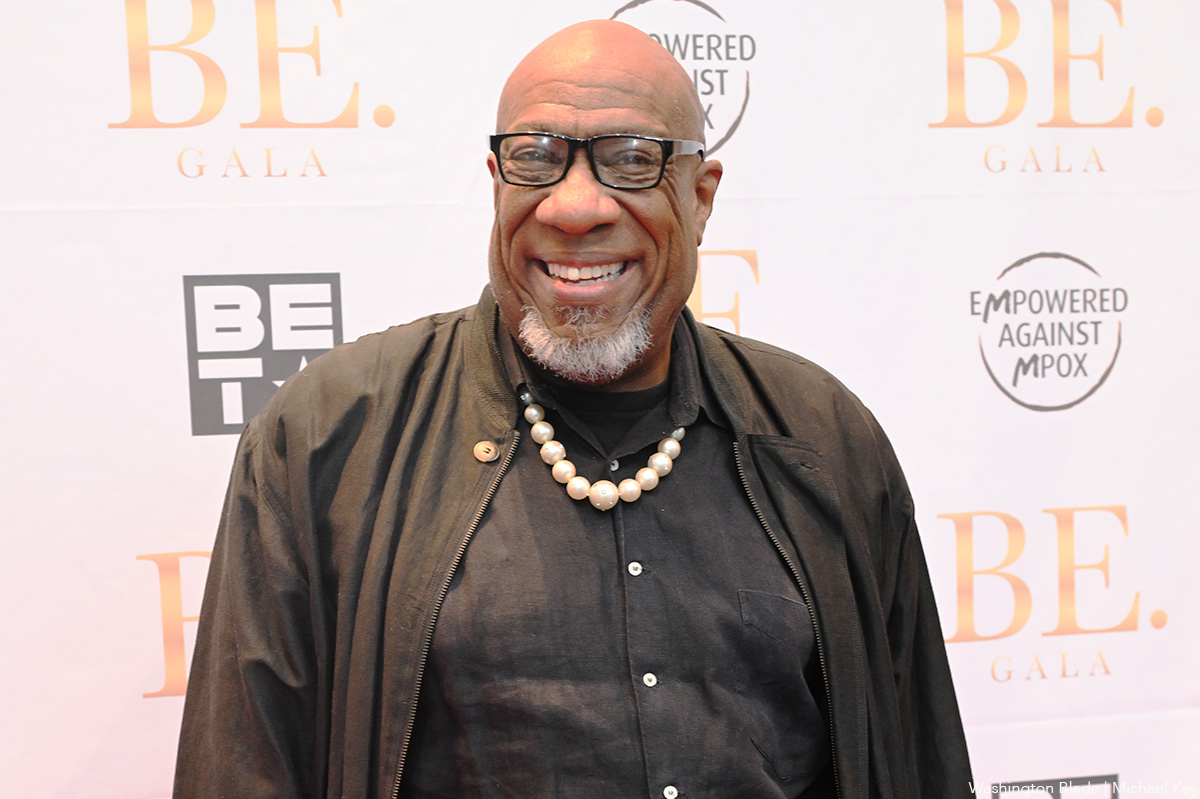
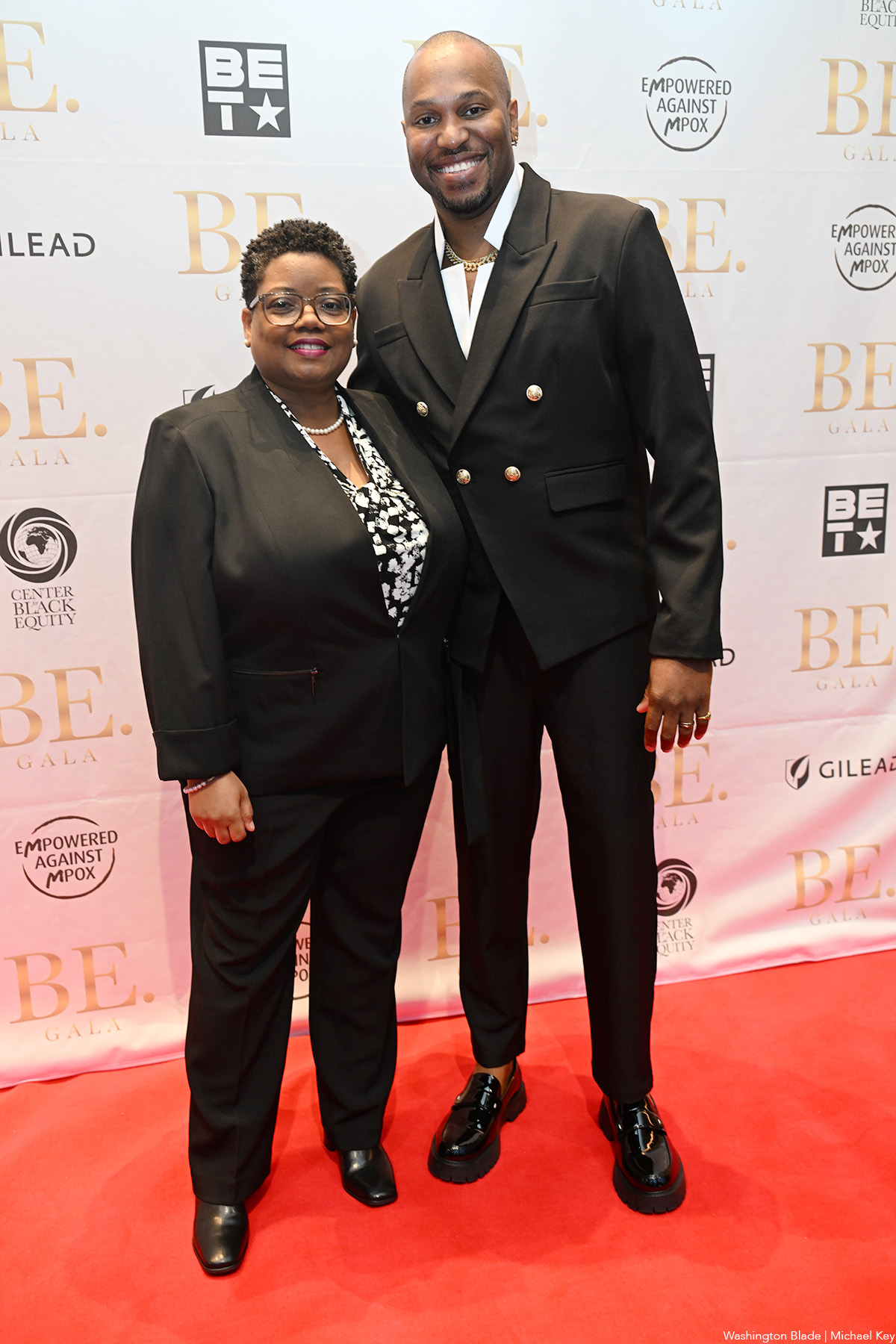
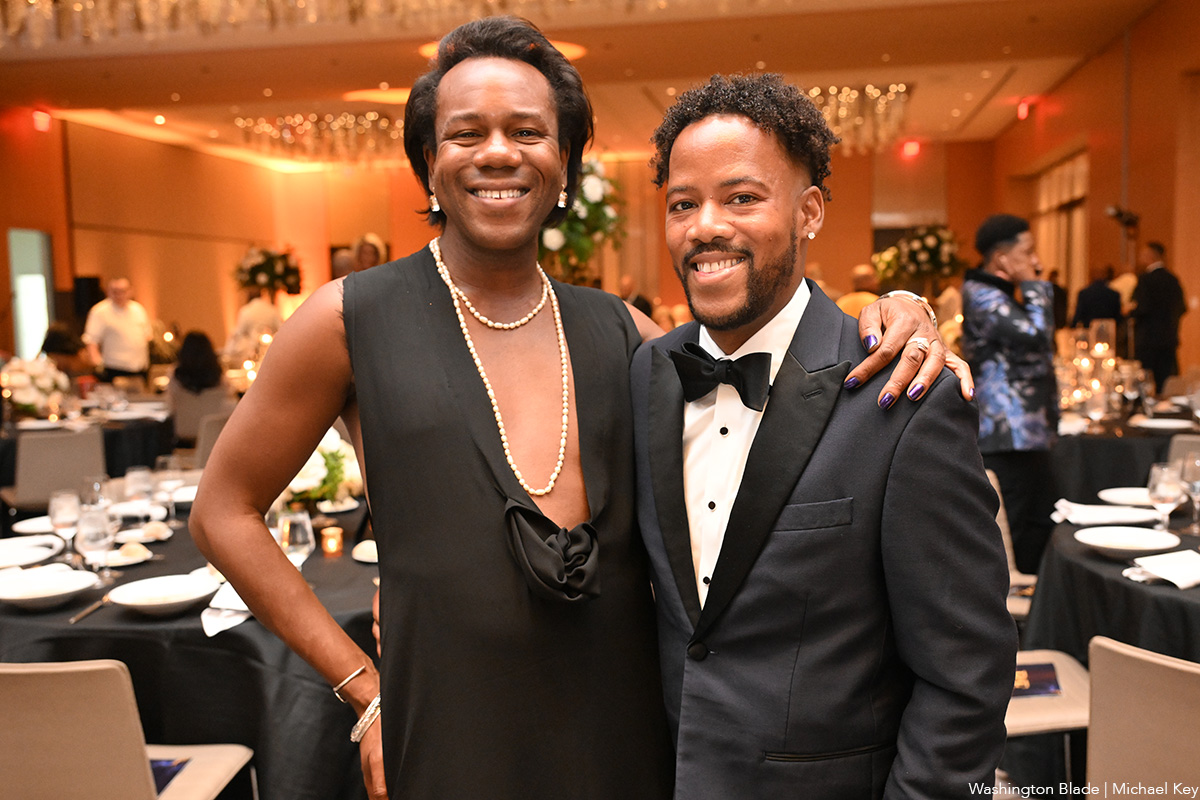
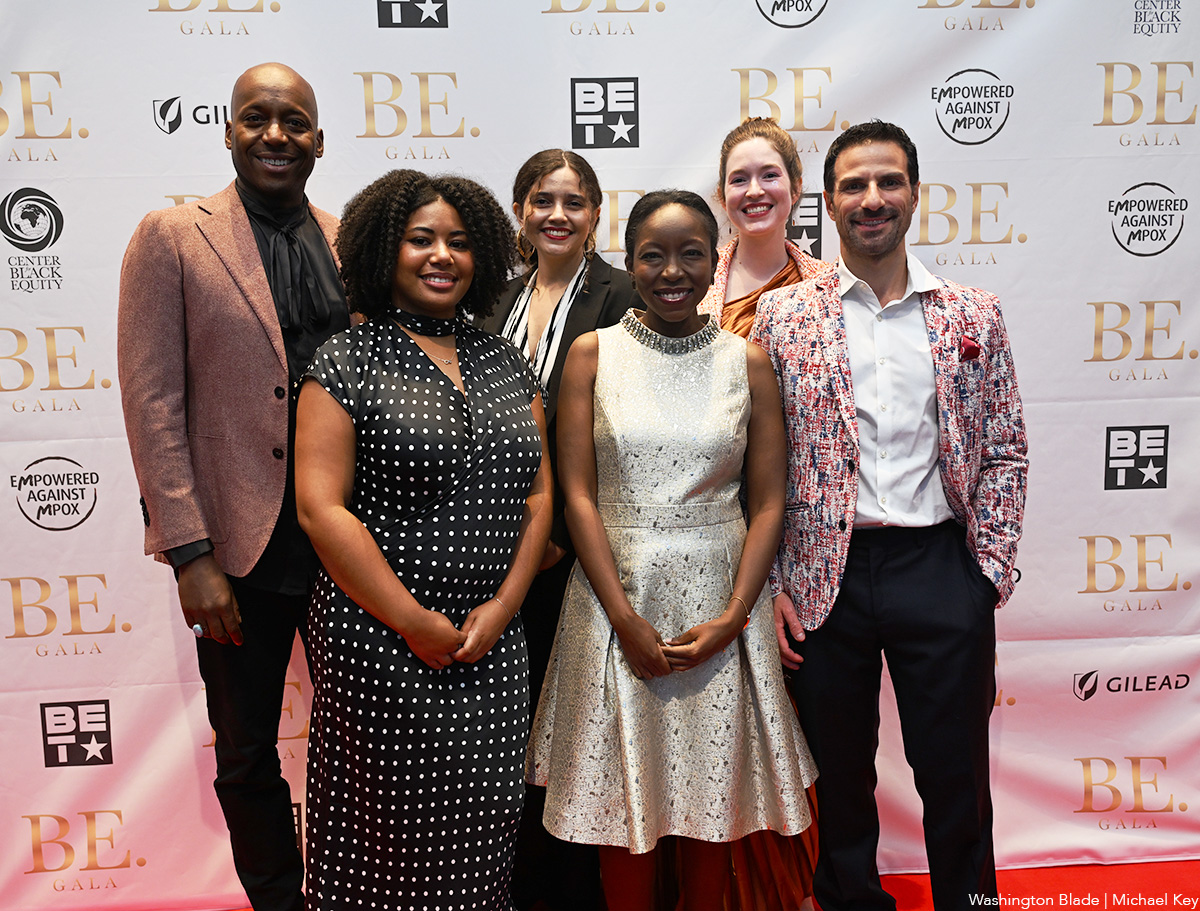
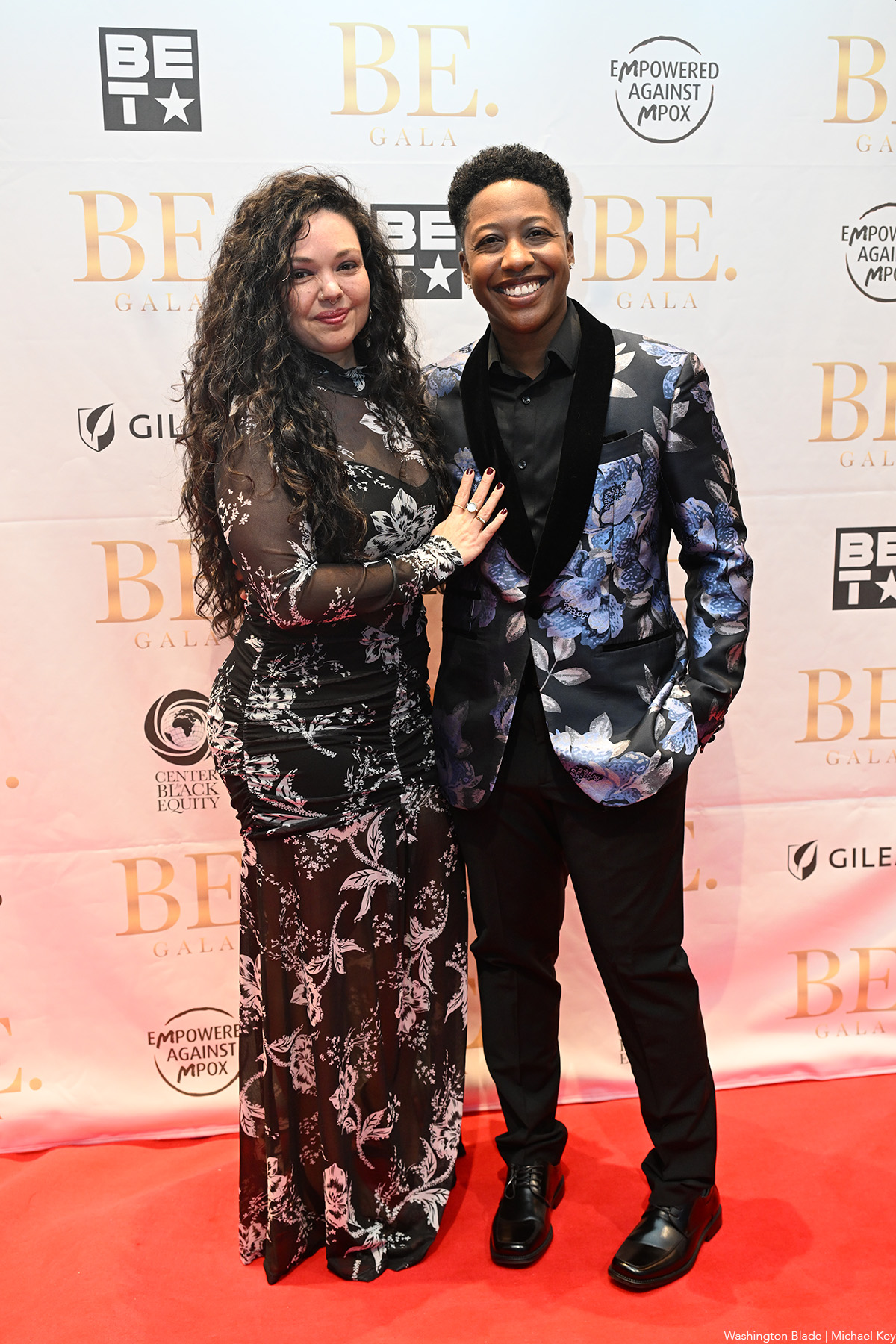
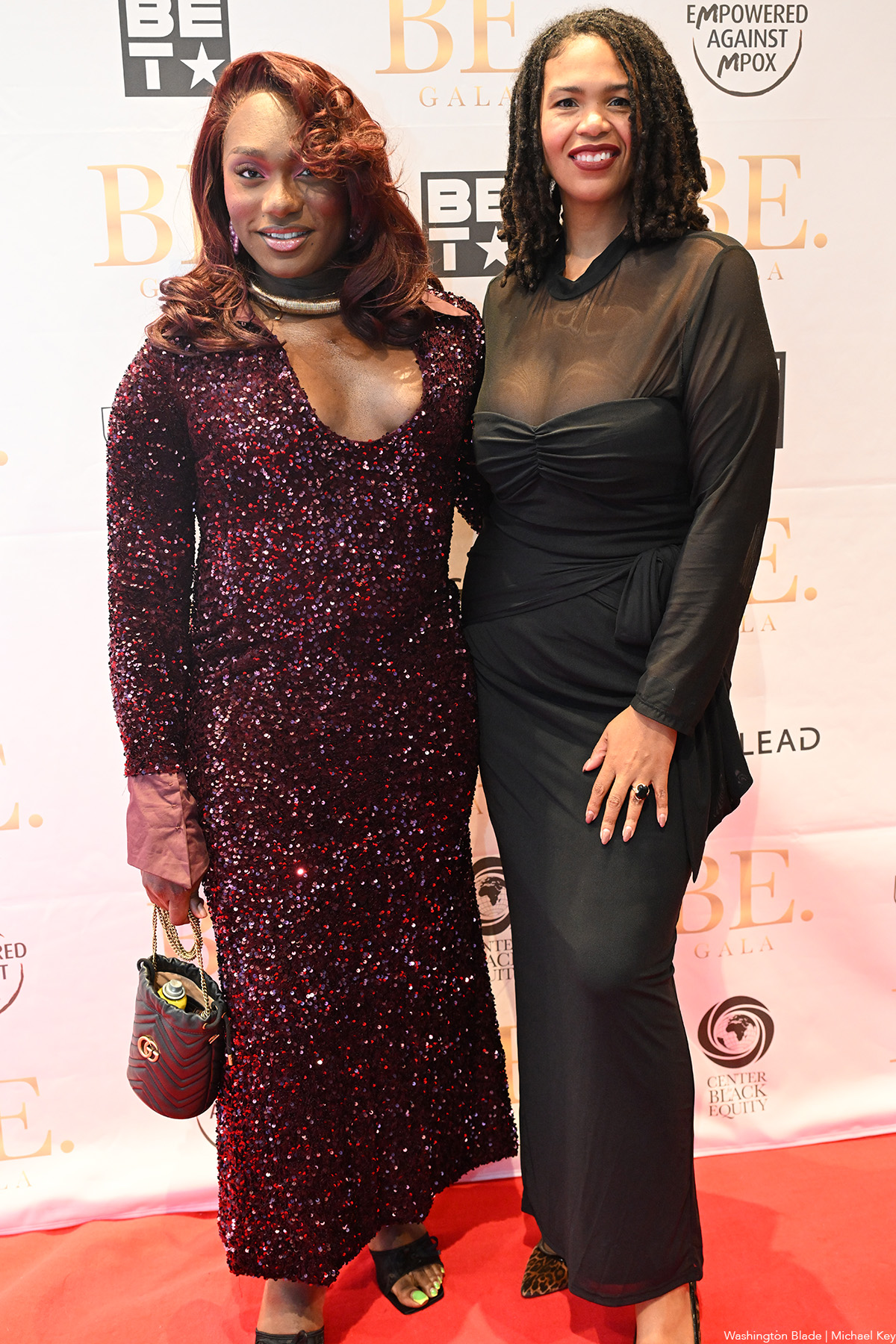
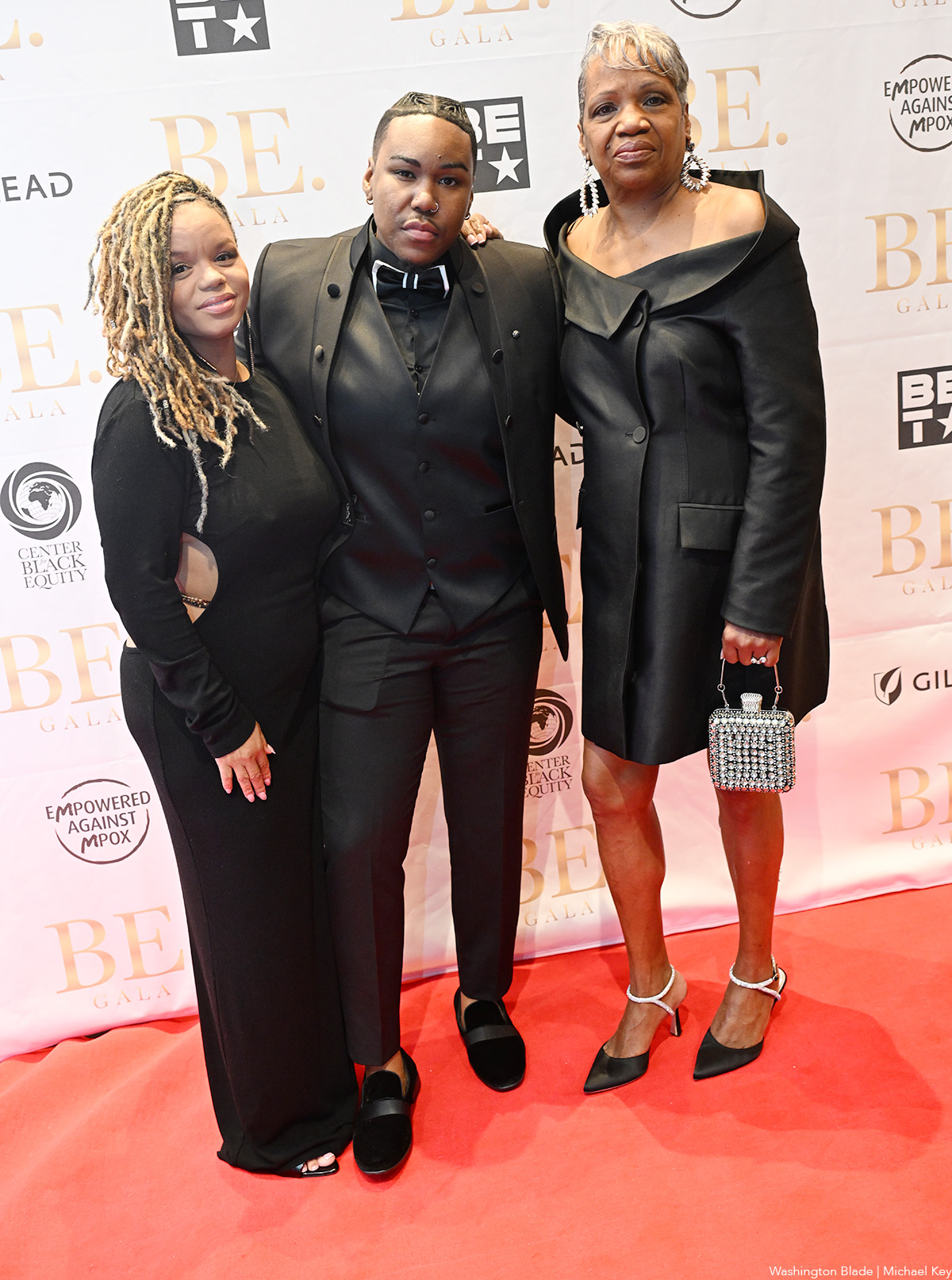
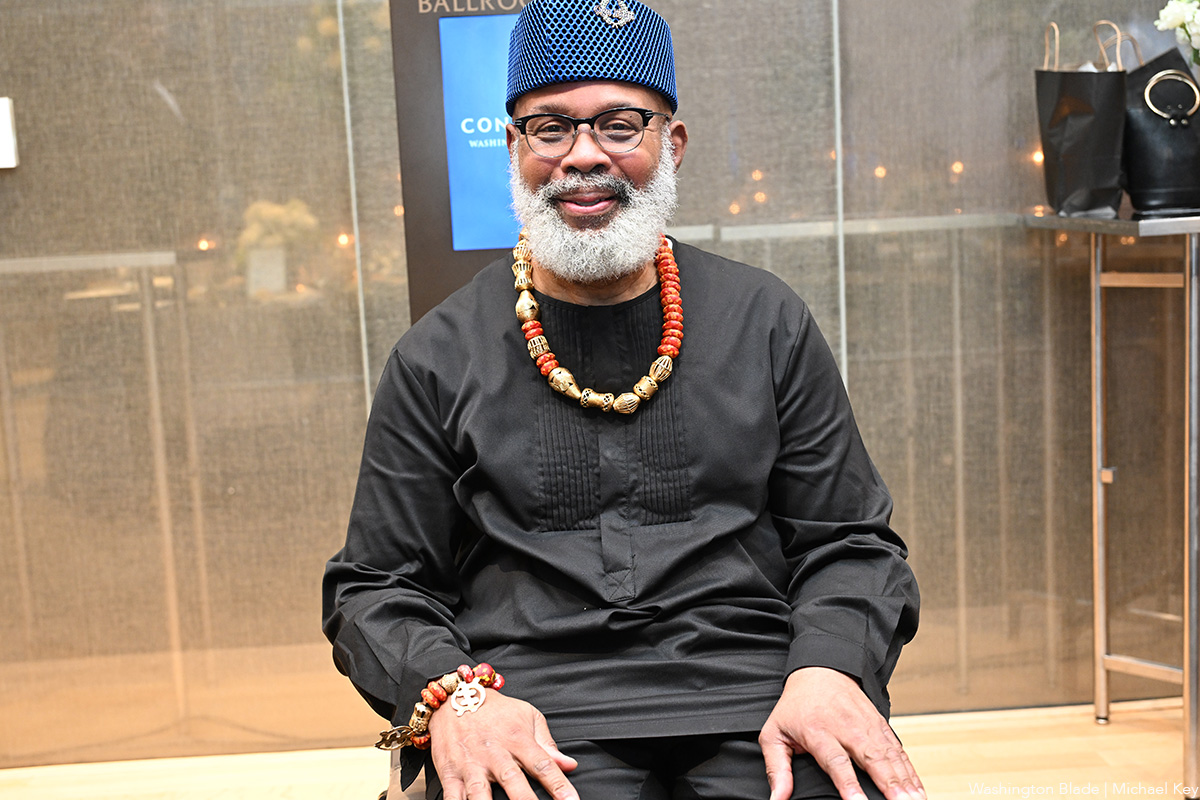
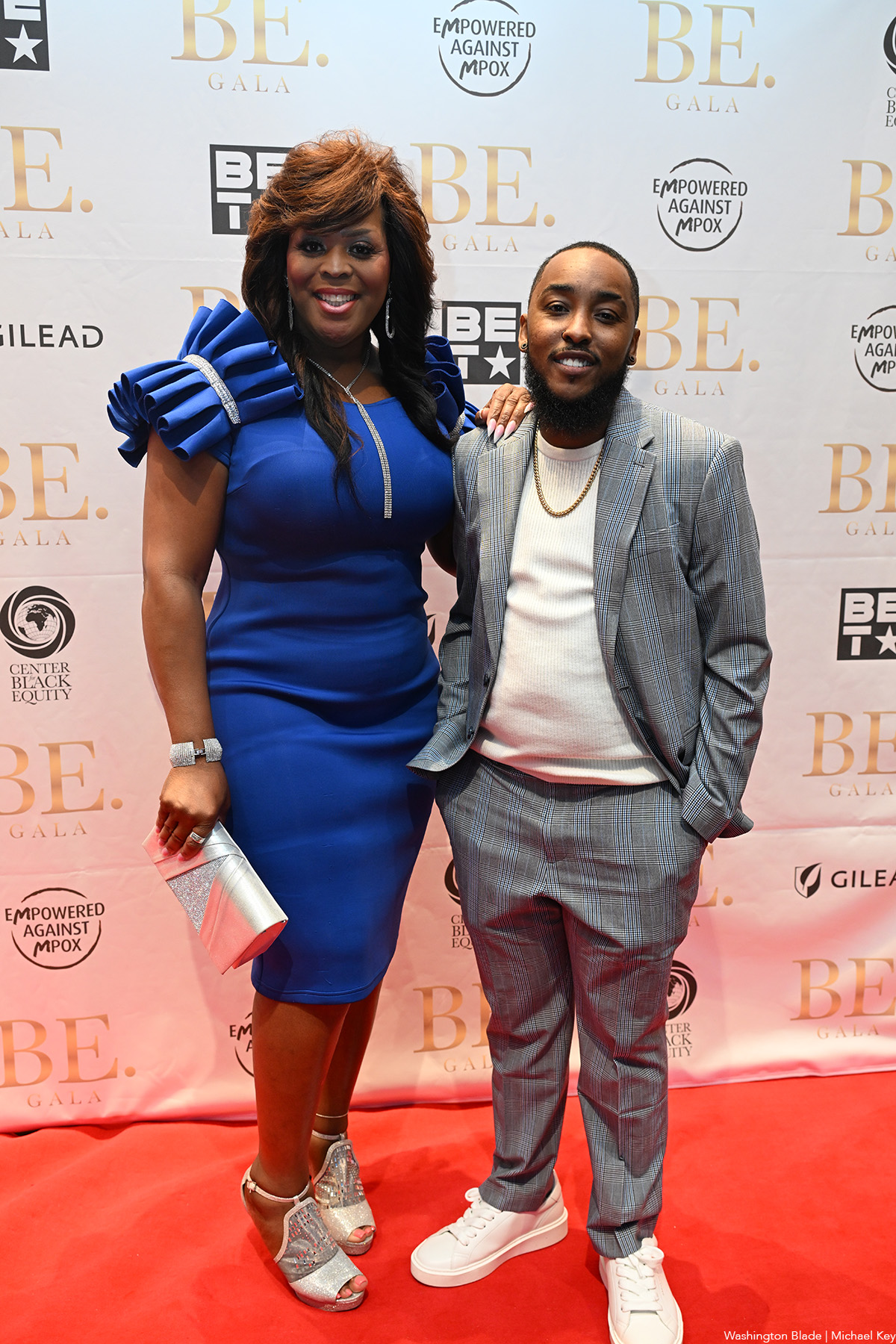
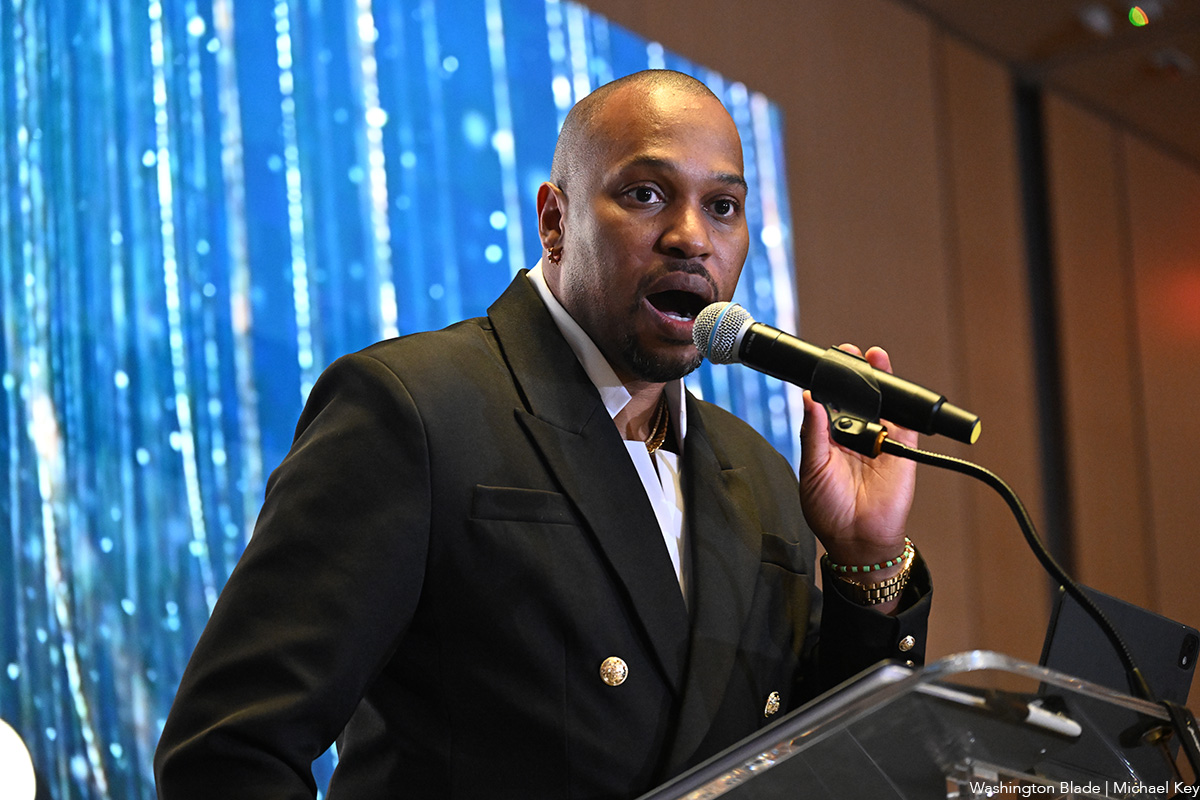
The Center for Black Equity held its annual BE. Gala at Conrad Washington, D.C. on Saturday, Oct. 5. Lolita Leopard Miyake-Mugler and Anthony Oakes co-hosted the awards ceremony.
Honorees included journalist and producer Justin Stewart; nonprofit leader Nikki Alexander; HIV advocate Marlene McNeese; the nonprofit organization FreeLux Project; actress Monroe Alise; public health advocate Tori Cooper; Manassas Park Vice Mayor Darryl G. Moore; Rev. Dr. Carmarion D. Anderson; Bishop Steven Sawyer; government relations professional Courtney Snowden; Senior Deputy Director of HAHSTA at D.C. Health, Clover Barnes; and Texas state Rep. Venton C. Jones.
The event was sponsored by Gilead.
(Washington Blade photos by Michael Key)
Books
In ‘The Lost Brontë,’ a complicated lie can lead to danger
New book features sweetly romantic girl-meets-girl twist

‘The Lost Brontë’
By Catherine Friend
c.2026, Bywater Books
$22.95/335 pages
Mom always said to tell the truth.
One lie leads to another and another and you have to remember them all until pretty soon, you’re caught. Fibs are hard, mistruths are messy, even little white social lies can destroy trust. Worst of all, as in the new novel, “The Lost Brontë” by Catherine Friend, a complicated lie can lead to danger.

Though Lilianne Loxley was very young when she lost her parents, she understood that her uncle didn’t really want her. As time passed, though, Lily made herself useful to Uncle, writing and signing letters for him and she became a good companion, helping him with his collection of Brontë memorabilia. Uncle was a keen enthusiast.
She had no idea that his obsession was out of control and he was deeply in arrears. The day Lily learned of his debt was the day she learned that he’d agreed to send her to his debtor’s home to work off the money owed.
It was so sudden. One minute, Lily was at Loxley House, happy and loved by Uncle’s staff … and five hours later, she was at Crag Thorn Manor, home of Lord Bexton, who informed her that she’d be working on his ledgers – work that seemed routine, but Lily tackled it.
Uncle always did say she was headstrong.
But would headstrong be enough to survive, when she was restricted from most of the Manor, when she was forced to dine with Brexton and his slimy friend, or – the worst! – when Brexton told Lily that her next task was to forge a letter from Emily Brontë? And then an entire manuscript?
Lily struggled to do what was right. She had to get Uncle out of debt but this last order horrified her. Did she dare refuse Brexton’s orders and commit a crime? It was unthinkable!
The only brightness in the whole situation was Wren, the ladies’ maid assigned to Lily’s room. Wren was adorable with freckles and the sweetest smile. But with everything else happening at Crag Thorn Manner, could Lily act upon her feelings?
This time of year, you may come to crave dark, spooky stories, and “The Last Brontë” fits those needs perfectly with its Gothic deliciousness. Think: Daphne du Maurier-type, stormy-night squirms with a dangerously chaste, sweetly romantic girl-meets-girl twist for fun.
If it’s been awhile since you’ve read a Gothic novel, you’re in for a nice reminder of why you love them here. You can almost tick off the must-haves: a novel like this is nothing without a foreboding stone manor with damp walls; stone steps to a dank basement; a mysterious portrait; and a nearby bog, and author Catherine Friend gives readers every one of them. You’d be disappointed if there was no ghost, wouldn’t you? Ha. You can practically feel the cold blow through the attic, right? Yeah, it’s that kind of book.
If you’re a fan of the Brontës, you’ll like this novel. If you love Gothic mysteries or Victorian romances, ditto. “The Lost Brontë” is good, no lie.
The Blade may receive commissions from qualifying purchases made via this post.
Out & About
CAMP Rehoboth Block Party returns Oct. 18
Expect performances, vendors and more at annual celebration

CAMP Rehoboth will host its annual Block Party celebration on Sunday, Oct.18 at 11 a.m. on the second block of Baltimore Avenue in downtown Rehoboth Beach.
CAMP Rehoboth invites all community members to join in the festivities and to expect magnificent performances and dozens of vendors, including artists, craftspeople, non-profits, businesses, and more.
The event started in 2015 in celebration of CAMP Rehoboth’s 25th anniversary. This year, attendees can expect to shop sea glass art, pottery, jewelry, Pride merch, body care, clothing, and learn more about local non-profit causes and businesses.
Attendance is free. For more details, visit CAMP Rehoboth’s website.

Center for Black Equity honors leaders, activists at BE. Gala

In ‘The Lost Brontë,’ a complicated lie can lead to danger

CAMP Rehoboth Block Party returns Oct. 18

Essential queer horror classics for Halloween

Solidarity beyond the parade: the actual cost of Pride

10 years later, we still can’t shake Barry Jenkins’s ‘Moonlight’

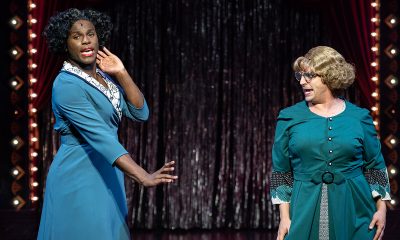
‘Some Like It Hot’ a wild ride at renovated Bernard Family Theatre

D.C.’s LGBTQ homeless facilities face possible hit from Trump funding cuts

Trump uses anti-trans slur against Democratic Senate candidate

U.S. int’l trade negotiator, consultant James Bedore dies at 82
-

 Movies5 days ago
10 years later, we still can’t shake Barry Jenkins’s ‘Moonlight’
-
Theater5 days ago
‘Some Like It Hot’ a wild ride at renovated Bernard Family Theatre
-
District of Columbia5 days ago
D.C.’s LGBTQ homeless facilities face possible hit from Trump funding cuts
-
2026 Midterm Elections4 days ago
Trump uses anti-trans slur against Democratic Senate candidate