Local
Some D.C. schools participating in ‘Day of Silence’
Friday’s event spotlights anti-LGBT harassment, violence
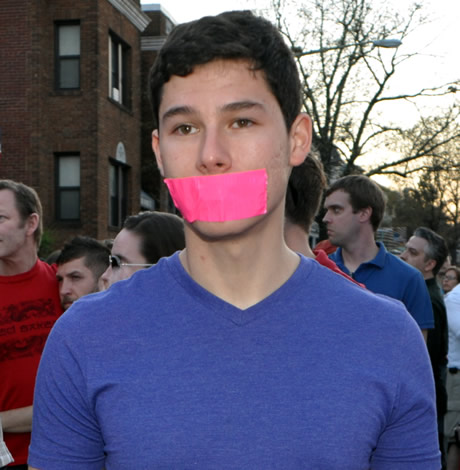
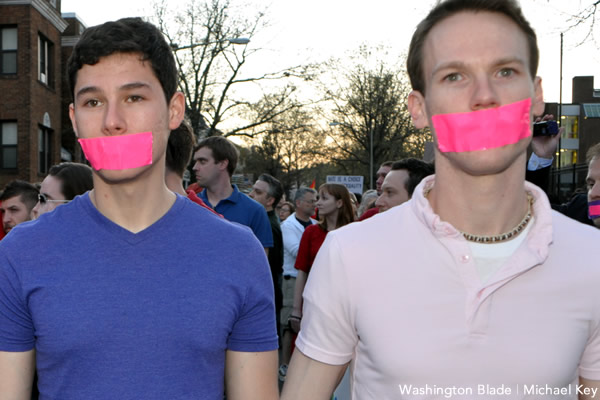
(Washington Blade file photo by Michael Key)
Hundreds of D.C. college students will tape their mouths shut on April 11, pledging to remain silent in an effort to generate awareness about anti-LGBT bullying.
They’ll be joining thousands of others nationwide in the Day of Silence, organized by the Gay, Lesbian and Straight Education Network (GLSEN), as part of a battle to bring the problem of hate crimes in schools to light.
“The Day of Silence is all about remembering that even though we have the privilege of being at a progressive school, not everyone on this campus has the ability to come out,” said Tyler Bowders, executive director of American University Queers and Allies, which is coordinating the Day of Silence there.
Students will be given placards to hand out to their professors, friends and bosses to explain why they have promised not to speak for the entire day.
At American, the Day of Silence is the culmination of a full week of advocacy events, which include free HIV testing and “trans 101 training” in conjunction with the university’s Center for Diversity and Inclusion.
Last year, at least 100 people — both straight and gay students — participated in Pride Week events, which have been held on American’s campus for the past three years. The event has steadily gained traction and will likely have a turnout of about 150 people this year, Bowders said.
Georgetown University’s LGBT organization, GUPride, has also pledged to participate in Day of Silence. There, the day will culminate with GenderFunk, the university’s annual drag ball. George Washington University’s Allied in Pride, which held a drag competition earlier in the year to benefit the Trevor Project, an organization focused on LGBT suicide prevention, does not have events planned this week.
The Day of Silence got its start 1996 at the University of Virginia. Today, it is the “largest single student-led action toward creating safer schools for all,” with student activists at more than 8,000 middle schools, high schools and colleges participating, according to the group’s website.
The day of action has spurred controversy, drawing ire from religious conservative groups like Focus on the Family. In response, the group created an annual Day of Dialogue in 2011 aimed at having conversations about what they call God’s plan for human sexuality.
The event, usually scheduled on the same week as Day of Silence, has been derided by supporters of the LGBT rights movement as a publicity stunt.
For some college students — even those living in D.C., known for its large LGBT population — events drawing attention to bullying, discrimination and the difficulty of the coming out process are deeply personal.
“There’s a lot of people who don’t think the event is necessary since this is an accepting campus,” Bowders said, explaining that many students live openly gay lifestyles at college, but might not be out to their family and friends back at home.
“What they should realize is that being silent can be impactful,” he said. “You’re forgoing your voice symbolically to commemorate those who metaphorically and quite literally lose their voice every day.”



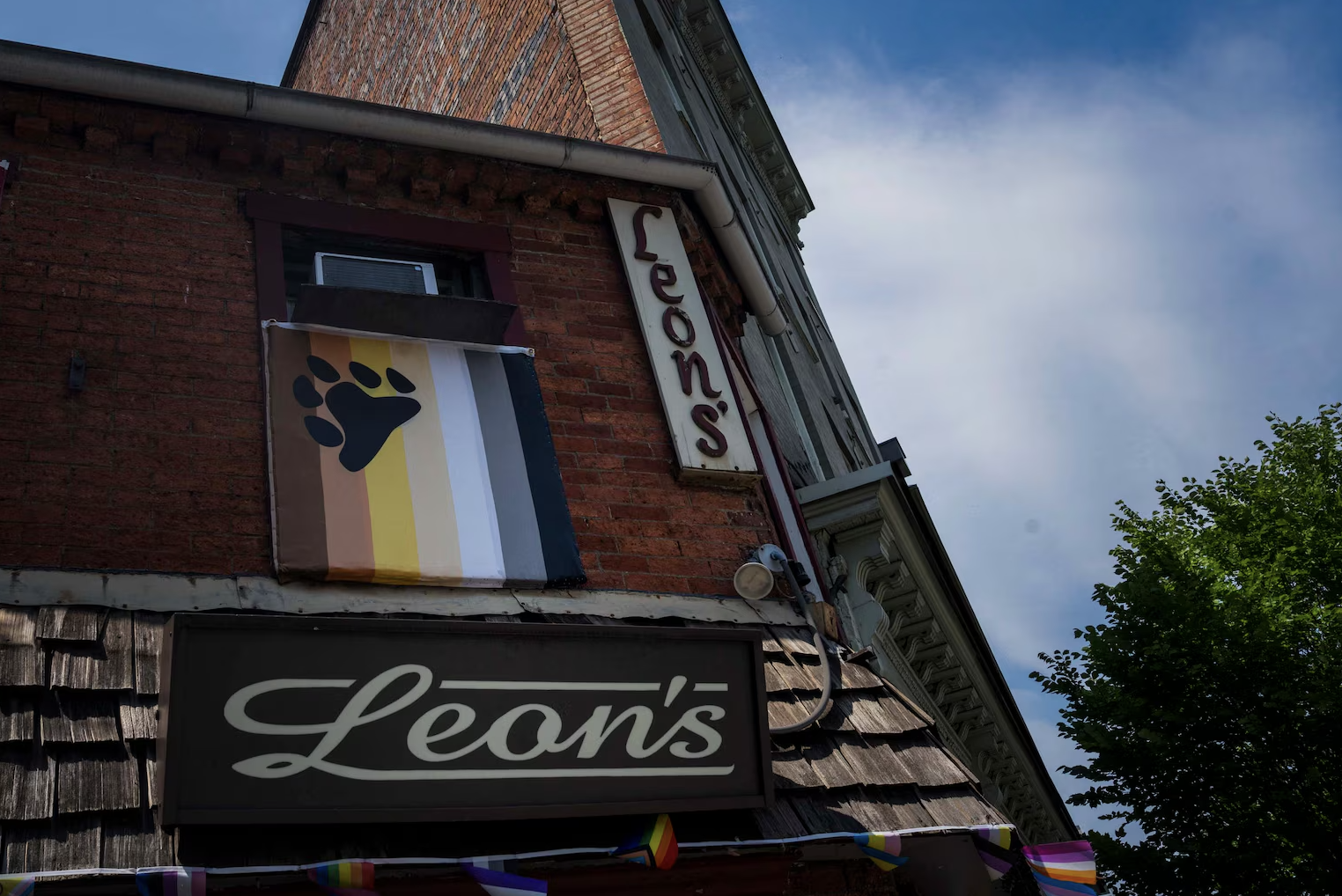
By JOHN-JOHN WILLIAMS IV | Those legendary heavy-handed pours, spirited karaoke and trivia nights, and groan-worthy wall-to-wall patrons on packed nights are back!
Leon’s will live to see another day.
Baltimore’s oldest gay bar, which opened in the 1950s, closed in July following the death of its owner, Ron Singer.
The rest of this article can be read on the Baltimore Banner’s website.
The Comings & Goings column is about sharing the professional successes of our community. We want to recognize those landing new jobs, new clients for their business, joining boards of organizations and other achievements. Please share your successes with us at [email protected].
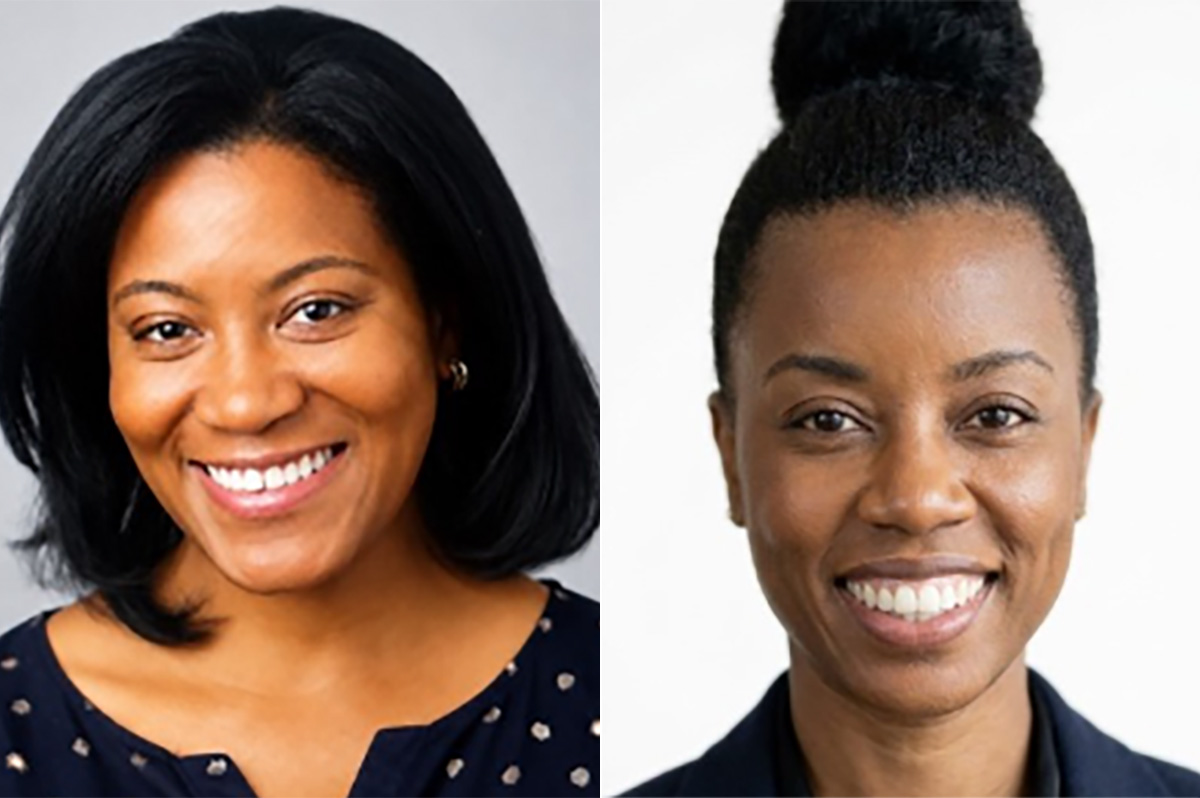
Congratulations to Leigh Miles Jackson, Ph.D., named executive director of The Institute for Health Research & Policy at Whitman-Walker, and Angel Earle, Ph.D. named as chief operating officer, Whitman-Walker Health System.
Upon her appointment Dr. Jackson said, “Under my leadership, I would love for The Institute for Health Research & Policy at Whitman-Walker to be known as a trusted, forward-looking research organization that shapes policies, strengthens practices and creates measurable change for the community.” Dr. Jackson spent 12 years with the National Academies of Sciences, Engineering and Medicine, leading national initiatives on minority-serving institutions and economic evidence for investments in children, youth and families. Dr. Jackson holds an extensive educational background, including postdoctoral fellowships in developmental Psychology and Neurogenomics from Vanderbilt University, a Ph.D. in molecular and systems pharmacology from Emory University and a bachelor’s degree in chemistry from Wake Forest University.
Upon her appointment Dr. Earle said, “When we talk about parity and inequities and research, it’s never just about the dollars that are out there. It’s about making sure that we’re cultivating a change that embraces equity at the heart of everything that it does. As the COO for Whitman-Walker Health System I will be working closely to support The Institute for Health Research & Policy at Whitman-Walker and the Whitman-Walker Foundation to drive advancement in research and support the strategic goals of all of the Whitman-Walker Heath System entities.”
Dr. Earle is a genetic epidemiologist and senior executive. She brings a background from the London School of Economics and the University of South Carolina, with expertise in global health, corporate strategy and socioeconomic policy. She has co-authored peer-reviewed research on cancer genetics, nephrology biomarkers and reproductive genomes.
Dr. Heather Aaron, CEO of Whitman-Walker Health System said, “both leaders bring research-driven expertise and operational strength to the organization as it continues expanding research, health care access, and health outcomes for residents across the Washington, D.C., region, including the LGBTQ+ community, people living with and at risk for HIV, and communities experiencing persistent health disparities.”
The Institute for Health Research & Policy at Whitman-Walker is also expanding its research agenda beyond HIV to address the complex health conditions affecting people living with and at risk for HIV, as well as the broader communities The Institute for Health Research & Policy at Whitman-Walker serves.
District of Columbia
Former Capital Pride board member reiterates sexual harassment allegation
Trans activist says resignation of board chair won’t change org’s culture
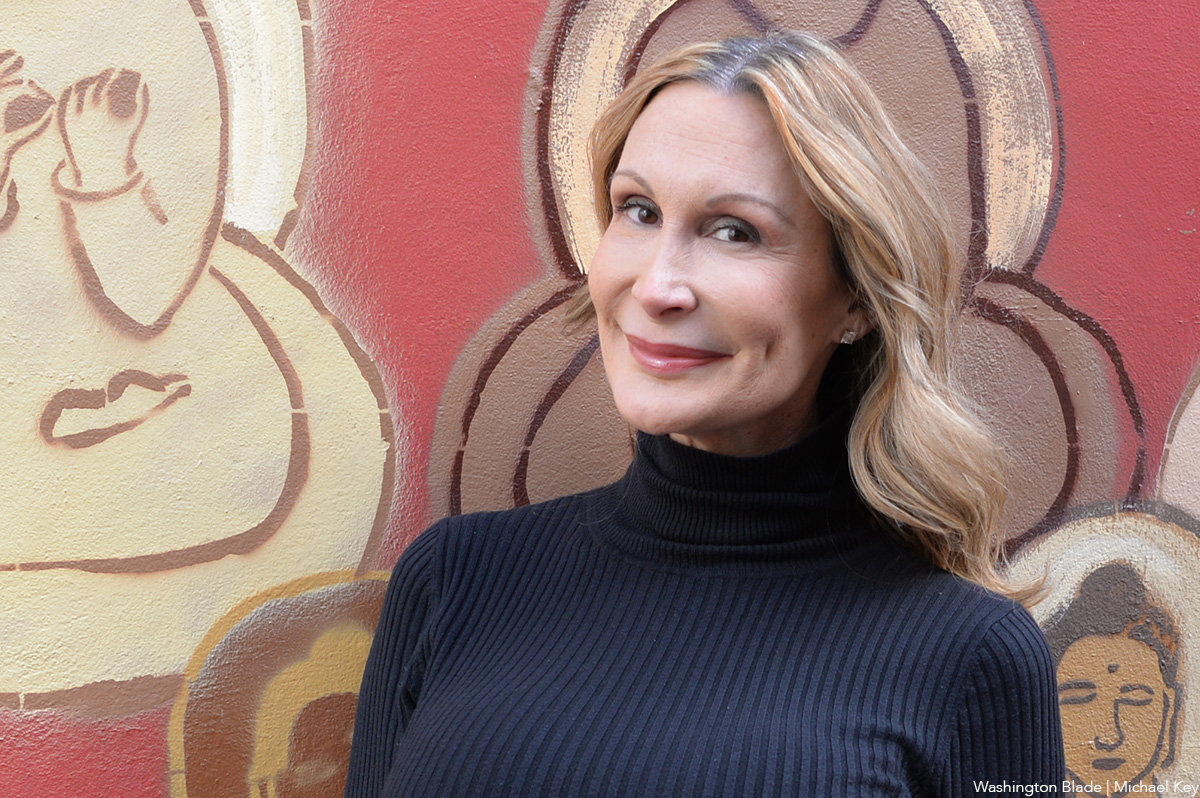
Taylor Lianne Chandler, who earlier this year resigned from the Capital Pride Alliance Board of Directors after expressing concern that the board failed to address instances of “sexual misconduct” within the Capital Pride organization, said this week she doesn’t believe her concerns will be addressed following the resignation of the board’s current chairperson.
Capital Pride Alliance serves as the lead organizer of D.C.’s annual LGBTQ Pride events.
Anna Jinkerson, who has served as chair of the Capital Pride board for only 10 months and has served on the board for the past four years, confirmed she is resigning from the board effective Sept. 30.
In a statement to the Washington Blade commenting on the possible impact of Jinkerson’s resignation, Chandler said Capital Pride board member Natalie Thompson would be replacing Jinkerson as board chair, and she didn’t expect that change to impact what she called Capital Pride’s problematic “culture.”
But Ryan Bos, the Capital Pride president and CEO, told the Blade that Thompson had not been selected as the new board chair and that a new chair would not be selected until the board holds an election scheduled for October.
Chandler, who identifies as transgender, said it was a Capital Pride board member who told her that Natalie Thompson had been or would be selected as the new Capital Pride board chair. She didn’t identify the board member.
“My concerns about how Capital Pride has handled serious allegations of sexual misconduct have not disappeared with a change in leadership,” she told the Blade in her statement. “When leadership continues to socialize, smile for photographs, and share spaces with someone facing serious allegations, what message does that send to the people who say they were harmed,” she said.
Chandler has told the Blade a Capital Pride investigation identified an individual implicated in a “pattern” of sexual harassment-related behavior but said she was bound by a Non-Disclosure Agreement that applied to all board members and she could not provide further details.
When asked by the Blade to comment on Chandler’s allegations at the time she resigned from the board in February of this year, board chair Jinkerson said Capital Pride acts “quickly and appropriately” to address concerns such as those raised by Chandler. But she and other Capital Pride officials did not at that time or since then specifically acknowledge whether someone associated with the organization engaged in sexual harassment.
“The community deserves transparency, accountability, and leadership willing to make difficult decisions,” Chandler said in her statement to the Blade this week. “Changing the chair doesn’t change the culture,” she added. “Actions do.”
In response to a request from the Blade for an update on its response to Chandler’s allegations about alleged sexual misconduct within the Capital Pride organization, Bos sent the Blade a statement on behalf of Capital Pride.
“The Capital Pride Alliance takes allegations of harassment, misconduct, and unsafe behavior seriously,” the statement says. “The organization follows standard procedures and engages appropriate resources to support a thorough, confidential, and impartial review, when information is reported.”
The statement adds, ”Because these matters require maintaining confidentiality and protecting the privacy of personnel, volunteers, and governance processes, we will not comment on specific individuals, allegations, investigative findings or communications involving law enforcement.”
It concludes by stating, “We remain committed to fostering a safe, respectful, and inclusive environment, appropriately addressing concerns raised, and continuing to strengthen our policies, governance practices, and organizational culture.”
Although the statement refers to “communications involving law enforcement,” Capital Pride has not disclosed whether instances of alleged sexual harassment or, as stated by Chandler, a possible instance of sexual assault, have been reported to D.C. police.
A D.C. police spokesperson, in response to a Blade inquiry, said they have no record of a sexual harassment or sexual assault complaint surfacing from the Capital Pride office, which is located in the D.C. LGBTQ+ Community Center building at 1827 Wiltberger Street, N.W.
But the Blade has obtained a D.C. police incident report that appears to confirm Capital Pride COO June Crenshaw’s claim in a recent Facebook post that she reported at least one incident of sexual harassment related to Capital Pride to D.C. police.
The report, which was filed on Oct. 11, 2025, states that Crenshaw told a police officer who prepared the report that another person told her “that a board member of Capital Pride Alliance groped his genitals at a Capital Pride event.” The report says Crenshaw told the officer the person who reported being groped “did not want to speak to the police at this time.”
The incident report, which is a public document, says the person who reported the groping told Crenshaw about it on Oct. 8, 2025. It concludes by saying Crenshaw was given “resource information” to provide to the person who said he was groped. It does not identify that person or the board member who allegedly committed the groping.
Officials at Capital Pride recently exchanged testy public Facebook posts with Chandler. Crenshaw criticized Chandler for her social media posts on the matter.
“It is remarkable to watch people publicly accuse others of failing to create safe spaces when, during the time they themselves held positions of leadership and significant volunteer responsibility, they claim to have witnessed deeply troubling behavior, yet never reported what they allegedly witnessed to fellow leaders, law enforcement, the Office of the Attorney General, legal counsel, or staff responsible for addressing such concerns,” Crenshaw wrote. “When I became aware of allegations or personally witnessed conduct that required intervention, I reported what I knew through the appropriate channels, including to law enforcement and other relevant authorities. Investigations were conducted. Those processes created records, documentation, correspondence, timelines, and conclusions.”
Chandler responded, “I was NOT in organizational leadership or fully informed about the scope of these allegations when much of what you reference occurred. I was read into the situation after becoming an executive officer. By that point, the investigation had already concluded, and we were awaiting the final report. … Once that report became available to me, and once I understood the seriousness and scope of what was being alleged, my position was anything but ambiguous: I did not believe this individual should be welcomed at, participate in, or have access to official Pride events.”
Capital Pride’s attorney Nick Harrison then joined the exchange, accusing Chandler of violating confidentiality rules.
“You served on the Board for years. You cannot now present yourself as an outsider with no responsibility for what occurred during your tenure,” Harrison wrote. “When the situation became difficult, you resigned, provided your resignation letter to the media, disclosed confidential organizational matters, and recast yourself as the victim.”
Again, no one has publicly identified the person Chandler references as being welcome at Pride events and photographed with Capital Pride leadership.

Vote now! Best Of LGBTQ DC readers’ choice awards

Meet the LGBTQ candidates running for U.S. House, Senate

Ana Brnabić becomes world’s first openly lesbian head of state

529 openly LGBTQ candidates running in Brazilian election