Autos
Cool picks from the Chicago Auto Show
A hot hybrid, sexy SUV and more highlights
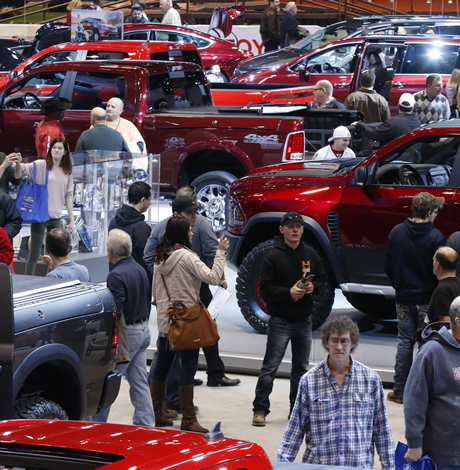
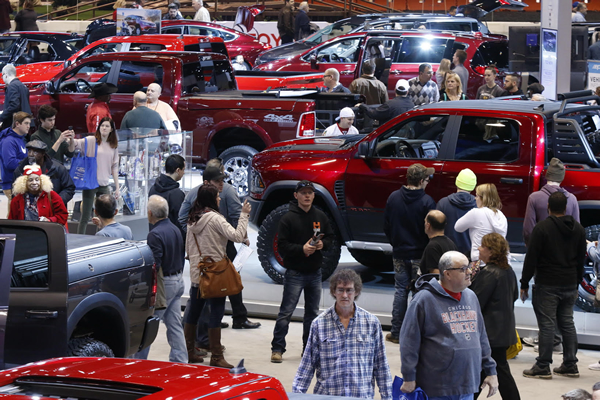
The Chicago Auto Show was held earlier this month. (Photo courtesy Chicago Auto Show)
CHICAGO — I attended the Chicago Auto Show media preview on Feb. 9-10 and got to hear from automobile manufacturers and sample vehicles ranging from family haulers to supercars. The nation’s largest auto show was in the nation’s largest convention center, McCormick Place, which boasts five indoor test tracks. The show ran from Feb. 11-20.
A cool hybrid, a fast and sexy SUV and an updated favorite were the highlights of the show.
2017 Chrysler Pacifica Hybrid Minivan
Price: $41,995
Mpg: 84 MPGe
0 to 60 mph: Not available
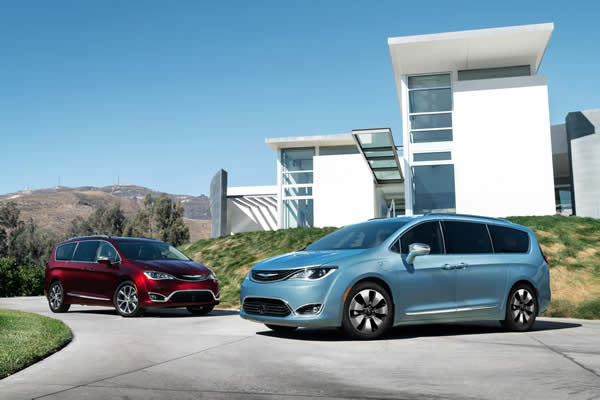
Chrysler Pacifica left, Pacifica Hybrid right (Photo courtesy Fiat Chrysler)
Looking for a mini van for the kids, dogs, bikes and garden center trips? The Pacifica Hybrid is the world’s only 84-mpg equivalent mini van; and has a 30-mile electric-only range, great for running errands in the neighborhood. This seven-passenger mini van automatically switches over to the gas engine when the battery draws down to a predetermined level. The combined gas/electric range is a whopping 530 miles. No range anxiety here. Technically, Pacifica is a plug in hybrid. The battery pack requires less than two hours to charge using the available 240-volt charger. Regenerative braking extends battery life. The middle seats do not “stow ’n’ go” because of the battery pack but the seats are easily removed to create a flat load floor.
Nearly every comfort and safety feature on the market is available including Park Assist, Adaptive Cruise Control, Forward Collision Warning, Hands Free lift gate and side doors and a built in vacuum system. Depending on your state, the Pacifica Hybrid may qualify for a tax credit up to $7,500. Is this the vehicle for your active lifestyle?
2017 Maserati Levante
Price: $73,250
Mpg:14 city/20 Highway
0 to 60 mph: 5.8 seconds
I drove a Maserati Levante in a massive, empty indoor space at McCormick Place. I could not put the vehicle through its paces because I was inside; but I had a “perma grin” the entire time I was behind the wheel. The interior is beautiful to see, touch and smell. The engine delivers a deep-throated snarl and wants to be unleashed to run on the open road.
Levante was created from engines, the Q4 all-wheel drive system and suspension components from the Ghibli sedan. The more powerful Levante S ($83,800) increases output from the 3.0 liter twin-turbo engine to 424 horsepower which is good for 0-60 times of 5.0 seconds. A ZF eight-speed automatic transmission is standard on both models.
Maserati is a latecomer to the premium, high-performance SUV market. Porsche delivered the first Cayenne SUVs in 2002. A nicely optioned Levante S costs nearly $100,000, which puts it in Cayenne territory, along with Tesla Model X, BMW X5, Land Rover Range Rover Sport and Mercedes Benz GLE. Levante, “The Maserati of SUVs,” offers sexy styling and exclusivity that the more familiar brands do not.
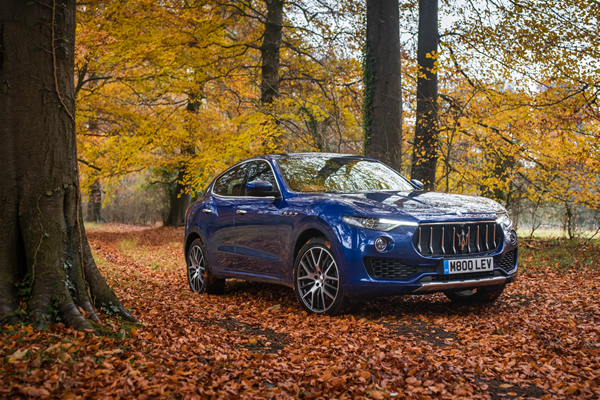
The Maserati Levante (Photo courtesy Maserati)
2018 Subaru Legacy
Price: $23,00 (est.)
Mpg: 25 city/ 34 highway
0 to 60 mph: 8.8 seconds (est.)
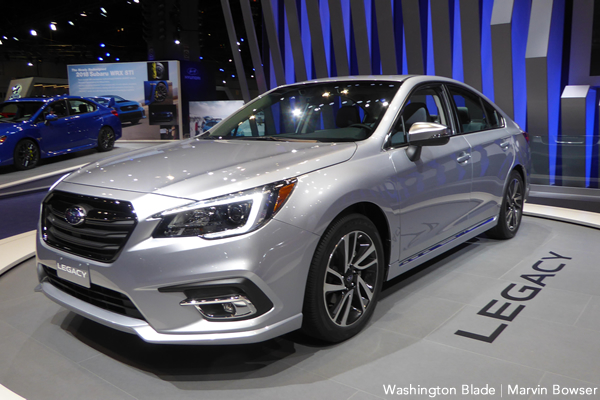
The Subaru Legacy (Washington Blade photo by Marvin Bowser)
Subaru introduced a refreshed and refined 2018 Legacy at the Chicago Auto Show. A number of styling and engineering enhancements combine to improve the driving experience of this popular mid-sized sedan that goes on sale this summer.
Two models and four trim levels are offered. The 2.5i model has a 175-horsepower engine and is available in Base, Premium, Sport and Limited trims. The 3.6R model has a more powerful 256-horsepower engine and is only available in the luxurious Limited trim. Symmetrical All-Wheel Drive is standard on all models.
Interior upgrades include premium materials, a redesigned center console, a sportier steering wheel and real stitching on the dash, seats and door panels of Premium and Limited trims. STARLINK Multimedia system with Bluetooth wireless capability provides a more smartphone like look and feel and includes Apple CarPlay and Android Auto.
EyeSight Driver Assist technology is available on most trims and includes Adaptive Cruise Control, Pre-Collsion Breaking and Vehicle Lane Departure Warning and Lane Keep Assist among other features.
Legacy sales are up and the new model with its more elegant styling, upgraded interior and advanced multimedia options will likely continue the trend.
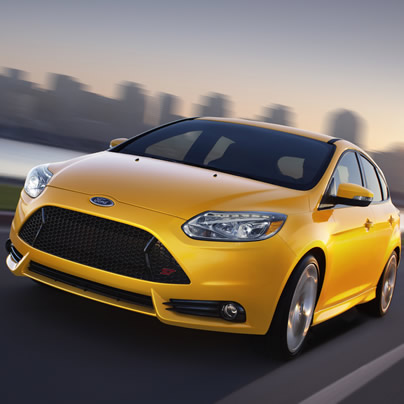
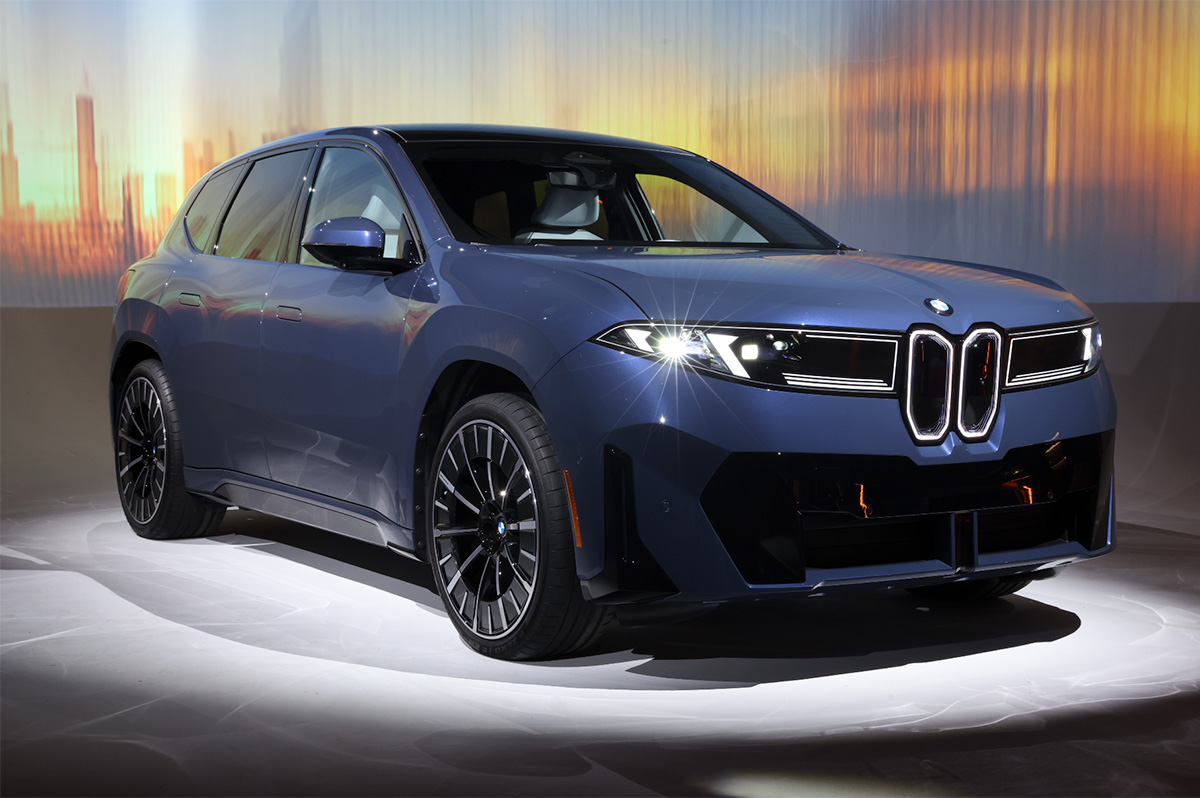
Despite a U.S. political climate that has made electric vehicles about as welcome as a vegan at a Texas barbecue, automakers haven’t gotten the memo. The 2027 BMW iX3 and Rivian R2—in showrooms soon—prove the point. But think of them as distant cousins: one arrives impeccably dressed; the other probably has a kayak strapped to the roof.
BMW iX3
$62,000
Range: Up to 434 miles
0 to 60 mph: 4.7 seconds
Cargo space: 30.4 cu. ft.
PROS: Huge driving range. Distinctive styling. Cutting-edge interior.
CONS: Quirky digital controls. Only one U.S. trim level. Pricey options.
WHAT’S NEW: This is BMW’s first production model on its state-of-the-art Neue Klasse platform, radically changing the technology, cabin and electric drivetrain.
The iX3 arrives on our shores in one trim level, the iX3 50 xDrive. Load it up with options and you can sail well past $80,000.
Depending on configuration, this luxe EV delivers an astonishing range before recharging. And a dual-motor, all-wheel-drive system produces 463 horsepower, which allows you to tootle around as fast as a Porsche 718 sportster.
The new “Panoramic iDrive” spreads information across the base of the windshield, supplemented by a central display and steering-wheel controls. An available 3D head-up display adds even more info. It’s futuristic, busy and unmistakably BMW—like someone decided the dashboard needed its own coming-out party.
Then there’s the “Heart of Joy” computer, which coordinates the motors, braking and steering for sharper responses and smoother control. The name may sound like something from a self-help retreat, but the innovation makes the iX3 seriously entertaining to drive.
You also can charge the iX3 from 10 percent to 80 percent in just 21 minutes. Nice.
This isn’t merely an electric X3 with the gasoline bits removed. It’s a tech reset for BMW. Compared with the R2, the iX3 is more polished, more luxurious…but, alas, considerably pricier.
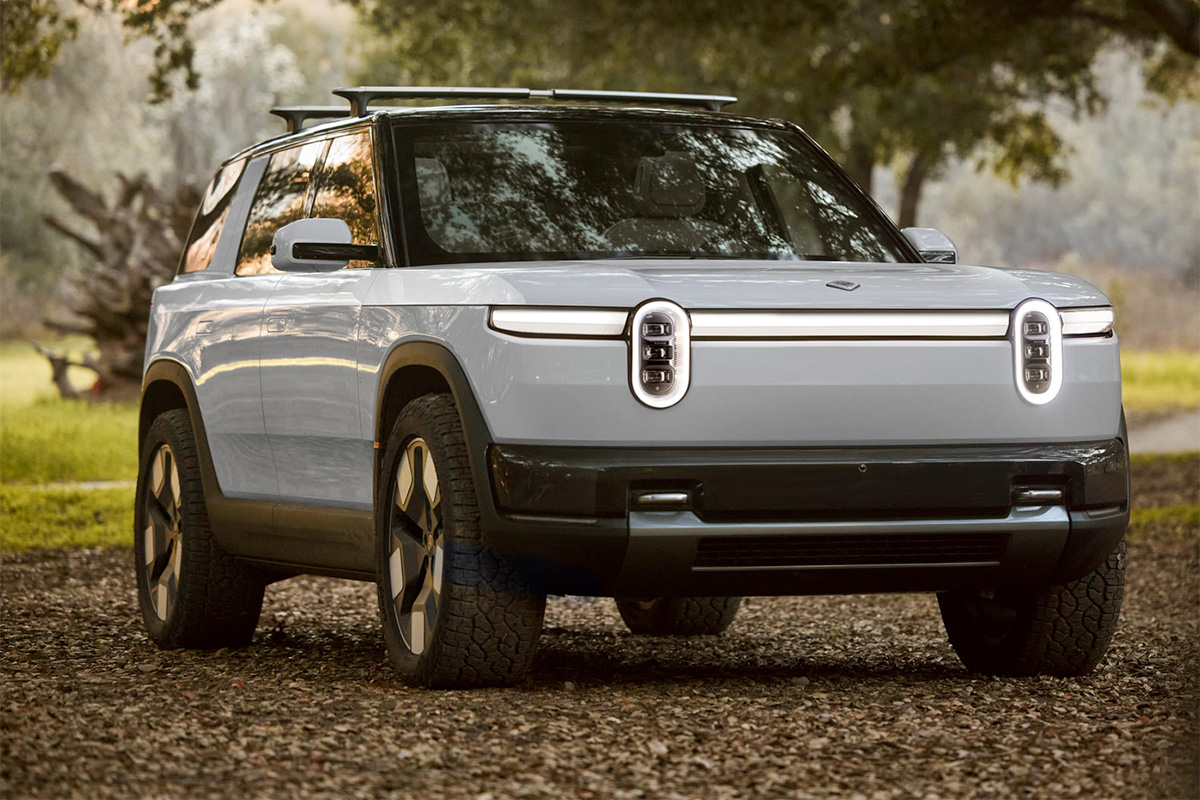
RIVIAN R2
$45,000
Range: Up to 345 miles
0 to 60 mph: 5.9 seconds
Cargo space: 28.7 cu. ft.
PROS: Affordable luxury. Rugged looks. Clever storage.
CONS: No smartphone integration. No glass-roof shade. Touchy touchscreen.
WHAT’S NEW: Everything—the R2 is Rivian’s all-new, smaller electric SUV, and it brings the brand’s adventure-first attitude to a price point far below the larger R1S.
If the BMW iX3 is wearing a beautifully tailored jacket, the Rivian R2 has its sleeves rolled up.
With edgy styling, this is no anonymous crossover wearing an EV costume. Chunky details. Upright proportions. Distinctive lighting all give off an outdoorsy vibe without turning the R2 into a rolling REI catalog.
There are four configurations, with pricing from $45,000 to $58,000. That’s a big difference from the BMW—and potentially the R2’s biggest weapon.
The stats aren’t shabby, either. Driving range is from 275 to 345 miles. The dual-motor, all-wheel-drive setup produces between 350 horsepower and a frankly bonkers 656 horsepower. And the high-performance model lets you zip from 0-to-60 mph in just 3.6 seconds.
Drag-racing credentials? Absolutely!
Inside, there is lots of clever packaging, with flexible seating and generous storage. This EV is designed to carry actual stuff, not merely impress your neighbors.
Yes, there are quirks. Rivian skips Apple CarPlay and Android Auto, while everyday controls—some of which are less than intuitive—live on the touchscreen. And the panoramic glass roof lacks a conventional shade. Huh?
For some owners, those will be minor annoyances. For others, they’ll become daily reminders that Rivian marches to its own beat.
Perhaps that’s not a bad thing, though. The R2 feels less buttoned-up, more mischievous. It’s the automotive equivalent of Billy Porter ignoring the dress code and somehow looking better than everyone who followed it.
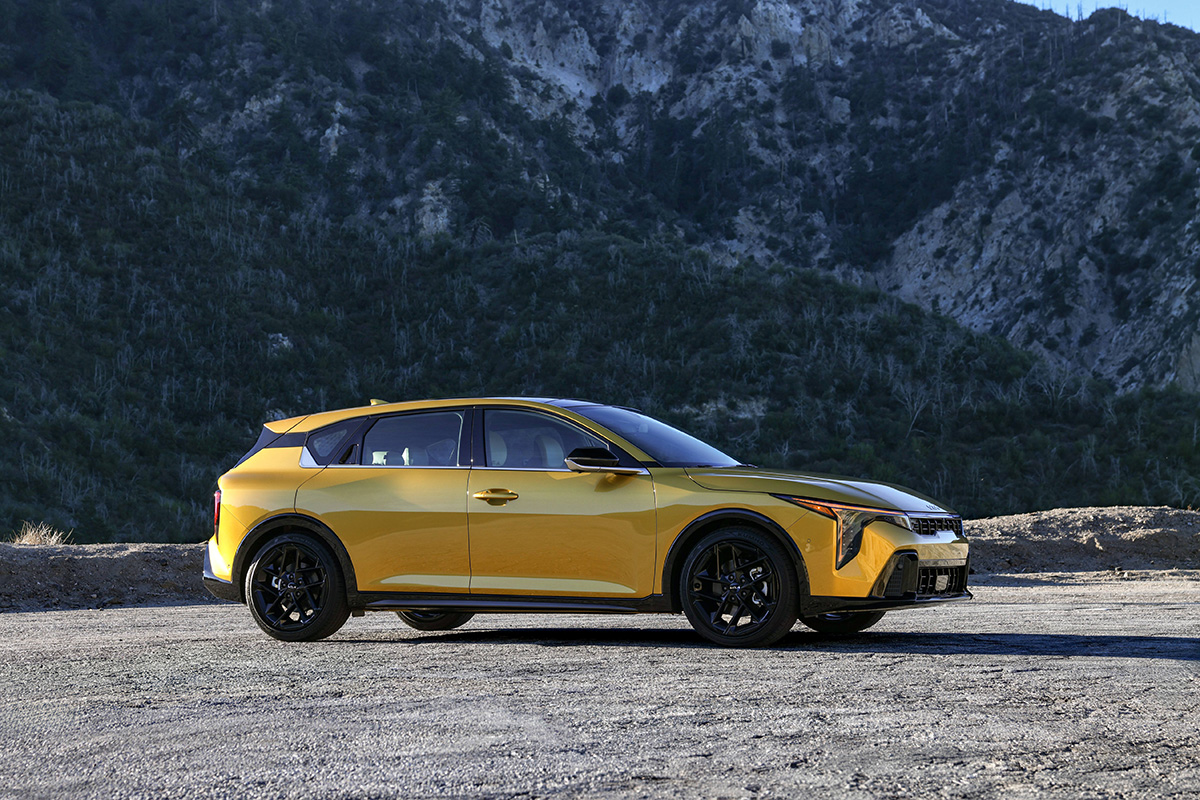
Remember when buying a new car didn’t require the financial stamina of a “Succession” character? This summer, the average new-vehicle price hit $49,758—basically $50,000 with a little lipstick on it. That makes the Kia K4 hatchback and Nissan Kicks especially refreshing. Neither requires a second mortgage, a trust fund or a makeover to look good. And both prove you can still buy a new vehicle without selling your soul — or your vacation plans.
KIA K4 HATCHBACK
$25,000
Mpg: 28 city/34 highway
0 to 60 mph: 9.1 seconds
Cargo space: 22.2 cu. ft.
PROS: Edgy exterior. Roomy interior. User-friendly controls.
CONS: So-so base engine. Pricy turbo. No all-wheel drive.
WHAT’S NEW: Basically everything. The K4 hatchback debuted earlier this year, joining the K4 sedan.
Kia’s stylish five-door K4 boasts three trim levels. The first two use a capable four-cylinder engine, while the top-of-the-line model comes with a turbo.
That turbo provides some genuine zip, though it won’t blow your socks off. Think Janelle Monáe in a tailored suit, not Brad Pitt arriving at the F1 racetrack in a fireproof jumpsuit.
The real star, though, is the design. Sleek. Upscale. A tad mysterious.
Inside, another surprise: vast legroom and storage. Fold the backseats and you can toss in the usual road-trip clutter, plus that regrettable piece of furniture you bought after watching one too many HGTV shows.
Technology is also a bonus, including a digital key that lets you use a smartphone or smartwatch as a direct key fob. You can even share this digital key with friends or family. Just don’t share it with anyone who often loses their actual keys.
Despite some SUV vibes, the K4 remains unapologetically car-like. It sits lower. Feels more conventional. And offers hatchback practicality without itching to conquer the Rockies.
The biggest downside? No all-wheel drive.
Still, for shoppers who crave style, space and gadgetry, the K4 won’t break the bank. To me, it’s like finding a designer jacket at a thrift shop.
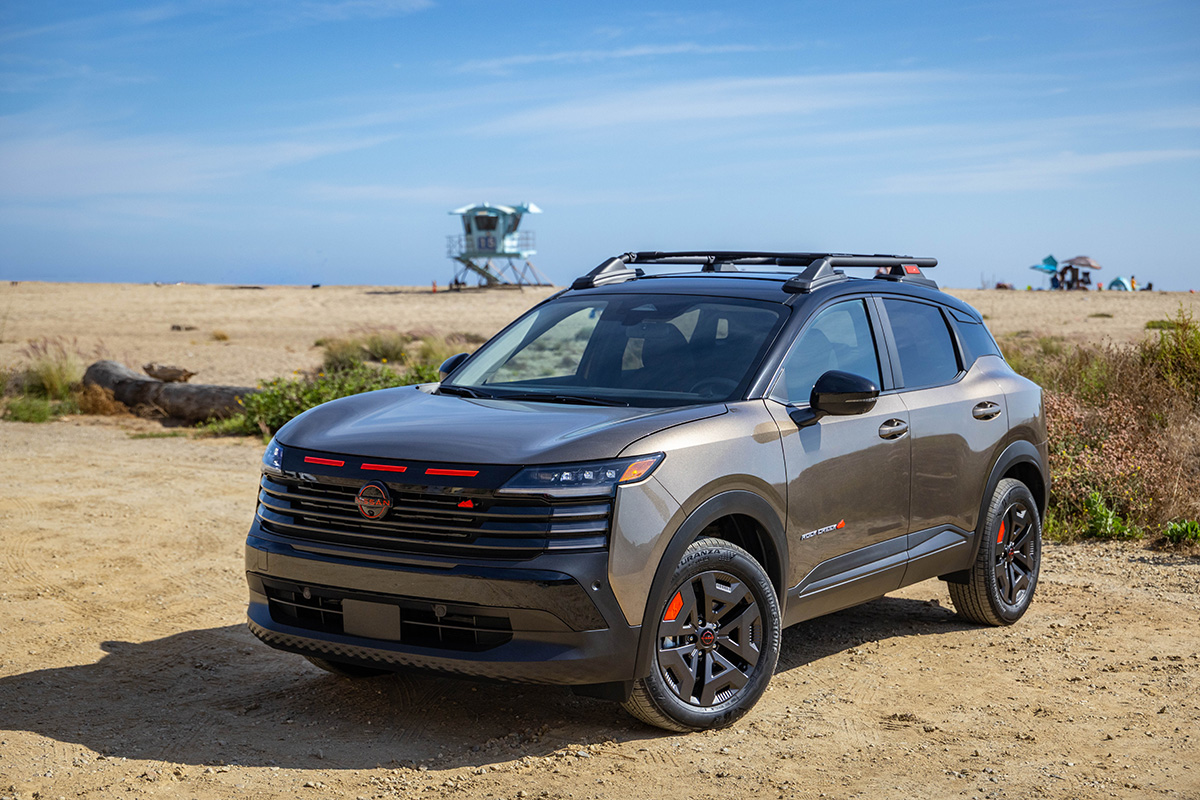
NISSAN KICKS
$23,000
Mpg: 28 city/35 highway
0 to 60 mph: 8.9 seconds
Cargo space: 23.9 cubic feet
PROS: Dashing design. Safety gear galore. All-wheel drive.
CONS: Bit pokey. Noisy engine. Limited rear visibility.
WHAT’S NEW: Redesigned last year with a bit more power, bigger cabin and bold looks, Nissan leaves the winning formula alone.
Like the Kia K4, the Nissan Kicks comes in three trims levels. But it also includes all-wheel drive — a nice plus when navigating snow, sleet or cratered alleys.
There’s an extensive suite of active and passive safety features. And the high ground clearance improves driver visibility, which is somewhat hindered in the back by thick roof pillars.
Styling is tastefully flamboyant. Dramatic lighting. Two-tone finishes. Cheerful, without being cartoonish. Miranda Priestly would approve.
Power, though, is more akin to Miranda’s art director Nigel Kipling. Dependable. Functional. Just not enthusiastic.
Inside, the mod cabin has large 12.3-inch displays, wireless smartphone connectivity and charging, and “zero gravity seats” designed to reduce driver fatigue and stiffness. Add in the stunning Bose Personal Plus audio system, with 10 speakers—including those integrated into the headrests—for an immersive 360-degree sound experience.
The Kicks doesn’t try to be rugged or luxurious. It simply offers a lot of everyday usefulness in a small package.
There is a trade-off. The engine gets noisy when pushed, and there are sportier (often pricier) competitors. But that’s hardly a crime. Not every vehicle needs to perform catwalk struts down the street.
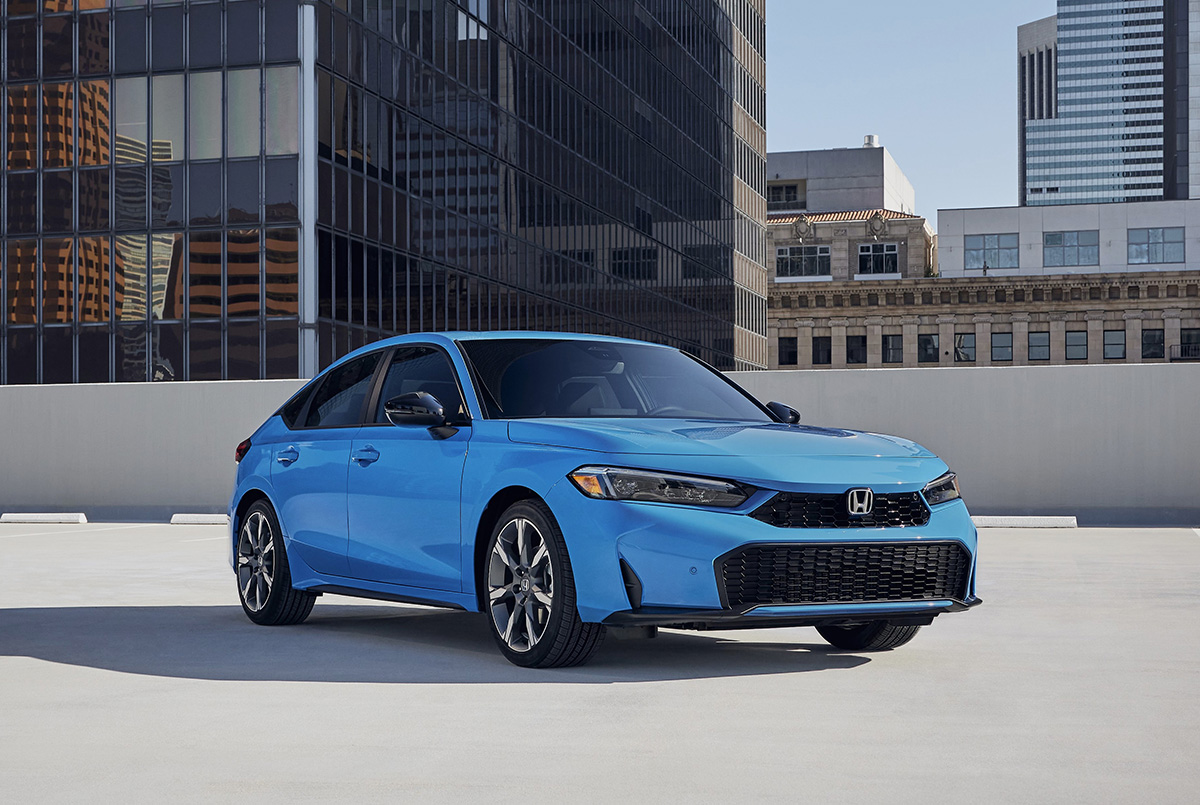
The latest Honda Civic hatchback and Subaru Impreza are two of the segment’s stars. Both offer sensible pricing, excellent utility and enough personality to avoid feeling like appliances.
The Civic is more polished. The Impreza, more rugged. Luckily, neither is trying to be obnoxiously flashy.
HONDA CIVIC
$28,000
MPG: 30 city/38 highway
0 to 60 mph: 8.9 seconds
Cargo space: 24.5 cu. ft.
PROS: Fuel efficient. Spacious cargo area. Good resale value.
CONS: No all-wheel drive. Fussy infotainment. Low rear headroom.
WHAT’S NEW: Only minor updates for 2026. The biggest change carries over from last year’s refresh: the addition of the hybrid, which has become a star performer.
The Honda Civic hatchback won’t scream for attention. It won’t arrive wearing sequins and carrying a smoke machine. It’s more like Nomi Marks from “Sense8”: intelligent, sophisticated and impressively capable.
The styling remains handsome and clean. Long hood. Low roofline. Crisp lines everywhere.Honda resisted the urge to make this vehicle look like a spaceship or an angry robot. That’s refreshing.
Inside, the dashboard is simple and elegant. The honeycomb air-vent treatment remains one of the coolest interior details in the segment. Materials feel expensive. Controls are easy to understand. And visibility is excellent.
I love how the cargo space is generous, with rear seats that fold flat. A bicycle, several suitcases or enough supplies for an ambitious weekend road trip fit without much hassle.
Then there’s the hybrid. The system produces a healthy amount of power while delivering fuel economy that borders on the absurd. Around town, handling feels smooth, quiet and surprisingly quick. You almost glide through traffic. The standard gasoline engine isn’t bad, but the hybrid is stellar.
The Civic also shines on twisty roads. Steering is precise. Body motions stay controlled. The suspension strikes a sweet balance between comfort and sportiness.
Biggest weakness? No all-wheel drive. For drivers in snowy climates, that’s not so good.
Still, the Civic’s stellar combination of efficiency, quality, and driving enjoyment remains incredibly hard to beat.
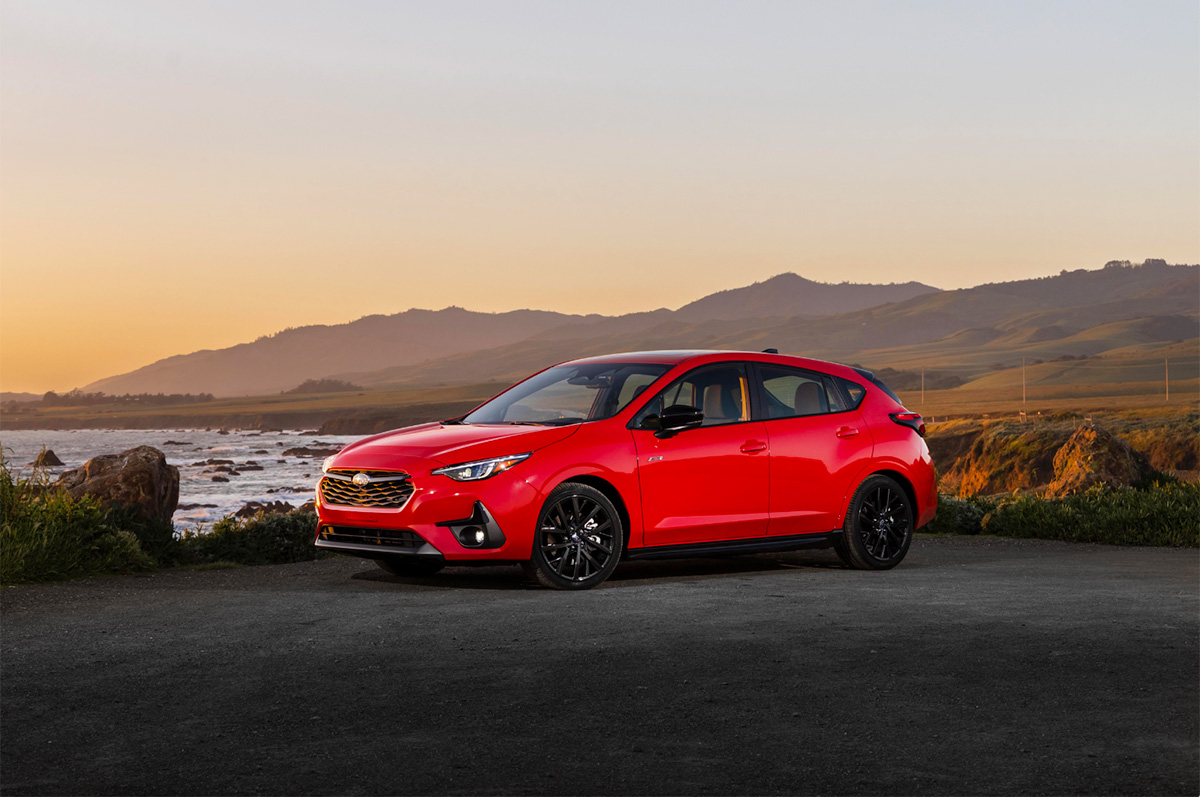
SUBARU IMPREZA
$27,000
MPG: 27 city/33 highway
0 to 60 mph: 8.5 seconds
Cargo space: 20.4 cubic feet
PROS: All-wheel drive. User-friendly tech. Safety cred.
CONS: No hybrid version. Some road noise. Modest cargo room.
WHAT’S NEW: The Impreza receives relatively minor updates for 2026. Subaru continues refining this hatchback rather than reinventing it.
If the Honda Civic is urbane, the Subaru Impreza is unfussy. There’s a kind of Kristen Stewart energy here. Cool without trying too hard.
The styling isn’t dramatic, but it works. This hauler appears ready to tackle rain, snow, dirt roads or an impromptu weekend escape.
And all-wheel drive comes standard on every Impreza. (Most competitors only offer front-wheel drive or include all-wheel drive as a pricey option.)
The result: Slippery roads simply don’t create much anxiety. The suspension absorbs bumps nicely. Long trips are comfortable. Visibility is great, thanks to relatively thin roof pillars and large windows.
I like how the cabin is functional rather than fancy. Materials don’t quite match the Civic’s upscale vibe, but everything feels sturdy. A large infotainment screen dominates the dashboard and generally works well, though some drivers may prefer more physical buttons.
Cargo space is respectable, and the design makes loading bulky items easy.
Performance depends heavily on trim. The base engine gets the job done, but nobody will confuse it for a sports car. The RS trim’s larger engine provides more power and makes the ride livelier. But even then, acceleration remains merely adequate.
The Impreza’s real appeal lies elsewhere, with a mix that few rivals can match: hatchback practicality, standard all-wheel drive, strong safety scores and reasonable pricing.
Perhaps that’s the key difference between these two hatchbacks. The Honda Civic impresses immediately. The Subaru Impreza grows on you.
Fortunately, choosing between them is less stressful than deciding who gets the last mimosa at brunch.

Center for Black Equity honors leaders, activists at BE. Gala

In ‘The Lost Brontë,’ a complicated lie can lead to danger

CAMP Rehoboth Block Party returns Oct. 18

Essential queer horror classics for Halloween

Solidarity beyond the parade: the actual cost of Pride

10 years later, we still can’t shake Barry Jenkins’s ‘Moonlight’

‘Some Like It Hot’ a wild ride at renovated Bernard Family Theatre

D.C.’s LGBTQ homeless facilities face possible hit from Trump funding cuts

Trump uses anti-trans slur against Democratic Senate candidate

U.S. int’l trade negotiator, consultant James Bedore dies at 82
-

 Movies5 days ago
10 years later, we still can’t shake Barry Jenkins’s ‘Moonlight’
-
Theater5 days ago
‘Some Like It Hot’ a wild ride at renovated Bernard Family Theatre
-
District of Columbia5 days ago
D.C.’s LGBTQ homeless facilities face possible hit from Trump funding cuts
-
2026 Midterm Elections5 days ago
Trump uses anti-trans slur against Democratic Senate candidate