Arts & Entertainment
Actress Katherine MacGregor remembered as ‘Little House’ villain Harriet Oleson
Larger-than-life grand dame of Walnut Grove showed depth on rare occasions
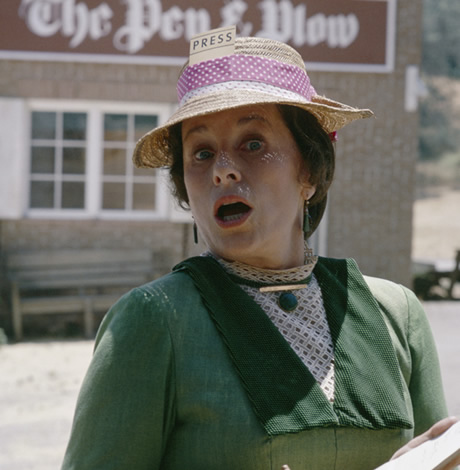
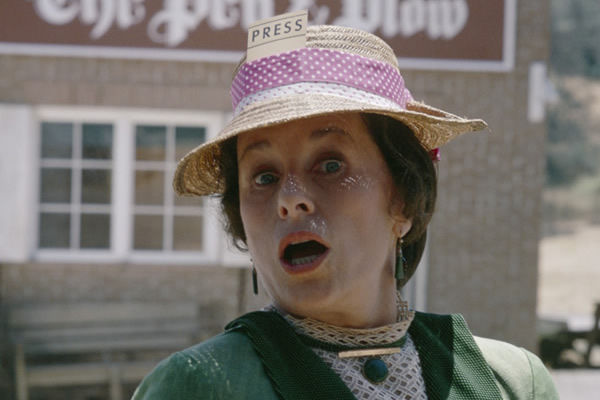
Katherine MacGregor as Mrs. Oleson, the villain fans loved to hate on ‘Little House on the Prairie.’ (Photo courtesy NBC)
When actress Alison Arngrim, best known as Nellie Oleson on “Little House on the Prairie” (1974-1983) came to Washington to do a book signing at (where else?) Nellie’s Sports Bar in 2011, I went to meet her and interviewed her for the Blade in advance of her appearance.
She was everything I’d hoped for and more. “Little House” was one of my favorite childhood TV shows and the outrageous Oleson family — father Nells (Richard Bull), mother Harriet (Katherine MacGregor), daughter Nellie and son Willie (Jonathan Gilbert; real-life brother to series star Melissa Gilbert) — were my favorites. The Ingalls family the show was centered on were just too loving, sickening and saccharine for me, even as a kid. The Olesons brought comedy relief, bitchiness and flair to the show — they were just the counterflavor the long-running series needed. You always knew which of the towns folk would be in any given “Little House” episode as they were credited only in the episodes in which they appeared after Mary, Laura and Carrie ran through the field (God, why did they never reshoot that opening over eight friggin’ years?). I always waited to eagerly to see if Harriet and Nellie would be in the episode at hand.
So it was with sadness but also happy memories that I heard last week that Katherine MacGregor died at age 93. Harriet and Nellie had places in the hearts of many gay men who love female villains. They’re cut from the same cloth as Pat Carroll’s Ursula, Margaret Hamilton’s Wicked Witch of the West, Glenn Close’s Marquise de Merteuil and scores of others. When my nieces and nephews were very young, they were baffled by my affinity for these types. It’s never been so much that they’re evil — they’re just so much more fabulous, larger than life and colorful than the anodyne protagonists.
Arngrim’s memoir “Confessions of a Prairie Bitch” is a hoot and should be required reading if you’re a “Little House” fan. We had such a fun time chatting for the Blade, I decided to see if I could track down MacGregor as well. I’d heard from Arngrim that MacGregor would sometimes do Oleson family sketches for fans and wanted to write to her and request one. I thought a hand-drawn sketch would be a fun “Little House” memento.
I got MacGregor’s Los Angeles address and packaged up a few sheets out of a sketch tablet, some black Sharpies, a nice stiff self-addressed and stamped return folder and a fan letter. I wanted to make it as easy as possible for Miss MacGregor so all she’d have to do would be open it up, draw her sketch, slip it in the mail and be done with it. I heard back from her a short time later. I did not get my sketch but what I got back was even better — a signed photo and a four-page (!) handwritten letter. I was flabbergasted that she would take the time to write at such length and her letter is priceless.
Initially, however, Miss MacGregor was not pleased. She found the large package I sent all this in cumbersome, unwieldy and difficult to open and sent my paper, pens and envelope back (hell, I wouldn’t have cared if she’d kept them).
“I do have a suggestion,” she wrote. “If you write to other celebrities, DO NOT send your request in such a gigantic envelope that fits NO mailbox at all!! And for me at any rate was almost impossible to open.” Naturally I heard Harriet’s voice in my head saying all this and felt dutifully chided. From this and other parts of her letter, you could just tell there was a lot of Harriet in Katherine — I’m not saying Katherine was a huge bitch in real life, but the easily exasperated, crusty exterior was there.
Arngrim would say as much in her book as well. Melissa Gilbert wrote on Instagram of how “loving and nurturing she was with the younger cast.” A funny snapshot of the real Katherine is her appearance on a heroes vs. villains episode of “Family Feud” from the early ‘80s. It’s on DVD and gives you a feel for how she carried herself out of character.
The crux of the letter itself, however, was warm. She reminisced about “Little House” cast members who’d died, sent me a picture of her dog, told me about her aches and pains and shared a vaguely cryptic note I was left to interpret: “Just to let you know — I have written my own memoir telling the TRUTH about my career and life. I didn’t have to MAKE IT UP or make up anyone else’s life as some do when they write their memoirs.” Hmmmm. She also declined my request for a Blade interview.
Some may argue Harriet was a one-note role played shrilly and broadly. About 10 years ago, on a whim, I dove into “Little House” season five and couldn’t really stomach it. There seemed no nuance and I didn’t like the storyline of the whole town being forced out of Walnut Grove. But just about a month ago I gave season six a try and am discovering again why I loved the show so much. Nobody ever talks about it, but there were a few moments throughout the series when Harriet exhibited humanity and depth. She has a lovely scene in the season six episode “The Preacher Takes a Wife,” when she and a former fiancé reconnect. Sure, 99 percent of the time, she was Walnut Grove’s version of Miss Gulch, but when tragedy hit, Harriet could rise to the occasion. Actor Dean Butler (Almanzo) gave an insightful comment in one of the DVD season six extras — “Little House” is not literal; it’s a child’s (i.e. Laura’s) perspective. That clicked for me and I appreciated MacGregor and Arngrim’s work even more.
But MacGregor deserved more. She was never nominated for an Emmy, never got any industry recognition and never did any further acting after “Little House.” Betty White, Carol Burnett and Lucille Ball were all wonderful, of course, but there are so many female comedians on hit ‘70s and ‘80s shows who got next to nothing — MacGregor, Polly Holliday (Flo on “Alice”) or Nell Carter (“Gimme a Break!”) and many others. Thankfully their work lives on via DVD. And what great work it was.





Celebrity News
D.C. goes gaga for Gaga
Bisexual icon brought ‘The Mayhem Ball’ tour to Washington this week
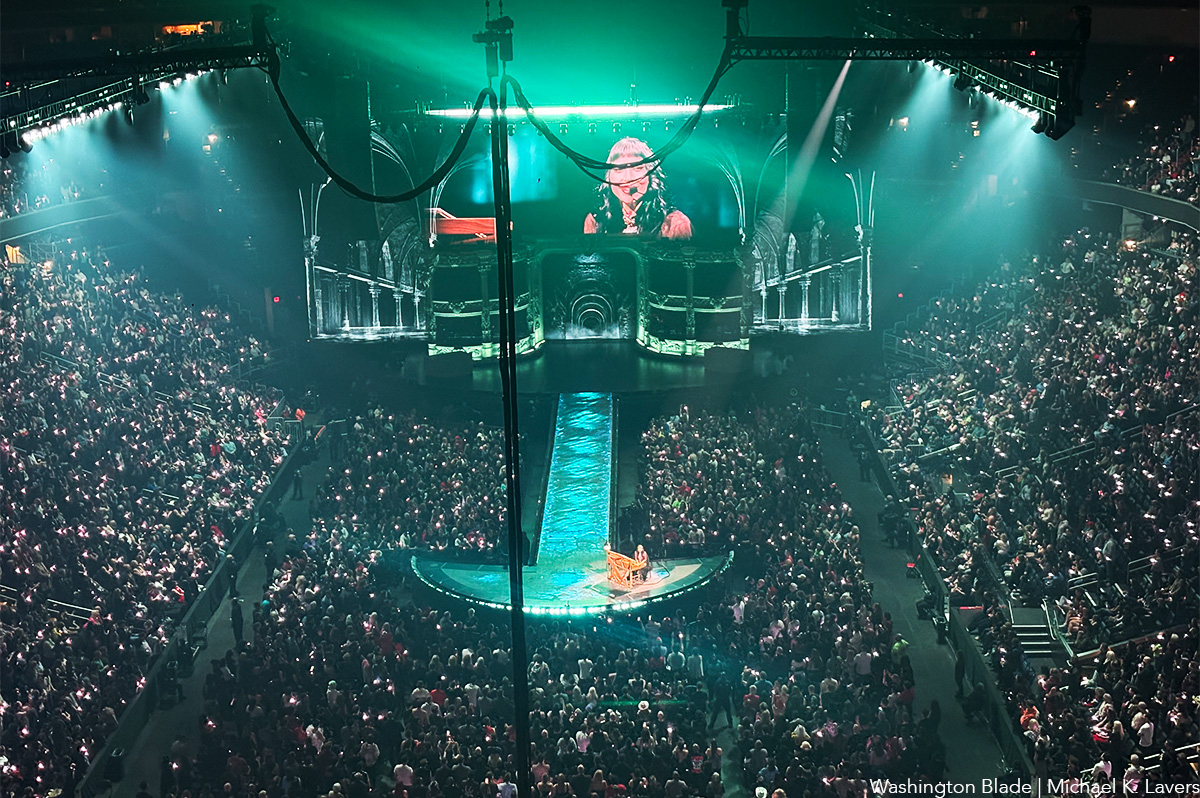
Lady Gaga this week took D.C. by storm.
The bisexual icon and LGBTQ rights champion brought “The Mayhem Ball” tour to Capital One Arena on Monday and Tuesday.
“Abracadabra,” “Paparazzi,” “Applause,” and “Bad Romance” are among the songs Lady Gaga performed during the 2 1/2-hour long concert. Lady Gaga also celebrated her many queer fans.
“You are precious to us,” she said on Tuesday night before she performed “Born This Way.”
Photos
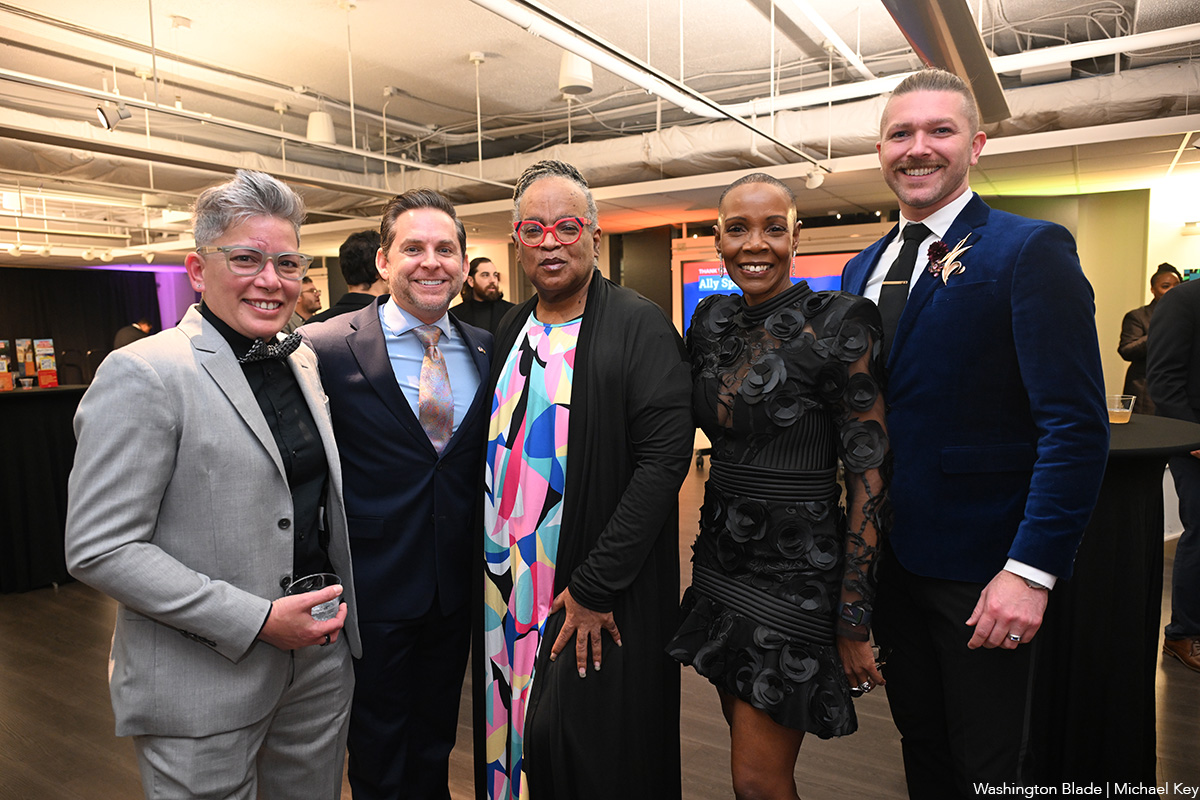
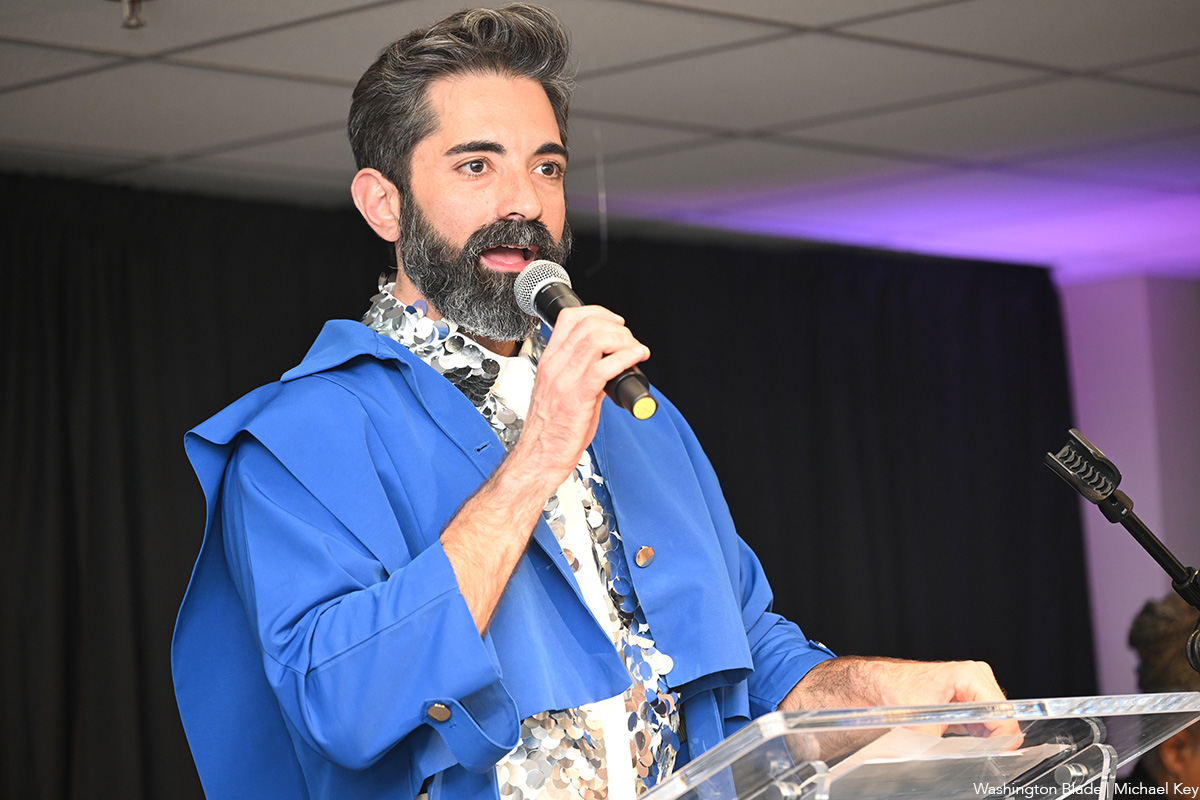
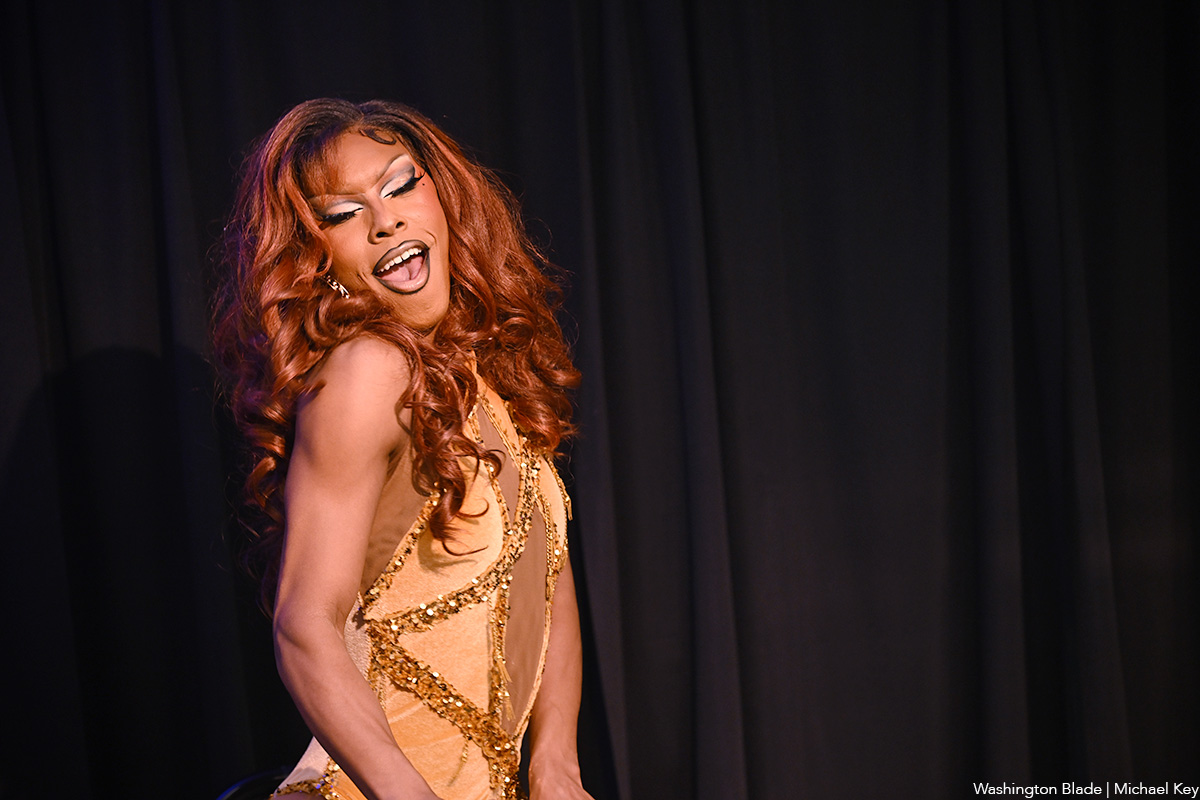
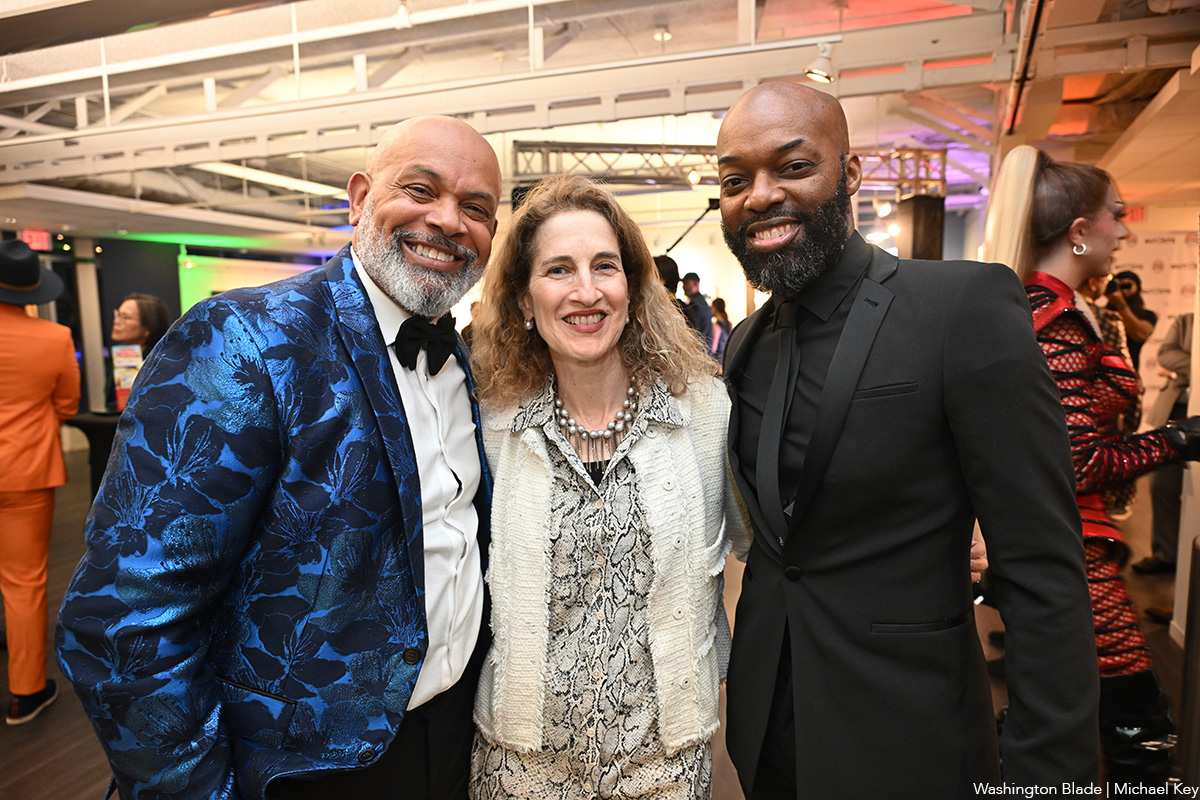
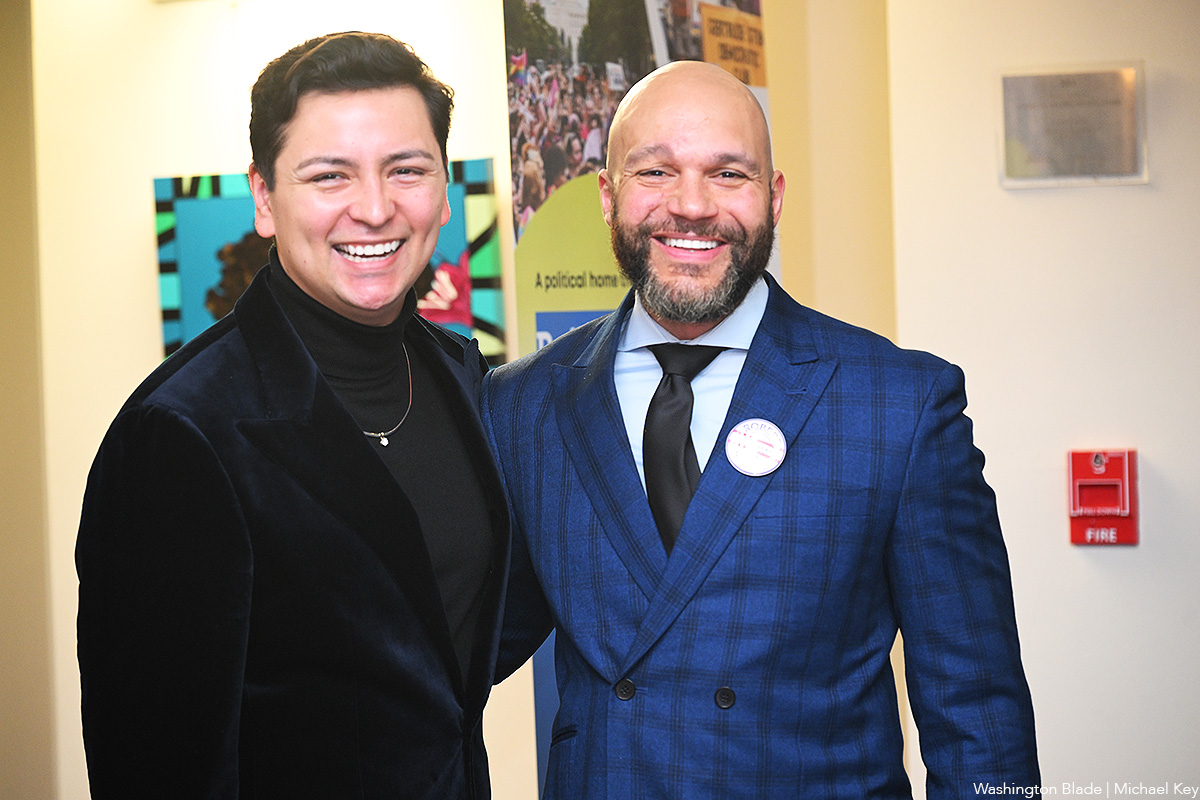
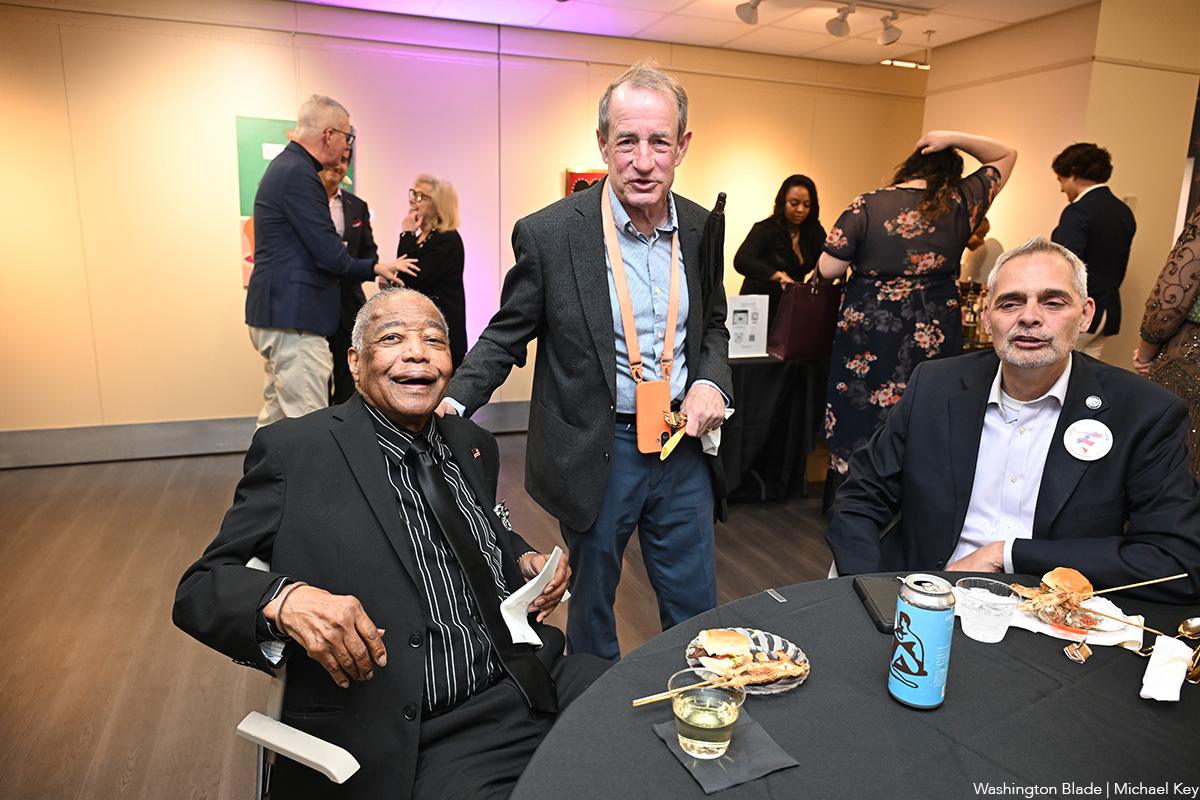
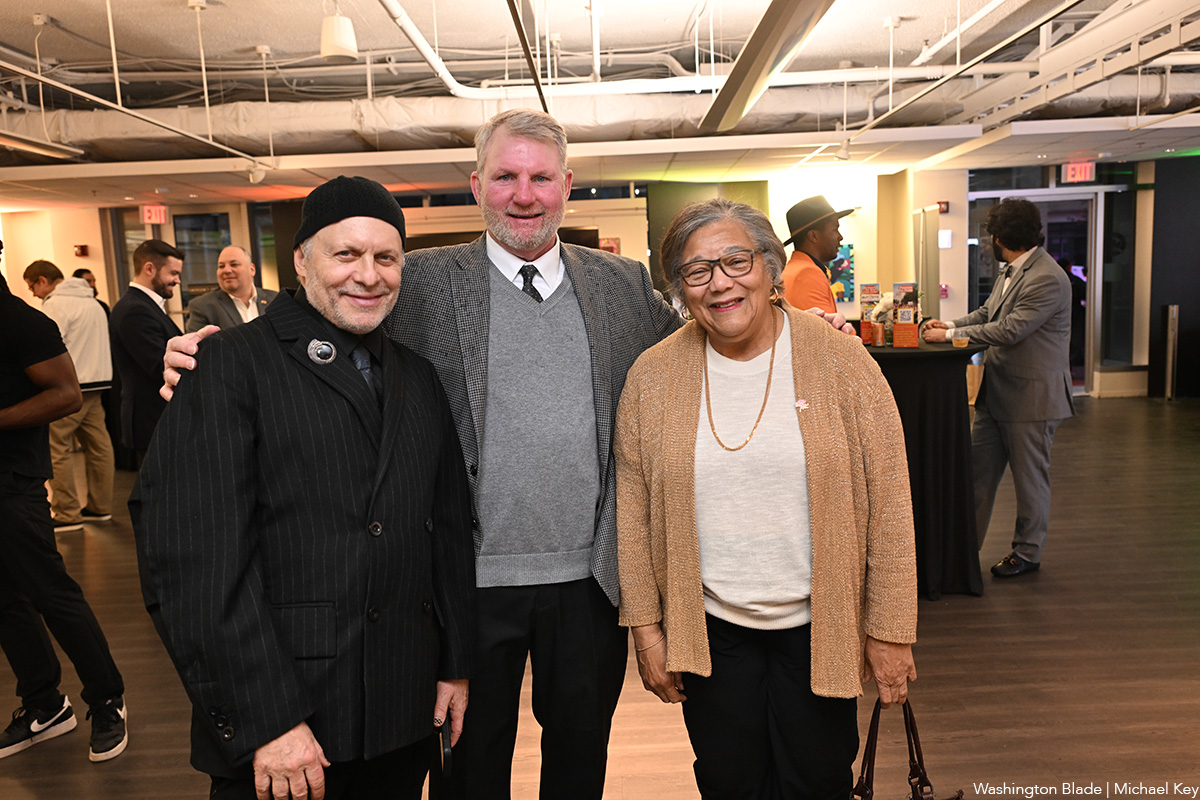
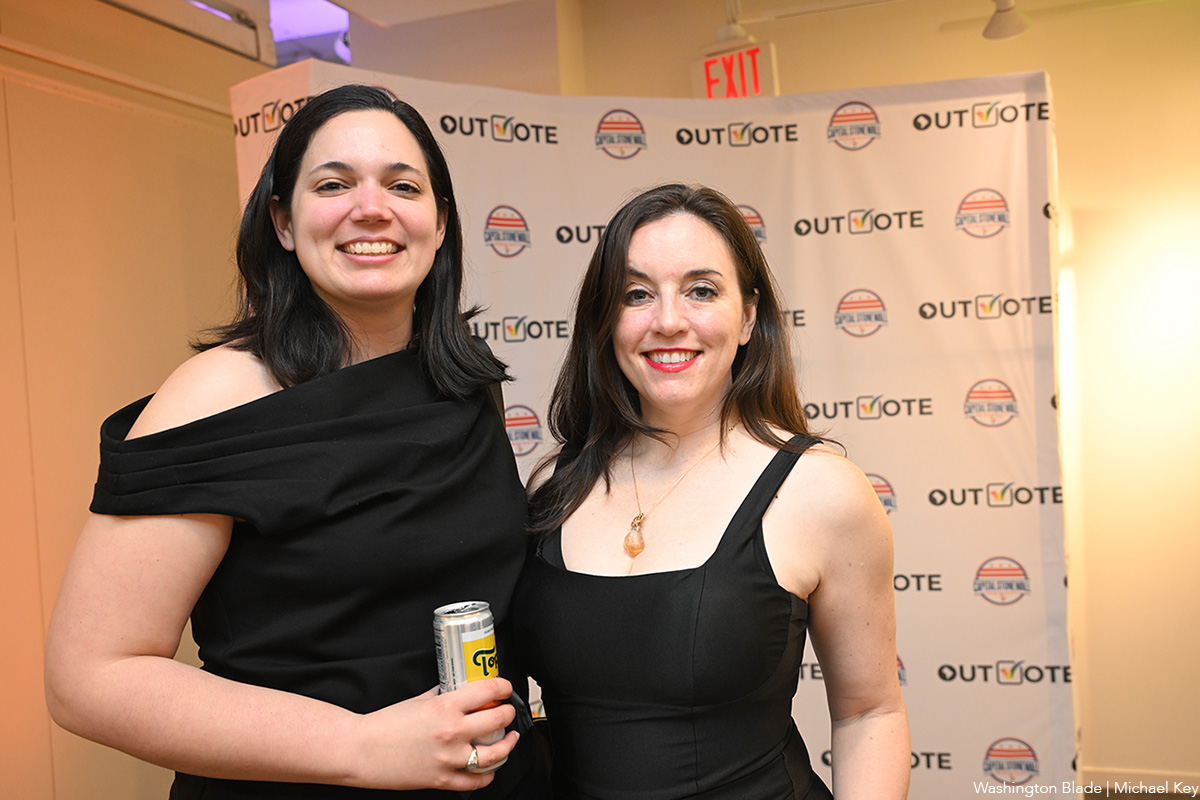
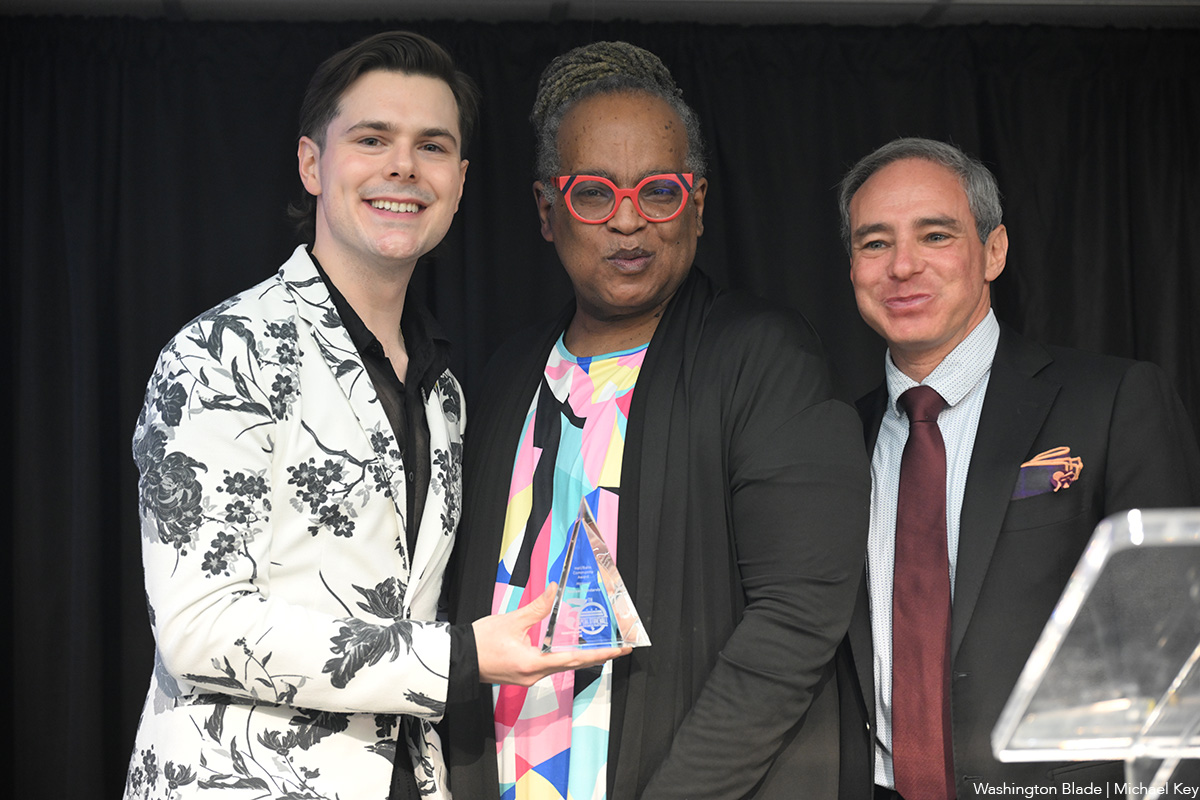
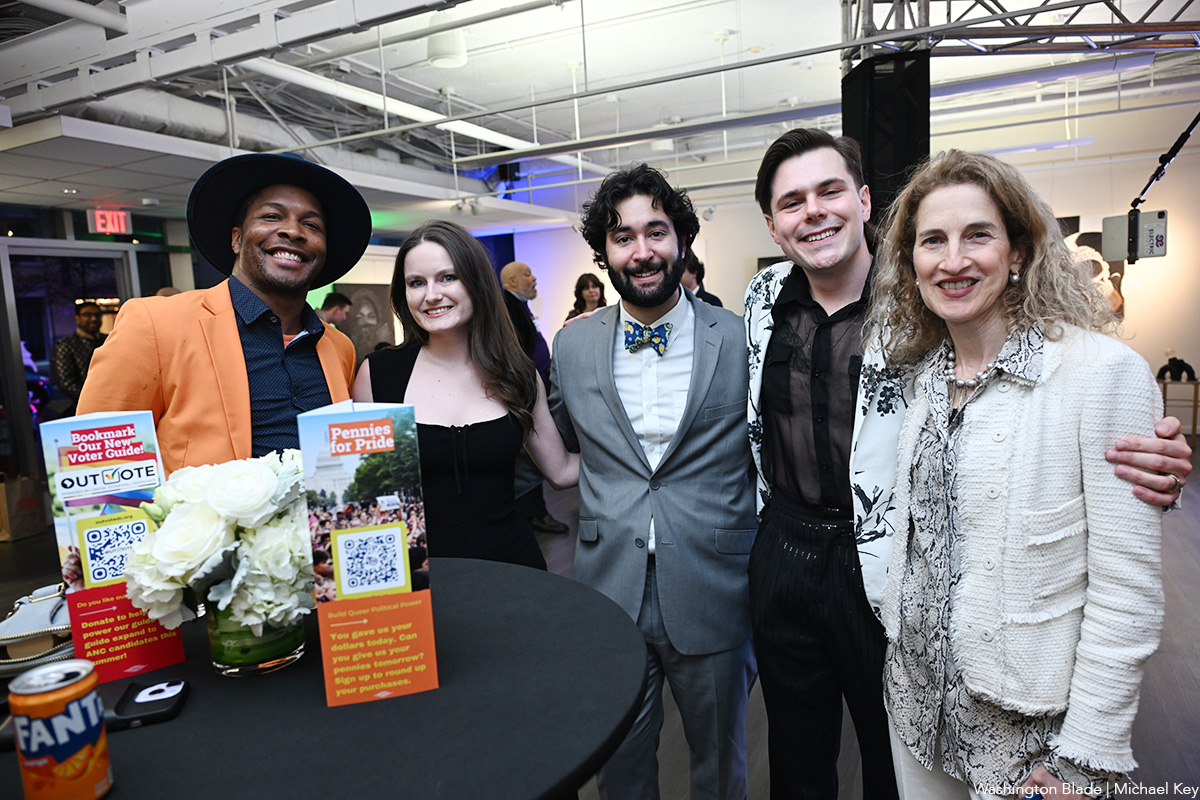
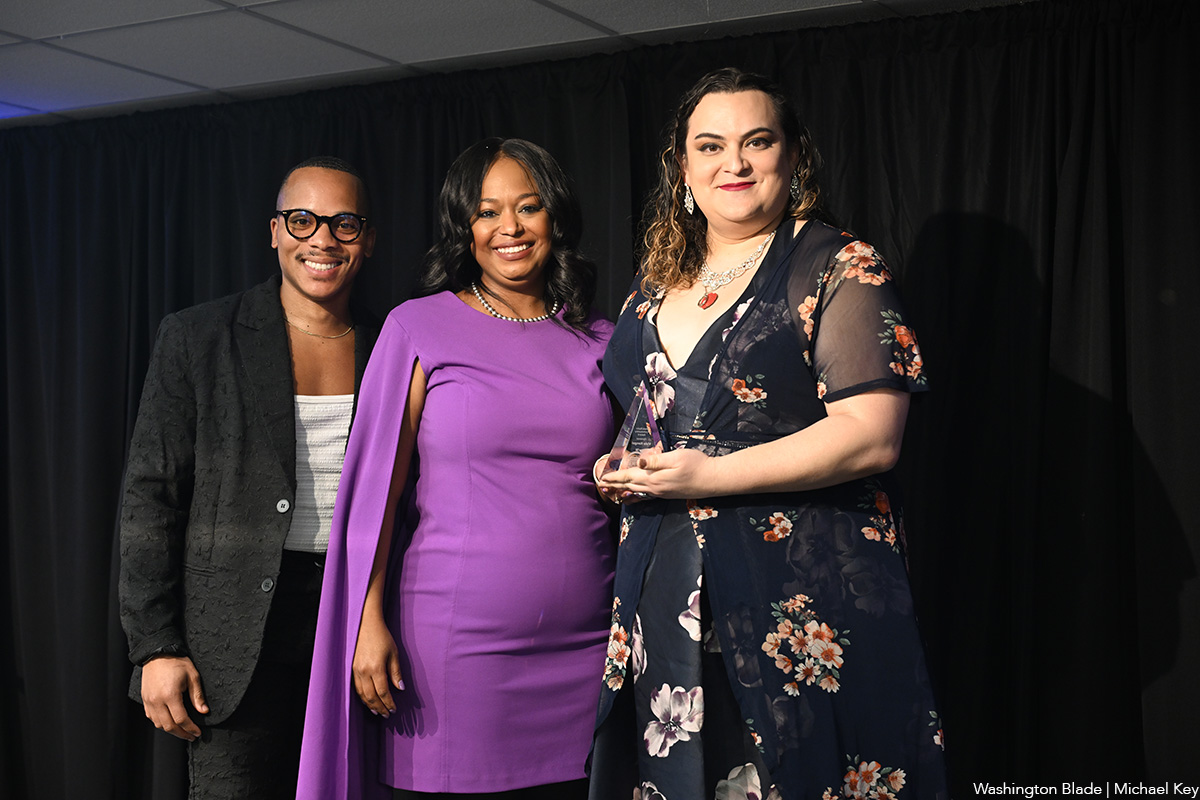
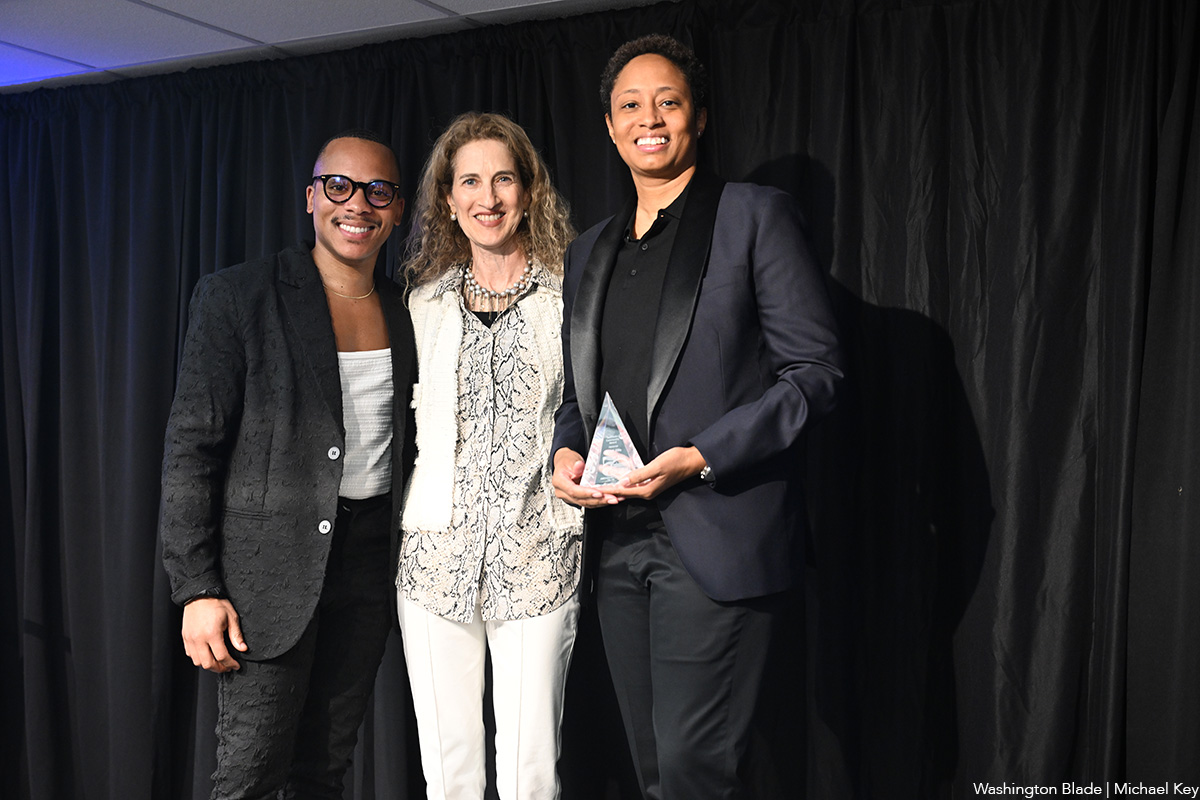
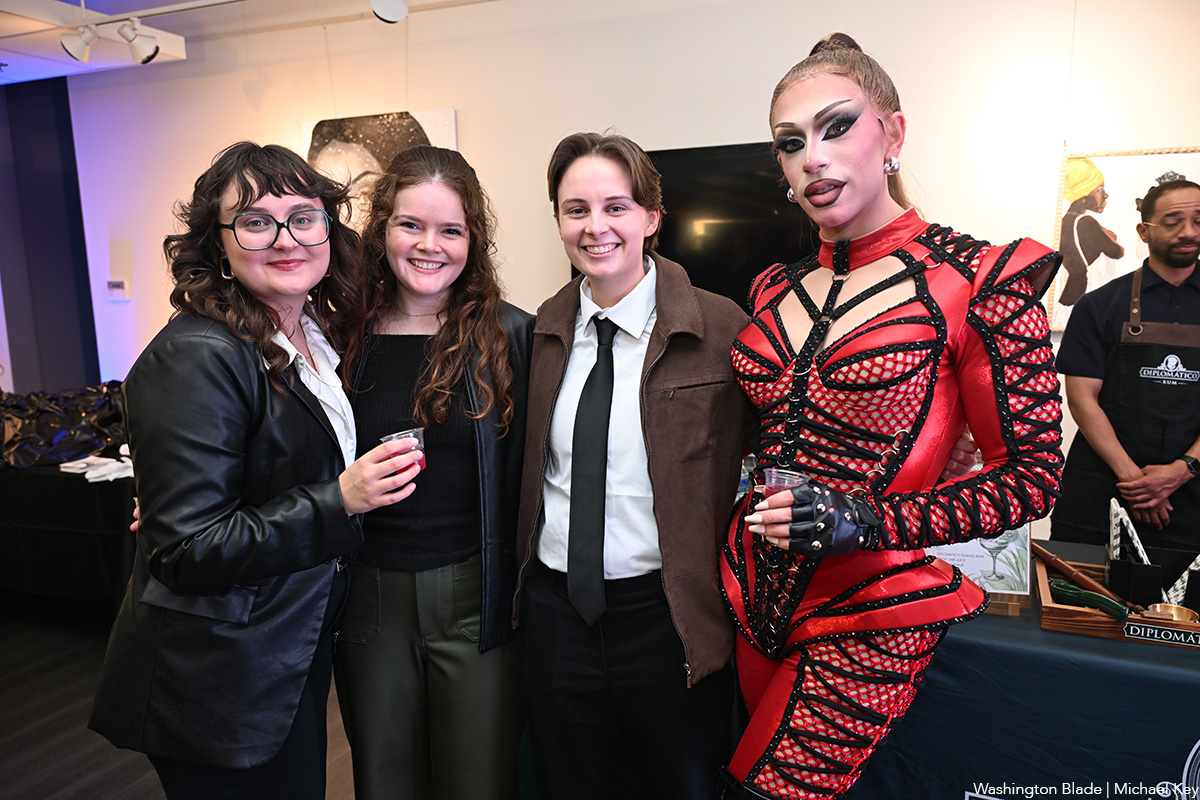
PHOTOS: Capital Stonewall Democrats 50th anniversary
D.C. LGBTQ political group celebrates milestone at Pepco Edison Place Gallery
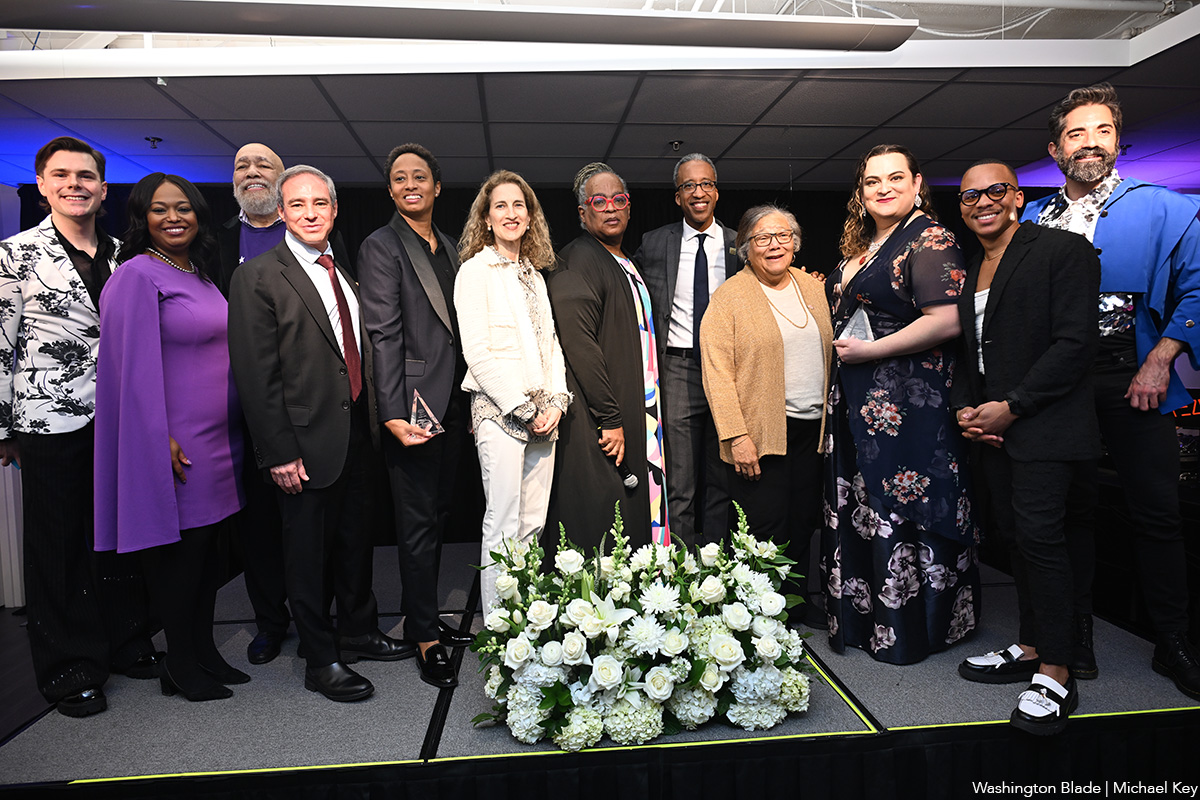
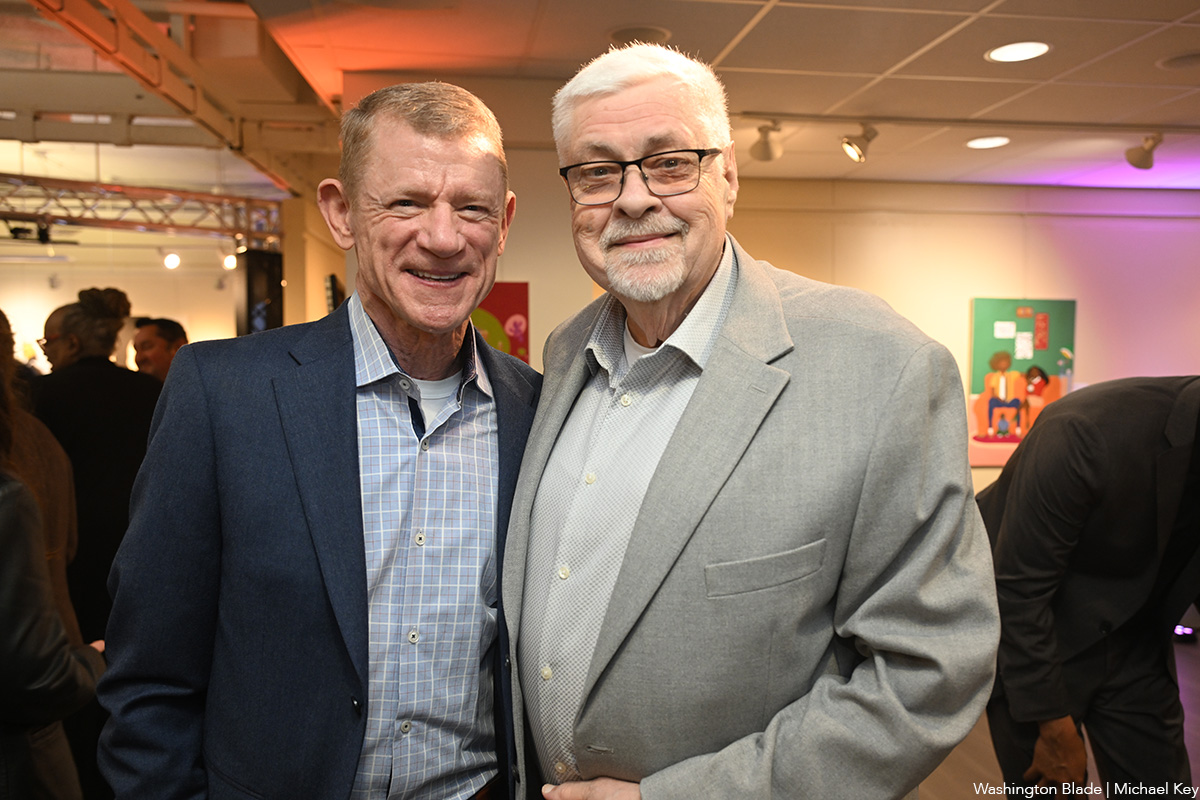
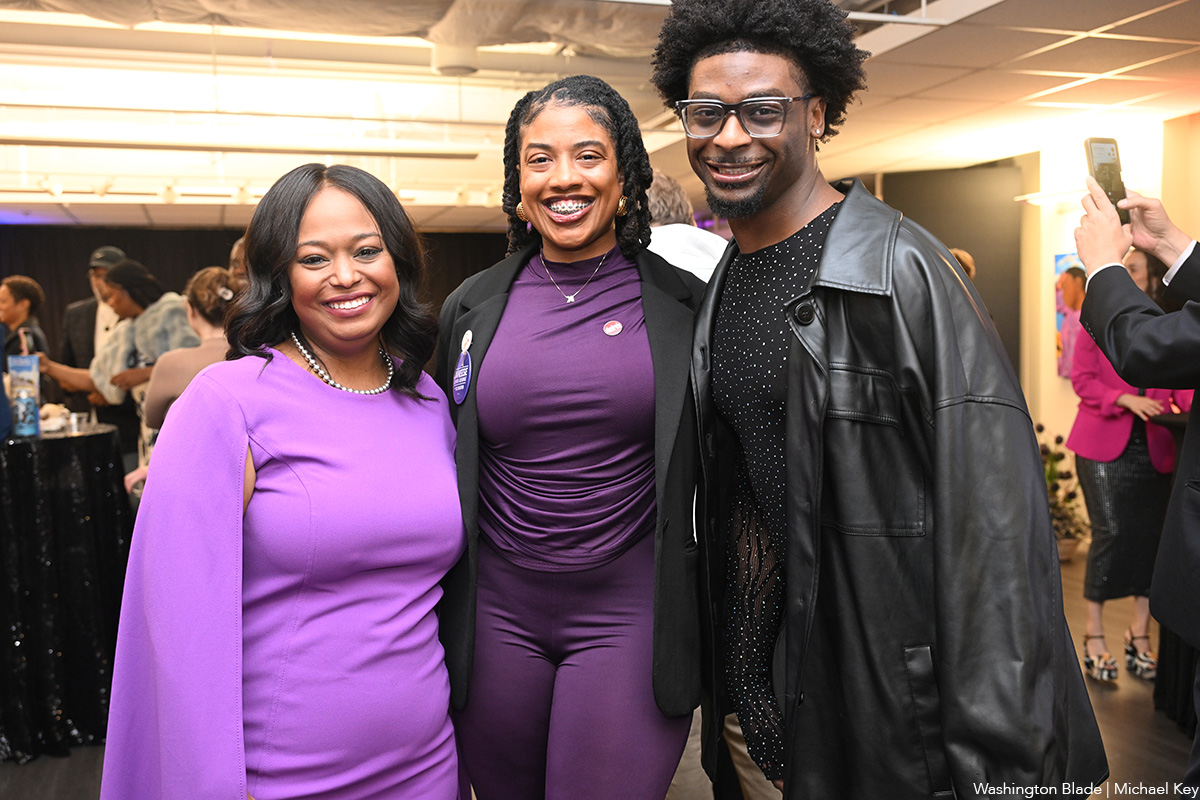
The Capital Stonewall Democrats held a 50th anniversary celebration at Pepco Edison Place Gallery on Friday. Rayceen Pendarvis served as the emcee.
(Washington Blade photos by Michael Key)









Theater
‘Inherit the Wind’ isn’t about science vs. religion, but the right to think
Holly Twyford on new role and importance of listening to different opinions

‘Inherit the Wind’
Through April 5
Arena Stage
1101 Sixth St., S.W.
Tickets start at $73
Arenastage.org
When “Inherit the Wind” premiered on Broadway in 1955 with a cast of 50, its fictional setting of Hillsboro, an obscure country town described as the buckle on the Bible Belt, was filled with townspeople. And now at Arena Stage, director Ryan Guzzo Purcell has somehow crowded Arena’s large Fichandler space with just 10 actors, five principals and a delightful ensemble of five playing multiple roles.
Inspired by the real-life Scopes Monkey Trial of 1925, Jerome Lawrence and Robert E. Lee’s fictionalized work pits intellectual freedom against McCarthyism via the imagined trial of Bertram Cates (Noah Plomgren), a Tennessee educator charged with teaching evolution. Drawn into the fracas are big shot lawyers, defense attorney Henry Drummond (Billy Eugene Jones), and conservative prosecutor, Matthew Harrison Brady (Dakin Matthew). On hand to cover the closely watched story is wisecracking city slicker and Baltimore reporter E.K. Horneck (played by nonbinary actor Alyssa Keegan).
Out actor Holly Twyford, a four-time Helen Hayes Award winner who has appeared in more than 80 Washington area plays, is part of the ensemble. In jeans and boots, she memorably plays Meeker, the bailiff at the Hillsboro courthouse and the jailer responsible for holding Cates in the days leading to his trial.
Twyford also plays Sillers, a slack jawed earnest employee at the local feed store who’s called to serve on the jury. And more importantly she plays Brady’s quietly strong wife Sarah whom he affectionately calls “Mother.”
When Twyford makes her memorable first entrance as Meeker, she’s wiping shaving cream from her face with a hand towel. With shades of Mayberry R.F.D., the jail is run casually. Meeker says Cates isn’t the criminal type, and he’s not.
“There’s a joke among actors,” says Twyford. “When an actor gets his shoes, they know who their character is. And it’s sort of true. When you put on boots, heels, or flip flops, there’s a different feeling, and you walk differently.”
Similarly, shares Twyford, it goes for clothes too: “When Mother slips a pink coat dress over her cowboy boots, dons a little hat and ties her scarf, or Meeker puts on his work shirt, I know where I am. And all of that is thanks to a remarkable wardrobe crew.
“Additionally, some of the ensemble characters are played broadly which is helpful to the actors and super identifying for the audience too.”
During intermission, an audience member loudly described the production as “a proper play” filled with beautifully written passages. And it’s true. Twyford agrees, adding “That’s all true, and it’s also been was fun for us to be a part of the Arena legacy as well. Arena took ‘Inherit the Wind’ to the Soviet Union in the early ‘70s when the respective governments did a cultural exchange. At the time, the iron curtain was very much in place, and they traveled with a play about a man with his own thoughts.”
When the ensemble was cast, actors didn’t know which tracts exactly they were going to play. “What came together was a cast, diverse in different ways. Some directors, including myself when I direct, are interested in assembling a cast that’s a good group. No time for egos. It’s more about who will make the best group to help me tell this story.”
At one point during rehearsal, ensemble members began to help one another with minor onstage costume changes, like jackets and hats: “We just started doing it and Ryan [Guzzo Purcell] picked up on it, saying things really began to come alive when we helped each other, so we went with that.”
“For me, it was reminiscent of ‘The Laramie Project’ [Ford’s Theatre in 2013] when we played five different parts and we’d help each other with a vest or jacket in a similar way. It worked so well then too,” says Twyford.
“Inherit the Wind” isn’t about science versus religion. It’s about the right to think, playwright Jerome Lawrrence has been quoted as saying. And it’s a quote that makes the play that much more relevant today.
Twford remembers a chat in a hair salon: “I was getting my hair cut and the woman next to me shared that she was tired of message plays. Understandably there are theater makers who believe that message plays are the point, while others think it’s all about entertainment. I feel like ‘Inherit the Wind’ sits in a nice place in the middle.”
She adds “the work is a creative way of showing different opinions and that, I think, is what we should be paying attention to right now. Clearly, it’s not right or wrong to express what you think.”

DeSantis signs emergency bill that restores Fla. ADAP funding

Menaka Guruswamy celebrated as India’s first openly LGBTQ MP

Trans-led HIV clinic in Portsmouth struggles amid funding cuts

D.C. goes gaga for Gaga

Gay priest credited with boosting church support for LGBTQ Catholics

‘How We Survived’ panel set for March 25

Calendar: March 21-26

PHOTOS: Capital Stonewall Democrats 50th anniversary

‘Inherit the Wind’ isn’t about science vs. religion, but the right to think