World
Brothers returned to Chechnya begin hunger strike
Salekh Magamadov and Ismail Isaev fled anti-LGBTQ crackdown

Two brothers from Chechnya who Russia returned to their homeland from which they had fled have reportedly begun a hunger strike.
The Russian LGBT Network in a press release notes lawyers from the Crisis Group “North Caucasus SOS” who represent Salekh Magamadov and Ismail Isaev on Tuesday “declared the beginning of a hunger strike” after a judge denied their request to move their case from Achknoy-Martan, a locality in Chechnya’s Achkhoy-Martanovsky District, to another court in the semi-autonomous Russian republic.
Chechen authorities in April 2020 arrested Magamadov and Isaev after they made a series of posts on Osal Nakh 95, a Telegram channel used by opponents of Chechen President Ramzan Kadyrov, who is a close ally of Russian President Vladimir Putin. Chechen authorities reportedly forced the brothers to make “apology videos” after they were tortured.
The Russian LGBT Network helped Magamadov and Isaev flee Chechnya after their release. Police in the Russian city of Nizhny Novgorod on Feb. 4 arrested the brothers and transferred them to the custody of Chechen authorities.
The Russian LGBT Network says Magamadov and Isaev have been held in a prison in Grozny, the Chechen capital, for “more than 10 months.” The brothers’ lawyer has said Magmadov and Isaev have been tortured.
The anti-LGBTQ crackdown in Chechnya has sparked worldwide outrage.
The U.S. in 2017 sanctioned Kadyrov under the Magnitsky Act, which freezes the assets of Russian citizens who commit human rights abuses and bans them from entering the U.S. State Department spokesperson Ned Price after Russian authorities arrested Magamadov and Isaev said the U.S. is “profoundly concerned” over their case.





Serbia
Ana Brnabić becomes world’s first openly lesbian head of state
Former Serbian prime minister succeeded President Aleksandar Vučić on Monday
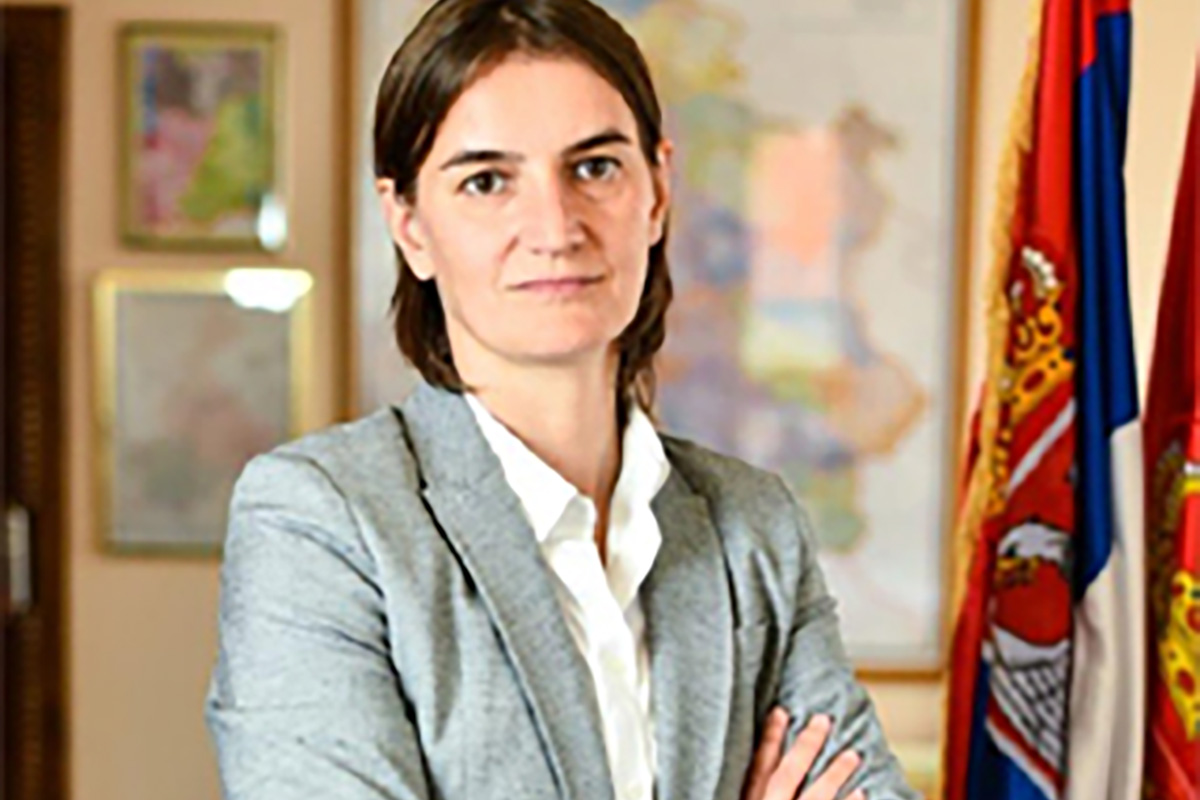
Ana Brnabić on Monday became the world’s first openly lesbian head of state after Serbian President Aleksandar Vučić resigned.
Brnabić was the country’s prime minister from 2017-2024. She was most recently the president of the Serbian National Assembly.
Vučić resigned ahead of parliamentary elections that will take place on Oct. 25. Media reports indicate Vučić could become Serbia’s next prime minister if his Serbian Progressive Party can successfully form a new government. Brnabić until then will be the country’s acting president.
Former Irish Prime Minister Leo Varadkar, who became his country’s first openly gay head of government in 2017, praised Brnabić.
“Congratulations to Ana Brnabić on becoming the world’s first lesbian head of state (president of Serbia),” said Varadkar on social media. “She visited while in her previous office and is a friend of Ireland.”
Congratulations to Ana Brnabic on becoming the world's first lesbian head of state (President of Serbia). She visited while in her previous office and is a friend of Ireland. 12 countries have now had gay or lesbian head of state/government. So far, all in Europe – the… https://t.co/TBpmeeEs9I
— Leo Varadkar (@LeoVaradkar) September 29, 2026
Former Icelandic Prime Minister Jóhanna Sigurðardóttir in 2009 became the world’s first openly lesbian head of government. Former San Marino Captain Regent Paolo Rondelli in 2022 became the world’s first openly gay head of state.
Andorran Prime Minister Xavier Espot Zamora, Dutch Prime Minister Rob Jetten, and Latvian President Edgars Rinkēvičs are openly gay. Former Luxembourgish Prime Minister Xavier Bettel, former French Prime Minister Gabriel Attal, and former Belgian Prime Minister Elio Di Rupo are also gay.
Varadkar was Ireland’s prime minister from 2017-2020 and again from 2022-2024.
Brazil
529 openly LGBTQ candidates running in Brazilian election
Lula running against Jair Bolsonaro’s son in presidential contest
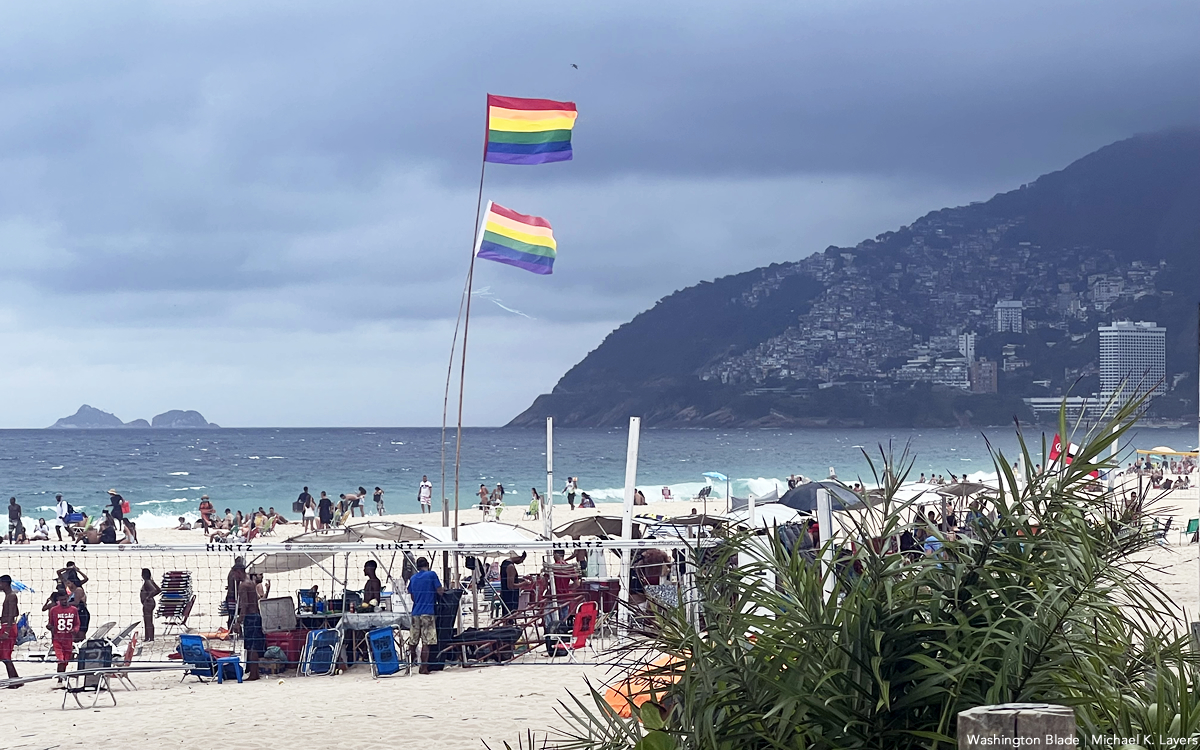
Editor’s note: International News Editor Michael K. Lavers will be on assignment in Brazil through Oct. 6.
SÃO PAULO — 529 openly LGBTQ candidates are running for in the Brazilian election that will take place on Sunday.
VoteLGBT, an organization that seeks to increase LGBTQ representation in Brazilian politics, notes 109 of these candidates are either transgender or travesti. They include Congresswomen Erika Hilton and Duda Salabert, who made history in 2022 as the first travesti and first trans women respectively to win seats in the Brazilian Congress.
Hilton, a member of the leftist Socialism and Liberty Party, known by the acronym PSOL, is a former sex worker who was a member of the São Paulo Municipal Council before her election to Congress. She currently chairs the Chamber of Deputies’ Women’s Rights Commission.
The Chamber of Deputies is Congress’s lower house.
Salabert, who is also a member of PSOL, represents Minas Gerais state in the Chamber of Deputies. Both she and Hilton in 2025 sharply criticized the Trump-Vance administration after it listed their gender as “male” on American visas that would have allowed them to travel to the U.S.

Benny Briolly is a travesti woman and member of President Luiz Inácio Lula da Silva’s Workers’ Party who is running to represent Rio de Janeiro state in the Chamber of Deputies. Thabatta Pimenta is a trans woman of mixed ethnicity who is running to represent Rio Grande do Norte state in the Chamber of Deputies as a member of the Green Party.
Nicolas is a trans masculine bisexual man from Pará state who is part of the Banca Transformer, a “collective candidature” for the Chamber of Deputies that VoteLGBT notes is “100 percent trans and lead by a trans masculine person.” Mãe Kaká Garcia is a gay travesti woman of African descent who is running to represent Mato Grosso state in the Chamber of Deputies as a member of PSOL.
“My bid for Congress stems from my life story and the need to bring voices that have historically been marginalized into the political arena,” Garcia told the Washington Blade.
“I am a Black travesti woman and a leader within the African-derived religious community, with a background in work, entrepreneurship, and community activism in Mato Grosso,” she added. “I am intimately familiar with the challenges faced by the LGBTQIA+ community, the Black population, women, and terreiro communities.”
Garcia added she is running because she believes “these spaces must also be occupied by people who live these realities.”
“I want issues such as combating violence against trans people, racism, religious intolerance, protections for women, LGBTQIA+ rights, and social policies to be treated as permanent public policies,” she said.
Associaçao Nacional de Travestis e Transexuais (National Association of Travestis and Transsexuals) President Bruna Benavides in a statement to the Blade praised all of the trans and travesti candidates.
“For ANTRA, the strength of trans and travesti candidacies lies in what our representatives already demonstrate through their work in office — acting beyond the LGBTQIA+ agenda in areas such as education, health, labor, human rights, culture, the environment, public safety, and the fight against inequality,” she said. “The presence of trans people is already a reality, and democracy needs them in politics — not merely as representatives of an identity, but as agents capable of shaping initiatives that benefit society as a whole.”
“Politics will only be truly transformed when it incorporates the perspectives and experiences of those historically excluded from centers of power — people who have nonetheless envisioned a nation where everyone can be free and live with dignity and security,” she added.
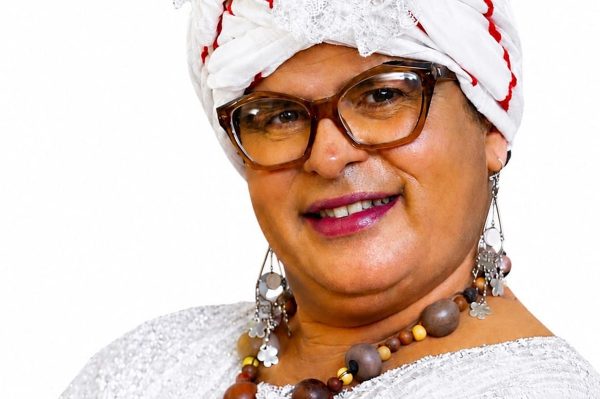
The Blade also spoke with other openly gay, lesbian, and bisexual candidates.
Uédem Lima is a bisexual, Makuxi Indigenous man who is running to represent Roraima state in the Chamber of Deputies as a member of the centrist Brazilian Democratic Movement.
“I am 23-years-old, a Makuxi Indigenous man, and bisexual,” he told the Blade. “I come from a reality where young people, Indigenous people, and LGBTQ+ individuals often still face difficulties in occupying spaces where decisions are made.”
“My candidacy is also a way to show that these spaces can — and must — be occupied by people who know these realities firsthand,” added Lima.
He told the Blade that education, health, climate justice, and Indigenous rights are among the top issues on which he will work in Congress if elected. Lima added his life in Roraima state, which borders Venezuela and Guyana in northern Brazil, and his identity will further shape his tenure.
“I know what it is like to grow up in Roraima, experience the shifts between the interior and the capital, and forge my path while carrying multiple identities,” he said. “I do not want to separate these parts of who I am. They are part of my story and also help explain why I chose to enter politics.”
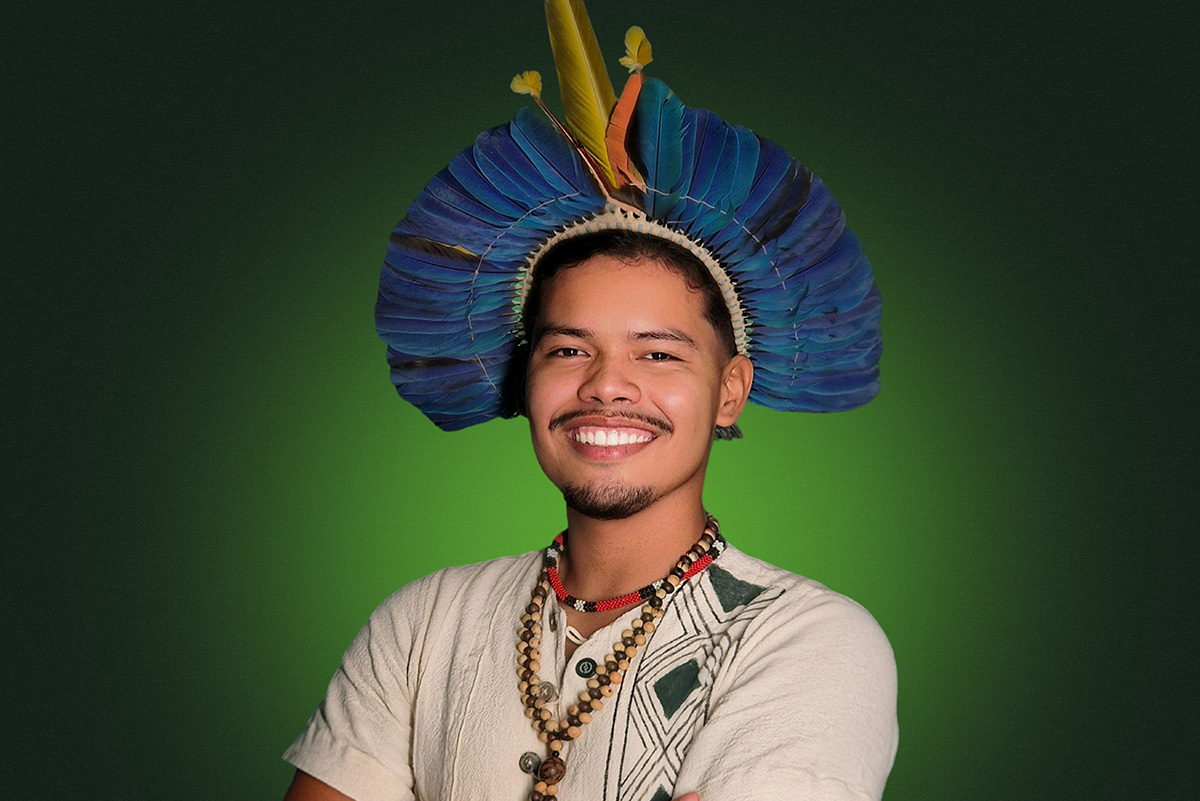
Former Congressman Jean de Wyllys, who is the first openly gay man elected to the Brazilian Congress, resigned in 2019 and fled the country after he received death threats that he claimed came from supporters of then-President Jair Bolsonaro. De Wyllys at the time of his resignation represented Rio de Janeiro state and had just been elected for a third term.
De Wyllys has returned to Brazil and is running to represent São Paulo state in the Chamber of Deputies as a member of the Workers’ Party.
“My decision to return to present myself as a candidate is linked to the public responsibility with respect to this year’s elections, the most important for the future of Latin America in the last two decades,” he told the Blade. “Everyone knows that not just our region, but the whole world is a stage for a clash between two projects: one led by Donald Trump and his far-right (supporters) internationally that is neofascist, neocolonial, and neofeudalistic, and the other spearheaded by China that advocates for multipolarity, nations’ sovereignty, and global cooperation to overcome challenges, such as the climate crisis and possible pandemics.”
“As someone who enjoys national popularity and international connections, and having served two highly productive terms regarding human rights and cultural diversity, I could not ignore the electorate’s calls to participate in this global contest — and not merely as an intellectual and artist,” added de Wyllys.
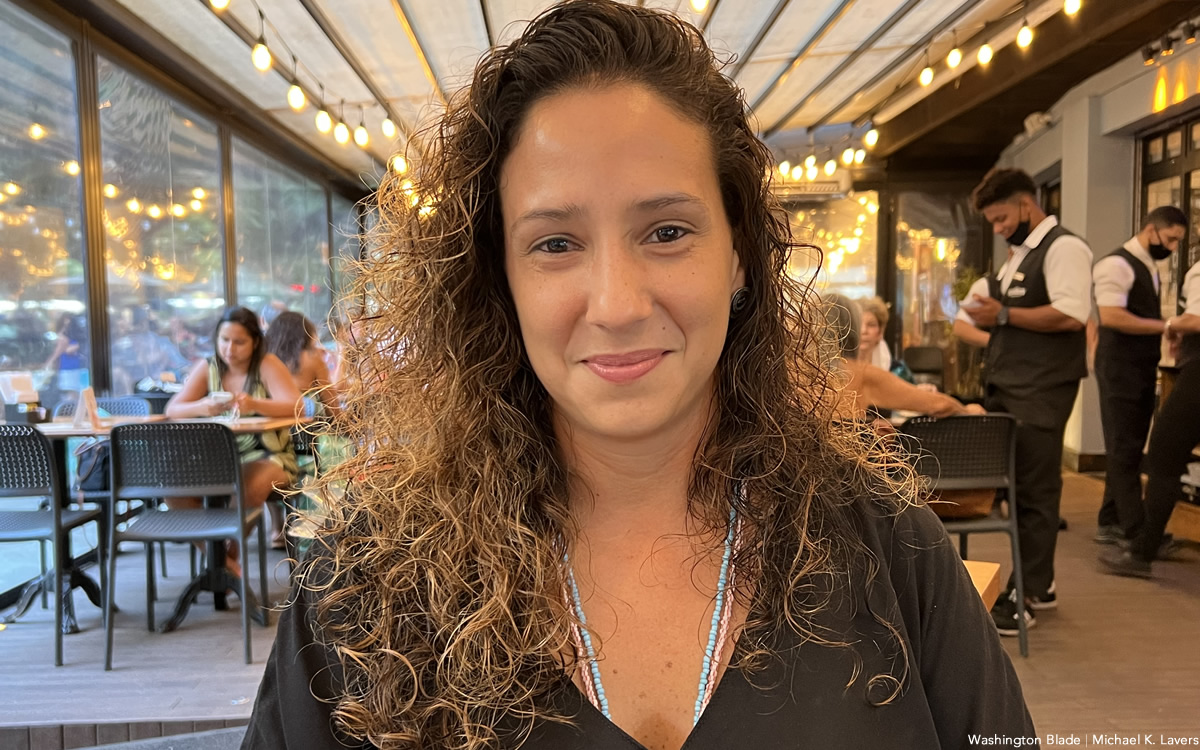
Mônica Benício is a Rio de Janeiro Municipal Councilwoman who is running for the Brazilian Senate as a PSOL member.
Her widow, Rio de Janeiro Municipal Councilwoman Marielle Franco, and her driver, Anderson Gomes, were murdered on March 14, 2018. One of the two former police officers later convicted lived in the same condominium complex in the city’s exclusive Barra da Tijuca neighborhood in which Bolsonaro lived at the time. (Bolsonaro was not president when the murders took place, and strongly denied media reports that suggested one of the suspects visited his home before Franco and Gomes were killed.)
Franco was also friends with De Wyllys and a political ally.
“After Marielle’s assassination, the LGBTQIAPN+ (lesbian, gay, bisexual, transgender/transsexual/travesti/, queer, intersex, asexual, pansexual, nonbinary) community was one of the networks that embraced me and gave me the strength to carry on,” Benício told the Blade on Tuesday. “My Senate candidacy stems from this very commitment: to transform that affection and collective strength into a voice, protection, and rights within Congress.”
Benício stressed the LGBTQ and intersex community “needs to occupy more decision-making spaces.”
“I want to reach the Senate so that our rights, families, and lives are represented where laws are made,” she said.
Lula is running for a second consecutive term.
He defeated Bolsonaro in the second round of the 2022 presidential election.
The Brazilian Supreme Court last year sentenced Bolsonaro — who repeatedly targeted LGBTQ Brazilians and other groups while in office — to more than 27 years in prison for his role in an attempted coup that saw thousands of his supporters storm the Congress, presidential palace, and the Supreme Court itself on Jan. 8, 2023. Bolsonaro is currently serving his sentence at his home in Brasília, the country’s capital, because of his poor health.
Lula main challenger in this year’s presidential election is Bolsonaro’s son, Sen. Flávio Bolsonaro.
A second round will take place on Oct. 25 if no candidate receives at least 50 percent of the vote.
Colombia
Colombia withdraws from Equal Rights Coalition
International LGBTQ group ‘not a priority’ for country’s new government
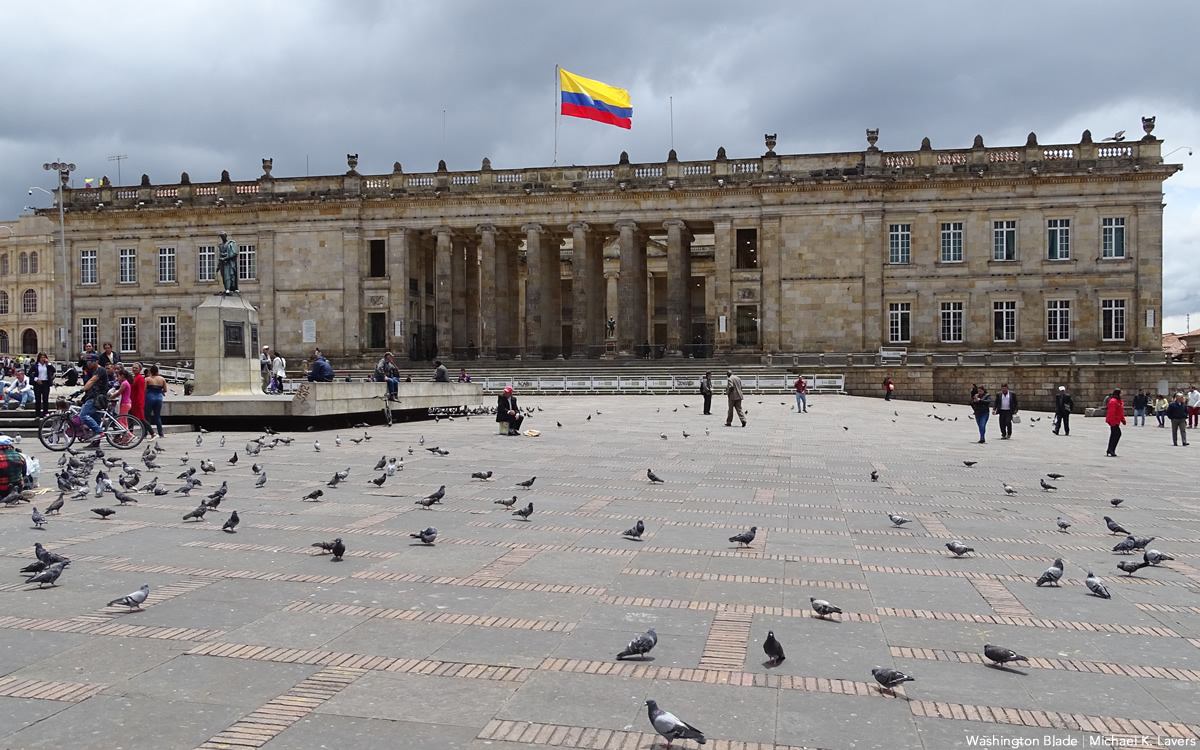
Colombia last week withdrew from a coalition of more than 40 countries that pledges to champion LGBTQ and intersex rights.
The Bogotá Post, an English-language news website in the Colombian capital, reported the country officially withdrew from the Equal Rights Coalition on Sept. 17.
The Equal Rights Coalition formed in 2016.
The group’s current members are Albania, Argentina, Australia, Austria, Belgium, Brazil, Canada, Cabo Verde, Chile, Costa Rica, Cyprus, the Czech Republic, Denmark, Ecuador, Estonia, Finland, France, Germany, Greece, Iceland, Ireland, Israel, Italy, Lithuania, Luxembourg, Malta, Mexico, Montenegro, Netherlands, New Zealand, North Macedonia, Norway, Portugal, Serbia, Slovenia, Spain, Sweden, Switzerland, Thailand, Ukraine, the U.K., and Uruguay. Civil society organizations from Colombia and dozens of other countries, including the U.S., work with the Equal Rights Coalition.
Colombia had co-chaired the group alongside Spain.
The decision to withdraw from the Equal Rights Coalition took place less than two months after far-right Colombian President Abelardo de la Espriella took office.
El Páis, a Spanish newspaper, reported Colombian Vice Minister for Consular and Migration Affairs Pedro Agustín Roa said the Equal Rights Coalition “is not a priority” for his government and the country’s participation in it was “something from a previous government.”
Caribe Afirmativo is a Colombian LGBTQ advocacy group that works with the Equal Rights Coalition. Wilson Castañeda, its director, criticized his country’s withdrawal from it.

Vote now! Best Of LGBTQ DC readers’ choice awards

Meet the LGBTQ candidates running for U.S. House, Senate

Ana Brnabić becomes world’s first openly lesbian head of state

529 openly LGBTQ candidates running in Brazilian election