European Union
100+ confirmed cases of monkeypox in 12 countries & spreading
A notable proportion of cases in the UK and across Europe have been found in gay & bisexual men health officials say
Dr. Hans Henri P. Kluge, the Regional Director of Europe for the World Health Organization (WHO) is warning that confirmed cases of monkeypox, which is most often seen in West and Central Africa, has escalated in Europe and elsewhere globally.
The United Kingdom, Spain, Portugal, Germany, Belgium, France, the Netherlands, Italy and Sweden – as well as the U.S., Canada and Australia are all reporting cases.
“The situation is evolving and WHO expects there will be more cases of monkeypox identified as surveillance expands in non-endemic countries,” Kluge said.
In Britain, the UK Health Security Agency’s Chief Medical Adviser Dr. Susan Hopkins noted in a statement released this past weekend:
“We anticipated that further cases would be detected through our active case finding with NHS services and heightened vigilance among healthcare professionals. We expect this increase to continue in the coming days and for more cases to be identified in the wider community. Alongside this we are receiving reports of further cases being identified in other countries globally.
Because the virus spreads through close contact, we are urging everyone to be aware of any unusual rashes or lesions and to contact National Health Service or a sexual health service if they have any concerns. Please contact clinics ahead of your visit and avoid close contact with others until you have been seen by a clinician.
A notable proportion of recent cases in the UK and Europe have been found in gay and bisexual men so we are particularly encouraging them to be alert to the symptoms and seek help if concerned.
Clinicians should be alert to any individual presenting with unusual rashes without a clear alternative diagnosis and should contact specialist services for advice,” she added.
Monkeypox, which can be transmitted by droplets and by close contact with infected skin lesions or contaminated materials, usually incubates in people for 6 to 13 days before symptoms appear.
UKHSA notes that this rare virus, in the same family as smallpox, has not previously been described as a sexually transmitted infection, but it it can be passed on through very close human contact, such as touching blood or body fluids or prolonged exposure to the respiratory droplets of an infected person. It can also been transmitted with clothing or linens used by an infected person.
In Washington D.C., Dr. Ashish Jha, the White House Covid-19 response coordinator, told ABC he wouldn’t be surprised if the US saw “a few more” cases of monkeypox in the coming days.
“But I feel like this is a virus we understand, we have vaccines against it, we have treatments against it, and it’s spread very differently than SARS-CoV-2” — the virus that causes Covid-19, Jha told ABC’s Martha Raddatz on Sunday.
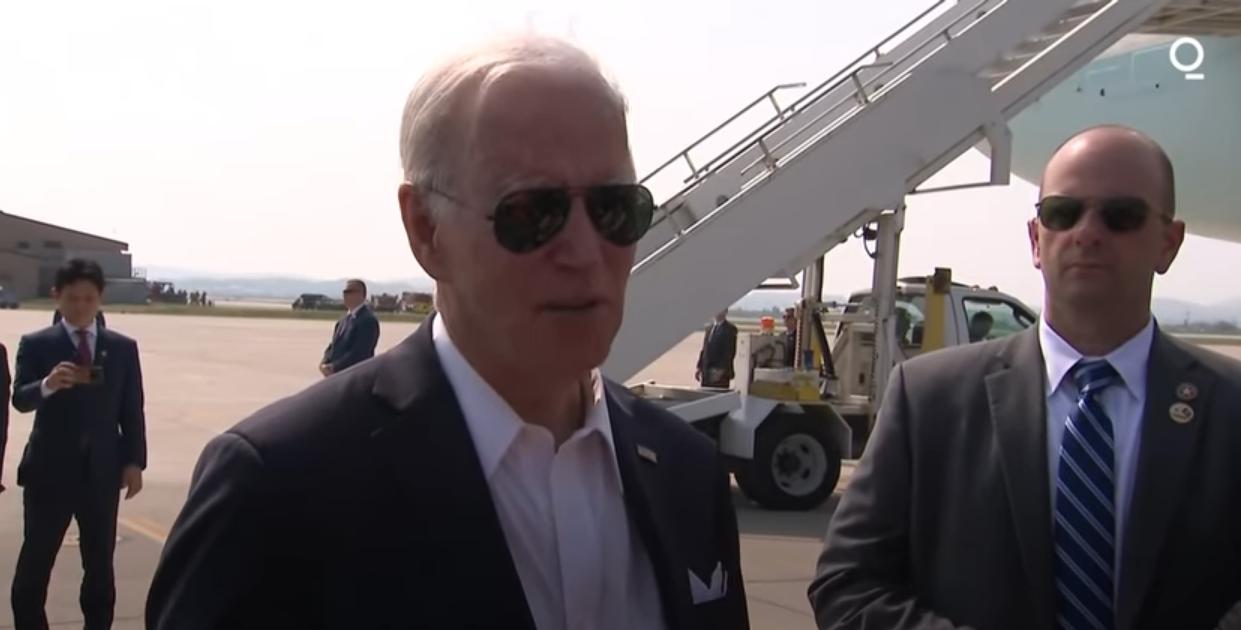
Traveling in Asia, President Joe Biden told CNN’s Kaitlan Collins as he was preparing board Air Force One to depart South Korea on Sunday; “They haven’t told me the level of exposure yet, but it is something that everybody should be concerned about,” he said.
“We’re working on it hard to figure out what we do and what vaccine, if any, might be available for it. It is a concern in that if it were to spread it would be consequential. That’s all they told me,” the president added.
CNN reported that the US Centers for Disease Control and Prevention is evaluating whether a smallpox vaccine should be offered to health care workers treating monkeypox patients and other people who may be at “high risk” for exposure to monkeypox.
UK Health Security Agency’s Hopkins cautions that people should be aware of monkeypox — but that the risk to the general population “remains extremely low at the moment.”
“I think people need to be alert to it,” said Hopkins. “We really want clinicians to be alert to it and send the test if they’re concerned.”
Hopkins also said based on reports from Africa, the UKHSA knows certain people are “much more at risk of severe disease, particularly immunosuppressed individuals or young children.
“While there is “no direct vaccine for monkeypox,” she said, “we are using a form of smallpox vaccine or third-generation smallpox vaccine that’s safe on individuals who are contacts of cases.”
Symptoms
Initial symptoms of monkeypox include fever, headache, muscle aches, backache, swollen lymph nodes, chills and exhaustion. A rash can develop, often beginning on the face, then spreading to other parts of the body including the genitals.
The rash changes and goes through different stages, and can look like chickenpox or syphilis, before finally forming a scab, which later falls off.
“A feature that distinguishes infection with monkeypox from that of smallpox is the development of swollen lymph nodes,” the CDC said.
Biden Comments On Monkeypox As He Leaves South Korea:




Bulgaria
Top EU court issues landmark transgender rights ruling
Member states must allow name, gender changes on ID documents
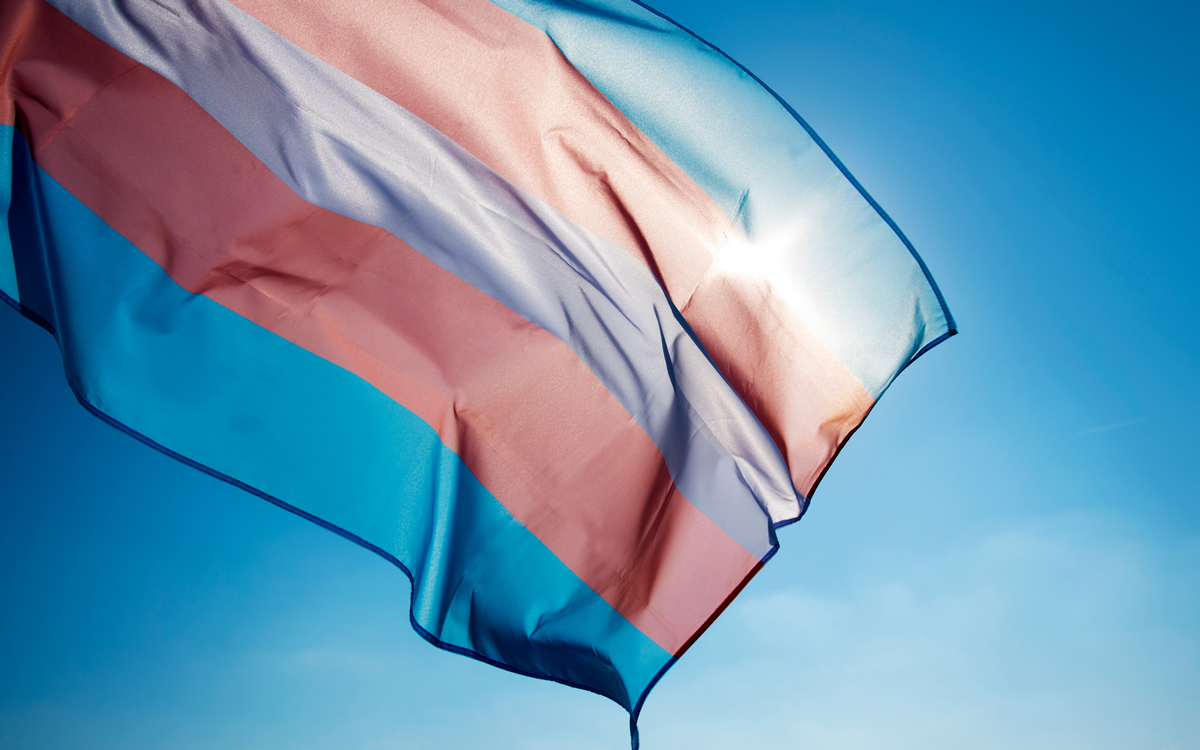
The European Union’s highest court on Thursday ruled member states must allow transgender people to legally change their name and gender on ID documents.
The EU Court of Justice in Luxembourg issued the ruling in the case of “Shipova,” a trans woman from Bulgaria who moved to Italy.
“Shipova” had tried to change her gender and name on her Bulgarian ID documents, but courts denied her requests for nearly a decade.
A ruling the Bulgarian Supreme Court of Cassation issued in 2023 essentially banned trans people from legally changing their name and gender on ID documents. Two Bulgarian LGBTQ and intersex rights groups — the Bilitis Foundation and Deystvie — and ILGA-Europe and TGEU – Trans Europe and Central Asia supported the plaintiff and her lawyers.
“Because her life in Italy also depended on her Bulgarian documents, the lack of documents reflecting her lived gender creates an obstacle to her right to move and reside within EU member states,” said the groups in a press release. “This mismatch between her gender identity and expression and her gender marker in her official documents leads to discrimination in all areas of life where official documents are required. This includes everyday activities such as going to the doctor and paying for groceries by card, finding employment, enrolling in education, or obtaining housing.”
Denitsa Lyubenova, a lawyer with Desytvie, in the press release said the case “concerns the dignity, equality, and legal certainty of trans people in Bulgaria.” TGEU Senior Policy Officer Richard Köhler also praised the ruling.
“Today, the EU Court of Justice has taken an important step towards a right to legal gender recognition in the EU,” said Köhler. “Member states must allow their nationals living in another member state to change their gender data in public registries and identity cards to ensure they can fully enjoy their freedom of movement. National laws or courts cannot stand in their way.”
“Thousands of trans people in the EU are breathing a sigh of relief today,” added Köhler.
European Union
European Parliament resolution backs ‘full recognition of trans women as women’
Non-binding document outlines UN Commission on the Status of Women priorities
The European Parliament on Feb. 11 adopted a transgender-inclusive resolution ahead of next month’s U.N. Commission on the Status of Women meeting.
The resolution, which details the European Union’s priorities ahead of the meeting, specifically calls for “the full recognition of trans women as women.”
“Their inclusion is essential for the effectiveness of any gender-equality and anti-violence policies; call for recognition of and equal access for trans women to protection and support services,” reads the resolution that Erin in the Morning details.
The resolution, which is non-binding, passed by a 340-141 vote margin. Sixty-eight MPs abstained.
The commission will meet in New York from March 10-21.
A sweeping executive order that President Donald Trump signed shortly after he took office for a second time on Jan. 20, 2025, said the federal government’s “official policy” is “there are only two genders, male and female.” The Trump-Vance administration has withdrawn the U.S. from the U.N. LGBTI Core Group, a group of U.N. member states that have pledged to support LGBTQ and intersex rights, and dozens of other U.N. entities.
European Union
Top EU court: Poland must recognize same-sex marriage from other European countries
Activists celebrate landmark decision
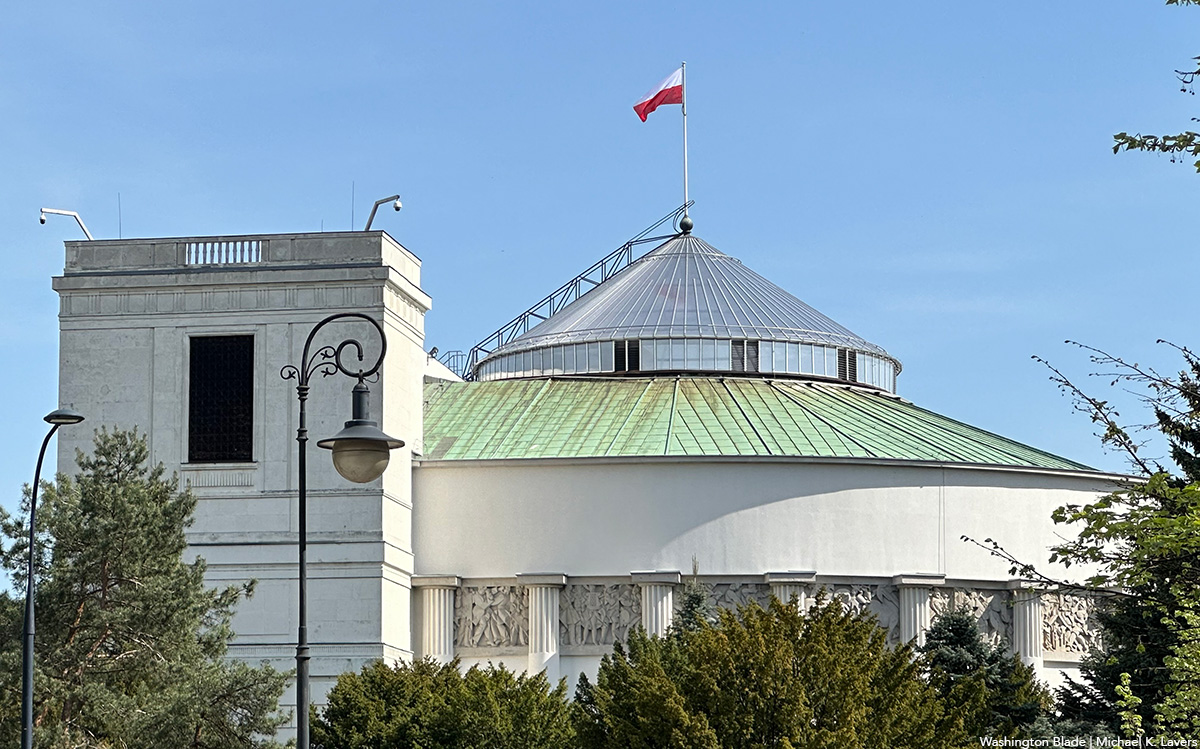
The European Union’s top court on Tuesday ruled member states must recognize same-sex marriages legally performed in other member states.
The EU Court of Justice in Luxembourg ruled in favor of a couple who challenged Poland’s refusal to recognize their German marriage.
ILGA-Europe notes Polish authorities refused “to transcribe into the civil register a certificate of same-sex marriage concluded” in Germany “between a Polish citizen and a Polish-German citizen … on the grounds that Polish law does not allow same-sex marriage.”
The couple who lives in Poland brought their case to Polish courts. The Polish Supreme Administrative Court referred it to the EU Court of Justice.
“Today’s ruling of the Court of Justice of the EU is of key importance not only for the couple involved in the case, but also for the entire LGBT+ community in Poland,” said the Campaign Against Homophobia, a Polish LGBTQ and intersex rights group, in response to the decision. “It clearly states that refusing to transcribe a marriage concluded abroad is incompatible with EU law. Therefore, regardless of the absence of registered partnerships and marriage equality, Poland must ensure the possibility of effective transcription.”
“With this judgment, the CJEU clearly states that the recognition of marriage status is key to enjoying EU citizens’ fundamental right to freedom of movement across the EU,” added ILGA-Europe Advocacy Director Katrin Hugendubel. “The EC now needs to ensure that this judgment is implemented quickly by the Polish state and across the EU.”
Sixteen EU countries — Ireland, Portugal, Spain, France, Luxembourg, Belgium, the Netherlands, Germany, Denmark, Austria, Slovenia, Malta, Greece, Sweden, Finland, and Estonia — have extended full marriage rights to same-sex couples. Poland, Romania, Bulgaria, and Slovakia are the EU countries with no legal recognition of same-sex couples.

LGBTQ community plays integral role in autism advocacy

Kristi Noem ‘devastated’ as husband’s alleged fetish spending surfaces

Colo. activists condemn SCOTUS conversion therapy ruling

Is Ghana’s selective justice a human rights contradiction?

Supreme Court ruling against conversion therapy bans could affect Md. law

‘Out for McDuffie’ event held at D.C. gay bar

The Oscar-losing performance that’s too good to miss

‘Jonah’ an undeniably compelling but unusual memory play

PHOTOS: ‘No Kings’ rally and march