Arts & Entertainment
DC Black Pride to return in-person this year
‘Bigger. Bolder. The original is back.’
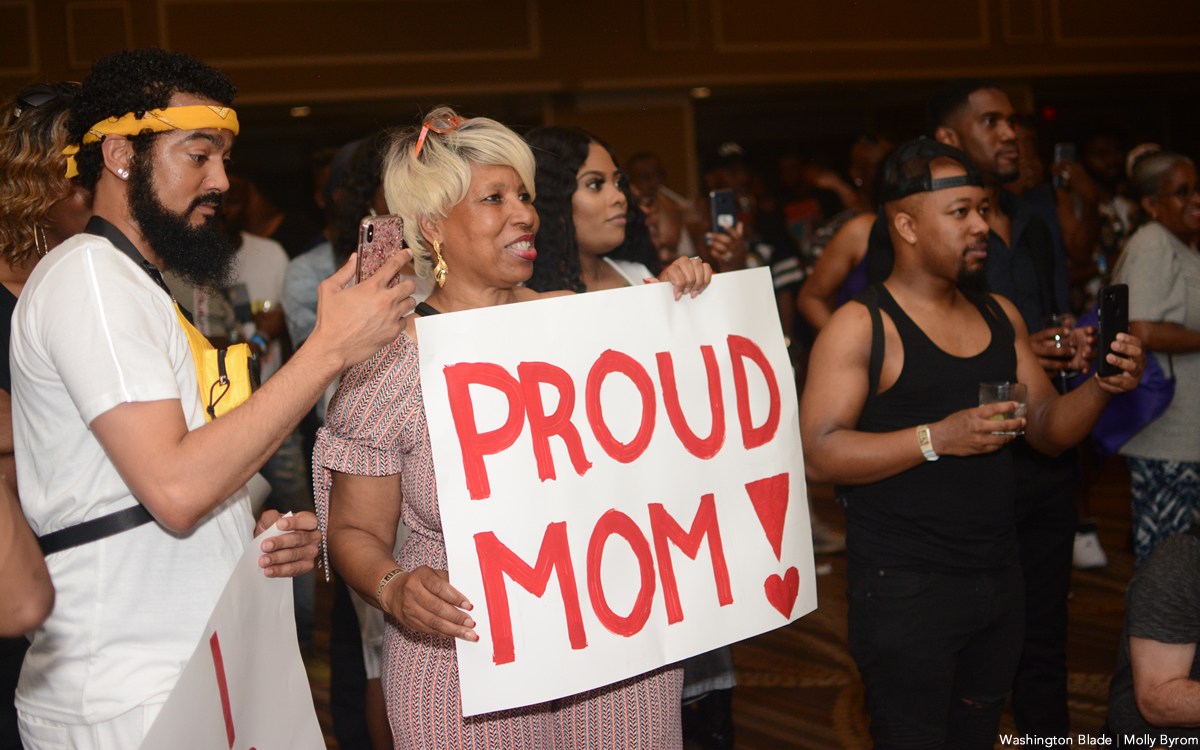
Since 1991, Black LGBTQ people and their allies have flocked to the streets of D.C. during Memorial Day Weekend to celebrate the beauty of the Black LGBTQ community and to raise awareness and funding to combat HIV/AIDS. Now, after a two-year hiatus triggered by the COVID-19 pandemic, this year’s Black Pride has returned with a focus on creating community.
“This is really the place to be if you’re Black and queer in D.C.,” said Kenya Hutton, deputy director for the Center for Black Equity, an LGBTQ advocacy organization that plans the event. Hutton has been involved in planning DC Black Pride for the past 13 years.
“There is a heavy buzz early on about Black Pride [this year],” he said.
This year’s events will run for four days, and will attract both a local and international audience including LGBTQ advocates from England, France, and Ghana.
“We have two members from the House of Garcon coming in from Paris,” said Hutton. “A lot of international people are coming to D.C., and after a two-year hiatus, the hunger to be back [is there].”
The weekend will commence with an opening reception on Friday, May 27 at 5 p.m. at the Renaissance Washington D.C. The event, also presented by Impulse DC and Us Helping Us, People Into Living, Inc., will feature live performances by Queen Diva Big Freedia and Atlantic Recording artist Tai’aysha. There will also be special appearances by D.C. Mayor Muriel Bowser and other guests who will be announced at the event. The event is free — registration is available on Eventbrite— and also includes two drink tickets.
Other events to look out for during DC Black Pride include kickoff events such as the Unity Ball on Thursday, May 25 at 9 p.m. at Karma DC hosted by commentator Kirk “Boom” Balenciaga, with music performances by DJ Tony Play, and the official Saturday night main event— “The White Party”— which will feature a performance by rapper and social media star Saucy Santana on Saturday, May 28 at 10 p.m. at Echostage.
In addition to the celebratory events, there will also be workshops focusing on a myriad of topics such as LGBTQ health, diversity, body positivity, and a writer’s forum.
The Black Pride Wellness Suite Open will be on Friday, May 27 at 2 p.m. at Renaissance Washington DC. The event, sponsored by DC Health, will provide HIV and full panel STD testing, safer sex kits and harm reduction supplies, and same-day PrEP initiation and PEP to those eligible.
“Becoming You: The Body Positivity Workshop” will be on Saturday, May 28 at 11 a.m. at Renaissance Washington DC. The workshop will be hosted by Tonka Garcon, from the HBO hit show “Legendary,” who will guide attendees on how to build self-confidence, love, and appreciation “without feeling left out.”
The writer’s forum will be on Saturday, May 28 at 2 p.m. and will be hosted by author James Earl Hardy who has written books such as “Men of the House” and “B-Boy Blues.”
Given that DC Black Pride will take place with the backdrop of the May 14 Buffalo, N.Y., shooting and other recent incidents in D.C. as well, the Center for Black Equity has boosted its security measures to ensure that attendees are safe.
“We are working closely with the Maryland Police Department [and] one of their officers will walk through an active shooter training [with our staff],” said Hutton.
Hutton added that because the pandemic took away the Black LGBTQ community’s ability to gather for two years, it is essential that guests leave the event feeling a sense of belonging.
“This is home. This is where it starts. This is our culture,” he said. “DC Black Pride is always home for queer people.”
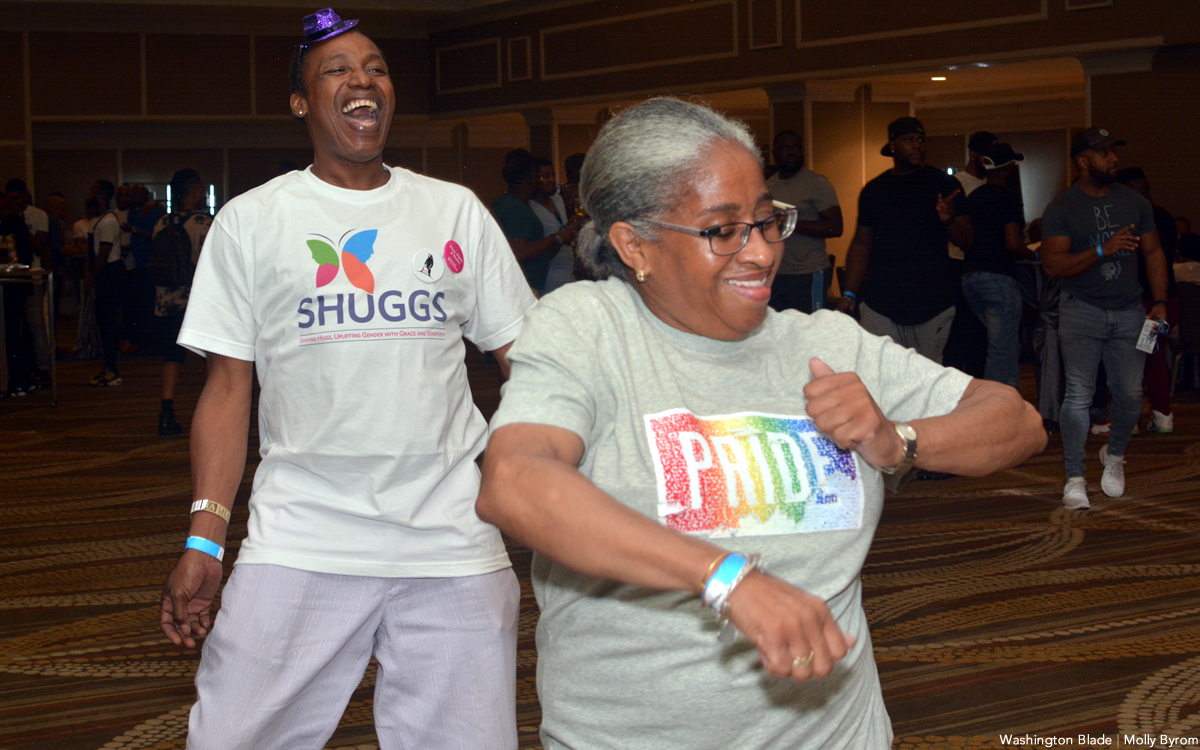
Studies report that the pandemic disproportionately affected LGBTQ individuals’ mental health.
LGBTQ people faced mental health and substance abuse problems at higher rates than their non-LGBTQ peers due to lower incomes, fewer work opportunities and a lack of access to adequate healthcare, according to 2021 health analyses by the Kaiser Family Foundation.
Other studies also show that 16% of Black people reported having a mental illness, and 26% of people who reported a severe mental illness over the past year are men, according to the National Alliance on Mental Illness.
To bring to light the importance of mental health and wellness in the LGBTQ community, other organizations such as D.C. nonprofit group Us Helping Us will host events “to understand the complex issues of intersectionality that Black, gay, transgender, and bisexual men face.”
Us Helping Us will host “Pride Festival in Park” on Monday, May 30 at 12 p.m. at Ford Dupont Park. The organization works to improve the health and well-being of Black men with HIV and AIDS, and will partner with Amerigroup DC for Monday’s event.
“Every day, we see the impact our mental health services have on our clients, whether it be through individual appointments with our therapists or counselors or our support groups,” said DeMarc A. Hickson, the nonprofit’s executive director in a press release. “Mental health is critical to keeping our clients healthy physically.”






a&e features
Acclaimed Chef Patrick O’Connell’s memoir reveals the arc of a life well lived
Overcoming obstacles to serve everyone from Jerry Falwell to Queen Elizabeth
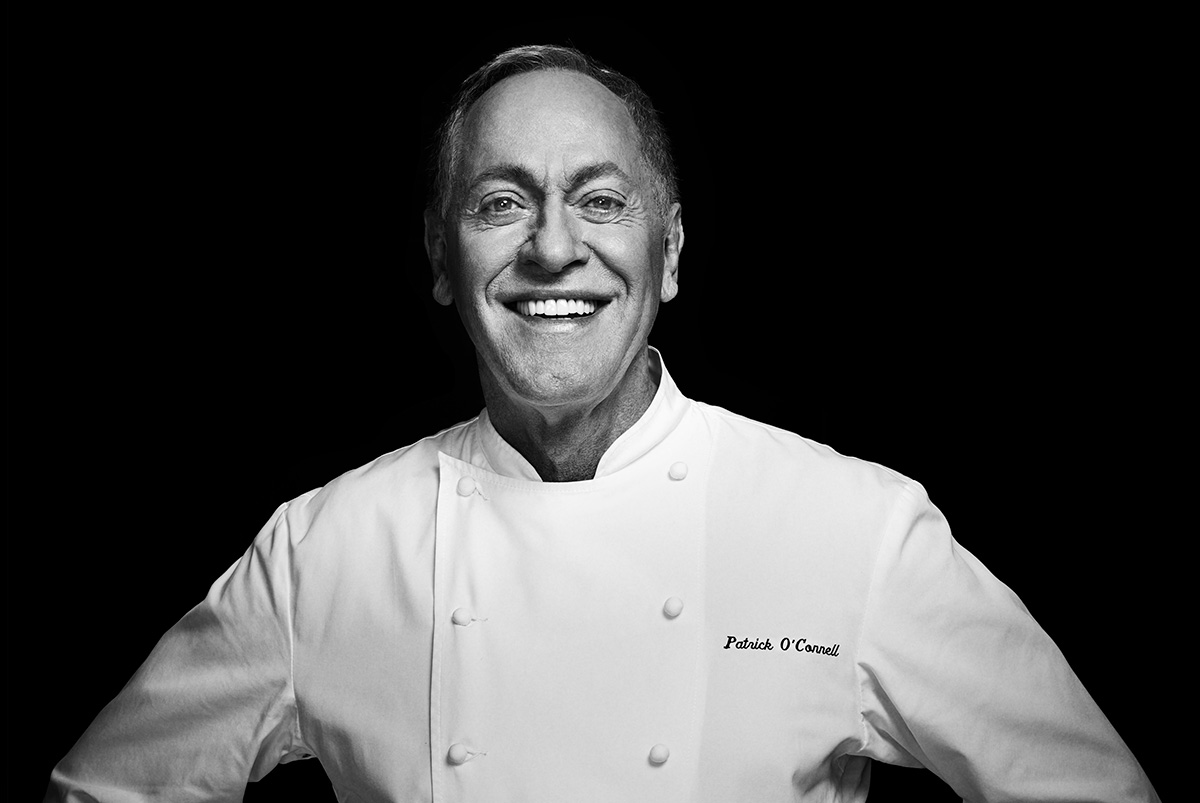
Renowned three-Michelin-star Chef Patrick O’Connell says food and wine hold a unique ability to bring people together. Indeed, he has served everyone from right-wing zealot Jerry Falwell to Britain’s Queen Elizabeth during his decades at the beloved Inn at Little Washington in rural Virginia.
O’Connell’s compelling new memoir, “Main, Middle & Gay” is out Sept. 15 from Celadon Books and offers a deeply personal account of how he transformed his love of food and affinity for the finer things into an iconic inn and restaurant that draws diners from around the world nearly 50 years after it opened in 1978.

O’Connell is launching the book with an event on Sept. 18 at Lisner Auditorium featuring Chef José Andrés and former Washington Post food critic Tom Sietsema. He met Andrés just after Andrés began to work in D.C. and was “on fire with ideas.”
“We sat next to each other at Charlie Trotter’s restaurant and the meal went on for hours and we had a natural rapport,” O’Connell told the Blade in a recent interview. “The chemistry will be fun and lively and unpredictable and exciting. I think we’re all different personalities and we’ll compliment each other.”
O’Connell said he’s excited to hold the event at Lisner.
“I studied theater at Catholic University and transferred to GWU so it’s a coming home party and Lisner has been there since I was a kid and it was always like D.C.’s Carnegie Hall. It feels like going home to my old stomping grounds.”
O’Connell hopes to bring the book to life visually at the event and he has produced a short film that will be screened.
The book traces the self-taught O’Connell’s remarkable journey from rural paperboy and short-order cook to proprietor of one of the world’s most celebrated restaurants and Relais & Châteaux hotels. Along the way we learn about the many challenges he faced — from distrustful and homophobic local residents in Washington, Va., to an expensive, public “divorce” from his longtime romantic and business partner, Reinhardt Lynch.
“It parallels the evolution of American cuisine over 50 years,” he said. “It’s a rare perspective to be in the trenches for that long.”
O’Connell writes candidly about his relationship with Lynch. The two opened the restaurant together — O’Connell running the kitchen and Lynch handling the business. But O’Connell’s accolades and growing notoriety led to jealousy that triggered a protracted falling out and dissolution of both their personal relationship and business partnership. Lynch, as recalled by O’Connell, attempted to secretly sell his 50 percent of the business but ultimately agreed to sell his stake back to O’Connell for a reported $17.5 million. “The Washington Post ran with it as a salacious celebrity divorce story and included all the financial details,” he writes.
After taking full control of the Inn just as the recession of 2008 hit, O’Connell writes of the scrutiny of guests who assumed Lynch’s absence would lead to a slip in quality. “The place couldn’t be just as good as ever. It would have to be better.”
What happened next proved a royal opportunity as Queen Elizabeth visited Virginia to commemorate the 400th anniversary of the founding of the state and O’Connell was asked to cater a reception. This chapter is filled with juicy details and behind-the-scenes anecdotes about the pressures of cooking for the Queen. The subsequent media attention proved lucrative for the Inn and photos of the Queen’s visit still hang in the Inn.
There are references to O’Connell’s sexual orientation throughout the book and he doesn’t shy from addressing his long relationship with Lynch or the resistance the couple encountered when they settled in sleepy Washington, Va.
“I didn’t realize that I was walking into a prejudiced hornet’s nest that I wasn’t fully prepared for and there was a great deal of hostility in part because they didn’t understand anything about what we were attempting to do here so everything about us and our desire to run a fine restaurant was foreign to them,” O’Connell told the Blade. “The irony of a place opening in the center of town of 150 people and at that time the word ‘gay’ wasn’t used here. It was as if they didn’t have space in their consciousness for such a thing. We were regarded as counter culture people.
“The restaurant became a success almost overnight and the locals couldn’t understand what the buzz was about,” O’Connell continued. “They thought food is food and why would anyone drive 60 miles out here for food. They became resentful of the ‘outsiders’ who came. Two outsiders were opening a restaurant and drawing other outsiders out here to a place where there weren’t many jobs. There was resentment on many levels by some — not all. They thought it would go away.”
But O’Connell said he never made his sexuality the focus of his work. Rather, he wanted to use food to bring people of all backgrounds together.
“I never made a point or attempted to make that a central focus on my work,” he said. “I felt that I had found my spot in the universe where I belonged, I loved living here, it was a sanctuary.”
O’Connell’s insistence that everyone is welcome has sometimes created tension and negative press, as when President Trump presented him with a National Humanities Medal that brought criticism from some progressives.
“We see a fascinating clientele here; we don’t judge and we’re not political,” he said. “When people come they are entitled to our hospitality.”
One of those people was televangelist and notorious homophobe Jerry Falwell, who made a reservation at the Inn years ago. O’Connell’s instruction to the staff was to treat Falwell like any other guest.
“We have an image of someone who maybe we would think would be hostile or judgmental and they often surprise us,” O’Connell said. “We held our breath and here’s Falwell working the tables and saying this is the best meal I’ve ever had, aren’t these two guys great and we thought he’s doing PR for us and he’s supposed to be the devil.”
O’Connell said he sees that dynamic play out night after night at the Inn. One of the most conservative national Republican figures, he said, is a regular and Vice President JD Vance dined at the Inn recently. Focusing on the food and hospitality for all constitutes O’Connell’s brand of activism.
“Food does bring people together,” he said. “And you’re doing your part in erasing preconceived judgements.”
He said he and his team did more to advance understanding and acceptance by focusing on hospitality than if “we were out marching.”
As evidence, he said, there are more and more gay couples moving to the area and the town’s mayor, Joe Whited, is gay.
“We’re the biggest employer in the county and largest taxpayer,” he added. “The Inn pays the town almost $1 million per year and property values are getting to be like Palm Beach. And that wasn’t a goal it was a byproduct of doing something as well as it could be done.”
But the book isn’t hagiography. O’Connell revisits traumatic events, like childhood bullies who attacked him for wearing a Little Red Riding Hood costume for Halloween and a sexual assault he endured as a young teenager aboard a bus.
“I don’t know why I couldn’t call out for help or try to make the man stop,” O’Connell writes of the incident. “I didn’t want to call attention to the situation and felt completely implicated. Once it began there was no stopping it.”
Interestingly, O’Connell told the Blade that one of the things he learned in writing the book is how little he’s changed since childhood.
“People tend to lock away a lot of childhood memories for good reason and in a book you’re reliving them and bringing them to life,” he said. “And my revelation is that I don’t think I’ve changed much since I was six and I think most people’s identity is pretty developed in their very early years and their personality is clear. What amused me most is I’m doing the same things now that I did in miniature as a five and six year old.”
As for popular TV shows about the restaurant business, O’Connell says he doesn’t watch them.
“It’s fake,” he said. “There are much more colorful characters and it’s much more exciting in real life. Nobody seems capable of capturing that. So maybe this [book] will have the effect of doing that and showing what it takes.”
O’Connell said the books and stories he most enjoys reading are those that start in childhood and carry through until late in life. He has certainly delivered that in “Main, Middle & Gay,” a moving, fearless memoir filled with the unexpected and natural drama that revisits a uniquely American life.
The Blade may receive commissions from qualifying purchases made via this post.
Celebrity News
Fashion icon Bob Mackie dead at 87
Designing legend to all the divas, gone but not forgotten
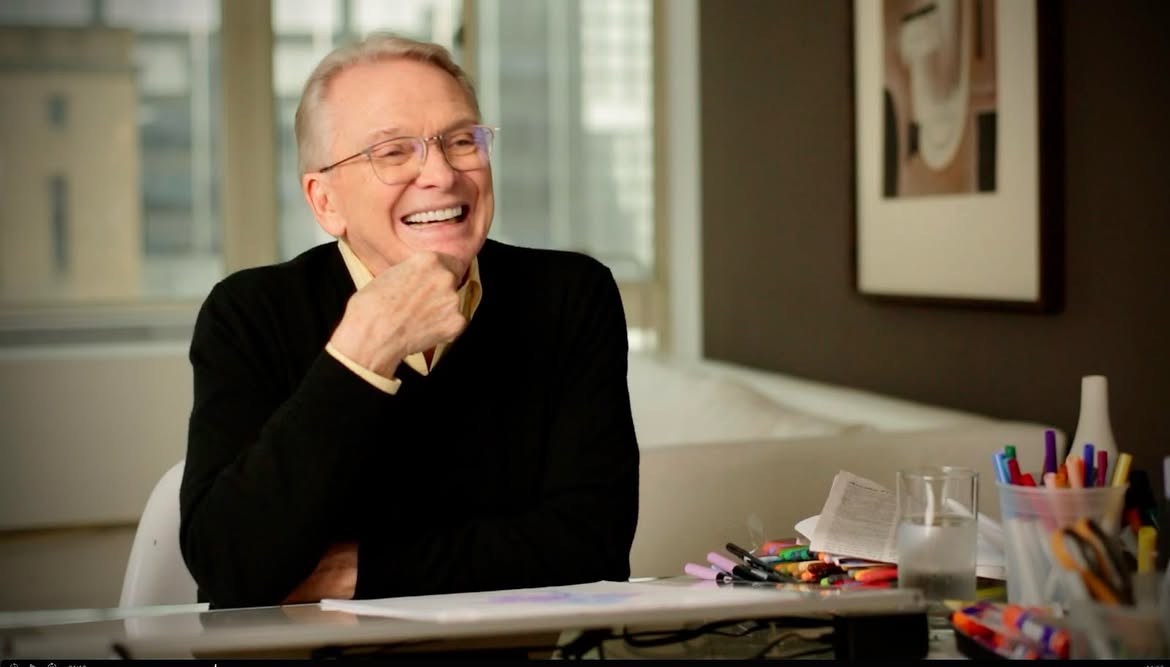
To those still reeling from the loss of Dolly Parton and Tim Curry, we have another queer icon to add to the In Memoriam of 2026: Bob Mackie. A designer known for being extra, before that was even a thing, has left us with a legacy of looks and an indelible mark on fashion.
The news broke on his Instagram account Monday, Sept. 14, with the message:
“It is with a heavy heart that we share the news that Mr. Bob Mackie passed away today. He lived his 87 years to the fullest, fulfilling his dream of being a fashion and costume designer, which is all he ever wanted to do. His genius and extraordinary designs will live on forever, continuing to bring beauty into this world.” According to People magazine, he passed away in Palm Springs, Calif., due to pneumonia.
At 87, Mackie was the definitive designer for divas. Mackie has literally dressed them all, including Diana Ross, Whitney Houston, Barbra Streisand, Dolly Parton, Tina Turner, Bette Midler, Bernadette Peters, and even RuPaul. He’s dressed film and television icons like Raquel Welch, Lynda Carter, Goldie Hawn, and Jennifer Lopez. It’s not just female divas; he’s also done many of Elton John’s famous costumes as well as David Bowie’s.
His first major mark was drawing the first design of Marilyn Monroe’s famous “Happy Birthday, Mr. President” dress. Next, he was an assistant to costume designer Ray Aghayan on “The Judy Garland Show.” The two would carry on a professional and romantic partnership for 50 years until Aghayan’s passing in 2011.
Mackie then went on to do all of the costumes for “The Carol Burnett Show,” creating an estimated 17,000 costumes for her show’s 11-year run. This gave him much critical acclaim and notoriety, making him a permanent fixture in the variety show market.
He became a frequent collaborator of Cher, having made her famous midriff-revealing Oscar gown, her “If I Could Turn Back Time” costume, and being her designer for her various television shows, including “The Sonny and Cher Show.” He even designed costumes for her Farewell Tour. The two are synonymous with him having lent his artistic sensibilities to give her a distinct look. Cher even said in 2024, “He helped me create a different me.”
Mackie has left his mark on fashion with a distinct style of glamorous, over-the-top looks. He received the monikers the “Sultan of Sequins,” the “Rajah of Rhinestones,” and the “Guru of Glitter” for challenging the line between costume and fashion with lots of fringe, flash, and over-the-top eye-catching elements. He’s managed to retain a presence not just in entertainment but in the fashion industry for decades. Most recently, one of his outfits was a major plot point for the final season of “Hacks.”
Mackie has received his share of awards and acknowledgments. In addition to dressing many people for the Oscars, he received three nominations, including dressing Diana Ross for “Lady Sings the Blues.” He won a Tony Award for “The Cher Show.” He won nine Emmy Awards and received 30 nominations for his prolific television work.
Luckily, Mackie’s life was celebrated before his passing, receiving various Lifetime achievement awards including the Geoffrey Beene CFDA Lifetime Achievement Award, being honored by the Television Hall of Fame, and receiving “RuPaul’s Drag Race”‘s Giving Us Life-time Achievement Award. He was the first guest judge on the popular series.
It’s clear that not only was Mackie talented, he was magical. He gave a bit of stardust to countless celebrities, luminaries, and public figures with looks that not only defied expectations but managed to be truly spectacular. He’s part of the glitz we think of when we think of Hollywood, and while often elaborate costumes, the shrewd fashion sense and elegance cannot be denied. Mackie will be missed, but his work lives on in the countless pieces still in circulation and forever captured on film and in media.

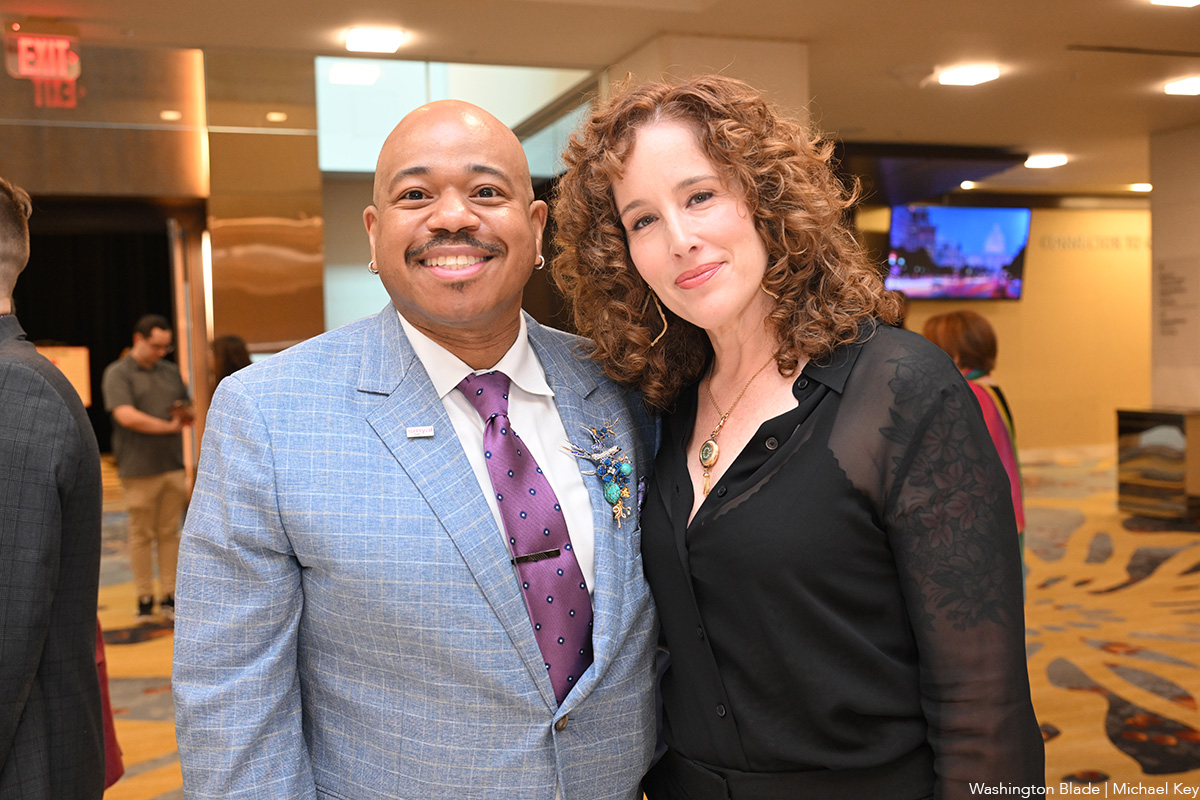
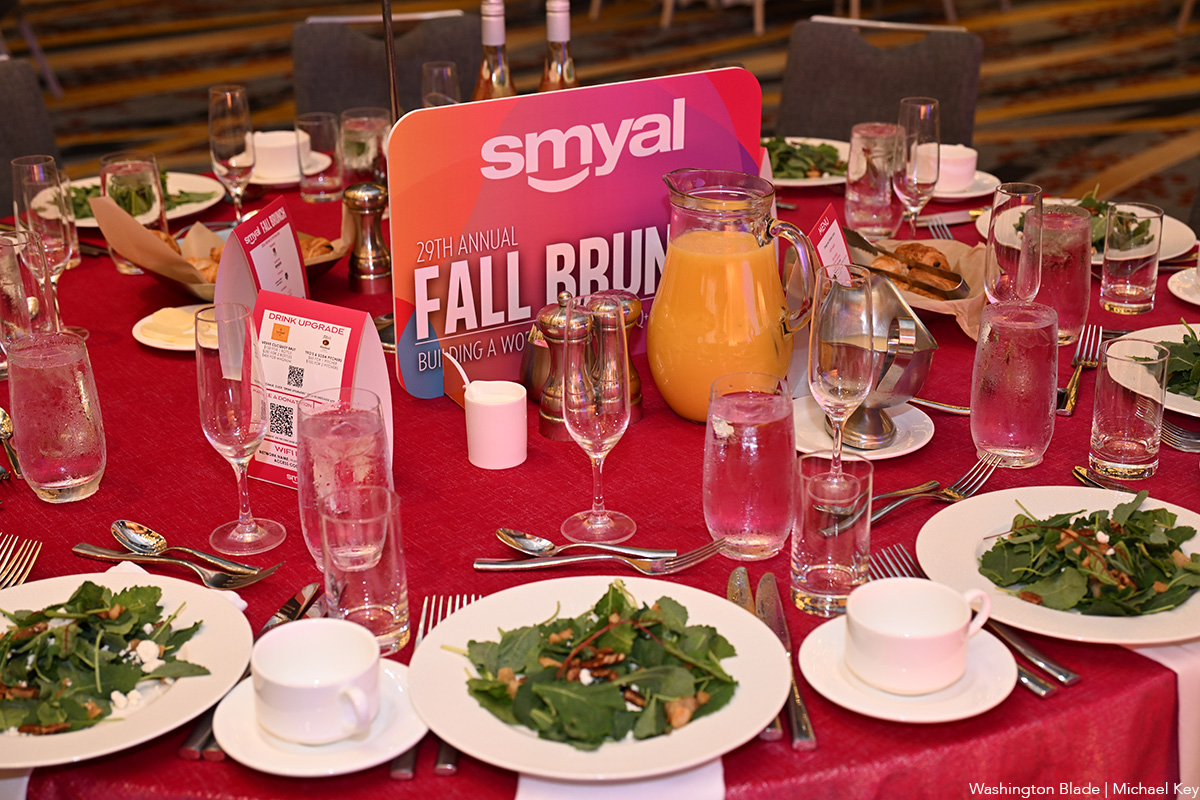
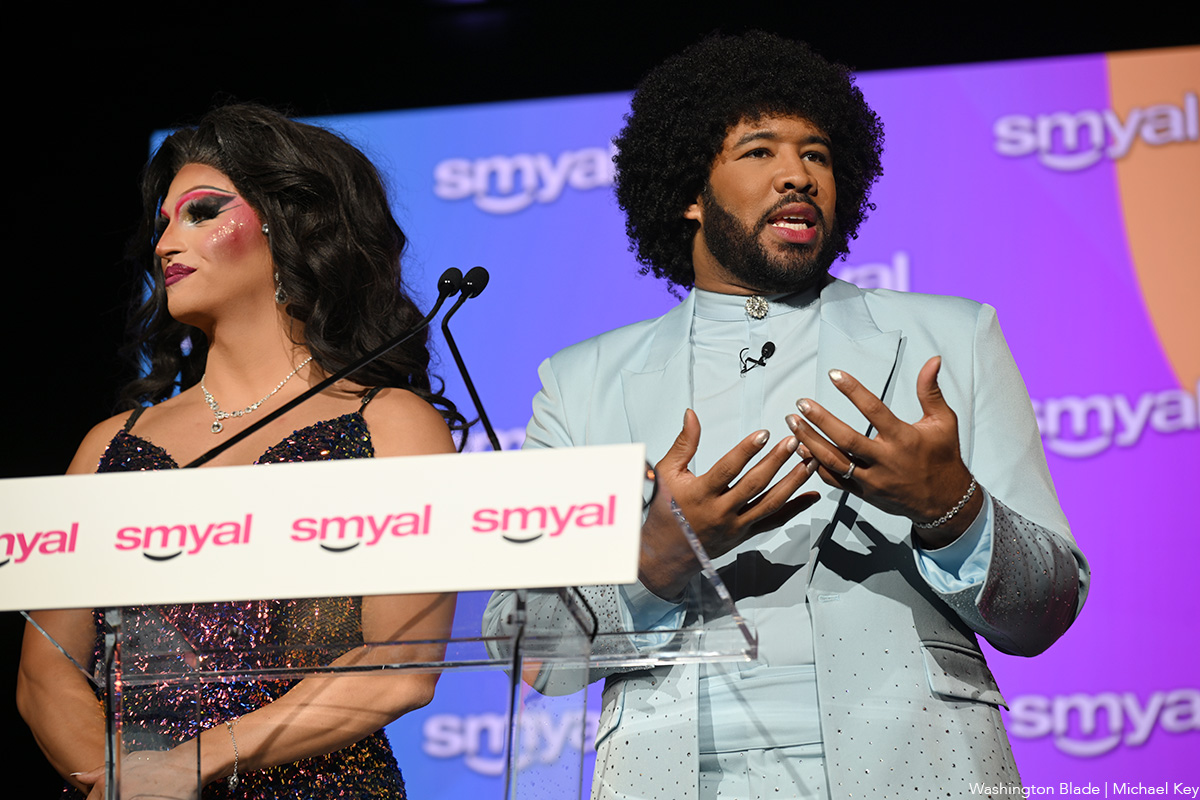
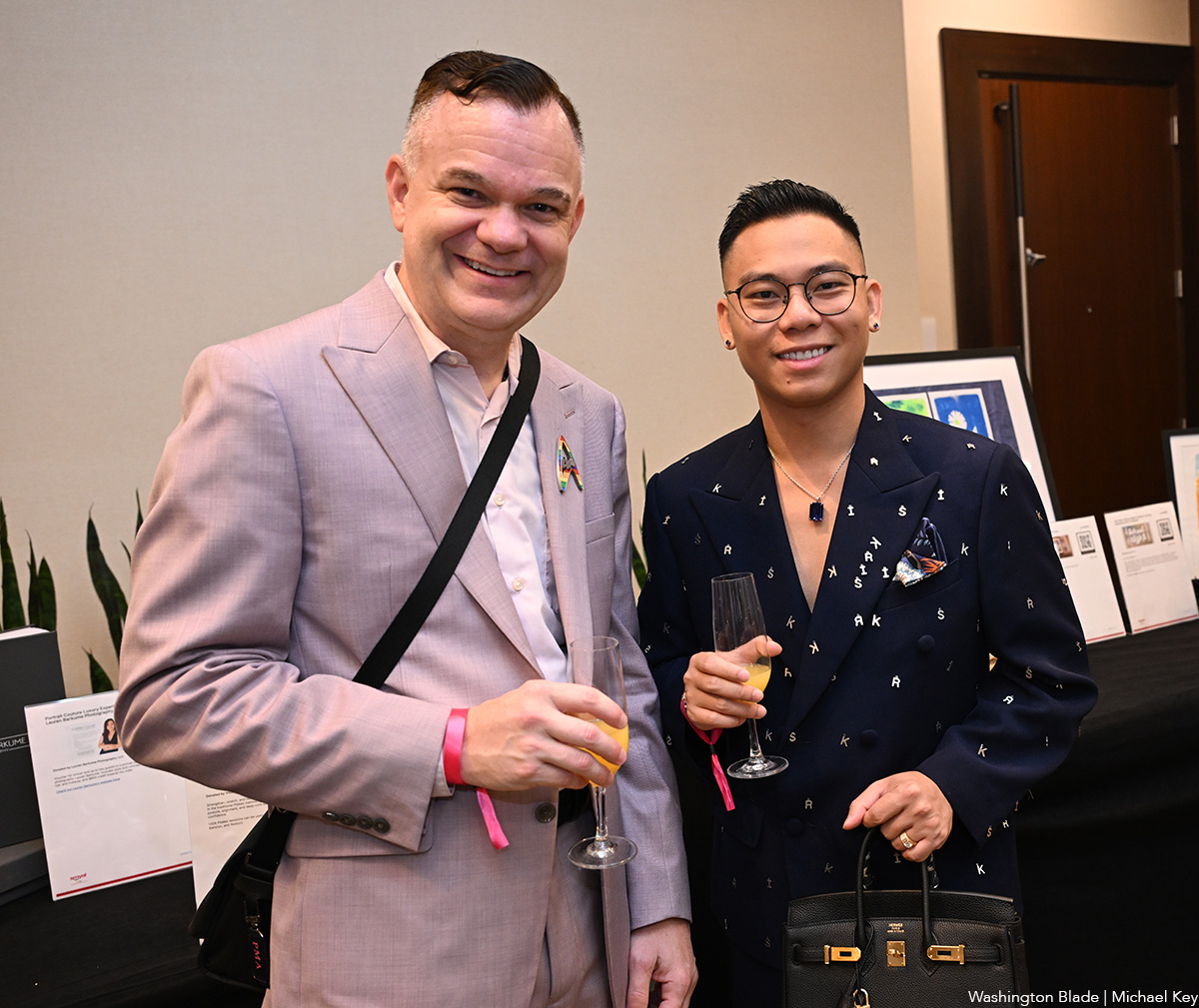
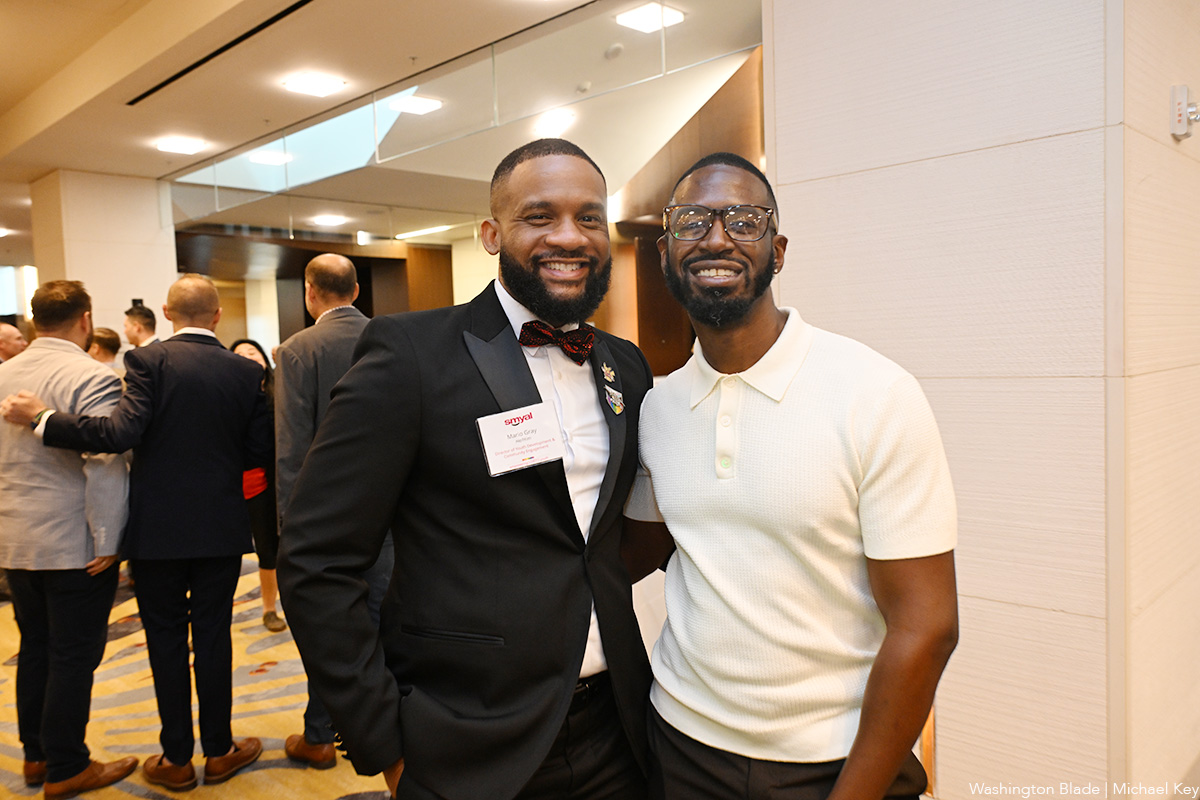
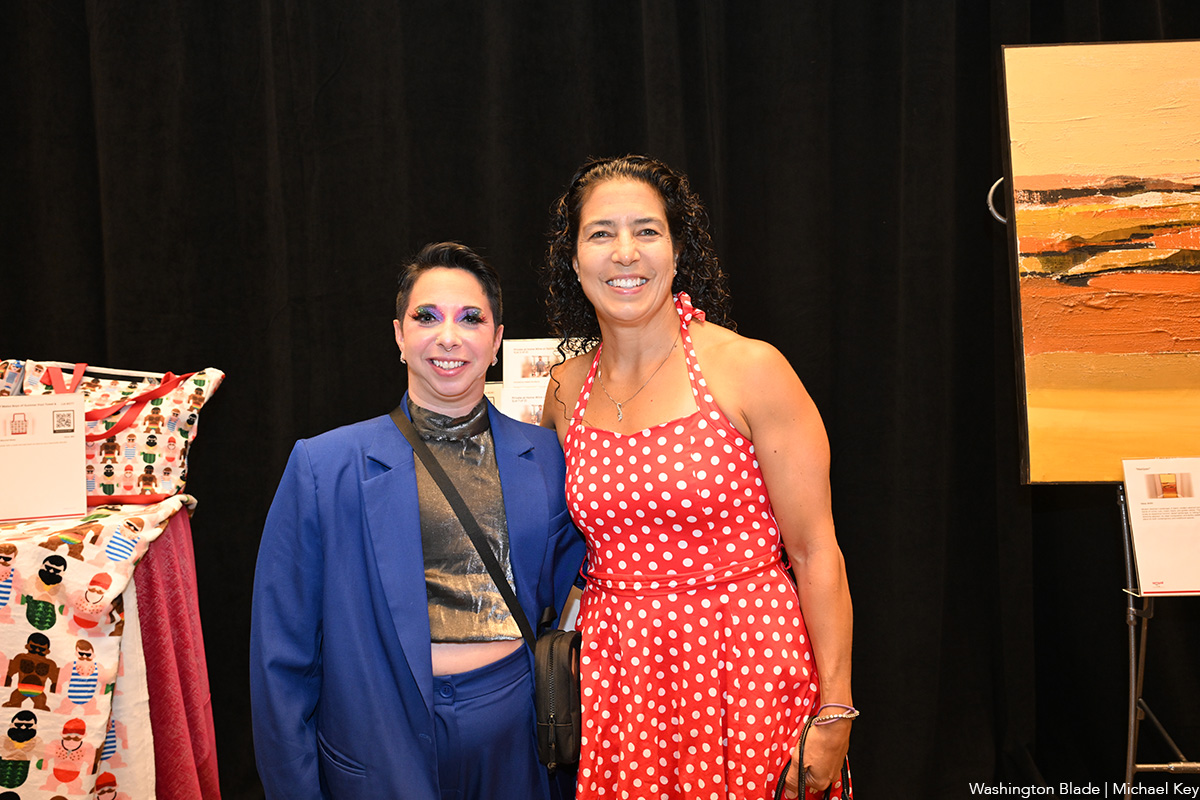
The 29th annual SMYAL Fall Brunch was held at the Marriott Marquis on Sunday, Sept. 13.
(Washington Blade photos by Michael Key)







Indonesia’s top Muslim clerical body proposes criminalizing LGBTQ people, advocacy

Hands Off the Arts to form ‘human chain’ around Kennedy Center

LGBTQ issues, attacks on Democrats dominate unusual RNC midterm convention

Acclaimed Chef Patrick O’Connell’s memoir reveals the arc of a life well lived

New Hungarian government to scrap anti-LGBTQ adoption law

Historiography with heart

Ind. prosecutor declines to press charges over false Buttigieg child welfare complaint

Multi-billion-dollar 9/11 Victim Compensation Fund to continue until 2090

LGBTQ Military Happy Hour set for Sept. 15

Calendar: September 11-17
-

 Books5 days ago
Historiography with heart
-
Politics5 days ago
Ind. prosecutor declines to press charges over false Buttigieg child welfare complaint
-
National4 days ago
Multi-billion-dollar 9/11 Victim Compensation Fund to continue until 2090
-
Out & About4 days ago
LGBTQ Military Happy Hour set for Sept. 15