Virginia
Democratic primary in special election to succeed McEachin to take place Tuesday
Va. congressman died on Nov. 28
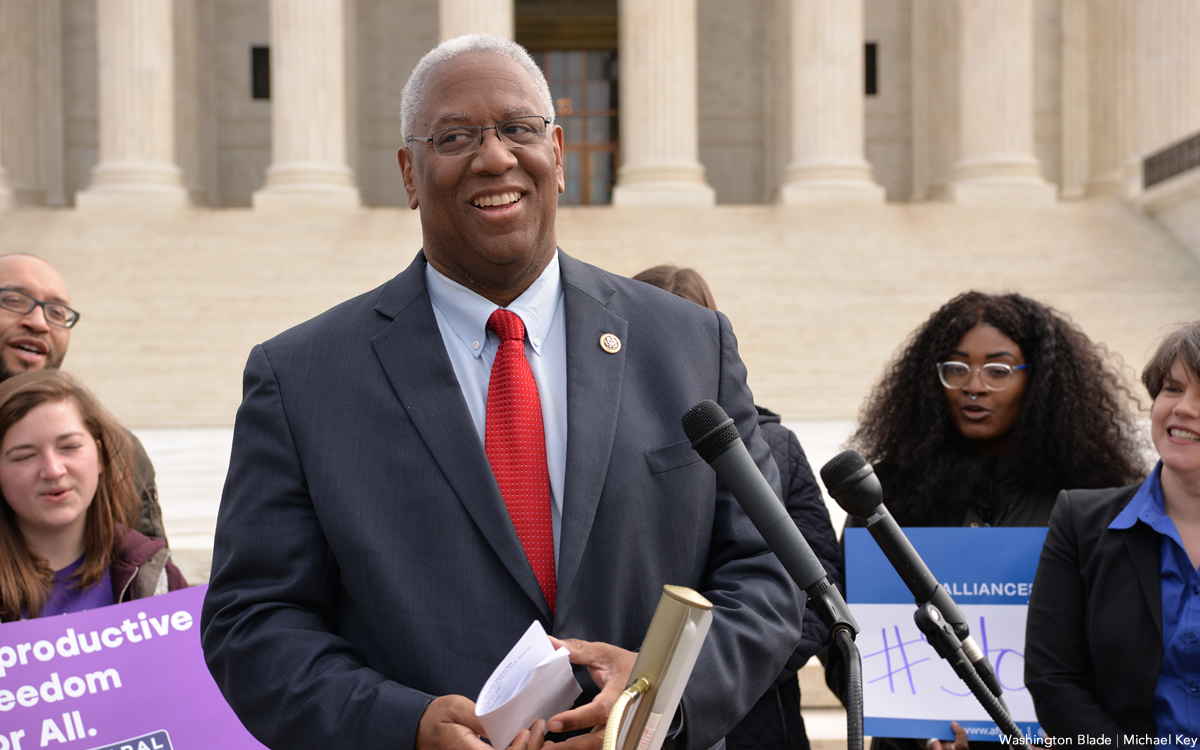
The Democratic primary in the special election to succeed the late-Virginia Congressman A. Donald McEachin in the state’s 4th Congressional District will take place on Tuesday.
The fight to succeed McEachin, a former Virginia state senator who died on Nov. 28, will be between state Sens. Jennifer McClellan (D-Richmond) and Joe Morrissey (D-Richmond).
Morrissey has decades of experience in politics, but with his long career comes a history of scandals that include his resignation after his conviction on charges that he contributed to the delinquency of a minor with a then-17-year-old receptionist at his law firm. Morrissey later married her.
The Richmond Democrat has also been disbarred twice.
McClellan, if elected, would become the first Black woman from Virginia in Congress. The state’s Democratic congressional delegation has backed McClellan, along with McEachin’s widow, Colette McEachin.
“He can go to [jail] and be disbarred … and still survive politically, which is amazing to the rest of us normal human beings,” Congressman Don Beyer told Politico. “His candidacy is not to be taken lightly. He has surprised people his whole career.”
A special election in Virginia cannot take place less than 55 days before a general or primary election.
The next primary is happening in June 2023. Republican Gov. Glenn Youngkin scheduled the special election to fill McEachin’s seat for Feb. 21.
The winner of Tuesday’s Democratic primary will face Republican Leon Benjamin. Republicans will have a 5-seat majority in the U.S. House of Representatives once the new Congress begins in January.

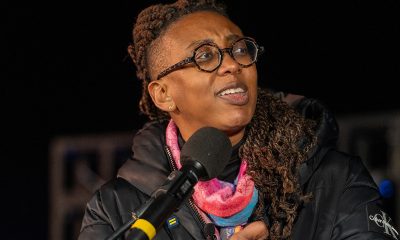
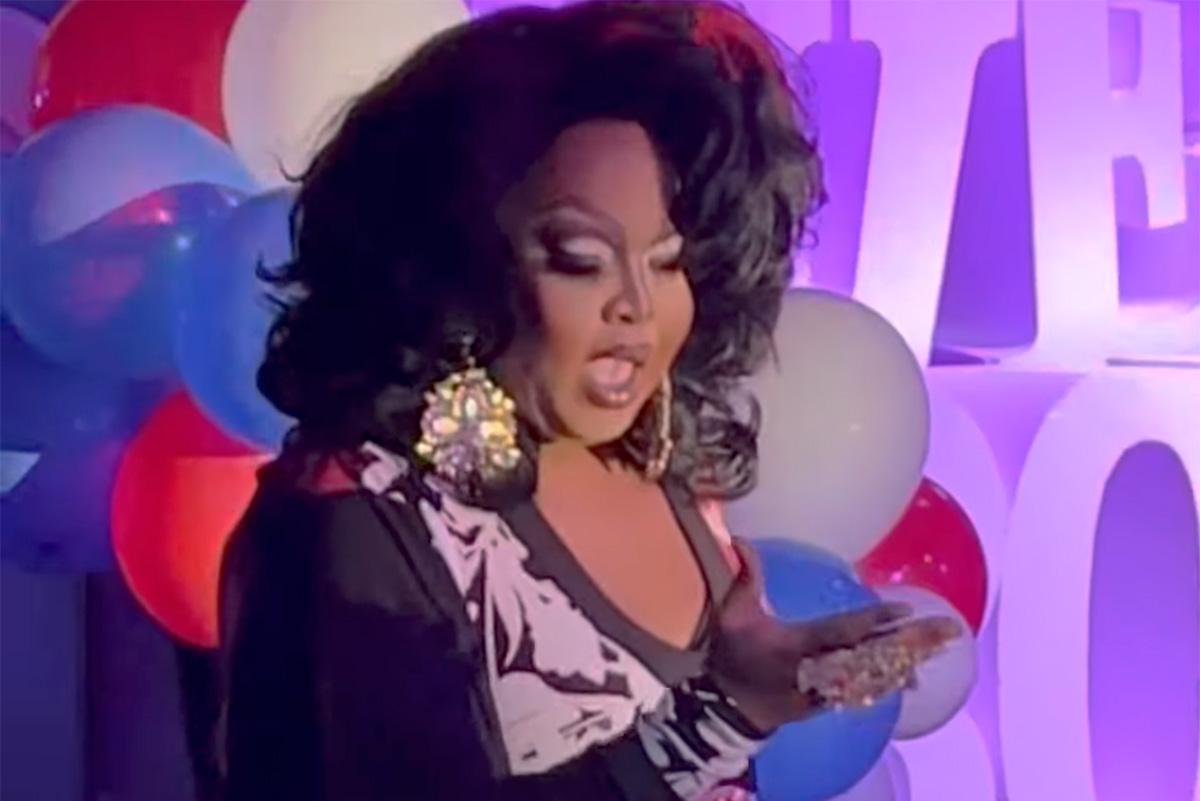
A gay man was murdered in Petersburg, Va., on March 13.
Shyyell Diamond Sanchez-McCray, who was also known as Saamel and Mable, was a drag queen who won the Miss Mayflower EOY pageant in 2015. Reports also indicate Sanchez-McCray, 42, was a well-known community activist in Virginia and in North Carolina.
Local media reports indicate police officers found Sanchez-McCray shot to death inside a home in Petersburg.
Sanchez-McCray’s brother, Jamal Mitchell Diamond, in a public statement the Washington Blade received from Equality Virginia and GLAAD, said Sanchez-McCray was not transgender as initial reports indicated.
“Our family has always embraced the fullness of who he was. He used the names Saamel, Shyyell, and Mable interchangeably, and we honor all of them. There is no division within our family regarding how he is being represented — only a shared commitment to preserving his truth with love and respect,” said Diamond.
“He was also deeply committed to community work through Nationz Foundation, where he worked and completed multiple state-certified programs to support marginalized communities,” added Diamond. “That work meant a great deal to him.”
Authorities have not made any arrests.
The Petersburg Bureau of Police has asked anyone with information about Sanchez-McCray’s murder to call Petersburg-Dinwiddie Crime Solvers at 804-861-1212.
Virginia
Virginia General Assembly’s 2026 legislative session ends
Voters in November will consider repealing marriage amendment
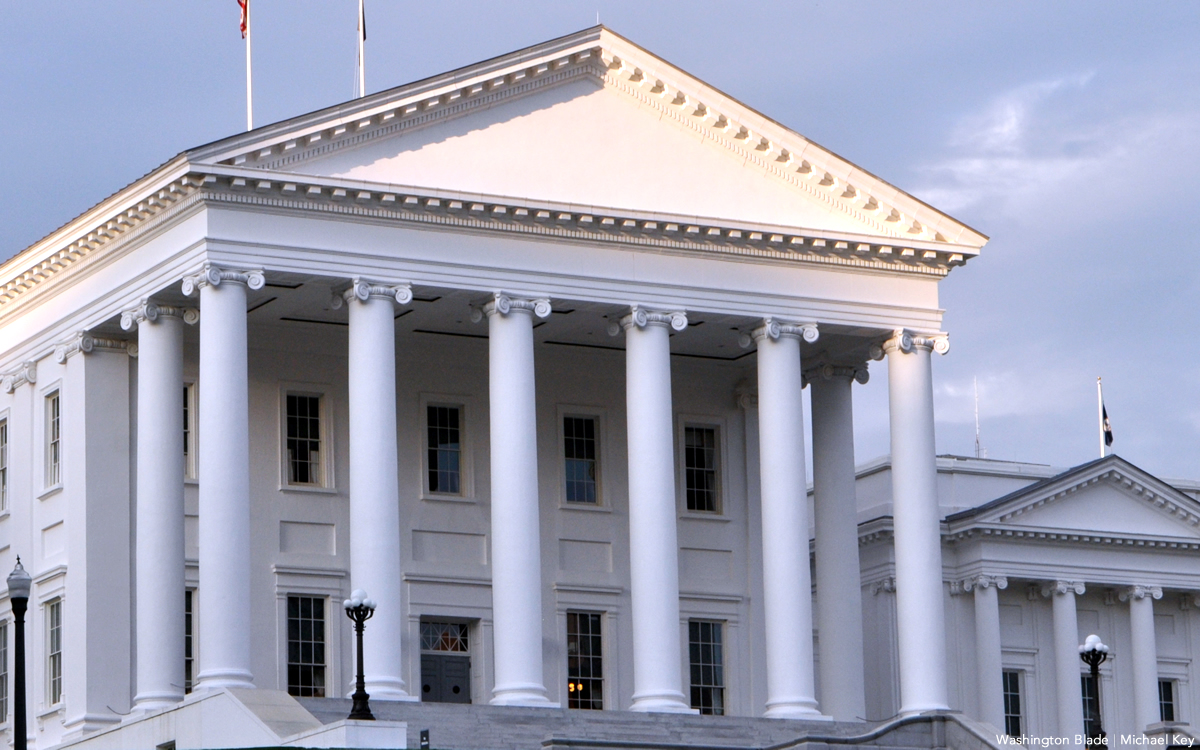
The Virginia General Assembly’s 2026 legislative session ended on March 14.
Lawmakers have yet to approve a budget, but they did pass a resolution that paves the way for a referendum on whether to repeal the state’s constitutional amendment that defines marriage as between a man and a woman. Lawmakers also advanced House Bill 60, which would protect PrEP users from insurance discrimination.
Democratic Gov. Abigail Spanberger has until April 13 to decide to pass, amend, or veto legislation before it goes back to the House of Delegates on April 22.
Spanberger on Feb. 6 signed the bill that sets the stage for the marriage amendment referendum. Voters will consider whether to “remove the ban on same-sex marriage; (ii) affirm that two adults may marry regardless of sex, gender, or race; and (iii) require all legally valid marriages to be treated equally under the law?”
Equality Virginia has been working during this legislative cycle to urge lawmakers to allocate funding towards LGBTQ rights. The budget would expand funding for schools, competency training for the 988 suicide hotline, and funding to provide gender affirming care to LGBTQ youth.
“As the budget moves through conference and the Reconvene Session approaches on April 22, Equality Virginia remains focused on ensuring our victories this session translate into durable protections,” Equality Virginia Executive Director Narissa Rahaman told the Washington Blade in a statement. “Progress on marriage equality, nondiscrimination protections, and HIV care funding was essential, but Virginia must do more.”
Virginia
Va. lawmakers consider partial restoration of Ryan White funds
State Department of Health in 2025 cut $20 million from Part B program
The Virginia General Assembly is considering the partial restoration of HIV funding that the state’s Department of Health cut last year.
The Department of Health in 2025 cut $20 million — or 67 percent of total funding — from the Ryan White Part B program.
The funding cuts started with the Trump-Vance administration passing budget cuts to federal HIV screening and protection programs. Rebate issues between the Virginia Department of Health and the company that provides HIV medications began.
Advocates say the funding cuts have disproportionately impacted lower-income people.
The Ryan White HIV/AIDS Program, a federal program started in 1990, provides medical services, public education, and essential services. Part B offers 21 services, seven of which remained funded after the budget cuts.
Equality Virginia notes “in 2025, a 67 percent reduction severely destabilized HIV services across the commonwealth.”
Virginia lawmakers have approved two bills — House Bill 30 and Senate Bill 30 — that would partially restore the funding. The Ryan White cuts remain a concern among community members.
Both chambers of the General Assembly must review their proposed changes before lawmakers can adopt the bills.
“While these amendments aren’t a full restoration of what community-based organizations lost, this marks a critical step toward stabilizing care for thousands of Virginians living with HIV,” said Equality Virginia Executive Director Narissa Rahaman. “Equality Virginia plans to continue their contact with lawmakers and delegates through the conference and up until the passing of the budget.”
“We appreciate lawmakers from both sides of the aisle who recognized the urgency of this moment and will work to ensure funding remains in the final version signed by the governor,” added Rahaman.

Sri Lankan government withdraws support for LGBTQ tourism initiative

In an act of artistic defiance, Baltimore Center Stage stays focused on DEI

Trump budget targets ‘gender extremism’

Susan Lucci on love, loss, and ‘All My Children’

How to navigate shifting tenant expectations

Trump’s war threats trigger rare 25th Amendment discussion

New book celebrates 1970s dance music icons

ROSENSTEIN: Vote McDuffie for mayor of D.C.

A Sondheim masterpiece ‘Merrily’ rolls onto Netflix