Arts & Entertainment
Queers clean up at 76th annual Emmy Awards
Jodie Foster, Richard Gadd, and Greg Berlanti among LGBTQ honorees

It was a banner night for queer performers and television creators at the 76th annual Primetime Emmy Awards at the Peacock Theatre in Los Angeles on Sunday, with Jodie Foster, Richard Gadd, and Greg Berlanti among the night’s big winners.
Lesbian icon Jodie Foster took home her first Emmy in the category Outstanding Lead Actress in a Limited or Anthology Series or Movie for her role in “True Detective: Night Country.” Foster thanked her wife and kids in her acceptance speech, telling her kids to remember that “Love and work equals art.” Foster has previously been nominated for her work behind the camera, directing “Orange is the New Black,” and producing “The Baby Dance” and “AMC: Film Preservation Classics.”
The Netflix drama “Baby Reindeer,” Richard Gadd’s autobiographical miniseries about his experiences with sexual assault and a stalker, was a big winner at this year’s ceremony. The show took home the award for Outstanding Limited or Anthology Series, while Gadd took home awards for writing and lead actor, and his co-star Jessica Gunning took home the award for supporting actress in the category. The show also took home honors for casting and picture editing at the Creative Arts Emmys earlier in the week.
Peacock’s “The Traitors” won in the Outstanding Reality Competition category, earning an Emmy for producer and host Alan Cumming. Cumming also won Outstanding Host for a Reality or Reality Competition Show at the Creative Arts Emmys, ending an 8-year streak of wins by “RuPaul’s Drag Race” host RuPaul. Cumming, who is openly bisexual, has been nominated four times before – three times for his role on “The Good Wife” and once as the host of the Tony Awards broadcast. He has also been nominated for a Daytime Emmy for his work on “Arthur: Show Off.”
Longtime writer and producer Greg Berlanti was honored with the Governor’s Award in recognition for his work depicting underrepresented communities on screen across his nearly 25-year-long career. Berlanti’s career has written, directed, and produced dozens of television shows, including such milestones as the first on-screen kiss between two gay characters on his first show, “Dawson’s Creek.”
He later achieved acclaim creating and producing shows like “Everwood,” “The Flight Attendant,” and the CW’s various “Arrowverse” shows, and set a record with producing 18 shows that were on air during the same television season in 2019-2020. His shows frequently broke ground in LGBTQ representation, including the first transgender recurring character on “Dirty Sexy Money” and shows that put gay characters in leading and title roles, like “Batwoman,” “Brilliant Minds,” and “Freedom Fighters: The Ray.”
In his acceptance speech, the 52-year-old Berlanti spoke of the impact of the lack of LGBTQ representation in television when he was a kid.
“There wasn’t a lot of gay characters on television back then, and I was a closeted gay kid, and it’s hard to describe how lonely that was at the time,” Berlanti continued. “There was no Internet to connect with other queer kids, no LGBTQ+ advocacy groups in schools. Back then, the only way to tell if another kid might be gay was if he also watched ’Dynasty,’ ‘Dallas’ and could name all four of the Golden Girls.”
He said it wasn’t until the AIDS crisis in the 1980s that he saw gay men on television “holding hands with other men, marching and fighting for their rights.”
“They gave me hope that I might one day have their courage to come out and share my truth with the world,” Berlanti said.
A queer creator also made history at the Creative Arts Emmys last weekend.
Benj Pasek, who is openly gay, together with his songwriting partner Justin Paul, who is straight, became the 20th and 21st people to achieve EGOT status – winning an Emmy, Grammy, Oscar, and Tony – with their win for Best Original Song for “Which of the Pickwick Triplets Did It” from the Hulu series “Only Murders in the Building.” The pair have previously won the Grammy and Tony Awards for their musical “Dear Evan Hansen,” and the Oscar for writing the song “City of Stars” from the movie “La La Land.”
With only seven years between their first and most recent awards, the pair set a new record for shortest time span for competitive EGOT winners, beating previous record holder Robert Lopez’s 10-year span.
Several other queer-themed shows took home honors at this year’s Emmys.
Max’s “Hacks” took home the award for Outstanding Comedy Series, Outstanding Writing for a Comedy Series, and Lead Actress in a Comedy Series for star Jean Smart.
Netflix’s “Ripley” series took home the awards for directing, cinematography, and special visual effects in a single episode in the limited or anthology series category.
“Feud: Capote vs. The Swans” took home the award for period costumes in a limited or anthology series.




Photos
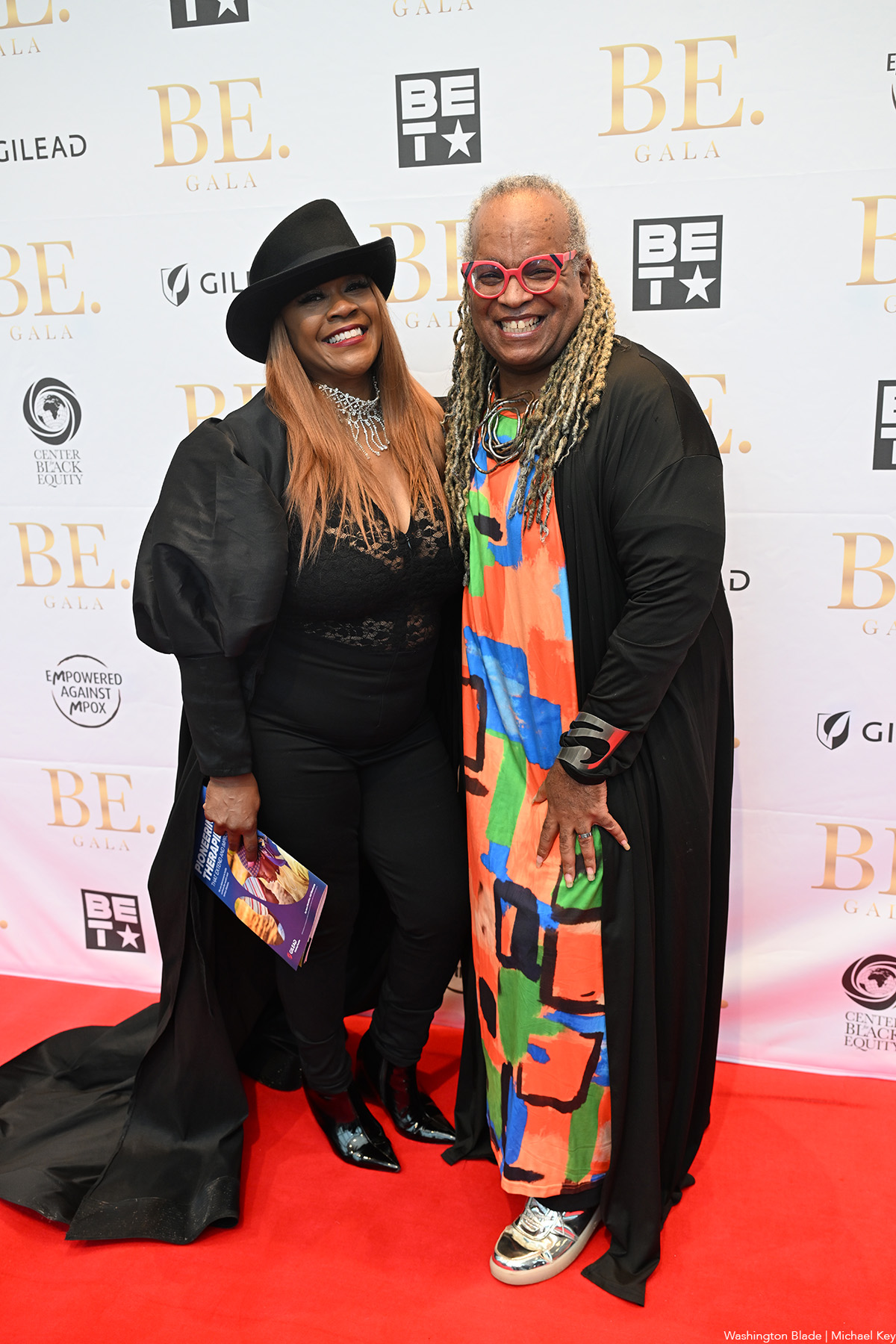
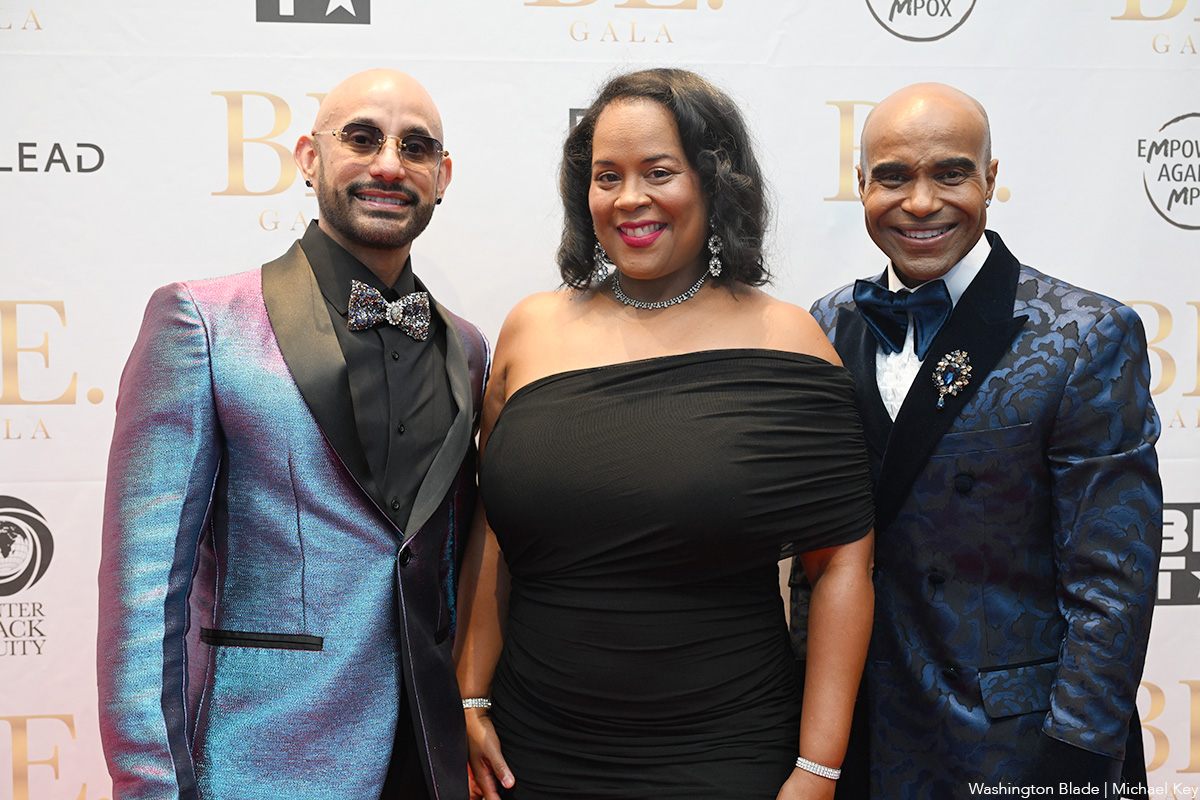
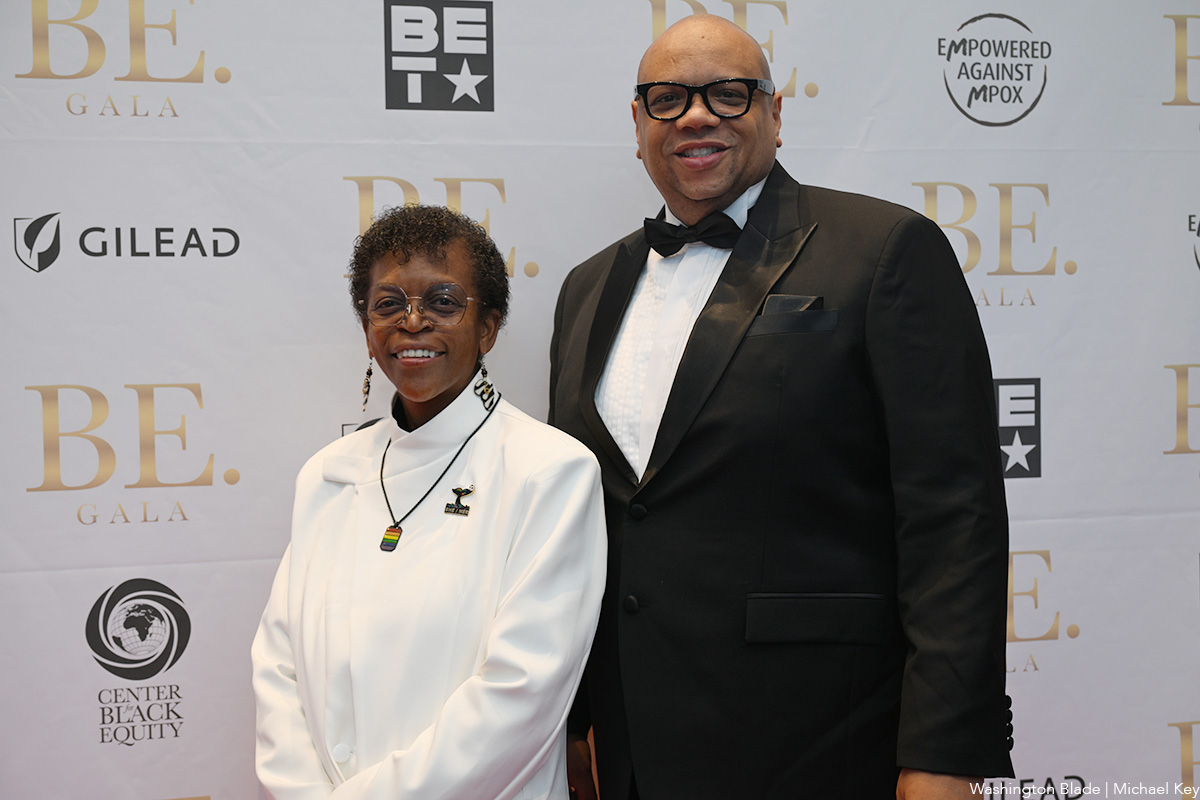
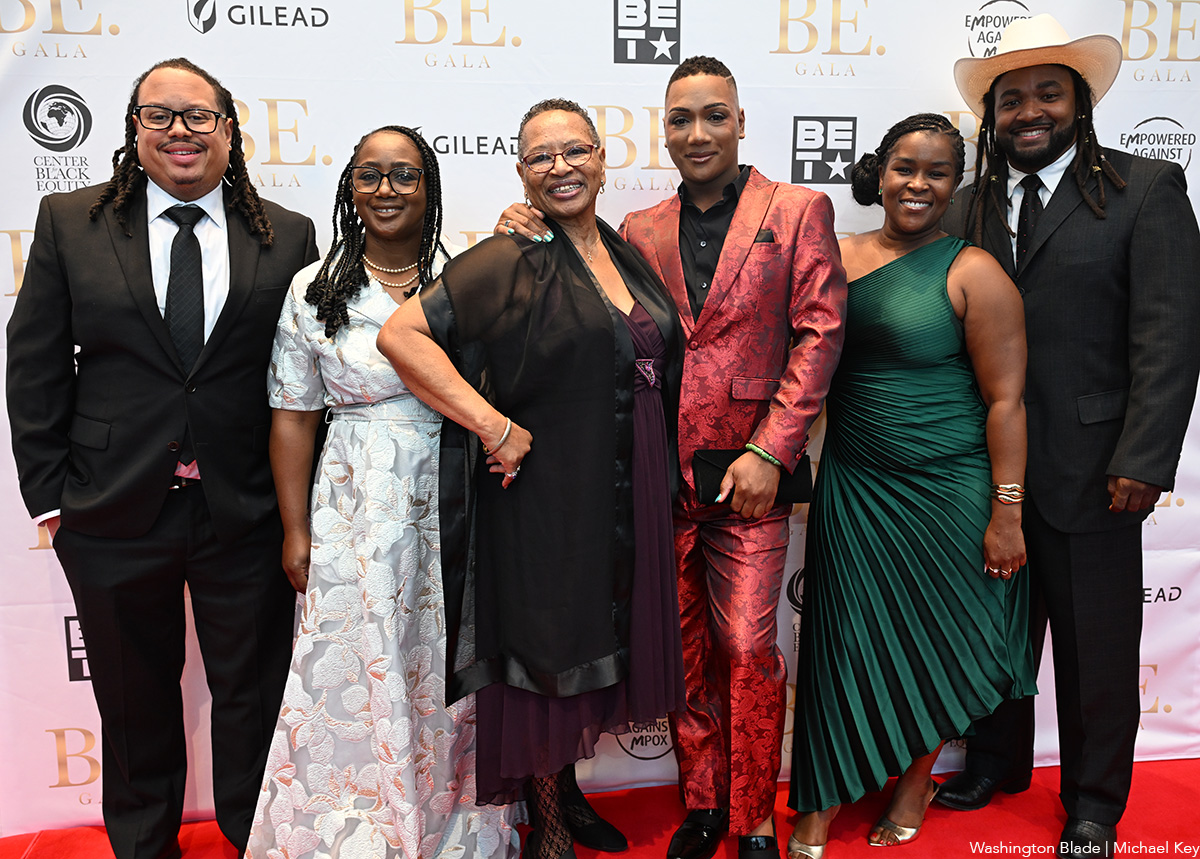
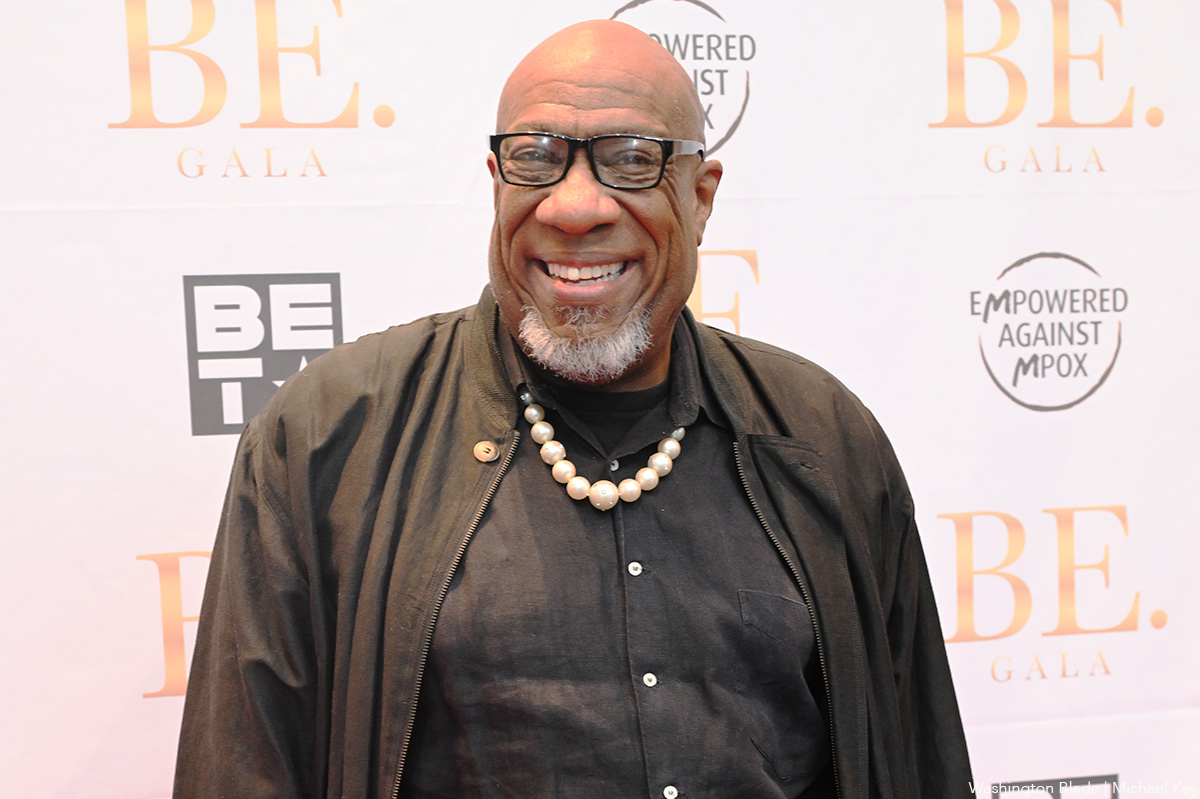
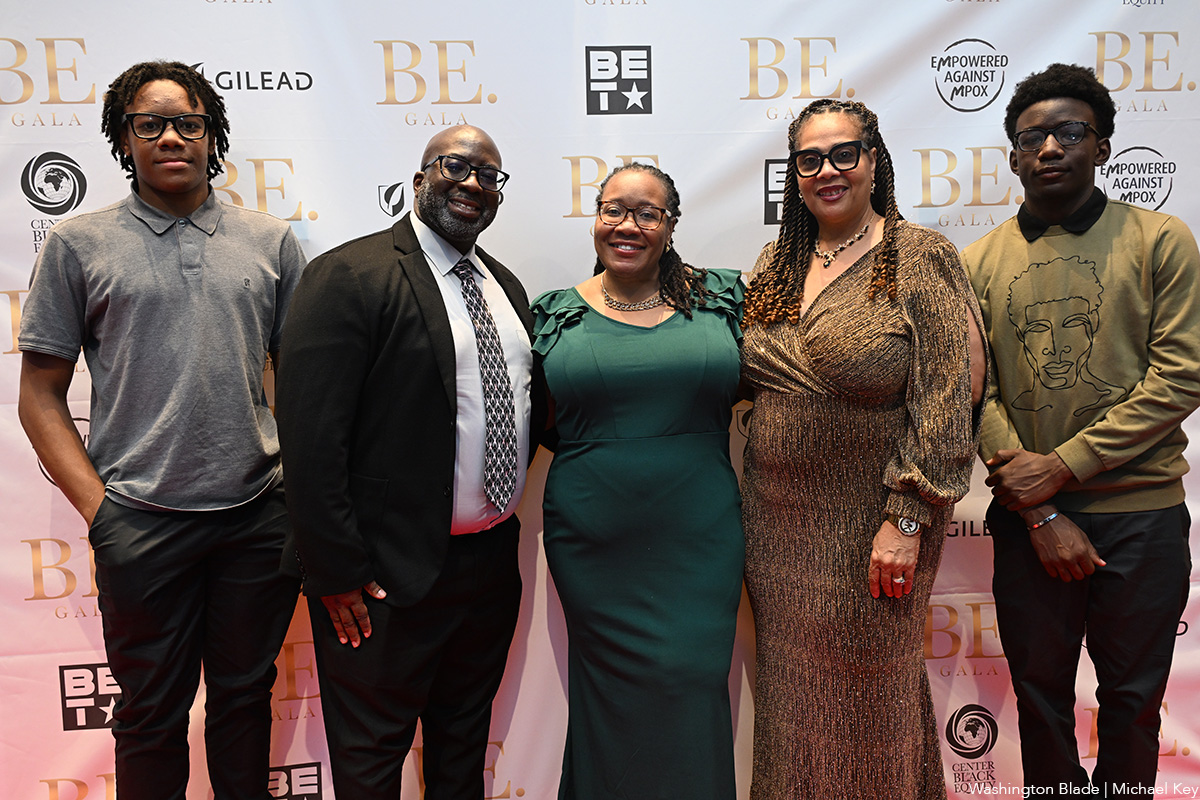
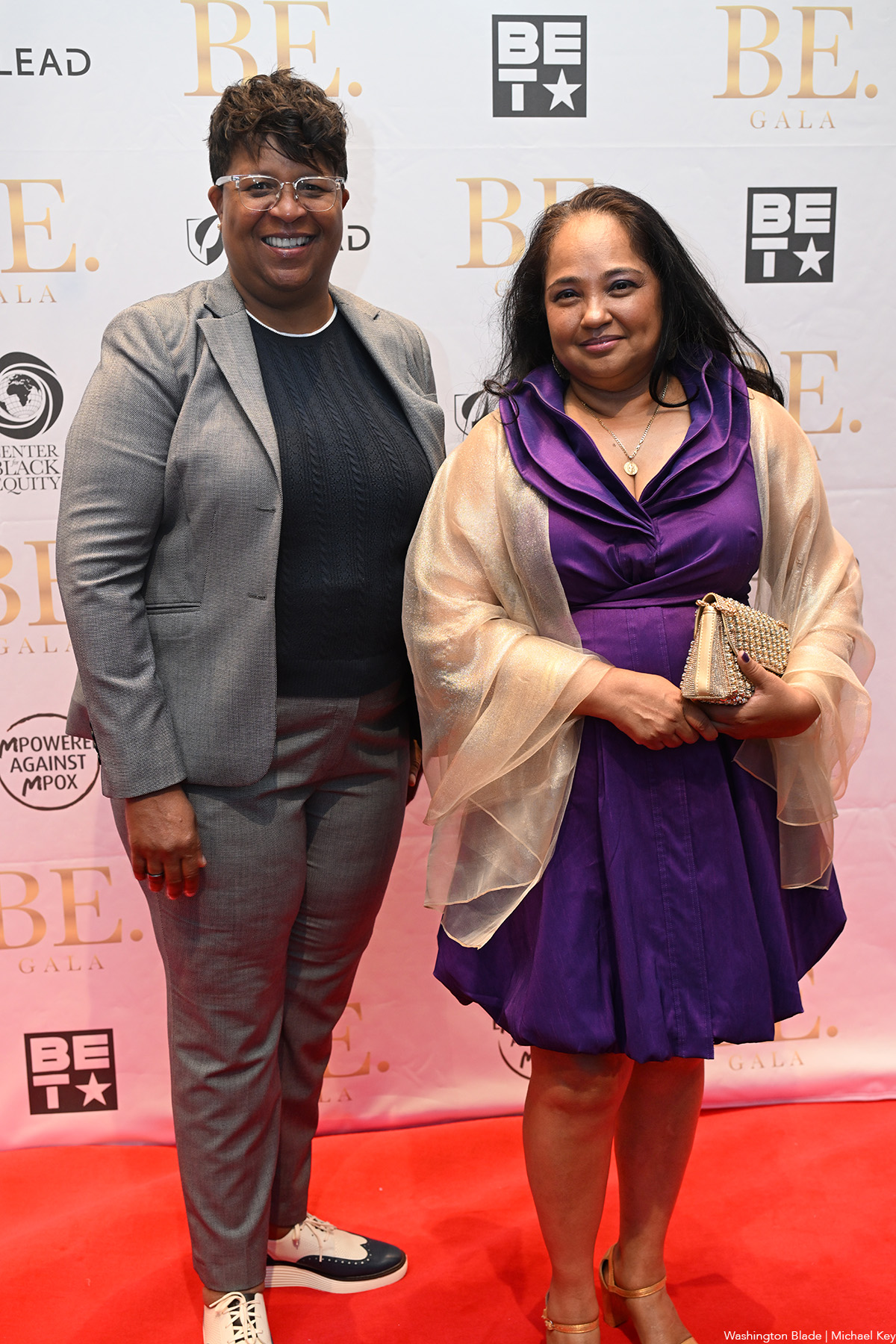
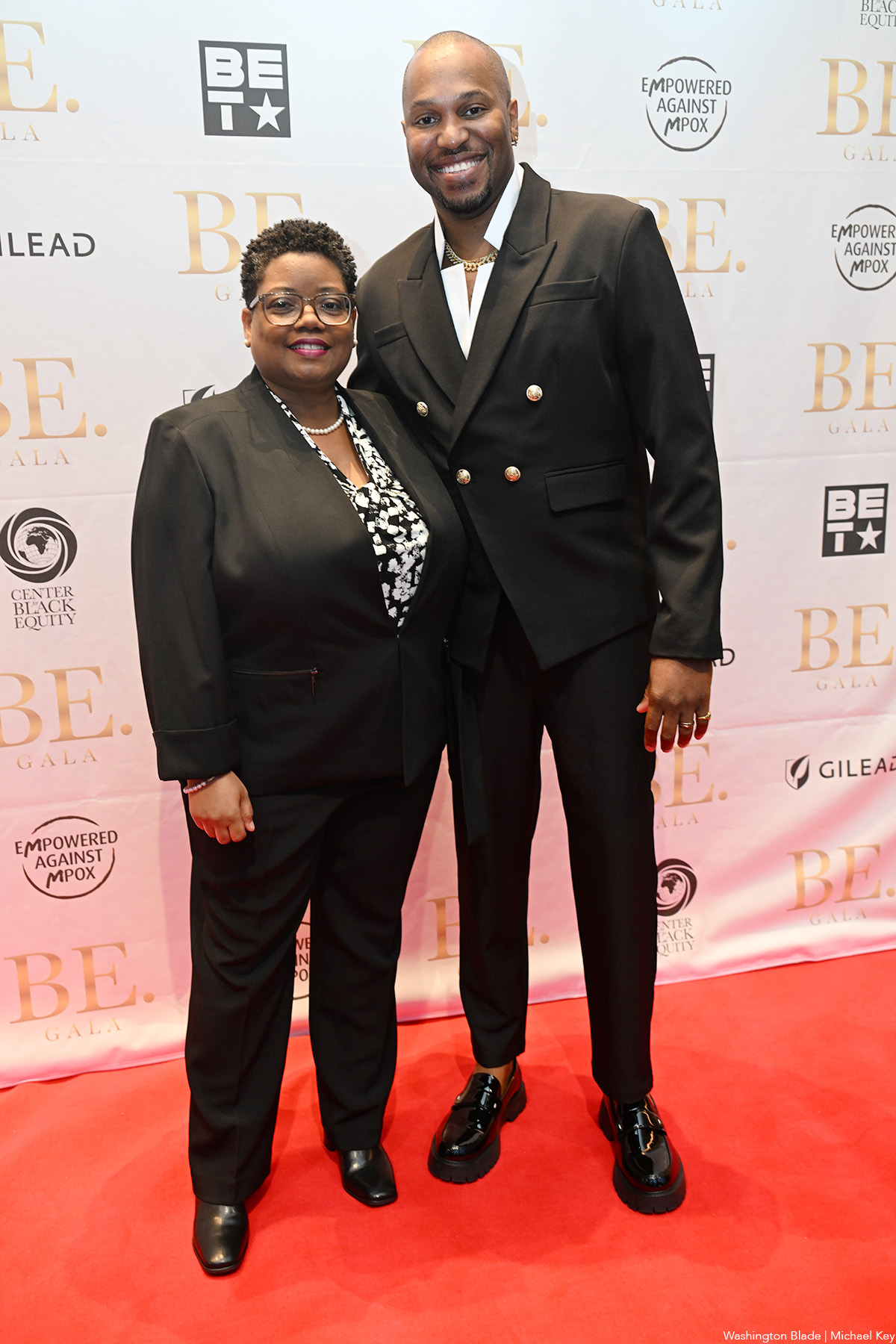
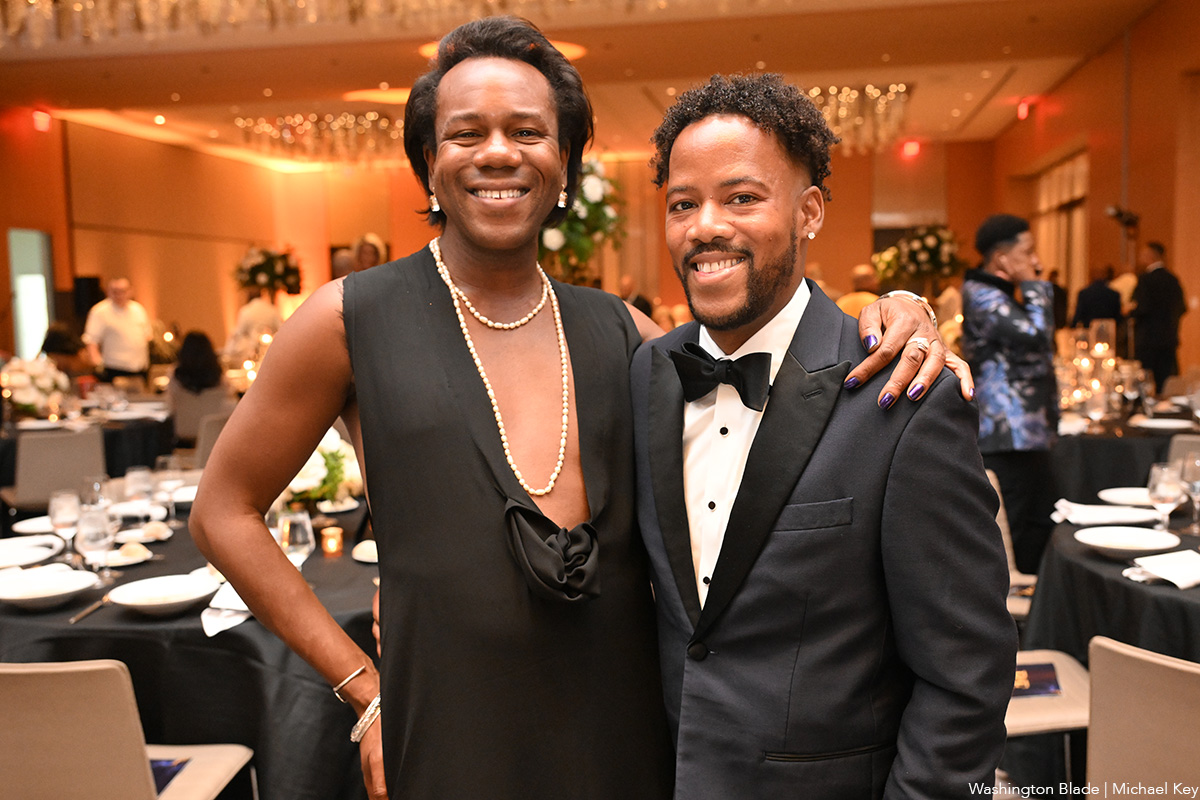
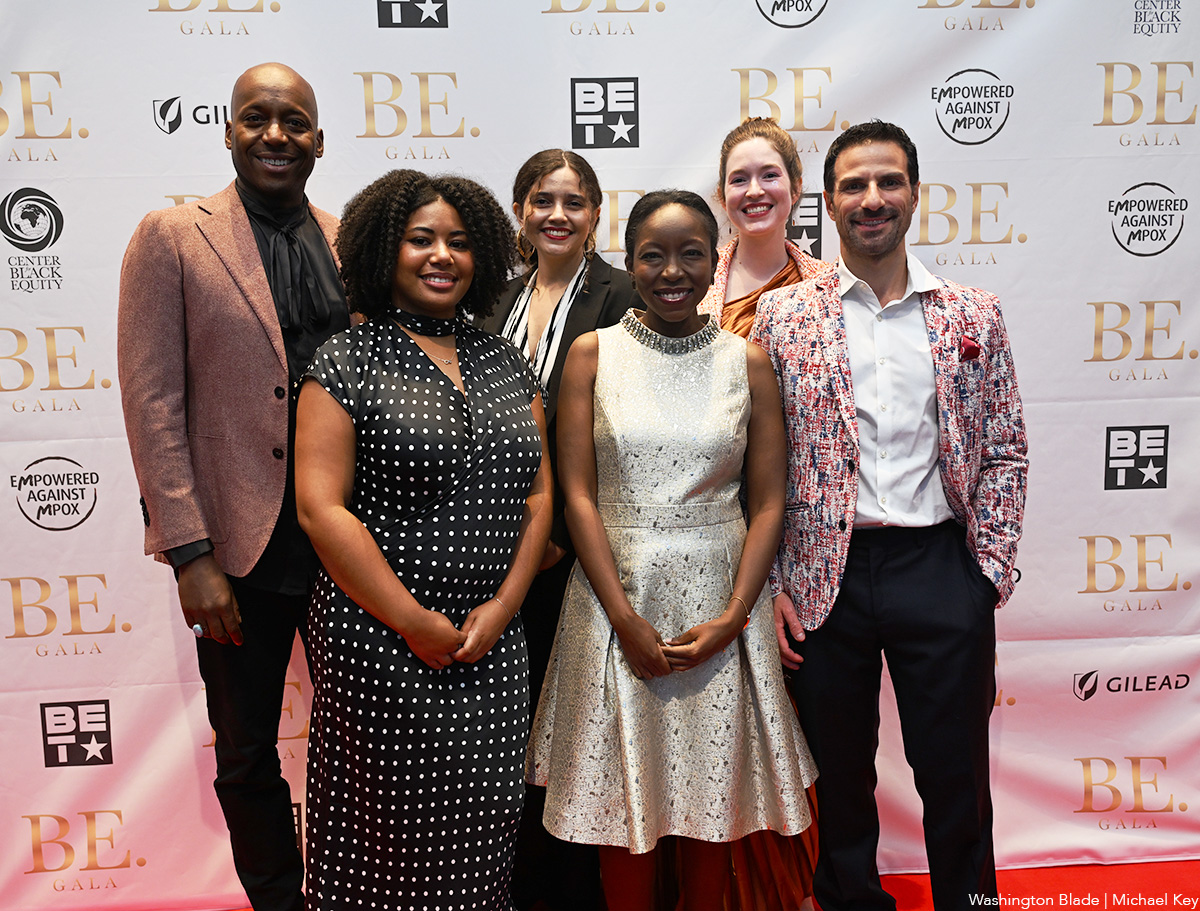
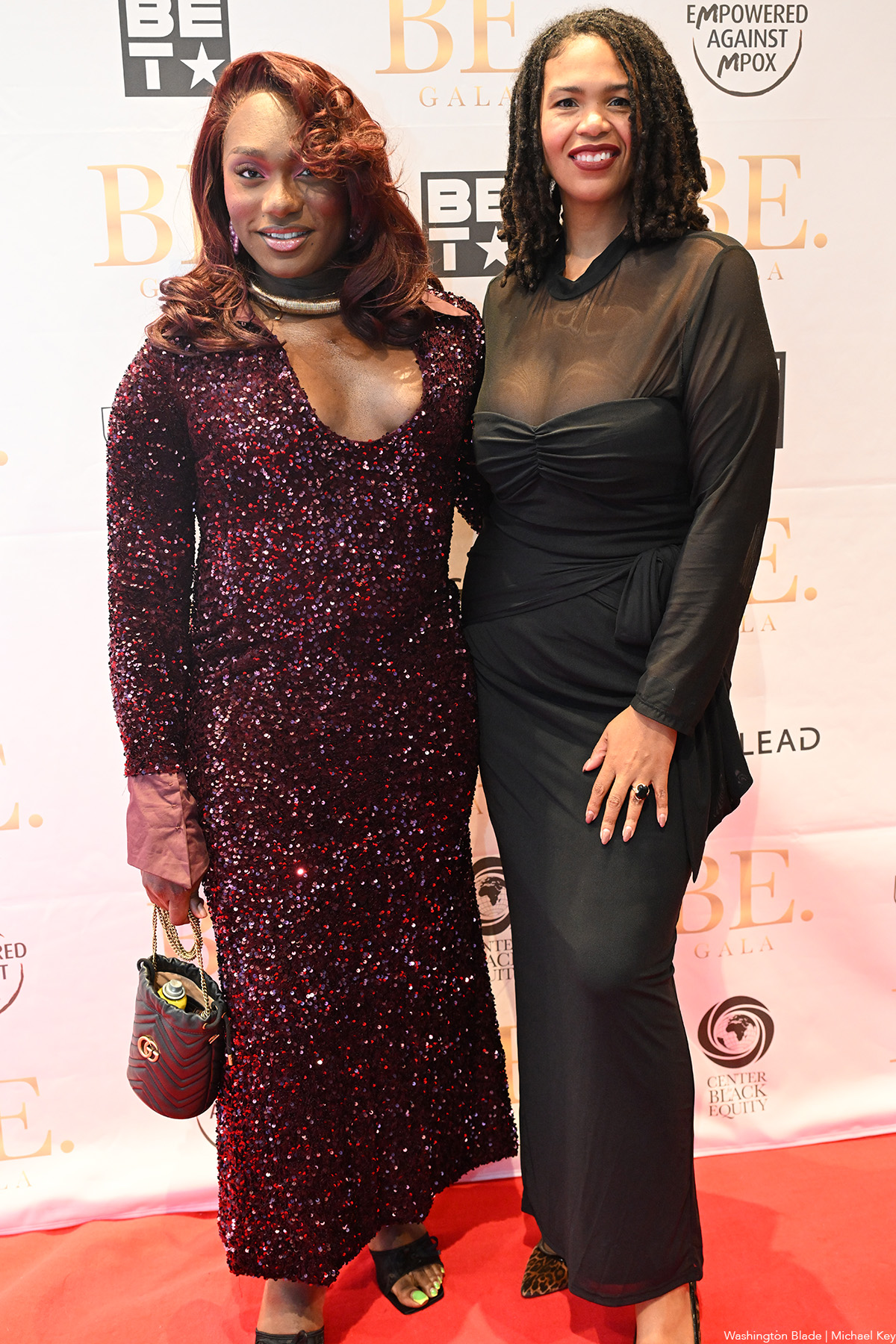
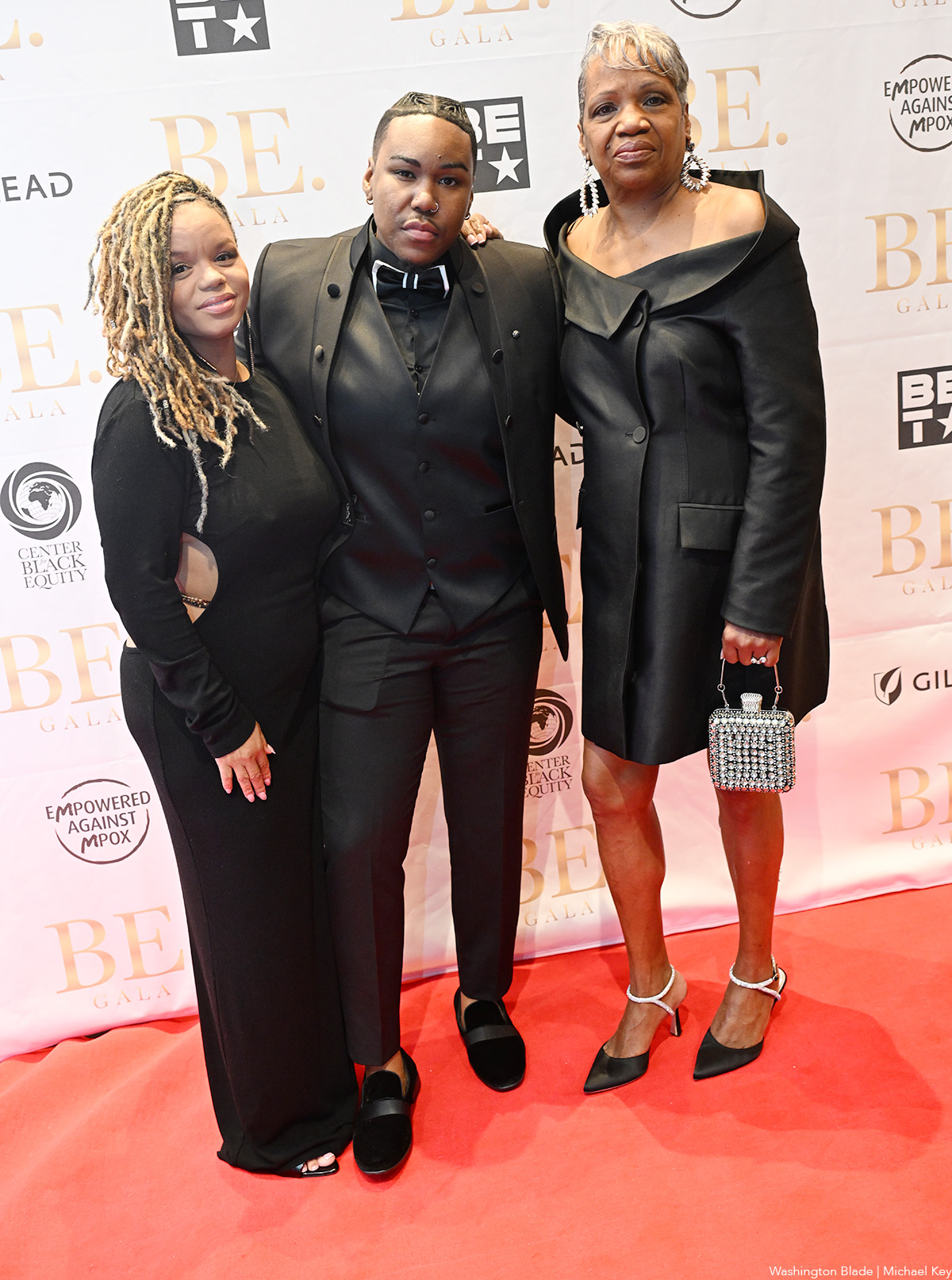
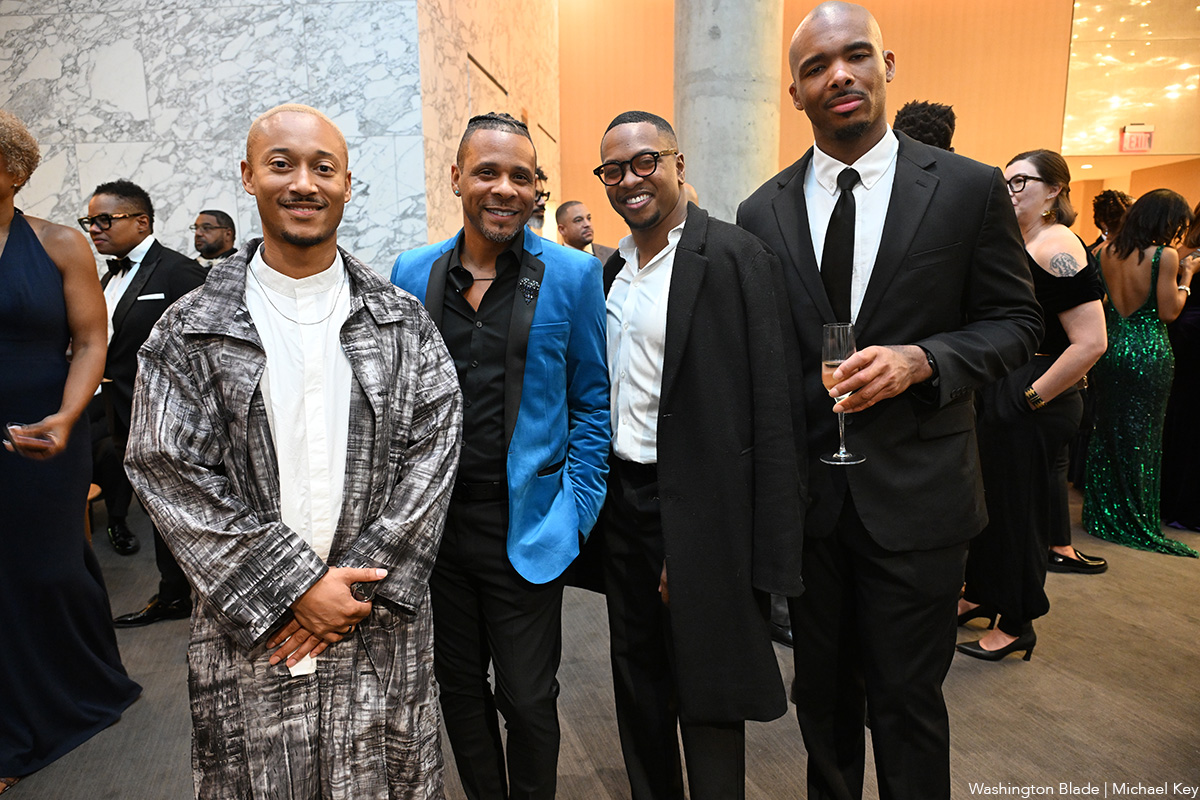
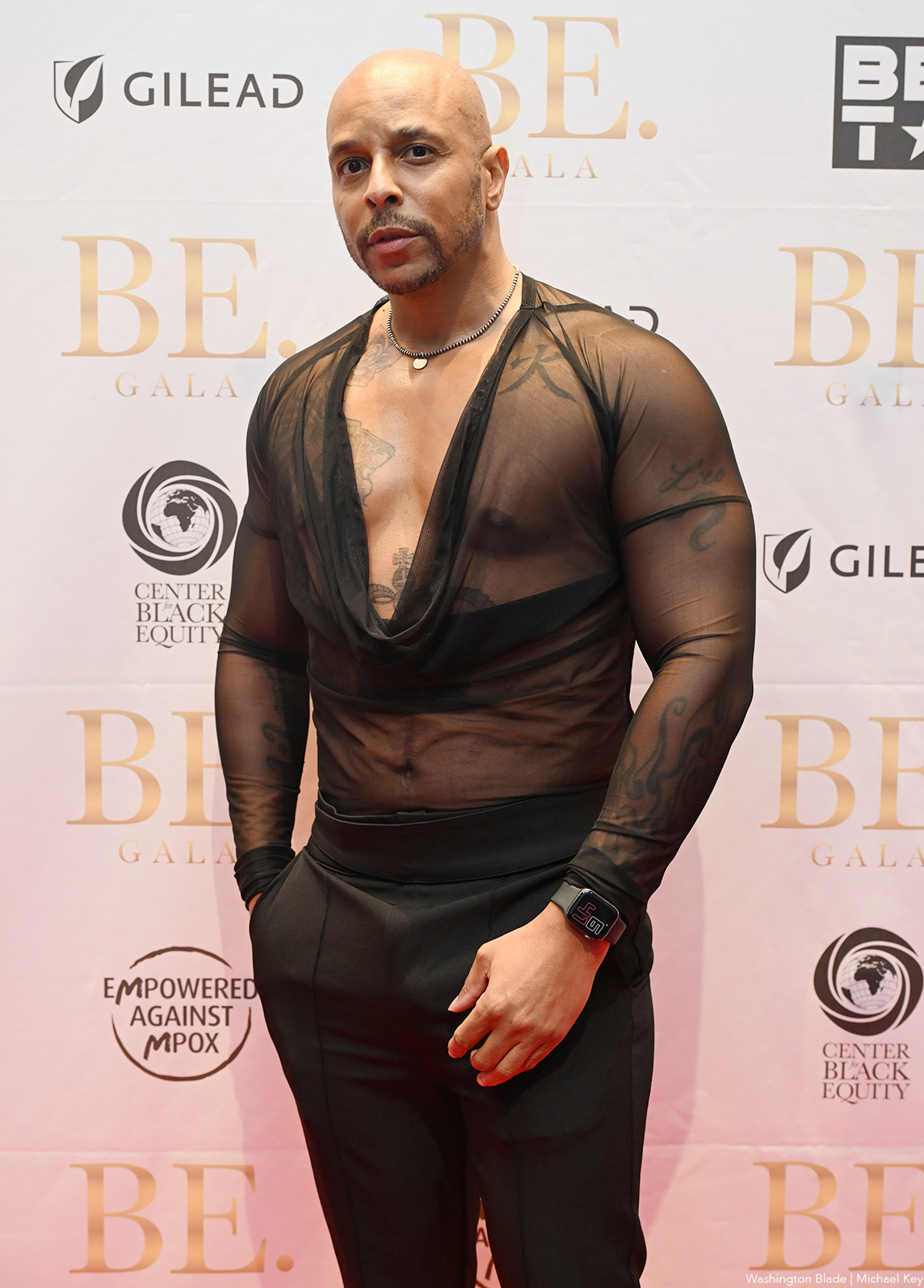
Center for Black Equity honors leaders, activists at BE. Gala
Miyake-Mugler, Oakes co-host annual awards ceremony

The Center for Black Equity held its annual BE. Gala at Conrad Washington, D.C. on Saturday, Oct. 5. Lolita Leopard Miyake-Mugler and Anthony Oakes co-hosted the awards ceremony.
Honorees included journalist and producer Justin Stewart; nonprofit leader Nikki Alexander; HIV advocate Marlene McNeese; the nonprofit organization FreeLux Project; actress Monroe Alise; public health advocate Tori Cooper; Manassas Park Vice Mayor Darryl G. Moore; Rev. Dr. Carmarion D. Anderson; Bishop Steven Sawyer; government relations professional Courtney Snowden; Senior Deputy Director of HAHSTA at D.C. Health, Clover Barnes; and Texas state Rep. Venton C. Jones.
The event was sponsored by Gilead.
(Washington Blade photos by Michael Key)
















Books
In ‘The Lost Brontë,’ a complicated lie can lead to danger
New book features sweetly romantic girl-meets-girl twist
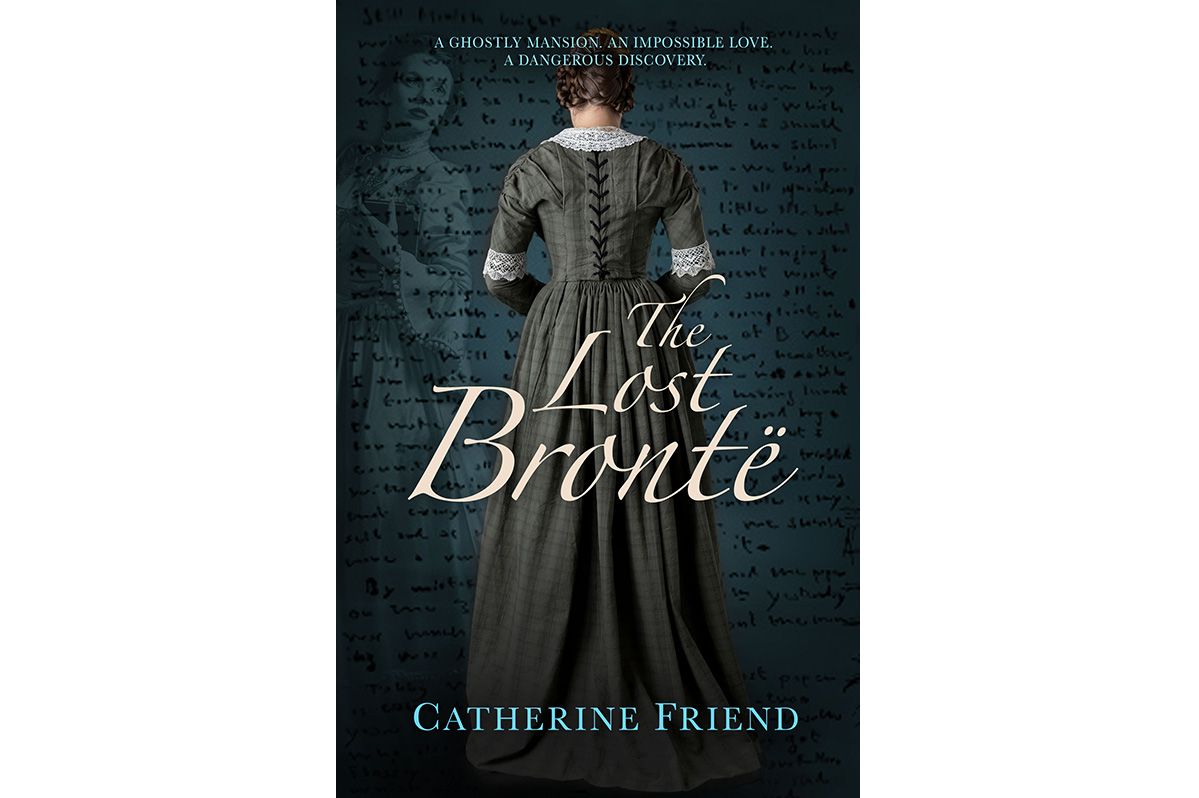
‘The Lost Brontë’
By Catherine Friend
c.2026, Bywater Books
$22.95/335 pages
Mom always said to tell the truth.
One lie leads to another and another and you have to remember them all until pretty soon, you’re caught. Fibs are hard, mistruths are messy, even little white social lies can destroy trust. Worst of all, as in the new novel, “The Lost Brontë” by Catherine Friend, a complicated lie can lead to danger.

Though Lilianne Loxley was very young when she lost her parents, she understood that her uncle didn’t really want her. As time passed, though, Lily made herself useful to Uncle, writing and signing letters for him and she became a good companion, helping him with his collection of Brontë memorabilia. Uncle was a keen enthusiast.
She had no idea that his obsession was out of control and he was deeply in arrears. The day Lily learned of his debt was the day she learned that he’d agreed to send her to his debtor’s home to work off the money owed.
It was so sudden. One minute, Lily was at Loxley House, happy and loved by Uncle’s staff … and five hours later, she was at Crag Thorn Manor, home of Lord Bexton, who informed her that she’d be working on his ledgers – work that seemed routine, but Lily tackled it.
Uncle always did say she was headstrong.
But would headstrong be enough to survive, when she was restricted from most of the Manor, when she was forced to dine with Brexton and his slimy friend, or – the worst! – when Brexton told Lily that her next task was to forge a letter from Emily Brontë? And then an entire manuscript?
Lily struggled to do what was right. She had to get Uncle out of debt but this last order horrified her. Did she dare refuse Brexton’s orders and commit a crime? It was unthinkable!
The only brightness in the whole situation was Wren, the ladies’ maid assigned to Lily’s room. Wren was adorable with freckles and the sweetest smile. But with everything else happening at Crag Thorn Manner, could Lily act upon her feelings?
This time of year, you may come to crave dark, spooky stories, and “The Last Brontë” fits those needs perfectly with its Gothic deliciousness. Think: Daphne du Maurier-type, stormy-night squirms with a dangerously chaste, sweetly romantic girl-meets-girl twist for fun.
If it’s been awhile since you’ve read a Gothic novel, you’re in for a nice reminder of why you love them here. You can almost tick off the must-haves: a novel like this is nothing without a foreboding stone manor with damp walls; stone steps to a dank basement; a mysterious portrait; and a nearby bog, and author Catherine Friend gives readers every one of them. You’d be disappointed if there was no ghost, wouldn’t you? Ha. You can practically feel the cold blow through the attic, right? Yeah, it’s that kind of book.
If you’re a fan of the Brontës, you’ll like this novel. If you love Gothic mysteries or Victorian romances, ditto. “The Lost Brontë” is good, no lie.
The Blade may receive commissions from qualifying purchases made via this post.
Out & About
CAMP Rehoboth Block Party returns Oct. 18
Expect performances, vendors and more at annual celebration

CAMP Rehoboth will host its annual Block Party celebration on Sunday, Oct.18 at 11 a.m. on the second block of Baltimore Avenue in downtown Rehoboth Beach.
CAMP Rehoboth invites all community members to join in the festivities and to expect magnificent performances and dozens of vendors, including artists, craftspeople, non-profits, businesses, and more.
The event started in 2015 in celebration of CAMP Rehoboth’s 25th anniversary. This year, attendees can expect to shop sea glass art, pottery, jewelry, Pride merch, body care, clothing, and learn more about local non-profit causes and businesses.
Attendance is free. For more details, visit CAMP Rehoboth’s website.

Center for Black Equity honors leaders, activists at BE. Gala

In ‘The Lost Brontë,’ a complicated lie can lead to danger

CAMP Rehoboth Block Party returns Oct. 18

Essential queer horror classics for Halloween

Solidarity beyond the parade: the actual cost of Pride

10 years later, we still can’t shake Barry Jenkins’s ‘Moonlight’

‘Some Like It Hot’ a wild ride at renovated Bernard Family Theatre

D.C.’s LGBTQ homeless facilities face possible hit from Trump funding cuts

Trump uses anti-trans slur against Democratic Senate candidate

U.S. int’l trade negotiator, consultant James Bedore dies at 82
-

 Movies5 days ago
10 years later, we still can’t shake Barry Jenkins’s ‘Moonlight’
-
Theater5 days ago
‘Some Like It Hot’ a wild ride at renovated Bernard Family Theatre
-
District of Columbia5 days ago
D.C.’s LGBTQ homeless facilities face possible hit from Trump funding cuts
-
2026 Midterm Elections5 days ago
Trump uses anti-trans slur against Democratic Senate candidate