District of Columbia
Pope names LGBTQ supportive Cardinal as head of Archdiocese of Washington
McElroy praised as ‘brilliant theologian and astute political analyst’

Pope Francis on Jan. 6 named Cardinal Robert McElroy of San Diego, who has a record of support for the LGBTQ community, as the new Archbishop of Washington, D.C.
At the time he is officially installed at a ceremony scheduled for March 11 at D.C.’s Basilica of the National Shrine of the Immaculate Conception, he will replace retiring Cardinal Wilton Gregory, who has served as Archbishop of Washington since 2019 and who also has been supportive of the LGBTQ community.
As Archbishop of Washington, McElroy will serve as leader of the Archdiocese of Washington, which includes Catholic churches and other Catholic facilities in all of D.C. and five Maryland counties – Montgomery, Prince George’s, Calvert, Charles, and St. Mary’s.
Francis DeBernardo, executive director of the Mt. Rainier, Md., based LGBTQ Catholic organization New Ways Ministry, released a statement praising McElroy’s appointment.
“New Ways Ministry is delighted that Pope Francis has appointed Cardinal Robert McElroy as the next Archbishop of Washington, D.C.,” DeBernardo said in his statement. “Cardinal McElroy, a brilliant theologian and astute political analyst, is the perfect person to lead this important archdiocese into the future,” he said.
DeBernardo added, “Of course, the most exciting feature about this appointment for New Ways Ministry is the cardinal’s strong positive statements regarding LGBTQ+ issues. His particular angle in this area is one often overlooked by other church leaders: He constantly calls on members of the church to examine their negative attitudes toward LGBTQ+ people.”
Among other things, DeBernardo pointed to a statement by McElroy in 2024 criticizing church leaders in the U.S. who objected to Pope Francis’s Vatican directive allowing the church to bless people in same-sex relationships while not endorsing same-sex marriage.
“He stated that opposition to such blessings reveals ‘an enduring animus among far too many toward LGBT persons,’” DeBernardo quoted McElroy’s statement as saying.
DeBernardo cited these additional statements or actions by McElroy in support of the LGBTQ community and LGBTQ Catholics:
• In a 2023 essay, McElroy objected to what he called the “profound and visceral animus” toward LGBTQ people reflected among some in the Catholic Church, referring to the anti-LGBTQ animus as a “demonic mystery of the human soul.”
• In 2018, he publicly criticized the way he said gay priests were being scapegoated by some for the clergy sexual abuse crisis, saying such abuse was a matter of power, not sexual orientation.
• Also in 2018, McElroy expressed support for a gay pastoral worker at a church in his San Diego Archdiocese, Aaron Bianco, who was subjected to threats and harassment from some fellow church members because he was married to another man.
• In 2016, McElory was one of the first Catholic Church leaders to offer condolences to the LGBTQ community after the Pulse gay nightclub mass shooting, in which a lone gunman killed 49 mostly LGBTQ people and wounded 53 others at the Orlando, Fla., nightclub.
DeBernardo pointed to what he called the importance of Cardinal McElroy’s assuming a high-level church leadership position in the nation’s capital at a time when the incoming U.S. president, Donald Trump, and incoming Congress were not expected to be supportive of LGBTQ rights.
“We are confident that Cardinal McElroy can provide a strong Catholic voice affirming the human dignity of LGBTQ+ people and the need for laws that will protect them,” DeBernardo said in his statement.
“New Ways Ministry is grateful to Cardinal Wilton Gregory for his leadership in Washington over the past decade,” the statement says. “Cardinal Gregory, too, has shown great concern for the dignity and rights of LGBTQ+ people. His legacy as a prophetic leader will endure.”
Vince Rodriguez, president of the local LGBTQ Catholic organization Dignity Washington, shares DeBernardo’s view that McElroy will have a positive impact on the LGBTQ community and LGBTQ Catholics.
“I’m delighted, absolutely delighted about this appointment that the Pope has made,” Rodriquez told the Washington Blade. “I think it’s a pretty timely decision given the incoming administration and some of the pushback that we’ve seen on LGBT rights and what may be coming,” he said in referring to the incoming Trump administration.
“So, I think it will be good to have a voice here in Washington to hopefully challenge some of that,” Rodriguez said.



District of Columbia
Police mental health struggles gain growing attention
‘My body begins to manifest physically, through depression, stress’
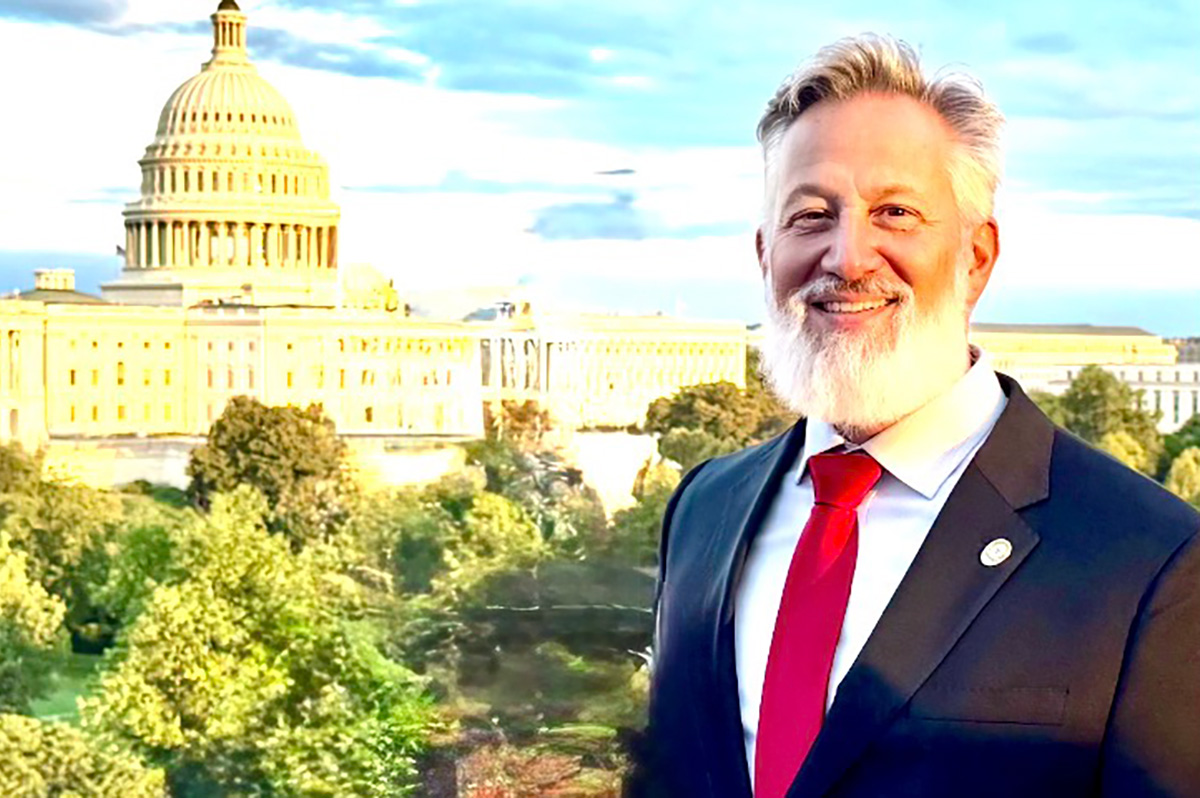
When Scott Silverii began his career as a police officer, he faced daily exposure to traumatic incidents with little guidance or support, particularly in distressed neighborhoods where officers were expected to respond decisively under pressure.
“When I started, the only thing they offered was to suck it up and get over it,” Silverii said. “Any indication that you were hurt meant that you were weak, and if you were weak, it meant you could not be trusted.”
Years later, when Silverii became a police chief, he chose a different approach. Rather than reinforcing silence around trauma, he made mental health support a visible part of his leadership.
“In every critical incident that we had, I would bring the critical incident stress debriefing team in — and I would participate in it,” Silverii said. “I wanted to promote it from the top. That’s what it’s going to continue to take to change the culture.”
Silverii’s experience reflects a broader reality in law enforcement. Across the country, police officers face ongoing mental health challenges linked to repeated exposure to violent crime scenes, fatal accidents, and human suffering — experiences that most civilians never encounter. Long shifts and the responsibility of protecting the public have long been documented to further intensify emotional strain, particularly when officers fear making mistakes with serious consequences.
Silverii, former Thibodaux, La., chief of police and current National Law Enforcement Initiative Manager at Mothers Against Drunk Driving (MADD), said coping mechanisms in the past were often unhealthy.
“A lot of officers, they would drink — sometimes prescription drug use, just different ways,” of coping, he said. Today, he said, the trauma can linger long after an incident: “…you become affected by the trauma. It doesn’t have to happen to you. But when officers respond to a crash, you’re involved… You carry this trauma.”
In some cases, he says, the impact resurfaces every year. “My body begins to manifest physically, through depression, through stress… once I realize it’s the anniversary, I can start dealing with it,” he said.
For decades, police culture discouraged officers from seeking mental health support, often treating emotional distress as a weakness rather than an occupational hazard. In recent years, however, departments have begun expanding access to counseling, peer-support programs, and crisis-intervention training.
In Baltimore, a shift in police culture is tackling the long-standing “shrug it off” mentality toward officer mental health. The Baltimore Police Department’s Officer Safety and Wellness Section, started in 2018, changed how the agency handles trauma, depression, and substance abuse by treating these issues as medical needs rather than disciplinary failures.
A core component of the program is its confidential alcohol addiction treatment, which has seen more than 250 officers voluntarily sign themselves in without fear of termination. This proactive approach has led to a dramatic drop in internal interventions — falling from 250 in 2018 to 48 in 2024 — alongside a decrease in citizen complaints and use-of-force incidents.
The need for such programs is underscored by national data from the Police1 2024 State of the Industry report, which found that 76% of officers cite a lack of time due to heavy workloads as the primary barrier to maintaining their health. More than 50% of respondents report that a significant stigma still surrounds seeking mental health services. Perhaps most telling — 12% of officers nationwide report having no access to mental health resources at all, and 33% have considered calling themselves out of service due to emotional distress or exhaustion.
Chris Asplen, executive director of the National Criminal Justice Association, is a former Washington prosecutor who handled child abuse and other high-stakes cases. He said the emotional weight of the work eventually led him to step away after becoming a parent.
“It became too mentally and emotionally difficult after I had my own child,” Asplen said.
Asplen said his understanding of trauma was also shaped in part by his upbringing. Raised by a parent who struggled with mental illness, he described growing up feeling overlooked. “My father’s mental health issues made me essentially invisible to him,” he said — an experience that later informed how he approached victims in the justice system.
Asplen also pointed to disparities in how mental health crises are handled. His family’s middle-class background, he said, afforded protections and support not available to many others. “Mental health issues for people who are not white and middle class are often treated as criminal matters,” he said.
Experts warn that when mental health challenges go unaddressed, they can affect officers’ judgment, job performance, and interactions with the public. In response, lawmakers and communities have begun exploring preventive approaches. In 2023, Congress passed the De-escalation Act, providing funding for training focused on crisis response, de-escalation, and officer wellness.
In addition to legislative efforts, some communities are turning to violence intervention programs aimed at reducing harm before police are required to respond. One such organization, Roca, was founded in Massachusetts in 1988 and has operated in Baltimore since 2018. According to the organization’s impact data, 87% of its participants have had no new incarcerations after entering the program for at least 24 months.
Police officers in Baltimore and several other cities have been trained by Roca’s nonprofit coaching arm, the Roca Impact Institute, to use cognitive behavioral therapy (CBT) to regulate their emotions and understand the impact of trauma on officers and community members. The training reduced stress, loss of temper and use of force incidents, according to the institute.
A 2024 report by the D.C. Office of the Attorney General showed the city’s violence intervention program’s efforts contributed to an 18% decrease in shootings and a 26% decrease in gun homicides across its target neighborhoods in 2023. Based on the national Cure Violence Global model, the programs treat violence as a public health epidemic through the use of what it calls “credible messengers” to de-escalate conflicts.
But a Washington Post investigation published Feb. 3 found excessive spending that City Administrator Kevin Donahue called a “completely inappropriate use of public money.” A week later, the publication reported that two DC violence interrupters were charged with murder in the death of a Baltimore man in a DC nightclub in 2023.
When done correctly, these programs can offer a secondary benefit by reducing the volume of high-stress calls handled by law enforcement. Advocates say such approaches can lessen the emotional toll on officers by preventing traumatic encounters altogether.
“If we can reduce the amount of trauma that occurs at the scene,” Asplen said, “then we’re a lot further along.”
(Carl Barbett is a senior at Bard High School Early College DC, one of Youthcast Media Group’s journalism class partners. This story was produced under the mentorship of Edith Mwangi, a Kenyan multimedia journalist based in D.C. with a background in international reporting and politics.)
District of Columbia
Key lifestyle changes can help patients cope with diabetes
Small daily choices make a big difference in one’s health
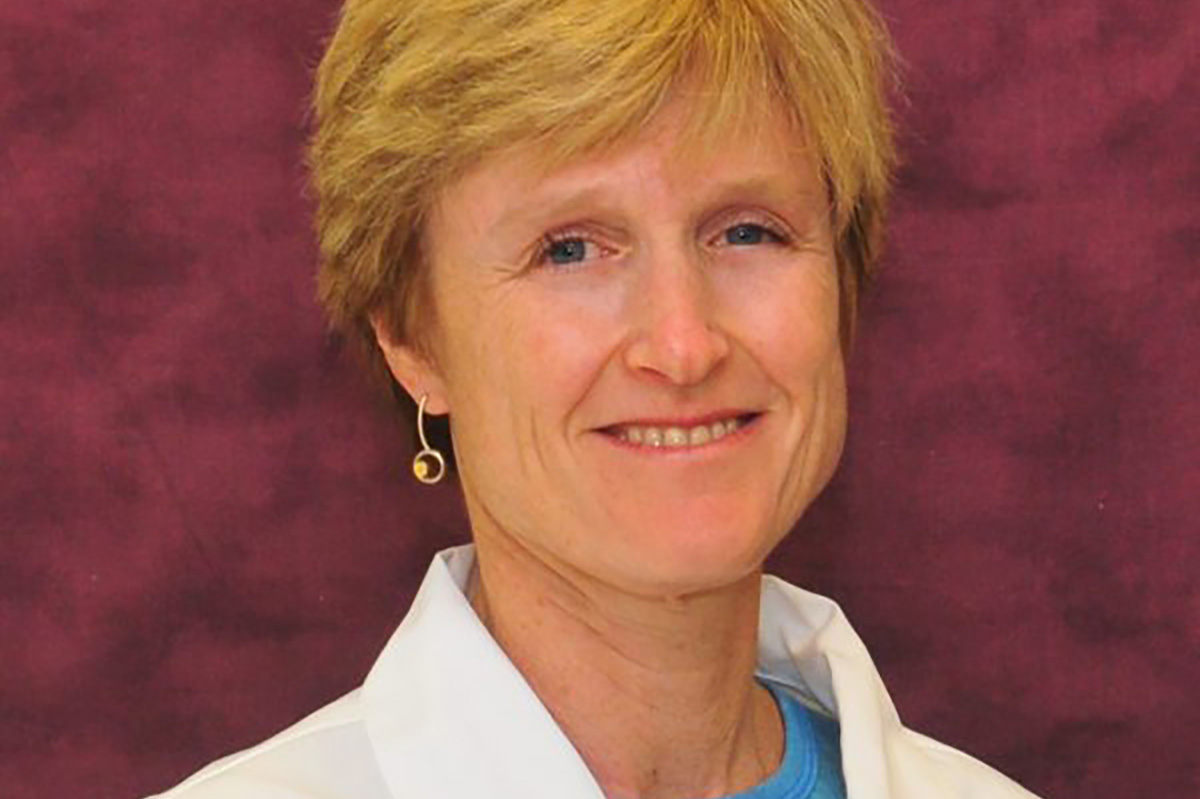
One Tuesday evening after my family finished dinner, I noticed my grandmother sitting on the couch, sweating more than usual. The family room wasn’t hot, and she hadn’t eaten a lot of salty food that day, so seeing her like that made me worry.
My grandmother, Shirley Mitchell, is a 72-year-old who lives with Type 2 diabetes, and moments like this, when her blood sugar gets dangerously low, can happen without warning. Watching her reach for her glucose tablets reminded me how serious her condition is.
Each day, millions of people living with diabetes face a choice that can either play a role in protecting their health or putting it at risk– namely, what they eat. Nationally, 12 percent of the population lives with diabetes, according to the Centers for Disease Control. In D.C., nine percent of residents are known to have diabetes, with likely many more undiagnosed, said Dr. Marcy Oppenheimer, a family medicine doctor who practices in Northeast D.C.
“It’s super common, especially as you get older,” she said, estimating that 15 to 20 percent of her patients have diabetes, and another 20 percent have pre-diabetes, where blood sugar is higher than normal but not yet at the level to trigger a diabetes diagnosis.
What is diabetes?
Diabetes is a long-term condition that affects how the body controls blood sugar. When blood sugar levels are not managed properly, they can rise too high and cause serious damage to the body. This happens when the body does not make enough insulin or cannot use insulin correctly, which means sugar stays in the blood instead of being moved into the body’s cells where it’s needed for energy.
Having high levels of sugar in the blood over long periods of time causes damage to just about every body system, said Oppenheimer. “It can pretty much cause any part of your body to start failing over the long term, if you have high sugar for a long time.”
While food isn’t the only factor that affects diabetes — genetics play an even bigger role — certain foods can worsen diabetes by spiking the amount of sugar in the blood.
What foods should you eat if you have diabetes?
Healthy food choices play a major role in helping people with diabetes manage their condition. Foods such as vegetables, whole grains, lean proteins like fish and chicken, beans, nuts, and healthy fats digest slowly and provide steady energy. These foods help prevent sudden spikes in blood sugar, which are dangerous for people with diabetes.
Many people with diabetes learn that planning meals, watching portion sizes, and choosing healthier options can make a big difference in how they feel each day.
“I had to slow down and pay attention to what I ate because everything affected my sugar levels,” says Mitchell.
Even small choices, like drinking a lot of soda or eating too much white bread, can cause blood sugar levels to rise quickly, said Oppenheimer.
Which foods can increase the risk or harm of diabetes?
Unhealthy food choices like these can seriously harm those with diabetes. Sugary foods such as candies, cake, cookies, and sweetened drinks cause blood sugar to spike quickly. Processed foods, white bread, and fast food are also harmful because they can be high in unhealthy saturated fats and refined carbohydrates.
When these foods are eaten often, they can lead to weight gain and they make diabetes harder to control and increase the risk of long-term health problems, said Oppenheimer.
Over time, poor eating habits that lead to prolonged high blood sugar can lead to heart disease, nerve damage, kidney problems, and even vision loss.
“Basically, diabetes is an all-body condition or disease, and it just varies from person to person in how it affects you,” said Oppenheimer. “If you have uncontrolled diabetes, it definitely has a negative impact on both your daily life and your long-term health.”
Anyone with diabetes can develop serious complications like blindness — or diabetic retinopathy — and the risk factors are higher for Black, Latino and American Indian or Alaska Native groups, according to the CDC.
What you or a loved one can do to manage diabetes
Mitchell warns others not to ignore the impact of food on their health. “Don’t ignore your health,” she says. “Fix your problems early before they get worse.”
Making lifestyle changes is key because, after all, diabetes changes your entire lifestyle, says Mitchell. “Walking throughout the day has helped me feel better.”
Daniel Dow, a middle school coach at Friendship Blow Pierce Elementary & Middle School in Northeast D.C. who also has diabetes agreed with Mitchell.
“Don’t wait to change your habits, start right away,” he says. “I learned that what I eat before practice affects my sugar for the whole day.”
Mitchell’s and Dow’s experiences show that small daily choices can make a big difference in one’s health. By paying attention to what you eat and how your body responds, you can prevent problems before they get worse. Starting healthy habits early can help you stay strong, focused, and in control of your well-being.
(This article was written by a student in the journalism program at Bard High School Early College DC. This work is part of a partnership between the Washington Blade Foundation and Youthcast Media Group, funded through the FY26 Community Development Grant from the Office of D.C. Mayor Muriel Bowser.)
District of Columbia
How Pepper the courthouse dog helps victims of abuse
Reshaping how the legal system balances compassion with procedure
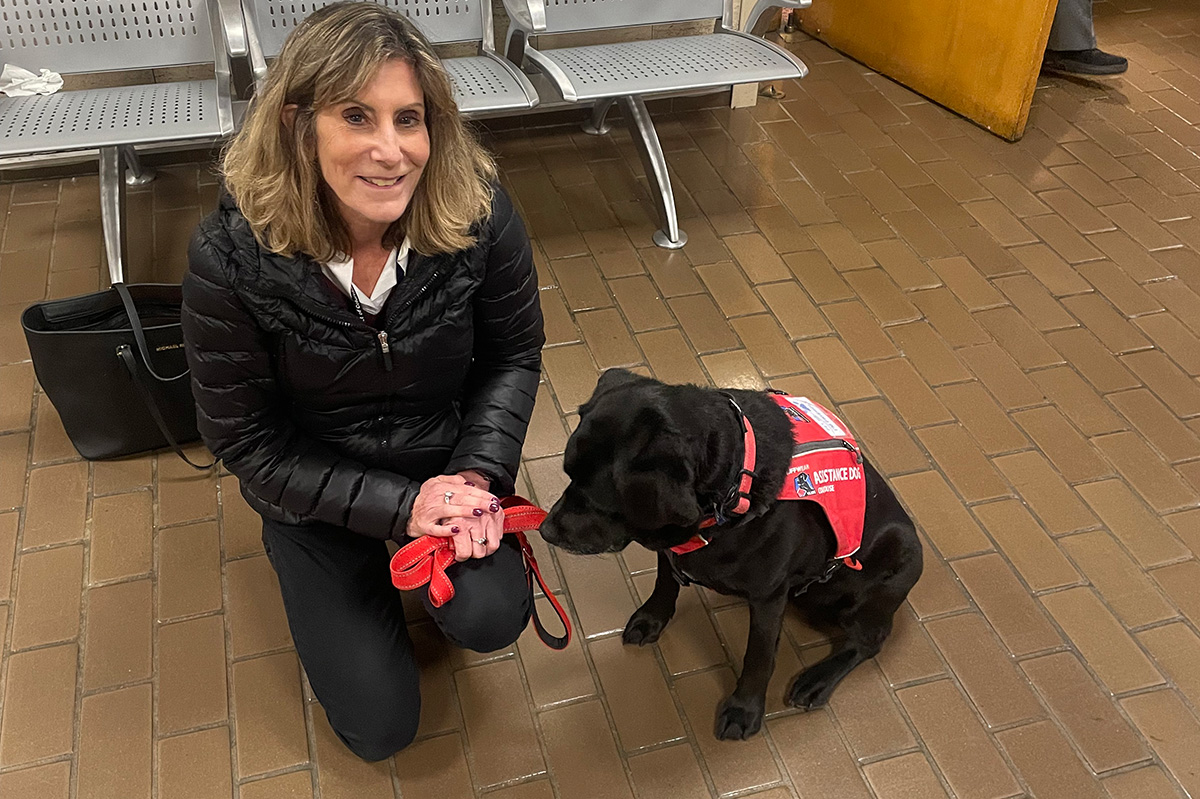
Deborah Kelly’s blind husband, Alton, was dragged for blocks to his death by a hit-and-run driver who had already plowed into her on Alabama Ave., S.E., in June 2024.
But her trauma had only just begun. It took 10 months before the driver, Kenneth Trice, Jr., was arrested, and another six months before he was sentenced to just six months behind bars.
As she heaved and sobbed in the courtroom in November, Kelly had a steady four-legged presence by her side: Pepper the Courthouse Dog, as the black Labrador retriever is known in D.C. Superior Court.
Abby Stavitsky, a former federal prosecutor who now serves as a victims’ advocate, is the owner and handler of nine-year-old Pepper. She says that one of the things that has made Pepper such a great asset in the court in the past six years is the emotional support and comfort she provides to victims.
“She absorbs all of the feelings and the emotions around her, but she’s very good at handling it,” Stavitsky said.
Pepper and Stavitsky started working in Magistrate Judge Mary Grace Rook’s courtroom — and now works in Magistrate Judge Janet Albert’s — to provide support for youth who suffer trauma, especially young survivors of commercial sexual exploitation.
These specially trained dogs offer emotional support to trauma victims of all ages. Courthouse dogs can reduce victims’ and witnesses’ anxiety and stress, making it easier for them to provide clear statements in the courtroom, according to a 2019 report in the Criminal Justice Review.
“Having something to pet and interact with is a distraction that results in victims being calmer when testifying in court,” says Stavitsky. “This gives them an extra level of comfort.”
What brought Stavitsky and Pepper together
Stavitsky, who spent 25 years as an assistant U.S attorney, handled a lot of victim-based crimes, mostly domestic violence and sex offenses. She was also a dog lover, and once she learned about courthouse dogs and their use, she was inspired.
In 2019, Pepper was given to Stavitsky by a Massachusetts-based organization, NEADS, formerly known as the National Education for Assistance Dog Services. Although Pepper was originally trained to be a service dog, evaluators determined her character was best suited for a courthouse dog.
Pepper now works regularly in various treatment court cases involving juveniles, many of whom have experienced trauma or are involved in the child welfare system. She also sits with victims while they are testifying in a trial.
“She loves people, especially children,” Stavitsky said. “She loves that interaction.”
Courthouse dogs have a long history
In courthouses across the U.S. specially trained “facility dogs” are becoming an important part of how the justice system supports vulnerable victims and witnesses.
Since the late 1980s, these dogs were used to help trauma survivors and anxious children during testimonies and interviews. The first dog to make an appearance in a courtroom was Sheba, a German shepherd who assisted child sexual abuse victims in the Queens (N.Y.) District Attorney’s Office. Courthouse dogs help them communicate more clearly, especially in these settings that make them anxious and stressed.
Unlike service dogs, courthouse facility dogs are professionally trained through accredited assistance dog organizations and work daily alongside prosecutors, victim advocates, and forensic interviewers. For example, courthouse dogs can have more social interaction, unlike service dogs.
Courthouse dogs’ growing use has prompted state laws and professional guidelines to recognize the dogs as a trauma-informed tool that helps victims participate in the justice process without compromising courtroom fairness.
As more jurisdictions adopt these programs, courthouse dogs are reshaping how the legal system balances compassion with procedure, ensuring that victims’ voices can be heard in environments that might otherwise silence them.
Pepper makes it easy to see why.
“I really love people, especially kids, and can provide emotional support and comfort during all stages of the court process,” reads the business card Stavitsky hands out with Pepper’s picture. “I’m calm, quiet and can stay in place for several hours.”
(This article was written by a student in the journalism program at Bard High School Early College DC. This work is part of a partnership between the Washington Blade Foundation and Youthcast Media Group, funded through the FY26 Community Development Grant from the Office of D.C. Mayor Muriel Bowser.)

Vance speaks at Orbán rally in Hungary

White House ends protections for trans students in multiple school districts

Amendments to India’s transgender rights law criticized

Cuba under pressure and without answers

Police mental health struggles gain growing attention

Belarusian lawmakers approve bill to crackdown on LGBTQ rights

How new barriers to health care coverage are hitting D.C.

Kenyan advocacy groups launch LGBTQ voter mobilization campaign

Women’s FEST returns to Rehoboth Beach next week