Celebrity News
Is Karla Sofía Gascón’s apology too little, too late?
Netflix has removed transgender actress from Oscars campaign
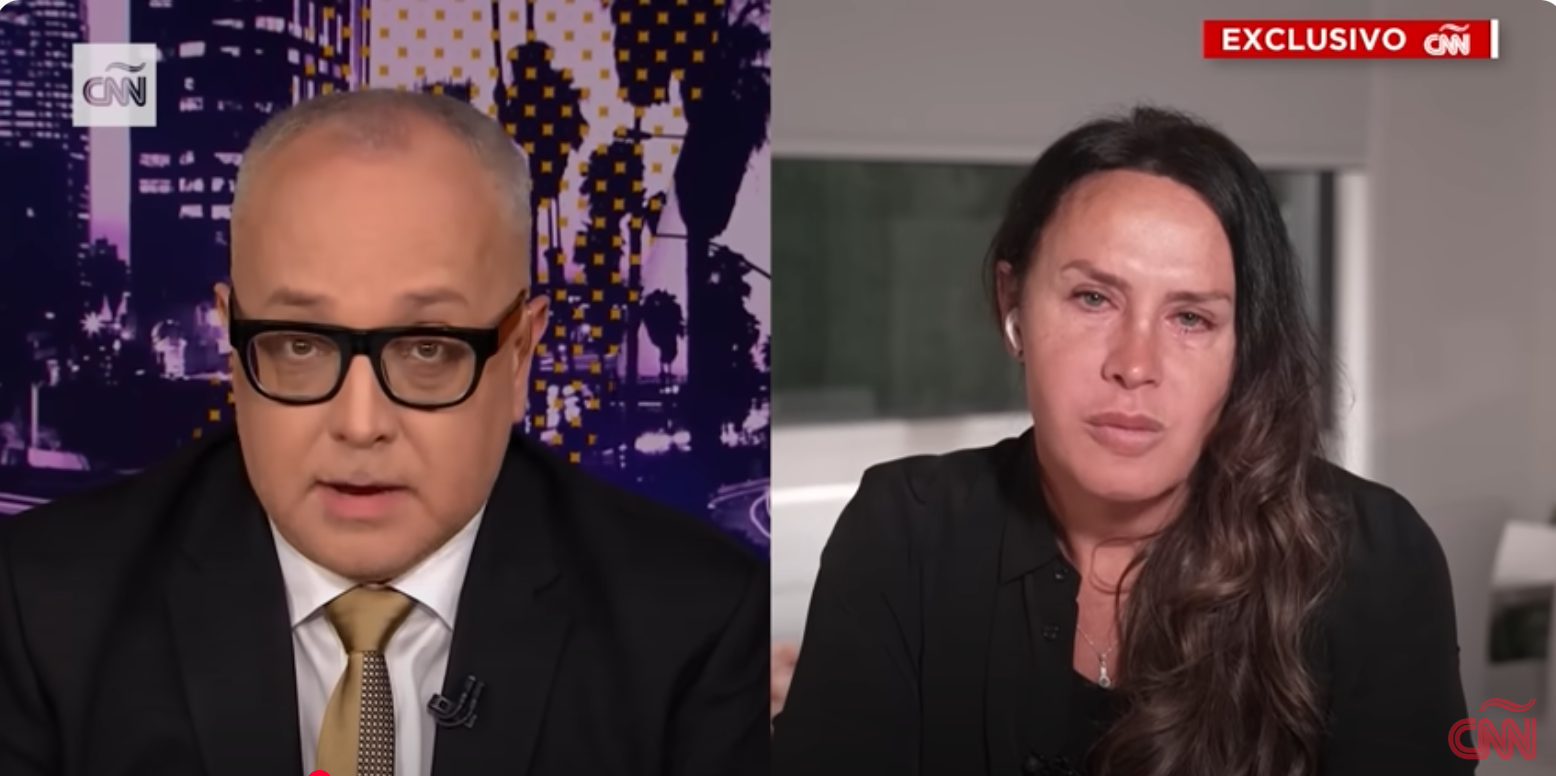
The latest in the scandal involving “Emilia Peréz”’s trans star and Best Actress nominee Karla Sofía Gascón is Netflix deciding to part ways with her even after her public apology and statement regarding not withdrawing from the nomination.
“I have been labeled a racist and I need to be clear that I am not. I feel like I’ve been judged, sentenced, crucified, and stoned without a fair trial and without an option to defend myself,” said Gascón in an interview with CNN en Español.
According to Variety and the Hollywood Reporter, Netflix has cut Gascón out of the campaign for the Oscars. This move comes even after Gascón issued an apology through a statement on her social media and in an interview with CNN en Español. On Thursday she was set to be seated with co-star Selena Gomez, Zoe Saldaña and the film’s writer-director, Jacques Audiard for the AFI Awards luncheon — a gathering at the Four Seasons in Beverly Hills. On Friday, she was set to attend the Critics Choice Awards. On Saturday, she was set to serve as presenter at the Producers Guild Awards, which happen to be going on at the same time as the Directors Guild Awards. According to THR, she will not be attending the events.
The Spaniard actress found herself at the center of controversy surrounding the Netflix original being nominated for 13 Oscars after freelance culture writer Sarah Hagi uncovered the actress’s stream of consciousness on display on X, formerly Twitter. Hagi found tweets from as far back as 2020, revealing Gascón’s views on Muslims, George Floyd, China, and vaccines.
In her hour-long interview with CNN en Español, she defended her position on the issue stating that she feels that she was unfairly targeted, while not being given the opportunity to defend the position she stood behind while writing those tweets.
She goes on to say that she “supports the Black Lives Matter movement obviously” and that the tweets about George Floyd “were taken out of context.” In the interview, she goes on to say she was highlighting the hypocrisy of humanity in that moment in history. According to Gascón, what she noticed during that time was that only after Floyd’s death did people care about him, but prior to his death, they did not help him or care about his struggles.
“I do not identify with any political party and I have my own opinions about issues that might have been one thing in the past, but have now shifted because I have learned many things about respect, love and with the spiritual practice of Buddhism,” said Gascón.
In the interview, she also pulls the “I have a friend who’s Black, so I’m not racist,” card by saying she has a very close family friend who is Muslim, in response to the line of questioning about her being Islamophobic and only through very heavy discussions with her, has Gascón truly come to understand the implications of her words against the culture and religion, as well as the differences between the cultures.
“Emilia Peréz” was already facing an upward battle to gain popularity, as it was a French production about México. Audiences criticized the film for various reasons and yet, it was still nominated for Best Picture, Critics Choice Award for Best Picture, Academy Award for Best Directing, and many others.
Gascón deleted her X account shortly after the tweets were discovered and is now facing the cold shoulder from Netflix. Variety and THR, reported that the streaming giant is no longer directly communicating with Gascón – only through representatives.
Whether or not this is a witch hunt for a trans actress at the height of her career, Gascón now has first-hand experience in dealing with what it means to misuse a platform by sharing her views on issues she said herself, she did not understand.




Celebrity News
Fashion icon Bob Mackie dead at 87
Designing legend to all the divas, gone but not forgotten
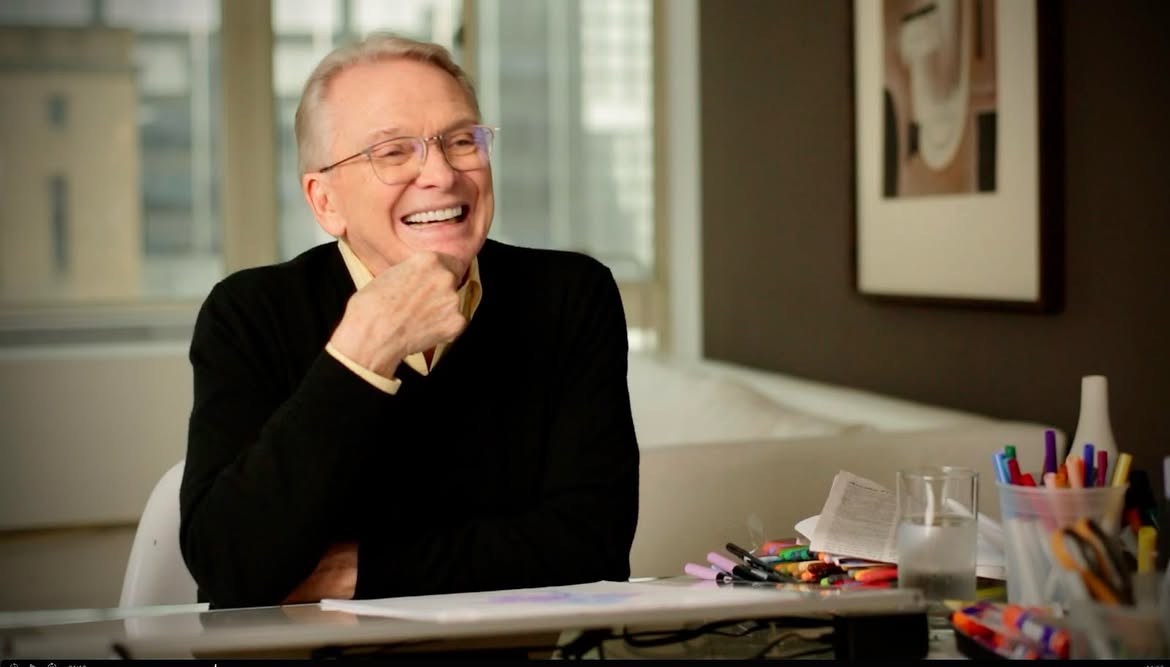
To those still reeling from the loss of Dolly Parton and Tim Curry, we have another queer icon to add to the In Memoriam of 2026: Bob Mackie. A designer known for being extra, before that was even a thing, has left us with a legacy of looks and an indelible mark on fashion.
The news broke on his Instagram account Monday, Sept. 14, with the message:
“It is with a heavy heart that we share the news that Mr. Bob Mackie passed away today. He lived his 87 years to the fullest, fulfilling his dream of being a fashion and costume designer, which is all he ever wanted to do. His genius and extraordinary designs will live on forever, continuing to bring beauty into this world.” According to People magazine, he passed away in Palm Springs, Calif., due to pneumonia.
At 87, Mackie was the definitive designer for divas. Mackie has literally dressed them all, including Diana Ross, Whitney Houston, Barbra Streisand, Dolly Parton, Tina Turner, Bette Midler, Bernadette Peters, and even RuPaul. He’s dressed film and television icons like Raquel Welch, Lynda Carter, Goldie Hawn, and Jennifer Lopez. It’s not just female divas; he’s also done many of Elton John’s famous costumes as well as David Bowie’s.
His first major mark was drawing the first design of Marilyn Monroe’s famous “Happy Birthday, Mr. President” dress. Next, he was an assistant to costume designer Ray Aghayan on “The Judy Garland Show.” The two would carry on a professional and romantic partnership for 50 years until Aghayan’s passing in 2011.
Mackie then went on to do all of the costumes for “The Carol Burnett Show,” creating an estimated 17,000 costumes for her show’s 11-year run. This gave him much critical acclaim and notoriety, making him a permanent fixture in the variety show market.
He became a frequent collaborator of Cher, having made her famous midriff-revealing Oscar gown, her “If I Could Turn Back Time” costume, and being her designer for her various television shows, including “The Sonny and Cher Show.” He even designed costumes for her Farewell Tour. The two are synonymous with him having lent his artistic sensibilities to give her a distinct look. Cher even said in 2024, “He helped me create a different me.”
Mackie has left his mark on fashion with a distinct style of glamorous, over-the-top looks. He received the monikers the “Sultan of Sequins,” the “Rajah of Rhinestones,” and the “Guru of Glitter” for challenging the line between costume and fashion with lots of fringe, flash, and over-the-top eye-catching elements. He’s managed to retain a presence not just in entertainment but in the fashion industry for decades. Most recently, one of his outfits was a major plot point for the final season of “Hacks.”
Mackie has received his share of awards and acknowledgments. In addition to dressing many people for the Oscars, he received three nominations, including dressing Diana Ross for “Lady Sings the Blues.” He won a Tony Award for “The Cher Show.” He won nine Emmy Awards and received 30 nominations for his prolific television work.
Luckily, Mackie’s life was celebrated before his passing, receiving various Lifetime achievement awards including the Geoffrey Beene CFDA Lifetime Achievement Award, being honored by the Television Hall of Fame, and receiving “RuPaul’s Drag Race”‘s Giving Us Life-time Achievement Award. He was the first guest judge on the popular series.
It’s clear that not only was Mackie talented, he was magical. He gave a bit of stardust to countless celebrities, luminaries, and public figures with looks that not only defied expectations but managed to be truly spectacular. He’s part of the glitz we think of when we think of Hollywood, and while often elaborate costumes, the shrewd fashion sense and elegance cannot be denied. Mackie will be missed, but his work lives on in the countless pieces still in circulation and forever captured on film and in media.
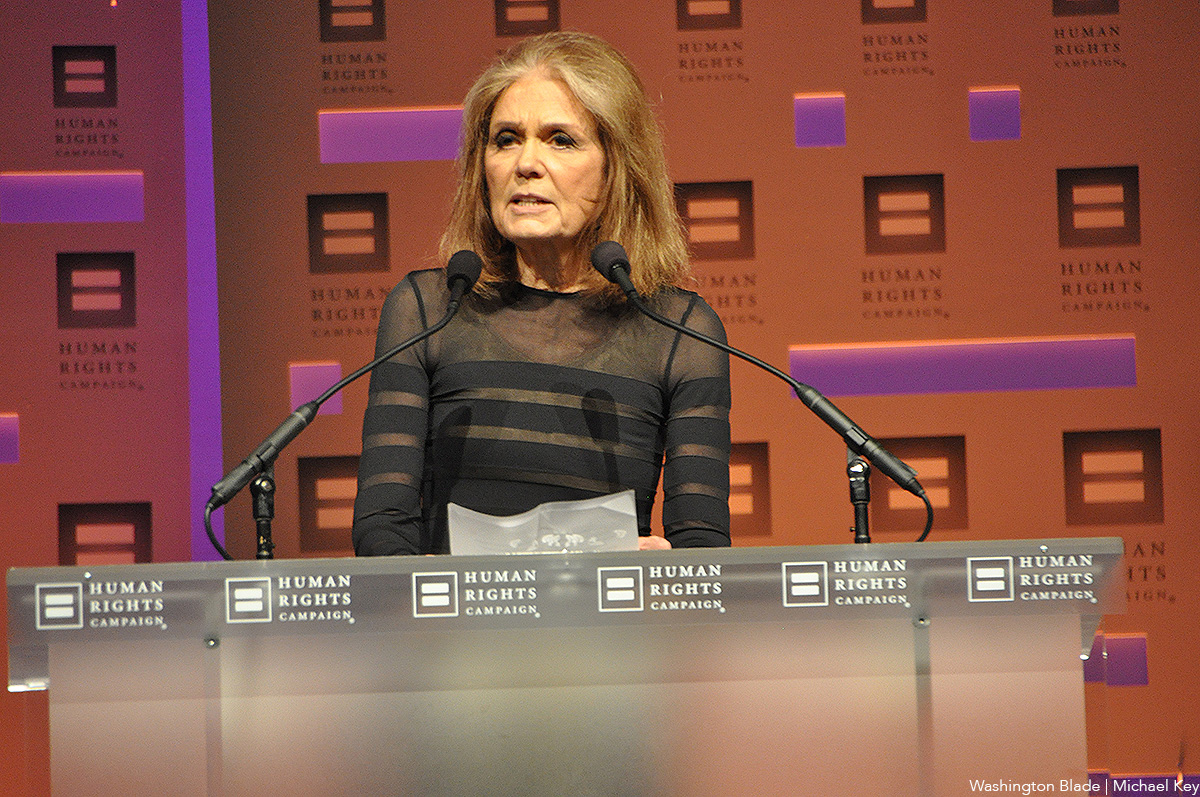
Gloria Steinem, writer, activist, and a leading voice of the feminist movement in the 1970s, died on Wednesday in Manhattan. Her death was announced on Instagram by her official foundation, Gloria’s Foundation, which shared that Steinem “passed away peacefully at her home, surrounded by some of the many who loved her.” She was 92.
A leading figure and spokesperson for the second-wave feminist movement, running from the 1960s through the ’80s — the earlier women’s rights suffrage movement being considered the first — Gloria Steinem campaigned for workplace equality, equality in the home and reproductive freedom, seeing those struggles as inseparable from the wider causes of social and racial equality.
She also championed LGBTQ rights, supporting lesbian visibility within the larger women’s liberation movement, and standing in opposition to the idea that lesbians posed a “lavender menace” to the cause of feminism.
In her vision of the future, marriage equality was a given: “Lesbians or homosexuals will no longer be denied legally binding marriages, complete with mutual-support agreements and inheritance rights.”
GLAAD President Sarah Kate Ellis said in a statement following Steinem’s death: “Gloria Steinem was a trailblazing titan of civil rights whose vision for liberation bridged the movements for gender equality, bodily autonomy, and LGBTQ rights. She recognized that feminist progress is incomplete without full inclusion and stood as an ally to transgender people’s fight for equality. Gloria rejected rigid binaries, choosing instead to build bridges of empathy and coalition across all marginalized identities. Gloria’s life was a masterclass in coalition-building, courage, and unconditional empathy.”
Among her many trailblazing milestones, Steinem was widely known for co-founding the National Women’s Political Caucus in 1971 alongside foundational feminist figures Bella Abzug, Shirley Chisholm, Betty Friedan, Fannie Lou Hamer, LaDonna Harris, Mildred Jeffrey, and Jill Ruckelshaus.
The mandate: get women into political office and positions of power — “women who are committed to the causes of other women — not women who are going to just imitate the male politics as it has been practiced all these years complete with elitism, racism and prejudice against women,” she said, “but women who really care about their sisters and will work for social reform.”
“This is no simple reform. It really is a revolution.”
Liz Abzug, daughter of Bella Abzug, remembers Steinem as “a lifelong activist and a humanist with lots of love to give,” as well as “a very, very close and dear friend of my mother’s,” as the two “worked side by side to change the American landscape for women.”
“It’s hard for me and all of her other supporters and admirers to imagine a world without Gloria leading the charge and fighting for women’s rights and full gender equality,” Abzug shared.
Indeed, there was much about that American landscape in need of change. Steinem came up during a time when discrimination against women was the legal and societal norm.
A married woman, for instance, often required her husband’s signature to obtain a credit card, a form of gender discrimination remedied in 1974 with the Equal Credit Opportunity Act. Women were often unable to get jobs. Life turned Steinem down, saying “We don’t want a pretty girl, we want a writer. Get out of here.” If women did land a job, in 1973, they would have likely made 56.6 cents to every dollar that men earned.
The law’s failure to support women’s autonomy was especially visible on the matter of reproductive rights.
For many women in America, legal abortion remained unavailable until 1973, when Roe v. Wade established a constitutional right to abortion nationwide. Steinem spent years speaking out for women’s safety, and promoted the idea that “decision-making power over our own physical selves” was intertwined with equal regard for women as citizens.
“The vast majority of women support safe and legal abortion. My response is if those legislators were half women, this wouldn’t happen,” she said in a 2022 interview with Katie Couric. “If we actually had a democracy, if those legislators looked like the country from a gender, racial, and class perspective, this probably would not be happening…”
Gloria Marie Steinem was born on March 25, 1934, in Toledo, Ohio, the daughter of Leo and Ruth (Nuneviller) Steinem. Her father was an antiques salesman; her mother had worked for a newspaper before she got married, but suffered what was called at the time a “nervous breakdown” and spent time in an institution. Following a divorce, her mother was left largely in the care of 11-year-old Gloria Steinem in a house that has been described as infested by vermin.
“I didn’t go to school a full year until I was 11 or 12, so I lived in books. I really was an observer of life,” Steinem said in a 2011 interview.
After moving to D.C. to live with her older sister, Susanne, Steinem graduated from Western High School in 1952. She followed Susanne to Smith College where she studied government and wrote for the student newspaper, graduating in 1956.
Upon moving to New York in 1960, she worked for Help! magazine and wrote freelance for publications that included Life, Esquire, and Glamour. According to Smith College Libraries, she co-founded New York magazine in 1968 and served as political columnist until 1972. In the 1960s and ’70s, Steinem was active in causes that included United Farmworkers, Vietnam War Tax Protest, and Committee for the Legal Defense of Angela Davis. She also participated in the political campaigns of Adlai Stevenson, Robert Kennedy, Shirley Chisholm, and others.
Steinem is said to have found her way to the Women’s Movement in 1969, following an abortion “speak-out” meeting of the Redstockings. She was inspired to begin speaking to audiences across the country, alongside activist Dorothy Pitman Hughes, and later Florynce Kennedy and Margaret Sloan.
Among Steinem’s most enduring legacies, and still in publication today, is Ms. magazine, which she co-founded. Widely considered the first national American feminist magazine (and owned, operated, and written by women!), it first appeared as a preview insert in New York Magazine in December 1971 with a tagline, “The New Magazine for Women.” Ms. earned status as a full-on publication in July 1972 with a cover image depicting a modern pregnant Hindu goddess Kali holding a clock, skillet, typewriter, rake, mirror, telephone, steering wheel, and an iron.
Ms. is credited with raising cultural awareness on policy issues, like the Equal Rights Amendment, taking on taboo topics and putting women’s issues front and center.
Steinem’s long list of published work includes the 1983 bestselling book Outrageous Acts and Everyday Rebellions, a collection of her Ms. articles and other pieces. The book includes the feminist’s essay on her undercover exposé of the Playboy Club, for which she donned bunny ears, collar, and bow to covertly report on working conditions for women.
In 1986, she published “Marilyn: Norma Jeane,” which explored the life of Marilyn Monroe and the idea of women as vulnerable and at the disposal of society — men in particular.
Steinem also wrote “Revolution from Within” (1992); “Moving Beyond Words” (1994); and “Doing Sixty & Seventy” (2006). She was awarded the Presidential Medal of Freedom in 2013 by President Barack Obama.
Steinem’s relationships over the years included Ted Sorensen, counselor to President John F. Kennedy; Stanley Pottinger, a Justice Department official; and publisher and real-estate businessman Mort Zuckerman. In 2000, she married South African businessman David Bale, who died in 2003.
Steinem was predeceased by her mother and her sister, Susanne Steinem Patch, who died in 2007. On multiple occasions, she spoke of a community that extended beyond birth family — people whom she chose, and who chose her.
“[Feminism is] about friends and sisters and community,” Steinem said in an interview with bell hooks. “The good part and the great part is that it’s about chosen family. We have each other’s backs and that is so precious.
In announcing Steinem’s passing, her foundation offered this reflection: “Gloria’s greatest gift was her ability to listen to others, to make others feel seen and heard. Her words, actions, and example gave people permission to be their truest selves. Gloria lived true to her independent spirit, always with curiosity and a great sense of humor.
“She spent her recent years doing the two things she loved most: being in community with others and writing … Gloria loved the tradition of lighting signal fires on hills to light the way to the other side of the mountain.”
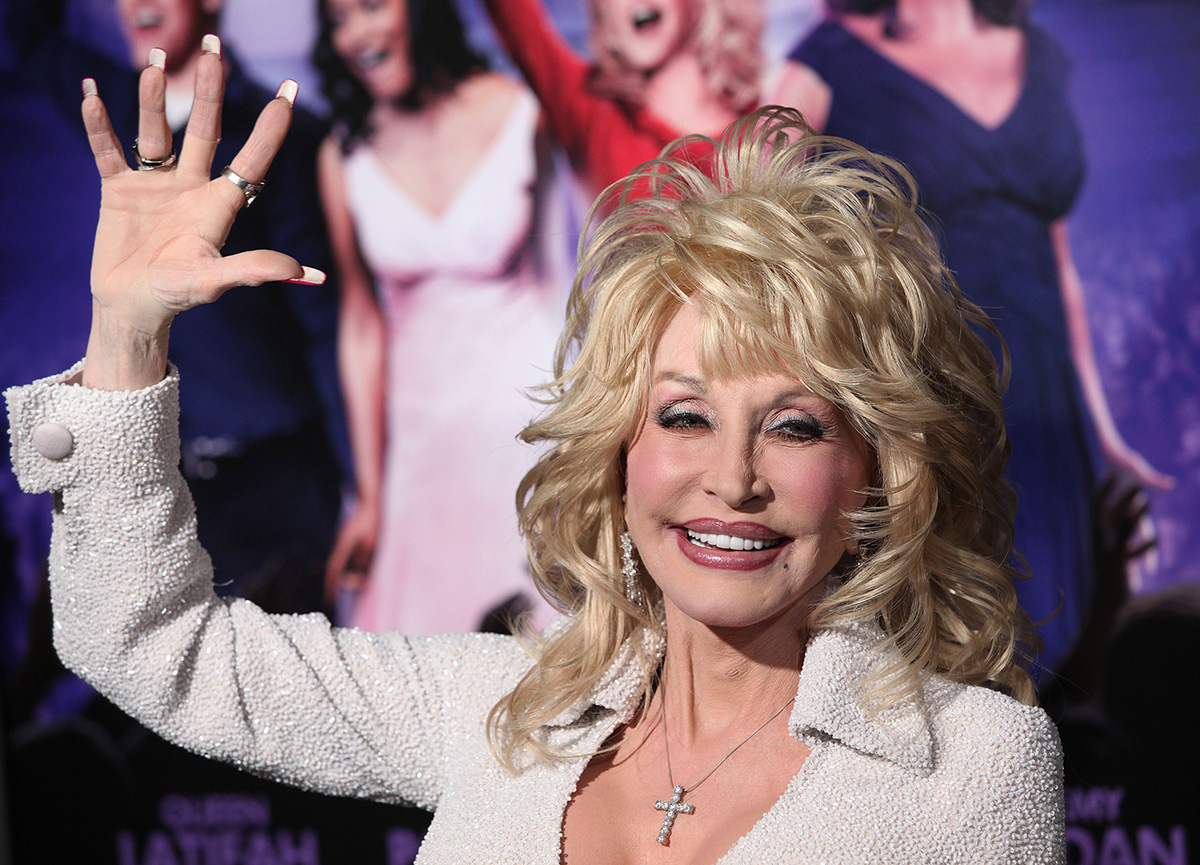
Dolly Parton died on Tuesday at a Nashville hospital. She was 80.
Her publicist, Marcel Pariseau, said Parton passed away at the Vanderbilt-Ingram Cancer Center “after bravely facing a brief battle with cancer.” Parton’s nephew, Bryan Seaver, announced his aunt’s death in a video posted to her Instagram page.
Born in Sevier County, Tenn., on Jan. 19, 1946, Parton was one of 12 children who grew up in poverty.
She moved to Nashville in 1964 and later became known as the “Queen of Country Music” with hits that include “Jolene” and “I Will Always Love You.” Parton also starred in “9 to 5” and “Steel Magnolias.”
Parton in 1995 created the Imagination Library, which sends free books to children. Parton, among other things, donated $1 million to Vanderbilt University Medical Center that helped fund research that paved the way for Moderna’s COVID-19 vaccine, and gave another $1 million for Hurricane Helene relief efforts in Tennessee and North Carolina.
Parton was also a long-time LGBTQ ally.
She spoke in support of marriage equality and wrote “Travelin’ Thru,” a song that was part of the soundtrack for “Transamerica,” a 2005 film that documented a transgender woman’s trip across the country with her son. Parton in 2011 also appeared at the GLAAD Media Awards.
“Parton’s warm spirit, kindheartedness, and joie de vivre deeply resonated with the LGBTQ community, cementing her as a global queer icon whose art always held space for outsiders, no matter the risk,” said GLAAD on Tuesday. “Parton’s entire career was built on love and respect for all, and her unwavering allyship is a legacy that will last forever.”
Human Rights Campaign President Kelley Robinson in a statement said HRC is “heartbroken by Dolly’s passing.”
“She showed the world what it looks like to lead with love and stood with our community long before others in entertainment, using her voice and platform to create a world where LGBTQ+ people feel seen and celebrated,” she said. “Her music and her spirit touched millions; and her generosity, especially toward children, will be felt for generations. We will miss her dearly, and we will carry forward the light she shared with all of us.”
Lambda Legal CEO Kevin Jennings also mourned Parton.
“Long before it was easy or popular, Dolly Parton told our community that we belonged, and she meant it. She championed children’s literacy through her Imagination Library, lent her voice and resources to the fight against HIV and AIDS, and stood up, time and again, for the community she embraced as her own, all with the humor, warmth, and grace that made the whole world fall for her,” said Jennings.
The Congressional Equality Caucus and U.S. Rep. Sarah McBride (D-Del.), who is the first openly trans person elected to Congress, are among those who also celebrated Parton’s life.

Colombia withdraws from Equal Rights Coalition

Caso Karlina: Una sentencia histórica contra las terapias de «conversión»

Washington Blade responds to concerns over White House pool duties

Young people should know history of the fight for human rights

Dutch prime minister visits Stonewall Inn

Over 2,000 turn out for Hands Around the Kennedy Center protest

PHOTOS: Wanda Alston Foundation Fall Reception

PHOTOS: Walk and 5K to End HIV

What LGBTQ veterans are building after ‘Don’t Ask, Don’t Tell’