Opinions
Erasure laws are the new frontline of anti-LGBTQ hate
Rendering our identities unspeakable, and therefore, unthinkable
In a Tennessee classroom this fall, a teacher was told she could lose her job for displaying a small rainbow sticker on her door. Her offense wasn’t speaking about sexuality or teaching gender theory — it was the mere act of suggesting that LGBTQ students were welcome. The policy that targeted her isn’t officially called an “erasure law,” but that’s what it is: legislation designed not merely to restrict queer life, but to erase it from public existence altogether.
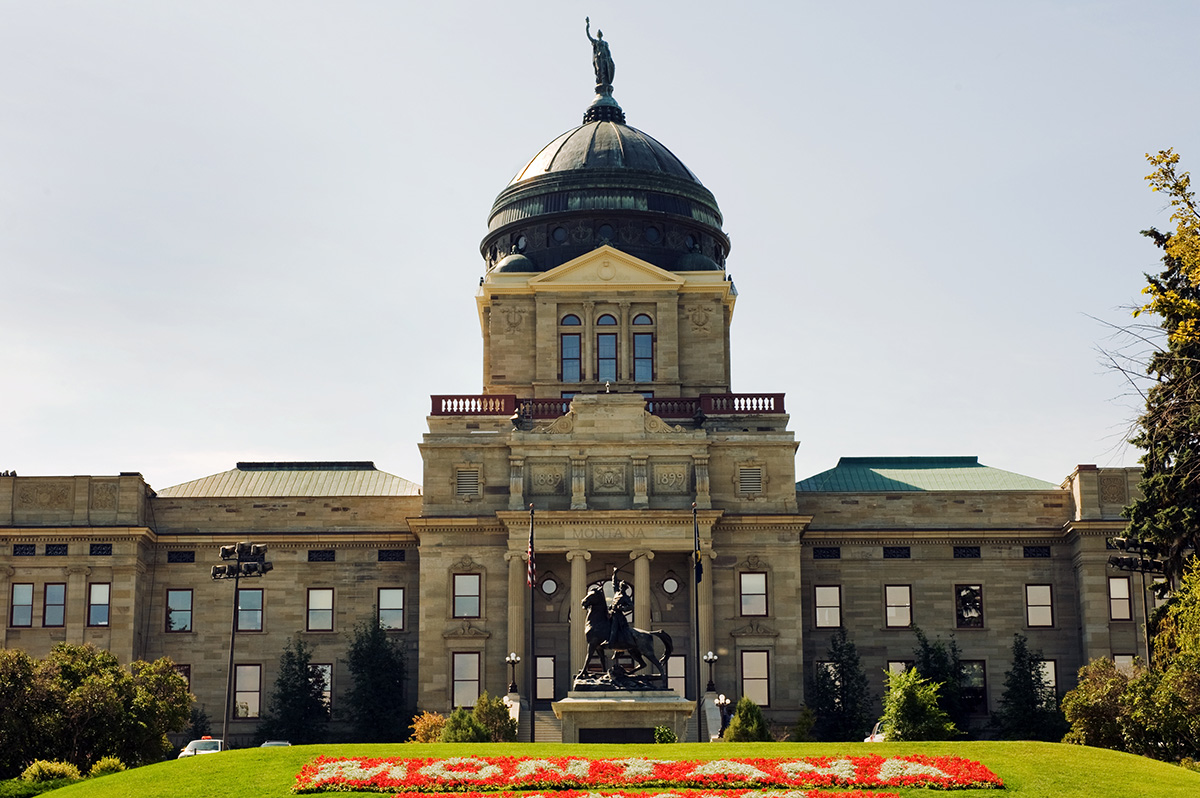
Across the country, right-wing legislators are experimenting with a new kind of weapon in the culture war. Gone are the days when anti-LGBTQ policy came disguised as “religious freedom” or “protecting children.” The new frontier is subtler and more insidious. States like Montana, Florida, and Tennessee have introduced or passed laws that redefine “male” and “female” in statute to exclude gender identity, prohibit the discussion of sexual orientation in classrooms, and mandate the use of birth-assigned pronouns in schools or government documents.
These are not mere bureaucratic adjustments. They are ideological projects—efforts to write queer and trans people out of the law itself.
In Montana, the “Sex Definition Act” passed earlier this year legally defines sex as “immutable biological characteristics at birth,” effectively nullifying any recognition of transgender or intersex individuals in state policy. In Tennessee, a law now prohibits teachers and librarians from displaying symbols or materials that “promote sexual ideology.” Florida’s laws restrict even university departments from using public funds for “programs that advocate for gender ideology.”
The language of these bills is bloodless, almost clinical. But their intent is unmistakably political. They aim to make LGBTQ identity unspeakable, and therefore, unthinkable.
The right has realized that it can’t always win by targeting specific rights like marriage or adoption — issues on which the public has largely moved toward acceptance. Instead, it has shifted the battlefield to language itself: who gets to define “man,” “woman,” “family,” or even “existence.” By redefining sex in law, by banning the words that describe us, these legislators are waging a linguistic purge.
Erasure laws carry devastating consequences for everyday life. A trans woman in Montana may find her driver’s license no longer matches her identity. A nonbinary student in Tennessee can’t ask to be called by their name without their teacher violating a statute. Librarians in Florida are pulling queer books off shelves, fearful of losing their jobs. Even medical systems are confused about what counts as “gender-affirming care,” since the state’s definition of gender itself has been legally rewritten.
The result is a bureaucratic maze built to suffocate. Queer people don’t vanish through violence alone; they vanish through paperwork, through silence, through fear.
Proponents of these laws claim they are merely “clarifying biological reality.” But biology is not what’s at stake — humanity is. These are not clarifications; they are redefinitions meant to justify exclusion. When you erase the word “transgender” from legal language, you erase the protections, the data collection, and the recognition that make life livable.
It’s a strategy with global roots. In Hungary and Poland, authoritarian leaders have pushed near-identical measures redefining sex in law and banning “gender ideology.” It’s part of a transnational campaign that frames queer existence as a threat to the “natural order.” America’s new erasure laws are echoes of that project, dressed in the language of states’ rights and “parental control.”
For LGBTQ Americans, this means the fight has entered a new phase. The frontlines are no longer just in courts or Pride parades — they’re in classrooms, libraries, health databases, and ID offices. Visibility itself has become an act of defiance.
As a transgender man, I know that visibility is a fragile thing. It’s something we fight to gain and must fight again to keep. Every pronoun, every rainbow sticker, every acknowledgment of our lives in the public record is a small bulwark against oblivion. When lawmakers move to silence those symbols, they are declaring that our existence is optional—that we can be legislated out of memory.
We cannot let that happen.
Queer people are not abstractions to be edited out of legal code. We are citizens, neighbors, and contributors to the nation’s fabric. The erasure of our presence in language and law is a moral failure, one that history will judge harshly.
Erasure is the first step toward persecution. Before you can target a group, you make them invisible. The rainbow sticker on a classroom door may seem small, but it represents something lawmakers fear most: the undeniable fact of our existence.
They can strike our names from documents, ban our books, and redefine our bodies — but they cannot erase us. We will continue to speak, to write, to love, and to live in the open. Because visibility is not vanity. It is survival.
Isaac Amend is a writer based in the D.C. area. He is a transgender man and was featured in National Geographic’s “Gender Revolution” documentary. He serves on the board of the LGBT Democrats of Virginia. Contact him on Instagram at @isaacamend.



Opinions
Protecting D.C.’s promise: why Kenyan McDuffie deserves our support
Former Council member is longtime ally
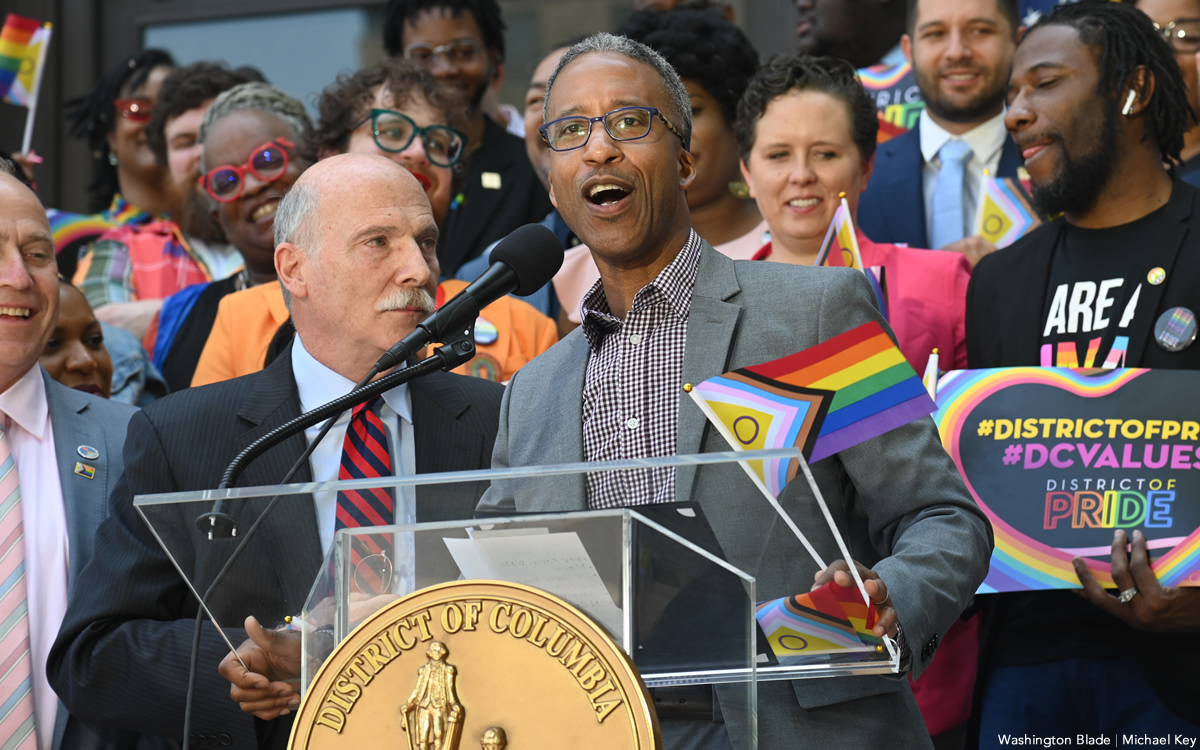
For generations, LGBTQ+ people have come to DC searching for something simple: the freedom to love who they love. I was one of them.
Washington, D.C., is the gayest city in the world. This didn’t happen by accident; It’s the result of generations of organizing, advocacy, and leadership from elected officials who championed the movement for equality, a movement that drew people like me to this city in search of safety and acceptance.
Now, as we approach the June 16 mayoral primary, the LGBTQ+ community will play a decisive role in shaping the city’s future. I believe the candidate our community should rally behind is Kenyan McDuffie, a longtime ally with a proven track record.
Kenyan’s relationship with the LGBTQ+ community began long before it was politically fashionable. In 2012, when he ran for the Ward 5 D.C. Council seat, he sought and earned the support of the Gertrude Stein Democratic Club, the city’s largest LGBTQ+ political organization. At a time before marriage equality was the law of the land, Kenyan stood with us and went on to support the banning of conversion therapy.
But what has always stood out to me about Kenyan’s leadership is his willingness to tackle issues head-on that deeply impact queer families and young people.
As someone who was recently engaged and is currently navigating pathways to parenthood, I was moved by Kenyan’s leadership to modernize D.C.’s outdated surrogacy laws. For more than two decades, the District criminalized surrogacy agreements, threatening families with fines of up to $10,000 and even jail time. Kenyan helped lead the effort to repeal that law, opening a legal pathway for LGBTQ+ couples and others to build families through surrogacy. Thanks to advances in medicine and policy changes like this one, more LGBTQ+ families are now able to pursue parenthood.
Kenyan has also been a champion for some of the most vulnerable members of our community: LGBTQ+ young people experiencing homelessness. In DC, LGBTQ+ youth represent nearly 40 percent of the city’s homeless youth population. Early in his time on the Council, Kenyan worked with fellow members to dedicate housing beds for LGBTQ+ youth and to strengthen the capacity of the Mayor’s Office of LGBTQ+ Affairs to support community programs. Those investments helped ensure that young people facing rejection or instability had a safer place to turn.
Leadership like this matters, especially as our city faces unprecedented challenges. In addition to being a champion for our community, the next mayor will need to navigate threats from the federal government, a massive reduction of the federal workforce of over 20,000 jobs, an unprecedented wave of restaurant closures, and year-after-year billion-dollar budget shortfalls.
Today, our city needs a leader whose values never waver and who has delivered real results for all our neighbors. Kenyan McDuffie has shown that kind of leadership throughout his public service career.
D.C. has always been a safe haven for the queer and trans community seeking opportunity, safety, and belonging. That promise is worth protecting and ensuring the next generation can find the same refuge and opportunity we have.
As voters prepare to make an important choice about the city’s future, I believe Kenyan McDuffie is the leader best prepared to carry that promise forward.
That’s why I’m proud to join him and countless others in launching the Out for Kenyan coalition this Thursday, March 26, at Number Nine.
Cesar Toledo is a first-generation queer Latino and an Out Magazine Out100 honoree who has spent over a decade advancing LGBTQ+ equality, equity, and social justice.
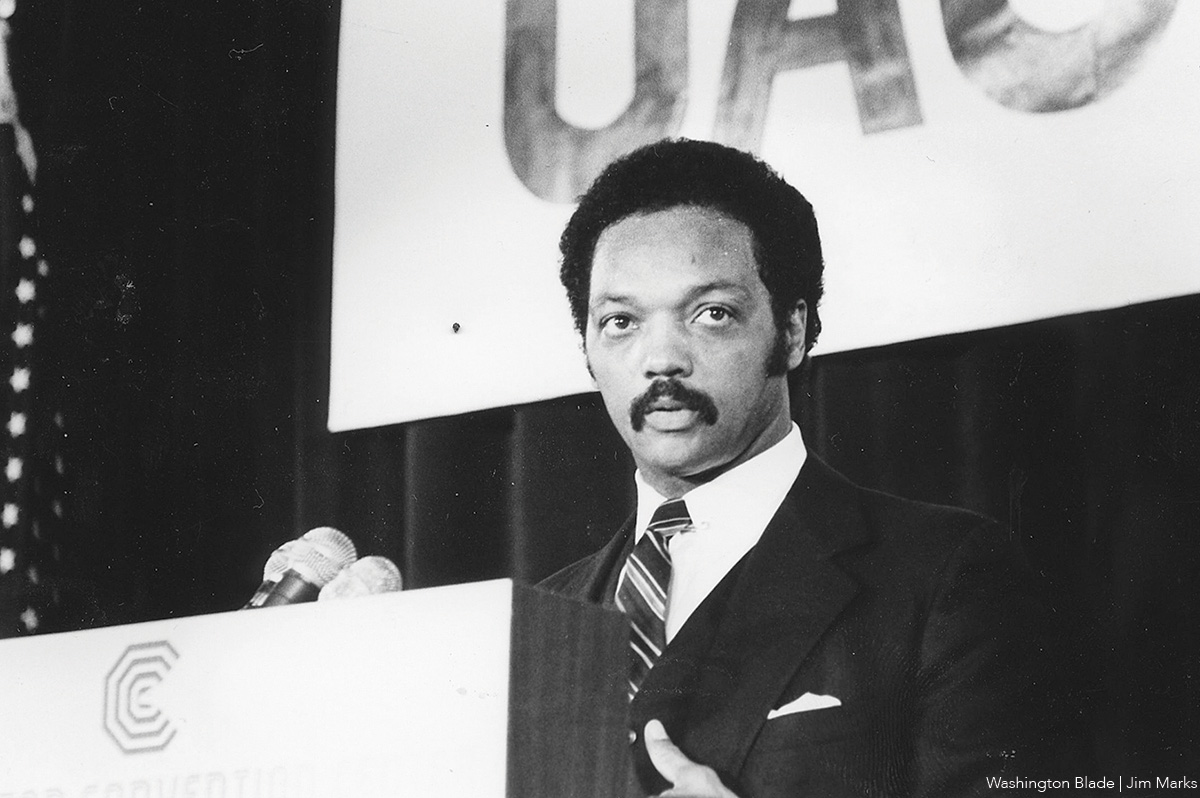
There is no question that Jesse Louis Jackson, Sr. had a significant impact on the civil rights movement, Democratic Party politics and D.C.’s struggle for statehood. After I heard of his death, I took some time to reflect on how our lives had intersected although I met him only once in person.
During the 1970s, sickle cell disease was a celebrated cause in the African-American community. Rev. Jackson was in the vanguard of that advocacy because he had the sickle cell trait. My mother had sickle cell disease and I have the trait. I responded to Rev. Jackson’s exhortation to be involved with fighting the disease and was blessed to have worked for seven years at the Howard University Center for Sickle Disease in its community outreach program.
In 1983, the March on Washington for Jobs, Peace & Freedom was held to celebrate the 20th anniversary of the 1963 March on Washington. Local organizing committees called Coalitions of Conscience were formed to get people involved with the march. I attended the first meeting in D.C. and introduced a resolution that the 20th anniversary program held on the National Mall include a speaker representing the LGBT community. The resolution passed unanimously but the response from the chief organizer of the march, Rev. Walter Fauntroy, was that no such speaker would be permitted. Fauntroy was also the District of Columbia delegate to Congress. Three days before the march, four gay men – all D.C. residents, three of whom were Black – went to meet with Del. Fauntroy to discuss his opposition to having a LGBT speaker on the day of the march. He refused to meet with them and had them arrested. I was one of those arrested.
Our arrests made local and national news. While we were in jail, a conference call was held consisting of representatives of most of the major national civil rights leaders in the nation to discuss having an LGBT speaker at the march. Among those on that call were Coretta Scott King, Ralph Abernathy, Mayor Marion Barry, Dorothy Height; Reverends Joseph Lowery, Walter Fauntroy and Jesse Jackson. The decision was made to give three minutes to a speaker representing the LGBT community. The speaker was Audre Lorde, the African-American lesbian writer, poet, professor and civil rights activist. Jesse Jackson’s presence on that call was critical to her being chosen as a speaker.
In 1984, I was a volunteer in the Jesse Jackson for president campaign in his quest for the Democratic Party nomination. I, along with dozens of volunteers, boarded the bus that left from Union Temple Baptist Church to journey to Alabama to campaign for Rev. Jackson in that state’s primary. My involvement with Jackson’s D.C. campaign led me to visit the Players Lounge for the first time in order to get signatures for Jackson’s D.C. presidential delegate slate and to do voter registration.
Jackson did not win the Democratic presidential nomination in either his 1984 or 1988 campaigns. But his efforts along with Congresswoman Shirley Chisolm’s and Rev. Al Sharpton’s presidential campaigns paved the way for Barack Obama’s historic nomination and victory for president in 2008.
In 1990, Jesse Jackson was elected to be one of D.C.’s United States Senators or what is known as a “shadow senator.” He made it clear that D.C.’s struggle for statehood is not just a political issue but a salient civil and human rights issue. His involvement helped make D.C. statehood a national issue.
I cannot remember the exact year that I finally met Jesse Jackson in person but it was around the turn of the millennium. There was an event taking place in the Panorama Room at Our Lady of Perpetual Help Roman Catholic Church. Rev. Jackson was standing alone on the hill taking in the breathtaking view of D.C. I walked over, introduced myself and thanked him for what he had done for the D.C. statehood, LGBT rights, and the Democratic Party. Even though he was a major celebrity he gave me a hug as if we were longtime friends. It was a brief conversation but we both agreed to keep praying for a cure for sickle cell disease. That hope is still being kept alive.
Philip Pannell is a longtime Ward 8 community activist. Reach him at [email protected].
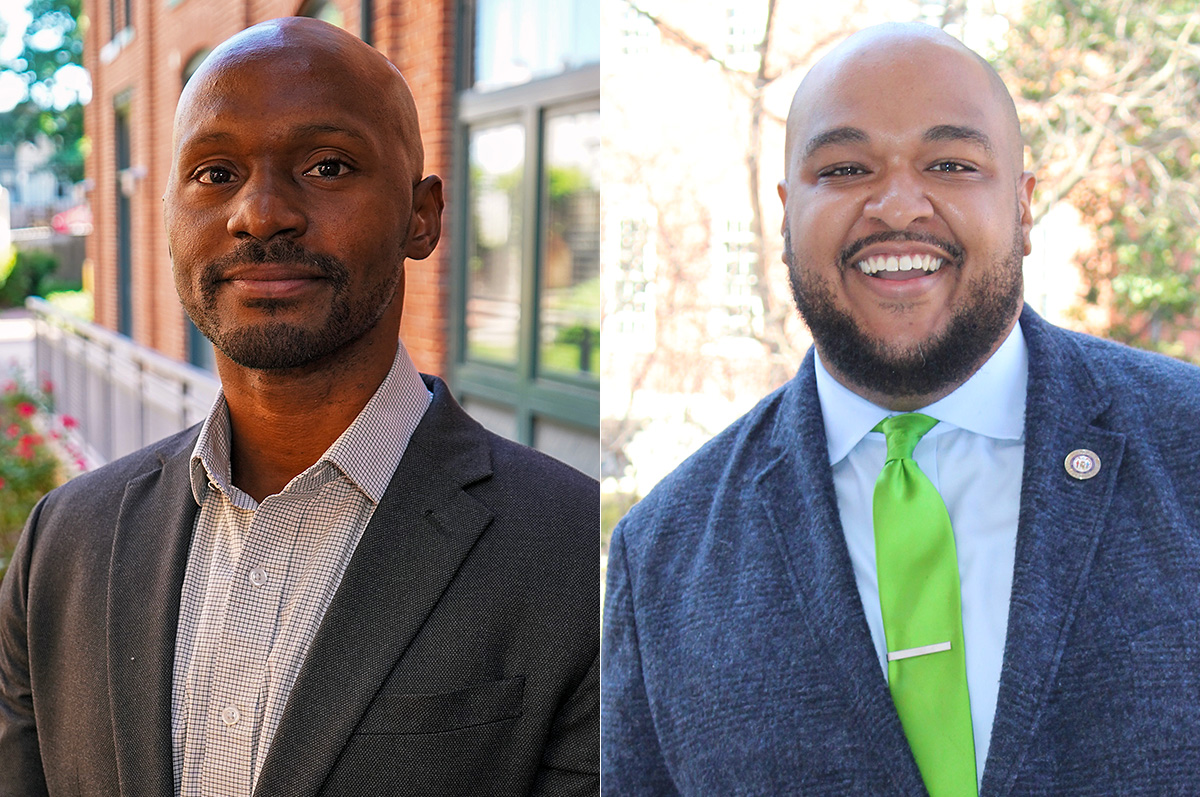
When we’re out with friends, we ask a question that sometimes surprises people: Are you on PrEP?
PrEP is a medication that reduces the risk of getting HIV by about 99 percent when taken as prescribed. We’re both on it. And we both talk about it openly because too many people in our communities still haven’t heard of it, can’t access it, or have been made to feel like asking for it says something about who they are.
It doesn’t. Taking PrEP is about taking control of your health. It’s that simple.
But getting there wasn’t simple for either of us. Our paths to PrEP looked different.
Del. Martinez learned this firsthand. When he asked his primary care doctor about PrEP, the response wasn’t medical — it was judgment. Instead of a prescription, he got a lecture. He had to leave Maryland entirely and go to Whitman-Walker in D.C. just to get basic preventive care. He serves on the Health Committee and sits on the public health subcommittee. Even he couldn’t access HIV prevention in his own state. That reality was soul-crushing, not just for him, but because he immediately thought about every person in his community who doesn’t have the resources to find another way.
Phillip came to PrEP through his work at FreeState Justice, where he was learning about HIV transmission rates and the gap in PrEP access for queer people of color. Black Marylanders account for 65 percent of new HIV diagnoses but only about 35 percent of PrEP users. Latino Marylanders account for nearly 19 percent of new diagnoses but fewer than 8 percent of PrEP users.
Seeing those numbers, he had to ask himself why he wasn’t on it. When he walked into Chase Brexton’s HIV Prevention clinic in Baltimore, the experience was easy and affirming, exactly what it should be for everyone. No judgment, just care. That’s the kind of experience every Marylander deserves.
A proposed bill would make it the standard in Maryland. HB 1114 would let people walk into their neighborhood pharmacy and access PrEP without waiting months for a doctor’s appointment, remove insurance barriers that slow things down, and connect them to ongoing care.
Our stories are not unusual. When we talk to friends about PrEP — and we do, regularly — we hear the same things. People who didn’t know about it. People who tried and gave up. People who assumed it wasn’t for them. People who couldn’t afford it or couldn’t find a provider. There’s still misinformation out there, and there’s still stigma. Among women in Maryland, most new HIV diagnoses come from heterosexual contact, but PrEP is still rarely part of the conversation from their doctors.
When we talk to our friends about PrEP, we lead with honesty. Here’s what it does, here’s what it costs, here’s where to go. We talk about the different options: daily pills or long-acting shots. Generic options are available, and in many cases, free. If you’re sexually active, it might be right for you. It’s not a morality question. It’s a health question.
We try to make it feel approachable, because it should be. We answer every question, because sometimes we’re the first person someone has had this conversation with. It’s a conversation between people who trust each other. And it works, but it can only go so far when the system itself is still in the way.
We have the medical tools to virtually end new HIV transmissions. What we need now are the policies to make sure everyone can reach them. At a time when the future of federal HIV prevention programs is under attack, Maryland has both the opportunity and the responsibility to lead.
We’re asking our friends to take charge of their health. We’re asking Maryland to make it possible.
If PrEP sounds right for you, talk to your provider. If you know someone who could benefit, share what you know. And if you want to see Maryland get this right, tell your legislators to support HB 1114.
State Del. Ashanti Martinez represents District 22 in Prince George’s County in the Maryland House of Delegates, where he serves as Majority Whip and sits on the Health Committee. Phillip Westry is the executive director of FreeState Justice, Maryland’s statewide LGBTQ+ advocacy organization.

The very few queer highlights of the Oscars

Protecting D.C.’s promise: why Kenyan McDuffie deserves our support

Kennedy Center leadership changes as Trump ally Grenell departs

Russian neocolonial politics promote anti-LGBTQ imperialistic values

PHOTOS: Awesome Con

Trump proclamation targets trans rights as State Dept. shifts visa policy

A dream: Democrats focus on candidates who can win

‘Queer Eye’ star Dorriene Diggs on life before and after appearing on hit show

Malaysia blocks access to Grindr, other gay dating websites

D.C. springs back to life with new, returning events
-

 The White House3 days ago
Trump proclamation targets trans rights as State Dept. shifts visa policy
-
Opinions5 days ago
A dream: Democrats focus on candidates who can win
-
a&e features5 days ago
‘Queer Eye’ star Dorriene Diggs on life before and after appearing on hit show
-
Malaysia5 days ago
Malaysia blocks access to Grindr, other gay dating websites