Uganda
LGBTQ Ugandans targeted ahead of country’s elections
President Yoweri Museveni won 7th term in disputed Jan. 15 vote
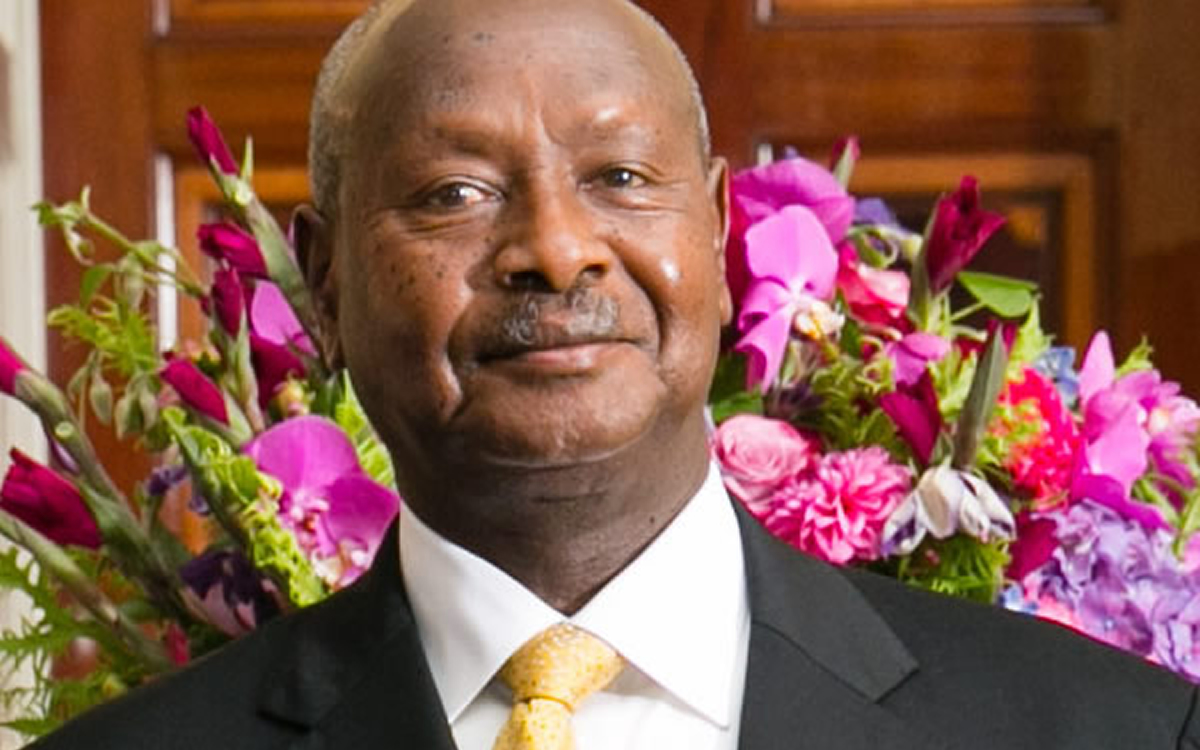
Barely a week after Ugandan President Yoweri Museveni secured a 7th term in an election marred by state violence, intimidation, and allegations of fraud, the country’s queer community spoke about how the election environment impacted it.
The LGBTQ lobby groups who spoke with the Washington Blade noted that, besides government institutions’ failure to create a safe and inclusive environment for civic participation by all Ugandans, authorities weaponized the Anti-Homosexuality Act to silence dissent and discourage queer voter engagement.
The rights groups note that candidates aligned with Museveni’s ruling National Resistance Movement — including Parliament Speaker Anita Among — during the campaigns accused their rivals of “promoting homosexuality” to discredit them while wooing conservative voters.
Queer people and LGBTQ rights organizations as a result were largely excluded from the formal political processes for the election as voters, mobilizers, or civic actors due to fear of exposure, stigma, violence, and legal reprisals.
“This homophobic rhetoric fueled public hostility and emboldened vigilante violence, forcing many queer Ugandans into deeper hiding during the election period,” Uganda Minority Shelters Consortium Coordinator John Grace stated.
Some queer people had expressed an interest in running for local council seats, but none of them formally registered as candidates or campaigned openly because of safety concerns and local electoral bodies’ discriminatory vetting of candidates.
“UMSC documented at least three incidents of election-related violence or intimidation targeting LGBTQ+ individuals and activists,” Grace noted. “These included harassment, arbitrary detentions, extortions by state and non-state actors, digital cat-fishing, and threats of outing.”
Amid such a militarized and repressive election environment, Let’s Walk Uganda Executive Director Edward Mutebi noted queer-led and allied organizations engaged in the election process through restricted informal voter education, community discussions, and documenting human rights violations.
“Fear of backlash limited visibility and direct participation throughout the election cycle,” Mutebi said. “But despite the hostile environment of work, Let’s Walk Uganda was able to organize a successful transgender and gender diverse youth training on electoral security and safety.”
Museveni’s government escalated its repressive actions during the Jan. 15 elections by shutting down the internet and suspending nine civil society organizations, including Chapter Four Uganda and the National Coalition of Human Rights Defenders, for allegedly engaging in activities that are prejudicial to the security and laws of the country.
The suspension of the rights organizations remains in force, an action both Mutebi and Grace condemn. They say it prevents queer Ugandans from accessing urgent services from the affected groups.
“For the LGBTQ community, the impact has been immediate and deeply harmful. Many of the suspended organizations, like Chapter Four Uganda, were critical partners in providing legal representation, emergency response, and documentation of rights violations,” Grace said.
This has compelled UMSC and its other partners to handle increased caseloads with limited resources, while navigating heightened scrutiny and operational risk.
“The suspension has disrupted referral pathways, delayed urgent interventions, and weakened collective advocacy for marginalized groups and minority rights defenders, which calls for urgent international solidarity, flexible funding, and protection mechanisms to safeguard the work of grassroots organizations operating under threat,” Grace stated.
Mutebi warned that such repressive actions are tyrannical and are indicative of shrinking civic space, which undermines democratic accountability as the promotion and protection of human rights is ignored.
With Museveni, 81, extending his tenure at State House from a landslide win of 72 percent, UMSC and LWU consider a bleak future in the protection of rights for queer Ugandans and other minority groups.
“Without significant political and legal shifts, LGBTQ persons will face continued criminalization, reduced civic space, and heightened insecurity, making sustained advocacy and international solidarity more critical than ever,” Mutebi said. “ It is unimaginable how it feels to live in a country with no hope.”
Grace, however, affirmed the resistance by local queer lobby groups will continue through underground networks, regional solidarity, and digital organizing.
The duo noted that a win by Museveni’s main challenger and rapper, Bobi Wine, who only managed 24 percent of the total votes cast, could have enabled the opening up of civil space and human rights protections in Uganda.
Wine, for his part, spoke in favor of the respect for the rule of law and human rights during his campaign.
“While Bobi Wine’s past stance on LGBTQ rights was inconsistent, his recent shift toward more inclusive rhetoric and international engagement suggested a potential opening for dialogue,” Grace said. “A win might have created space for policy reform or at least reduced state-sponsored homophobia, though structural change would still require sustained pressure and coalition-building.”
Mutebi stated that a change in Uganda’s leadership to a youthful leader like Wine could have offered an opening, but not a guarantee for progress on inclusion and human rights. Mutebi added existing institutionalized and societal homophobia remain in place.



Uganda
Ugandan activist named Charles F. Kettering Foundation fellow
Clare Byarugaba founded PFLAG-Uganda
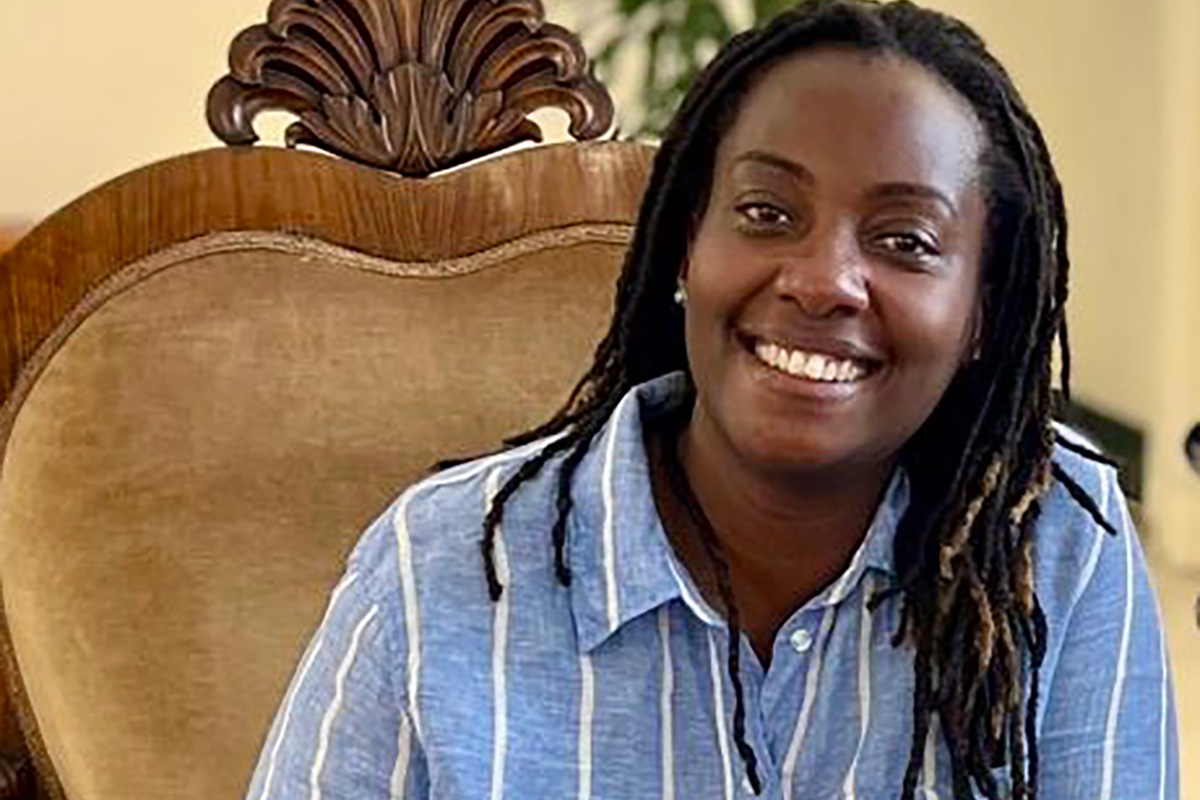
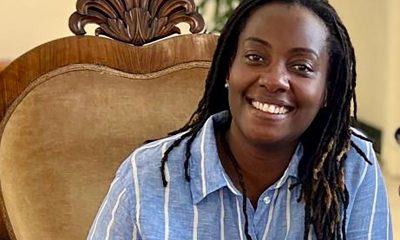
The Charles F. Kettering Foundation has named a prominent Ugandan LGBTQ activist as one of its 2026 fellows.
Clare Byarugaba, founder of PFLAG-Uganda, is one of the foundation’s five 2026 Global Fellows.
Byarugaba, among other things, has been a vocal critic of Uganda’s Anti-Homosexuality Act. Byarugaba in 2024 met with Pope Francis — who criticized criminalization laws during his papacy — at the Vatican.
The foundation on its website says it “is dedicated to bringing research and people together to make the promise of democracy real for everyone, everywhere.”
“Clare is the kind of hero who rushes toward the emergency to help,” said PFLAG CEO Brian K. Bond in a Feb. 27 statement to the Washington Blade. “She founded PFLAG-Uganda as the country pushed to criminalize homosexuality and those who support LGBTQ+ people. Yet, she never hesitated in her courage, telling us that families wanted to organize to keep their LGBTQ+ loved ones safe, and PFLAG was the way to do it. Clare Byarugaba not only deserves this honor, but she will use her compassion and experience to teach the world about LGBTQ+ advocacy as a Kettering Global Fellow.”
The White House
Ugandan government agrees to accept migrants deported from US
Anti-Homosexuality Act signed in 2023; White House mum on sanctioned officials
A White House spokesperson on Thursday did not say whether the Trump-Vance administration plans to lift sanctions against Ugandan officials responsible for human rights abuses against LGBTQ people and other groups as part of an agreement to accept migrants deported from the U.S.
Ugandan Foreign Affairs Ministry Permanent Secretary Bagiire Vincent Waiswa in a statement said the agreement between his country and the U.S. “is in respect of third country nationals who may not be granted asylum in the United States, but are reluctant to or may have concerns about returning to their countries of origin.”
Waiswa described the agreement as “a temporary arrangement with conditions, including that individuals with criminal records and unaccompanied minors will not be accepted.”
“Uganda also prefers that individuals from African countries shall be the ones transferred to Uganda,” added Waiswa. “The two parties are working out the detailed modalities on how the agreement shall be implemented.”
STATEMENT CONCERNING AGREEMENT ON MIGRATION ISSUES WITH THE GOVERNMENT OF THE UNITED STATES
As part of the bilateral cooperation between Uganda and the United States, an Agreement for cooperation in the examination of protection requests was concluded.
The Agreement is in… pic.twitter.com/dStdBSXtBN
— Ministry of Foreign Affairs – Uganda 🇺🇬 (@UgandaMFA) August 21, 2025
Ugandan President Yoweri Museveni in May 2023 signed the Anti-Homosexuality Act, which contains a death penalty provision for “aggravated homosexuality.”
The Biden-Harris administration imposed visa restrictions on Ugandan officials and removed the country from a program that allows sub-Saharan African countries to trade duty-free with the U.S. The World Bank Group in June resumed lending to Uganda after it suspended new loans in response to the Anti-Homosexuality Act.
The State Department’s 2024 human rights report that advocacy groups say “erased” LGBTQ people does not specifically mention the Anti-Homosexuality Act or the impact it has had on LGBTQ Ugandans. The report, however, does note Ugandan government officials “reportedly committed acts of sexual violence.”
“NGOs reported police medical staff subjected at least 15 persons to forced anal examinations following their arrests,” it reads. “Opposition protesters stated security forces used or threatened to use forced anal examinations during interrogations.”
“The Trump administration is committed to fulfilling President Trump’s promise to carry out the largest mass deportation operation of criminal illegal aliens in history, using all the tools at our disposal,” said White House spokesperson Abigail Jackson in response to the Washington Blade’s request for comment on the agreement.
Secretary of State Marco Rubio on Thursday spoke with Museveni.
“Secretary of State Marco Rubio spoke with Ugandan President Yoweri Museveni to discuss opportunities to deepen U.S.-Uganda cooperation on migration, reciprocal trade, and commercial ties,” said State Department spokesperson Tommy Pigott in a statement. “The secretary also thanked Uganda for providing a model of regional stability including its valuable contributions to peacekeeping in East Africa.”
A State Department spokesperson told the Blade the State Department does not “comment on the content of private diplomatic negotiations.”
“However, we would note that for decades, Uganda has hosted refugees from across Africa and has one of the world’s most comprehensive protection regimes for refugees,” added the spokesperson.
Africa
Kenyan, Ugandan groups demand inclusive HIV programs to fill US funding gap
USAID contributed 80 percent of funding to sub-Saharan Africa programs
Seven months since the Trump-Vance administration froze U.S global aid, African countries whose health programs have been seriously affected have devised new ways to address the funding challenge.
The governments’ urgent interventions, however, come with calls of inclusion from queer rights groups in Kenya and Uganda and elsewhere that have also been seriously impacted, warning their sidelining only implies a lack of seriousness to end HIV/AIDS.
“We must fund, protect, and institutionalize community leadership to survive this moment and build systems that endure,” Richard Lusimbo, founder of Uganda Key Populations Consortium, said.
Lusimbo noted community-led organizations, including LGBTQ networks, not only implement public health programs but have co-designed them. They have created referral systems, peer support structures, and delivered medical clinics in remote areas that public systems cannot reach.
“We are not there to patch holes,” said Lusimbo. “We are there to lead. Our leadership must be recognized, resourced, and embedded within national systems, and not only consulted once programs are already designed.”
The queer community’s demand for the government interventions comes amid UNAIDS’s latest warning of a serious global HIV response crisis if U.S funding is halted permanently. The agency’s report said this gap would reverse decades-long gains of saving 26.9 million lives from the virus.
“UNAIDS projections show that a permanent discontinuation of support from the United States President’s Emergency Plan for AIDS Relief (PEPFAR) for HIV treatment and prevention could lead to more than 4 million additional AIDS-related deaths and more than 6 million additional new HIV infections by 2029,” its report states.
The annual UNAIDS reportreleased on July 10 notes the sudden dismantlement of the U.S. Agency for International Development — which was the world’s largest contributor to HIV programs for low- and middle-income countries in sub-Saharan Africa and elsewhere — has disrupted prevention and treatment programs.
USAID contributed 80 percent of the total funding for the aforementioned efforts.
The UNAIDS report also notes half of the 9.2 million people with HIV/AIDS around the world last year who needed treatment but were not receiving it lived in Kenya, Uganda, and other sub-Saharan African countries.
It notes the largest gaps are in diagnosing men living with HIV and linking them to treatment and care, while singling out men who are gay and are members of other key populations as the most affected because of discriminatory laws, violence, and stigma.
“In the absence of a cure for HIV, millions of people will continue to need HIV treatment for many decades to come, but funding losses are destabilizing many treatment programs and the efforts to make them more equitable,” UNAIDS warns.
Key populations, including gay men whose clinics, community-led health groups, and queer rights organizations depend largely on PEPFAR and other foreign aid programs, are reeling from the U.S. funding cuts. UNAIDS data notes around 25 percent of people from vulnerable populations in sub-Saharan Africa are denied access to HIV/AIDS programs, which causes new infections.
GALCK+, a Kenyan queer rights group, noted the freezing of PEPFAR funding has impacted most LGBTQ programs. The result has been fewer HIV testing clinics, queer mental health centers and safe spaces, and hospitals no longer offering gender-affirming care.
“Our lives are on the line, and we must fight for every life. Donate, volunteer, and uplift local LGBTQ+ organizations working on healthcare access and community support,” GALCK+ said.
The queer lobby group also noted forging new partnerships with other international donors is crucial to address the new funding challenge.
Kaleidoscope Trust, a U.K.-based queer rights organization, has stepped in to support LGBTQ groups affected by the U.S. funding freeze.
Although the Global Fund has picked Kenya and Uganda as among the first sub-Saharan African countries to benefit from lenacapavir, a new long-acting injectable PrEP drug, anti-gay discrimination has prevented many people from accessing it.
“This long-acting option has the potential to revolutionize HIV prevention, especially for our community who continue to face stigma or barriers in accessing daily oral PrEP,” Lusimbo said.
Kenyan, Ugandan governments work to bridge funding gap
The PEPFAR funding cut has led to the closure of hundreds of HIV treatment clinics and disrupted the supply of antiretroviral drugs, forcing Kenya and Uganda to reconsider domestic financing through national budgets passed last month.
Kenya, which received a total of $322 million in PEPFAR funding in 2024, increased its national budget for the health sector by $85 million, from $983 million in the previous financial year to $1.07 billion in the current one, in an attempt to bridge the shortfall.
The additional funding resulted from a joint high-level meeting of top officials from national and local governments, health sector players, and relevant communities in March to agree on a sustainable HIV response plan.
The plan entails redesigning medical service delivery to integrate HIV and other diseases in reproductive, maternal, newborn, child, and adolescent health programs. It also involves more domestic funding for HIV products, vaccines, and effective health management systems.
NEPHAK, a Kenyan national network that works with people living with HIV and those at risk of the virus, has called for immediate integration of HIV care into general health care. NEPHAK has also said HIV treatment should be included in the country’s universal health coverage plan.
Uganda also convened a high-level national health financing dialogue in May in response to the U.S funding pause to explore ways of increasing its health sector spending, which has stood between $52-$57 per capita, below the World Health Organization’s recommended $86 minimum.
“Organizations in Uganda are asking for more local money for health and SRHR (sexual and reproductive health rights), better use of budgets, and more community involvement and engagement in all the processes,” stated CEHURD Uganda, a local health social justice rights group. Uganda this financial year increased its health sector’s budget to 8.1 percent from 4 percent in the last financial year, a move lauded by CEHURD as the only way towards having a robust health sector.

Colo. activists condemn SCOTUS conversion therapy ruling

Is Ghana’s selective justice a human rights contradiction?

Supreme Court ruling against conversion therapy bans could affect Md. law

Glisten report details hostile climate for LGBTQ students

As mayor’s race takes shape, candidates endorse LGBTQ equality

‘Out for McDuffie’ event held at D.C. gay bar

The Oscar-losing performance that’s too good to miss

‘Jonah’ an undeniably compelling but unusual memory play

Ghanaian president welcomed to Philadelphia amid backlash over anti-LGBTQ bill

PHOTOS: ‘No Kings’ rally and march
-

 District of Columbia2 days ago
‘Out for McDuffie’ event held at D.C. gay bar
-
Movies3 days ago
The Oscar-losing performance that’s too good to miss
-
Theater3 days ago
‘Jonah’ an undeniably compelling but unusual memory play
-
Ghana2 days ago
Ghanaian president welcomed to Philadelphia amid backlash over anti-LGBTQ bill