Obituary
Remembering Elliot Leonard, generous visionary who helped LGBTQ communities thrive
‘You’re only here for a while … make something of it’
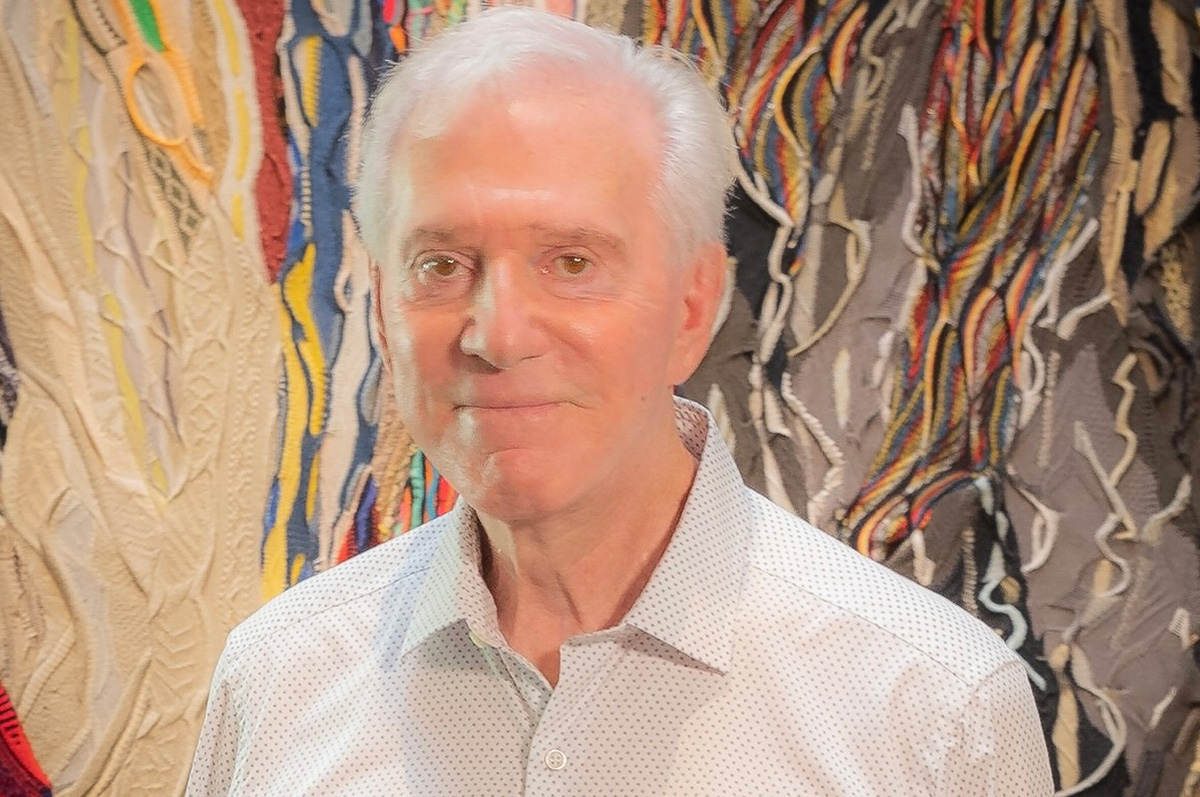
Elliot Leonard, the visionary co-founder and founding trustee of the Leonard-Litz LGBTQ+ Foundation, died on June 6 in Easton, Conn., at his home with his husband, Roger Litz, by his side. He left a legacy of generosity and support for LGBTQ+ organizations across the Northeast and beyond, and is remembered as the heart and soul of a mission that sought to uplift people and empower the LGBTQ+ community. Leonard was 88.
“His memory lives on in every small town Pride festival, every weekly support group of a Pride center, every foundation and benefactor that is inspired to follow his example,” the Foundation said in a statement following Leonard’s passing. “His vision lives and breathes in every young person free to discover their identity and in every person of any age who has the freedom and support to continue living their truth.”
Perhaps owing to the loss of his parents at a young age, and having grown up in a time when being young and gay was fraught, Leonard held a special place in his heart for LGBTQ youth. He simply wanted their lives to be better.
“Elliot wanted to do good in the world, and with all the LGBTQ+ folks locally that he became friendly with, he noticed a thread that most of us grew up with and saw, especially those of us of a certain age, where we had to hide our identities,” said Judy Troilo, executive director and trustee of the Leonard-Litz LGBTQ+ Foundation.
“Then when we came out, we dealt with adverse reactions. Kids need to be able to grow up in this very, very dangerous world when you are other than the majority… He also felt strongly about seniors and knew that many were lonely. He was looking at his age, and was very grateful for his life and the fact that he had a partner of 57 years that he loved very much.”
Launched in early 2021, the Leonard-Litz Foundation has granted more than $6 million to about 150 nonprofit organizations since inception – serving the LGBTQ+ community through advocacy, programs, and services that range from youth summer camps to mental health outreach. The Washington Blade Foundation is among those beneficiaries and the Leonard-Litz Foundation has served as a key sponsor of the annual Pride on the Pier celebration that brings tens of thousands of queer Washingtonians together each June.
Leonard measured his success by how many people the Foundation could bring together and how many people they could help, Troilo says.
“And because of all the hostility, anti-LGBTQ legislation and the fight we’re having on so many different levels – from academia to the work environment to government – we’ve widened the help to folks in areas where people are most disenfranchised, especially the trans community.”
With more than 6,000 connections of care made last year alone, the Triangle Community Center, located in South Norwalk, is a welcoming space where LGBTQ+ people feel safe, seen, and supported. TCC provides resources that include peer-to-peer youth support, AA gatherings, housing navigation, laundry and shower facilities, a food pantry, a gender-affirming closet and so much more.
It was Leonard’s involvement with TCC after permanently settling in Connecticut that set the wheels of inspiration in motion for his own foundation. By no means his first foray into charitable giving, as a funder and board member of TCC, Leonard saw the effects of what could be done at the ground level.
“He and Roger saw a great need in the LGBTQ+ community: well-funded community centers dedicated to serving the community, supported by courageous and generous benefactors willing to bring people together. He knew that if someone led the charge, others would follow,” his Foundation said in its tribute.
“He had ideas on how to do good work through a foundation that could have a more immediate and direct impact, and saw that he could really use his voice to make an impact on the LGBTQ community,” recalls Rachel Simon, TCC’s executive director.
Among the countless ways their Foundation helped, Leonard and Litz made it possible for TCC to build out its footprint with a large gathering space. Thanks to that expansion, TCC is now able to host more than 30 events each month, Simon says, including workshops and community dinners where people cultivate friendships, share ideas and network around work and activism.
Leonard was particularly proud to see vision turn to brick and mortar, when the Foundation was able to give Bridgeport – the largest city in Connecticut, and one of the largest in New England – an LGBTQ+ hub of its own. The Bridgeport Pride Center offers comprehensive support services and resources, along with an array of programming and events.
“Growing up in Bridgeport, I never imagined I would one day see a Pride Center or the incredible Pride celebrations our city now has,” said Jason A. Coombs, co-founder and executive director of the Bridgeport Film Fest. “Elliot’s vision, leadership, generosity, and unwavering belief in this community helped make those dreams a reality. As a member of the Bridgeport Pride Center Board, I know firsthand that we would not have the Pride Center we have today without his dedication, generosity and advocacy.”
Leonard’s intense need to support the community took on urgency amid the widespread bans and restrictions unleashed upon our most marginalized in recent years. In June 2026, the Leonard-Litz Foundation provided $25,000 for The Safe Harbor Fund, which assists out-of-state patients seeking reproductive and gender-affirming care that is legal in Connecticut, but would otherwise be unavailable to them in their states of residence.
“Elliot Leonard worked to expand opportunity for all people and remove barriers to their dignity, success, and happiness,” Connecticut State Treasurer Erick Russell shared. “He will be deeply missed, but his vision and generosity will live on through the Leonard-Litz Foundation. We are honored that the Foundation made the inaugural contribution to Connecticut’s Safe Harbor Fund — one of the many ways Elliot’s legacy will continue to impact lives for years to come.”
If there is a resounding motif, it is this: “Elliot didn’t back organizations. Elliot backed people,” Danny Loftus George, president of The Norwalk Conservatory of the Arts, shared at a June 29 gathering of remembrance at TCC. “He believed in people, and he was one of the best judges of character — one of his many superpowers.”
“Elliot believed in me. He changed my life. He changed the Norwalk Conservatory, and because of his contributions at NoCo, he changed the lives of thousands of students, faculty, community, and more.”
Elliot Leonard was born in Brooklyn on March 7, 1938. Before most young people were even beginning to discover who they are, Leonard had already experienced profound loss, Jeff Arnold, board member of TCC, shared at the memorial gathering. “Those early years demanded courage long before anyone should have to find it,” he said. “And rather than allowing hardship to define him, Elliot allowed it to strengthen him.”
After earning a bachelor’s degree from Brooklyn College, and law degree from UCLA, Leonard built an extraordinary career. He practiced corporate and real estate law for 20 years, and, inspired by his clients, became a full-fledged entrepreneur. His portfolio of success included the development of residential and commercial properties in California, and he was a principal founding member of the largest roofing and solar subcontractor company in the state. As a result of his business leadership and advocacy, Leonard was invited to serve on many boards, including the Orange County LGBTQ Center.
“Success came through intelligence, persistence, and an unwavering belief that difficult circumstances never have the final word,” Jeff Arnold said.
But it was not these accomplishments that Leonard was most proud of, Arnold reflected. It was Roger. As Arnold tells it, the two first met in 1970 at a Los Angeles gay bar. Litz didn’t initially think Leonard was his type. But the buttoned-up Leonard was persistent, and upon learning what Litz wanted in a partner—”to be loved, cherished, and adored”— Leonard made it clear that this wouldn’t be difficult to do.
It was the beginning of a 57-year love story that took them from California through countless trips and adventures, ultimately landing in Easton, Conn., where they cultivated the extraordinary gardens they were famously known for, and surrounded themselves with opera and art. As Arnold shared, “perhaps most importantly, [they] lived openly and honestly as gay men during decades when doing so often required tremendous courage.”
Leonard delighted in the untamed beauty of nature, and in time spent with friends amid statues, starlings, and blue jays in his extraordinary botanical landscape. There, Danny Loftus George affectionately recalled, Leonard dared to plant banana trees, simply because he loved them, even while knowing their time was limited in a climate unsuited to their survival.
Leonard also took immense joy from his expansive collection of art that included works from around the world and across a spectrum of styles. “He would collect what he loved,” said Troilo, who admired how Leonard wouldn’t think twice about placing folk art by an unknown young artist next to a Keith Haring. “I think his art represented his diversity as a person, but also his vision of equality,” she said. “He was saying that you’re as important.”
Leonard is remembered for his loving tenacity in challenging others to push harder. “Elliot would lean in with that spark in his eyes and say, ‘What’s next?'” Foundation trustee Andrew Mitchell-Namdar shared. “He never let us get comfortable. He believed right down to his bones that we could always do more. He didn’t just believe it; he modeled it every single day with the same energy and hope he brought to everything he touched.”
As for the man who made Leonard light up whenever he walked into a room, his husband, Roger Litz, told the gathering of chosen family, “Almost anyone could sense that this is a man who got things done and was on the right side. He was on the right side of humanity, and that’s a lot.” Leonard didn’t care for grandiosity, Litz said. If you said something nice to his face, Leonard was likely to get embarrassed. What he wanted to leave people with was this:
“You’re only here for a while, so it’s not a matter of making the best of it. Make something of it.”



Obituary
Beloved D.C. ‘Old Catholic’ Bishop Charles Braun dies at 86
Gay church leader offered spiritual support to LGBTQ community
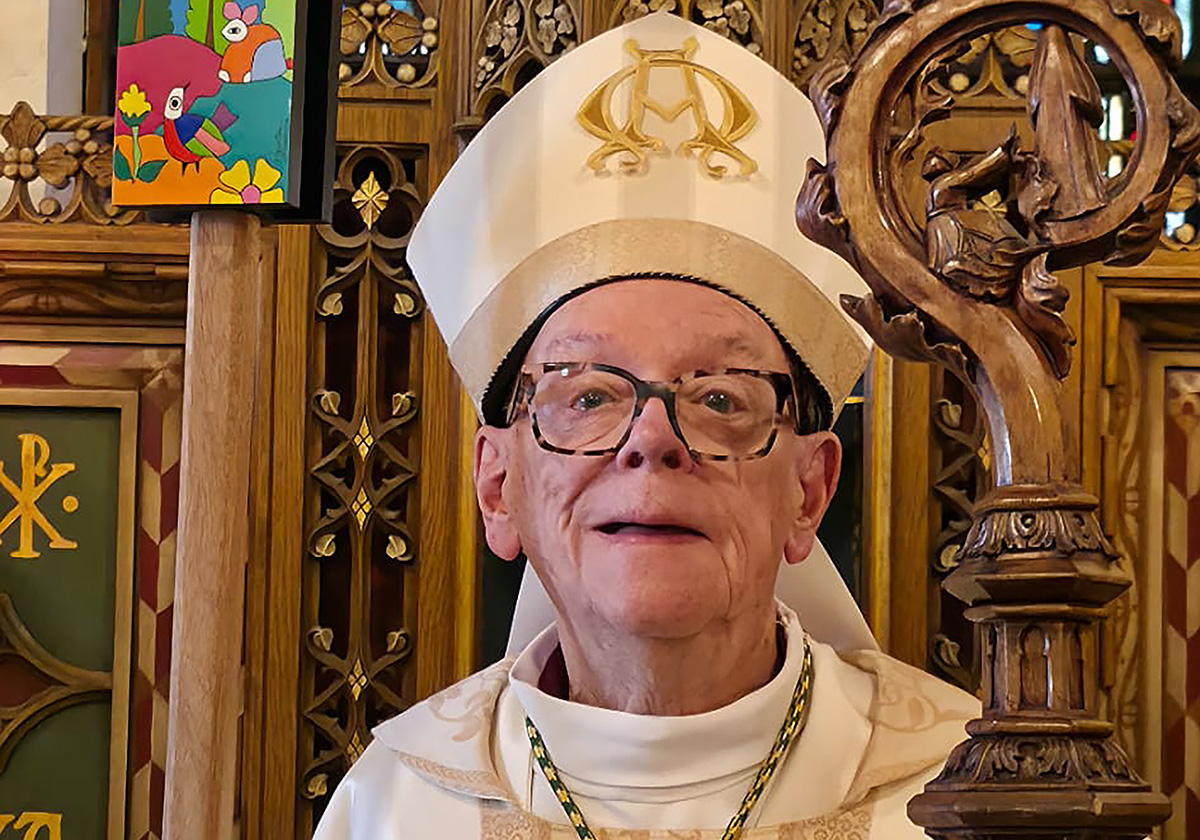
The Rt. Rev. Charles “Charlie” Braun, who served since 2001 as Bishop of the D.C.-based Inclusive Catholic Diocese of the Chesapeake Bay and as founding minister at the affiliated LGBTQ supportive St. John’s Inclusive Catholic Community of D.C., passed away Aug. 3 at the age of 86.
Write-ups about Braun’s life and legacy as a progressive religious leader report that the Inclusive Catholic Diocese of the Chesapeake Bay and St. John’s Inclusive Catholic Community are part of the “Old Catholic” movement, which is a partial break-away church from the Roman Catholic Church.
“St. John’s parish was founded with and continues with the special calling to reach those who had been hurt by other church denominations,” a statement on the St. John’s website says.
“St. John’s welcomes all without exception, with particular care for members of the LGBTQIA+ community who have suffered abuse and rejection elsewhere, offering them contemporary scriptural and theological guidance grounded in an ancient faith tradition made to work in the 21st century,” the website statement says.
It notes that until the time of his passing, Braun, among other things, performed the St. John’s Inclusive Catholic Community’s weekly Sunday mass at its headquarters location at 3417 14th St., N.W. in the city’s Columbia Heights neighborhood. The location is in a converted townhouse owned and operated by the LGBTQ supportive Dandelion Collective, which provides support for the local LGBTQ community.
Rev. Stephen F. Scott, the current pastor at the D.C. St. John’s Catholic Community, said Braun is a native of Bucks County, Pa., and studied to become a priest at D.C.’s Catholic University’s Marist House seminary, where he was ordained as a Roman Catholic priest in the 1960s.
Scott told the Washington Blade that Braun was then assigned as a parish priest at St. Michael’s Catholic Church in Wheeling, W.Va. The St. John’s Catholic Community website write-up says Braun directed that church’s choir “and formed friendships that lasted lifetimes.”
The website write-up continues, “Bishop Charlie left the Roman Catholic priesthood but never left ministry. He found a new spiritual home in the Old Catholic movement, where he was consecrated a bishop and became a beloved unapologetic voice for its theology and tradition.”
It says he began his service as Bishop of the D.C.-based Inclusive Catholic Diocese of the Chesapeake Bay in October 2001 and later founded the St. John’s Inclusive Catholic Community, both of which he led until the time of his passing.
“In Washington, D.C. Bishop Charlie became especially well known and cherished within the LGBTQ+ community, offering compassionate pastoral presence, ordaining and mentoring candidates for ministry, and reminding all who knew him that ministry does not end when circumstances change – it simply takes new forms,” the website statement says.
Rev. Scott confirmed reports by people in the LGBTQ community who knew Braun and who told the Blade the man they knew as Bishop Charlie visited LGBTQ supportive bars and restaurants in D.C., including the Dupont Circle area, to perform religious services and offer spiritual support for LGBTQ people.
“Charlie spoke so much about the importance of loving and welcoming, especially gays, lesbians, transgender Catholics and Christians and meeting them where they were,” Scott said. “So not expecting people to come to a full-on church building, he would go in his evenings and enjoy a drink or have a meal, whether it was Dupont Italian Kitchen, Floriana, or any of the neighborhood gathering places in the queer community,” Scott told the Blade.
“If there was a couple that would come to talk to him and wanted to get married, he would arrange with the couple to have the ceremony at their venue of choice,” according to Scott. “He would have weddings, confirmations, baptisms at those locations because that’s where the community felt comfortable.”
A Mass of Christian Burial was held for Bishop Charles ‘Charlie’ Braun on Saturday, Aug. 22, at the LGBTQ supportive Lutheran Church of the Reformation located in the Capitol Hill neighborhood. Scott said the church was selected because it offered a larger space for the service than the St. John’s Inclusive Catholic Community location in Columbia Heights.
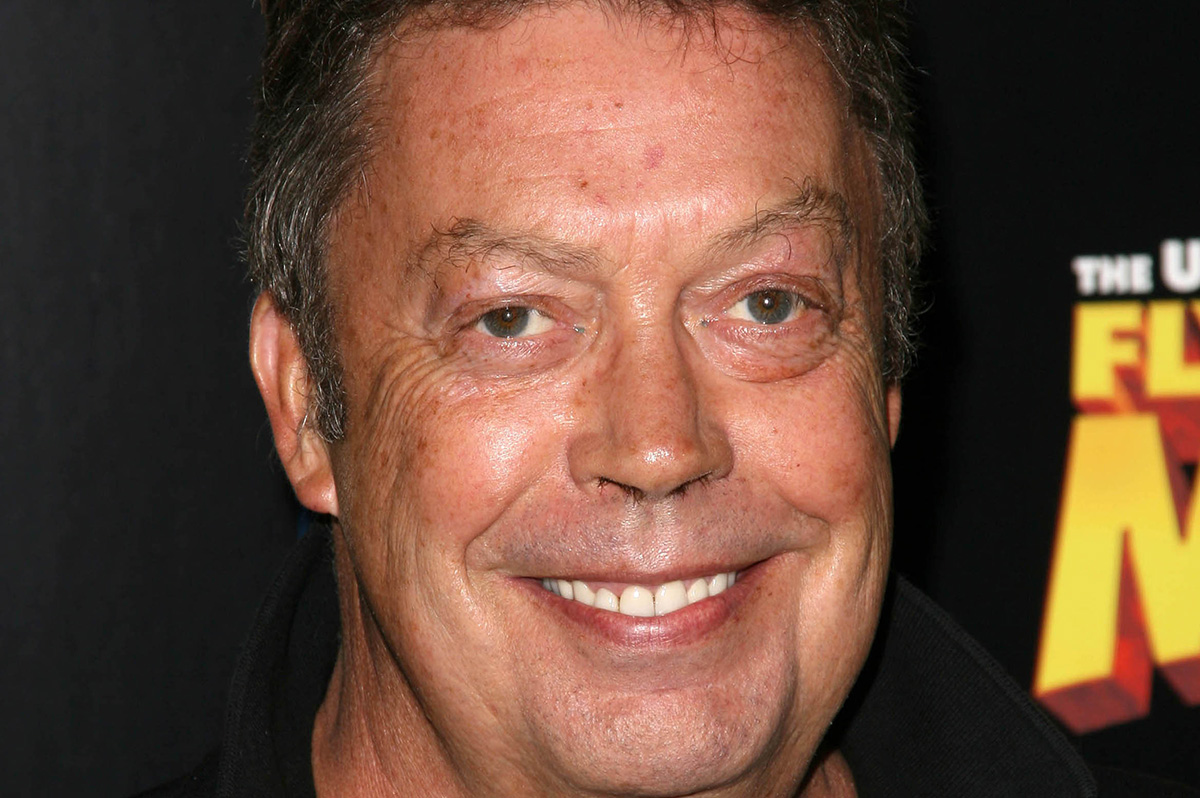
Actor Tim Curry died at his home in Los Angeles on Tuesday.
Curry has a career spanning decades that included roles on the stage and screen. With an unmistakable voice, he also leaves behind a large body of voice work in animated features and video games. Curry is perhaps best remembered by LGBTQ fans for his performances in camp classics, “The Rocky Horror Picture Show” and “Clue.”
“Rocky Horror” (1975) became an underground cultural phenomenon of gender-bending joy.
To this day, fans meet at late night movie theaters dressed in costumes of their favorite characters, including as Curry’s Dr. Frank-N-Furter. Such gatherings gave permission for fans to play with gender expression, which could be particularly important for LGBTQ fans in more repressive times and places.
“… It became a gathering point for LGBTQ+ people. For punks, for goths, for anyone who felt marginalized or othered by society,” screenwriter, producer, and filmmaker Michael Varrati told the Washington Blade in September 2025 interview on “Rocky Horror”‘s lasting legacy. “When you walked through those theater doors, you belonged, and everybody accepted you, and the thing that made you feel like a freak was celebrated.”
Curry was also known for roles under heavy prosthetics, such as Pennywise the murderous clown in Stephen King’s “It,” or as the demon-horned Darkness in “Legend.” Always shining through any mask was Curry’s signature mischievous voice.
With the passing of Dolly Parton, a fellow LGBTQ icon, one can expect many tributes to Curry and Parton at drag shows and music events at LGBTQ venues in the coming nights.
Pitchers DC (2317 18th St., N.W.) will have a “Dolly + Tim Tribute” with show tunes on Sunday from 2-8 p.m. JR.’s Bar (1519 17th St., N.W.) has announced it will have a show tunes night “honoring Dolly & Tim” on Monday starting at 9 p.m.
Obituary
Music icon and dear LGBTQ friend Dolly Parton remembered
‘Queen of Country’ died on Tuesday in Nashville
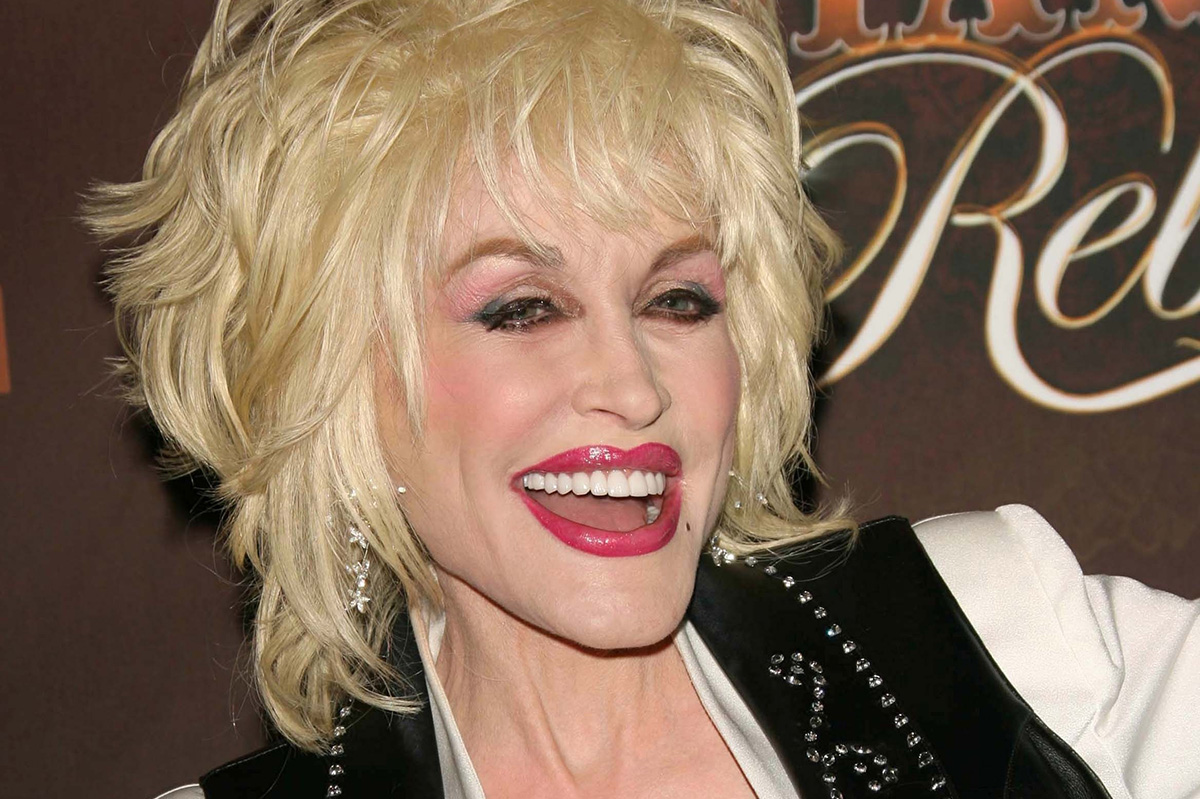
I don’t want to say goodbye.
To be honest, my first impression of music icon Dolly Parton was similar to the scathing look the demur Jane Fonda gave the boss’s secretary in one of my favorite funny feminist films ever, “9 to 5.”
Fonda’s aghast up-and-down scrutiny was pure unspoken tsk tsk condescension toward this bubbly dumb-blond wigged white trash colleague — until she looked down at her own flat chest. For a moment, Fonda suggested a hint of envy, at which we laughed. I felt a sigh of relief at not having to carry around all the weight Dolly Parton’s boobs implied.
Those boobs, those big blond country-western wigs, and her seemingly irrepressible humor were as much a part of Dolly Parton’s brand as was her incomparable voice and the songs she wrote that moved generations. In 1974, I longed to love someone as much as Dolly loved the person for whom she wrote her goodbye, “I Will Always Love You.”
Surely, someone with that big a heart was bigger than the tight bodice society forced innovative go-getters like Dolly Parton to squeeze into.
In fact, Parton’s difficult backstory of childhood poverty in Sevierville, Tenn., living in a cabin with no running water and 11 siblings — and an ambition infused with a love-your-neighbor Christian upbringing — created a depth of character that used smarts, ingenuity and humor to thwart her stereotype-blinded detractors.
“Well, I graduated [high school] on a Friday night and headed out on a Saturday morning,” Parton told ABC News’s Robin Roberts in an extensive interview in advance of the 2019 CMA Awards. “As I make jokes about it with my matching luggage, those four paper bags from the same grocery store. I thought, well, I can’t be any poorer than I already am, and I’m a girl. I’ll find some boy that’ll take me to Shoney’s … I thought I’m not going to go hungry.”
Like Billie Jean King and other female professionals, Dolly Parton fought hard to get paid what she was worth.
“It’s not all about money,” she said. “I count my blessings more than I count my money, but I need to count my money, too.”
Tough times taught her how to be tough and funny. “Well, I don’t think people can live in this world without going through times like that,” Parton told Roberts. “People always look at me; they always say, ‘Oh, you just always seem to be so happy.’ I said, ‘That’s the Botox.’ No, but seriously, I’m a very sensitive person. I feel everything to the core.”
That’s what makes her famous 1977 interview with ABC’s Barbara Walters so compelling. Walters had become infamous for making her interview subjects cry after asking tough, prying, sometimes rude questions that she said her audience wanted answered.
“You don’t have to look like this; you’re very beautiful. You don’t have to wear the blonde wigs; you don’t have to wear the extreme clothes, right?” Walters asked the brightly dressed Parton.
Parton delivered a master class in grace and class.
“It’s certainly a choice,” Parton replied. “I don’t like to be like everybody else. I’ve often made the statement that I would never stoop so low as to be fashionable. That’s the easiest thing in the world to do.”
Chuckling yet? Parton wanted attention, then she could dazzle them with talent. “Once they got past the shock of the ridiculous way I looked, then they would see there’s parts of me to be appreciated. I’m very real where it counts … and that’s inside,” Dolly Parton told Barbara Walters. “Show business is a money-making joke, and I just always like telling jokes.”
Walters then asked Parton — the beloved star with 19 studio albums and a slew of awards won over a decade in the male-dominated music business: “Do you ever feel like you’re a joke, that people make fun of you?”
Parton was the personification of composure.
“I know they make fun of me. But actually, all these years people have thought the joke was on me, but it’s actually been on the public. I know exactly what I’m doing, and I can change it at any time. I make more jokes about myself than anybody,” Parton said.
“I am sure of myself as a person. I am sure of my talent. I’m sure of my love for life,” Parton said. “And I’m very content. I like the kind of person that I am. So I can afford to piddle around and do-diddle around with make-up and clothes and stuff. Because I am secure with myself.”
Game, set, match to Parton.
In another ABC interview in 2012, Parton expanded on that over-the-top signature style which she adopted after seeing the town tramp.
“There was this woman, we won’t call her names, but she was beautiful,” she told ABC News Nightline. “I had never seen anybody, you know, with the yellow hair all piled up and the red lipstick and the rouge and the high-heeled shoes, and I thought, ‘This is what I want to look like.’”
As the image implies, there were constant rumors that she was secretly involved with any male within inches — as well as a secret lesbian life with her oldest childhood pal, Judy Ogle. She denied the rumor — she was married to Carl Dean for 58 years. He died in March 2025.
Dolly Parton died peacefully on Tuesday, Aug. 25, 2026, at the age of 80 in Nashville after a “brief battle with cancer,” her team wrote in a statement to People.
“Our beloved Dolly Parton spent her life and career bringing joy, laughter, hope, and integrity into everything she touched. Her unmatched generosity reached the lives of countless people whom she would never meet, yet she was always there to offer a helping hand,” they wrote.
“Whether it be the hundreds of millions of books donated through her invaluable Imagination Library or funding research that helped create a lifesaving vaccine used around the world, Dolly’s unconditional love for all people was the guiding force for her lasting impact. After bravely facing a brief battle with cancer, Dolly departed her Earthly life today at the Vanderbilt-Ingram Cancer Center, surrounded by loved ones,” the statement concluded.
The music world is in mourning. And news outlets are overflowing with tributes. Few of them mention us. In fact, one note of criticism for some is a precise example of that “unconditional love for all people” her team talked about.
“The ’80s — a decade she kicked off in grand fashion with the working woman’s anthem ‘9 to 5’ — brought Parton some of her greatest mainstream success, but the climate of the times also conspired to reduce her to a punchline and a caricature: The self-made country-pop queen who had pulled herself up by her bra straps. She played along, as an act of self-preservation, but it is a consolation to know that she lived long enough for her reputation as a songwriter to rise considerably in the 21st century,” Lindsay Zoladz wrote in her “appraisal” of Dolly Parton, who “had the voice, and concerns, of an Earth Angel” for the New York Times.
Damn, bitch! Have you never even seen a Dolly Parton drag queen? There’s almost a cottage industry devoted to Dolly. And Dolly knew — and loved it! She even participated in a Dolly Parton drag contest at a gay LA bar — which she lost!
“They had a bunch of Chers and Dollys that year, so I just over-exaggerated — made my beauty mark bigger, the eyes bigger, the hair bigger, everything,” Parton laughingly told ABC News Nightline. “All these beautiful drag queens had worked for weeks and months getting their clothes. So I just got in the line, and I just walked across, and they just thought I was some little short gay guy … but I got the least applause.”
Dolly Parton lost the Dolly Parton look-alike contest in an LA gay bar! But she hasn’t lost the ineffable connection to her fans — whom she understood, felt, and fought for — including protecting “Gay Day” at Dollywood in Pigeon Forge, Tenn.
“When it first started, there were people giving us threats; I still get threats,” Parton told ABC News. “But like I said, I’m in business. I just don’t feel like I have to explain myself. I love everybody.”
That’s what I saw when Dolly Parton arrived and smiled through an onslaught of paparazzi and gay fanboys at an APLA Commitment to Life event.
Oddly though, as a reporter, my fixation was on Parton’s “date,” her gay manager Sandy Gallin, who seemed to rarely show up publicly with his supposed posse, controversially dubbed the “Velvet Gay Mafia.”
The late gay AIDS advocate Dana Miller, who was on the APLA board, wrote a piece for In Los Angeles Magazine about the Four Warriors of AIDS fundraising: David Geffen, Barry Diller, Sandy Gallin, and Jeffrey Katzenberg.
“It was the early ’90s, and we were in the second decade of AIDS with absolutely no hope in sight,” Miller wrote. “It was then I discovered the warriors, and it was amazing. Gay and straight, they were the ones who for almost a decade came together in living rooms and storefronts to provide what our government didn’t. My list of warriors is long, yet this is the tale of four particular individuals who, for years, I closely watched working behind the scenes to make a difference in the quality of life of men, women, and children they would never know.”
After Gallin died in 2017 at age 76, columnist Billy Masters wrote a tribute in the Los Angeles Blade that expanded on that theme – and included a section on Dolly Parton, with whom he formed Sandollar Productions in 1985. Sandollar Productions, with Howard Rosenman, produced the 1990 Oscar winning documentary “Common Threads: Stories from the Quilt” that raised global awareness about AIDS.
“While Gallin’s client list was vast and varied, he especially loved his divas. A special place in his heart was reserved solely for Dolly Parton. The two met after Dolly asked singer Mac Davis who should help with her career. Davis said, ‘You should talk to Sandy Gallin — he’s my manager.’ Sandy had one goal — to make Dolly a mainstream star. The first thing he did was set up a recording session for the song ‘Here You Come Again,’”Masters wrote.
“Dolly was hesitant. She said, ‘A monkey could sing this song and have a hit with it.’ She was very nervous that it would turn off the country market, which she was very loyal to.’ Gallin made a deal with her — if the song wasn’t No. 1 on the pop charts AND the country charts, he’d never get involved in her musical decisions again. Dolly took the deal — and lost,” Masters wrote. “From then on, she and Sandy were inseparable. They considered each other beyond best friends and almost soul mates. ‘My husband didn’t love to travel, and Sandy was gay, and he did,’ said Dolly.”
Dolly Parton also talked about Gallin in an interview with Apple Music Country’s Proud Radio: “Sandy and I just clicked like nobody’s business,” Parton told host Hunter Kelly. “He was like my best gay bud. … We [went to] Studio 54. We’d sit on the couch and watch all the craziness. But we were all involved in the fun of it, and it was great.”
“I really owe him so much,” Parton added.
But, contrary to what Dolly Parton sings in “9 to 5,” it’s not all taking and no giving. Dolly Parton told the KKK that she welcomes gay people to Dollywood. And in 1991, when gay men were dying of AIDS by the thousands, and some Southern Christian leaders said AIDS was God’s punishment for homosexuality, Dolly Parton wrote and sang one of the first country songs to include “gay” and Christianity: “Some are preachers, some are gay … But not a one is turned away when it’s family.”
She later got an Oscar nod for “Travelin’ Thru,” a song for the transgender film “Transamerica.”
In 2023, after her home state of Tennessee passed anti-trans and anti-drag laws, Parton said she knew how deeply it hurt LGBTQ people, including in her own family and life, to be attacked for who they are.
“I know and love them all, and I do not judge,” she said. “They cannot help that any more than I can help being Dolly Parton.”
By the end of “9 to 5,” I realized that I had been the judgmental one with stereotype-blinders. I enjoyed learning how to get bold things done while expressing yourself with authentic joy. But unfortunately the theme and song are still applicable today.
Thank you, Dolly Parton.

Annapolis Pride arrives this weekend

Calendar: October 2-8

Renee Good’s family files two federal lawsuits

House Democrats urge White House to confront Turkish government over anti-LGBTQ crackdown

988 restores crisis services for LGBTQ youth

Lesbian Bar Project co-founder: purity politics could destroy our remaining spaces

529 openly LGBTQ candidates running in Brazilian election

Meet the LGBTQ candidates running for U.S. House, Senate

Ana Brnabić becomes world’s first openly lesbian head of state

Vote now! Best Of LGBTQ DC readers’ choice awards
-

 Bars & Parties5 days ago
Lesbian Bar Project co-founder: purity politics could destroy our remaining spaces
-
Brazil5 days ago
529 openly LGBTQ candidates running in Brazilian election
-
2026 Midterm Elections4 days ago
Meet the LGBTQ candidates running for U.S. House, Senate
-
Serbia4 days ago
Ana Brnabić becomes world’s first openly lesbian head of state