Arts & Entertainment
‘Patriot’ missile
Kathleen Turner plays Molly Ivins in Arena season kick-off

‘Red Hot Patriot’
Aug. 23-Oct. 28
Arena Stage
1101 Sixth Street, S.W.
Arlene and Robert Kogod Cradle
$79-$109 at various performances
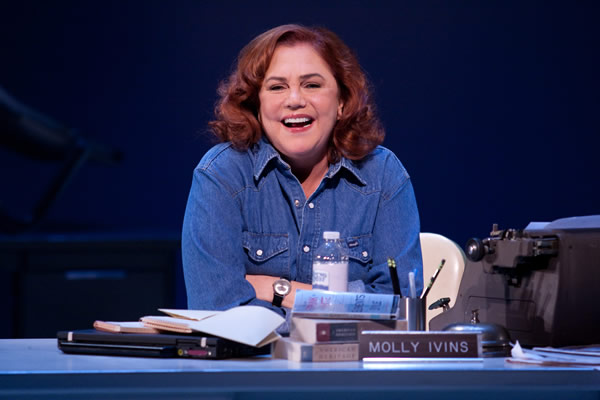
Kathleen Turner as Molly Ivins in the 2010 Philadelphia Theatre Company production of ‘Red Hot Patriot: the Kick-Ass Wit of Molly Ivins.’ The show opened this week in Washington at Arena Stage where it plays through Oct. 28. (Photo by Mark Garvin via Arena)
It’s a very hot day in Missouri.
“Oh God, some of the hottest weather I’ve ever experienced,” says Kathleen Turner by phone from her mother’s house where she’s enjoying a mid-summer visit.
Mom’s doing “swell” and Turner is too, she says. The rheumatoid arthritis that’s plagued her off and on for years is under control and she feels great.
“I’m in remission and off the medication,” she says in her trademark throaty growl of a voice. “Which is lovely. The medication is life saving, but it’s nice not to have to take it every day, I do confess.”
They’ve been to the movies. Turner saw “The Intouchables” and “loved it.”
“I laughed out loud — I don’t often do that.”
This morning she filled the bird feeders and notices a hummingbird enjoying the flavored water she put out as we chat.
It’s the calm before a busy fall when we talked two weeks ago. This week she opened in Washington for a two-month-plus run of “Red Hot Patriot: the Kick-Ass Wit of Molly Ivins,” a 75-minute, one-woman show Turner first read at Arena in 2009 before playing it in Philadelphia in 2010 and again in January and February at the Geffen Playhouse in Los Angeles. It’s Turner’s first appearance at Arena in more than 30 years. She last played at the storied company in a 1981 production of “A Midsummer Night’s Dream,” the same year she catapulted to national stardom in the film “Body Heat.”
Turner says she enjoys returning to the material, a tribute of sorts to the late Texan liberal newspaper columnist of the title.
“Every time I’ve gone back to a piece, whether it’s ‘Virginia Woolf’ or ‘High’ or this, it’s gotten cleaner. Clearer. There’s less fuss over the emotionalism of building the character and the production. It gets toned down, just clearer, sharper. I love going back to a piece.”
Ivins, a syndicated political columnist who died at age 62 in 2007 of breast cancer, has added relevance this election year, Turner says. Twin sisters Margaret Engel and Allison Engel wrote the piece using Ivins’ writings, interviews and speeches and interviews with her friends and colleagues.
“I really want to have Molly in Washington just before the election,” Turner says. “We need Molly here and Arena said they’d take us.”
Director David Esbjornson — he’s straight but says he’s an “honorary” gay for having directed so much gay-themed theater like “Angels in America” and two pieces by Larry Kramer — agrees.
“I think [‘Patriot’] has more to say now than it did before,” he says. “I think people right now are really desperate to hear Molly’s voice and they will really love spending an evening listening to her words and thinking about what she had to say.”
Esbjornson, who also did the show in Austin, Texas, without Turner (Barbara Chisholm played Ivins there), says Ivins “fought for the common man, the person who doesn’t have all the advantages financially and otherwise.”
Turner, who met Ivins, says the role was an easy choice. “Our positions are very much the same,” she says.
“It’s kind of a personality piece, very intimate. It’s really me talking to the audience directly, there’s nobody else up there. So it creates a real storytelling exercise kind of like combining acting and public speaking. It’s a wonderful mix and it surely suits me. … And the response has just been incredible. I’d come off in L.A. and be like, ‘What just happened?’ I was flabbergasted.”
Turner says the character couldn’t be more different from another legendary figure she played about 10 years ago in another one-woman show — Tallulah Bankhead.
“Tallulah was a real broken woman, terribly flawed,” Turner says. “Molly was no saint, but she didn’t have any false ideals. Her commitment to country and her knowledge and political savvy were just extraordinary. Tallulah was so self involved.”
Turner indulges a few quick questions about her craft before we part.
Having met Ivins was helpful, but not necessary — “I’m an actor, I don’t imitate. This is my interpretation.”
Of her increasingly theater-heavy oeuvre, Turner is fine with it, except that it “pays so poorly, which is a damn shame.” She loves the “extraordinary magic” of it, though.
Learning lines is always a physical thing for her — she never does it sitting down. It starts with “roping together” thoughts and links in the script.
Esbjornson says the show shifts and surprises in a way that keeps it tight, despite the lean mechanics.
“You never let people settle in fully and feel they know where this is going,” he says.
Turner arrives for an 8 p.m. curtain about 6 and does vocal warm-ups. Vocal stamina over a run is not a problem, “unless you get sick, then that’s a whole other thing.”
After a performance, Turner is low-key. She’s usually back to her apartment cooking or watching TV. “You get tired of eating out all the time,” she says. “And I’m a very good cook.”
The legendary actress is especially insightful on her gay sensibility, which she doesn’t hesitate to acknowledge.
“I don’t take myself so seriously,” she says. “I have a ‘fuck you’ attitude and I think gay people like that.”






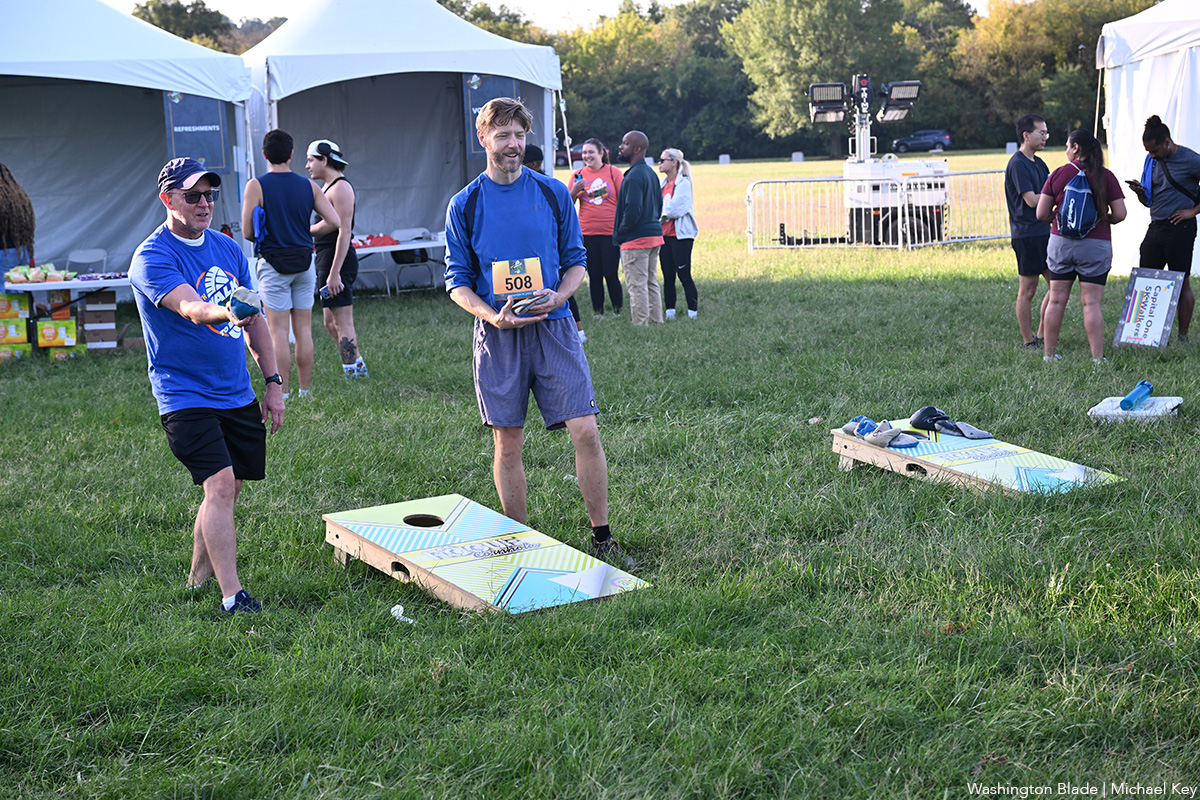
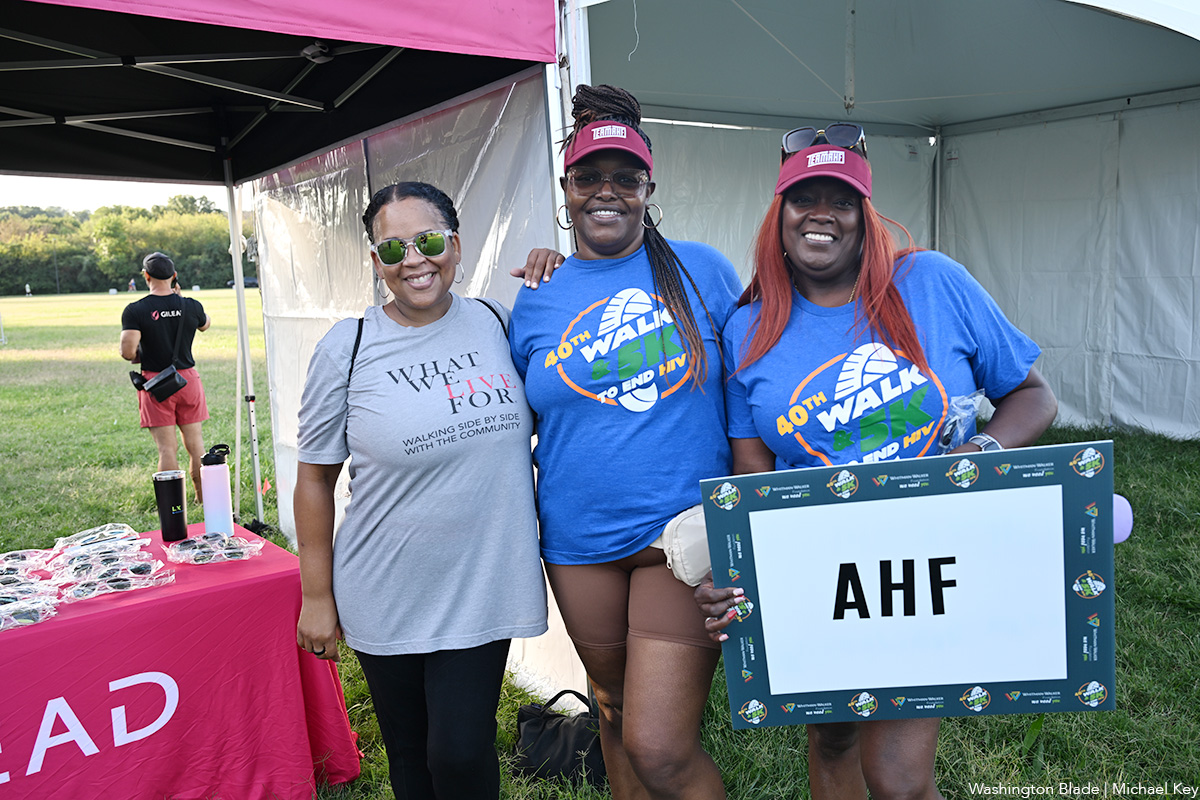
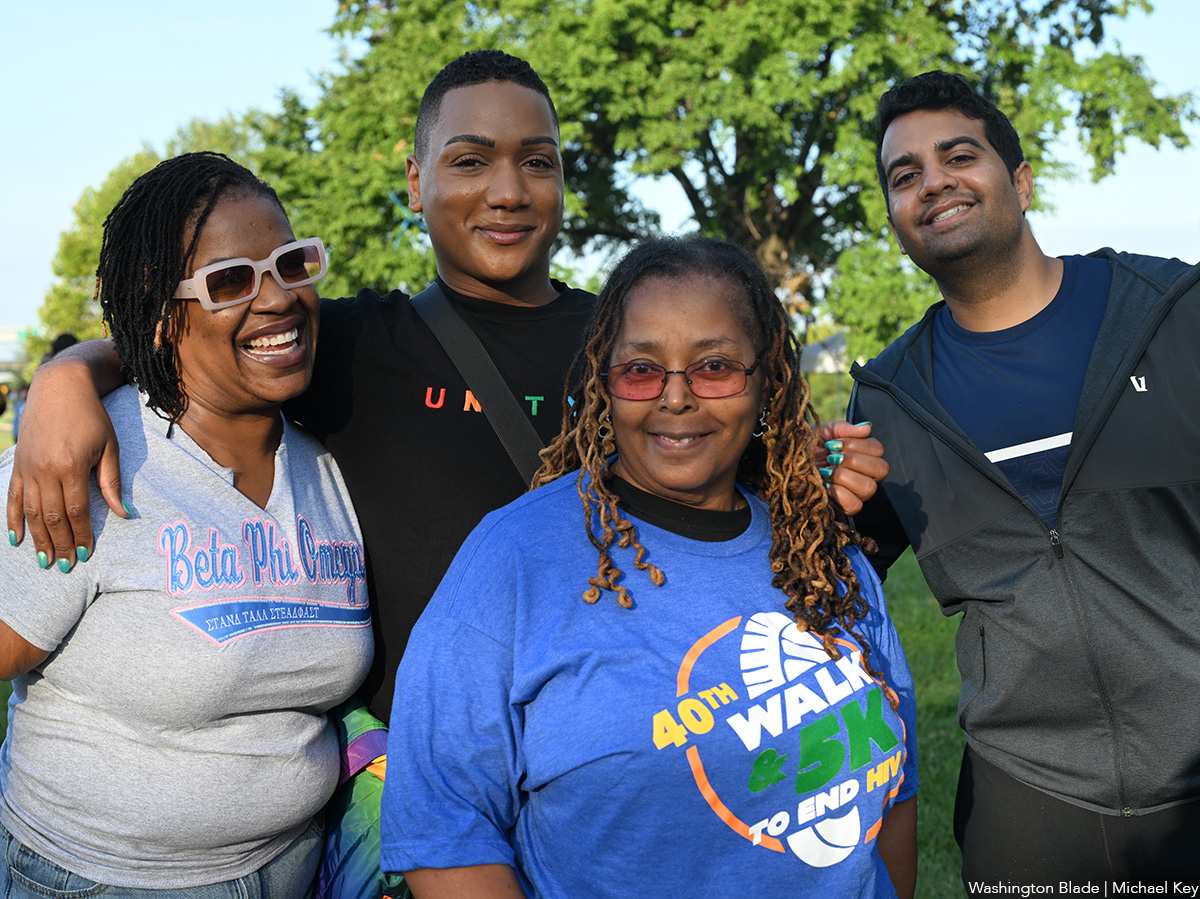
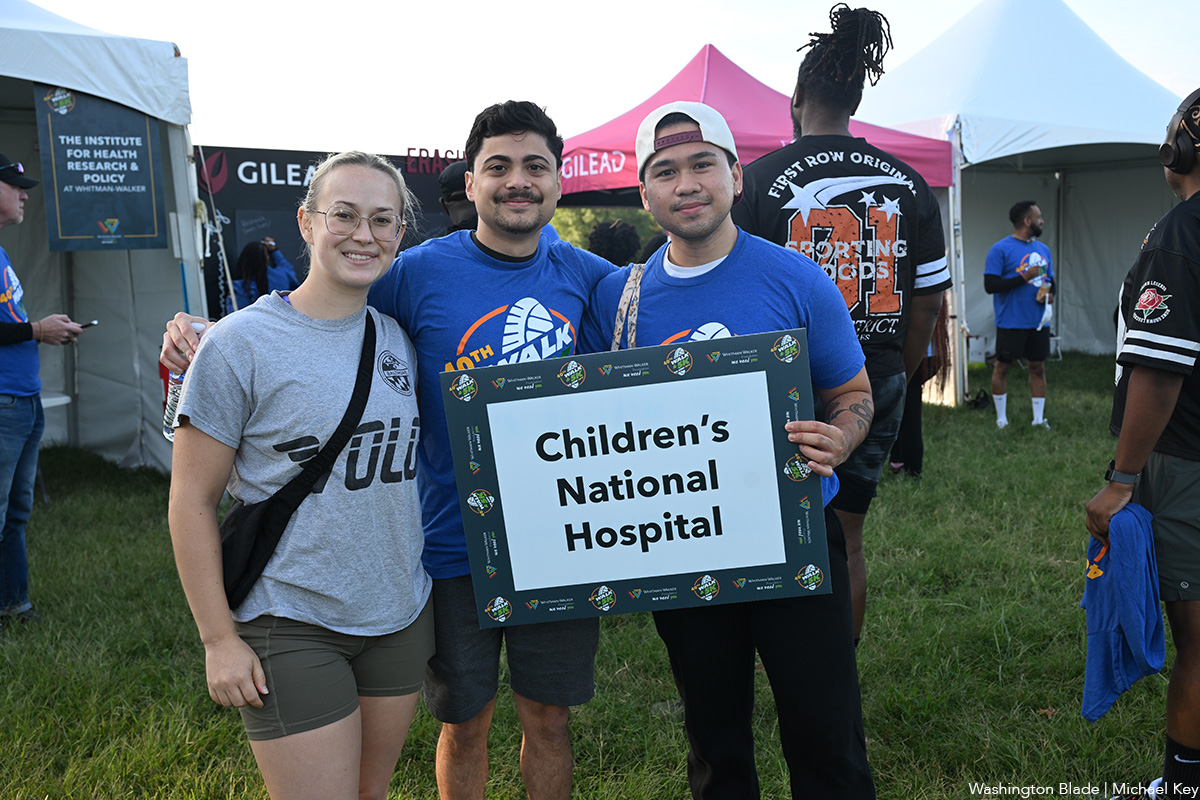
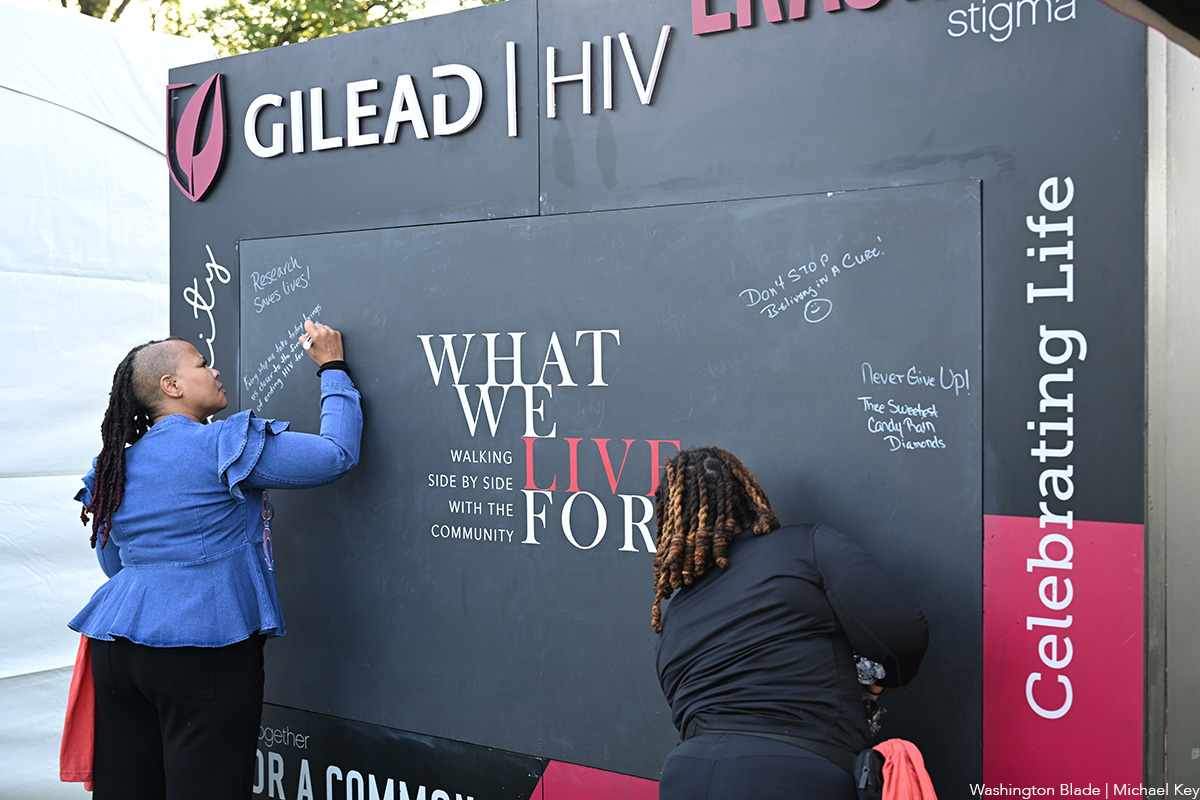
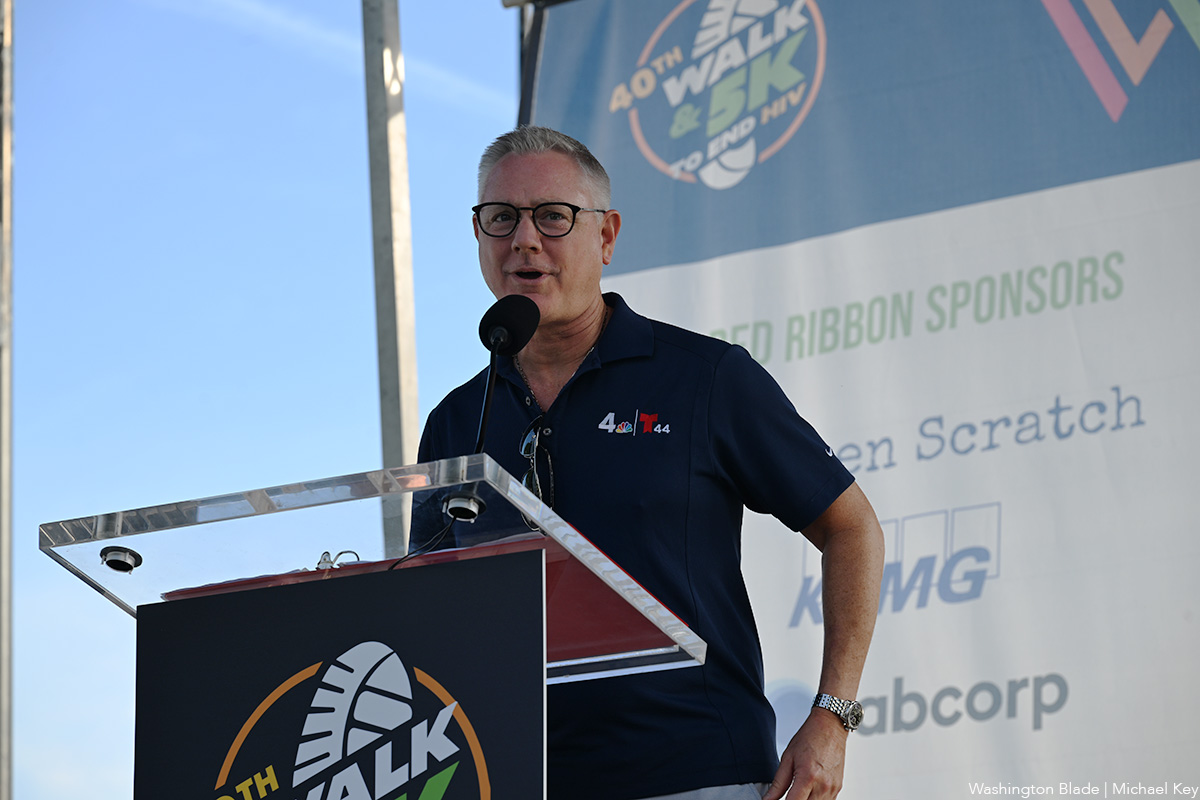
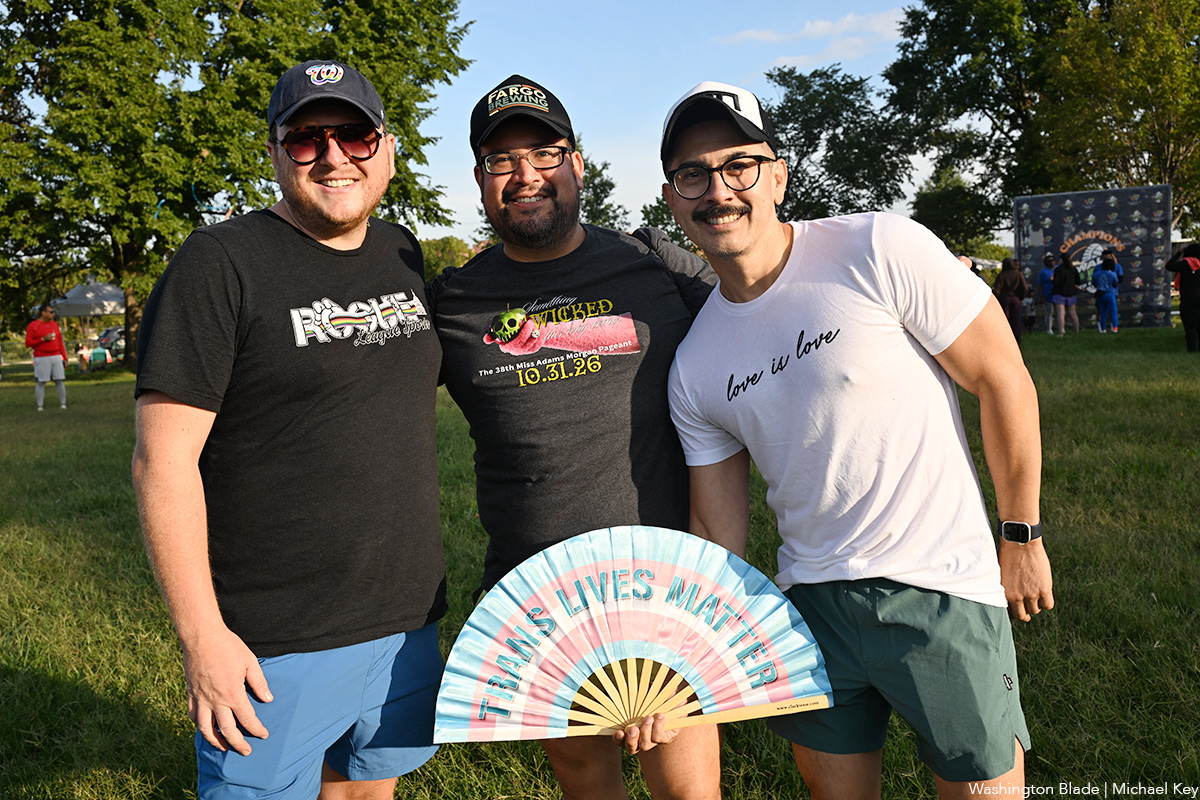
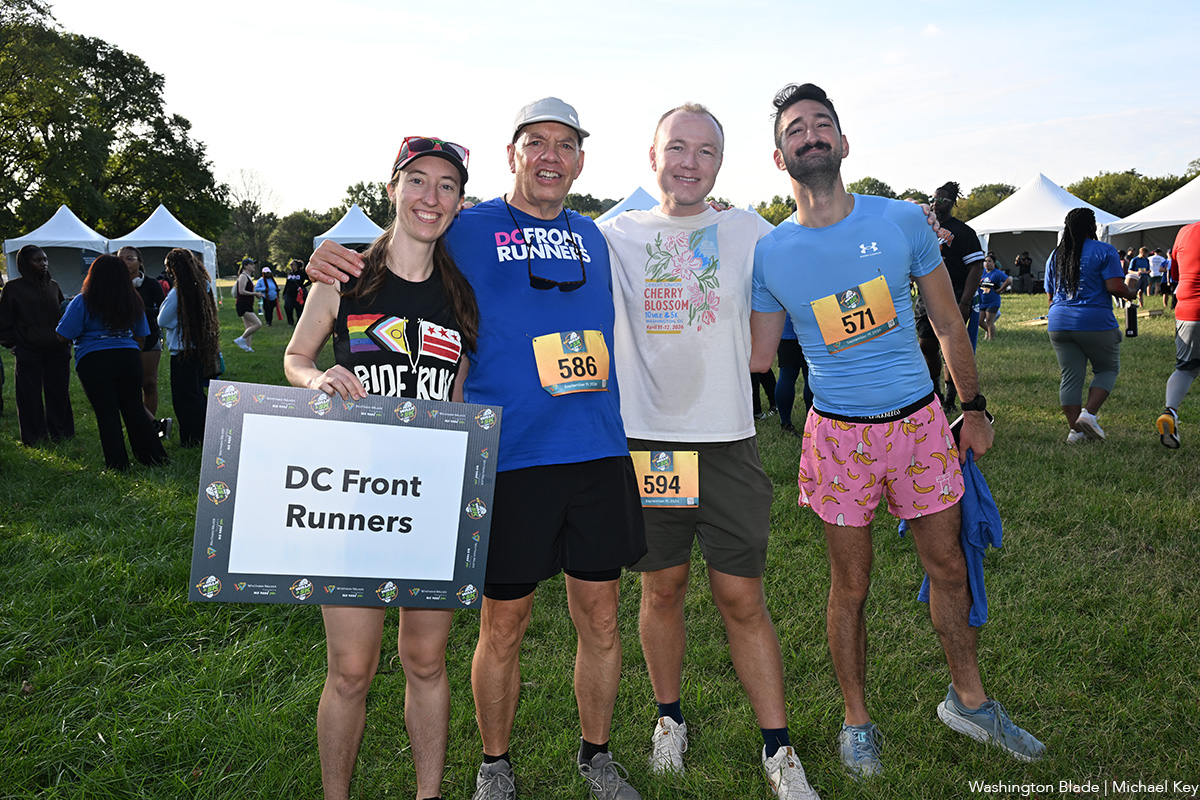
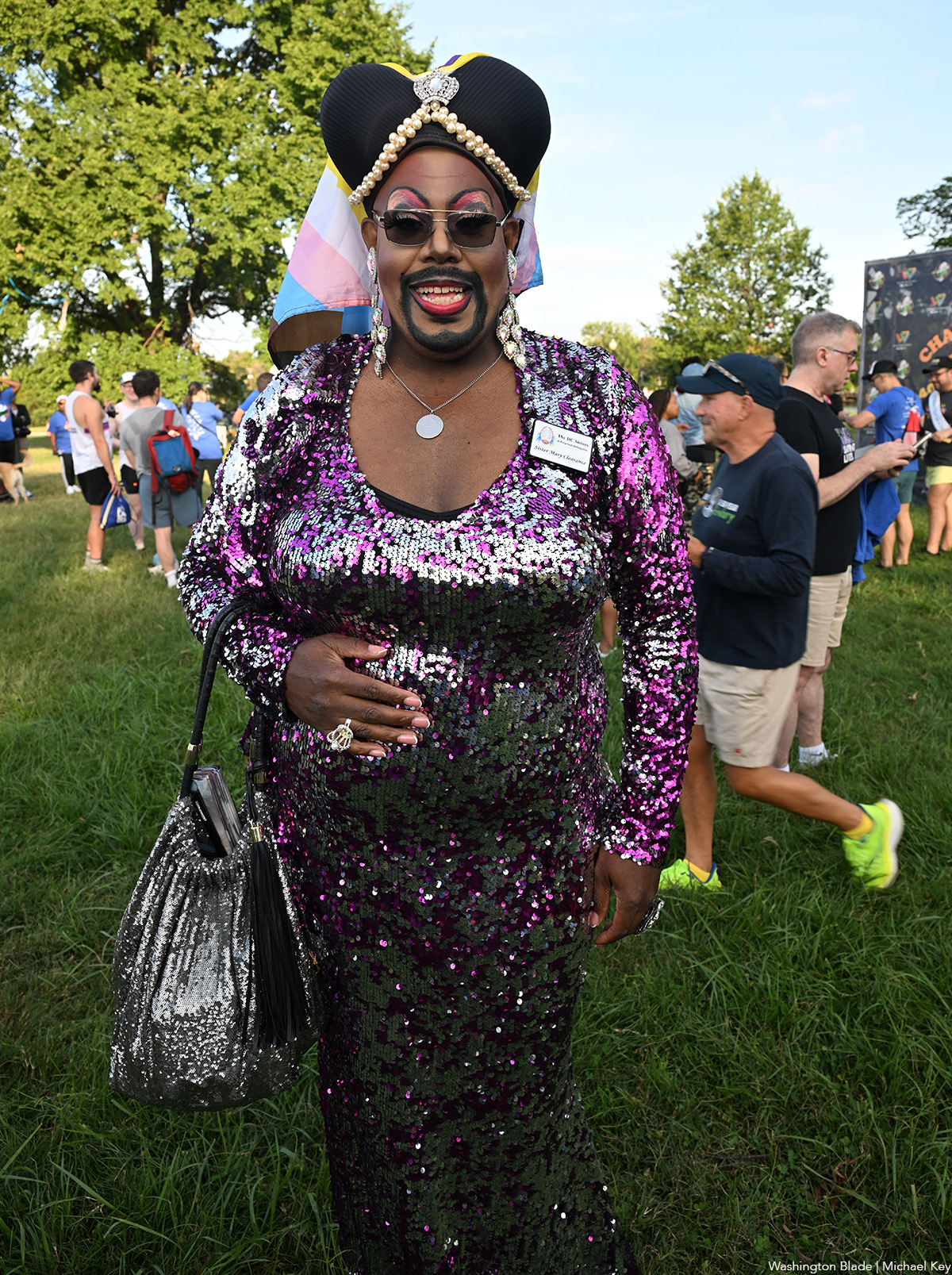
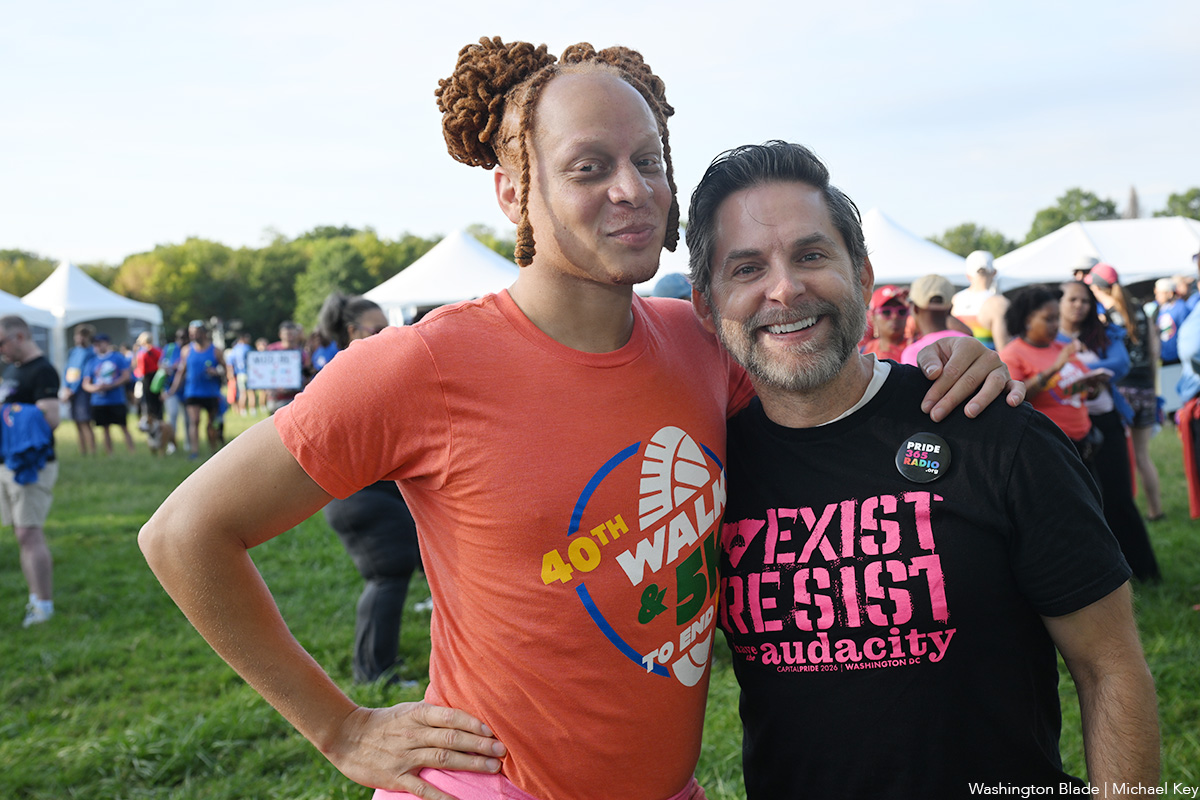
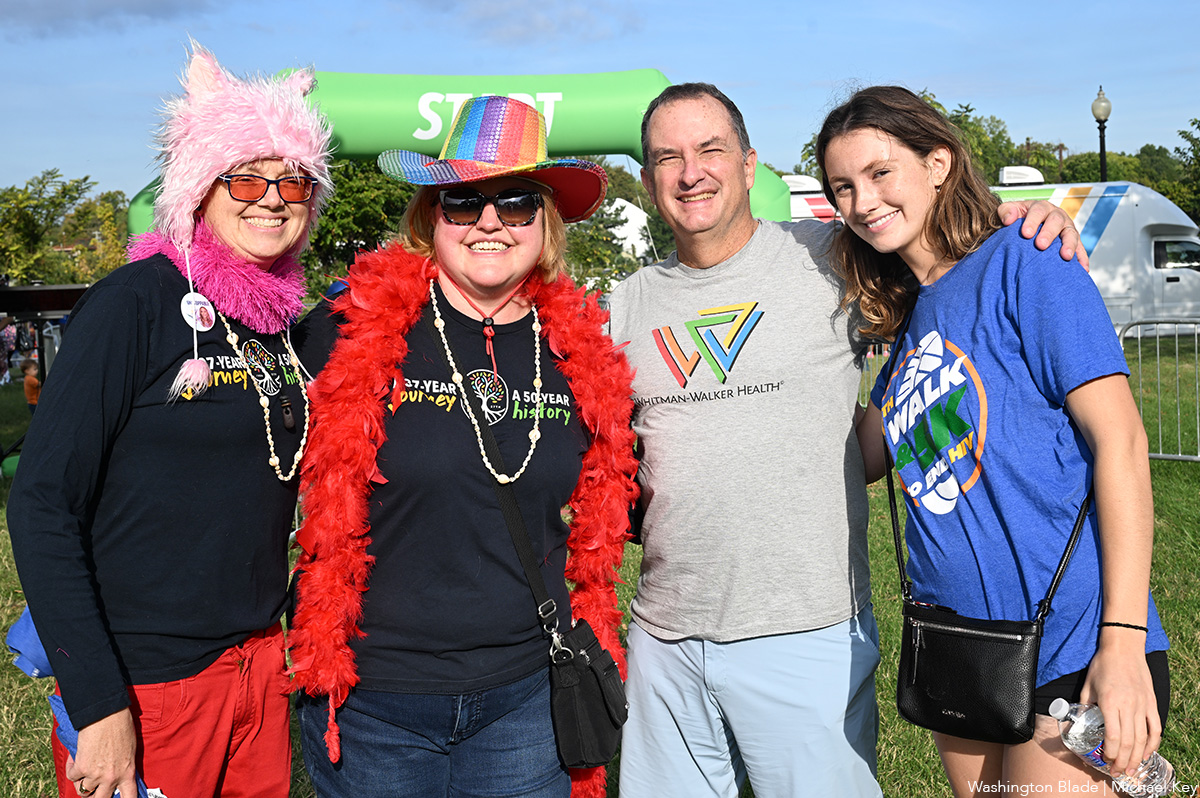
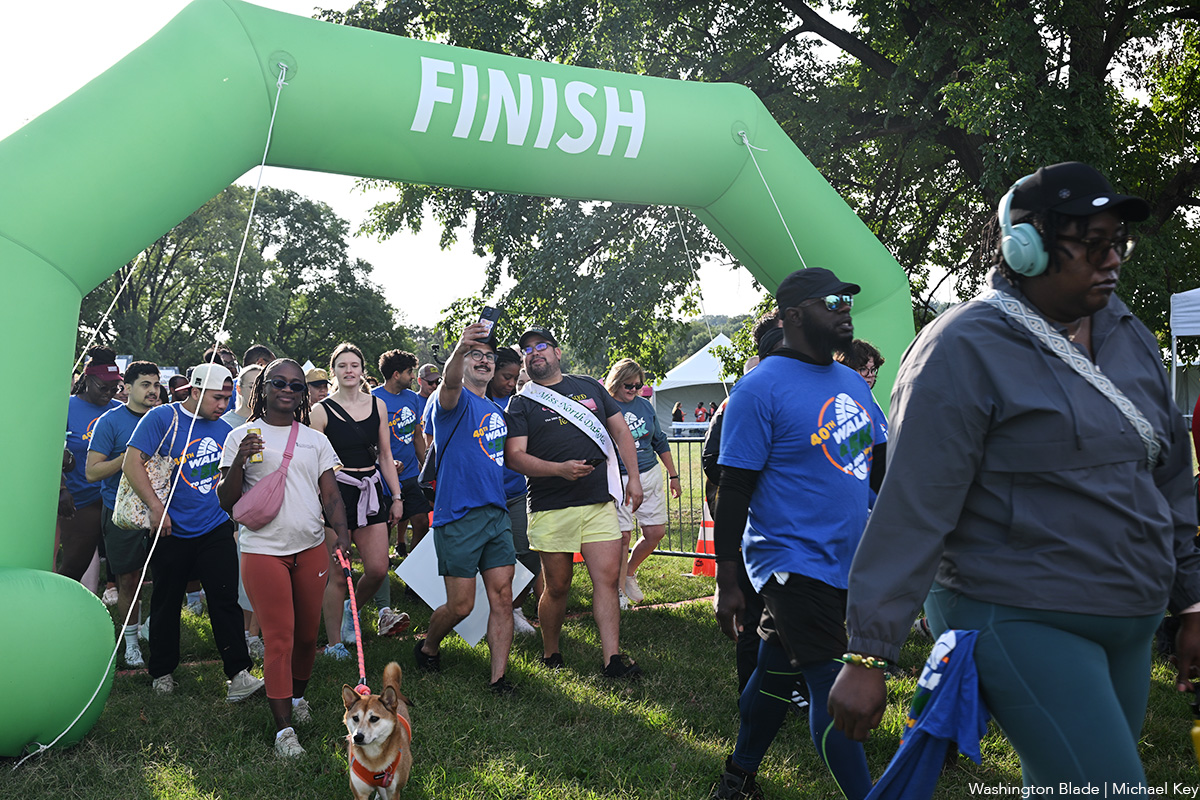
Whitman-Walker Health held the 40th annual Walk and 5K to End HIV at Anacostia Park on Saturday, Sept. 19.
(Washington Blade photos by Michael Key)







Photos
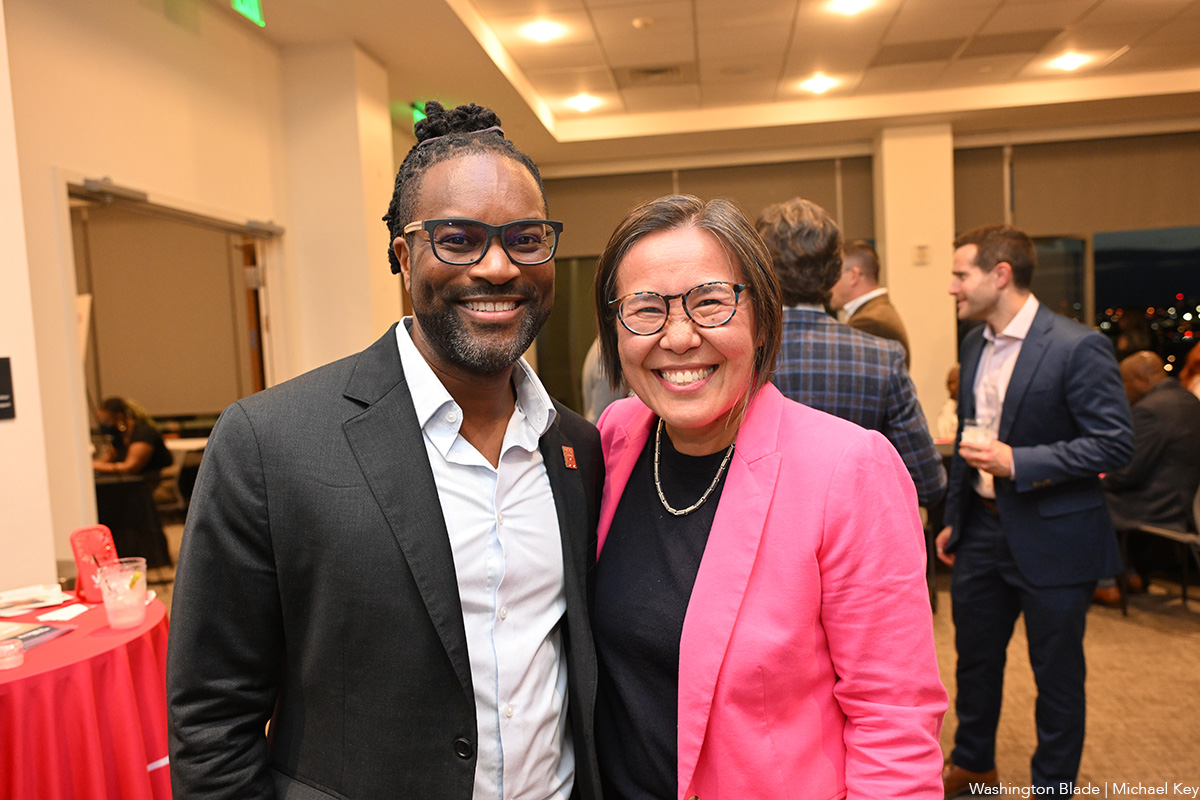
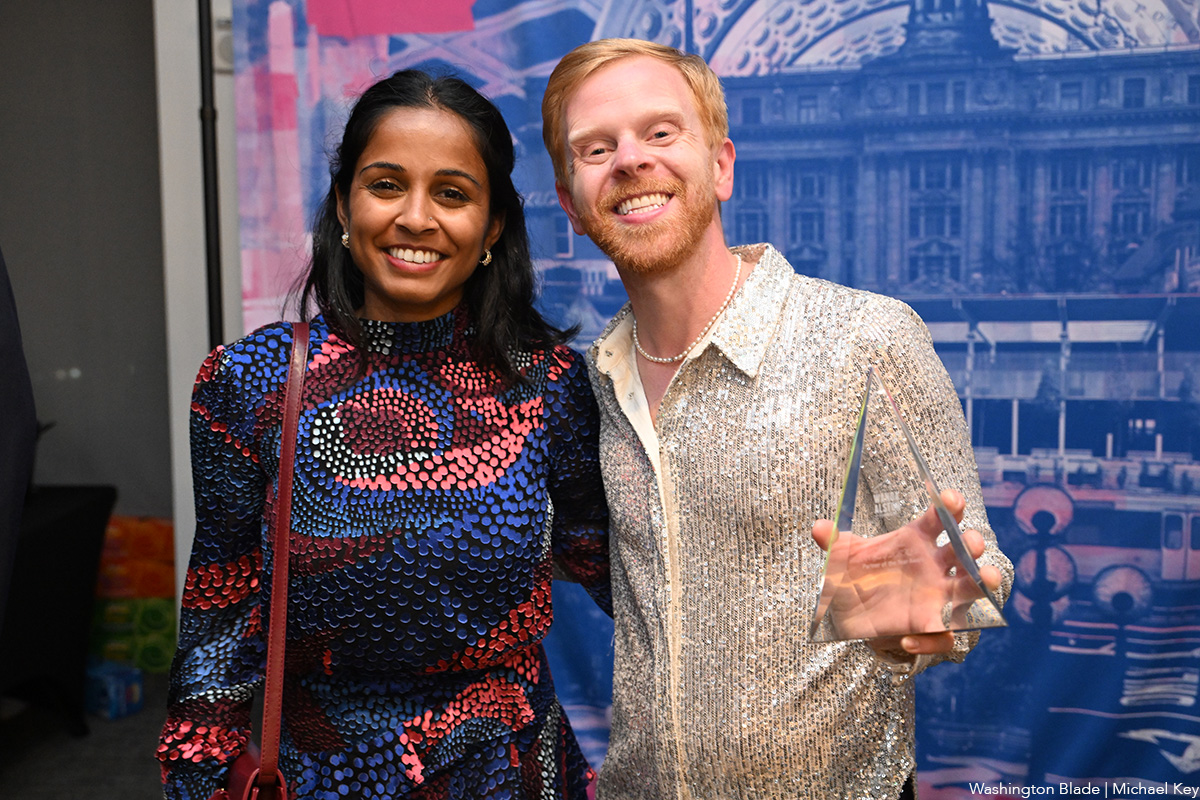
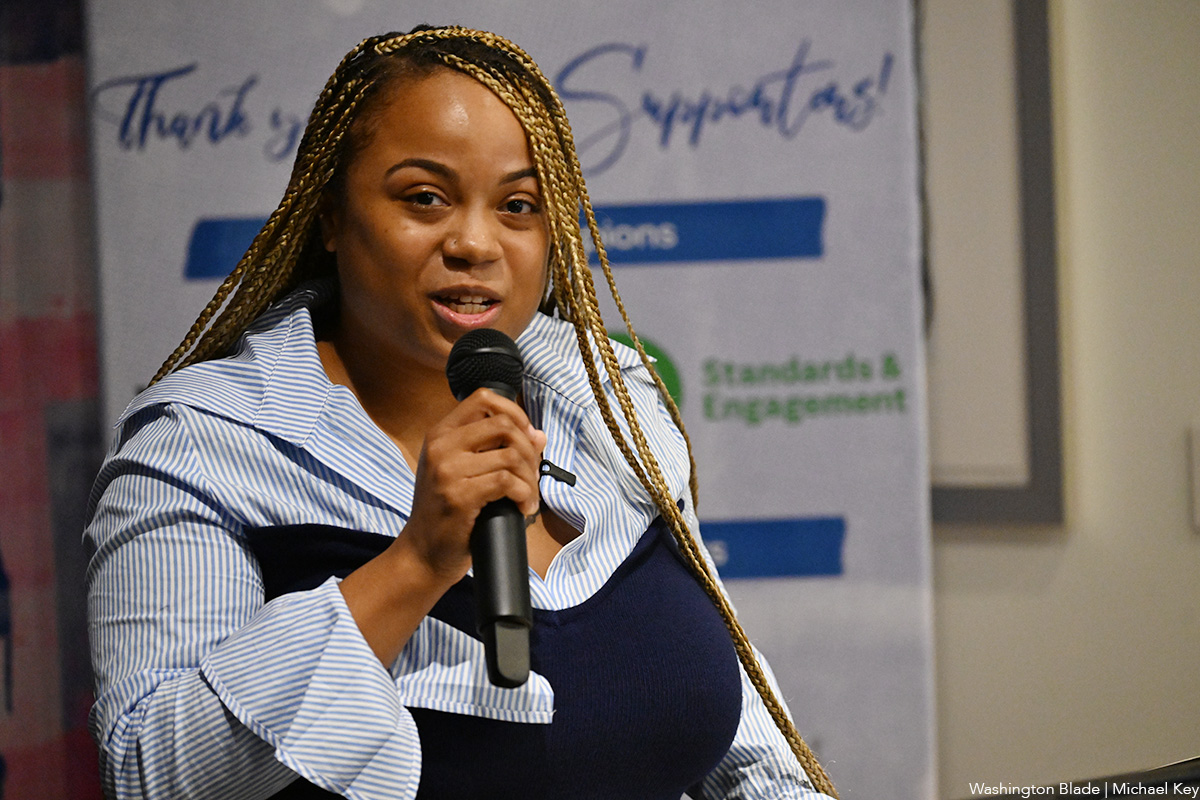
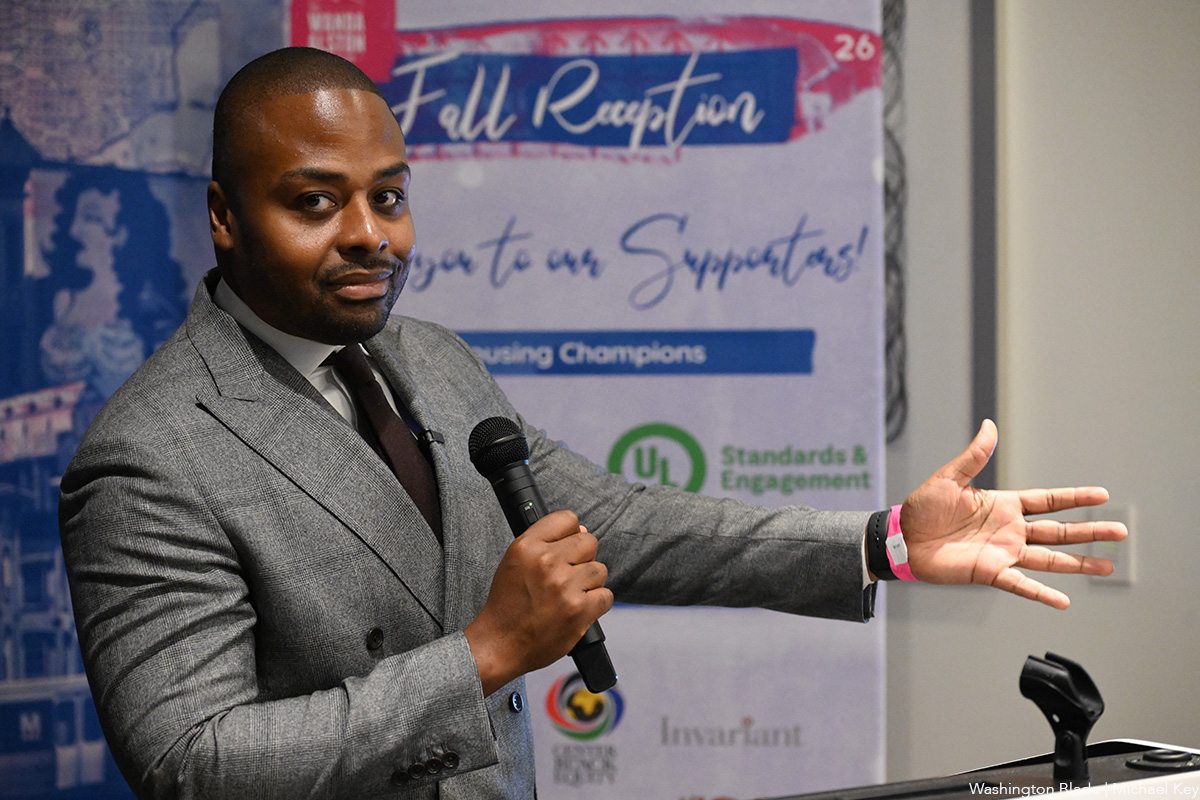
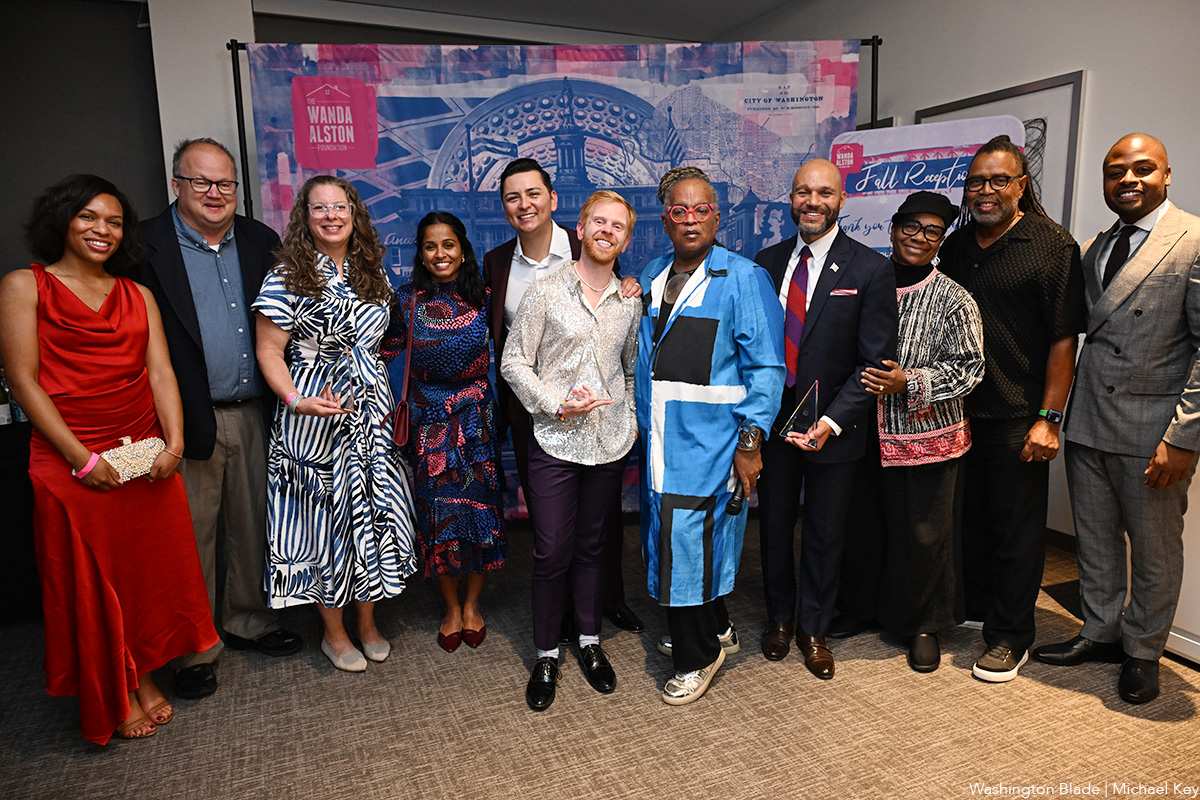
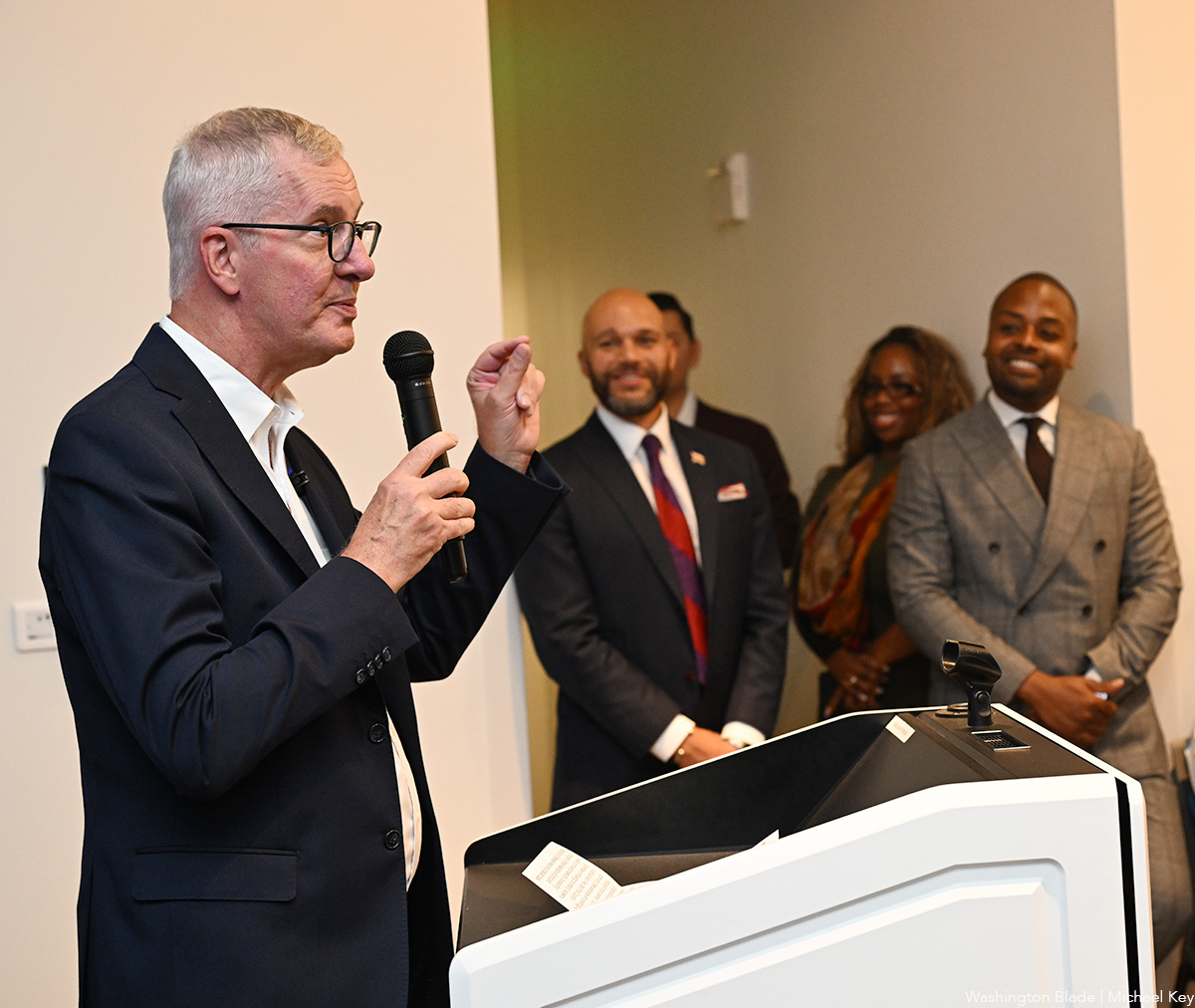
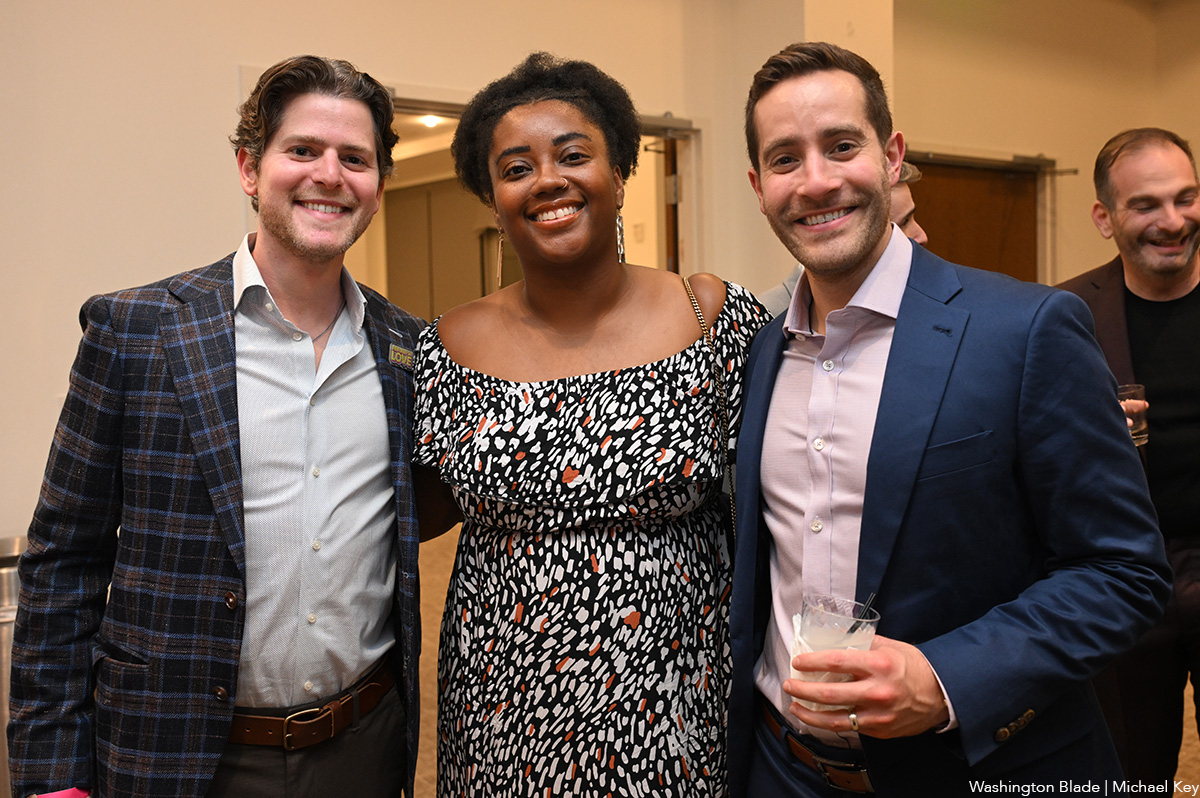
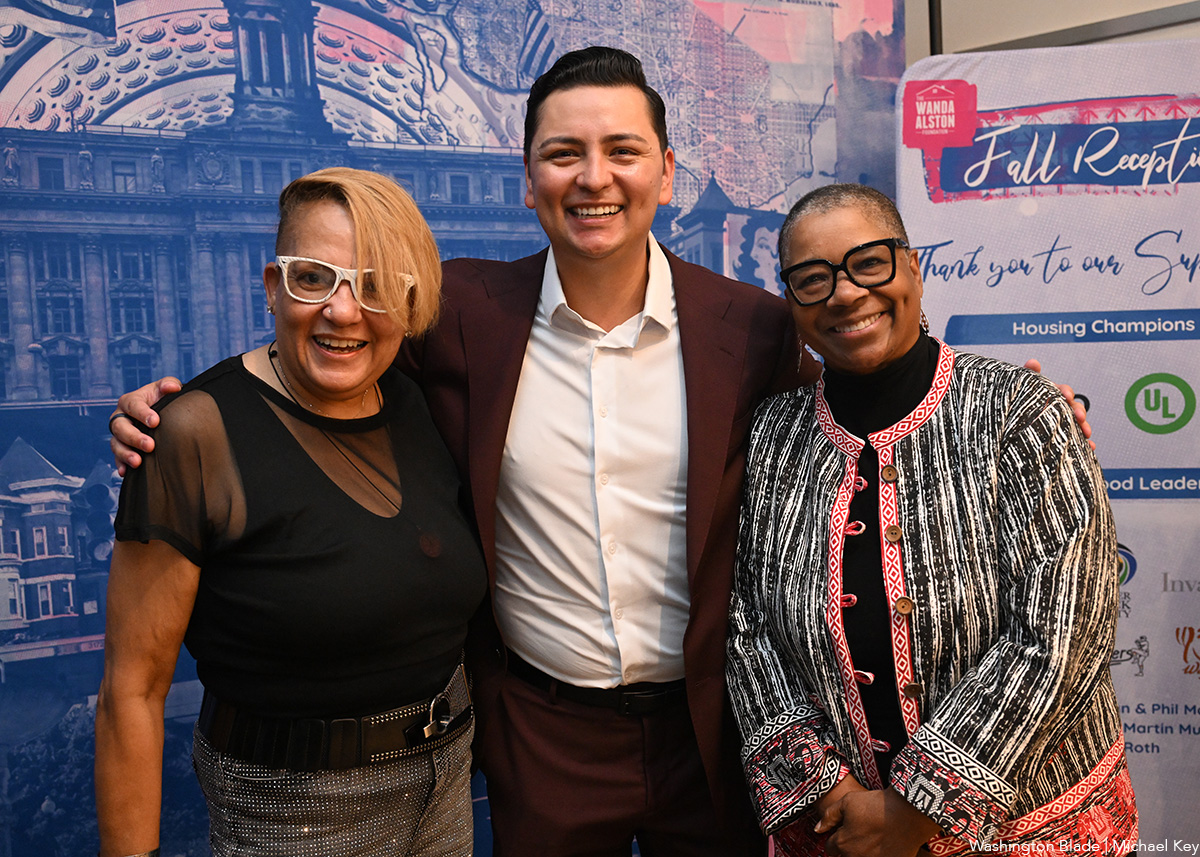
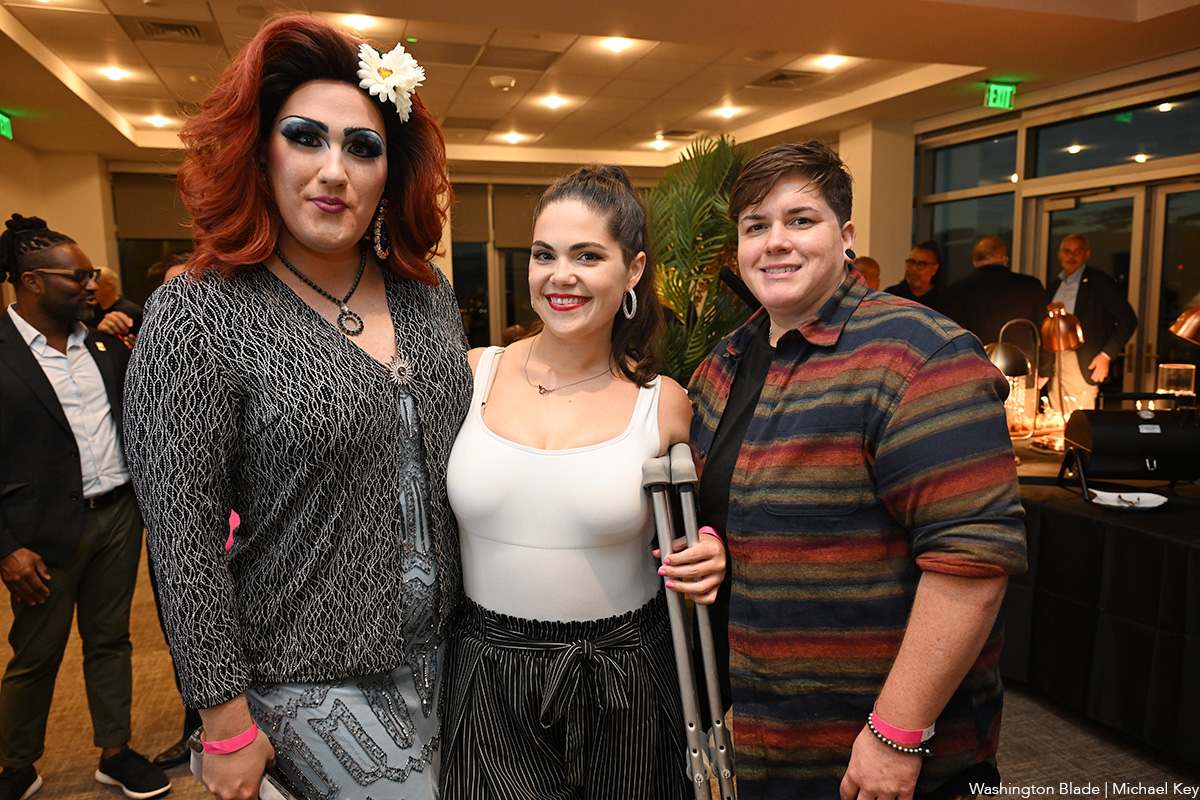
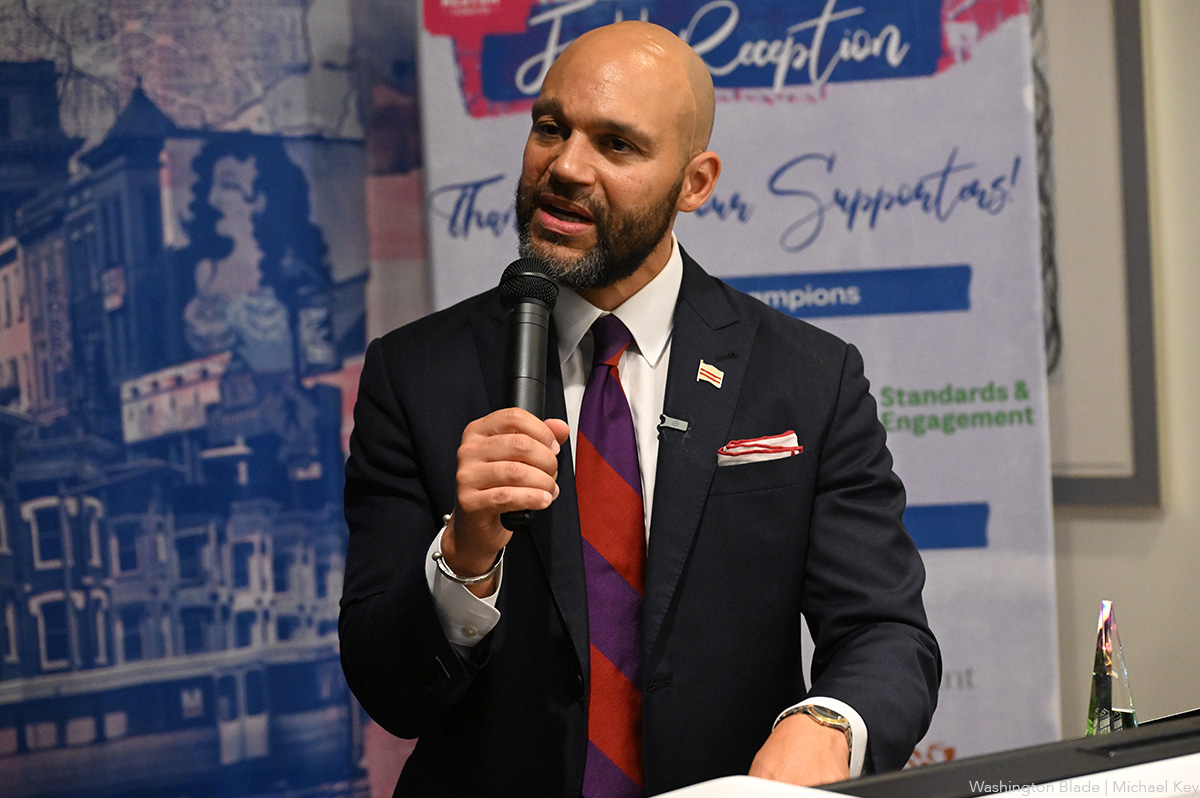
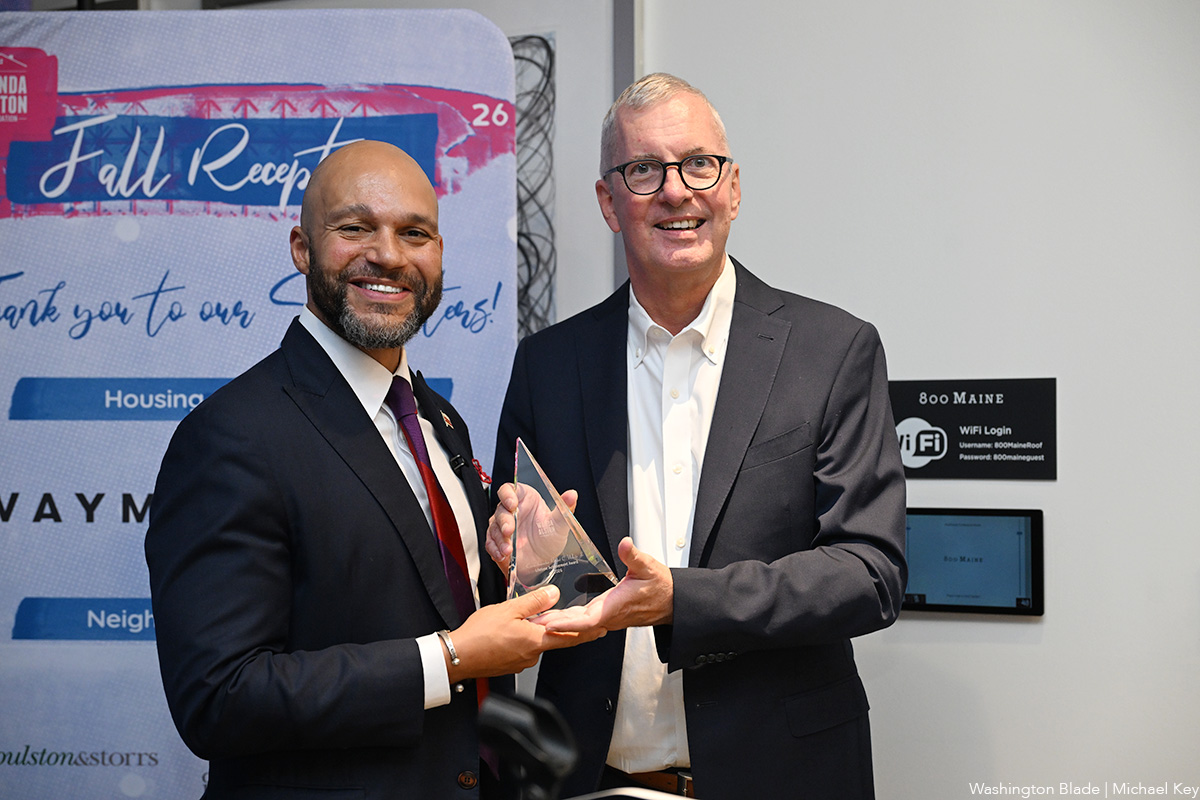
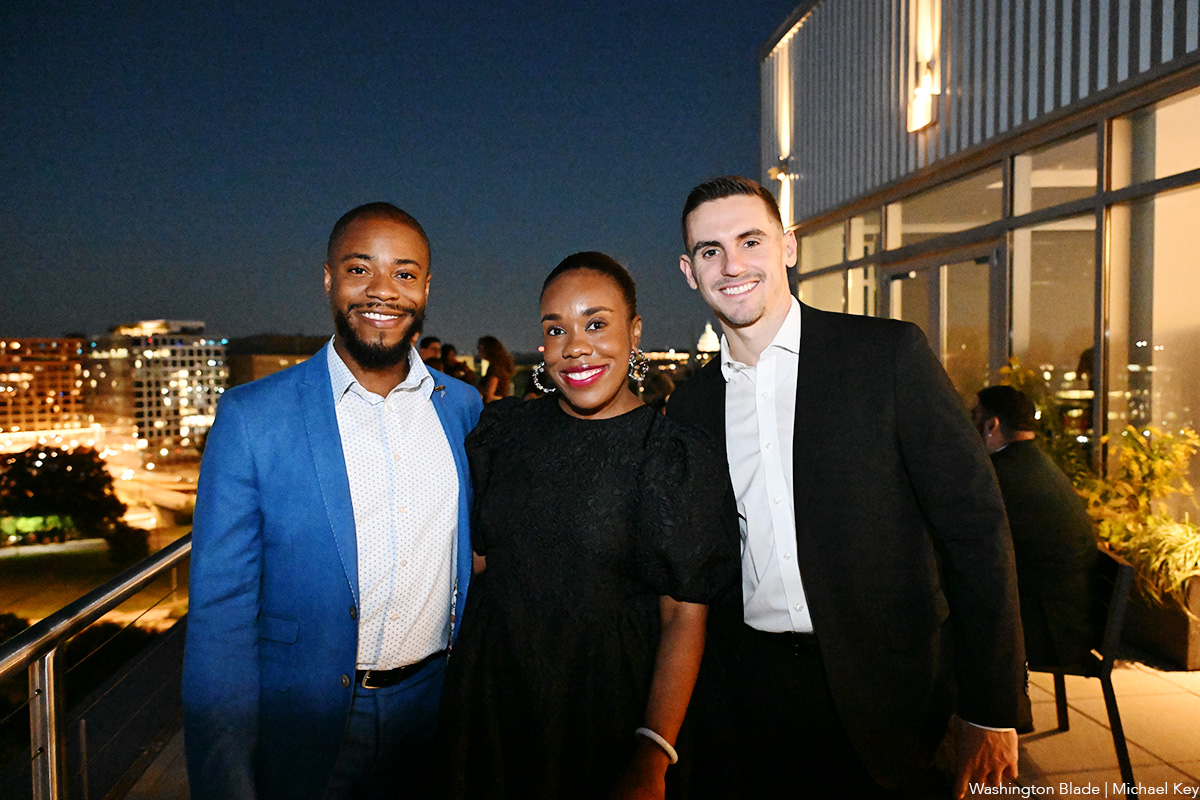
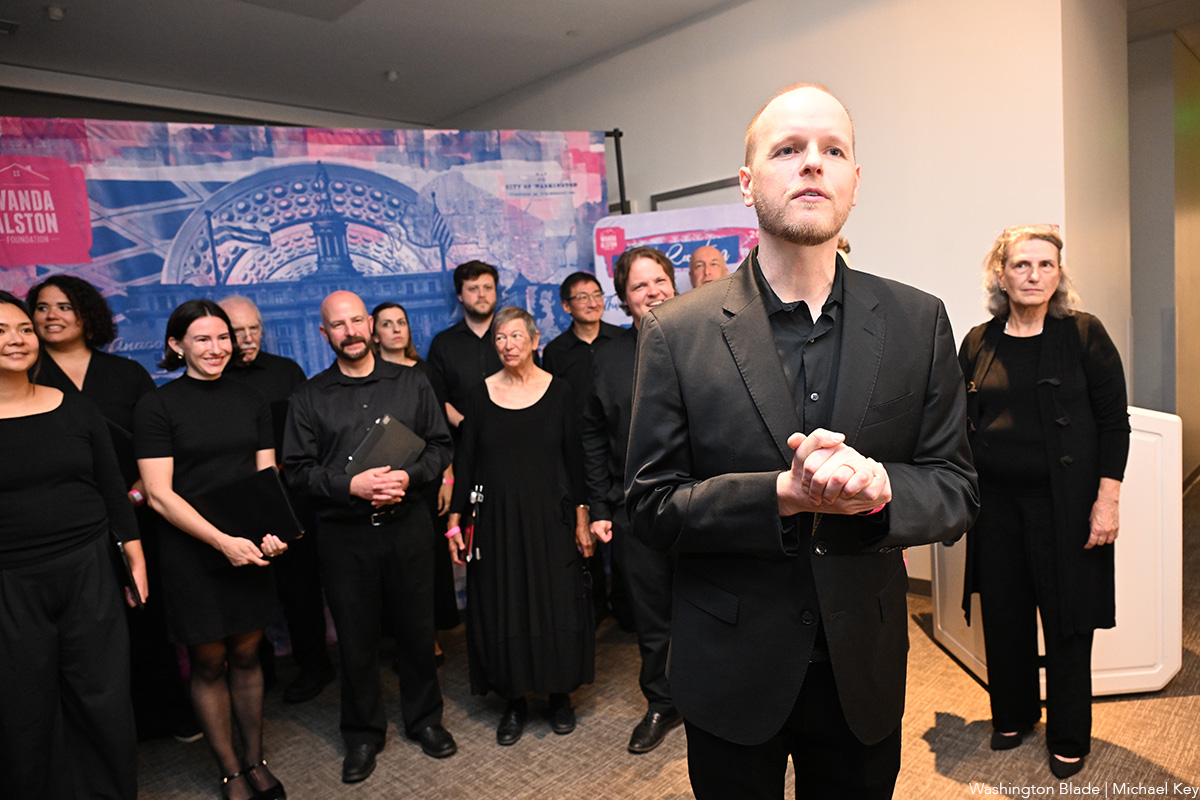
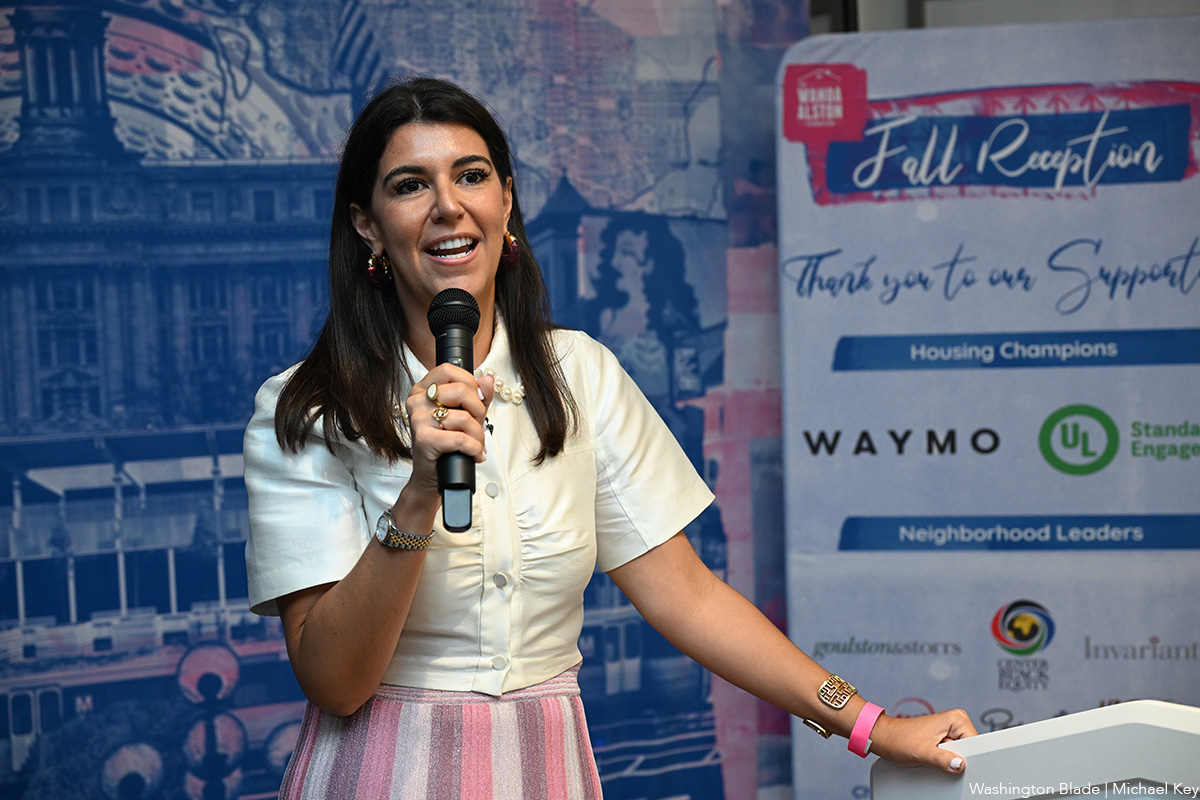
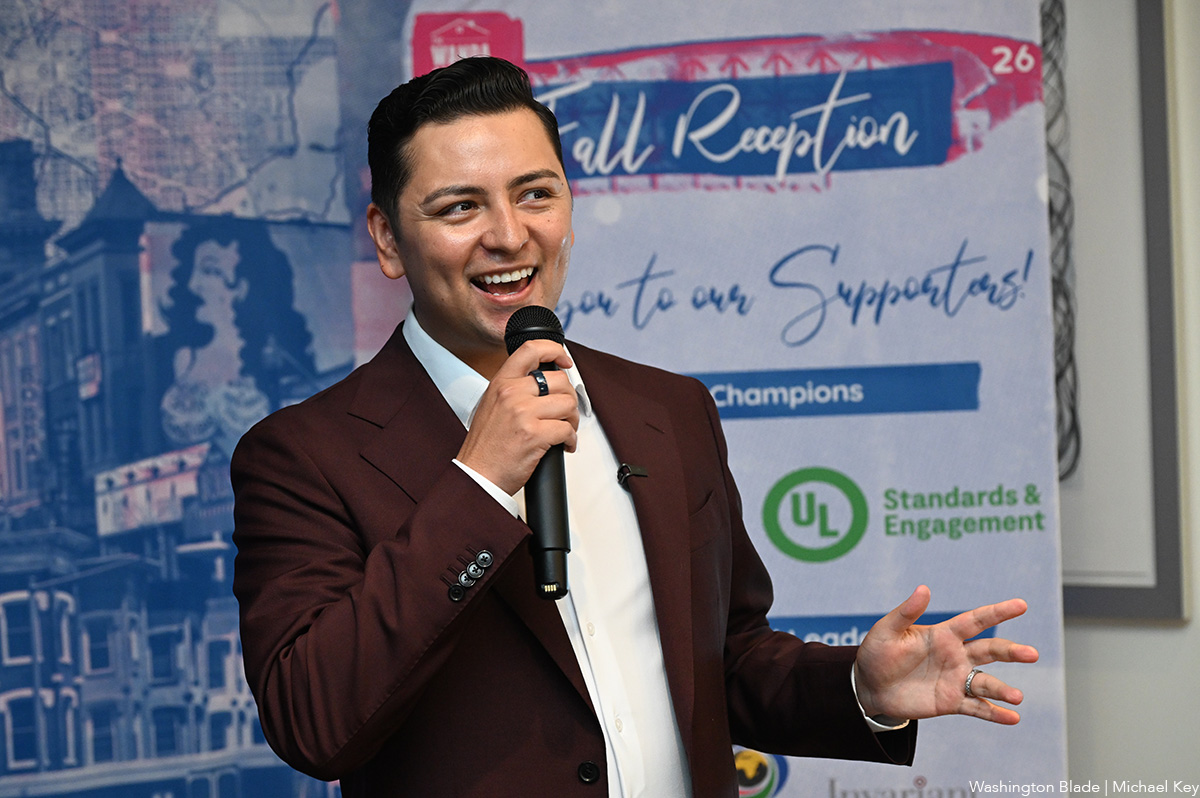
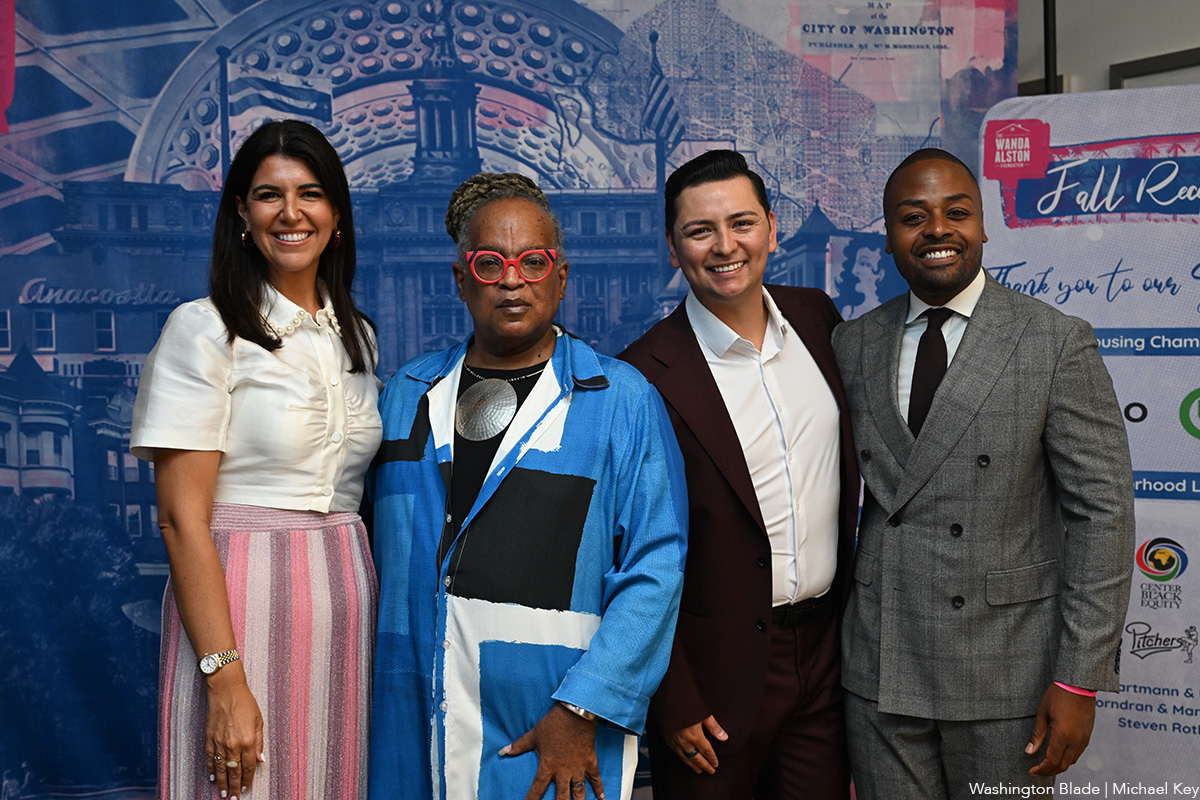
PHOTOS: Wanda Alston Foundation Fall Reception
LGBTQ youth services organization honors Robert White, Japer Bowles, Washington Capitals
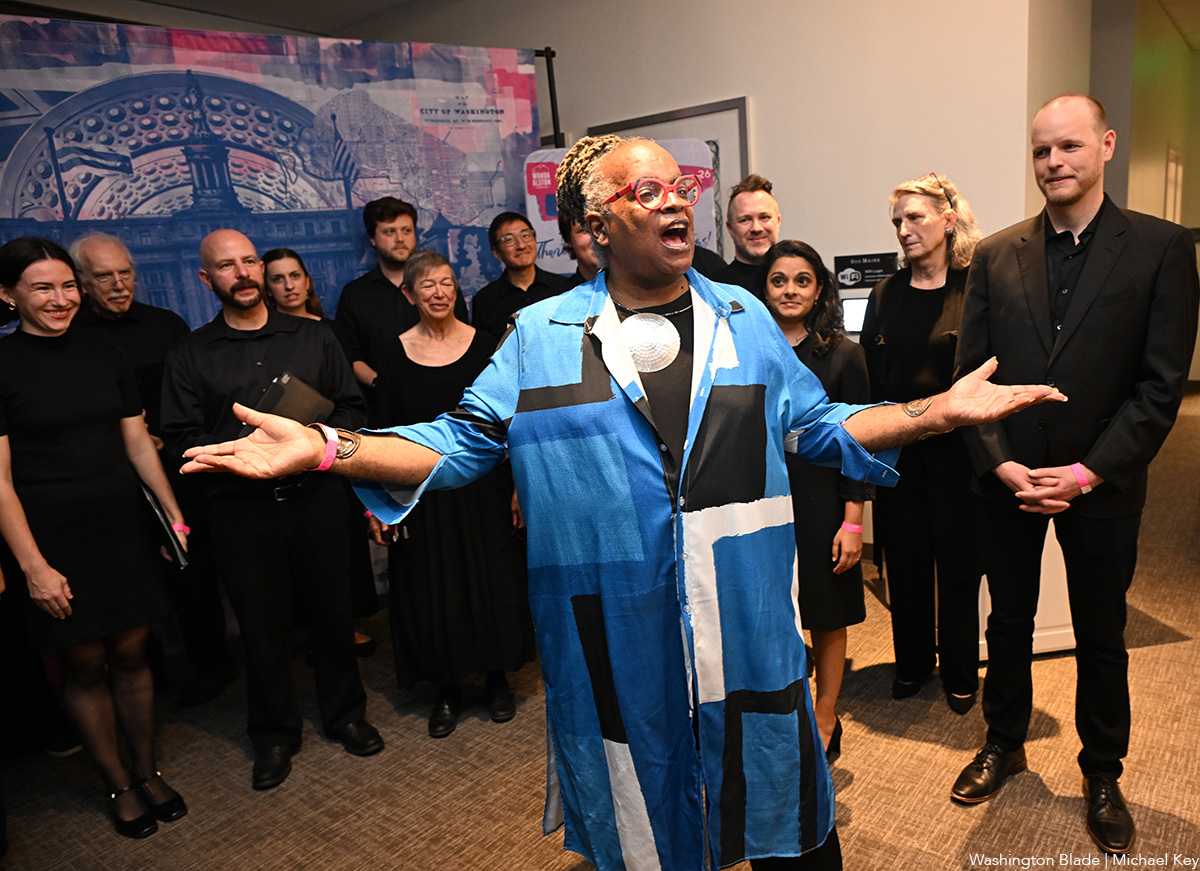
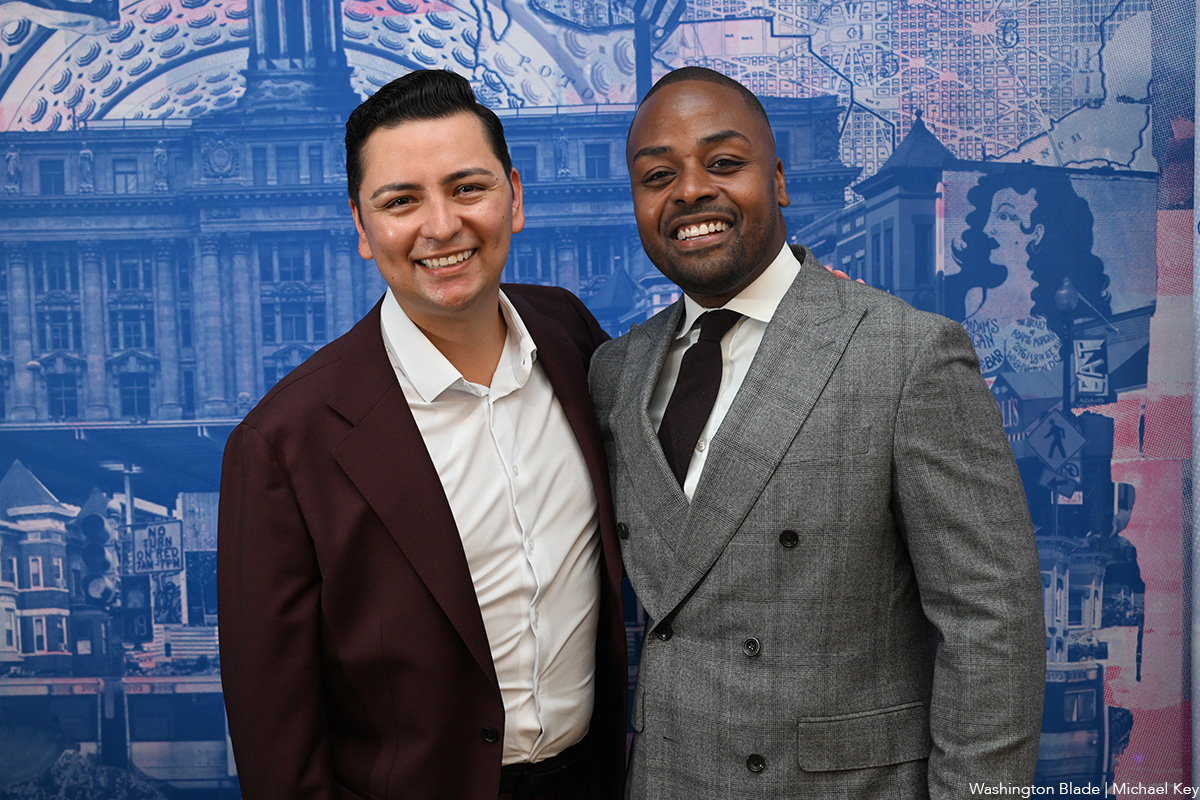
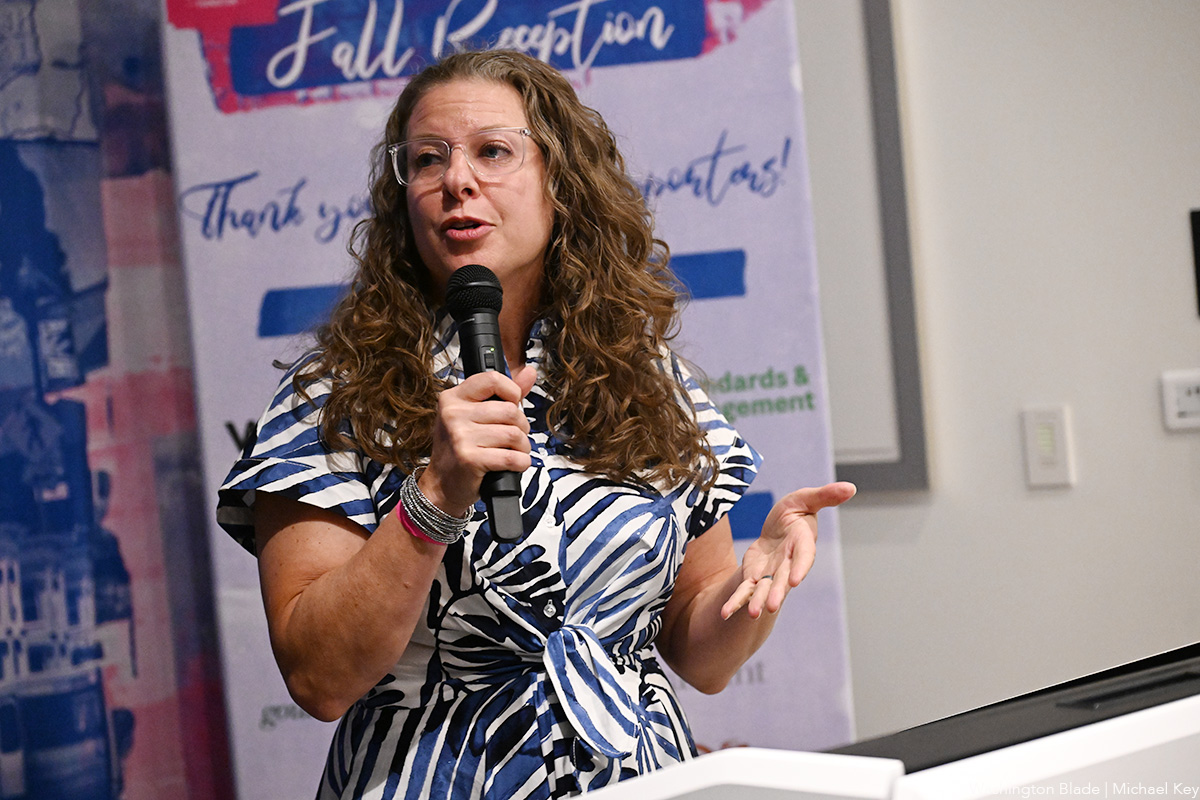
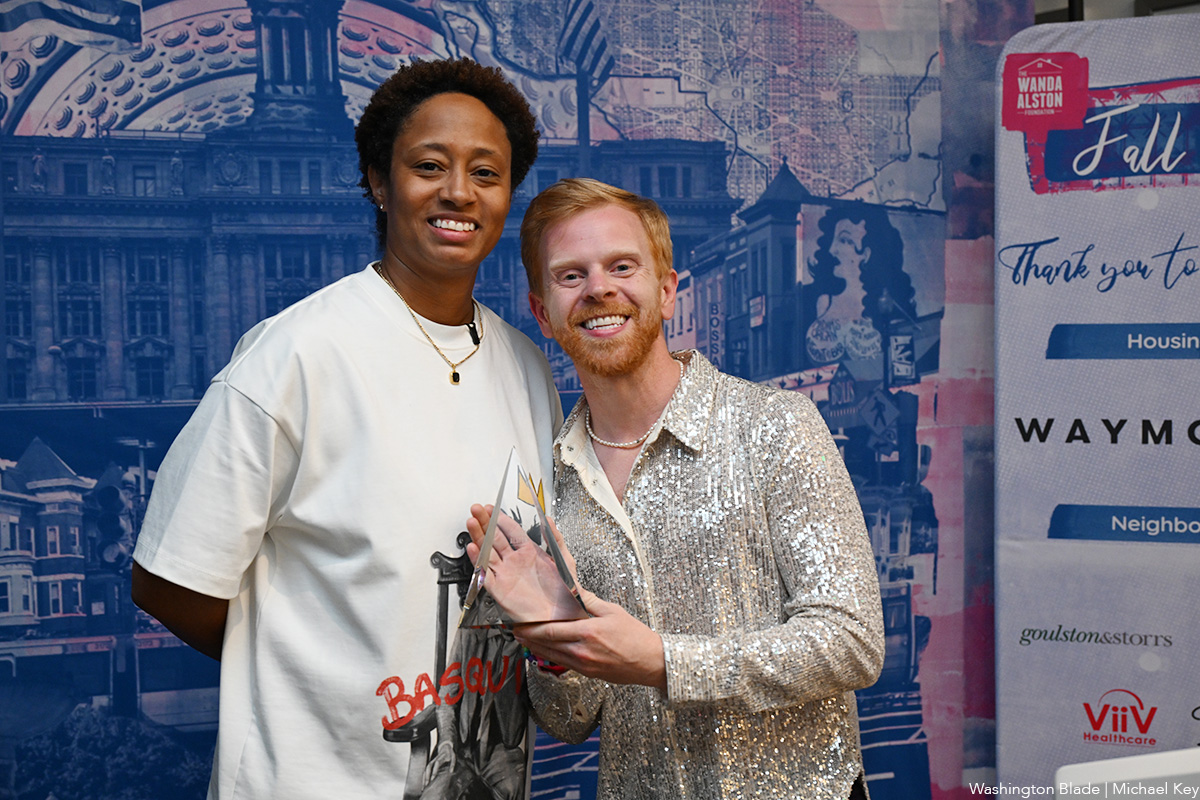
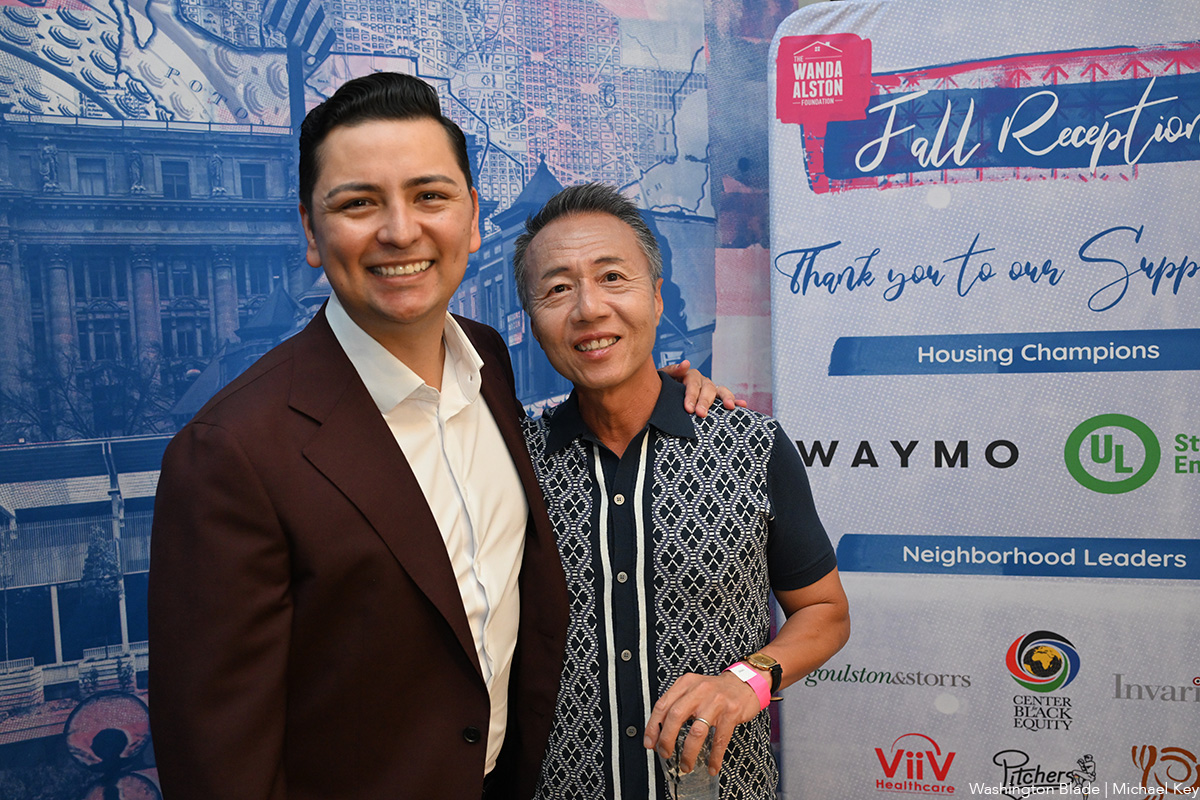
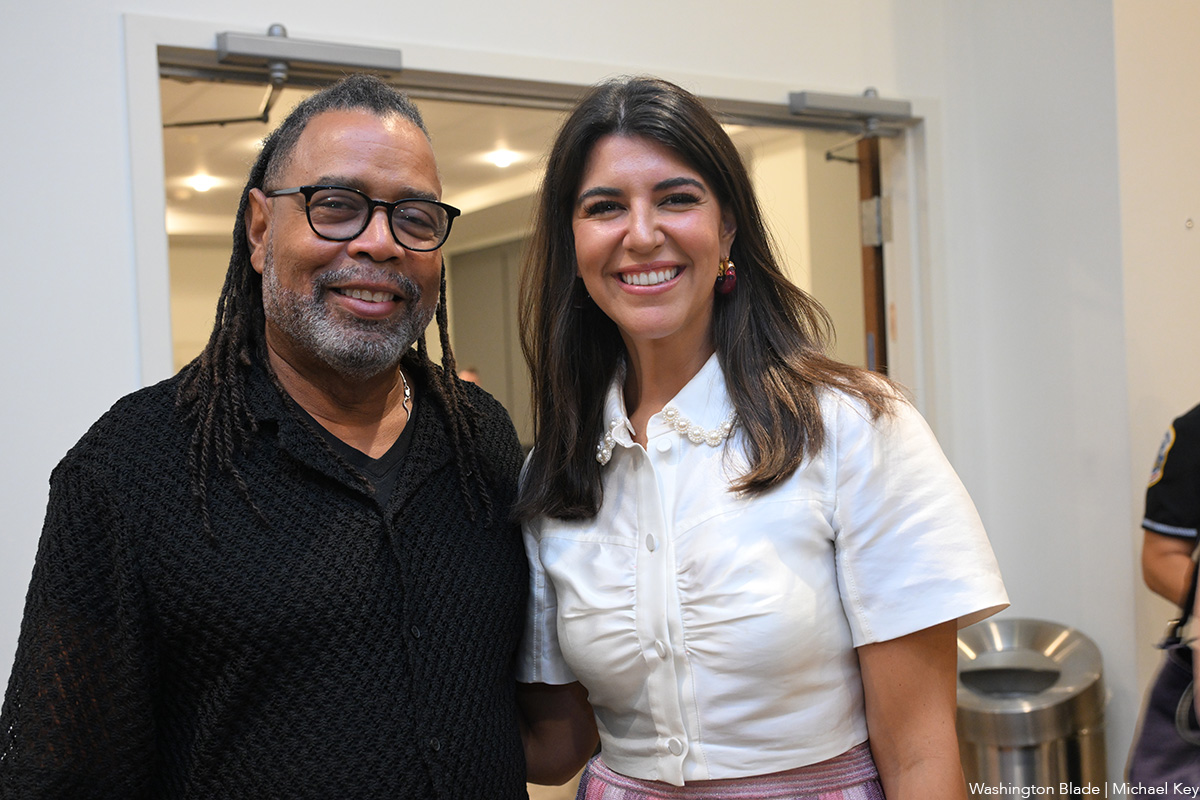
The Wanda Alston Foundation held its Fall Reception at the Penthouse Rooftop at The Wharf on Friday, Sept. 18. Honorees included D.C. Councilmember Robert White, Director of the Mayor’s Office of LGBTQ+ Affairs Japer Bowles, and the Washington Capitals. Rayceen Pendarvis served as the emcee and entertainment was provided by the Thomas Circle Singers.
(Washington Blade photos by Michael Key)
Books
Curl up with a good book this fall
New releases include mysteries, biographies, religion, and more
The fall books season offers lots of options so curl up and get ready to read.
FICTION
For the mystery fan who likes a sprinkle of thriller, look for “The Longest Death” by Kevin Jagernauth (Soho Crime, December). Richard Cobson hates his small town, he’s bored and desperate to get away. Stealing from his employer is the only thing that makes life bearable. That all changes when Marlon Montgomery comes to town and the two fall in love because if one guy can steal so easily, what can two do?
If you like graphic novels, try the “Tripping Over You” trilogy by Suzana Harcum and Owena White. Milo and Liam are finally able to be open about their relationship, no more hiding their love. They’re living together now, but can it last? “Tripping Over You Book 3” (First Second Books) is in stores in early November.
Also try “Diana: The Punk Singer Who Ripped Through Time” by Nate Powell (Abrams ComicArts, October). It’s about a young woman who’s trying desperately to escape her past, until a mysterious murder sidetracks her plans.
So you say you’re a romantic at heart? Then look for “Unspeakable Things: A Novel” by Elizabeth Hand (Little, Brown & Company, October). It’s a story set in the 1920s, when two young women arrive in the English Countryside to a dark and ancient manor. But, of course, nothing in a Gothic novel is easy, right? And you’ll love this tale.
NONFICTION
So this upcoming year is going to be one of exploration, right? Then look for “Free Love: Adventures in Marriage and Polyamory” by Michelle Tea (HarperOne, November). It’s a well-researched, personal, and interesting look at the lives of polyamorous couples and what it’s like to live what used to be called an “alternative” lifestyle.
If “fall” says “biography” to you, then look for “Showbiz! My Life as a Middle-Aged Man” by Murray Hill (Gallery Books, October). For decades, Hill has been making audiences laugh with his signature humor, but getting laughs hides his past all too well. He grew up in an abusive family and learning to hone his talents took some ingenuity. If you’re not a Hill fan yet, you will be, once you read this book.
For the reader who’s searching for a spiritual place, “Reading the Bible Through Queer Eyes: Good News for LGBTQ+ People from Genesis to Revelation” by podcasters Brian G. Murphy and Shannon T.L. Kearns (HarperOne, December) might help. Here, the authors look deeply at Scripture to find the queerness that’s there, proving to readers that the Word is not always what it seems.
Young readers may want to check out “Bitter Pill: Randy Shilts and the Dawn of the HIV/AIDS Epidemic” by Clement Xavier, illustrated by Heloise Cochois, foreword by Michael Lee (Abrams ComicArts, November). It’s a highly researched true story of activist Shilts, but also of Harvey Milk, and the earliest days of the AIDS crisis, when gay men needed a loud voice to advocate for them.
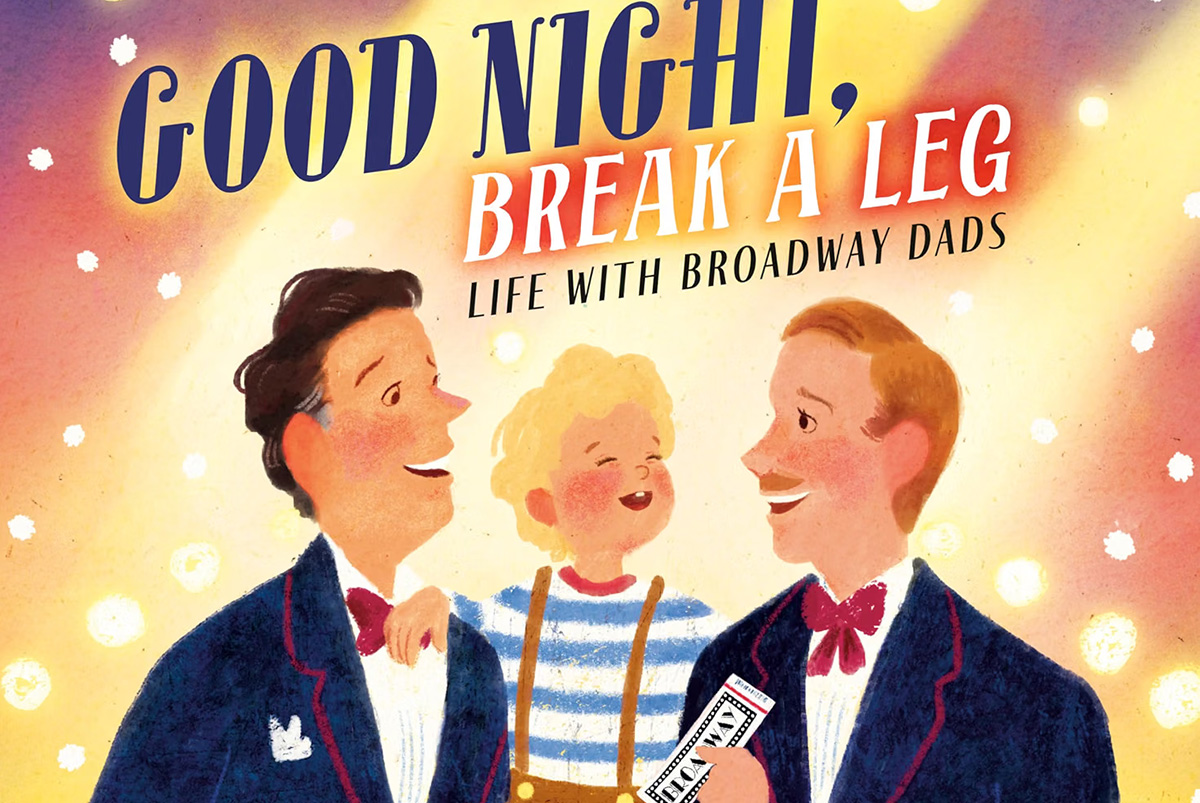
And finally, if you want a fun book for your kids or a child you love, look for “Good Night, Break a Leg: Life with Broadway Dads” by Bret Shuford, illustrated by Elena Hager (Penguin Workshop). What do parents do when they go to work? A little boy learns that his dads have very special jobs by day – and by night! It’s a cute book for kids, but a special tale for lovers of Broadway.
Be aware that publication dates change, titles change, books can be canceled, and your librarian or favorite bookseller can help you find what you need. Season’s readings!

PHOTOS: Walk and 5K to End HIV

PHOTOS: Wanda Alston Foundation Fall Reception

Moving presents a chance to ‘clean house’

EV ecstacy: BMW iX3, Rivian R2

Curl up with a good book this fall

Trump’s Cabinet: Dumb, dumber, dumbest, and evil

More than 150 people detained outside Istanbul courthouse

Virginia Anti-Violence Project struggles to fill federal funding gaps

Gay man sues Delaware AG for not prosecuting partner in domestic violence case

D.C.’s fall theater season is already well underway
-

 Opinions4 days ago
Trump’s Cabinet: Dumb, dumber, dumbest, and evil
-
Turkey5 days ago
More than 150 people detained outside Istanbul courthouse
-
Virginia5 days ago
Virginia Anti-Violence Project struggles to fill federal funding gaps
-
Delaware5 days ago
Gay man sues Delaware AG for not prosecuting partner in domestic violence case