Arts & Entertainment
Delightful delicacies
New Izakaya Seki offers a bounty of exquisite Japanese food
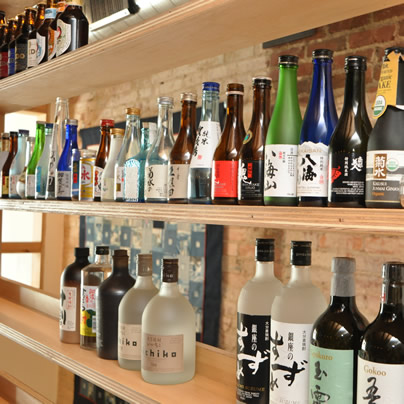
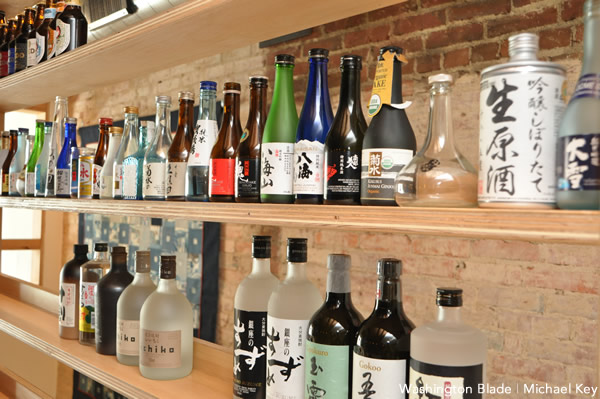
Izakaya Seki (Blade photo by Michael Key)
Sometimes studying up a little beforehand or taking along knowledgeable pals can enhance a dinner out tremendously if it’s a realm of cuisine on which one is relatively unschooled.
Father and daughter Hiroshi and Cizuka Seki opened Izakaya Seki (1117 V Street NW) on July 29. They place the sole focus of the restaurant on the exquisite food they serve with a minimalist yet gorgeous design of the space.
I was concerned about eating at a place that was light years beyond my comfort zone, so I brought my husband along with Amanda and Tony, my two “Japanese food experts,” to help me review this experience.
Both Amanda and Tony have eaten at Izakayas in Japan so I asked them to assist me with some of the basics, like eating with chopsticks, the finer points of Sake and how to decide if a rare food like cuttlefish is any good. The Japanese word Izakaya means sitting in a Sake shop, but the word has evolved to describe a casual eating and drinking establishment. Red paper lanterns are traditionally found in front of Izakayas and Izakaya Seki is no different. The lantern out front is one of the sole identifying items of this restaurant.
We had to wait to be seated and since the restaurant is small they took our number and called us when the table was ready. Once seated, our warm, attentive and humorous waitress, Mita, greeted us.
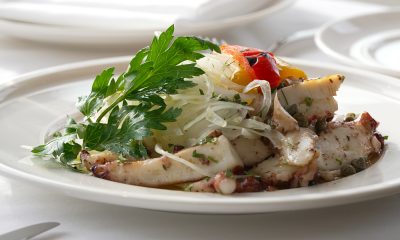
We began with the sashimi special and the Hokkaido Scallop Carpaccio. The Scallop Carpaccio was the first to arrive and with its myogi ginger and the citrus notes of the yuzo, made it a fantastic start to the meal. I was even able to manipulate the thinly sliced raw scallops with my chopsticks. The sashimi special was jam packed with small bites of fresh seafood like shrimp, tuna, clam, octopus and cuttlefish among others. Everything had a fresh, crisp flavor to it and although some of the textures (especially the cuttlefish) did not agree with me, the flavors did. Our first Sake, recommended by Mita to accompany our first two courses, was the Nigori “otter fest” which complemented this raw course perfectly.
We proceeded in order down the menu and selected the Mero grilled with Miso and the beef tongue with yuzu miso. The Mero or Patagonian toothfish — generally marketed as Chilean Sea Bass — was impeccably prepared with a slight sweetness and flakiness that melted in your mouth. The beef tongue was moist and the delicious sauce complemented the rich deep flavor of the tongue.
We moved along slowly. The four of us had already been dining more than an hour and had polished off two bottles of Sake. This is when I was introduced to Scochu. Unlike Sake, Scochu is distilled and the alcoholic content is generally higher. I found the Scochu to have a more refined and delicate flavor. Scochu ranges in price, but if you purchase a bottle and don’t finish it, they will keep it on a shelf in the upstairs dining room with your name on it.
We sipped our Scochu and dined on standout dishes like the cream croquettes with béchamel, crab and corn; the delicious fried tempura vegetables; and the earthy assorted mushrooms. I even tried a bite of the fried tofu with cream cheese, and while it was well prepared and enjoyed by others, I was delighted to discover that I still find tofu repulsive, even fried and with cream cheese.
Finally, our meal ended, in traditional Japanese fashion, with Soba and Chahan. The Chahan (fried rice) was rich, delicate and flavorful, yet difficult to eat with chopsticks.
After nearly three hours, I had completed what felt like a master class in Japanese cuisine, having left few stones unturned. There were however, some recommended dishes we didn’t have room for like the wasabi chicken, the kushikatsu, the kinpiri and the rice balls. As well as some dishes I was not quite ready to try like the sea urchin with quail egg and the monkfish liver.
Overall, this was a perfect evening with friends, a delightful waitress who skillfully guided us through our entire meal and beautifully prepared and presented food. This was, quite possibly, one of the best and most eye opening meals I have eaten in Washington. Plan on spending some time and money on this experience, but you will be rewarded.




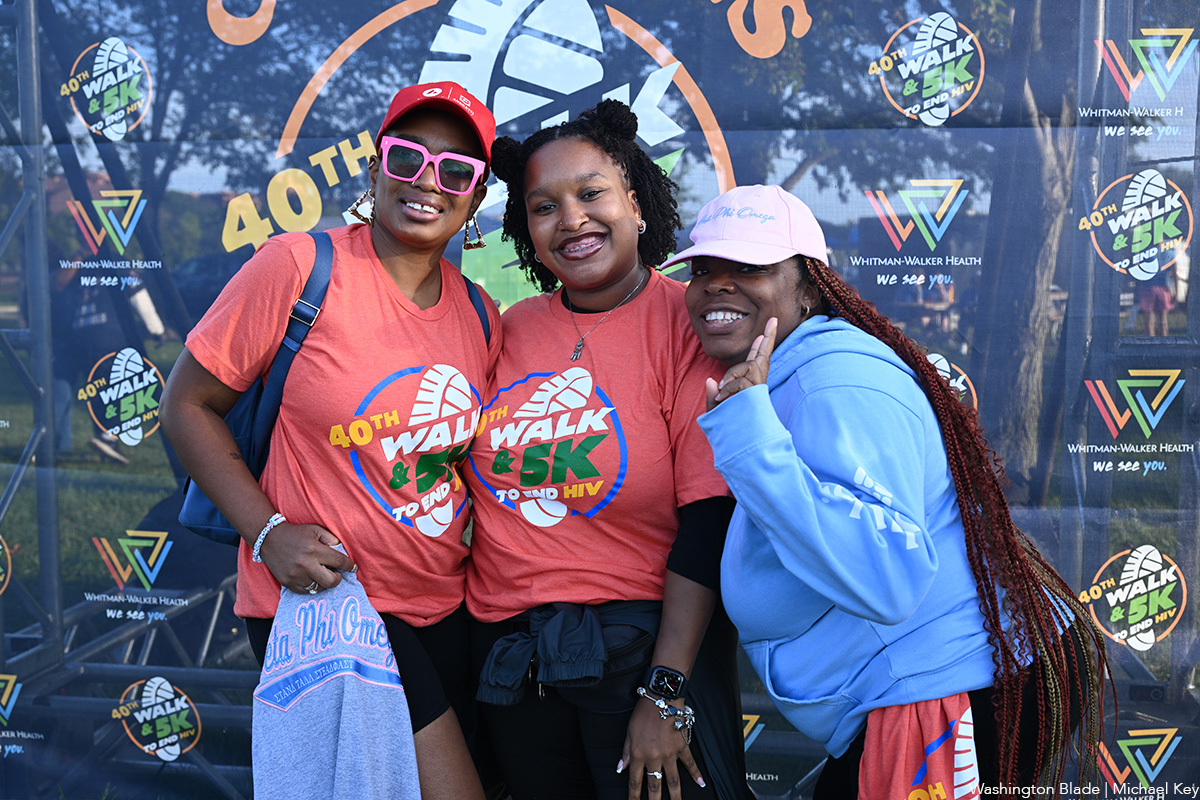
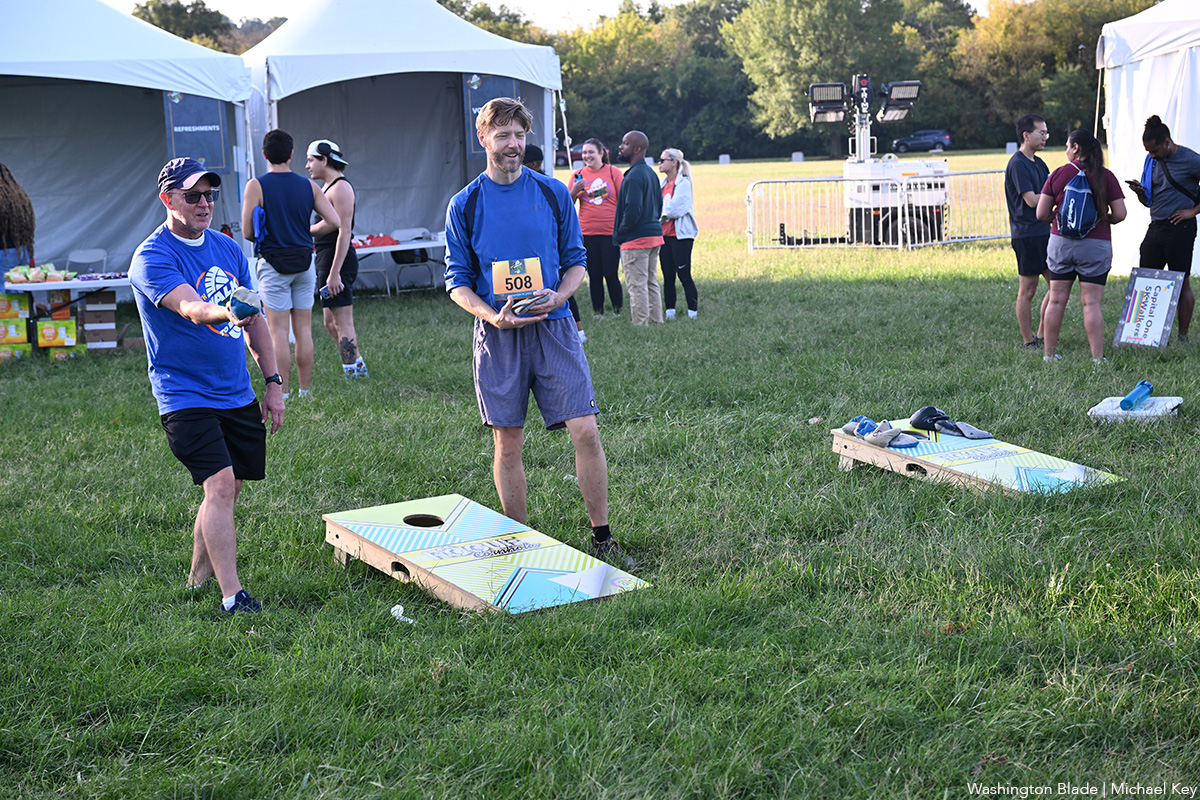
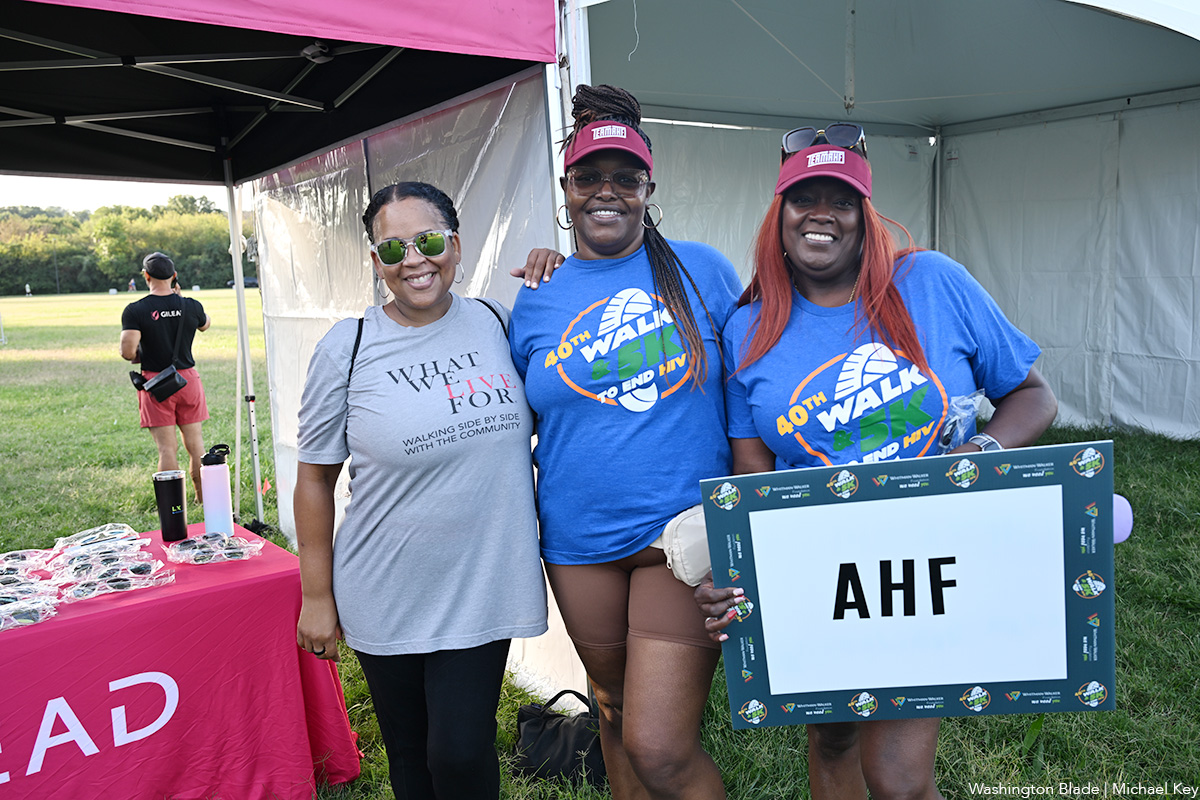
Whitman-Walker Health held the 40th annual Walk and 5K to End HIV at Anacostia Park on Saturday, Sept. 19.
(Washington Blade photos by Michael Key)

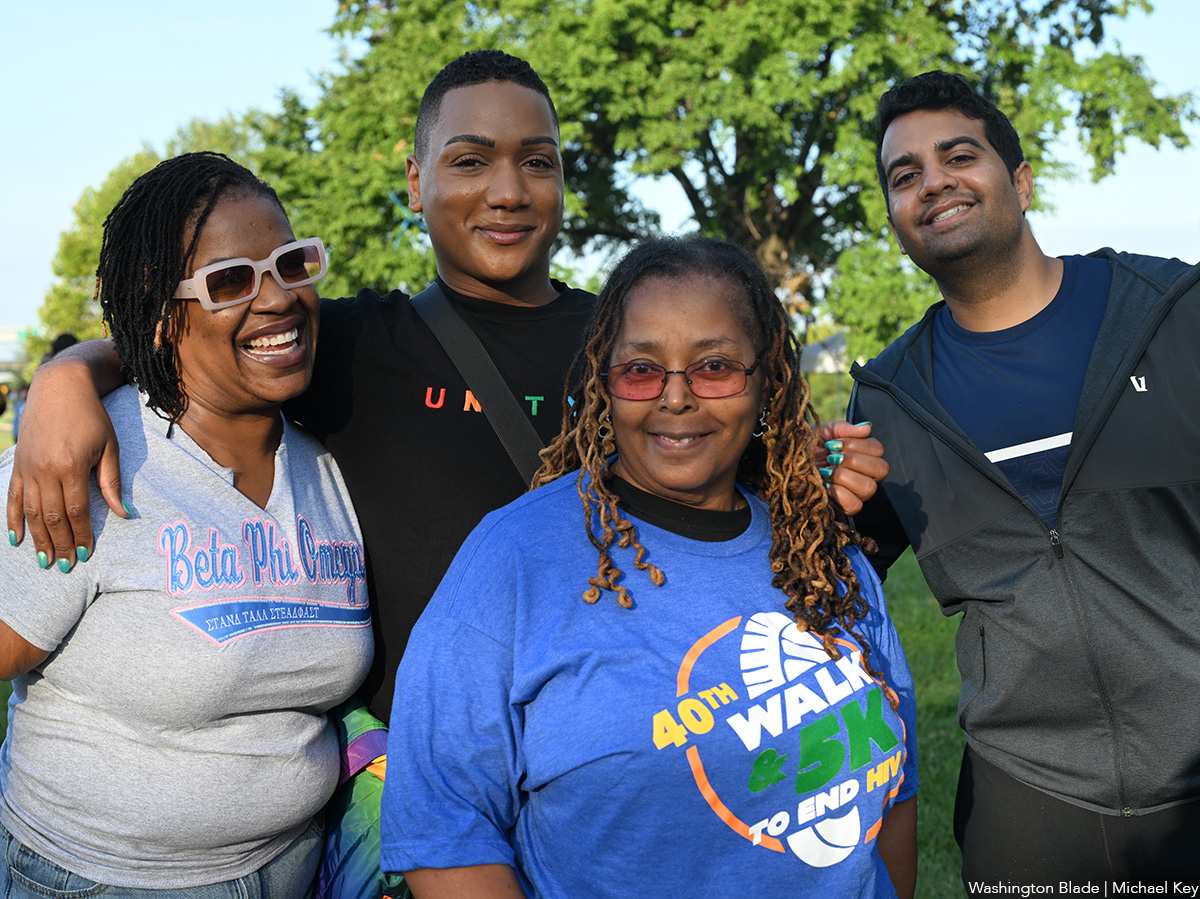
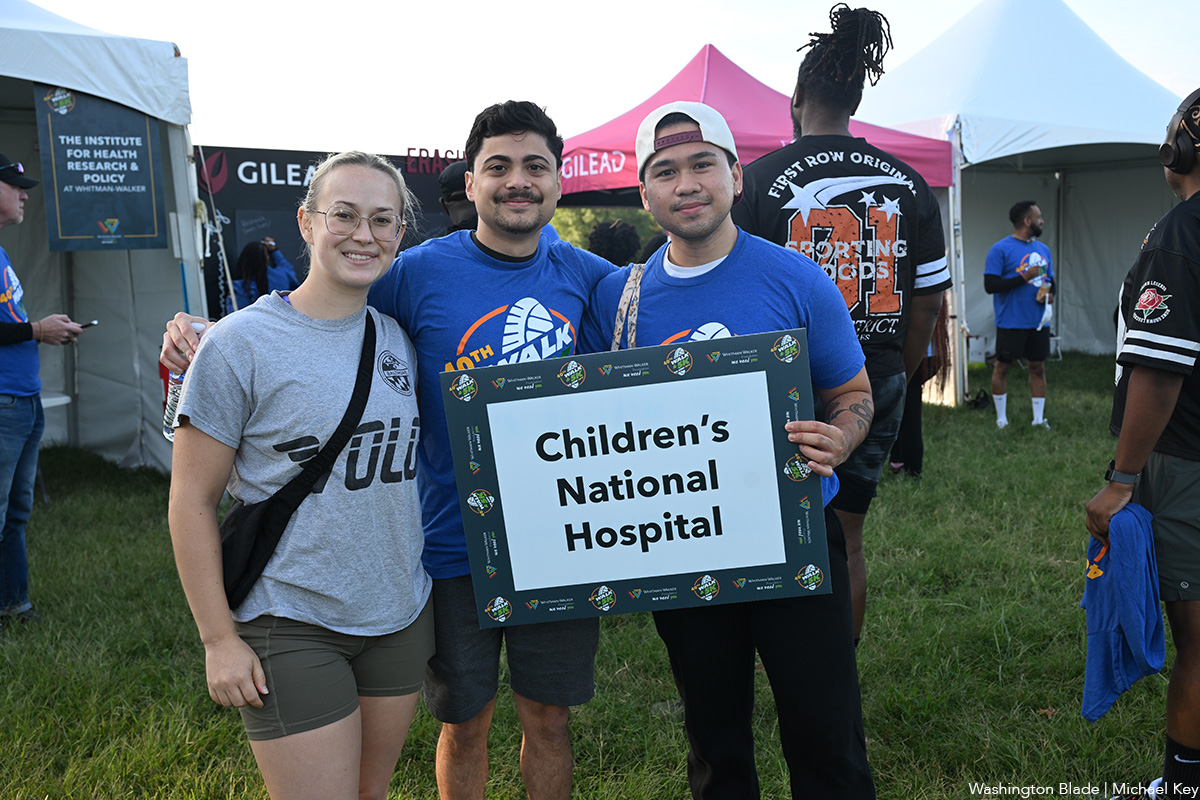
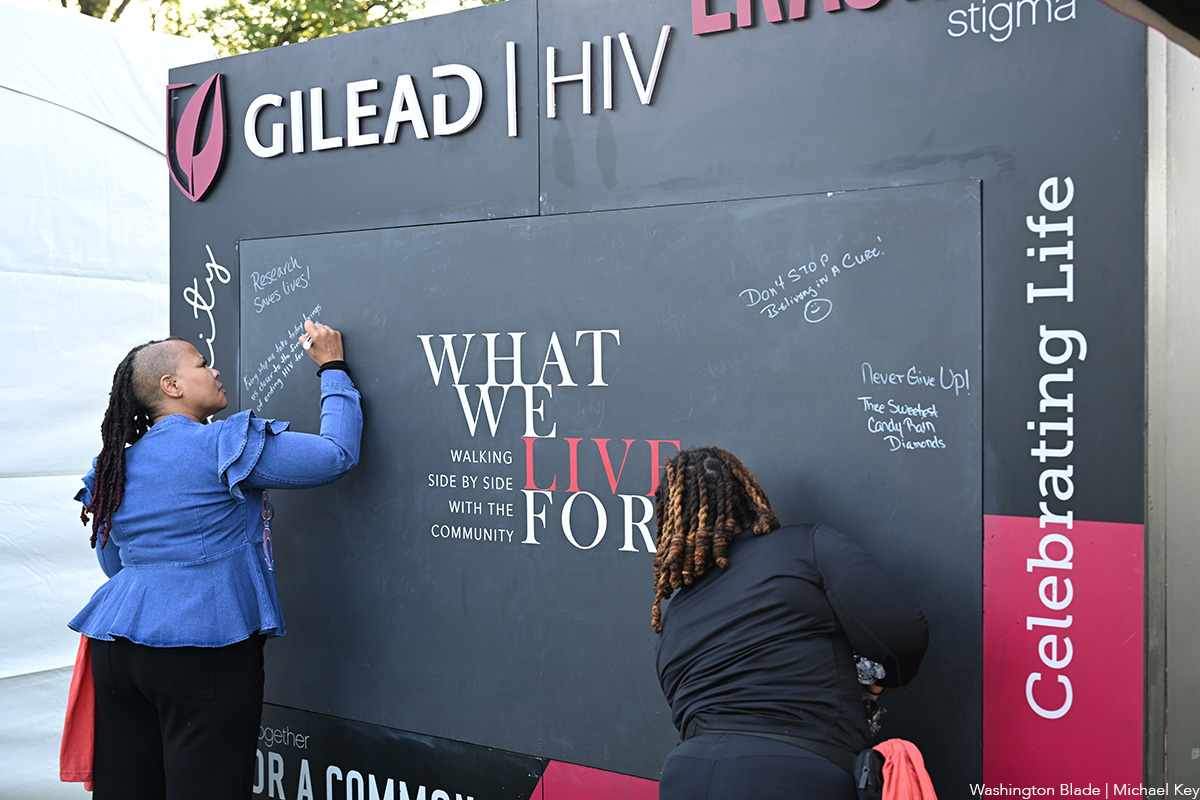


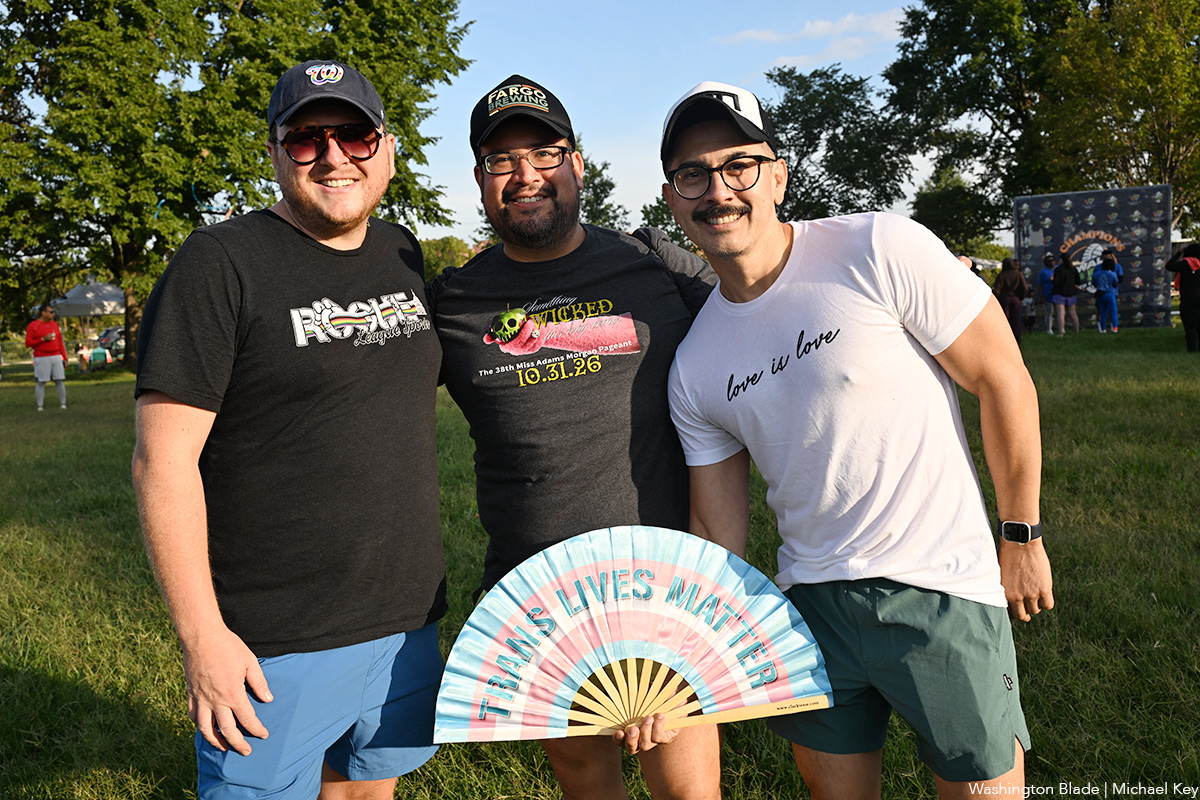



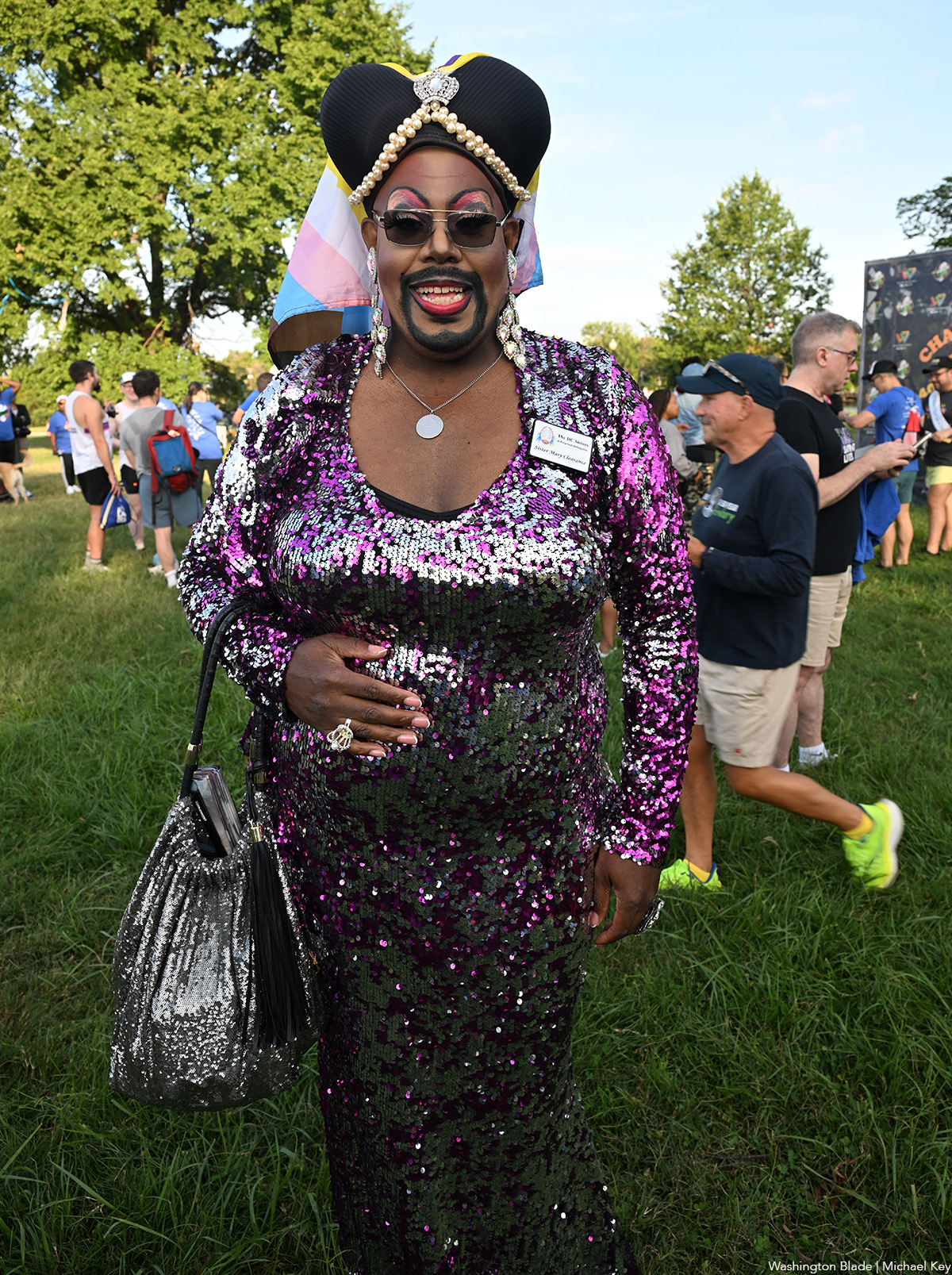


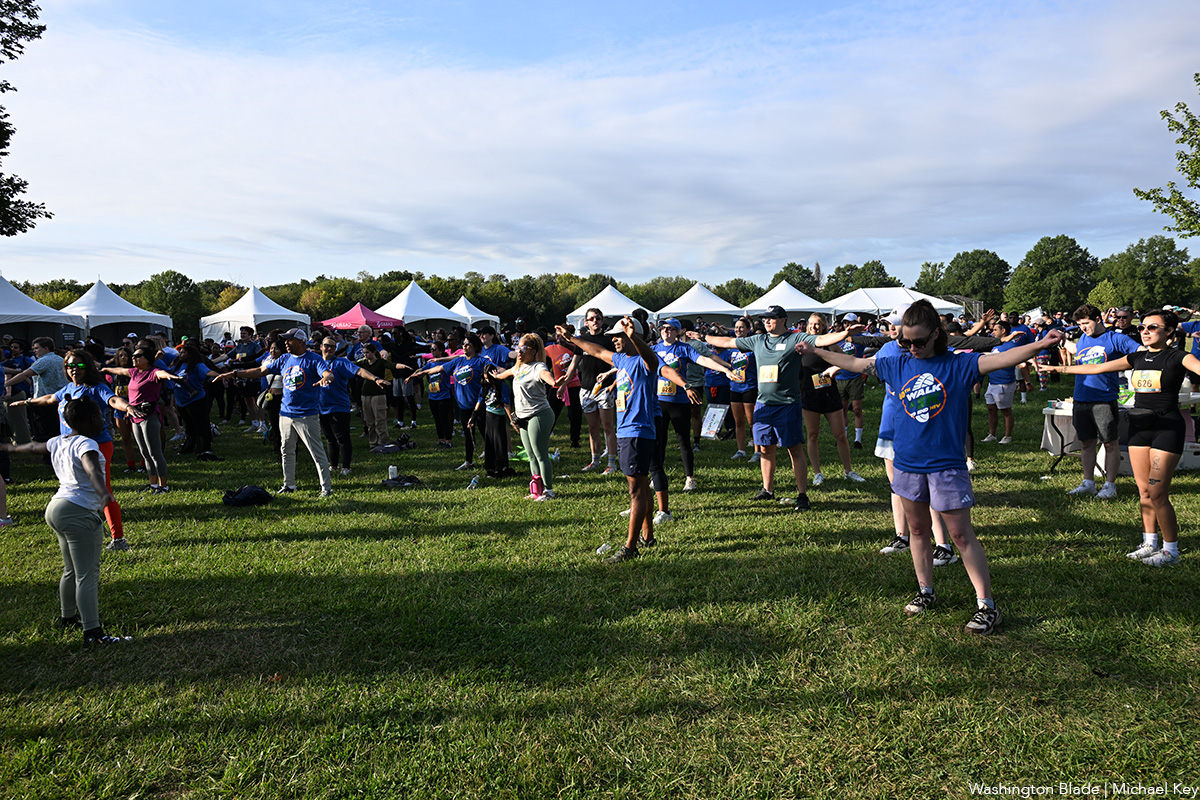
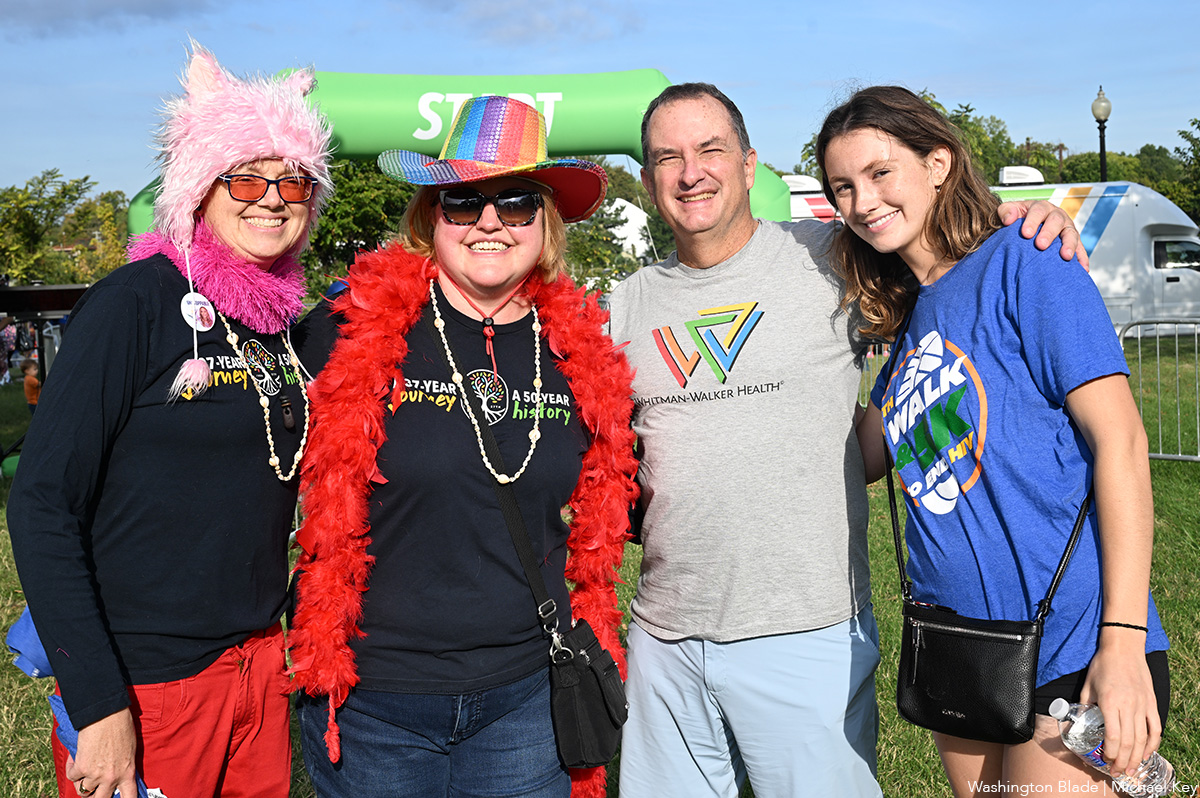
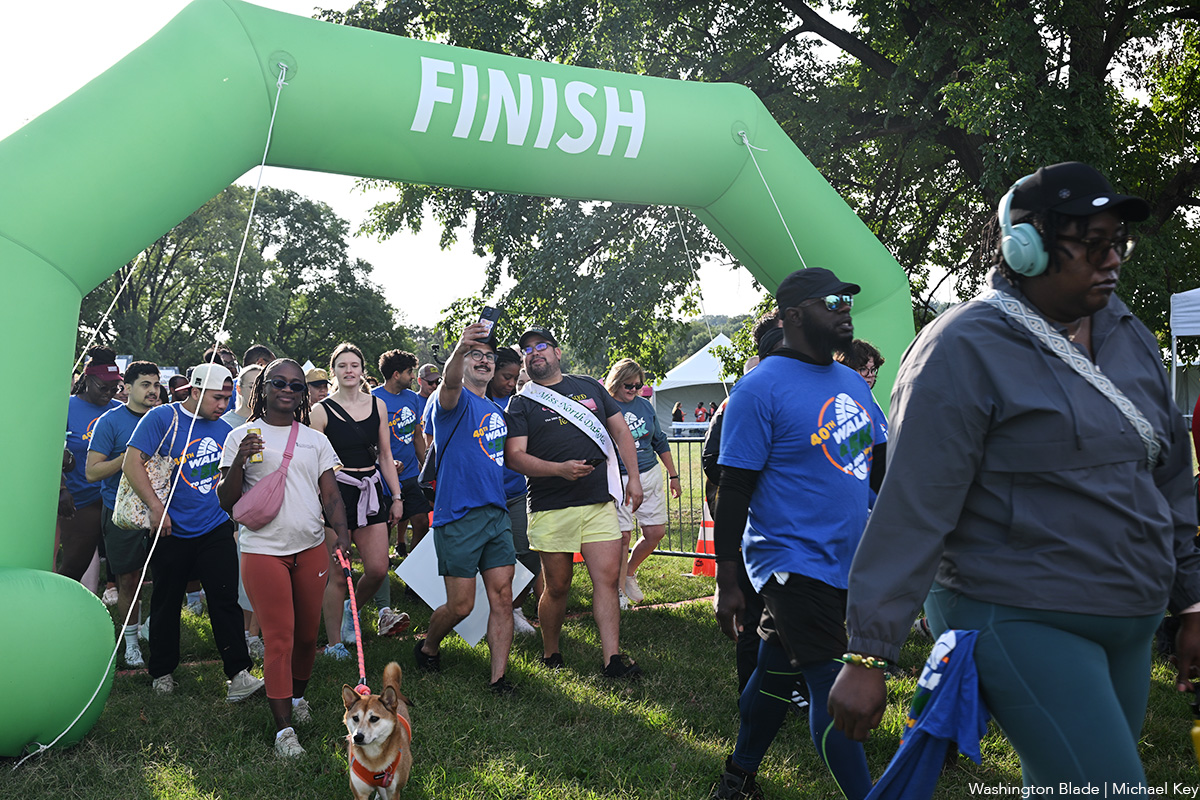
Photos
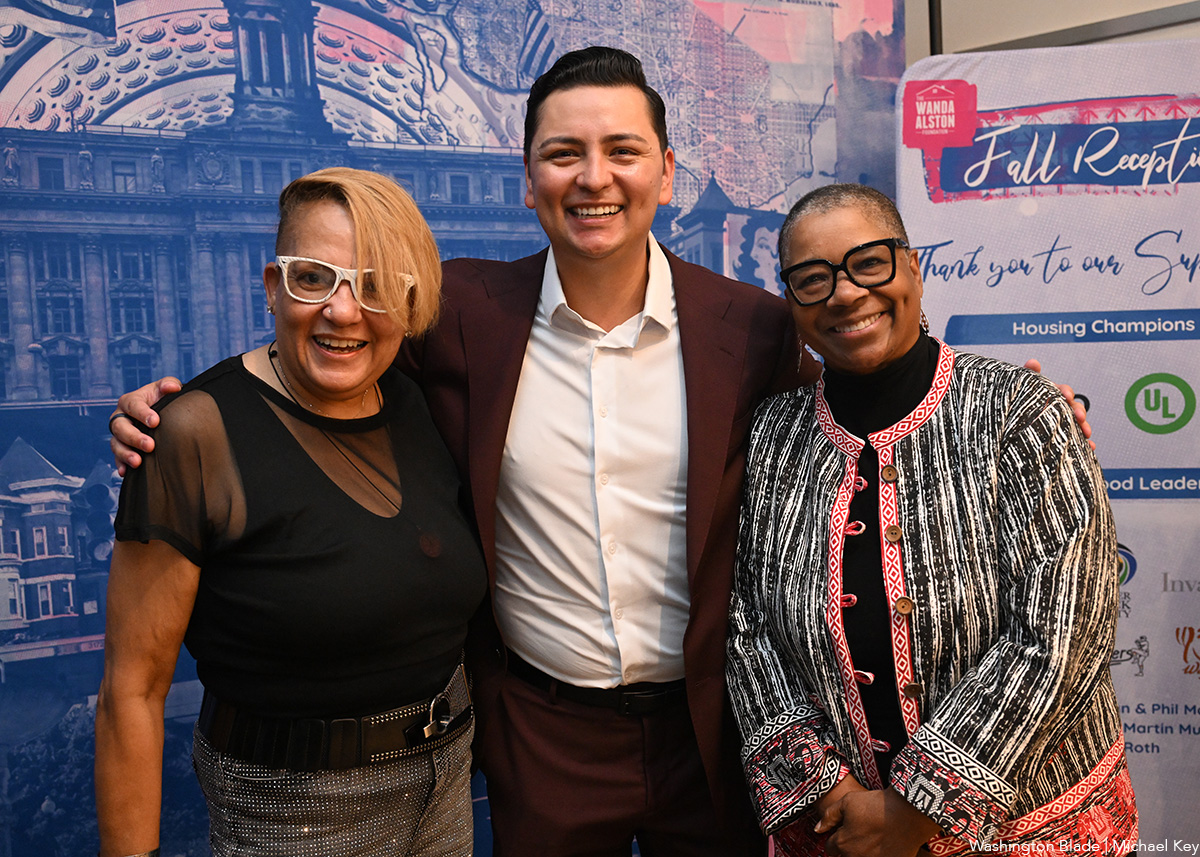
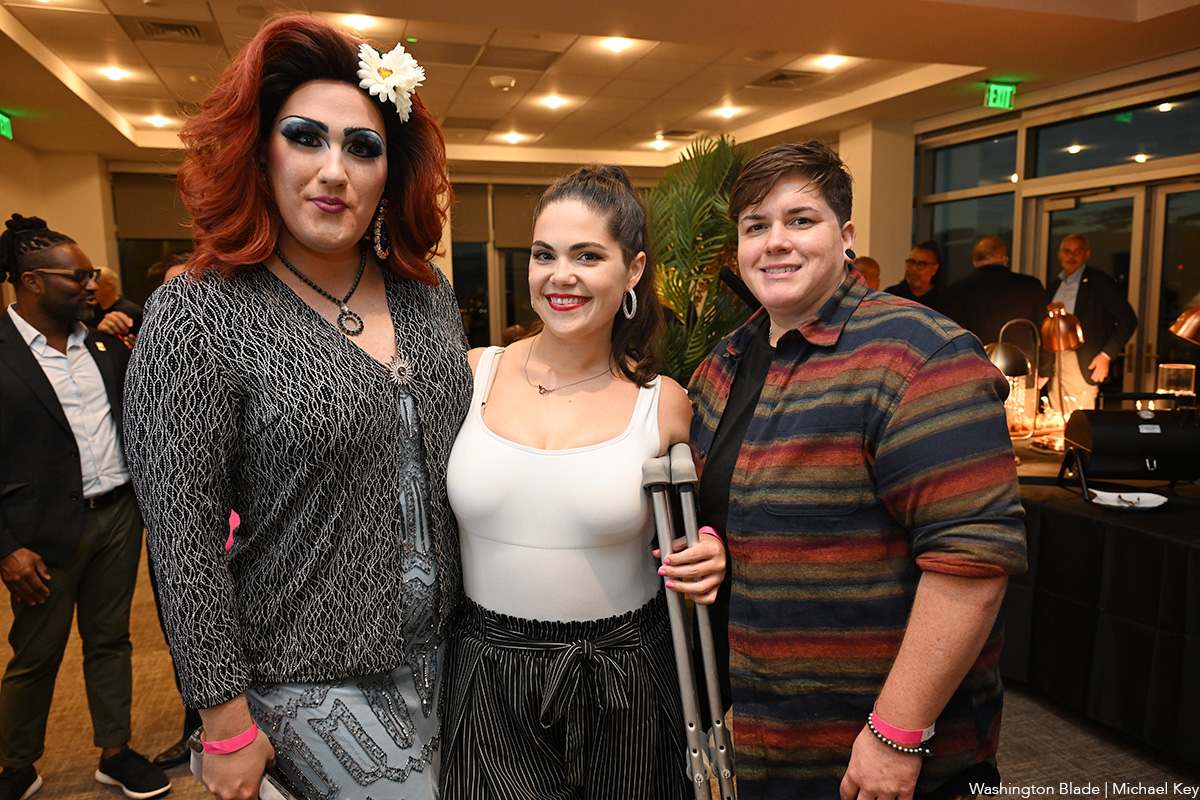
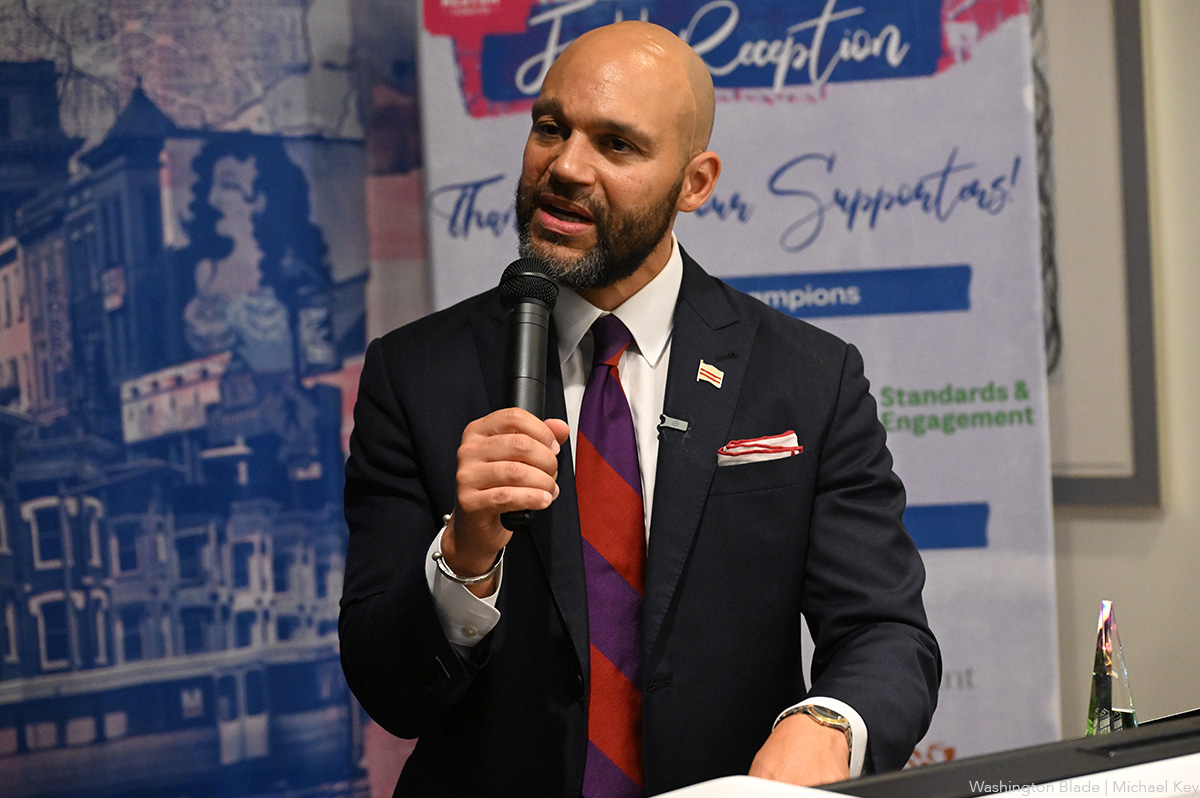
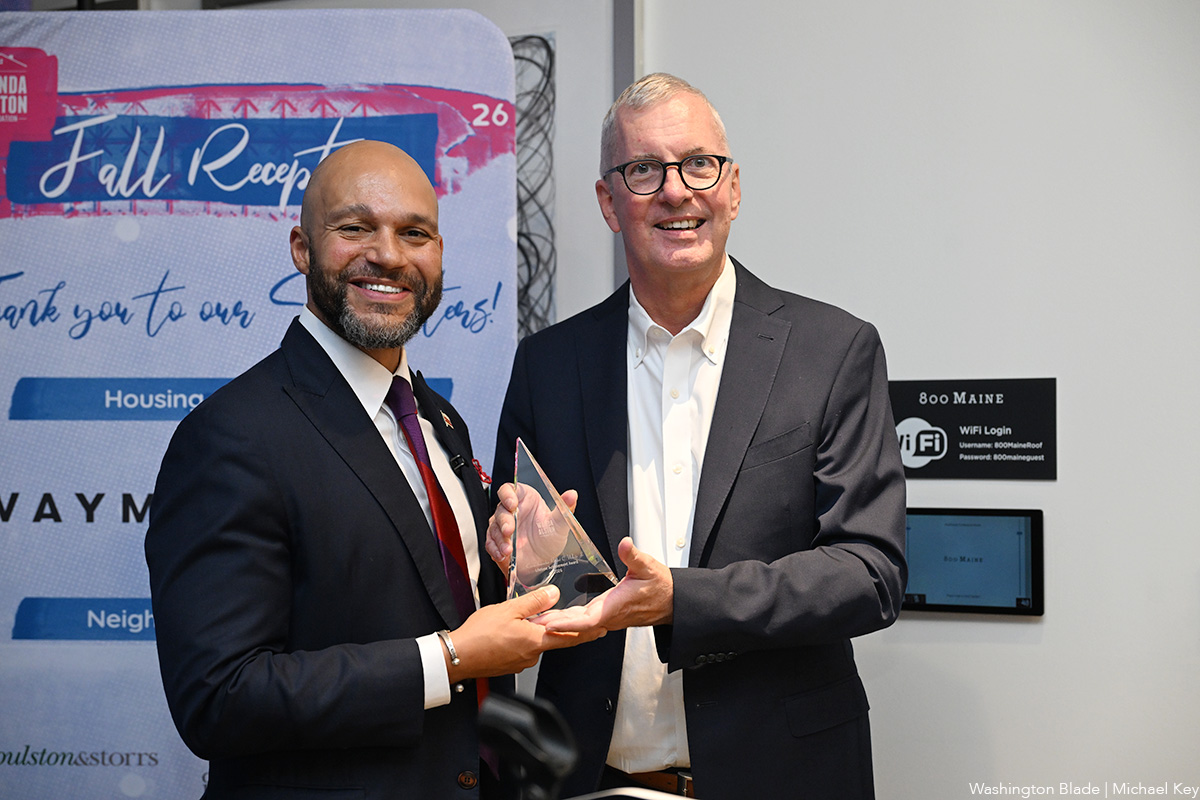
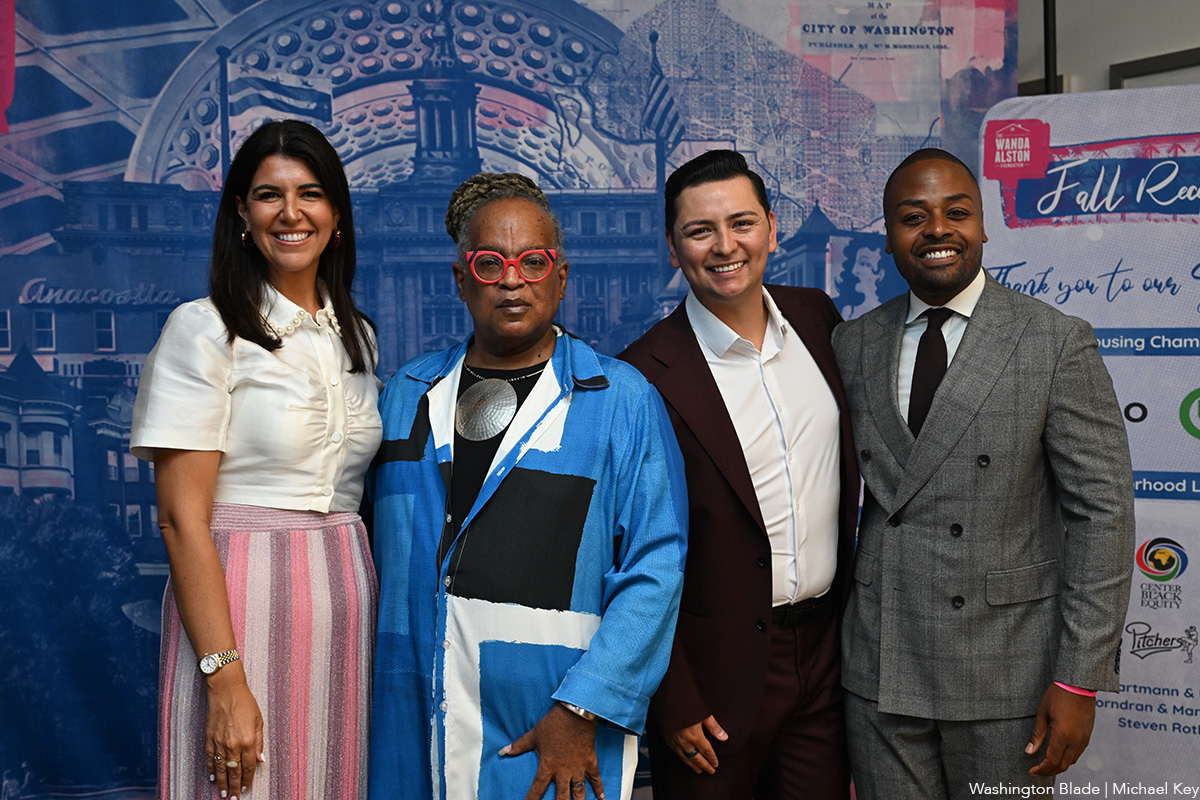
PHOTOS: Wanda Alston Foundation Fall Reception
LGBTQ youth services organization honors Robert White, Japer Bowles, Washington Capitals
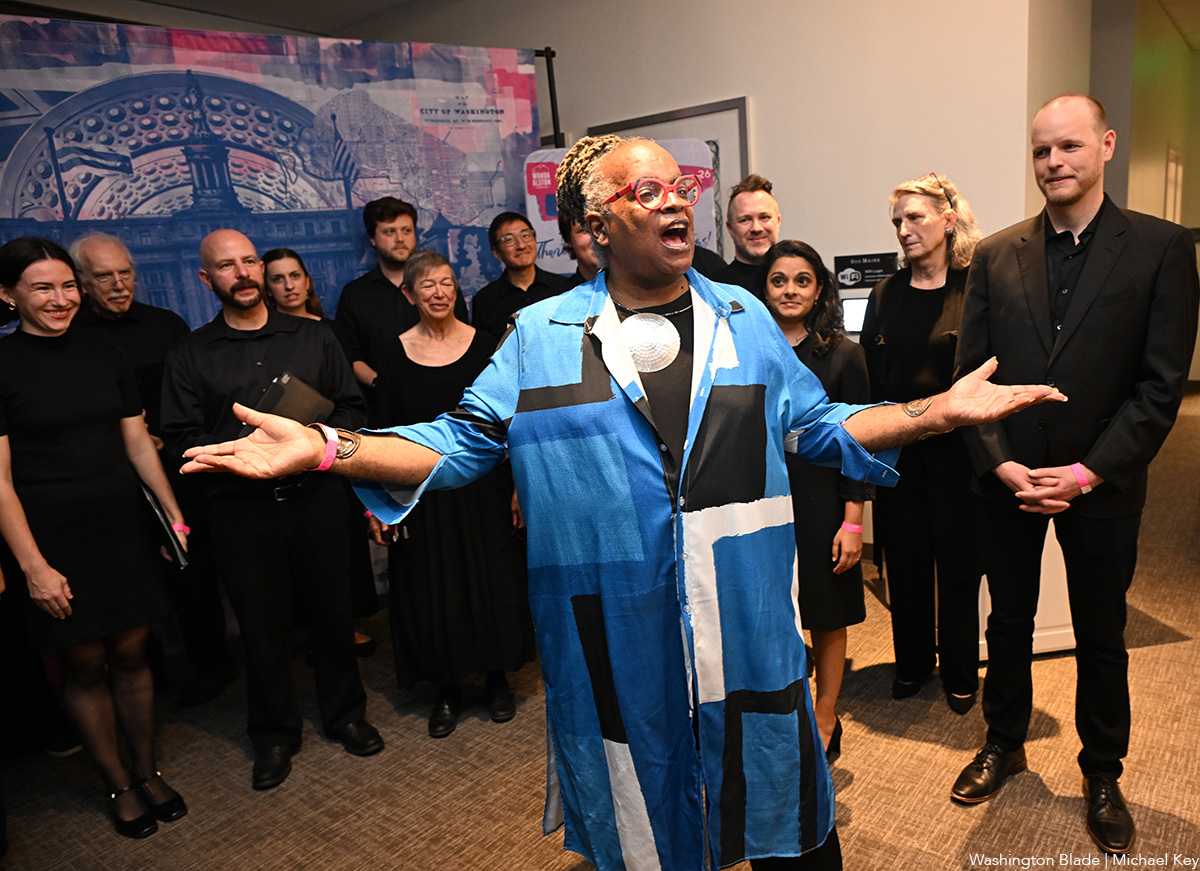
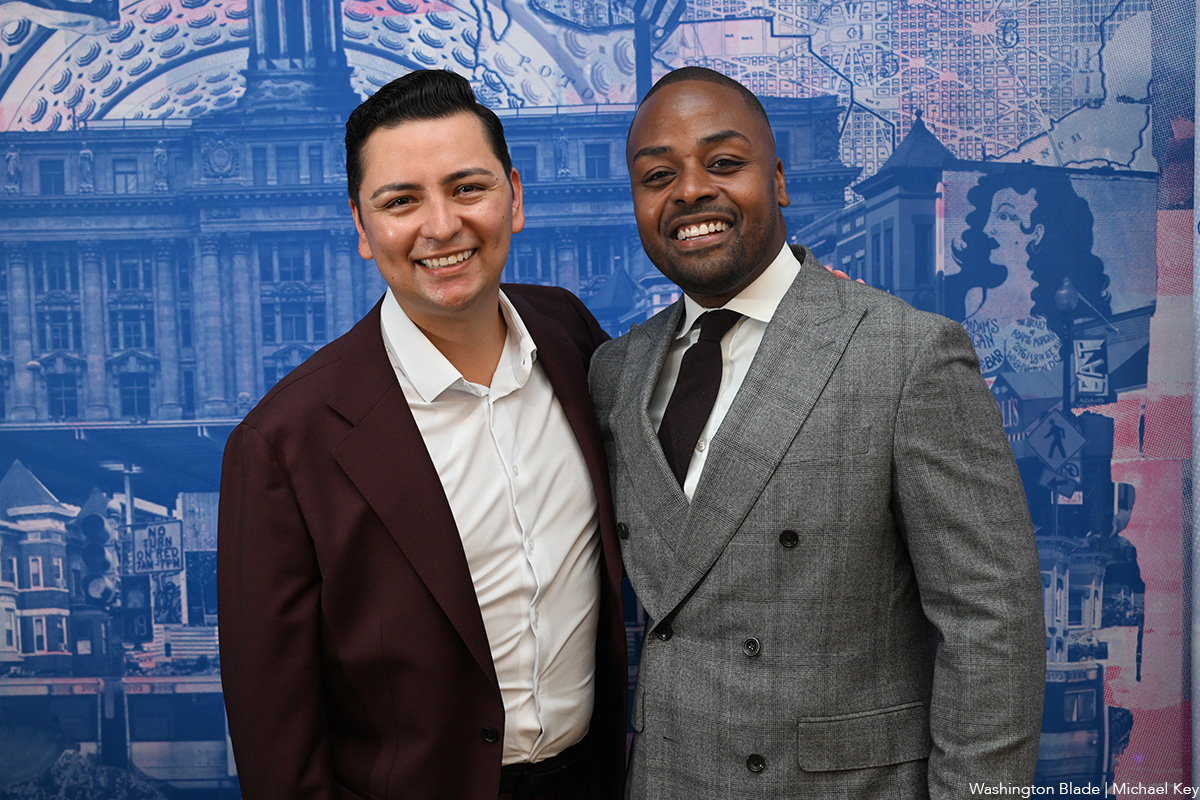
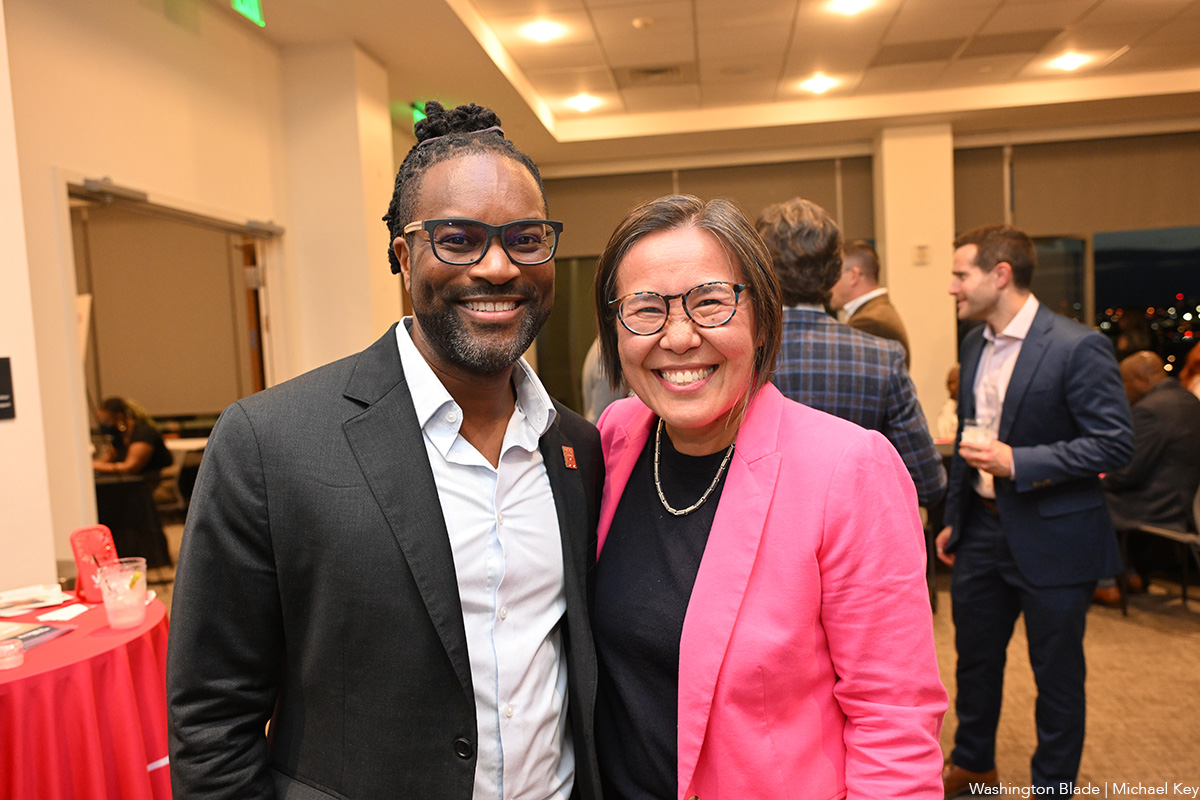
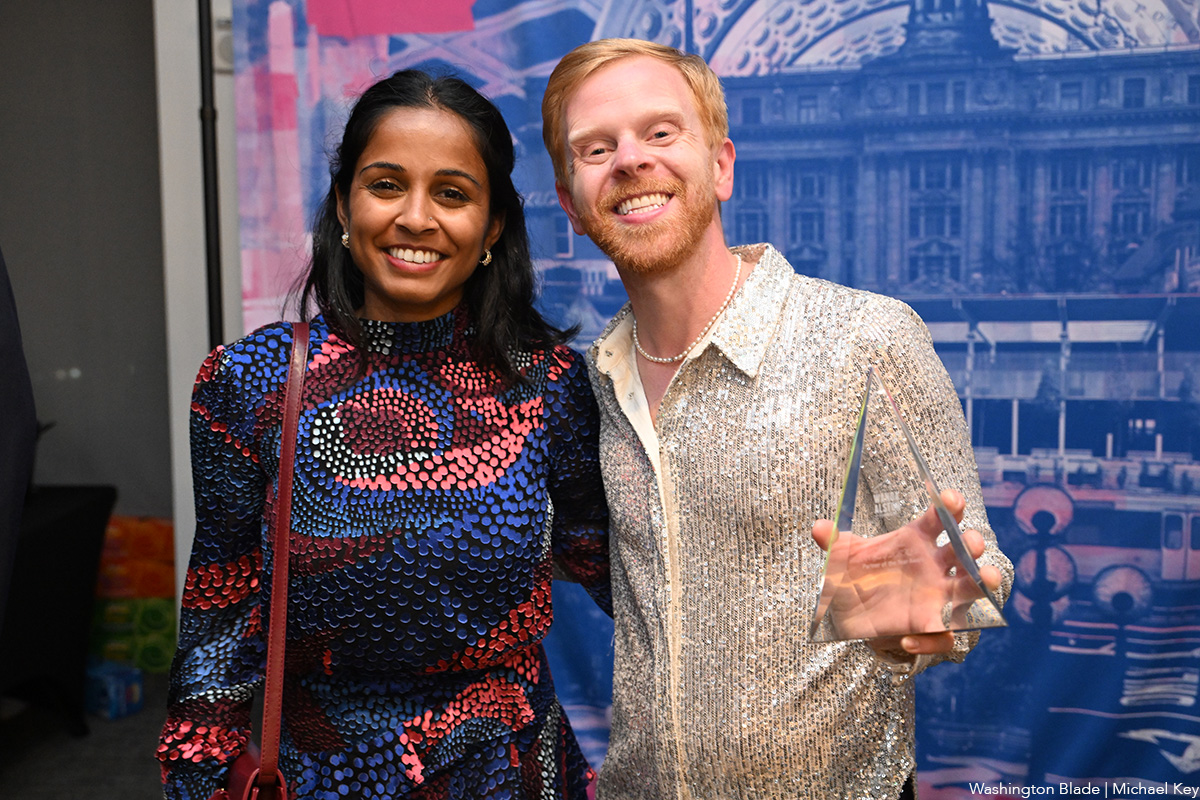
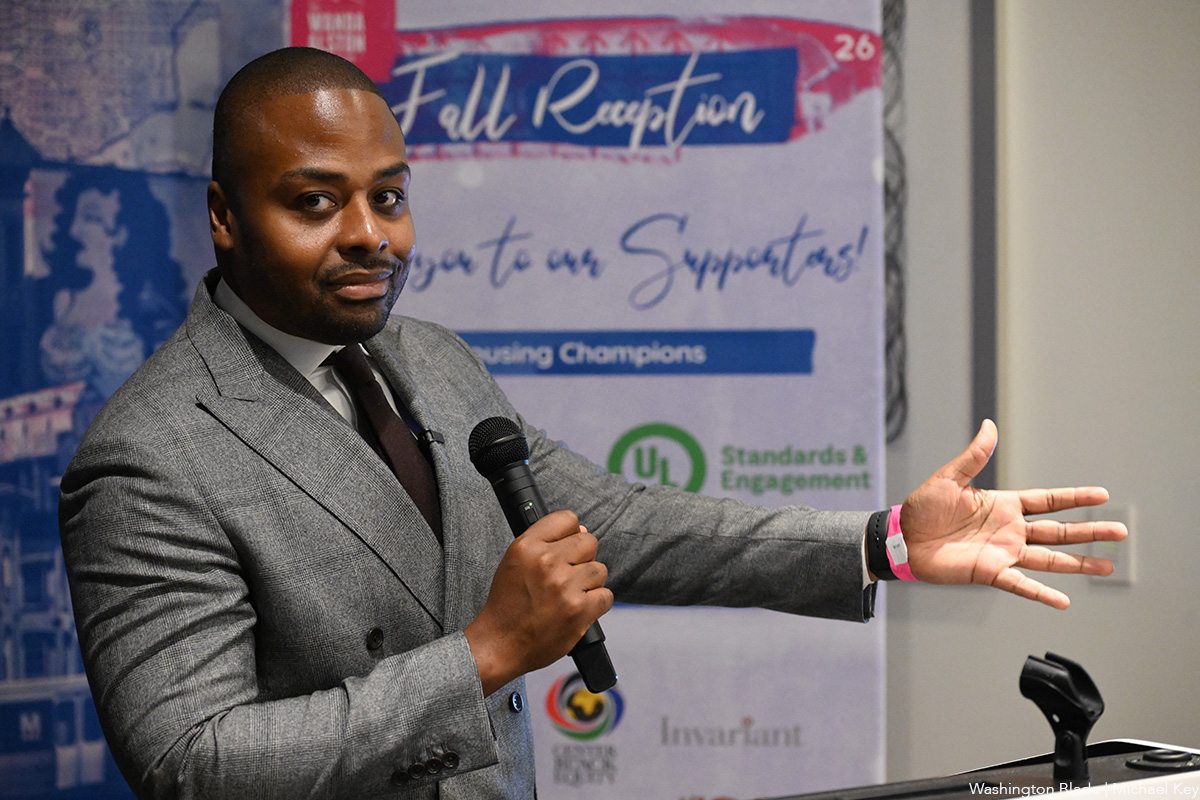
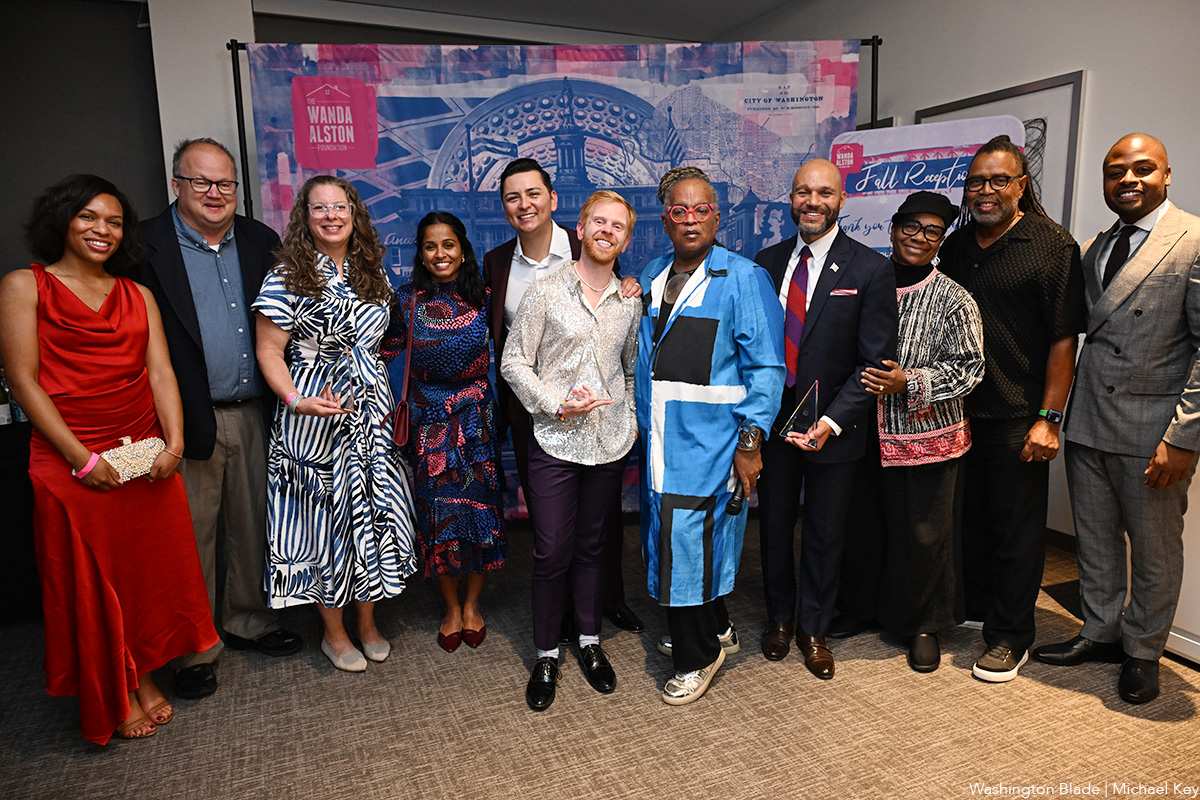
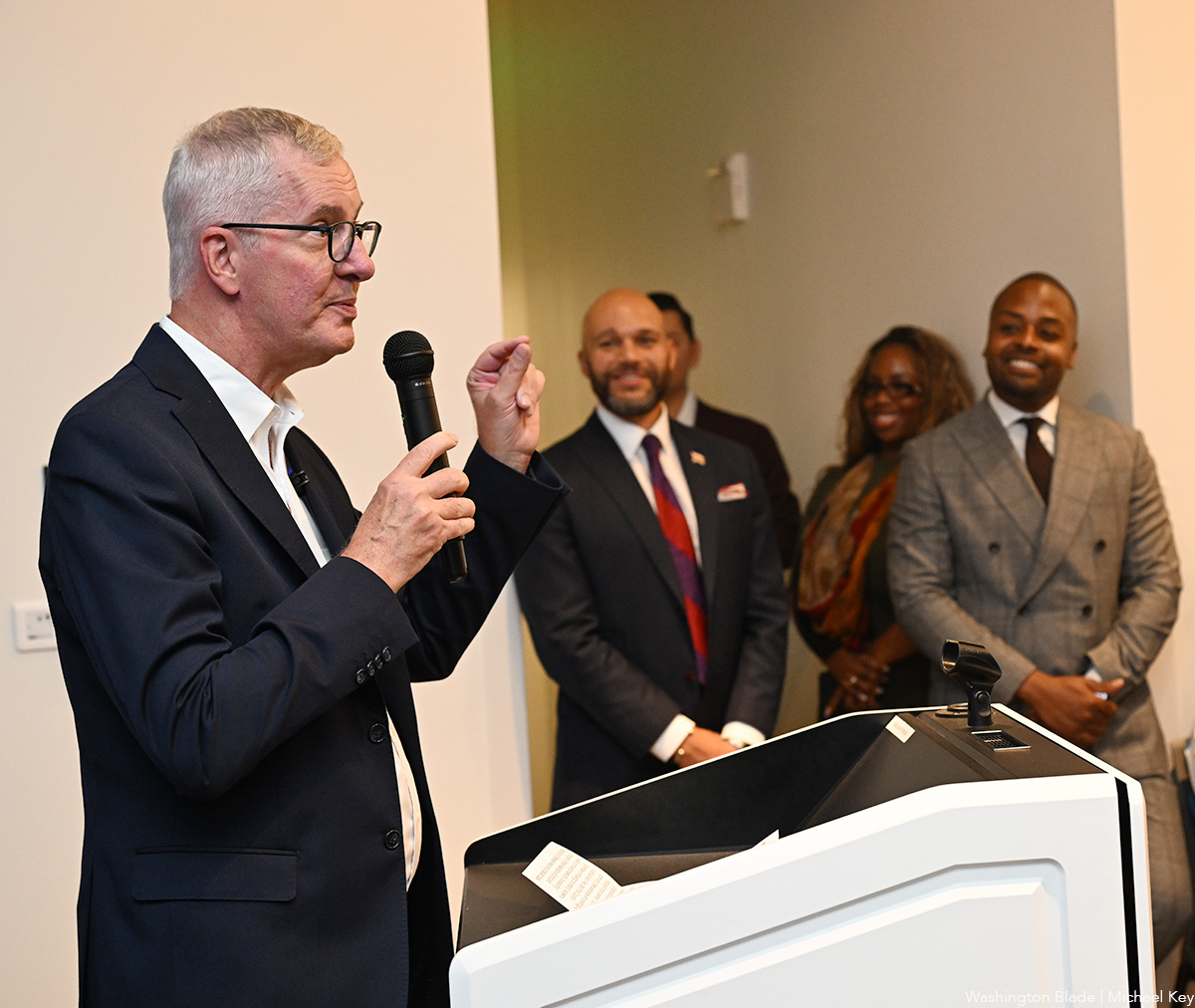
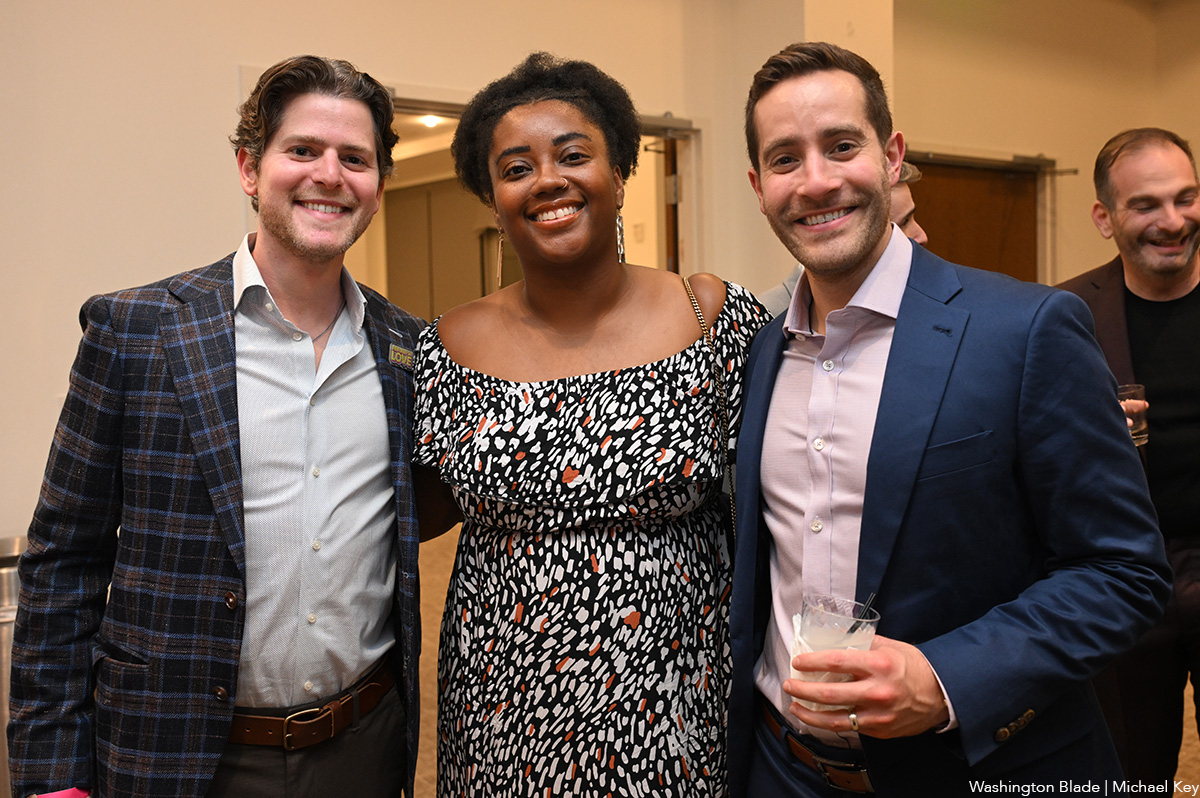
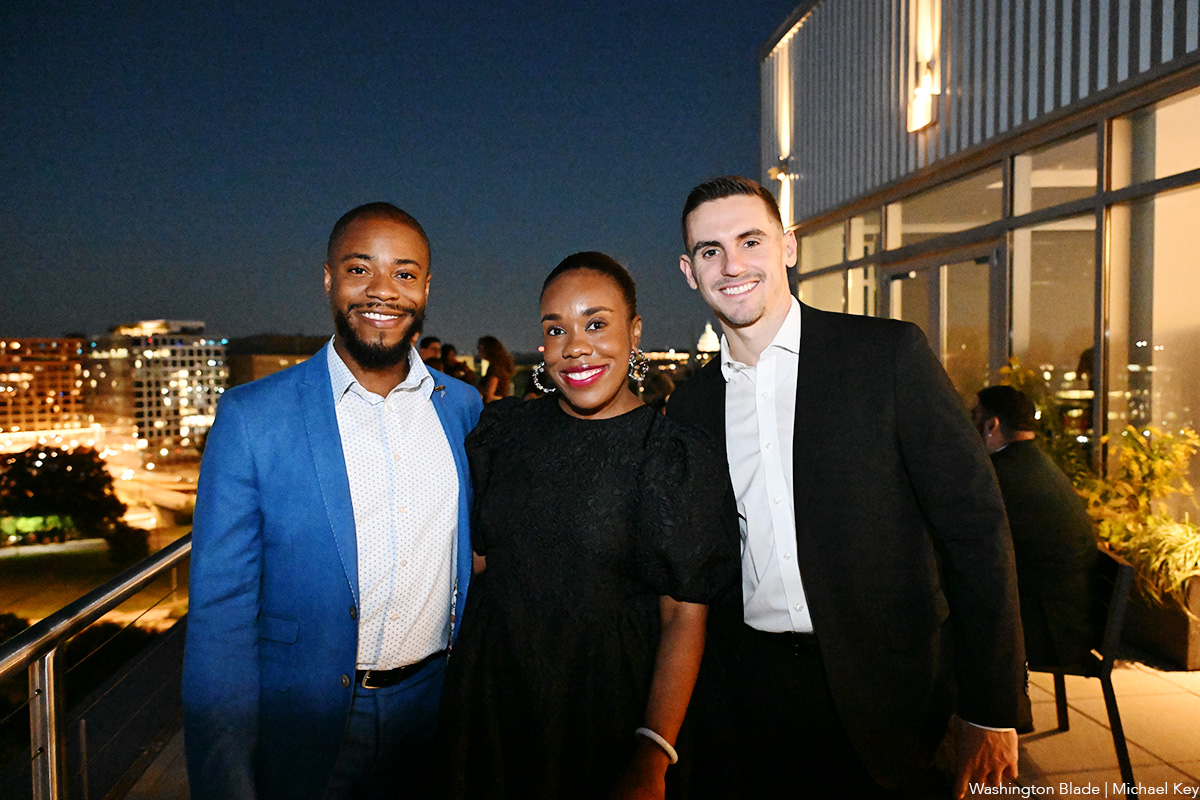
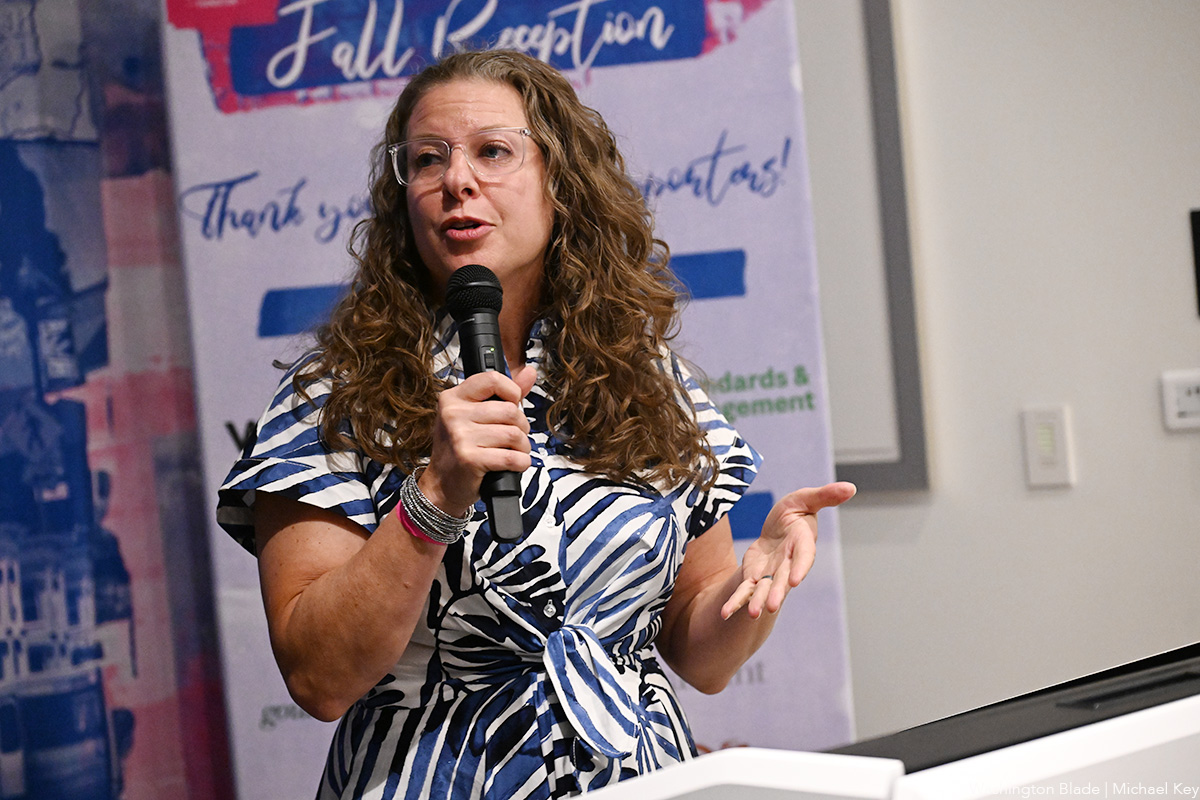
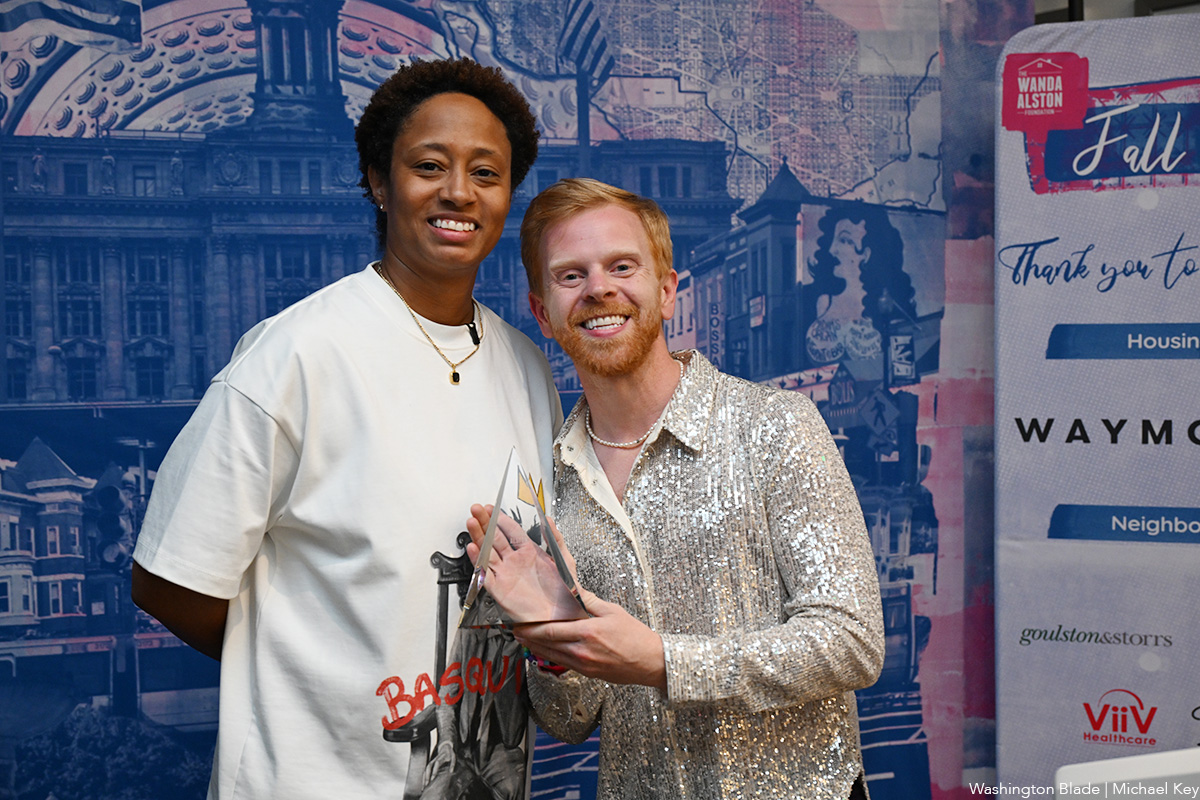
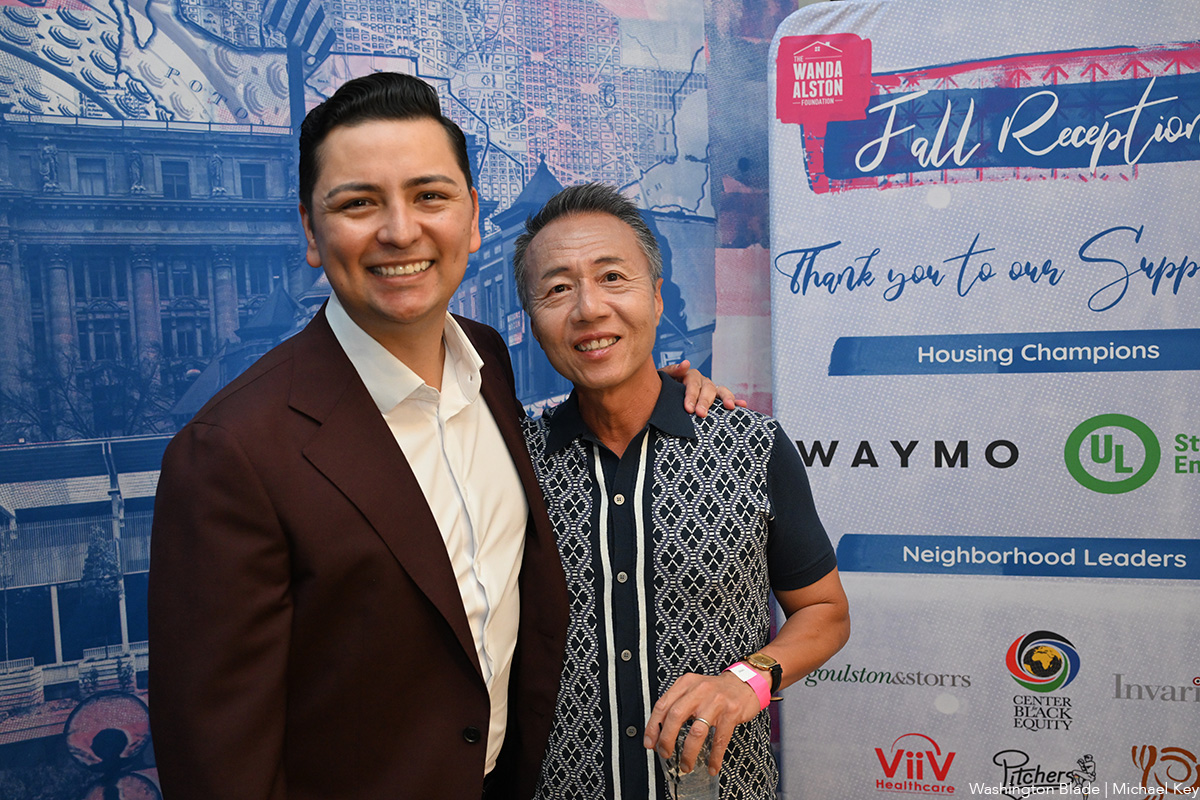
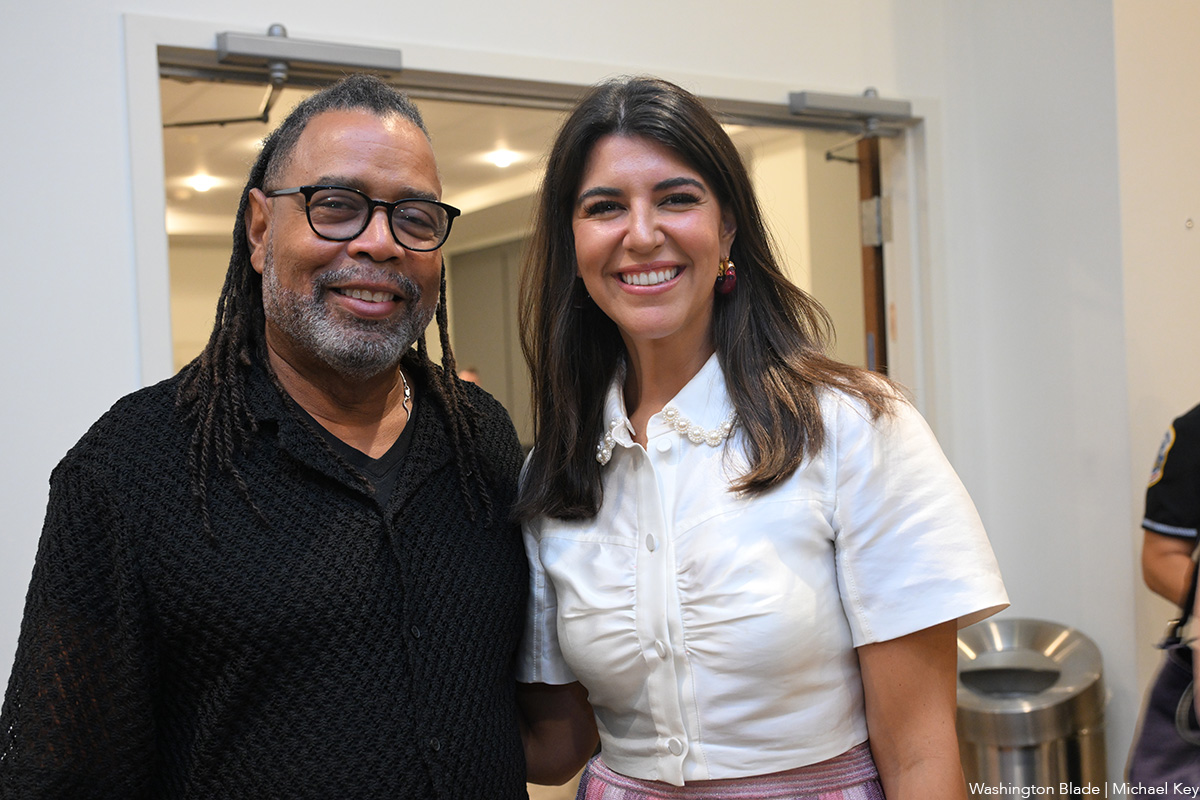
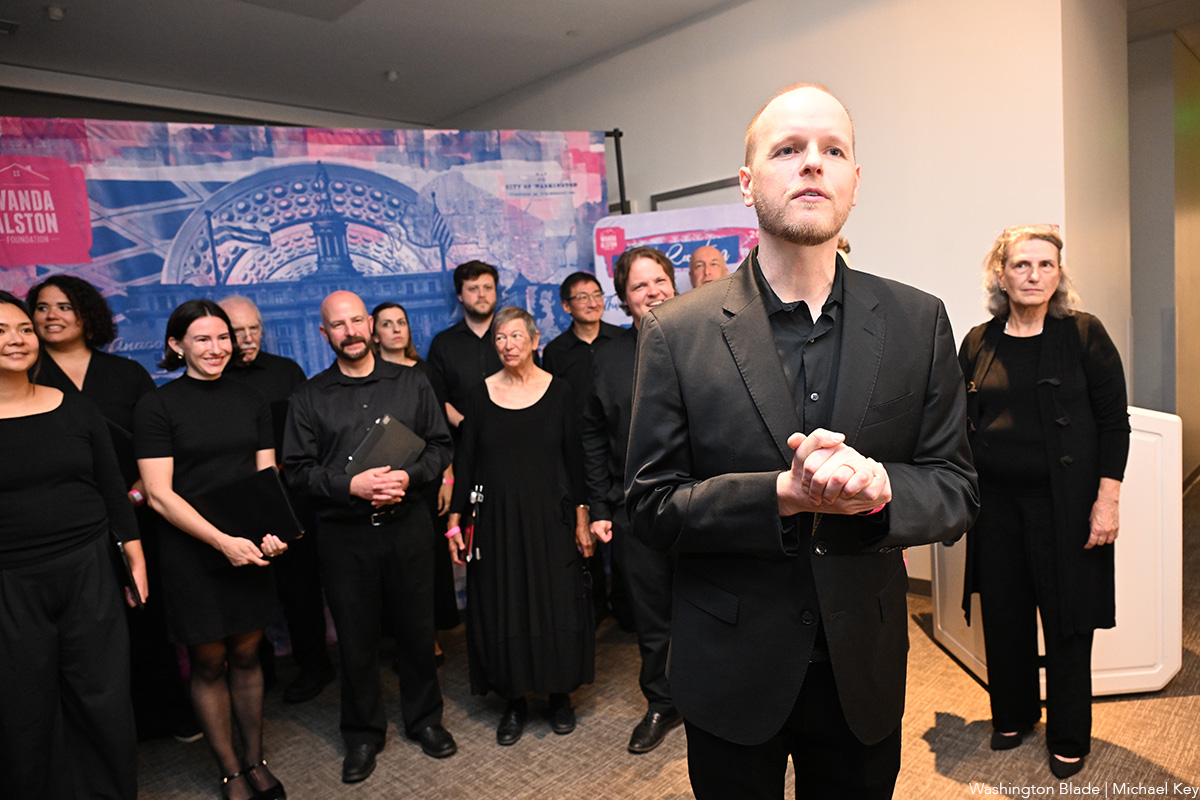
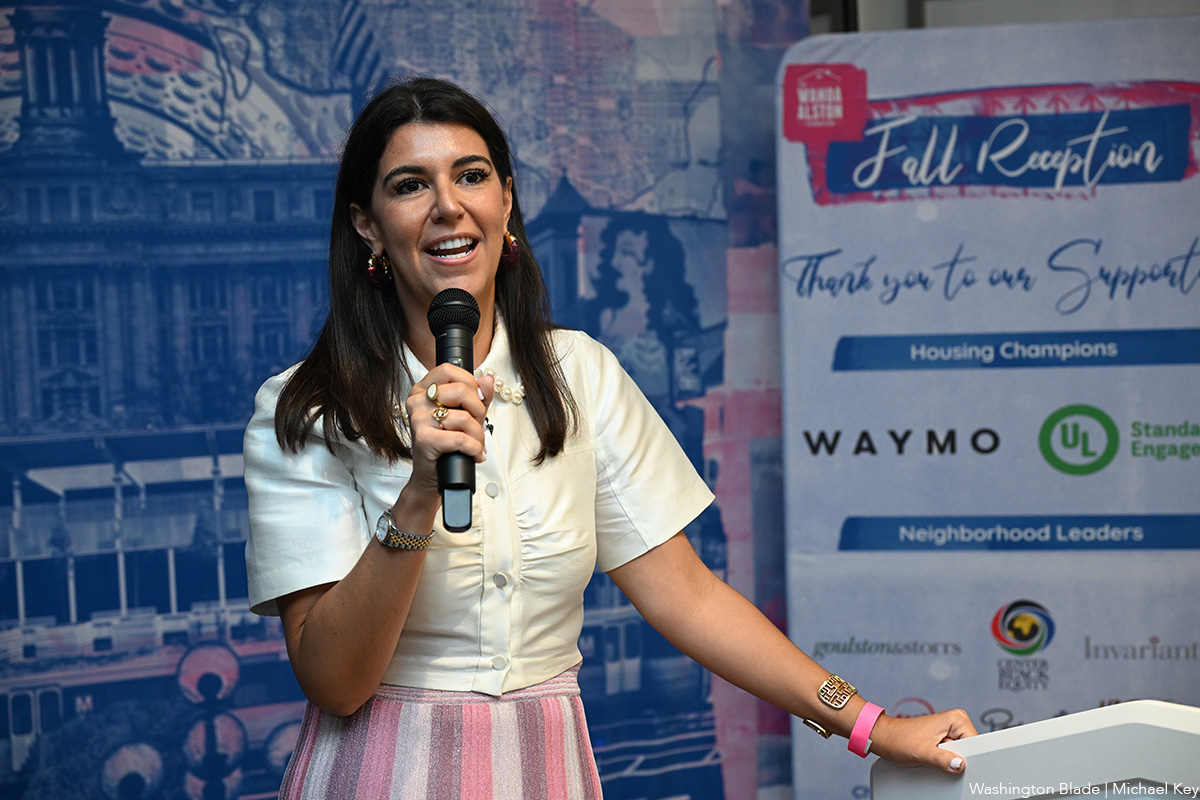
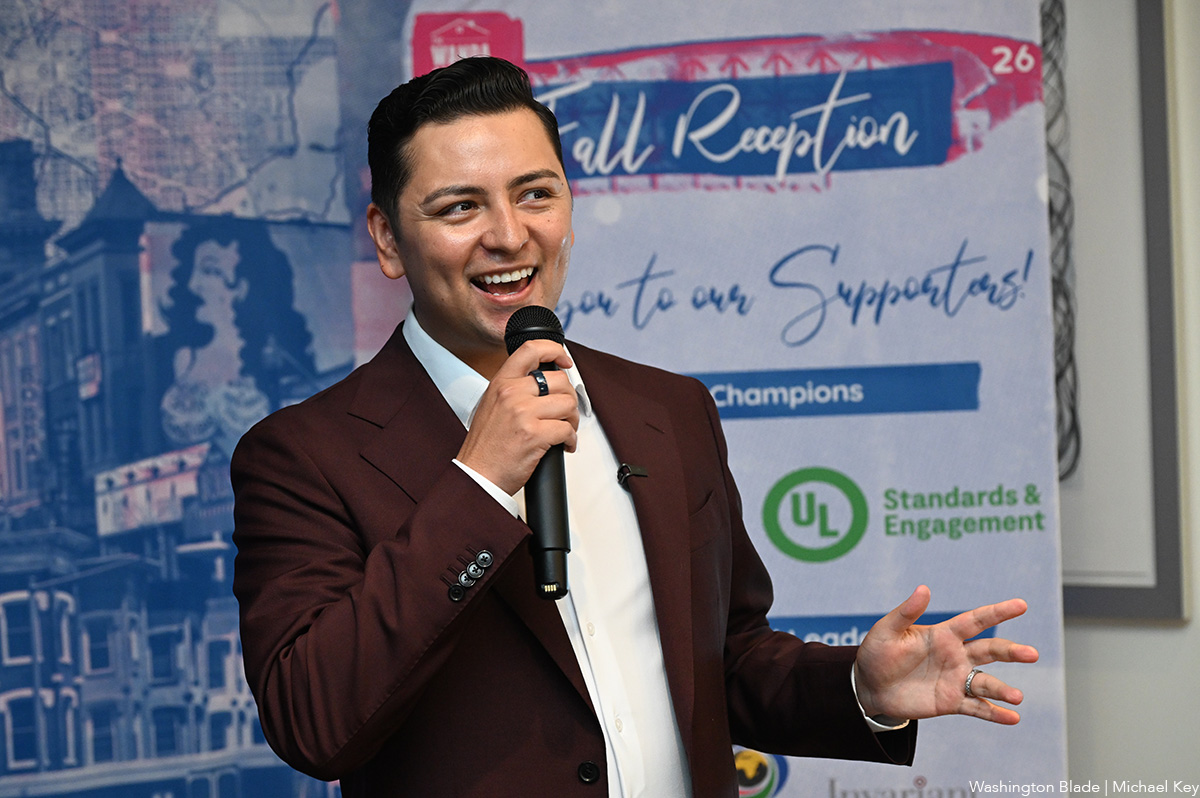
The Wanda Alston Foundation held its Fall Reception at the Penthouse Rooftop at The Wharf on Friday, Sept. 18. Honorees included D.C. Councilmember Robert White, Director of the Mayor’s Office of LGBTQ+ Affairs Japer Bowles, and the Washington Capitals. Rayceen Pendarvis served as the emcee and entertainment was provided by the Thomas Circle Singers.
(Washington Blade photos by Michael Key)

Books
Curl up with a good book this fall
New releases include mysteries, biographies, religion, and more

The fall books season offers lots of options so curl up and get ready to read.
FICTION
For the mystery fan who likes a sprinkle of thriller, look for “The Longest Death” by Kevin Jagernauth (Soho Crime, December). Richard Cobson hates his small town, he’s bored and desperate to get away. Stealing from his employer is the only thing that makes life bearable. That all changes when Marlon Montgomery comes to town and the two fall in love because if one guy can steal so easily, what can two do?
If you like graphic novels, try the “Tripping Over You” trilogy by Suzana Harcum and Owena White. Milo and Liam are finally able to be open about their relationship, no more hiding their love. They’re living together now, but can it last? “Tripping Over You Book 3” (First Second Books) is in stores in early November.
Also try “Diana: The Punk Singer Who Ripped Through Time” by Nate Powell (Abrams ComicArts, October). It’s about a young woman who’s trying desperately to escape her past, until a mysterious murder sidetracks her plans.
So you say you’re a romantic at heart? Then look for “Unspeakable Things: A Novel” by Elizabeth Hand (Little, Brown & Company, October). It’s a story set in the 1920s, when two young women arrive in the English Countryside to a dark and ancient manor. But, of course, nothing in a Gothic novel is easy, right? And you’ll love this tale.
NONFICTION
So this upcoming year is going to be one of exploration, right? Then look for “Free Love: Adventures in Marriage and Polyamory” by Michelle Tea (HarperOne, November). It’s a well-researched, personal, and interesting look at the lives of polyamorous couples and what it’s like to live what used to be called an “alternative” lifestyle.
If “fall” says “biography” to you, then look for “Showbiz! My Life as a Middle-Aged Man” by Murray Hill (Gallery Books, October). For decades, Hill has been making audiences laugh with his signature humor, but getting laughs hides his past all too well. He grew up in an abusive family and learning to hone his talents took some ingenuity. If you’re not a Hill fan yet, you will be, once you read this book.
For the reader who’s searching for a spiritual place, “Reading the Bible Through Queer Eyes: Good News for LGBTQ+ People from Genesis to Revelation” by podcasters Brian G. Murphy and Shannon T.L. Kearns (HarperOne, December) might help. Here, the authors look deeply at Scripture to find the queerness that’s there, proving to readers that the Word is not always what it seems.
Young readers may want to check out “Bitter Pill: Randy Shilts and the Dawn of the HIV/AIDS Epidemic” by Clement Xavier, illustrated by Heloise Cochois, foreword by Michael Lee (Abrams ComicArts, November). It’s a highly researched true story of activist Shilts, but also of Harvey Milk, and the earliest days of the AIDS crisis, when gay men needed a loud voice to advocate for them.
And finally, if you want a fun book for your kids or a child you love, look for “Good Night, Break a Leg: Life with Broadway Dads” by Bret Shuford, illustrated by Elena Hager (Penguin Workshop). What do parents do when they go to work? A little boy learns that his dads have very special jobs by day – and by night! It’s a cute book for kids, but a special tale for lovers of Broadway.
Be aware that publication dates change, titles change, books can be canceled, and your librarian or favorite bookseller can help you find what you need. Season’s readings!

PHOTOS: Walk and 5K to End HIV

PHOTOS: Wanda Alston Foundation Fall Reception

Moving presents a chance to ‘clean house’

EV ecstacy: BMW iX3, Rivian R2

Curl up with a good book this fall

Trump’s Cabinet: Dumb, dumber, dumbest, and evil

More than 150 people detained outside Istanbul courthouse

Virginia Anti-Violence Project struggles to fill federal funding gaps

Gay man sues Delaware AG for not prosecuting partner in domestic violence case

D.C.’s fall theater season is already well underway
-

 Opinions4 days ago
Trump’s Cabinet: Dumb, dumber, dumbest, and evil
-
Turkey5 days ago
More than 150 people detained outside Istanbul courthouse
-
Virginia5 days ago
Virginia Anti-Violence Project struggles to fill federal funding gaps
-
Delaware5 days ago
Gay man sues Delaware AG for not prosecuting partner in domestic violence case