News
Salir de las redes sociales a las calles
Activistas independientes en Cuba usan métodos innovadores
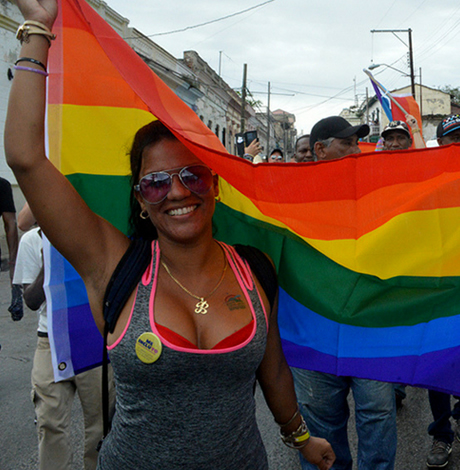
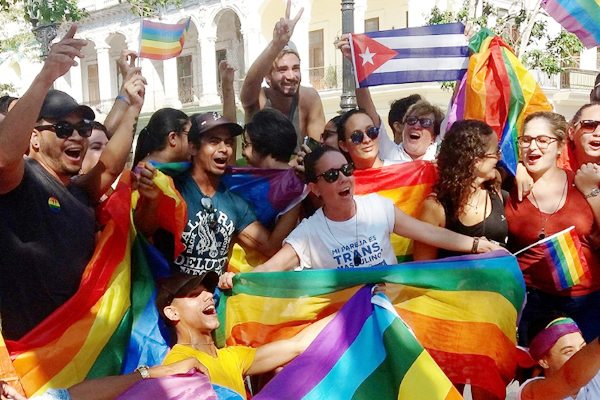
Un grupo de activistas por los derechos LGBTI+ en Prado y Malecón en La Habana el pasado 27 de octubre. (Foto cortesía de Jimmy Roque Martínez)
Nota del editor: Tremenda Nota es una revista electrónica independiente que documenta la comunidad LGBTI+ del país y otros grupos minoritarios. Tremenda Nota es una pareja de contenido del Washington Blade.
Esa nota salió originalmente en el sitio web de Tremenda Nota.
LA HABANA — Mientras las iglesias se oponen a la aprobación del matrimonio igualitario en Cuba y el Cenesex mantiene una postura pública discreta, los activistas LGBTI+ — menos organizados que las instituciones religiosas ― promueven campañas en diferentes soportes y medios.
A las tres de la tarde del 27 de octubre de 2018, en la intersección de Prado y Malecón, La Habana, debía celebrarse una besada — o Besuqueo, como le llamaron sus organizadoras — en apoyo al matrimonio igualitario. Unas horas antes habían confirmado su asistencia más de 600 personas y la invitación había sido compartida un centenar de veces en redes sociales. “Sacar los besos del clóset” era la divisa.
Durante el Besuqueo el Proyecto Abriendo Brechas de Colores (ABC) — LGTBI — un grupo que busca “generar espacios de diálogo entre los discursos religiosos y sociales en torno a los derechos de las mujeres y las personas LGBTIQ+” ― entregaría folletos sobre el fundamentalismo religioso, así como carteles y pegatinas alegóricos a la diversidad sexual y de género.
ABC también planeaba proyectar videos producidos en la campaña Todos los derechos para todas las familias. Los besos más creativos quedarían plasmados en una sesión de fotos. En esa zona del Prado se “izarían” banderas de la diversidad.
Sin embargo, un día antes de la cita ABC canceló públicamente el Besuqueo por no recibir el permiso estatal para tomar la calle.
Pese a la suspensión, a la hora y el día previstos hubo un flash mob (movilización relámpago) en Prado y Malecón. Acudieron las organizadoras del evento y otros activistas vinculados al Centro Nacional de Educación Sexual (Cenesex). Se besaron.
El Besuqueo no trascendió más: Asistieron unas 30 personas, en lugar de la multitud que podía haber acudido.
La cancelación del evento y la actitud reticente de sus promotoras generaron críticas de varios activistas en las redes sociales. El poeta Norge Espinosa resumió su decepción así: “El activismo de veras se hace con arrojo, con la disposición precisa a ir más allá de los límites permitidos, o no se hace”.
Paradójicamente, dos días antes de que ABC cancelara el Besuqueo, la Iglesia Metodista de Marianao reunió unos 3.500 feligreses en los alrededores del templo para mostrar su desacuerdo con el matrimonio igualitario, según informó la propia institución en su página de Facebook. Celebraron un culto multitudinario, sin permiso de nadie.
Iglesias versus activistas
Hasta ahora las iglesias cubanas han mantenido una postura firme en contra del matrimonio igualitario y “la ideología de género” en las páginas institucionales de sus redes sociales.
Pero su activismo también ha traspasado las fronteras del mundo virtual. Los feligreses han distribuido a lo largo del país carteles y pegatinas que defienden el “diseño original de la familia, como Dios la creó”. También se han manifestado en las calles aledañas a sus templos y, como si fuera poco, han “publicado” sus mensajes en el “paquete semanal”, la variante cubana a la internet.
Ahora quieren llegar más lejos. La reverenda Alida León, presidenta de la Liga Evangélica de Cuba, confirmó a Tremenda Nota que una veintena de denominaciones recogen firmas contra el artículo 68. “No tenemos nada en contra de los homosexuales, pero exigimos que se conserve el concepto de matrimonio como Dios lo creó”.
En efecto, el pasado 13 de noviembre más de una decena de denominaciones cristianas hicieron pública una carta enviada a la “Comisión Constitutiva del del Proyecto de Constitución, Comité Central del PCC”. Las 13 iglesias que suscriben el documento aseguran haber recogido casi 180.000 firmas contra la modificación del concepto de matrimonio en el proyecto de Carta Magna.
La comunidad cristiana podría votar No en el próximo referendo si se mantiene el artículo 68 en el Proyecto de Constitución. En su texto “El artículo 68: Evangélicos, católicos, el movimiento LGBTI y las cortinas de humo” el intelectual y activista Alberto Abreu Arcia asegura que León Báez, uno de los líderes de la iglesia evangélica en Cuba, declaró: “Si no se modifica el tema del matrimonio en el proyecto de Constitución todo votaremos en contra”.
De acuerdo con el Instituto Patmos en 2017 el 10 por ciento de la población cubana profesaba la fe evangélica, mientras que un 35 por ciento se consideraba nominalmente católico. Las denominaciones cristianas están organizadas y tienen presencia a lo largo del archipiélago cubano. Disponen de locales de reunión y de mecanismos de comunicación directa con el Estado. Por ende, el activismo independiente tiene menos ventaja en esta “contienda”.
Muchos defensores de los derechos LGBTI+ en Cuba han tenido que seguir el guión trazado por el Cenesex: Desfilan en mayo a paso de conga y luego regresan a las redes sociales, donde se acumulan denuncias, mensajes y campañas. A las calles no se puede llegar sin la anuencia del Gobierno.
“Las redes sociales y los entornos digitales han venido a suplir las carencias de legitimidad en otros espacios, pero no permiten dar respuesta a todos los desafíos”, explica a Tremenda Nota el joven activista Yadiel Cepero.
“En aras de transformar el estado actual de cosas creo, como muchos otros activistas, que se debe impulsar la agenda LGBTI+ a la par que se impulsan los derechos civiles y políticos. De manera que los colectivos puedan legalizarse, articularse, disponer de espacios de reunión y hacer uso de mecanismos de participación e incidencia política”, asegura Cepero.
Para el fundador de la plataforma de discusión Construyendo una agenda de la diversidad sexual en Cuba, el primer paso de los defensores de los derechos LGBTI+ sería arriesgarse a tomar el espacio público. “La iglesia puso sus carteles y no pasó nada. ¿A qué le tenemos miedo?”
Sin embargo, durante los debates constitucionales un sector del activismo cubano se ha mantenido a la zaga de las iglesias, confiado en el papel del Estado como garante de derechos.
“Tenemos una herencia fuerte de inactividad, de miedo. Muchas veces porque no nos han dejado caminar solos”, asegura la activista y abogada Lidia Romero. “Hemos llegado a un momento importante para impulsar derechos y justo ahora parece que no sabemos qué hacer, ni cómo organizarnos.”
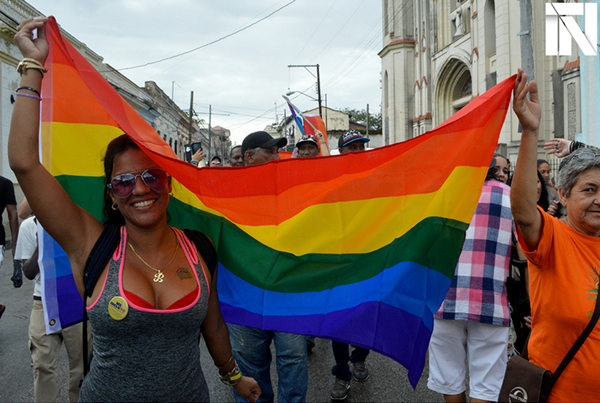
Solo el 17 de mayo ―Día mundial de la lucha contra la homofobia y la transfobia― el Gobierno, a través del Cenesex, autoriza que los activistas, personas LGBTI+ o simpatizantes de la causa de los derechos sexuales marchen. (Foto por Yariel Valdés González)
Algunos activistas creen inevitable la aprobación del artículo 68 y, por tanto, asumen que sería ocioso replicar a los grupos religiosos. El periodista Francisco Rodríguez Cruz aseguró en su blog Paquito el de Cuba que no debe temerse a que “la matriz de opinión conservadora de algunas iglesias pueda imponerse al resto de la sociedad”.
El bloguero explica que los resultados de la consulta popular no los definirá la cantidad de firmas que reúnan las iglesias ni el número de planteamientos en contra del artículo 68, “sino el análisis de la pertinencia o no de cada propuesta que surja del debate, por parte de la comisión redactora del proyecto constitucional y del Parlamento que aprobará el texto definitivo antes del referendo”.
La opinión de Rodríguez Cruz se apoya en las declaraciones del Secretario del Consejo de Estado, Homero Acosta Álvarez. El pasado 17 de octubre, durante la inauguración del Congreso Internacional Abogacía 2018, el jurista dijo: “El Derecho no puede permanecer esclavo perpetuo de rezagos sociales, aún cuando en un momento pueda entrar en colisión con parte del espectro social. En su misión transformadora le corresponde también impulsar el desarrollo”.
‘Vamos a convocar nuevas besadas’
En las últimas semanas varios activistas han puesto a circular en las redes sociales videos cortos donde personas LGBTI+ (o no) muestran su apoyo al artículo 68 del Proyecto de Constitución.
Las páginas 68Va, Acepto, Por el matrimonio igualitario en Cuba, Proyecto Abriendo Brechas de Colores – LGTBI, Construyendo una agenda de la diversidad sexual en Cuba e Iglesia de la Comunidad Metropolitana en Cuba (ICM) llevan adelante diferentes campañas en las redes sociales. También se suman varios cibernautas desde sus perfiles personales o sus blogs.
Sin embargo, las propuestas o campañas generadas en estas plataformas digitales no logran trascender el espacio virtual en un país cuya población mayoritaria permanece desconectada.
Unos meses atrás, el 11 de mayo, una veintena de intelectuales y activistas cubanos publicaron una detallada agenda por los derechos LGBTI+ en Cuba. El documento — primero de su tipo en el país — incluye 63 demandas específicas y se divide en dos grandes secciones: medidas legislativas y políticas, planes y estrategias. Todos sus firmantes son miembros de la sociedad civil.
Algunos de los suscriptores son activistas que buscan alternativas independientes del Estado o el Cenesex para encauzar sus demandas.
“(El Cenesex) es una institución que excluye a quienes no concuerdan con sus ideas políticas, tampoco socializa los avances de su labor, sino que nos pide confiar en que ʻestán trabajandoʼ, sin tener más información que esto. No nos trata como iguales, ni como parte”, agrega Lidia Romero.
Recientemente, la activista Sandra Álvarez Ramírez, otrora webmaster del Cenesex y miembro del consejo editorial de la revista Sexología y Sociedad, fue replicada por el perfil de Facebook de la institución. “Los ʻperiodistas de verdadʼ no recibimos instrucciones desde Berlín”, escribió Cenesex cuando la psicóloga cubana residente en Alemania preguntó sobre la cancelación del Besuqueo.
Para varios militantes el panorama actual empeora por la falta de articulación de un movimiento LGBTI+ en Cuba. “Si tú no tienes espacios de socialización, ni de accionar, ni una institución que te represente como un todo, y ni siquiera puedes asociarte legalmente, entonces no hay trabajo articulado, pero debemos vencer esos límites”, termina Romero.
Menos unidos, más rezagados que las iglesias, los activistas comienzan a salir discretamente de las redes, empiezan a saber que les corresponde emplazar al Estado, a las instituciones y a una parte de la sociedad negada a que todas las personas alcancen todos los derechos.
Jimmy Roque Martínez — uno de ellos — no cree que los simpatizantes con la causa de los derechos sexuales deban mantenerse esperando los resultados del referendo constitucional con discreción. “Además de las historias de vida y opiniones que comenzaron a circular en las redes sociales, y las páginas creadas también vamos a convocar nuevas besadas, solo que estas no van a cancelarse”, augura.



2026 Midterm Elections
Markey’s primary win deemed success for LGBTQ activists
Mass. lawmaker champions transgender rights
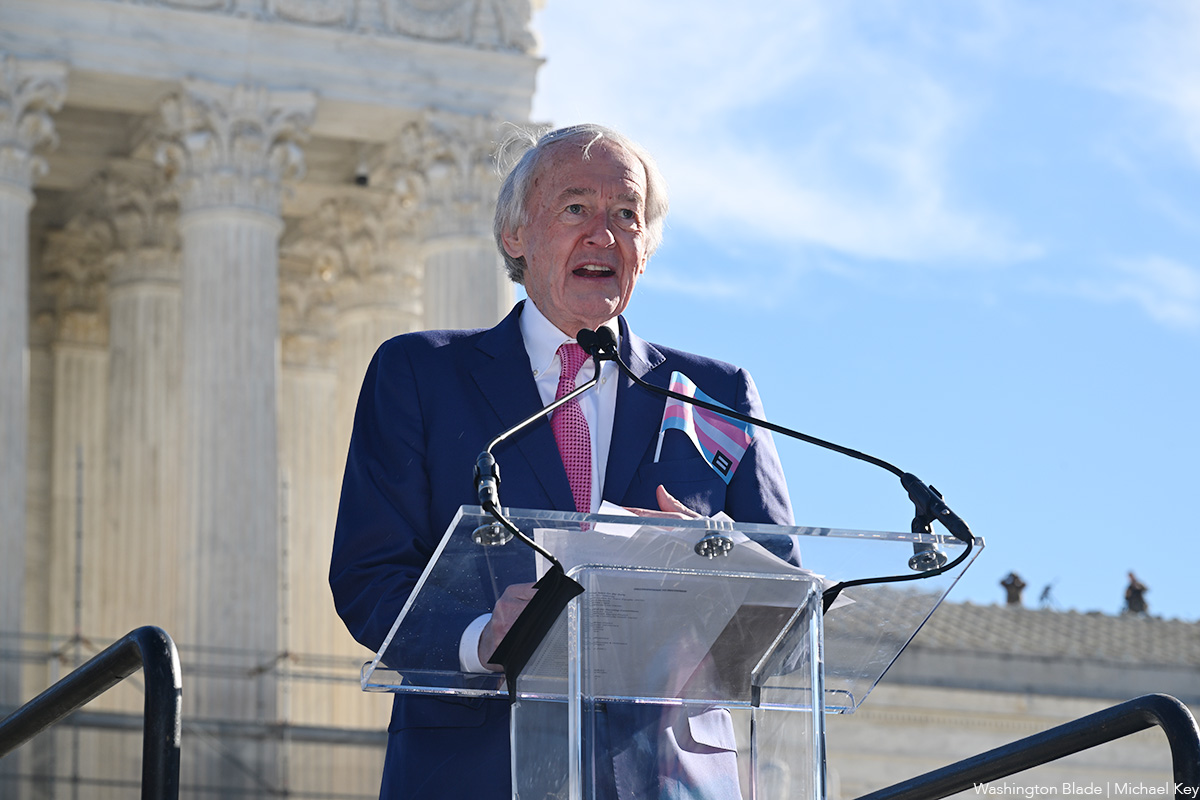
U.S. Sen. Ed Markey (D-Mass.) clinched the Democratic seat for his reelection campaign in Massachusetts’s primary election on Tuesday.
Markey won the deep-blue state with 64.8 percent of the vote, according to NBC News, triumphing over Marine Corps combat veteran and Congressman Seth Moulton, who received 35.2 percent of the vote.
Massachusetts’s primary election, which determined which Democratic candidate will head to the polls to face off against the Republican challenger in November, is being considered a victory for LGBTQ-inclusive policy, as well as for a divisive pro-transgender rights candidate — both things Markey has become an outspoken champion of.
Markey has experience at multiple levels of government, from the state level, where he served three terms in the state House of Representatives, to his federal tenure, including 20 terms in the U.S. House of Representatives and is now serving his second term as a senator. He has become a fixture of a changing Democratic Party in one of the most consistently blue places in the U.S.
This primary — and much of the national discussion surrounding the Senate seat — focused a lot of campaigning power on fighting the growing sentiment, led mostly by Republicans, that the frustration many Americans feel lends itself to an anti-establishment and anti-incumbent attitude.
Markey ran his campaign using his past as a reflection of his commitment to constantly putting his best foot forward for Bay Staters — particularly with apprehension for issues younger and more progressive democrats have been righting for — including Green New Deal and “Medicare for All” while Moulton — who was also elected to federal office prior to this run — campaigned on being younger than Markey, arguing that he was not the same type of established politician.
Moulton also faced backlash for negative comments about trans athletes, sparking criticism for those who did want younger candidate but want for trans rights to be protected.
Markey’s track record of supporting the LGBTQ community is one of the most clear in federal politics, one that has garnered a “100 percent lifetime voting record” on the Human Rights Campaign’s PAC politician review scorecard.
That list of Markey’s actions includes being a cosponsor of the Equality Act, driving landmark legislation to ensure federal protections for LGBTQ Americans, and being one of the most vocal proponents for trans rights in the federal government — specifically in multiple appropriations bills and in the National Defense Authorization Act. He was also the lead sponsor of the Transgender Health Care Access Act and the Transgender Bill of Rights resolution.
Markey first introduced the Transgender Bill of Rights in the Senate in 2023, where it ultimately failed to be brought to law. He reintroduced the legislation this year once again. This was a direct response to the attitude pushed by many conservatives after 2021, when the push to minimize trans rights started to become a key part of their cause and has been constantly propped up by the Trump-Vance administration.
“Massachusetts needs a senator who stands up and fights back, a senator who never forgets who they are fighting for,” Markey said during his victory speech. “That has been the mission of my life, and it always will be.”
Following the calling of the primary, a slew of LGBTQ organizations rallied behind Markey, many pushing his past as an asset that puts his money where his mouth is through advocating for legislation specifically protecting the LGBTQ community.
Tyler Hack, the executive director of the Christopher Street Project, an organization dedicated to pushing for legal protections for trans americans, released a statement following Markey’s win. Hack argued that putting forward such a staunchly pro-trans candidate is a win for the community, especially after endorsing him earlier this year.
“Tonight, anti-trans politics lost. Massachusetts rejected the idea that attacking transgender people is a shortcut to political power. Voters chose a different path: one where equality is not negotiable, cruelty is not courage, and transgender people do not have to disappear for Democrats to succeed.”
The Human Rights Campaign also endorsed him as a candidate earlier this year and issued a statement via its president, Kelley Robinson.
“Ed Markey has spent decades fighting for LGBTQ+ equality, for working people, and for a more livable world,” Robinson said. “He knows why equality matters. He’s stood with us no matter what. We were proud to endorse him this year, and when a pro-equality majority takes back the Senate this fall, we will continue to count on him as a champion for our community.”
Markey is running for reelection against Republican John Deaton in November, where he is expected to win.
Bulgaria
Top Bulgarian court rules government must legally recognize trans people
Decision caps off decade-long legal fight
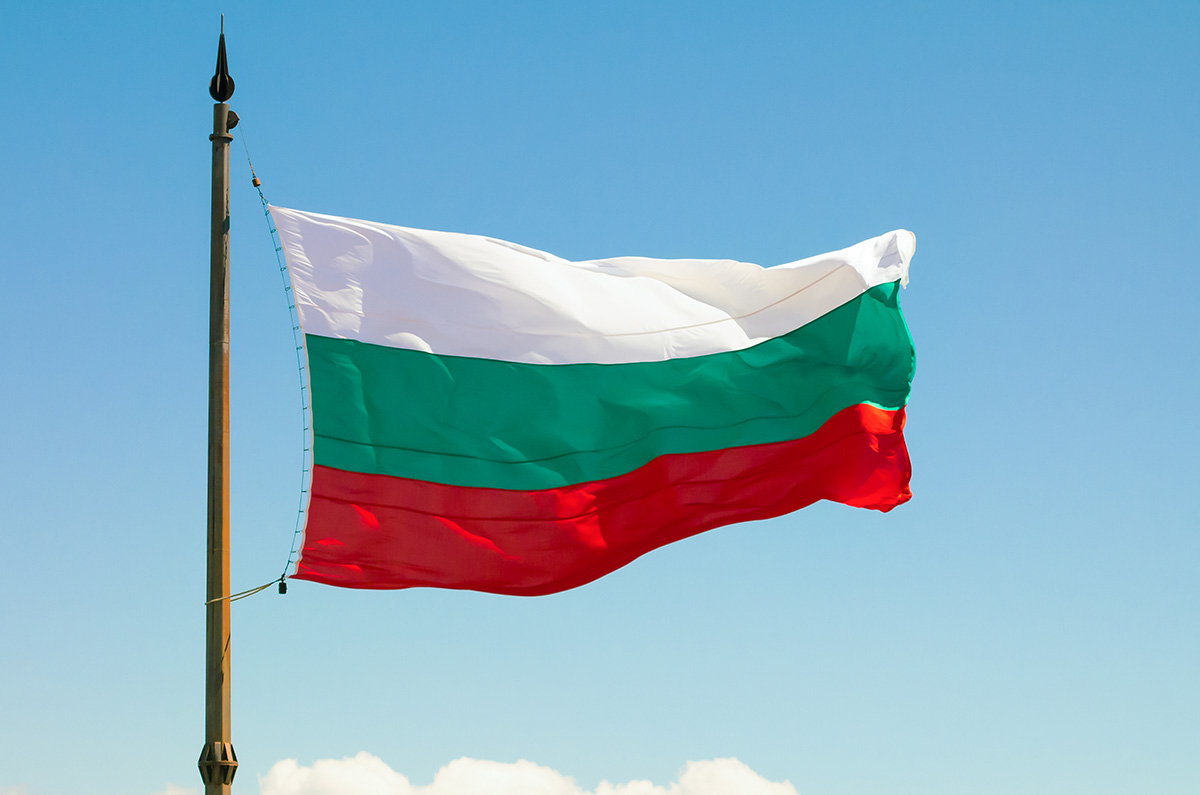
Bulgaria’s top court has ruled the country’s government must allow transgender people to legally change their name and gender on ID documents.
A trans woman from Bulgaria who moved to Italy, had tried to change her gender and name on her Bulgarian ID documents, but courts in the country denied her requests for nearly a decade.
The Bulgarian Supreme Court of Cassation in a 2023 ruling essentially banned trans people from legally changing their name and gender on ID documents.
The EU Court of Justice in Luxembourg, which is the European Union’s highest court, in March ruled in the “Shipova” case that member states must allow trans people to legally change their name and gender on ID documents. The lead plaintiff in the “Shipova” case is among the four litigants in the Bulgarian Supreme Court of Cassation case.
Two Bulgarian advocacy groups — Bilitis and Deystvie — along with TGEU – Trans Europe and Central Asia and ILGA-Europe in a joint statement they issued on Tuesday noted the Bulgarian Supreme Court of Cassation’s July 22 decision “aligns Bulgarian practice with the Court of Justice of the EU, enabling changes to gender markers, names, and personal identification numbers.”
“The judges also concluded that EU law requires Bulgaria to establish a legal procedure for legal gender recognition, which is necessary so that Bulgarian trans citizens can travel and reside freely inside the EU,” they added.
Bulgaria has been a member of the EU since 2007.
The country borders Romania, Serbia, North Macedonia, Greece, and Turkey.
“We are very glad to see that the judges of the Supreme Court clearly stated that it is actually a matter of rule of law for Bulgaria to respect the universal equality and the dignity of all human beings, including trans people for whom human rights-based legal gender recognition procedures are an indispensable element,” said Denitsa Lyubenova, co-chair of Deystvie who represented the four plaintiffs in the Bulgarian courts and the lead litigant in the “Shipova” case at the EU Court of Justice. “The government needs to act swiftly now to put in place an LGR procedure that is fully in line with European human rights case law, which means without any conditions requiring proof of medical, surgical or hormonal treatment.”
The groups also urged the Bulgarian government to codify the ruling into law.
“While lower courts are expected to follow this ruling directly, a court decision is not a substitute for law,” they said. “Bulgaria still needs a fast, transparent, and accessible legal gender recognition procedure written into legislation, not left to case-by-case court precedent. TGEU – Trans Europe and Central Asia, Bilitis, Deystvie, and ILGA-Europe call on the Bulgarian government to start that legislative process now, with meaningful involvement from civil society.”
National
Lou Chibbaro Jr. documentary wins award from NLGJA
‘Lou’s Legacy’ produced by D.C.’s Mattachine Society

“Lou’s Legacy: a Reporter’s Life at the Washington Blade,” a documentary produced by The Mattachine Society of Washington, D.C., will receive an Excellence in Journalism Award from NLGJA, the Association of LGBTQ+ Journalists.
The film premiered on WETA PBS in D.C. and Maryland Public Television (MPT) in June of 2025. The documentary’s Emmy-nominated director and producer Patrick Sammon will accept the award for Excellence in Local Television on Sept. 11 at NLGJA’s National Convention in San Francisco.
“Lou’s Legacy” was produced in association with the Mattachine Society of Washington, D.C., a non-profit LGBTQ history society dedicated to conducting original archival research. Aside from Sammon, the NLGJA is recognizing other members of the film’s production team including Producer Julianne Donofrio, Editor Amir Jaffer, Executive Producer Charles Francis, and Executive Producer Pate Felts.
“Lou’s Legacy” tells the story of two D.C. icons — legendary Washington Blade reporter Lou Chibbaro Jr. and beloved drag performer Donnell Robinson, known to generations of Washington audiences as “Ella Fitzgerald.” Through Lou’s nearly five-decade career at the Blade and Ella’s return to the stage after a three-year hiatus following COVID, the 29-minute documentary explores the history of Washington’s LGBTQ community and today’s rising backlash against LGBTQ rights, including laws targeting drag performers.
“All students of journalism can learn a lot from the story of Lou Chibbaro, Jr. Lou has chronicled nearly five decades of LGBTQ+ life and the community’s struggle for equality in Washington, D.C. Lou’s work and the role of the queer press has been essential in covering stories the mainstream media would often ignore or erase,” said Ryan Levi, president of the D.C. chapter of the NLGJA.
“We are thrilled to receive this award from the NLGJA,” said the film’s director Patrick Sammon. “Lou Chibbaro’s nearly five decade career at the Washington Blade demonstrates the essential role LGBTQ journalism plays in telling our community’s stories and documenting its history. This recognition from journalists who follow in Lou’s footsteps is particularly meaningful to me and the rest of our production team.”

Markey’s primary win deemed success for LGBTQ activists

Top Bulgarian court rules government must legally recognize trans people

Lou Chibbaro Jr. documentary wins award from NLGJA

Beloved D.C. ‘Old Catholic’ Bishop Charles Braun dies at 86

Blade welcomes fall intern

E-INFOSOL leaders encourage youth to pursue tech careers

New book examines Trump cuts to LGBTQ healthcare

Immersive ‘Nation-State’ imagines a society free of authoritarianism

Poland begins to legally recognize same-sex marriages from other countries

HRC president campaigns for Chris Pappas in NH
-

 Technology5 days ago
E-INFOSOL leaders encourage youth to pursue tech careers
-
Books5 days ago
New book examines Trump cuts to LGBTQ healthcare
-
Theater4 days ago
Immersive ‘Nation-State’ imagines a society free of authoritarianism
-
Poland3 days ago
Poland begins to legally recognize same-sex marriages from other countries