Autos
AUTOS: Three current crossover standouts in a teeming market
Mitsubishi Eclipse Cross features quiet, perky engine
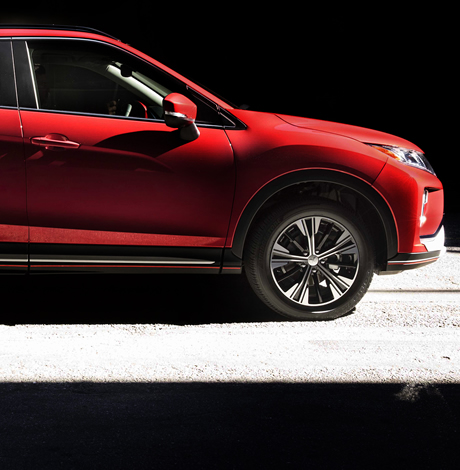
Like rainbow flags at a pride parade, crossovers are everywhere. There are more than 125 different models, but add in all the various trim levels (such as Limited, Platinum, Premium, Sport, Ultimate and so on) and suddenly there are too many choices to count. To keep things simple, here are three solid contenders.
MITSUBISHI ECLIPSE CROSS
$25,000
MPG: 26 city/29 highway
Zero-60 mph: 8.6 seconds
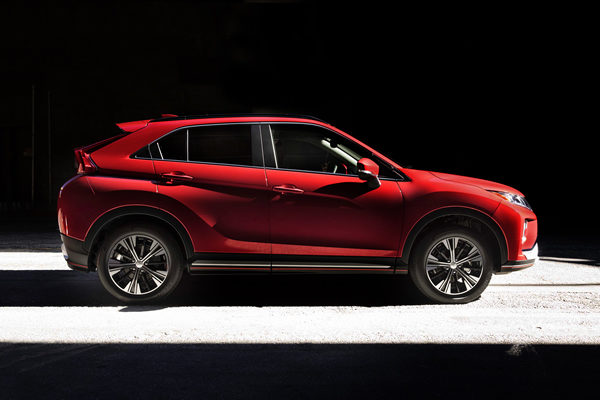
This all-new compact crossover from Mitsubishi is a twist on the typical Eclipse, a sporty coupe and convertible produced from 1989-2011. Today’s Eclipse Cross is just as cocky on the outside, with an angled grille that borrows heavily from Lexus and a raised rear similar to the brash BMW X4.
The cabin is pleasant, with soft-touch materials, optional faux leather and nicely configured controls. Plenty of room for passengers and cargo, with rear seats that fold easily. Yet while the front seats are fairly comfortable, there’s no adjustable lumbar support to ease the ride on long trips.
The 7.0-inch touchscreen infotainment is standard, but opt for the raised display atop the dash with its center-console touchpad. Being one of those people who stubbornly refuses to ask for directions or read instructions to assemble IKEA furniture, I had to surrender and read the owner’s manual to use the less-than-intuitive voice-command system.
As for the engine, it’s quiet and perky enough; just give yourself enough time to merge onto the freeway or pass another vehicle on two-lane backroads. The overall handling is smooth over most surfaces, but beware tackling pesky parking-garage speed bumps except at the slowest speeds. Blind-spot monitoring is standard on all models, which helps offset some of the impaired rear visibility from the dramatically sloped roof.
Other safety features can be added, including lane-departure warning, adaptive cruise control and automated emergency braking with pedestrian detection. A big plus: Mitsubishi now joins Hyundai and Kia in offering the best long-term warranties and roadside assistance available.
TOYOTA HIGHLANDER
$32,000
MPG: 20 city/27 highway
Zero-60 mph: 7.8 seconds
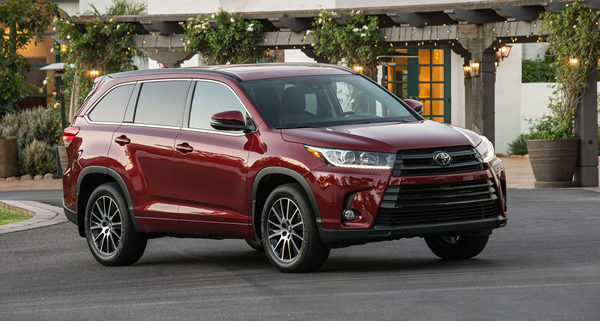
Stepping up to a midsize ride, the Toyota Highlander is the classic crossover: comfortable, quiet and reliable. Available in six trim levels, the base model comes with a rather anemic four-cylinder engine. Luckily there’s an optional V6, which is standard on all the other models.
Sure, zipping around sharp corners can bring some land-yacht body roll, but overall this crossover is responsive and stable. With three rows of seating, there’s room for eight (or seven, if you choose the cushy second-row captain’s chairs instead of a bench seat).
Unfortunately, the third row is tight for adults and cargo room isn’t as roomy as other rides. But the long list of standard features would impress even the Fab Five: heated mirrors, windshield wiper de-icer, rearview camera, five USB ports, Bluetooth, automatic high beams, adaptive cruise control, lane-keeping assist and forward collision warning with automatic emergency braking.
The higher trim levels offer even more goodies, of course, including a height-adjustable power liftgate, tri-zone climate control, second-row sunshades, heated/ventilated seats, heated steering wheel, panoramic sunroof, surround-view parking camera and 12-speaker JBL stereo. But hurry: A redesigned Highlander goes on sale in December, which means there likely will be good deals on the current 2019 models while they last.
MAZDA CX-9
$34,000
MPG: 22 city/28 highway
Zero-60 mph: 7.1 seconds
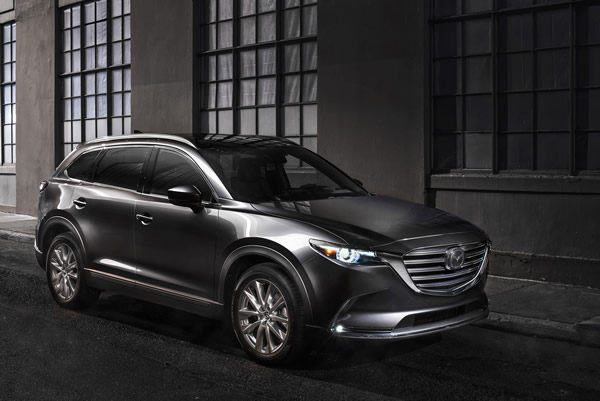
Slightly larger than the Toyota Highlander, the Mazda CX-9 midsize crossover mixes Japanese reliability with Euro handling and style. The stout snout and slanted liftgate are as sleek as any Volvo XC60.
There’s also a classy, frameless rearview mirror (another nod to the Volvo XC60). Overall, the Mazda’s high-quality cabin — especially on the primo Signature trim, with its aluminum trim and genuine rosewood — is on par with Audi and BMW. Ditto the sporty handling and braking.
Acceleration is smooth and peppy with a robust four-cylinder turbo used across all four trim levels. For its infotainment system, Mazda even adopted a large dial interface similar to the BMW iDrive format. With three seats, there’s enough room in the CX-9 for treks to Rehoboth or Lost River. But as with the Toyota Highlander, the third row and cargo area offer less space than some competitors.
Unlike the Highlander, there’s no option for second-row captain’s chairs. Still, the CX-9 is quieter, feels lighter and comes with almost all the same features as the Highlander. Choosing between the two may come down to how tethered you are to your smartphone: The CX-9 comes with Apple CarPlay and Android Auto, which won’t arrive on the Highlander until the 2020 model.
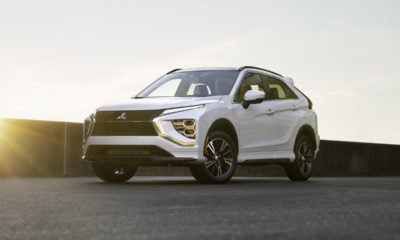

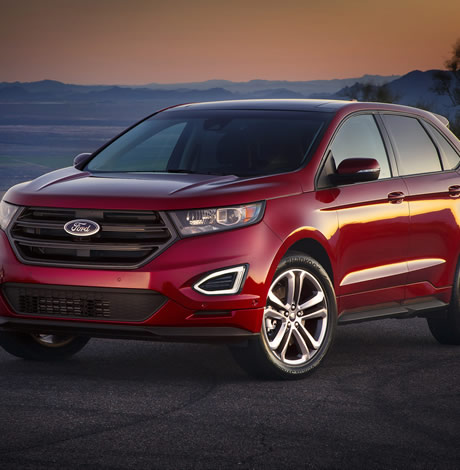
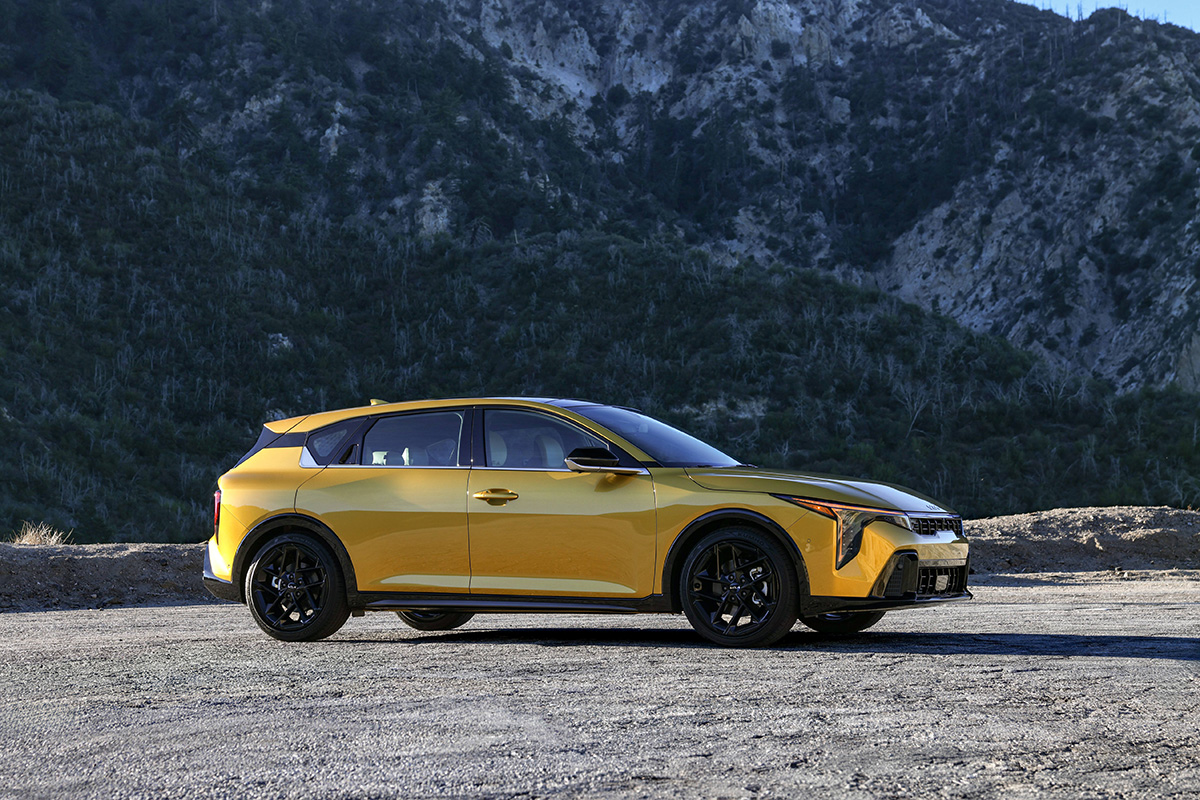
Remember when buying a new car didn’t require the financial stamina of a “Succession” character? This summer, the average new-vehicle price hit $49,758—basically $50,000 with a little lipstick on it. That makes the Kia K4 hatchback and Nissan Kicks especially refreshing. Neither requires a second mortgage, a trust fund or a makeover to look good. And both prove you can still buy a new vehicle without selling your soul — or your vacation plans.
KIA K4 HATCHBACK
$25,000
Mpg: 28 city/34 highway
0 to 60 mph: 9.1 seconds
Cargo space: 22.2 cu. ft.
PROS: Edgy exterior. Roomy interior. User-friendly controls.
CONS: So-so base engine. Pricy turbo. No all-wheel drive.
WHAT’S NEW: Basically everything. The K4 hatchback debuted earlier this year, joining the K4 sedan.
Kia’s stylish five-door K4 boasts three trim levels. The first two use a capable four-cylinder engine, while the top-of-the-line model comes with a turbo.
That turbo provides some genuine zip, though it won’t blow your socks off. Think Janelle Monáe in a tailored suit, not Brad Pitt arriving at the F1 racetrack in a fireproof jumpsuit.
The real star, though, is the design. Sleek. Upscale. A tad mysterious.
Inside, another surprise: vast legroom and storage. Fold the backseats and you can toss in the usual road-trip clutter, plus that regrettable piece of furniture you bought after watching one too many HGTV shows.
Technology is also a bonus, including a digital key that lets you use a smartphone or smartwatch as a direct key fob. You can even share this digital key with friends or family. Just don’t share it with anyone who often loses their actual keys.
Despite some SUV vibes, the K4 remains unapologetically car-like. It sits lower. Feels more conventional. And offers hatchback practicality without itching to conquer the Rockies.
The biggest downside? No all-wheel drive.
Still, for shoppers who crave style, space and gadgetry, the K4 won’t break the bank. To me, it’s like finding a designer jacket at a thrift shop.
NISSAN KICKS
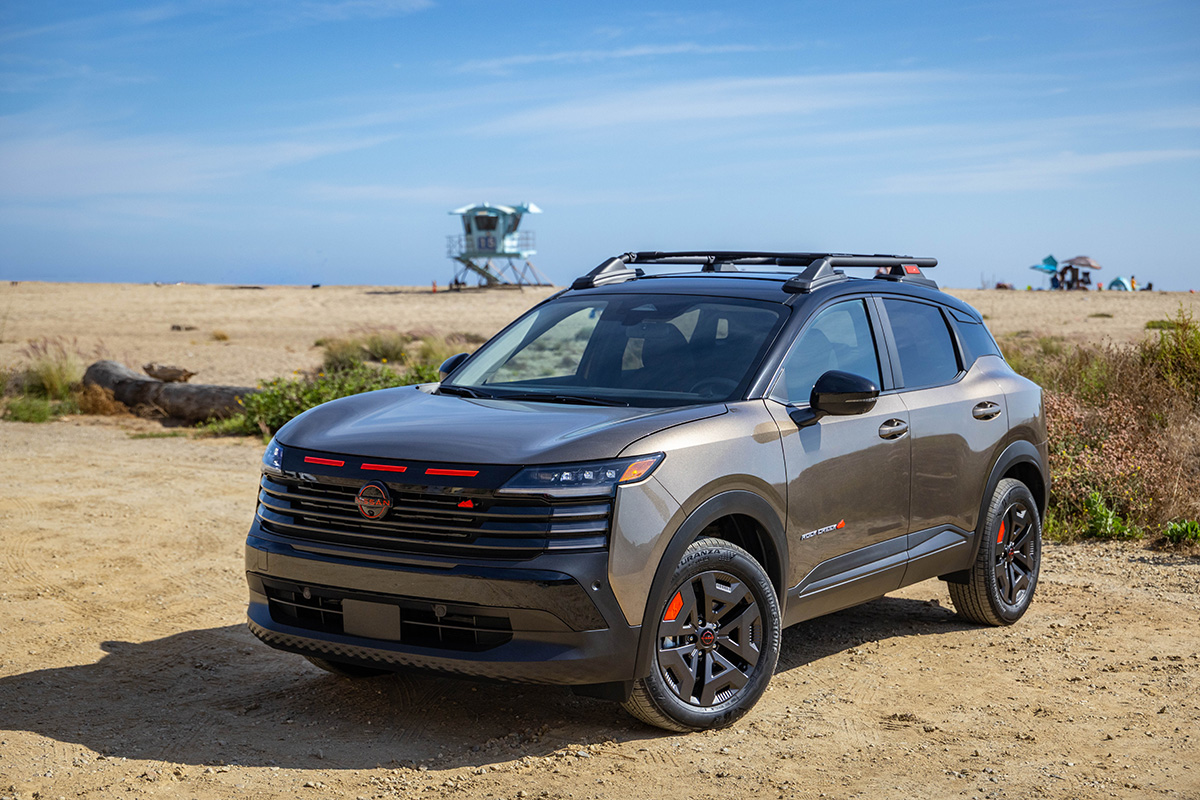
$23,000
Mpg: 28 city/35 highway
0 to 60 mph: 8.9 seconds
Cargo space: 23.9 cubic feet
PROS: Dashing design. Safety gear galore. All-wheel drive.
CONS: Bit pokey. Noisy engine. Limited rear visibility.
WHAT’S NEW: Redesigned last year with a bit more power, bigger cabin and bold looks, Nissan leaves the winning formula alone.
Like the Kia K4, the Nissan Kicks comes in three trims levels. But it also includes all-wheel drive — a nice plus when navigating snow, sleet or cratered alleys.
There’s an extensive suite of active and passive safety features. And the high ground clearance improves driver visibility, which is somewhat hindered in the back by thick roof pillars.
Styling is tastefully flamboyant. Dramatic lighting. Two-tone finishes. Cheerful, without being cartoonish. Miranda Priestly would approve.
Power, though, is more akin to Miranda’s art director Nigel Kipling. Dependable. Functional. Just not enthusiastic.
Inside, the mod cabin has large 12.3-inch displays, wireless smartphone connectivity and charging, and “zero gravity seats” designed to reduce driver fatigue and stiffness. Add in the stunning Bose Personal Plus audio system, with 10 speakers—including those integrated into the headrests—for an immersive 360-degree sound experience.
The Kicks doesn’t try to be rugged or luxurious. It simply offers a lot of everyday usefulness in a small package.
There is a trade-off. The engine gets noisy when pushed, and there are sportier (often pricier) competitors. But that’s hardly a crime. Not every vehicle needs to perform catwalk struts down the street.
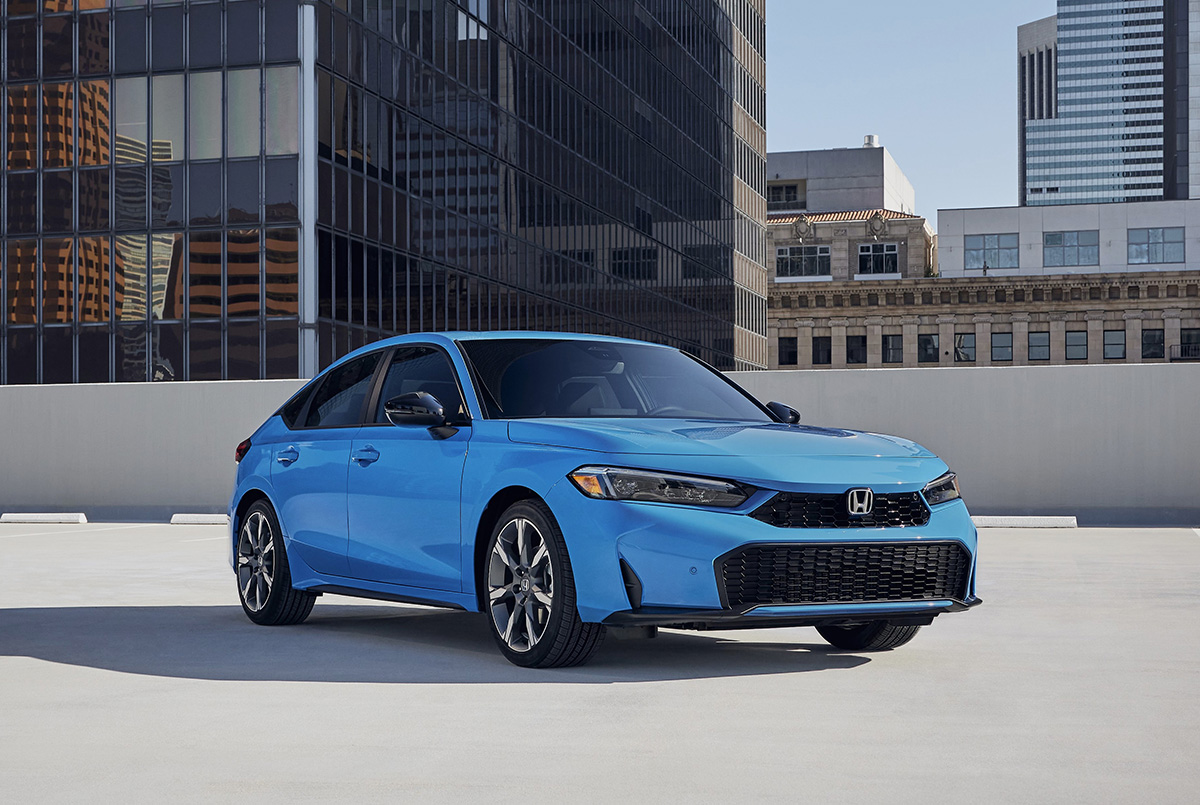
The latest Honda Civic hatchback and Subaru Impreza are two of the segment’s stars. Both offer sensible pricing, excellent utility and enough personality to avoid feeling like appliances.
The Civic is more polished. The Impreza, more rugged. Luckily, neither is trying to be obnoxiously flashy.
HONDA CIVIC
$28,000
MPG: 30 city/38 highway
0 to 60 mph: 8.9 seconds
Cargo space: 24.5 cu. ft.
PROS: Fuel efficient. Spacious cargo area. Good resale value.
CONS: No all-wheel drive. Fussy infotainment. Low rear headroom.
WHAT’S NEW: Only minor updates for 2026. The biggest change carries over from last year’s refresh: the addition of the hybrid, which has become a star performer.
The Honda Civic hatchback won’t scream for attention. It won’t arrive wearing sequins and carrying a smoke machine. It’s more like Nomi Marks from “Sense8”: intelligent, sophisticated and impressively capable.
The styling remains handsome and clean. Long hood. Low roofline. Crisp lines everywhere.Honda resisted the urge to make this vehicle look like a spaceship or an angry robot. That’s refreshing.
Inside, the dashboard is simple and elegant. The honeycomb air-vent treatment remains one of the coolest interior details in the segment. Materials feel expensive. Controls are easy to understand. And visibility is excellent.
I love how the cargo space is generous, with rear seats that fold flat. A bicycle, several suitcases or enough supplies for an ambitious weekend road trip fit without much hassle.
Then there’s the hybrid. The system produces a healthy amount of power while delivering fuel economy that borders on the absurd. Around town, handling feels smooth, quiet and surprisingly quick. You almost glide through traffic. The standard gasoline engine isn’t bad, but the hybrid is stellar.
The Civic also shines on twisty roads. Steering is precise. Body motions stay controlled. The suspension strikes a sweet balance between comfort and sportiness.
Biggest weakness? No all-wheel drive. For drivers in snowy climates, that’s not so good.
Still, the Civic’s stellar combination of efficiency, quality, and driving enjoyment remains incredibly hard to beat.
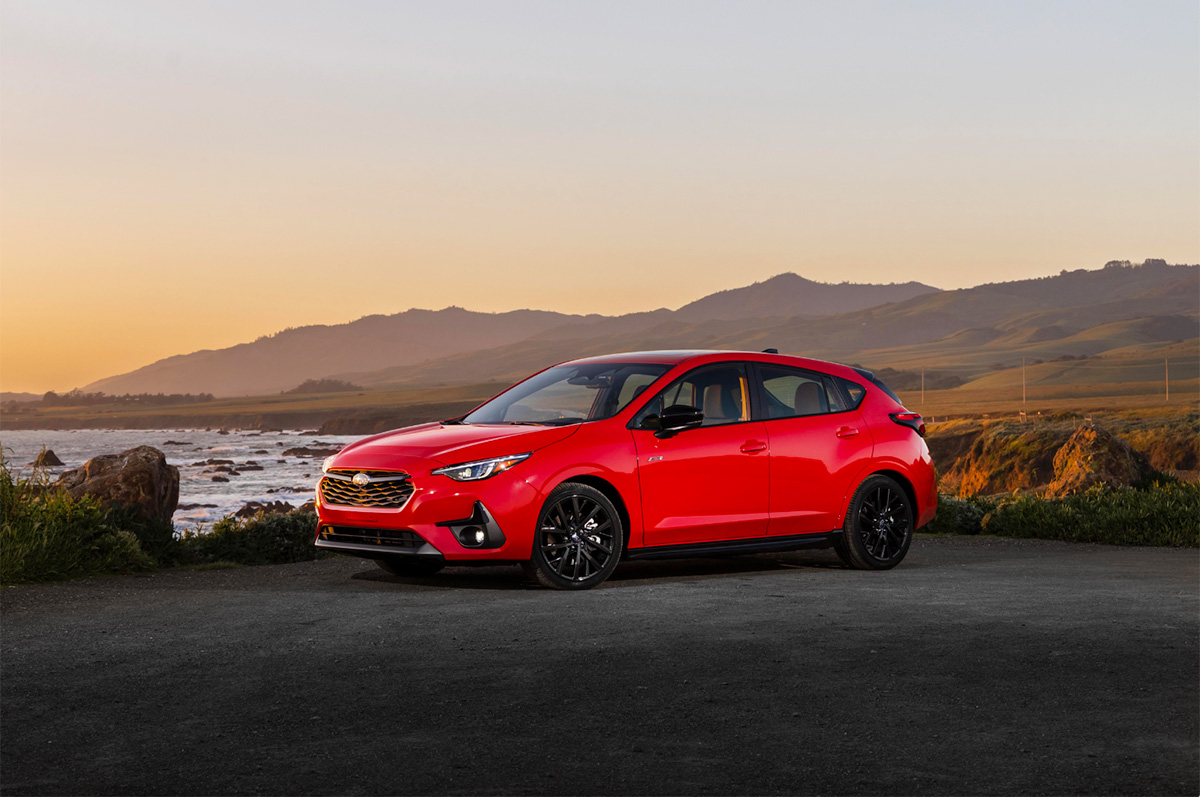
SUBARU IMPREZA
$27,000
MPG: 27 city/33 highway
0 to 60 mph: 8.5 seconds
Cargo space: 20.4 cubic feet
PROS: All-wheel drive. User-friendly tech. Safety cred.
CONS: No hybrid version. Some road noise. Modest cargo room.
WHAT’S NEW: The Impreza receives relatively minor updates for 2026. Subaru continues refining this hatchback rather than reinventing it.
If the Honda Civic is urbane, the Subaru Impreza is unfussy. There’s a kind of Kristen Stewart energy here. Cool without trying too hard.
The styling isn’t dramatic, but it works. This hauler appears ready to tackle rain, snow, dirt roads or an impromptu weekend escape.
And all-wheel drive comes standard on every Impreza. (Most competitors only offer front-wheel drive or include all-wheel drive as a pricey option.)
The result: Slippery roads simply don’t create much anxiety. The suspension absorbs bumps nicely. Long trips are comfortable. Visibility is great, thanks to relatively thin roof pillars and large windows.
I like how the cabin is functional rather than fancy. Materials don’t quite match the Civic’s upscale vibe, but everything feels sturdy. A large infotainment screen dominates the dashboard and generally works well, though some drivers may prefer more physical buttons.
Cargo space is respectable, and the design makes loading bulky items easy.
Performance depends heavily on trim. The base engine gets the job done, but nobody will confuse it for a sports car. The RS trim’s larger engine provides more power and makes the ride livelier. But even then, acceleration remains merely adequate.
The Impreza’s real appeal lies elsewhere, with a mix that few rivals can match: hatchback practicality, standard all-wheel drive, strong safety scores and reasonable pricing.
Perhaps that’s the key difference between these two hatchbacks. The Honda Civic impresses immediately. The Subaru Impreza grows on you.
Fortunately, choosing between them is less stressful than deciding who gets the last mimosa at brunch.
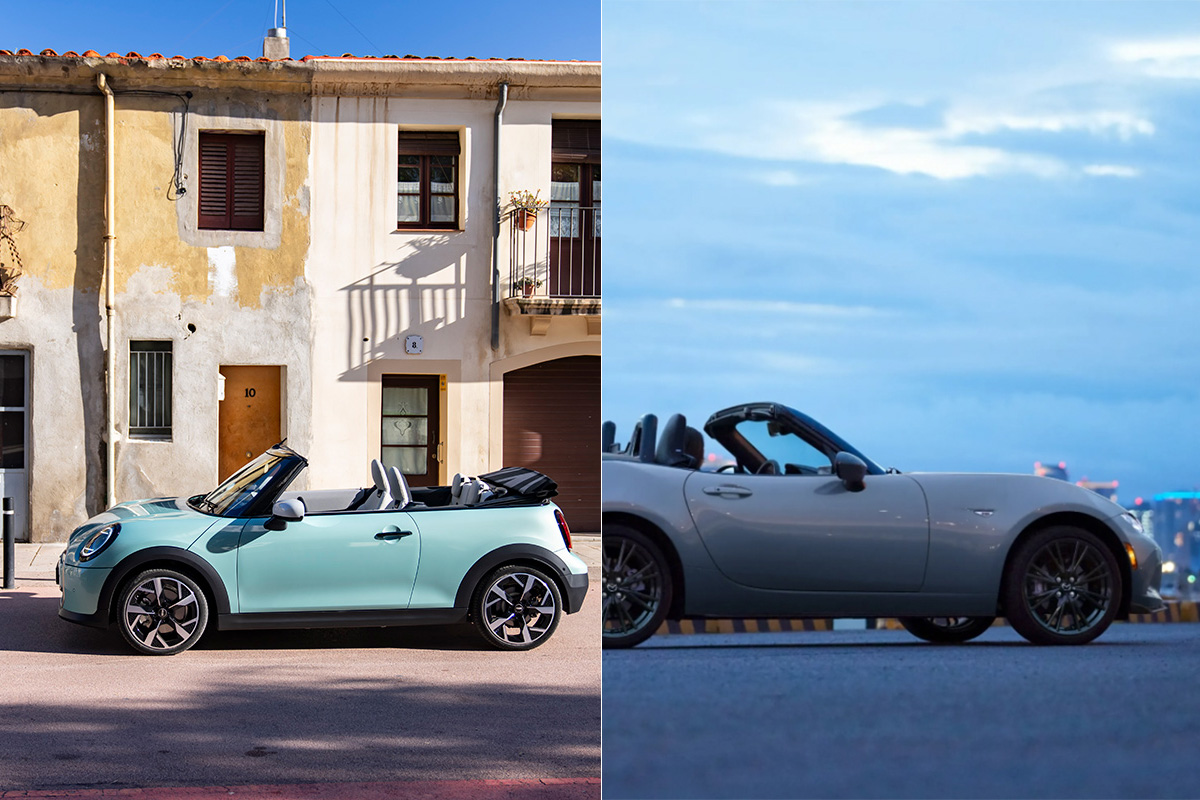
Ragtops rock! For drivers looking to carve their own lane, the world already has enough sensible crossovers, minivans, and pickups. These three convertibles trade practicality for sunshine, wind, and the occasional wild-hair day.
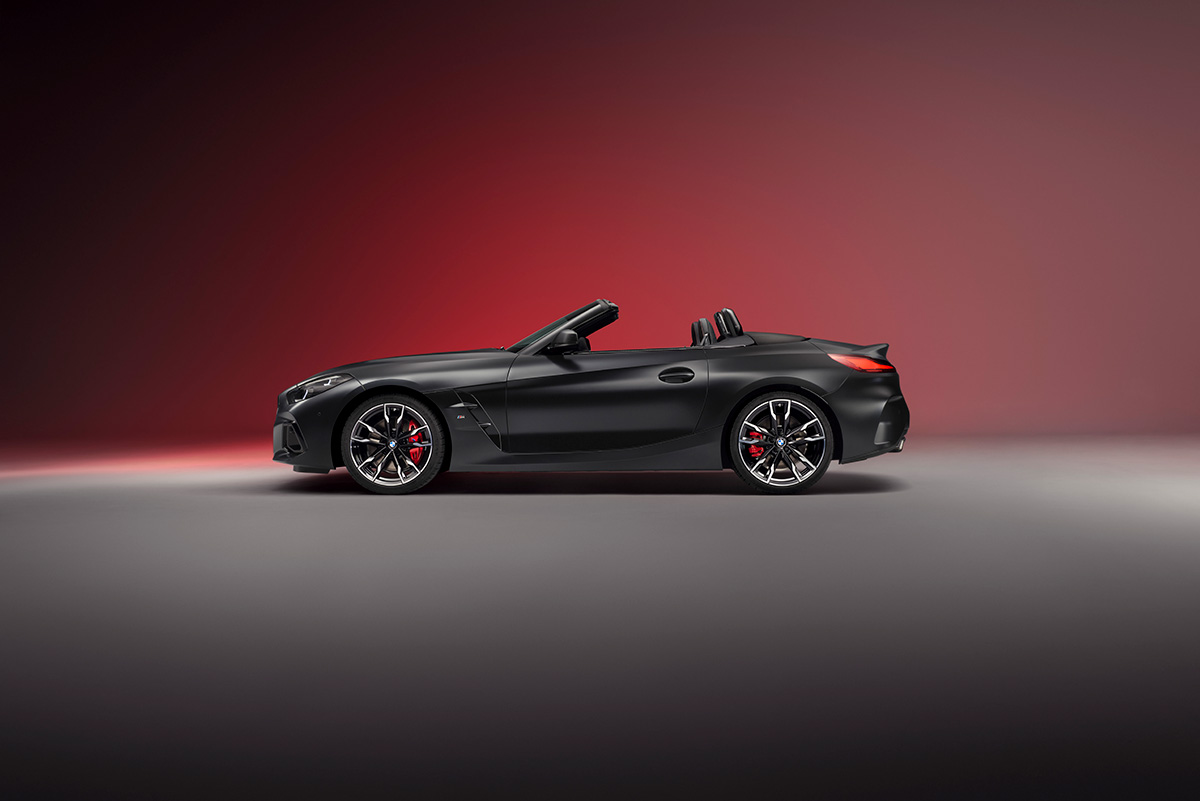
BMW Z4
$58,000
MPG: 25 city/33 highway
0 to 60 mph: 5.2 seconds
Trunk space: 10.0 cu. ft.
PROS: Strong engines. Uber comfy. Stylish.
CONS: Expensive. Final year of production.
Act fast, Bimmer fans, this is the last year the BMW Z4 roadster will be produced. Along with the entry-level xDrive30i and high-performing M40i, there is a Final Edition model.
Since 2002, the Z4 has expertly balanced performance, comfort, and style. The long hood and short rear deck still look fantastic. The stance is athletic. And with the top down, this car gains an extra dose of drama.
Under the hood, BMW offers turbo power that feels eager rather than overwhelming. Acceleration is brisk. The steering precise. The chassis composed.
Upgrading to the premium models lets you scoot from 0 to 60 mph in just 3.9 seconds. But—ka-ching!—the MSRP soars to $79,000.
Available in manual or automatic transmissions, this convertible can sprint through mountain roads on Saturday and soothingly devour highway miles on Sunday.
As for the interior, it blends luxury and functionality. Materials feel expensive. Controls are easy to use. And the seats are supportive.
For me, other ragtops may be more party hearty, but the Z4 is low-key, impeccably tailored and still the center of attention. Think suave James Bond versus sparkling RuPaul.
MAZDA MX-5 MIATA
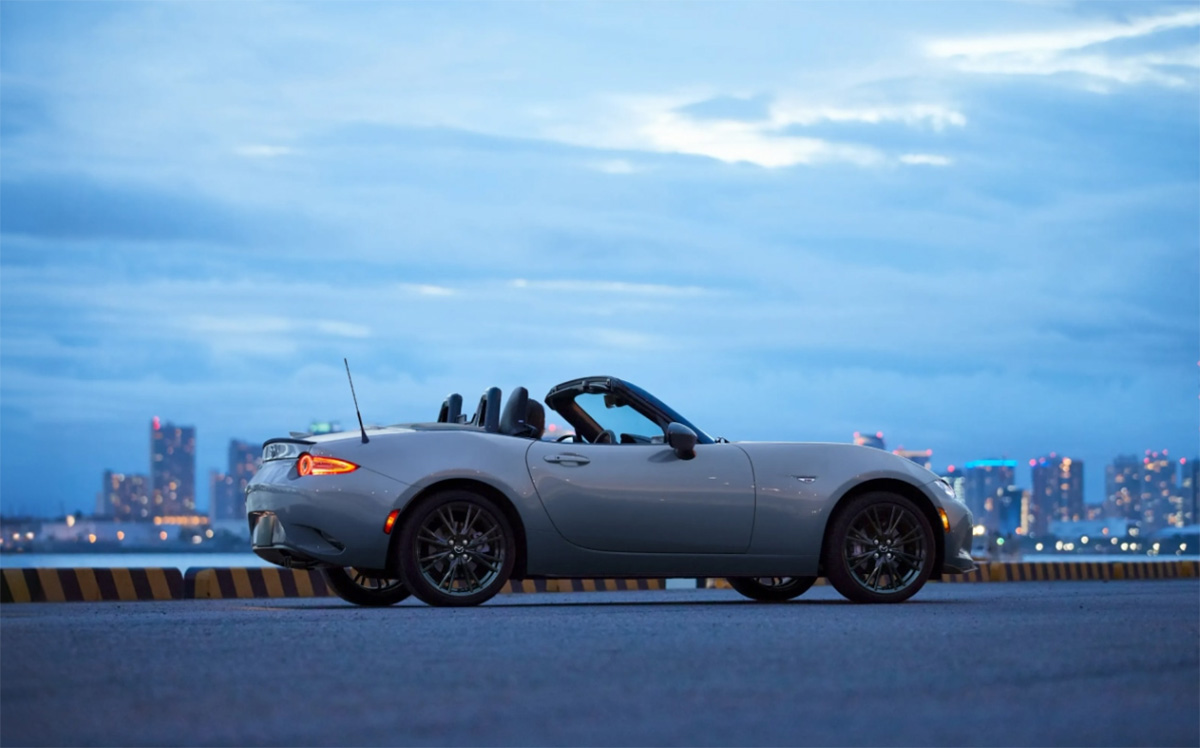
$32,000
MPG: 26 city/35 highway
0 to 60 mph: 5.5 seconds
Trunk space: 5.0 cu. ft.
PROS: Nimble. Lightweight. Affordable.
CONS: So-so power. Wind noise. Limited space
For decades, the Mazda MX-5 Miata has followed a simple formula: Keep it light, keep it balanced and make every drive feel special. The result: Automotive comfort food that never gets old.
Many vehicles grow larger every year, but the Miata has remained Lilliputian in a way that feels rebellious. You sit low. The controls are user-friendly. Visibility is excellent.
No, the engine power won’t blow you away. But this beachcomber isn’t about brute force. It’s about how the Miata makes you feel wonderfully alive, whether tootling along city streets or a winding road.
Inside, the dashboard is sparse but echoes a traditional sports car. Large analog tachometer and analog speedometer. And while the 8.8-inch infotainment display is dinky, it works nicely.
Alas, storage is limited. The cabin is snug. And taller drivers may wish for a bit more room.
Yet somehow even those compromises feel almost charming. This ride knows exactly what it is and refuses to apologize. Sort of like showing up to Pride wearing what makes you happy rather than chasing trends.
MINI COOPER
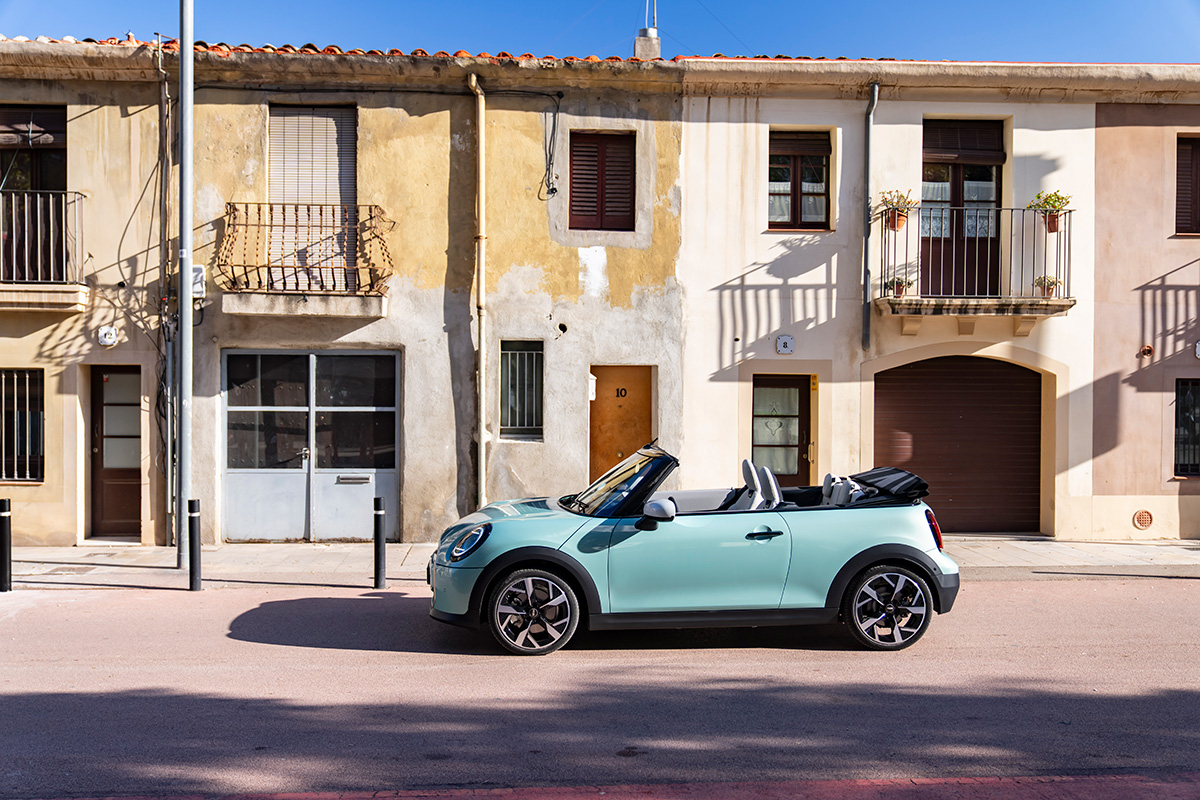
$27,000
MPG: 28 city/39 highway
0 to 60 mph: 7.9 seconds
Trunk space: 5.2 cu. ft.
PROS: Playful styling. Fun handling. Extra stowage.
CONS: Ride can be firm. Not a speed demon.
Mini Coopers approach life with a wink and a grin. Rounded headlights. Compact dimensions. Cheerful styling. It all works to create a vehicle that looks like it’s having fun before you’ve even started the engine.
Driving this ragtop is equally entertaining. The steering is quick, and the chassis feels eager to please. Overall performance is lively rather than blistering.
The cabin leans heavily into Mini’s playful design language. Circular elements appear throughout. Details feel intentionally quirky. Many modern interiors seem created by committees that fear excitement. This cabin feels designed by someone who enjoys color, personality and perhaps spontaneous dance breaks.
Unlike the BMW Z4 and Mazda Miata, the Mini offers a small rear seat. “Small” is doing some heavy lifting there, but the extra space adds flexibility. It may not be enough room to comfortably squeeze in friends, but you can easily stow a few bags here.
To me, driving this convertible feels like attending the world’s friendliest block party. People notice it. People smile. Sometimes people even wave.

Delaware fines Rehoboth bar $15,000 for discriminating against trans woman

Music icon and dear LGBTQ friend Dolly Parton remembered

Push to elect more LGBTQ ANC members yields results

Chris Van Hollen says the Democratic Party needs change. Is he the one to lead it?

New data shows record-high LGBTQ population amid Trump attacks

Exploring Renée Richards’s life through lens of a trans author

Why we need to protect ‘sacrilegious’ art

New GALA show about WWII spy full of conflict, intrigue

Proposed Indian foreign funding law overhaul could further pressure LGBTQ groups

Gay-owned pizzeria in Dupont Circle burglarized
-

 Books4 days ago
Exploring Renée Richards’s life through lens of a trans author
-
Opinions3 days ago
Why we need to protect ‘sacrilegious’ art
-
Theater3 days ago
New GALA show about WWII spy full of conflict, intrigue
-
India2 days ago
Proposed Indian foreign funding law overhaul could further pressure LGBTQ groups