Local
‘Ready for Hillary’ event draws packed house
LGBT supporters to host second event in January at gay club
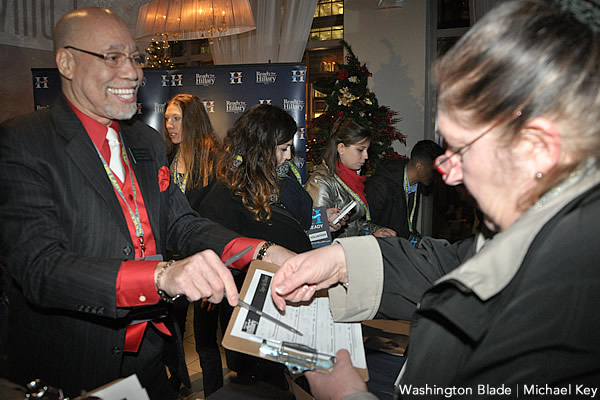
Democratic activist Phil Pannell (left) is among the more than 450 Hillary Clinton supporters who turned out Thursday for a ‘Ready for Hillary’ event. (Washington Blade photo by Michael Key)
More than 450 people, including LGBT activists, turned out for D.C.’s first official rally and fundraiser Thursday night for Ready for Hillary, the independent super PAC formed earlier this year to urge former Secretary of State Hillary Clinton to run for president in 2016.
As many of the attendees entered Look restaurant and lounge on the 1900 block of K St., N.W., where the event took place, they were greeted by veteran D.C. gay rights and civic activist Phil Pannell, who was among the volunteers staffing a check-in table.
“I’m really excited to be here and excited about Hillary,” said Pannell, who is among a growing number of D.C.-area LGBT activists who supported Barack Obama over Clinton in the 2008 presidential race but who are enthusiastic Clinton supporters now.
“Like so many people I know, I want to be a part of this,” Pannell said.
In keeping with their policy of encouraging support from small donors, organizers of the Ready for Hillary rally Thursday night set the admission price at $20.16.
Gay Democratic activist Peter Rosenstein, one of Ready for Hillary’s early supporters, said that same admission price will be in place for the organization’s next event in D.C. that will target a specific LGBT audience. Called “Out and Ready for Hillary,” the event will take place Jan. 15 at the gay nightclub Town Danceboutique.
Among those working on plans for the January event is Lisa Changadveja, Ready for Hillary’s LGBT Americans director. Changadvja announced the January event at Town from the stage at the rally Thursday night.
In an interview with the Blade in November, Changadveja said she and a corps of volunteers will be setting up Ready for Hillary booths at LGBT Pride events across the country in 2014.
“We’re here to encourage her to run in 2016 because she has the grassroots support behind her and she has the LGBT community behind her if and when she decides to run,” Changadveja said.
U.S. Rep. Tim Ryan (D-Ohio), the first member of Congress to officially endorse Clinton for president in 2016, told the gathering Thursday night that he sees support for a Clinton candidacy growing in his home state of Ohio and all parts of the country.
“What we want this campaign to be is something that ushers in the new era of politics in the United States, that Hillary can break the logjam in Washington, D.C. and move our country forward,” he said. “And with your help she’s going to be able to do that.”
Among the LGBT activist leaders listed as members of the host committee for the January Ready for Hillary event at Town nightclub are veteran transgender advocate Dana Beyer; gay Democratic National Committee member and Center for Black Equity CEO Earl Fowlkes; gay Democratic activist Lane Hudson; Gertrude Stein Democratic Club Secretary Jimmie Luthuli; and gay restaurant manager and civic activist Dito Sevilla. Rosenstein is also a member of the host committee.
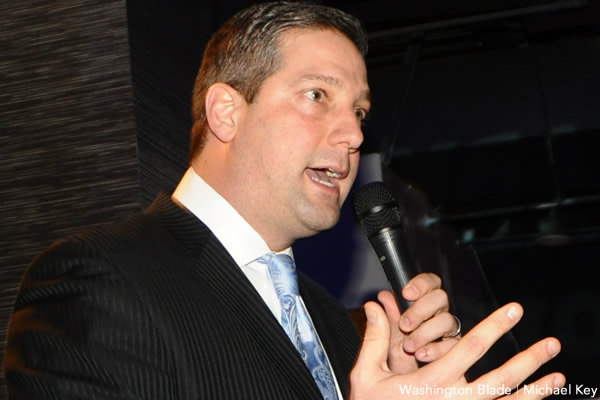
Rep. Tim Ryan (D-Ohio) spoke at the event. (Washington Blade photo by Michael Key)




District of Columbia
Blade welcomes fall intern
Alexis McLean is student at University of North Florida
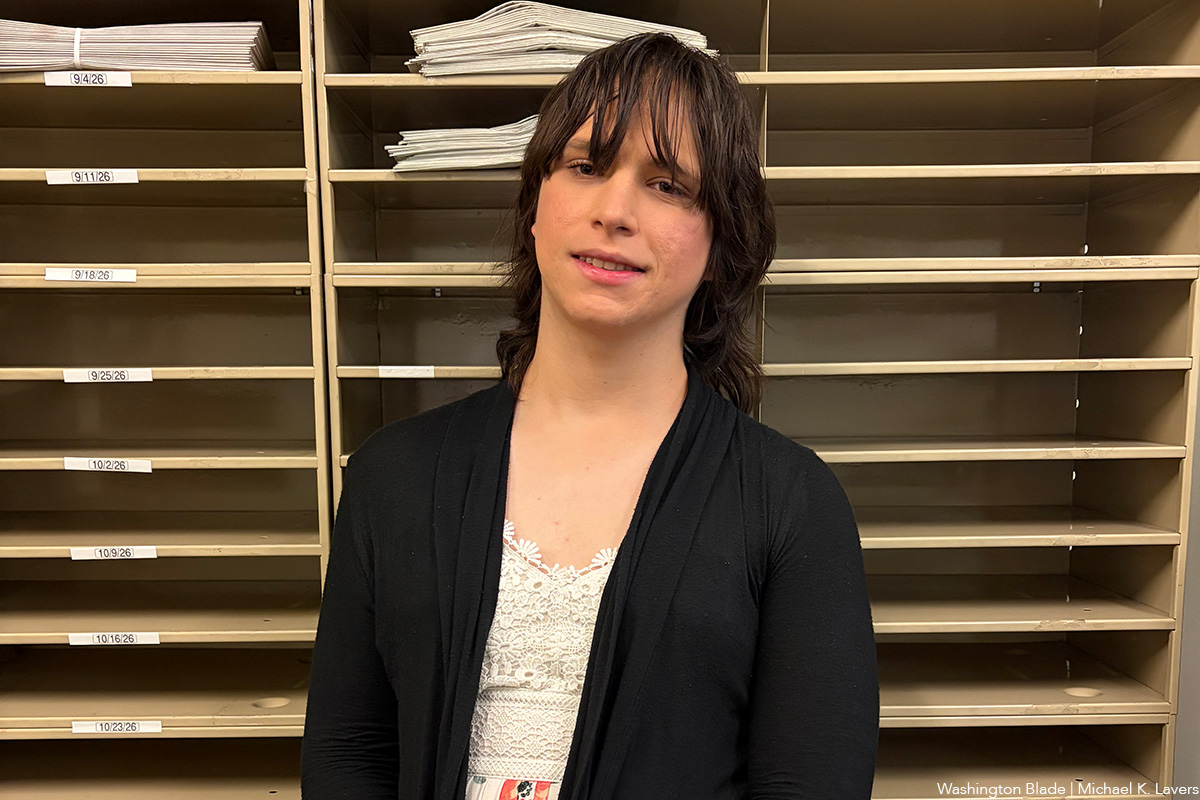
The Washington Blade this week welcomed Alexis McLean as its fall intern.
Alexis is studying political science at the University of North Florida in Jacksonville, Fla. She is interning with the Blade as part of a continued partnership with the Washington Center.
“I am looking forward to spending my time in the fall with the Washington Blade, as this is a new experience for me,” said Alexis. “I have not experienced any journalist jobs in the past so this would be my first time, and I am excited to better my writing and communications skills with this internship.”
Alexis’s internship with the Blade ends in early December.
Rehoboth Beach
SUNFESTIVAL takes center stage as Rehoboth Beach closes out summer
Labor Day Weekend bustling with events, including David Archuleta performance

Labor Day Weekend marks the unofficial end of summer in Rehoboth Beach, but there will be no shortage of LGBTQ events, with CAMP Rehoboth’s annual SUNFESTIVAL taking over town this weekend.
Thursday (9/3)
Get your Labor Day Weekend started early Thursday night with happy hour from 5-7 p.m. at Diego’s Bar & Nightclub, followed by Naughtee Bingo hosted by Magnolia Applebottom at 8:30 p.m.
After bingo, the party continues with Dancing at Diego’s from 9 p.m. to 1:30 a.m.
Aqua Bar & Grill will also kick off its Labor Day Weekend festivities Thursday with a DJ spinning from 9 p.m.-1 a.m.
Friday (9/4)
The weekend ramps up Friday night at Aqua, where DJ Matt Bailer will keep the dance floor moving from 9 p.m.-1 a.m.
Over at Diego’s, DJ Steve Sidewalk will then take over Diego’s for Freedom Friday from 9 p.m.-1:30 a.m.
Saturday (9/5)
The main event of the weekend arrives Saturday with the opening night of CAMP Rehoboth’s SUNFESTIVAL.
Billed as the ultimate party to close out the summer, SUNFESTIVAL has become one of Rehoboth’s signature Labor Day Weekend events. The annual celebration sells out each year, with proceeds benefiting CAMP Rehoboth.
Doors open at 6:30 p.m. with refreshments available at the cash bar while attendees are invited to socialize and find their seats.
Saturday night will feature local singer Ashley Williams as the opening performer, followed by headliner David Archuleta. The event will also feature a live auction.
Back across town Saturday, Aqua will continue its Labor Day Weekend DJ lineup from 9 p.m. to 1 a.m.
Diego’s will also have plenty happening, with ‘Splash Party’ hosted by Magnolia Applebottom at 5 p.m., followed by a Saturday Dance Party with Brett Oosterhaus from 9 p.m.- 1:30 a.m.
The Blue Moon hosts its popular Legends Show at 9 p.m. It’s an all-live singing show by the Blue Moon cast of celebrity impersonators.
Etienne Pilon has taken Rehoboth by storm this summer. Check out the talented singer/pianist at The Pines from 7-10 p.m.
Sunday (9/6)
Sunday’s SUNFESTIVAL event will shift the focus to the dance floor, with globally renowned DJs Robbie Leslie and James Anthony scheduled to perform. Doors open at 7 p.m., with dancing continuing until 1 a.m.
On Sunday, Aqua will throw its annual White Party, with DJs spinning from 9 p.m.-1 a.m. Guests are encouraged to dress in white for the holiday weekend celebration.
Diego’s will host its Sunday High T-Dance with Pamala Stanley at 5 p.m. Later that evening, DJ Tannr will be spinning at 9 p.m.
John Flynn is on the piano from 6-8 p.m. at the Blue Moon.
Monday (9/7)
The final day of Labor Day Weekend brings one last chance to hit the dance floor before summer officially winds down.
Aqua will close out its five-day Labor Day Weekend celebration with DJ Biff from 3-7 p.m.
Maryland
Anne Arundel schools now need parent permission to call trans students by preferred names
Conservative groups challenged system’s policy
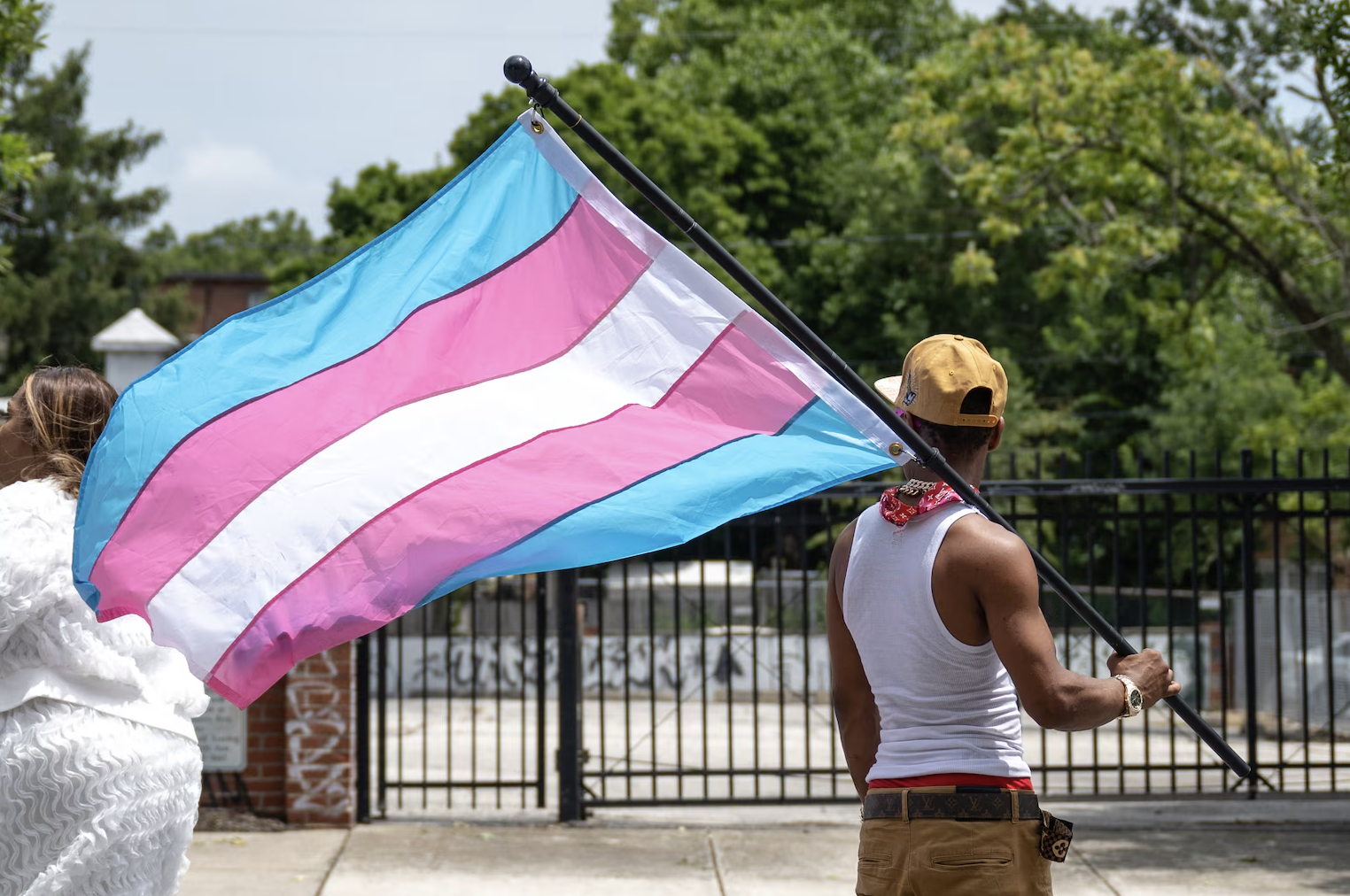
By JESSICA CALEFATI | Anne Arundel County Public Schools staff cannot use transgender students’ preferred names if their parents oppose it, according to an internal document reviewed by the Banner, a change that comes after conservative groups challenged the school system’s approach to gender identity.
Teachers union president Kristina Korona told members in an Aug. 20 email that the new guidance undermines district policy on acceptance and inclusivity and “will begin harming affected students immediately.”
Previously, the district didn’t require parental permission to use a high school student’s chosen name and pronouns corresponding to their gender identity, the internal document says. Now it does. The change comes as parents challenge the suburban school system’s gender identity policy and regulation in court and the Trump-Vance administration threatens the district’s funding.
The rest of this article can be found on the Baltimore Banner’s website.

Chris Pappas wins NH Democratic Senate primary

Anti-science, anti-LGBTQ movements go hand in hand

Everton Blair makes history as first openly gay congressman from Ga.

Mujer trans salvadoreña es encontrada sin vida

Iceland implements gender-neutral blood donor rules

Pentagon expands testosterone screening as trans troops face hormone therapy restrictions

Swiss government backs nationwide conversion therapy ban

Calendar: September 4-10

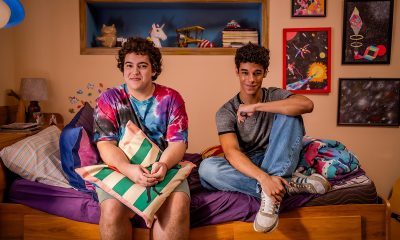
‘Here the Whole Time’ delivers queer coming-of-age comedy

Blade Foundation to host fundraiser in Rehoboth on Sept. 12
-

 U.S. Military/Pentagon5 days ago
Pentagon expands testosterone screening as trans troops face hormone therapy restrictions
-
Switzerland5 days ago
Swiss government backs nationwide conversion therapy ban
-
Calendar5 days ago
Calendar: September 4-10
-
Movies3 days ago
‘Here the Whole Time’ delivers queer coming-of-age comedy