a&e features
Drag legend Ella Fitzgerald returns to the stage for Capital Pride festival
Donnell Robinson on 40 years as a performer and the current political backlash against drag
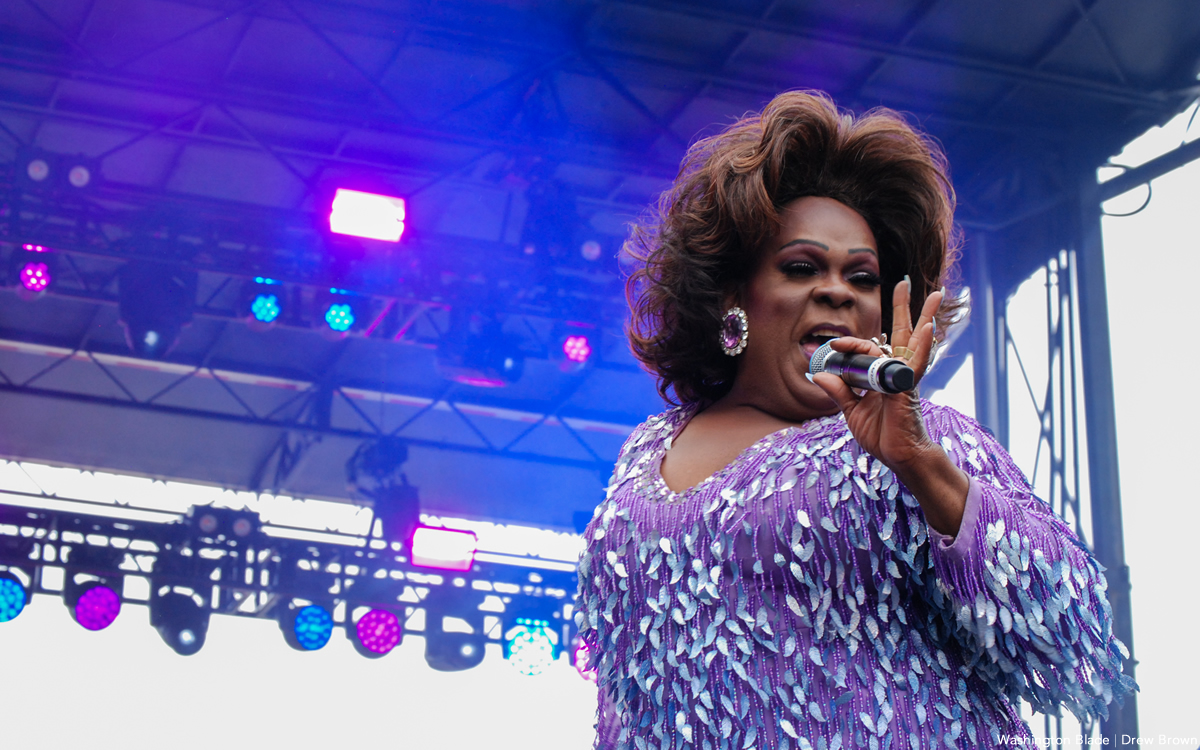
Donnell Robinson, who has dazzled audiences in the nation’s capital as the drag personality of Ella Fitzgerald for at least 40 years, has the date of Saturday, March 21, 2020, embedded in his mind.
That was the last time he performed in drag. It was at the popular Southeast D.C. nightclub Ziegfeld’s-Secrets, where Robinson performed as Ella Fitzgerald for nearly 40 years, before it, along with all city nightclubs, bars, and other “nonessential” businesses were ordered temporarily closed by Mayor Muriel Bowser in response to the COVID pandemic.
“That was the last show I did,” Robinson told the Blade in an interview at his apartment in Arlington, Va.
A short time later, around May of 2020, Robinson and all the Ziegfeld’s-Secrets employees and performers learned that the owner of the club’s building at 1824 Half Street, S.W., announced plans to demolish it to build an upscale condo building several years sooner than expected. That meant the club would not reopen when the COVID restrictions were lifted.
“So, what I recall is in May, it was the first week in May, Steven [Delurba, the Ziegfeld’s-Secrets general manager and part owner] called me and said, ‘Honey, do you have anything in the dressing room? Come and get it. The landlord called and said we must be out by the 15th.’”
Robinson said he has fond memories of meeting up with other drag performers, one of the longtime bartenders and other employees who came to retrieve their belongings in the dressing room and other storage spaces in the converted warehouse building that had served as home to Ziegfeld’s-Secrets since 2009.
And it meant at least the temporary end to a 40-year run in which Robinson (aka Ella Fitzgerald) served as emcee and lead drag performer at the Ziegfeld’s-Secrets nightclub, which began in the club’s previous location a few blocks away.
Robinson began performing as Ella Fitzgerald at The Other Side nightclub in 1980, which later changed its name to Ziegfeld’s-Secrets, at its previous location on the unit block of O Street, S.E., before it was displaced in 2006 by construction of the Washington Nationals baseball stadium.
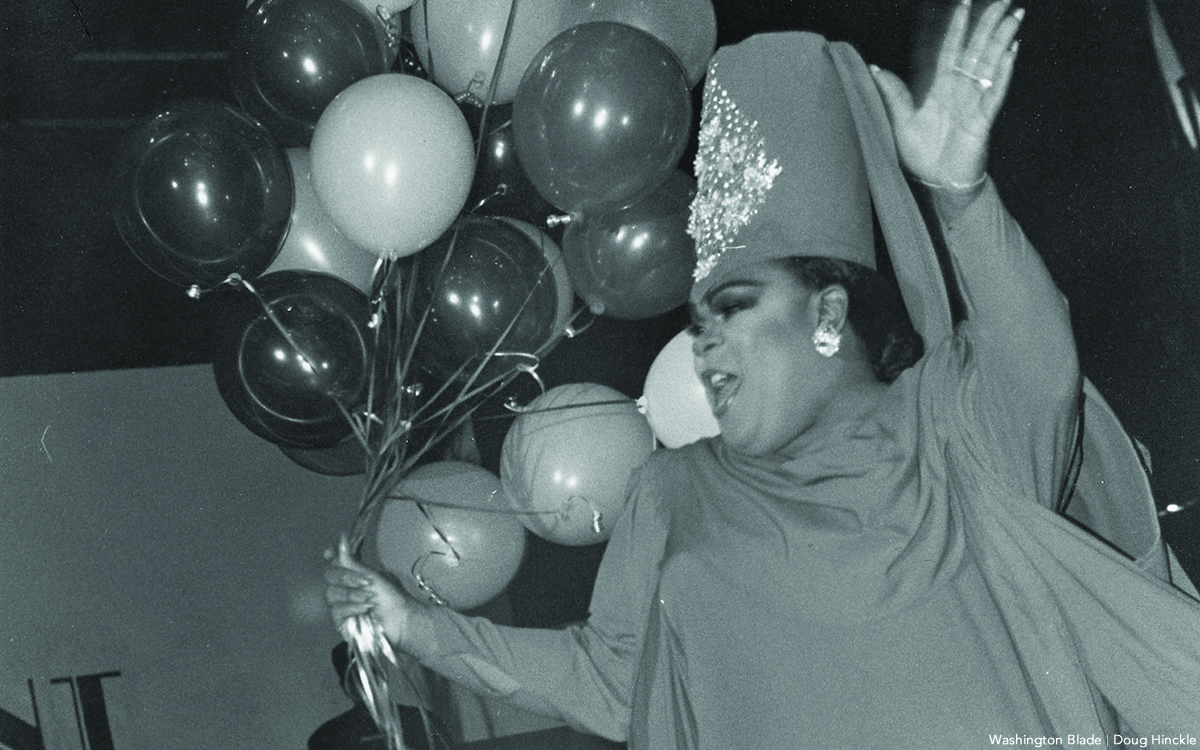
The club did not reopen until 2009, when its owners Allen Carroll and Chris Jensen, were able to obtain a lease for the 1824 Half Street building, which Carroll and Jensen renovated before reopening the club there.
All of that has become the backdrop to Robinson’s excitement over returning to the stage as Ella Fitzgerald at D.C.’s Capital Pride festival on June 11, which will take place on Pennsylvania Avenue with the U.S. Capitol as a dramatic backdrop two blocks behind the stage.
While he’s hopeful that all will go well with his upcoming performance at the Pride festival, Robinson says he is aware of the recent far-right political backlash against drag shows in states across the country.
In addition to proposed laws placing restrictions on drag shows, protests targeting drag shows, including some attempting to disrupt the shows, have also occurred in cities and states, including earlier this year in nearby Silver Spring, Md., and at a drag brunch hosted by a restaurant near the U.S. Marine Barracks on Capitol Hill in D.C.
“I have read about some of that,” Robinson told the Blade. “I haven’t been in the drag scene in three years. But I see and know what’s going on,” he said. “And my fellow drag performers who are older in my generation, I know they may be at risk. And I know I am to a degree,” he continued.
“And it’s a shame that we have to fear that we can’t present our art, our art form of drag and hope that nothing is going to happen to me today,” he said. “Why should we have to even have that thought going through our mind while we’re going through our makeup and getting ready?”
Speaking with the Blade at his apartment, Robinson added, “I’m planning to walk out of here in full drag to go to Pride. And there’s going to be part of me in the back of my mind that I’ve got to watch my back because there may be some idiot out there that doesn’t want to see an old man dress up in sequins and beads.”
“I just don’t understand why people think that drag is going to go away,” Robinson said. “It’s not. It’s more popular now than it ever was because of RuPaul and the drag brunches and the shows that are continuing to go on.”
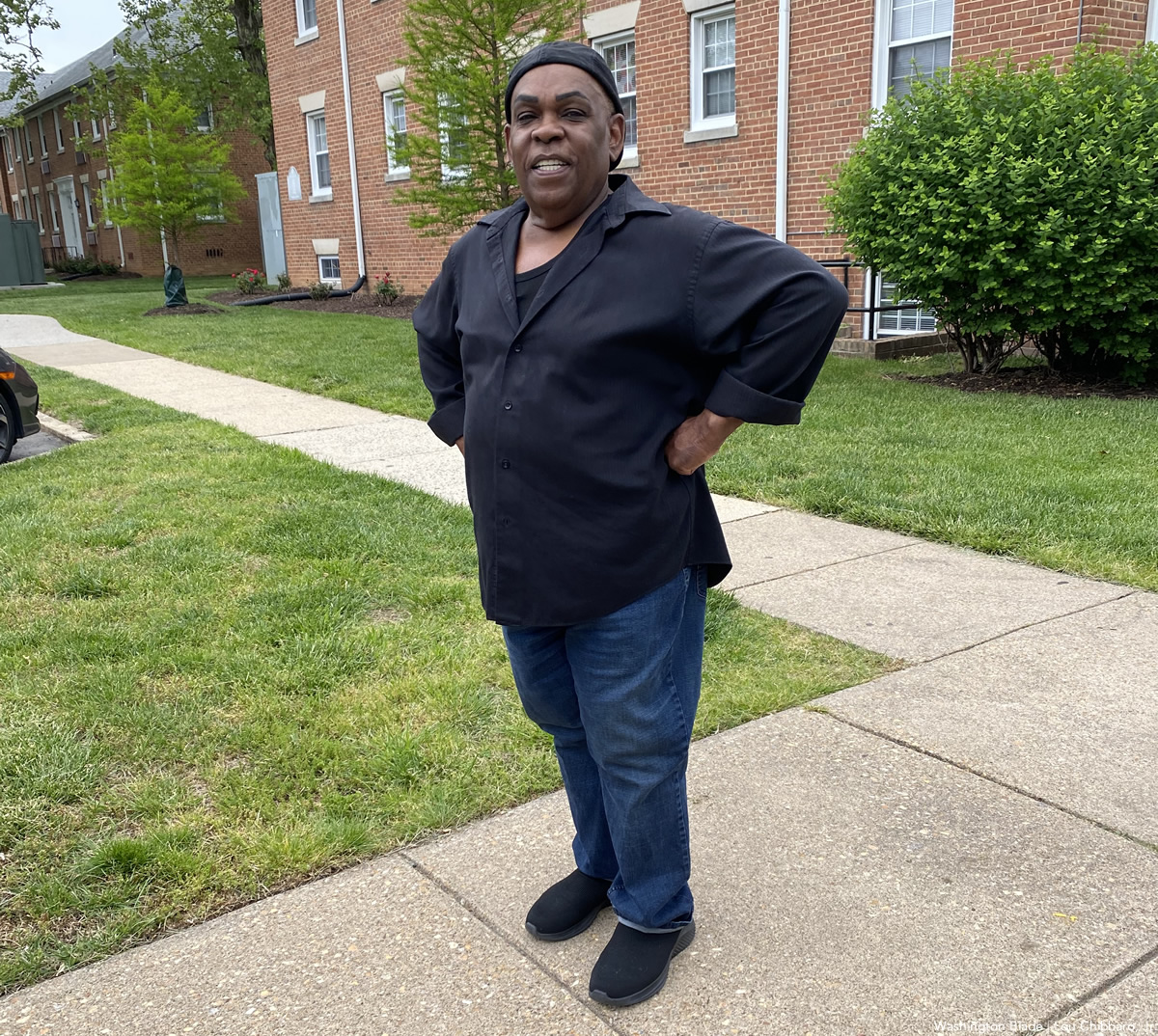
Robinson, 68, says he was born in Warrenton, Va., and grew up on a farm just outside Warrenton and raised by his grandparents. His first attempt at drag took place while in the 8th grade when he entered a school talent show portraying TV personality Flip Wilson’s drag character Geraldine Jones.
“All of my girlfriends, they helped get it together,” Robinson recalls. “I borrowed the wig from the school librarian,” he said, adding he bought a red dress and borrowed a pocketbook from someone. “And I won the contest.”
He didn’t do drag again until his senior year in high school, Robinson said, when he “pulled out Geraldine again” in a dramatic arts class. “I got an ‘A’ in dramatic arts,” he told the Blade, before graduating from Fauquier High School in June of 1974.
“Then I waited a year or so, and then I came out to do drag in 1975 in the fall,” he said. That began when a friend introduced him to the then gay nightclub Pier 9, located in the building that later became Ziegfeld’s-Secrets, where drag shows were held.
Robinson said he was impressed by the beauty of the drag performers while attending Pier 9 drag shows. “I’m like, oh, so I can do that too,” he said. And that’s exactly what he did. In October of that year, he entered a Halloween costume contest at the Pier, once again as the Geraldine Jones drag character, and won the contest in the comedy category.
From there, Robinson says, through people he met at the Pier he learned of the then D.C. gay bar Plus One on Capitol Hill, which also hosted drag shows. After auditioning and being approved as a drag performer at Plus One, the owner of the club, Bill Oats, assigned him the drag name Fanny Brice.
It was at the Plus One about a year later when Robinson met Mother Mame Dennis, the drag performer and lead organizer of the Academy of Washington, a local drag social club that organized drag events, including the Gay Miss Universe drag competition. The next day, an Academy of Washington member who performed at Plus One brought Robinson to an academy event.
It was there that Mame Dennis approached him and raised the issue of Robinson’s drag name. “She said, ‘Oh my dear, if you want to be in this group you need to change your name immediately,’” Robinson quoted Dennis as saying. “And I was like, yes ma’am. She said you need to be either Nell Carter or Ella Fitzgerald,” Robinson recounted.
“I was being a smart ass. I said, ‘I’ll take Ella Fitzgerald for $2.’ She said, ‘Oh, you’re funny.’ And she named me Ella Fitzgerald,” Robinson remembers. “And I was her first African-American daughter in the group.”
Through the Academy of Washington and others he met through the drag scene at Plus One and other D.C. gay bars, Robinson quickly learned what he calls the art form of drag and developed a following among those patronizing drag shows in D.C. It was through the academy that Robinson also met the owners of the then Other Side nightclub, Chris Jensen and Allen Carroll, who invited Robinson to begin performing at their club.
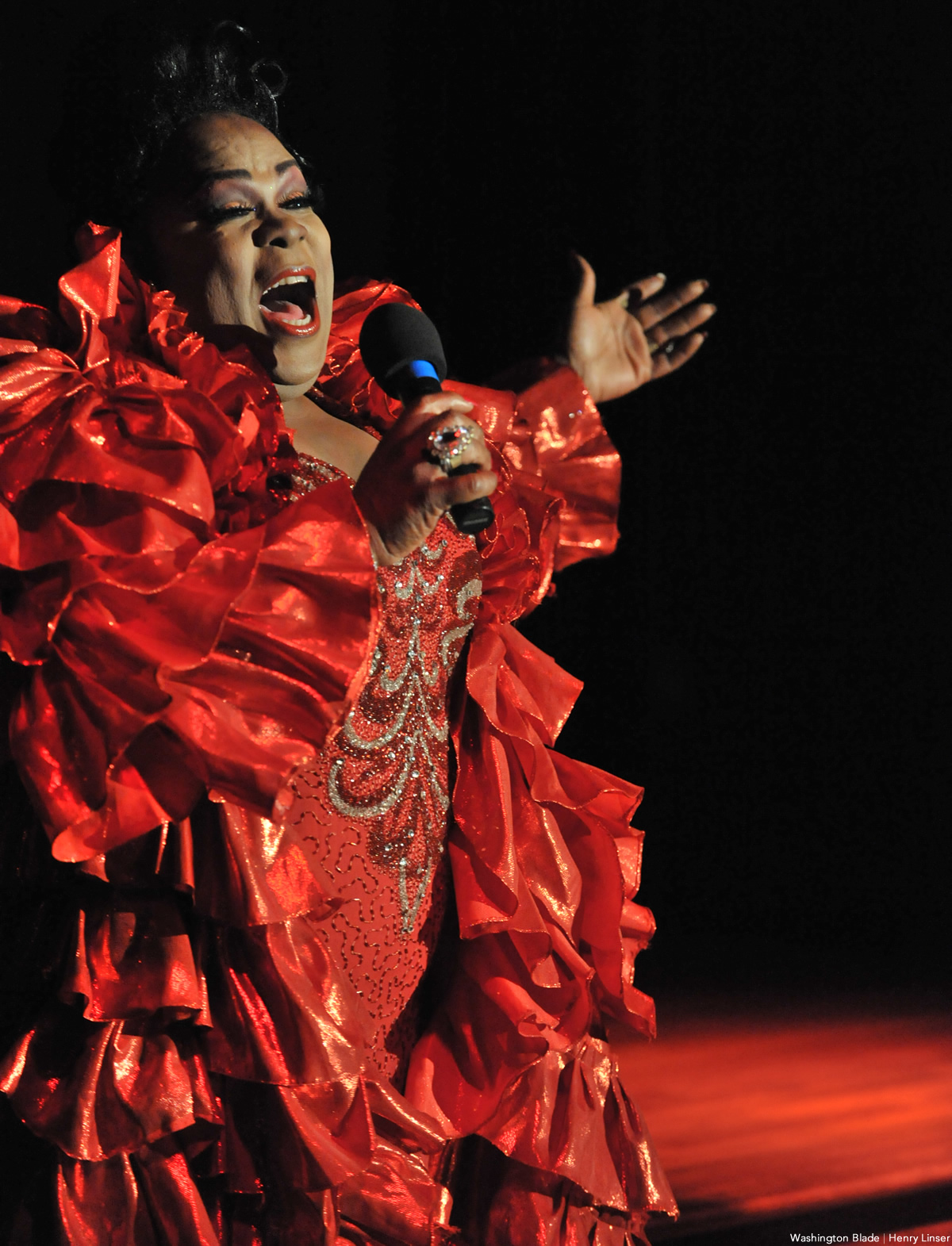
“There were five of us and we did the show on a Sunday night for 500 women,” Robinson says. “Because, remember, between Washington Square, the earlier name, and the Other Side, it was all women. There were no men allowed until around 1986,” he told the Blade. “So, every Sunday night we were doing drag shows for 500 women, from ’80 until ’85 or ’86.”
Around the time he began performing as Ella Fitzgerald, Robinson also began his other career as a hairstylist, which he says he continues at this time and will celebrate his 40th anniversary as a hairstylist in November of this year.
For much of that time, Robinson has been one of the sought-after stylists at the VSL Hair Salon at 1607 Connecticut Ave., N.W., in the Dupont Circle neighborhood. The salon recently came under new ownership and now operates under the name of Color Lab Salon at the same address.
As Robinson’s reputation as a drag performer became widely known, many of his salon clients referred to him as Ella and were regular patrons of the Ziegfeld’s-Secrets drag show.
By the time Jensen and Carroll renamed the Other Side as Ziegfeld’s-Secrets and through the time it relocated in the building on Half Street, S.W. and until its closing in 2020, Robinson took on the role as the emcee of the club’s Ladies of Illusion drag shows as well as that of one of the city’s most sought after drag performers, according to people who attended his shows.
In an Aug. 2, 2001, lengthy feature article, the Washington Post referred to Robinson and his Ella Fitzgerald character as the “doyenne of Washington drag queens.” The Post article recounted what those who have attended Robinson’s shows already knew – that he also took on the role of a stand-up comedian engaging audience members in on-the-spot banter, often inviting audience members to come on stage to chat with Ella.
“Is that your husband?” the Post article quoted Robinson asking a female audience member at one of the Ziegfeld’s-Secrets drag shows. When the woman replied that the person was her boyfriend, Ella said with an incredulous facial expression, “That little queen?” according to the Post article. The audience roared in laughter.
Robinson says among the highlights of his career as a drag performer have been the recognition he has received from his peers in the drag community, including from the Academy of Washington and its leader Mame Dennis.
“Once I changed my name to Ella Fitzgerald, Mame said, ‘My dear, one day you will be Miss Universe.’ And 10 years later, Mame crowned me Miss Gay Universe. I was the first African-American Miss Universe in 1986,” Robinson recounted.
He said the prospect of resuming his drag performances to the degree he did before Ziegfeld’s-Secrets closed was uncertain, in part, because he is dealing with a bout of sciatica that makes it difficult for him to walk and move about quickly.
“You might see me come out with a cane at the Pride show,” he said with a laugh.




a&e features
Summer in the City: Free exhibits, movies, more fill D.C.’s calendar
America 250 celebrations continue
From late-night museum visits and outdoor jazz concerts to free movie screenings and America250 exhibitions, Washington’s summer calendar is packed with events that don’t charge admission. Here’s a look at some of the free activities happening across the District through September and beyond.
Museum exhibitions
The Renwick Gallery is presenting State Fairs: Growing American Craft, an exhibition that looks at unique and unconventional crafts from the 19th century to the present. It will run until Sept. 7, and admission is free.
The Arts and Industries Building, located next to the Smithsonian Castle, is presenting the exhibition Voices and Votes: Exploring Democracy Across America. The exhibition features the development of American independence and what that has meant over time, beginning with the Revolutionary War. Admission to the museum is free, and the exhibition runs until Sept. 7.
The National Gallery of Art presents Dear America, an exhibit featuring more than 100 pieces of work, including letters, photographs, and drawings that depict American landscapes and depictions of freedom. The exhibition will run until Sept. 20.
The National Museum of Women in the Arts is exhibiting Burnished: Pueblo Pottery until Sept. 27. The exhibit features pottery from the Southwest, and while most of the pottery belongs to women artists, a few also reflect those who have advocated for women.
Extending past this summer, the exhibition ¡Puro Ritmo! The Musical Journey of Salsa will be at the National Museum of the American Latino until July 2028. The exhibition shows how Afro-Cuban music has become a staple in the U.S. Admission is free.
The Martin Luther King Jr. Memorial Library will feature the exhibition District Vibes / American Pride: How DC Changed American Culture, which will highlight all of the ways D.C. has impacted American life. The exhibit will run until Sept. 27.
At the Folger Shakespeare Library, the exhibit Imagining Shakespeare: Mythmaking and Storytelling in the Regency Era will be on view through Aug. 2. All the portraits on display come from the Boydell Shakespeare Gallery in London.
The United States Botanic Garden will be open until 8 p.m. on Aug. 20 and Sept. 17, as part of America’s State Flowers: An America250 Celebration. The evenings will include live music, mocktails, ice cream, and snacks.
The National Gallery of Art Sculpture Garden will have extended hours, staying open until 8 p.m. Wednesday to Saturday until Sept. 3.
Live performances
On Aug. 7, the postgame Nationals concert series will continue with Jordan Davis performing. To see the concert, guests just need to buy tickets to the Nationals game.
Jazz in the Garden will run each Friday until Aug. 14. The event has free admission, but those interested have to enter a lottery due to the high demand for the event.
From May to October, Capital Harvest Market occurs every Wednesday from 10 a.m.-2 p.m. at the Ronald Reagan Building and International Trade Center. The market features fresh foods, crafts, and recipes for unique dishes. A full list of vendors is available on Capital Harvest’s website.
Live! Concert Series on the Plaza will feature live performances at Woodrow Wilson Plaza until Sept. 25. The performances run Monday to Friday from 12-1 p.m. Admission is free to the performances.
DowntownDC Live! at Anthem Row is running until July 30, with free performances every Thursday from 5:30 p.m. to 9:00 p.m. The final performance will feature HUE and a vintage flea market hosted by Get Flee Marketplace.
Located in Adams Morgan, AdMo Vibe will present live performances every Thursday at 6 p.m. in Kalorama Park. Guests are encouraged to check out Adams Morgan before and after shows, and it is an event for all ages.
Other events
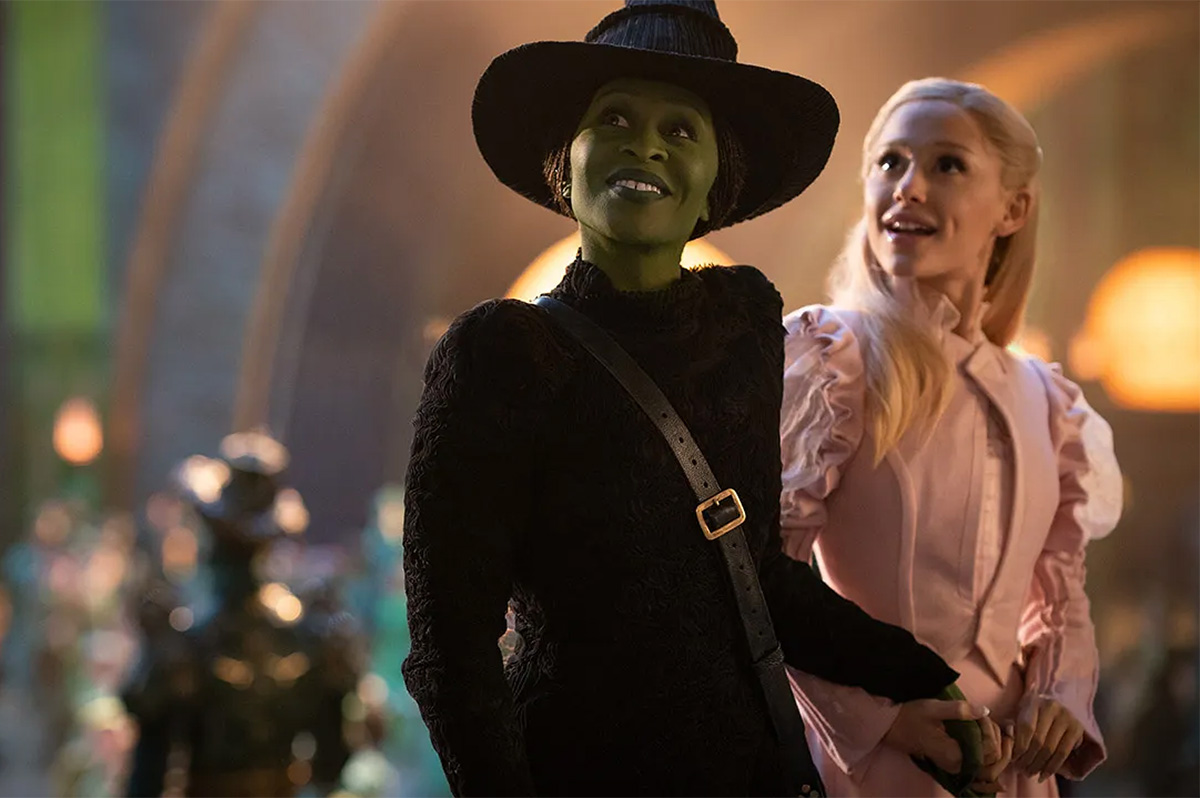
Union Market is hosting drive-in movies on Aug. 8, featuring “Monsters, Inc.”, and Sept. 12, featuring “Wicked.” On Aug. 8, the parking lot will open at 7:30 p.m., with the movie starting at 8:25 p.m. On Sept. 12, the parking lot will open at 6:35 p.m., and the movie will start at 7:30 p.m.
Sunset Cinema at the Wharf will also be available one day a month. On Aug. 12, “10 Things I Hate About You” will premiere, and on Aug. 26, “Project Hail Mary.” No tickets are necessary.
The Library of Congress will also show movies. On Aug. 6, guests are invited to watch “Apollo 13.” The movie will be shown at 8 p.m., with additional live performances beginning at 7 p.m.
For fans of Asian media, the Okaton convention will be at Walter E. Washington Convention Center from July 31-Aug. 2. Festivities will include cosplay contests, skits, live music, and panel discussions.
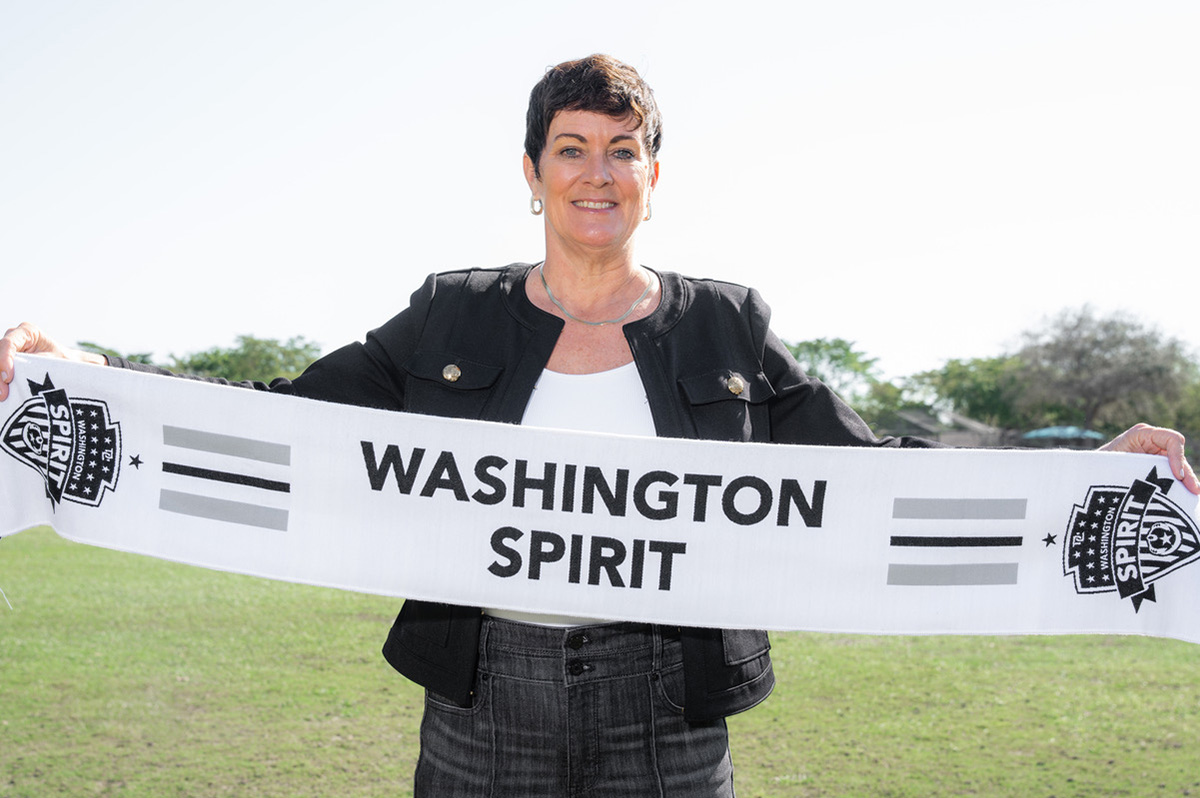
Washington Spirit’s season also begins in August. The Spirit is Washington’s National Women’s League, with matchups occurring between the San Diego Wave, the North Carolina Courage, the Orlando Pride, and the Bay FC.
a&e features
Summer in D.C. brings sports, Restaurant Week, festivals, and more
Summer in D.C. just hits different. Congress is out, school is out, the sun is out, thighs are out. With the skies clearing from Canadian smoke, here are a few ways to stay entertained.
Dining
Summer restaurant week: The Restaurant Association of Metropolitan Washington (RAMW) is once again hosting Summer Restaurant Week, Aug. 18-24. This weeklong dining experience showcases the dynamic dining scene of the DMV, including 2026 RAMMY Award-winning favorites (the annual D.C. food awards show that took place June 29). Participating restaurants will offer three-course brunch and lunch selections for $25 or $35 per person, and three-course dinners for $40, $55 and $65 per person.
New Restaurants: A handful of new spots have opened, so the summer is a great time to check them out:
- Oribu: A new Mediterranean-Japanese restaurant in the Grand Hyatt hotel, which just underwent a remodeling effort. The sleek restaurant brings upscale charm, with dishes like Wagyu beef tartare with potato pavé and caviar.
- The Oak Room: A snazzy old-school American grill has just opened in Georgetown, alongside its sister upstairs supper club (Bernadette’s) restaurant, in the old El Centro space.
- Uchi: This showy Japanese sushi-forward chain has landed in Dupont with a chef’s tasting menu of favorites like fatty tuna.
- Kathmandu: Recalling the capital of Nepal, this warm, buzzy subterranean restaurant right in the heart of U Street brings spice, flair, and rare ingredients to its dishes (see: buffalo burgers) and drinks.
Sports
- Washington Spirit Pride Night OUT: On Sunday, Aug. 23, head to Audi Field for a massive, high-energy game following the exciting month of World Cup. The designated Pride Night OUT game promises boisterous crowds plus pre- and post-game community engagements.
- Washington Tennis Open – Now called the Mubadala DC Open, this annual tournament is only combined mens’ and womens’ 500-level tennis tournament in the world. The open is one of D.C.’s longest-standing sports traditions, and will take place at the Rock Creek Park Tennis Center July 25-Aug. 2. Naomi Osaka, Venus Williams, Ben Shelton, Frances Tiafoe, and others are expected to play.
Festivals
- Afro Plus Fest: This huge, three-day Afro-Caribbean Hip-Hop Festival brings together headliners Davido, Alkaline, and Wizkid, plus Tems and Ayra Starr. The event moves from RFK to the Northwest Stadium Complex for three days, Sept. 4-6.
- Capital Fringe Festival: Running from July 11-21, this massive celebration features dozens of live theater, comedy, dance, and boundary-pushing nighttime performances across multiple DC neighborhoods.
- The National Book Festival returns, with headliners like Cynthia Erivo, and Martin Scorsese. The one-day festival, Saturday, Aug. 22, brings together bookworms and word nerds under the theme “America 250: It’s Your Story.” There are talks, workshops, musical sessions and more.
- All Things Go: A three-day festival Sept. 25-27 at Merriweather Post Pavilion featuring Mitski, Hayley Williams, Brandi Carlile, MUNA, Zara Larsson, Ethel Cain, and many, many more artists. There are single-day and three-day tickets. Featuring and highlighting female artists, the festival has turned into a must-see for many LGBTQ audience members.
- Fuchsia Fest: The inaugural Fuchsia Fest is a new multi-day celebration created to celebrate LGBTQ community and expression, bringing together a mix of community gatherings, entertainment, and nightlife. The event takes place Sept. 18-20 and is hosted by Capital Pride.
Art and Music
- United We Dance: A high-energy rave with house, techno, bass, and festival music, on Aug. 1 at the 9:30 Club.
- The Fray. On Aug. 14, this American rock band famous for How To Save A Life is at Merriweather Post Pavilion.
- Kesha: Kesha’s high-energy The Freedom Tour comes to the D.C. area on Aug. 14 at Jiffy Lube Live.
- ALOK: On Sept. 3 at Lincoln Theater, ALOK (they/them) performs. The poet, comedian, and actor is putting on a new comedy show.
- 2charm, the emerging Australian electronic club-pop duo popular with the queer community, which blends hyperpop and dance music, comes to the Atlantis.
- Sapphic Dance Party: a vibrant, inclusive nightlife and social event designed specifically for queer women, lesbians, bisexuals, trans individuals, and nonbinary folks, at Atlantis on Aug. 21.
- Jazz in the Garden: The most quintessential of D.C. activities returns Friday evenings through Aug. 14. This season’s theme, “American Sounds,” is a nod to the nation’s 250th anniversary. Tunes themes range from Appalachian and Americana to Creole jazz, Hill Country blues, contemporary jazz, and more. Tickets are available through a lottery system a week before each event.
a&e features
Tickets on sale for chef Patrick O’Connell’s book launch event
Sept. 18 kickoff to feature José Andrés, Tom Sietsema

Acclaimed chef Patrick O’Connell is preparing to publish his new memoir, “Main, Middle & Gay” in September and he’s launching the book with an event on Sept. 18 at 6 p.m. at Lisner Auditorium featuring Chef José Andrés and former Washington Post food critic Tom Sietsema.
Tickets for the event go on sale Tuesday, July 21 at Ticketmaster; prices start at $55.
O’Connell, who’s gay, is the pioneering Michelin-starred chef and longtime proprietor of the Inn at Little Washington. He spoke with the Blade about the September event and the launch of his first memoir.
“I’ve known [Andrés and Sietsema] for more than 25 years and I have great respect for them,” O’Connell said. “I felt that it would allow us to add a different dimension rather than just have an interviewer. The chemistry will be fun and lively and unpredictable and exciting. I think we’re all different personalities and we’ll compliment each other.”
O’Connell has published cookbooks but this is his first memoir. The event will feature a short film that will highlight his work and the Inn.
“What I hope to do with the event is bring the book to life visually,” he said. “So we’re producing a short film that will be part of it. Most of the audience will not have read the book so it’ll give them a visual flavor of the book. It parallels the evolution of American cuisine over 50 years. It’s a rare perspective to be in the trenches for that long.”
The book’s title refers to the location of the garage on the corner of Main, Middle, and Gay streets in Washington, Va., where he launched his restaurant that became an international culinary destination.
The Blade will publish the rest of its wide-ranging interview with O’Connell in September in conjunction with the book’s release.

White House threatens Anne Arundel schools over gender identity policy

PHOTOS: Front Royal Pride

Dutch queen opens World Pride in Amsterdam

Gary Sutton, known for ‘warmth and laughter,’ dies at 62

With gas prices soaring again, a staycation is a good plan

Summer in D.C. brings sports, Restaurant Week, festivals, and more

No Pride without Disability Pride

Trump tries to scare Americans into not voting

2026 International AIDS Conference to take place in Rio