Arts & Entertainment
‘Think of those who have not been seen,’ Cynthia Erivo’s powerful message at GLAAD Awards
Erivo and Doechii delivered powerful acceptance speeches
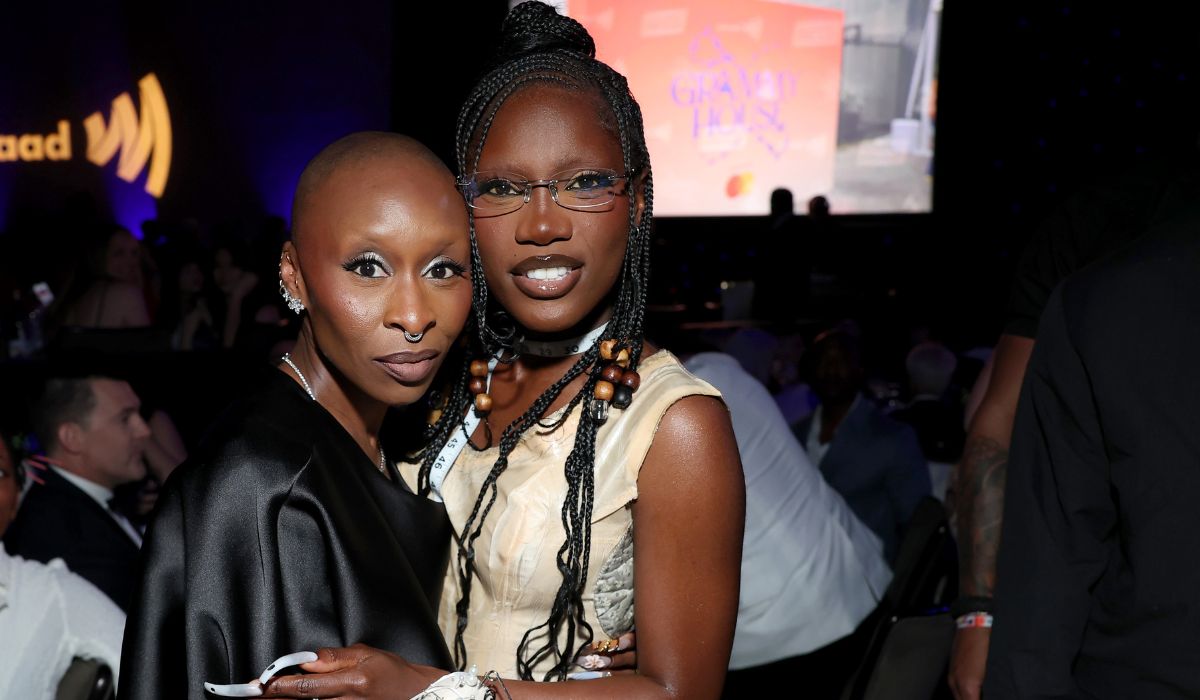
GLAAD celebrated its 40th anniversary with a star-studded gala in Beverly Hills, honoring achievements in LGBTQ media and entertainment, while pushing back at efforts nationwide to turn back civil rights protections, restrict and erase transgender identities.
Doechii accepted a GLAAD Media Award for outstanding music artist, Harper Steele won for outstanding documentary for Will & Harper and Nava Mau was honored with the outstanding series – limited anthology award for Baby Reindeer.
Those in attendance rose for a long and enthusiastic standing ovation as the prestigious Stephen F. Kolzak Award was presented to Cynthia Erivo.
“It isn’t easy. None of it is, waking up and choosing to be yourself, proclaiming a space belongs to you when you don’t feel welcomed,” said Erivo.
The 38-year-old queer Oscar nominee and Emmy, Tony and Grammy winner delivered a moving acceptance speech, in which she thanked GLAAD but also called on the audience to do more to help those in the community who have not yet come out. Video of her remarks has gone viral on Instagram.
“Here in this room, we have all been the recipients of the gift that is the opportunity to be more. I doubt that it has come easy to any of us, but more, for some, the road has not been one paved with yellow bricks, but instead paved with bumps and potholes. Whichever road you have traveled, how beautiful it is that you’ve had a road to travel on at all. There are the invisible ones who have had no road at all. For those who have not
yet even begun to find the road, be encouraged and be patient with yourself, it will show itself,” Erivo said. Then she paused from reading the speech that was in the teleprompter, and ad libbed a poetic, closing message.
“We use the phrase ‘out and proud,’ and though you might not have the strength or capacity to do that now, know that I am proud of your quiet and solitary want to be just that,” she said, and then addressed the community ahead of Transgender Day of Visibility. “We are all visible. We can be seen. We see each other. I see you, you see me. But think of those who have not been seen, think of those who sit in the dark and wait their turn, hoping and waiting for a light to light their path. I ask every single one of you in this room, with the spaces that you’re in, and the lights that you hold, to point it in the direction of someone who just needs a little guidance.”
Broadway legend Patti LuPone offered guidance from queer icons, past and present, when she took the stage to recite inspiring quotes that brought the house down.
“I can no longer accept the things I cannot change. I am changing the things I cannot accept,” LuPone quoted lesbian, feminist, activist Angela Davis. “Coming out is the most political thing you can do,” she said, quoting Harvey Milk.
Then LuPone cited some of the stars of Drag Race, including Valentina, Kennedy Davenport, Alyssa Edwards, Trixie Mattel, Plane Jane, and Latrice Royale. But it was the words of OG Drag Race alumna Bianca Del Rio that got the crowd on its feet: “Not today, Satan. Not today!”
“Right now, LGBTQ+ rights are under attack, but what they take from us, they take from you too,” said Brian Michael Smith, upon winning the award for outstanding drama series for 911: Lone Star. “These aren’t isolated rollbacks; they’re attacks on all of our civil rights. This kind of representation is more than visibility, it’s resistance.”
When Doechii accepted the trophy for outstanding music artist at the ceremony, the “Denial Is a River” rapper commented on this politically charged moment for the LGBTQ community, as she praised GLAAD for its principles of “acceptance, inclusiveness and empowerment.”
“Those are the same things I strongly believe in and advocate for and that continue to propel me forward, especially now that hard-won cultural change and rights for transgender people and the LGBTQ community have been threatened,” said Doechii. “And I am disgusted. Disgusted. But I want to say that we are here and we are not going anywhere.”
“These kinds of events help me to feel support, to feel like we’re a team working together to make ourselves feel more seen, make others feel more seen, and there’s so much still to celebrate,” said singer songwriter David Archuleta, the American Idol alum who made headlines in 2021 when he came out and quit the Mormon Church. On the red carpet before the gala, he shared with the Los Angeles Blade his advice to fans who want to find joy amid the gloom: “I love to go dance. Dance is so therapeutic. It’s a place where you can just shake it off, feel hot, go out, and that’s a therapeutic way.”
“This is where I find joy,” Michaela Jaé Rodriguez told the Blade. “But the best times where I find even more joy is learning what state we’re in. Learning how I can fire myself, put a fire behind me, and stay as vigilant as possible and be in the forefront and never disappear. And I want to encourage that to a lot of my young individuals out there. Don’t disappear. Stand out, be proud, and don’t be scared. I’m not scared!”
“It feels amazing, being surrounded by basically my own people is always like a big warm hug, so I love it,” Harper Steele told the Blade.
The writer, who took home a GLAAD trophy for her award-winning documentary with her friend and fellow SNL alum Will Ferrell, noted that despite the joy of the evening, she was “very sad” about political moves targeting the transgender community in Washington, D.C. as well where she grew up in Iowa.
“My own home state, who gave me trans protections and rights, just took them away,” Steele told the Blade. “We’re the first group that’s ever had those rights taken away from us, so we’re in a weird time. I’m going to keep doing the best I can to convince people that they’re wrong. Not only are they wrong, but they’re being stupid.”
The Washington Blade was nominated for its coverage of the 2024 Summer Olympics Games, ”Paris Olympics: More queer athletes, more medals, more Pride, less Grindr,” in the category of outstanding print article. The winner was “‘Changing The Narrative’: Advocates Fight HIV Stigma in Dallas’ Latino Community” by Abraham Nudelstejer of The Dallas Morning News. The Advocate won for outstanding magazine overall coverage, and Jo Yurcaba of NBC Out won for “Friends Remember Nex Benedict, Oklahoma Student Who Died After School Fight, as ‘Fiery Kid.’”
The Blade also spoke to GLAAD President and CEO Sarah Kate Ellis on the red carpet.
Ellis and the organization survived a difficult challenge in 2024 when Ellis herself came under fire from The New York Times for what it called “lavish” spending. It should be noted that in a one-on-one conversation with Variety in October, Ellis pointed out that The Times report omitted mention of GLAAD’s multi-year campaign that called attention to the newspaper’s unbalanced coverage of issues related to transgender Americans and gender-affirming care, and that any spending issues raised by the report — seen by many as a hit piece in retaliation for GLAAD’s campaign — had already been addressed “two years ago.”
Ellis told the Blade she remains focused on GLAAD’s mission to advance acceptance of the LGBTQ community in media.
“I think tonight for me is about getting everybody together to talk about our stories, how important they are, and make sure that we are plastering the airwaves with our stories. And I think it’s about moving forward and having a plan. We have a plan at GLAAD. We understand what’s happened to this media ecosystem and we’re forging forward.”
Ellis spoke passionately about the challenge the nonprofit faces in 2025 and beyond.
“I think the media ecosystem has changed so dramatically and tectonically in a short period of time, “ she said. “We’re seeing that right-wing media gets about 100 million people a week. Progressive media reaches 30 million people a week. So, we have a 70 million person gap, and that gap is why we’re losing presidential campaigns, why we’re losing the narrative, why our community is under siege. We have to close that gap.”
Read the full list of nominees and winners of this year’s GLAAD Media Awards here.


Online Culture
Clavicular charged in alleged rape of teenage influencer
Online personality’s real name is Braden Peters
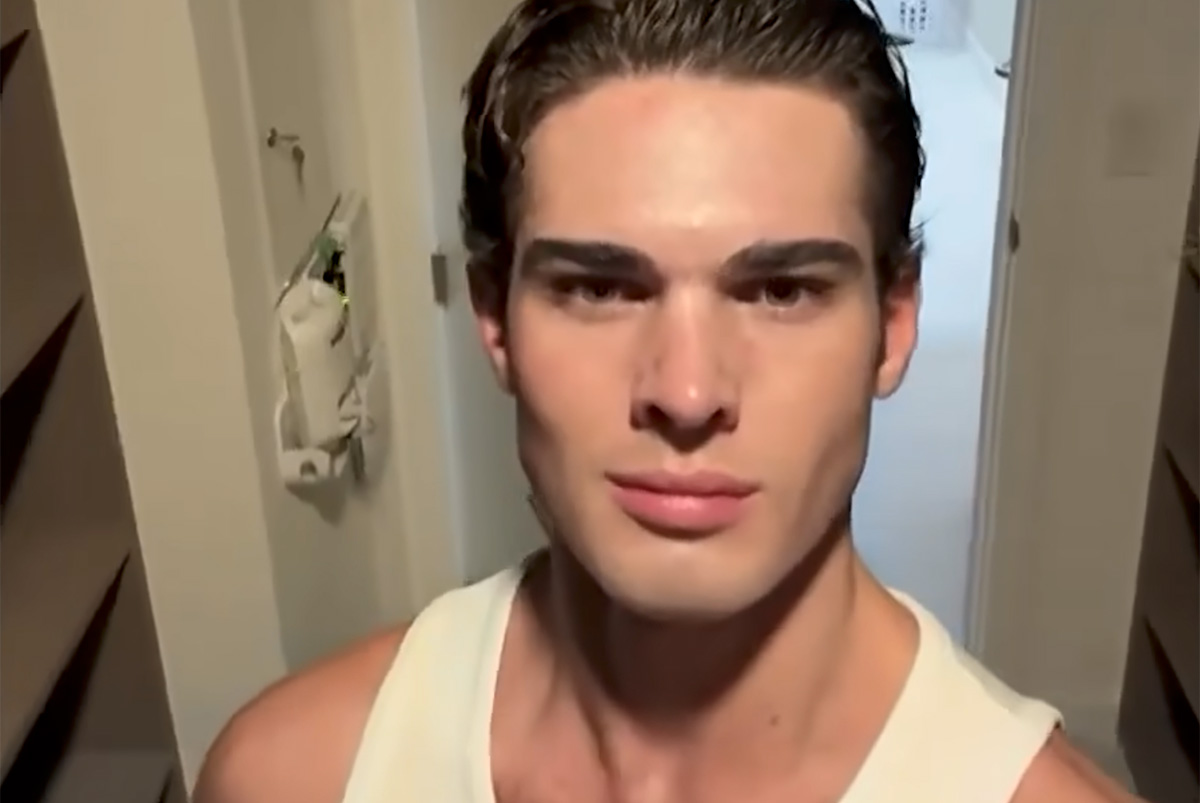
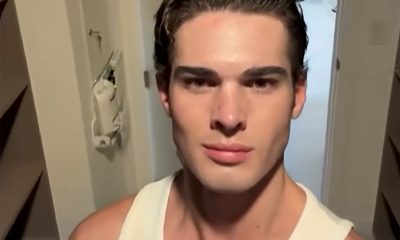
Online personality Clavicular, whose real name is Braden Peters, has been accused of rape.
According to NBC, Aleksandra Vasilevna Mendoza, an 18-year-old influencer known online as Alorah or Alorah Ziva, accused Peters of sexual assault, and the case is making its way through the court system.
The alleged incident occurred on May 23, 2025, when Mendoza was 17.
According to a criminal complaint from the Chatham (Mass.) Police Department, Peters called her an Uber to his family’s home. Once there, he allegedly got her drunk on vodka while they livestreamed on Twitch and then raped her. His mother and grandmother were allegedly in the house.
The documents allege Clavicular committed rape, drugging a person for sexual intercourse, and procuring and providing liquor to a person under 21.
According to court documents acquired by NPR, Mendoza began communicating with Peters on Instagram, where he paid her to appear on his livestreams to help her “make her name known on social media.”
According to those documents, Peters arranged for the minor to come to Cape Cod home to participate in a videostream for his 437,000 followers on Kick, 1.2 million followers on TikTok, and more than 1 million followers on Instagram.
At his home, Peters allegedly instructed Mendoza to say she was 18 on his videostream and to claim the alcohol on camera was water instead of vodka. Mendoza said she felt peer-pressured to drink the spirit and that she became noticeably intoxicated after a couple of drinks.
The allegations go on to state that after stopping the stream, Peters and Mendoza kissed on a couch and then had sex in his bed without her consent. Mendoza said she did not receive a sexual assault forensic exam after the incident. NPR does not name alleged victims of sexual assault.
The charges come months after Mendoza sued Peters in Miami, accusing him of sexual battery in connection with the events of May 2025. The civil lawsuit also separately alleges that he injected her face with a non-FDA-approved fat-dissolving substance during a November livestream in Florida.
Peters is known for his “looksmaxxing” concept of vanity, which is at the core of his online presence. The “looksmaxxing” culture he has helped cultivate combines elements of incel culture and heterosexuality, with the stated goal of attracting the opposite sex. He has gone as far as to say he has undergone “bonesmashing,” or hitting his own face with a hammer; taken anabolic steroids to more rapidly grow muscle; and used crystal meth as an appetite suppressant.
At the same time, looksmaxxing has been described as having elements of homoeroticism, with “looksmaxxers” appearing more concerned with impressing other men than women. Peters has multiple times pointed to openly gay actor Matt Bomer as the gold standard for male facial aesthetics.
Peters’s arraignment is scheduled for Oct. 14.
Photos
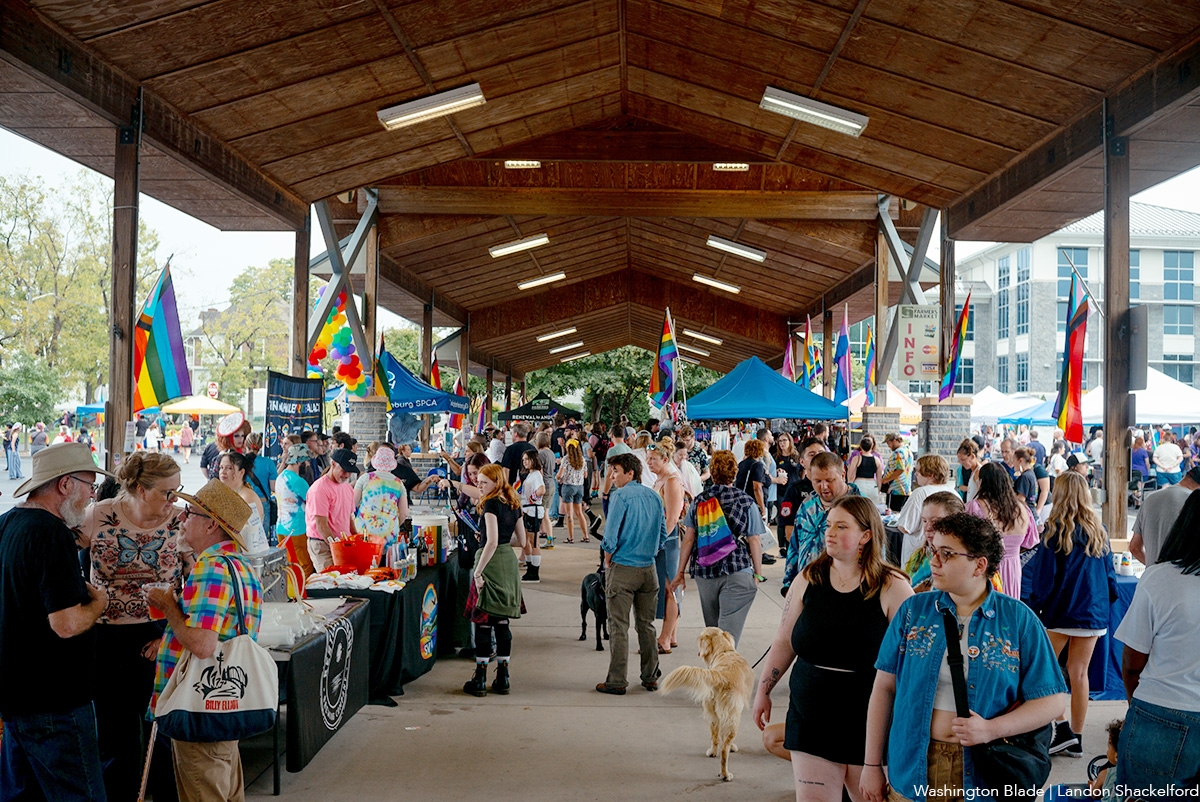
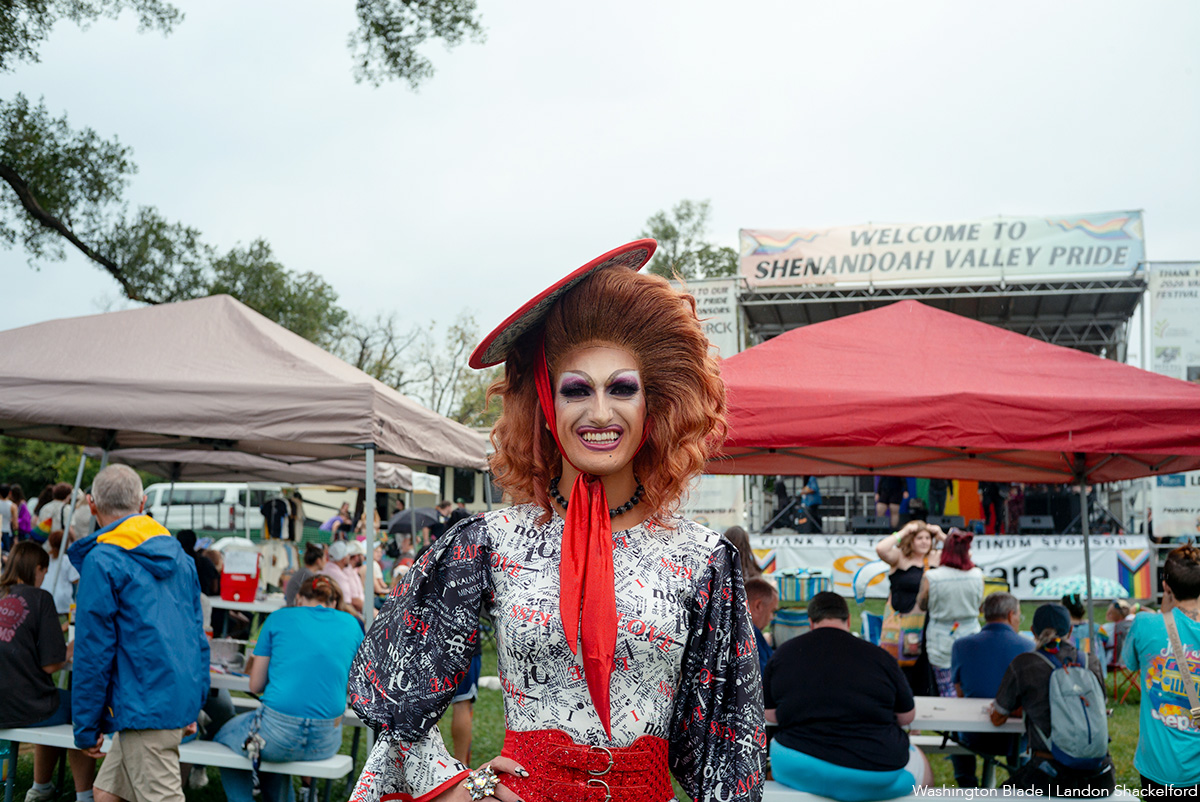
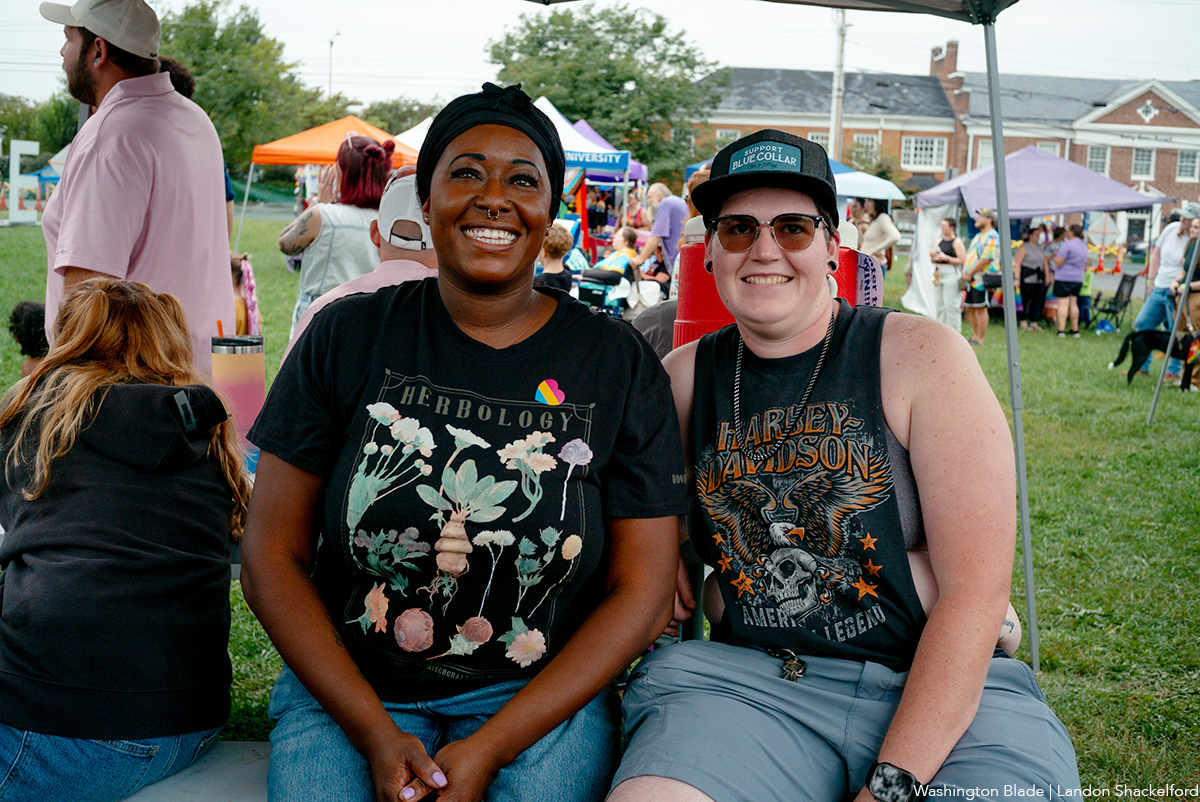
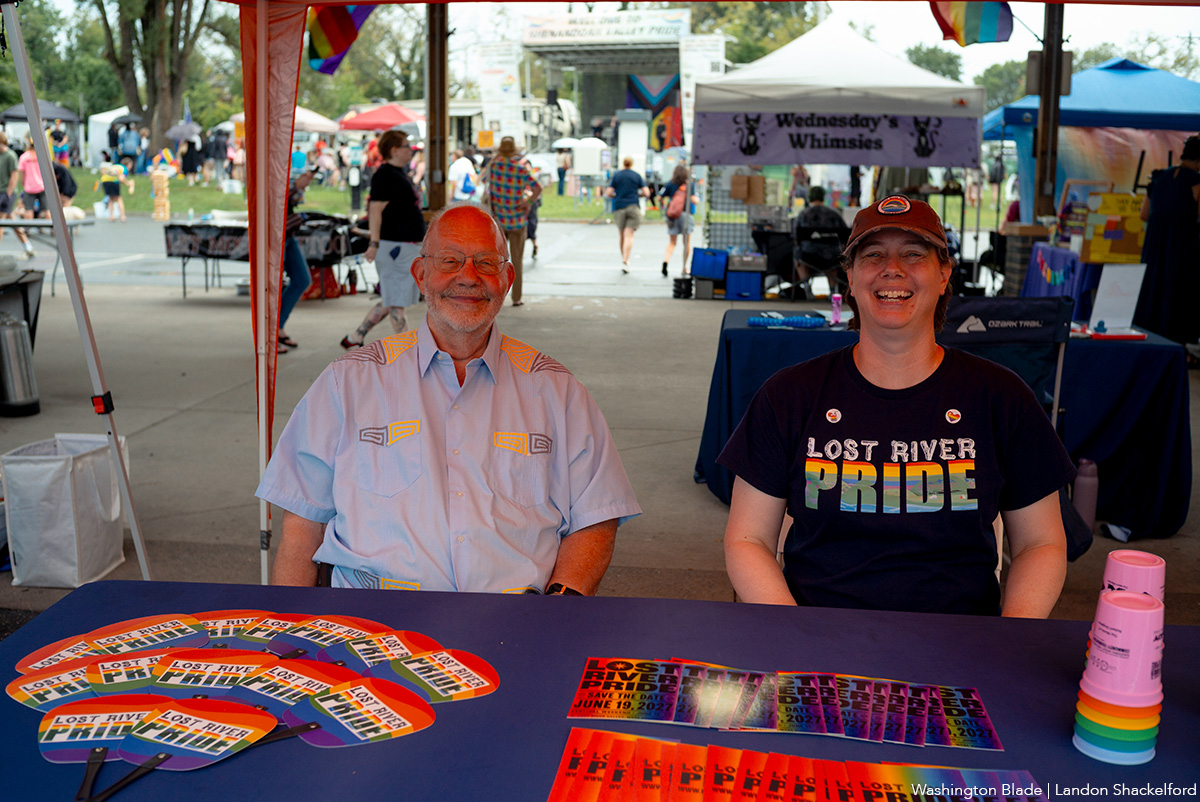
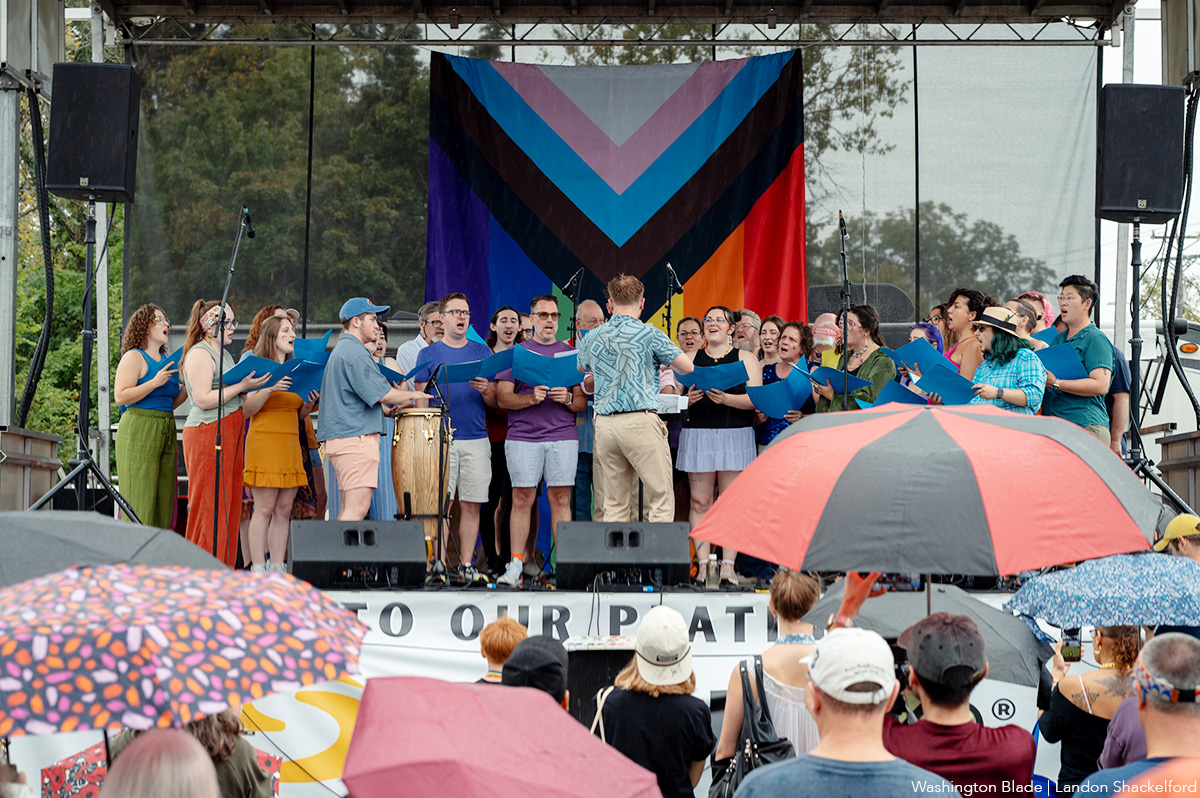
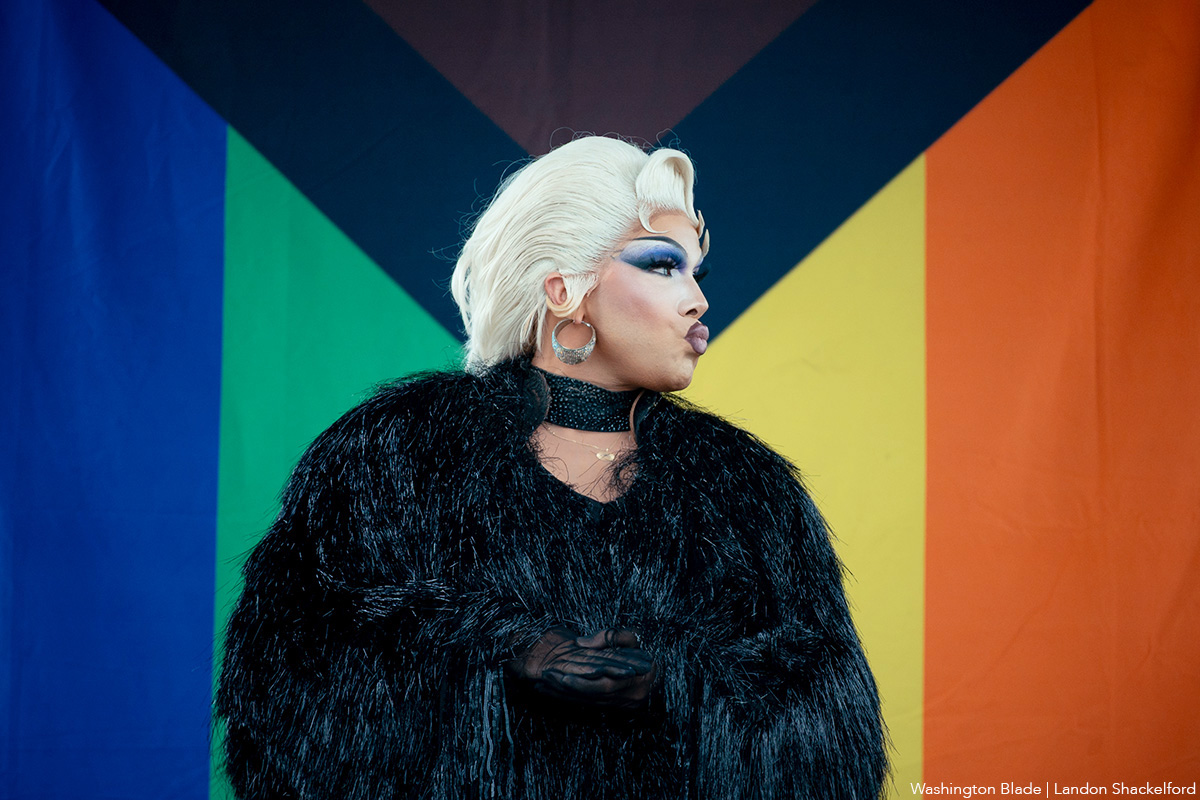
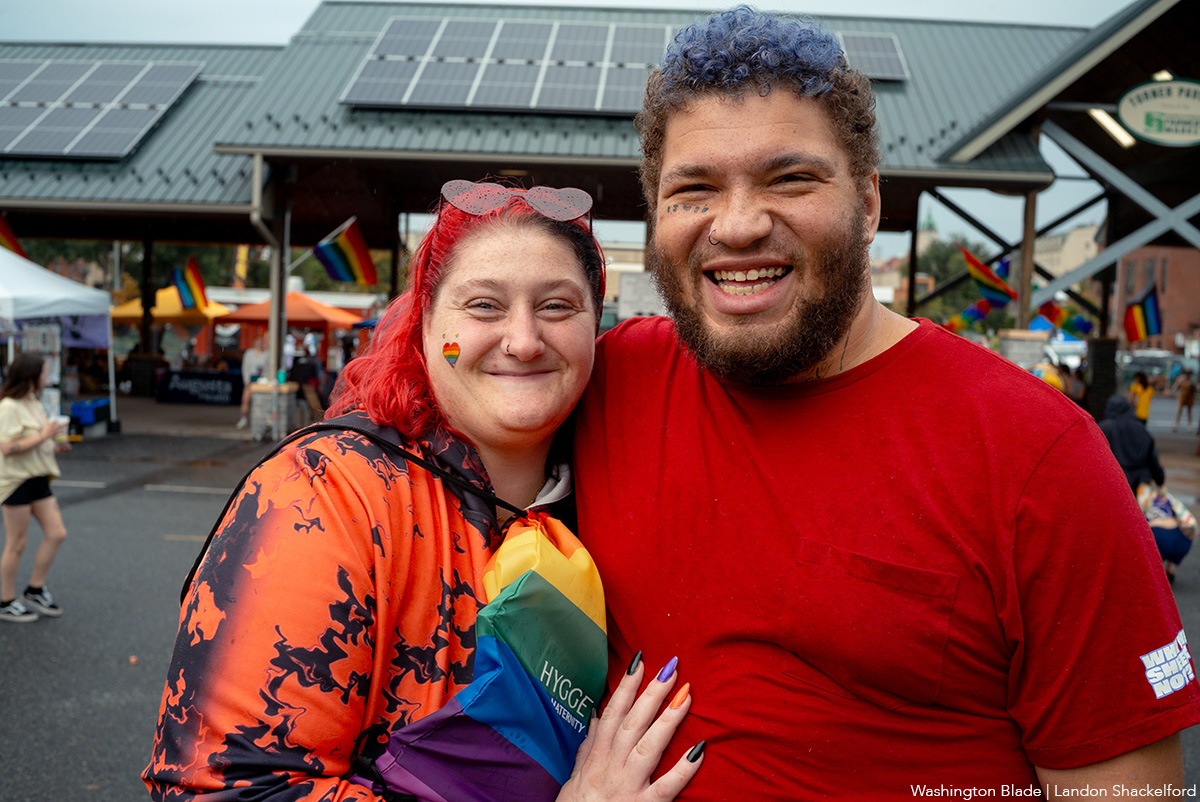
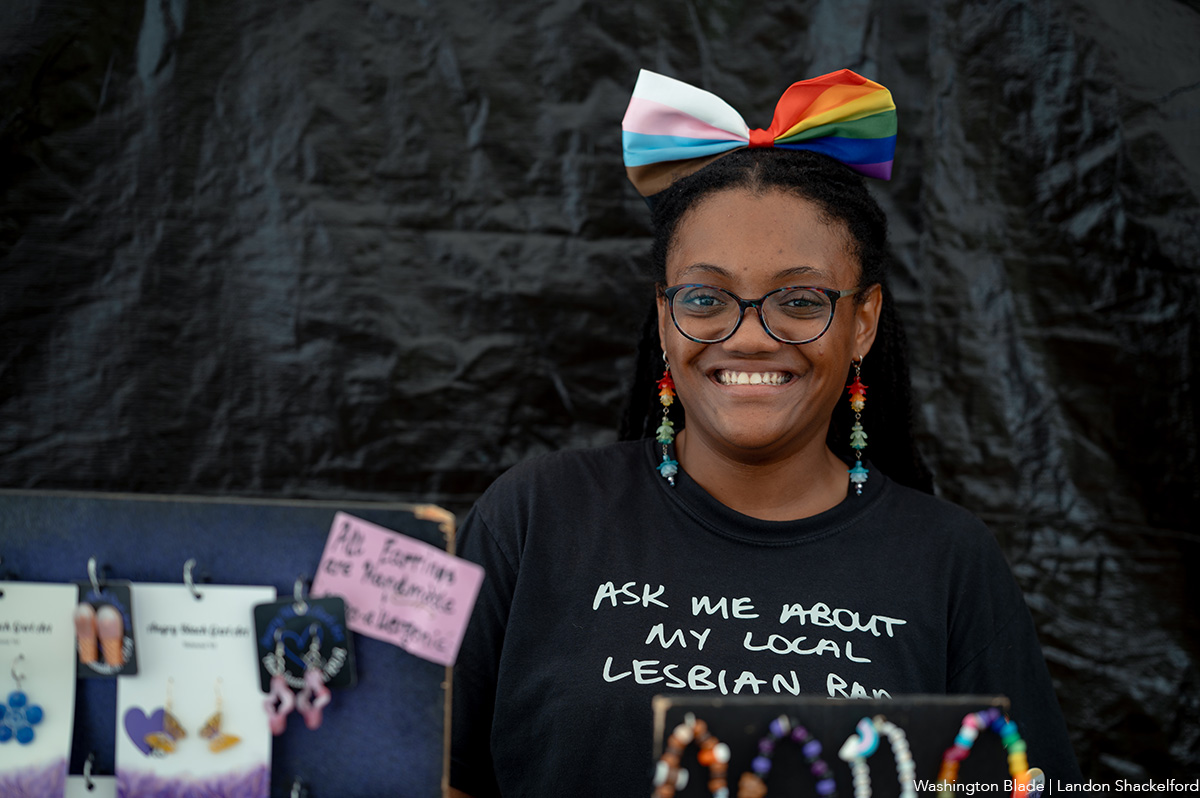
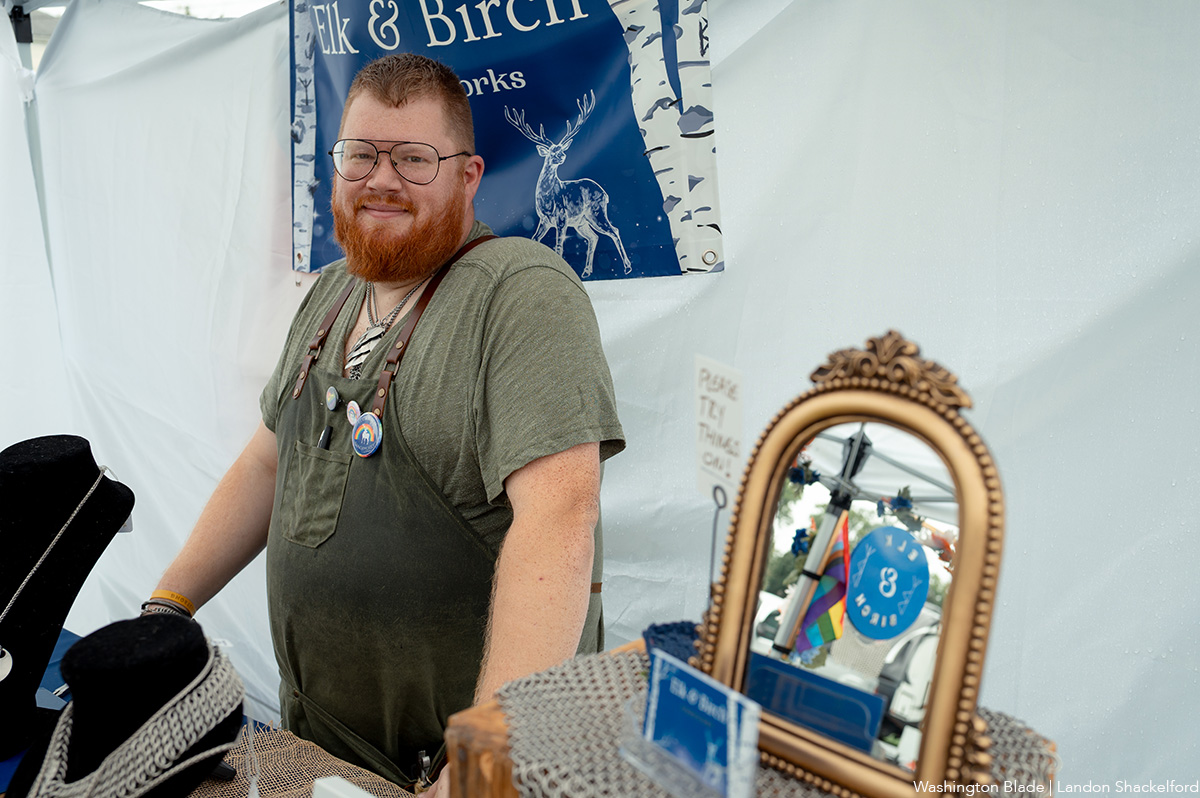
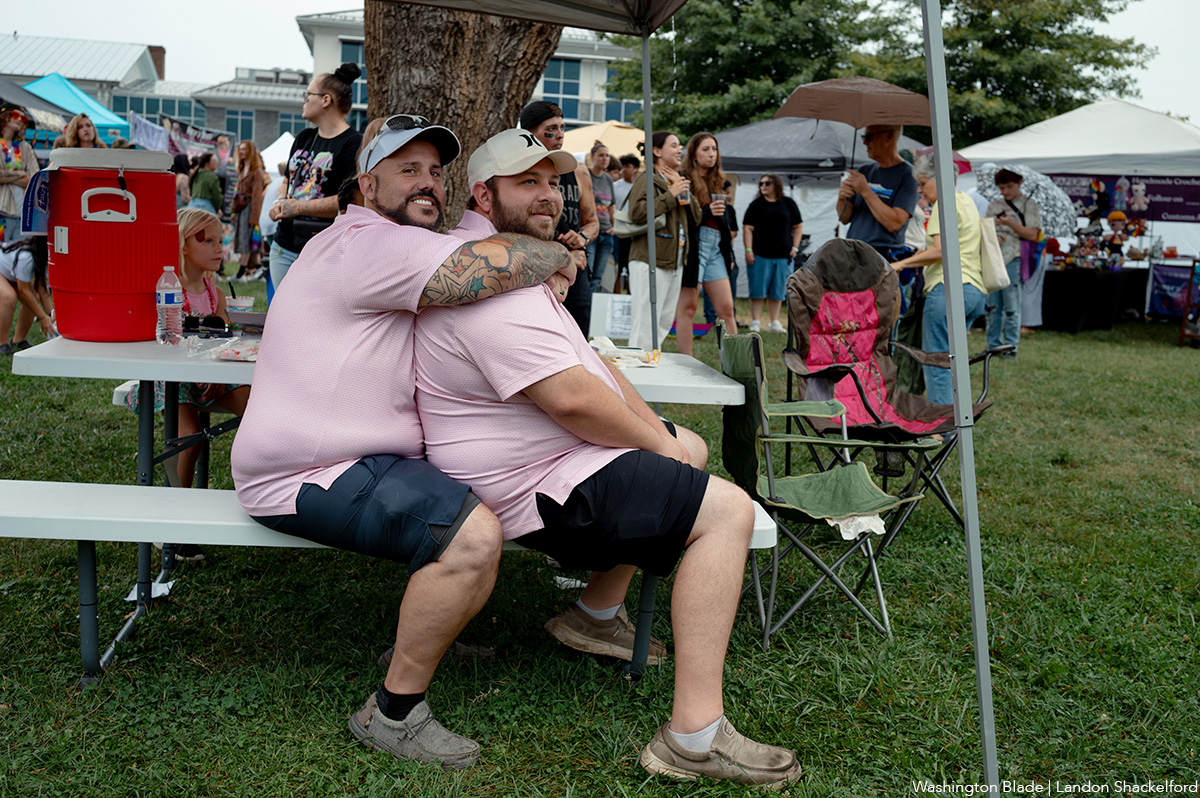
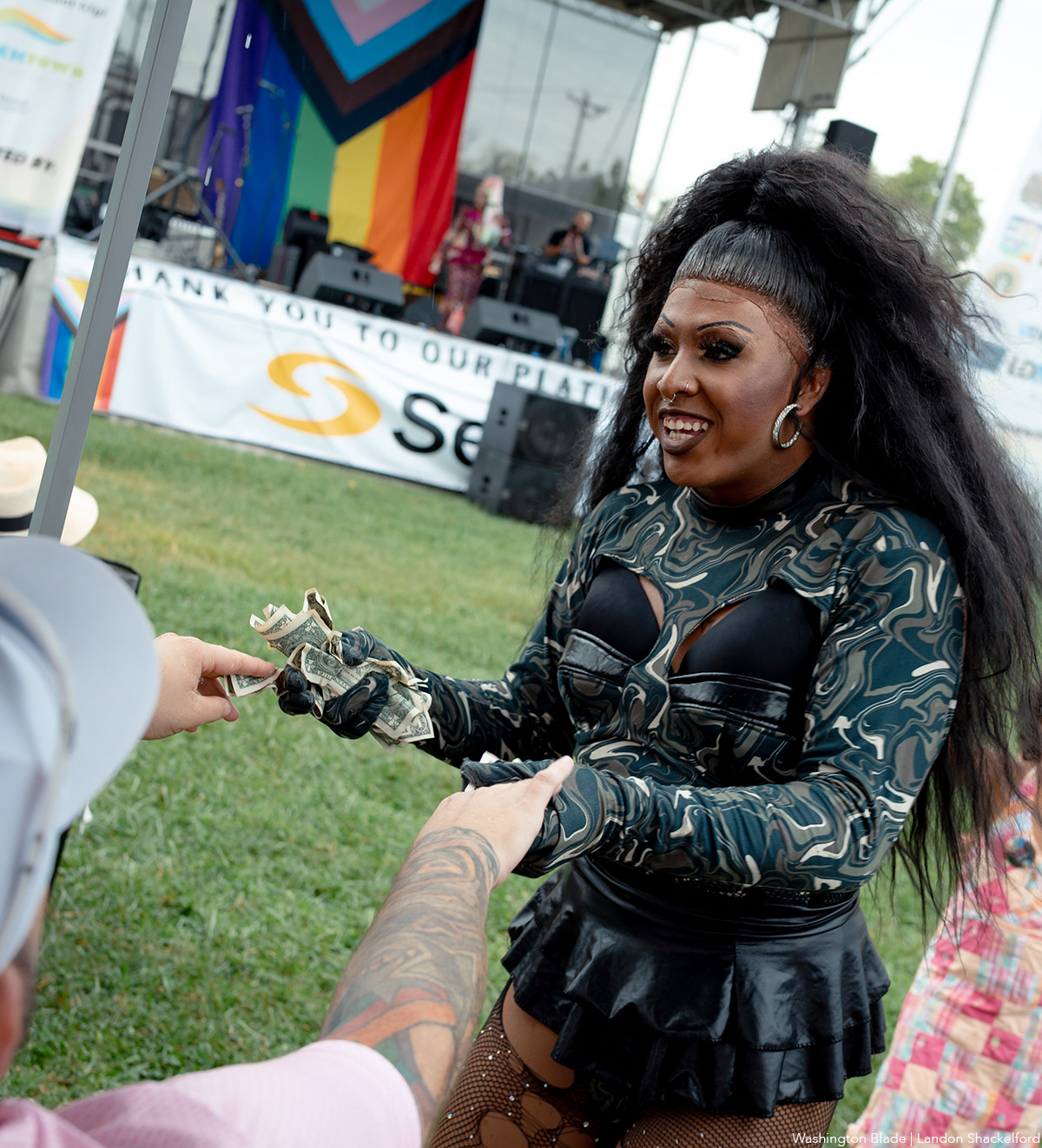
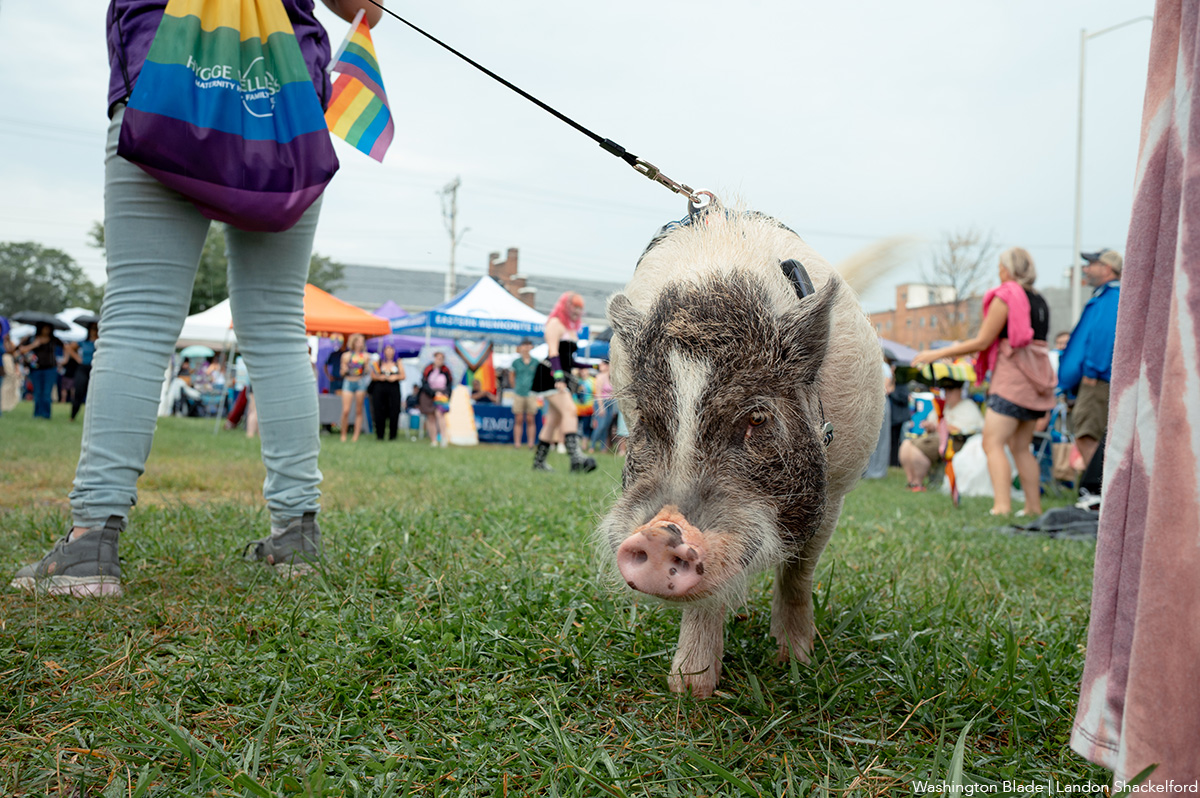
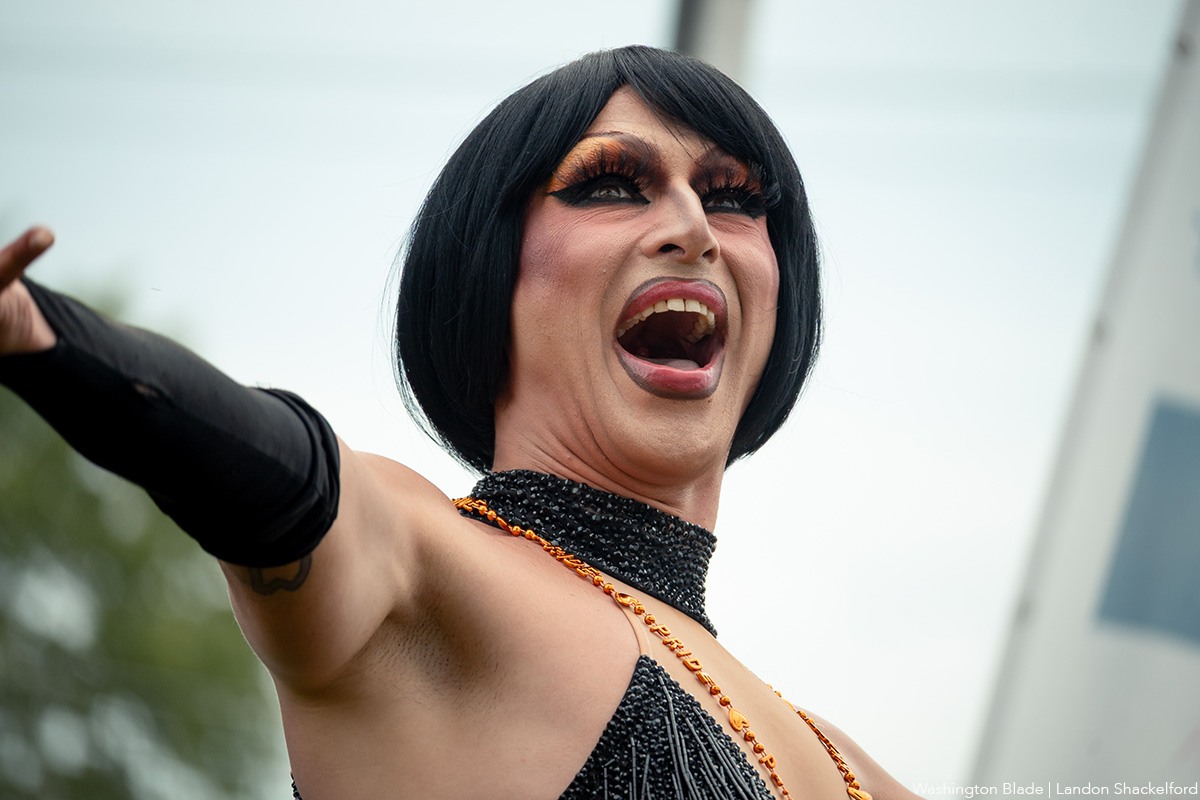
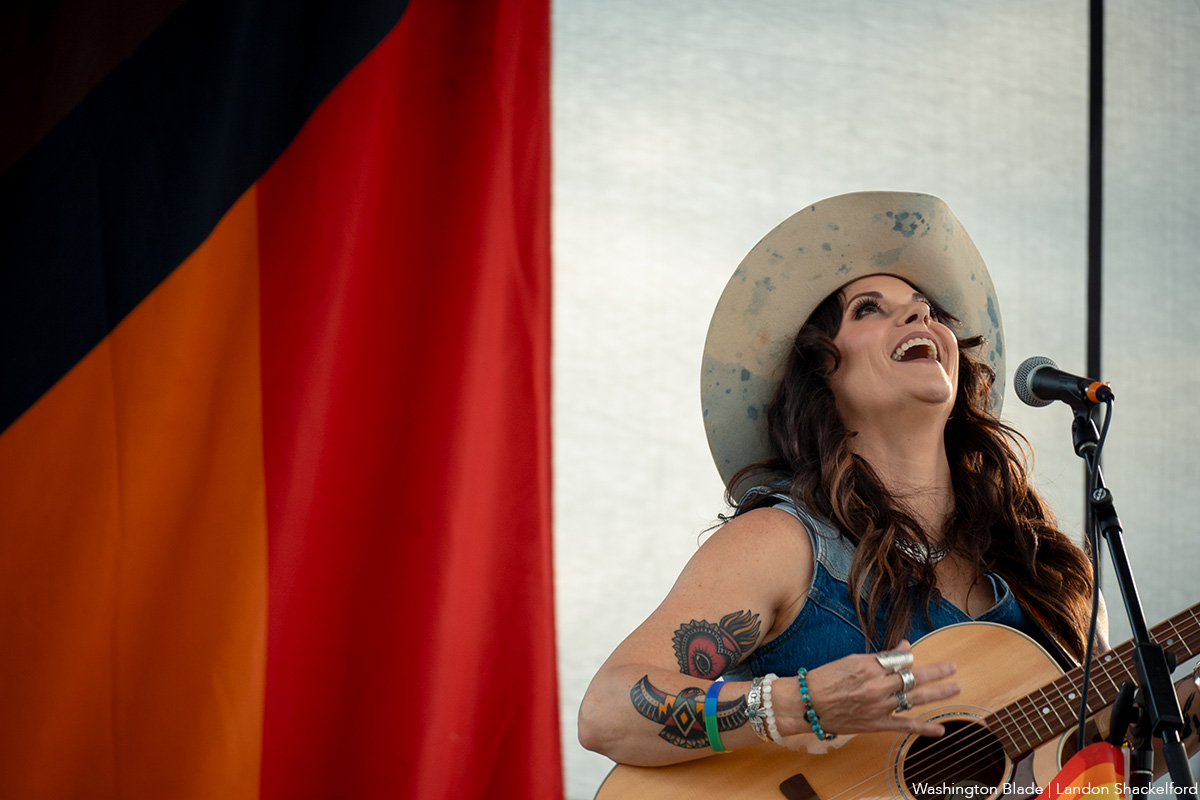
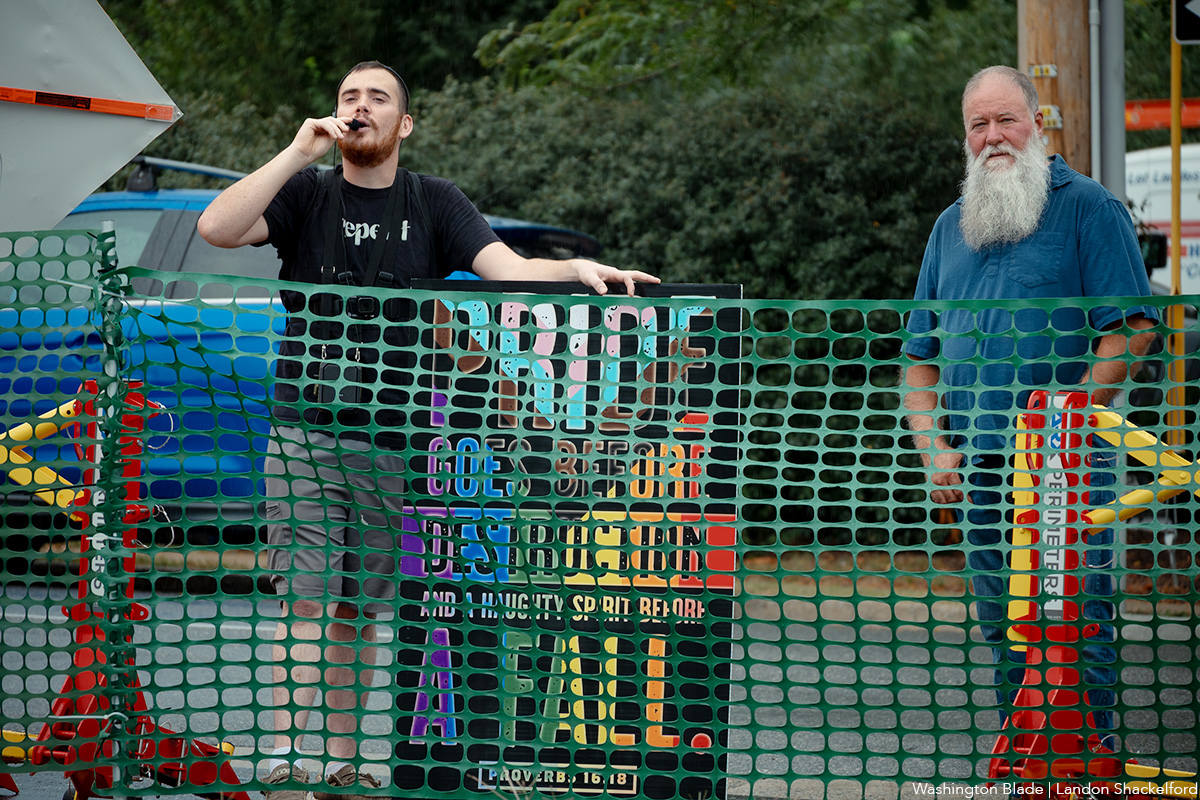
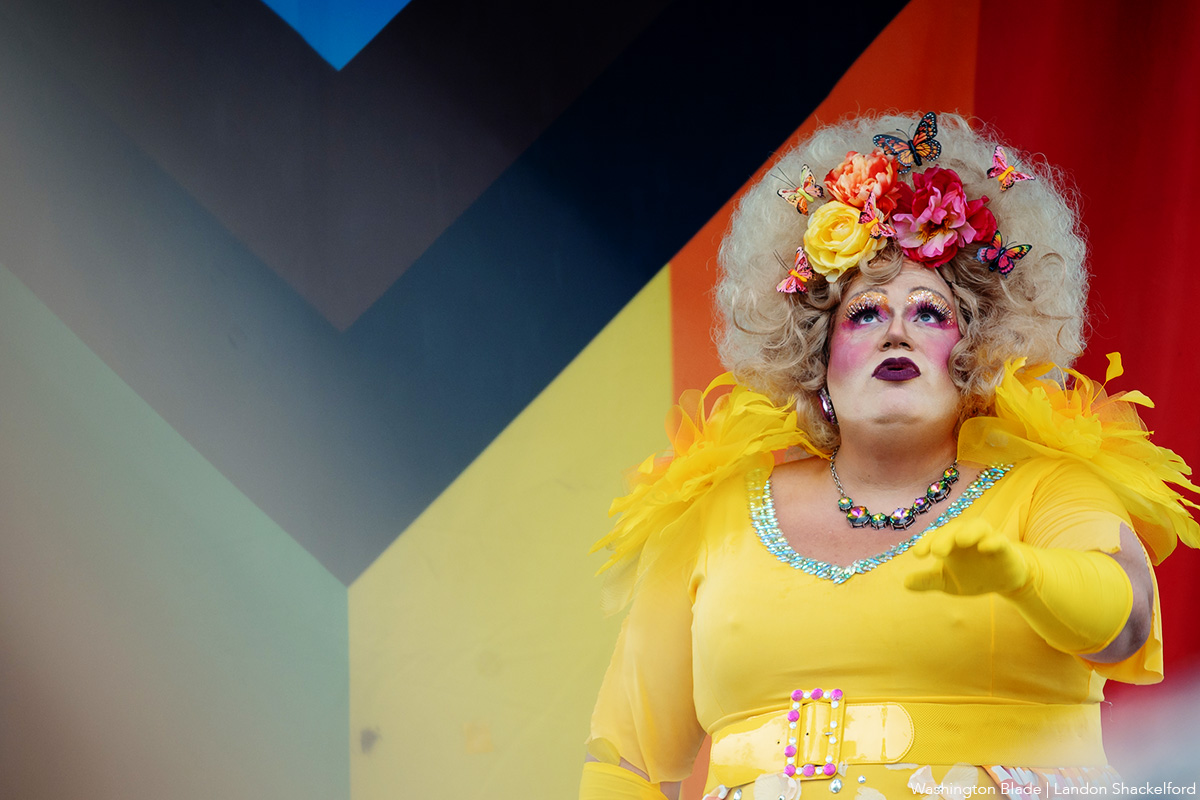
PHOTOS: Shenandoah Valley Pride
LGBTQ celebration held at Turner Pavilion in Harrisonburg, Va.
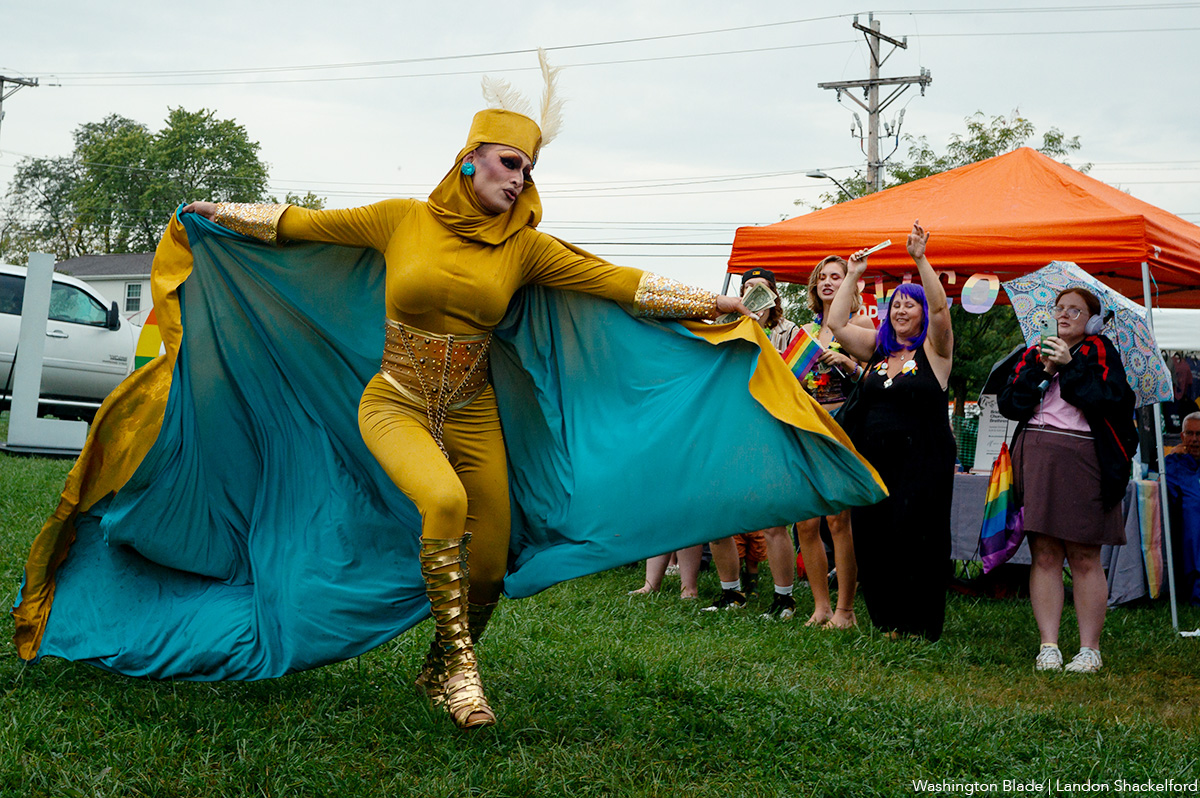
The 2026 Shenandoah Valley Pride Festival was held at Turner Pavilion in Harrisonburg, Va. on Sunday, Sept. 20.
(Washington Blade photos by Landon Shackelford)
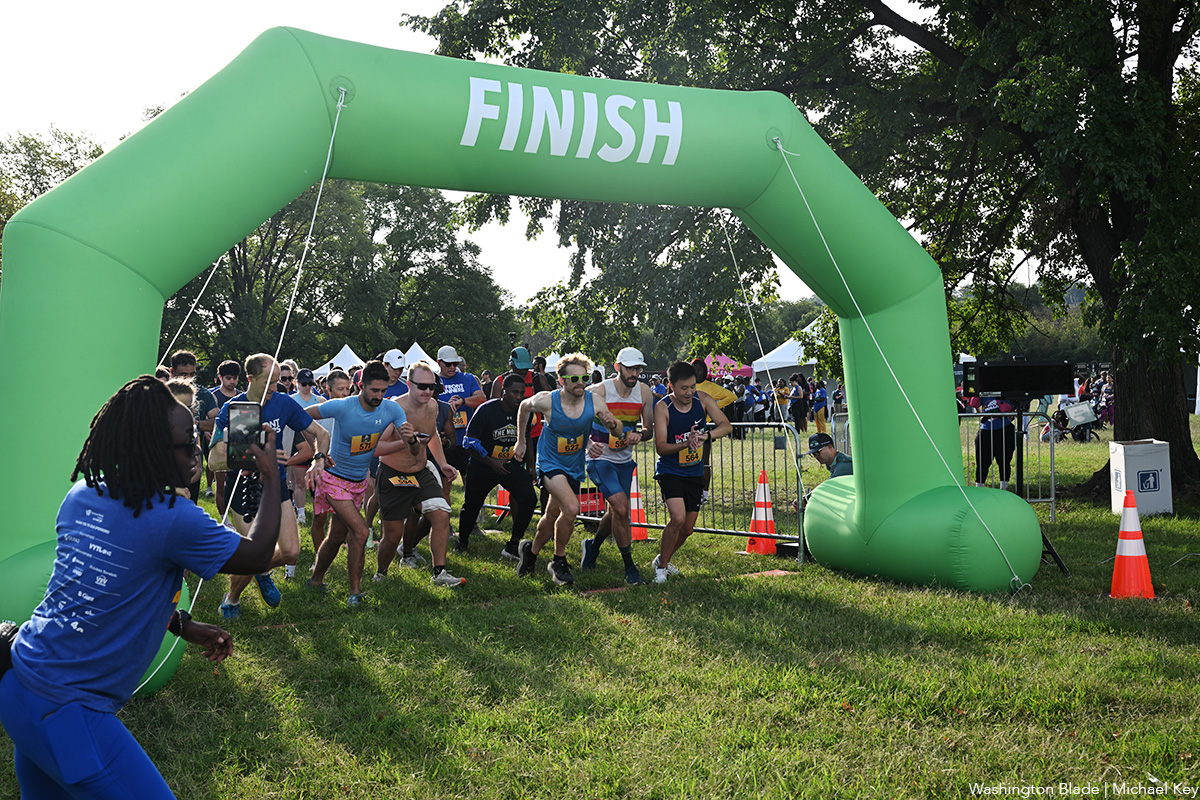
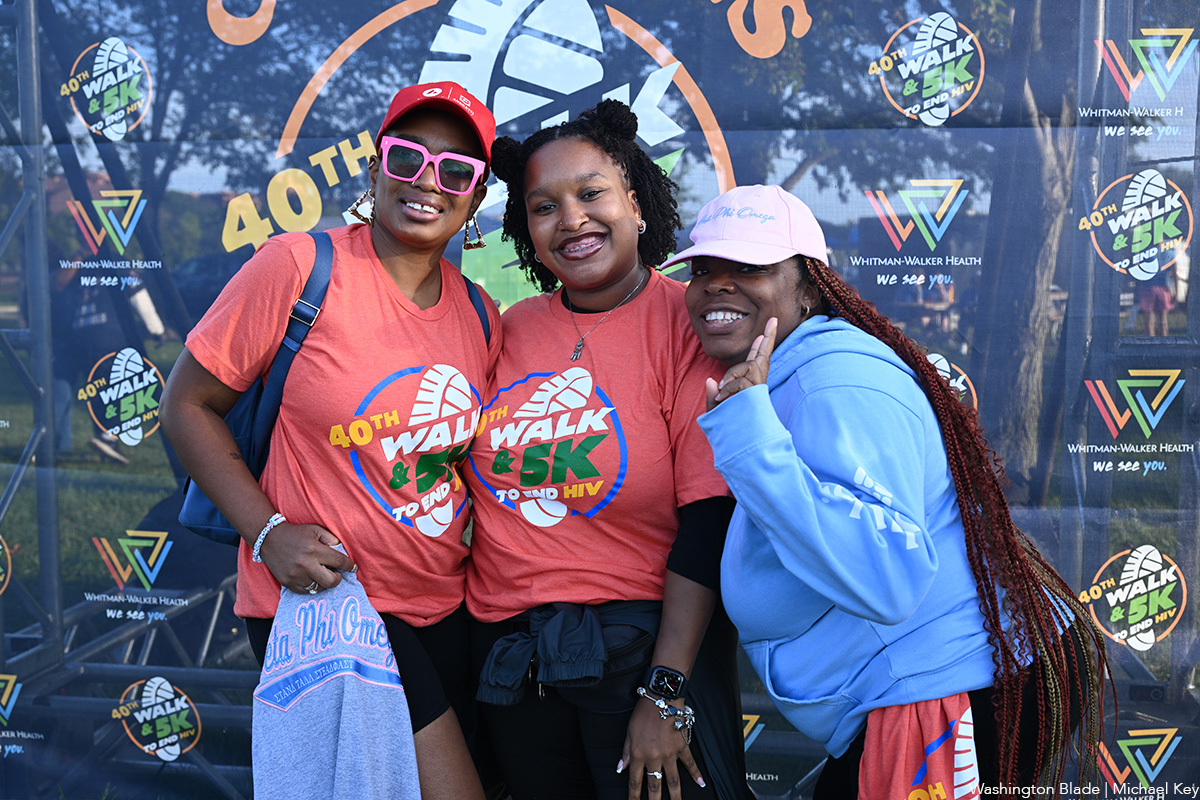
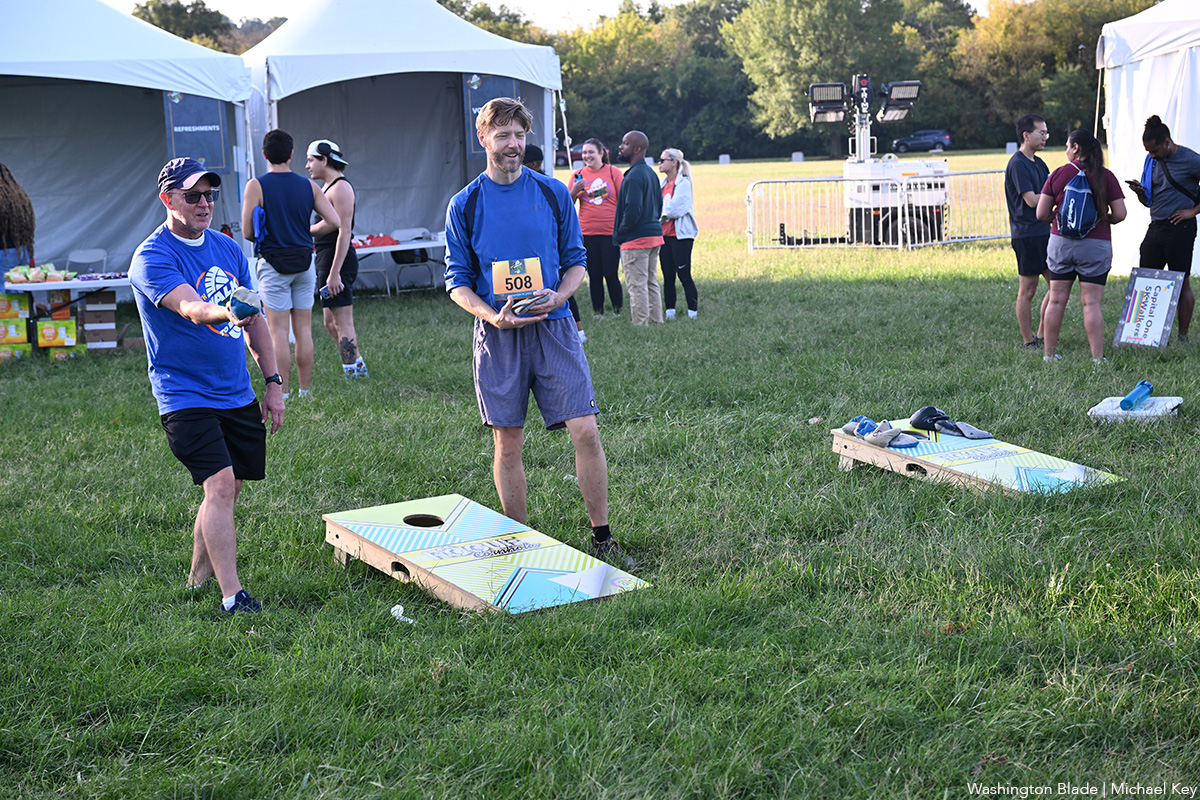
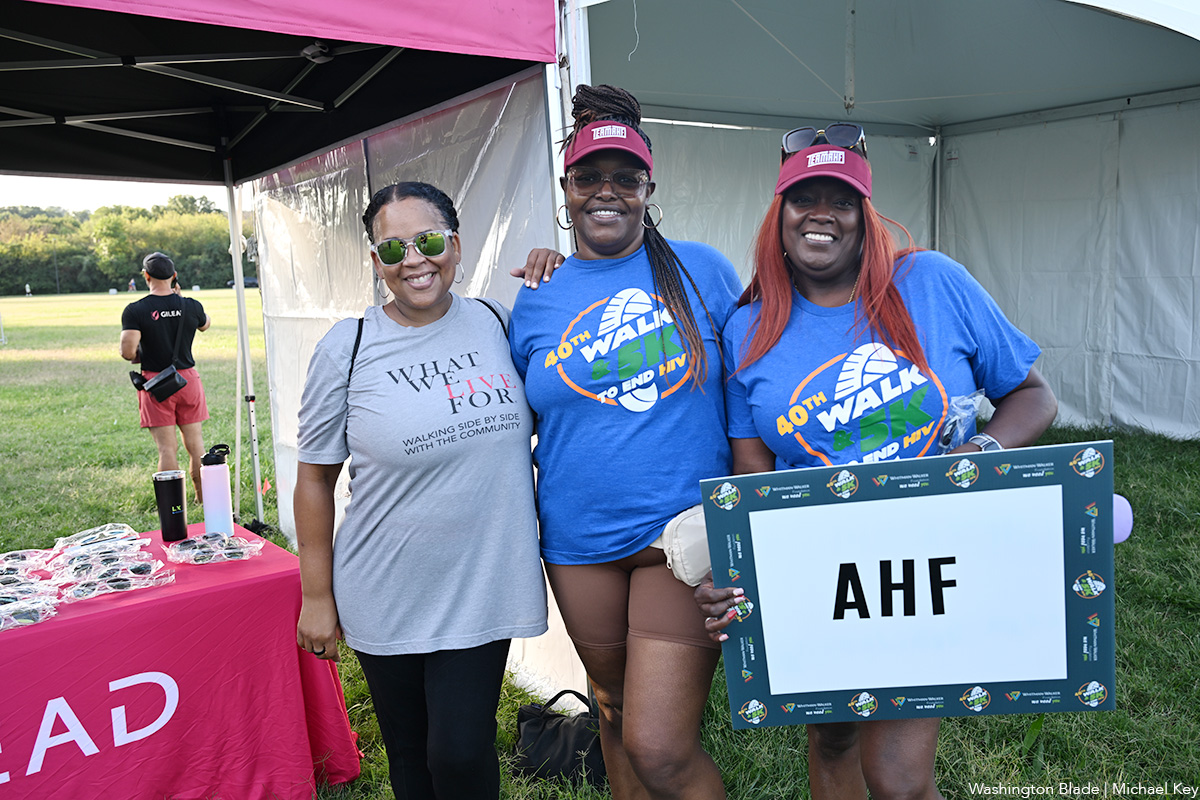
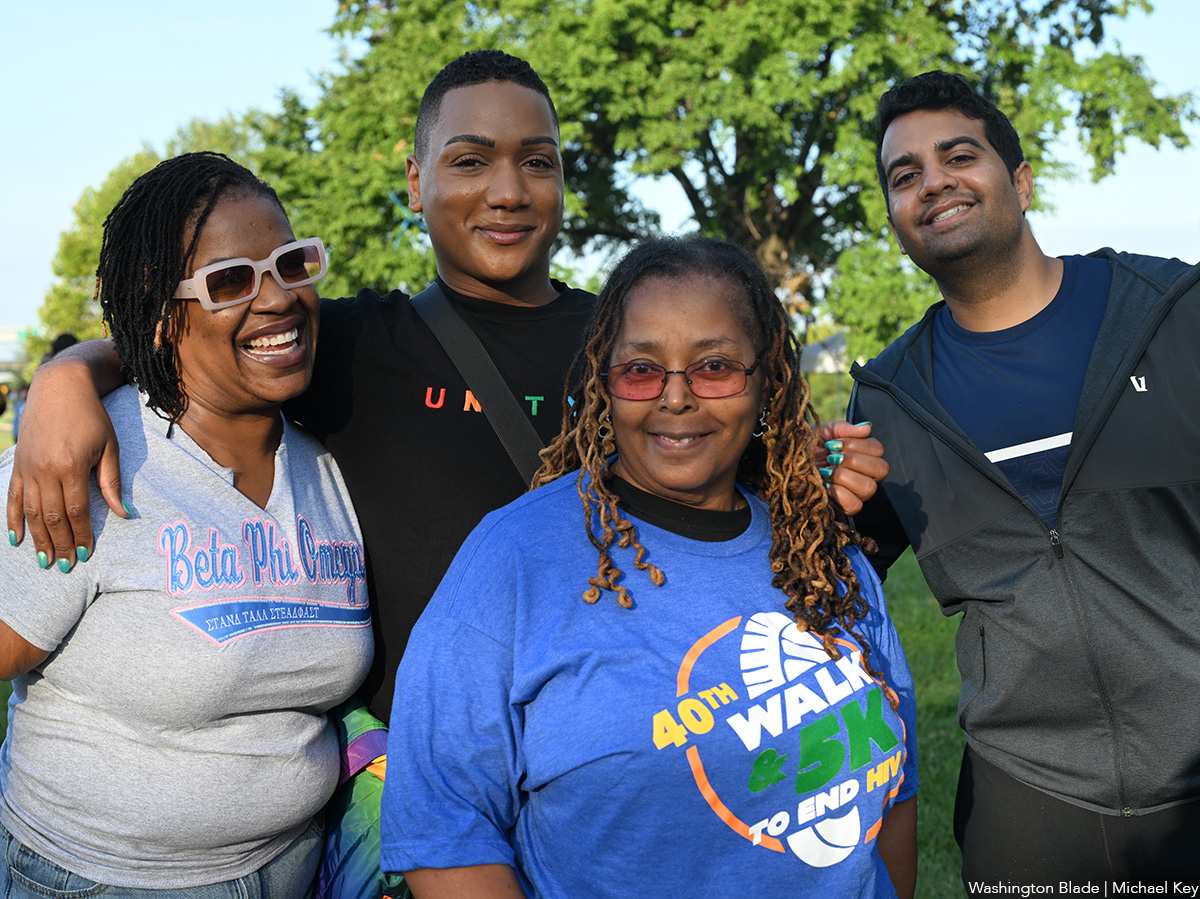
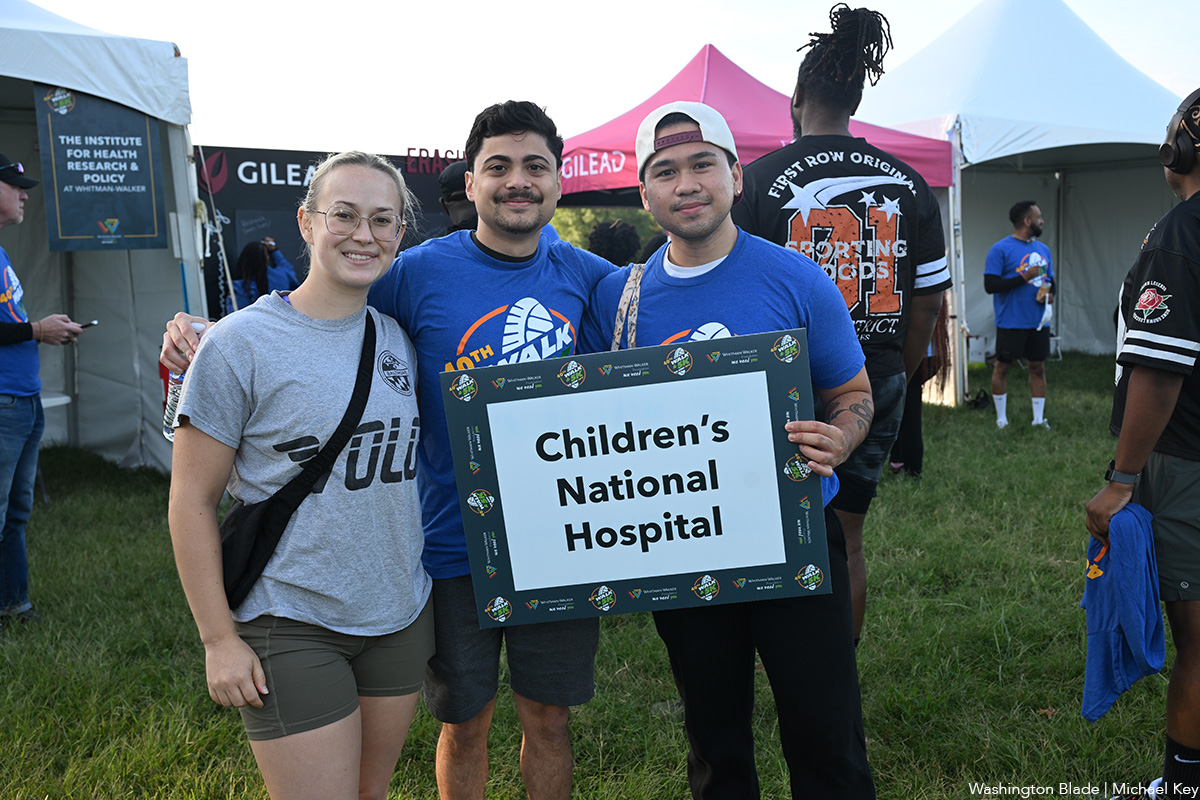
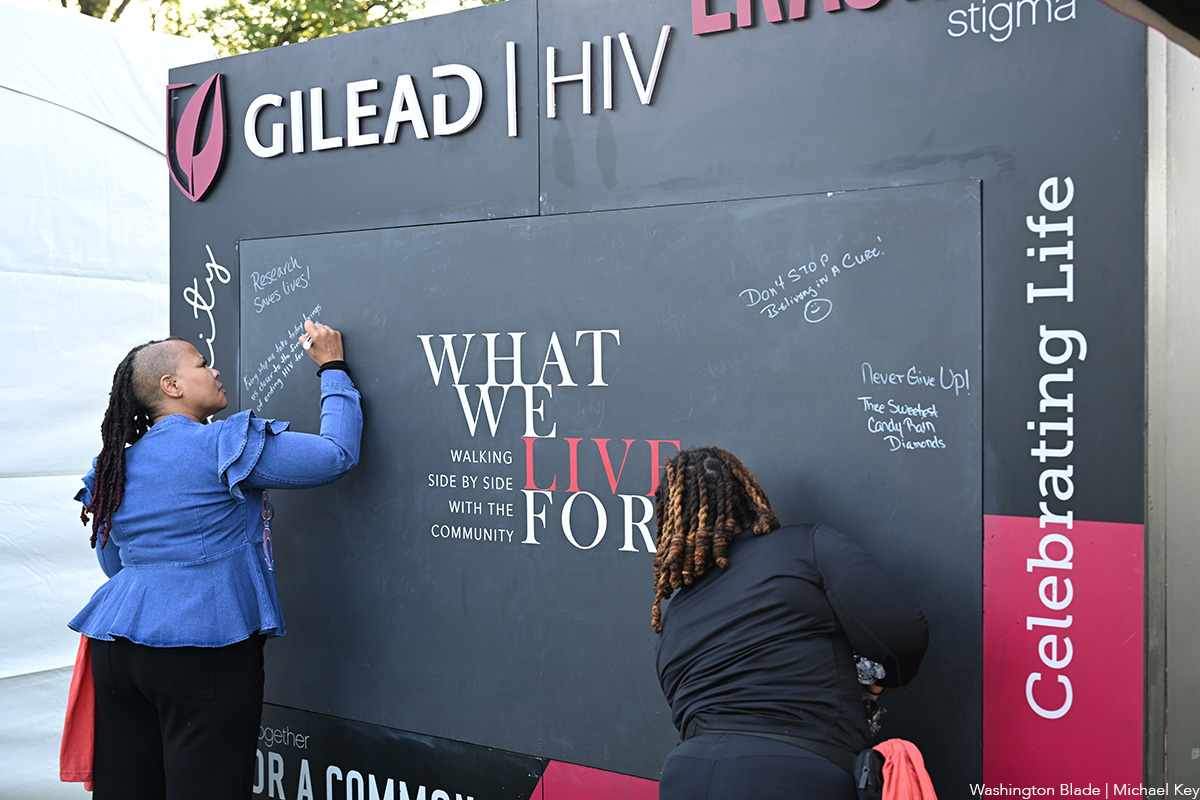
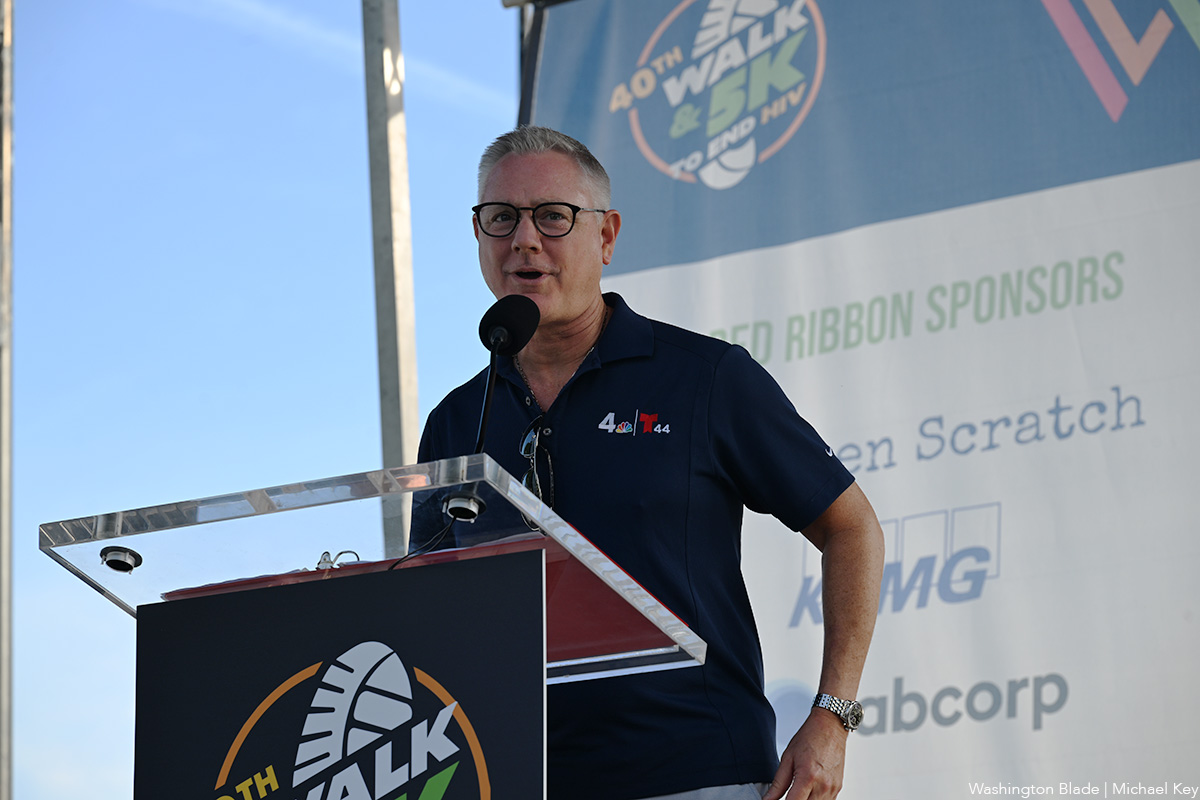
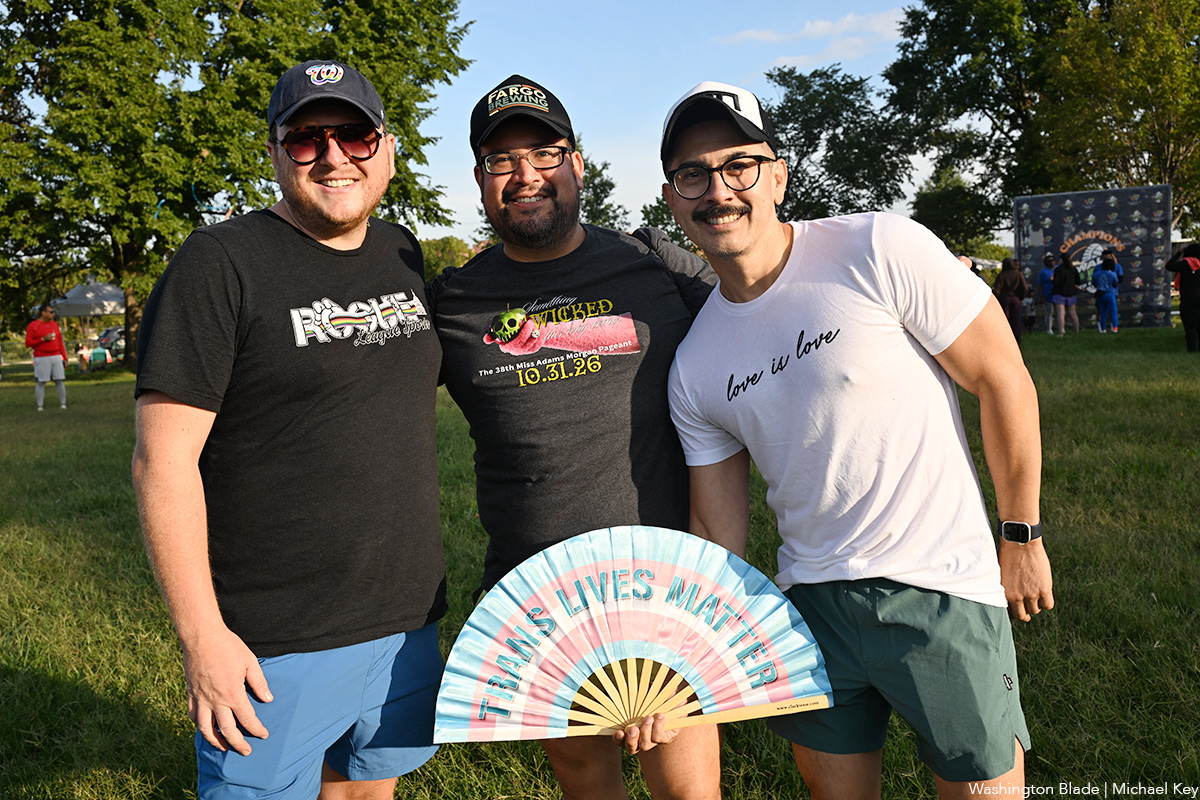
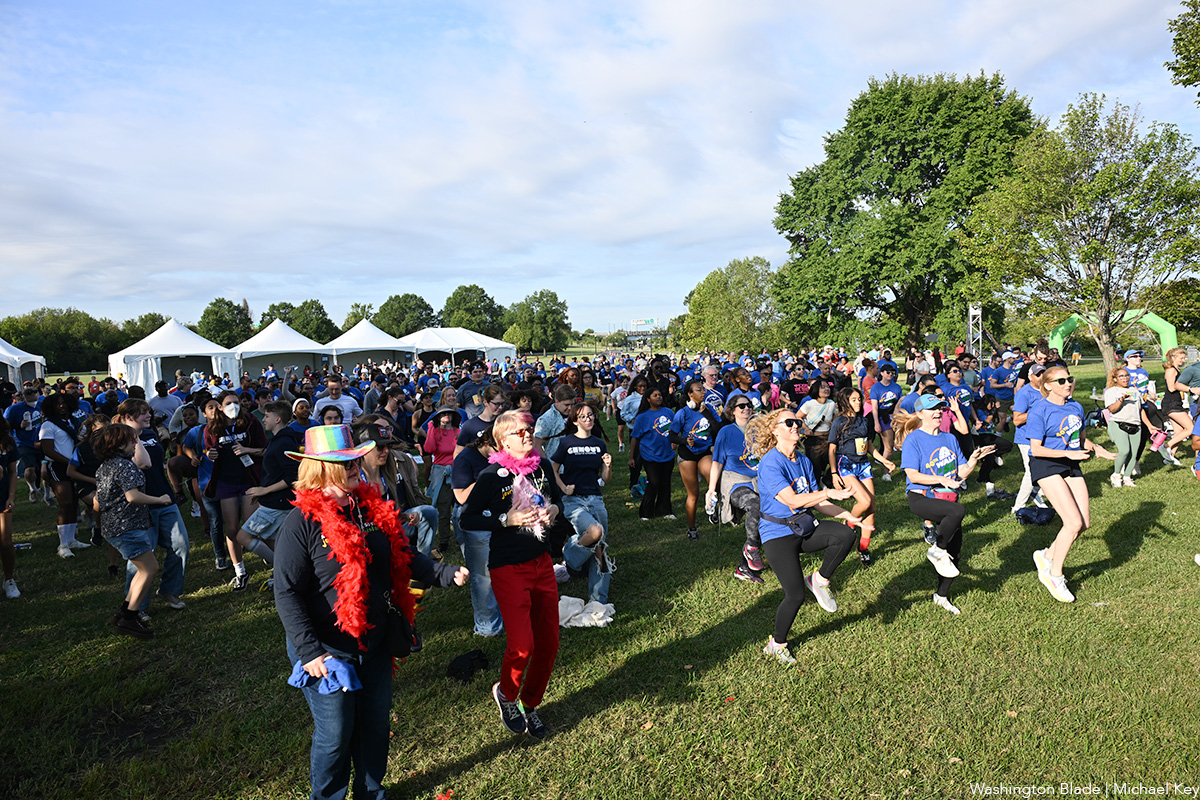
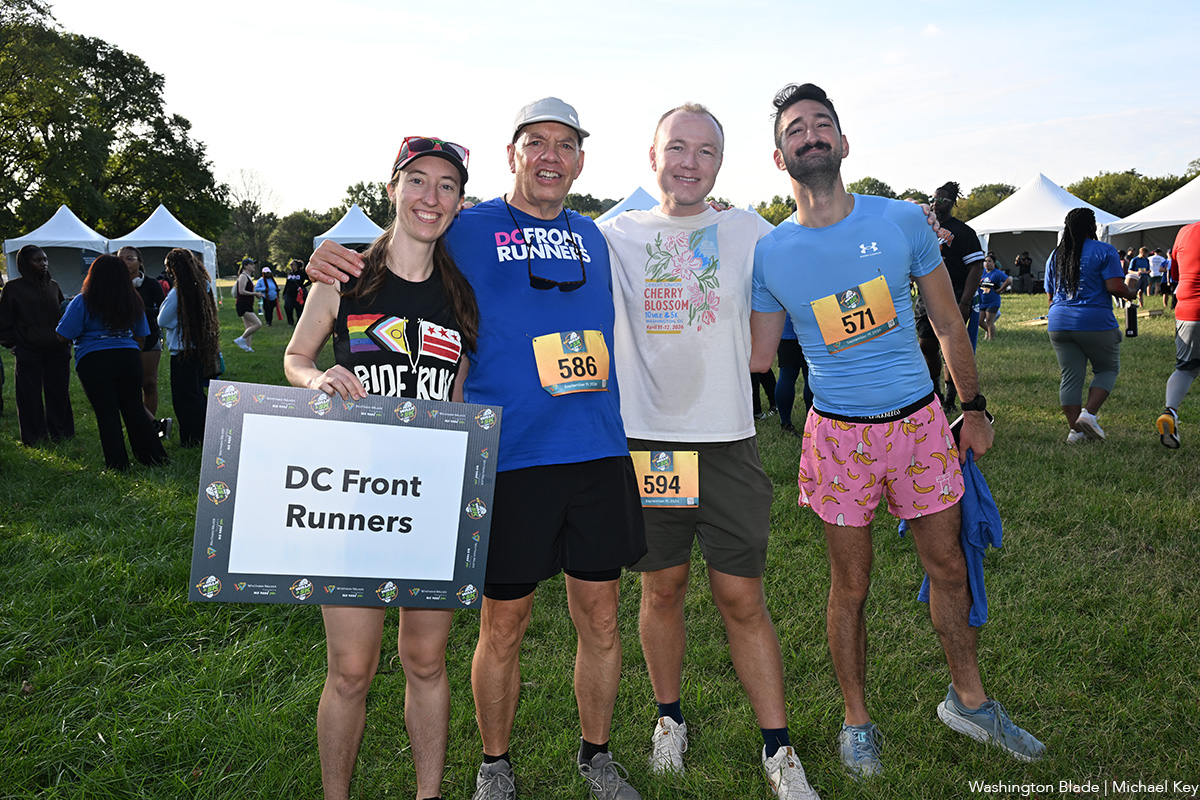
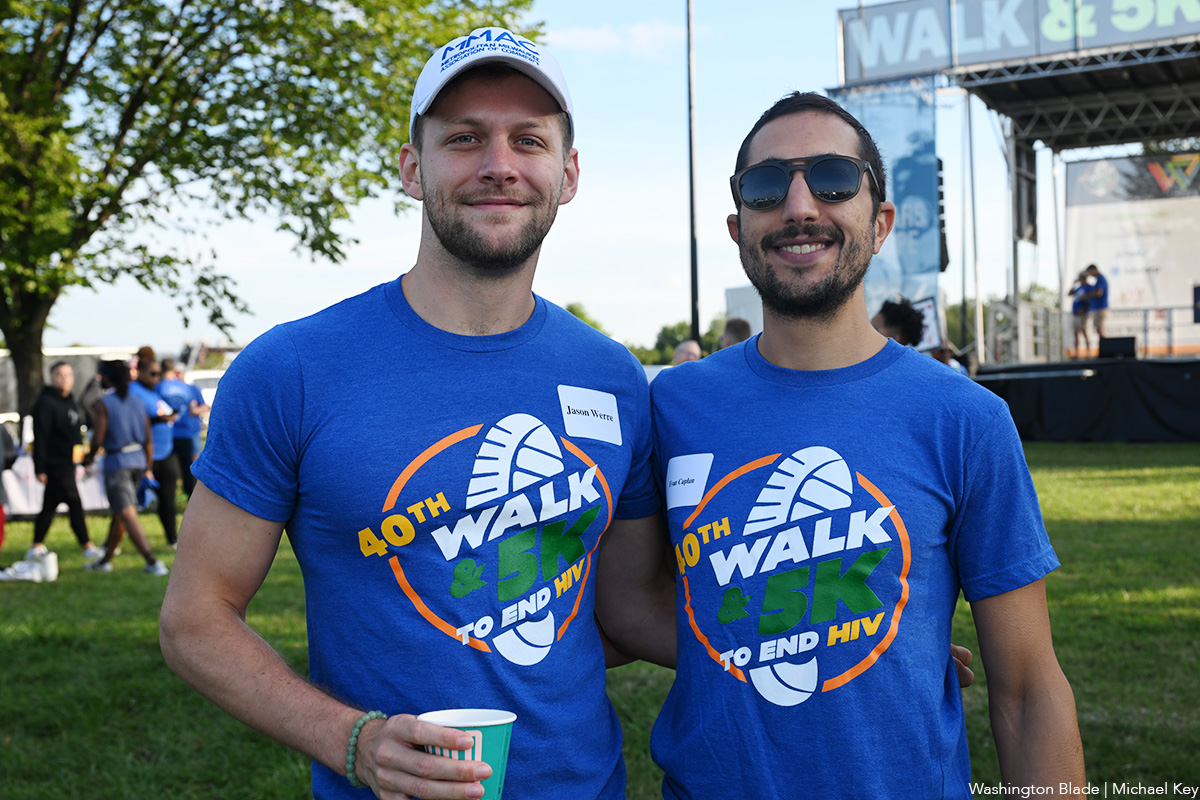
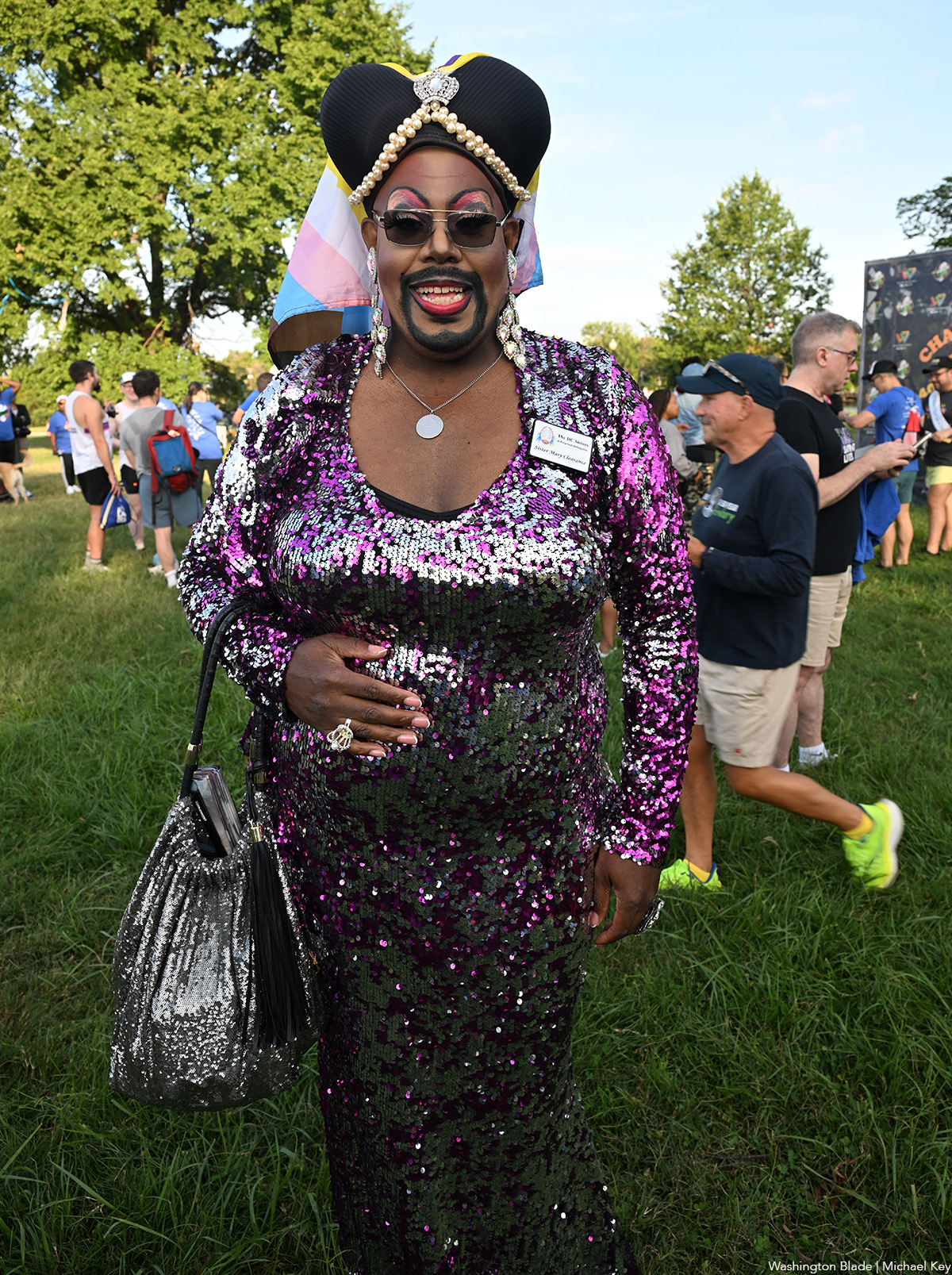
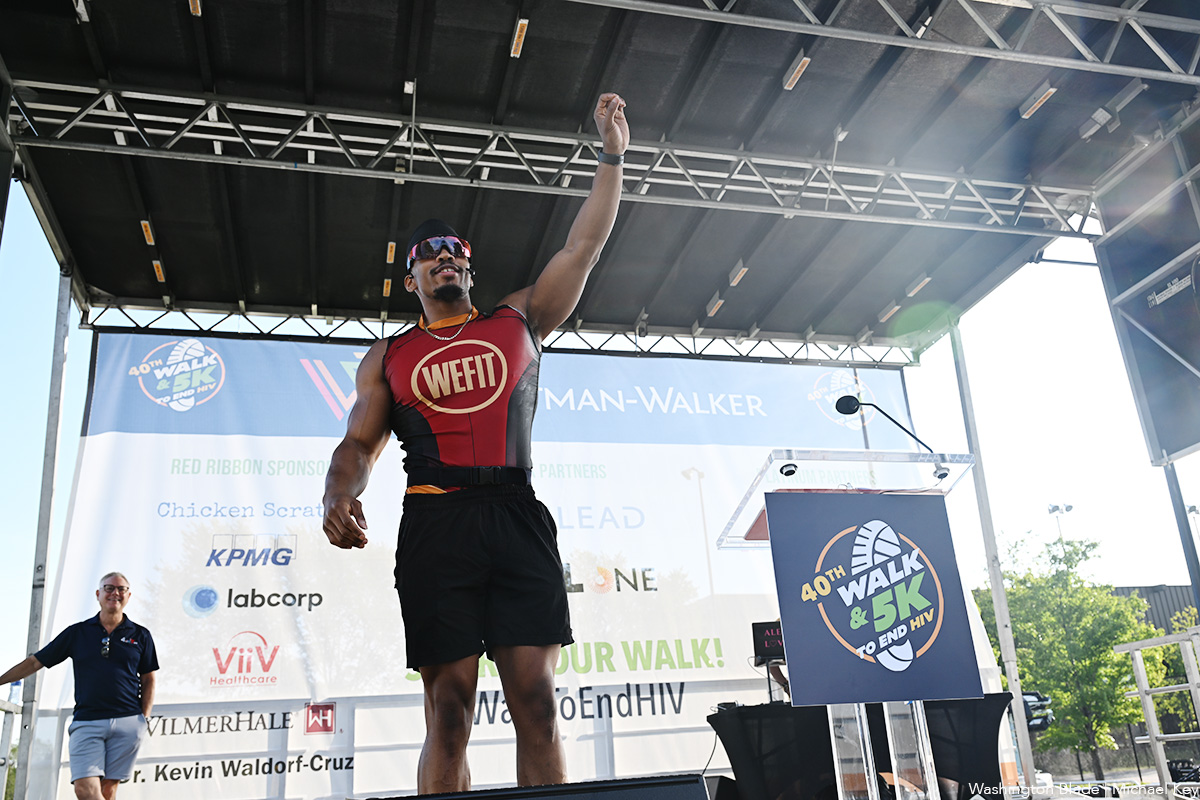
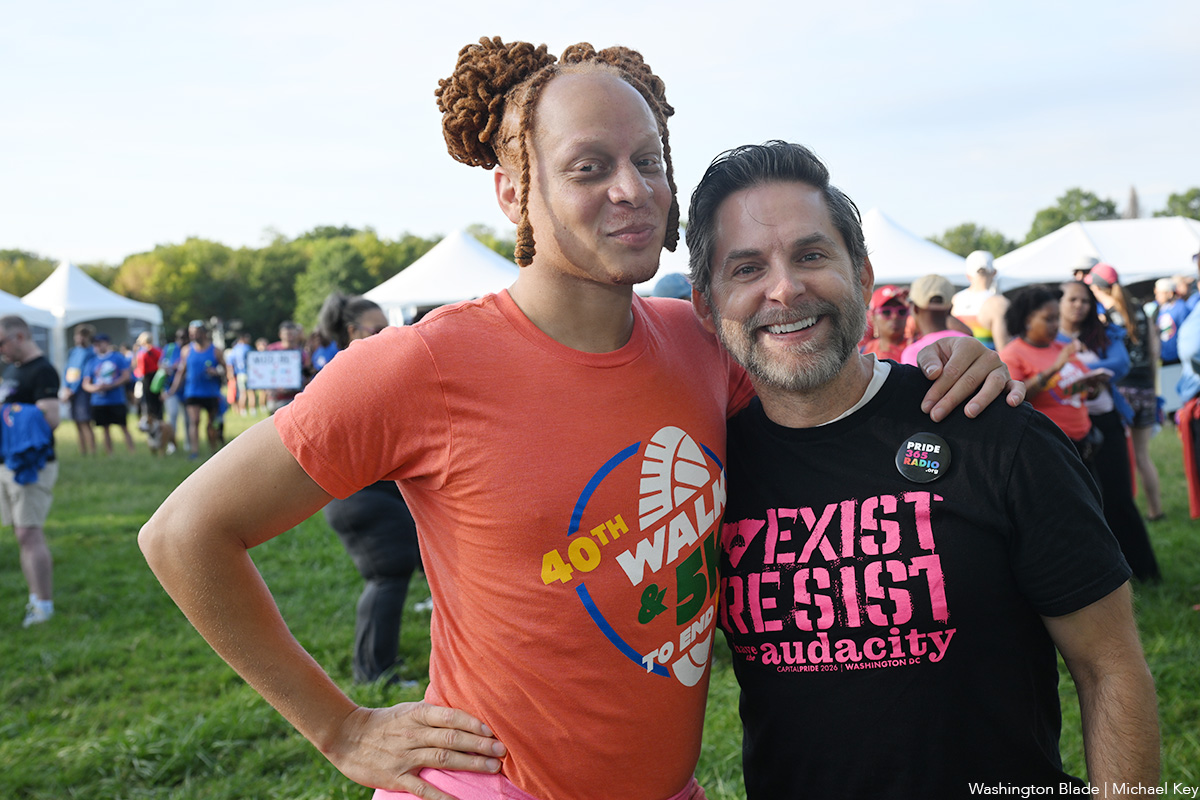
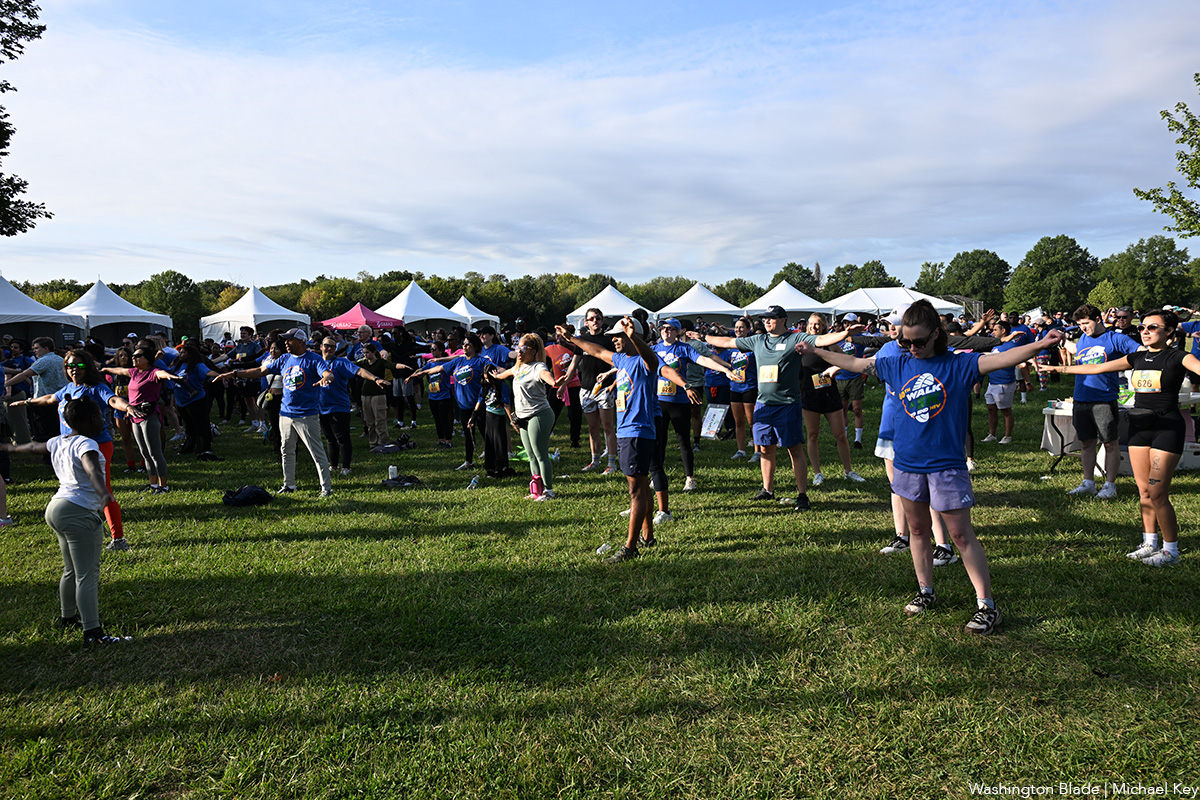
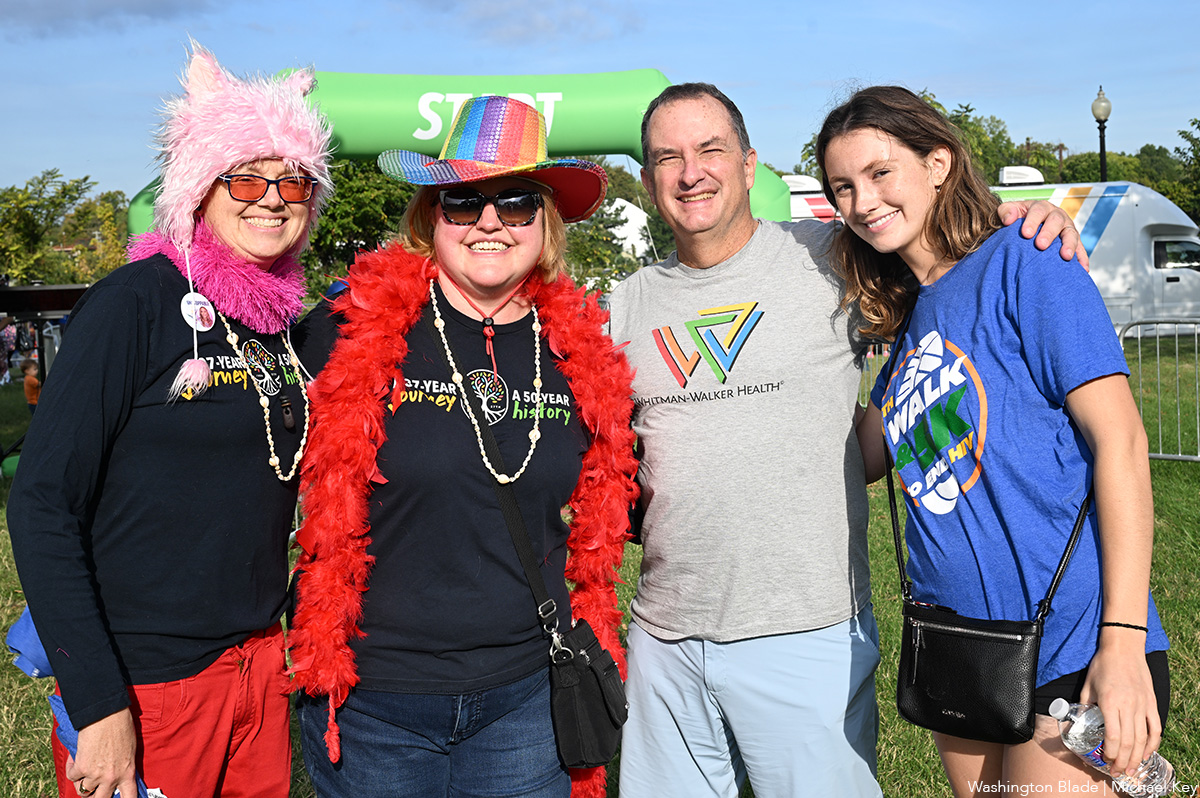
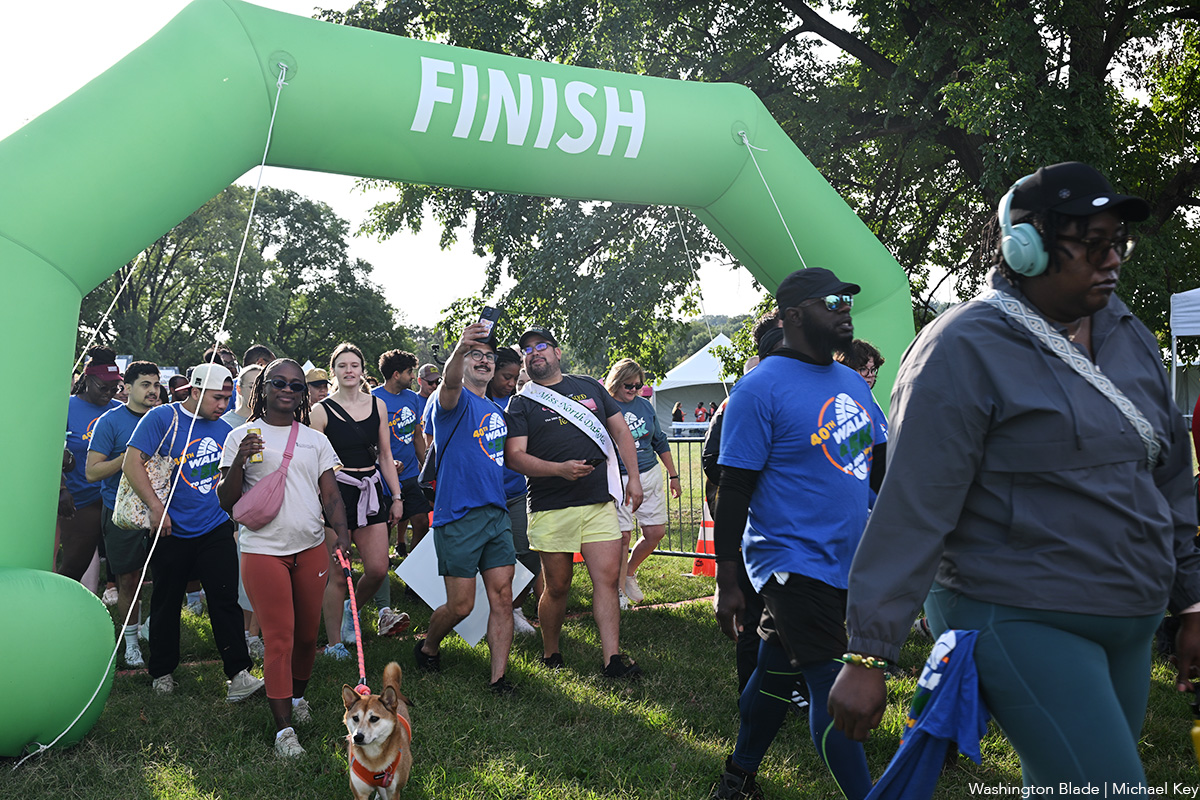
Whitman-Walker Health held the 40th annual Walk and 5K to End HIV at Anacostia Park on Saturday, Sept. 19.
(Washington Blade photos by Michael Key)



Caso Karlina: Una sentencia histórica contra las terapias de «conversión»

Washington Blade responds to concerns over White House pool duties

Young people should know history of the fight for human rights

Dutch prime minister visits Stonewall Inn

Clavicular charged in alleged rape of teenage influencer

Over 2,000 turn out for Hands Around the Kennedy Center protest

PHOTOS: Wanda Alston Foundation Fall Reception

PHOTOS: Walk and 5K to End HIV

What LGBTQ veterans are building after ‘Don’t Ask, Don’t Tell’