Local
Family calls for hate crime probe in Betts murder case
One defendant sentenced to 40 years; another pleads guilty
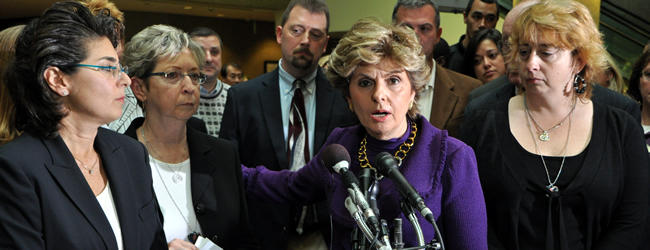
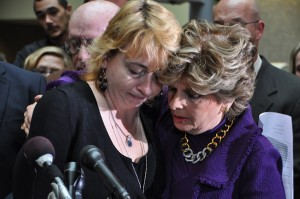
Jennifer Altomare, sister of murder victim Brian Betts, with attorney Gloria Allred. (Blade photo by Michael Key)
Speaking through an attorney known for taking on high-profile celebrity cases, the family of gay D.C. middle school principal Brian Betts Tuesday called on the U.S. Justice Department to investigate whether Betts’ murder in April was motivated by anti-gay bias.
Los Angeles attorney Gloria Allred, who has been retained by Betts’ parents, discussed the possible hate crime angle to the case during a news conference at a courthouse in Rockville, Md., minutes after a judge sentenced defendant Alante Saunders, 19, to 40 years in jail for Betts’ murder.
Betts was found shot to death April 15 in the second floor bedroom of his Silver Spring, Md., house. Saunders and three other teenage males were charged with murder in connection with the case a short time later.
Authorities said Saunders met Betts through a sex chat line and hatched a plan with the other three youths to commit a robbery. Defense attorneys and prosecutors said the youths did not intend to kill Betts and attributed the shooting to a “robbery that went bad.”
Police identified Saunders as the shooter.
“Brian’s family retained me to represent them as victims in the criminal case,” said Allred, who has hosted a radio talk show specializing in legal issues.
“The family has also retained me to explore whether or not Brian’s murder should also be prosecuted under the new Matthew Shepard federal hate crimes law,” she said.
“Brian was a gay man and we believe an investigation should be opened under that law to determine whether a hate crime has or has not been committed by defendant Saunders and if it has whether it is appropriate to proceed with a federal prosecution under that law.”
Police and prosecutors said an investigation found that Saunders and Betts met through a sex chat line and that Betts invited Saunders, who expressed an interest in seeing him, to his house. Sources familiar with the case have said the chat line caters to gay men seeking other men for sex, but authorities have declined to identify the chat line by name.
Saunders pleaded guilty last month to first-degree felony murder in connection with the case. As part of a plea bargain arrangement, prosecutors agreed to ask Montgomery County District Court Judge John Debelius to sentence Saunders to life in prison with all but 40 years suspended.
Debelius agreed to the request at a sentencing hearing Tuesday following emotional statements delivered by nine family members and friends of Betts, including Betts’ mother, Doris Betts, his father, Delbert Betts, and sister, Jennifer Altomare. Nearly all of them wept as they described Betts, 42, as an extraordinary educator, mentor, loyal family member and friend.
“When I received word that our son had been killed in his own home, my world crumpled around me,” said Doris Betts. “These were supposed to be the golden years for me, but instead they will be the saddest years of my life.”
The judge also agreed to a request by defense attorney David Felsen that he recommend that Saunders be placed in a special state correctional facility that provides vocational training.
Debelius noted that under Maryland law, Saunders is eligible to apply for parole after serving 20 years.
Earlier in the day on Tuesday, the second of the three other men charged in Betts’ murder, Sharif Lancaster, 19, pleaded guilty to robbery and use of a handgun during commission of a felony as part of a plea bargain offered by prosecutors. Prosecutors agreed to drop an initial charge of first-degree felony murder against Lancaster.
He is scheduled to be sentenced Feb. 11 and faces a possible maximum sentence of 35 years in prison.
The Montgomery County State’s Attorney’s office and defense attorneys have said discussions were underway to arrange plea bargains for the remaining two defendants, Joel Johnson, 19, and Deontra Gray, 18.
Montgomery County State’s Attorney John McCarthy told reporters at the courthouse that his office investigated the possibility that Betts’ murder was a hate crime and could not find evidence to substantiate a bias related motive to the case.
“If we had seen evidence of a hate crime, we would have charged it,” he said. “And we have an advantage. We’ve seen the evidence.”
Gay rights attorneys have said state and local prosecutors sometimes don’t recognize the nuances of evidence that others might interpret as bias related elements of cases involving gay victims. They note that the Matthew Shepard Hate Crimes Prevention Act gives federal prosecutors through the Justice Department authority to overrule local prosecutors and initiate a federal hate crimes charge if supported by a federal probe.
At her courthouse news conference Allred declined to disclose evidence she knows of to support a hate crime, saying it would be improper to discuss evidence until the cases of all of the four defendants are completed.
Some gay activists have speculated that a bias or hate related element might be present in the case if the defendants selected the chat line to specifically target a gay man for a crime.
McCarthy and other prosecutors with the Montgomery County State’s Attorney’s office have refused so far to disclose specific details about what Sanders said to Betts through the chat line and the events that led to his firing the gun he used to shoot Betts.




District of Columbia
D.C. pays $500,000 to settle lawsuit brought by gay Corrections Dept. employee
Alleged years of verbal harassment, slurs, intimidation
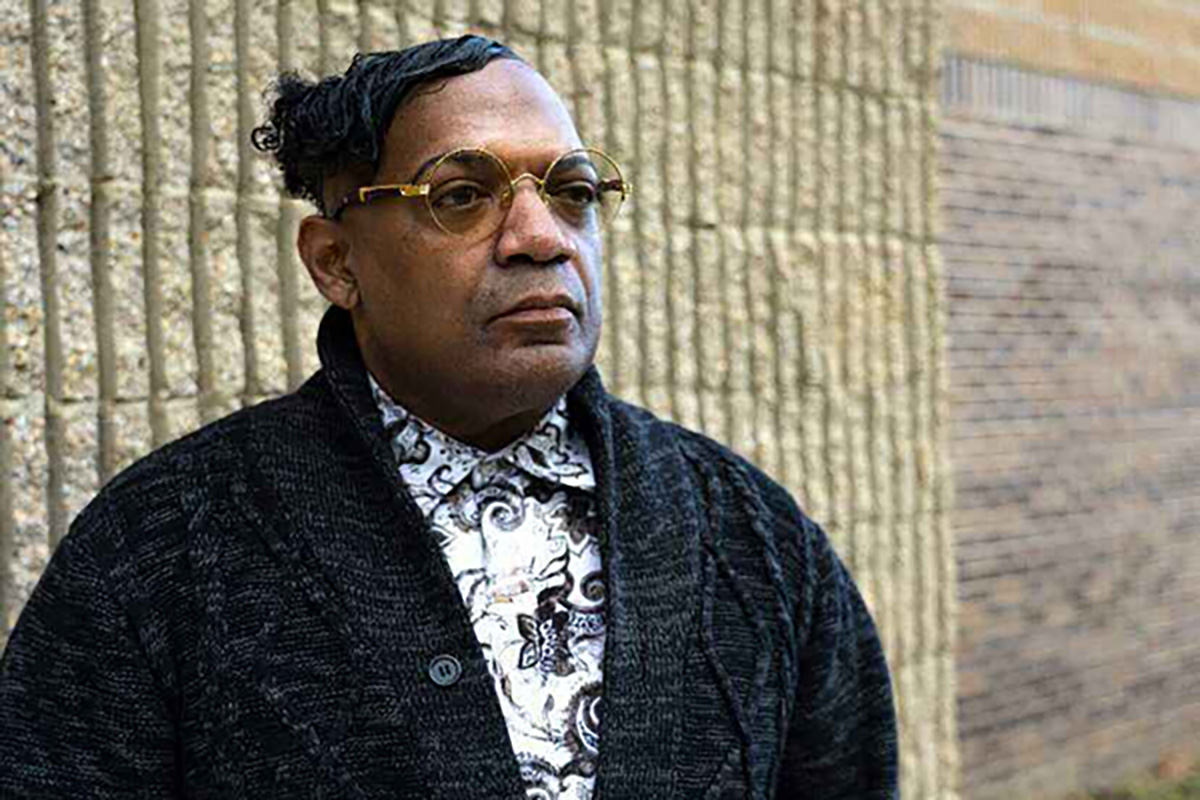
The D.C. government on Feb. 5 agreed to pay $500,000 to a gay D.C. Department of Corrections officer as a settlement to a lawsuit the officer filed in 2021 alleging he was subjected to years of discrimination at his job because of his sexual orientation, according to a statement released by the American Civil Liberties Union of D.C.
The statement says the lawsuit, filed on behalf of Sgt. Deon Jones by the ACLU of D.C. and the law firm WilmerHale, alleged that the Department of Corrections, including supervisors and co-workers, “subjected Sgt. Jones to discrimination, retaliation, and a hostile work environment because of his identity as a gay man, in violation of the D.C. Human Rights Act.”
Daniel Gleick, a spokesperson for D.C. Mayor Muriel Bowser, said the mayor’s office would have no comment on the lawsuit settlement. The Washington Blade couldn’t immediately reach a spokesperson for the Office of the D.C. Attorney General, which represents the city against lawsuits.
Bowser and her high-level D.C. government appointees, including Japer Bowles, director of the Mayor’s Office of LGBTQ Affairs, have spoken out against LGBTQ-related discrimination.
“Jones, now a 28-year veteran of the Department and nearing retirement, faced years of verbal abuse and harassment from coworkers and incarcerated people alike, including anti-gay slurs, threats, and degrading treatment,” the ACLU’s statement says.
“The prolonged mistreatment took a severe toll on Jones’s mental health, and he experienced depression, Post-Traumatic Stress Disorder, and 15 anxiety attacks in 2021 alone,” it says.
“For years, I showed up to do my job with professionalism and pride, only to be targeted because of who I am,” Jones says in the ACLU statement. “This settlement affirms that my pain mattered – and that creating hostile workplaces has real consequences,” he said.
He added, “For anyone who is LGBTQ or living with a disability and facing workplace discrimination or retaliation, know this: you are not powerless. You have rights. And when you stand up, you can achieve justice.”
The settlement agreement, a link to which the ACLU provided in its statement announcing the settlement, states that plaintiff Jones agrees, among other things, that “neither the Parties’ agreement, nor the District’s offer to settle the case, shall in any way be construed as an admission by the District that it or any of its current or former employees, acted wrongfully with respect to Plaintiff or any other person, or that Plaintiff has any rights.”
Scott Michelman, the D.C. ACLU’s legal director said that type of disclaimer is typical for parties that agree to settle a lawsuit like this.
“But actions speak louder than words,” he told the Blade. “The fact that they are paying our client a half million dollars for the pervasive and really brutal harassment that he suffered on the basis of his identity for years is much more telling than their disclaimer itself,” he said.
The settlement agreement also says Jones would be required, as a condition for accepting the agreement, to resign permanently from his job at the Department of Corrections. Michelman said Jones has been on leave from work for a period of time, but he did not know how long. Jones couldn’t immediately be reached for comment.
“This is really something that makes sense on both sides,” Michelman said of the resignation requirements. “The environment had become so toxic the way he had been treated on multiple levels made it difficult to see how he could return to work there.”
Virginia
Spanberger signs bill that paves way for marriage amendment repeal referendum
Proposal passed in two successive General Assembly sessions

Virginians this year will vote on whether to repeal a state constitutional amendment that defines marriage as between a man and a woman.
Democratic Gov. Abigail Spanberger on Friday signed state Del. Laura Jane Cohen (D-Fairfax County)’s House Bill 612, which finalized the referendum’s language.
The ballot question that voters will consider on Election Day is below:
Question: Should the Constitution of Virginia be amended to: (i) remove the ban on same-sex marriage; (ii) affirm that two adults may marry regardless of sex, gender, or race; and (iii) require all legally valid marriages to be treated equally under the law?
Voters in 2006 approved the Marshall-Newman Amendment.
Same-sex couples have been able to legally marry in Virginia since 2014. Former Gov. Glenn Youngkin, who is a Republican, in 2024 signed a bill that codified marriage equality in state law.
Two successive legislatures must approve a proposed constitutional amendment before it can go to the ballot.
A resolution to repeal the Marshall-Newman Amendment passed in the General Assembly in 2025. Lawmakers once again approved it last month.
“20 years after Virginia added a ban on same-sex marriage to our Constitution, we finally have the chance to right that wrong,” wrote Equality Virginia Executive Director Narissa Rahaman on Friday in a message to her group’s supporters.
Virginians this year will also consider proposed constitutional amendments that would guarantee reproductive rights and restore voting rights to convicted felons who have completed their sentences.
District of Columbia
D.C. non-profits find creative ways to aid the unhoused amid funding cuts
City’s poor economic mobility makes it easier to slip into homelessness
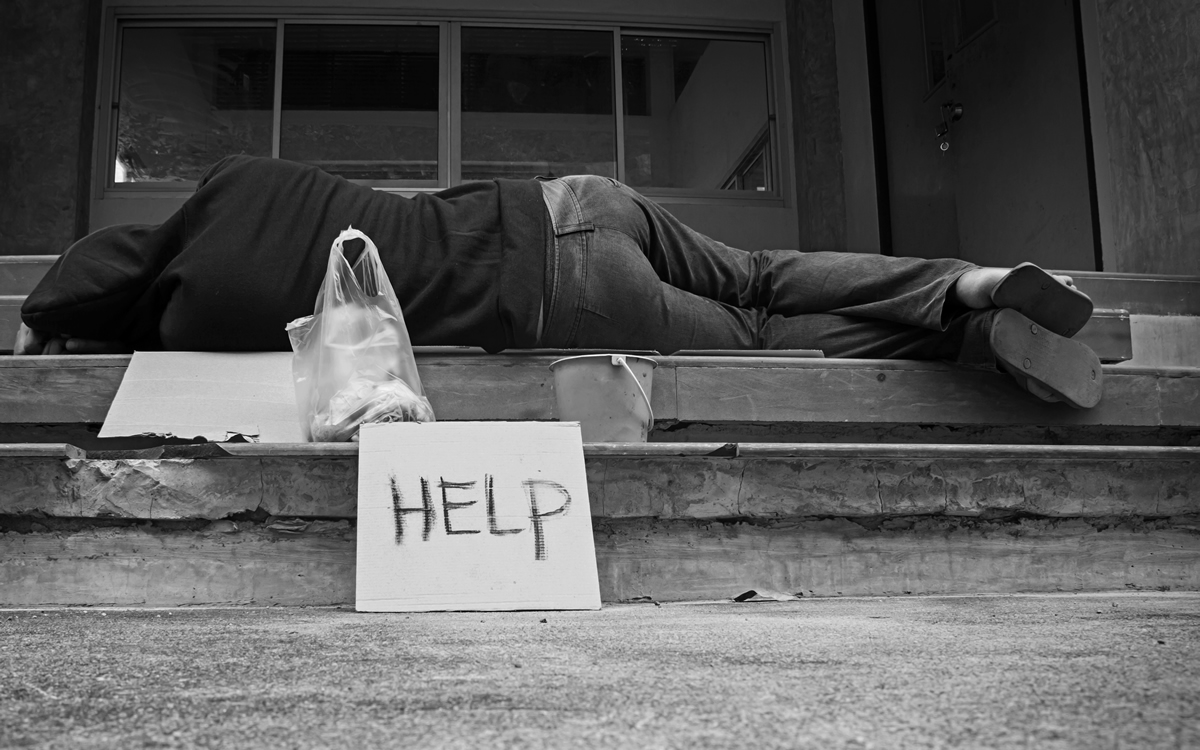
Homelessness is unlikely to disappear entirely, but it can be minimized and controlled.
That principle guides Everyone Home Executive Director Karen Cunningham’s approach to homeless support and prevention in D.C.
“There’s always going to be some amount of people who have a crisis,” Cunningham said. “The goal is that if they become homeless, [it’s] rare, brief and non-recurring. And in order for that to be the case, we need to have steady investments in programs that we know work over time.”
Making those investments has proven to be an unprecedented challenge, however. Cunningham said non-profits and other organizations like Everyone Home are grappling with government funding cuts or stalls that threaten the work they do to support D.C.’s homeless population.
Despite a 9% decrease in homelessness from 2024 to 2025, advocates worry that stagnant funding will make that progress hard to sustain. Furthermore, D.C. has the worst unemployment rate in the country at 6.7% as of December. The city’s poor economic mobility makes it easier for people to slip into homelessness and harder to break free of it.
There’s a way forward, Cunningham said, but it’s going to take a lot of perseverance and creative solutions from those willing to stay in the fight.
Fighting through setbacks
Reduced funding from the city government has shifted the way Everyone Home operates.
In D.C.’s fiscal year 2026 budget proposal, homeless services and prevention programs saw stalled growth or financial reductions. Even just a few years ago, Cunningham said Everyone Home received a large influx of vouchers to help people who needed long-term supportive housing. The vouchers allowed the non-profit to break people free of the homeless cycle and secure stable housing.
However, those vouchers are scarce these days. Cunningham said the city is investing less in multi-year programs and more in programs that offer preventative and upfront support.
She said this reality has forced Everyone Home to stop operating its Family Rapid Rehab program, which helps families leave shelters and transition into permanent housing. Current funds couldn’t withstand the size of the program and Cunningham said very few organizations can still afford to run similar programs.
The Family Homelessness Prevention program, however, is thriving and expanding at Everyone Home due to its short-term nature. It provides families with 90-day support services to help them get back on track and secure stable finances and housing.
Everyone Home also offers a drop-in day center, where they provide people with emergency clothing, laundry, and meals, and has a street outreach team to support those who are chronically homeless and offer services to them.
Inconsistencies in financial support have created challenges in providing the necessary resources to those struggling. It’s led non-profits like Everyone Home to get creative with their solutions to ensuring no one has recurring or long spouts of homelessness.
“It’s really a sustained investment in these programs and services that can allow us to chip away, because if you put all these resources in and then take your foot off the gas, there’s always people entering the system,” Cunningham said. “And so we have to always be moving people out into housing.”
Getting people in and out of the homeless system isn’t easy due to D.C.’s struggle with providing accessible and affordable housing, D.C. Policy Center executive director Yesim Sayin said in a Nov. 16 Washington Blade article.
Sayin said that D.C.’s construction tailors to middle or upper class people who live in the city because work brought them there, but it excludes families and D.C. natives who may be on the verge of homelessness and have less geographic mobility.
Building more and building smarter ensures D.C.’s low-income population aren’t left behind and at risk of becoming homeless, Sayin said.
That risk is a common one in D.C. given its low economic mobility. Residents have less room to financially grow given the city’s high cost of living, making vulnerable communities more prone to homelessness.
With funding cuts for long-term programs, preventative programs have proven to be vital in supporting the homeless population. When someone becomes homeless, it can have a snowball effect on their life. They aren’t just losing a house –– they may lose their job, access to reliable transportation and food for their family.
Cunningham said resources like the Family Homelessness Prevention program allows people to grow and stabilize before losing crucial life resources.
“Helping people keep what they have and to try to grow that as much as possible is really important where there aren’t a lot of opportunities…for people to increase their income,” Cunningham said.
Through all the funding cuts and reduced services, D.C.’s homeless support organizations are still finding a path forward –– a path that many residents and families rely on to survive.
Pushing forward
Local non-profits and organizations like Everyone Home are the backbone of homeless support when all other systems fail.
When the White House issued an executive order directing agencies to remove homeless encampments on federal land, Coalition For The Homeless provided ongoing shelter to those impacted.
“We were asked by our funders to open two shelters at the time of the encampment policy announcement,” Lucho Vásquez, executive director of Coalition For The Homeless, said. “We opened the shelters on the same day of the request and have been housing 100 more people who are unhoused each night since August.”
This was achieved even after Coalition faced “severe cuts in funding for supportive and security services,” according to Vásquez. Staff members have taken on additional responsibilities to make up for the loss in security coverage and supportive services with no increase in pay, but Vásquez said they’re still trying to fill gaps left by the cuts.
Coalition offers free transitional housing, single room occupancy units and affordable apartments to people who were unhoused.
Coalition For The Homeless isn’t the only non-profit that’s had to step up its services amid dwindling resources. Thrive D.C. provides hot meals, showers, and winter clothes, which is especially important during the winter months.
Pathways to Housing D.C. offers housing services for people regardless of their situation or condition. Its “Housing First” teams house people directly from the streets, and then evaluate their mental and physical health, employment, addiction status, and education challenges to try to integrate them back into the community.
Covenant House is a homeless shelter for youth ages 18-24. They provide resources and shelter for youth “while empowering young people in their journey to independence and stability,” its website reads. Through its variety of programs, Friendship Place ended or prevented homelessness, found employment and provided life-changing services for more than 5,400 people.
These groups have made a huge local difference with little resources, but Cunningham said there are more ways for people to support those experiencing homelessness if they’re strapped for time or money. Aside from donating and volunteering, she said even simply showing compassion toward people who are struggling can go a long way.
Cunningham said compassion is something that’s been lost in the mainstream, with politicians and news anchors regularly directing hostile rhetoric toward homeless populations. But now more than ever, she said caring and understanding for fellow community members is key to moving forward and lifting those in need up.
“People sometimes feel invisible or that there’s a sense of hostility,” Cunningham said. “I think all of us can at least do that piece of recognizing people’s humanity.”
(This article is part of a national initiative exploring how geography, policy, and local conditions influence access to opportunity. Find more stories at economicopportunitylab.com.)

D.C. pays $500,000 to settle lawsuit brought by gay Corrections Dept. employee

Spanberger signs bill that paves way for marriage amendment repeal referendum

Blade, Pride House LA announce 2028 Olympics partnership

D.C. non-profits find creative ways to aid the unhoused amid funding cuts

Celebrate Black History Month

D.C. Council urged to improve ‘weakened’ PrEP insurance bill

LGBTQ Minnesotans speak out amid ICE crackdowns

Dan Cox files for governor, seeking rematch with Moore

Hashmi speaks at Equality Virginia Lobby Day