Arts & Entertainment
Emerging epidemic
Belgian researcher recounts AIDS discoveries
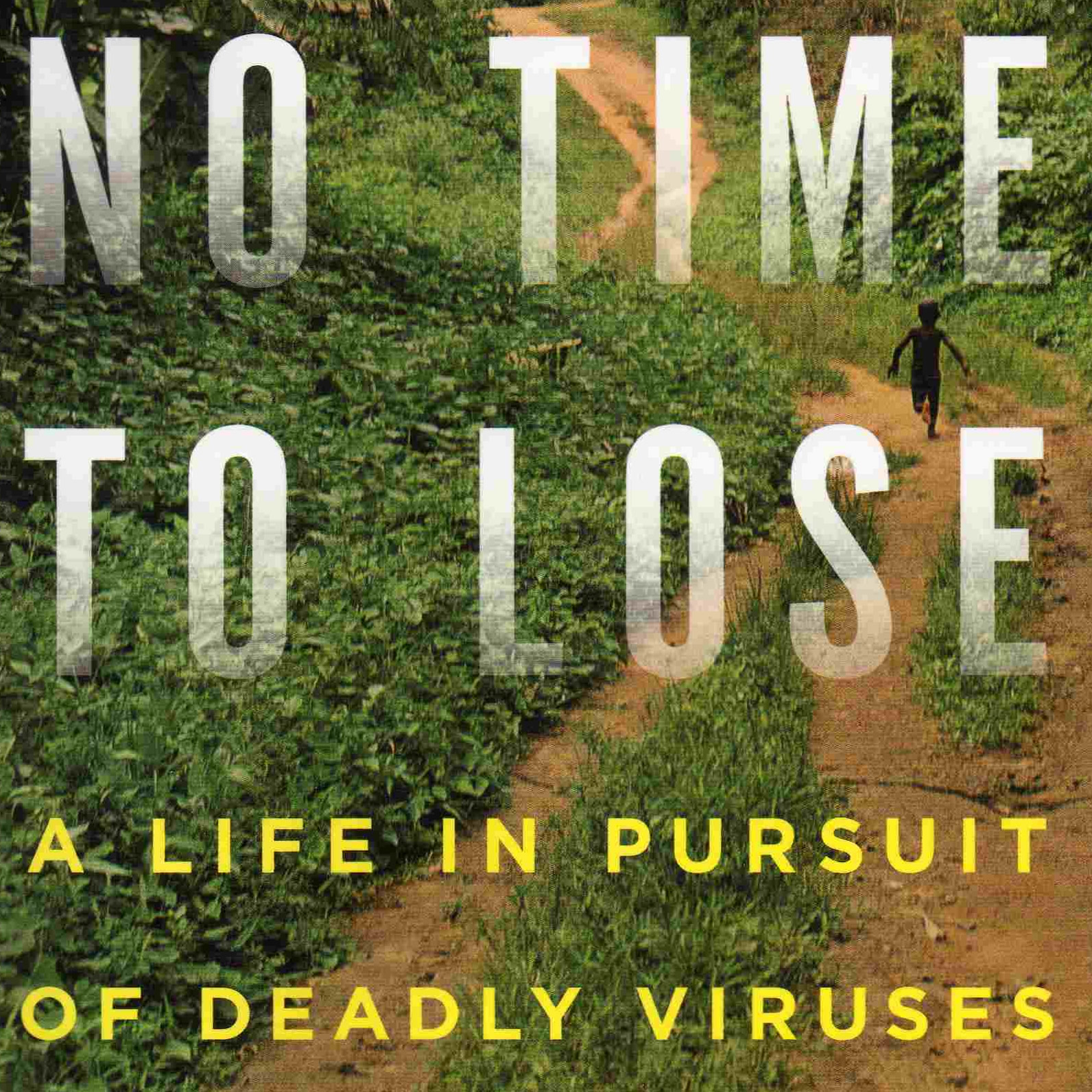
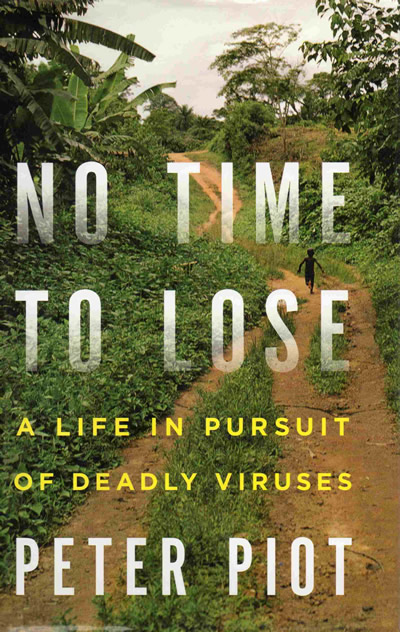
(Image courtesy W.W. Norton)
Author and epidemiologist Peter Piot knows what it’s like to be on the ground floor of something important. He was there when two previously unknown viruses were identified and in “No Time to Lose,” he explains what that was like.
The package arrived in a blue plastic thermos. It wasn’t wrapped well; in fact, one of the vials inside had broken, mixing glass with blood that had been taken from a Belgian nun who bled to death in Zaire for reasons no one could explain.
Peter Piot was an infectious disease researcher in Antwerp, Belgium, and this kind of mystery made his “heart beat faster.” When his boss sent him to Kinshasa, along the river Congo, to learn more about the crisis, Piot was even more excited. He became part of a team that teased out the root of the sickness and how it traveled from patient to victim.
The virus, highly contagious and almost always deadly, was later named after a river in Africa. Piot is still aghast at the careless, cavalier attitude given to that initial, highly dangerous flask of Ebola he encountered.
After his work in Africa ended, Piot went to Swaziland to work with a colleague assigned to eliminate sexually transmitted disease there. The endeavor was, of course, ill-fated, but this led him to work with STD patients in Antwerp. There, an alarming situation was just starting to appear in the city’s gay population. It “seemed to be a new syndrome” and it seemed to be on the rise.
It was a virus that didn’t care “whether the sex is good, or about the color or gender of the person.” Researchers called it GRID at first, then renamed it AIDS.
Almost from the opening pages, “No Time to Lose” immerses readers in excitement. Author Peter Piot does such a fine job in describing his African surroundings and the people there that you can almost hear the surrounding jungle.
But Piot’s story is not meant for entertainment. There’s a heightened sense of urgency and force here; in fact, Piot repeatedly admits regret that he didn’t do enough, soon enough. Looking through a backward lens, though, readers will wonder why he questions himself. He writes of fighting bureaucracy and politics, establishing organizations to study and prevent of infection and the now-outrageous beliefs he battled.
That makes this a triumphant book with a coda of sadness for a job that seemed, to the author, unfinished.
This book is serious stuff and it’s filled with scientific terms, acronyms and world politics — but don’t let that scare you away. If you’ve got the time to give it the attention it deserves, you’ll enjoy “No Time to Lose” from the start.




Travel
Manchester is vibrant tapestry of culture, history, and Pride
Alan Turning Memorial is among English city’s many attractions
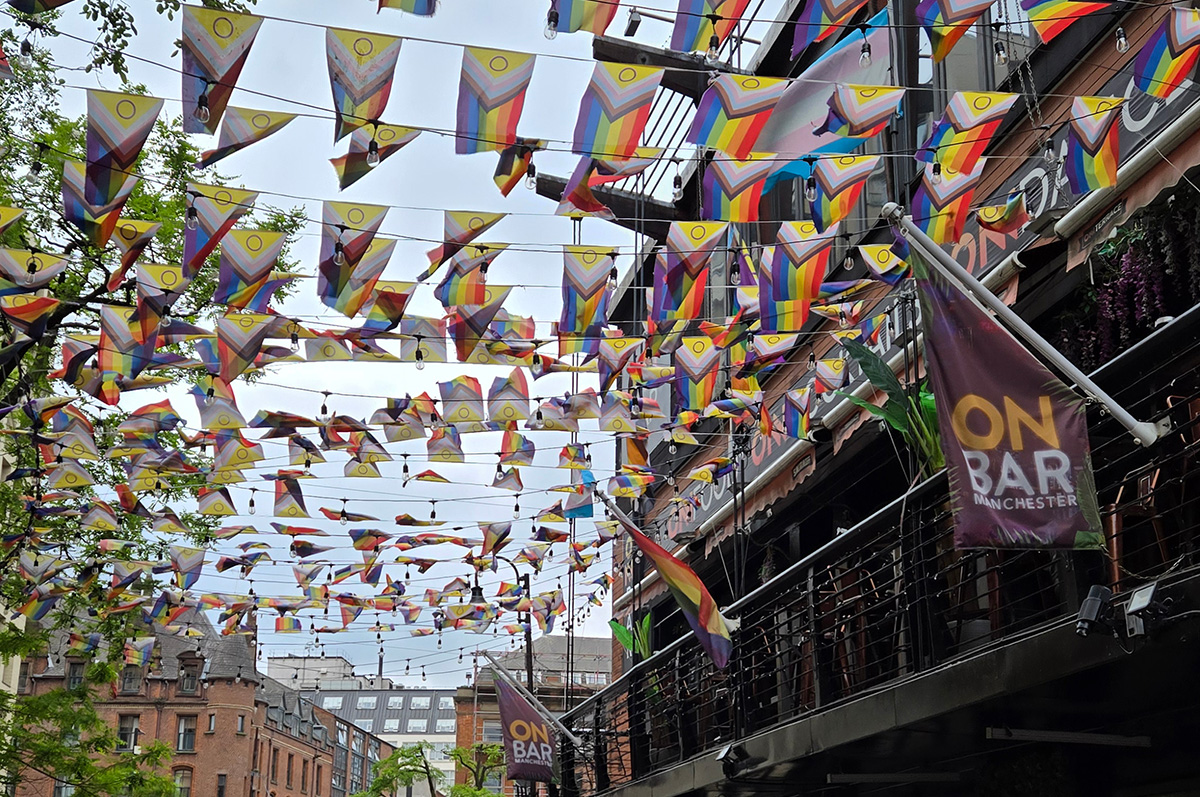
Manchester, England, is not only famous for its industrial heritage, music scene, and football clubs — it’s also home to one of the most vibrant and historically significant LGBTQ communities in the U.K. Often referred to as the “gay capital of the North,” Manchester has been a pioneer in LGBTQ rights, visibility, and celebration, cultivating a culture of inclusivity that continues to thrive today.
The roots of Manchester’s LGBTQ history stretch back centuries, but it was during the 20th century that the city truly became a hub for activism and progress. In 1880, a scandal known as the “Manchester Drag Ball” brought national attention to the city when police raided a fancy dress ball attended by men in drag. Though the incident was used to stigmatize the community, it also marked one of the first widely publicized moments of queer expression in the city.
Manchester is home to several institutions that preserve and celebrate queer history. The LGBT Foundation, based in the city, is one of the U.K.’s leading LGBTQ charities, providing health and support services as well as educational resources.
The city is also immortalized in pop culture as the backdrop for “Queer as Folk,” the groundbreaking 1999 television series created by Russell T. Davies. The show, set in Manchester’s Gay Village, helped bring the realities of LGBTQ life to mainstream audiences and played a pivotal role in shaping public attitudes.
Manchester, is a city that lives and breathes resilience. It’s a place where cobblestone streets echo with the voices of industrial workers, punk rockers, activists, and proud members of the LGBTQ community. I came here seeking stories — some hidden in old libraries, others pulsing through neon-lit streets — and left with a sense of belonging I hadn’t expected.
My base for this journey was the magnificent Kimpton Clocktower Hotel. Located in a former insurance building dating back to the 1890s, it seamlessly marries historic grandeur with modern luxury. Walking through its doors felt like entering a different era. The soaring ceilings, intricate tilework, and dramatic staircases told stories of old Manchester, while the in-room record players spinning tracks by Oasis made sure I knew exactly where I was.
The heart of the hotel is The Refuge, a restaurant and bar that buzzes with energy. Whether sipping cocktails beneath the Winter Garden’s lush greenery or sharing small plates that borrow flavors from around the world, I felt immersed in the city’s welcoming vibe. Even in its luxury, the Kimpton feels like a place for everyone, especially when there is a DJ spinning some cool jazzy beats.
One thing I loved about this property is their “Forgot it? We’ve got it” service. Whether its toothpaste, a shaving kit, or phone charger, the helpful staff have you covered. I tend to forget at least one necessity on every trip. The Kimpton’s central location places guests within walking distance of Manchester’s vibrant cultural scene, including the Palace Theatre, Canal Street, and various shopping and dining options.
My first stop in Manchester was the John Rylands Library, an architectural marvel of neo-Gothic design. I was there specifically to view “The Secret Public” exhibition. It traces Manchester’s underground art scene, especially its ties to queer culture and punk resistance. Flyers, magazines, and photographs are on display.
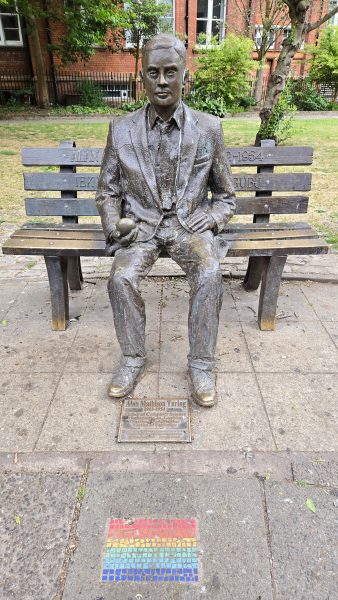
And while we are on the topic of LGBTQ history, the best way to understand Manchester’s queer roots is by talking to the locals. The Free Manchester Walking Tours offers a Queer History Tour, led by passionate guides who have in depth knowledge of the city’s LGBTQ history and culture. We began our tour in Sackville Gardens, home to the Alan Turing Memorial and the Beacon of Hope, a tribute to those affected by HIV/AIDS. It’s a space for reflection, nestled just beside Canal Street’s constant thrum. For those not familiar with Alan Turing, he was a pioneering mathematician and computer scientist, best known for his role in cracking the German Enigma code during World War II, a breakthrough that helped shorten the war and save countless lives. Often regarded as the father of modern computing, Turing laid the theoretical foundation for artificial intelligence. Despite his monumental contributions, he was persecuted for being gay, ultimately leading to his tragic death in 1954. Today, he is celebrated as both a scientific genius and a symbol of the ongoing struggle for LGBTQ rights.
No trip to Manchester would be complete without a night — or three — spent in the Gay Village. Centered around Canal Street, it’s a place that radiates warmth and freedom. What once was a hidden, underground scene in the 1980s has become a global symbol of LGBTQ pride.
During the day, you’ll find people sipping coffee along the canal and by night, the rainbow flags light up the street. Spaces like Via and the Eagle pulse with music and laughter, while Cruz 101 remains a sacred institution for dancefloor devotees. This is more than a party district; it’s a cultural hub, one that has helped shape national conversations and lead by example.
Manchester’s gay scene is more than just nightlife. In the Northern Quarter, I stumbled into Feel Good Club. a queer-owned café that quickly became one of my favorite stops during my trip. Feel Good Club is a café but the space also hosts workshops, mental wellness events, and spontaneous conversations with strangers who somehow feel like old friends. I ordered a bowl of apple-soaked oats and I have to say, it was one of the most delicious and inexpensive things I ate during my entire trip to England. I should have asked for the recipe!
A few blocks away sits Queer Lit, an LGBTQ bookstore filled to the brim with stories I wish I’d had growing up. From queer romance and fiction to books on trans identity and intersectionality, the shop is both cozy and revolutionary. Queer Lit claims to have the largest selection of LGBTQ books in all of Europe. Beyond books, the store hosts events such as workshops, live readings, and book clubs, providing a safe and inclusive space for the community to gather and celebrate queer literature. They also serve a variety of beverages. I would definitely recommend trying one of their hot chocolate drinks.
Though my trip didn’t coincide with Manchester Pride, visitors can expect tens of thousands each August. Pride here features a blend of celebration and activism. From glitter-filled marches to thoughtful panel discussions, it’s a reflection of the city itself: joyful, inclusive, and unafraid to speak truth to power. Importantly, the money raised goes straight back into the community, funding LGBTQ+ health initiatives, charities, and support services. Also in August is SCENE, Manchester’s LGBTQ+ Film and TV Festival, which consists of a week of new and classic LGBTQ cinema and TV screenings, panels, and other events.
All this touring and learning about queer history made me hungry, so for dinner, I ventured to Maray, a Middle Eastern-inspired gem in the city center. Its signature “Disco Cauliflower” — roasted whole and topped with tahini, pomegranate, and harissa — was a revelation. The food, like the city, defied expectations. It was spicy, complex and comforting. I would also recommend trying the crispy sea bass with broccoli slaw. Maray’s vibe is relaxed yet refined, a perfect place to unwind after a day of exploration. Its inclusive, welcoming spirit felt aligned with everything I’d experienced in Manchester so far.
For a more casual dining experience, head over to Freight Island, a unique food hall and entertainment venue located near Piccadilly Station. The venue features a variety of locally owned food stalls including Mia’s Arepas, Ornella’s Little Kitchen and Mega Gyros. It’s a great place to grab a quick bite or cocktail after work with friends.
Manchester may not be as polished as London, but that adds to its charm and intrigue. I tend to enjoy cities like Manchester over their larger neighbors. During my entire stay, I was able to walk to every attraction I visited and by experience, the best way to see a city is on foot. It’s also a great way to burn off those extra calories.
Whether you’re wandering Canal Street at sunset, or simply sipping hot chocolate at Queer Lit, Manchester is a place where you can be yourself and belong.
Enjoy the journey!
Books
Embracing the chaos can be part of the fun
‘Make Sure You Die Screaming’ offers many twists and turns
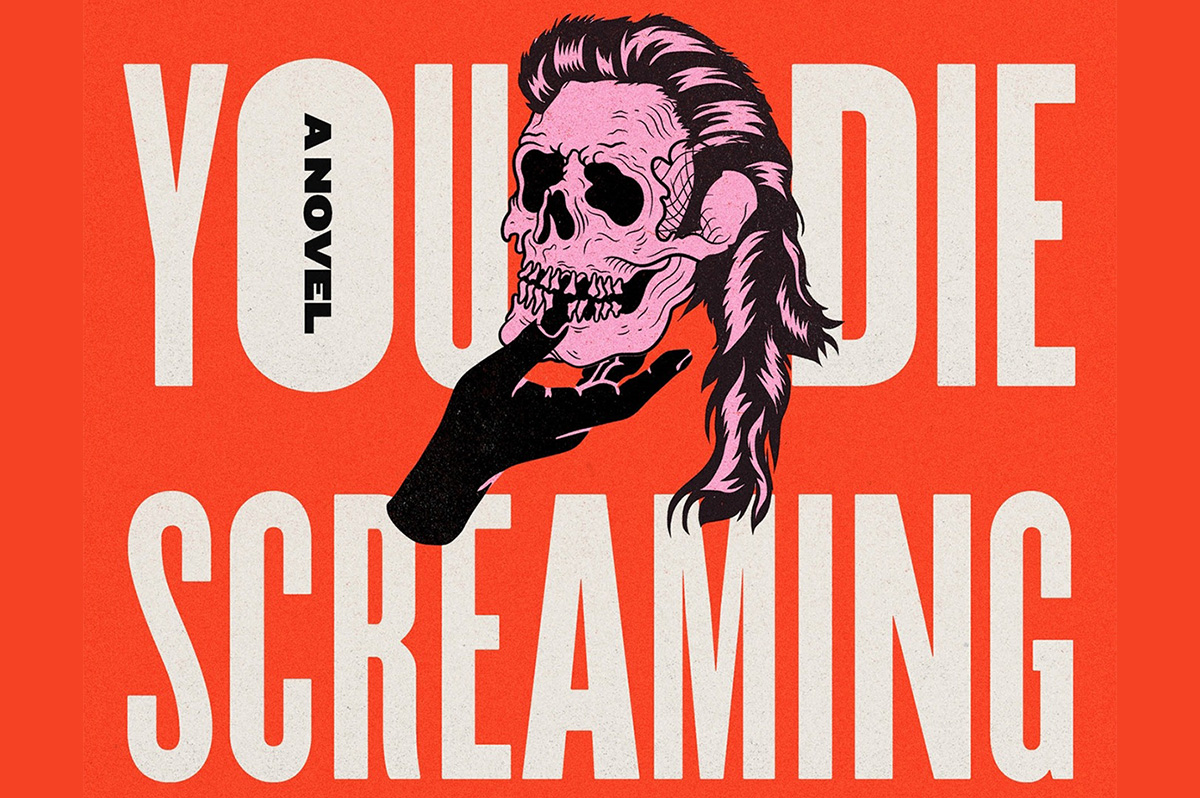
‘Make Sure You Die Screaming’
By Zee Carlstrom
c.2025, Random House
$28/304 pages
Sometimes, you just want to shut the door and forget what’s on the other side.
You could just wipe it from your memory, like it didn’t occur. Or create an alternate universe where bad things never happen to you and where, as in the new novel “Make Sure You Die Screaming” by Zee Carlstrom, you can pretend not to care.

Their mother called them “Holden,” but they’d stopped using that name and they hadn’t decided what to use now. What do you call an alcoholic, queer, pessimistic former ad executive who’s also “The World’s First Honest White Man,” although they no longer identify as a man? It’s a conundrum that they’ll have to figure out soon because a cop’s been following them almost since they left Chicago with Yivi, their psychic new best friend.
Until yesterday, they’d been sleeping on a futon in some lady’s basement, drinking whatever Yivi mixed, and trying not to think about Jenny. They killed Jenny, they’re sure of it. And that’s one reason why it’s prudent to freak out about the cop.
The other reason is that the car they’re driving was stolen from their ex-boyfriend who probably doesn’t know it’s gone yet.
This road trip wasn’t exactly well-planned. Their mother called, saying they were needed in Arkansas to find their father, who’d gone missing so, against their better judgment, they packed as much alcohol as Yivi could find and headed south. Their dad had always been unique, a cruel man, abusive, intractable; he suffered from PTSD, and probably another half-dozen acronyms, the doctors were never sure. They didn’t want to find him, but their mother called…
It was probably for the best; Yivi claimed that a drug dealer was chasing her, and leaving Chicago seemed like a good thing.
They wanted a drink more than anything. Except maybe not more than they wanted to escape thoughts of their old life, of Jenny and her death. And the more miles that passed, the closer they came to the end of the road.
If you think there’s a real possibility that “Make Sure You Die Screaming” might run off the rails a time or three, you’re right. It’s really out there, but not always in a bad way. Reading it, in fact, is like squatting down in a wet, stinky alley just after the trash collector has come: it’s filthy, dank, and profanity-filled. Then again, it’s also absurd and dark and philosophical, highly enjoyable but also satisfying and a little disturbing; Palahniuk-like but less metaphoric.
That’s a stew that works and author Zee Carlstrom stirs it well, with characters who are sardonic and witty while fighting the feeling that they’re unredeemable losers – which they’re not, and that becomes obvious.
You’ll see that all the way to one of the weirdest endings ever.
Readers who can withstand this book’s utter confusion by remembering that chaos is half the point will enjoy taking the road trip inside “Make Sure You Die Screaming.”
Just buckle up tight. Then shut the door, and read.
The Blade may receive commissions from qualifying purchases made via this post.
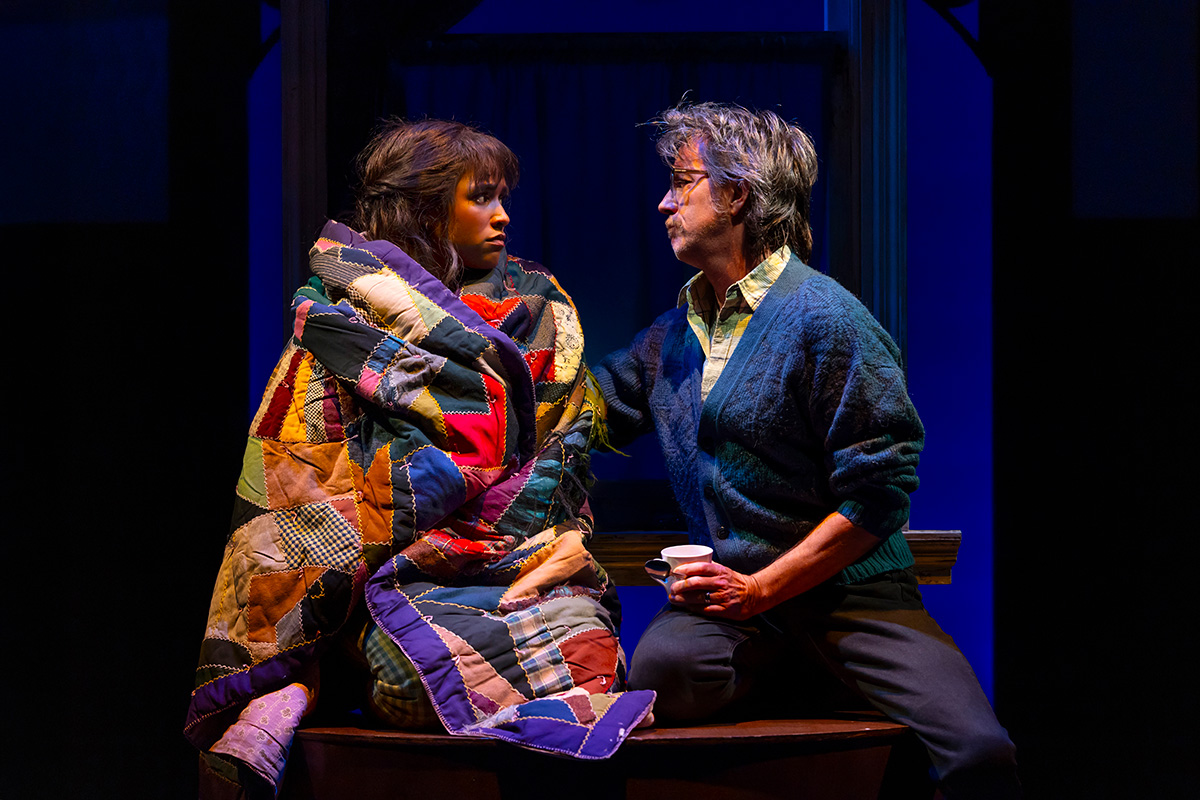
‘A Wrinkle in Time’
Through July 20
Arena Stage
1101 Sixth St., S.W.
Tickets range from $59-$209
Arenastage.org
Currently at Arena Stage, talented out actor and singer Taylor Iman Jones is rekindling an old friendship with an adored character of fiction.
Broadway vet Jones is starring as 13-year-old Meg Murry in “A Wrinkle in Time,” the world-premiere musical adaptation of Madeleine L’Engle’s same-titled book.
For many readers, especially women, the classic 1962 young adult novel, was their first foray into sci-fi, particularly one with a female protagonist.
The story centers on Meg, an awkward schoolgirl whose physicist father has mysteriously disappeared. Now, Meg, her popular friend Calvin, and smart younger brother Charles Wallace are tasked with moving through time and space to find him. Along the way they encounter adventure and evil.
For Jones, 33, playing 13-year-old Meg feels freeing in ways. She says, “As you get older, you’re told to grow up, so I like letting go of some of that. To feel feelings in their rawest form and to tap back into that is fun. I like the spontaneity. There are highs and lows to revisit.”
Born and raised in the San Francisco Bay Area, Jones began piano lessons at just six and soon added band and plays to their pursuits. Following high school, she made a deep dive into California theater for seven years before making the big move to New York in 2017 where after just two months she was singing on Broadway.
The determined and appealing Jones, who lives in New York with their partner, boasts an impressive bio. She has appeared on Broadway as Catherine Parr, Henry VIII’s sixth and final wife in Six, and in the original casts of “Head Over Heels” and “Groundhog Day.” She’s been seen in national tours of “Hamilton” and “American Idiot.”
WASHINGTON BLADE: It seems “A Wrinkle in Time” and Meg mean a lot to a lot of people.
TAYLOR IMAN JONES: The book tells the story of a girl with so much undiscovered power who’s accomplishing things she never imagined that she could.
BLADE: Can you relate?
JONES: Meg wears her emotions on her sleeve. I can certainly relate to that. I’m a Pisces. Sometimes being hyperemotional and very empathetic can feel like a burden, but as I’ve matured, I have realized that it’s not a bad quality. And it’s something I’ve learned to harness and to enjoy. I love that I can play a role like Meg in front of thousands of people.
BLADE: Was “Wrinkle in Time” a book you knew well?
JONES: Oh yeah, it’s a favorite book that lives in my heart and my mind. It’s one of the first books that taught me about the adventure of reading.
BLADE: And playing a favorite character must be a kick.
JONES: It really is.
BLADE: Meg is a big part in a big show.
JONES: This musical is huge. They’re traveling through space and meeting people on different planets. 20-person cast. 30 songs in the show. Quite the undertaking and I’m proud of us. I’m on stage for the entire musical and I sing four or five numbers.
As a mezzo soprano I guess you’d say I have the luxury of being able to do a lot of musicals that span a lot of different genres: rock musical, pop musical, and standards. “A Wrinkle in Time” is contemporary musical theater.
For me, singing is probably the least difficult part of the show. What’s harder for me is the way Meg experiences trauma; I need to be careful when I’m screaming and yelling.
BLADE: It seems mostly women have been involved in making this production happen (book by Lauren Yee; music and lyrics by Heather Christian; directed by Lee Sunday Evans; and choreography by Ani Taj.)
JONES: It’s true, the director, writer, etc., and most of our producers are all women. This doesn’t happen most of the time. For me it means new ideas and fresh energy, and pushing the limits of musical theater.
It’s also created a wonderful space in which to work. It can be more generous, and understanding. And centering the story on a young girl is something we can all relate to.
BLADE: Will “A Wrinkle in Time” resonate with queer theatergoers and their families?
JONES: I think so, especially on the heels of pride month. It’s truly a show for all ages about finding your inner strength and fighting for the things that you love; not letting evil win over the power of good, and not just for yourself but for those around you too.

ICC issues arrest warrants for Taliban leaders over persecution of LGBTQ people, women

LGBTQ voters divided in Ward 8 special election

#JusticiaParaKarla: una lucha por el derecho a la identidad en El Salvador

Defying trends, new LGBTQ center opens in rural Winchester, Va.

Female writers arrested in Chinese crackdown on gay erotic fiction

Two new documentaries highlight trans history

Celebrate the power of homeownership this Fourth of July

‘A Wrinkle in Time’ comes to Arena Stage

Lesbian feminist becomes South African MP