News
Support for marriage equality in Utah at record high
41 percent of residents supported gay nuptials prior to stay
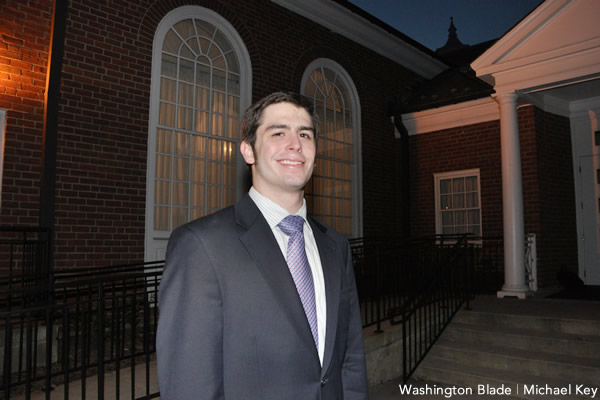
David Baker commissioned a poll with Google revealing support for marriage equality in Utah was at an all-time high. (Washington Blade file photo by Michael Key)
A recent consumer survey conducted in Utah reveals that support for same-sex marriage in the state was at an all-time high last week just before the Supreme Court halted the weddings with a stay.
The poll, conducted using Google’s digital platform polling system, found that support for same-sex marriage reached 41 percent as of last week. Although the poll shows a majority of Utah voters have yet to embrace marriage equality, the result demonstrates a 13-point increase in support over two years when compared to an earlier poll from Brigham Young University.
David Baker, a Mormon and gay D.C. activist, said he ran the poll in the aftermath of the federal district court ruling in Utah in favor of marriage equality for more updated data on the state’s support for same-sex nuptials.
“I conducted the poll because the latest data out of Utah is almost two years old and it had been almost two weeks since the District court ruling,” Baker said. “I knew that Google’s tool would get me statistically significant results in a few days so I ran the poll as a private citizen.”
The questioning in the survey is based on similar polls that Brigham Young University’s Center for the Study of Elections & Democracy conducted on marriage equality in 2004, 2009, 2010 and 2012. The 2012 poll found that just 28 percent of Utah residents supported marriage equality, 43 percent supported only civil unions and 29 percent wanted no legal recognition for same-sex couples.
The 13-point jump in the more recent survey compared to the most recent BYU poll reveals that new support for marriage equality came entirely from those who previously supported only civil unions. Opposition to marriage equality also grew from 29 percent to 31 percent.
Baker said he thinks the poll demonstrates a shift in opinion among Utah voters to support same-sex marriage following the U.S. Supreme Court’s decision in June against Section 3 of the Defense of Marriage Act.
“A 13-point bump signifies that Utah voters realize the world hasn’t ended with the repeal of DOMA and recognizing same-sex marriages is the right thing to do,” Baker said.
The Washington Blade is unaware of any other recent polling on same-sex marriage in Utah in the aftermath of the district court ruling besides the consumer poll.
Google consumer surveys are deemed accurate by statistics experts. As Baker notes in his blog posting in which he published the poll results, statistics guru Nate Silver ranked them second overall in terms of reliability and lack of bias during the 2012 presidential election.
Scott Barclay, a senior scholar in public policy at the Williams Institute at University of California, Los Angeles, said the new poll is consistent with earlier public opinion estimates on rising support for marriage equality throughout the states.
“Support for marriage equality generally has been consistently rising in the last 20 years, but current research at the Williams Institute finds that the rate of support for marriage equality at both the national level and within almost all states appears to be increasing much more rapidly in the last four years than at any previous point in time,” Barclay said.
A Williams Institute survey, which didn’t include a question on civil unions, found that support in 2012 for same-sex marriage in Utah was at 36 percent —slightly higher than the result from BYU in the same year.
Barclay said there’s good evidence that public opinion surveys that include the option of civil unions alongside marriage equality actually underestimate the level of support in the general population for marriage equality.
Moreover, Barclay said it’s no surprise that increased support for marriage equality in the new poll comes entirely from people who previously supported only civil unions.
“As reflected in the current poll result, existing research shows that support for civil unions has generally declined as marriage equality has emerged as the popularly accepted form of state recognition,” Barclay said. “Individuals who identify as conservative are the most likely to continue to support civil unions.”
The new poll includes increased support from younger people relative to other groups, which, given recent attitudes on marriage equality, could shift the result more in favor of marriage equality. However, Barclay said he was able to achieve the same result by weighting the survey for a more balanced look.
“We used a statistical technique to apply population weights (based on the current information from the Current Population Survey of the Census) to the reported survey and the newly weighted version yielded a very similar result [at 41 percent support for marriage equality],” Barclay said.
The poll shows growing support for marriage equality in Utah just as other polls have revealed increased support for gay nuptials nationwide. A widely cited poll in March 2013 from Washington Post-ABC News found 58 percent of Americans support marriage equality.
Evan Wolfson, president of Freedom to Marry, spoke broadly about the growing support for marriage equality when asked to comment on the significance of the recent Utah survey.
“Support for the freedom to marry is accelerating in Utah, as in the rest of the country — and for the same reason,” Wolfson said. “As people get to know more about gay people’s lives and families, engage in conversations about gay people and why marriage matters, and think about values such as the Golden Rule of treating others as you’d want to be treated, hearts open and minds change.”
It remains to be seen whether the stay on same-sex marriage in Utah will have an impact on support for same-sex marriage in the state.
Baker said he hasn’t yet decided on whether to do another poll.
“I hadn’t planned on one just yet as I don’t think the stay is going to influence opinion,” Baker said. “I might do one that doesn’t have civil unions as an option to see where things stand there.”



North Carolina
Authorities investigate officer-involved shooting outside Asheville gay bar
Incident took place near Shakey’s on Wednesday

An officer-involved shooting outside of a gay dive bar, Shakey’s, in downtown Asheville, N.C., left one man dead Wednesday.
The bar released a statement the following morning regarding the incident, stating that bar staff had asked a patron to leave earlier in the night citing concerning behavior. The bar said that later the man was spotted with a gun in the parking lot.
The bar proceeded to call 911, locked the doors to the establishment, and followed dispatcher instructions on how to keep patrons of the bar safe while officers arrived. These protocols included getting patrons away from the windows and staying low to the ground.
According to Shakey’s, shots were fired outside of the business. When the Asheville Police Department officers arrived, they fired back. The individual died from their injuries, according to the police.
“Because of everyone’s quick actions, cooperation, and concern for one another, every customer and every employee inside Shakey’s made it home safely. We are incredibly thankful,” Shakey’s said on their Instagram page. They thanked Asheville police, emergency dispatchers, EMS, and all first responders who were on scene.
On Thursday, a spokesperson for the North Carolina State Bureau of Investigation, Chad Flowers, stated that the suspect involved in the shooting was Arturo Castillo Palomar.
The Washington Blade reached out to the North Carolina State Bureau of Investigation for a comment regarding the possibility of the event being considered a hate crime. They said the issue is currently under investigation and that the findings would be turned over to the district attorney for review.
Baltimore
Popular Mount Vernon gay bar Leon’s to temporarily close after owner’s death
Ron Singer passed away on July 7
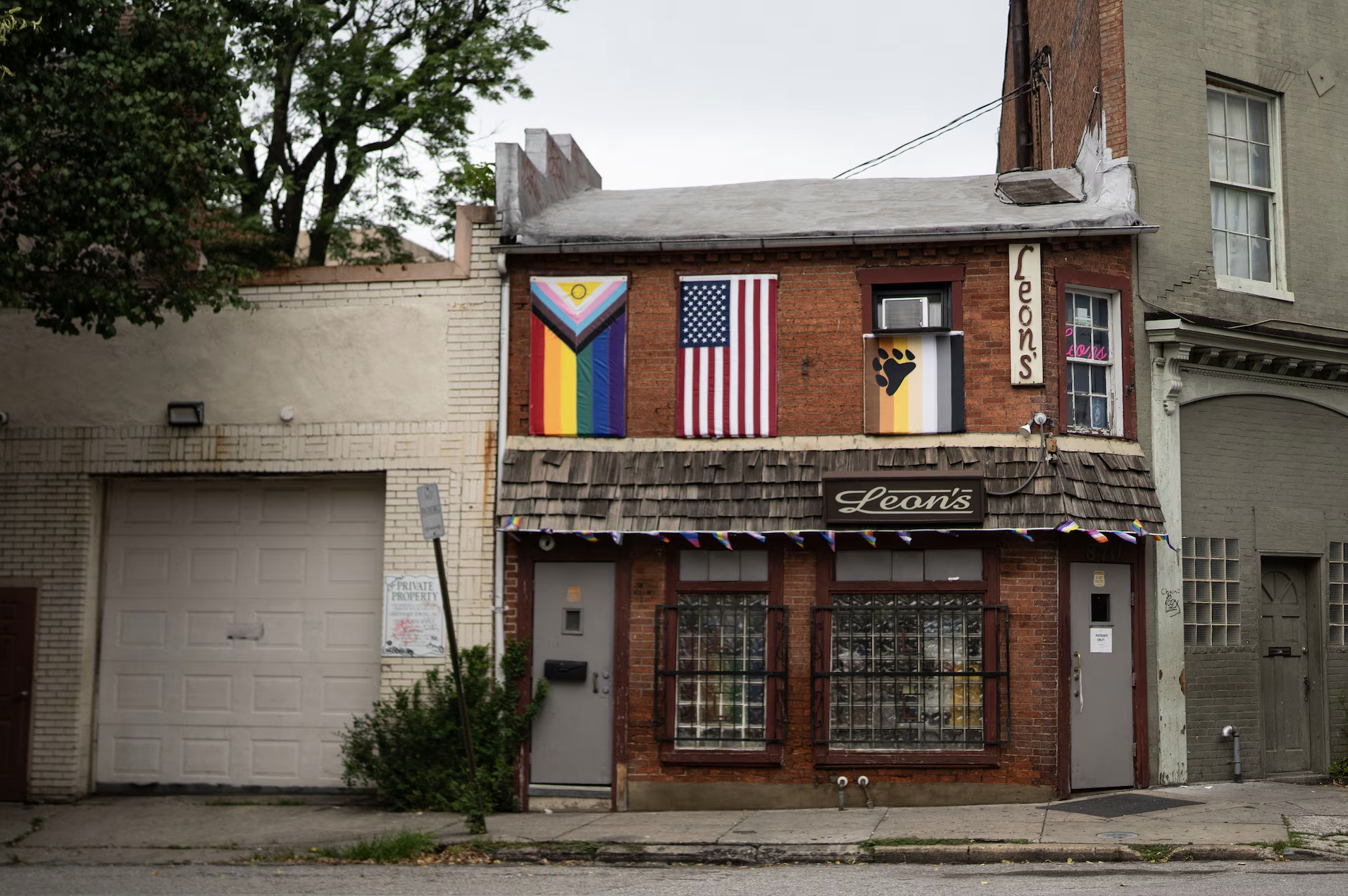
By WESLEY CASE | Leon’s Backroom, Baltimore’s oldest gay bar, temporarily shut down after service on Wednesday night, according to a post on the business’s Instagram page.
The announcement comes a little more than a week after the death of the Mount Vernon bar’s owner, Ron Singer, who died at 66 on July 7.
The rest of this article can be found on the Baltimore Banner’s website.
The Comings & Goings column is about sharing the professional successes of our community. We want to recognize those landing new jobs, new clients for their business, joining boards of organizations and other achievements. Please share your successes with us at [email protected].
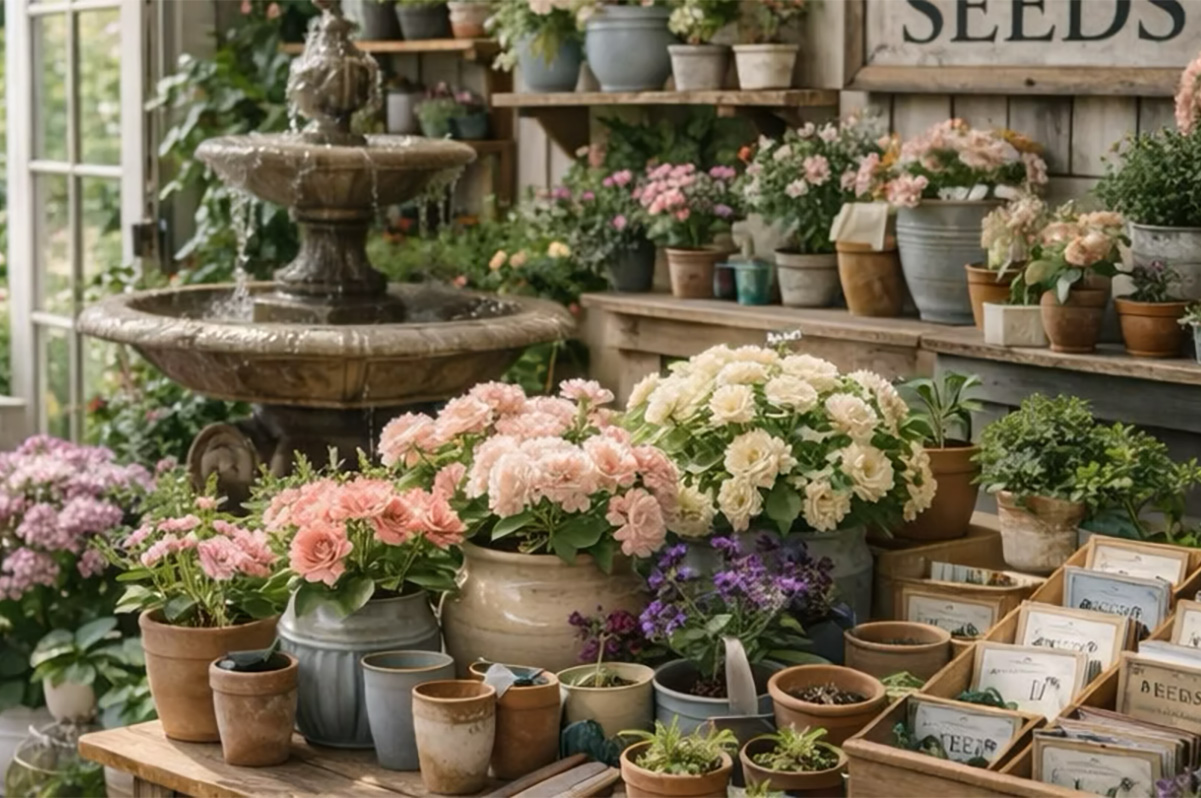
Congratulations to Stuart Ortel and Scott Marker, and Dave Lyons and Rick Hardy, on the recent opening of their garden center on Route 1 in Rehoboth Beach, in the former Farmer Girl site. It is called Bay Laurel Home and Garden and debuted earlier this year. The four owners are all well known to the denizens of Rehoboth Beach.
Stuart and Scott have been active members of the Rehoboth Beach community since 1999. Stuart is a landscape architect, and has established relationships with many local folks in the building and landscape industry. When this opportunity for Bay Laurel Home & Garden presented itself, and they had the perfect team of people in place, he and Scott were committed to making it a reality. So, when Scott and Stuart introduced this opportunity to create a new garden center to Dave and Rick, they embraced the chance to cultivate a business where beautiful plants, inspiring home and garden products, and outstanding customer service come together. Dave and Rick knew about owning a business in Rehoboth as they previously owned Coho’s Market, where they discovered firsthand the value of serving their community, and the rewards of running a locally owned business.
The garden center launched with a refreshed brand identity, updated merchandising, and expanded product lines, all designed to create an inspiring and welcoming environment for your home. Bay Laurel Home & Garden offers a beautifully appointed garden center and curated home and gift shop.
The new center features a full nursery with annuals, perennials, shrubs, trees, and seasonal selections; a garden center offering pottery, fountains, and garden ornamentation, and essential tools and garden supplies. It has a garden shop featuring unique indoor/outdoor furnishings and accessories, and a gift shop featuring botanical and coastal style items for home and entertaining.

Authorities investigate officer-involved shooting outside Asheville gay bar

Popular Mount Vernon gay bar Leon’s to temporarily close after owner’s death

30 years on, ‘The Birdcage’ remains a landmark

Comings & Goings

Whitman-Walker to host legal services workshop

Democrats are trying to disqualify trans candidates. Here’s how

Political drama in Angie Craig’s Minn. Senate race heats up

Aparna Raj expected to become second LGBTQ member of D.C. Council

Suzanne Goode wants efficient spending, better infrastructure for Rehoboth

Mexico’s first openly gay mayor killed
-

 National5 days ago
Democrats are trying to disqualify trans candidates. Here’s how
-
Congress5 days ago
Political drama in Angie Craig’s Minn. Senate race heats up
-
District of Columbia5 days ago
Aparna Raj expected to become second LGBTQ member of D.C. Council
-
Rehoboth Beach5 days ago
Suzanne Goode wants efficient spending, better infrastructure for Rehoboth