Arts & Entertainment
Emmys noms 2018: ‘Assassination of Gianni Versace,’ ‘RuPaul’s Drag Race’
‘Queer Eye,’ ‘Unbreakable Kimmy Schmidt’ also earn recognition
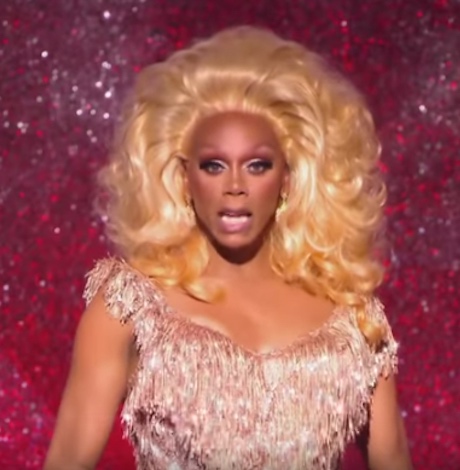
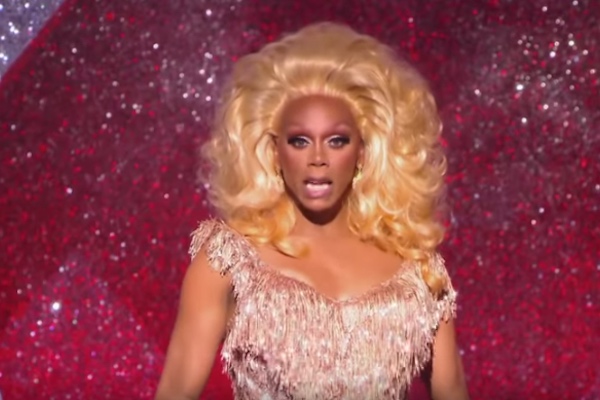
RuPaul on the season 10 finale of ‘Drag Race’ (Screenshot via YouTube)
The 2018 Primetime Emmy nominations were announced on Thursday morning at the Television Academy’s Wolf Theatre with some notable LGBT representation.
“RuPaul’s Drag Race” received its third nomination for Outstanding Reality Competition Series and “RuPaul’s Drag Race: Untucked” earned a nomination for Unstructured Reality Program. RuPaul also received a nomination for Host for Reality/Reality Competition Program where he faces competition against the likes of Jane Lynch for “Hollywood Game Night.”
Darren Criss was nominated for Lead Actor in a Limited Series or Movie for his role as Andrew Cunanan in “The Assassination of Gianni Versace.” Finn Wittrock, Ricky Martin and Edgar Ramirez were all also nominated for Supporting Actor in a Limited Series or Movie. “The Assassination of Gianni Versace: American Crime Story” also was nominated for Limited Series.
Lily Tomlin was honored with a Lead Actress in a Comedy Series nomination for “Grace & Frankie” and Sarah Paulson received a nomination for “American Horror Story: Cult.” Kate McKinnon was also nominated for Supporting Actress in a Comedy Series for her work on “Saturday Night Live.”
“Unbreakable Kimmy Schmidt” received a nomination for Comedy Series and Tituss Burgess got a nom for Supporting Actor in a Comedy Series.
Netflix’s “Queer Eye” reboot also received four nominations including for Structured Reality Program.
“Game of Thrones” earned the most nominations (22) followed by “Westworld” and “Saturday Night Live” with 21 nominations each and “The Handmaid’s Tale” with 20 nominations.
The 70th annual Primetime Emmy Awards air on Monday, Sept. 17.
See the list of nominations below.
Lead Actor in a Limited Series or Movie:
Antonio Banderas (“Genius: Picasso”)
Darren Criss (“The Assassination of Gianni Versace: American Crime Story”)
Benedict Cumberbatch (“Patrick Melrose”)
Jeff Daniels (“The Looming Tower”)
John Legend (“Jesus Christ Superstar”)
Jesse Plemons (“USS Callister”)
Lead Actress in a Limited Series or Movie:
Laura Dern (“The Tale”)
Jessica Biel (“The Sinner”)
Michelle Dockery (“Godless”)
Edie Falco (“The Menendez Murders”)
Regina King (“Seven Seconds”)
Sarah Paulson (“American Horror Story: Cult”)
Lead Actor in a Comedy Series:
Donald Glover (“Atlanta”)
Bill Hader (“Barry”)
Anthony Anderson (“Black-ish”)
William H. Macy (“Shameless”)
Larry David (“Curb Your Enthusiasm”)
Ted Danson (“The Good Place”)
Lead Actress in a Comedy Series:
Pamela Adlon (“Better Things”)
Rachel Brosnahan (“The Marvelous Mrs. Maisel”)
Tracee Ellis Ross (“Black-ish”)
Allison Janney (“Mom”)
Lily Tomlin (“Grace and Frankie”)
Issa Rae (“Insecure”)
Lead Actor in a Drama Series:
Jason Bateman (“Ozark”)
Sterling K. Brown (“This Is Us”)
Ed Harris (“Westworld”)
Matthew Rhys (“The Americans”)
Milo Ventimiglia (“This Is Us”)
Jeffrey Wright (“Westworld”)
Lead Actress in a Drama Series:
Claire Foy (“The Crown”)
Tatiana Maslany (“Orphan Black”)
Elisabeth Moss (“The Handmaid’s Tale”)
Sandra Oh (“Killing Eve”)
Keri Russell (“The Americans”)
Evan Rachel Wood (“Westworld”)
Reality Competition
“The Amazing Race”
“American Ninja Warrior”
“Project Runway”
“RuPaul’s Drag Race”
“Top Chef”
“The Voice”
Variety Sketch Series
“Saturday Night Live” (NBC)
“Portlandia” (IFC)
“Drunk History” (Comedy Central)
“Tracey Ullman’s Show” (HBO)
“At Home with Amy Sedaris” (TruTV)
“I Love You, America” (Hulu)
Variety Talk Series
“The Daily Show With Trevor Noah”
“Full Frontal With Samantha Bee”
“Jimmy Kimmel Live”
“Last Week Tonight with John Oliver”
“Late Late Show with James Corden Late Show with Stephen Colbert”
Limited Series
“The Alienist”
“The Assassination of Gianni Versace: American Crime Story”
“Genius: Picasso”
“Godless”
“Patrick Melrose”
Comedy Series
“Atlanta” (FX)
“Barry” (HBO)
“Black-ish” (ABC)
“Curb Your Enthusiasm” (HBO)
“GLOW” (Netflix)
“The Marvelous Mrs. Maisel” (Amazon)
“Silicon Valley” (HBO)
“The Unbreakable Kimmy Schmidt” (Netflix)
Drama Series
“The Handmaid’s Tale”
“Game of Thrones”
“This Is Us”
“The Crown”
“The Americans”
“Stranger Things”
“Westworld”
Supporting Actor in a Drama Series
Nikolaj Coster-Waldau (“Game of Thrones”)
Peter Dinklage (“Game of Thrones”)
Joseph Fiennes (“The Handmaid’s Tale”)
David Harbour (“Stranger Things”)
Mandy Patinkin (“Homeland”)
Matt Smith (“The Crown”)
Supporting Actress in a Drama Series
Alexis Bledel (“The Handmaid’s Tale”)
Millie Bobby Brown (“Stranger Things”)
Ann Dowd (“The Handmaid’s Tale”)
Lena Headey (“Game of Thrones”)
Thandie Newton (“Westworld”)
Yvonne Strahovski (“The Handmaid’s Tale”)
Supporting Actor in a Comedy Series
Louie Anderson (“Baskets”)
Alec Baldwin (“Saturday Night Live”)
Tituss Burgess (“Unbreakable Kimmy Schmidt”)
Tony Shalhoub (“The Marvelous Mrs. Maisel”)
Kenan Thompson (“Saturday Night Live”)
Henry Winkler (“Barry”)
Supporting Actress in a Comedy Series
Zazie Beetz (“Atlanta”)
Alex Borstein (“The Marvelous Mrs. Maisel”)
Aidy Bryant (“Saturday Night Live”)
Betty Gilpin (“GLOW”)
Leslie Jones (“Saturday Night Live”)
Kate McKinnon (“Saturday Night Live”)
Laurie Metcalf (“Roseanne”)
Megan Mullally (“Will & Grace”)
“Flint” (Lifetime)
“Paterno” (HBO)
“The Tale” (HBO)
“Black Mirror: USS Callister” (Netflix)Structured Reality Program
“Antiques Roadshow” (PBS)
“Fixer Upper” (HGTV)
“Lip Sync Battle” (Paramount)
“Queer Eye” (Netflix)
“Shark Tank” (ABC)
“Who Do You Think You Are?” (TLC)
Unstructured Reality Program
“Born This Way” (A&E)
“Deadliest Catch” (Discovery)
“Intervention” (A&E)
“Naked and Afraid” (Discovery Channel)
“RuPaul’s Drag Race: Untucked” (VH1)
“United Shades of America With W. Kamau Bell” (CNN)
Host for Reality/Reality Competition Program
W. Kamau Bell (“United Shades of America With W. Kamau Bell”)
Ellen DeGeneres (“Ellen’s Game of Games”)
RuPaul Charles (“RuPaul’s Drag Race”)
Heidi Klum and Tim Gunn (“Project Runway”)
Jane Lynch (“Hollywood Game Night”)
Supporting Actor in a Limited Series or Movie
Jeff Daniels (“Godless”)
Brandon Victor Dixon (“Jesus Christ Superstar”)
John Leguizamo (“Waco”)
Ricky Martin (“The Assassination of Gianni Versace: American Crime Story”)
Edgar Ramirez (“The Assassination of Gianni Versace: American Crime Story”)
Michael Stuhlbarg (“The Looming Tower”)
Finn Wittrock (“The Assassination of Gianni Versace: American Crime Story”)




Online Culture
Clavicular charged in alleged rape of teenage influencer
Online personality’s real name is Braden Peters
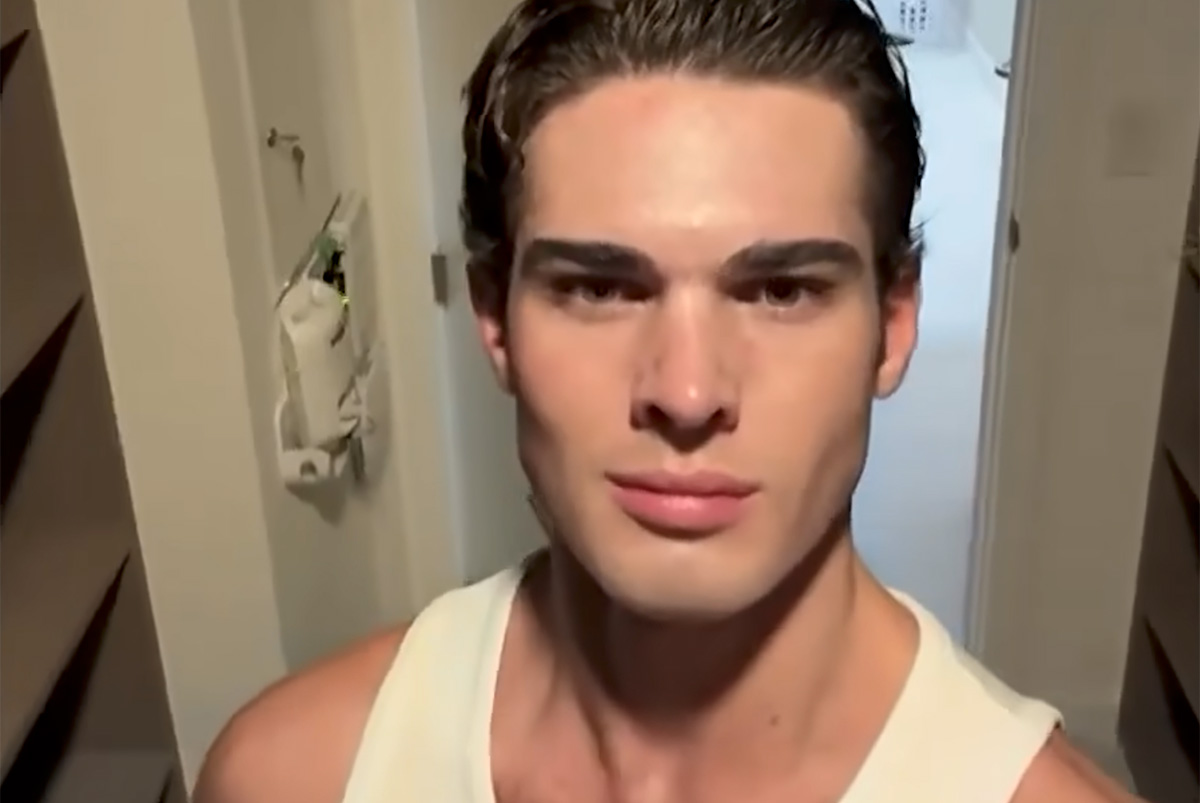
Online personality Clavicular, whose real name is Braden Peters, has been accused of rape.
According to NBC, Aleksandra Vasilevna Mendoza, an 18-year-old influencer known online as Alorah or Alorah Ziva, accused Peters of sexual assault, and the case is making its way through the court system.
The alleged incident occurred on May 23, 2025, when Mendoza was 17.
According to a criminal complaint from the Chatham (Mass.) Police Department, Peters called her an Uber to his family’s home. Once there, he allegedly got her drunk on vodka while they livestreamed on Twitch and then raped her. His mother and grandmother were allegedly in the house.
The documents allege Clavicular committed rape, drugging a person for sexual intercourse, and procuring and providing liquor to a person under 21.
According to court documents acquired by NPR, Mendoza began communicating with Peters on Instagram, where he paid her to appear on his livestreams to help her “make her name known on social media.”
According to those documents, Peters arranged for the minor to come to Cape Cod home to participate in a videostream for his 437,000 followers on Kick, 1.2 million followers on TikTok, and more than 1 million followers on Instagram.
At his home, Peters allegedly instructed Mendoza to say she was 18 on his videostream and to claim the alcohol on camera was water instead of vodka. Mendoza said she felt peer-pressured to drink the spirit and that she became noticeably intoxicated after a couple of drinks.
The allegations go on to state that after stopping the stream, Peters and Mendoza kissed on a couch and then had sex in his bed without her consent. Mendoza said she did not receive a sexual assault forensic exam after the incident. NPR does not name alleged victims of sexual assault.
The charges come months after Mendoza sued Peters in Miami, accusing him of sexual battery in connection with the events of May 2025. The civil lawsuit also separately alleges that he injected her face with a non-FDA-approved fat-dissolving substance during a November livestream in Florida.
Peters is known for his “looksmaxxing” concept of vanity, which is at the core of his online presence. The “looksmaxxing” culture he has helped cultivate combines elements of incel culture and heterosexuality, with the stated goal of attracting the opposite sex. He has gone as far as to say he has undergone “bonesmashing,” or hitting his own face with a hammer; taken anabolic steroids to more rapidly grow muscle; and used crystal meth as an appetite suppressant.
At the same time, looksmaxxing has been described as having elements of homoeroticism, with “looksmaxxers” appearing more concerned with impressing other men than women. Peters has multiple times pointed to openly gay actor Matt Bomer as the gold standard for male facial aesthetics.
Peters’s arraignment is scheduled for Oct. 14.
Photos
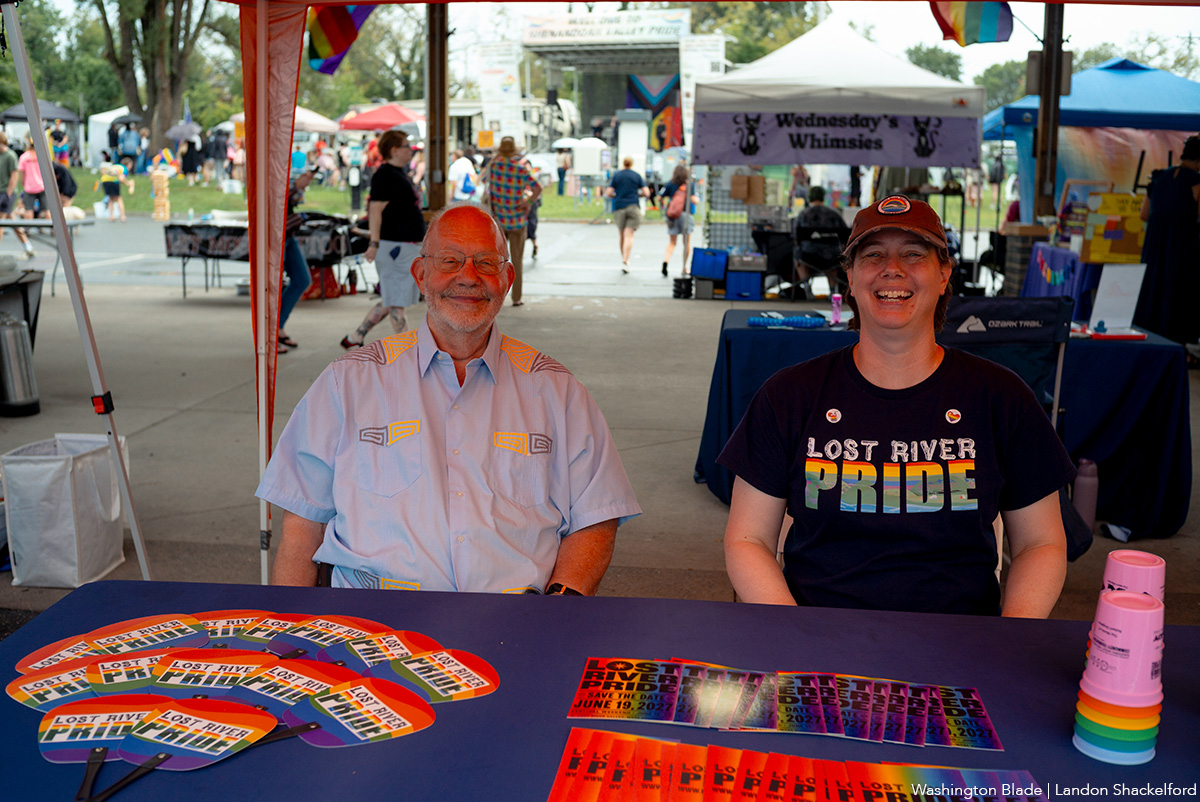
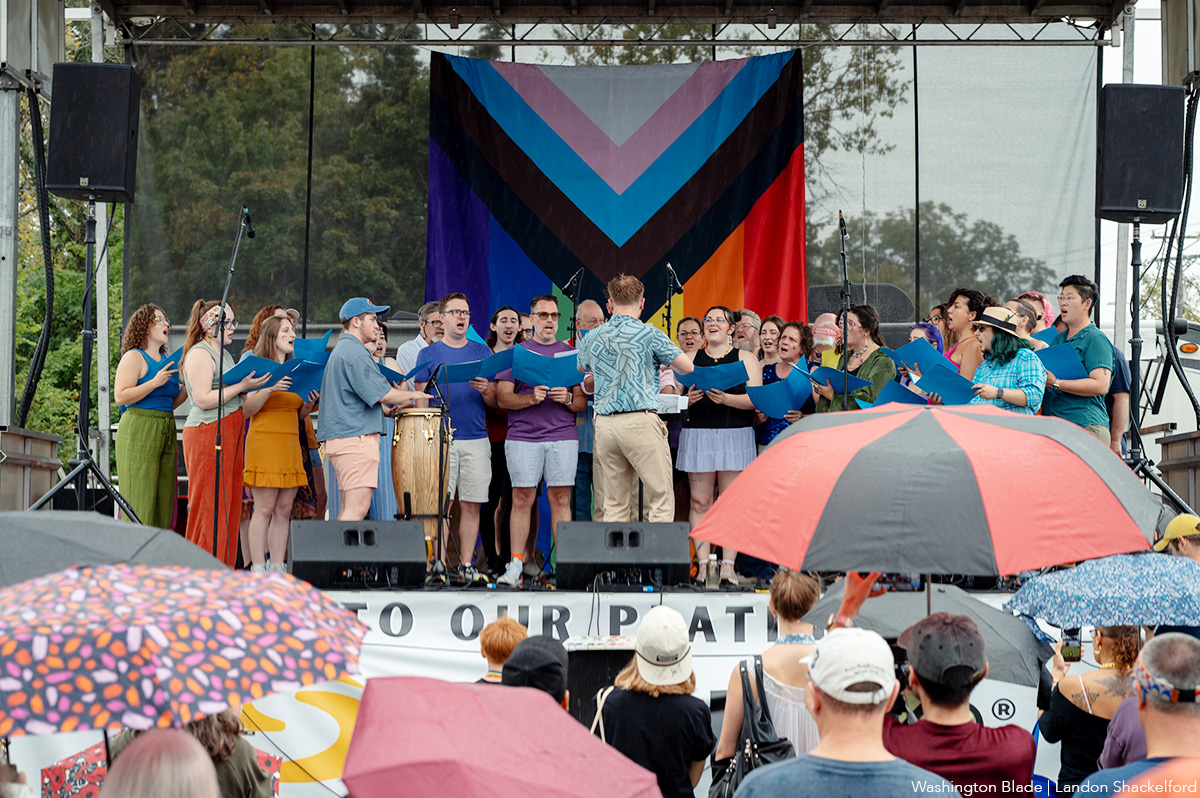
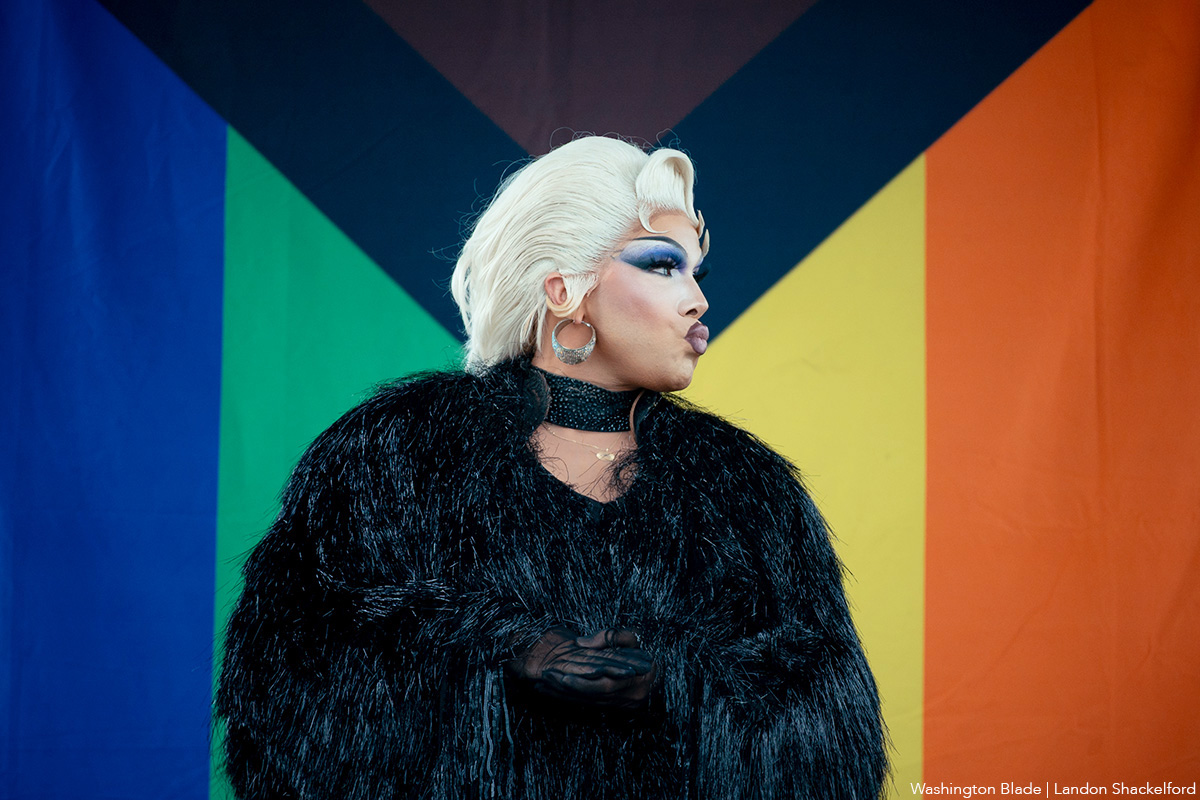
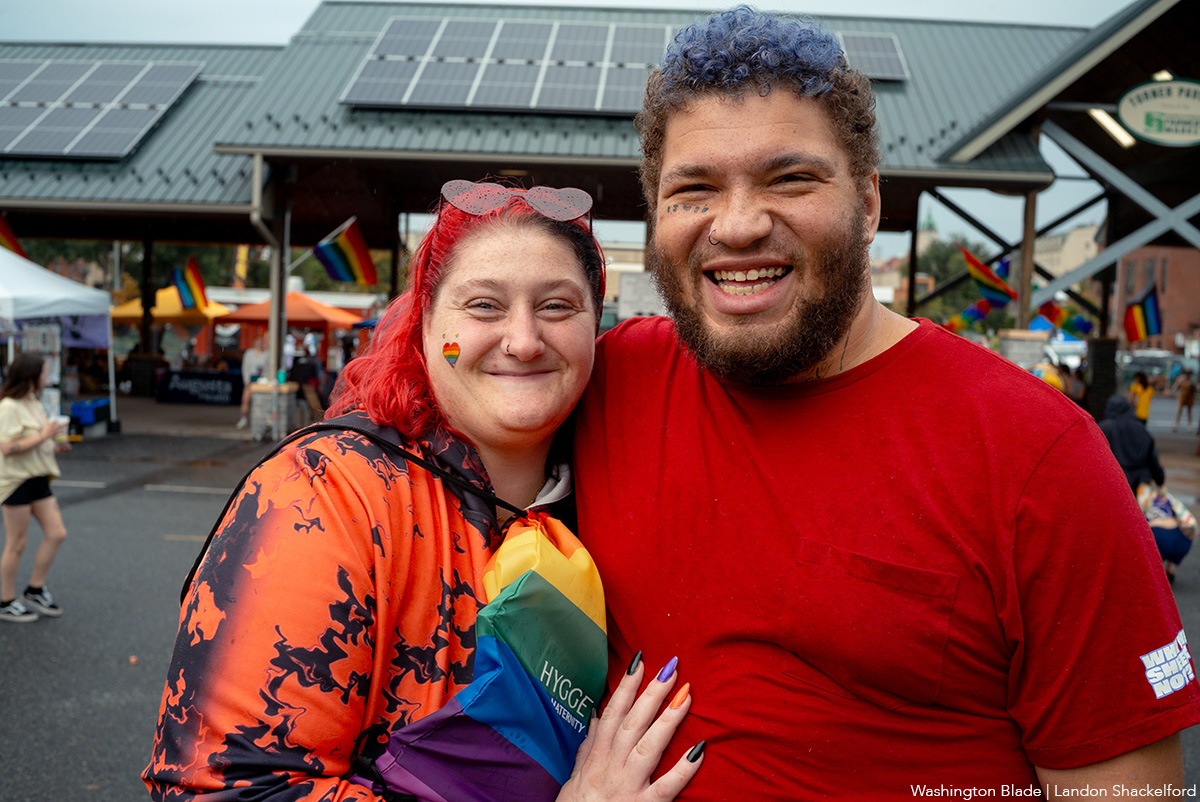
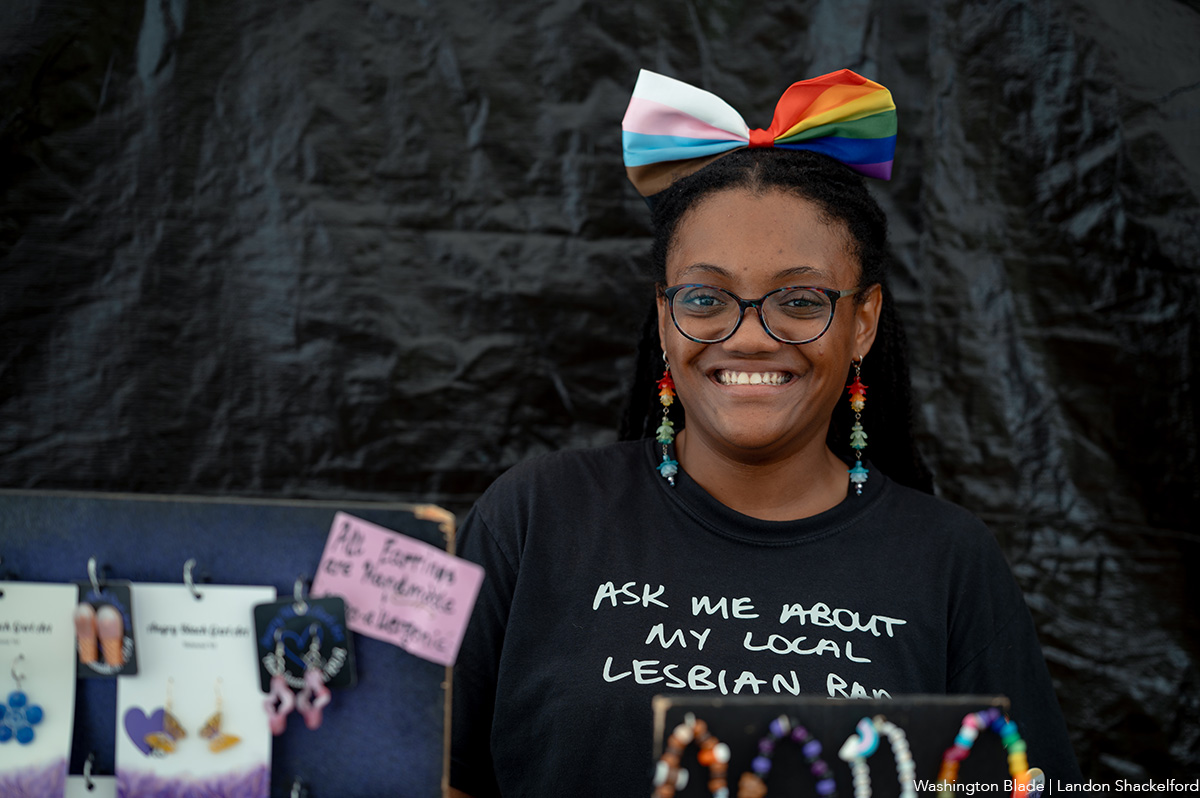
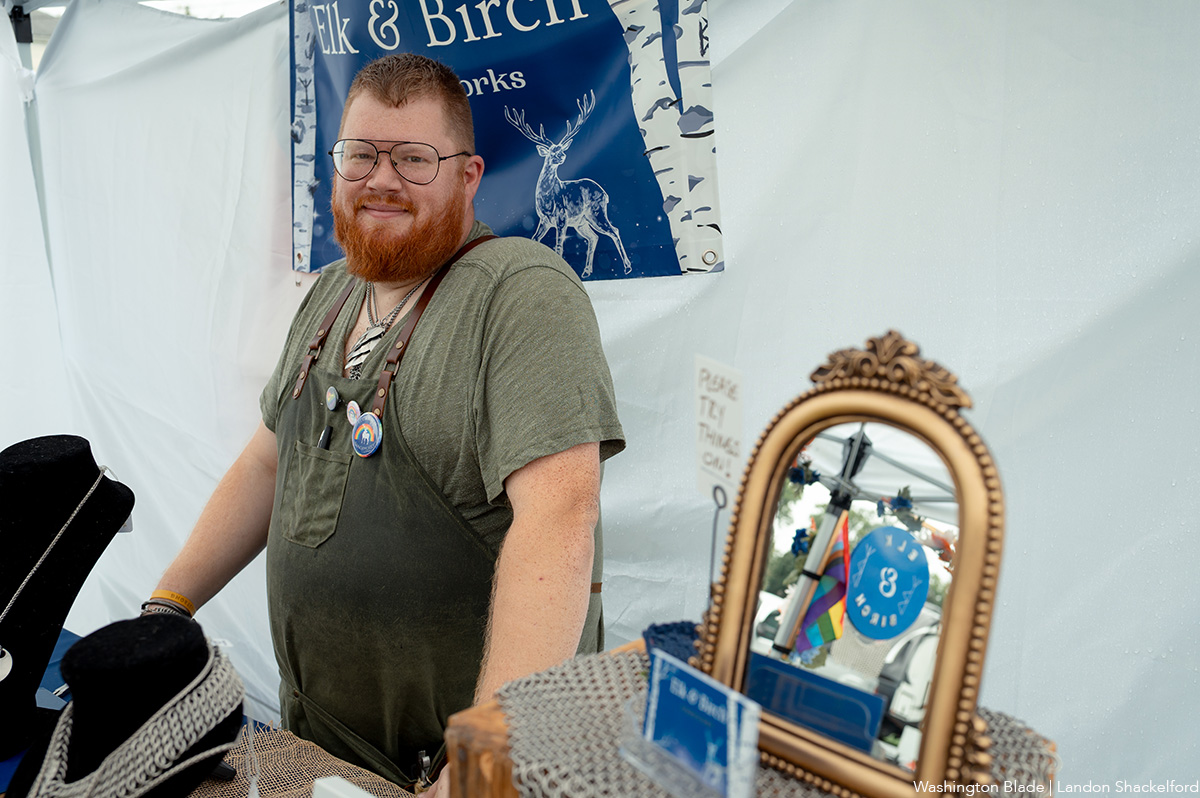
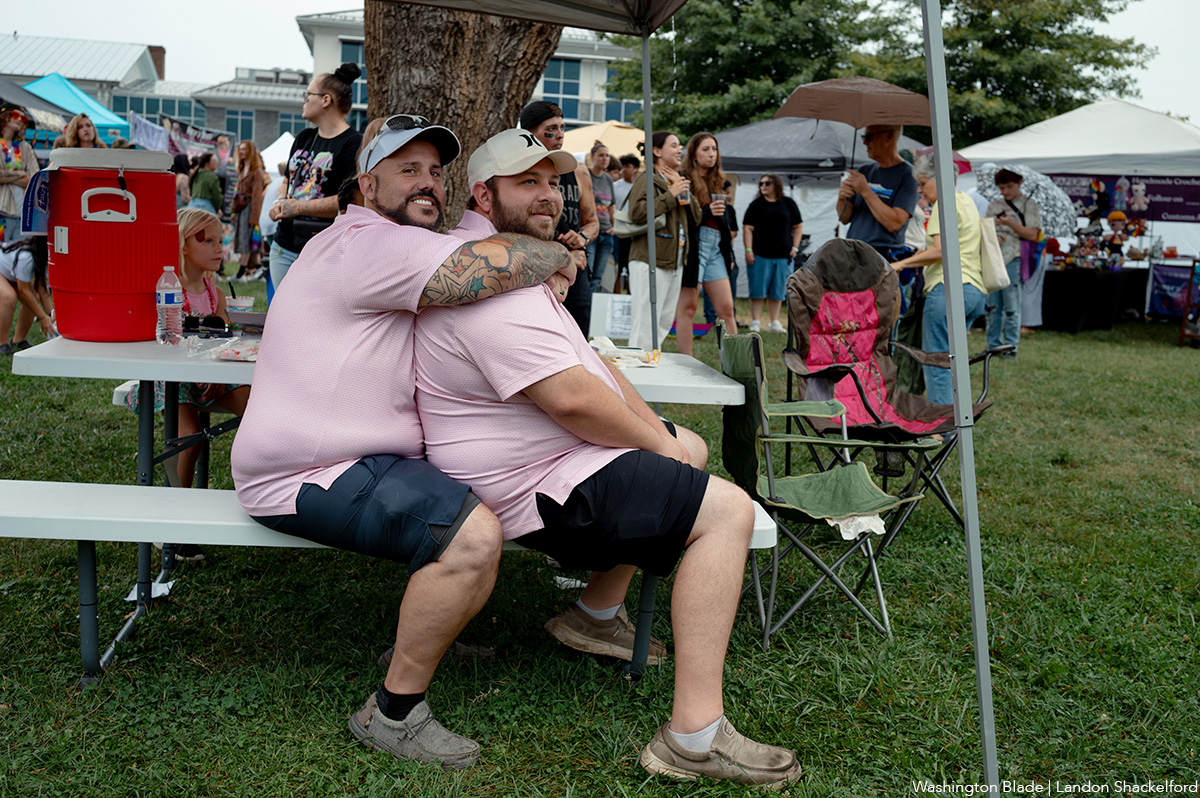
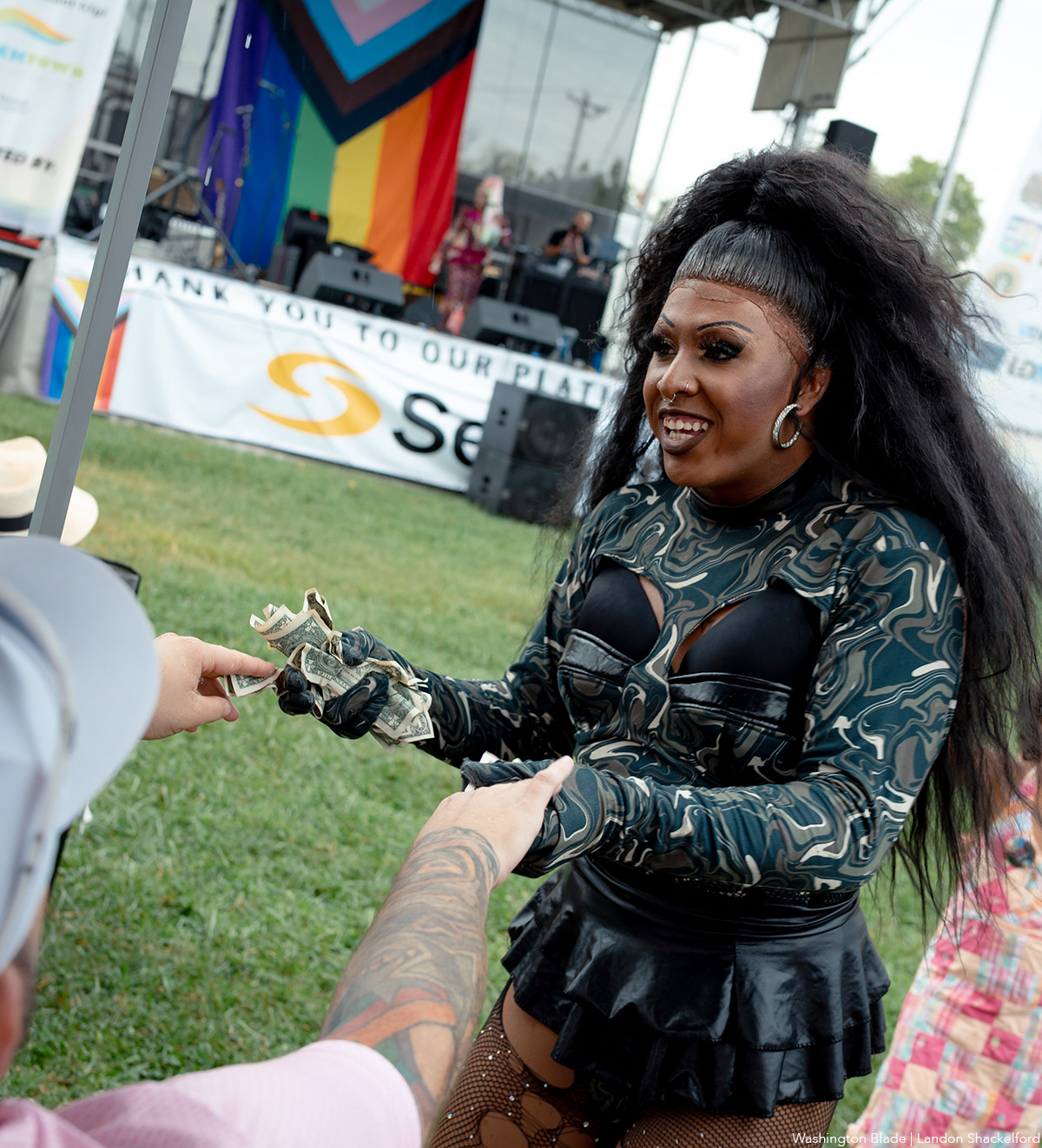
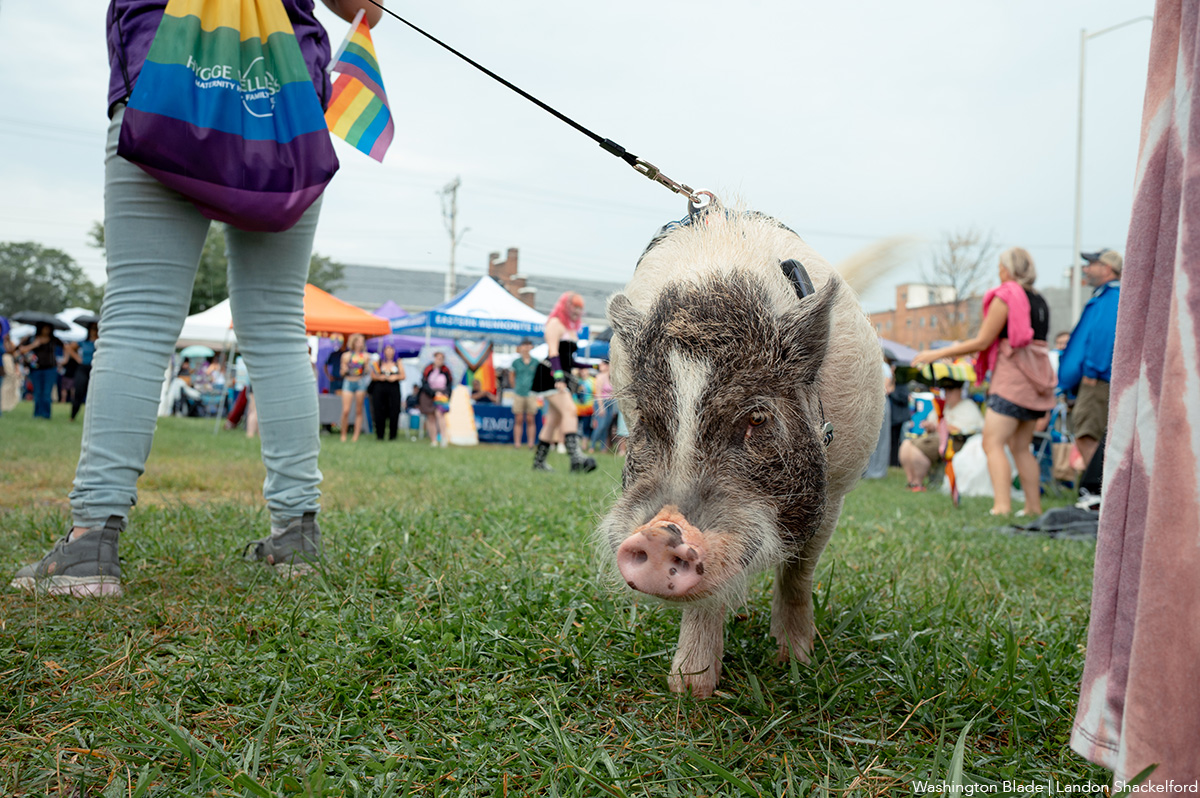
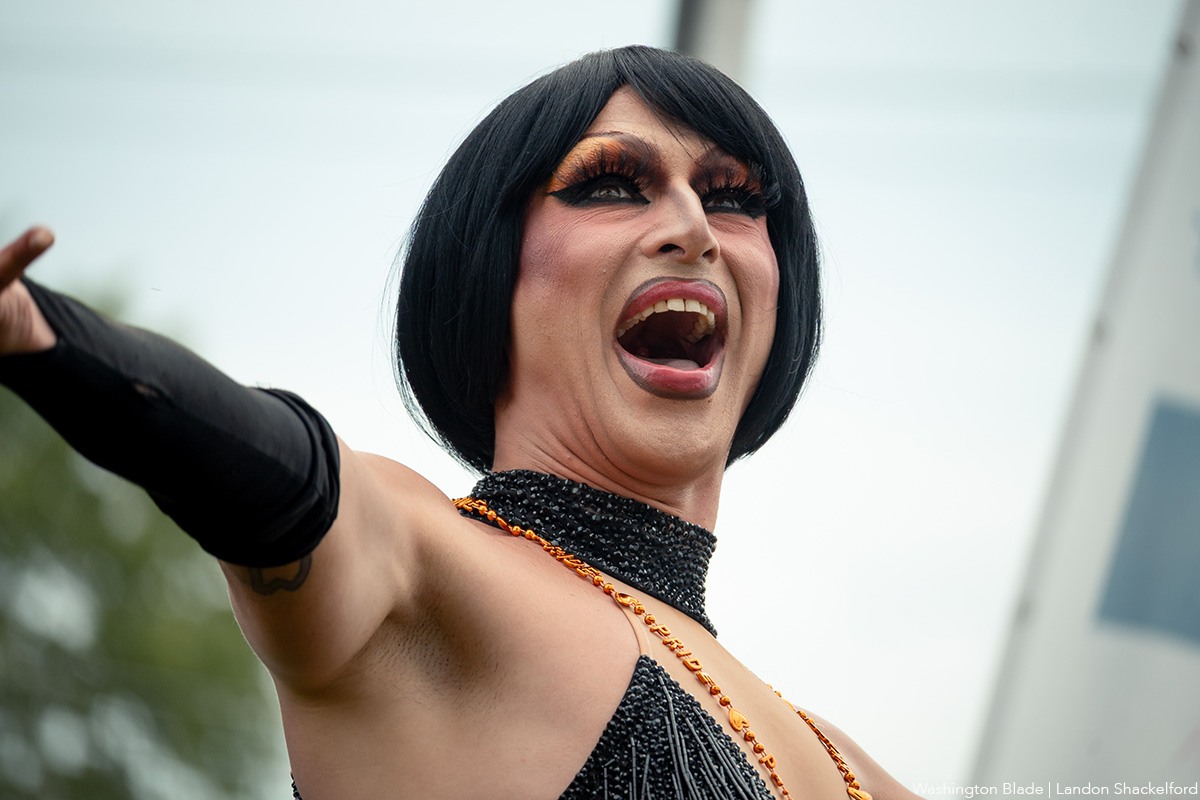
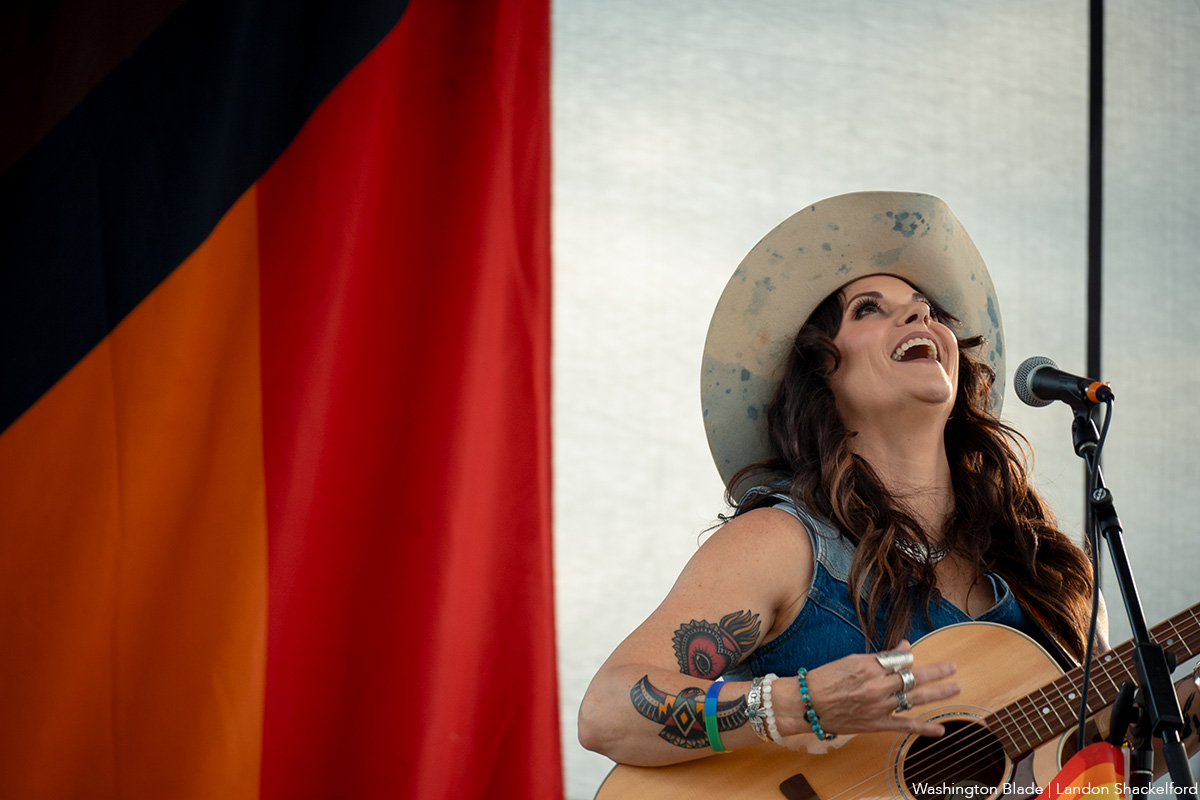
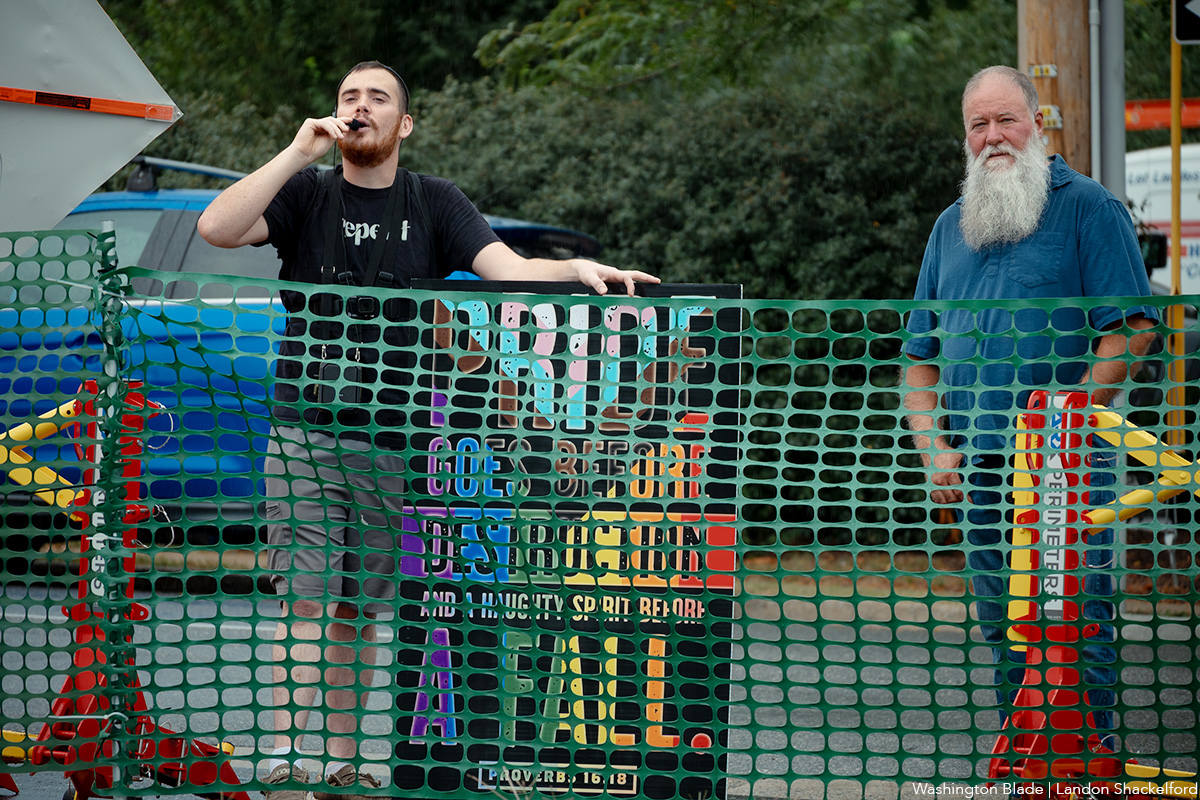
PHOTOS: Shenandoah Valley Pride
LGBTQ celebration held at Turner Pavilion in Harrisonburg, Va.
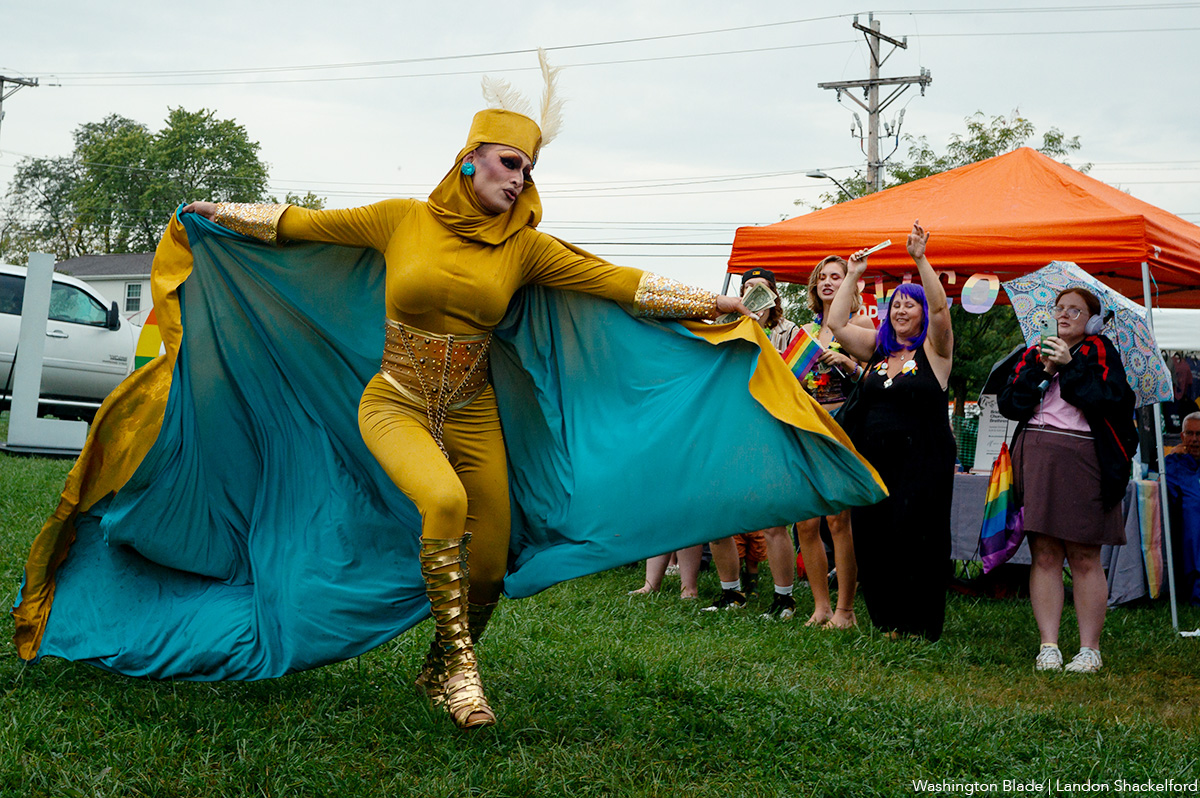
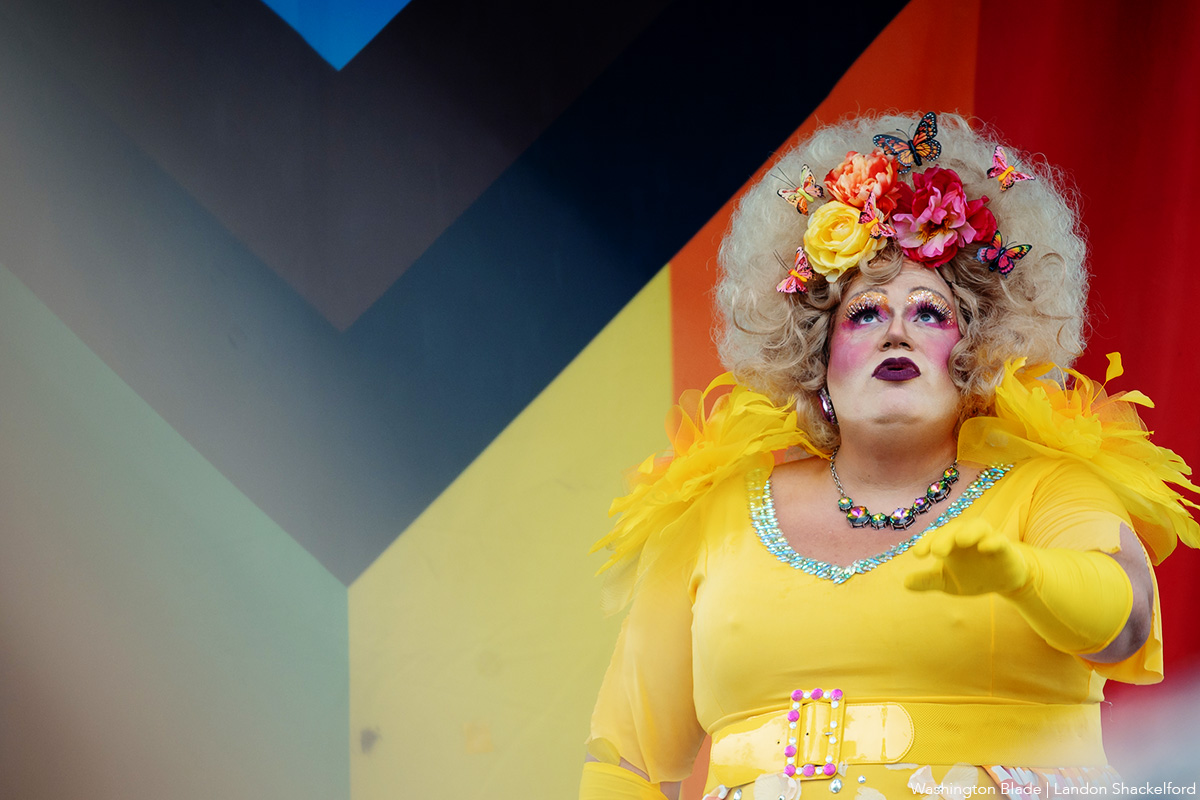
The 2026 Shenandoah Valley Pride Festival was held at Turner Pavilion in Harrisonburg, Va. on Sunday, Sept. 20.
(Washington Blade photos by Landon Shackelford)
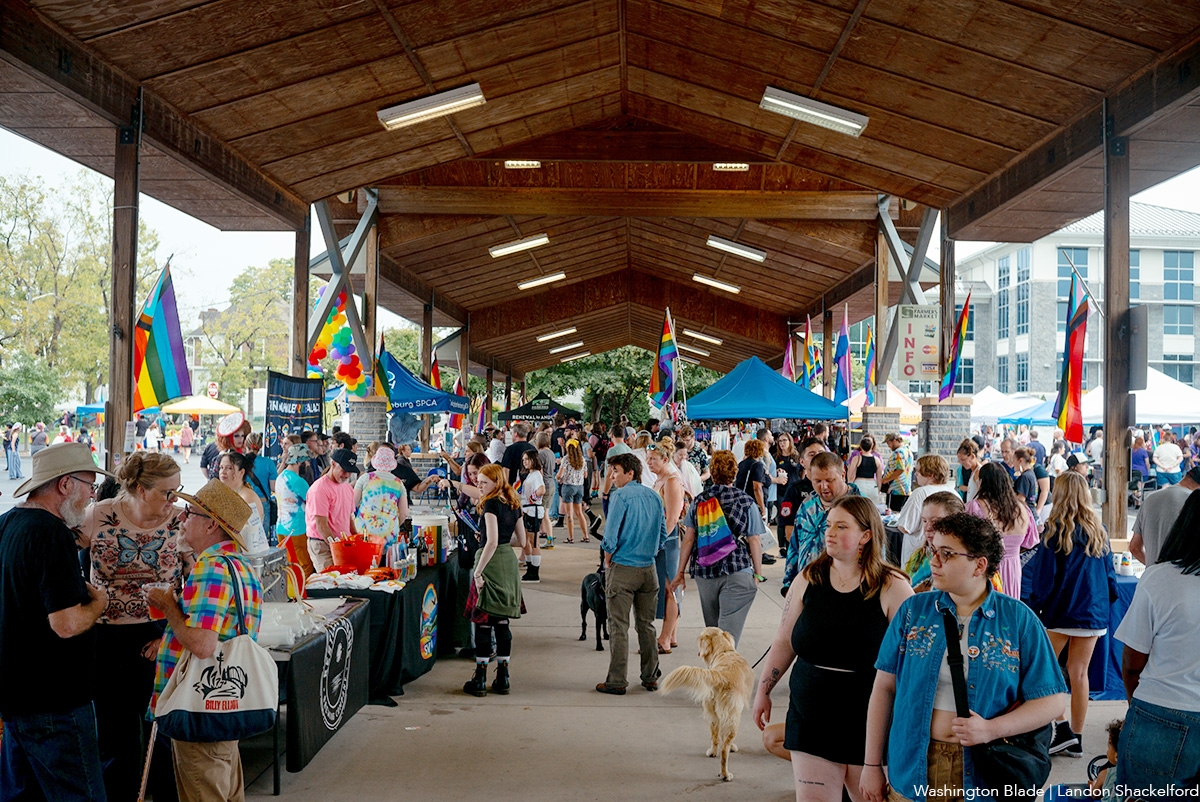
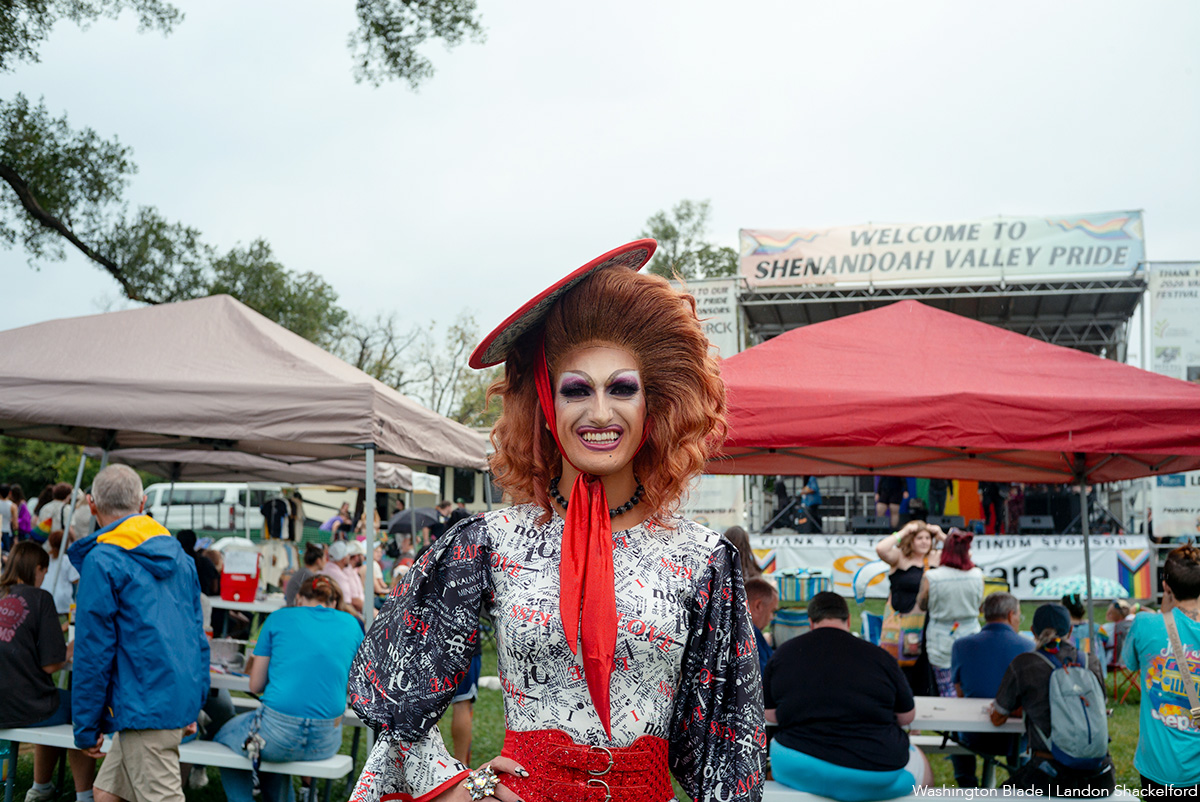
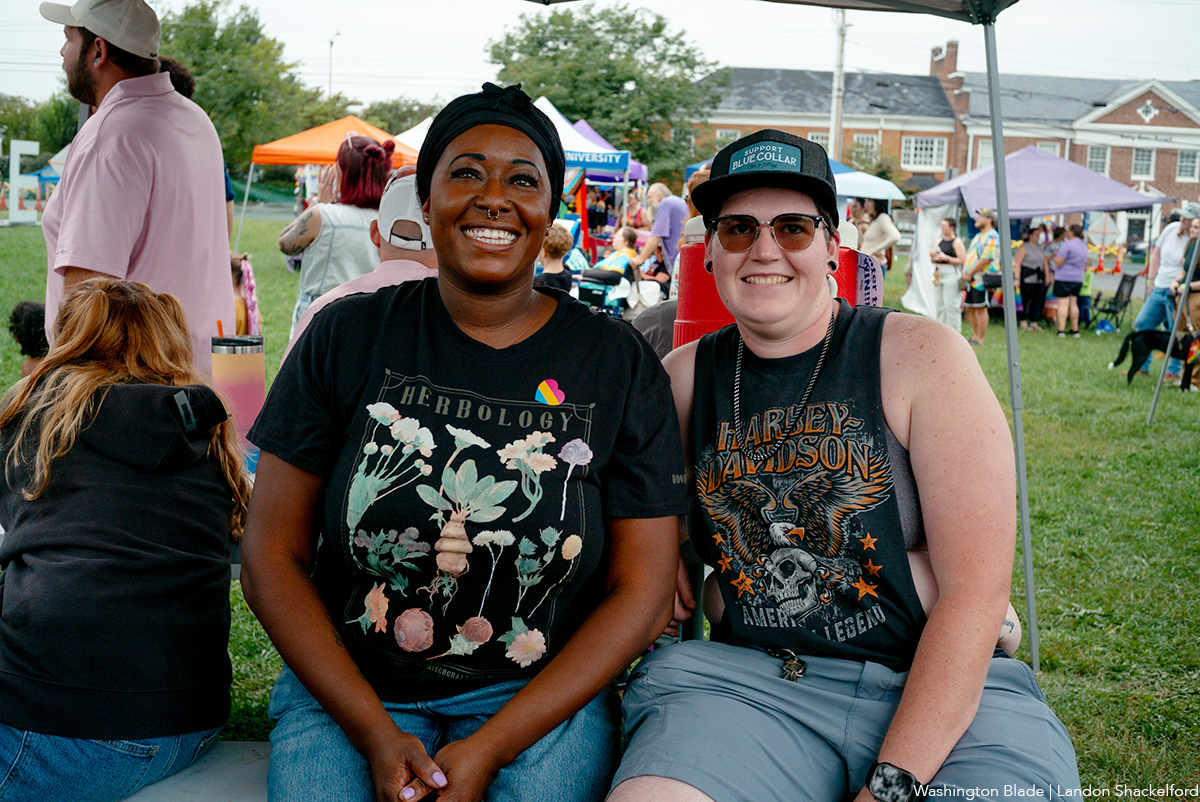
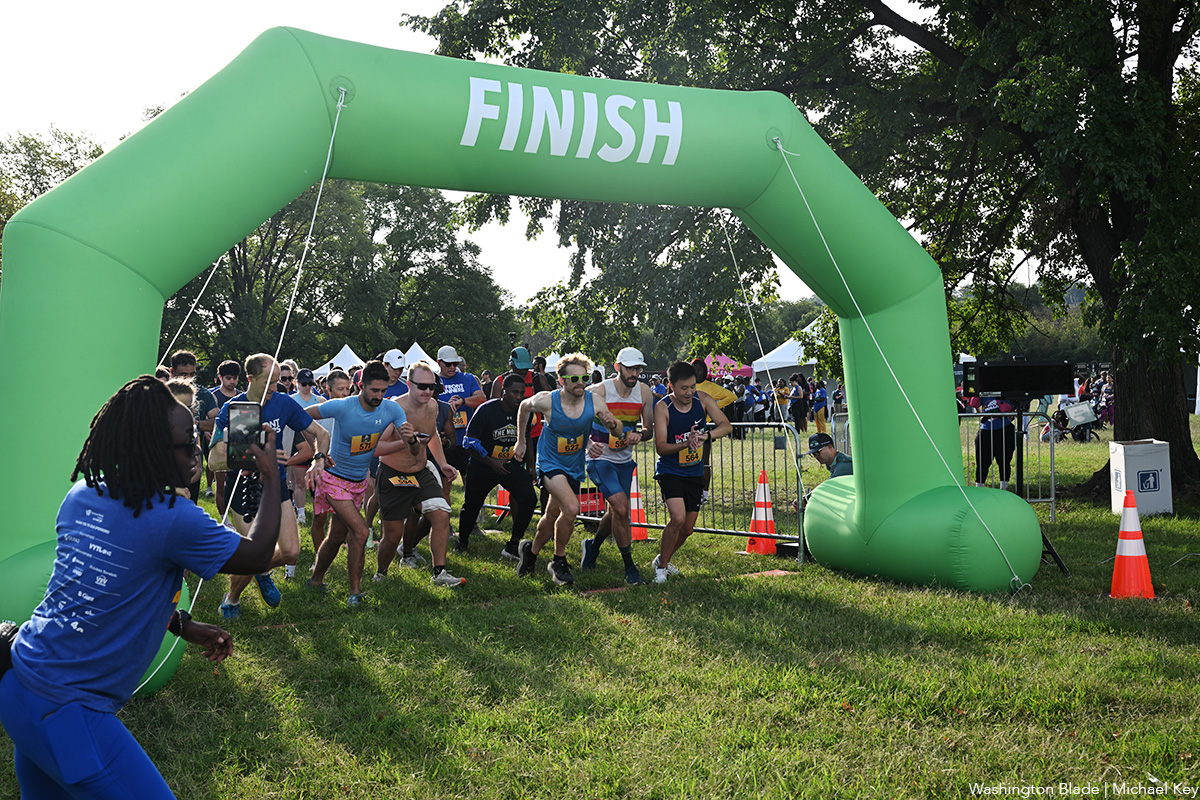
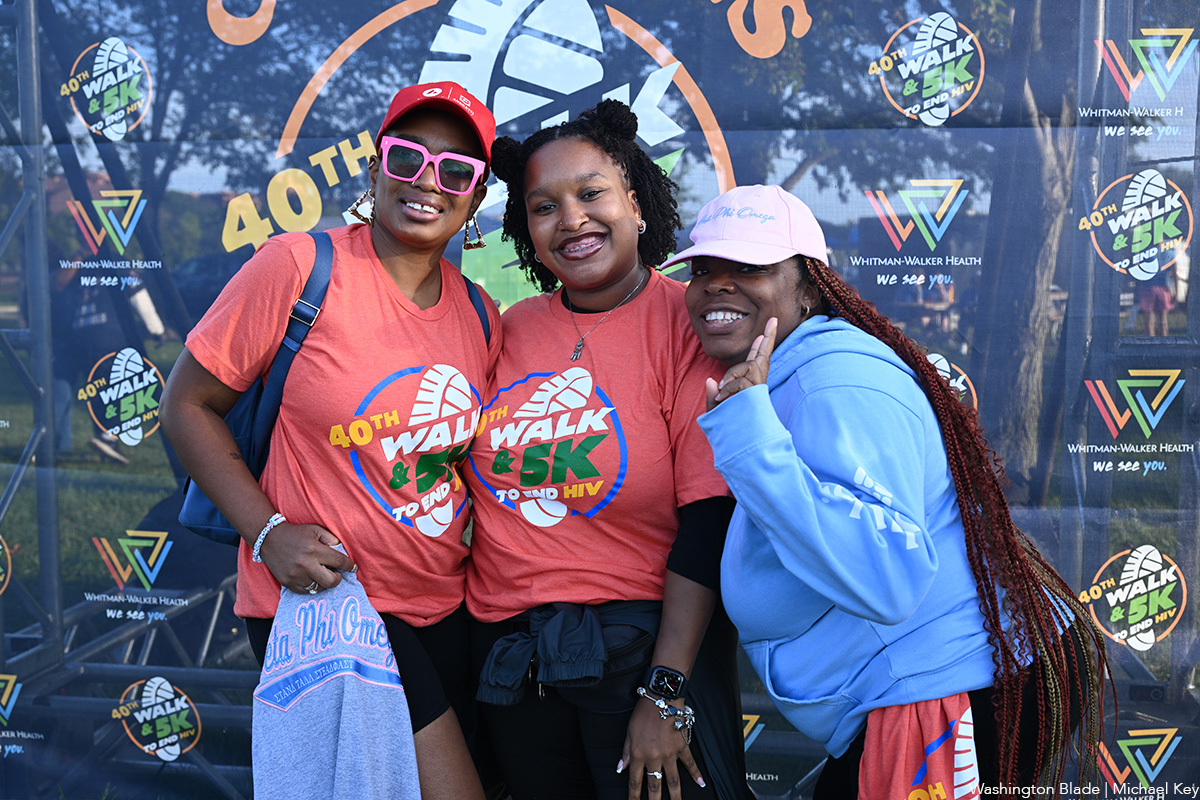
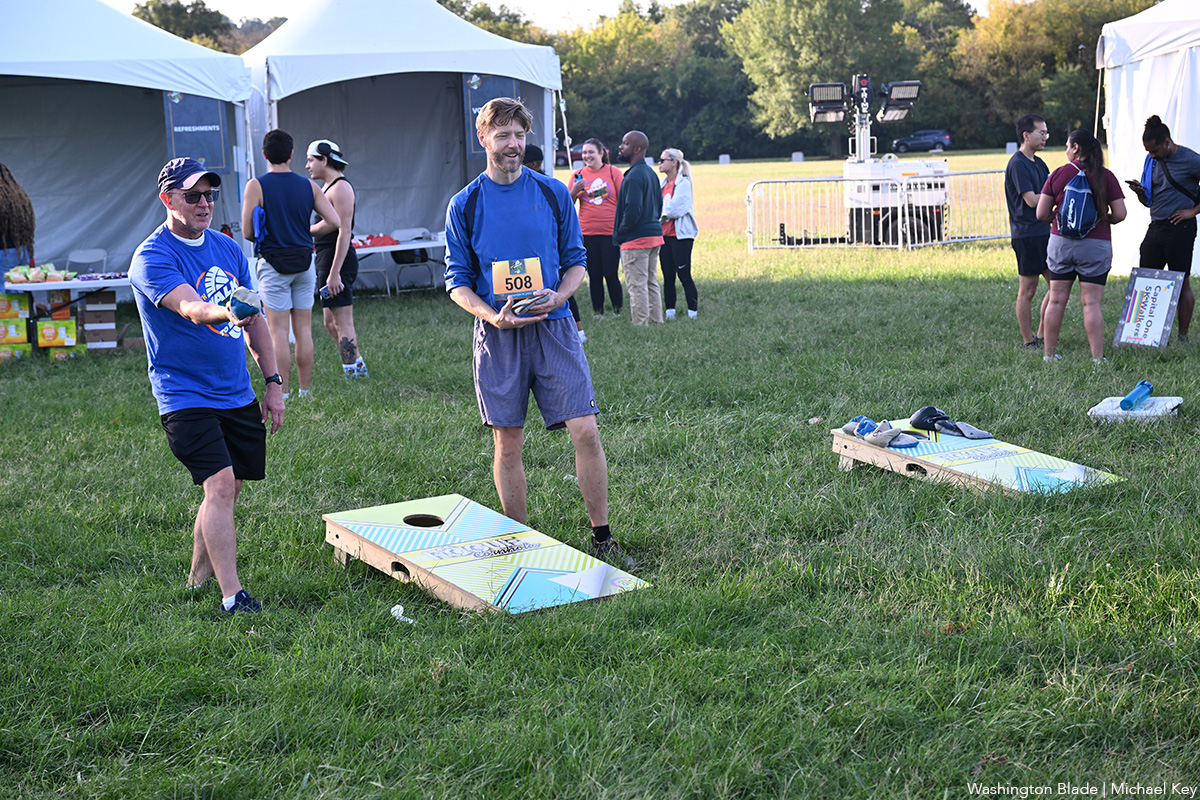
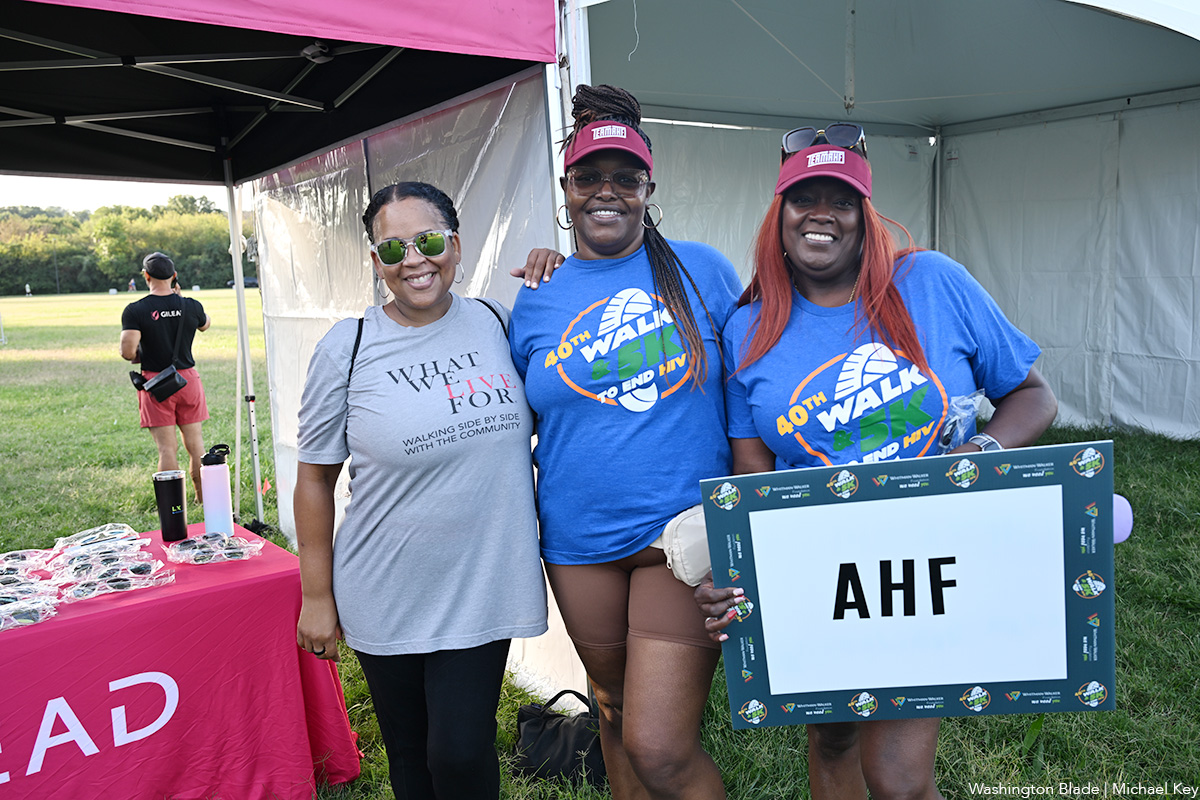
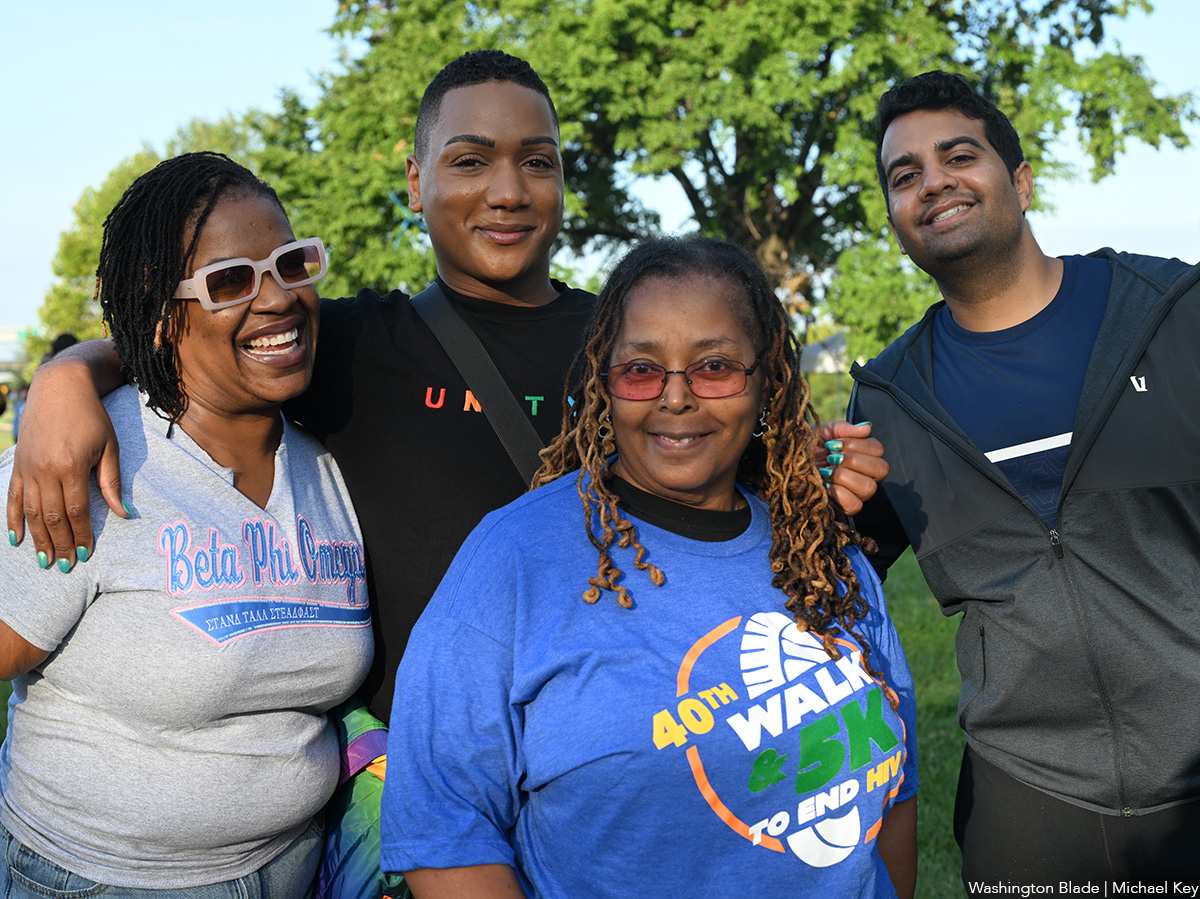
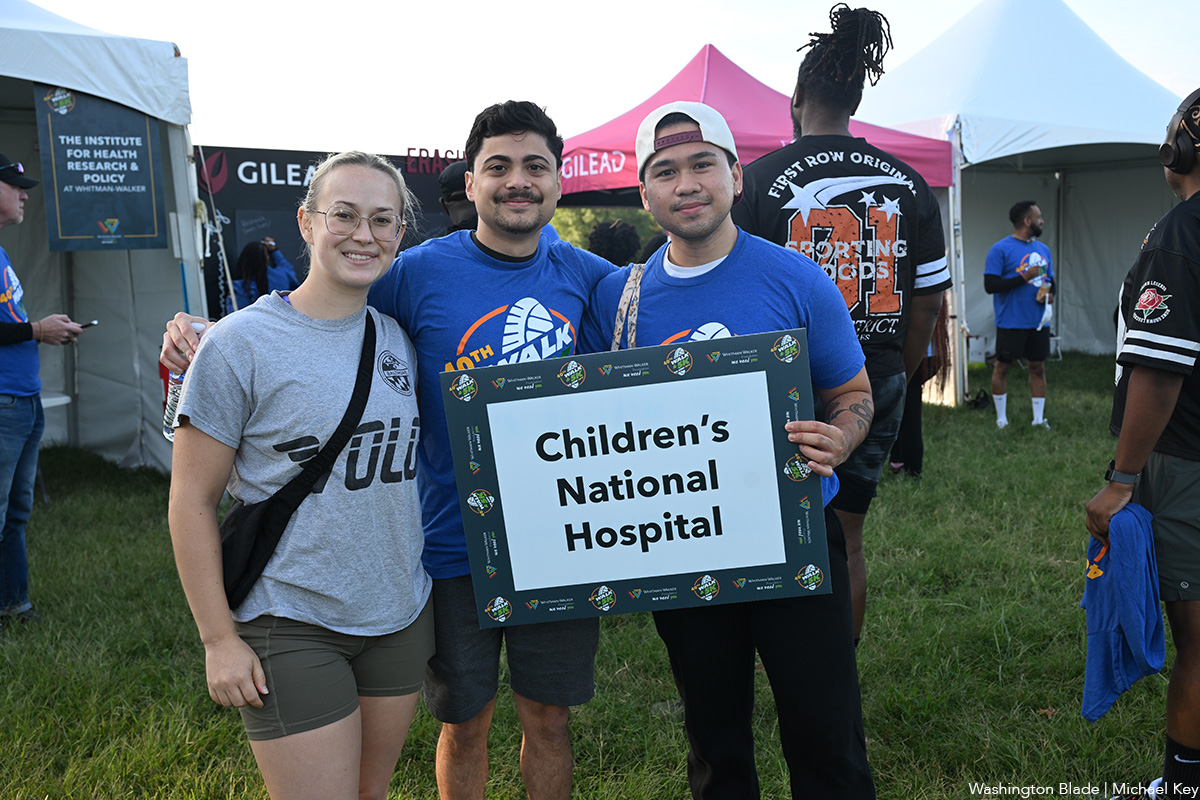
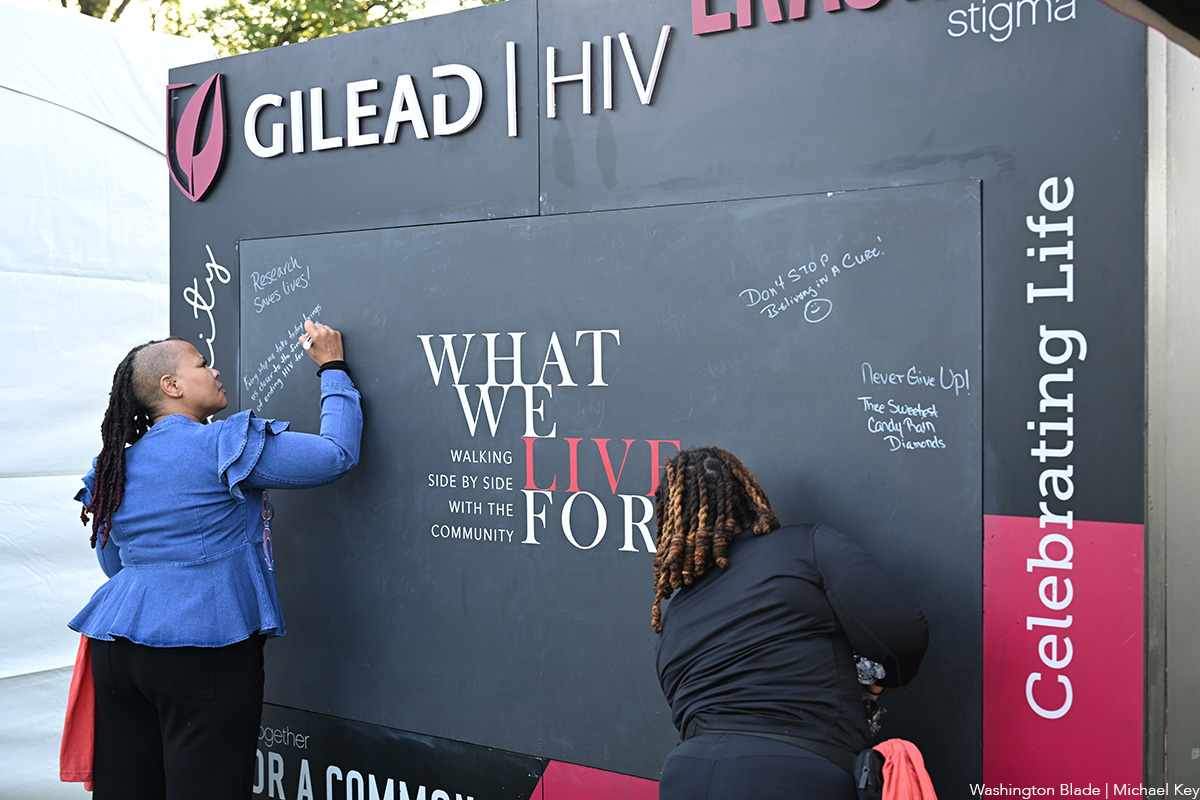
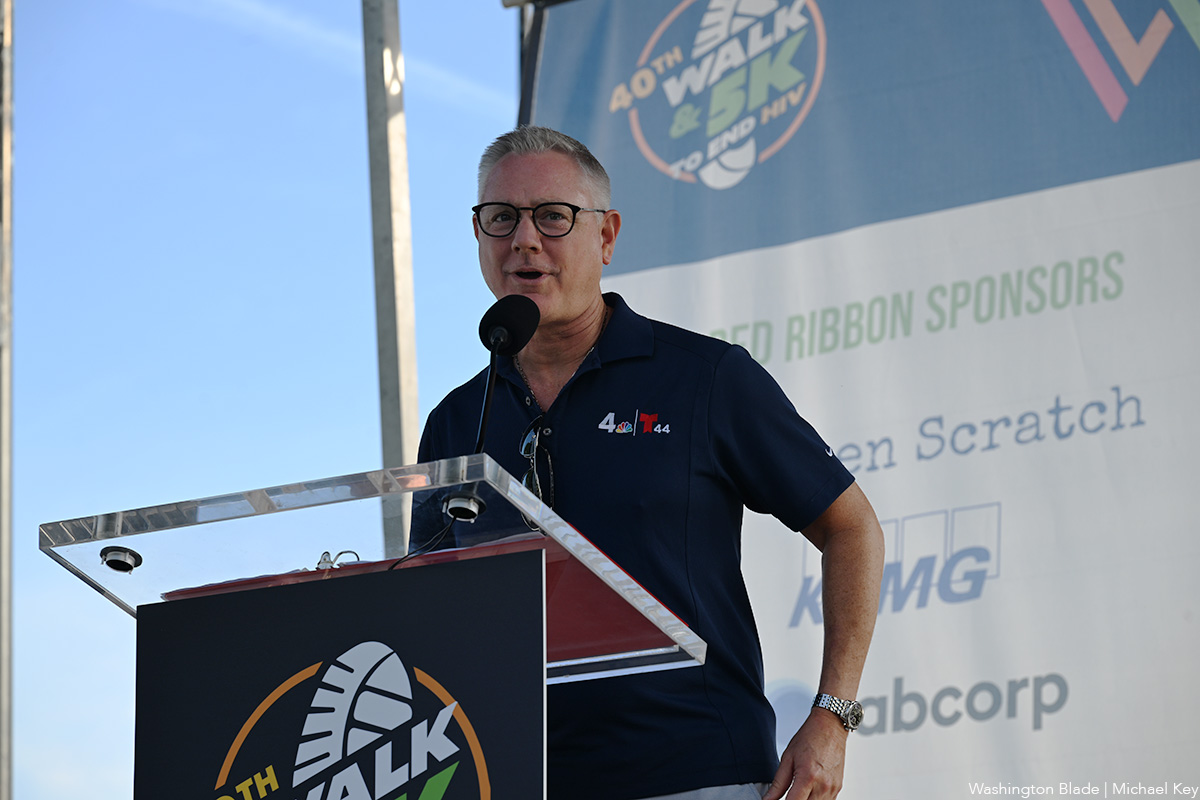
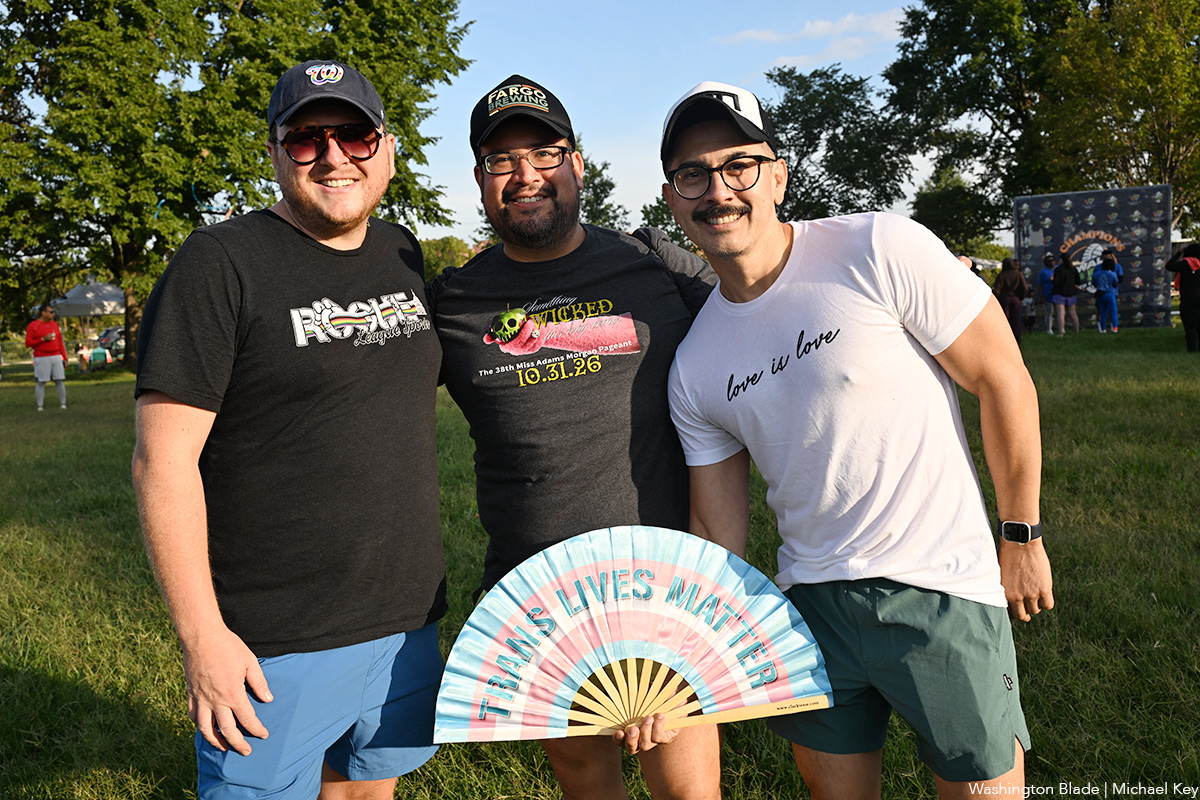
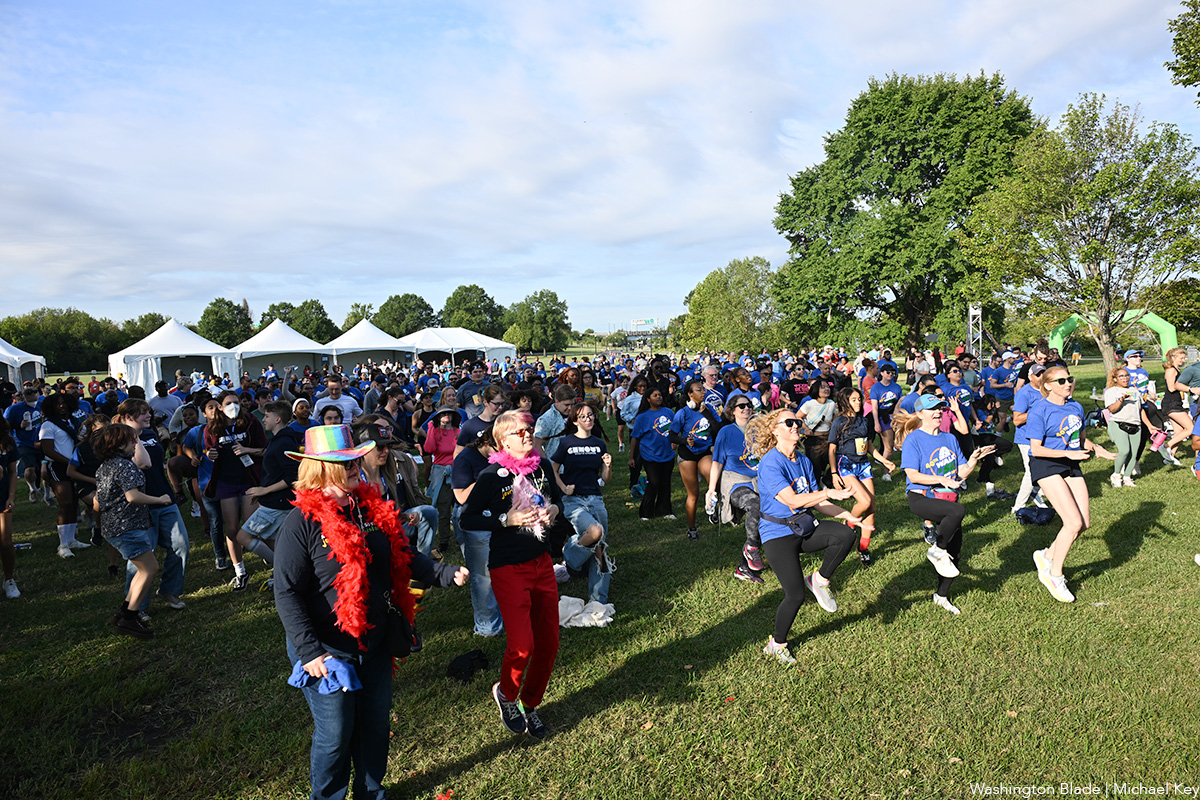
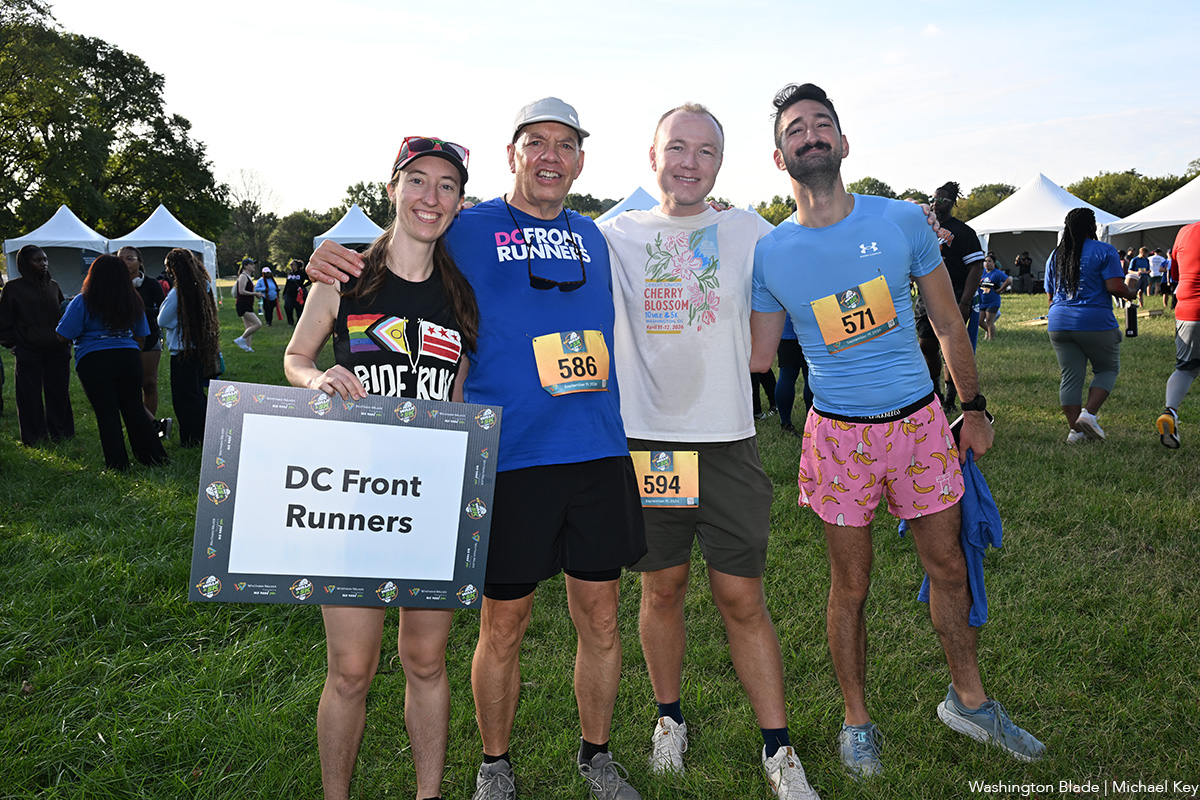
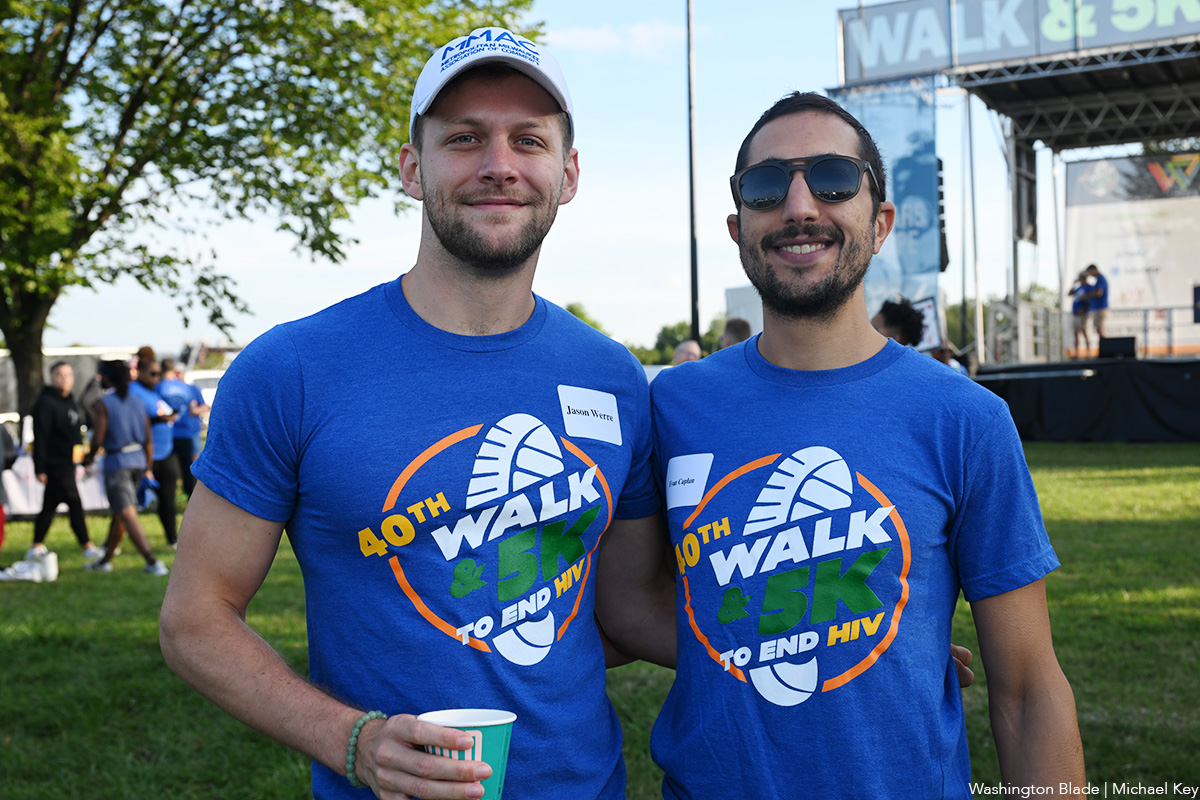
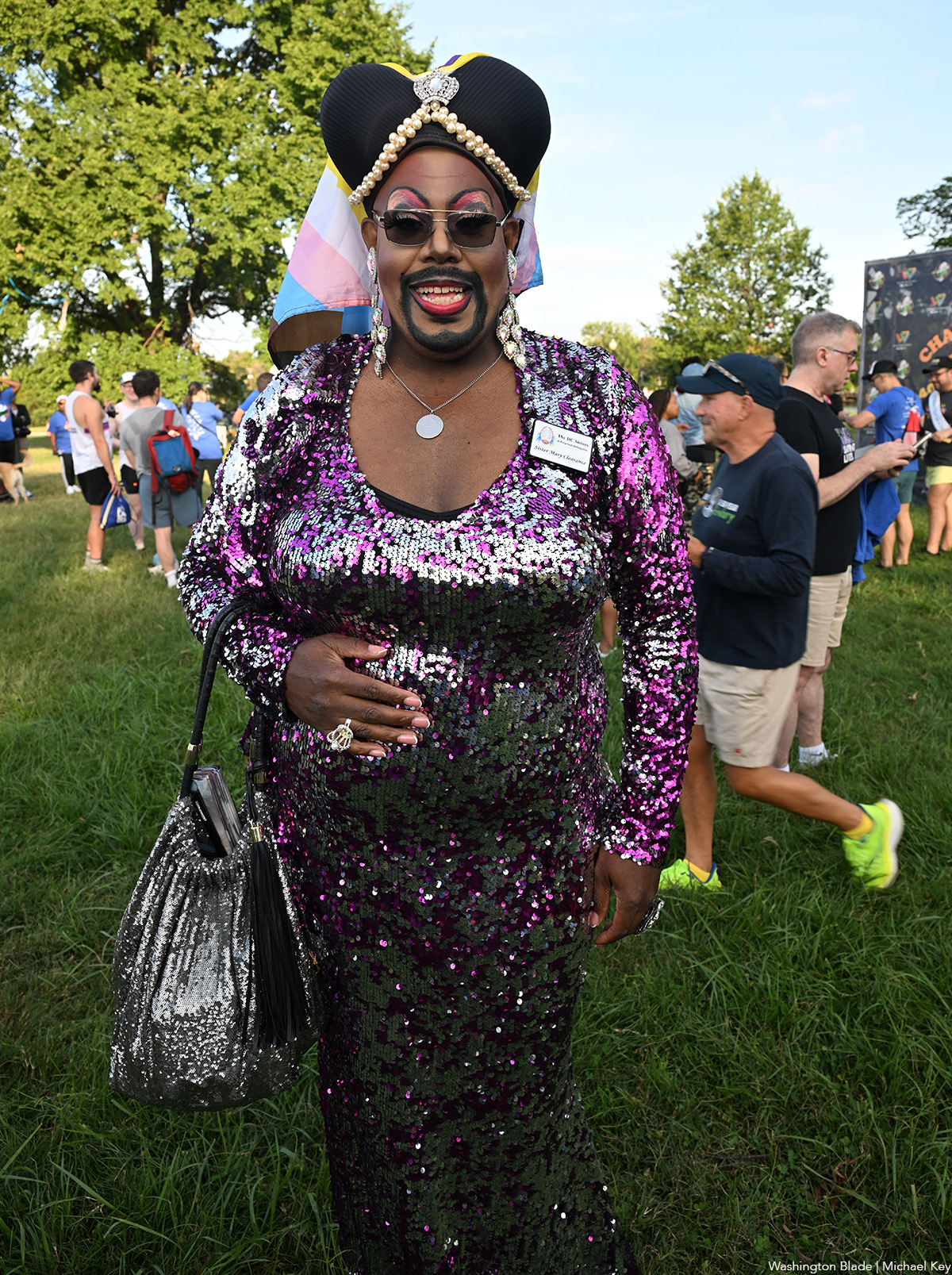
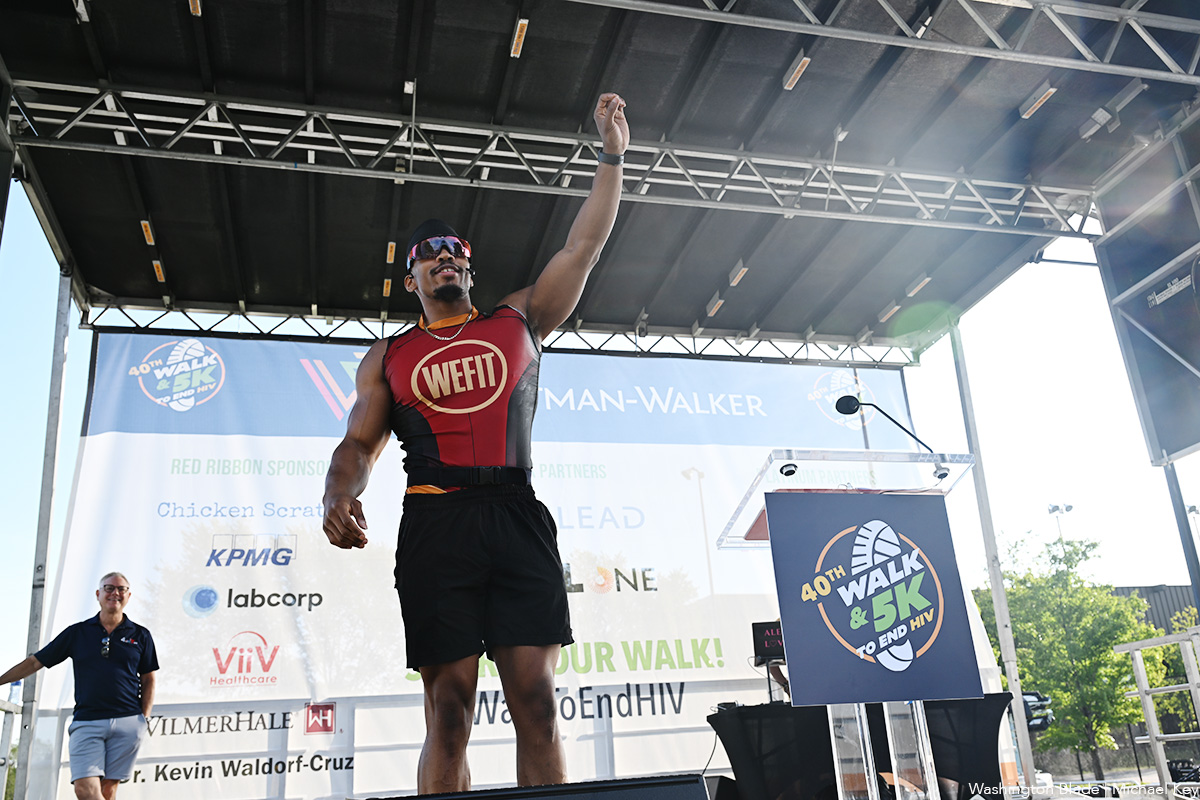
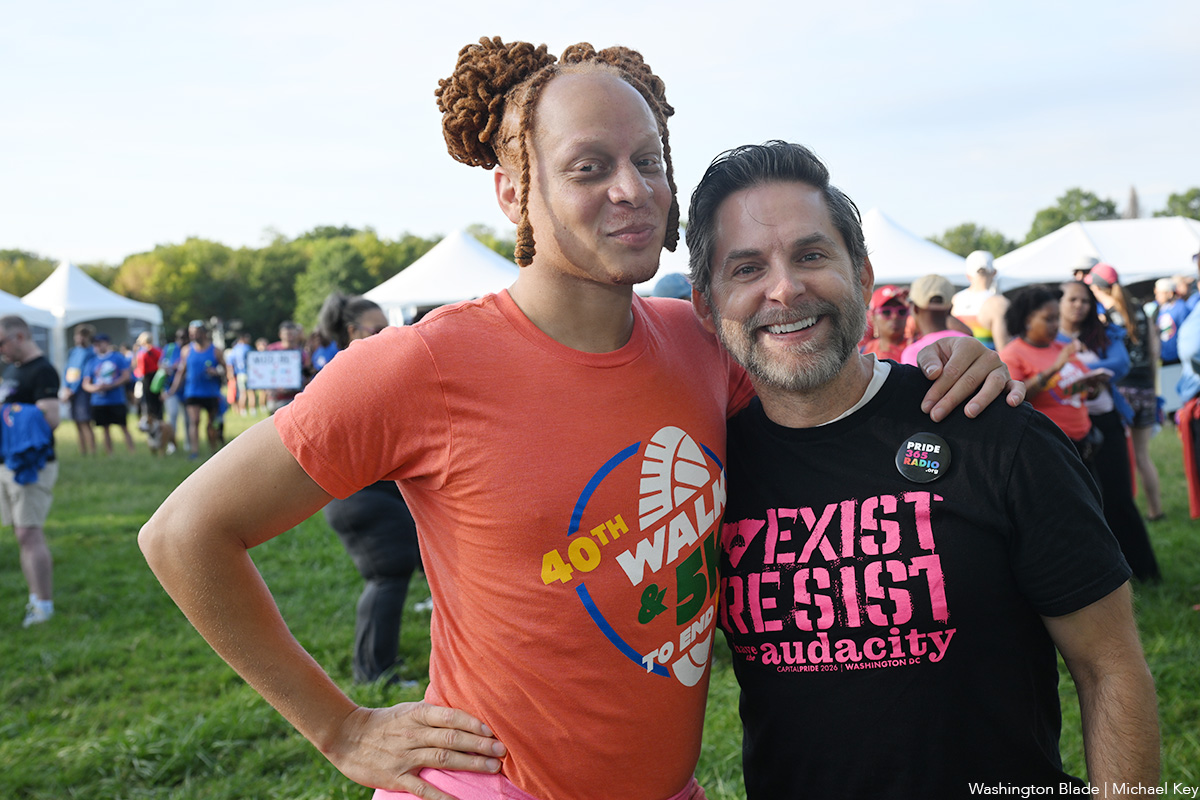
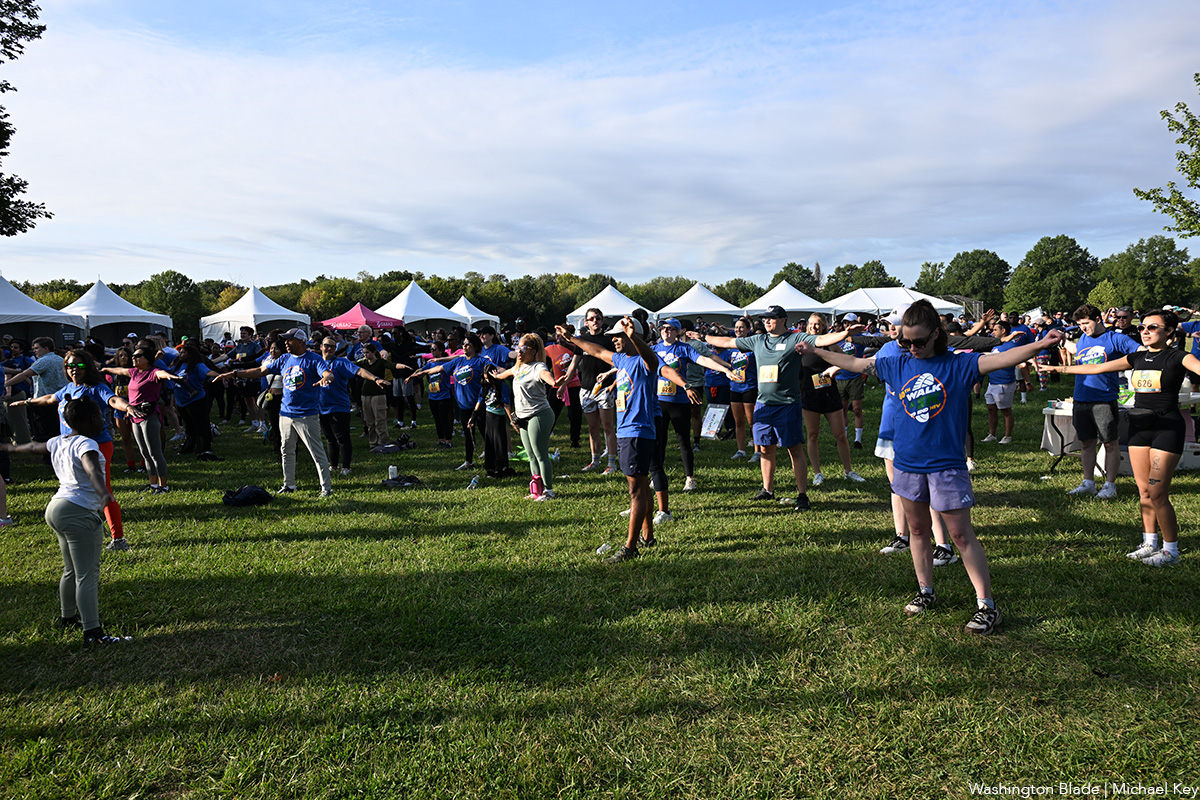
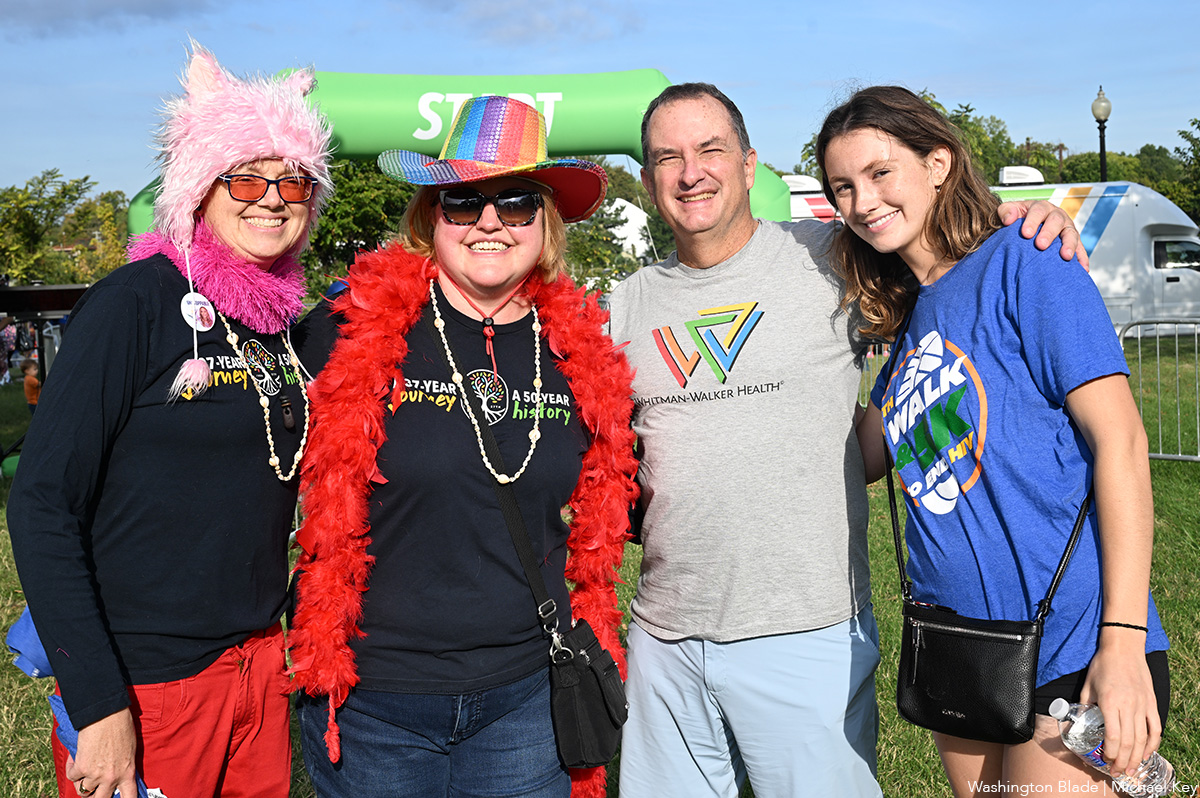
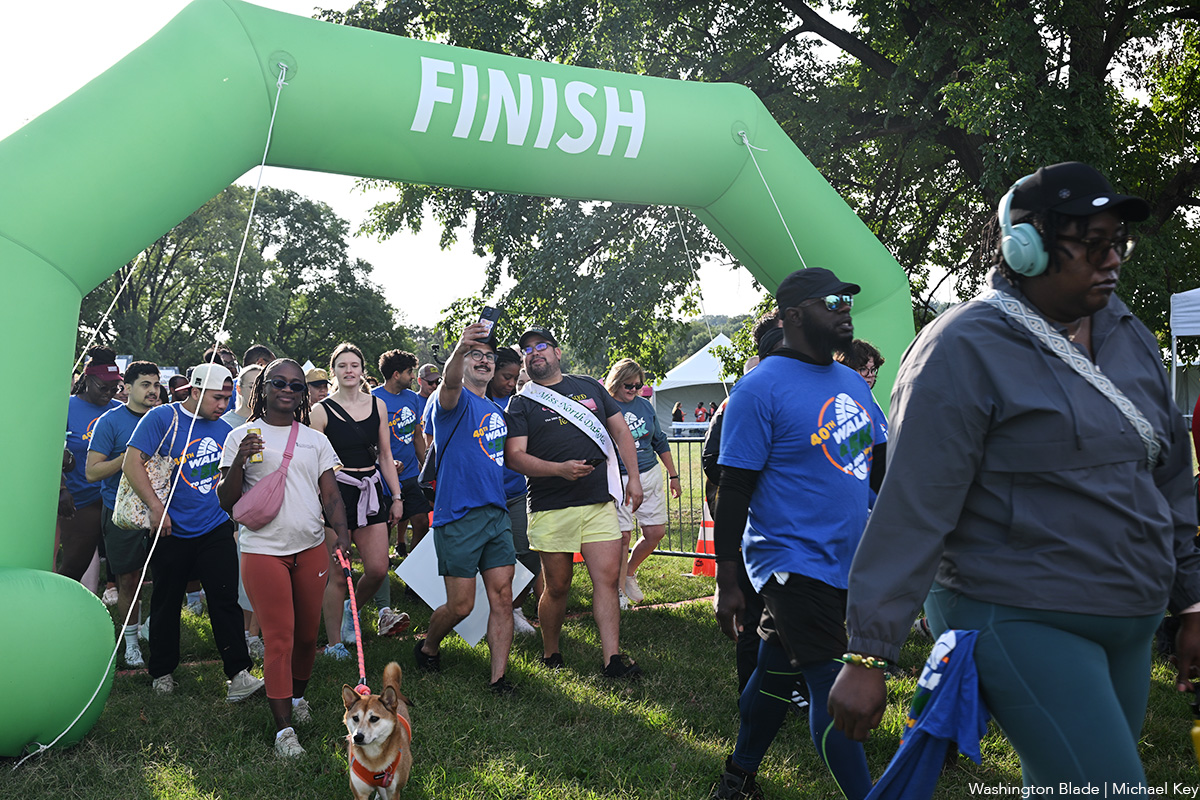
Whitman-Walker Health held the 40th annual Walk and 5K to End HIV at Anacostia Park on Saturday, Sept. 19.
(Washington Blade photos by Michael Key)



Caso Karlina: Una sentencia histórica contra las terapias de «conversión»

Washington Blade responds to concerns over White House pool duties

Young people should know history of the fight for human rights

Dutch prime minister visits Stonewall Inn

Clavicular charged in alleged rape of teenage influencer

Over 2,000 turn out for Hands Around the Kennedy Center protest

PHOTOS: Wanda Alston Foundation Fall Reception

PHOTOS: Walk and 5K to End HIV

What LGBTQ veterans are building after ‘Don’t Ask, Don’t Tell’