Autos
Best (and worst) for fuel
Hybrids aren’t the only gas sippers on the market

With gasoline spiking higher each day, fuel-efficient cars are hot once again. But even after the past bump in pump prices back in 2007, hybrids still account for only 3 percent of all car sales. Diesels — despite new “clean” technology — still get a bum rap as noisy, foul-smelling claptraps. And consumers don’t seem that charged up about electric cars, even with all the hype surrounding the Nissan Leaf, Chevy Volt and Tesla roadster.
That all may change over the next decade or so. But for now, the traditional combustion engine is still king. Luckily, many automakers haves been fine-tuning their combustion-engine cars and making them into true gas-sippers. Engineers lowered the car weight by using aluminum and other light metals. And designers made aerodynamic tweaks — sometimes reducing car height just half an inch — to ratchet up styling and fuel savings.
The result: combustion-powered rides that get better mileage — and have much lower price tags — than some hybrids, diesels or electrics. Below are five of the best, as well as five gas guzzlers you’ll want to avoid.
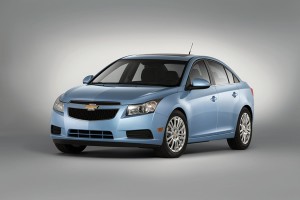 Chevy Cruze Eco
$16,500
MPG: 28 city/42 highway
While the regular Cruze gets 26 city/36 highway, the Eco model — especially with manual transmission — is even better. Under the right conditions, you can snag more than 50 mpg. A chic rear spoiler and novel grill “shutters” help reduce wind drag. And despite some cheap interior trim, the Euro styling — inside and out — is swanky, not gaudy. Ditto for the ride, handling and a bevy of add-ons, including alloy wheels, steering-wheel audio controls and rear-parking sensors.
Ford Fiesta
$14,500
MPG: 29 city/40 highway
Fast. Fun. Full of options. Sure, cargo space may be a bit tight on the Fiesta but everything else, from the slew of safety gear — including a driver-knee bag — to the best-in-class steering and suspension shows how much Ford is committed to this compact car. A Super Fuel Economy package helps max out fuel mileage with lighter wheels, special tires and aerodynamic nips and tucks.
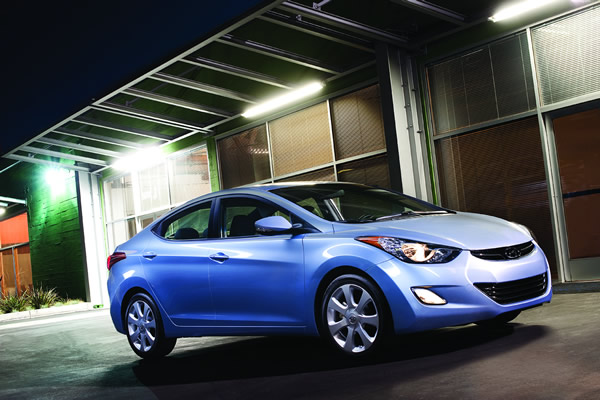
Hyundai Elantra
$16,000
MPG: 29 city/40 highway
Only special versions of the Chevy Cruze and Ford Fiesta get the best gas mileage. But 40 mpg is standard on all models of the recently redesigned Elantra. Consistency comes at a price, though, with limited rear headroom, and acceleration and handling that are predictable, not exciting. Still, there’s plenty of space up front and in the trunk, and the sexy sheet-metal design beats the competition.
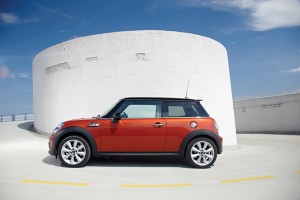 MINI Cooper
$21,000
MPG: 29 city/37 highway
The natty retro design still works. So does the quirky interior, including a Frisbee-shaped speedometer in the center dash. With BMW as its parent, the MINI is the only fuel-efficient German car here. And it’s the only one that handles like one, with bolstered seats, spry acceleration and superb cornering/braking. This car makes you wonder why anyone would opt for a $40,000 Bimmer when a MINI costs half the price and is just as playful.
Toyota Yaris
$13,000
MPG: 29 city/36 highway
Solid, comfortable but oh-so-bland, including a sluggish transmission, Munchkin-like cargo area and user-unfriendly gauges. A better bet: the 2012 redo that arrives late this year. But if you need something just as inexpensive right now, go for the all-new Mazda 2 (which loses out to the Yaris by just 1 mpg) — it’s sportier in looks and feel.
Worst gas guzzlers:
The least fuel-efficient cars are, surprise, all high-end brands. The good news is you probably can’t afford one anyway.
Bugatti Veyron: $1.8 million, 8 city/14 highway
Aston Martin DB9: $180,000, 11 city/17 highway
Bentley Continental Flying Spur Speed: $208,000, 11 city/17 highway
Bentley Continental GTC: $206,000, 11 city/18 highway
Rolls-Royce Phantom: $308,000, 11 city/18 highway
At my stage of life — “somewhere between 40 and death,” as the iconic line goes in the musical “Mame” — I want some pampering. A lot of pampering.
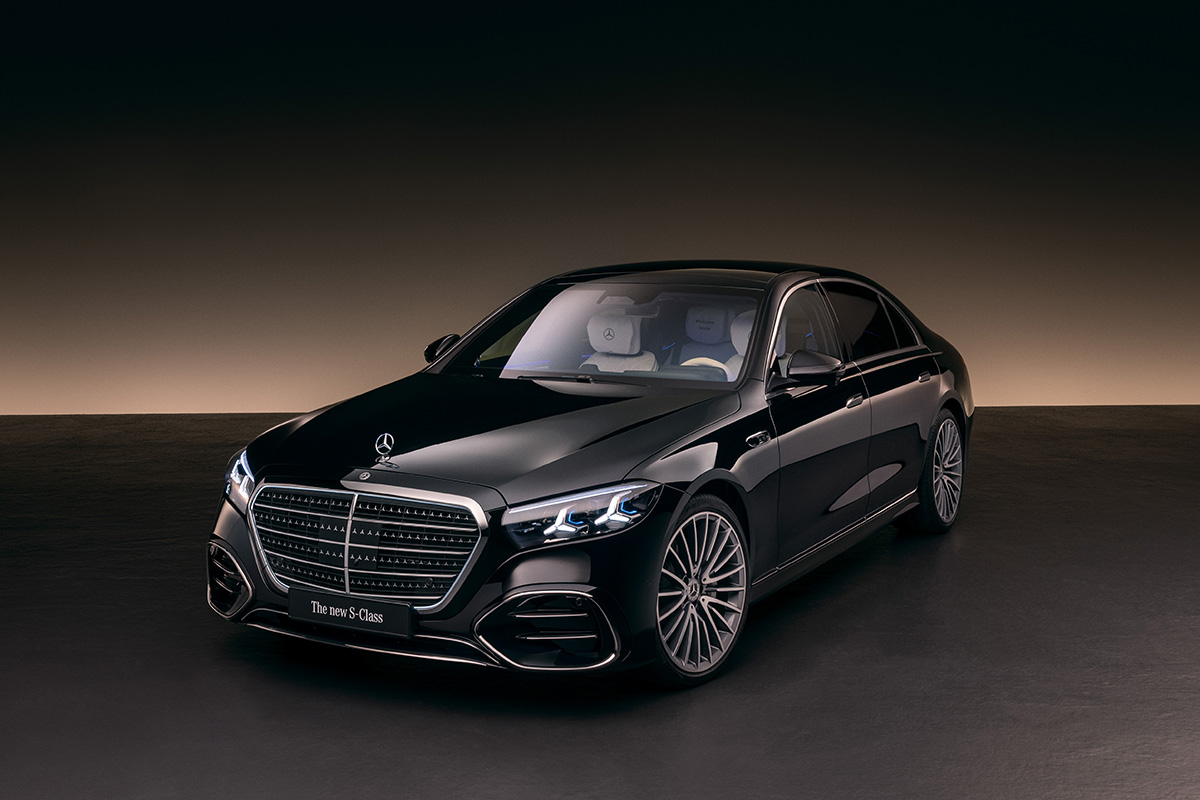
Luckily, for anyone who constantly craves a soothing spa, steam room or sauna, there’s the completely updated Mercedes S-Class. This flagship sedan is now so full of glitz, glamour, and gee-whiz gadgetry, it gives new meaning to the term “auto erotica.”
Does this make the S-Class a “gay” ride? For me, any vehicle that pushes my buttons like this one is a Kinsey 6.
MERCEDES S-CLASS
$122,000 (est.)
MPG: 21 city/31 highway
0 to 60 mph: 4.3 seconds
Trunk space: 19 cu. ft.
PROS: Exceptional comfort. Ultra-quiet cabin. Cutting-edge safety.
CONS: Price climbs fast. Tech learning curve. Sportier competitors.
The S-Class continues to define what luxury really means, with a bolder silhouette, larger grille, and striking, next-gen LED headlights. There’s also an optional illuminated Mercedes star on the hood. Overall, nearly 2,700 parts are new or improved, so more than 50 percent of this vehicle has been updated. An extreme makeover, to be sure.
At the same time, this latest S-Class leans harder into intelligence and electrification than ever before. Under the hood, a range of turbocharged inline-six and V8 engines — paired with mild-hybrid systems — deliver power in a way that seems almost edited for smoothness. Braking is solid and strong, too, but never abrupt. All the engineering is fine-tuned and intentional.
Yes, the top-of-the line S580 version is more expensive, almost $140,000. But it’s also blisteringly fast, zipping from 0 to 60 mph in just 3.9 seconds. That’s as lickety-split swift as a Lamborghini Revuelto supercar, which has a starting MSRP of $610,000 and can easily exceed — yowza! — $800,000.
Colors? There are 150 to choose from for the exterior and 400 for the interior. You can even customize the illuminated door sills, interior stitching and wheel accents.
And the ride quality? Sublime. Adaptive air suspension reads the road constantly, leveling out imperfections before they even register. Rear-axle steering enhances maneuverability, making this full-sized sedan feel surprisingly nimble in tight spaces. On the highway, the S-Class simply glides like a private yacht on the calmest of seas — extremely quiet, composed and completely unbothered.
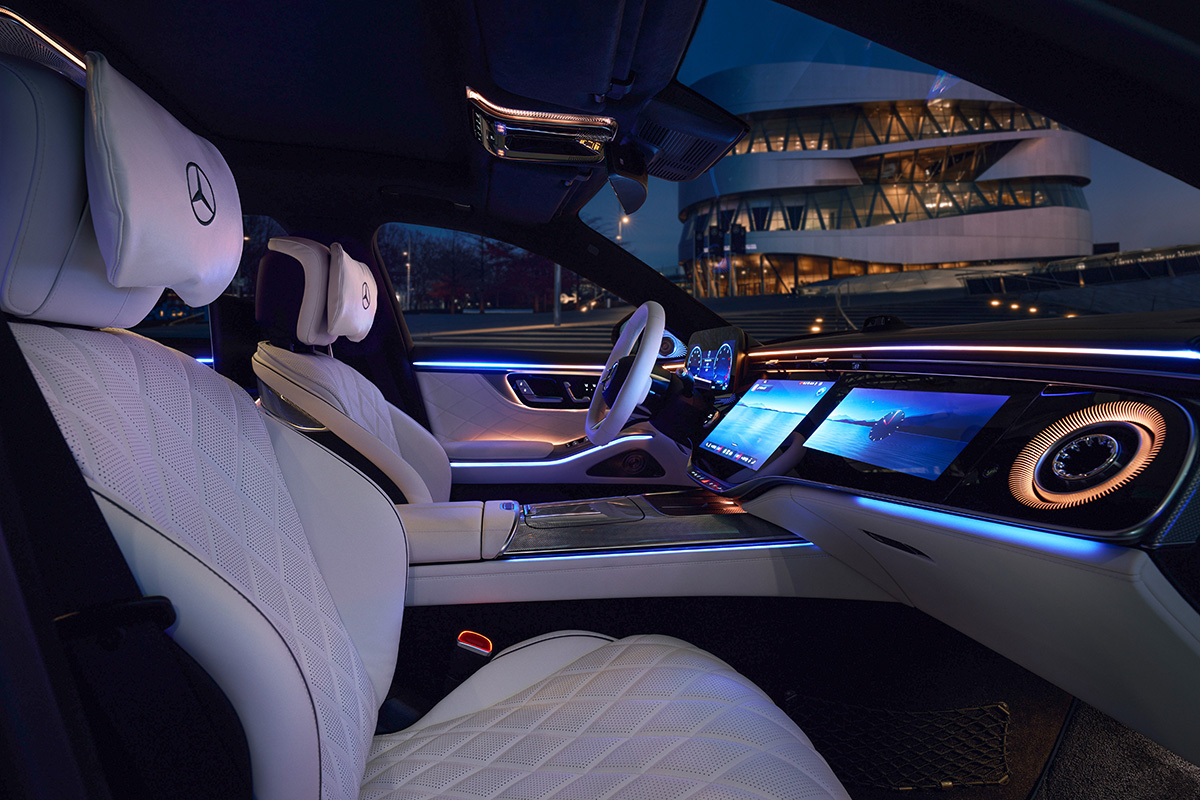
Whenever you slide inside, the cabin immediately sets the tone. A massive OLED digital display — the same high-def technology used for cinematic viewing and gaming monitors — anchors the dashboard, running the latest MBUX infotainment interface. Highly customizable, this software allows for advanced voice commands that feel natural, not forced. And an augmented-reality navigation system takes your route and overlays it onto live camera feeds. It’s intuitive — mostly, as there is a learning curve for all this cutting-edge gear. Overall, though, such amenities make older setups feel like dial-up internet.
A Burmester surround-sound stereo is available in 3D or 4D, with up to 31 speakers, 1,690 watts and tactile transducers in the seats that vibrate and pulse with the music. Those seats are, of course, extremely comfortable. And the seatbelts? These are now heated.
Let’s not forget the latest cabin air-filtration system, which can remove ultra-fine particles to deliver air quality that rivals medical environments. Clean air, yes, but even this seems like a special treat. It’s like being swaddled in couture, not ready-to-wear.
And lastly, there’s the rear-seat area, which — to be honest — is where the S-Class really shines. Executive packages offer multi-contour reclining seats with rapid heating and ventilating, heated armrests and massage functions. You can opt for a footrest, which ups the glam factor to give you a calf massage. Dual 13.1-inch display screens come with their own remote controls. There’s also a video-conferencing feature, to help transform the rear cabin into a fully connected mobile office. For me, it feels less “back seat” and more “private lounge.”
Even in fiction, high-tech luxury carries weight. Tony Stark helped cement the idea that state-of-the art vehicles can be aspirational, not just practical. The magical S-Class fits right into that narrative — minus the flying suit (for now).
Autos
Wagons ho! High-class, head-turning haulers
Automakers still offer a few good traditional station wagons
As a teenager, one of the first cars I drove — and fell in love with — was our family’s hulking full-size wagon. It stretched over 19 feet in length and weighed a whopping 5,300 pounds. That’s three feet longer and 1,000 heavier than, say, a Ford Explorer today.
But this Leviathan felt safe and practical, especially when tootling around town with my crew or traveling solo cross-country. Of course, this hauler was also an eco-disaster.
Luckily, that’s not the case today. And even though the number of traditional station wagons keeps shrinking, automakers are still offering a few gems.
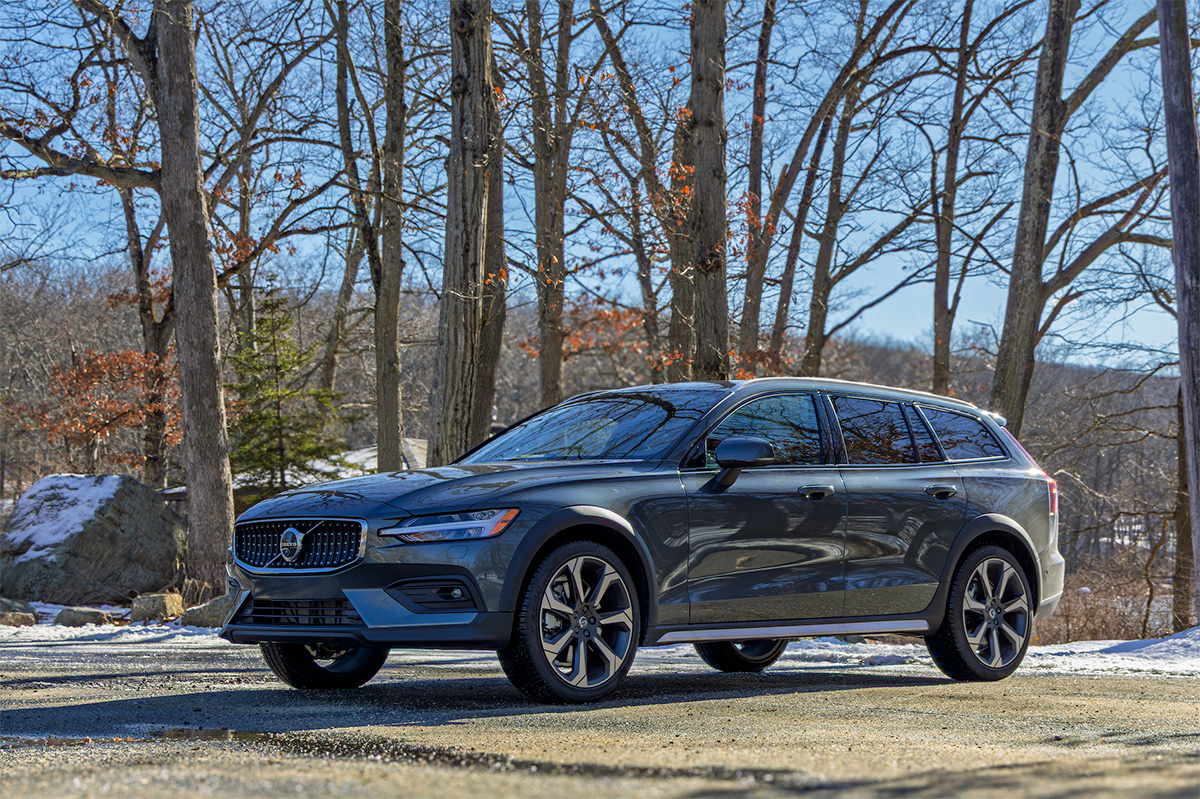
VOLVO V60 CROSS COUNTRY
$54,000
MPG: 23 city/31 highway
0 to 60 mph: 6.6 seconds
Cargo space: 51 cu. ft. (rear seats folded)
PROS: Elegant design. Composed handling. Top safety features.
CONS: So-so power. Modest rear legroom. Only two trim levels.
The 2026 Volvo V60 Cross Country doesn’t cry for attention — and that’s the point. This is the automotive equivalent of Kristen Stewart, a celebrity who’s confident in her own skin and sees no need to post about it.
Under the hood, there’s a four-cylinder turbo engine paired with a mild-hybrid system, producing 247 horsepower. You won’t outrun other drivers, but there is a sense of calm authority when accelerating. The standard all-wheel drive and 8.1 inches of ground clearance mean this wagon is ready for dirt roads, bad weather or a spontaneous weekend jaunt.
And inside? Scandinavian minimalism at its finest. Clean lines. Gorgeous materials. Google-based infotainment that mostly works — though occasionally the system could be a bit faster, at least for my taste. The ride is smooth, composed and quiet, even if acceleration feels more “measured sip” than “espresso shot.”
But here’s the twist: After more than a decade, this is the final Volvo wagon in the U.S. Its farewell tour ends in 2026. That alone gives it collector-car status.
MERCEDES-AMG E53 WAGON
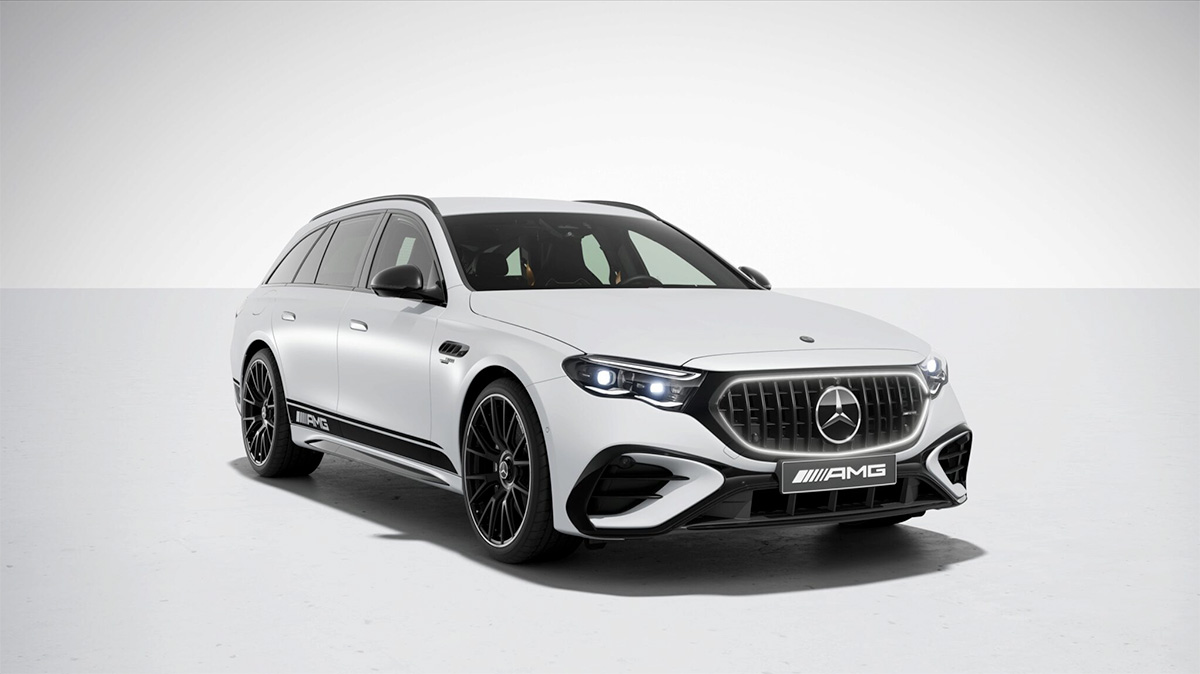
$95,000
MPG: 21 city/25 highway
0 to 60 mph: 3.4 seconds
Cargo space: 64.6 cu. ft. (rear seats folded)
PROS: Supercar vibe. Hybrid versatility. Stunning interior.
CONS: Some fussy controls. Can feel heavy when cornering.
If the Volvo V60 Cross Country is subtle, the 2026 Mercedes-AMG E53 Wagon is a screamer. It’s like being at a Lil Nas X concert: flashy, high energy, and full of shock and awe.
This performance wagon — a plug-in hybrid, no less — pushes well over 500 horsepower (and in some configurations over 600 horsepower), launching from 0 to 60 mph as fast as a $300,000 Aston Martin supercar.
Yes, deep down, this is still a wagon. But you also can do a Costco run in something that could embarrass sports cars at a stoplight. That duality is delicious.
Inside, Mercedes leans all the way in. The high-tech Superscreen setup stretches across the dash. Ambient lighting glows like a curated art installation. The 4D surround-sound audio literally pulses through the seats. It’s immersive. Borderline excessive. And entirely the point.
Rear-axle steering helps mask the size of this car, but there’s no hiding the weight — it’s a big, powerful machine. Still, this hauler handles far better than physics suggests it should.
PORSCHE TAYCAN CROSS TURISMO
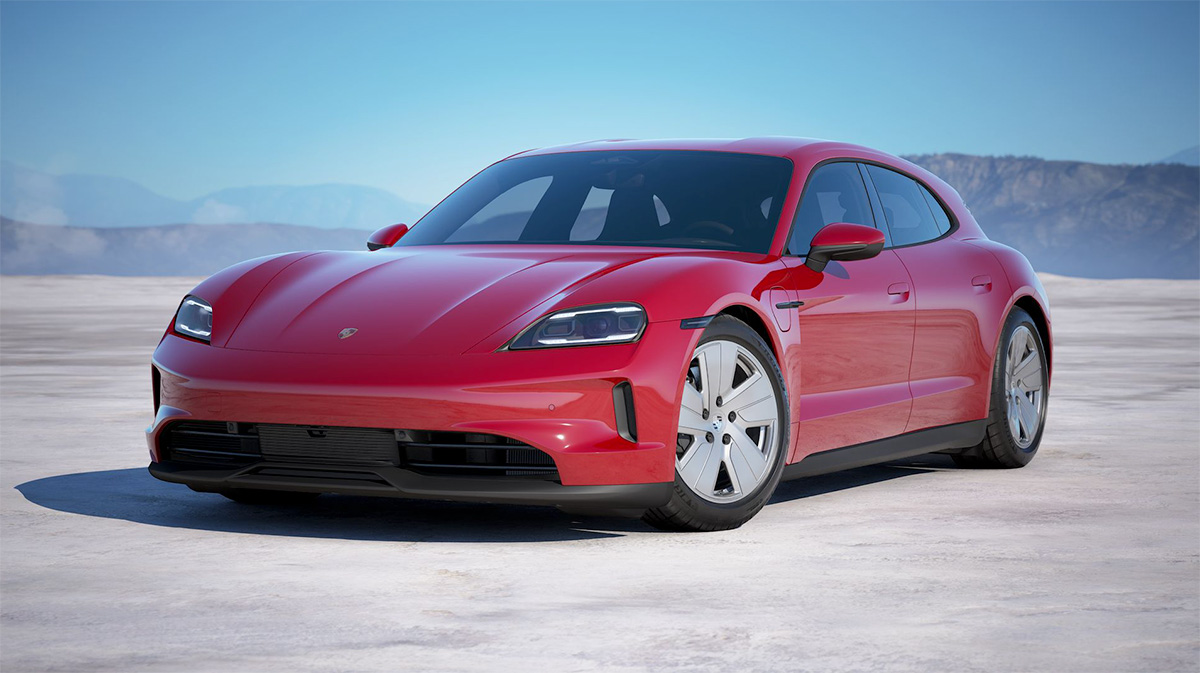
$121,000
Range: 265 miles
0 to 60 mph: 2.8 seconds
Cargo space: 41 cu. ft. (rear seats folded)
PROS: Lightning fast. Space-age design. EV smoothness.
CONS: Very pricey. Options add up quickly. Limited rear visibility.
The Porsche Taycan Cross Turismo completely rewrites the wagon formula. Fully electric. Shockingly fast. Designed like it belongs in the Louvre.
Performance is instant. Depending on trim level, you’re looking at 0-to-60 mph in less than 3 seconds. No exuberant engine noise — just that smooth, purring EV surge.
Handling? Pure Porsche. Low center of gravity thanks to the battery-pack placement. Precision that makes winding roads feel like choreography. And then — hello — there’s also a Gravel Mode for light off-road use.
Inside, the style is restrained but high-tech. Digital displays dominate, including a 10.3-inch passenger side touchscreen. Yet the layout feels intentional rather than overwhelming. Build quality is exceptional. Options, including leather-free materials and an active-leveling system for hard cornering, are endless — and expensive.
Range varies by model. But as with any EV, your lifestyle (and charging access) matters.
Overall, this is a wagon that looks and behaves like one helluva class act.
Large SUVs are fine for long-distance travel. But in the city? Not so much.
That’s where subcompacts come in. They fit anywhere. Yet they often remind me of sensible shoes: practical, dependable and kinda dull.
Now, though, more and more small crossovers are starting to channel their inner Christian Louboutin. Stylish. Sassy. And with some swagger to make things interesting.
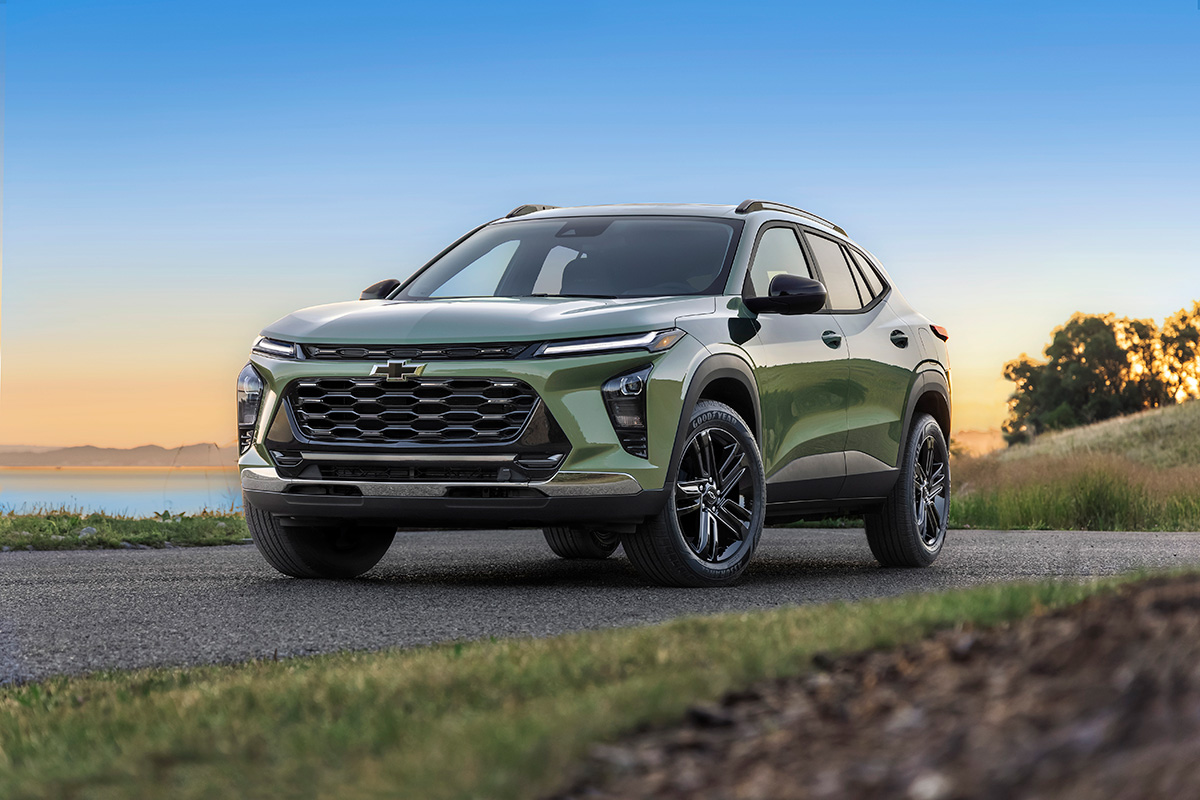
CHEVROLET TRAX
$22,000
MPG: 28 city/32 highway
0 to 60 mph: 9.1 seconds
Cargo space: 54.1 cu. ft.
PROS: Affordable. Updated. Roomier than expected.
CONS: So-so acceleration. No all-wheel drive. Some road noise.
The Chevrolet Trax has undergone a stunning redo. Longer. Lower. Sharper. And more muscular — especially in sporty trims like the RS, which adds darker accents and a bit of attitude.
It’s like watching an understudy get a breakout moment.
Under the hood sits a three-cylinder turbo. No, that’s not NASCAR material, but it’s perfectly adequate for daily life. Around town, the Trax felt light, easy to maneuver and surprisingly smooth. While I wasn’t going to be chasing lap times like Brad Pitt in “F1,” this pint-sized SUV kept up with traffic comfortably.
Another plus: Chevy re-tuned the suspension. Rough pavement softens. Long drives are relaxed.
Inside, the dashboard is more upscale than the price tag suggests. A large infotainment display dominates the center stack, and wireless smartphone connectivity is standard. Rear passenger room is generous thanks to the longer wheelbase, and cargo space is decent.
Inexpensive, yes. And now stylish enough to earn an ovation.
MAZDA CX-30
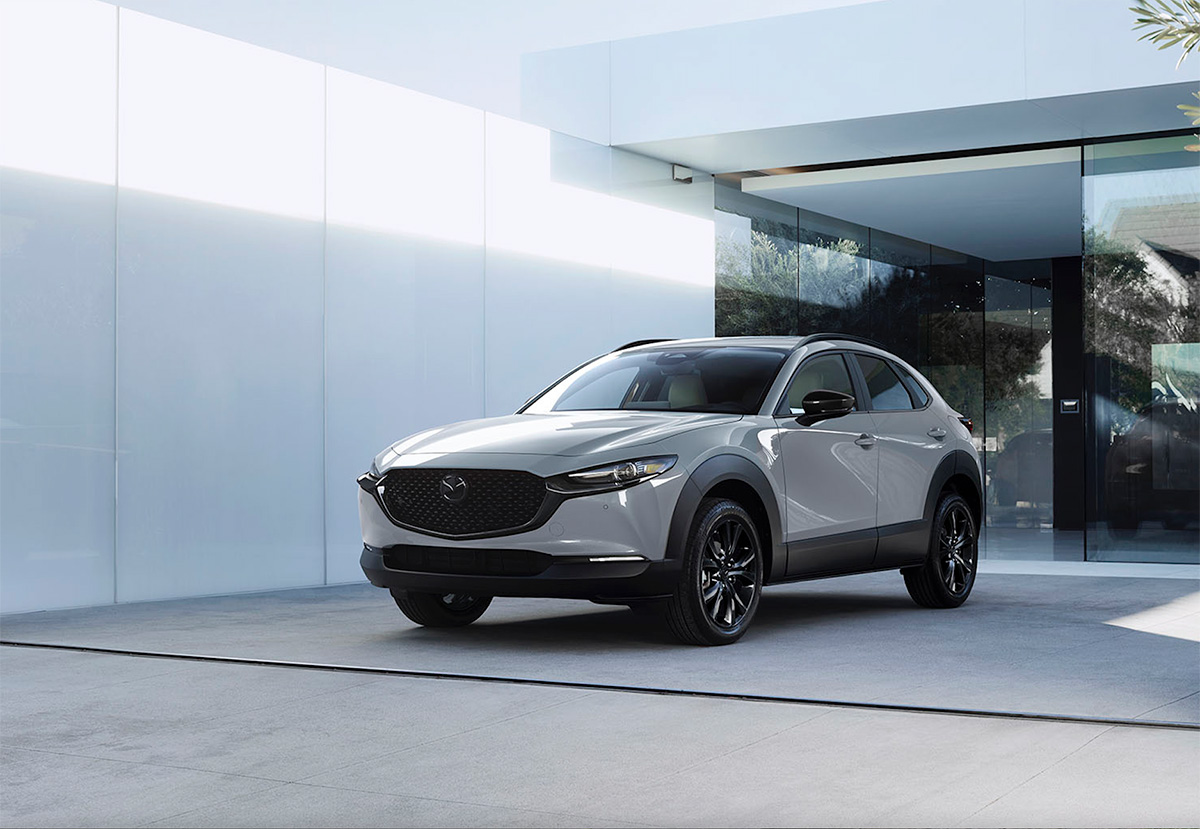
$26,000
MPG: 24 city/31 highway
0 to 60 mph: 8.0 seconds
Cargo space: 45.2 cu. ft.
PROS: Sexy exterior. Chic cabin. Sporty handling.
CONS: Limited rear visibility. Smallish cargo area.
Mazda has mastered the art of making affordable cars feel expensive, and the CX-30 might be its best performance yet. Sculpted curves. Dramatic fenders. Rich paint colors that shimmer under sunlight. Park this crossover next to competitors and it looks like it wandered in from a more upscale showroom.
The base four-cylinder engine is lively enough. But the real fun starts with the optional turbo. Press the throttle and the CX-30 surges forward with gusto, whipping you from 0 to 60 mph in as little as 5.9 seconds. Suddenly, merging onto the highway feels less like commuting and more like making an entrance worthy of Lady Gaga.
Handling also shines, with sharp steering, minimal body roll and controlled cornering. To me, the CX-30 is one of the few small rides that genuinely rewards enthusiastic driving.
Inside, the cabin feels premium. Soft-touch materials, elegant stitching and a minimalist dashboard create a refined atmosphere.
There are tradeoffs. Backseat legroom is tighter than some rivals, and outward visibility can feel limited due to the thick roof pillars.
But if you enjoy driving — really enjoy it — the CX-30 stands apart.
VOLVO XC40
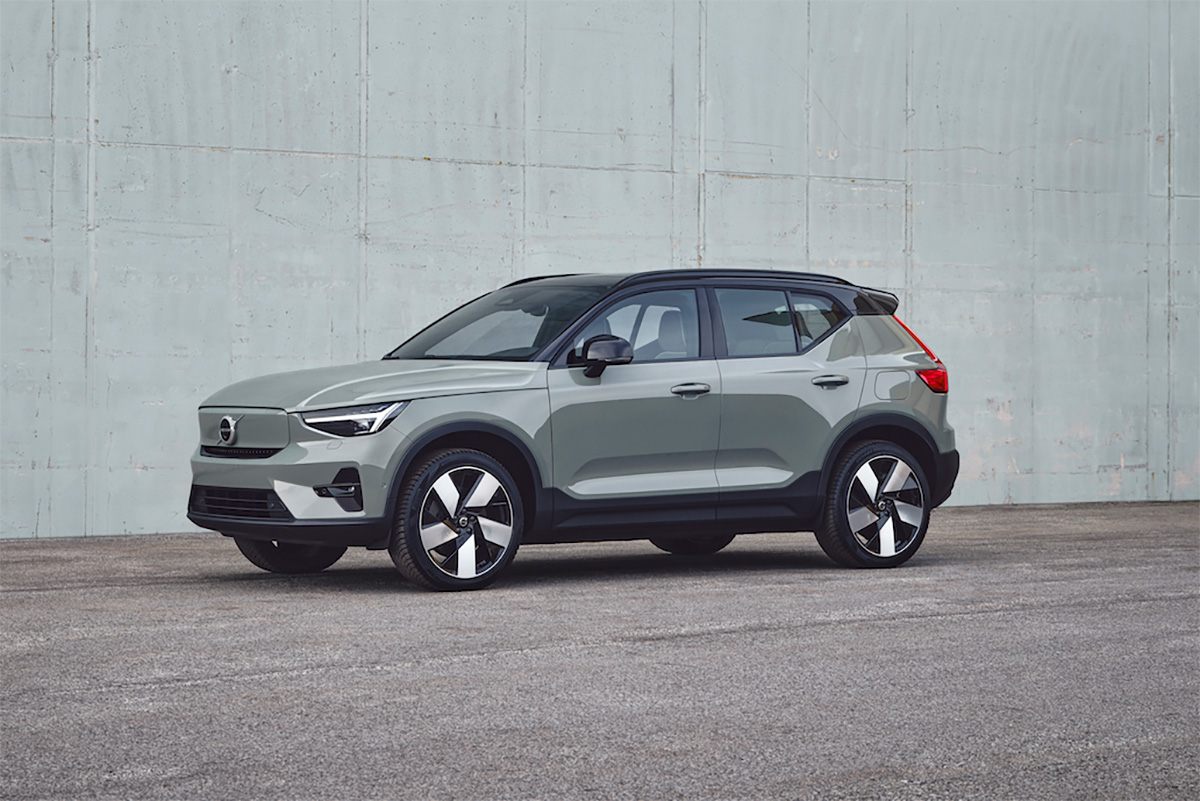
$40,000
MPG: 23 city/30 highway
0 to 60 mph: 8.1 seconds
Cargo space: 57.5 cu. ft.
PROS: Euro styling. High-quality materials. Top safety gear.
CONS: Bit jarring over potholes. Average fuel economy.
For a more sophisticated look, there’s the Volvo XC40. Crisp lines. Upright stance. Signature “Thor’s hammer” LED headlights that give the front-end an unmistakable presence.
Under the hood, the XC40 pairs a four-cylinder turbo with standard all-wheel drive. While the XC 40 won’t outrun a true sports car, it moves with purpose. Think quiet confidence — like Jodie Foster in practically all her movies.
The ride balances comfort and composure nicely. Firm enough for zigzagging through congested traffic, but smooth enough to endure long highway drives.
Inside, the cabin is modern, airy and beautifully assembled. Volvo uses soft textiles, brushed metal and minimalist trim pieces to create an upscale aura. The vertically oriented touchscreen integrates Google apps, like Maps and Assistant. Once you get used to it, the system feels intuitive and tech-forward.
Volvo also excels at clever practicality. Door pockets are enormous. There’s even a removable trash bin in the center console.
While the XC40 may cost more than its mainstream rivals, it offers something they can’t quite replicate. Effortless cool.

‘Stop! That! Train!’ is made for fans, but fun for all

Delaware guv signs bill to protect children born using assisted reproduction

Calendar: June 19-25

My trans daughter thrived in Chicago public schools

Minor league team in York, Pa., forfeits Pride Night game after some players refuse to wear special jersey

Gay San Diego mayor elected US Conference of Mayors president

UFC fighter says ‘Michelle Obama is a man’ at White House event

There is no Pride in detention

This John Waters interview has been edited for readability — but perhaps not human decency

Calif. governor’s race spotlights Becerra’s LGBTQ advocacy
-

 California4 days ago
Gay San Diego mayor elected US Conference of Mayors president
-
National4 days ago
UFC fighter says ‘Michelle Obama is a man’ at White House event
-
Baltimore4 days ago
This John Waters interview has been edited for readability — but perhaps not human decency
-
Opinions5 days ago
There is no Pride in detention