Arts & Entertainment
The wild west
Shakespeare production works well in Folger variation

‘The Taming of the Shrew’
Through June 10
Folger Theatre
201 East Capitol Street, SE
$39-$65 (discounts available)
202-608-1719

From left, Danny Scheie, Cody Nickell and Kate Eastwood Norris in ‘The Taming of the Shrew’ at Folger Theatre. (Photo by Jeff Malet courtesy Folger)
It was while watching the HBO series “Deadwood,” writes/director Aaron Posner in the program notes for Folger Theatre’s “The Taming of the Shrew,” that he first became inspired to set his production in the American West, circa 1890. While Posner admits it’s not a totally original take on the Bard’s battle of the sexes — it’s been done before — the move from Padua to the Old West works: the raucous, defiant aspects of Shakespeare’s early comedy translate quite nicely.
Because Posner has dropped the play’s official Induction, a cute framing device that establishes “Shrew” as a play within in a play, his fast-paced and funny production jumps quickly into the unconventional courtship of fortune-hunting gambler Petruchio and Katherine, the ornery shrew (played by real life husband and wife Cody Nickell and Kate Eastwood Norris). At first, Katherine wants no part of love and marriage, but through an assortment of carefully executed psychological and physical tortures Petruchio remarkably alters her into the most obliging of wives.
Norris’ Katherine is a sort of hard-drinking, pistol-packing Calamity Jane for whom a future of happy domesticity seems impossible or a real longshot at best; but, again, Petruchio’s abuse works wonders in tempering Katherine’s obstinate disposition. Yes, it’s all very sexist stuff, but Norris is a smart actor with a deft touch, and her transformation from shrew to obedient wifey is nuanced — it’s more about discovering love and finding a new way to live.
Similarly, Nickell’s charming Petruchio is clearly smitten with his Kate, and it’s a love that proves sincere. When he outfits his bride in elegant new duds, Petruchio strives to please by giving her pants and a beautiful pair of black boots complete with spurs. And after proving his wife’s changed nature in a high stakes bet, he hands the winnings over to Katherine. The pair is a team, and it bodes well for a happy and equal marriage.
The comedy’s secondary romantic subplot involves a complicated competition between the suitors of Katherine’s younger more desirable sister, Bianca (Sarah Mollo-Christensen). Her eager wannabe husbands are played by Marcus Kyd, Craig Wallace and Thomas Keegan. Katy Carkuff is a standout as a boozy, well-off widow. James Gardiner and gay actor Danny Sheie play the comic servants.
In a nod to the changing roles of frontier women, Posner has made some intriguing gender-bending choices. The part of Katherine and Bianca’s father Baptista has been changed to a same-named, marriage-brokering mother played by Sarah Marshall, who’s gay. Her Baptista is comically reminiscent of the silver screen types played by Jo Van Fleet and Mercedes McCambridge: Prosperous, independent, tightly wound and willing to level a shotgun when necessary.
The traditionally male Tranio, a clever servant who goes undercover for his master, is also female for this production. As Tranio, Holly Twyford (also gay), swaps out a dull long dress and petticoat for a dapper copper suit and jauntily worn boater. Tranio’s put on squared-off shoulders and masculine walk are belied by touching instances when Twyford reveals the vulnerable young woman beneath the phony moustache, and these are lovely moments indeed.
Tony Cisek’s set is a two-tiered saloon made from roughly hewn wood. Through its swinging doors lie endless plains and big sky. Helen Q. Huang heightens the effect of her beautiful period costumes with subtle flourishes of fancy, freeing them from being too overly moored to time and place.
Additionally, singer/songwriter Cliff Eberhardt in the role of “The Blind Balladeer” performs his bluesy, witty, heartfelt tunes intermittently throughout the play. It’s a wonderful touch that entertainingly trains the spotlight on the characters’ intentions and passions.
At the top of the show, we’re told the evening will end “after [the players] dance.” It’s a promise kept. Posner closes the play with an old fashioned rousing line dance, sending the audience off with a big shot of the Wild West, fun and romance.





Photos
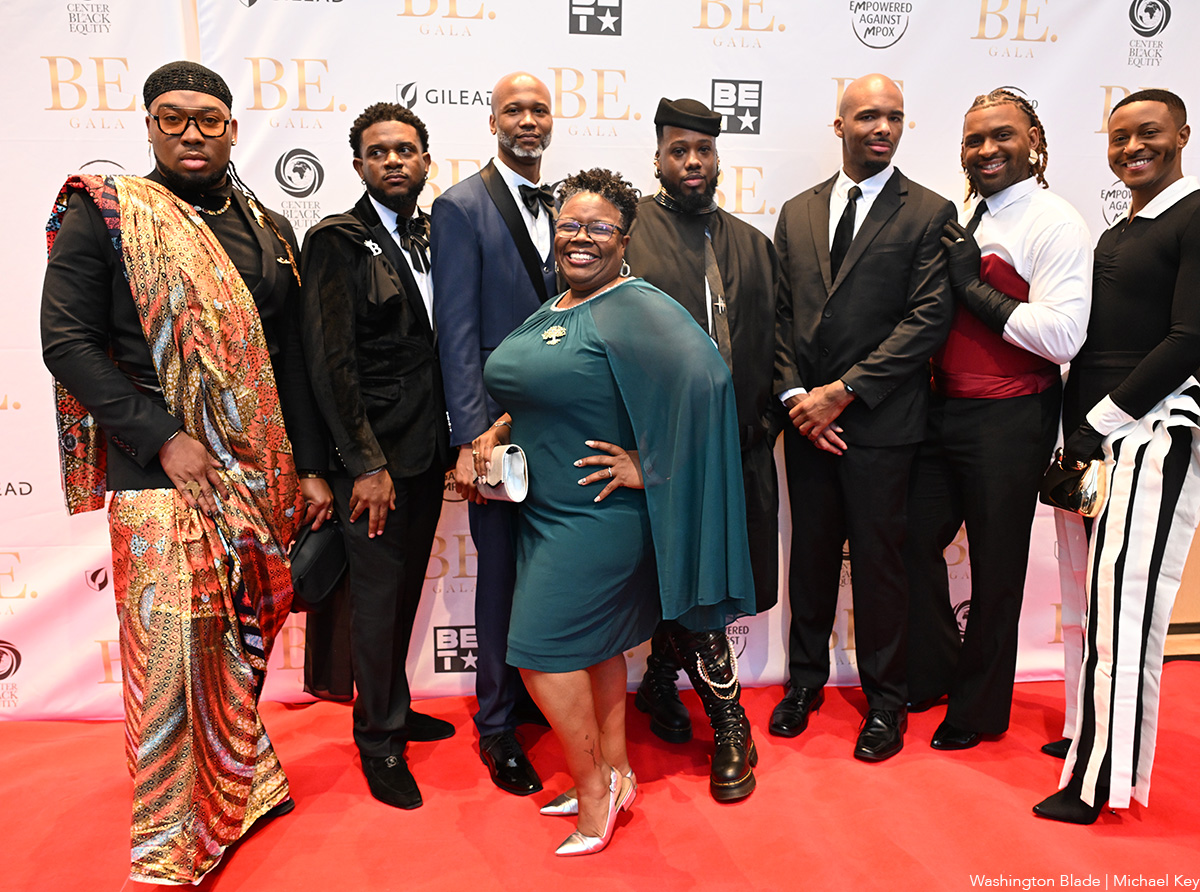
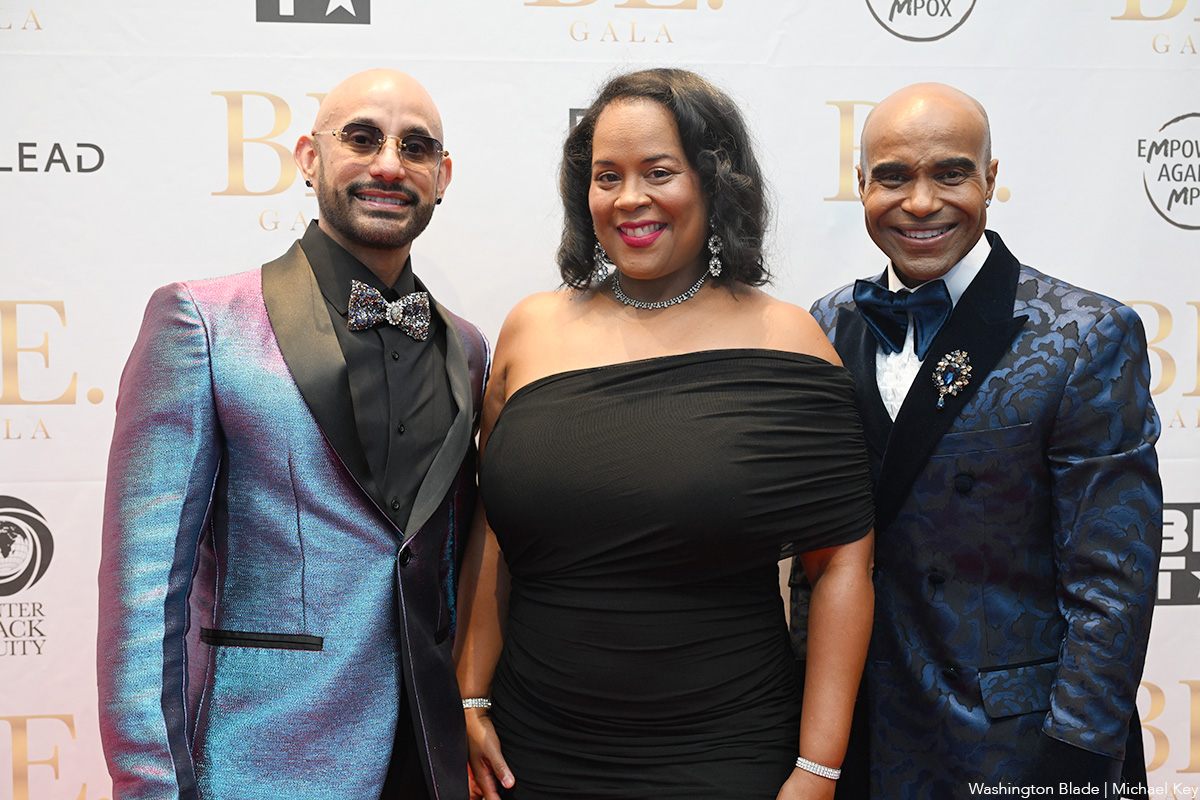
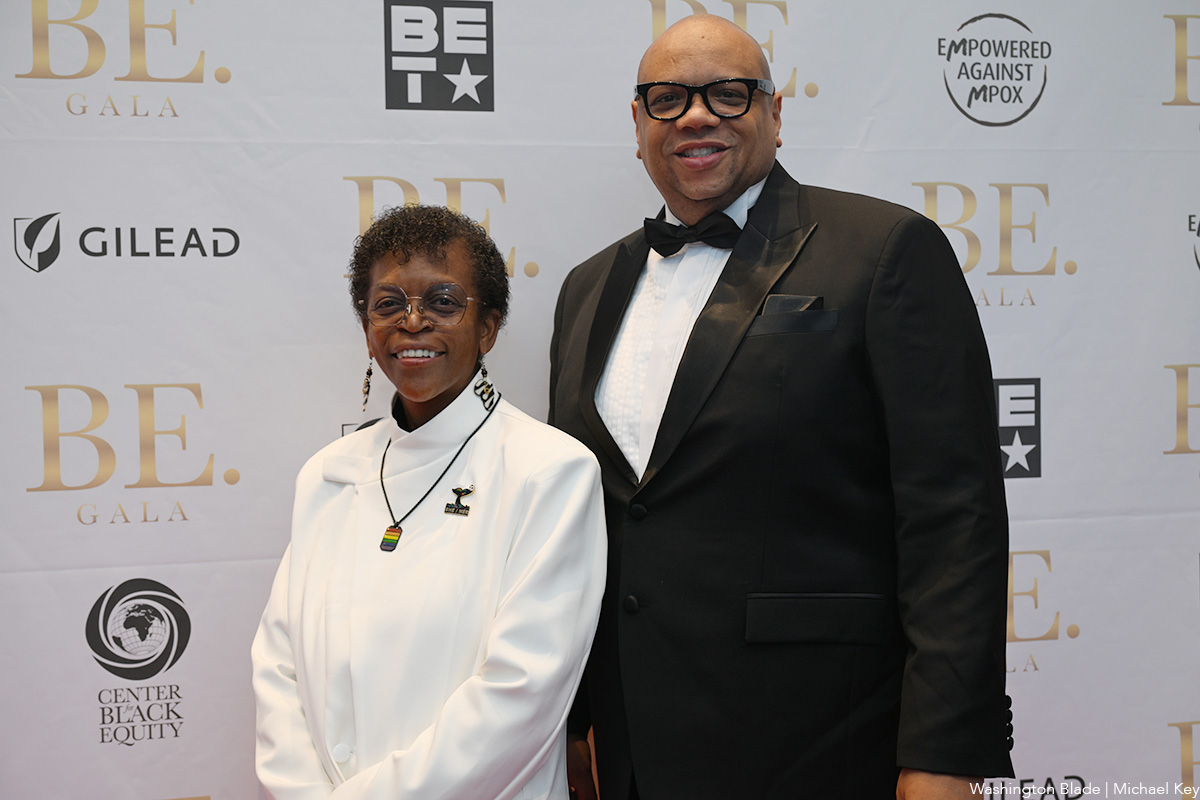
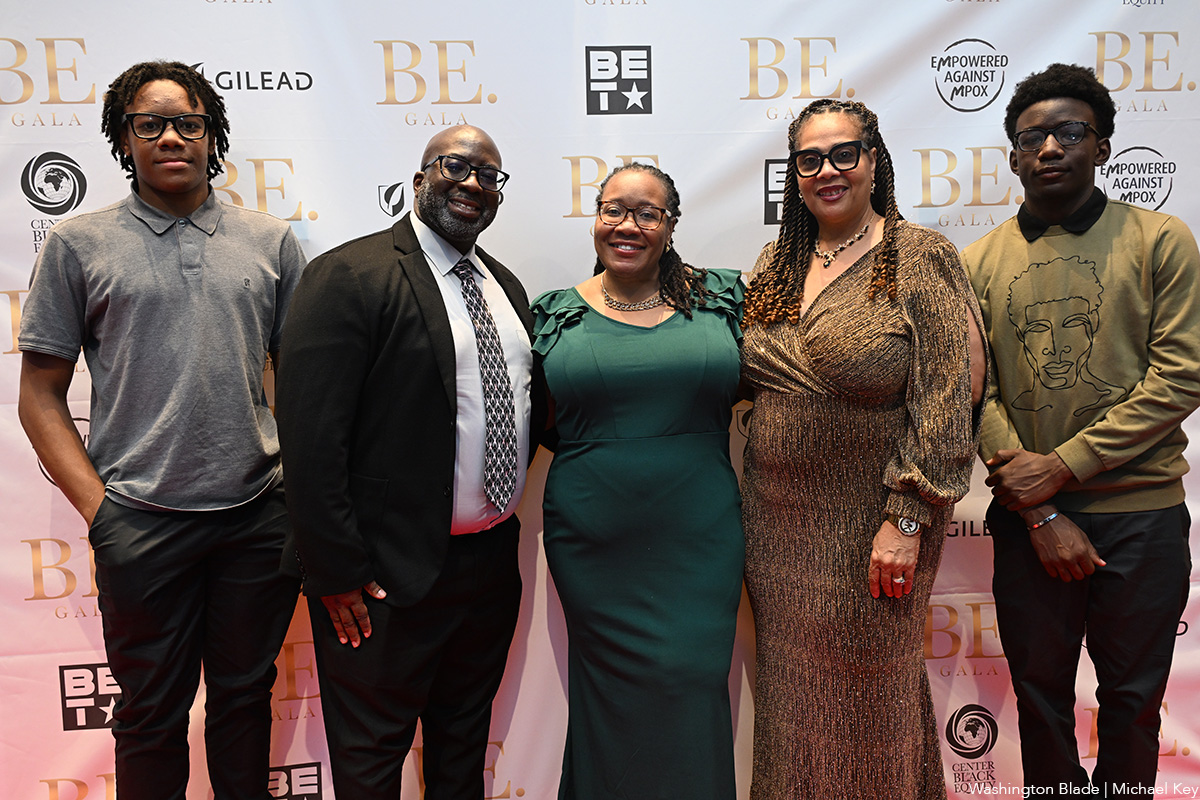
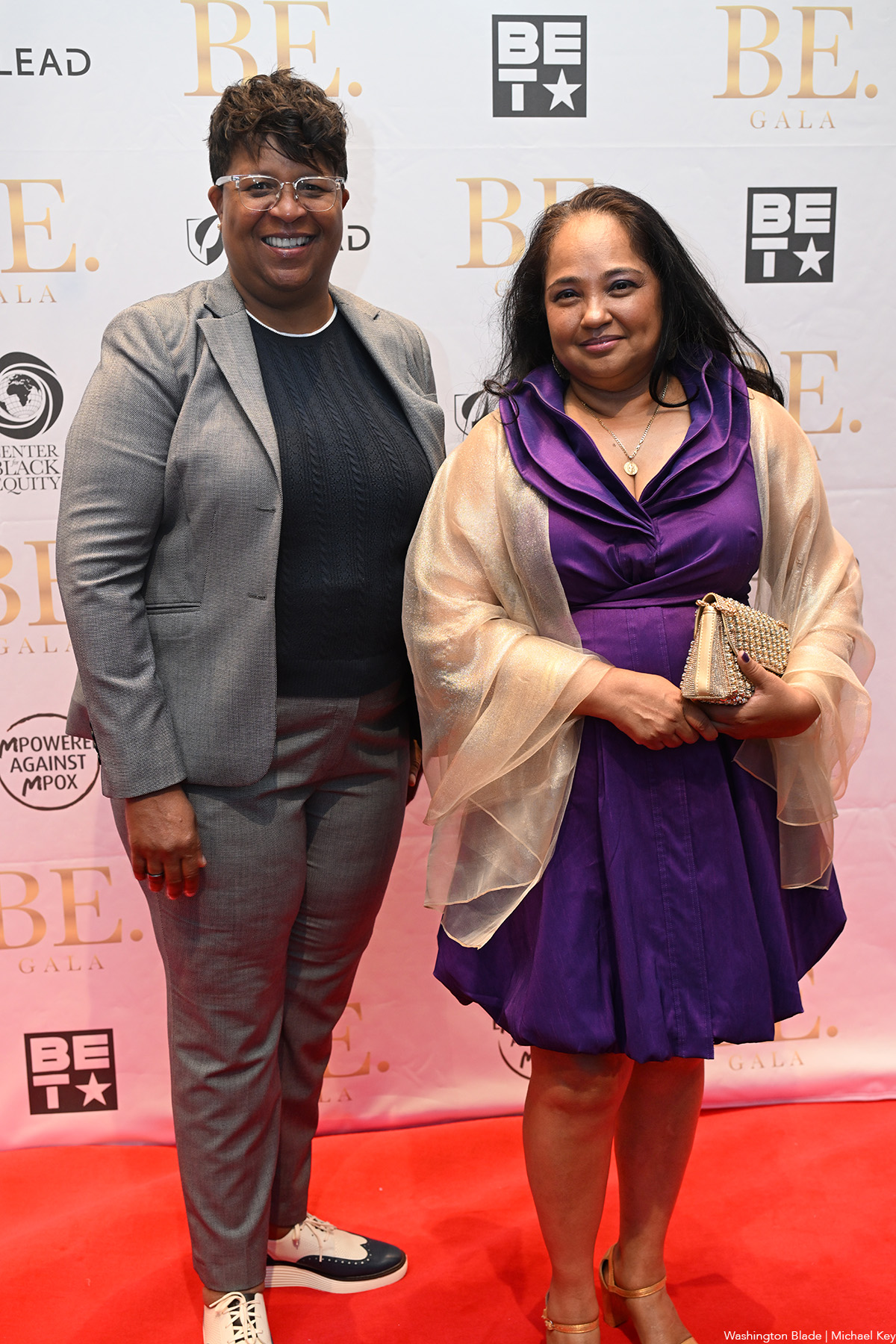
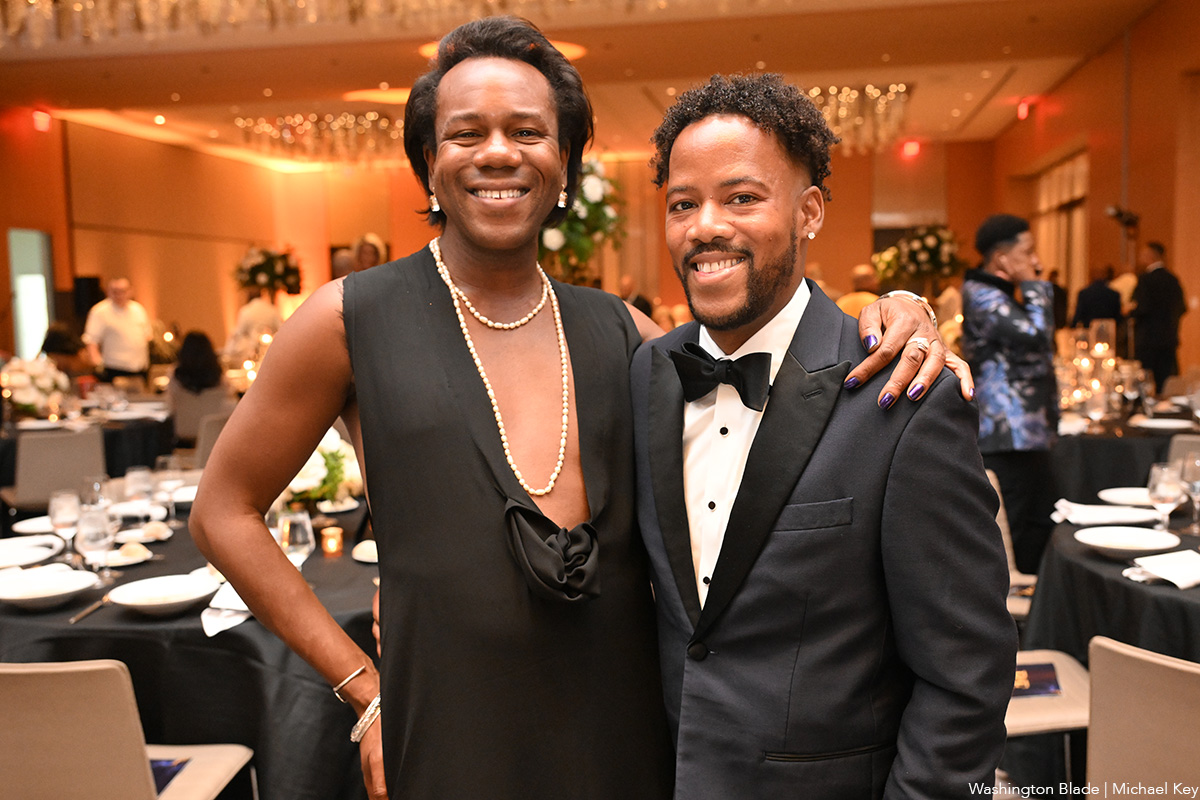
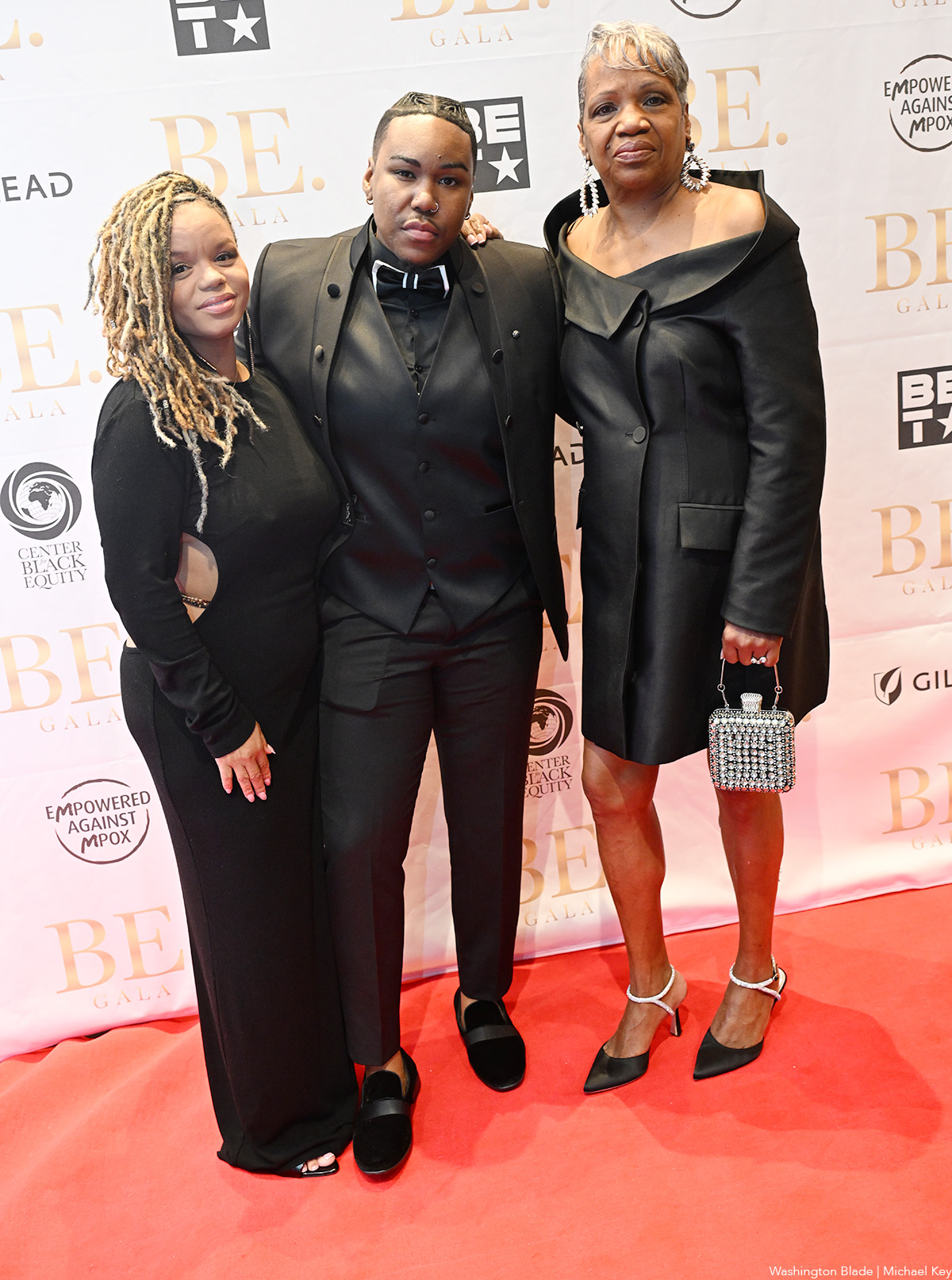
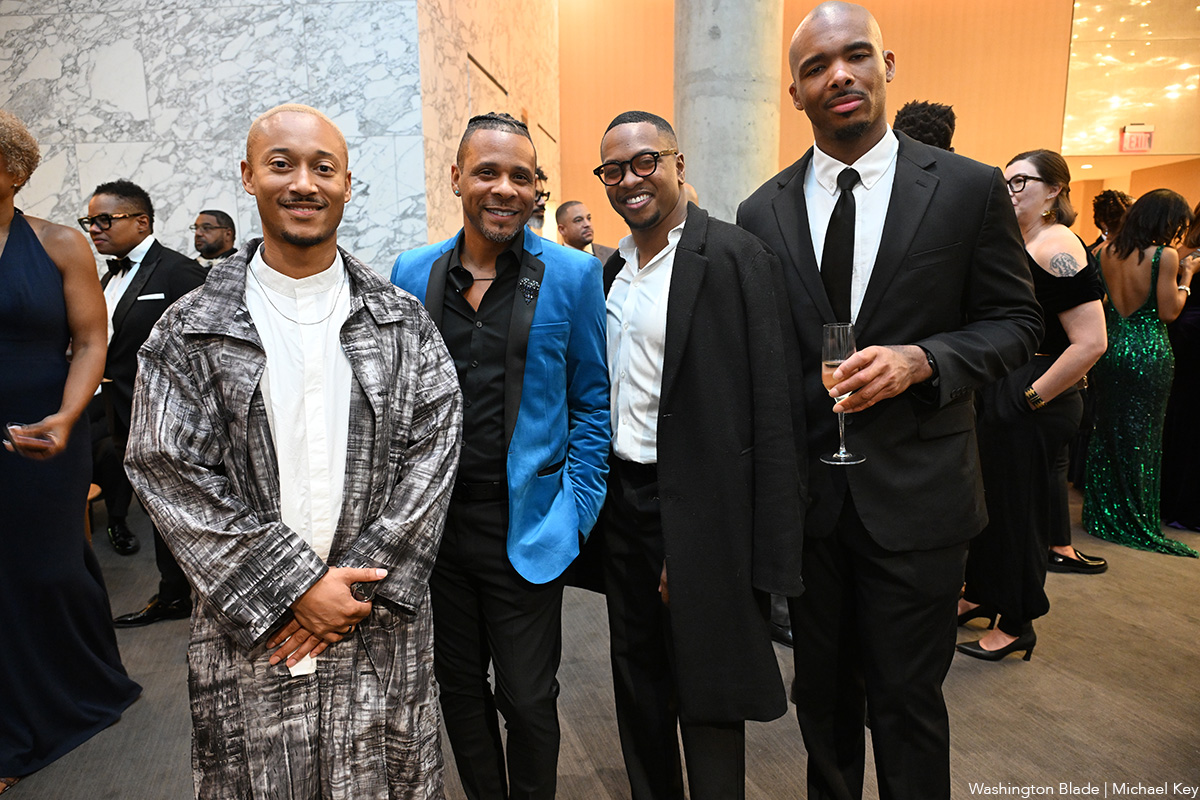
Center for Black Equity honors leaders, activists at BE. Gala
Miyake-Mugler, Oakes co-host annual awards ceremony

The Center for Black Equity held its annual BE. Gala at Conrad Washington, D.C. on Saturday, Oct. 5. Lolita Leopard Miyake-Mugler and Anthony Oakes co-hosted the awards ceremony.
Honorees included journalist and producer Justin Stewart; nonprofit leader Nikki Alexander; HIV advocate Marlene McNeese; the nonprofit organization FreeLux Project; actress Monroe Alise; public health advocate Tori Cooper; Manassas Park Vice Mayor Darryl G. Moore; Rev. Dr. Carmarion D. Anderson; Bishop Steven Sawyer; government relations professional Courtney Snowden; Senior Deputy Director of HAHSTA at D.C. Health, Clover Barnes; and Texas state Rep. Venton C. Jones.
The event was sponsored by Gilead.
(Washington Blade photos by Michael Key)






















Books
In ‘The Lost Brontë,’ a complicated lie can lead to danger
New book features sweetly romantic girl-meets-girl twist
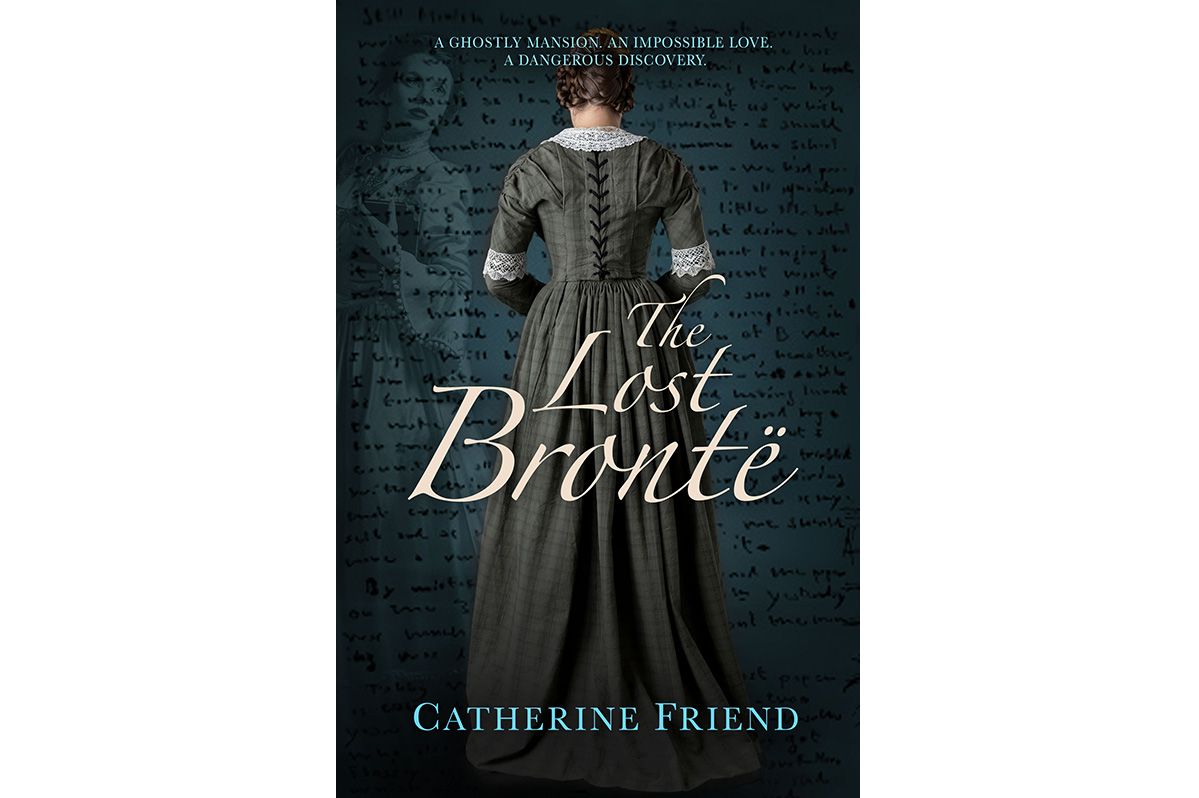
‘The Lost Brontë’
By Catherine Friend
c.2026, Bywater Books
$22.95/335 pages
Mom always said to tell the truth.
One lie leads to another and another and you have to remember them all until pretty soon, you’re caught. Fibs are hard, mistruths are messy, even little white social lies can destroy trust. Worst of all, as in the new novel, “The Lost Brontë” by Catherine Friend, a complicated lie can lead to danger.

Though Lilianne Loxley was very young when she lost her parents, she understood that her uncle didn’t really want her. As time passed, though, Lily made herself useful to Uncle, writing and signing letters for him and she became a good companion, helping him with his collection of Brontë memorabilia. Uncle was a keen enthusiast.
She had no idea that his obsession was out of control and he was deeply in arrears. The day Lily learned of his debt was the day she learned that he’d agreed to send her to his debtor’s home to work off the money owed.
It was so sudden. One minute, Lily was at Loxley House, happy and loved by Uncle’s staff … and five hours later, she was at Crag Thorn Manor, home of Lord Bexton, who informed her that she’d be working on his ledgers – work that seemed routine, but Lily tackled it.
Uncle always did say she was headstrong.
But would headstrong be enough to survive, when she was restricted from most of the Manor, when she was forced to dine with Brexton and his slimy friend, or – the worst! – when Brexton told Lily that her next task was to forge a letter from Emily Brontë? And then an entire manuscript?
Lily struggled to do what was right. She had to get Uncle out of debt but this last order horrified her. Did she dare refuse Brexton’s orders and commit a crime? It was unthinkable!
The only brightness in the whole situation was Wren, the ladies’ maid assigned to Lily’s room. Wren was adorable with freckles and the sweetest smile. But with everything else happening at Crag Thorn Manner, could Lily act upon her feelings?
This time of year, you may come to crave dark, spooky stories, and “The Last Brontë” fits those needs perfectly with its Gothic deliciousness. Think: Daphne du Maurier-type, stormy-night squirms with a dangerously chaste, sweetly romantic girl-meets-girl twist for fun.
If it’s been awhile since you’ve read a Gothic novel, you’re in for a nice reminder of why you love them here. You can almost tick off the must-haves: a novel like this is nothing without a foreboding stone manor with damp walls; stone steps to a dank basement; a mysterious portrait; and a nearby bog, and author Catherine Friend gives readers every one of them. You’d be disappointed if there was no ghost, wouldn’t you? Ha. You can practically feel the cold blow through the attic, right? Yeah, it’s that kind of book.
If you’re a fan of the Brontës, you’ll like this novel. If you love Gothic mysteries or Victorian romances, ditto. “The Lost Brontë” is good, no lie.
The Blade may receive commissions from qualifying purchases made via this post.
Out & About
CAMP Rehoboth Block Party returns Oct. 18
Expect performances, vendors and more at annual celebration

CAMP Rehoboth will host its annual Block Party celebration on Sunday, Oct.18 at 11 a.m. on the second block of Baltimore Avenue in downtown Rehoboth Beach.
CAMP Rehoboth invites all community members to join in the festivities and to expect magnificent performances and dozens of vendors, including artists, craftspeople, non-profits, businesses, and more.
The event started in 2015 in celebration of CAMP Rehoboth’s 25th anniversary. This year, attendees can expect to shop sea glass art, pottery, jewelry, Pride merch, body care, clothing, and learn more about local non-profit causes and businesses.
Attendance is free. For more details, visit CAMP Rehoboth’s website.

Annie Andrews denounces trans athletes after Trump targets her

On Republican Long Island, gay Democrat Chris Gallant bets on public service over politics

Report: LGBTQ exclusion costs Japanese economy billions a year

Center for Black Equity honors leaders, activists at BE. Gala

In ‘The Lost Brontë,’ a complicated lie can lead to danger

U.S. int’l trade negotiator, consultant James Bedore dies at 82

Campaign urges Virginia High School League to reverse stance on trans athletes

Calif. GOP gubernatorial candidate ad ‘disgusting attempt to exploit lesbian intimacy’

Center Arts Gallery celebrates 10 years with reception, auction

Trump, Netanyahu, and Putin are all war criminals
-

 Obituary5 days ago
U.S. int’l trade negotiator, consultant James Bedore dies at 82
-
Virginia5 days ago
Campaign urges Virginia High School League to reverse stance on trans athletes
-
California5 days ago
Calif. GOP gubernatorial candidate ad ‘disgusting attempt to exploit lesbian intimacy’
-
Commentary5 days ago
Center Arts Gallery celebrates 10 years with reception, auction