Arts & Entertainment
Washington Posto
Gifted new pastry chef joins staff of Logan Circle standout
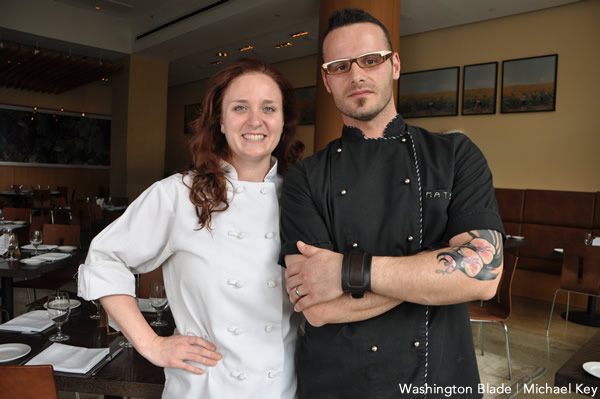
Melissa Taylor and Matteo Venini of Ristorante Posto. (Blade photo by Michael Key)
Ristorante Posto (1515 14th St., N.W.) delivers a fine dining experience with a caring and attentive staff and a menu full of mouth-watering selections. The exquisite dishes send your taste buds soaring, so much so that you forget you’re sitting in a former car dealership.
On a recent Sunday evening, my husband and I and three friends dined there. Our table was located beside the wood-burning pizza oven that warmly fills the back of the dining area. The high ceilings and the rich wood throughout create a comfortable yet elegant dining area. Even at 9:30 p.m., the dining room felt energetic with smiling staff bustling about and diners engaging in lively conversation.
Our waiter approached, greeted each of us individually and asked if we would like to start our evening off with one of the numerous wine offerings. We weren’t sure which bottle to order, so he brought selections for us to try from the Enomatic wine system behind the bar. Thanks to this single-serving wine pouring and preservation system, we were able to select a crisp Kerner white that carried a clean and citrusy flavor.
Posto specializes in classic and modern Italian dishes; its staff works with local farms to obtain organic vegetables and they import Italian ingredients. If you’re looking for an affordable dining experience, you can enjoy one of their delicious pizzas and a glass of wine; if the mood strikes you, though, you can savor a more extravagant multi-course meal.
Chef de Cuisine Matteo Venini unveiled a new spring menu last month. He’s a self–proclaimed “meat guy” and his favorite item is the Antra, a pan–roasted duck breast with pearl onions, dried cherries and spinach in a port wine reduction. We decided on seven entrees from the new menu, which included two different pizzas. Some of our favorites were the Piccante Pizza, the Tonnato and the Cappallacci.
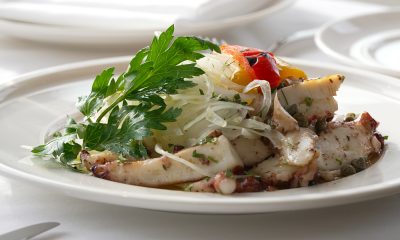
The Piccante Pizza included spicy salami and Italian sausage — a truly delicious thin crust pizza made with the finest ingredients and the perfect amount of heat for a spicy food lover like me. The Tonnato is thinly sliced rabbit loin in tonnato sauce, which was light and fresh but intensely flavorful. The Cappallacci consists of handmade pasta filled with scallops, green peas, with nerodini mushrooms and artichokes and a hint of marjoram. The perfectly balanced earthy flavors of this pasta dish were delectable and the plate barely made it around the table as each diner reluctantly passed it on.
Venini prides himself on providing an authentic dining experience and it shows.
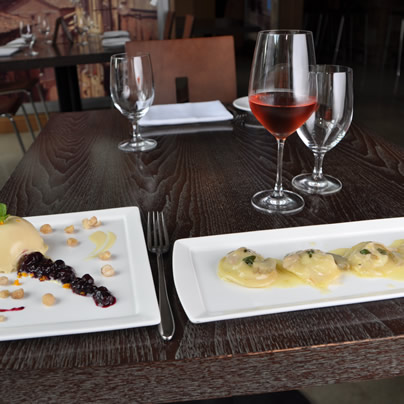
We’d barely finished when dessert menus were handed out. New pastry chef Melissa Taylor was previewing items from a new dessert selection that was unveiled last week. Taylor says she “has been savory cooking all her life, but pastry is her passion.” The item she was previewing was the white chocolate orange semifreddo with blueberry compote and rum sauce. She “loves all of the elements of this dessert” and of the three desserts we ordered, this was our favorite as well.
Other additions to Taylor’s dessert menu include an amaretto-soaked almond cake, a “summery” saffron honey Panna Cotta with passion fruit curd, a tour of chocolate plated on what Taylor refers to as “coffee soil,” and an intriguing chilled cantaloupe soup with tangerine gelee. Taylor said when she began at Posto, Venini wanted a dessert soup on the menu, and that’s how the cantaloupe soup was born.
Venini says he “loves the [Logan Circle] neighborhood and loves the people.” With a dynamic new spring menu that doesn’t disappoint, an attentive and talented staff and a gifted new pastry chef, Ristorante Posto is a treasure in an unassuming location where even the most discriminating taste buds will realize their good fortune.



Online Culture
Clavicular charged in alleged rape of teenage influencer
Online personality’s real name is Braden Peters
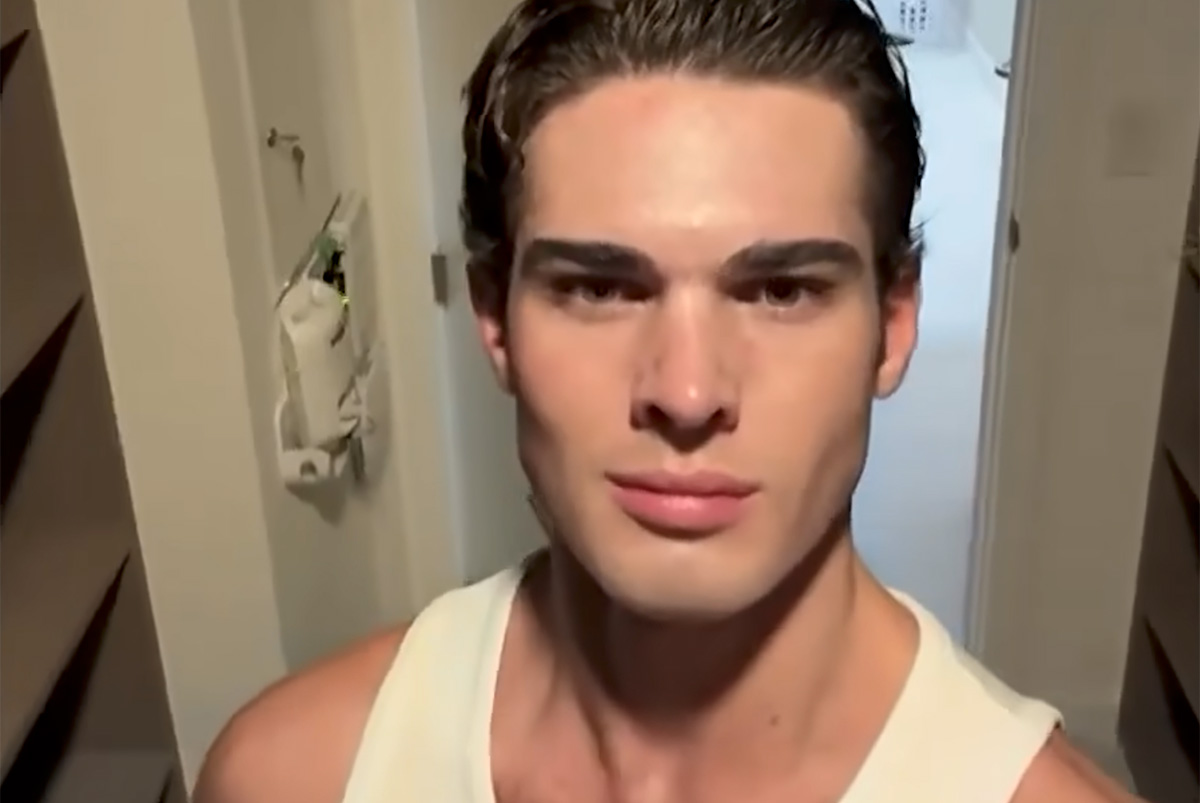
Online personality Clavicular, whose real name is Braden Peters, has been accused of rape.
According to NBC, Aleksandra Vasilevna Mendoza, an 18-year-old influencer known online as Alorah or Alorah Ziva, accused Peters of sexual assault, and the case is making its way through the court system.
The alleged incident occurred on May 23, 2025, when Mendoza was 17.
According to a criminal complaint from the Chatham (Mass.) Police Department, Peters called her an Uber to his family’s home. Once there, he allegedly got her drunk on vodka while they livestreamed on Twitch and then raped her. His mother and grandmother were allegedly in the house.
The documents allege Clavicular committed rape, drugging a person for sexual intercourse, and procuring and providing liquor to a person under 21.
According to court documents acquired by NPR, Mendoza began communicating with Peters on Instagram, where he paid her to appear on his livestreams to help her “make her name known on social media.”
According to those documents, Peters arranged for the minor to come to Cape Cod home to participate in a videostream for his 437,000 followers on Kick, 1.2 million followers on TikTok, and more than 1 million followers on Instagram.
At his home, Peters allegedly instructed Mendoza to say she was 18 on his videostream and to claim the alcohol on camera was water instead of vodka. Mendoza said she felt peer-pressured to drink the spirit and that she became noticeably intoxicated after a couple of drinks.
The allegations go on to state that after stopping the stream, Peters and Mendoza kissed on a couch and then had sex in his bed without her consent. Mendoza said she did not receive a sexual assault forensic exam after the incident. NPR does not name alleged victims of sexual assault.
The charges come months after Mendoza sued Peters in Miami, accusing him of sexual battery in connection with the events of May 2025. The civil lawsuit also separately alleges that he injected her face with a non-FDA-approved fat-dissolving substance during a November livestream in Florida.
Peters is known for his “looksmaxxing” concept of vanity, which is at the core of his online presence. The “looksmaxxing” culture he has helped cultivate combines elements of incel culture and heterosexuality, with the stated goal of attracting the opposite sex. He has gone as far as to say he has undergone “bonesmashing,” or hitting his own face with a hammer; taken anabolic steroids to more rapidly grow muscle; and used crystal meth as an appetite suppressant.
At the same time, looksmaxxing has been described as having elements of homoeroticism, with “looksmaxxers” appearing more concerned with impressing other men than women. Peters has multiple times pointed to openly gay actor Matt Bomer as the gold standard for male facial aesthetics.
Peters’s arraignment is scheduled for Oct. 14.
Photos
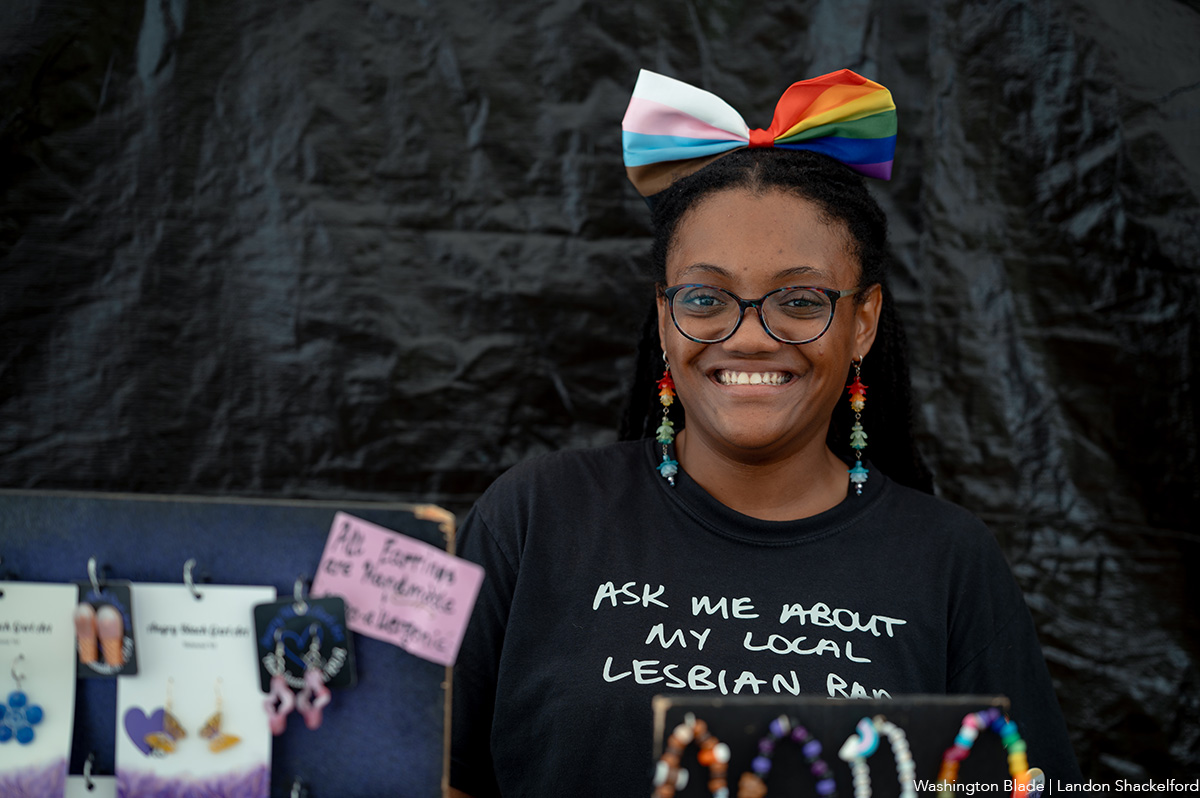
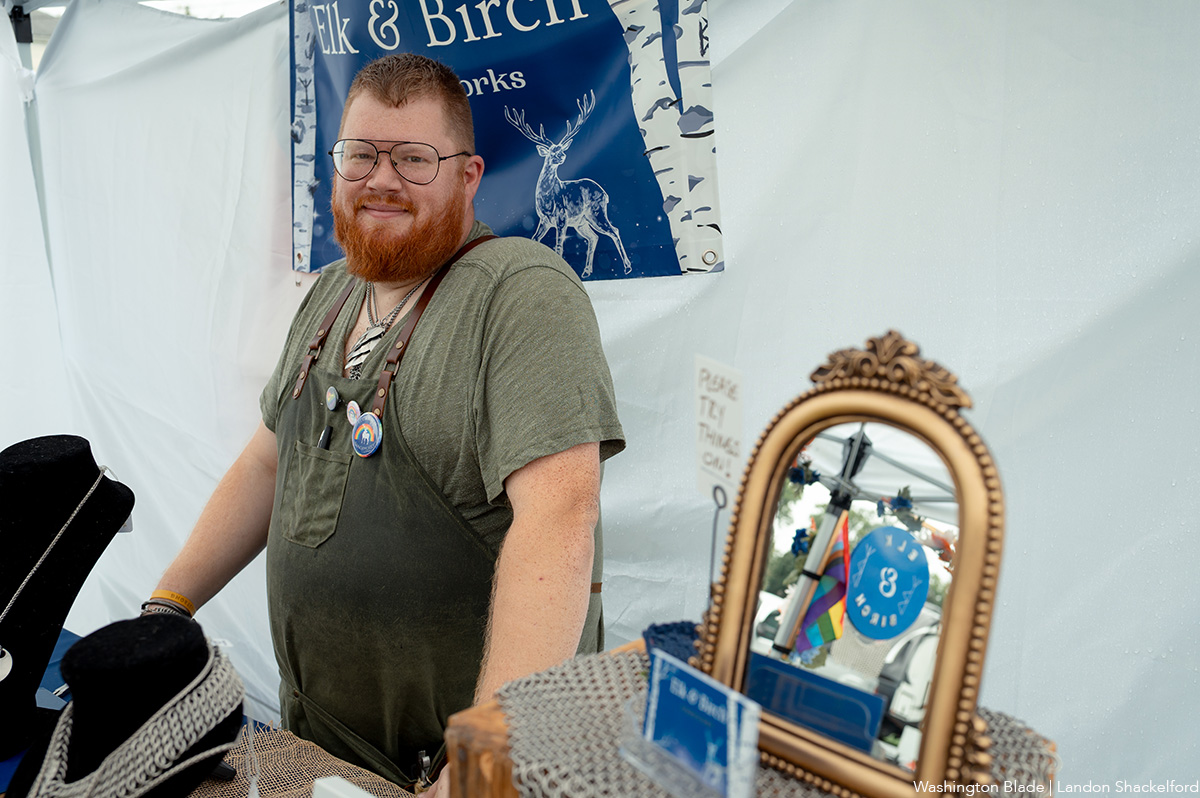
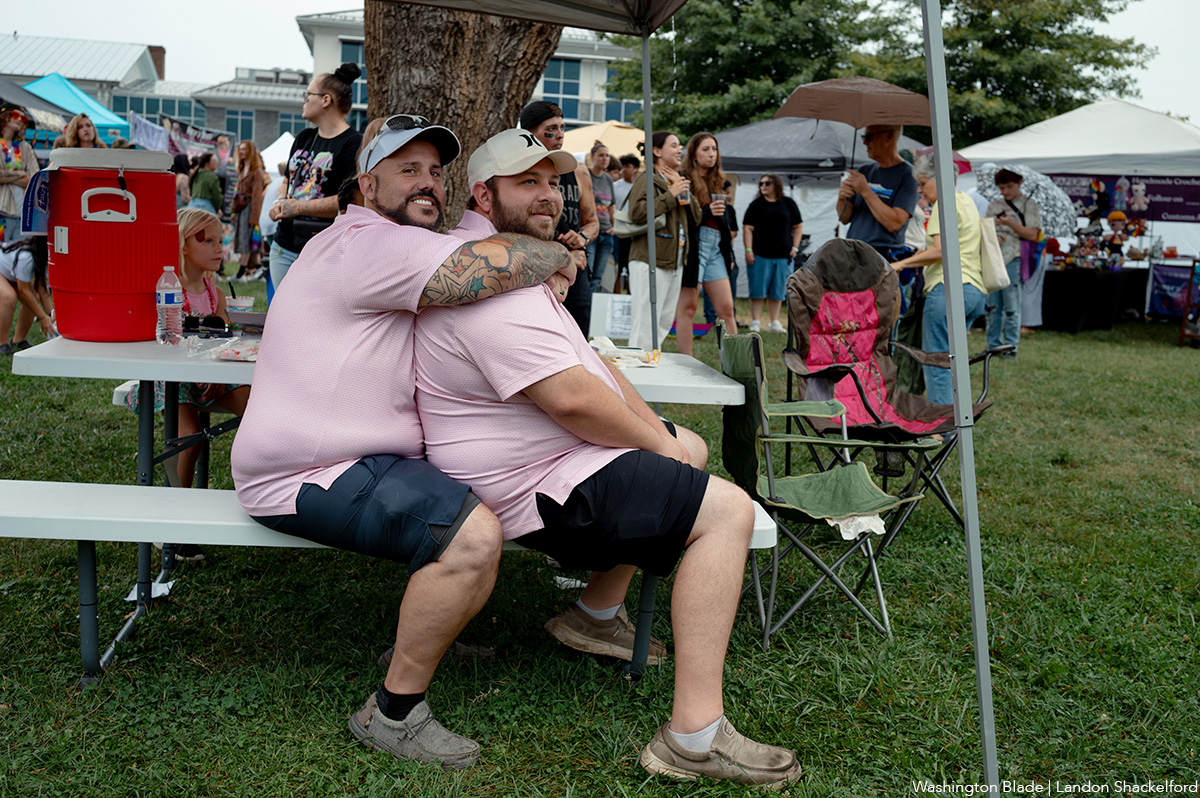
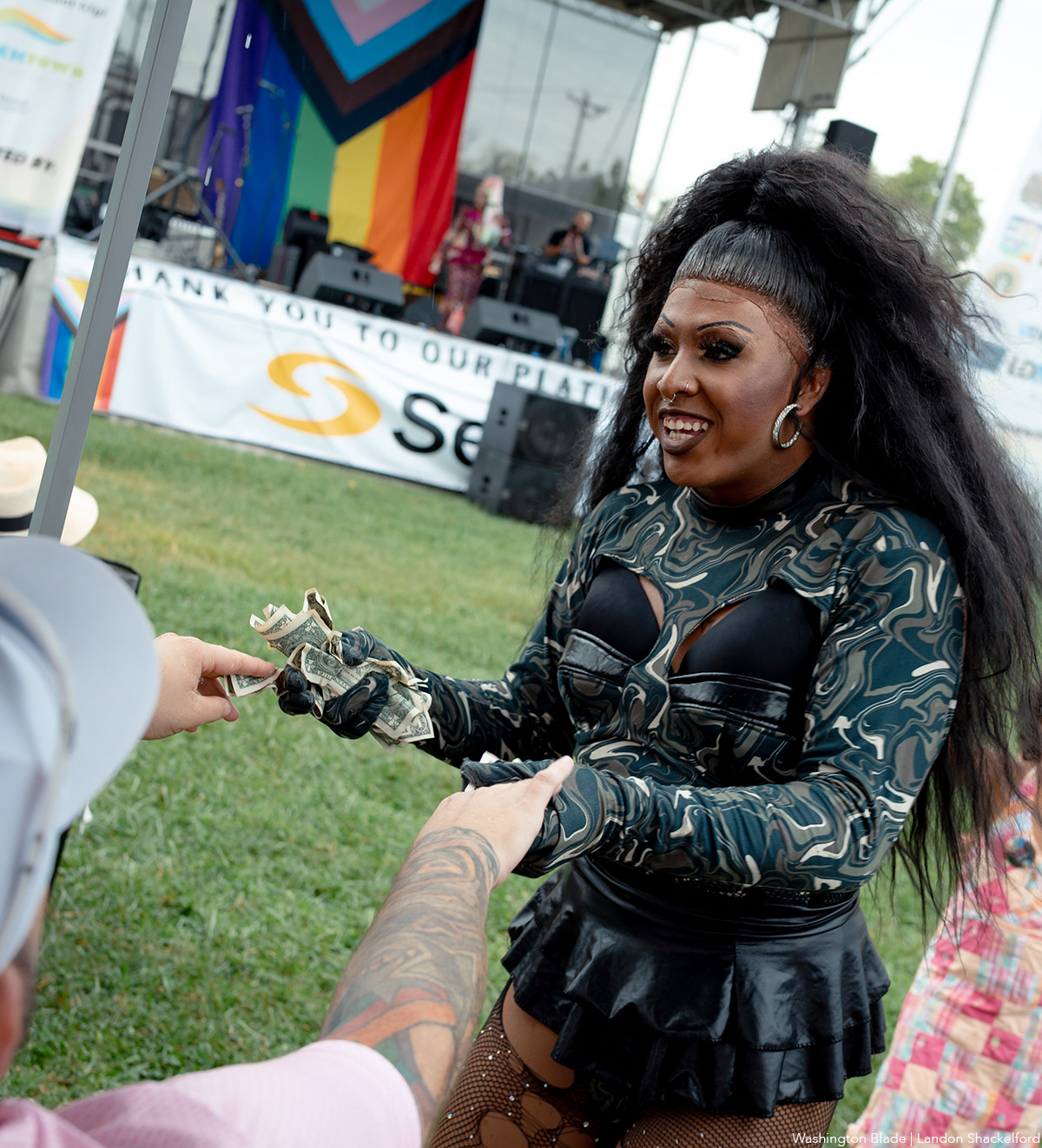
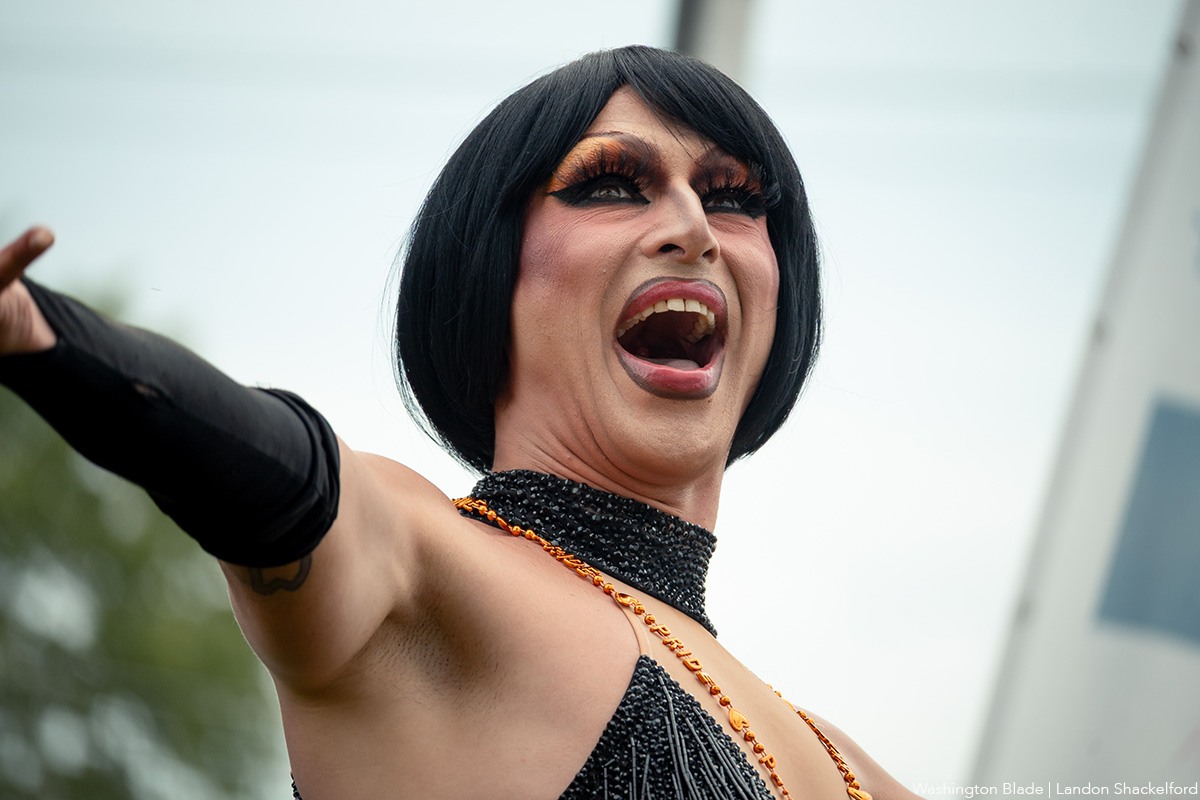
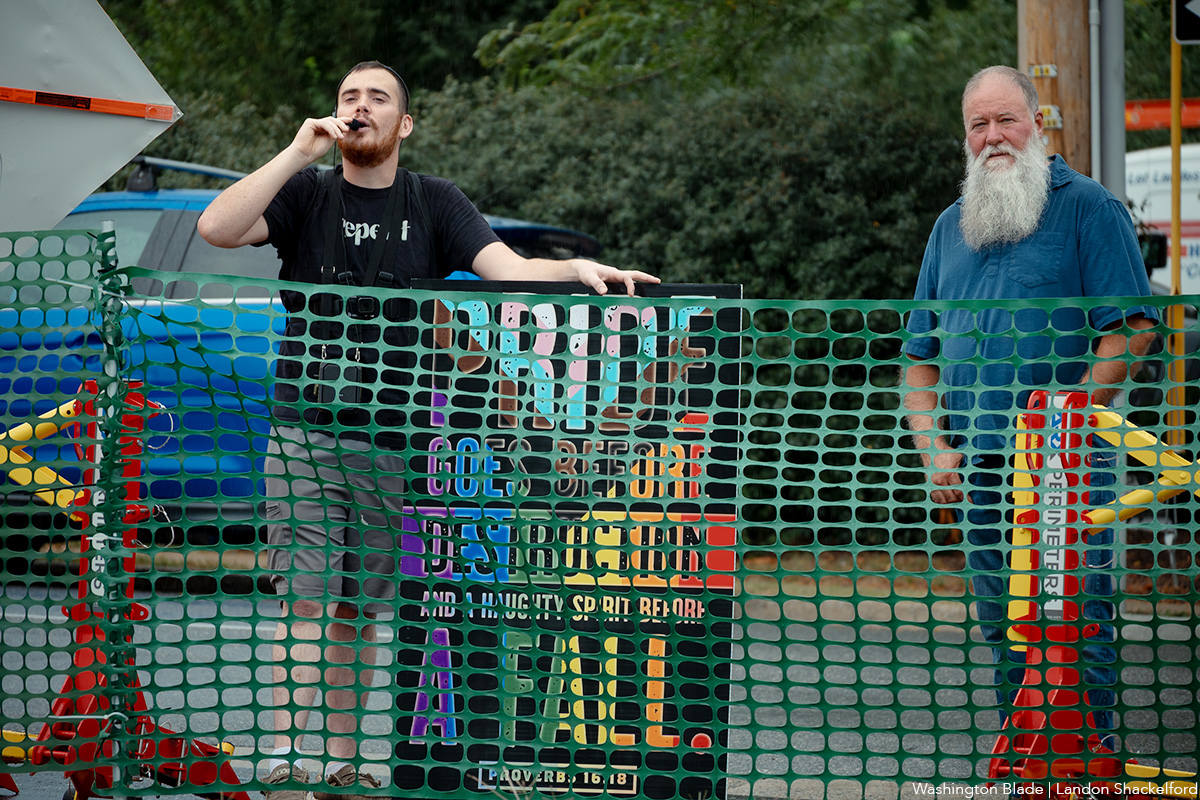
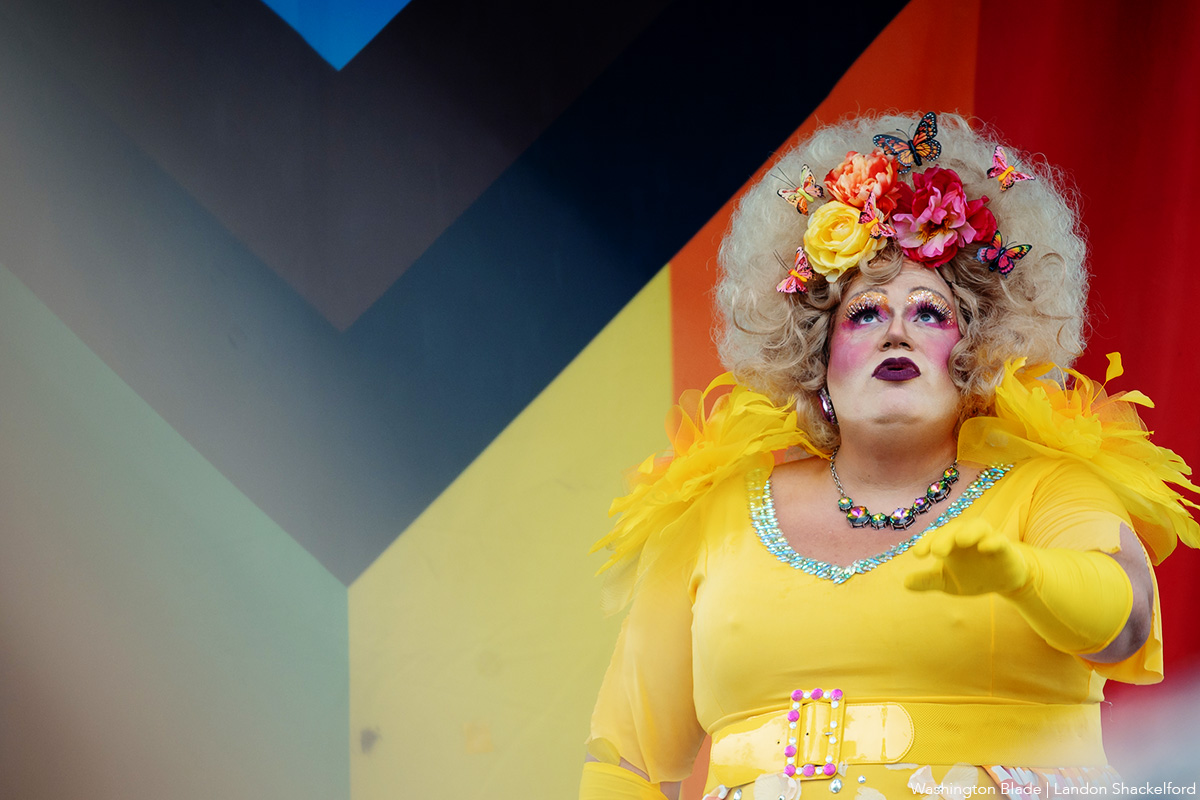
PHOTOS: Shenandoah Valley Pride
LGBTQ celebration held at Turner Pavilion in Harrisonburg, Va.
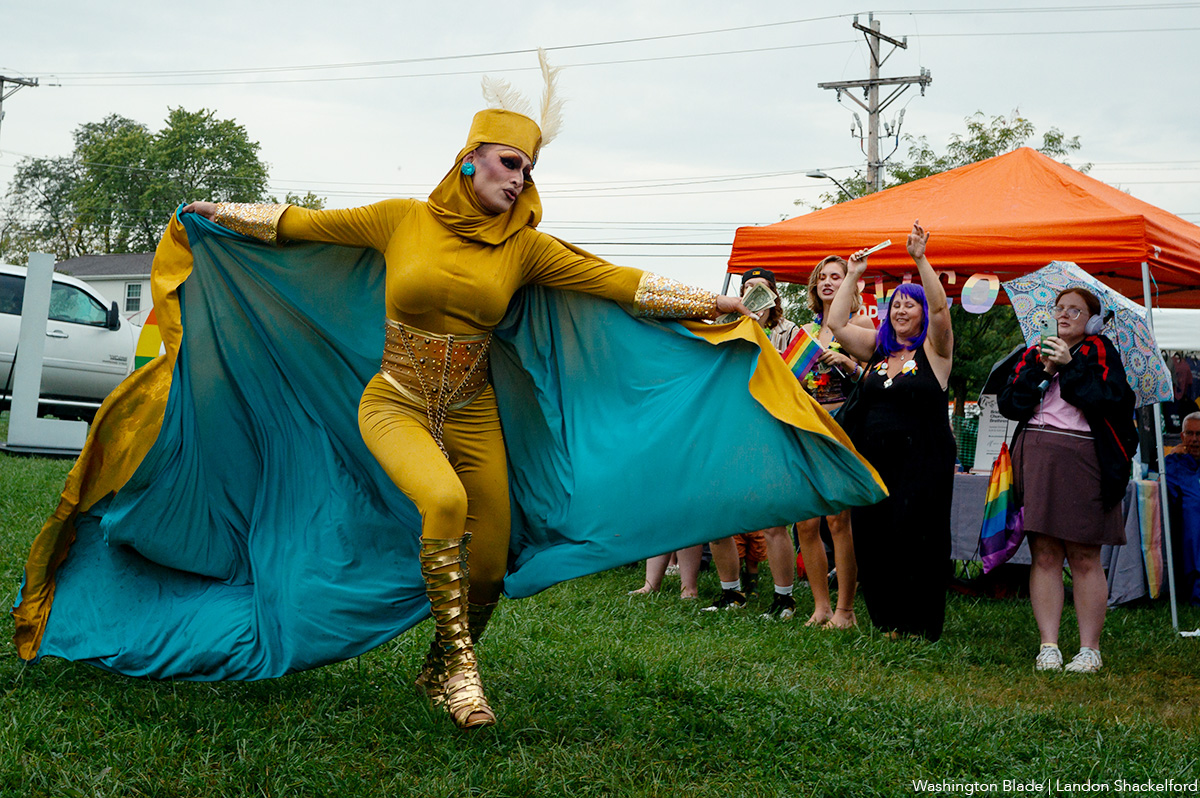
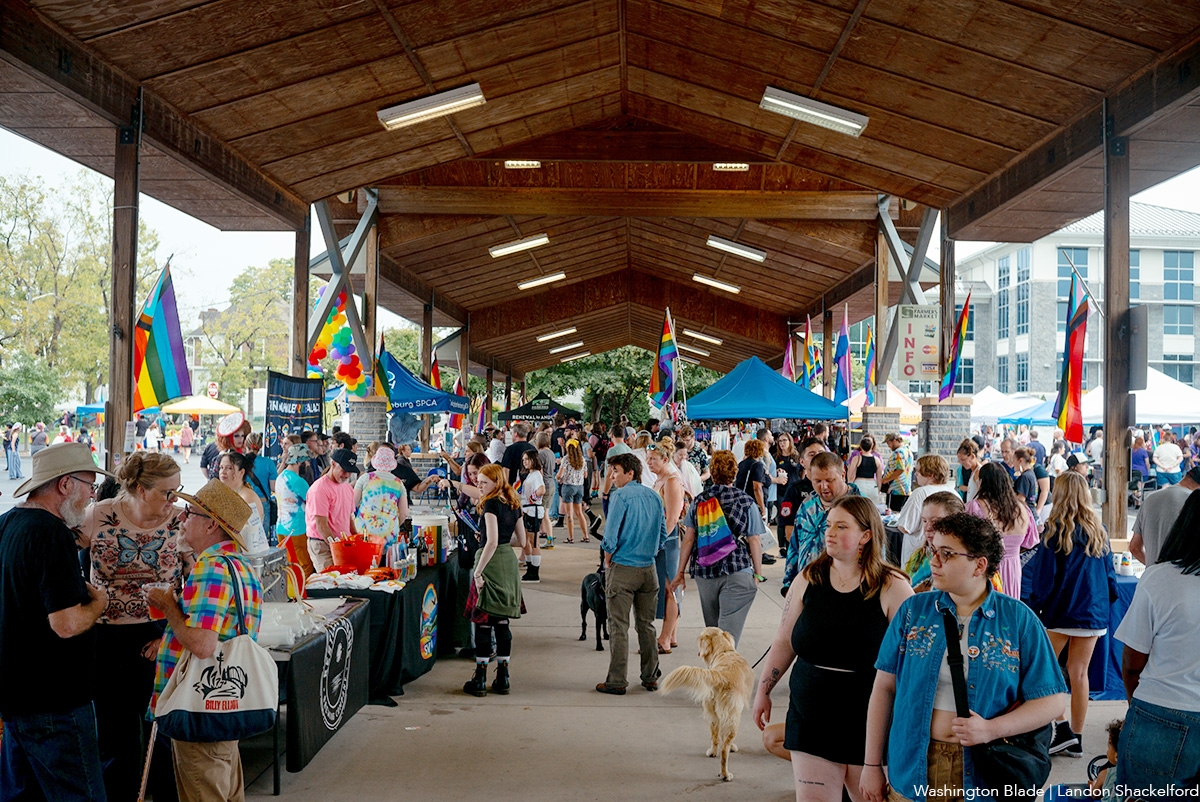
The 2026 Shenandoah Valley Pride Festival was held at Turner Pavilion in Harrisonburg, Va. on Sunday, Sept. 20.
(Washington Blade photos by Landon Shackelford)
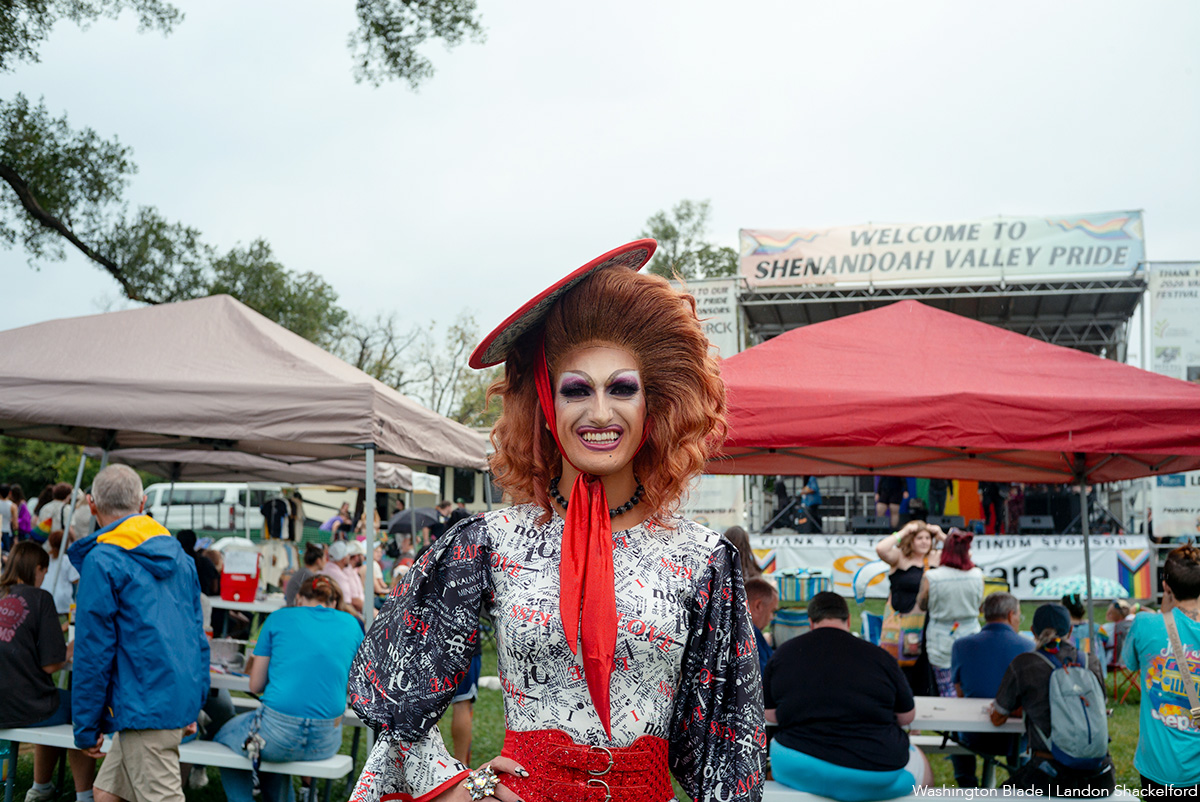

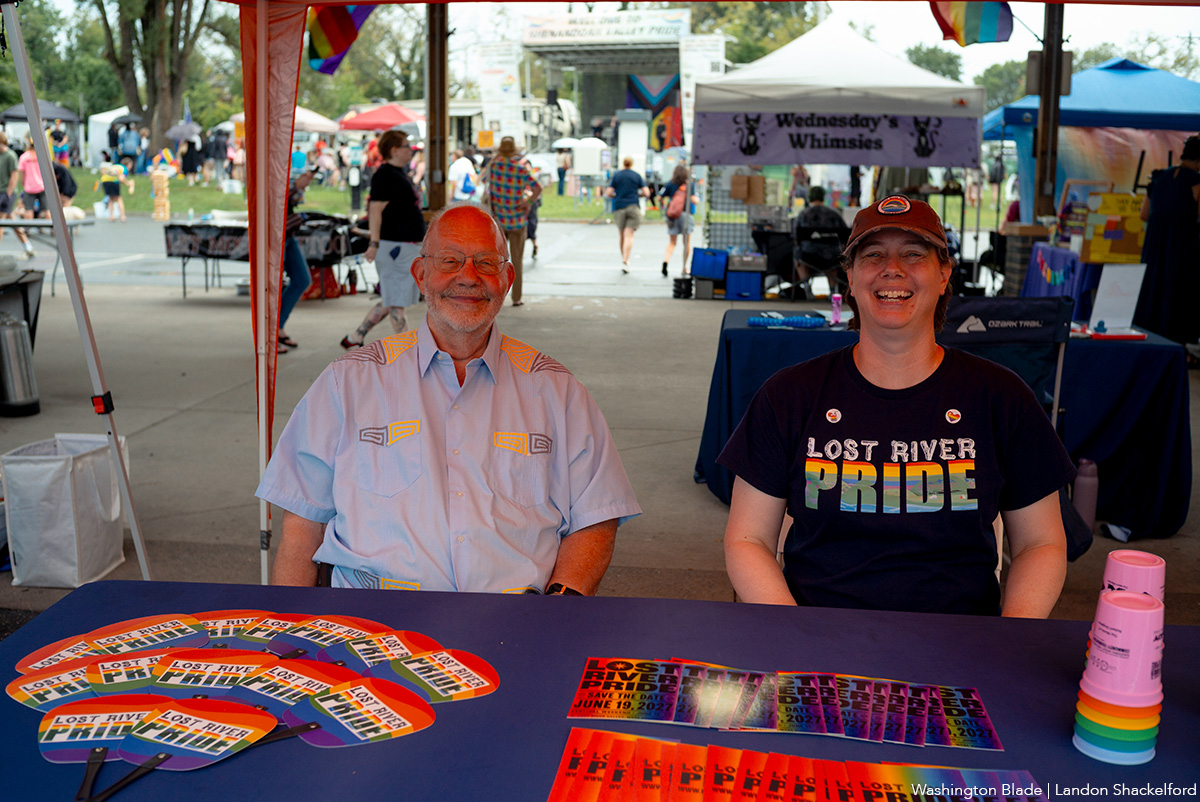
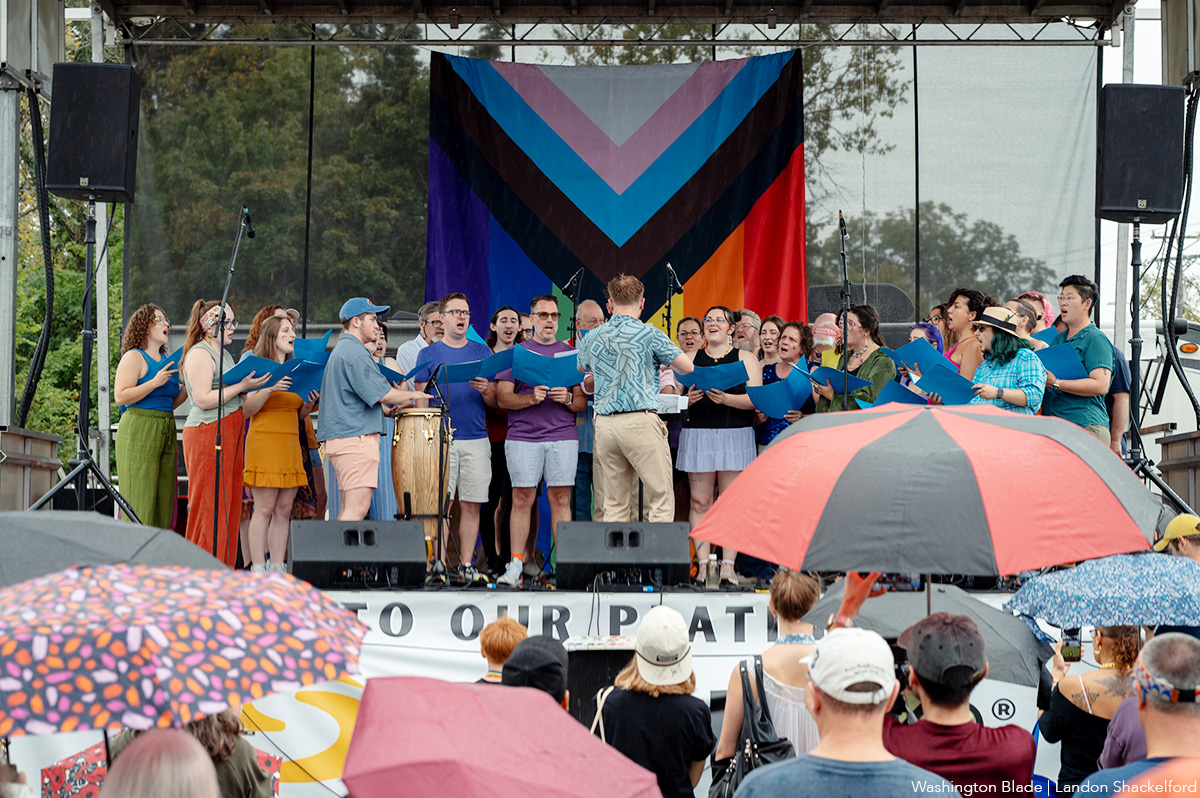
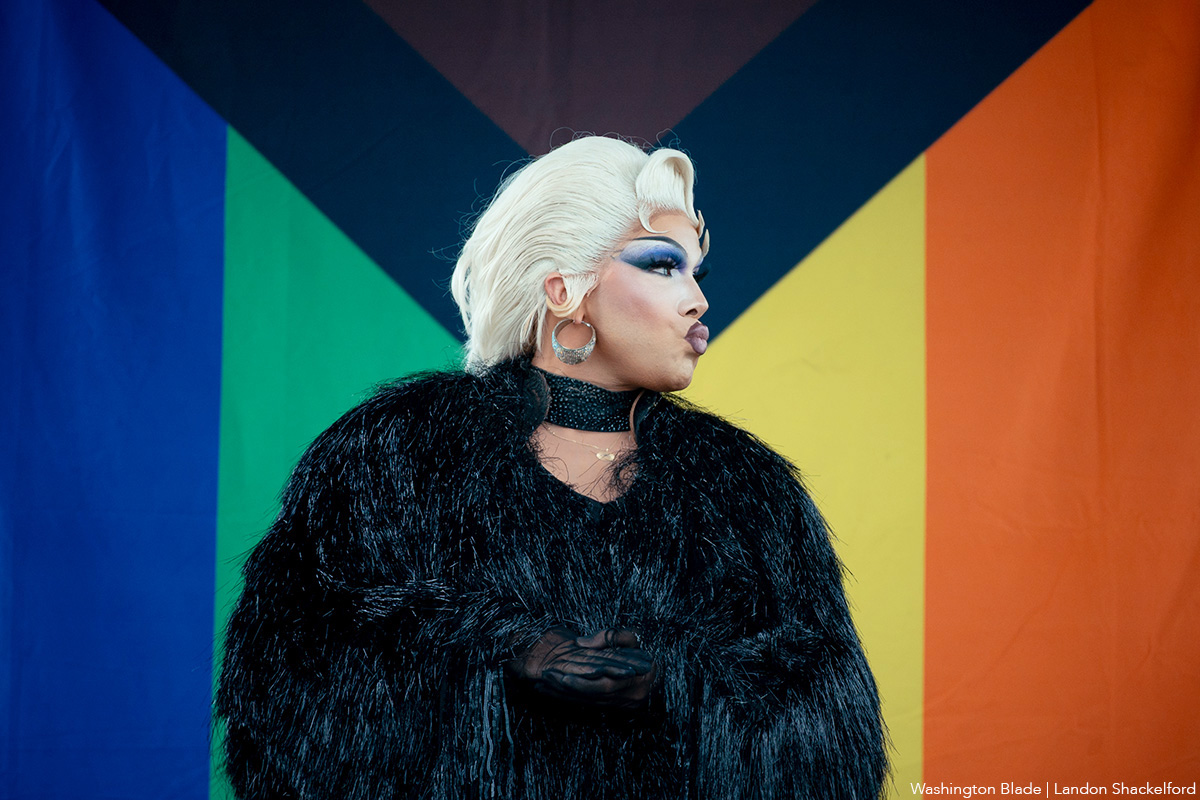




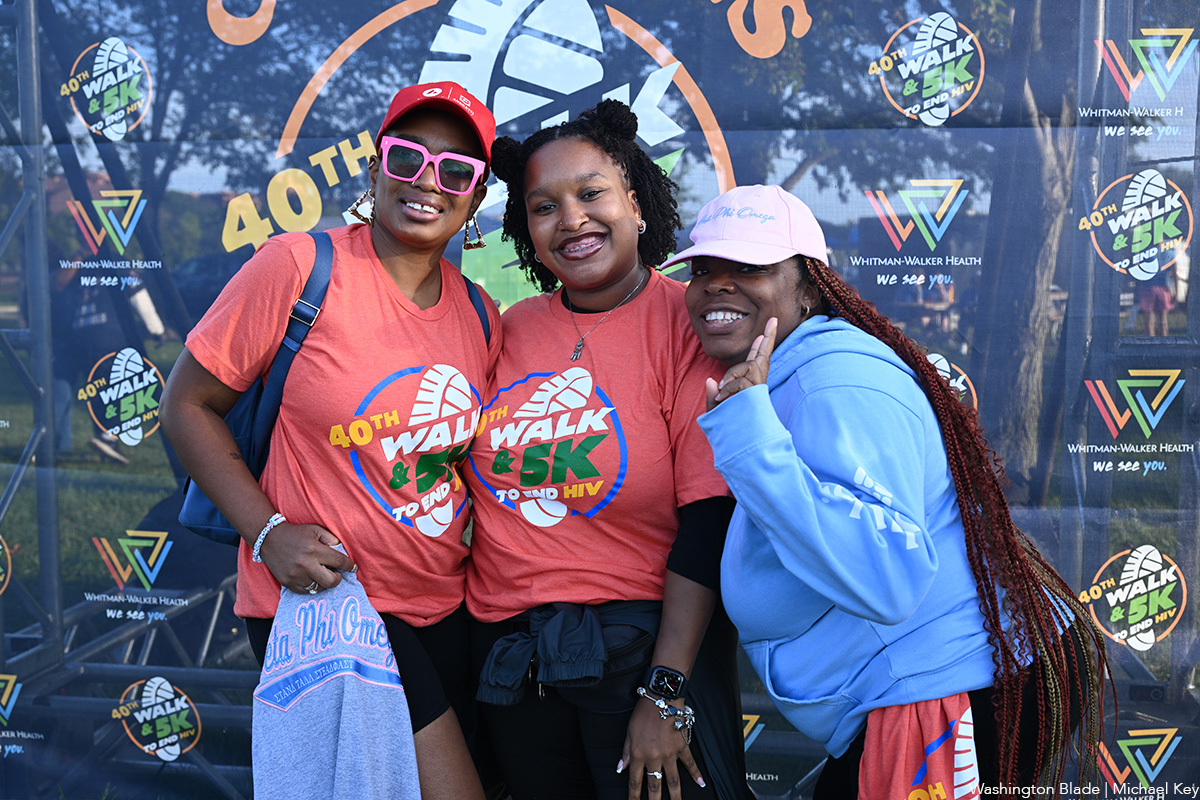
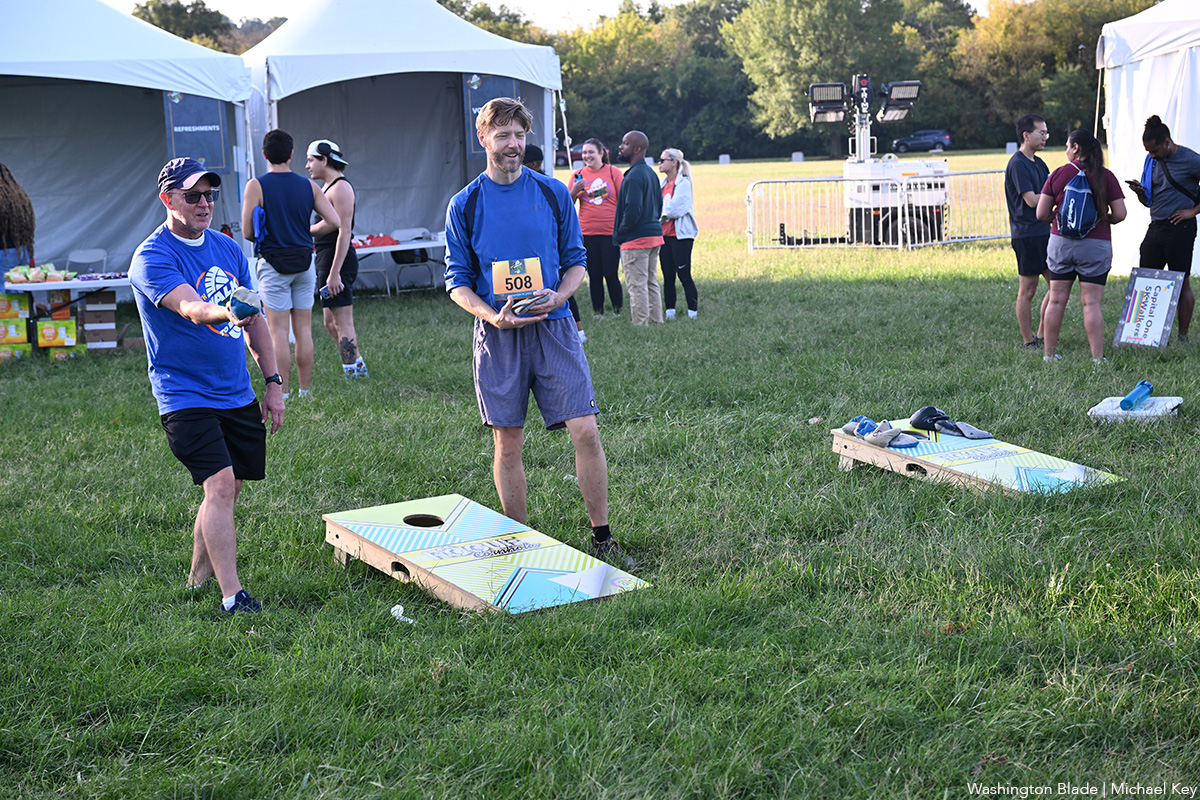
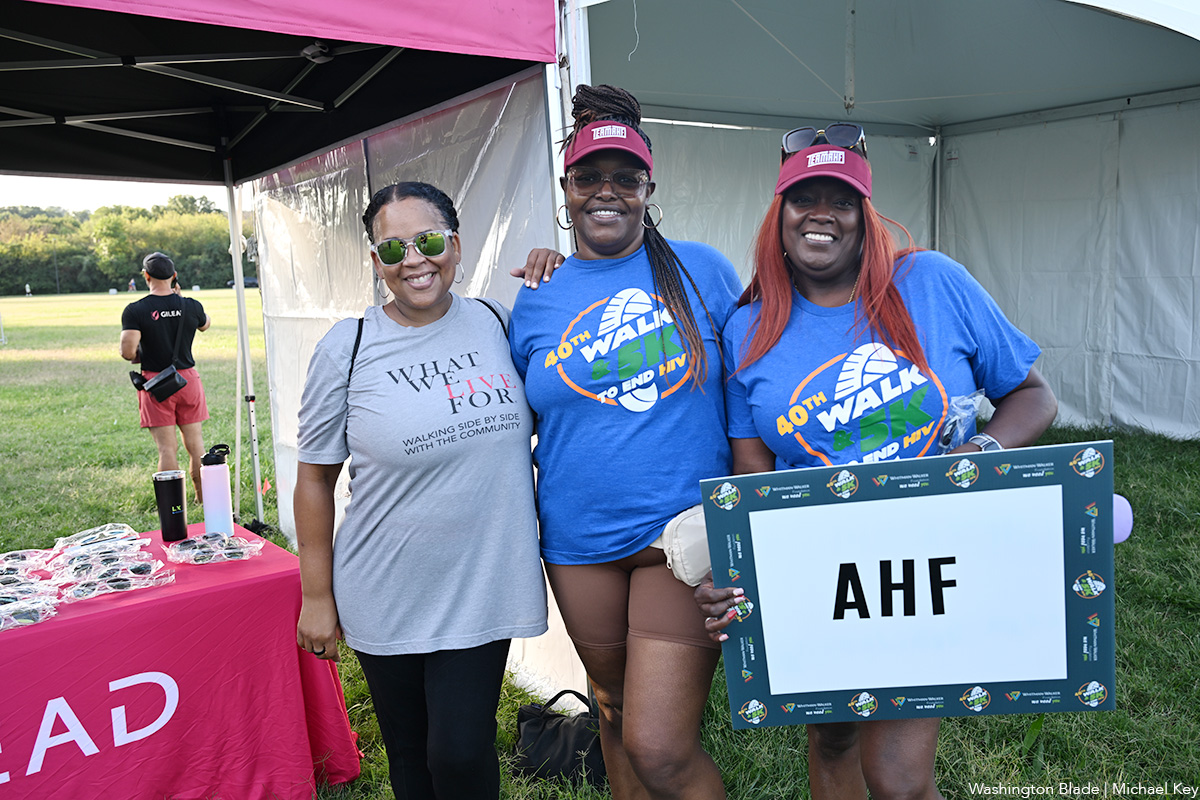
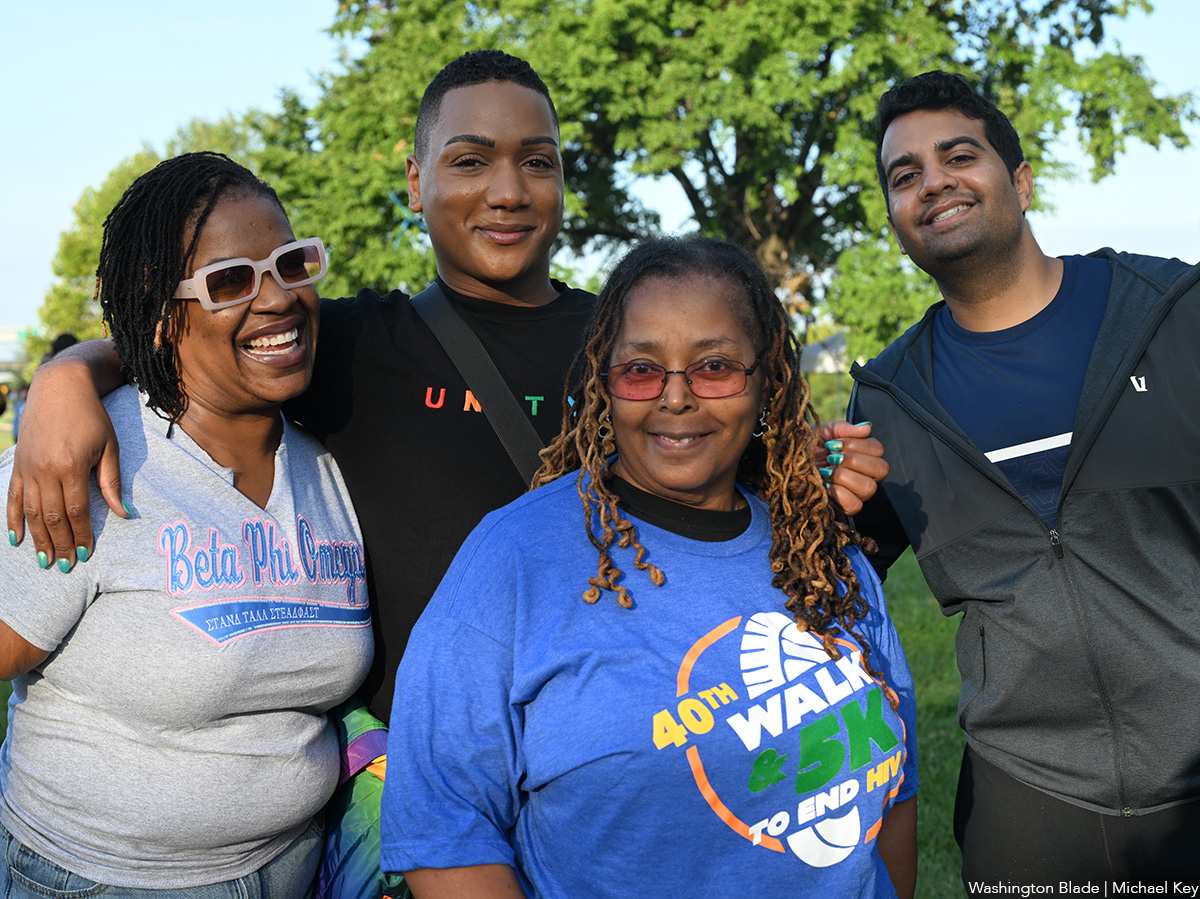
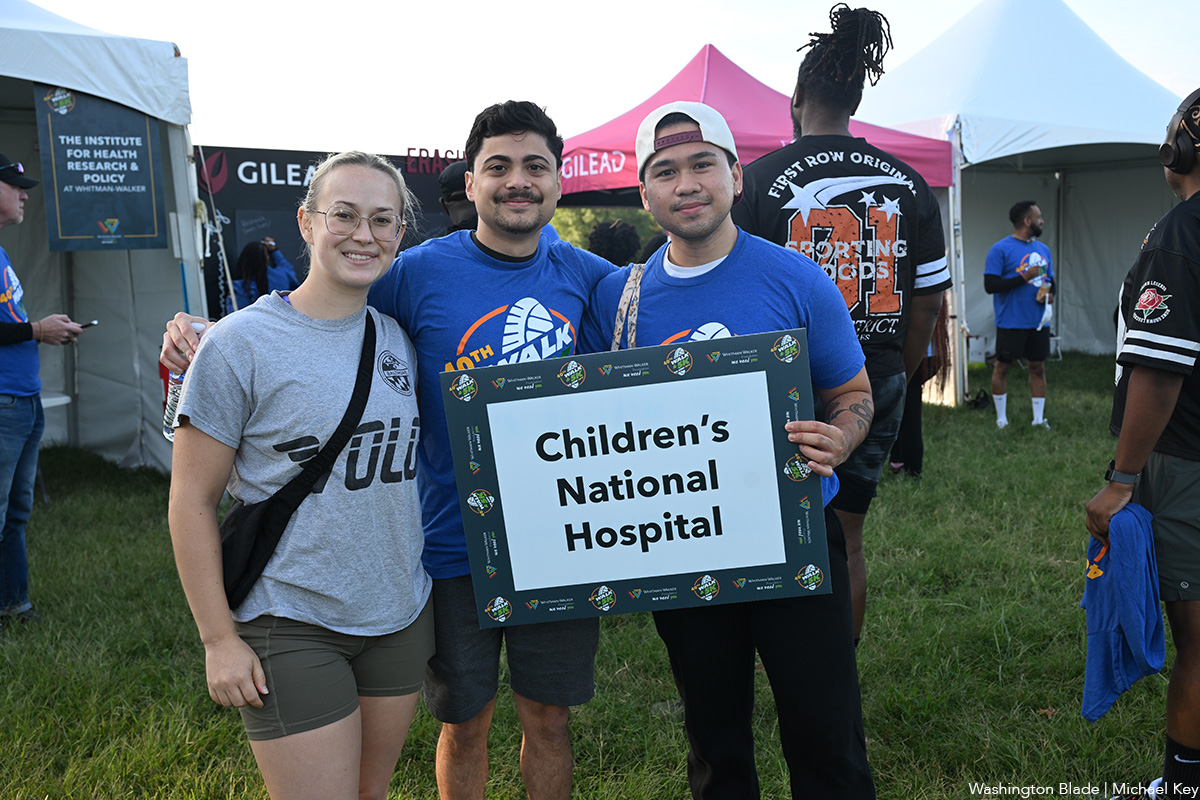
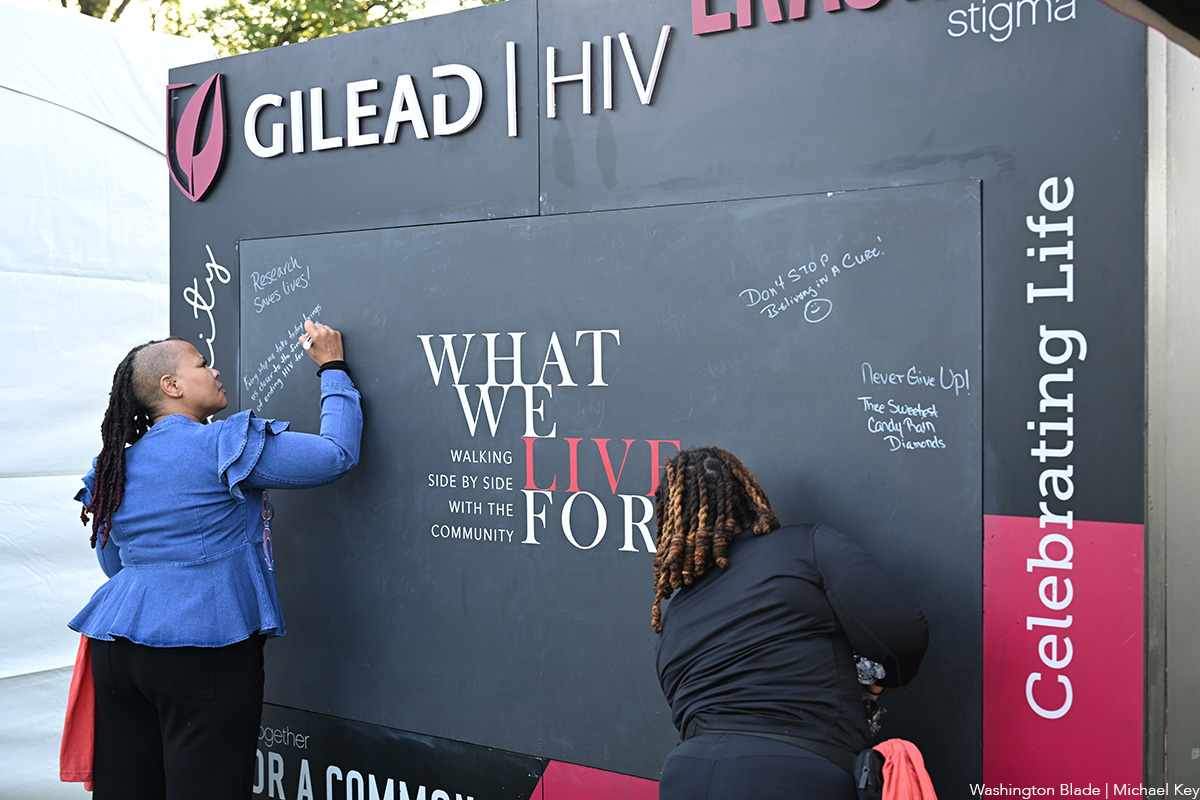
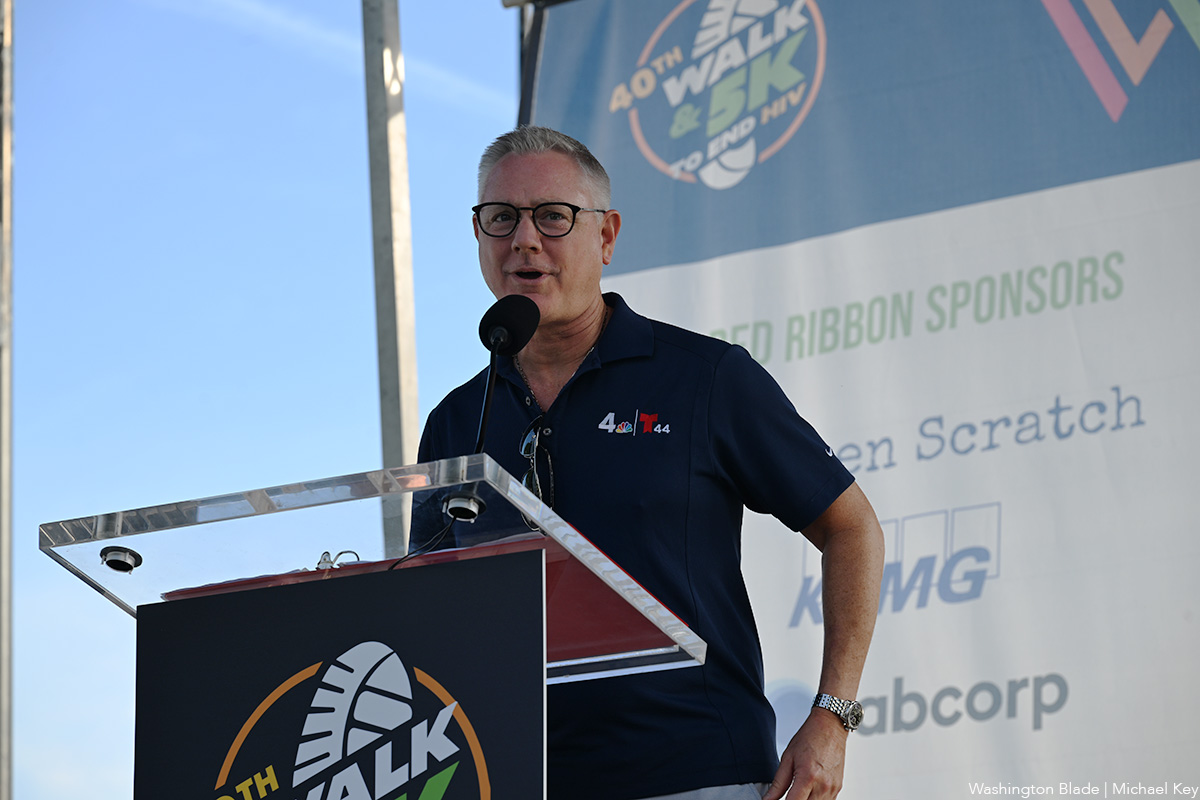
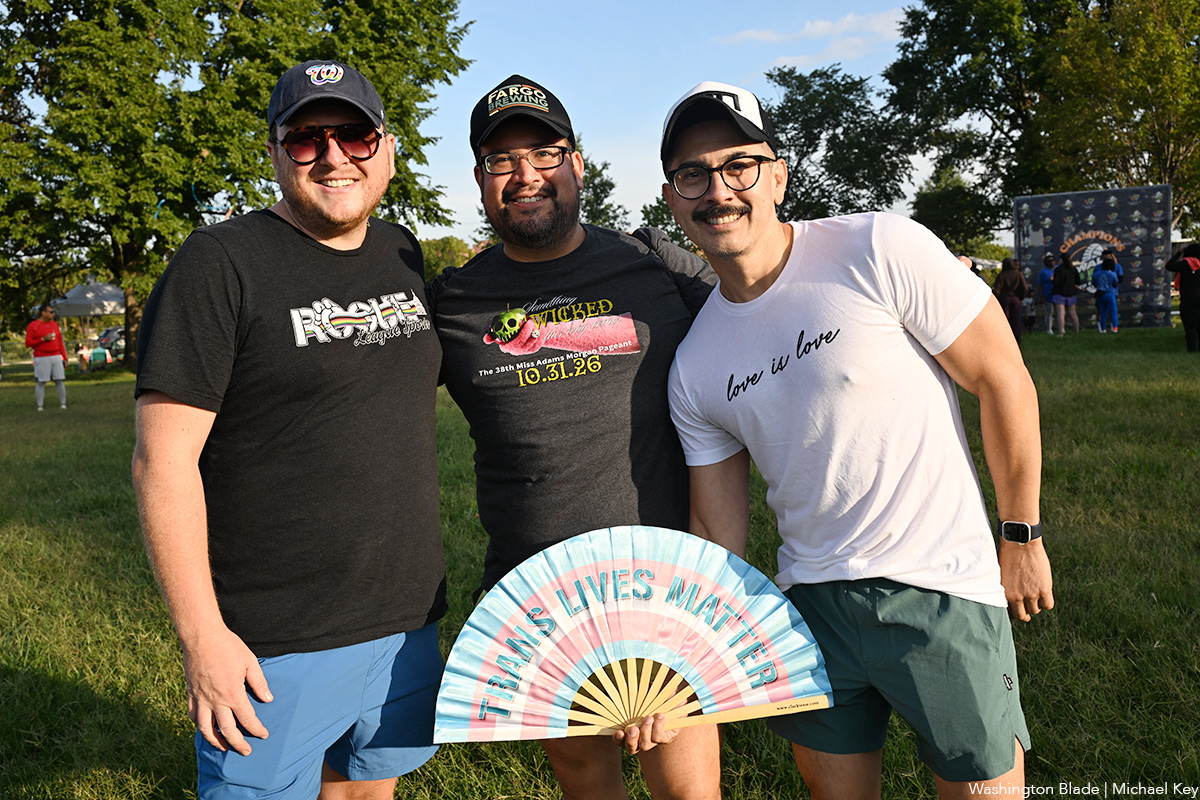
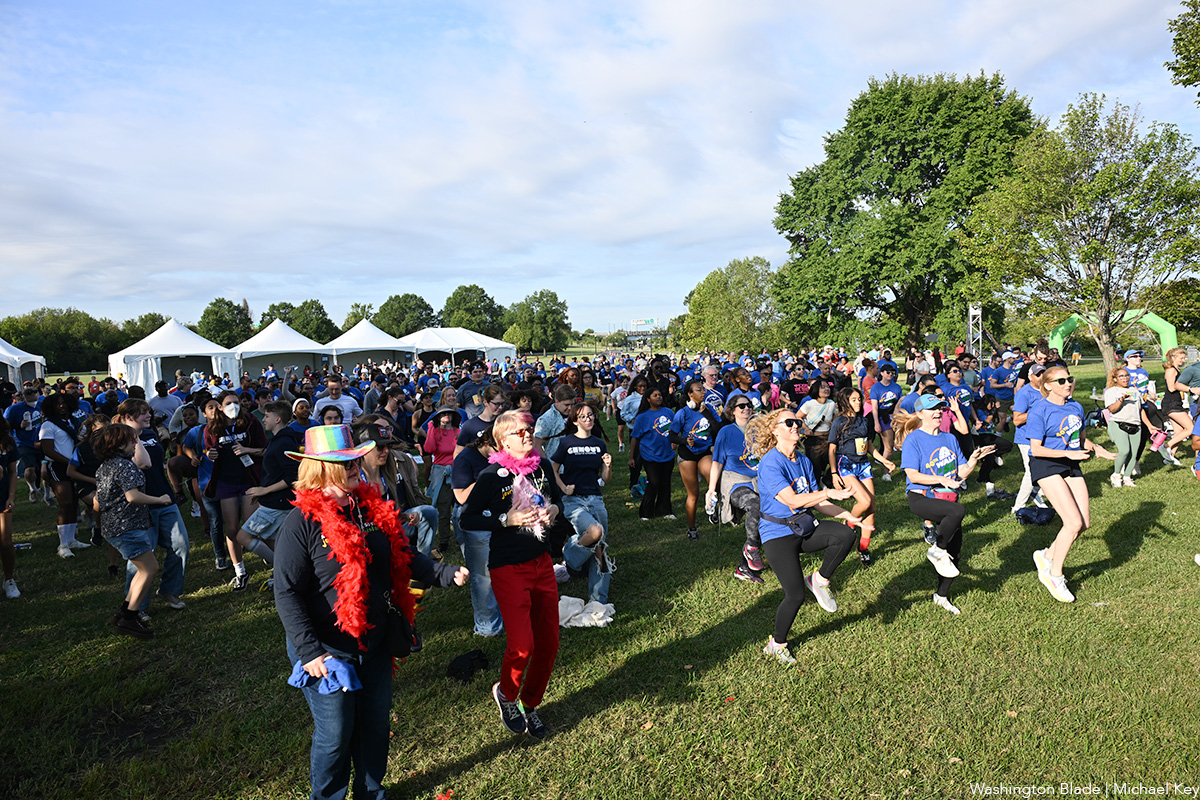
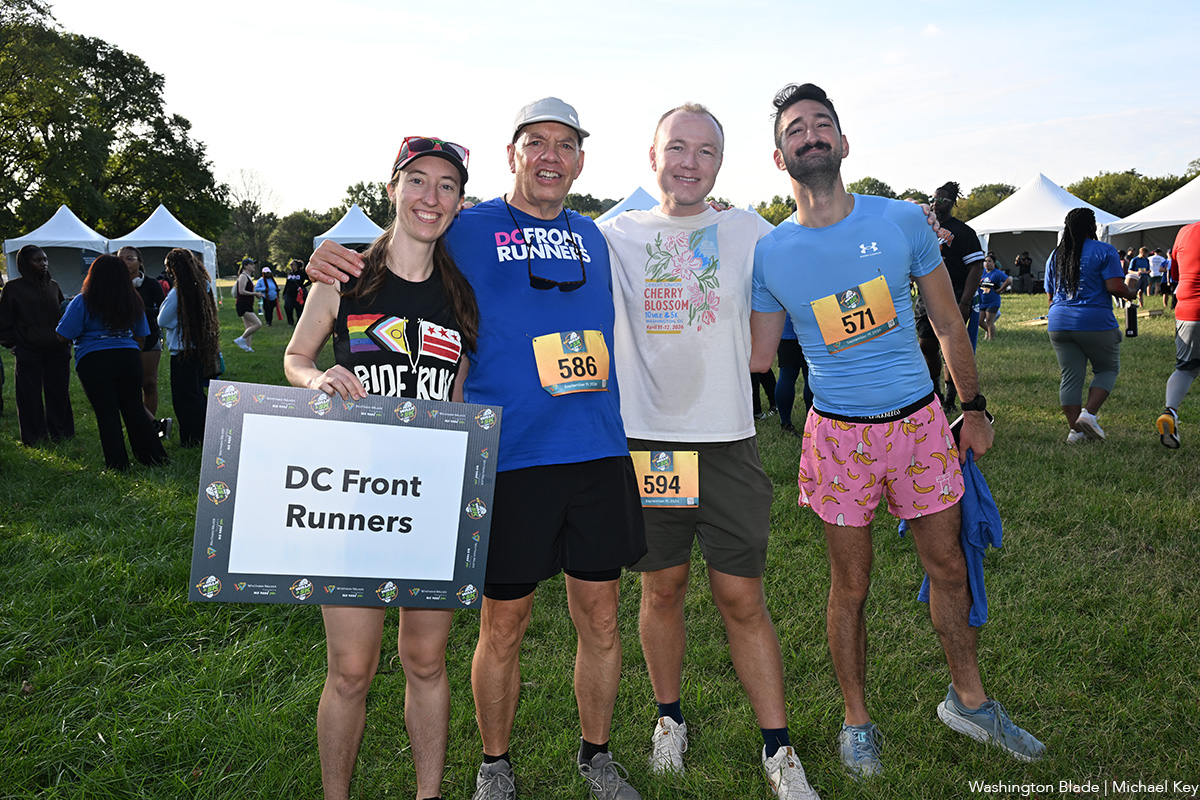
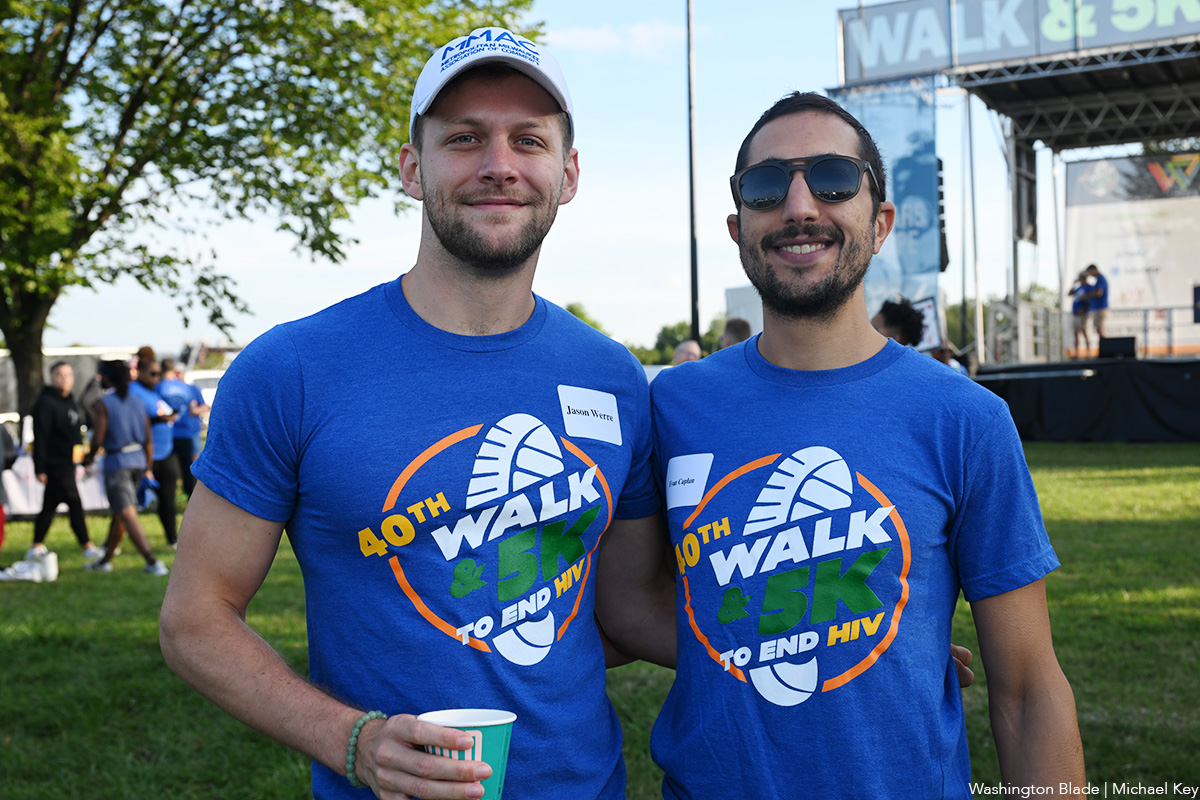
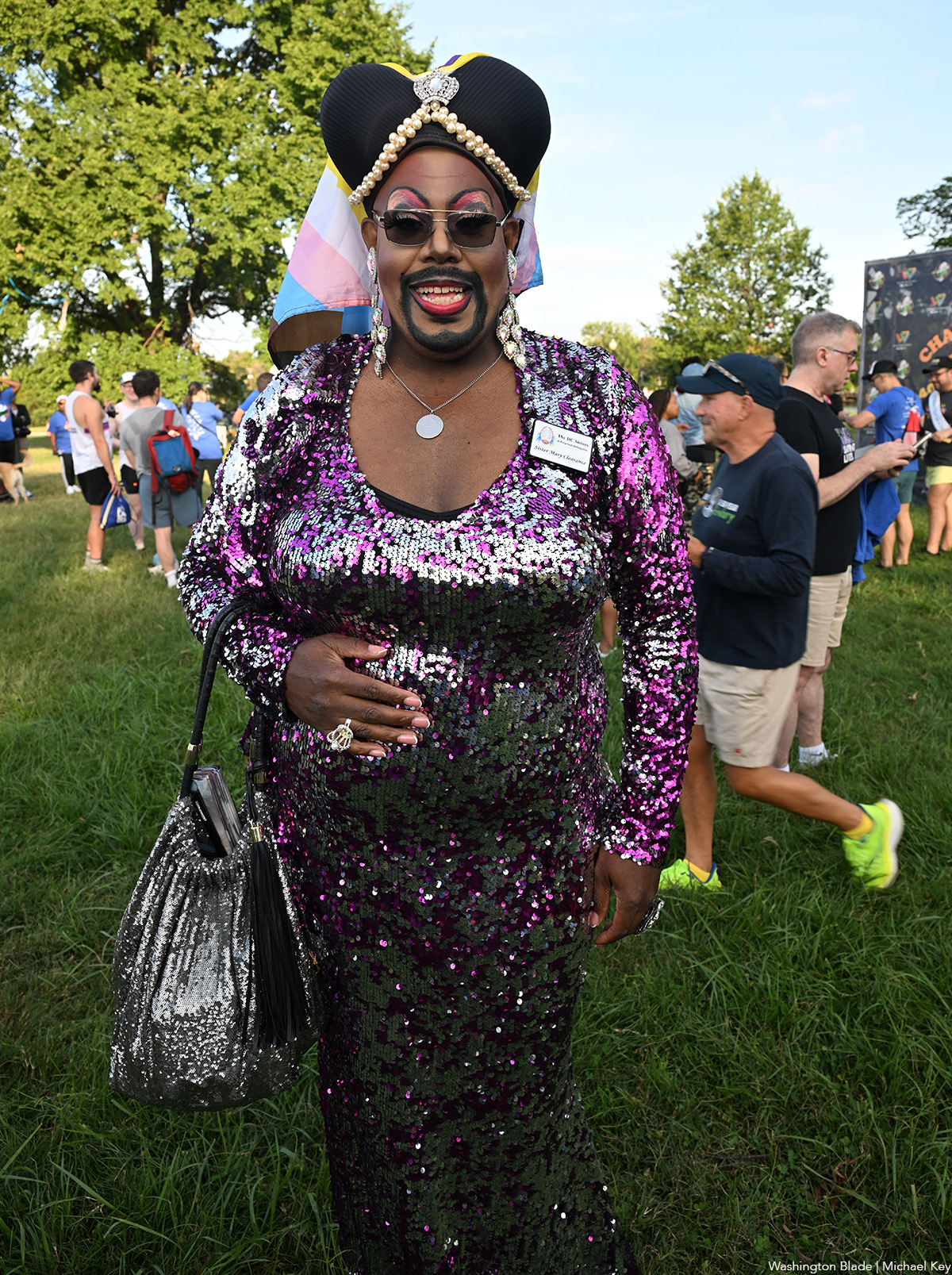
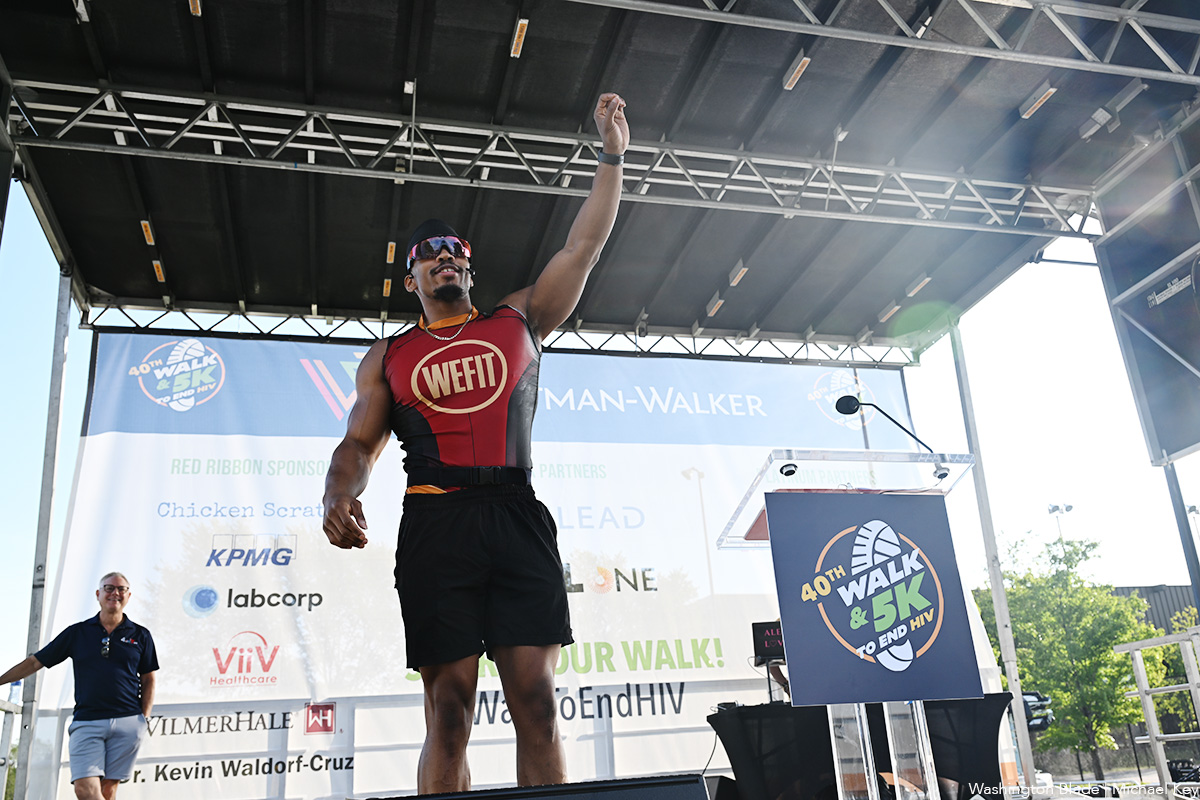
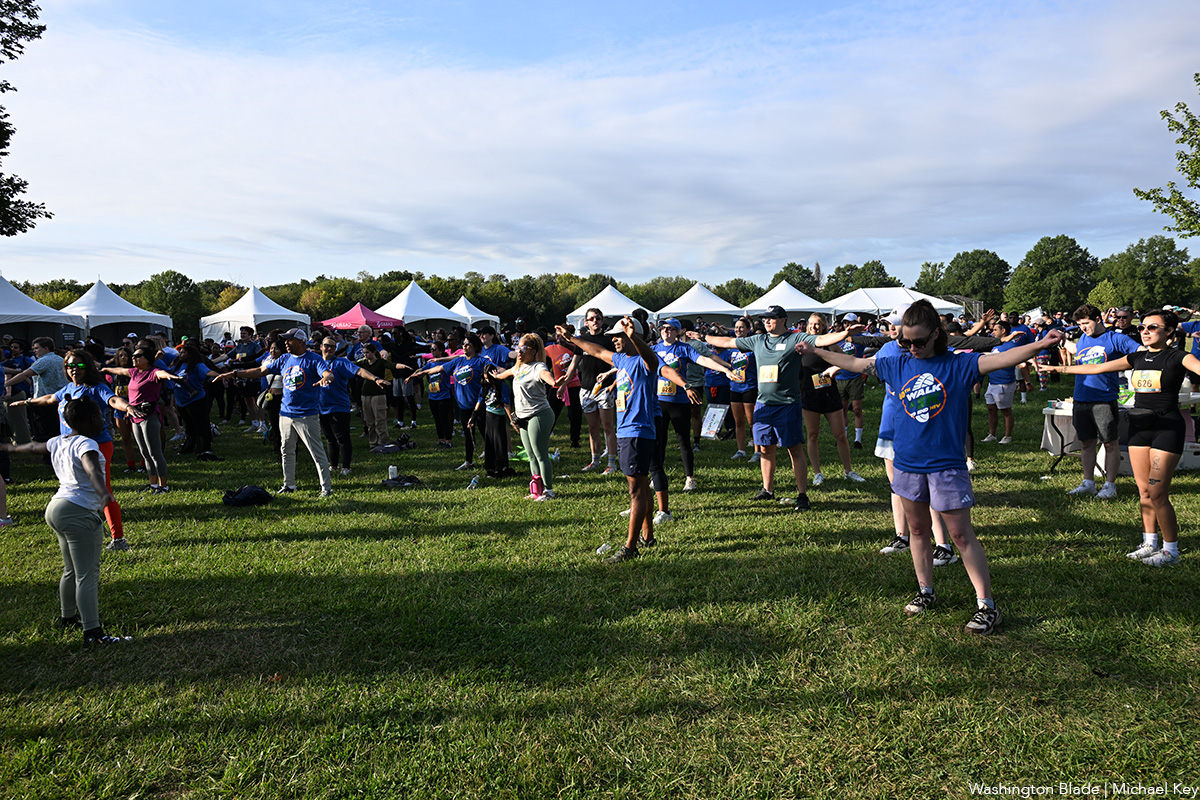
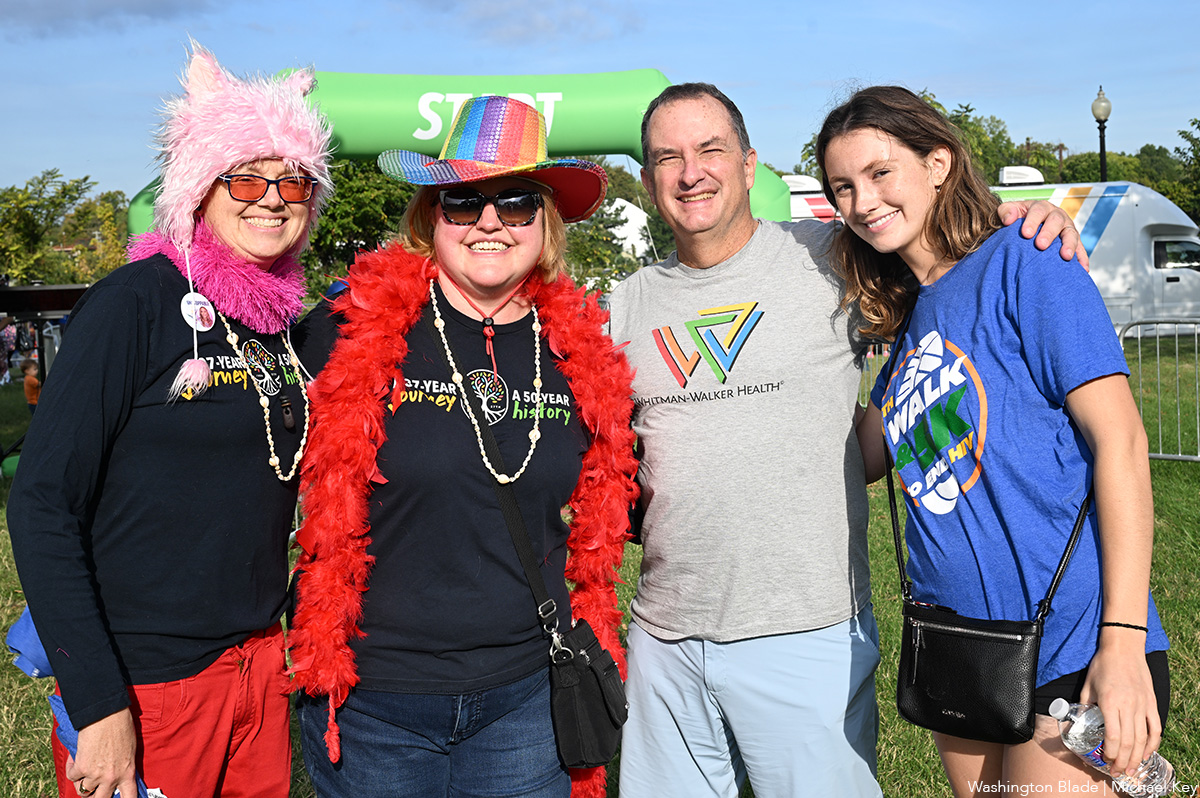
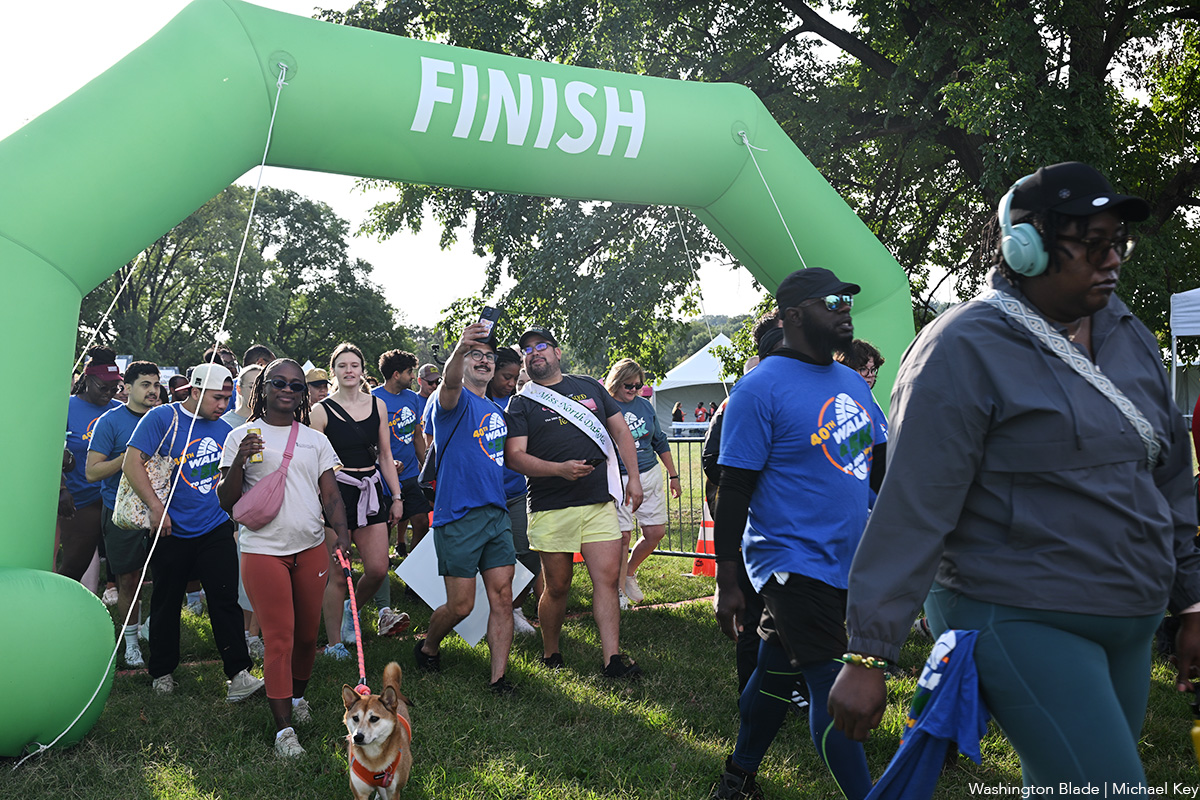
Whitman-Walker Health held the 40th annual Walk and 5K to End HIV at Anacostia Park on Saturday, Sept. 19.
(Washington Blade photos by Michael Key)




Caso Karlina: Una sentencia histórica contra las terapias de «conversión»

Washington Blade responds to concerns over White House pool duties

Young people should know history of the fight for human rights

Dutch prime minister visits Stonewall Inn

Clavicular charged in alleged rape of teenage influencer

Over 2,000 turn out for Hands Around the Kennedy Center protest

PHOTOS: Wanda Alston Foundation Fall Reception

PHOTOS: Walk and 5K to End HIV

What LGBTQ veterans are building after ‘Don’t Ask, Don’t Tell’