Arts & Entertainment
Heralding Harold
Arena succeeds in winning ‘Music Man’ production

‘The Music Man’
By Meredith Willson
Runs through July 22
Arena Stage
1101 Sixth Street, SW
Washington
Ticket prices vary
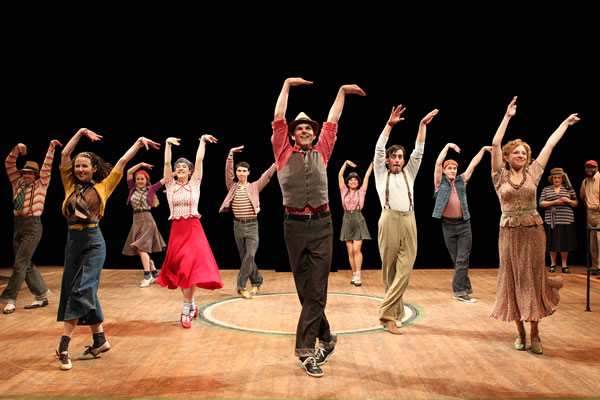
The cast of ‘The Music Man’ at Arena Stage. It runs through July 22. (Photo by Joan Marcus; courtesy Arena Stage)
The wonderful thing about a classic is that when you scrape away the sugary coating of memory and the dust of benign neglect, you can find a work of great emotional depth and artistic vigor. That’s certainly the case with the delightful production of the classic musical “The Music Man” now on stage at Arena Stage under the visionary direction of Artistic Director Molly Smith.
Everyone thinks they know “The Music Man,” the quirky musical by Meredith Willson, with favorite songs like “Seventy-Six Trombones” and “Till There Was You” and standard characters like the smooth-talking con-man, the prim librarian and eccentric townspeople. But Willson weaves a much richer tale than we remember.
First, there’s the remarkable score. Songs rise naturally not just out of everyday speech, but out of everyday sounds like the clanking of a train, a piano lesson, the shelving of library books, the clucking of small-minded matrons and the unexpected harmonies of the quarreling school board. The lyrics are delightful, yet also rise naturally out of the situation and the character. With new orchestrations by Musical Director Lawrence Goldberg, the score sounds better than ever. He’s subtly rounded out the original sounds with broader echoes of the American musical tapestry to great effect
Second, there’s the story itself. The characters and plot are more well-rounded than we remember. The musically untrained Harold Hill (Burke Moses) sells a boys’ band (complete with instruments, uniforms and music lessons) to the unsuspecting citizens of River City, Iowa. His main obstacle is Marion Paroo (Kate Baldwin), the unmarried town librarian and music teacher. The townspeople quickly fall under Hill’s spell, but the surprisingly worldly Marion stays aloof. When she does finally fall for Hill, she knows full well that he’s a snake oil salesman, but she’s grateful for the transformation he has wrought in the town and in her.
Then there’s this remarkable production. While Willson is a patriotic American and proud optimist, he is not naïve about the dark side of the American character. The citizens are easily gulled by Hill, yet just as easily turned into a mob against him. They are also casually racist and sexist, and very stubborn and narrow-minded. Yet, through the potent combination of love and art, Harold and Marian change the town into its better self. Smith depicts this transformation with incredible finesse. The stage is always a lively-yet-focused swirl of movement and Smith creates clear character arcs for the entire company.
Burke Moses is captivating as the con man who finally gets caught in his own trap. He is fleet-footed, silver-tongued and golden-voiced. He is well matched by Kate Baldwin as Marion. She has a shimmering voice with a thrilling lower register and silvery high notes, moves with incredible grace and doesn’t file away the character’s rough edges. It’s easy to see this con man and this librarian settling down for a long, interesting life together (maybe even a career in politics).
They are given able support by a strong ensemble, all of whom create rich and detailed characters that leap into comic life yet never sink into caricature. They also sail through the soaring choreography by Parker Esse with ease, confidence and style.
Finally, Molly Smith’s color-blind casting broadens the impact of the story. Her choices are not quite as bold as in her groundbreaking “Oklahoma” (the more realistic “Music Man” may have less room for such play), but the production still holds up a mirror to a diverse country that can still be transformed by believing in its dreams.






Online Culture
Clavicular charged in alleged rape of teenage influencer
Online personality’s real name is Braden Peters
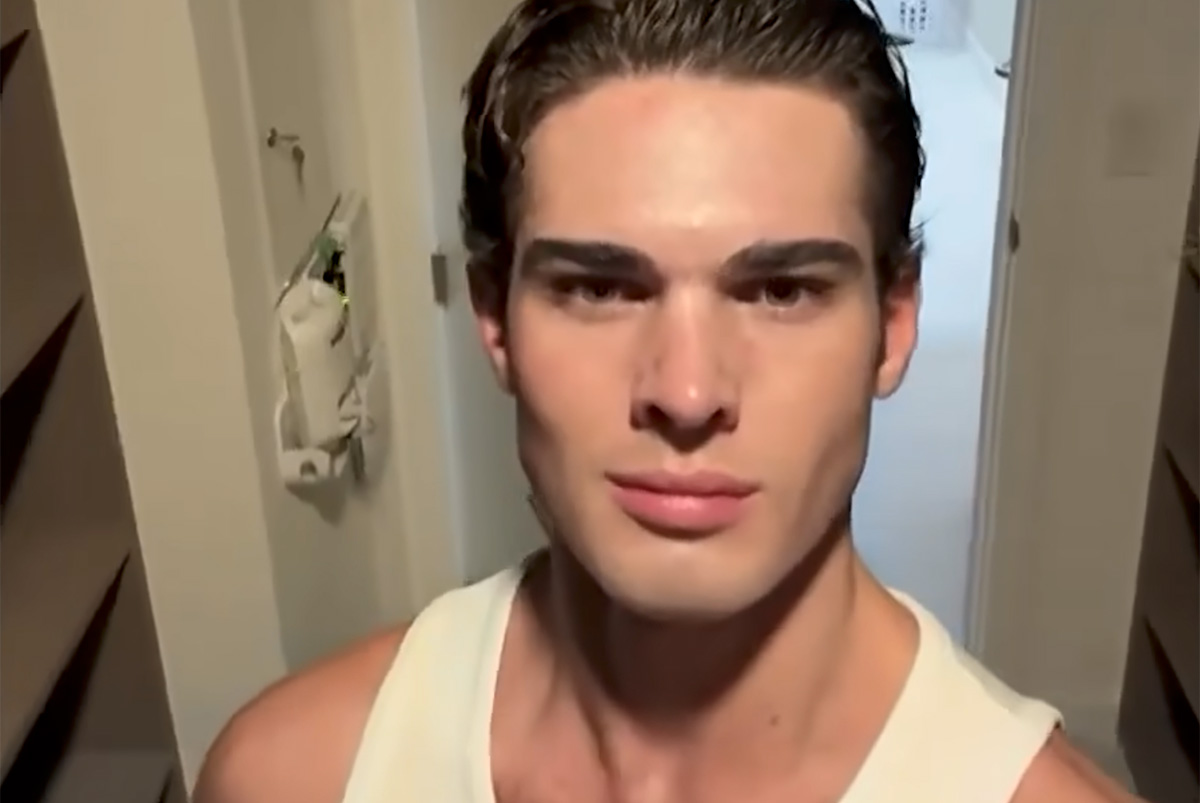
Online personality Clavicular, whose real name is Braden Peters, has been accused of rape.
According to NBC, Aleksandra Vasilevna Mendoza, an 18-year-old influencer known online as Alorah or Alorah Ziva, accused Peters of sexual assault, and the case is making its way through the court system.
The alleged incident occurred on May 23, 2025, when Mendoza was 17.
According to a criminal complaint from the Chatham (Mass.) Police Department, Peters called her an Uber to his family’s home. Once there, he allegedly got her drunk on vodka while they livestreamed on Twitch and then raped her. His mother and grandmother were allegedly in the house.
The documents allege Clavicular committed rape, drugging a person for sexual intercourse, and procuring and providing liquor to a person under 21.
According to court documents acquired by NPR, Mendoza began communicating with Peters on Instagram, where he paid her to appear on his livestreams to help her “make her name known on social media.”
According to those documents, Peters arranged for the minor to come to Cape Cod home to participate in a videostream for his 437,000 followers on Kick, 1.2 million followers on TikTok, and more than 1 million followers on Instagram.
At his home, Peters allegedly instructed Mendoza to say she was 18 on his videostream and to claim the alcohol on camera was water instead of vodka. Mendoza said she felt peer-pressured to drink the spirit and that she became noticeably intoxicated after a couple of drinks.
The allegations go on to state that after stopping the stream, Peters and Mendoza kissed on a couch and then had sex in his bed without her consent. Mendoza said she did not receive a sexual assault forensic exam after the incident. NPR does not name alleged victims of sexual assault.
The charges come months after Mendoza sued Peters in Miami, accusing him of sexual battery in connection with the events of May 2025. The civil lawsuit also separately alleges that he injected her face with a non-FDA-approved fat-dissolving substance during a November livestream in Florida.
Peters is known for his “looksmaxxing” concept of vanity, which is at the core of his online presence. The “looksmaxxing” culture he has helped cultivate combines elements of incel culture and heterosexuality, with the stated goal of attracting the opposite sex. He has gone as far as to say he has undergone “bonesmashing,” or hitting his own face with a hammer; taken anabolic steroids to more rapidly grow muscle; and used crystal meth as an appetite suppressant.
At the same time, looksmaxxing has been described as having elements of homoeroticism, with “looksmaxxers” appearing more concerned with impressing other men than women. Peters has multiple times pointed to openly gay actor Matt Bomer as the gold standard for male facial aesthetics.
Peters’s arraignment is scheduled for Oct. 14.
Photos
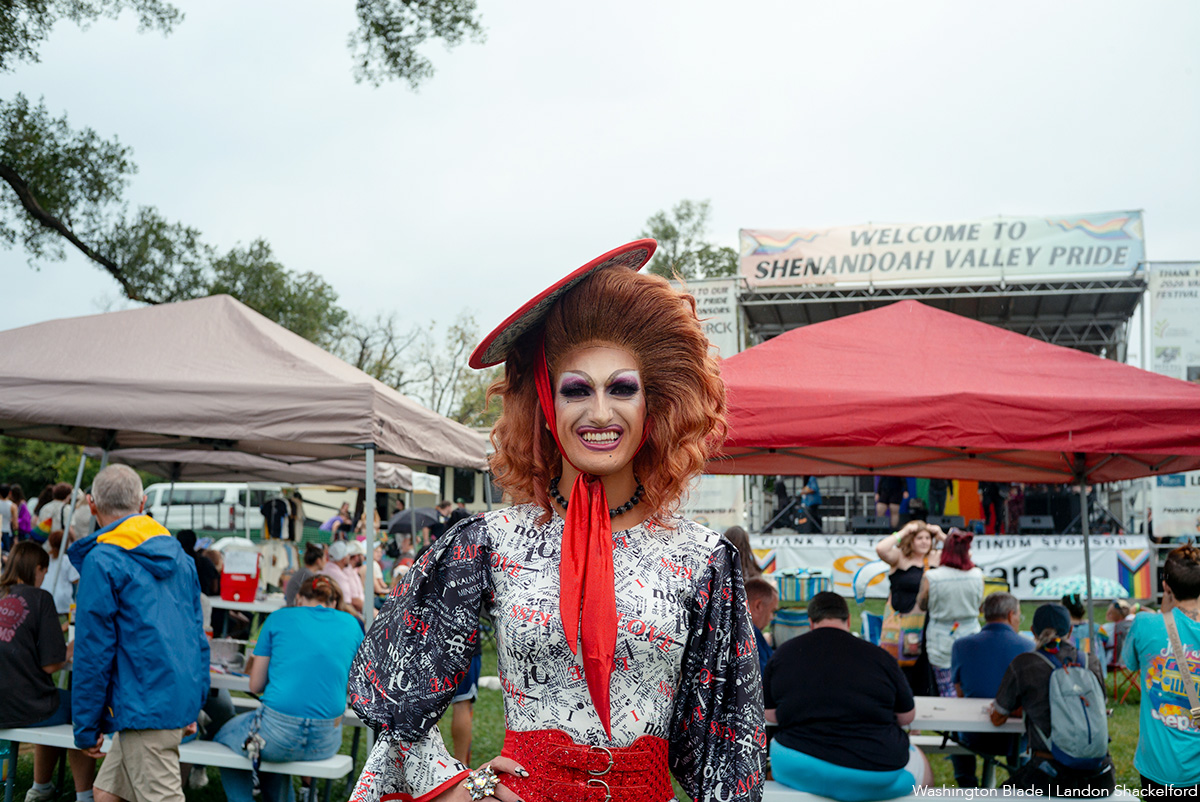
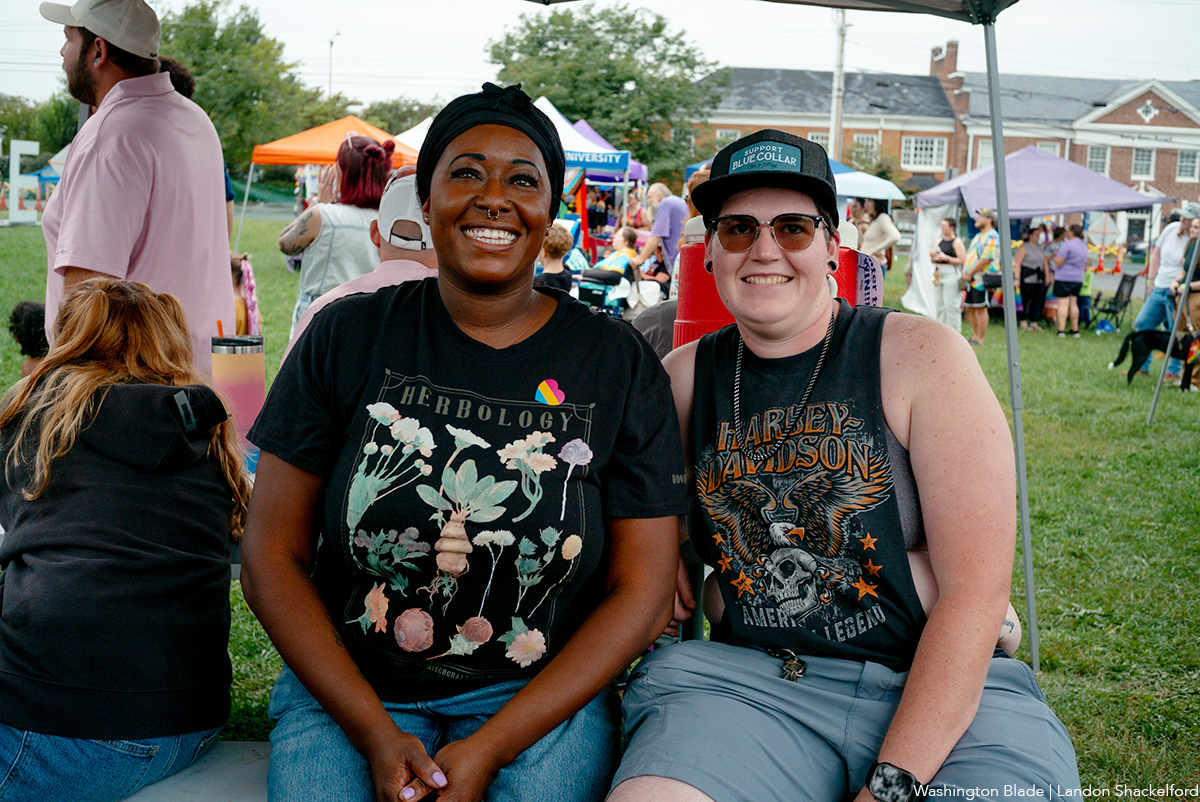
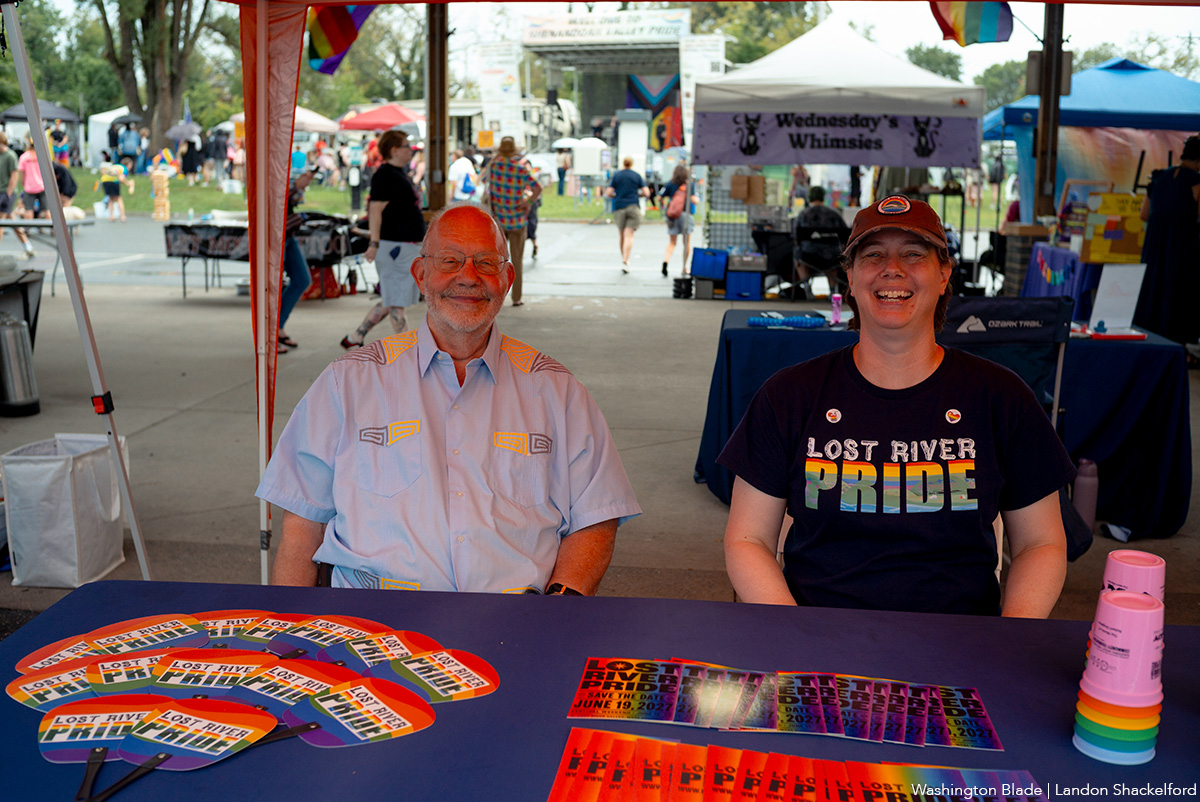
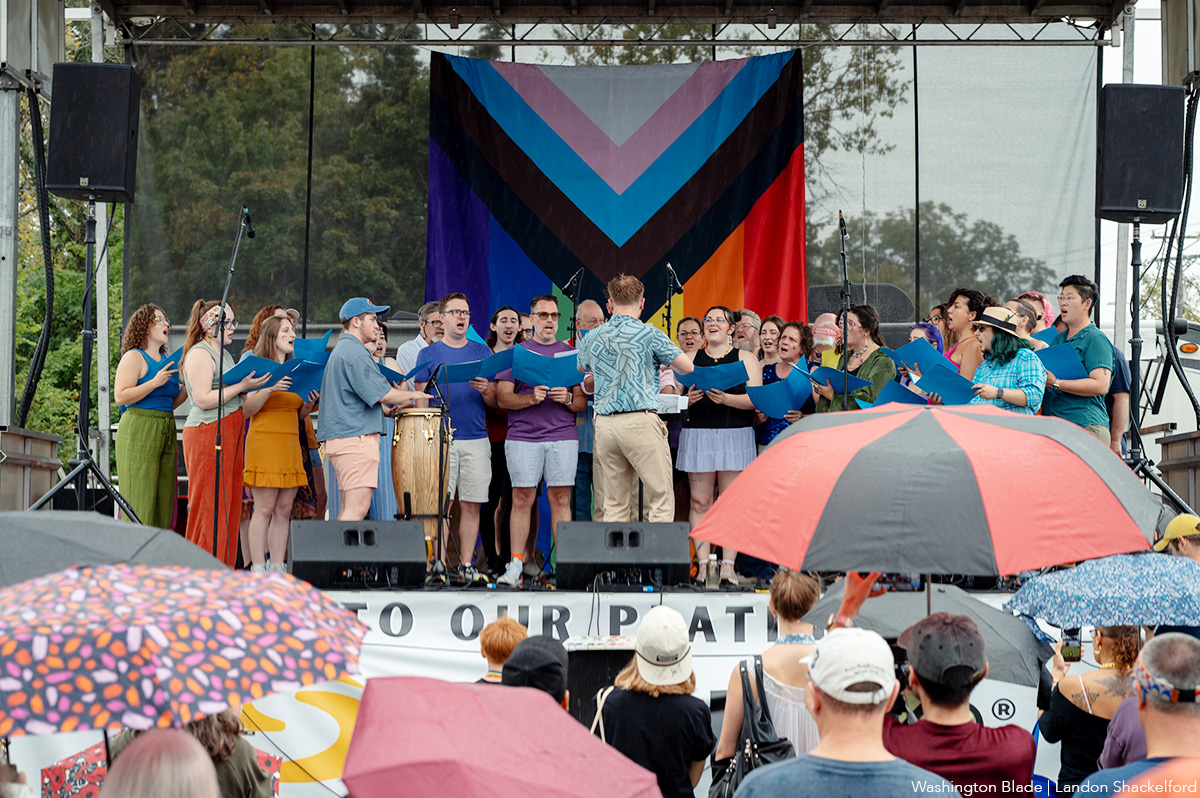
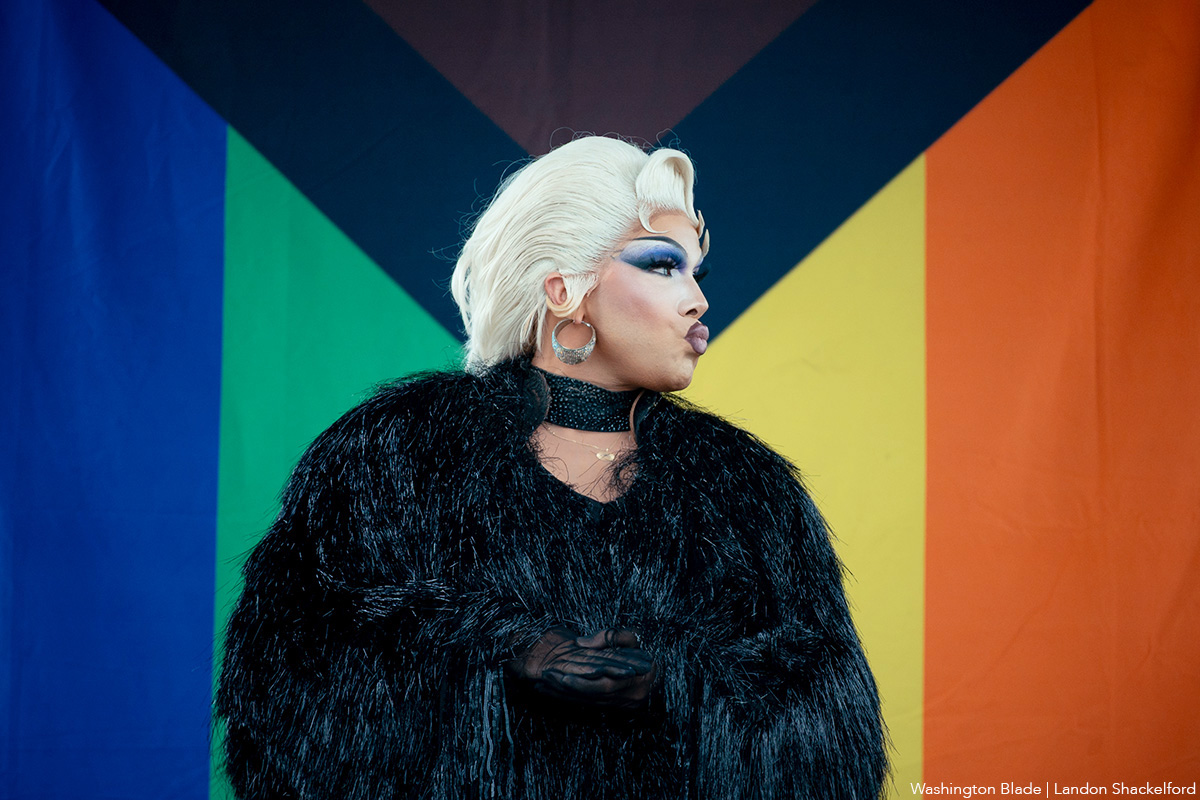
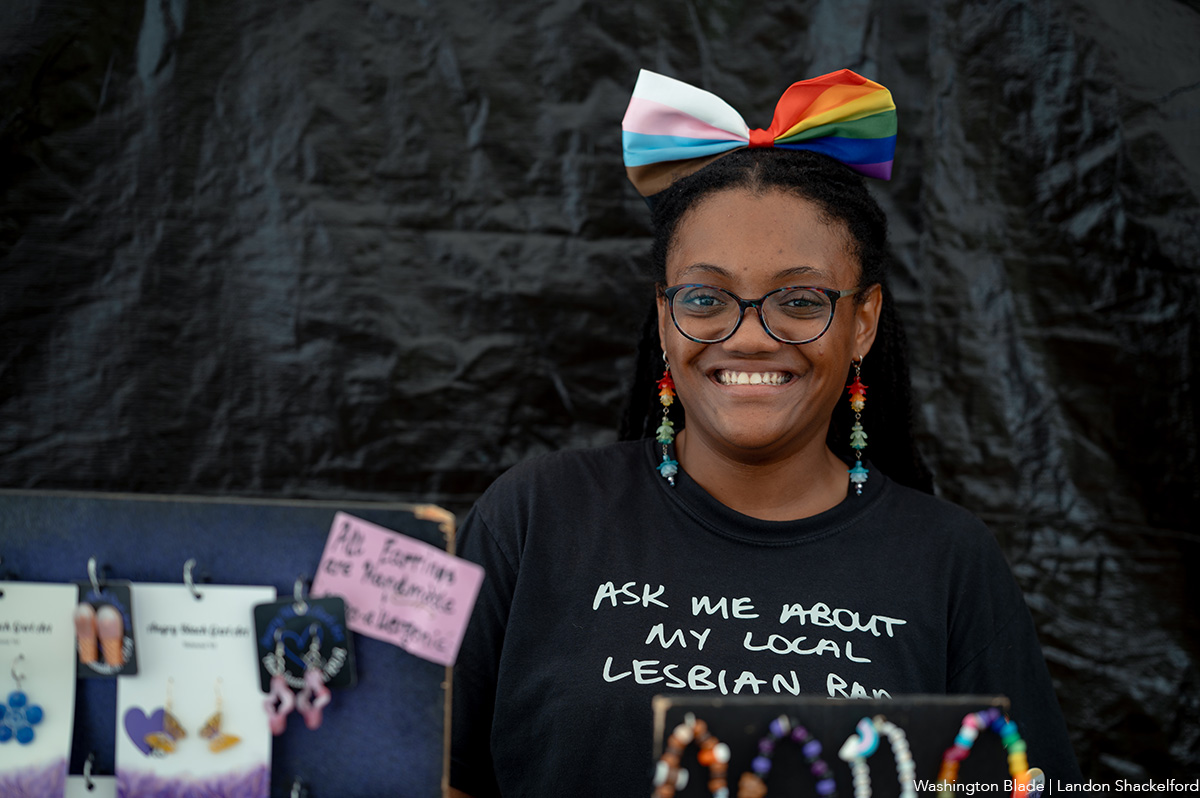
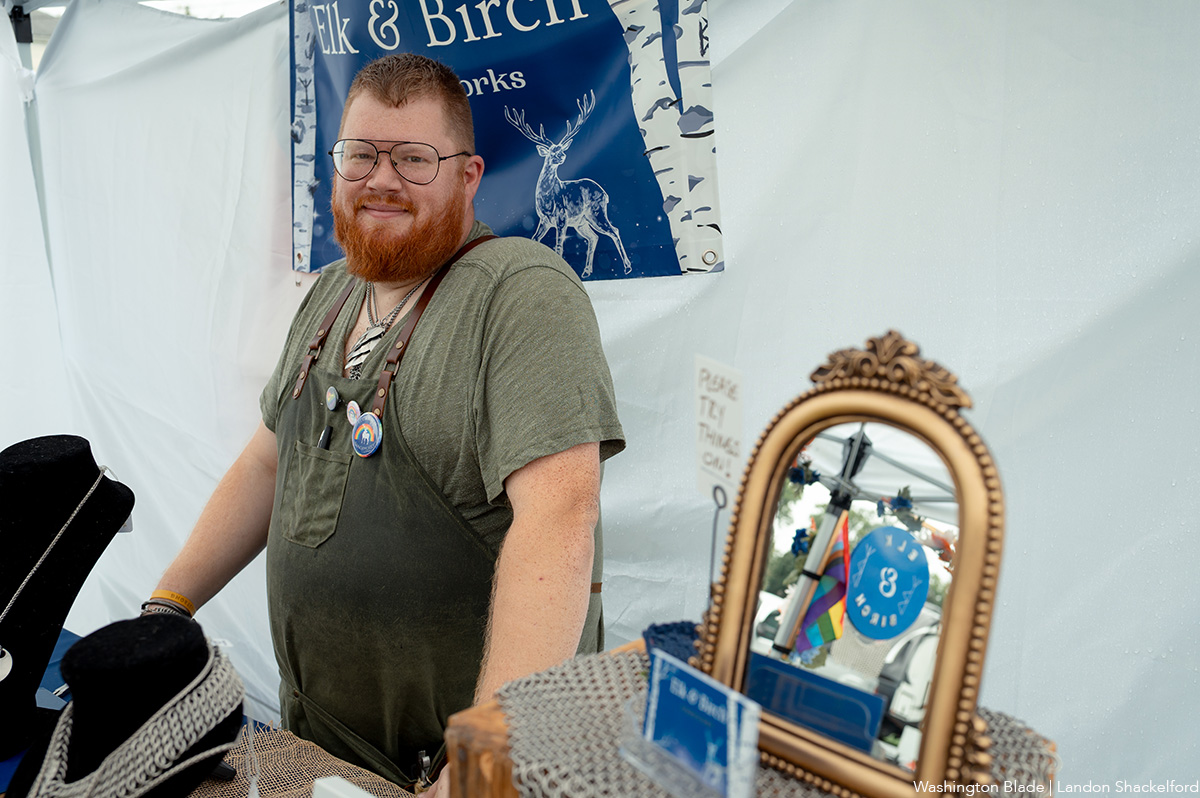
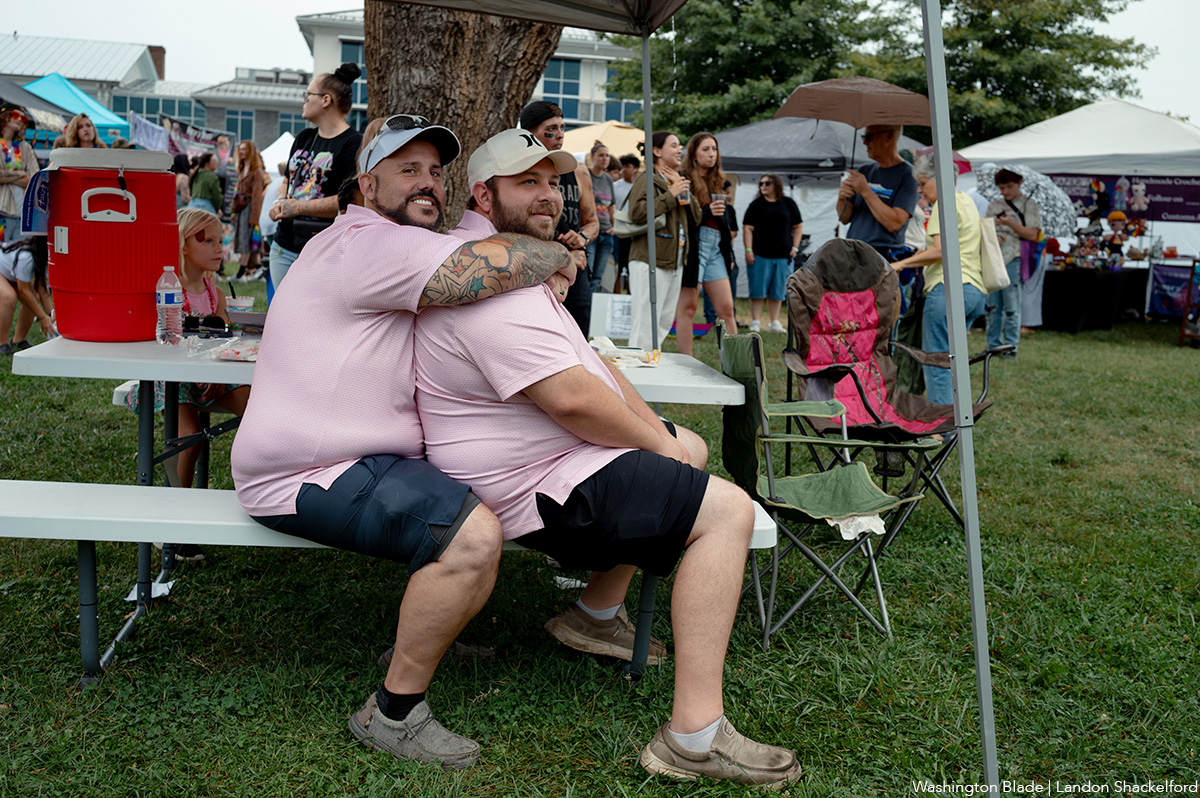
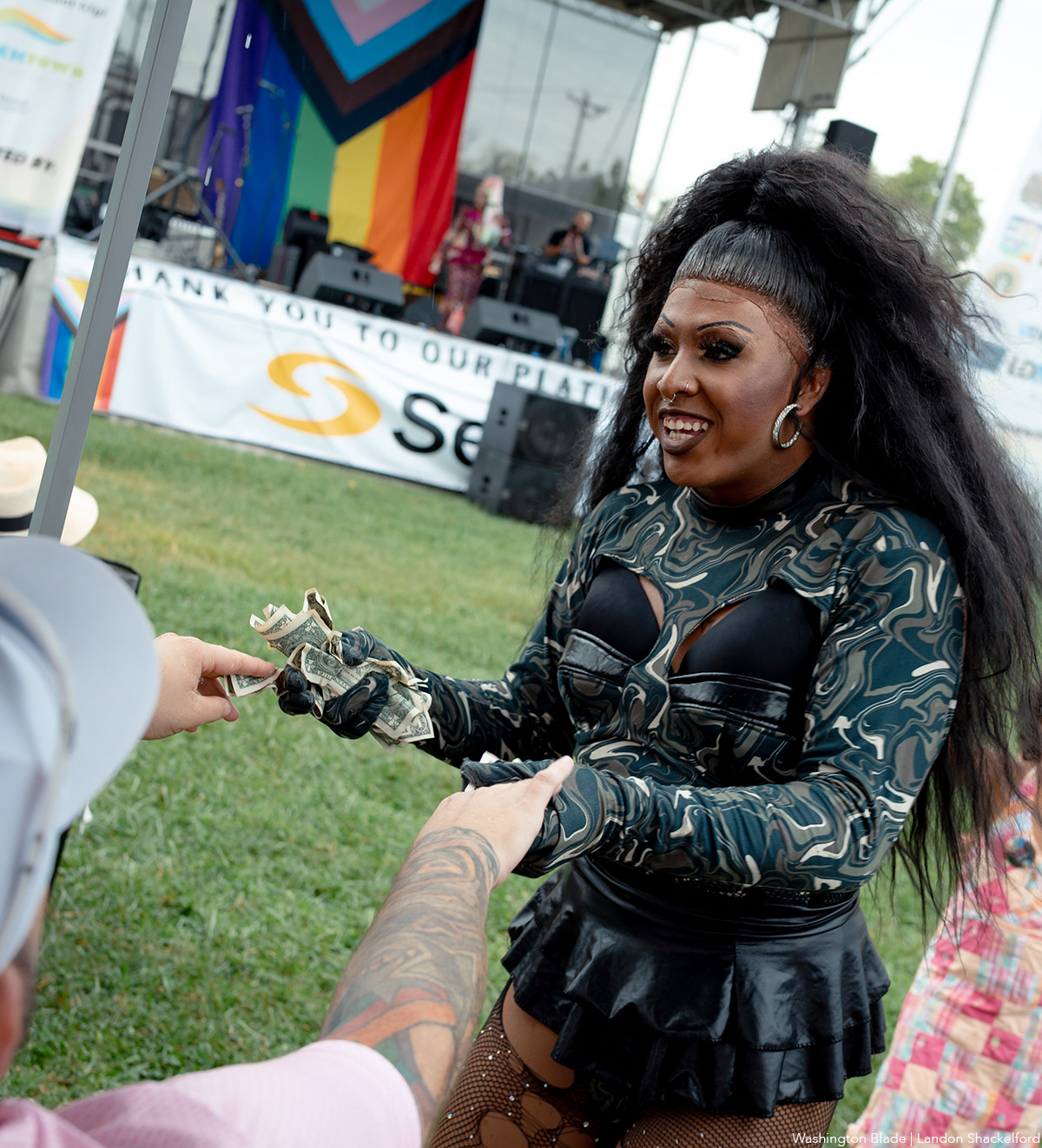
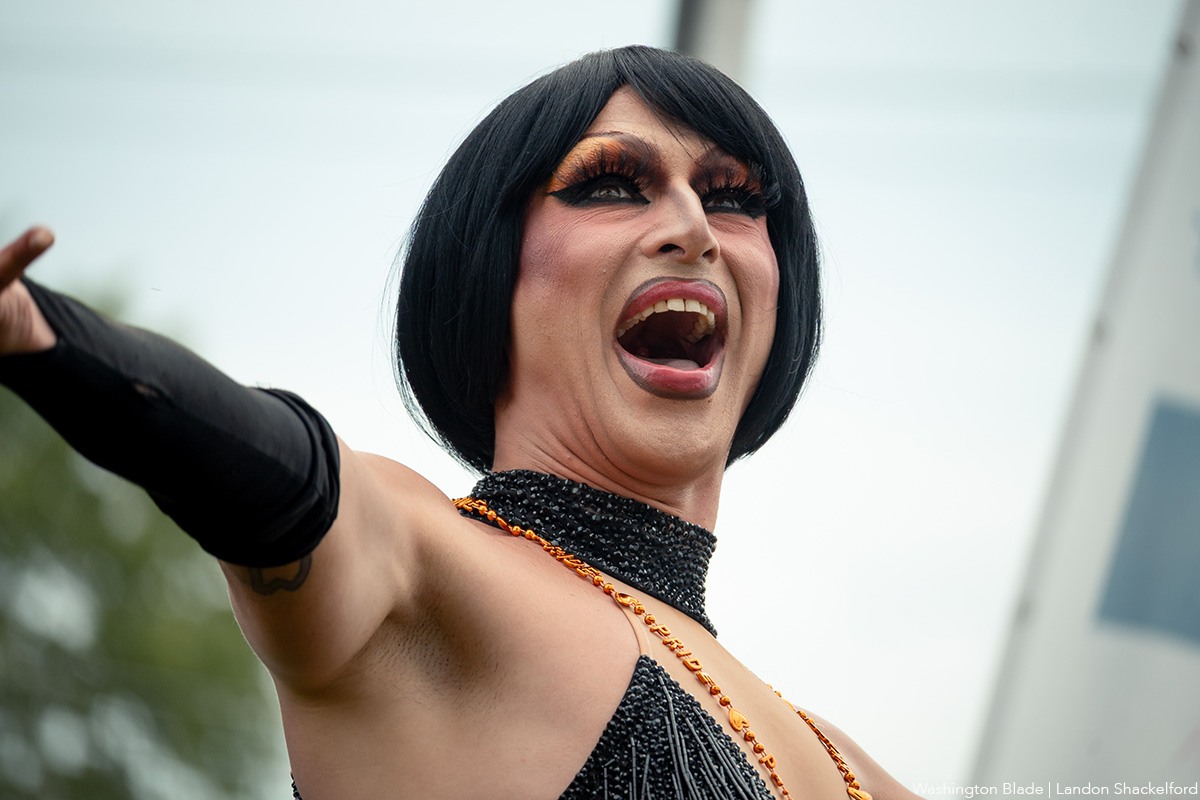
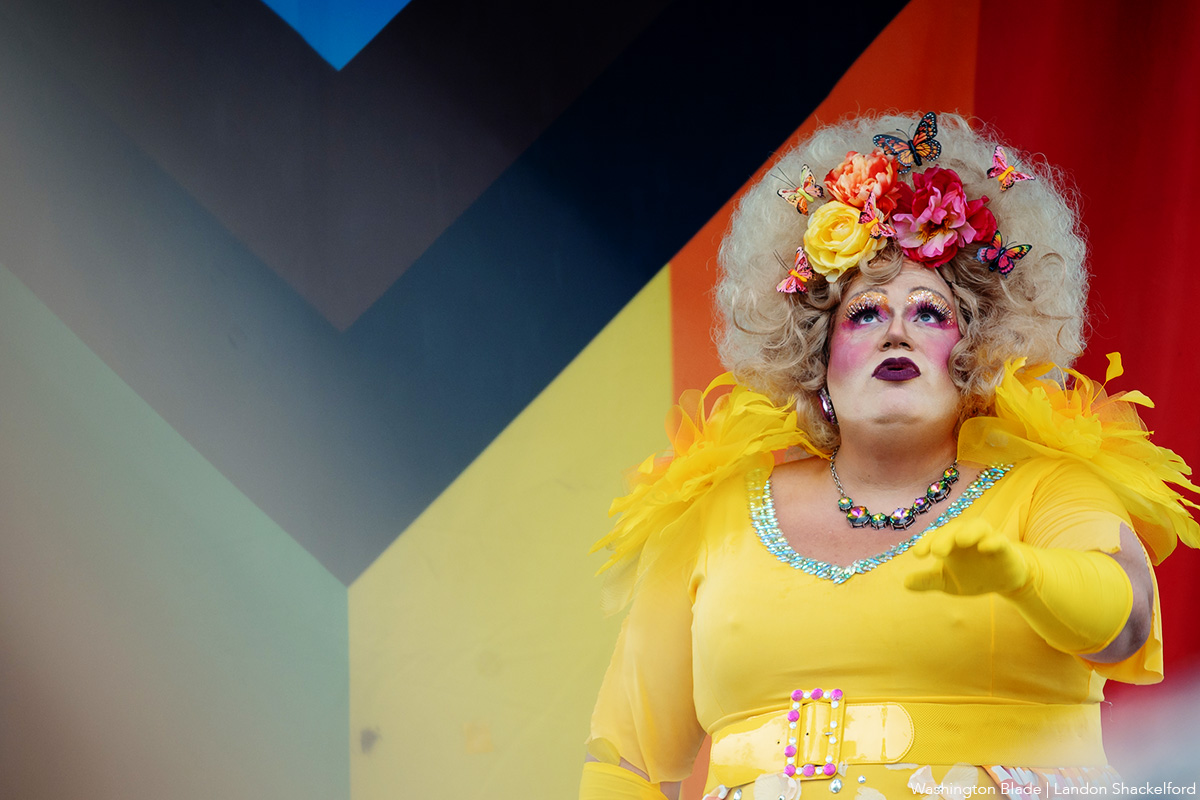
PHOTOS: Shenandoah Valley Pride
LGBTQ celebration held at Turner Pavilion in Harrisonburg, Va.
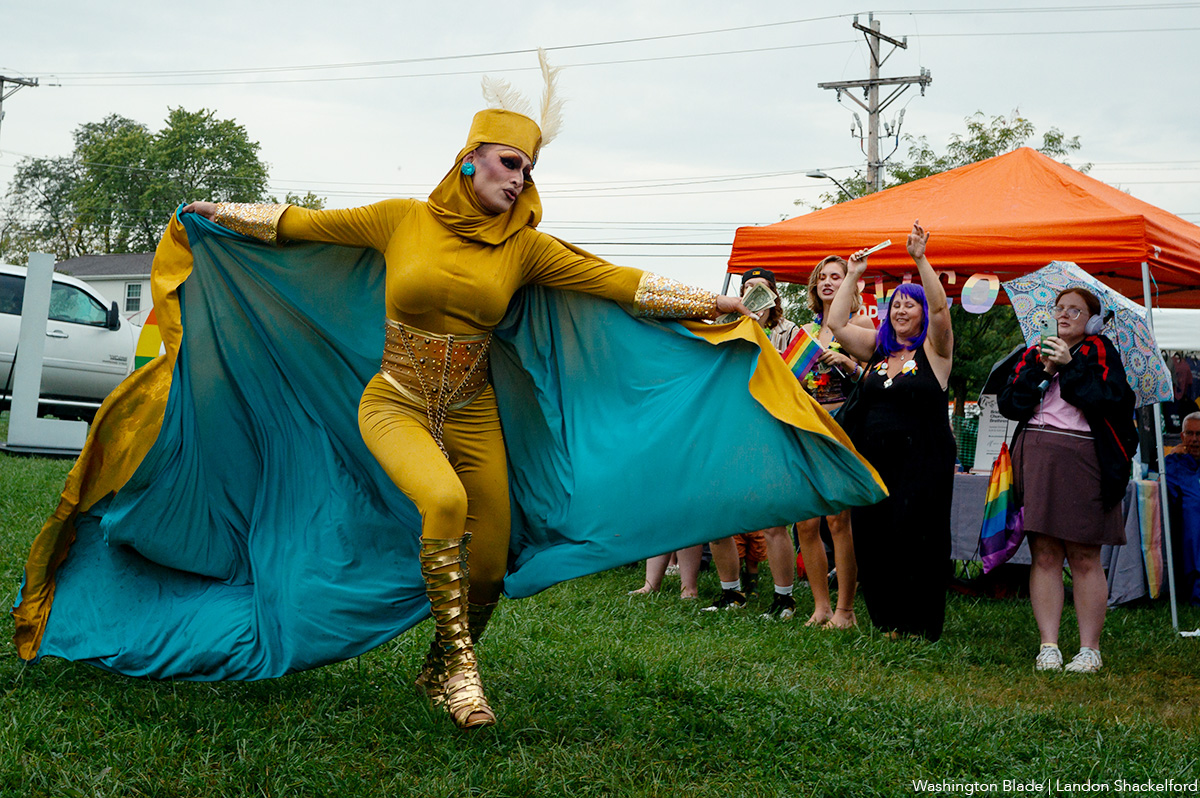
The 2026 Shenandoah Valley Pride Festival was held at Turner Pavilion in Harrisonburg, Va. on Sunday, Sept. 20.
(Washington Blade photos by Landon Shackelford)






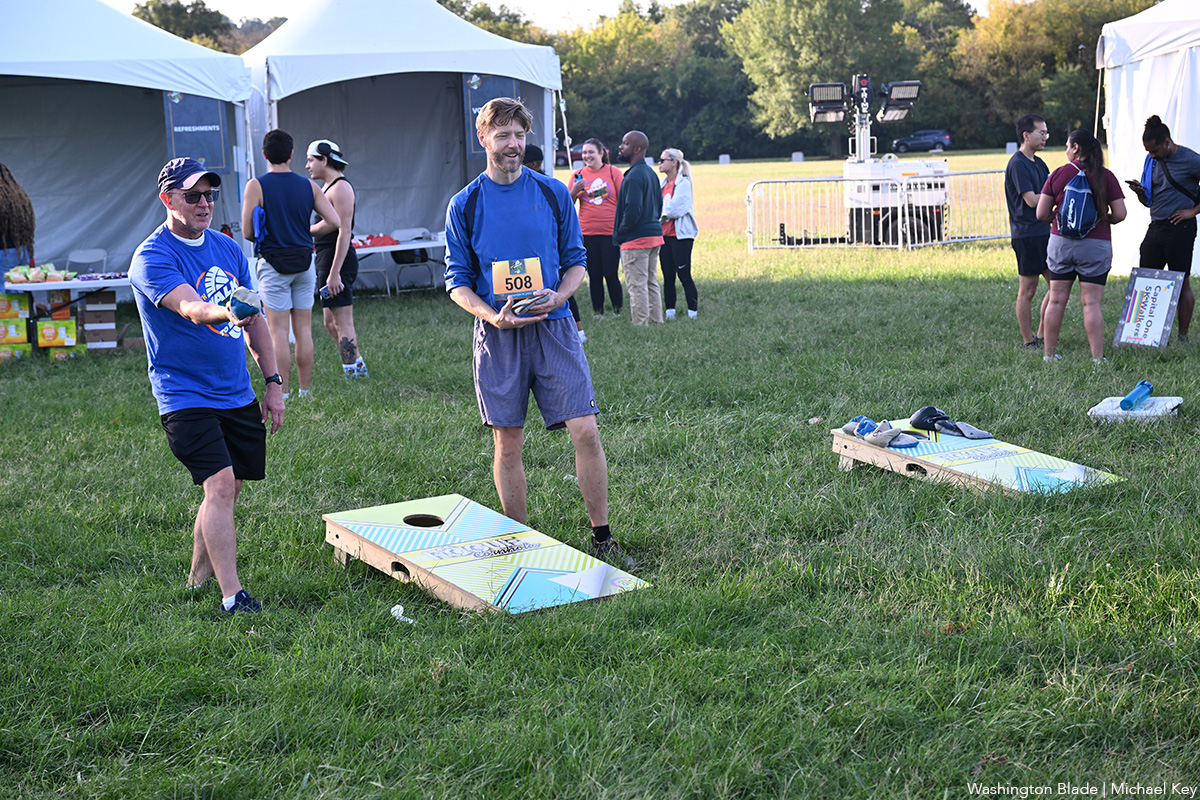
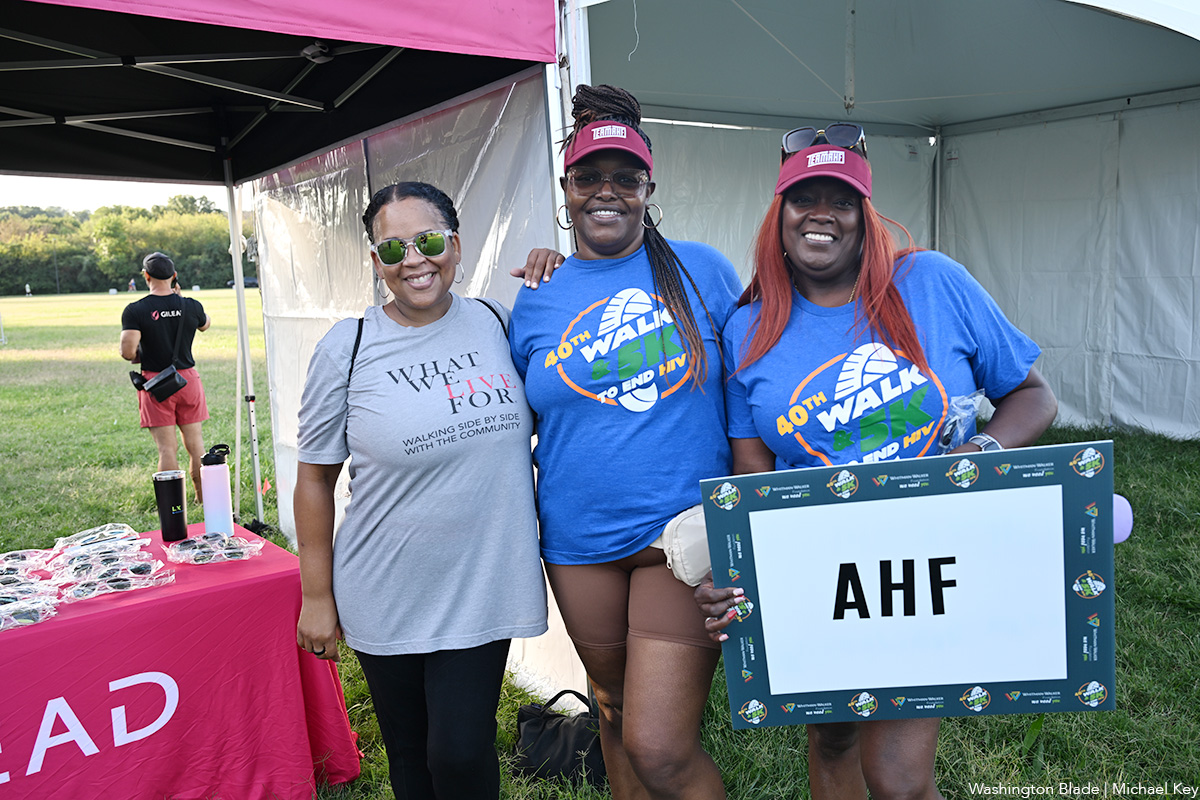
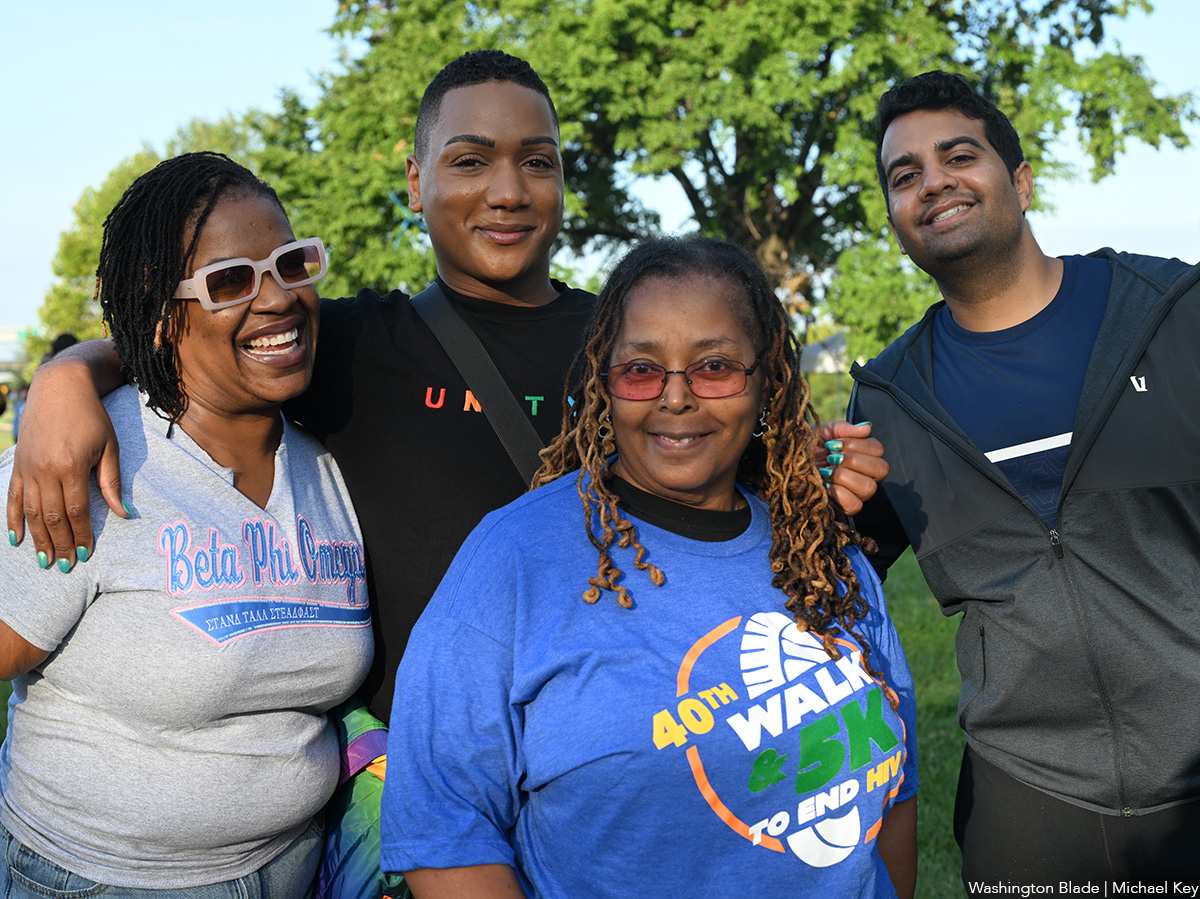
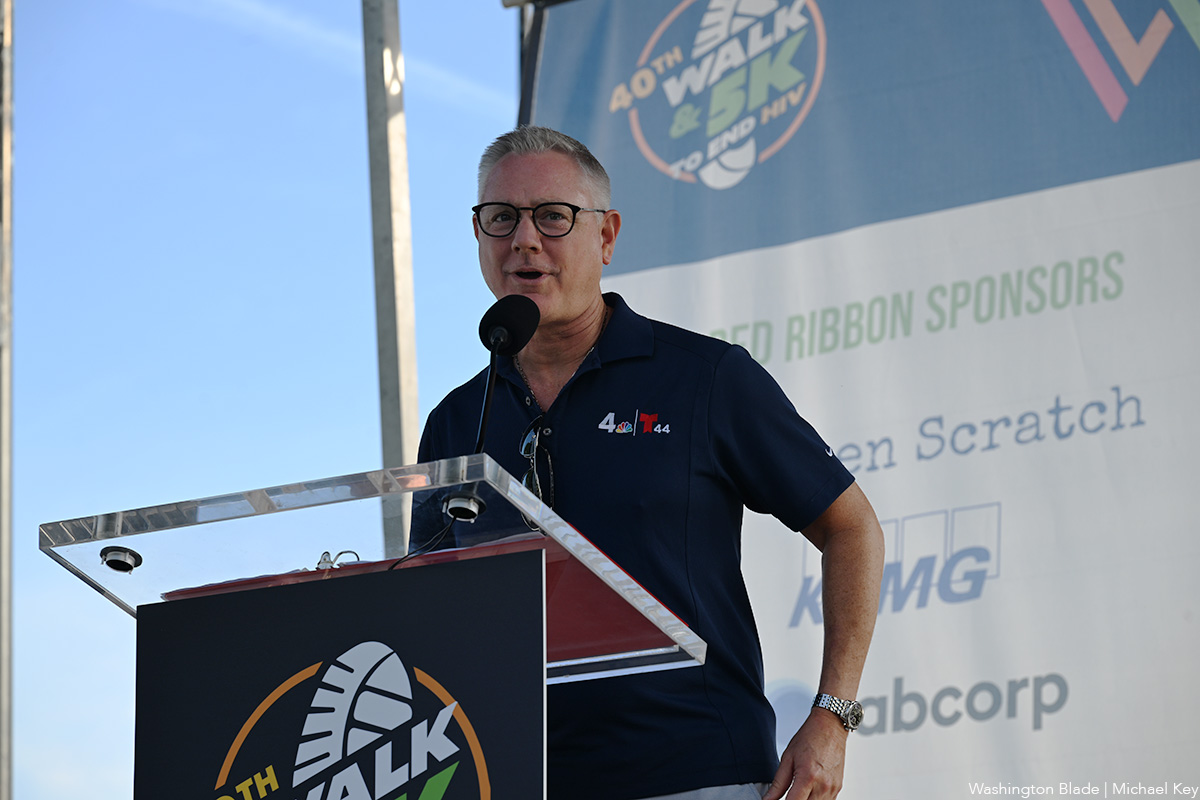
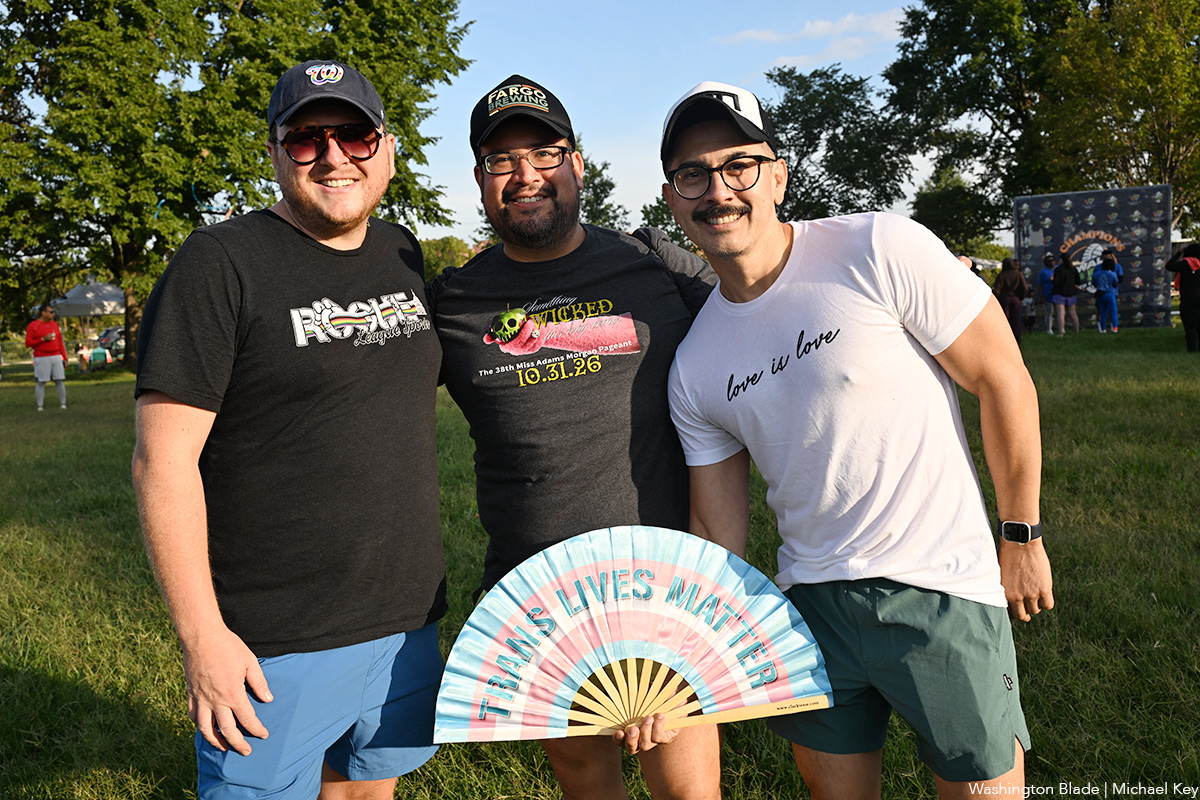
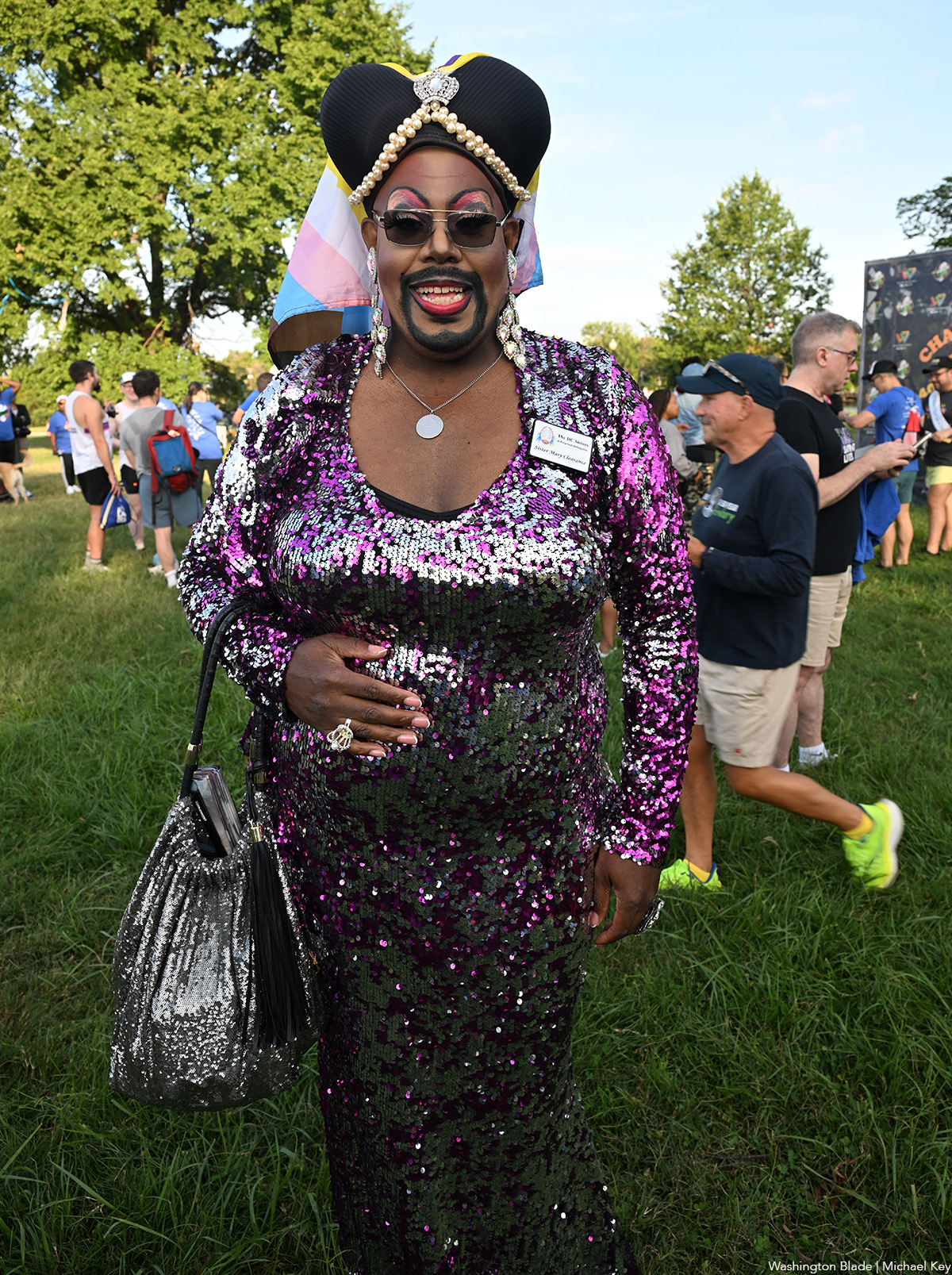
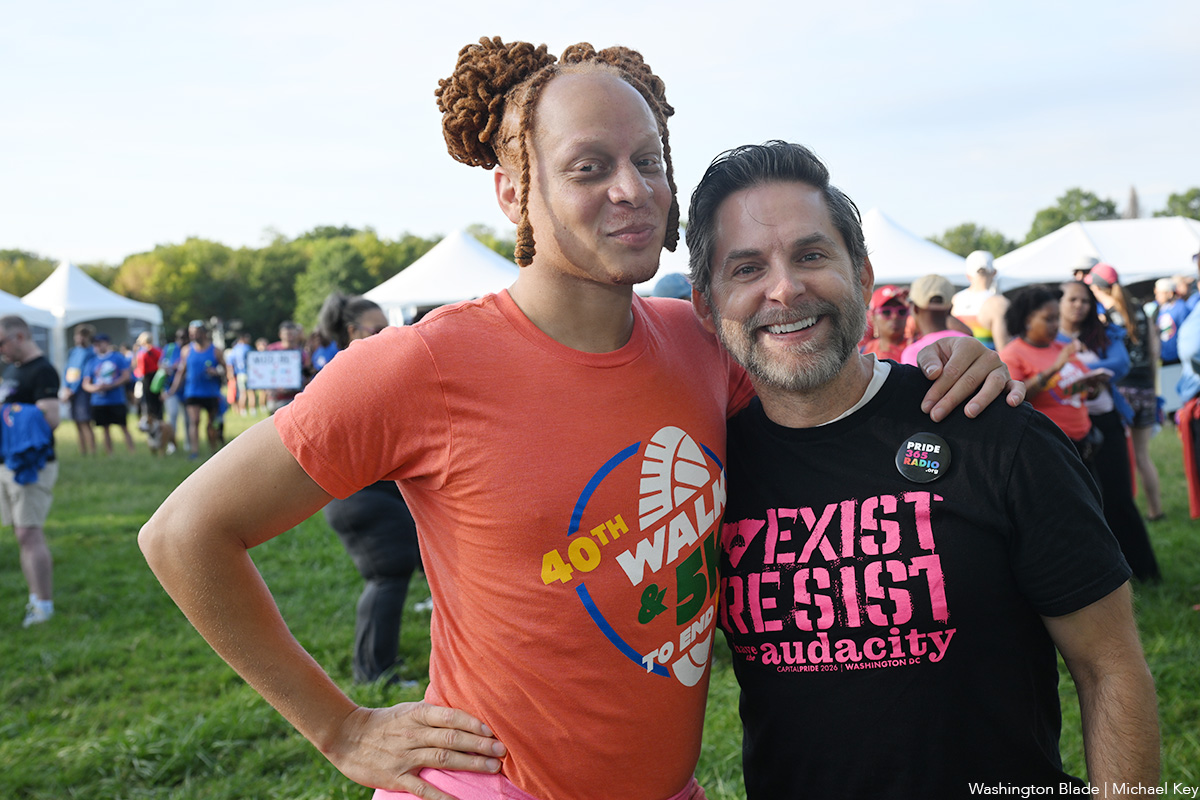
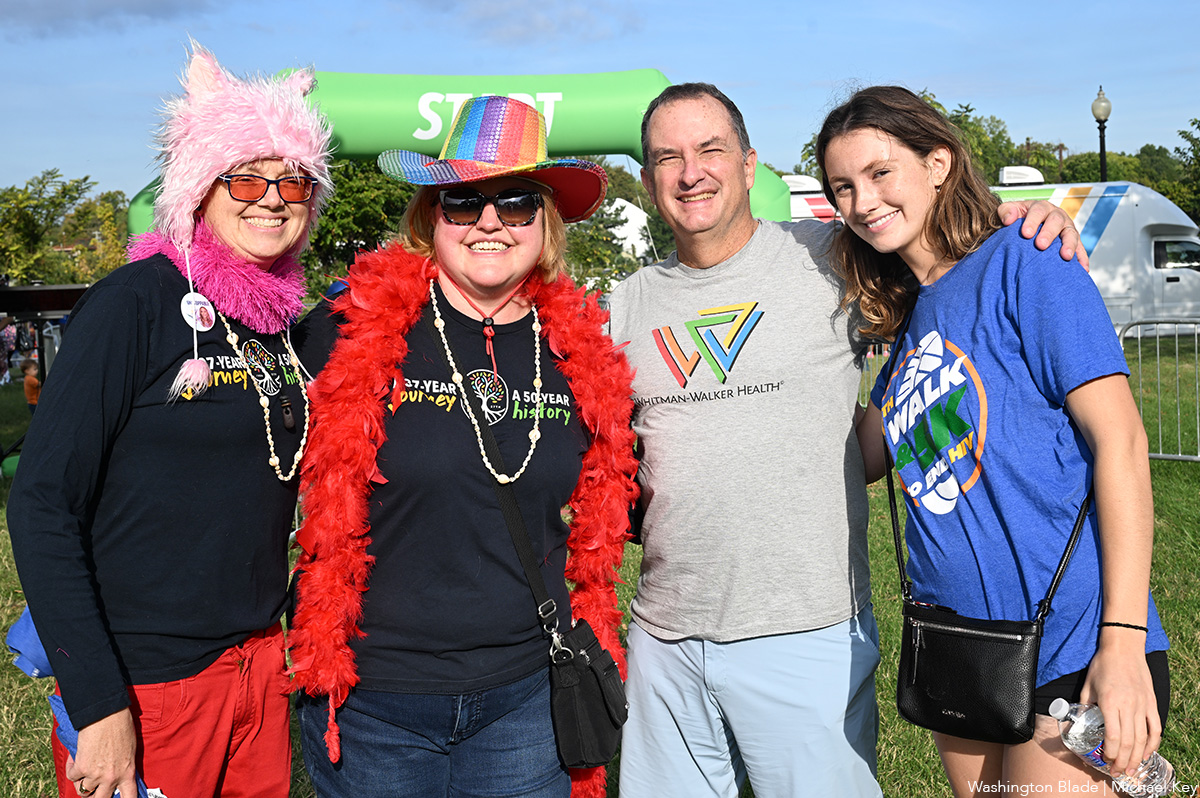
Whitman-Walker Health held the 40th annual Walk and 5K to End HIV at Anacostia Park on Saturday, Sept. 19.
(Washington Blade photos by Michael Key)












Caso Karlina: Una sentencia histórica contra las terapias de «conversión»

Washington Blade responds to concerns over White House pool duties

Young people should know history of the fight for human rights

Dutch prime minister visits Stonewall Inn

Clavicular charged in alleged rape of teenage influencer

Over 2,000 turn out for Hands Around the Kennedy Center protest

PHOTOS: Wanda Alston Foundation Fall Reception

PHOTOS: Walk and 5K to End HIV

What LGBTQ veterans are building after ‘Don’t Ask, Don’t Tell’