Arts & Entertainment
Gay high holy day
Madonna brings ‘MDNA Tour’ to D.C.
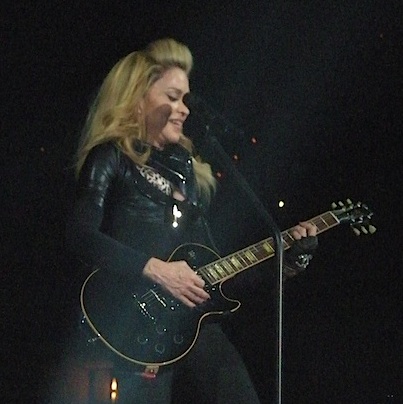
It sounds silly to say unless you were there, but Madonna’s show at the Verizon Center in D.C. last night — her first shows here since 2004 — felt like a wild mix of gay church, homecoming and an eye-popping musical extravaganza that, at times, rivaled a Cirque du Soleil production in scale, scope and special effects.
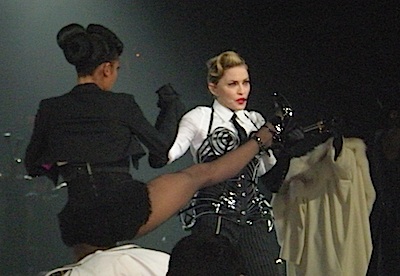
Madonna last night in D.C. (Blade photo by Joey DiGuglielmo)
Though barely anyone sat down the whole night, when the lights came up for a fourth quarter sing-along to “Like a Prayer,” there was an energy and fervor in the room that felt positively spiritual. It wasn’t so much, for me anyway, about the musicianship of the moment. I even winced a time or two at the thin vocals (she deserves credit for singing it live, though!), but that didn’t feel to me the point. In an arena full of what appeared to be about 70 percent gay men, the “Prayer” singalong felt more like a celebration of everything Madonna has always represented — you can be spiritual, intelligent, gay and have fun. And — projecting and paraphrasing of course — the stodgy old anti-gay gatekeepers of the Roman Catholic church, don’t think for a minute it’s their way or nothing. Yes, they’re onto something powerful and timeless, but they’re not the gatekeepers.
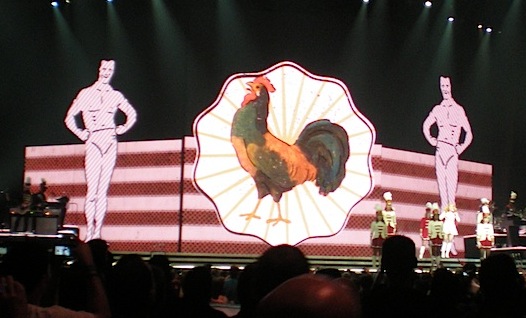
A bone for the gays. (Blade photo by Joey DiGuglielmo)
Sure, this isn’t a new thing by any means — Madonna has been using religious imagery to powerful concert effect at least since the “Blonde Ambition Tour,” but somehow this time out, it had a freshness and impact that totally worked. Arriving on stage in a confessional booth in one of her best tour entrances ever, this was an evening that brought with it redemptive powers. It’s also one of her best tours in ages — true, a Madonna show is never a bad show, but the arrangements, mix of old and new and staging, not to mention the flawless execution last night by all involved, has a hypnotic effect that can’t be fully conveyed. She plays another D.C. show tonight. Tickets are still available.
Almost everything worked in the expertly paced two-hour show. A pleasant surprise, considering her last few tours, was how faithful some of the arrangements were on the old hits. After having reworked “Vogue,” “Holiday,” and “Like a Prayer” so radically on outings’ past, it was great to hear them in near-original form for a change this time. While some of her re-imaginings other times have been amazing — I loved the gypsy/mariachi take on “La Isla Bonita” last time — this backfires as often as it works.
Last night’s percussion-heavy reworking of “Open Your Heart” was just so-so and a loungy, torchy “Like a Virgin” failed to pick up any heat, but thankfully there were enough faithful interpretations of other songs to make things largely effective overall. Second-tier, and more recent semi-hits, like “Revolver” and “Celebration” from her last hits collection, were unexpected surprises. And with “Papa Don’t Preach” and “Express Yourself” included as well, there wasn’t the slightest feeling Madonna was being stingy with the hits. They blended very well with material from her excellent new album. Some of the most effective moments of the evening were new songs like a blistering “I Don’t Give A” and an intensely satisfying “I’m Addicted.”
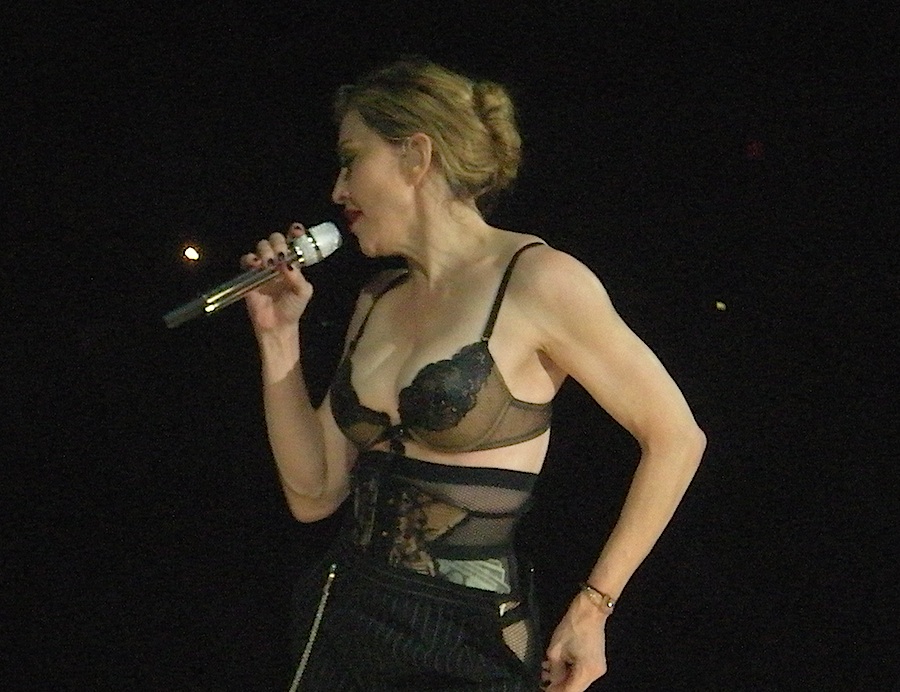
(Blade photo by Joey DiGuglielmo)
The band, sets, dancers, choreography, video montages and special effects were all super top-notch. And yes, there was a slight sense that for perhaps the first time, she left most of the tricky dance steps to the troupe, not always joining right in as she has in other tours. I noticed it, but it didn’t dampen the proceedings.
A lot has been made of the Tarantino-esque violence of the first quarter shooting rampage that accompanies “Girl Gone Wild” and “Gang Bang.” It was intense — blood splattering across arena-size monster jumbo screens is a jolt for sure — but it felt more cartoonish and campy than literal or disconcerting to me. In an evening where everything was writ as large as possible, it felt, to me, just one more piece of a broad emotional collage. One appreciates light much more after great darkness.
Even when there’s a song or two that aren’t what you would have picked — did we really need “Human Nature” again, for instance? — or an arrangement or two that left you cold, all that really is quibbling. Madonna never phones it in, never takes the easy route, never — even with a generous bounty of ’80s hits in the mix — feels like she’s a nostalgia act stuck in another era. Her live vocals — typically the calling card for a concert — are not her long suit, but to get too hung up on that is to miss the point entirely. Yeah, it’s always fun to see great legends in concert, but so many of them are on the gravy train and plow through their hits like they’re crossing off a grocery list. Madonna’s insistence on keeping it fresh even after all these years, remains an awe-inspiring thing.



Online Culture
Clavicular charged in alleged rape of teenage influencer
Online personality’s real name is Braden Peters
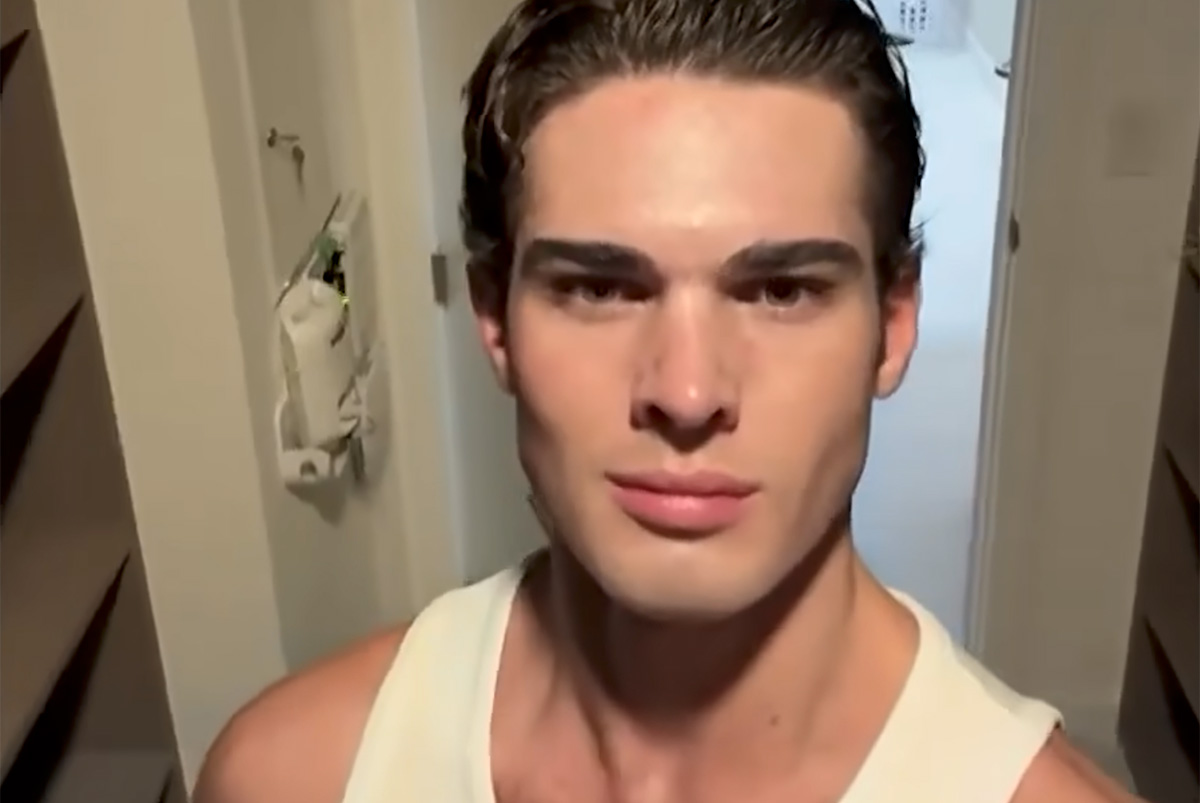
Online personality Clavicular, whose real name is Braden Peters, has been accused of rape.
According to NBC, Aleksandra Vasilevna Mendoza, an 18-year-old influencer known online as Alorah or Alorah Ziva, accused Peters of sexual assault, and the case is making its way through the court system.
The alleged incident occurred on May 23, 2025, when Mendoza was 17.
According to a criminal complaint from the Chatham (Mass.) Police Department, Peters called her an Uber to his family’s home. Once there, he allegedly got her drunk on vodka while they livestreamed on Twitch and then raped her. His mother and grandmother were allegedly in the house.
The documents allege Clavicular committed rape, drugging a person for sexual intercourse, and procuring and providing liquor to a person under 21.
According to court documents acquired by NPR, Mendoza began communicating with Peters on Instagram, where he paid her to appear on his livestreams to help her “make her name known on social media.”
According to those documents, Peters arranged for the minor to come to Cape Cod home to participate in a videostream for his 437,000 followers on Kick, 1.2 million followers on TikTok, and more than 1 million followers on Instagram.
At his home, Peters allegedly instructed Mendoza to say she was 18 on his videostream and to claim the alcohol on camera was water instead of vodka. Mendoza said she felt peer-pressured to drink the spirit and that she became noticeably intoxicated after a couple of drinks.
The allegations go on to state that after stopping the stream, Peters and Mendoza kissed on a couch and then had sex in his bed without her consent. Mendoza said she did not receive a sexual assault forensic exam after the incident. NPR does not name alleged victims of sexual assault.
The charges come months after Mendoza sued Peters in Miami, accusing him of sexual battery in connection with the events of May 2025. The civil lawsuit also separately alleges that he injected her face with a non-FDA-approved fat-dissolving substance during a November livestream in Florida.
Peters is known for his “looksmaxxing” concept of vanity, which is at the core of his online presence. The “looksmaxxing” culture he has helped cultivate combines elements of incel culture and heterosexuality, with the stated goal of attracting the opposite sex. He has gone as far as to say he has undergone “bonesmashing,” or hitting his own face with a hammer; taken anabolic steroids to more rapidly grow muscle; and used crystal meth as an appetite suppressant.
At the same time, looksmaxxing has been described as having elements of homoeroticism, with “looksmaxxers” appearing more concerned with impressing other men than women. Peters has multiple times pointed to openly gay actor Matt Bomer as the gold standard for male facial aesthetics.
Peters’s arraignment is scheduled for Oct. 14.
Photos
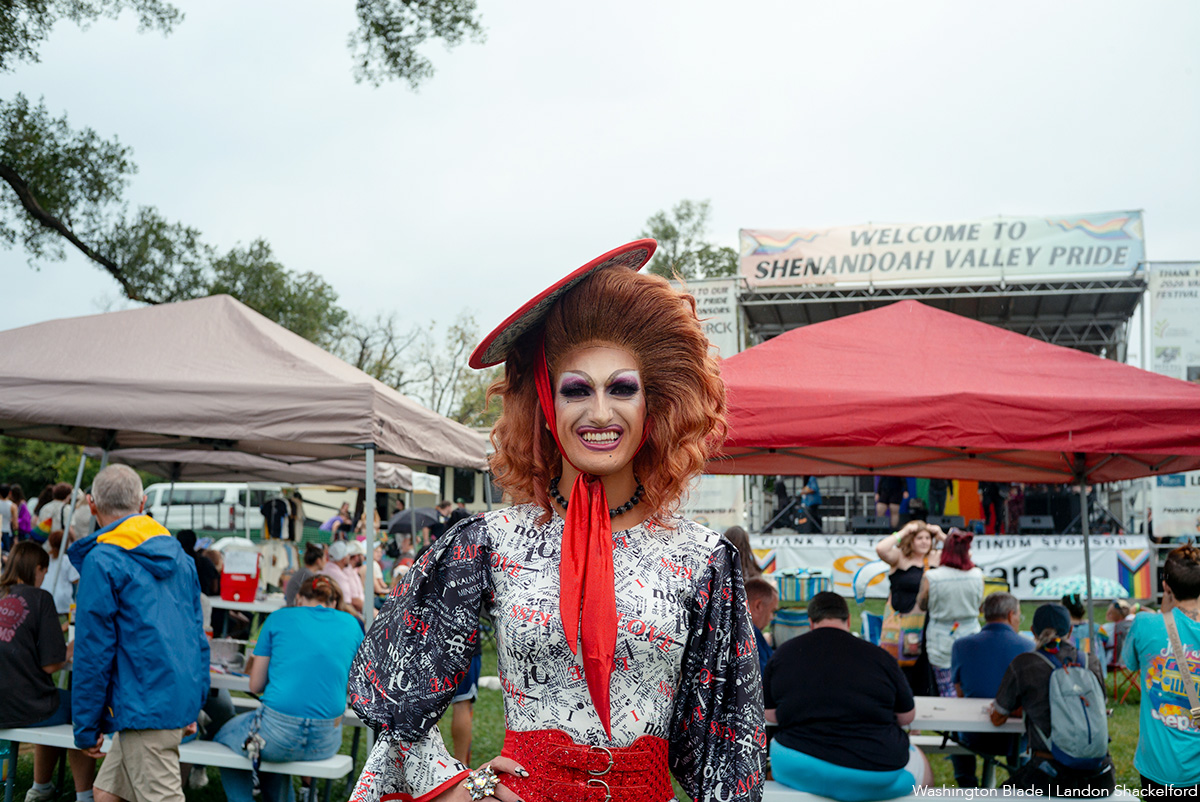
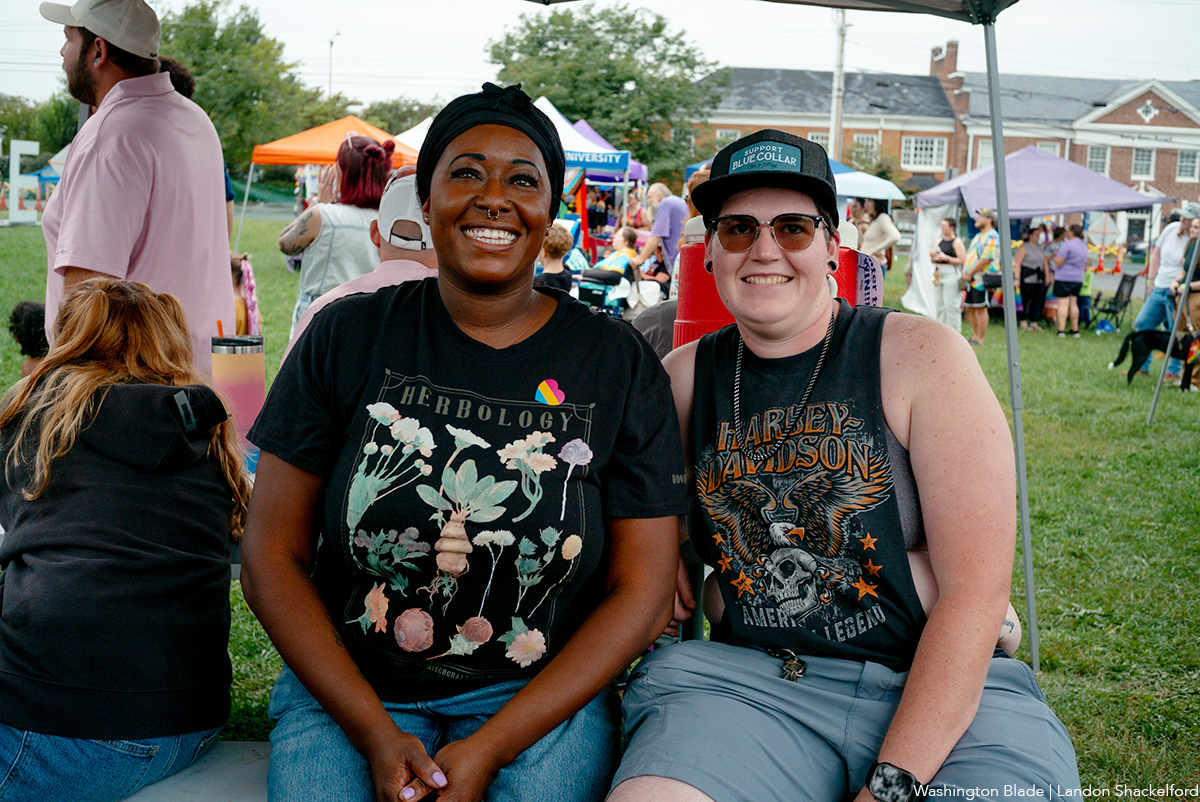
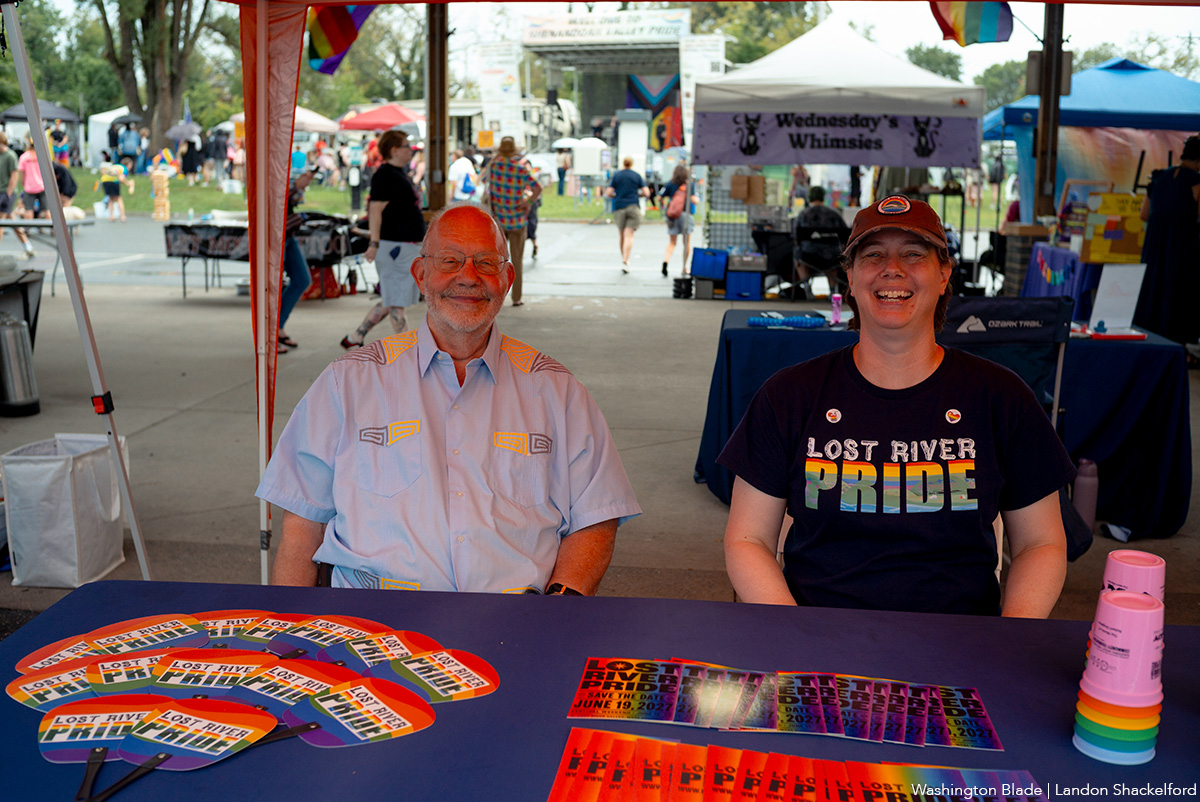
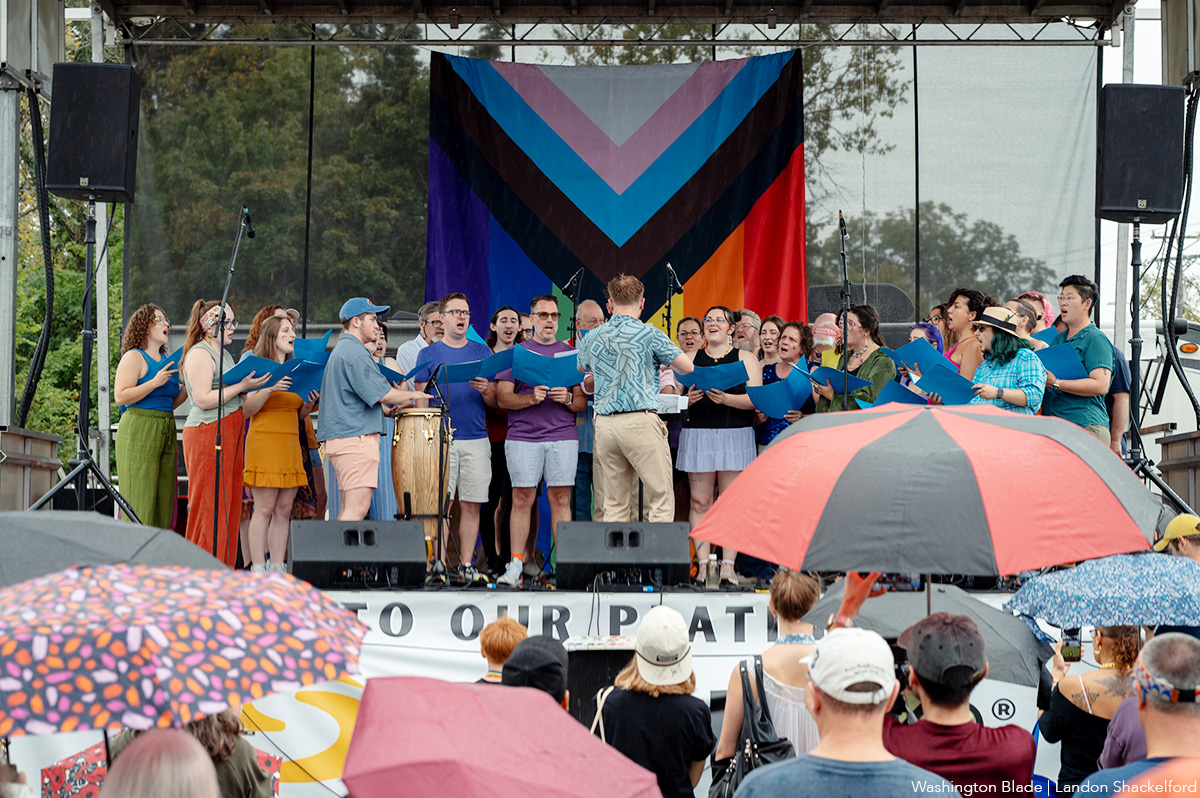
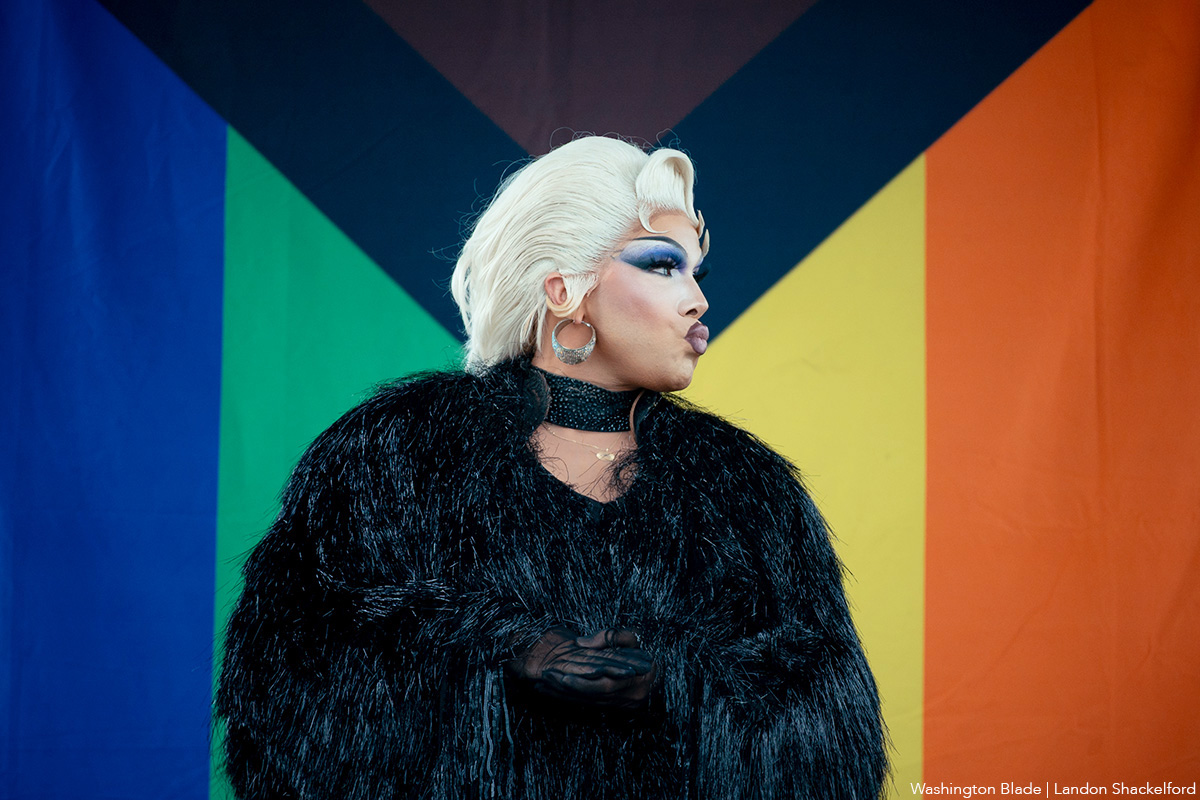
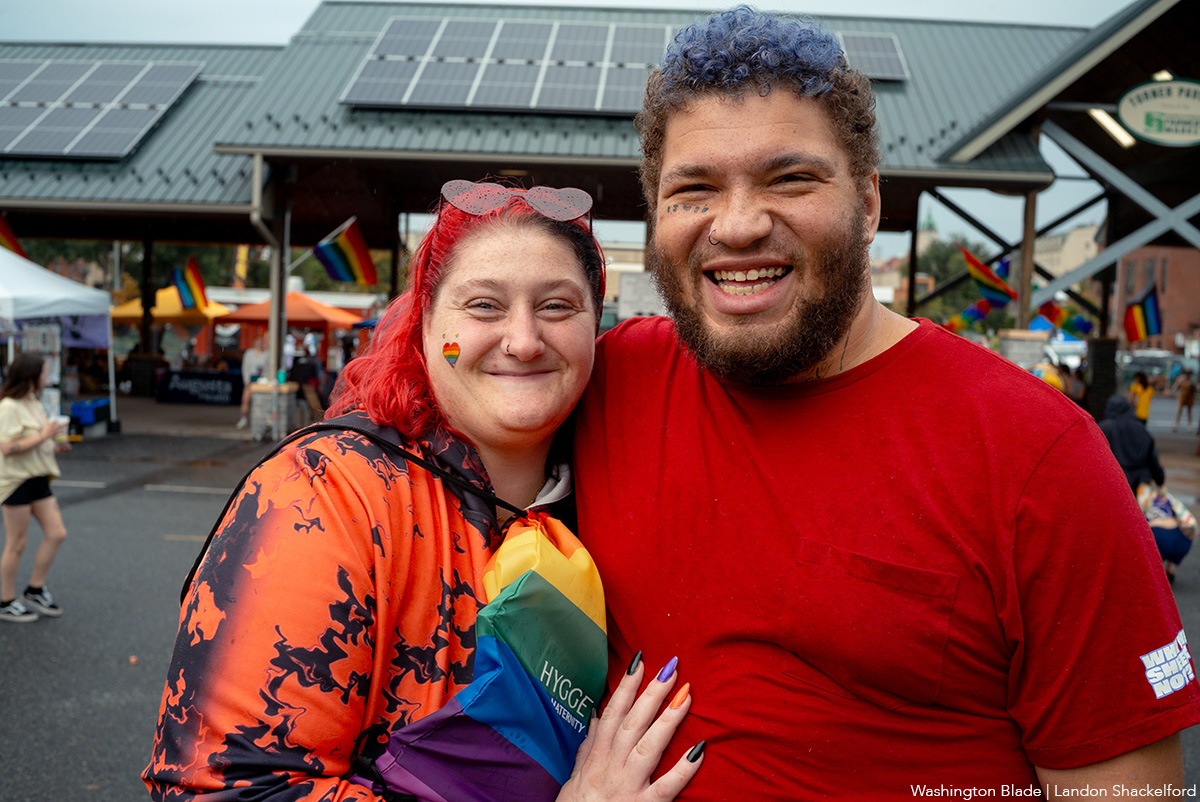
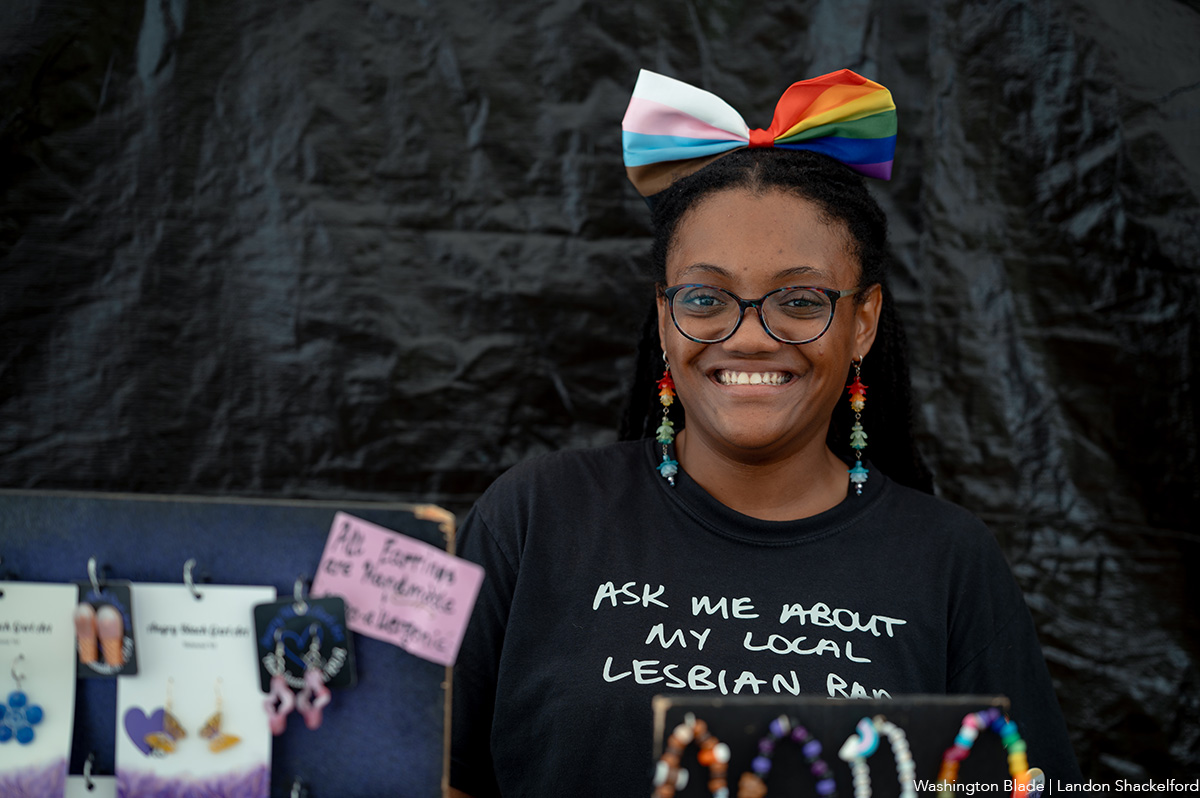
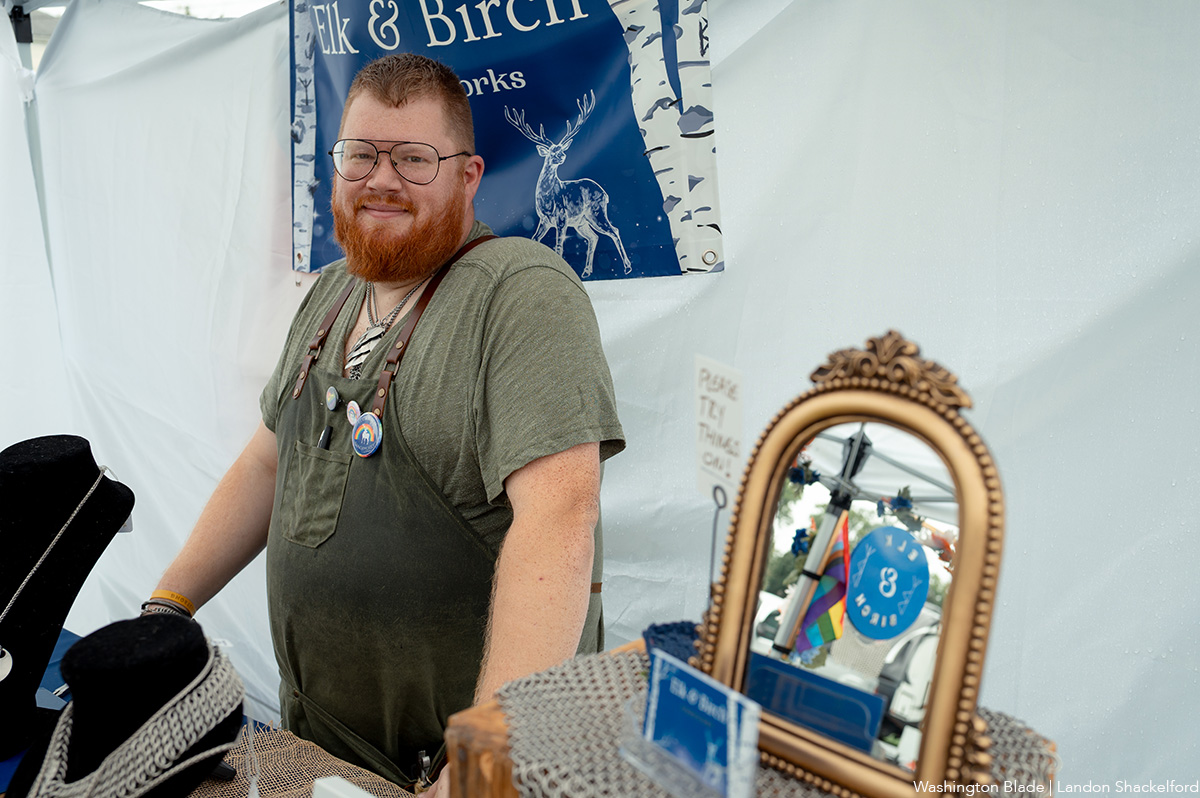
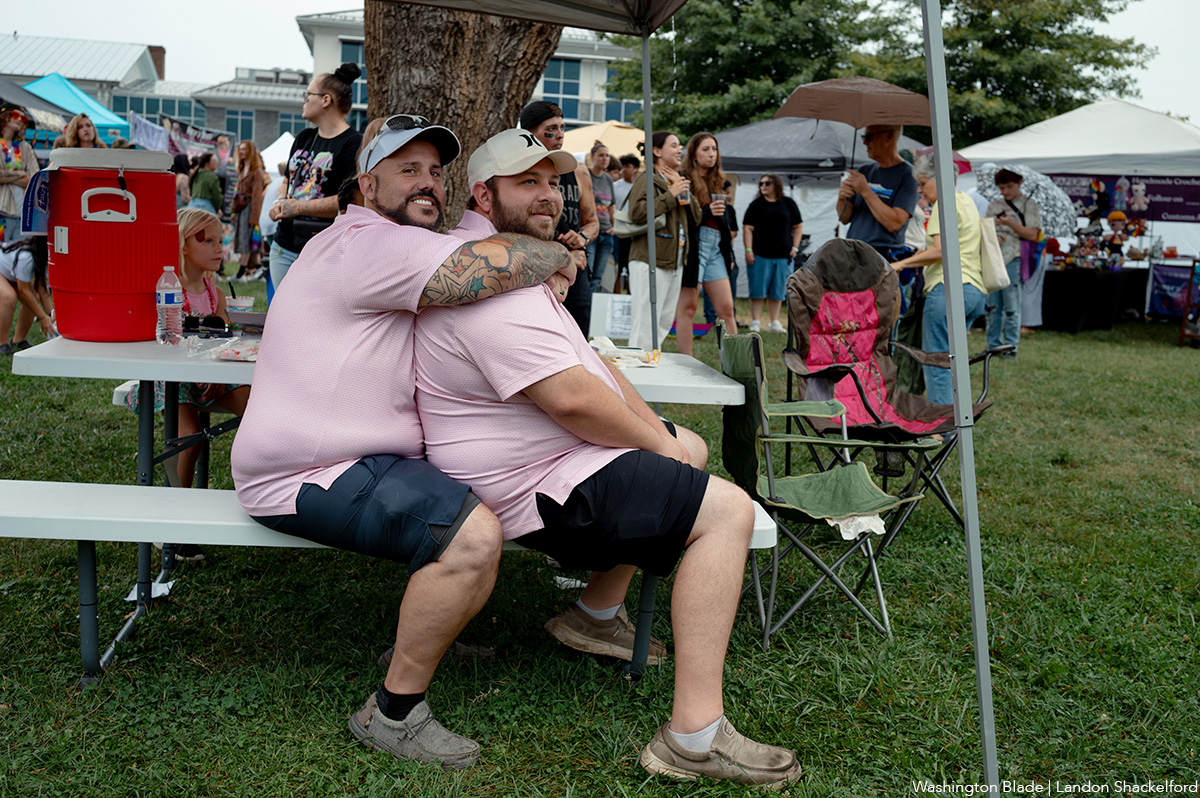
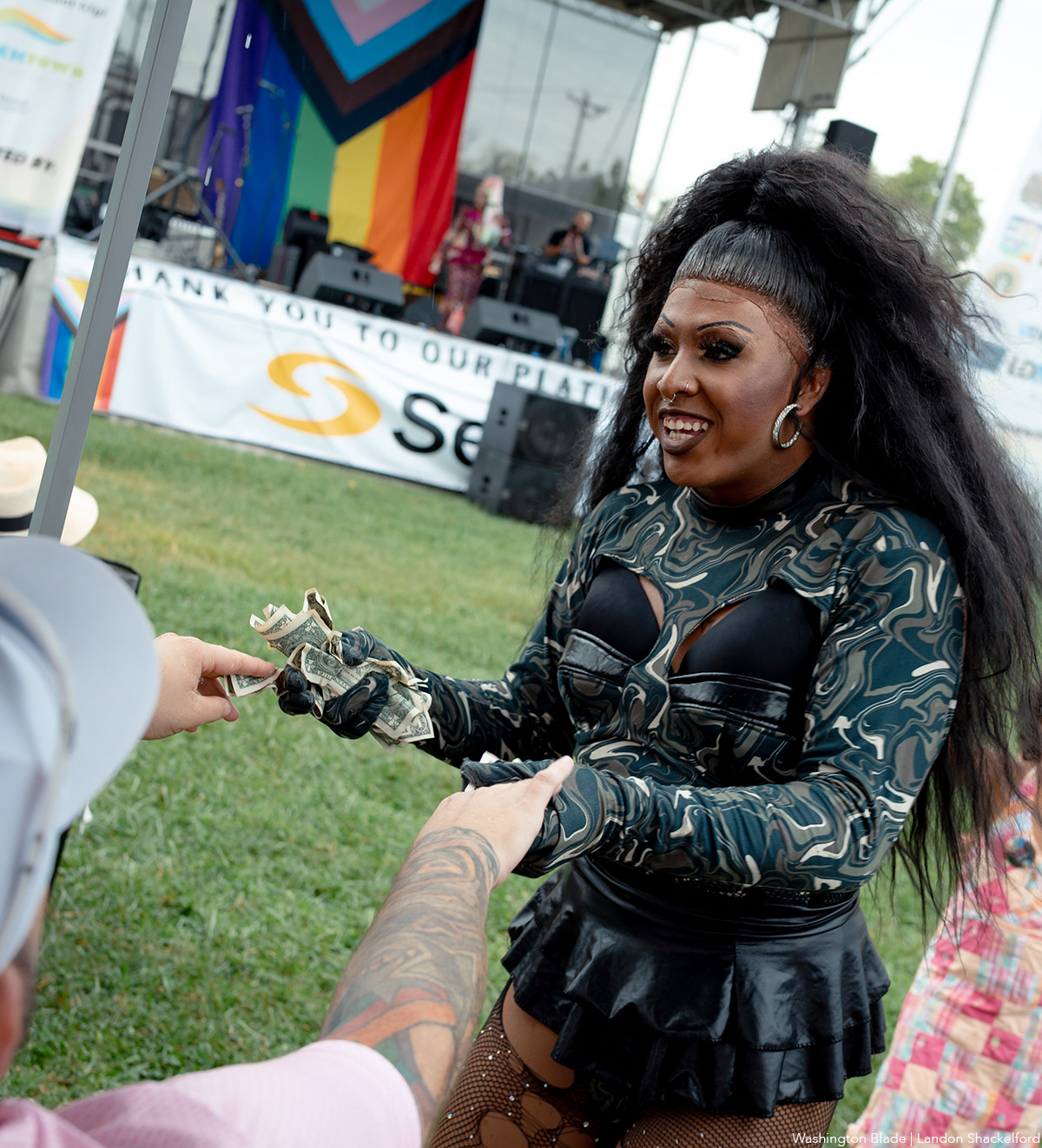
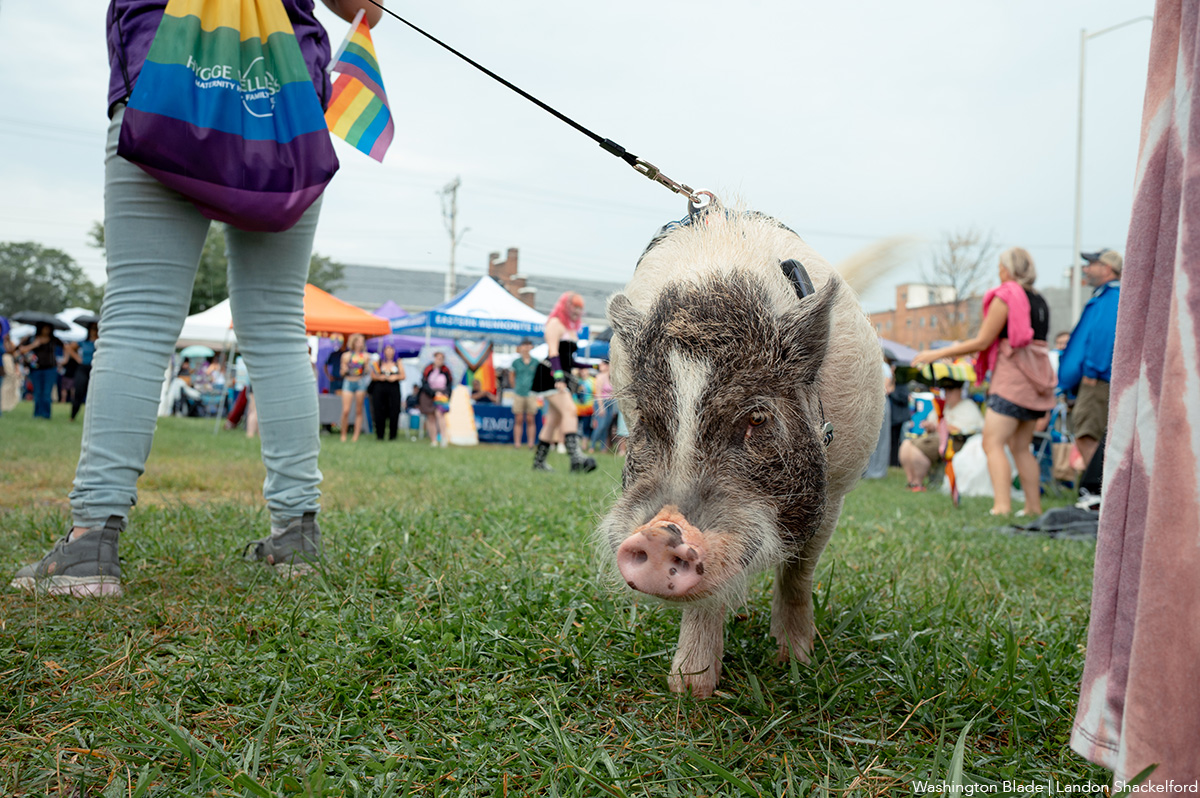
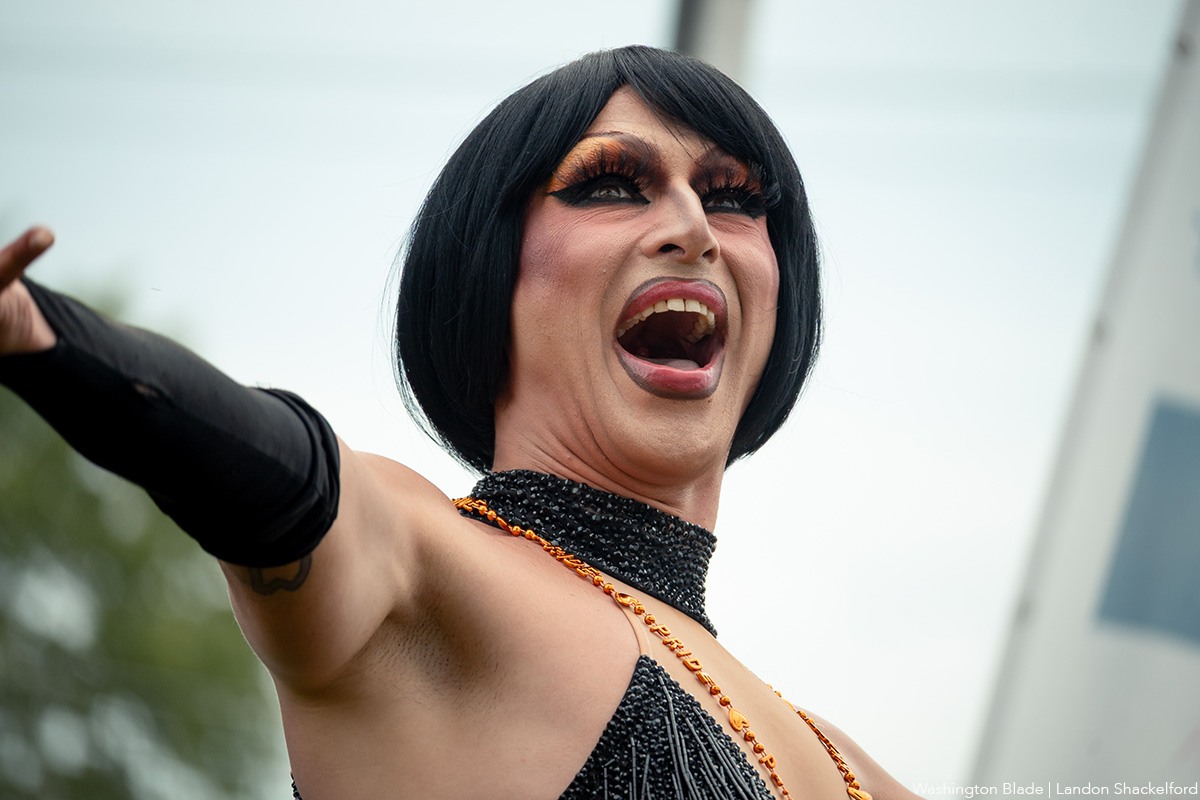
PHOTOS: Shenandoah Valley Pride
LGBTQ celebration held at Turner Pavilion in Harrisonburg, Va.
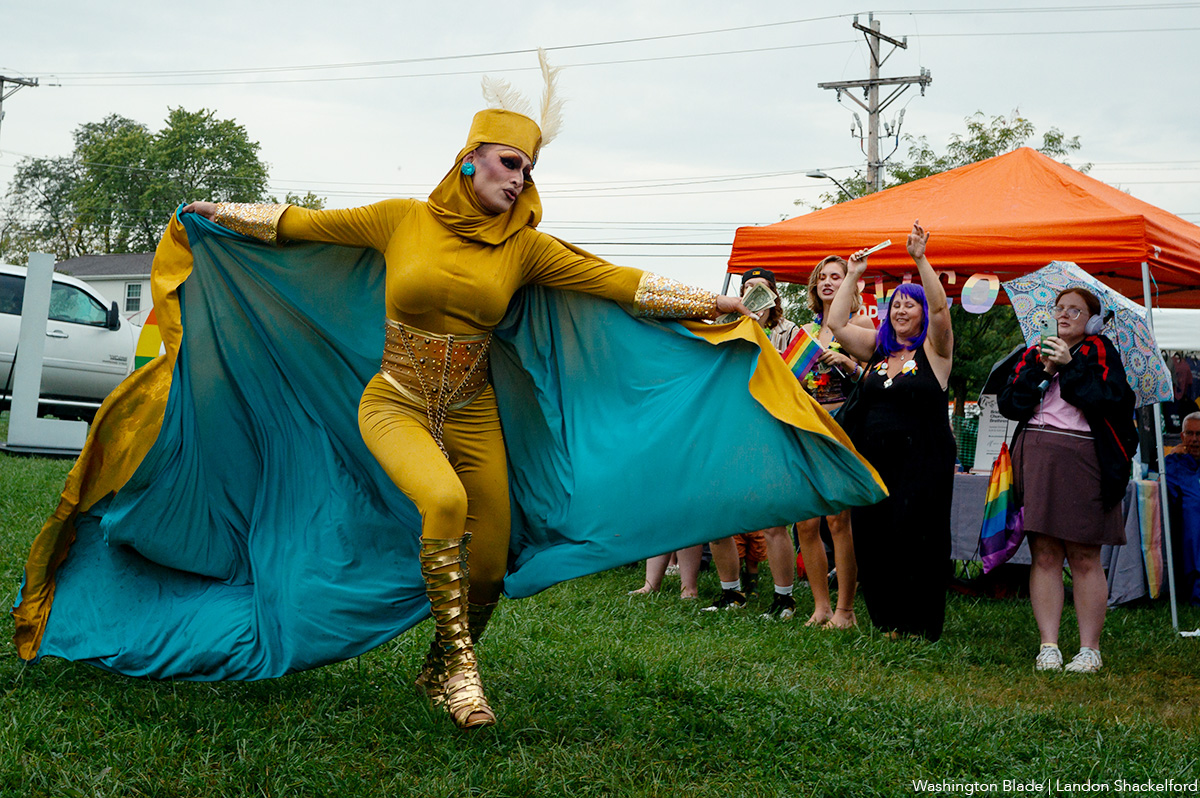
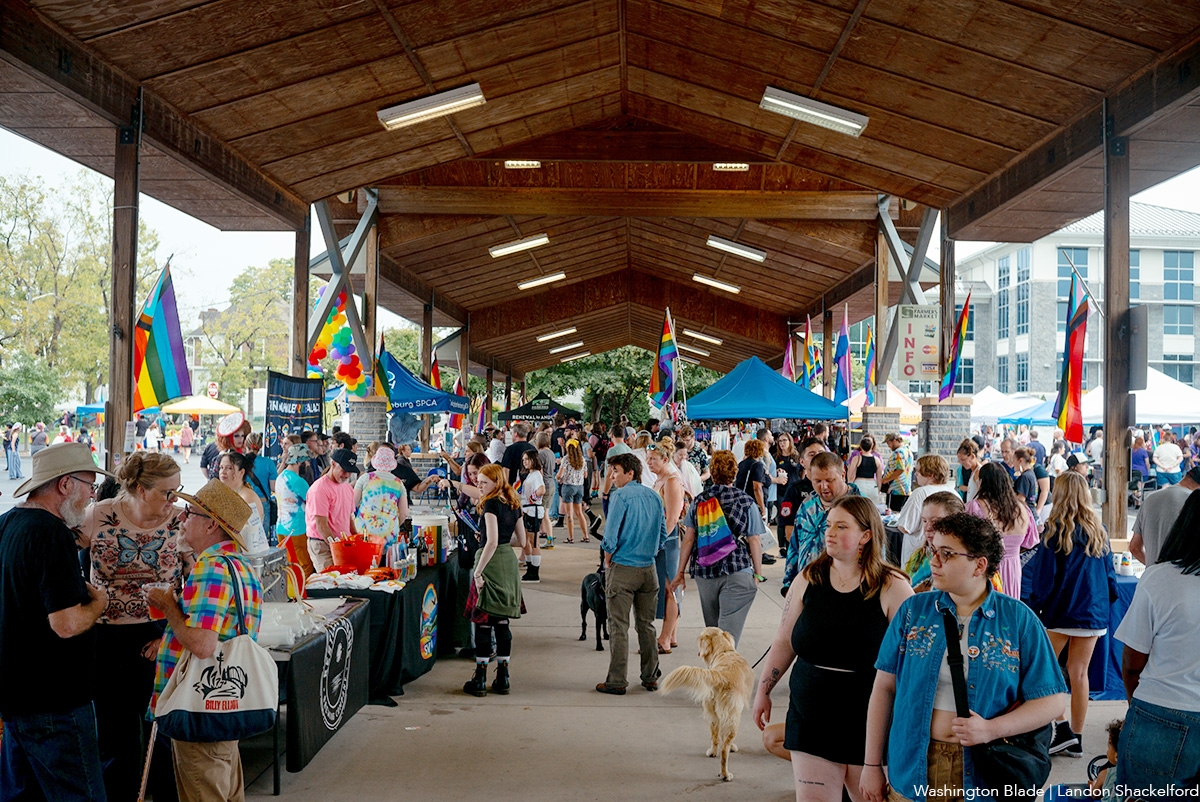
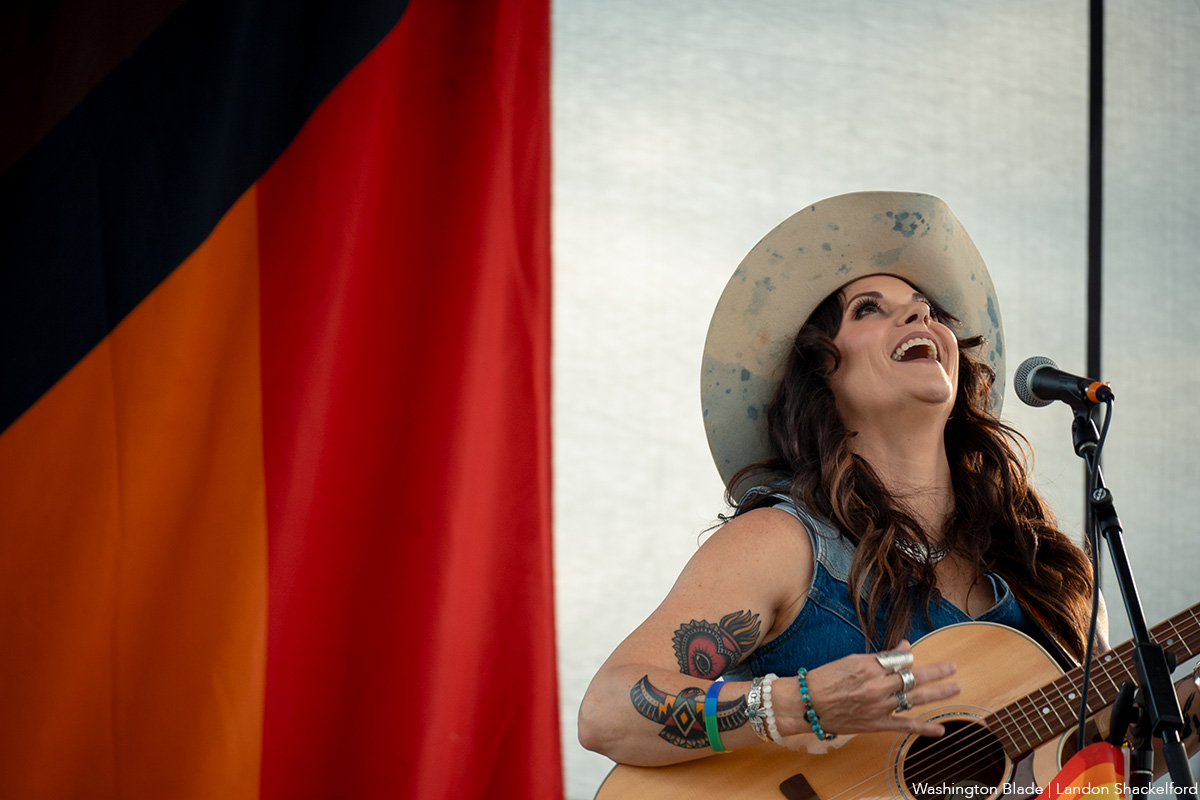
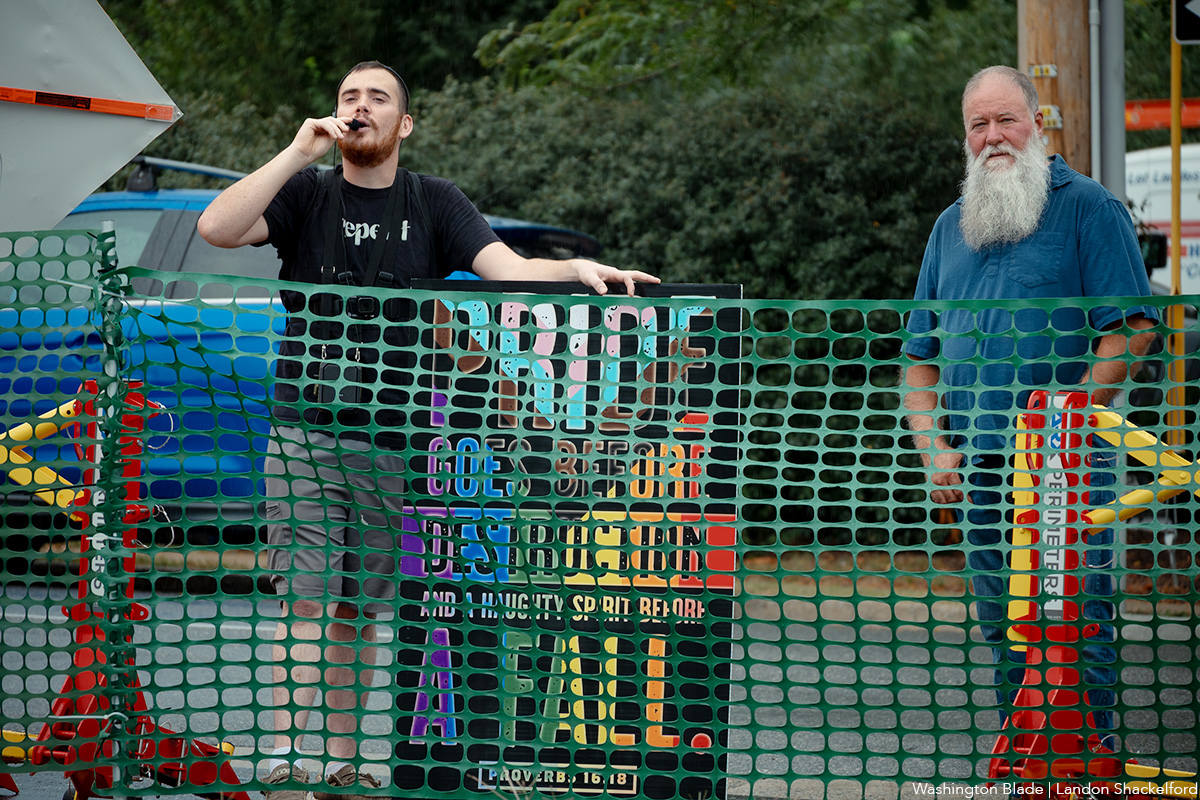
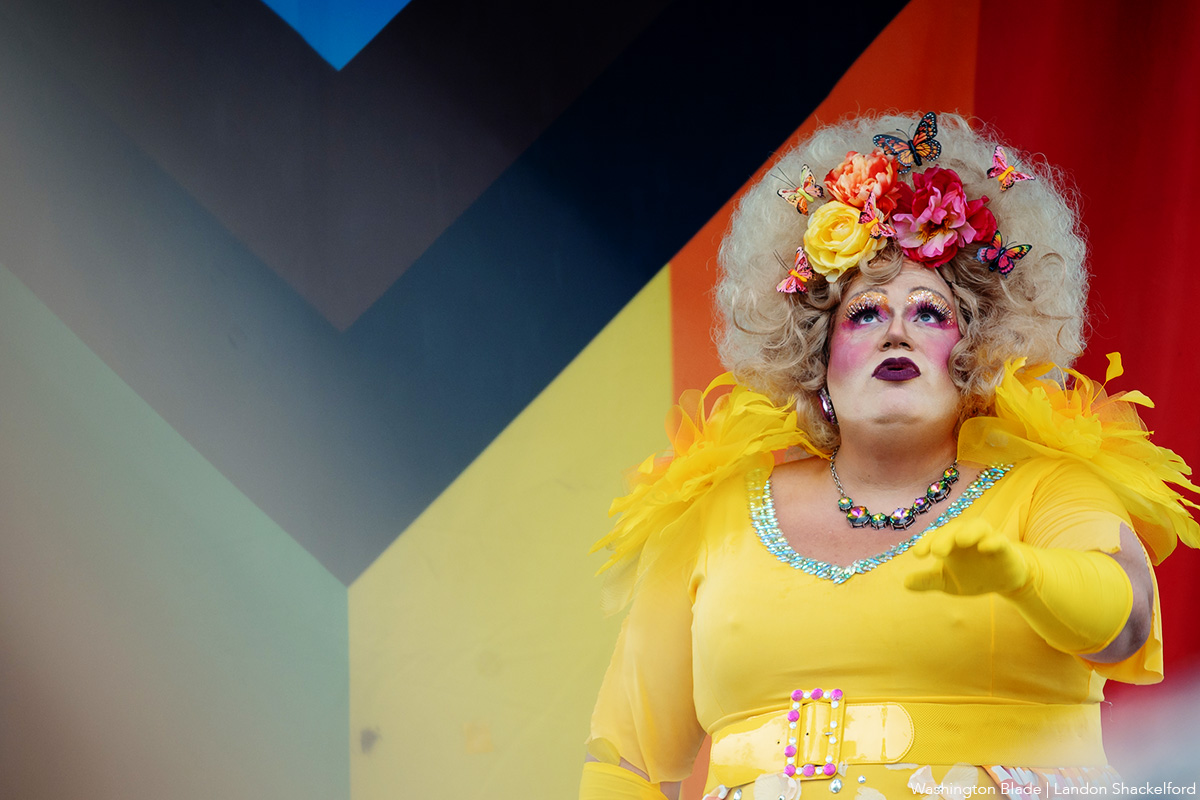
The 2026 Shenandoah Valley Pride Festival was held at Turner Pavilion in Harrisonburg, Va. on Sunday, Sept. 20.
(Washington Blade photos by Landon Shackelford)
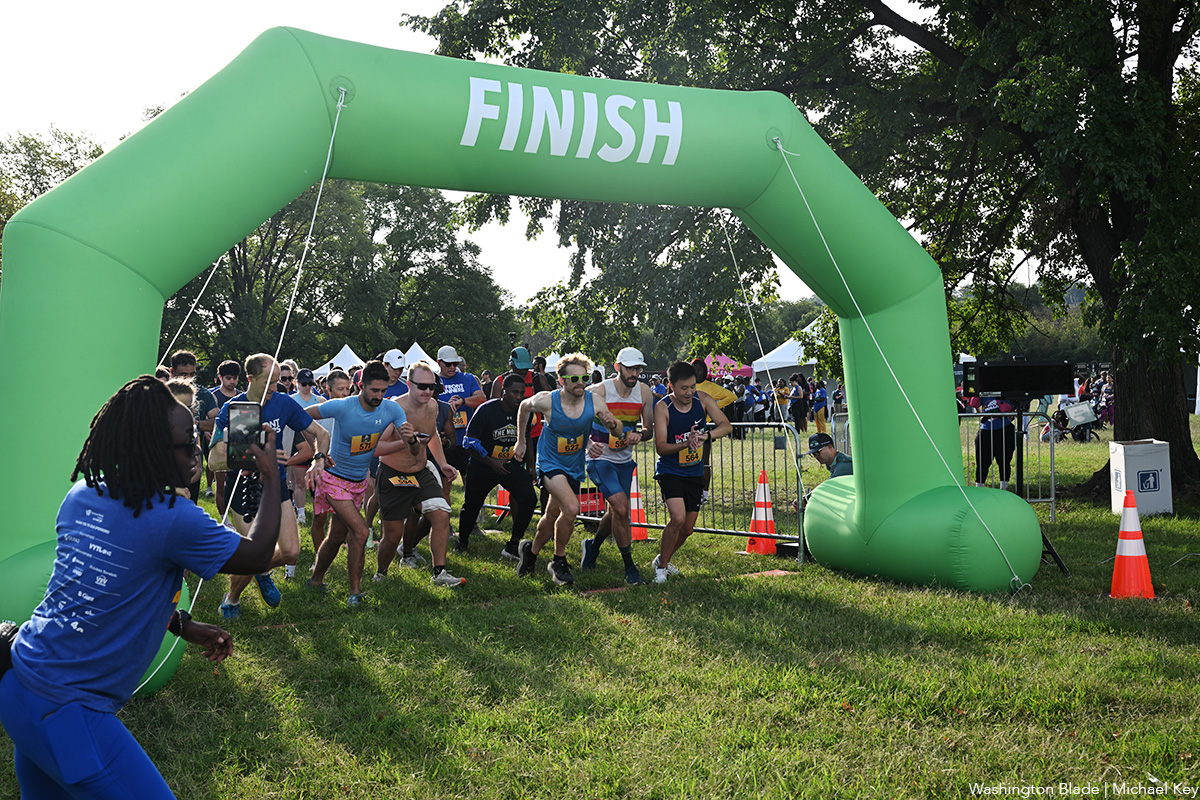
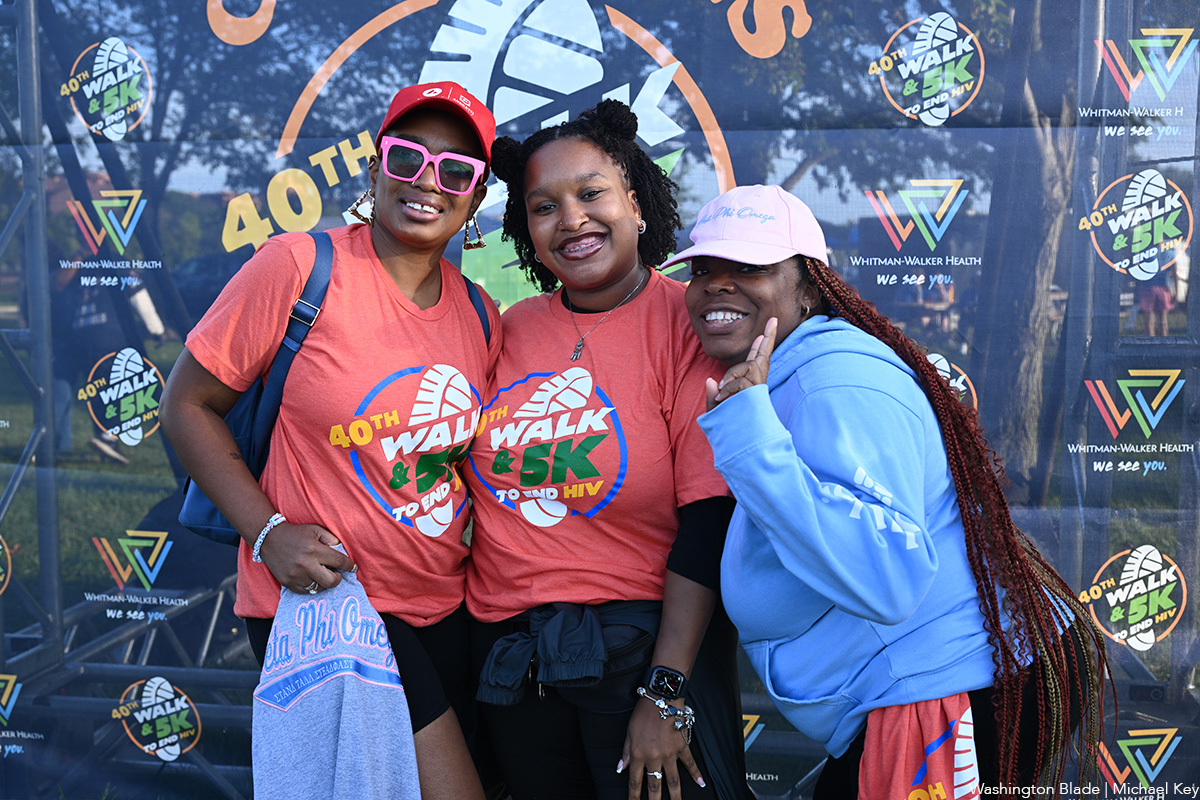
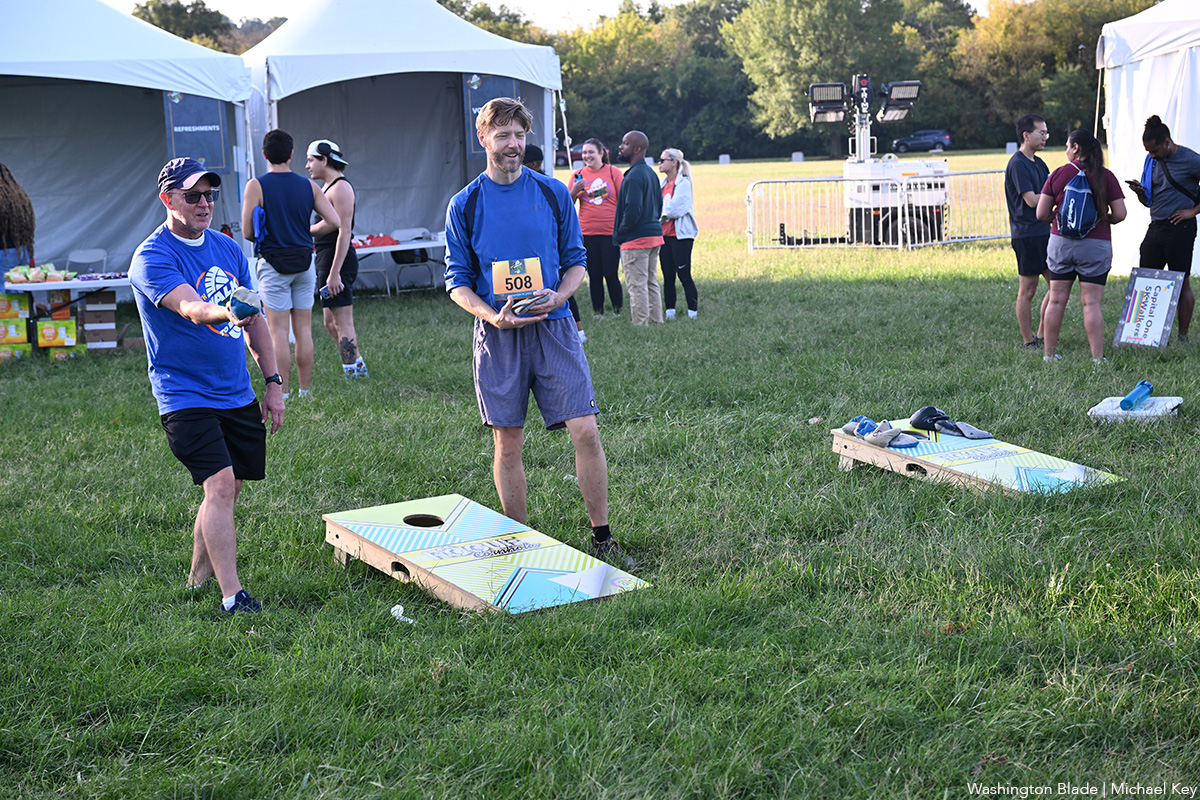
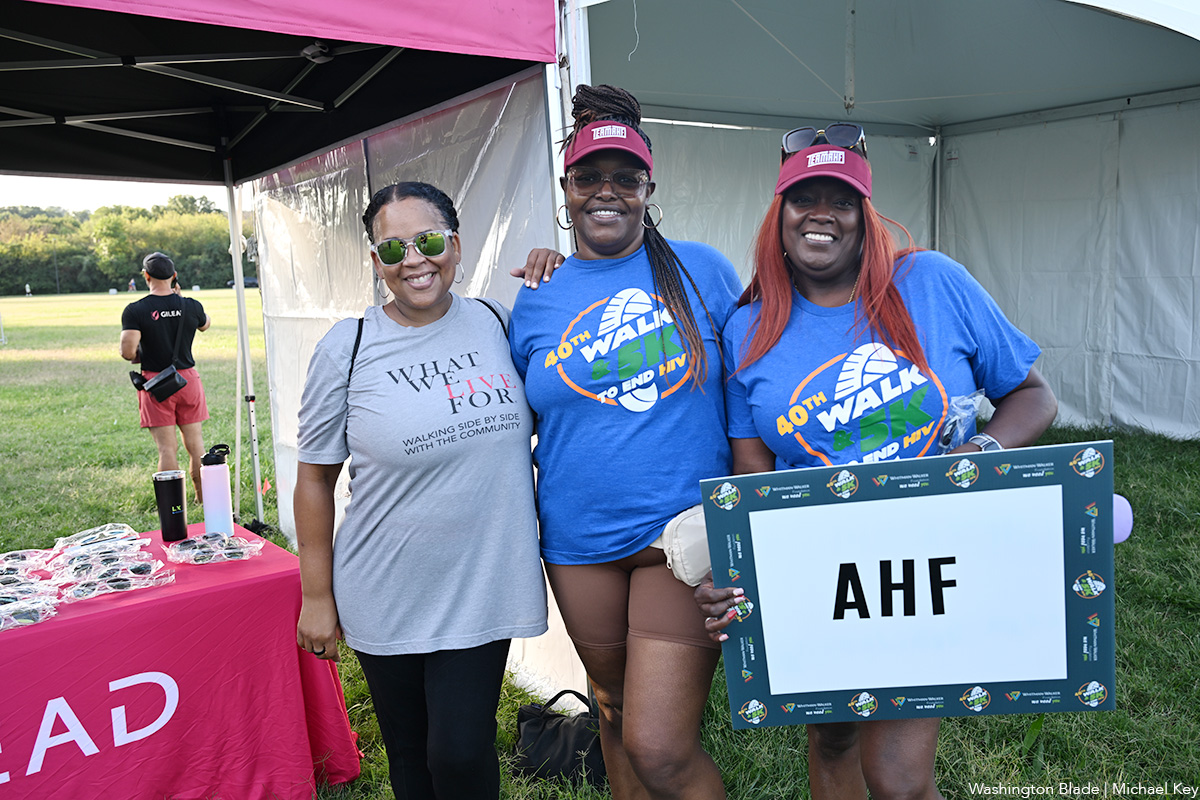
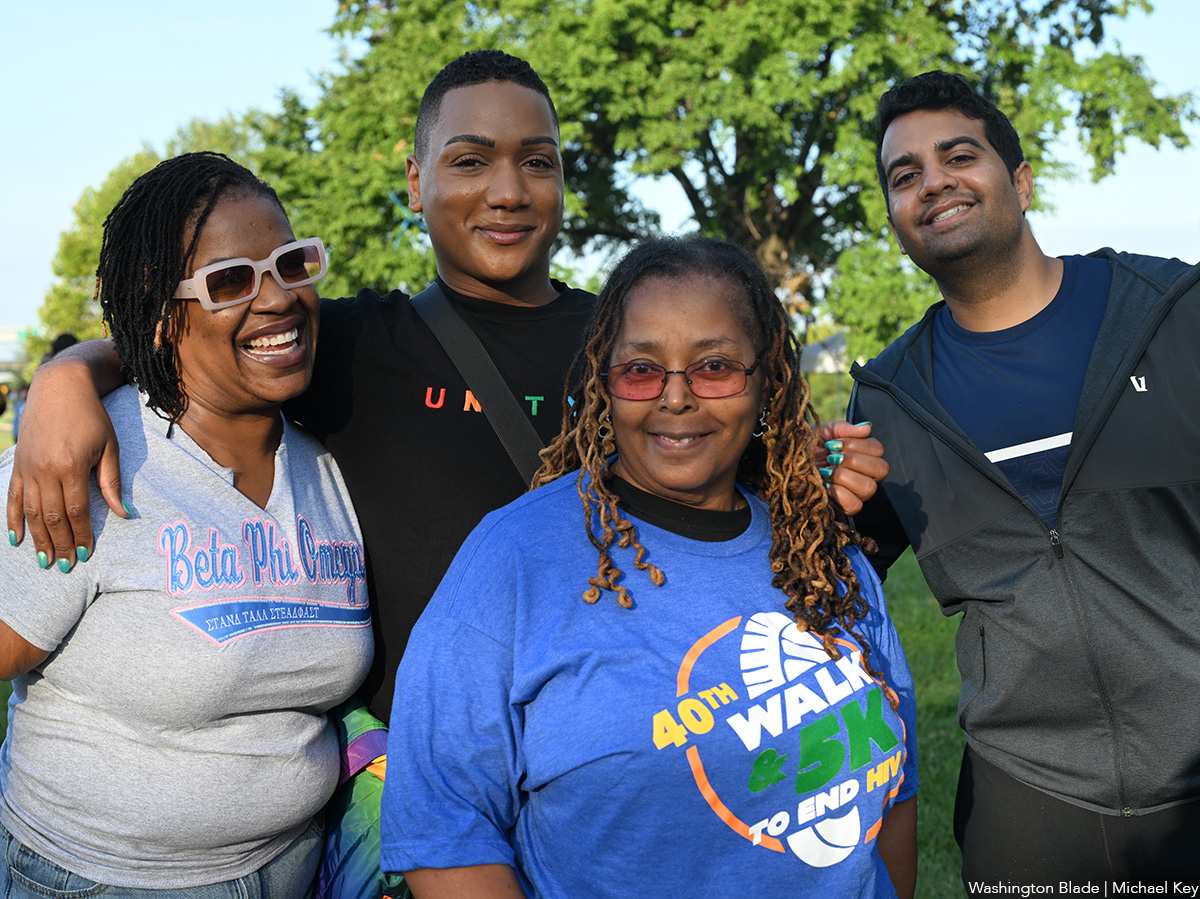
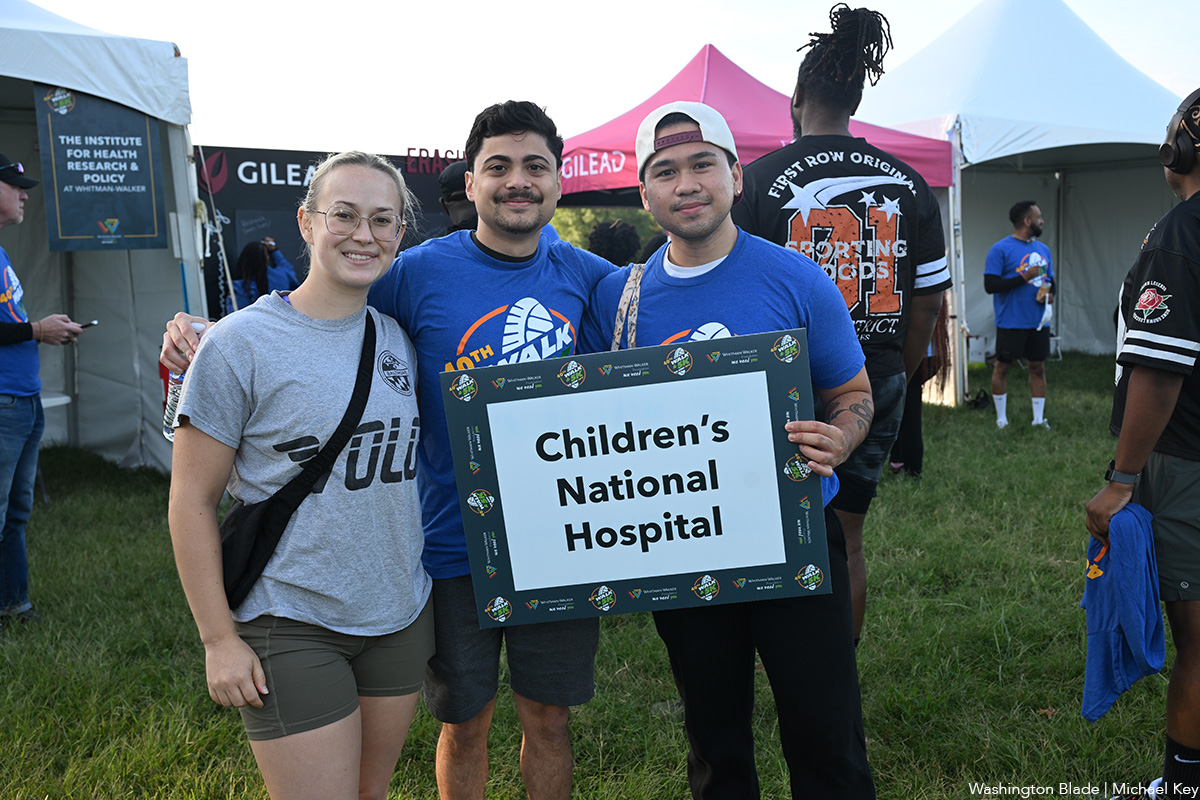
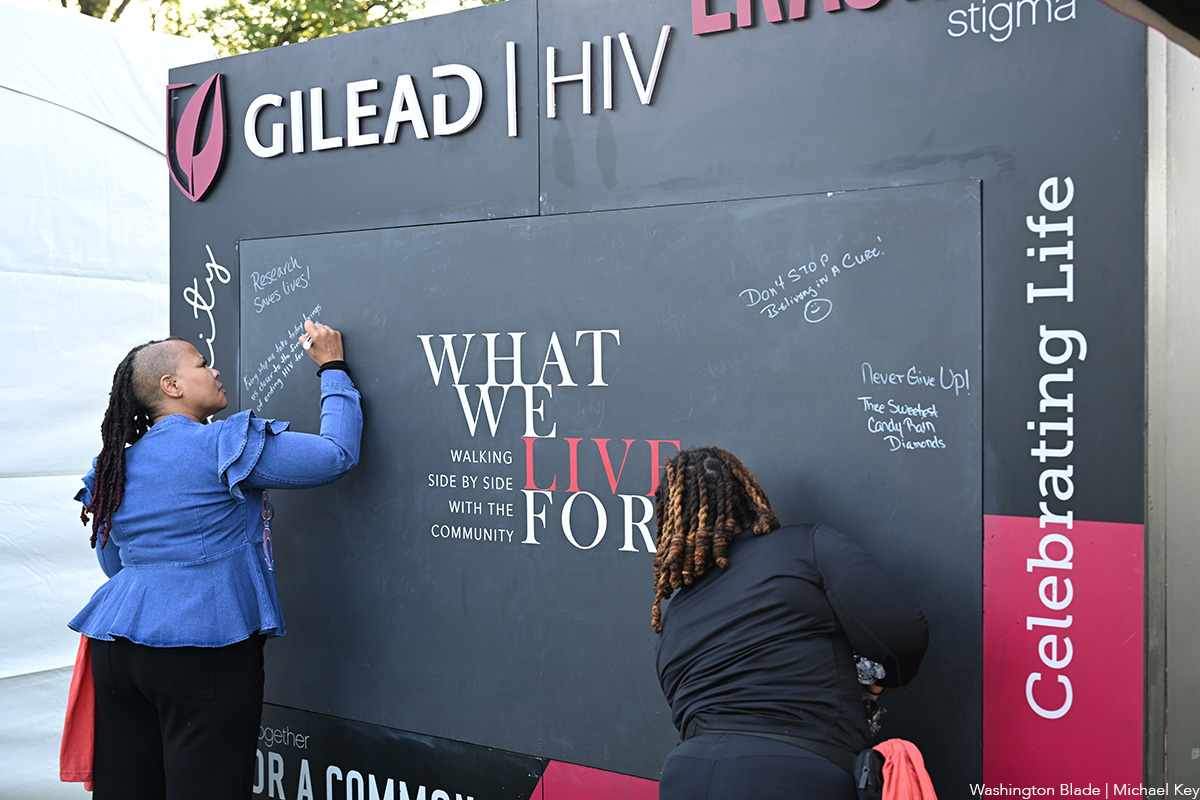
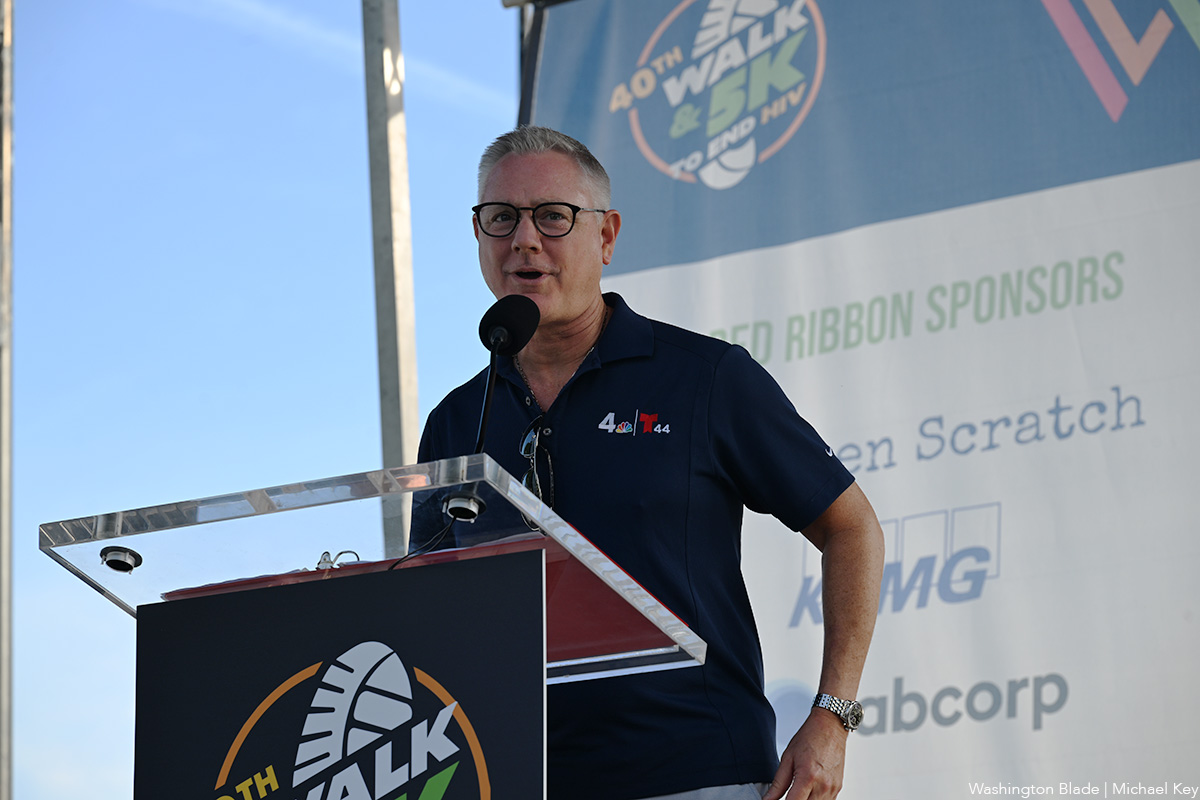
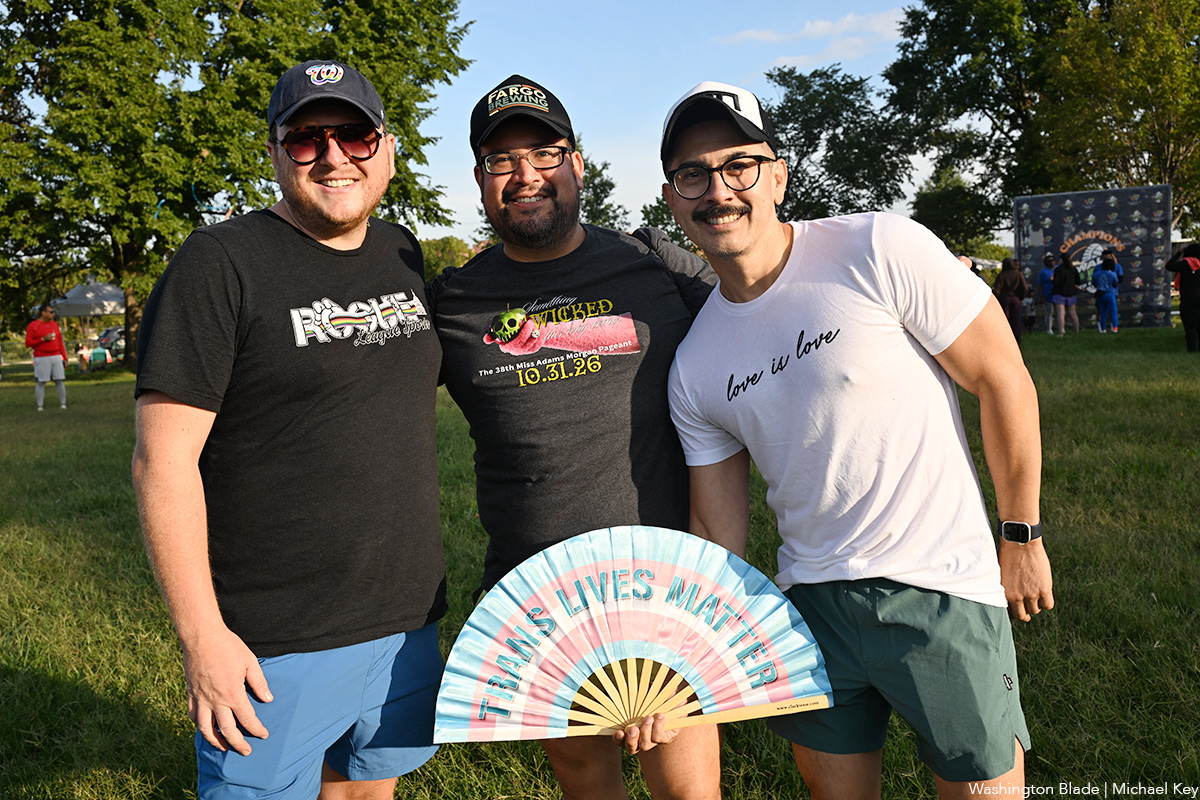
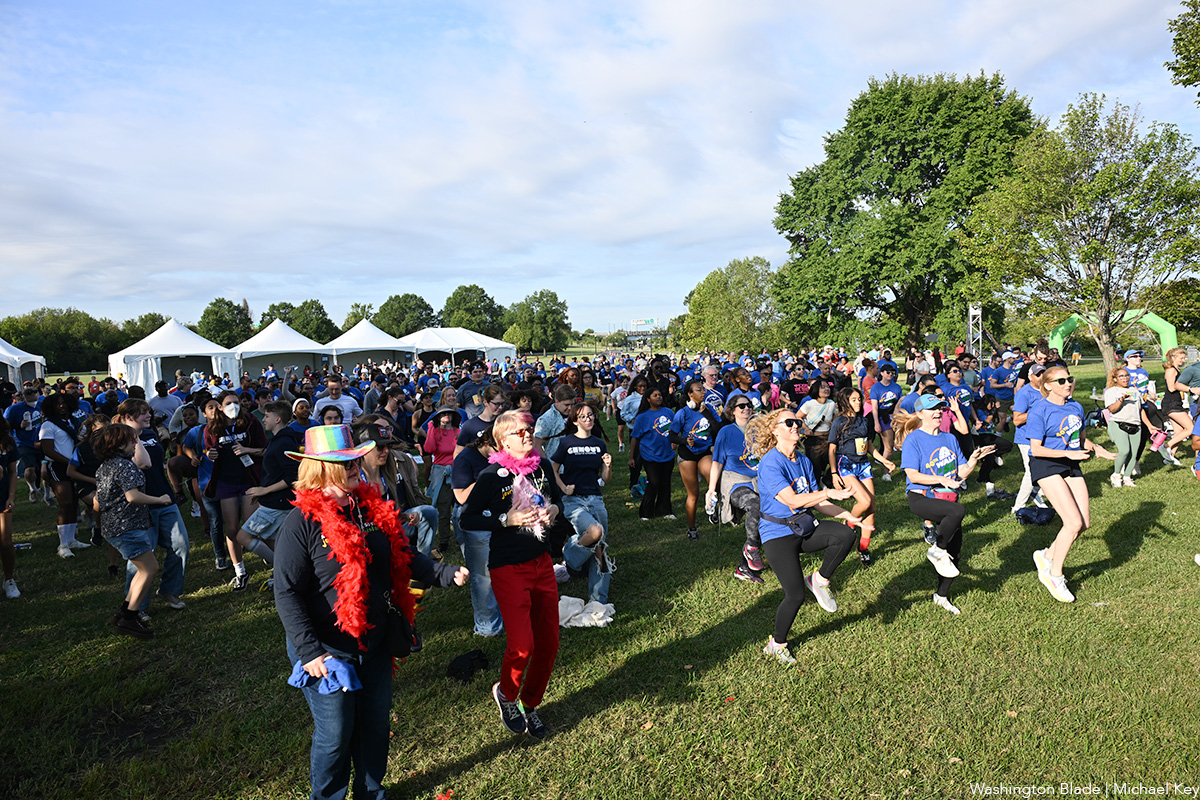
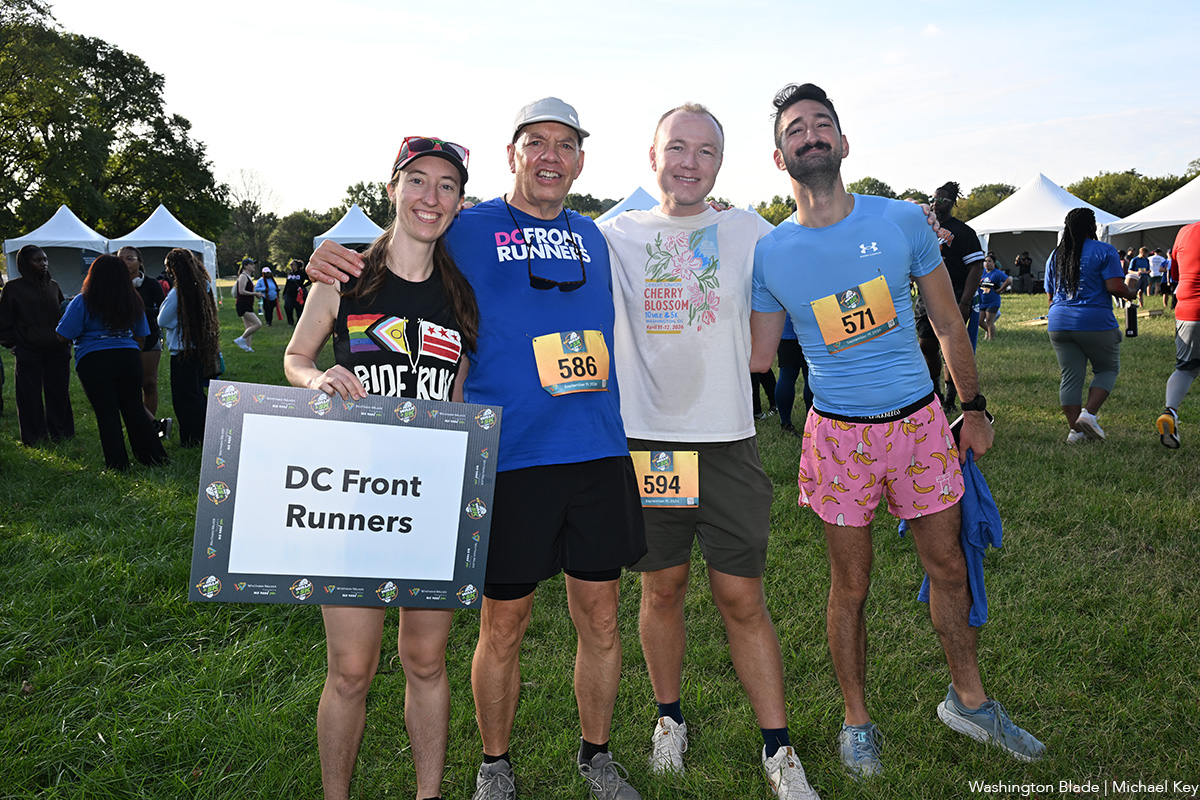
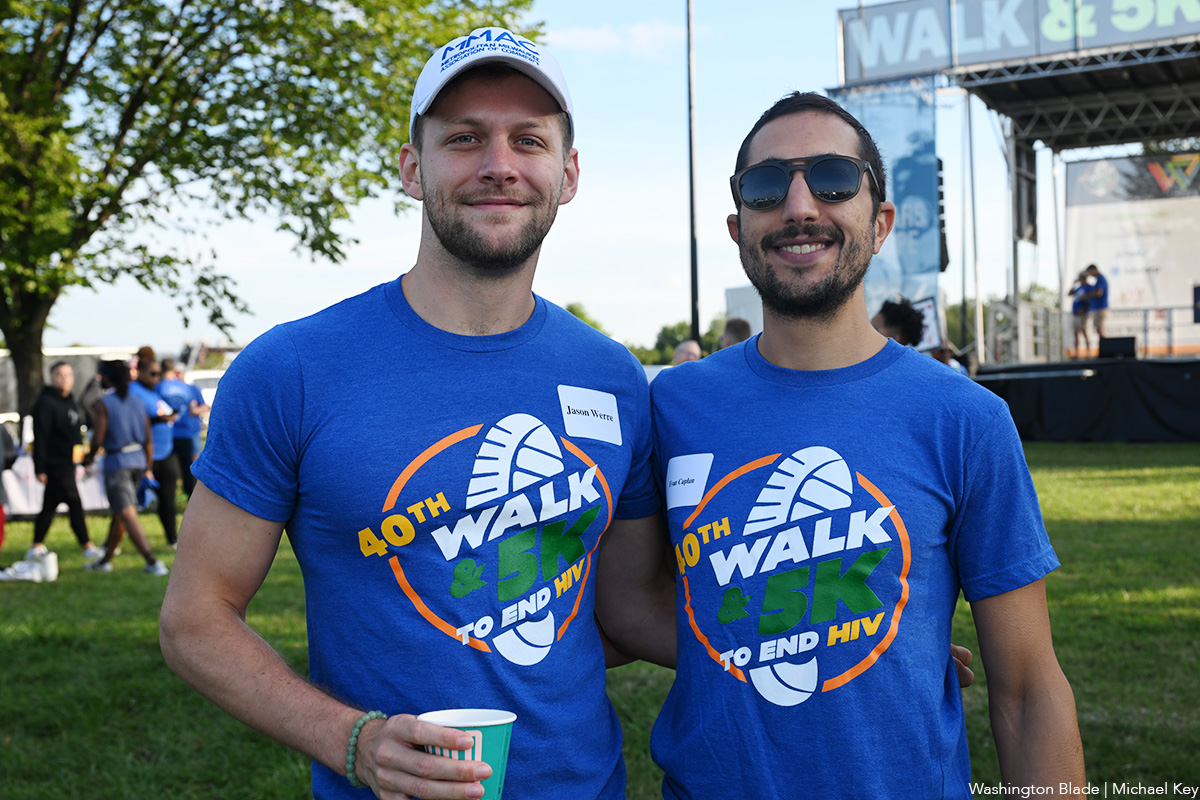
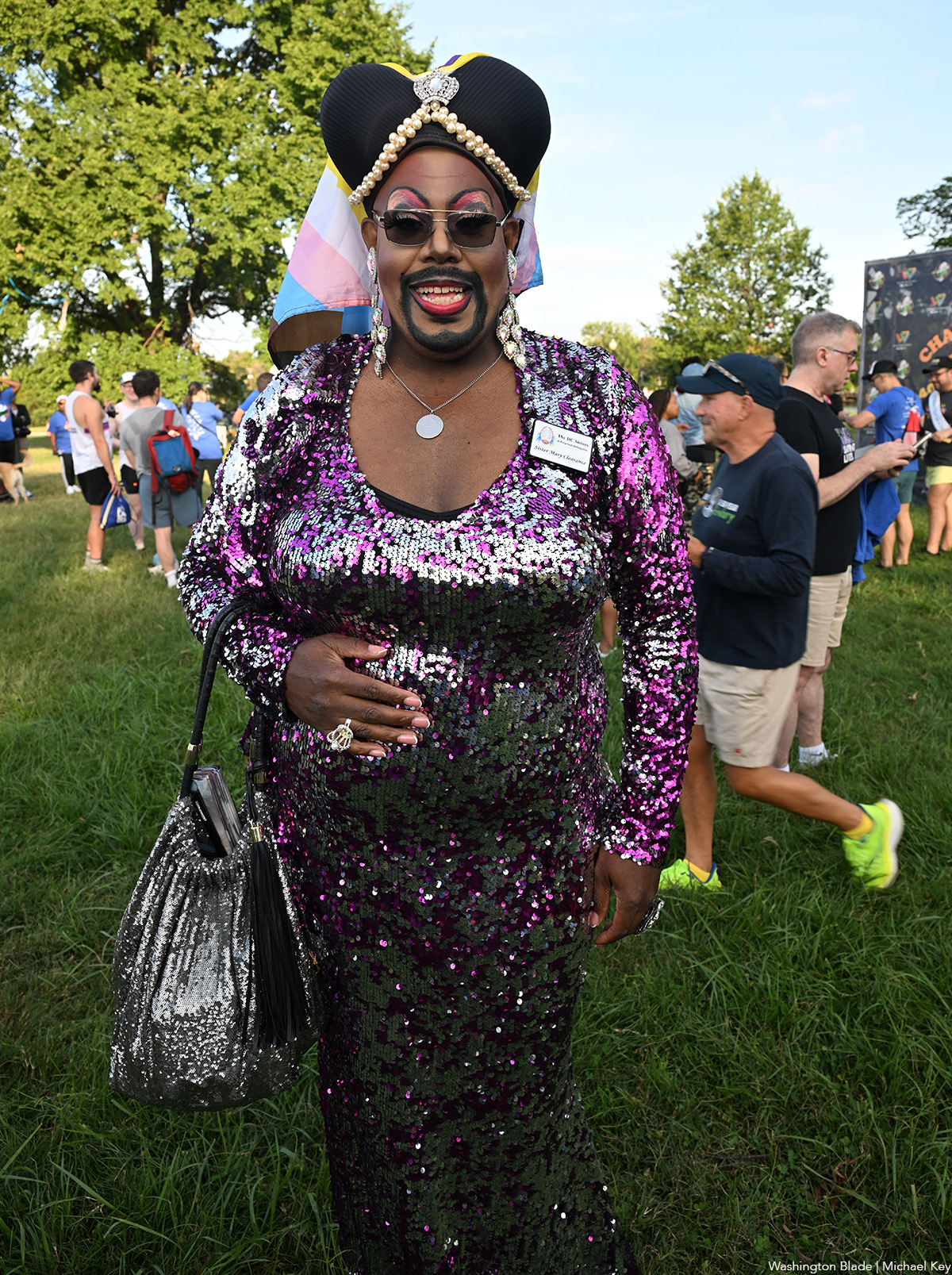
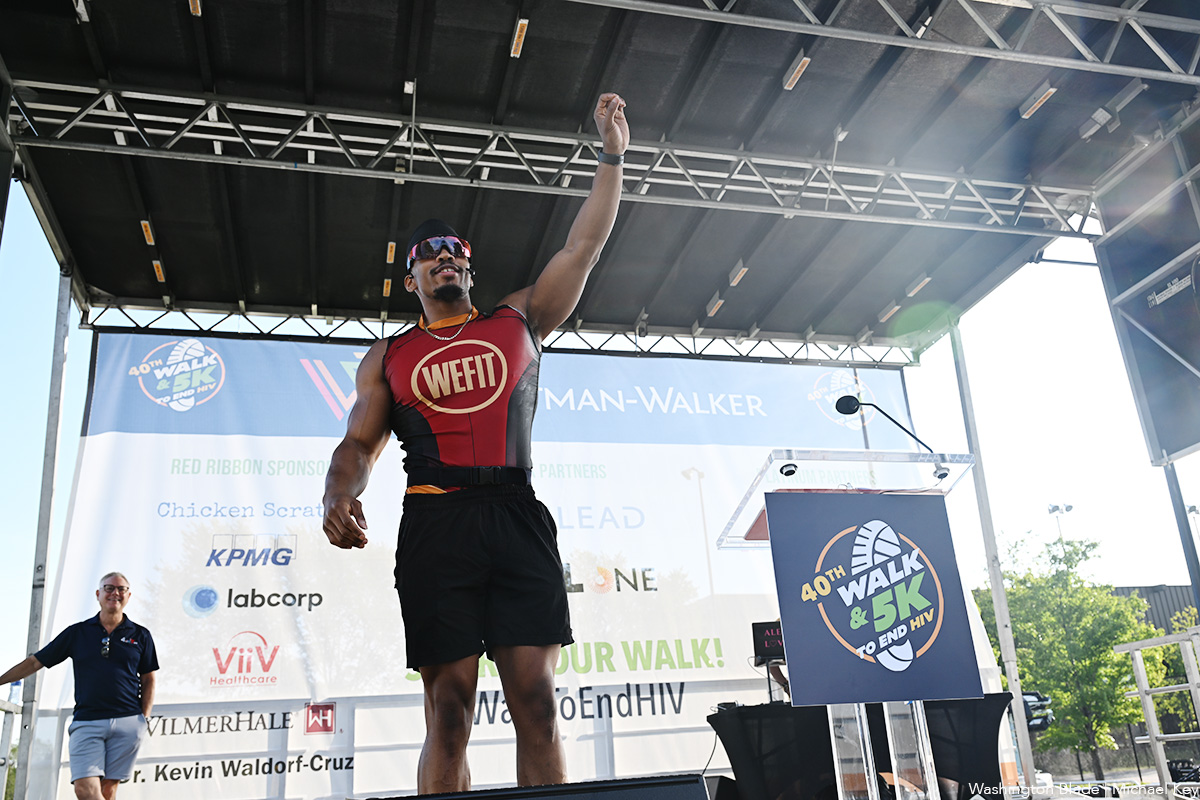
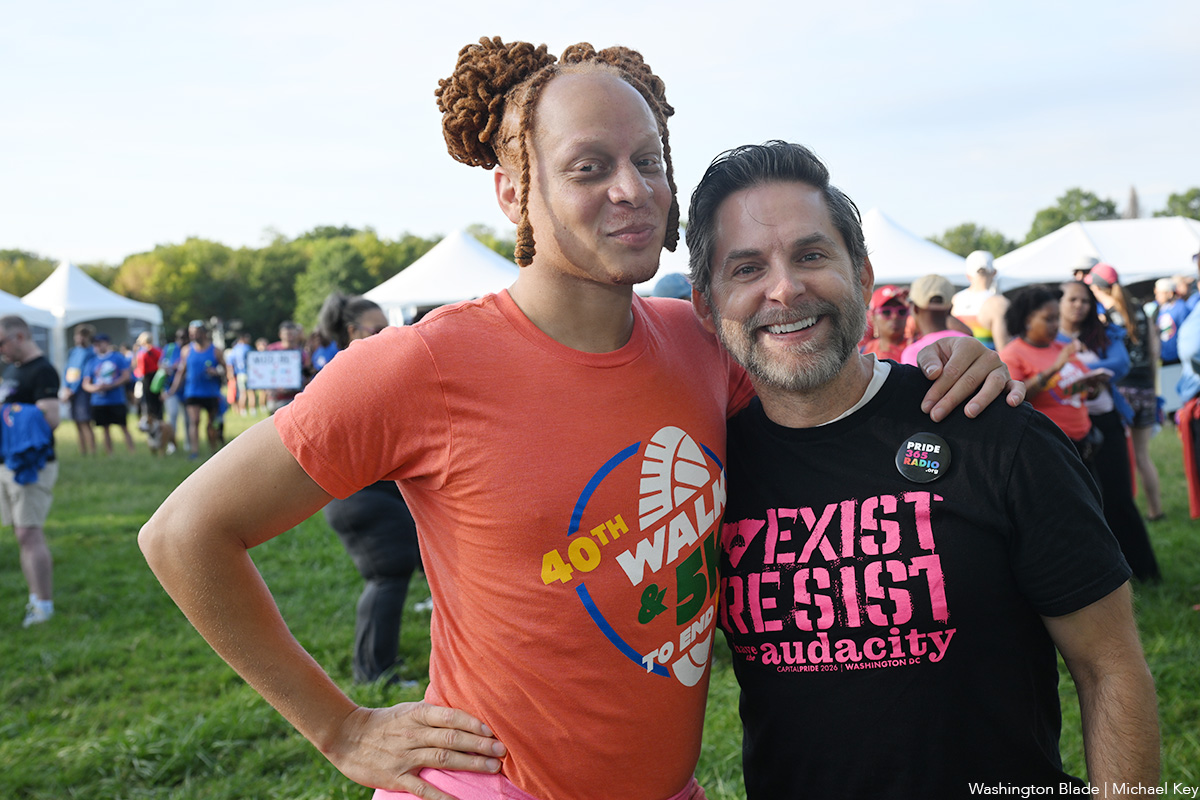
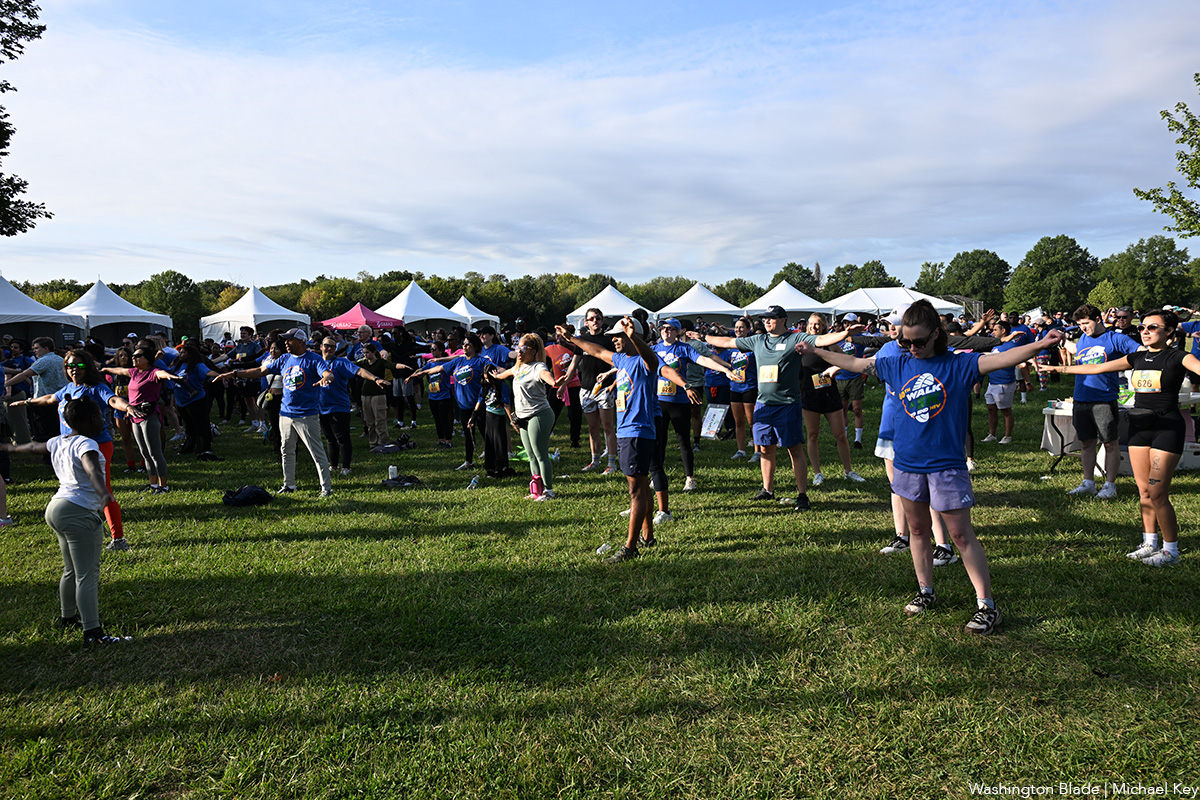
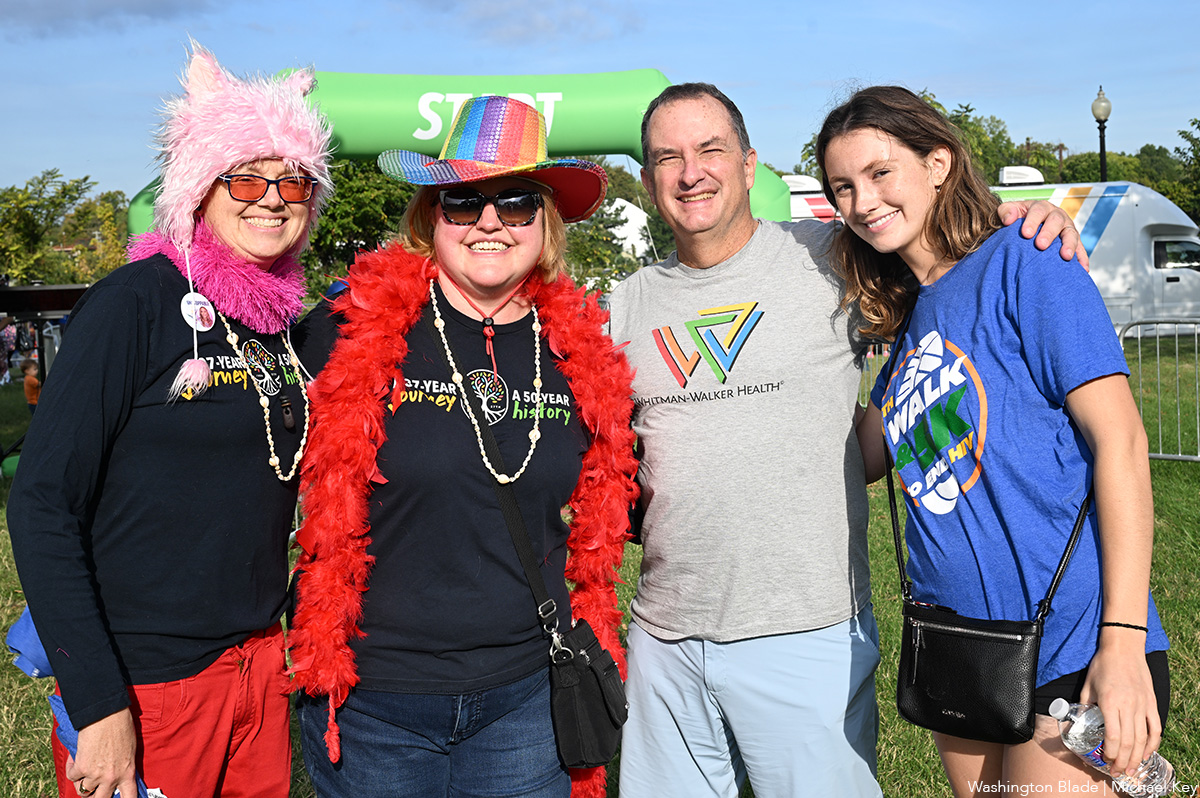
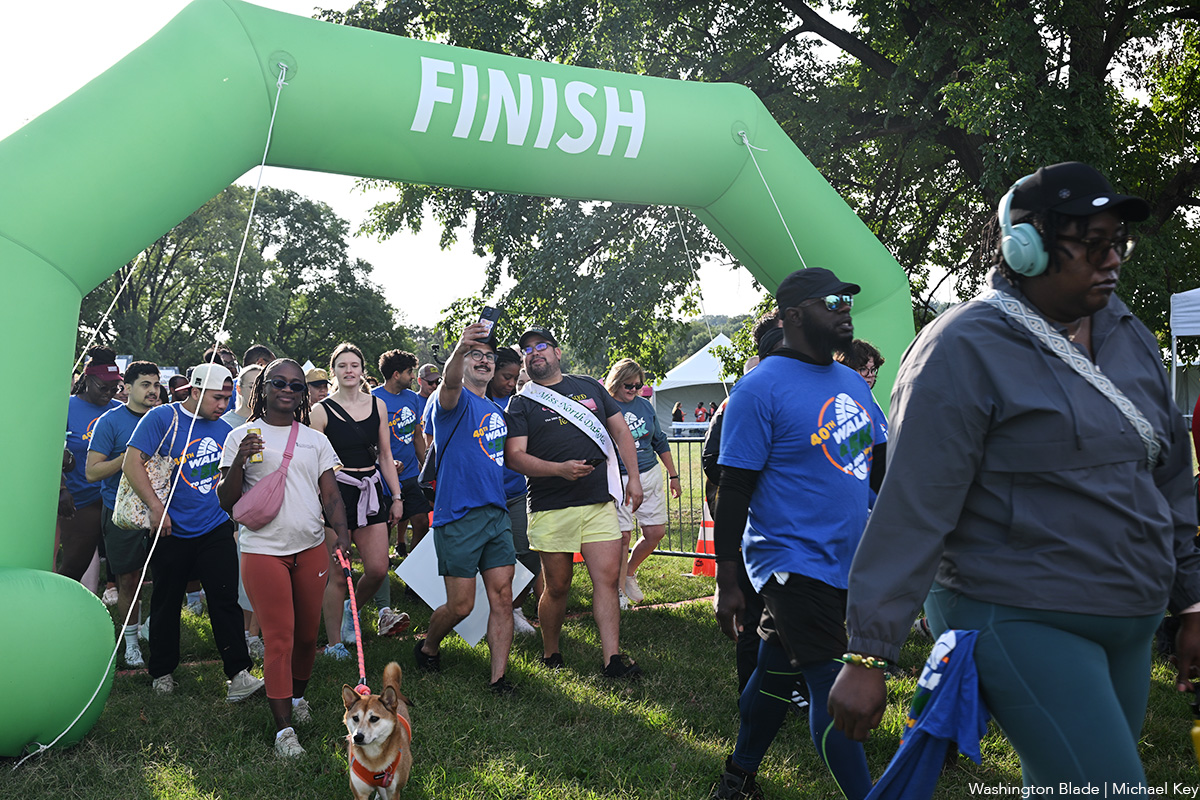
Whitman-Walker Health held the 40th annual Walk and 5K to End HIV at Anacostia Park on Saturday, Sept. 19.
(Washington Blade photos by Michael Key)



Colombia withdraws from Equal Rights Coalition

Caso Karlina: Una sentencia histórica contra las terapias de «conversión»

Washington Blade responds to concerns over White House pool duties

Young people should know history of the fight for human rights

Dutch prime minister visits Stonewall Inn

Over 2,000 turn out for Hands Around the Kennedy Center protest

PHOTOS: Wanda Alston Foundation Fall Reception

PHOTOS: Walk and 5K to End HIV

What LGBTQ veterans are building after ‘Don’t Ask, Don’t Tell’