
Autos
Remodeled crossovers
Stylish makeovers turn these cars into design stars
Brrrrrr. Is that a chill in the air? Well, yes, but it’s not the weather.
Instead, my partner and I — in the midst of the renovation from hell — are arguing, er, discussing who is going to make the next run to Home Depot.
Luckily, the test vehicle in the driveway is a crossover, making it easy to haul everything from finishing nails to fertilizer.
To keep up with overwhelming demand, automakers are making crossovers more stylish and comfortable than ever.
Below are three of the best.
Infiniti FX37
$45,000
Mpg: 17 city/24 highway
0-to-60 mph: 6.8 seconds
Cargo space: 25 cu. ft.
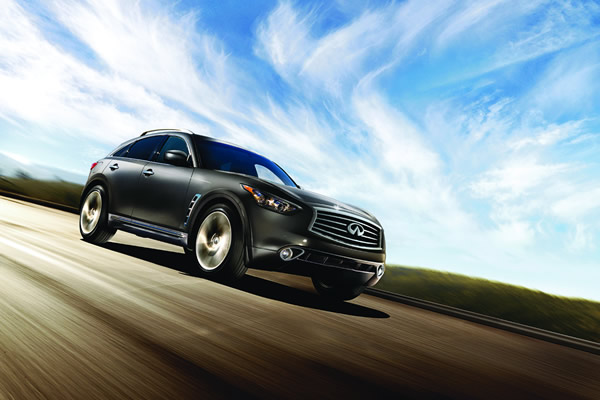
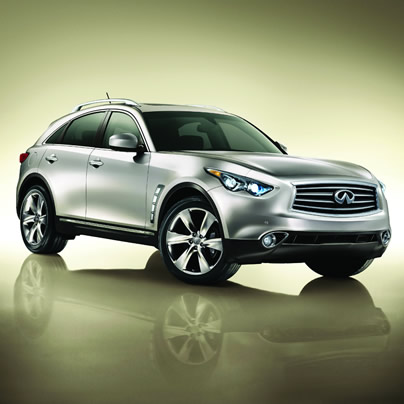
Infiniti FX37
Like David Bromstad, that hunky designer on HGTV, the FX37 is muscular yet modish. With bulging side panels, oversize alloy wheels and a re-sculpted front end, there’s no mistaking this beefy crossover for a station wagon. Or — horrors — a dowdy minivan.
Ditto the dashing interior, with lots of luxe touches: firm yet supple seats, rich wood trim and a classy analog clock like something from Tiffany. But there is at least one form-over-function faux pas: the sloped back-end reduces rear-window visibility (luckily, there’s a backup camera). Choice of two engines: a new, more powerful V6 or, in the high-test FX50 model, a stellar 390-hp V8 (though it costs $15,000 more than the base model). There’s plenty of legroom up front, but not much for rear-seat passengers. Cargo space is also a bit sparse, compared with the competition. Still, the FX is fun to drive with handling that’s almost as butt-jarringly taut as a Nissan Z sportster. But then, anyone driving the FX isn’t looking for a cushy land yacht.
Lexus RX 450h
$46,000
Mpg: 32 city/28 highway
0-to-60 mph: 7.5 seconds
Cargo space: 40 cu. ft.
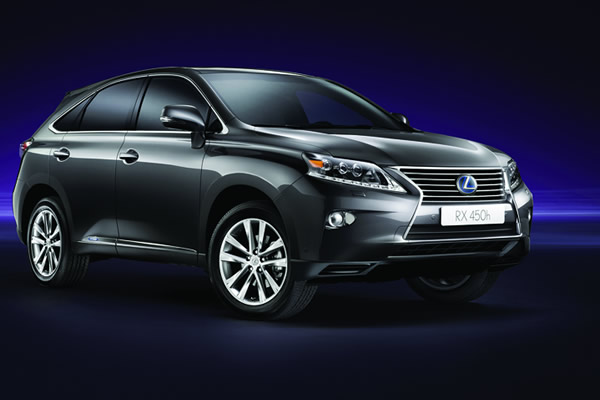
Lexus RX 450h
Along with a facelift including snazzy new grille, headlights and tail-lights, the RX 450h gets cosmetic changes inside: a redesigned steering wheel and space-age center console, along with contrast stitching on the seats. This isn’t a macho-mobile, but then the RX has always been more button-down chic.
Same goes for the smooth ride, with a solid suspension that turns potholes into minor blips. The cabin is quiet, too — a good reason to upgrade to the 12-speaker audio with HD radio and iTunes song-tagging. There are lots of other add-ons, including 10-way power seats, heated steering wheel and smog-sensing air filter.
And the latest safety gear offers a pre-collision warning system, emergency-assist button and stolen-vehicle locator (braking, though, is slower than the Infiniti M37). The hybrid technology is flawless, with the RX 450h performing just like the regular (and cheaper) RX 350. Ponying up the extra $6,000 for this hybrid may take almost nine years to recoup in gas savings, but your eco cred will be golden.
VW Tiguan
$23,000
Mpg: 22 city/27 highway
0-to-60 mph: 8.4 seconds
Cargo space: 24 cu. ft.
From golden to, well, Goldilocks. That’s the best way to describe the refreshed Tiguan, which is not too frumpy but not too glitzy.
The ride is softer than the Infiniti FX37 but sportier than the Lexus RX 450h. Fuel-efficiency, sound insulation and legroom are likewise in-between the Infiniti and the Lexus. And while the FX37 and RX 450h are midsizers, the compact Tiguan has almost as much cargo space as the FX37. There are some downsides: the Tiguan’s four-cylinder is sluggish, especially on the base model, and the premium eight-speaker stereo sounds tinny at times.
Still, the panoramic sunroof is huge and the leatherette vinyl upholstery is comfortable and easy to clean. Oh, and the Tiguan is half the price of the FX37 or the RX 450h — a bargain when saving for the next renovation.


Used-car shopping in 2026 isn’t exactly a bargain-bin party. The average pre-owned vehicle now lists for about $27,000, so expect to pay $15,000 to $25,000 for small vehicles, $20,000 to $35,000 for midsize models, and $25,000 to $50,000-plus for large vehicles. Yikes!
Compacts and hatchbacks cost less because they’re cheaper to build and run. Pickups and luxe vehicles cost more because you’re paying for size, power and fancier stuff. You know, like max-reclining seats or a “Plum Crazy Purple” exterior (yes, Dodge Charger, we’re talking about you).
COMPACTS
Honda Civic
- Pros: Reliable, efficient, terrific resale.
- Notable features: Hatchback practicality, excellent tech.
- Cons: Popularity keeps prices up.
The Civic is the little black dress of used cars. Always appropriate. Rarely embarrassing. A perennial fave thanks to reliability, safety, and resale value. The hatchback is especially versatile. And yes, Civics became pop-culture stars in The Fast and the Furious. Tiny car. Big attitude.
Mazda 3
- Pros: Fun handling, trendy interior.
- Notable features: Available AWD, sharp styling.
- Cons: Cramped rear seats.
The Mazda 3 is for people who think practical should still have a pulse. It feels pricier than it is. Think Kristen Stewart: cool, stylish, and perfectly comfortable doing things a little differently.
Toyota Corolla
- Pros: Dependable, efficient, easygoing.
- Notable features: Strong resale, good fuel economy.
- Cons: Not very thrilling.
The Corolla doesn’t crave attention. A quiet overachiever that shows up early, does the job, and never causes drama. For maximum financial sanity, the Corolla is tough to beat.
MID-SIZE
Honda Accord
- Pros: Roomy, refined, dependable.
- Notable features: Hybrid option, huge back seat.
- Cons: More sensible than sporty.
The Accord is the grown-up choice that refuses to become boring. It’s sizeable, relaxed and easy to live with. It’s also like a great Broadway understudy: polished, dependable and ready every night.
Toyota Camry
- Pros: Proven reliability, comfy ride.
- Notable features: Hybrid efficiency, excellent resale.
- Cons: Driving excitement is limited.
The Camry has spent decades being sensible. The hybrid versions add impressive fuel economy, while the spacious cabin makes long trips pleasant. Sometimes uneventful is exactly the point.
Subaru Legacy
- Pros: Standard AWD, ample room.
- Notable features: All-weather confidence.
- Cons: Discontinued after 2025.
The Legacy is the sleeper pick. It doesn’t shout, but standard all-wheel drive is a big plus, along with a user-friendly cabin. Think low-key queer icon: understated, yet fabulous once you get to know it.
FULL-SIZE
Toyota Avalon
- Pros: Plush, spacious, reliable.
- Notable features: Upscale interior, V6 power.
- Cons: Discontinued after 2022.
The Avalon proves a big sedan doesn’t have to feel like an airport shuttle. It’s quiet, calming and surprisingly luxe. Though discontinued, this gem feels like a well-kept secret.
Ford F-150
- Pros: Huge selection, serious capability.
- Notable features: Towing, payload, engine choices.
- Cons: Prices remain surprisingly strong
The F-150 is a pure extrovert, wearing boots and full of yeehaw gusto. Buyers can choose from a dizzying array of configurations.
Dodge Charger
- Pros: Big power, bold styling, personality.
- Notable features: Muscle-car attitude, large cabin.
- Cons: Fuel economy isn’t fabulous.
The Charger brings the drama. And pop culture loves it: Chargers starred in Bullitt and The Dukes of Hazzard. Subtle? Not remotely. But neither was Cher’s wardrobe. And look how that worked out.
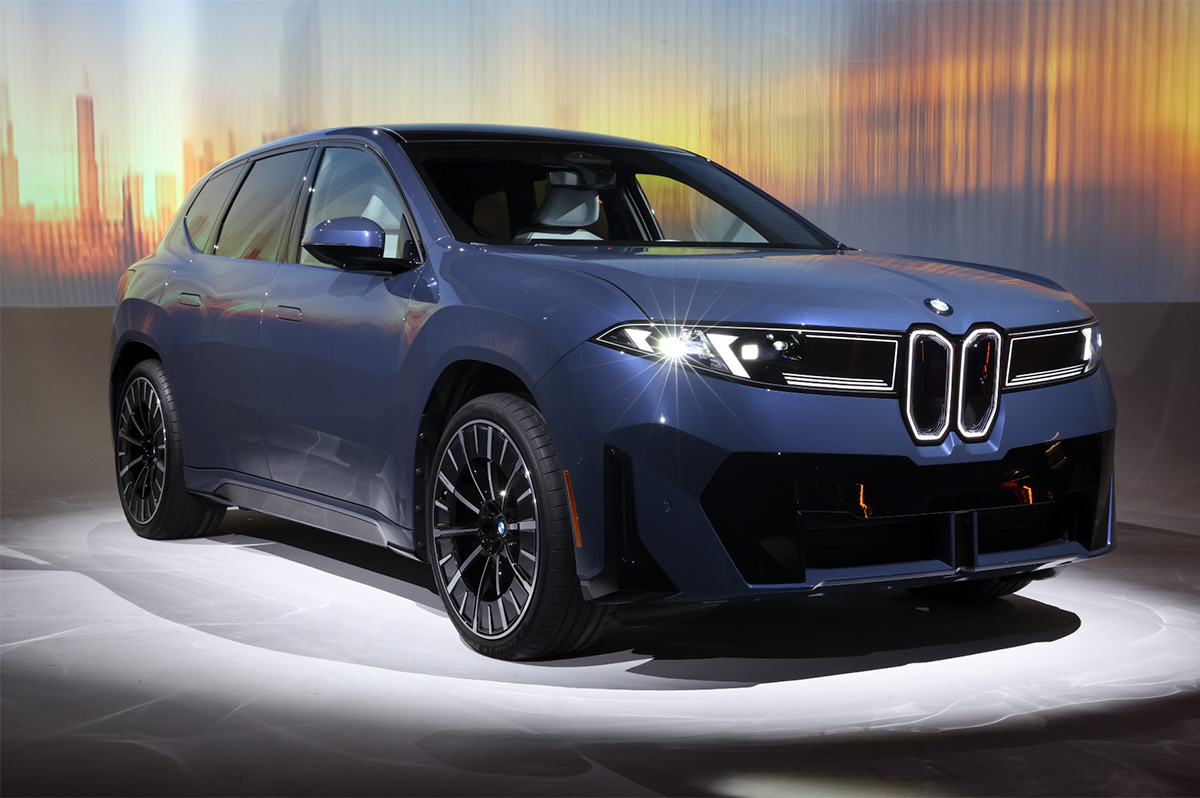
Despite a U.S. political climate that has made electric vehicles about as welcome as a vegan at a Texas barbecue, automakers haven’t gotten the memo. The 2027 BMW iX3 and Rivian R2—in showrooms soon—prove the point. But think of them as distant cousins: one arrives impeccably dressed; the other probably has a kayak strapped to the roof.
BMW iX3
$62,000
Range: Up to 434 miles
0 to 60 mph: 4.7 seconds
Cargo space: 30.4 cu. ft.
PROS: Huge driving range. Distinctive styling. Cutting-edge interior.
CONS: Quirky digital controls. Only one U.S. trim level. Pricey options.
WHAT’S NEW: This is BMW’s first production model on its state-of-the-art Neue Klasse platform, radically changing the technology, cabin and electric drivetrain.
The iX3 arrives on our shores in one trim level, the iX3 50 xDrive. Load it up with options and you can sail well past $80,000.
Depending on configuration, this luxe EV delivers an astonishing range before recharging. And a dual-motor, all-wheel-drive system produces 463 horsepower, which allows you to tootle around as fast as a Porsche 718 sportster.
The new “Panoramic iDrive” spreads information across the base of the windshield, supplemented by a central display and steering-wheel controls. An available 3D head-up display adds even more info. It’s futuristic, busy and unmistakably BMW—like someone decided the dashboard needed its own coming-out party.
Then there’s the “Heart of Joy” computer, which coordinates the motors, braking and steering for sharper responses and smoother control. The name may sound like something from a self-help retreat, but the innovation makes the iX3 seriously entertaining to drive.
You also can charge the iX3 from 10 percent to 80 percent in just 21 minutes. Nice.
This isn’t merely an electric X3 with the gasoline bits removed. It’s a tech reset for BMW. Compared with the R2, the iX3 is more polished, more luxurious…but, alas, considerably pricier.
RIVIAN R2
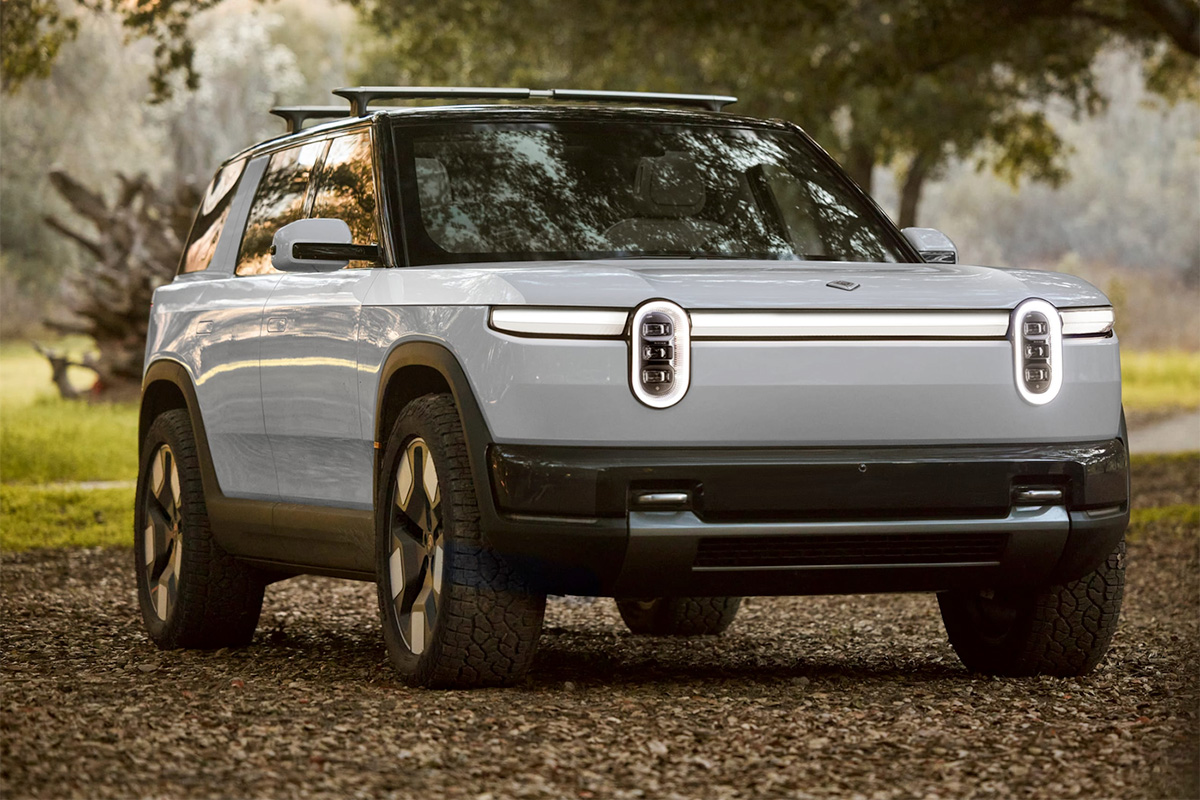
$45,000
Range: Up to 345 miles
0 to 60 mph: 5.9 seconds
Cargo space: 28.7 cu. ft.
PROS: Affordable luxury. Rugged looks. Clever storage.
CONS: No smartphone integration. No glass-roof shade. Touchy touchscreen.
WHAT’S NEW: Everything—the R2 is Rivian’s all-new, smaller electric SUV, and it brings the brand’s adventure-first attitude to a price point far below the larger R1S.
If the BMW iX3 is wearing a beautifully tailored jacket, the Rivian R2 has its sleeves rolled up.
With edgy styling, this is no anonymous crossover wearing an EV costume. Chunky details. Upright proportions. Distinctive lighting all give off an outdoorsy vibe without turning the R2 into a rolling REI catalog.
There are four configurations, with pricing from $45,000 to $58,000. That’s a big difference from the BMW—and potentially the R2’s biggest weapon.
The stats aren’t shabby, either. Driving range is from 275 to 345 miles. The dual-motor, all-wheel-drive setup produces between 350 horsepower and a frankly bonkers 656 horsepower. And the high-performance model lets you zip from 0-to-60 mph in just 3.6 seconds.
Drag-racing credentials? Absolutely!
Inside, there is lots of clever packaging, with flexible seating and generous storage. This EV is designed to carry actual stuff, not merely impress your neighbors.
Yes, there are quirks. Rivian skips Apple CarPlay and Android Auto, while everyday controls—some of which are less than intuitive—live on the touchscreen. And the panoramic glass roof lacks a conventional shade. Huh?
For some owners, those will be minor annoyances. For others, they’ll become daily reminders that Rivian marches to its own beat.
Perhaps that’s not a bad thing, though. The R2 feels less buttoned-up, more mischievous. It’s the automotive equivalent of Billy Porter ignoring the dress code and somehow looking better than everyone who followed it.
Remember when buying a new car didn’t require the financial stamina of a “Succession” character? This summer, the average new-vehicle price hit $49,758—basically $50,000 with a little lipstick on it. That makes the Kia K4 hatchback and Nissan Kicks especially refreshing. Neither requires a second mortgage, a trust fund or a makeover to look good. And both prove you can still buy a new vehicle without selling your soul — or your vacation plans.
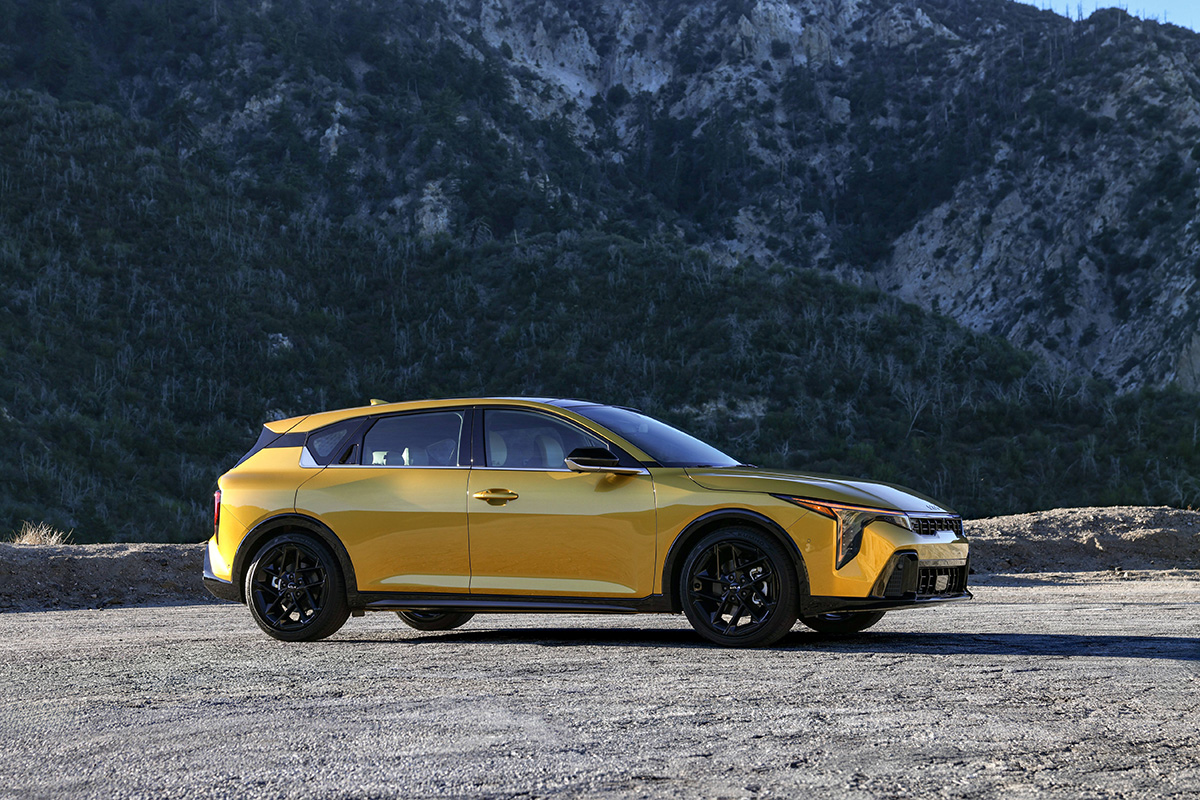
KIA K4 HATCHBACK
$25,000
Mpg: 28 city/34 highway
0 to 60 mph: 9.1 seconds
Cargo space: 22.2 cu. ft.
PROS: Edgy exterior. Roomy interior. User-friendly controls.
CONS: So-so base engine. Pricy turbo. No all-wheel drive.
WHAT’S NEW: Basically everything. The K4 hatchback debuted earlier this year, joining the K4 sedan.
Kia’s stylish five-door K4 boasts three trim levels. The first two use a capable four-cylinder engine, while the top-of-the-line model comes with a turbo.
That turbo provides some genuine zip, though it won’t blow your socks off. Think Janelle Monáe in a tailored suit, not Brad Pitt arriving at the F1 racetrack in a fireproof jumpsuit.
The real star, though, is the design. Sleek. Upscale. A tad mysterious.
Inside, another surprise: vast legroom and storage. Fold the backseats and you can toss in the usual road-trip clutter, plus that regrettable piece of furniture you bought after watching one too many HGTV shows.
Technology is also a bonus, including a digital key that lets you use a smartphone or smartwatch as a direct key fob. You can even share this digital key with friends or family. Just don’t share it with anyone who often loses their actual keys.
Despite some SUV vibes, the K4 remains unapologetically car-like. It sits lower. Feels more conventional. And offers hatchback practicality without itching to conquer the Rockies.
The biggest downside? No all-wheel drive.
Still, for shoppers who crave style, space and gadgetry, the K4 won’t break the bank. To me, it’s like finding a designer jacket at a thrift shop.
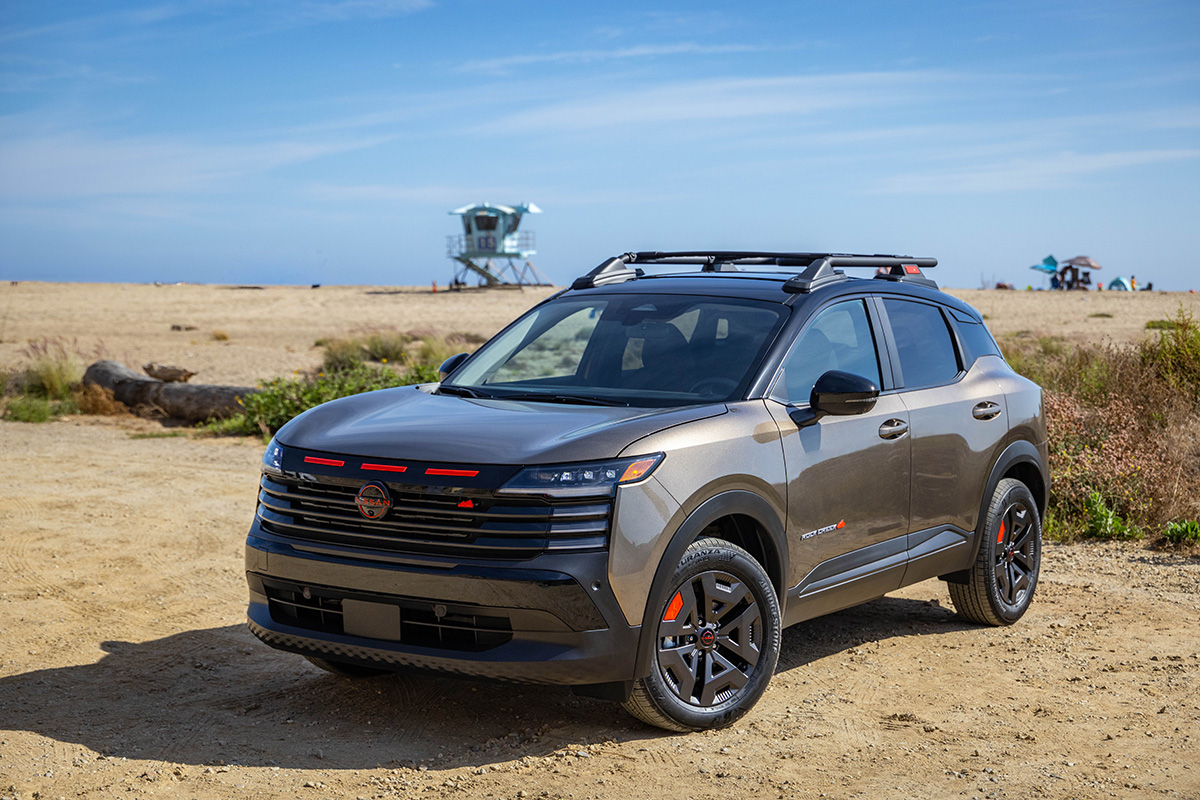
NISSAN KICKS
$23,000
Mpg: 28 city/35 highway
0 to 60 mph: 8.9 seconds
Cargo space: 23.9 cubic feet
PROS: Dashing design. Safety gear galore. All-wheel drive.
CONS: Bit pokey. Noisy engine. Limited rear visibility.
WHAT’S NEW: Redesigned last year with a bit more power, bigger cabin and bold looks, Nissan leaves the winning formula alone.
Like the Kia K4, the Nissan Kicks comes in three trims levels. But it also includes all-wheel drive — a nice plus when navigating snow, sleet or cratered alleys.
There’s an extensive suite of active and passive safety features. And the high ground clearance improves driver visibility, which is somewhat hindered in the back by thick roof pillars.
Styling is tastefully flamboyant. Dramatic lighting. Two-tone finishes. Cheerful, without being cartoonish. Miranda Priestly would approve.
Power, though, is more akin to Miranda’s art director Nigel Kipling. Dependable. Functional. Just not enthusiastic.
Inside, the mod cabin has large 12.3-inch displays, wireless smartphone connectivity and charging, and “zero gravity seats” designed to reduce driver fatigue and stiffness. Add in the stunning Bose Personal Plus audio system, with 10 speakers—including those integrated into the headrests—for an immersive 360-degree sound experience.
The Kicks doesn’t try to be rugged or luxurious. It simply offers a lot of everyday usefulness in a small package.
There is a trade-off. The engine gets noisy when pushed, and there are sportier (often pricier) competitors. But that’s hardly a crime. Not every vehicle needs to perform catwalk struts down the street.

Articles of impeachment filed against Hegseth

The fight over trans students’ pronouns is about much more than names

New Orchestra of Washington to perform ‘Requiem for a People’

Botswana’s marriage equality case and the politics of family values

Kim Kardashian gets the bio treatment in new book

PHOTOS: Halloween at Crush

Karine Jean-Pierre to serve on Jawando transition team

LGBTQ elected officials, activists around the world welcome U.S. election results

Maryland passed Question 3. What happens now?