News
W.Va. voters elect first openly gay state lawmaker
Stephen Skinner will represent portions of Jefferson County in the West Virginia House of Delegates
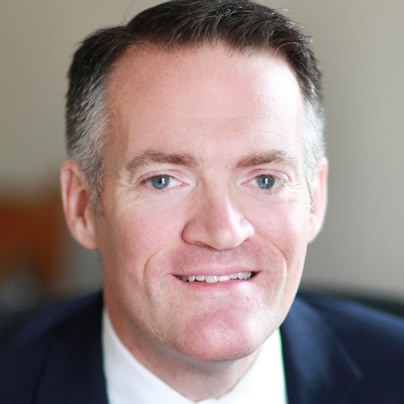
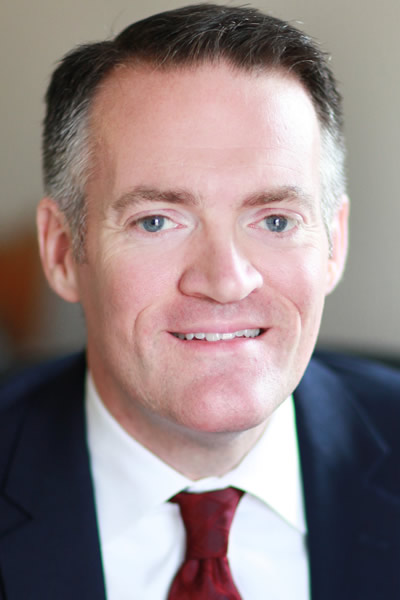
West Virginia Del. Stephen Skinner (D-Shepherdstown) is the first openly gay person elected to the state legislature. (Photo courtesy of Stephen Skinner)
A West Virginia lawyer on Tuesday became the first openly gay person elected to his state’s legislature.
Stephen Skinner will represent Harper’s Ferry, Shepherdstown and surrounding areas of Jefferson County in the far Eastern Panhandle in the West Virginia House of Delegates after defeating Republican Elliot Simon.
“It feels great,” Skinner told the Washington Blade on Thursday as he discussed his election. “Certainly we can recognize it is historic, but we also must remember that it’s about serving the constituents. This is about getting the votes from folks who have the same everyday problems as anybody.”
Skinner is among the hundreds of openly LGBT candidates across the country who won their respective campaigns on Tuesday. These include gay Florida state Rep.-elect Joe Saunders and Stacie Laughton, a Nashua, N.H., selectman who on Tuesday became the first openly transgender person elected to state office in the U.S. after voters elected her to the New Hampshire House of Representatives.
Skinner, who founded Fairness West Virginia, a statewide LGBT advocacy group, told the Blade there were what he described as “some rumblings about” his homosexuality “on the edges” during the campaign. He cited lesbian Wisconsin Congresswoman Tammy Baldwin’s historic election to the U.S. Senate on Tuesday as proof that voters are increasingly able to look beyond a candidate’s sexual orientation.
“We’re at a point in time at least in this part of West Virginia where if my opponent or outside forces had attempted to make it an issue, it would have backfired,” said Skinner.
Joe Racalto, executive director of Fairness West Virginia, applauded Skinner’s election. His organization will honor him, among others at its annual gala in Charleston, the state capital, on Saturday.
“History was made today in West Virginia,” said Racalto in a statement late on Nov. 6. “Delegate-Elect Skinner is proof that people should be judged by their ideas and vision, not who they love. West Virginians should be applauded for breaking this important barrier.”
Coy A. Flowers, president of Fairness West Virginia’s Board of Directors, agreed.
“On behalf of the nearly 40,000 West Virginians who are lesbian, gay, bisexual or transgender and for the over 3,000 same sex couples who are raising children in this state, we are ecstatic that our community finally has a true seat at the table in the West Virginia Legislature,” said Flowers. “Finally, our legislative elected officials will be held accountable on issues of fairness and equality for all our state’s citizens.”
Skinner noted the economy and jobs were the top issues among his soon-to-be constituents during the campaign. He also said health care and increased traffic associated with an influx of new residents who often commute into the nation’s capital are also a concern.
“We’re just 65 miles up the Potomac [from D.C.,]” he said. “Development’s a big issue, but we also have gambling is an enormous issue because we derive a lot of our revenue from the Charles Town races. In my district we have two MARC train stations, so we have lots of commuters. Lots of folks work on the Hill and live out here. We’re constantly dealing with the issues of being a community that still retains a lot of its rural character, but is very connected into the D.C. metro area.”
Skinner added the district’s geographical isolation from Charleston and other parts of the state remains an issue.
“We feel very disconnected from the state capital,” he said, noting it takes him less time to drive to Manhattan and five other state capitals than it does to Charleston. “The issues in the rest of the state aren’t necessarily our issues — and vice versa. But we’re experiencing tremendous population growth and it’s sometimes from within in the state and for a lot of people they’re simply living here because it’s affordable housing and a great place to live.”
Home prices in Jefferson County are the highest per capita in West Virginia, while its population is statistically the most educated in the state. Skinner said there are also a lot of “folks who are forward thinking” in Jefferson County.
“We have to make sure the legislators in the Eastern Panhandle are making sure that we are able to have the data to show to the rest of the state the difference, but also that we are generating a huge amount of the revenues for the state,” he said. “We need to make sure that we are getting the correct amount back.”
Skinner said he and other LGBT advocates will continue to push for a bill that would add sexual orientation to West Virginia’s non-discrimination law. He noted he will also work with his soon-to-be colleagues in Charleston on the implementation of expanded Medicare coverage under the health care reform law President Obama signed in 2010.
West Virginia is also about to implement what Skinner described as an “enormous” reform of the state’s education system.
“Having more autonomy and less centralization in a state like West Virginia is going to be pretty important for our future success,” he said.



Hungary
New Hungarian prime minister takes office
Péter Magyar’s party defeated anti-LGBTQ Viktor Orbán last month

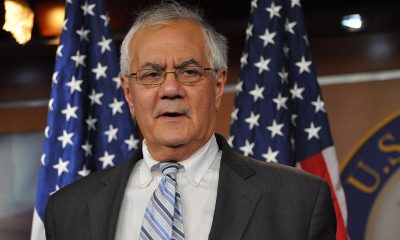
Hungarian Prime Minister Péter Magyar took office on Saturday.
Magyar’s center-right Tisza party on April 12 defeated then-Prime Minister Viktor Orbán’s Fidesz-KDNP coalition. Vice President JD Vance less than a week before the election traveled to Budapest, the Hungarian capital, and urged Hungarians to support Orbán.
Orbán had been in office since 2010. He and his government faced widespread criticism over its anti-LGBTQ crackdown.
The European Commission in 2022 sued Hungary, which is a member of the EU, over the country’s anti-LGBTQ propaganda law. The European Union’s top court, the EU Court of Justice, on April 21 struck down the statute.
The EU while Orbán was office withheld upwards of €35 billion ($41.26) in funds to Hungary in response to concerns over corruption, rule of law, and other issues.
Hungarian lawmakers in March 2025 passed a bill that banned Pride events and allowed authorities to use facial recognition technology to identify those who participate in them. MPs later amended the Hungarian constitution to ban public LGBTQ events.
Upwards of 100,000 people last June defied the ban and marched in Budapest’s annual Pride parade.
“Congratulations to [Péter Magyar] on becoming prime minister of Hungary,” said European Commission President Ursula von der Leyen on X.
“This Europe Day, our hearts are in Budapest,” she added. “The hope and promise of renewal is a powerful signal in these challenging times.”
“We have important work ahead of us,” noted von der Leyen. “For Hungary and for Europe, we are moving forward together.”
The Comings & Goings column is about sharing the professional successes of our community. We want to recognize those landing new jobs, new clients for their business, joining boards of organizations and other achievements. Please share your successes with us at [email protected].
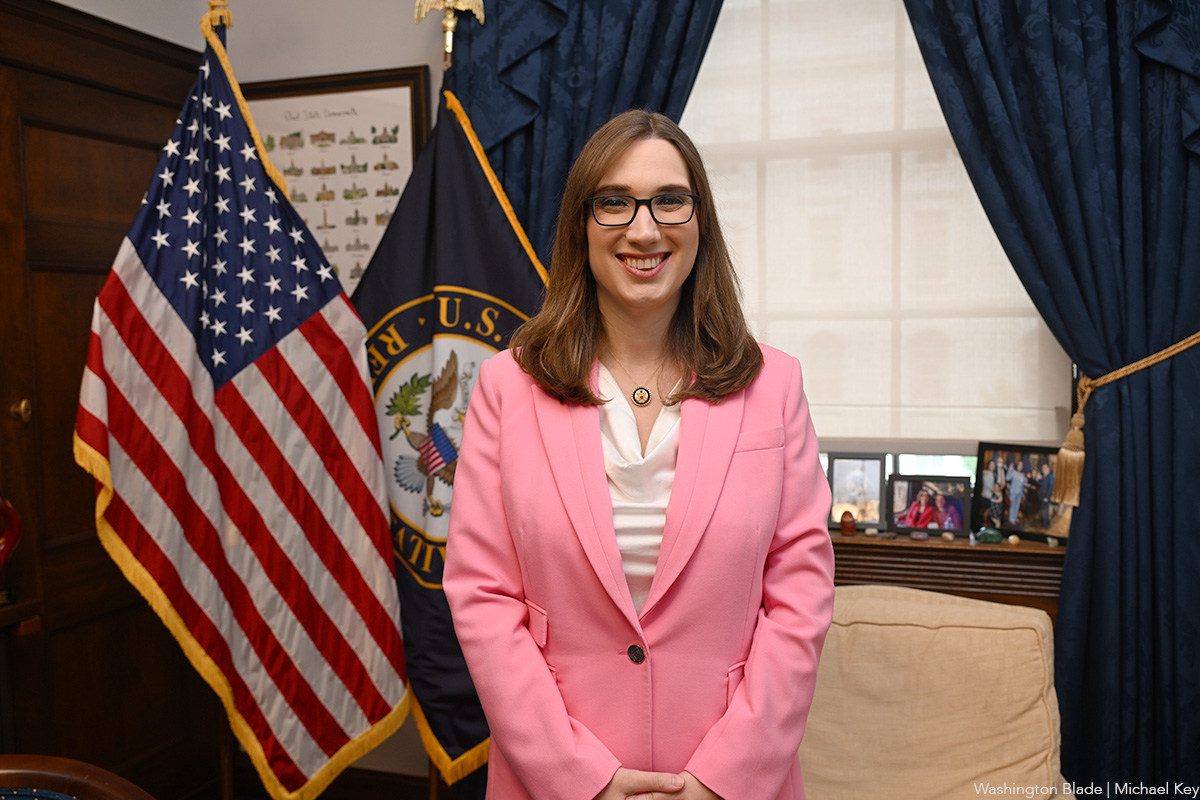
Congratulations to Congresswoman Sarah McBride (D-Del.) on being honored with this year’s Stonewall Award from Whitman-Walker Health. Amy Nelson, senior director of Legal Services, said, “Congresswoman Sarah McBride is working to make healthcare accessible to all, and this award recognizes her support of healthcare as a human right. Our legal program supports families facing unprecedented challenges to stay healthy and safe – families that Congresswoman McBride champions with a deep understanding of the issues they face and the legislative expertise of how to support them.”
McBride, in a press release, said, “I am honored to accept this year’s Stonewall Award from Whitman-Walker Health — an organization that has spent 40 years doing vital work to ensure every person can access the dignity of care. In the wealthiest and most developed nation on earth, the ability to receive care should not be a matter of luck—it should be the law of the land. I am proud to be recognized as a partner in this work and to support Whitman-Walker Health in their mission to build a healthier society for all.”
Congratulations also to Wes Drummond who will join Clear Space Theatre Company in Rehoboth Beach, Del., as its third artistic director. Managing Director Joe Gfaller said, “This is an exciting moment of growth for Clear Space as we welcome Wes to join our remarkable team. I am confident he will be an excellent partner as we work with our entire staff, board, and committed team of volunteers, to ensure Clear Space can achieve its full potential in pursuit of our mission to unite and enrich our community through every production on stage, and every arts-based learning program we offer throughout our community.”
On accepting the position Drummond said, “I’m honored to join Clear Space Theatre Company as artistic director, and beyond excited for what we’re about to create together. Clear Space has established itself as a vital and vibrant part of the cultural life of coastal Delaware, and I feel incredibly fortunate to step into this next chapter alongside such a passionate and dedicated team. Rehoboth Beach is a place defined by creativity and community, and I look forward to listening, learning, and building meaningful relationships across the region in the months ahead. My vision is to help Clear Space continue to grow as a bold, forward-thinking, cultural force, that champions fearless storytelling.”
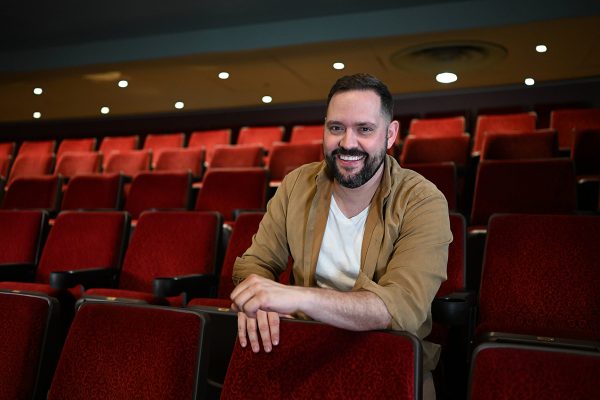
Drummond served in leadership roles at Duluth Playhouse in Duluth, Minn., from 2021 to 2026, including four years as executive director followed by one year as executive producing artistic director, guiding the organization through a period of significant transformation and stability in the wake of the COVID-19 pandemic. As a director, he has worked extensively in New York City, Chicago, and at regional theaters across the country, directing both musical theater and plays with a focus on storytelling that bridges classical works with contemporary perspectives. He has collaborated with leading figures in the industry, including Tony Award-winning director Matthew Warchus, and Tony-nominated director Michael Greif. He is an associate member of the Stage Directors and Choreographers Society.
Wes earned his MFA in directing, Penn State University, where he studied under Tony-nominated director, Susan H. Schulman.
Virginia
Va. Supreme Court invalidates Democrat-backed redistricting plan
Voters narrowly approved new congressional districts last month
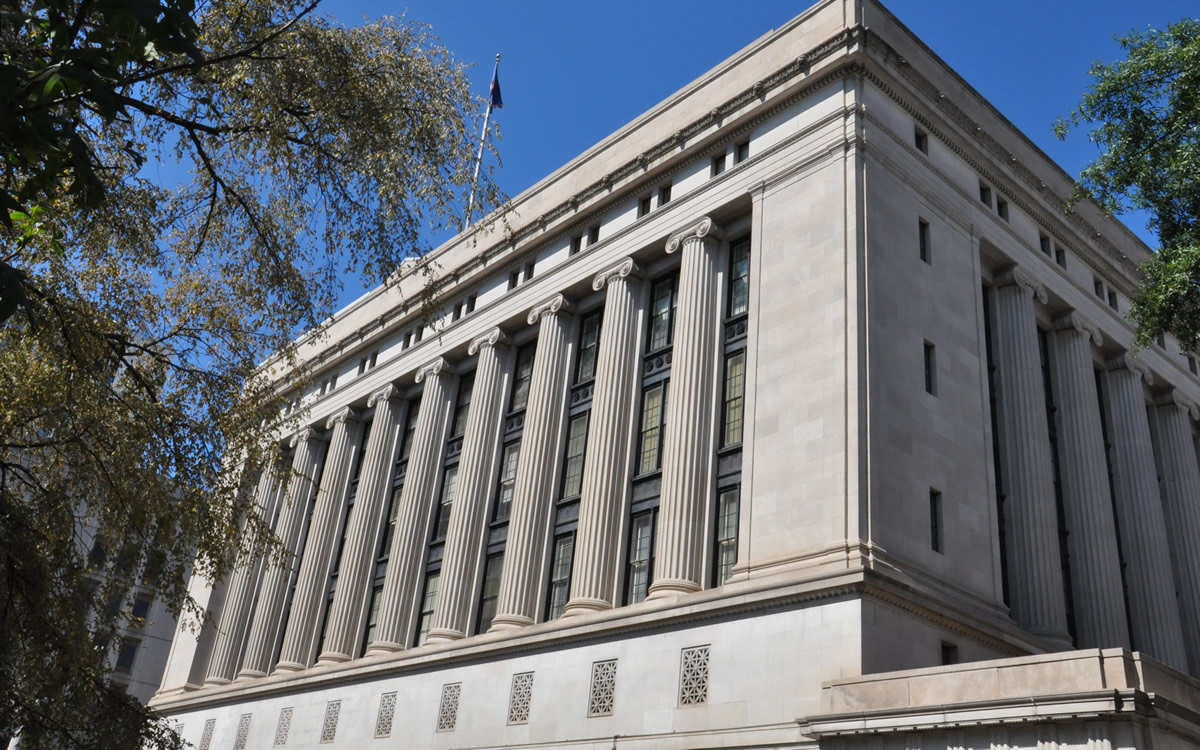
The Virginia Supreme Court on Friday struck down a Democrat-backed redistricting plan that voters approved last month.
Ten of 11 of Virginia’s congressional districts favor Democrats in the plan that passed by a 51-48 vote margin in last month’s referendum.
The Human Rights Campaign PAC is among the groups that support it. The court by a 4-3 majority invalidated the referendum results.

National tour of ‘Gatsby’ comes to National Theatre

DJ Chanel Santini is bringing the heat and some gender-fluid diversity to XBIZ Miami

New Hungarian prime minister takes office

Comings & Goings

Learn more about queer love

DOE investigates Smith College’s trans-inclusive policy

Key West Pride’s state funding pulled

PHOTOS: Miss Gay Western Maryland

Barney Frank on trans rights, 2028, and the need to ‘reform the left’