Arts & Entertainment
Old school jazz and blues
New MetroStage production brings fabled era to life
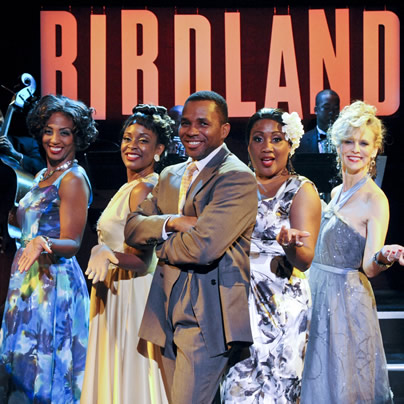
From left, Yvette Spears, Lori Williams, Anthony Manough, Roz White and Sandy Bainum in ‘Ladies Swing the Blues.’ (Photo by Christopher Banks; courtesy MetroStage)
‘Ladies Swing the Blues, a Jazz Fable’
Through March 31
MetroStage
1201 North Royal Street, Alexandria
$48-$55
703-548-9044
mestrostage.org
Near the end of Charlie “Bird” Parker’s life, an attending doctor mistook the 34-year-old alto saxophonist to be in his 50s. A longtime battle with drugs and alcohol had taken a toll on the legendary jazz great’s body; but despite the tragic circumstances attached to his premature demise, Bird’s impact remained unbroken, leaving an inimitable, enduring mark on his musical genre and those who knew him.
With “Ladies Swing the Blues, a Jazz Fable” currently premiering at MetroStage in Alexandria, Thomas W. Jones II (book and lyrics) and William Knowles (arrangements and original music) again put the spotlight on an exciting chapter in 20th century African-American musical culture. Jones and Knowles who are also “Ladies” director and musical director respectively have worked together before — past collaborations include vaudeville-era “Bricktop,” and ‘60s-set “Cool Papa’s Party.” This time it’s the ‘40s and ‘50s New York City jazz scene as personified by the genius Parker.
The action takes place in Manhattan’s legendary jazz club Birdland in 1955 on the day after Parker’s death. Four divas of jazz in the tradition of Ella Fitzgerald, Billie Holiday, Sarah Vaughan and Peggy Lee, have gathered to celebrate the memory (warts and all) of their beloved downed comrade. As the ladies swap gossip, jazz lore, and, of course, sing bluesy, jazz standards, Parker walks among them unseen and appears in flashbacks from his fast and furious life.
With an easy smile, twinkly eye, nimble dance moves and fabulous voice, Anthony Manough as Parker sets the bar high for what unfolds as 90 minutes of first-rate entertainment. In turn, Roz White (Lady), Lori Williams (Ella), Yvette Spears (Sassy), and Sandy Bainum (Lee) — terrific, seasoned singers and actors all — prove themselves more than willing and able to command center stage. “Ladies” peaks when the jazz women (decked out in ‘50s cocktail dresses, rhinestones and wigs) take to the Birdland stage to pay musical homage to Parker, starting with low-key, blonde Lee’s heartfelt “Lullaby of Birdland” followed by unbridled Sassy’s powerful “Sometimes I’m Happy,” and worldly Ella’s show stopping scat-infused “Flying Home.”
Finally, Wisecracking and streetwise Lady takes the stage. “Slow this shit down,” she says before easing into an unhurried and salty “Billie’s Blues.”
Besides Lee, Bainum also effectively plays characters from Parker’s life including a socialite jazz-loving baroness and bebop-obsessed “On the Road” author Jack Kerouac.
In search of motivation for his characters’ seeking solace in jazz, Jones smartly plumbs the real life ladies’ rocky pasts which involved prostitution, sexual and physical abuse, bad relationships and addictions. Throughout the show, Lady funnily sips from a sparkly flask that she keeps handily nestled in her cleavage; but at a darker point she moves to the edge of the stage where she shoot ups in the shadows.
The show’s incredibly on point, five-man jazz band led by Knowles on piano is definitely a part of the show. Clad in black tie and placed very visibly onstage beneath an orangey-red neon Birdland sign, the band members enjoy solos and occasionally interact with the actors. “Ladies” features great stuff like “Fever,” “Round Midnight” and “T’aint What You Do” along with some original tunes by Knowles that hold their own in the company of the more familiar classics.
Earlier this season, MetroStage was transformed into a French café celebrating the poignancy of Jacques Brel’s Paris. And now with “Ladies,” it’s been convincingly morphed into a New York jazz club with all the gloriousness and pain that goes with that.



Photos
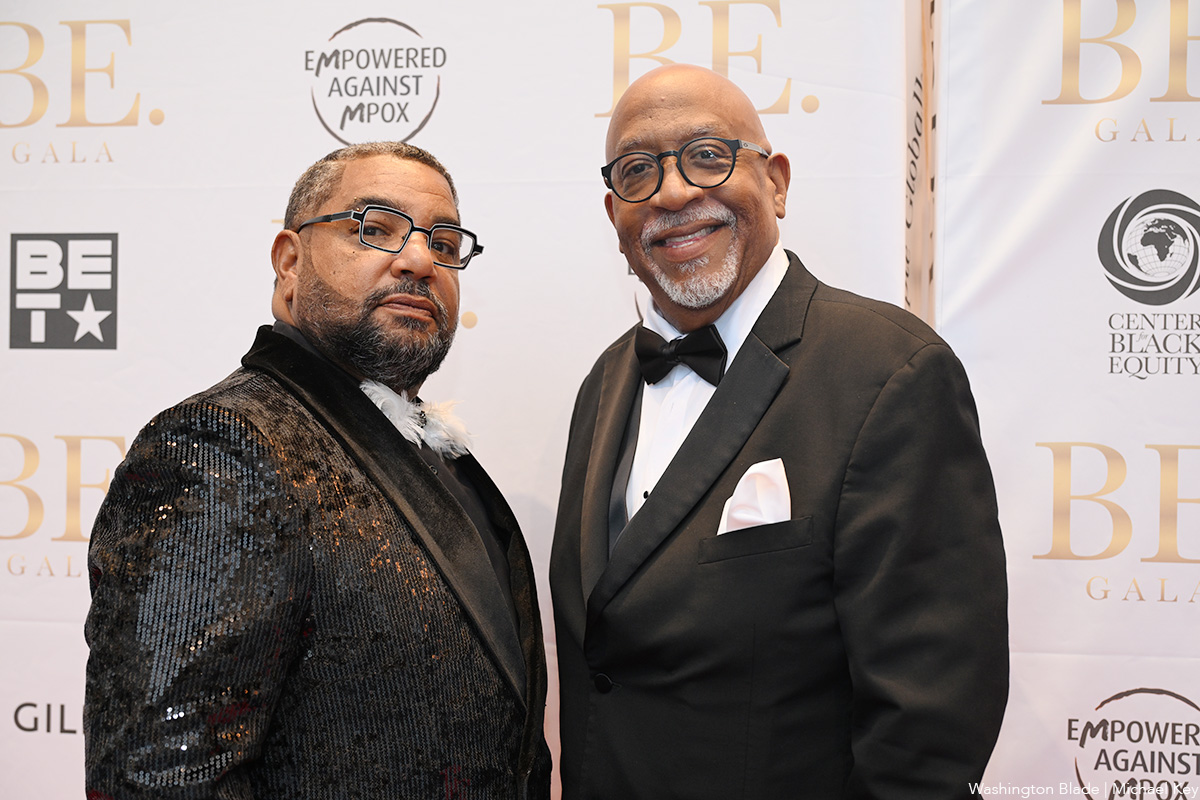
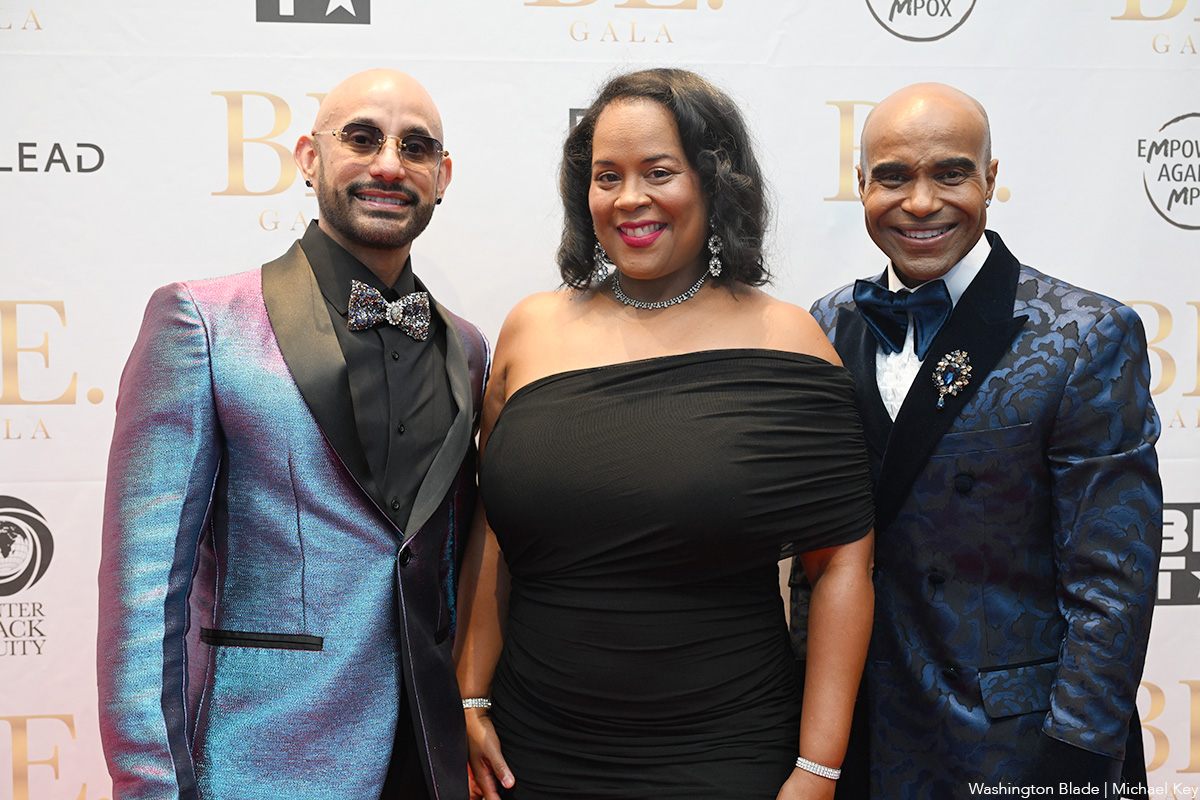
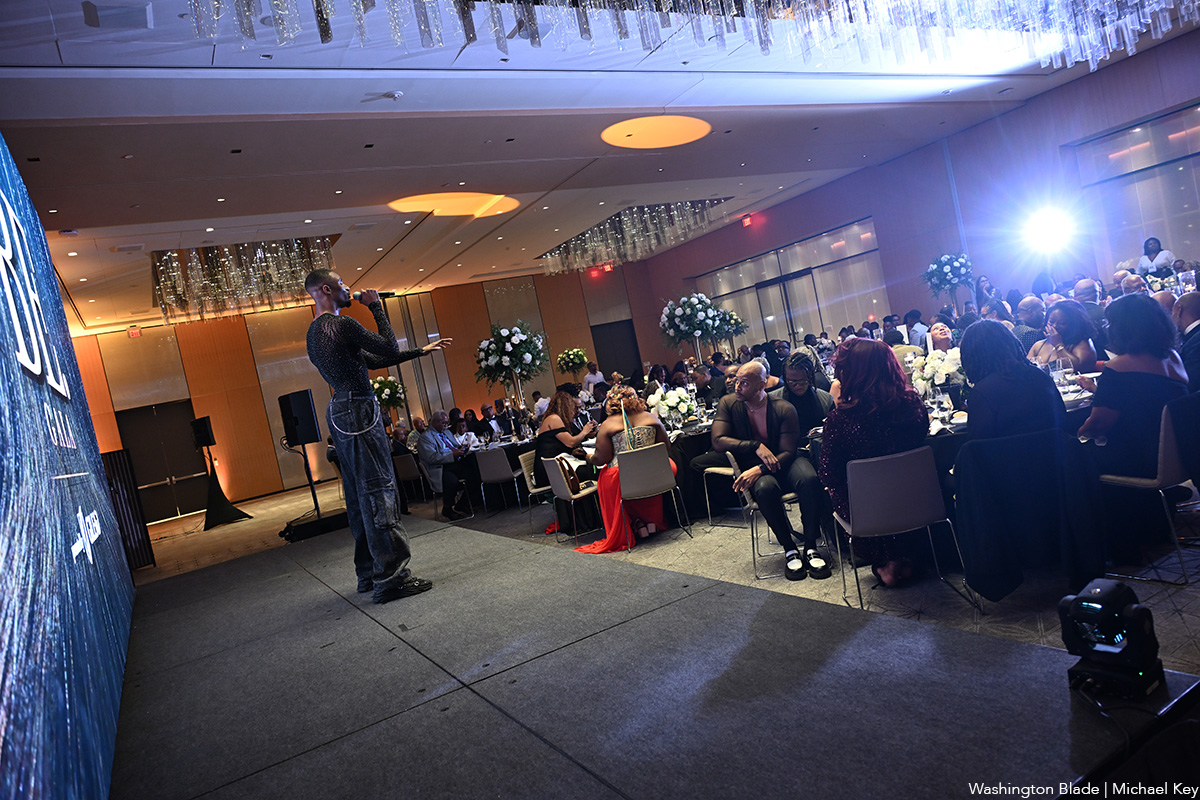
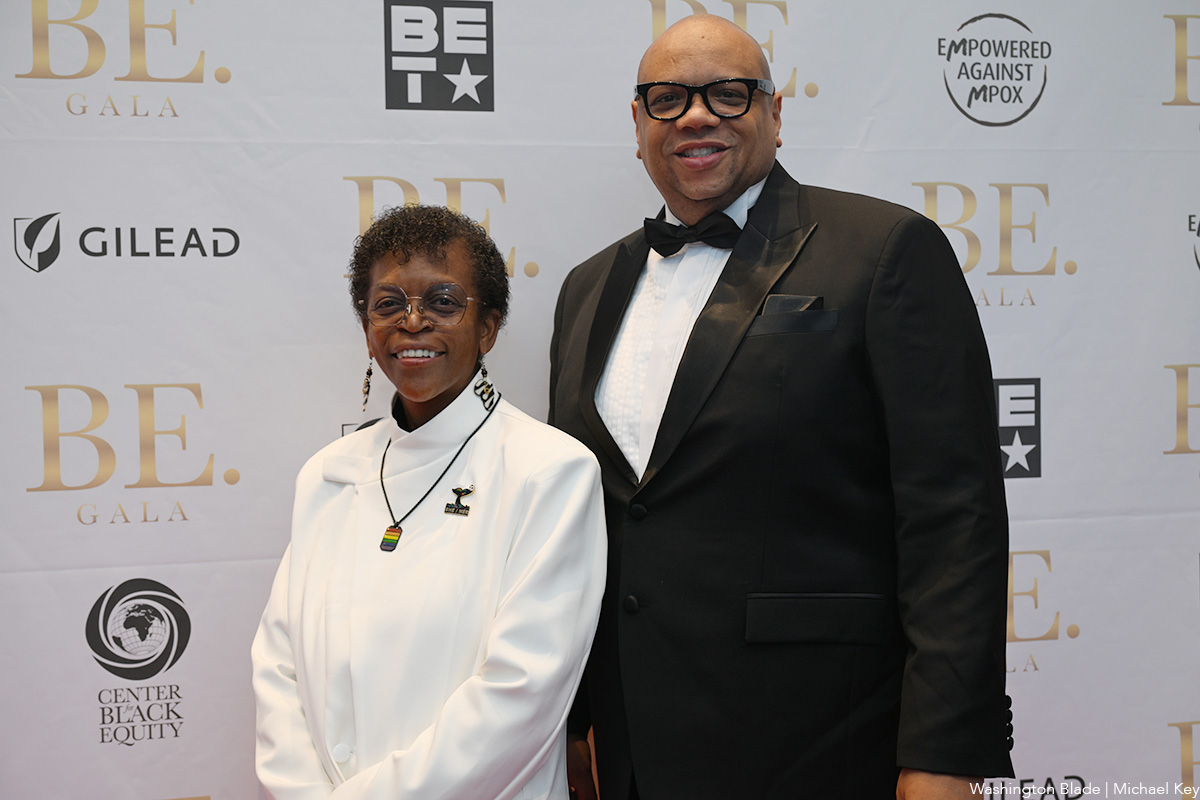
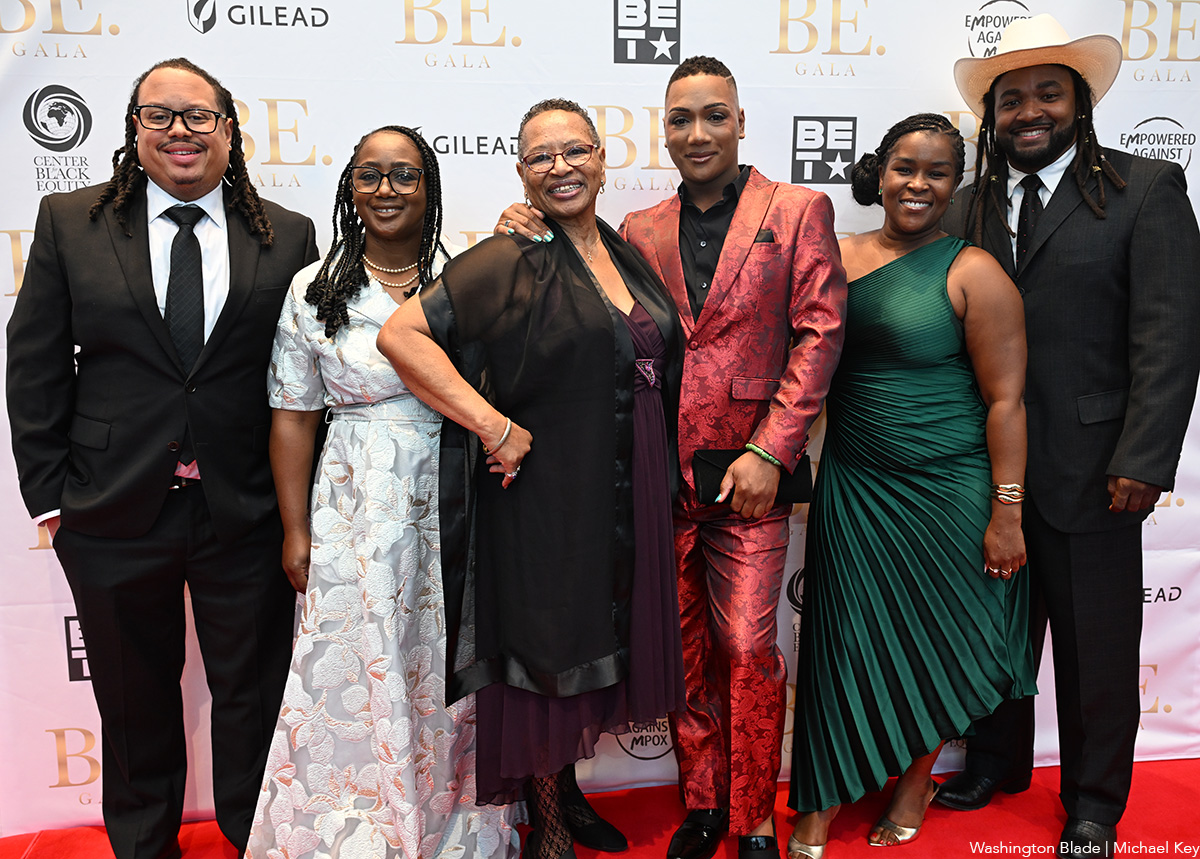
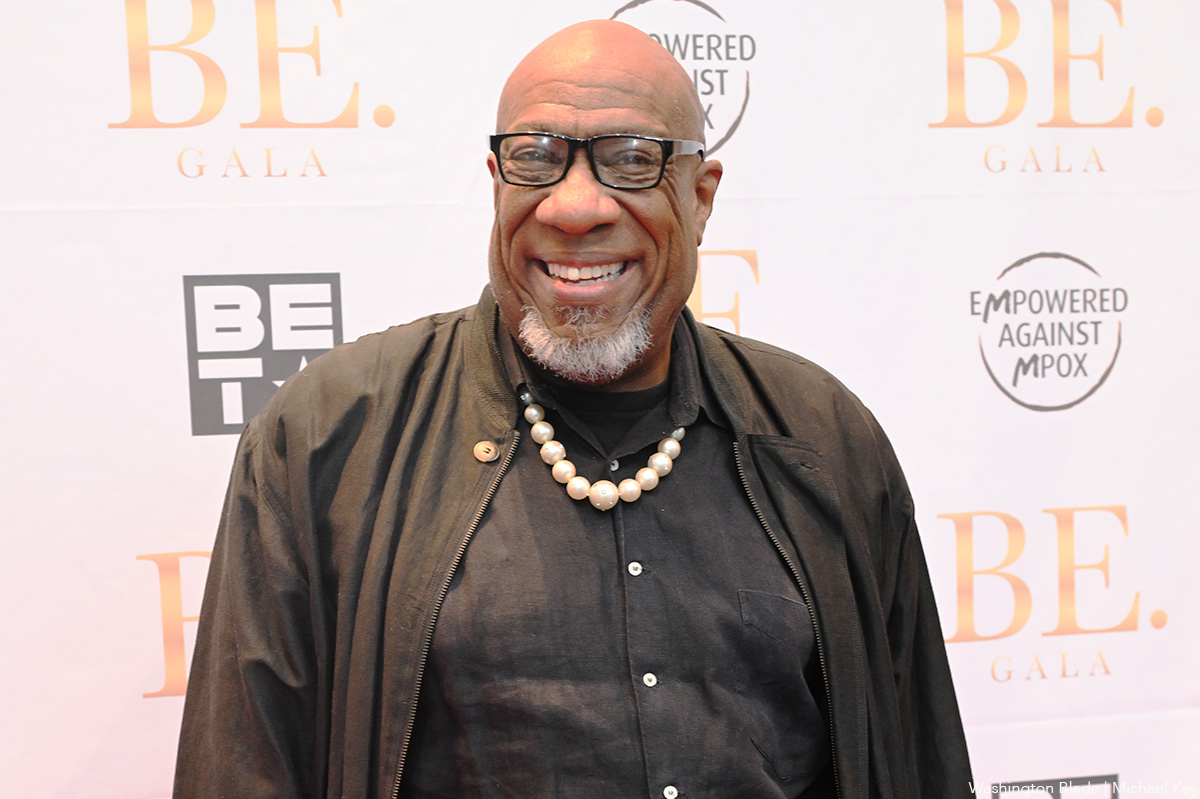
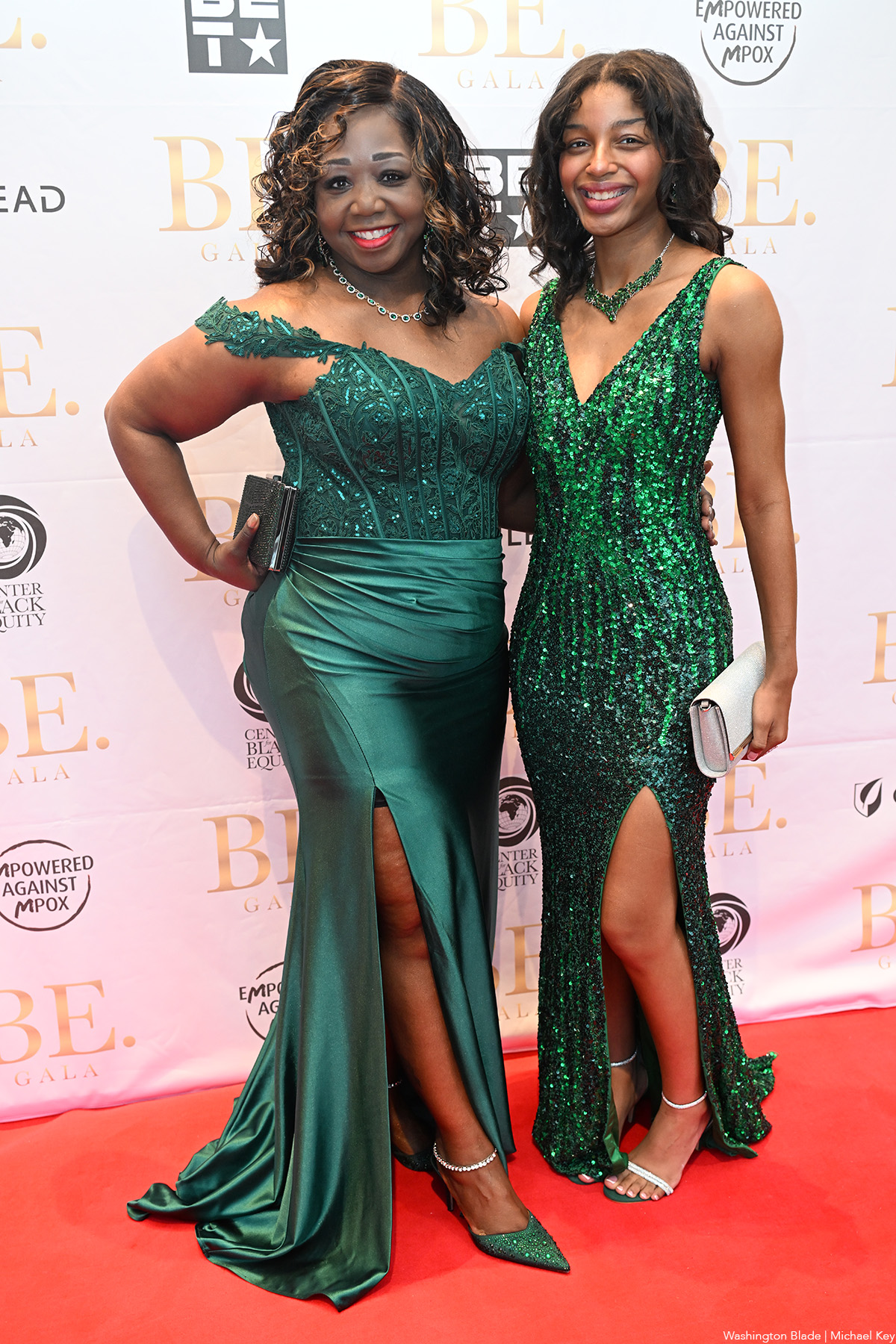
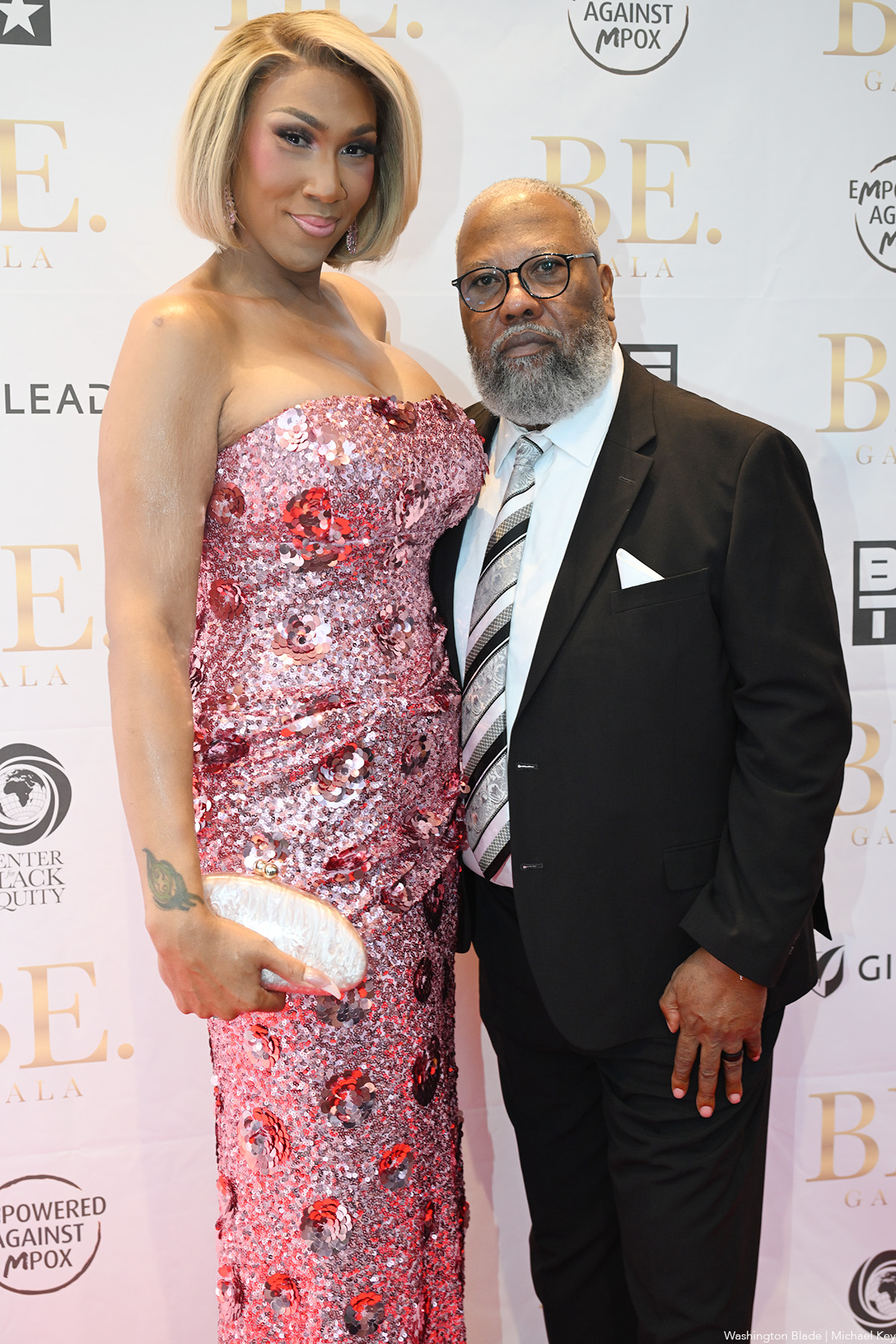
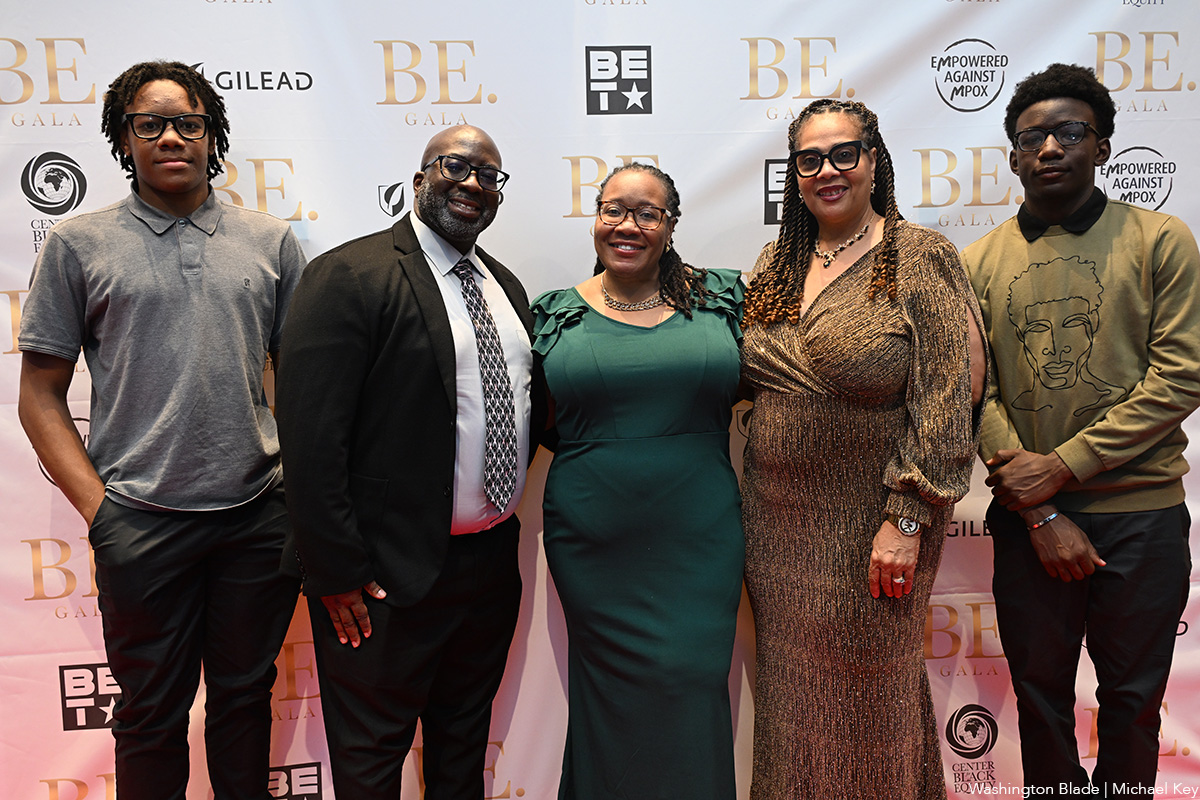
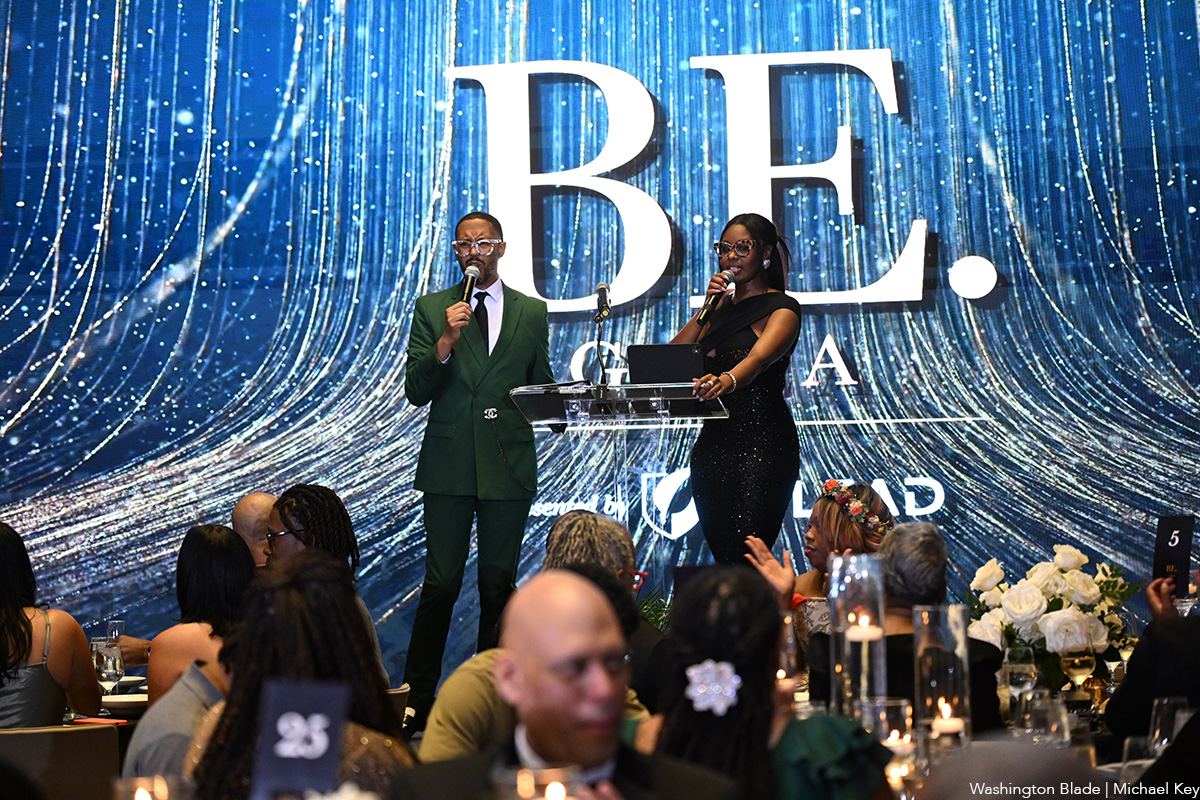
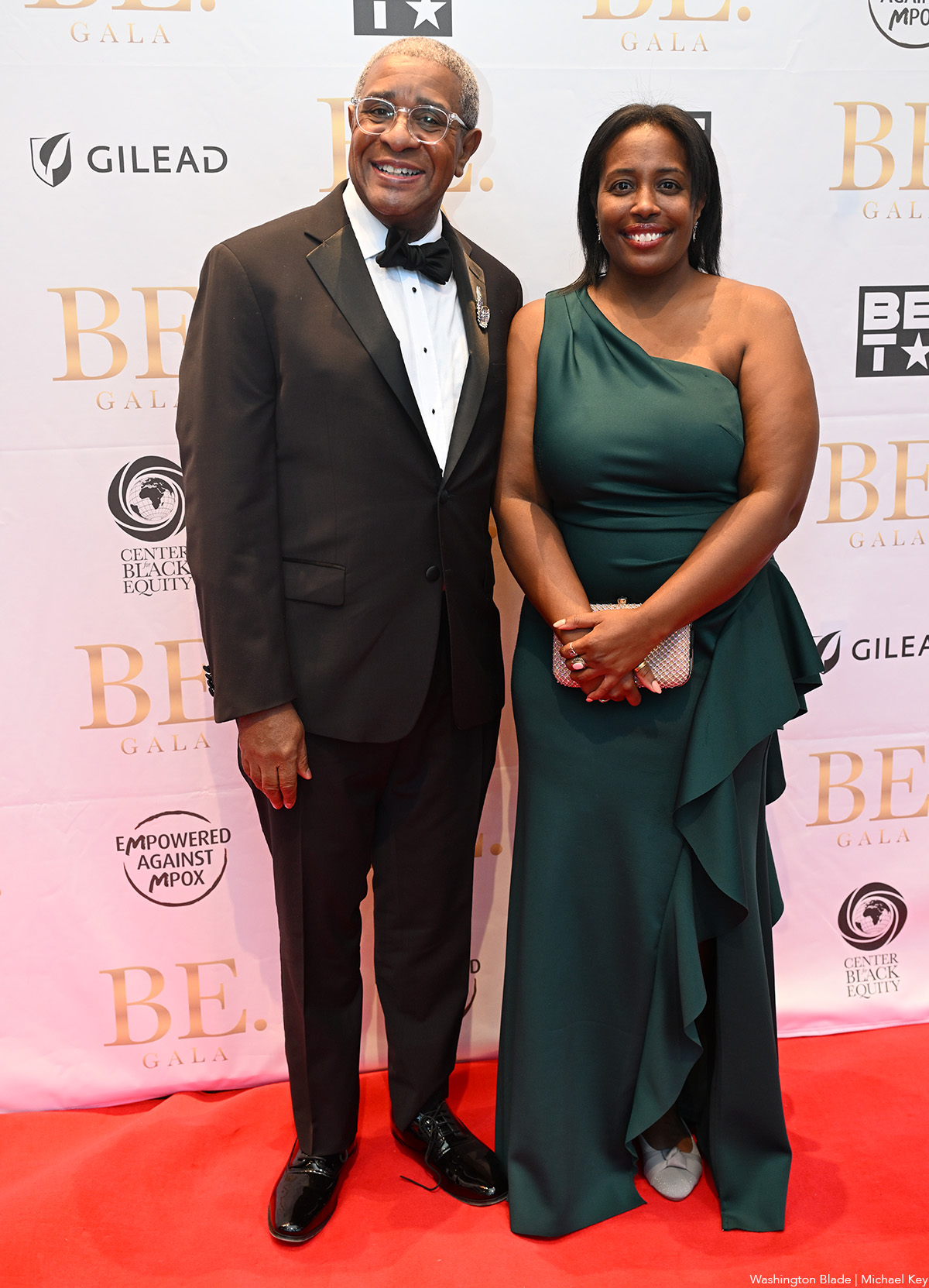
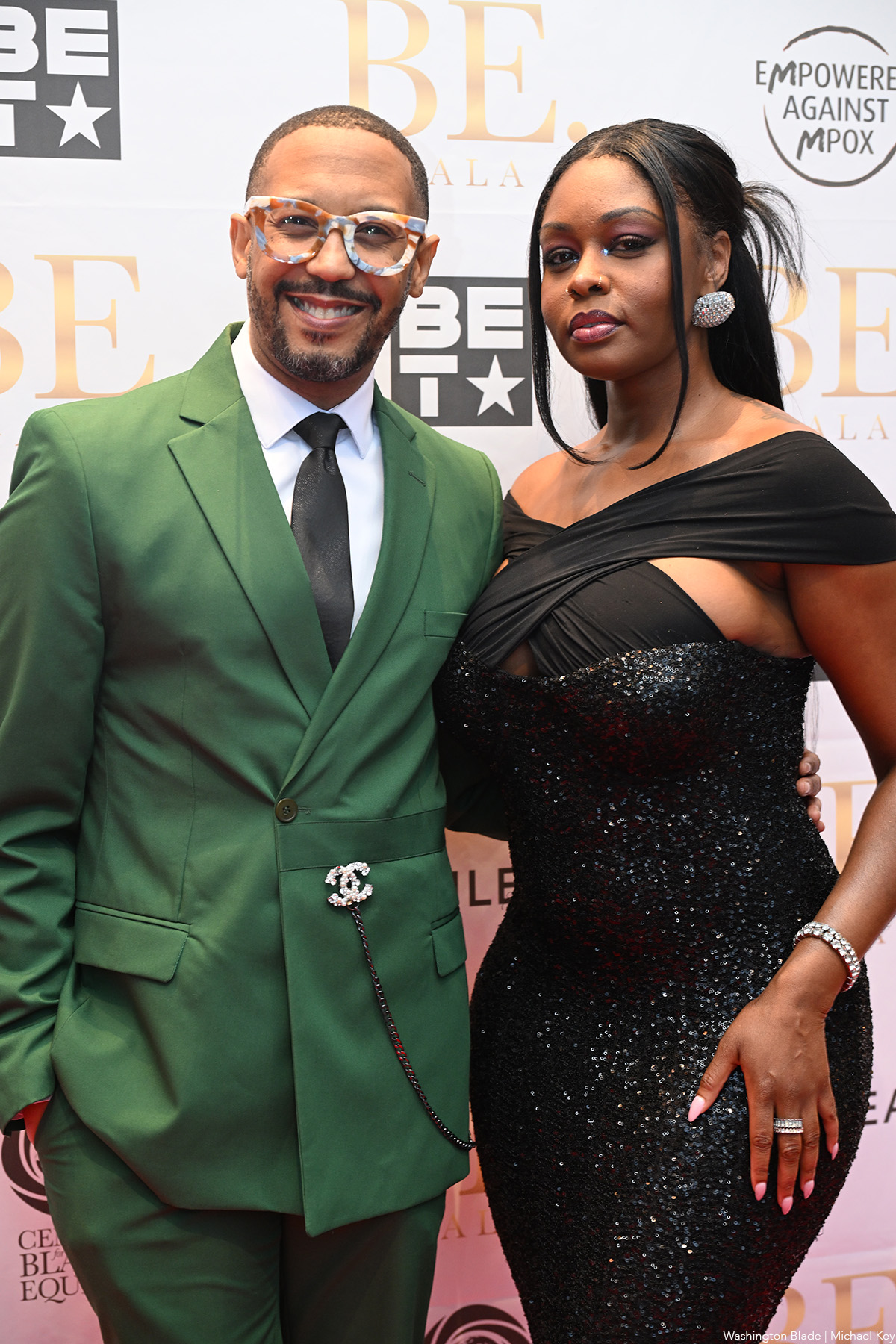
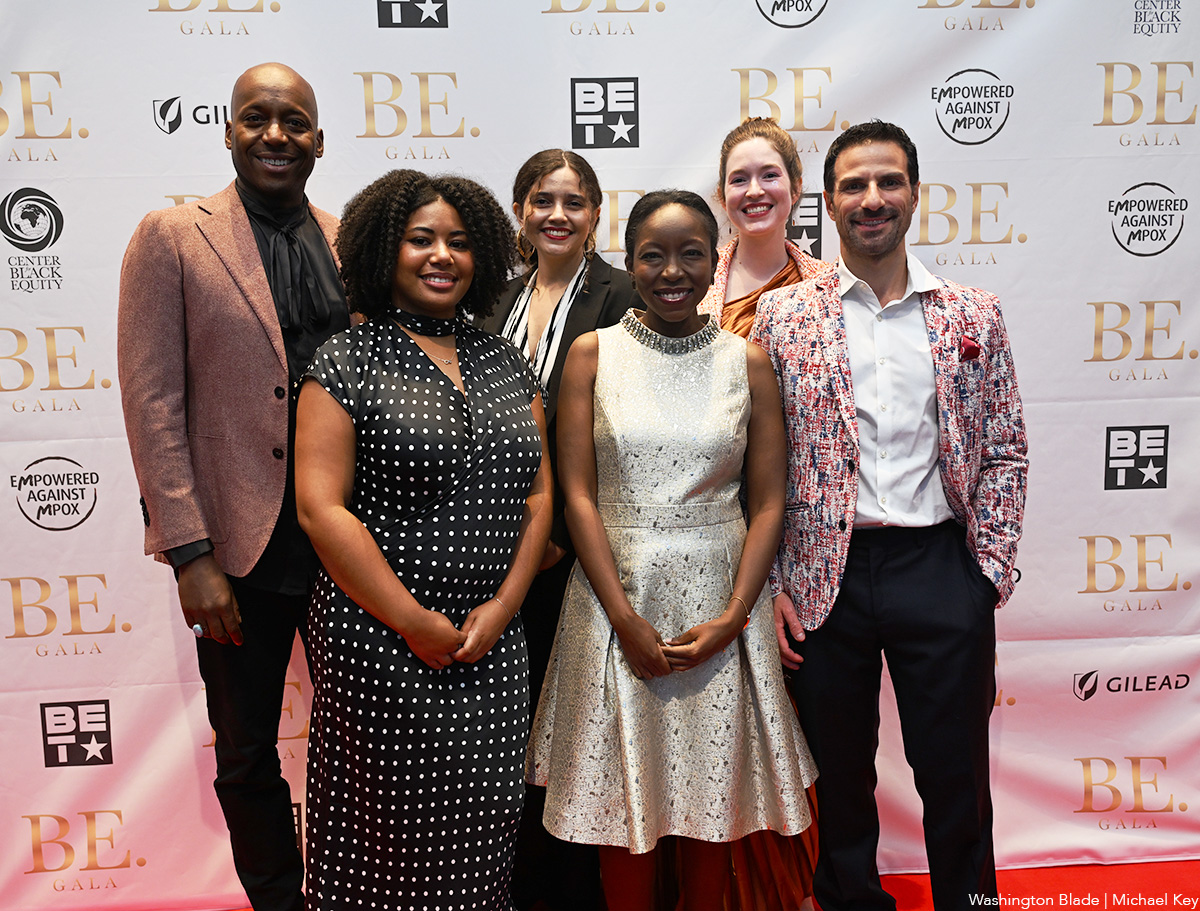
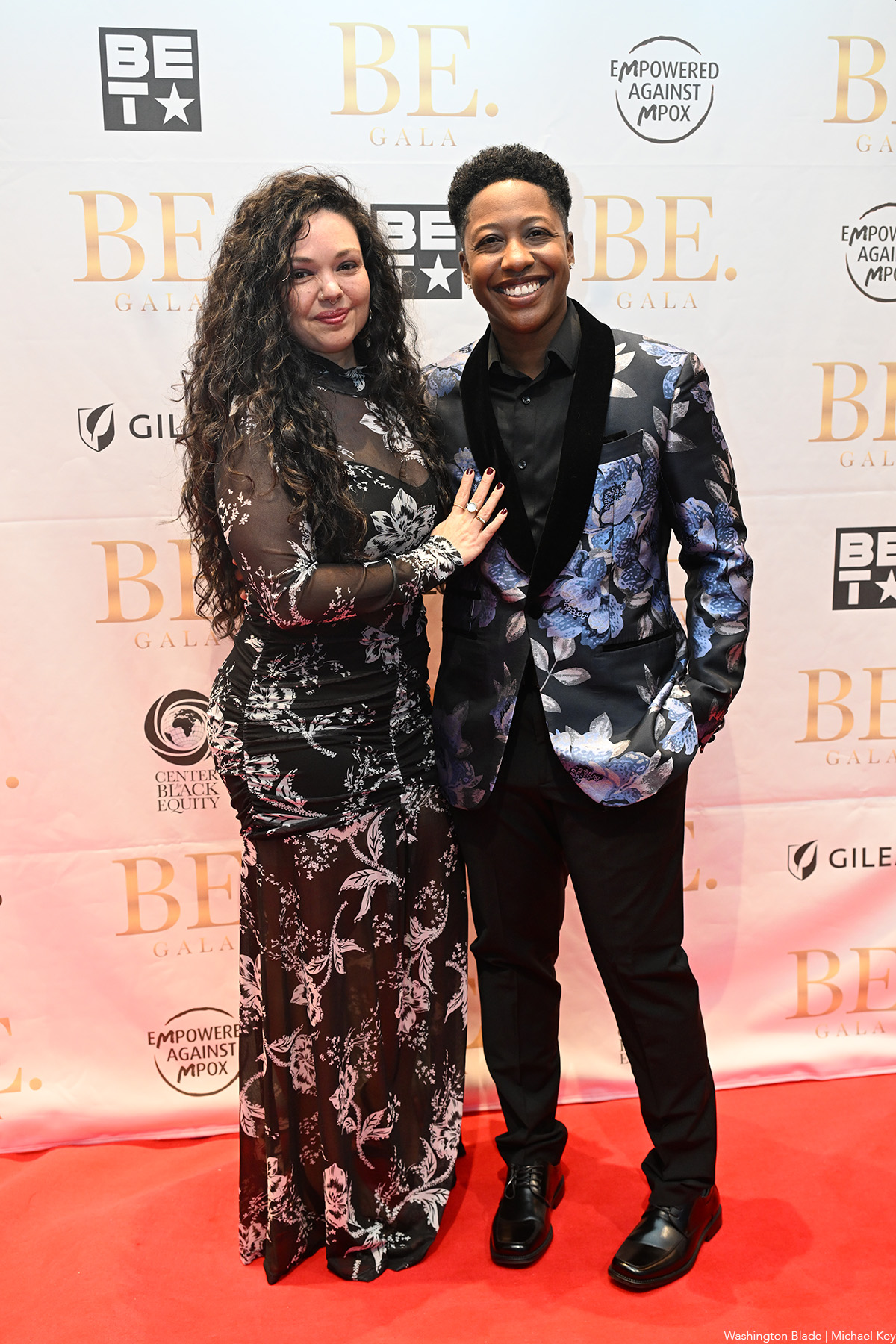
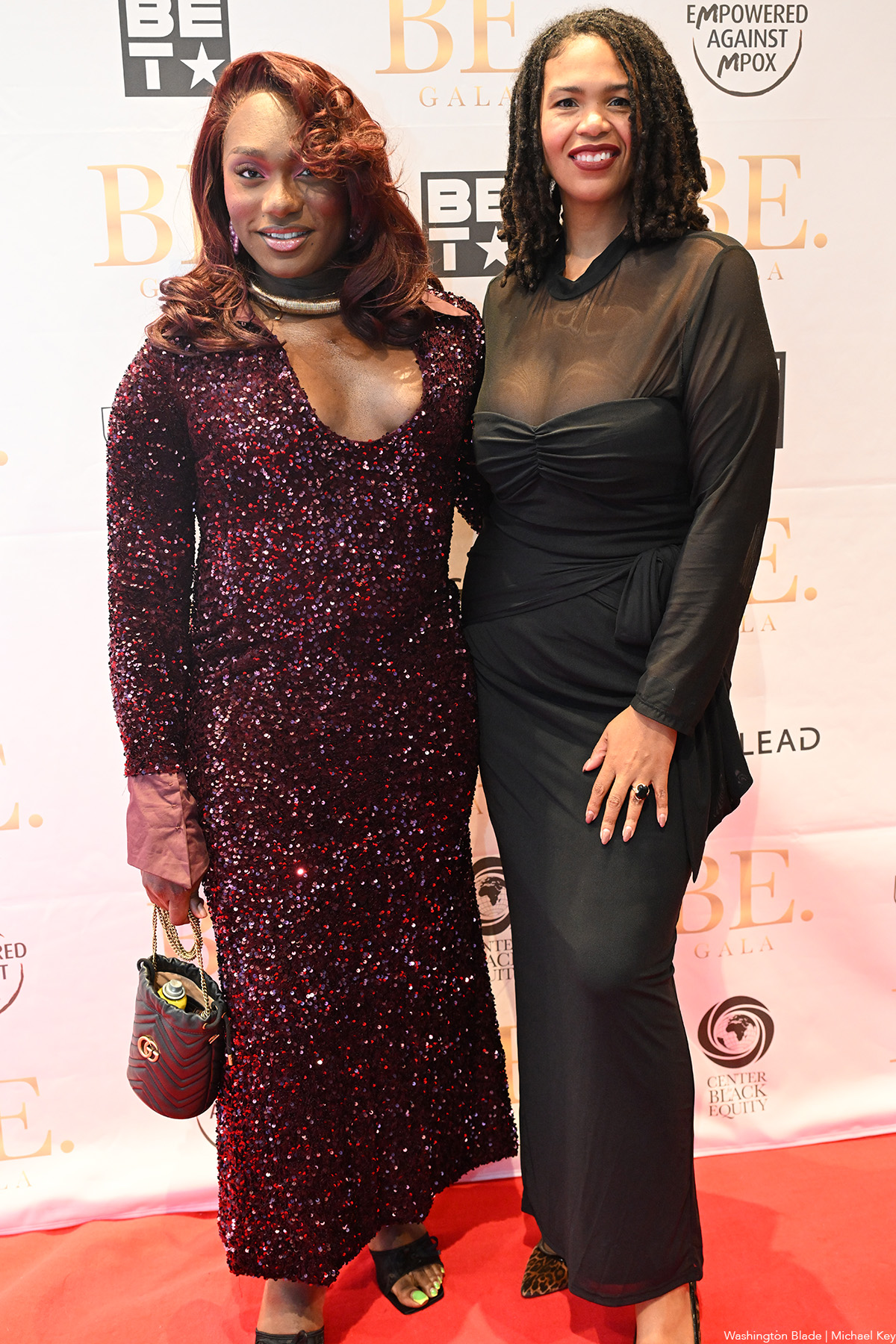
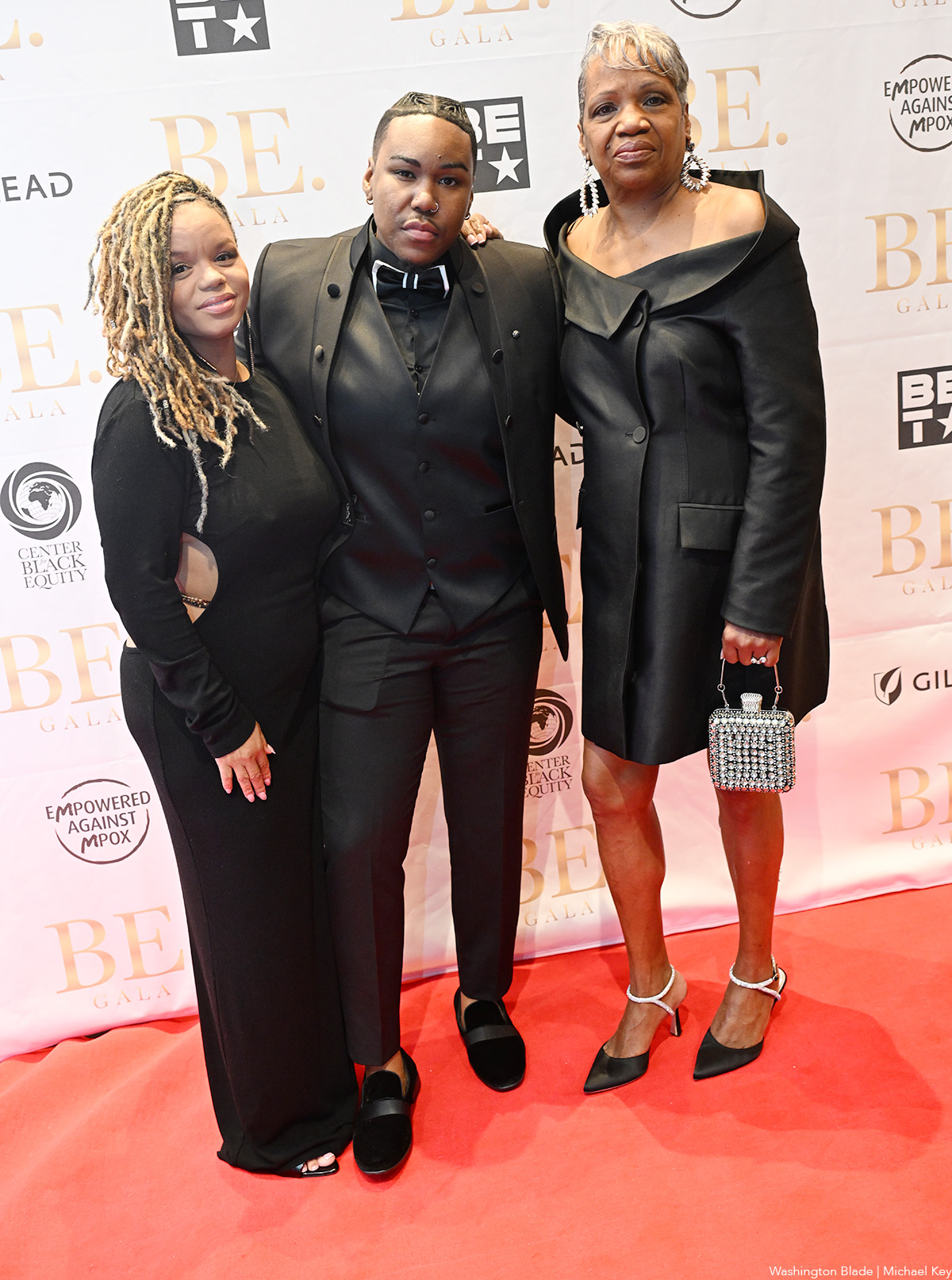
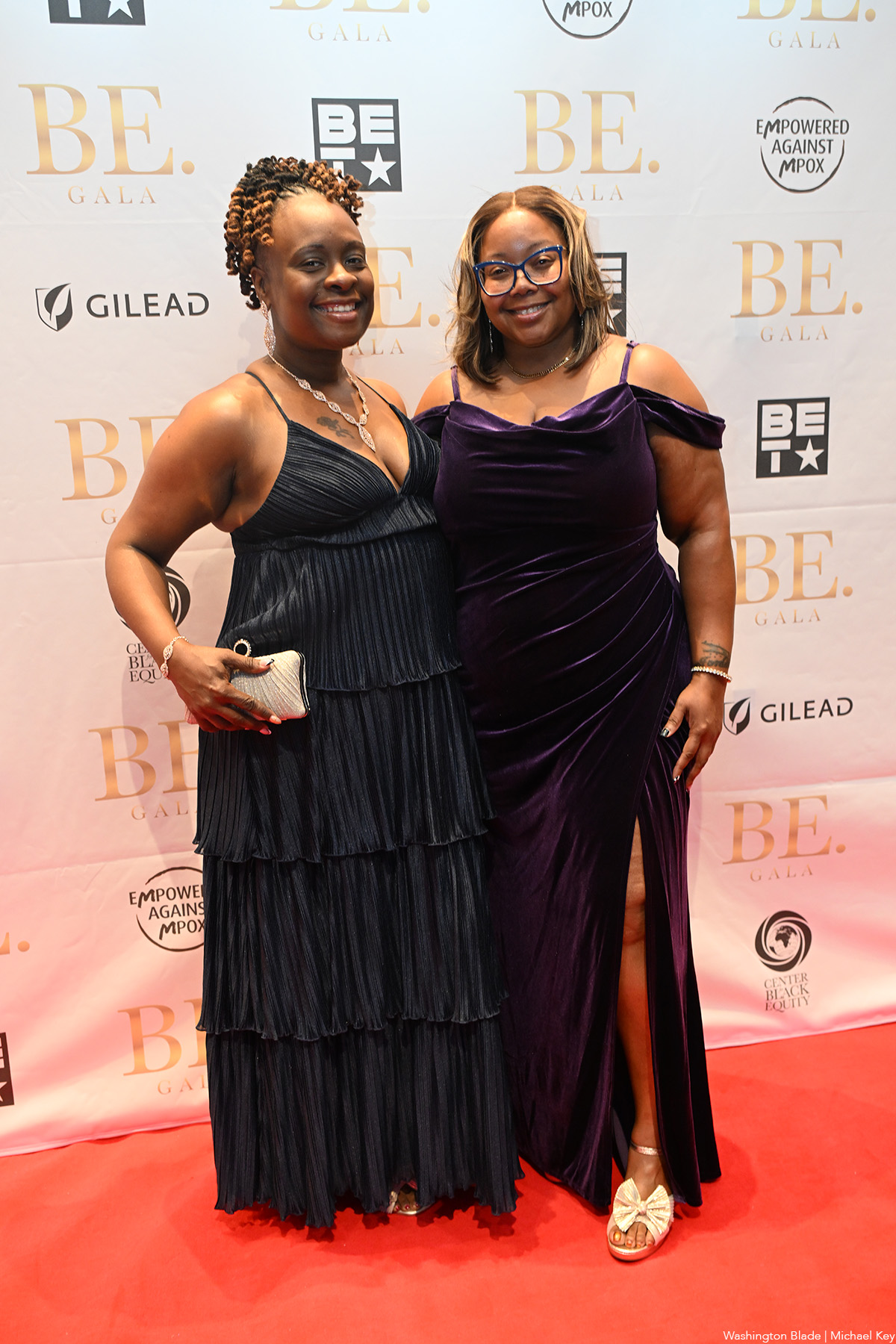
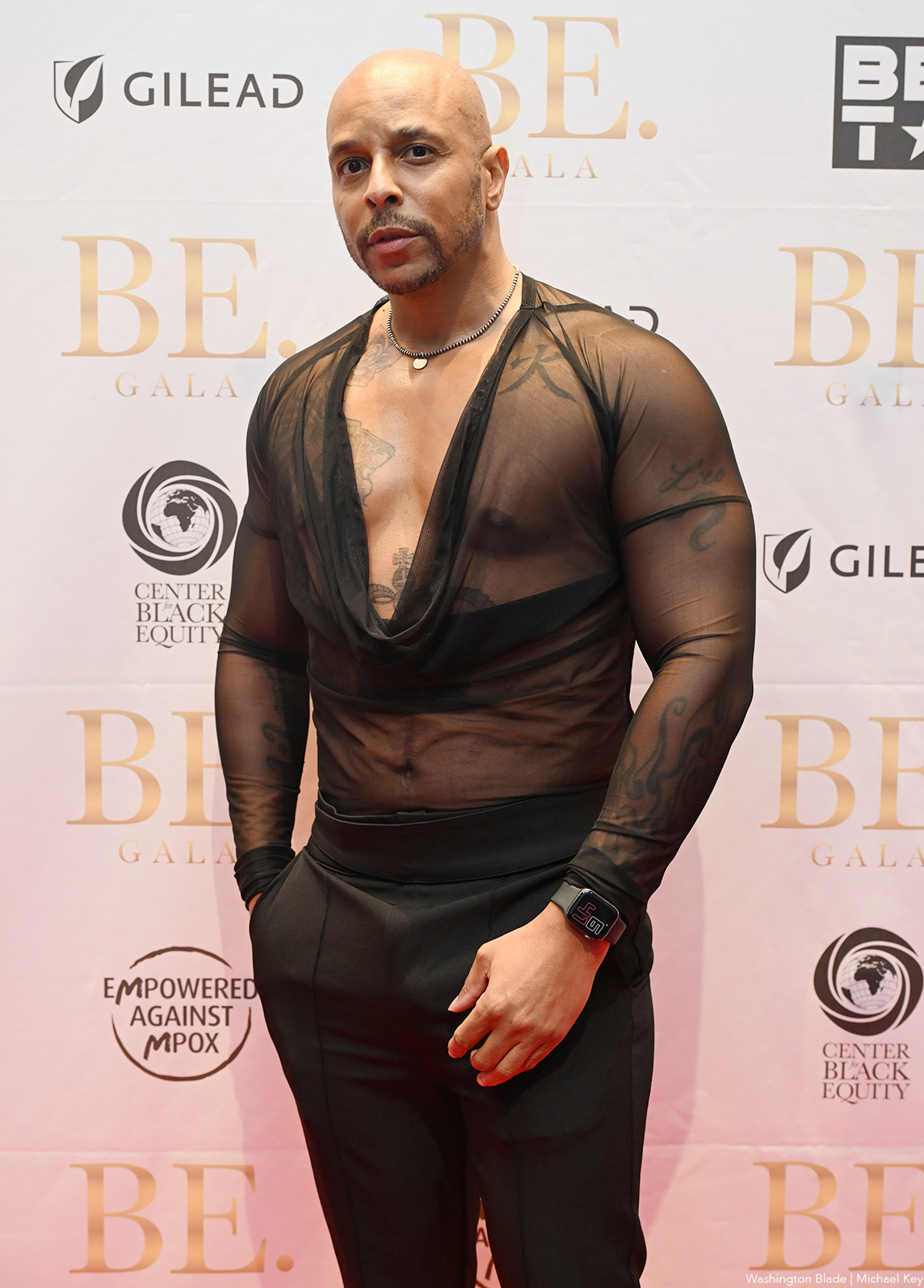
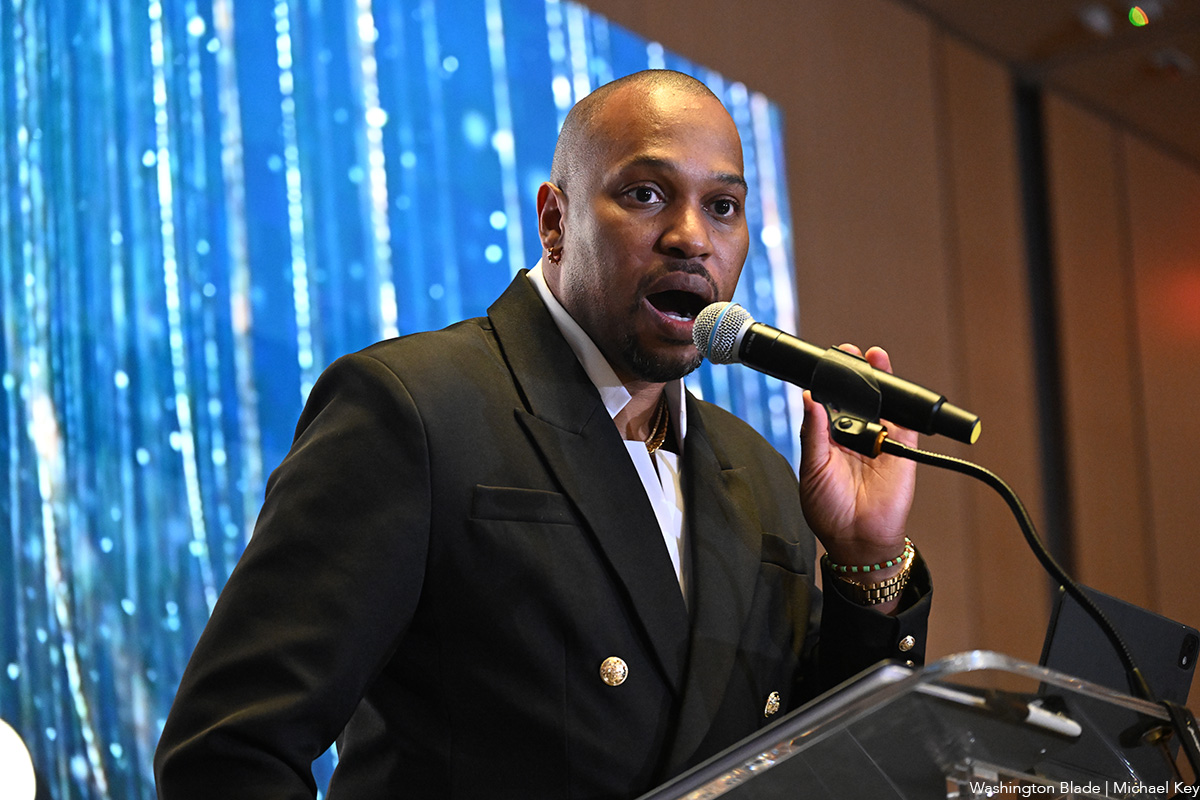
Center for Black Equity honors leaders, activists at BE. Gala
Miyake-Mugler, Oakes co-host annual awards ceremony

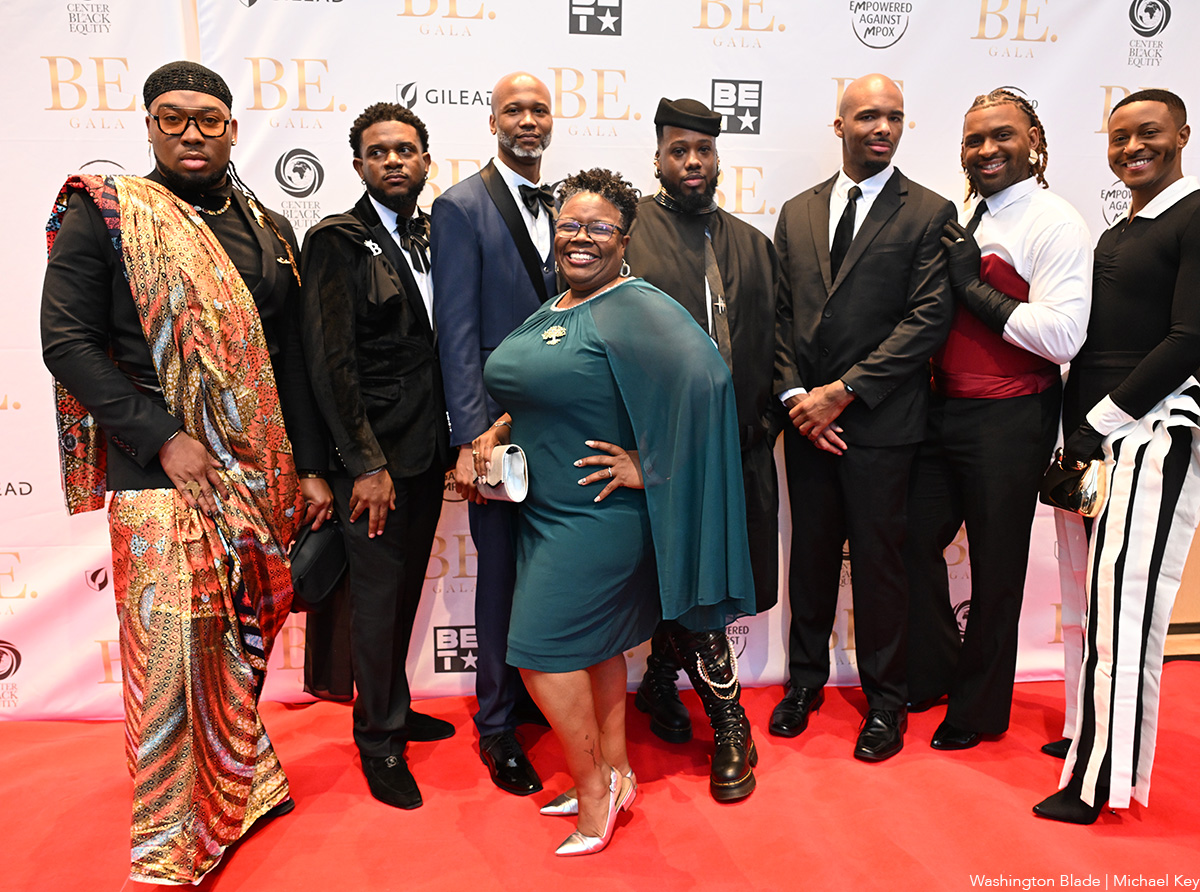
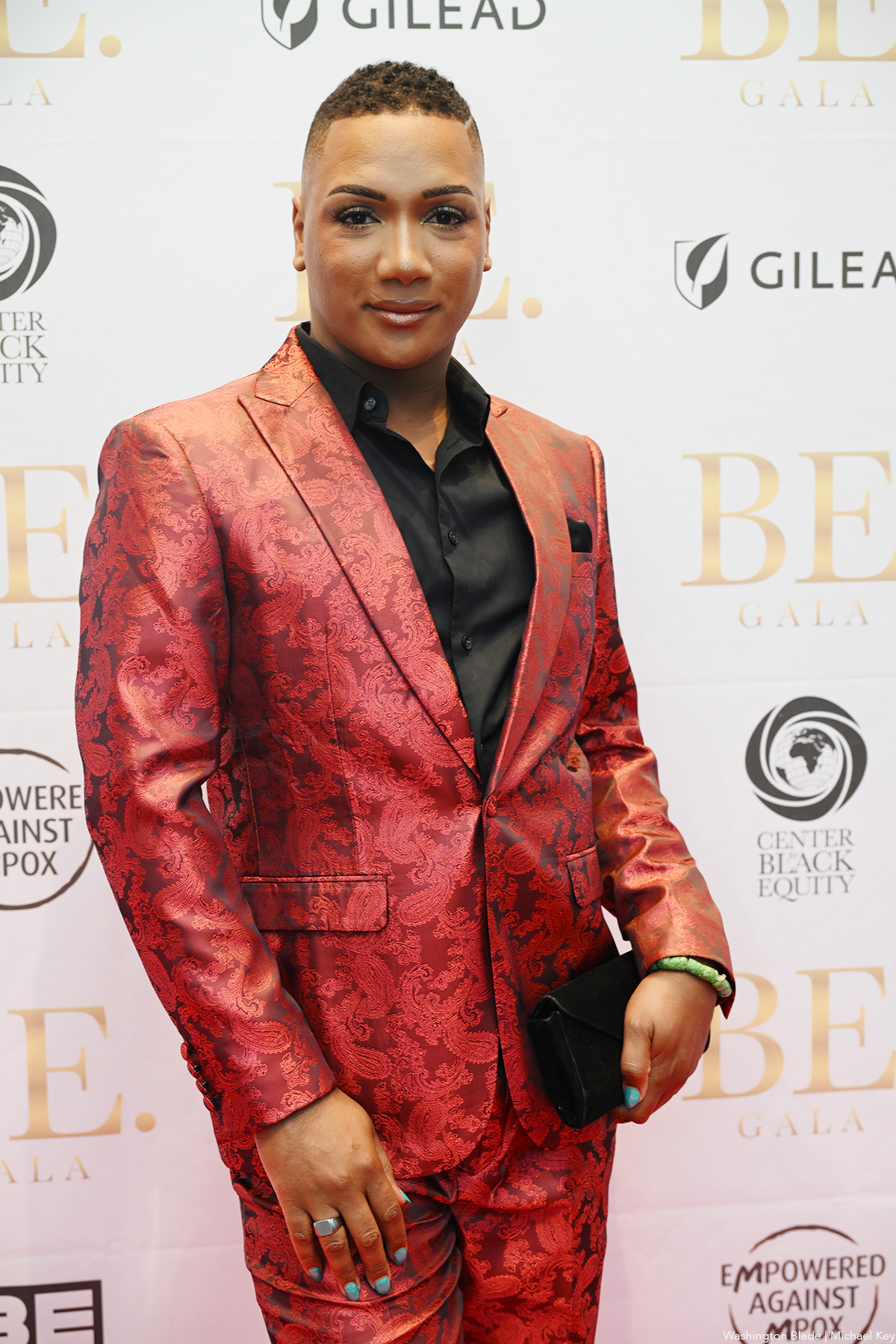
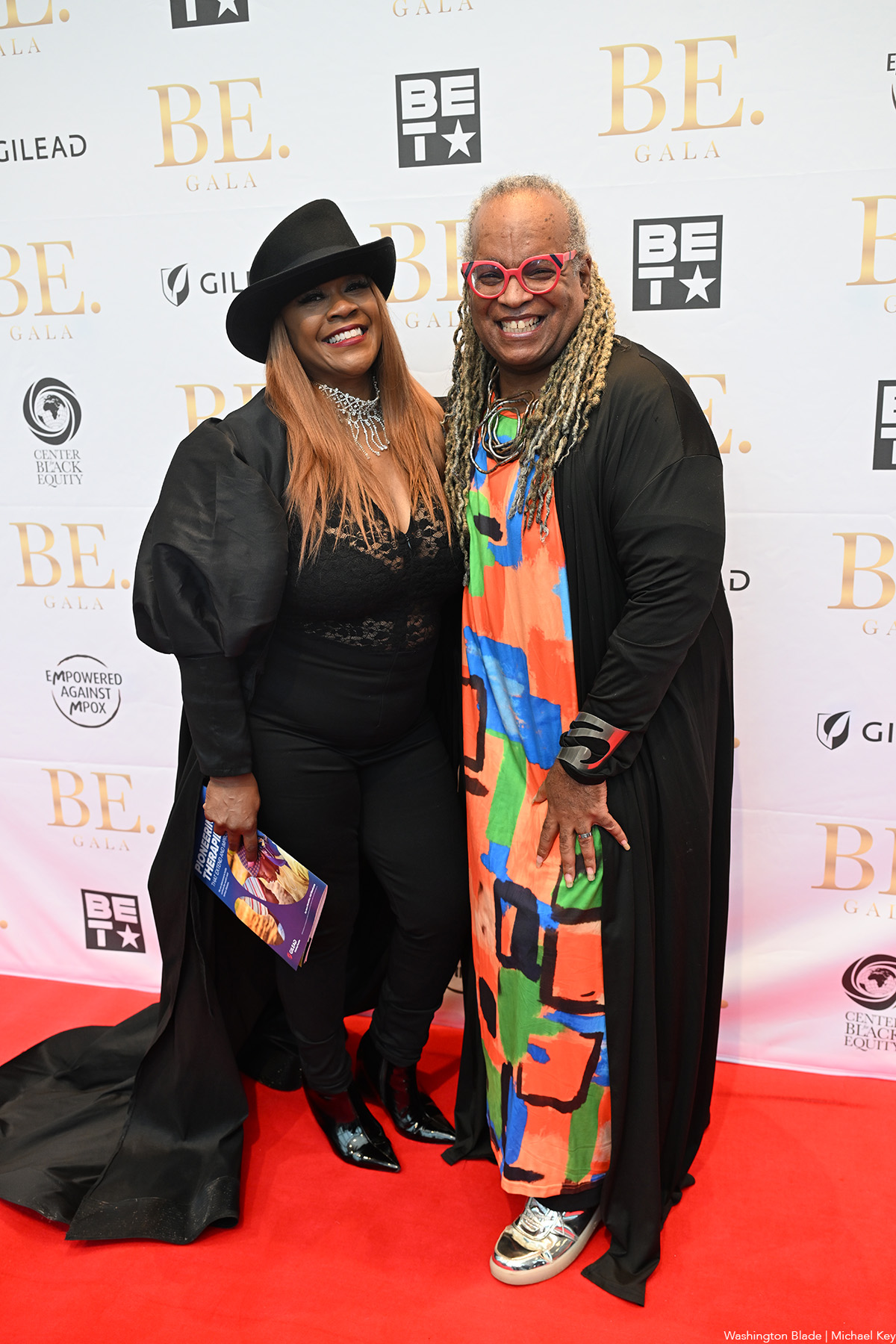
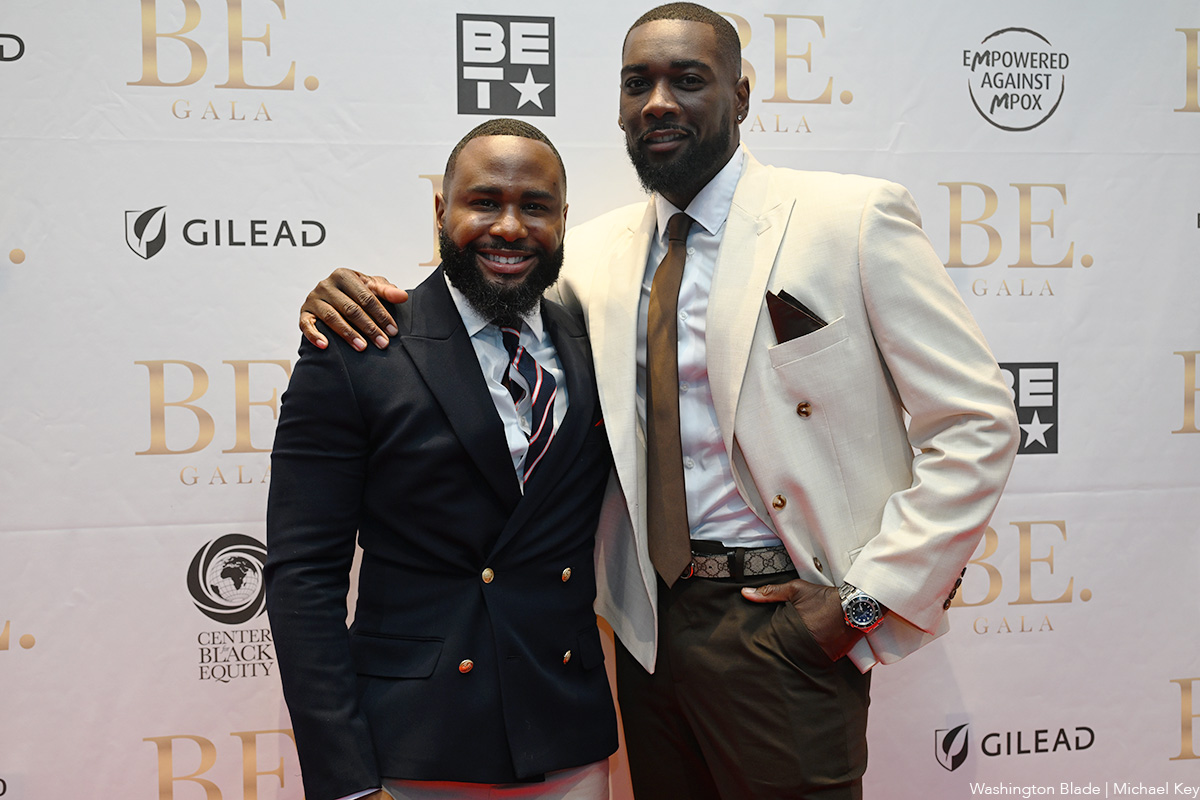
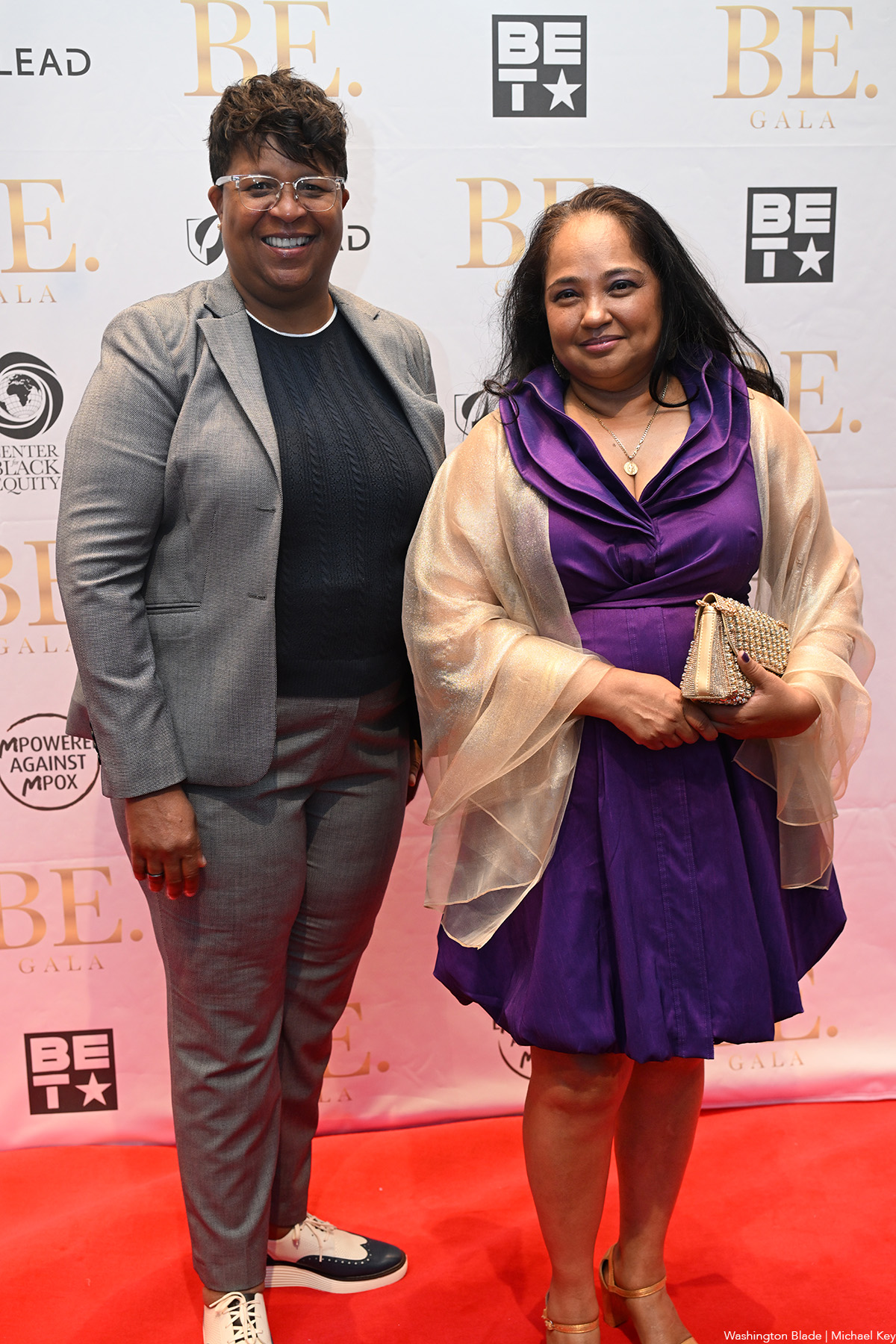
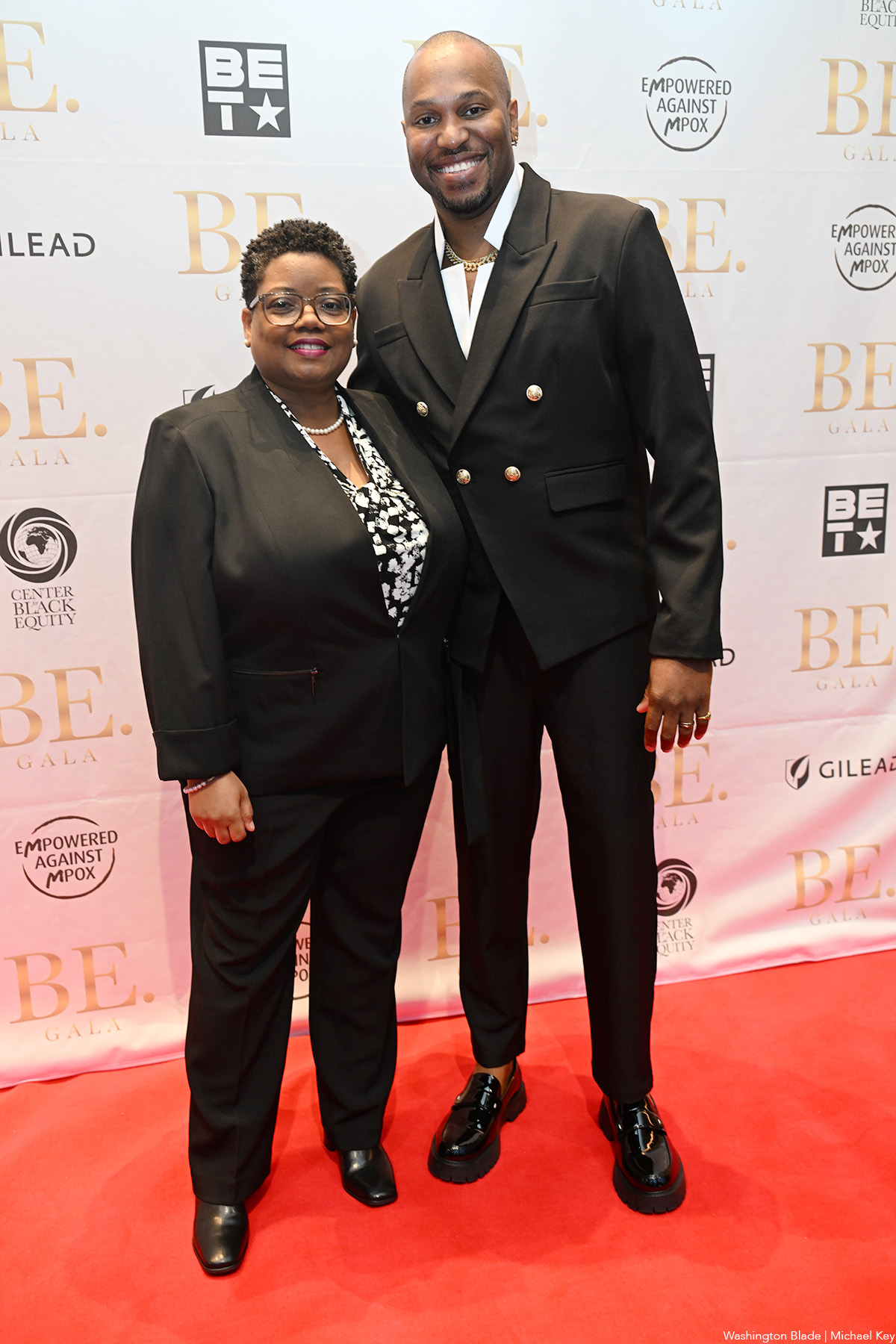
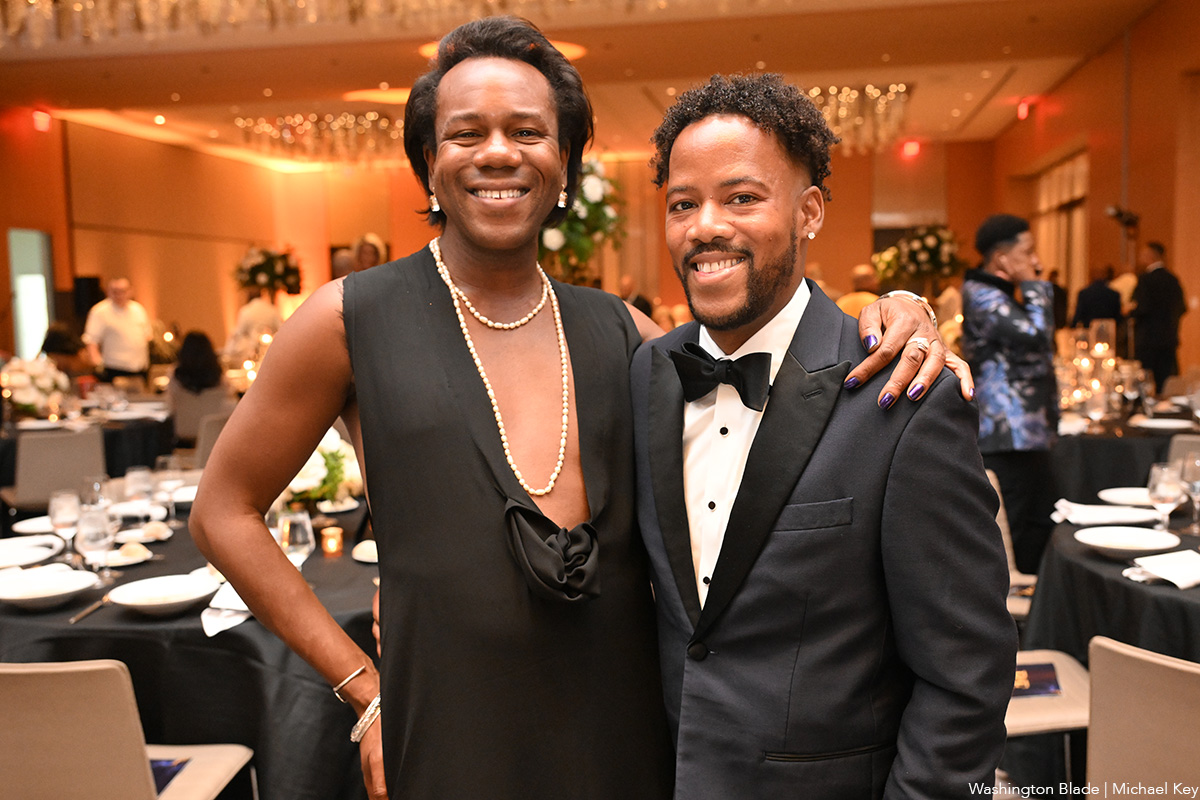
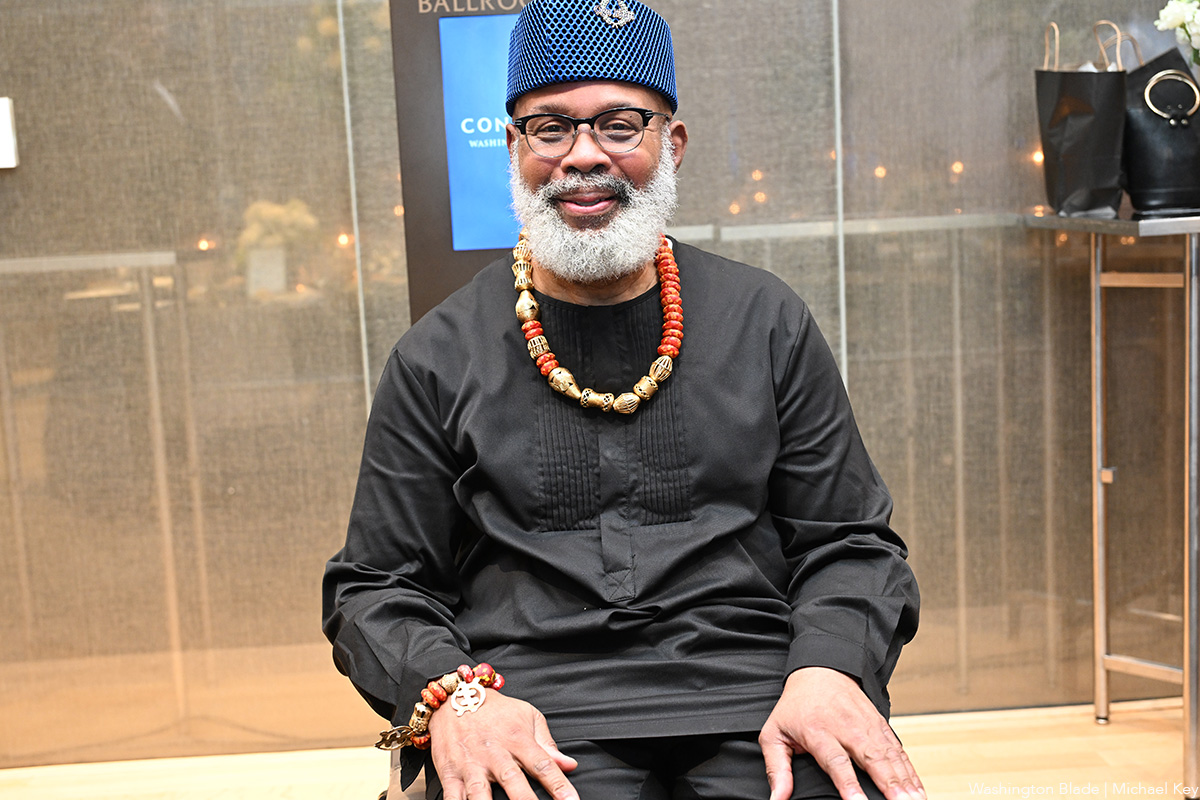
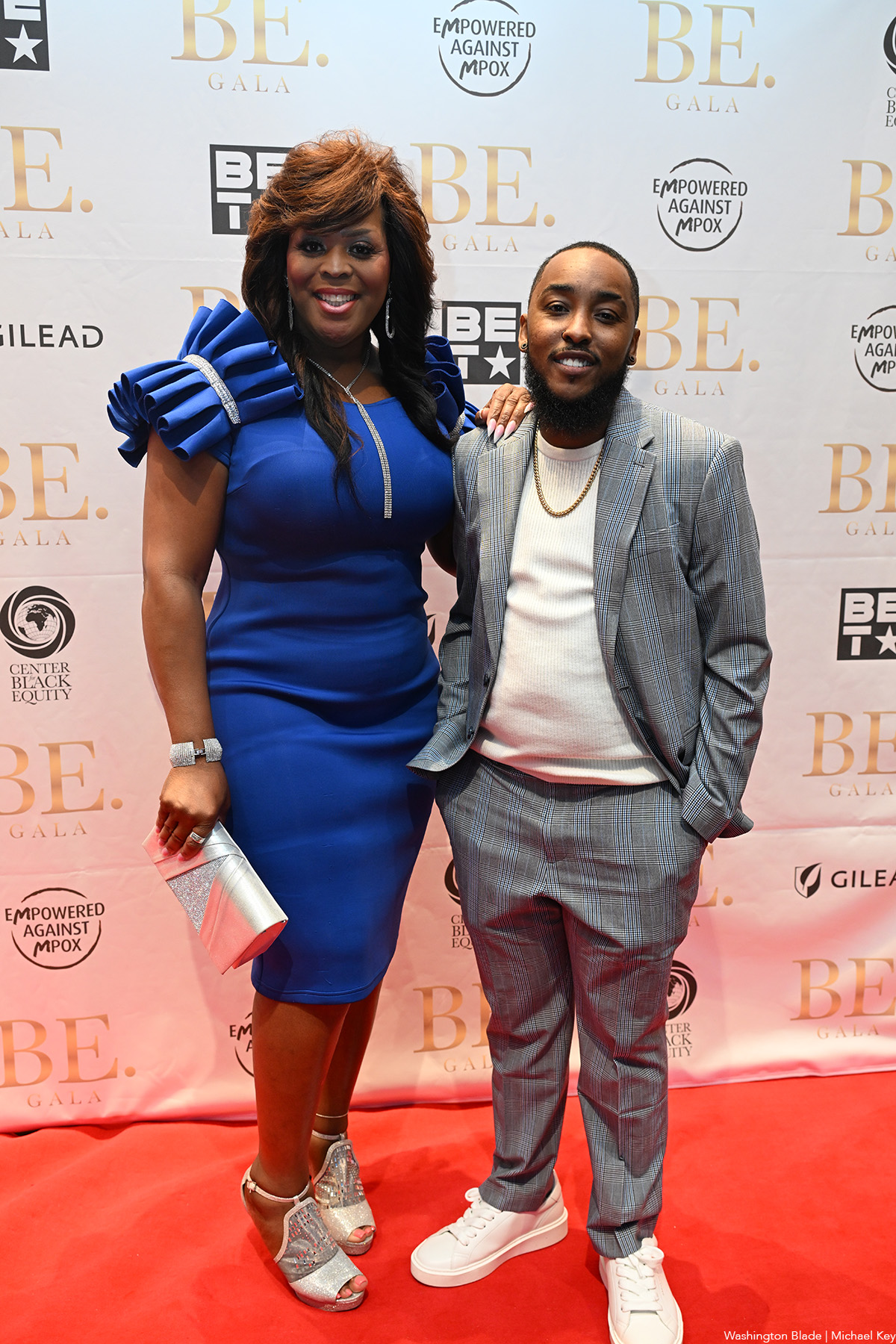
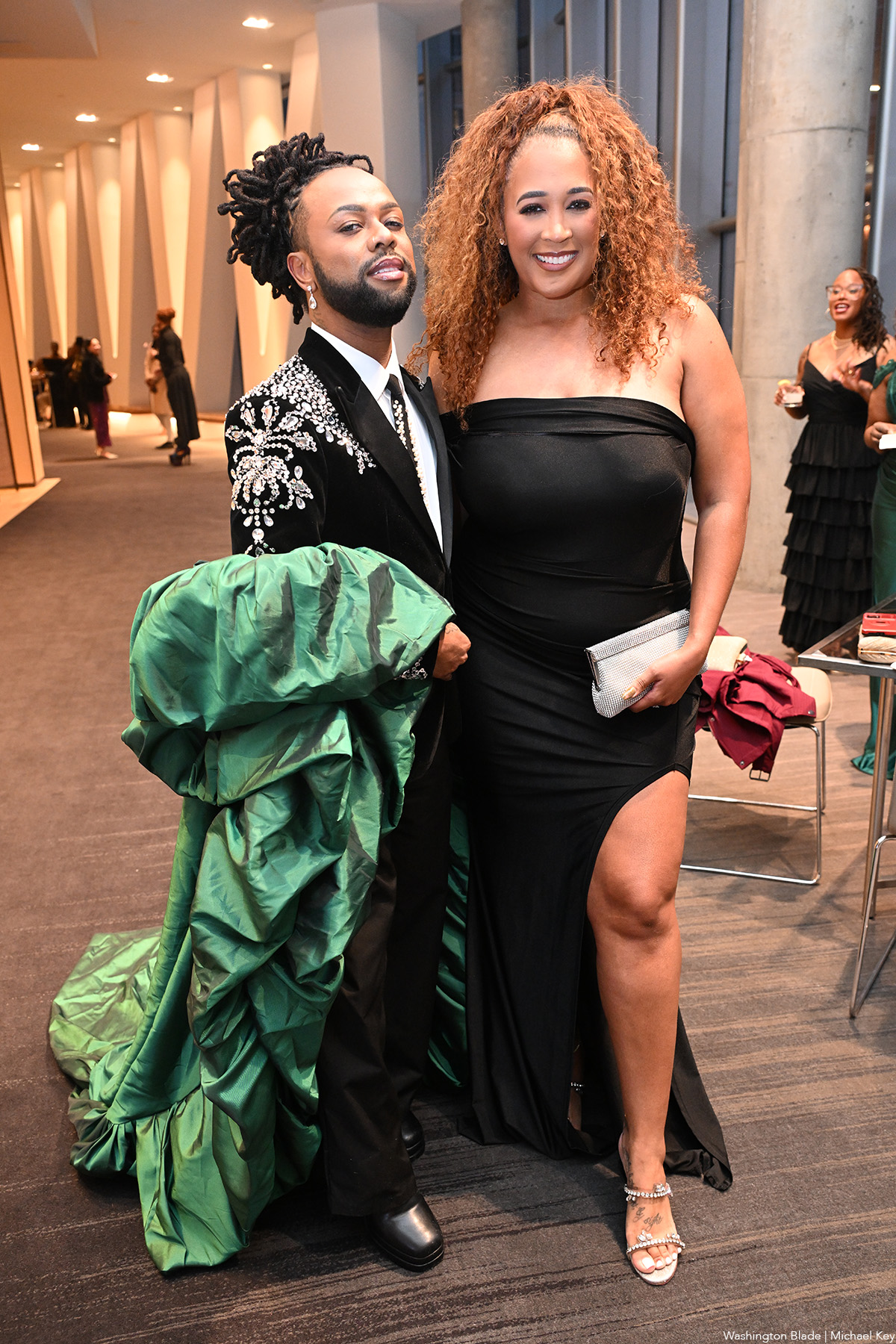
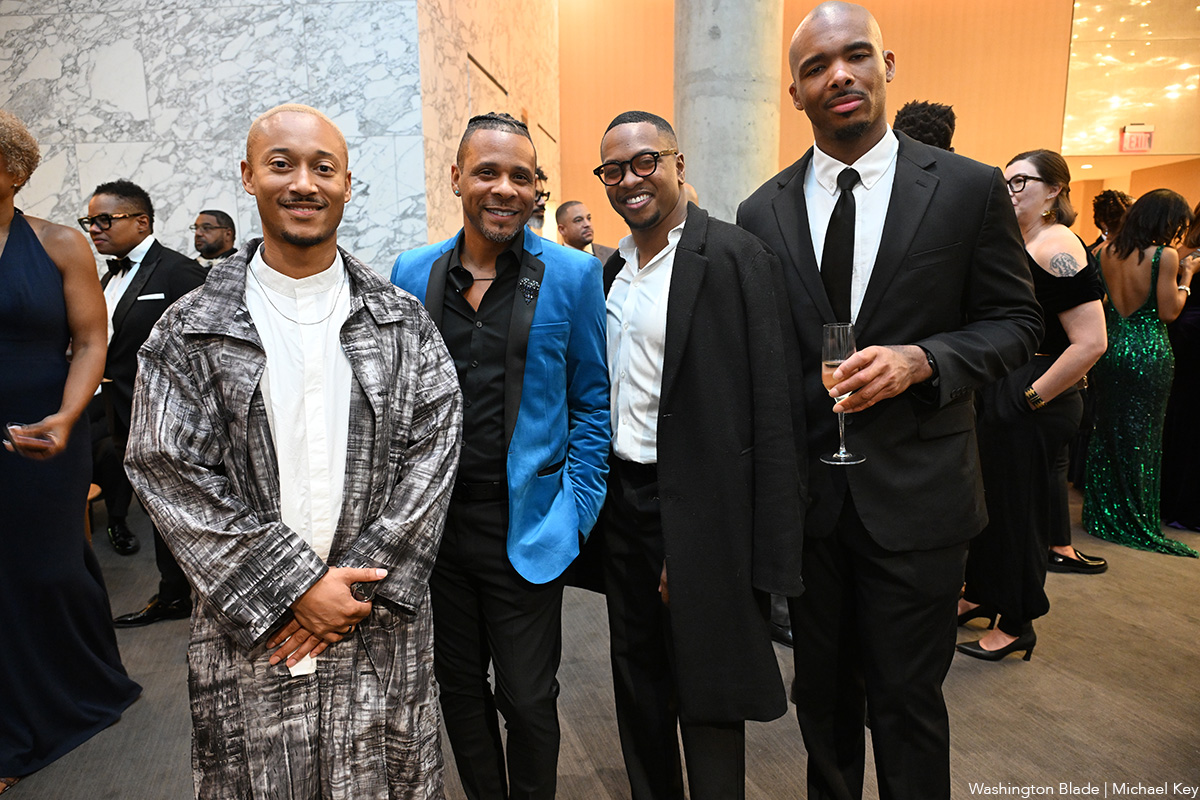
The Center for Black Equity held its annual BE. Gala at Conrad Washington, D.C. on Saturday, Oct. 5. Lolita Leopard Miyake-Mugler and Anthony Oakes co-hosted the awards ceremony.
Honorees included journalist and producer Justin Stewart; nonprofit leader Nikki Alexander; HIV advocate Marlene McNeese; the nonprofit organization FreeLux Project; actress Monroe Alise; public health advocate Tori Cooper; Manassas Park Vice Mayor Darryl G. Moore; Rev. Dr. Carmarion D. Anderson; Bishop Steven Sawyer; government relations professional Courtney Snowden; Senior Deputy Director of HAHSTA at D.C. Health, Clover Barnes; and Texas state Rep. Venton C. Jones.
The event was sponsored by Gilead.
(Washington Blade photos by Michael Key)
Books
In ‘The Lost Brontë,’ a complicated lie can lead to danger
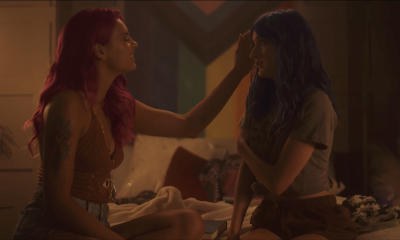
New book features sweetly romantic girl-meets-girl twist
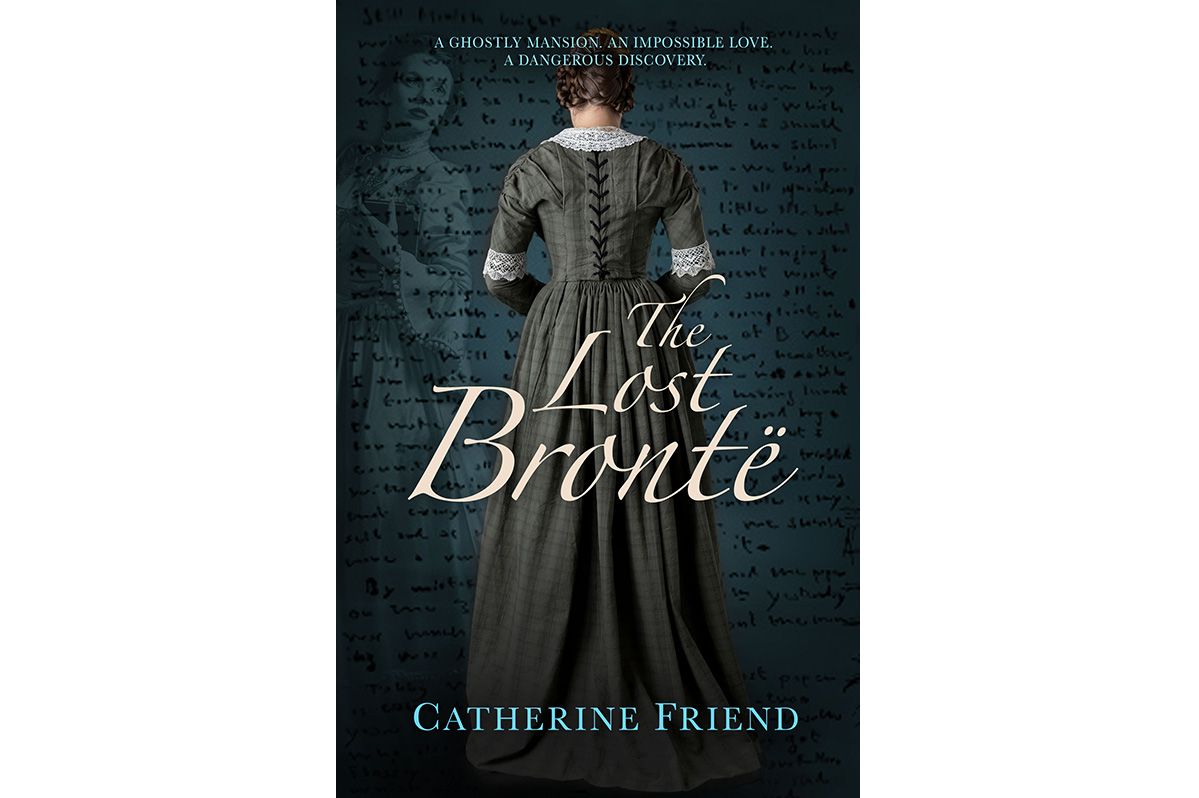
‘The Lost Brontë’
By Catherine Friend
c.2026, Bywater Books
$22.95/335 pages
Mom always said to tell the truth.
One lie leads to another and another and you have to remember them all until pretty soon, you’re caught. Fibs are hard, mistruths are messy, even little white social lies can destroy trust. Worst of all, as in the new novel, “The Lost Brontë” by Catherine Friend, a complicated lie can lead to danger.

Though Lilianne Loxley was very young when she lost her parents, she understood that her uncle didn’t really want her. As time passed, though, Lily made herself useful to Uncle, writing and signing letters for him and she became a good companion, helping him with his collection of Brontë memorabilia. Uncle was a keen enthusiast.
She had no idea that his obsession was out of control and he was deeply in arrears. The day Lily learned of his debt was the day she learned that he’d agreed to send her to his debtor’s home to work off the money owed.
It was so sudden. One minute, Lily was at Loxley House, happy and loved by Uncle’s staff … and five hours later, she was at Crag Thorn Manor, home of Lord Bexton, who informed her that she’d be working on his ledgers – work that seemed routine, but Lily tackled it.
Uncle always did say she was headstrong.
But would headstrong be enough to survive, when she was restricted from most of the Manor, when she was forced to dine with Brexton and his slimy friend, or – the worst! – when Brexton told Lily that her next task was to forge a letter from Emily Brontë? And then an entire manuscript?
Lily struggled to do what was right. She had to get Uncle out of debt but this last order horrified her. Did she dare refuse Brexton’s orders and commit a crime? It was unthinkable!
The only brightness in the whole situation was Wren, the ladies’ maid assigned to Lily’s room. Wren was adorable with freckles and the sweetest smile. But with everything else happening at Crag Thorn Manner, could Lily act upon her feelings?
This time of year, you may come to crave dark, spooky stories, and “The Last Brontë” fits those needs perfectly with its Gothic deliciousness. Think: Daphne du Maurier-type, stormy-night squirms with a dangerously chaste, sweetly romantic girl-meets-girl twist for fun.
If it’s been awhile since you’ve read a Gothic novel, you’re in for a nice reminder of why you love them here. You can almost tick off the must-haves: a novel like this is nothing without a foreboding stone manor with damp walls; stone steps to a dank basement; a mysterious portrait; and a nearby bog, and author Catherine Friend gives readers every one of them. You’d be disappointed if there was no ghost, wouldn’t you? Ha. You can practically feel the cold blow through the attic, right? Yeah, it’s that kind of book.
If you’re a fan of the Brontës, you’ll like this novel. If you love Gothic mysteries or Victorian romances, ditto. “The Lost Brontë” is good, no lie.
The Blade may receive commissions from qualifying purchases made via this post.
Out & About
CAMP Rehoboth Block Party returns Oct. 18
Expect performances, vendors and more at annual celebration

CAMP Rehoboth will host its annual Block Party celebration on Sunday, Oct.18 at 11 a.m. on the second block of Baltimore Avenue in downtown Rehoboth Beach.
CAMP Rehoboth invites all community members to join in the festivities and to expect magnificent performances and dozens of vendors, including artists, craftspeople, non-profits, businesses, and more.
The event started in 2015 in celebration of CAMP Rehoboth’s 25th anniversary. This year, attendees can expect to shop sea glass art, pottery, jewelry, Pride merch, body care, clothing, and learn more about local non-profit causes and businesses.
Attendance is free. For more details, visit CAMP Rehoboth’s website.

Annie Andrews denounces trans athletes after Trump targets her

On Republican Long Island, gay Democrat Chris Gallant bets on public service over politics

Report: LGBTQ exclusion costs Japanese economy billions a year

Center for Black Equity honors leaders, activists at BE. Gala

In ‘The Lost Brontë,’ a complicated lie can lead to danger

U.S. int’l trade negotiator, consultant James Bedore dies at 82

Campaign urges Virginia High School League to reverse stance on trans athletes

Calif. GOP gubernatorial candidate ad ‘disgusting attempt to exploit lesbian intimacy’

Center Arts Gallery celebrates 10 years with reception, auction

Trump, Netanyahu, and Putin are all war criminals
-

 Obituary5 days ago
U.S. int’l trade negotiator, consultant James Bedore dies at 82
-
Virginia5 days ago
Campaign urges Virginia High School League to reverse stance on trans athletes
-
California5 days ago
Calif. GOP gubernatorial candidate ad ‘disgusting attempt to exploit lesbian intimacy’
-
Commentary5 days ago
Center Arts Gallery celebrates 10 years with reception, auction