Arts & Entertainment
The power of two
Brother/sister duo K’s Choice reunite for U.S. tour
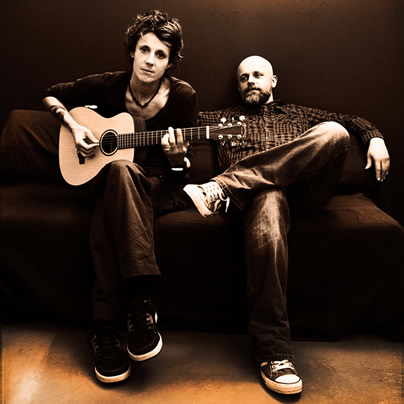
K’s Choice — brother-sister duo Sarah and Gert Bettens — are back with their first album in eight years. (Photo by Frank Clauwers; courtesy Think Press)
K’s Choice
With A Fragile Tomorrow
Wednesday
8 p.m.
$20
Ram’s Head on Stage
33 West St.
Annapolis, Md.
Ramsheadonstage.com
It’s an exciting time for K’s Choice fans. The brother/sister alt rock band that came to international fame in the ‘90s with hits like “Not an Addict,” “Believe” and “Almost Happy” while touring with Alanis Morissette and the Indigo Girls, are back with the U.S. release of their first album in a decade, “Echo Mountain.”
Though released abroad in 2010, “Mountain” and its acoustic companion “Little Echoes” are available stateside this month to coincide with a U.S. tour that kicks off next week in Tennessee. On Tuesday they play Ram’s Head Live in Annapolis.
During an interview last week, Sarah Bettens, who co-fronts the native Belgian band with her brother Gert, spoke to the Blade from her home in Johnson City, Tenn., (about four hours from Nashville) where she moved to be with her partner 10 years ago about the time K’s Choice opted for a long hiatus.
“It’s near the North Carolina/Virginia border,” she says, admitting it’s a much different place to live than her native Belgium where most of her family still resides “within about a 15-mile radius.”
“Yes, it is a lot different, but that being said, it has changed a lot in the last 10 years. There was just an article in the local newspaper about two guys looking to adopt. It was on the front page and I remember thinking, ‘Ten years ago, this would never have been in the local newspaper.’ Some, I’m sure, were offended by it, but more and more, they’re in the minority. People seem to care less and less. … It was an adjustment at first, but everywhere you go, you’re able to find like-minded people. We have good friends here and we’re happy.”
Of the four kids Bettens and her partner are raising, she says they’re, “actually very respectful” of her music.
“It’s always a bit of a surprise that they’re respectful about anything at that age, but when I play locally, which is only maybe once every two years, they come and feel proud.”
Sarah and Gert have one older brother. She says he’s “a music lover, but not musically inclined.” She says he’s always been supportive of K’s Choice, whose hiatus, she says, was “a very conscious thing.”
In the time between the last K’s Choice album, “Almost Happy,” in 2000, Bettens, 40, has released three solo albums and an EP and has also contributed her husky, haunting vocals to several movie soundtracks. Gert, 43, also did solo work in the meantime.
“We always said one day we’d get back together when we were ready and we knew it would be great fun, but we also considered the hiatus a true hiatus,” she says. “We needed to work with some other people, do some other things. We’d never really worked with anybody else because we’d kind of grown up in our own band so that kinda kept us from experiences with other musicians. That just had always been the way it was right from the beginning, so it was healthy and fun for us to go our own ways for awhile.”
Bettens’ U.S. residency did make for a few slight challenges when it came time to reunite for “Echo Mountain,” which has earned strong reviews with All Music Guide calling it a “simple but mature and filler-free alt-rock album” that’s more “nostalgic” and “downright fun” than “angsty.”
“For a long time, I would only see him when I was doing my solo tours,” she says. “We sent some MP3s back and forth but eventually we did have to sit down in the same room and decide what kind of record we wanted to make. It was very hard to get direction until we did that.”
Bettens says there’s not ordinarily a huge distinction between the songs she writes for her solo projects and K’s Choice material though the material for her first solo album — around the time she came out as a lesbian in the early ‘00s — was more personal than K’s Choice material had typically been.
She came out to her family “as soon as I was out to myself,” but waited to come out publicly.
“I didn’t wait around with a big secret for years and years,” she says. “I just kind of discovered it myself, for some reason I haven’t fully figured out yet, at a very late age. I was 28. Looking back, I really wonder why I didn’t see the 25,000 signs there were from the age of 5. But for some reason it took me til age 28 to fully figure it out. I didn’t come out to the rest of the world right away, not because I was scared of some backlash, but I knew I would quickly become some sort of spokesperson and I really felt I had nothing much to say about it yet. It was all so new to me that I didn’t want to have to speak for the gay community. I didn’t think I had anything interesting to share.”
Being outed in a magazine shortly thereafter was “fine,” she says.
“It was probably supposed to happen that way,” she says. “It was good to show young people that lesbians are normal people too.”
SIDEBAR:
5 quick music questions with Sarah Bettens
WASHINGTON BLADE: Alt rock lyrics, especially in the ‘90s, are known to be sort of vague and oblique. Do you think about how direct you’re being when writing lyrics?
SARAH BETTENS: No, I don’t give it any thought when I’m writing. Afterwards, my brother and I laugh about how different our lyrics are. It’s a much more roundabout trip to get to the bottom of his lyrics I think.
BLADE: Your pitch always seems so dead on. When you’ve been singing professionally for many years, does that eventually become something that happens naturally or are you always thinking on some level about whether your pitch is right?
BETTENS: Sometimes when we listen back to, say, a three-part harmony, we will notice things like places where we tend to go a little flat every time so we know to watch out for it. Sometimes you listen back to a recording of a live show where you think you did a fantastic job and it’s a little disappointing because it always sounds more perfect the way you remember it in your head, which isn’t always the reality. And we do notice things in rehearsal, like, “OK, we tend to go flat here, we need to be careful of that.” I find simply looking up in those passages is helpful for tone.
BLADE: Having started your career before the Internet became really widespread, all things considered, has it been more of a blessing or curse for your music career?
BETTENS: There are obvious downsides. Everybody has lost money and record companies have gotten smaller and really struggled. We started right before that when everybody still had money so Sony was giving us big dinners and there was lots of money to record, a big budget for touring. That’s unheard of anymore. When we toured with Alanis, Sony gave us a tour bus, money to pay our musicians. Stuff like that today, at least on our level, is unheard of. … And it’s getting very hard for a band like us to get on the radio but even so, no matter how small you are or how dire the outlook, there’s always the chance that something will get discovered on the Internet. There’s always that hope. So to say it’s been a totally negative thing would be exaggerating. But for sure, we’ve lost money by not selling records. We’ll play some crazy sold out show in someplace like Israel where we’ve never been before and people will be singing along to every word and we know we haven’t even sold 2,000 albums altogether in Israel so you think, “How do they know all these songs so well?” It makes for pleasant surprises but it’s also a little disturbing too.




Online Culture
Clavicular charged in alleged rape of teenage influencer
Online personality’s real name is Braden Peters
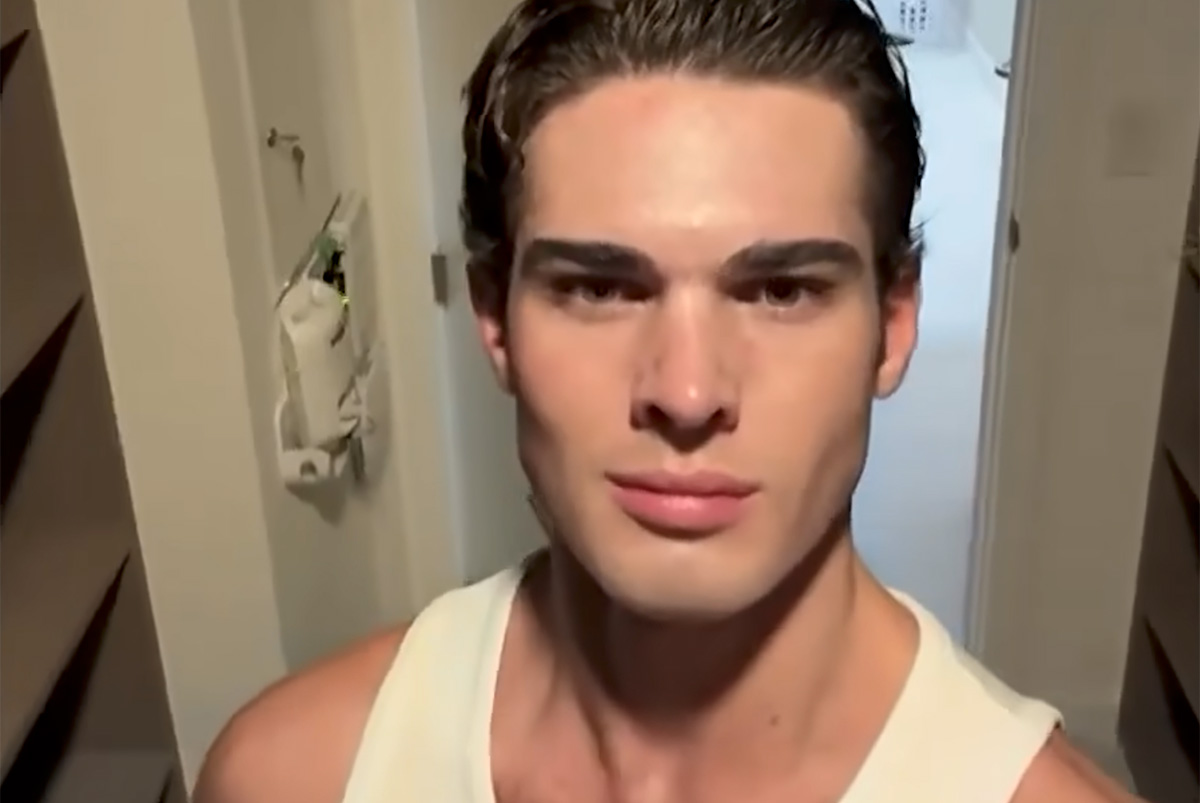
Online personality Clavicular, whose real name is Braden Peters, has been accused of rape.
According to NBC, Aleksandra Vasilevna Mendoza, an 18-year-old influencer known online as Alorah or Alorah Ziva, accused Peters of sexual assault, and the case is making its way through the court system.
The alleged incident occurred on May 23, 2025, when Mendoza was 17.
According to a criminal complaint from the Chatham (Mass.) Police Department, Peters called her an Uber to his family’s home. Once there, he allegedly got her drunk on vodka while they livestreamed on Twitch and then raped her. His mother and grandmother were allegedly in the house.
The documents allege Clavicular committed rape, drugging a person for sexual intercourse, and procuring and providing liquor to a person under 21.
According to court documents acquired by NPR, Mendoza began communicating with Peters on Instagram, where he paid her to appear on his livestreams to help her “make her name known on social media.”
According to those documents, Peters arranged for the minor to come to Cape Cod home to participate in a videostream for his 437,000 followers on Kick, 1.2 million followers on TikTok, and more than 1 million followers on Instagram.
At his home, Peters allegedly instructed Mendoza to say she was 18 on his videostream and to claim the alcohol on camera was water instead of vodka. Mendoza said she felt peer-pressured to drink the spirit and that she became noticeably intoxicated after a couple of drinks.
The allegations go on to state that after stopping the stream, Peters and Mendoza kissed on a couch and then had sex in his bed without her consent. Mendoza said she did not receive a sexual assault forensic exam after the incident. NPR does not name alleged victims of sexual assault.
The charges come months after Mendoza sued Peters in Miami, accusing him of sexual battery in connection with the events of May 2025. The civil lawsuit also separately alleges that he injected her face with a non-FDA-approved fat-dissolving substance during a November livestream in Florida.
Peters is known for his “looksmaxxing” concept of vanity, which is at the core of his online presence. The “looksmaxxing” culture he has helped cultivate combines elements of incel culture and heterosexuality, with the stated goal of attracting the opposite sex. He has gone as far as to say he has undergone “bonesmashing,” or hitting his own face with a hammer; taken anabolic steroids to more rapidly grow muscle; and used crystal meth as an appetite suppressant.
At the same time, looksmaxxing has been described as having elements of homoeroticism, with “looksmaxxers” appearing more concerned with impressing other men than women. Peters has multiple times pointed to openly gay actor Matt Bomer as the gold standard for male facial aesthetics.
Peters’s arraignment is scheduled for Oct. 14.
Photos
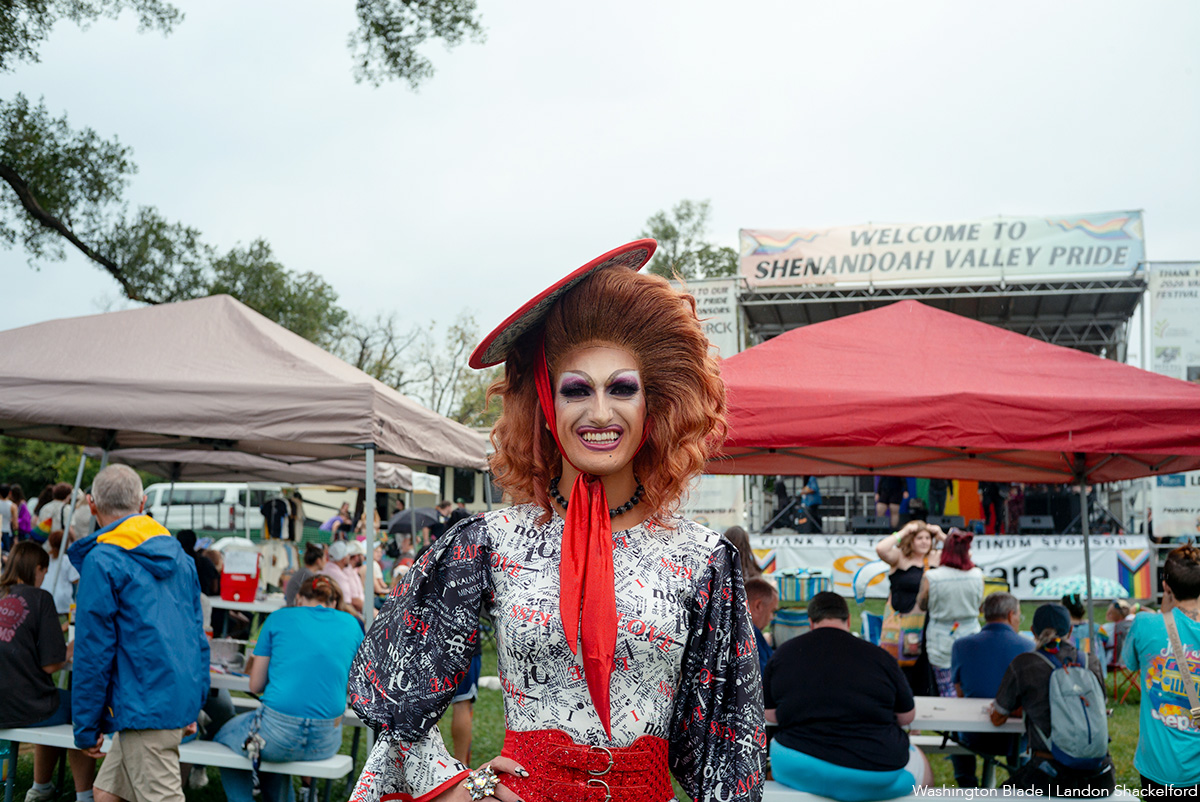
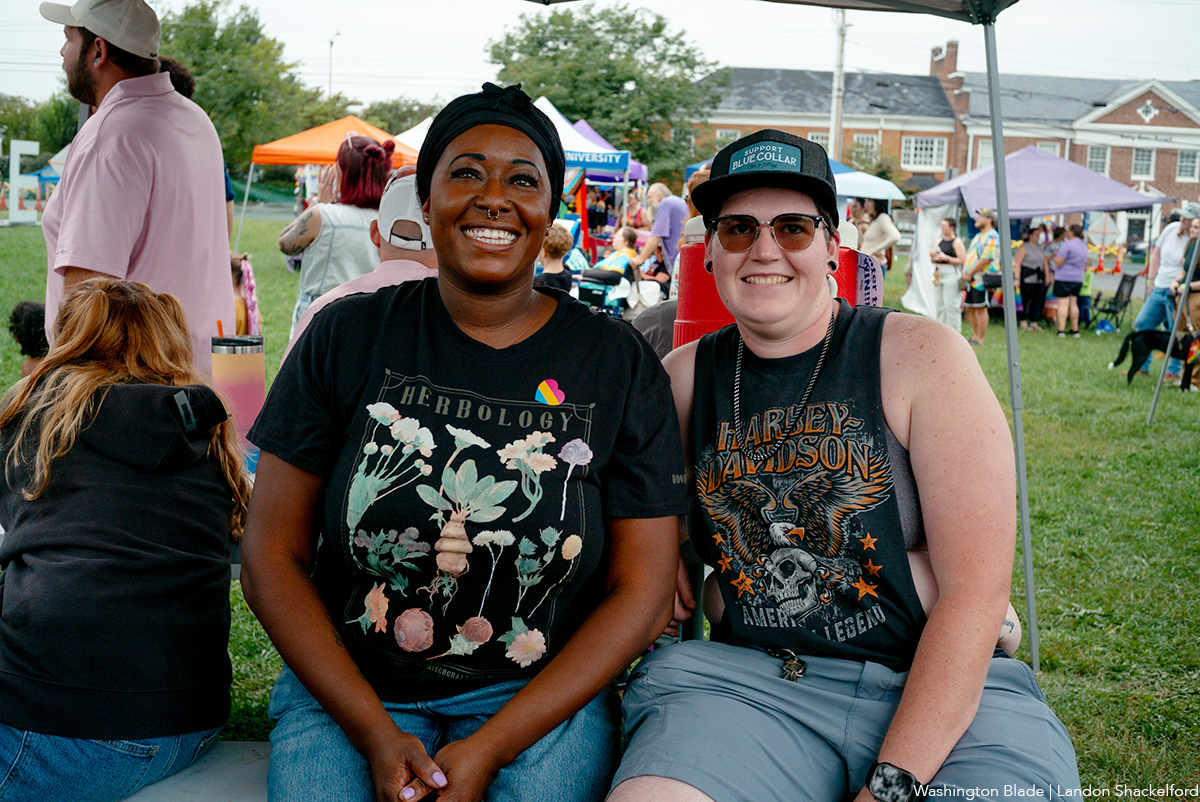
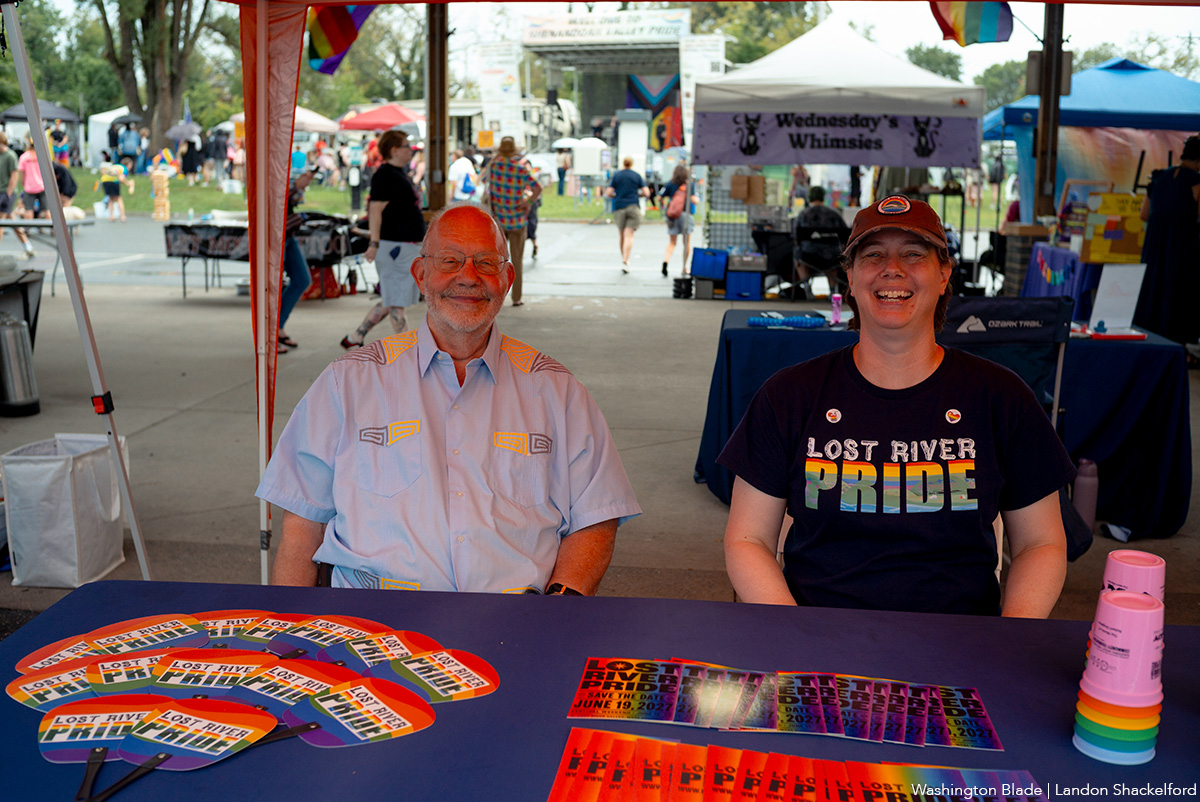
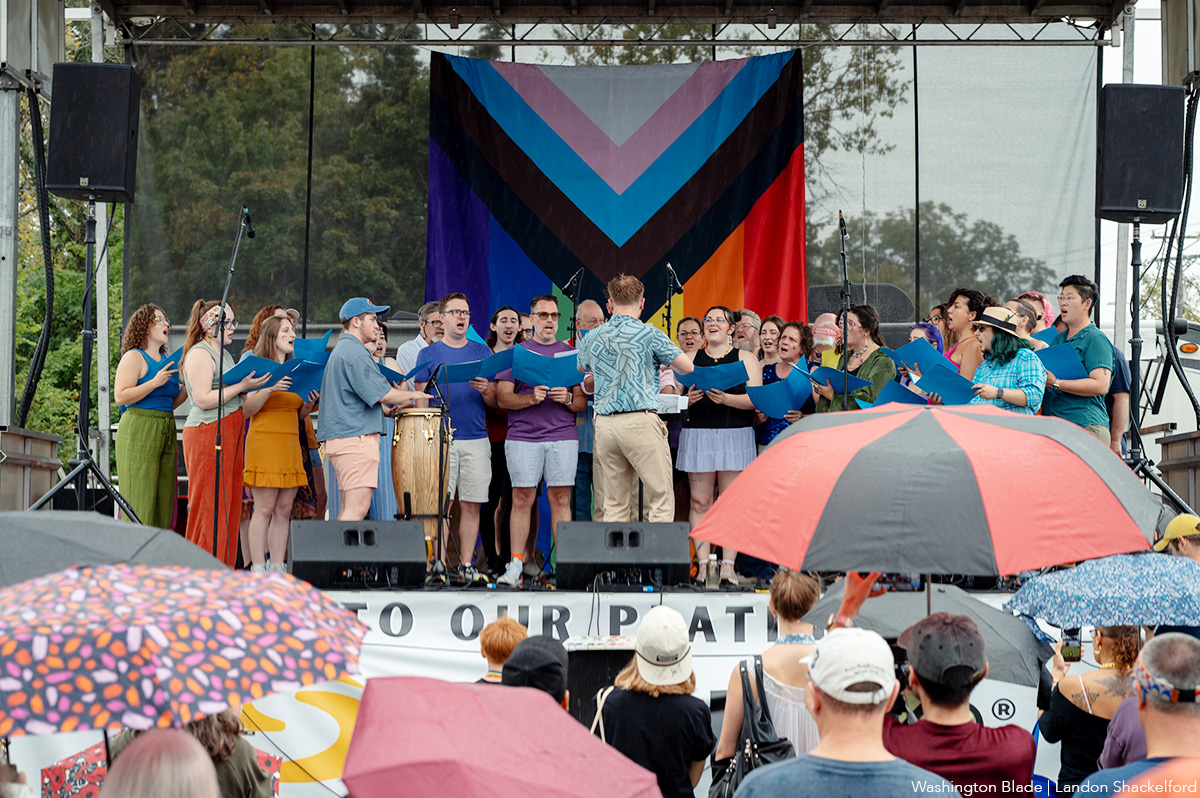
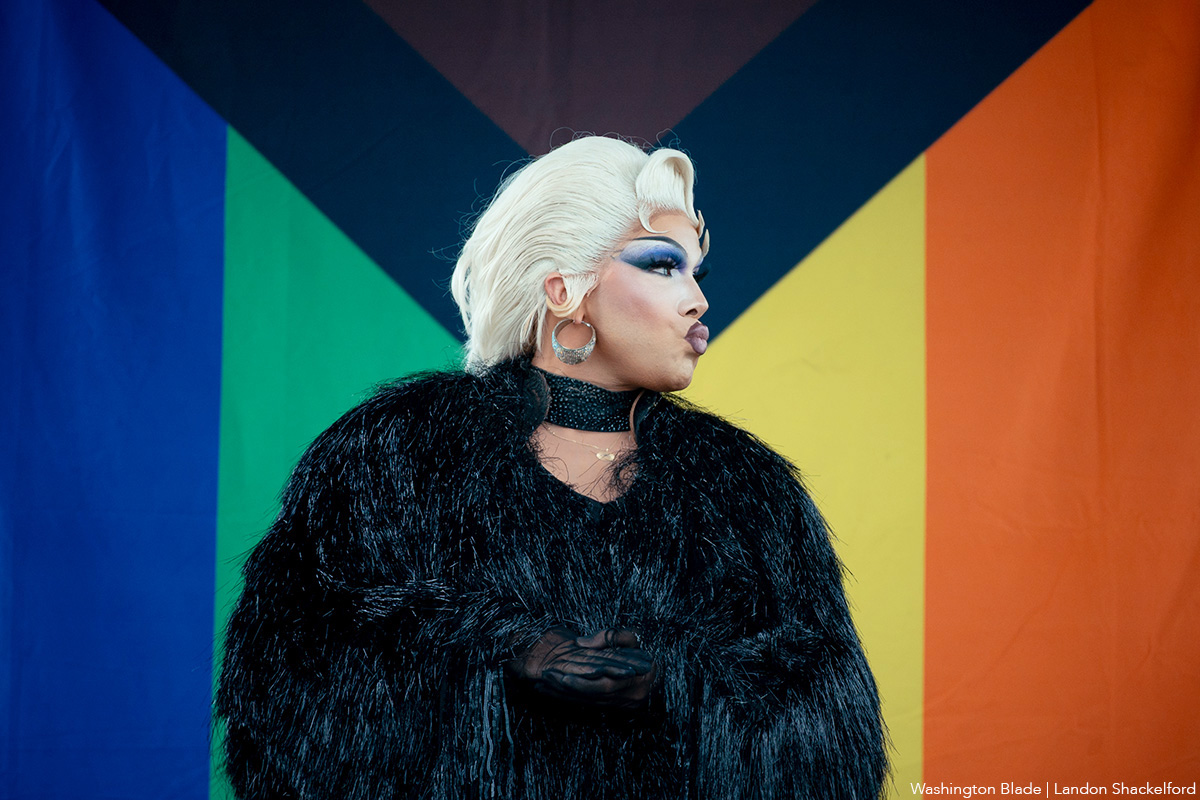
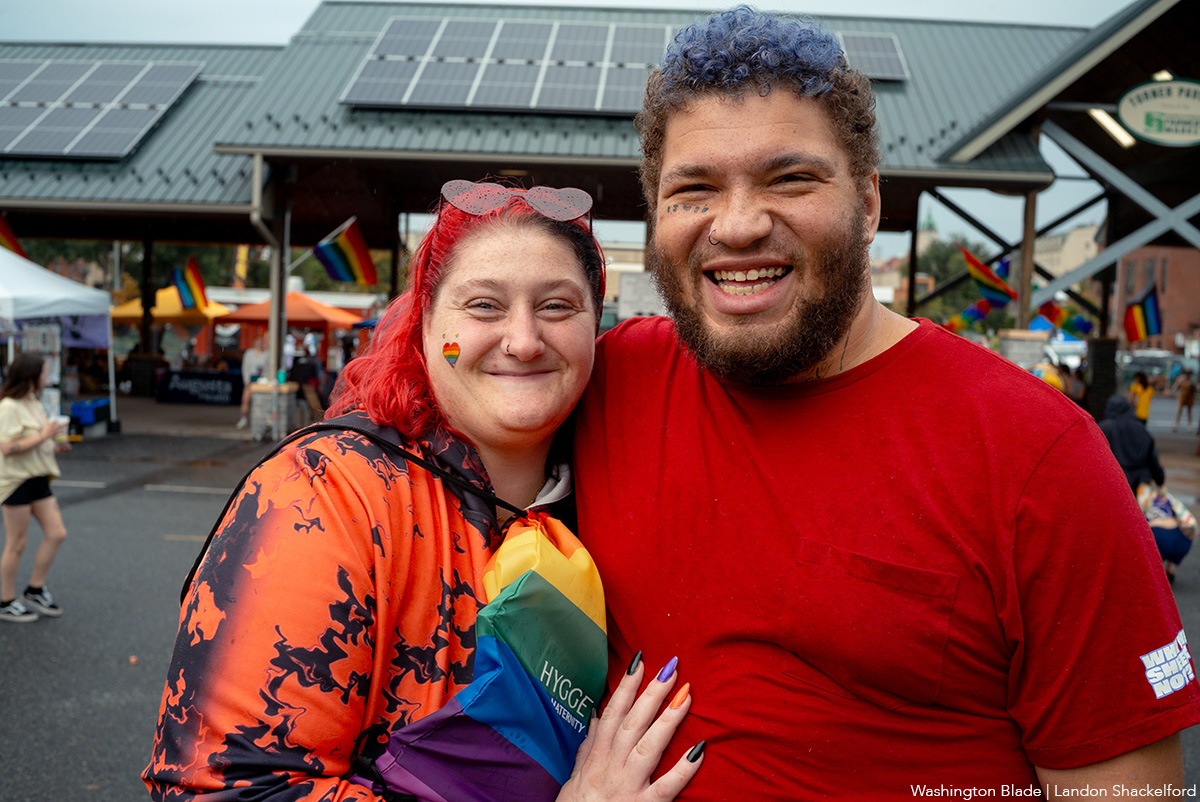
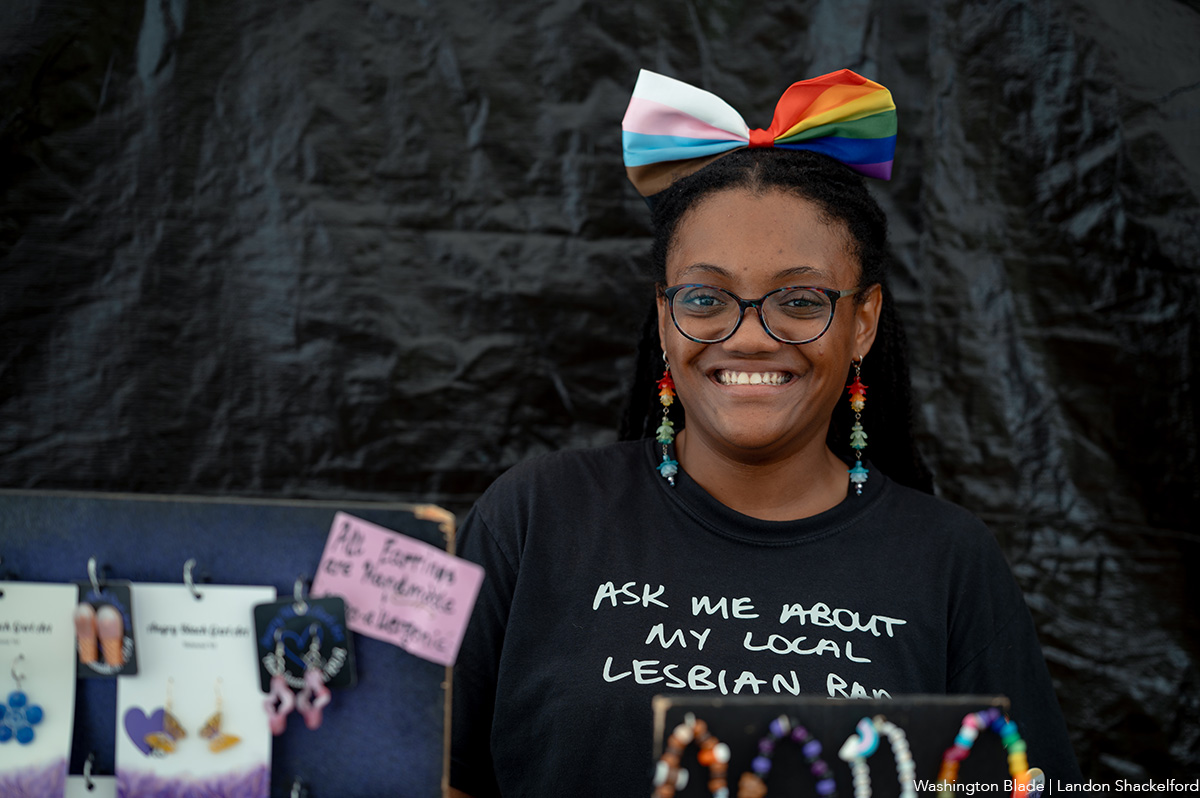
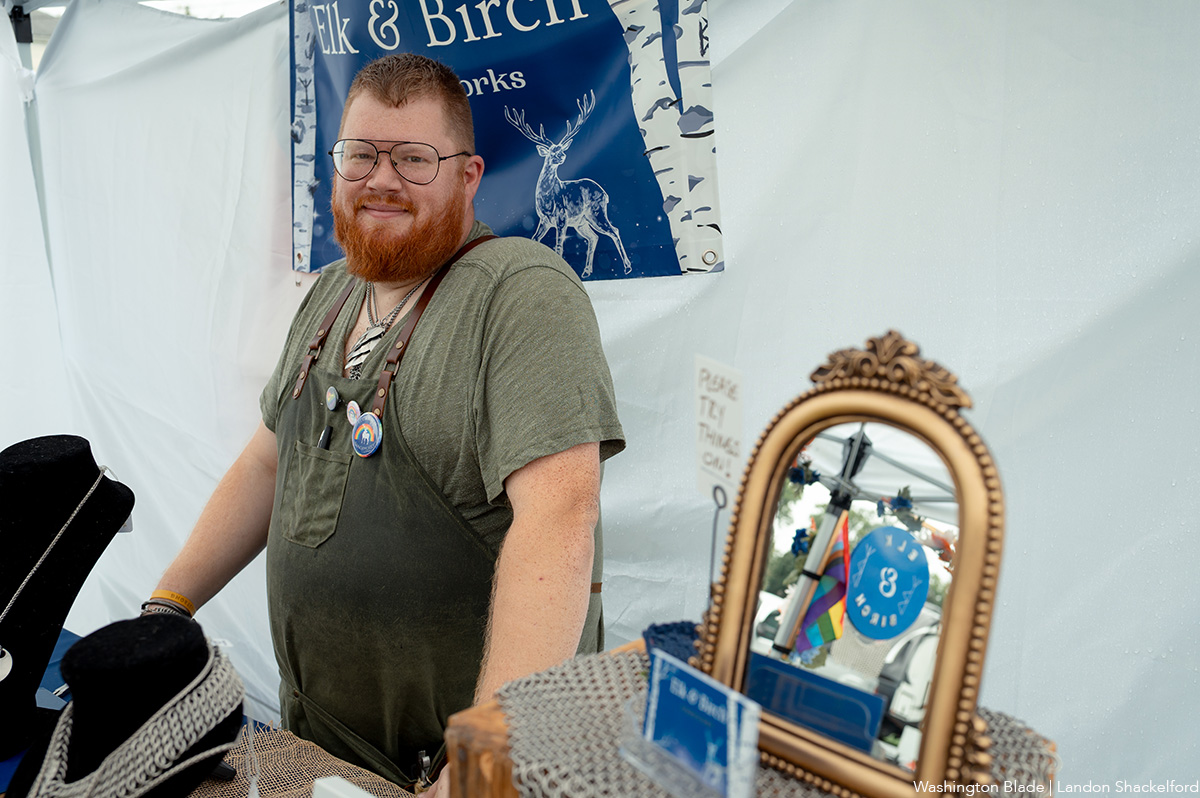
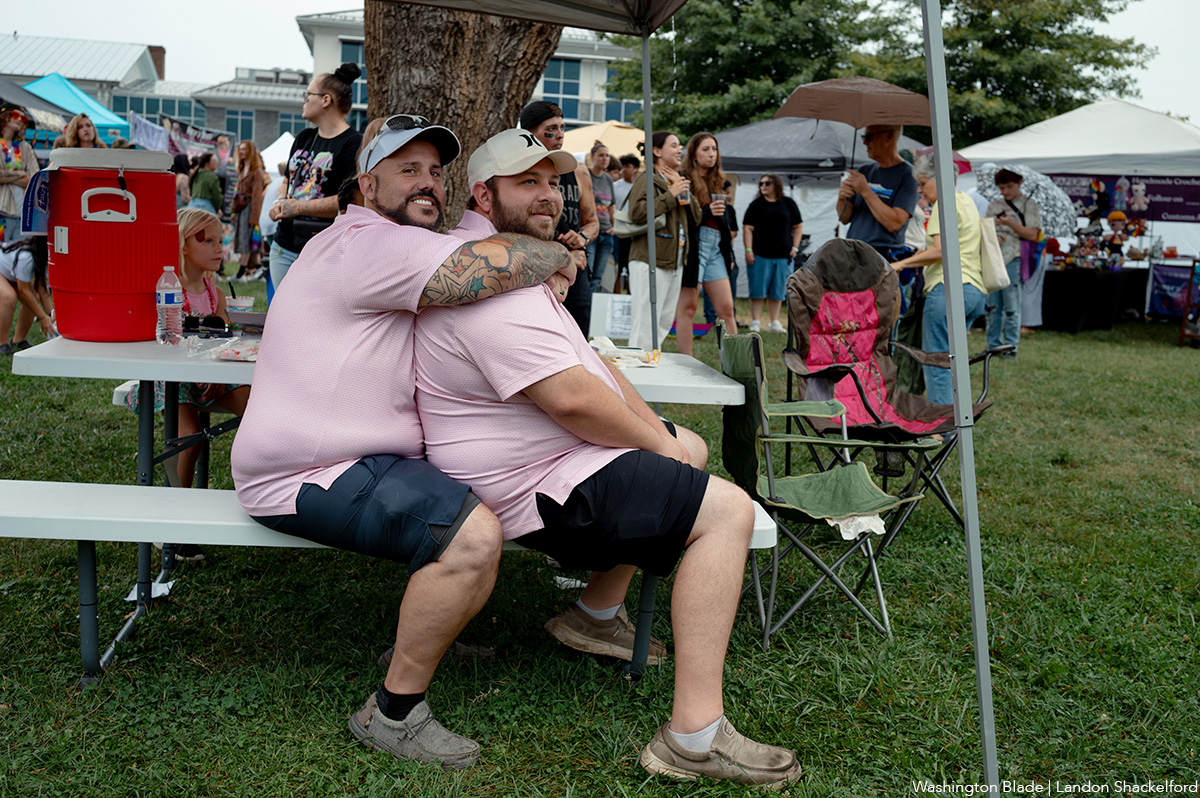
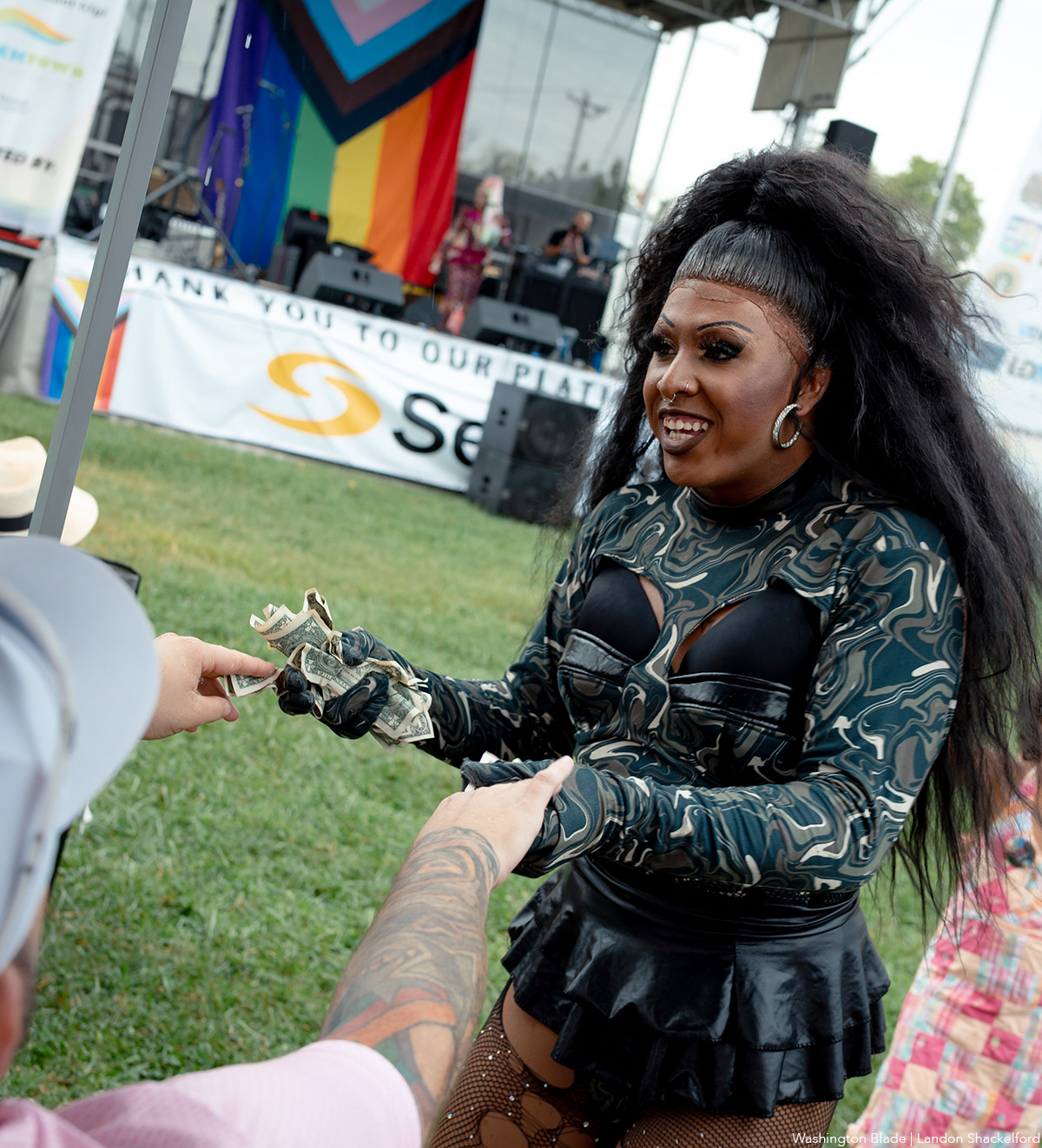
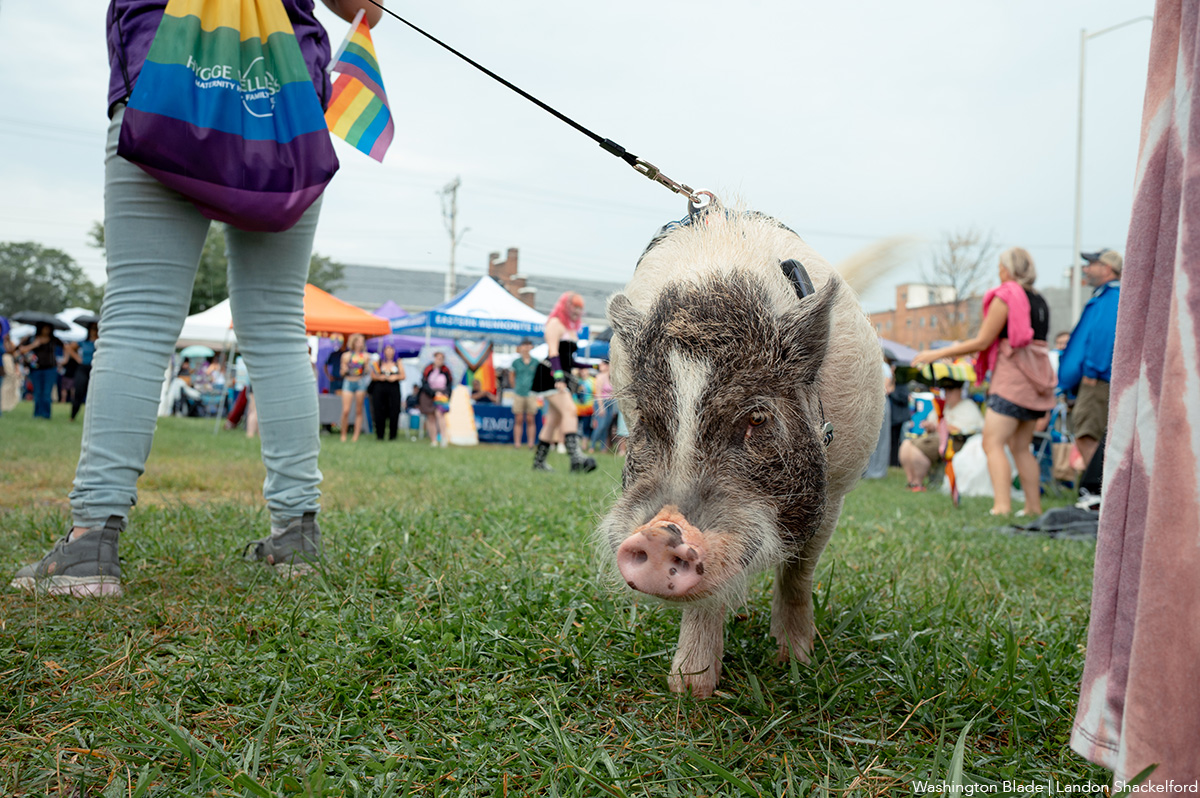
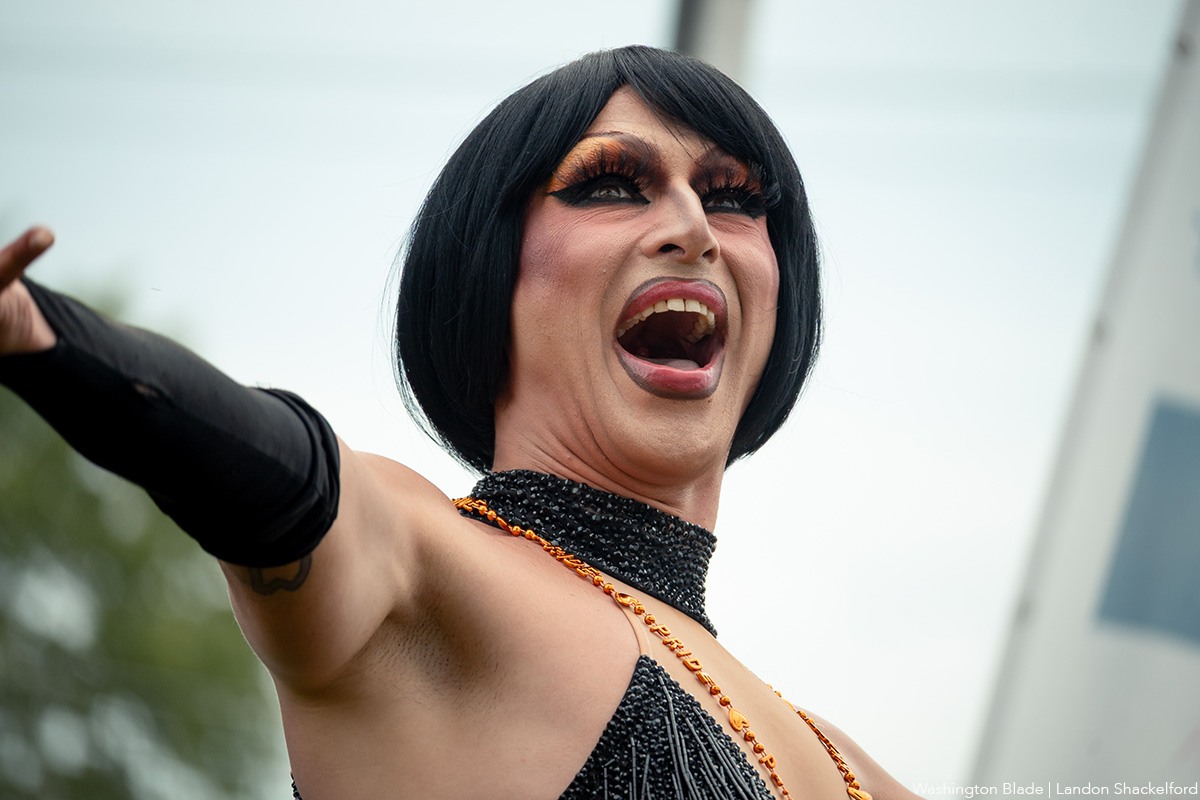
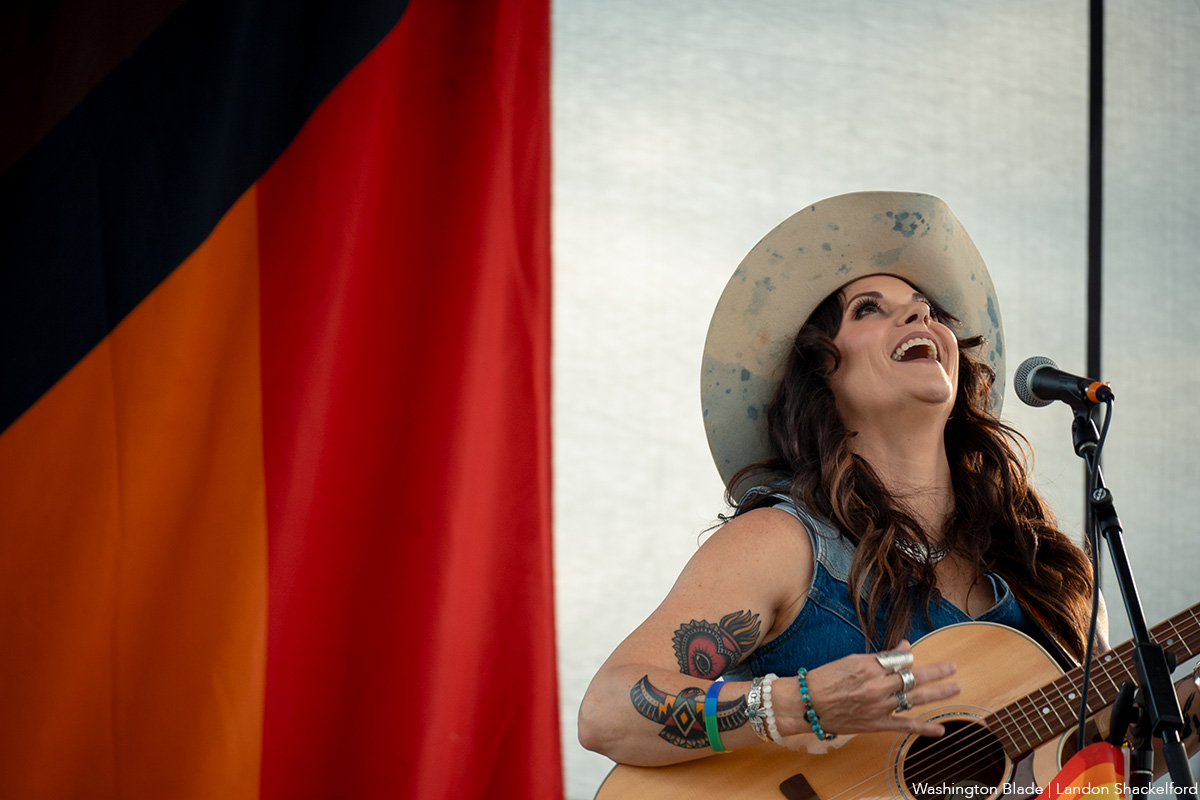
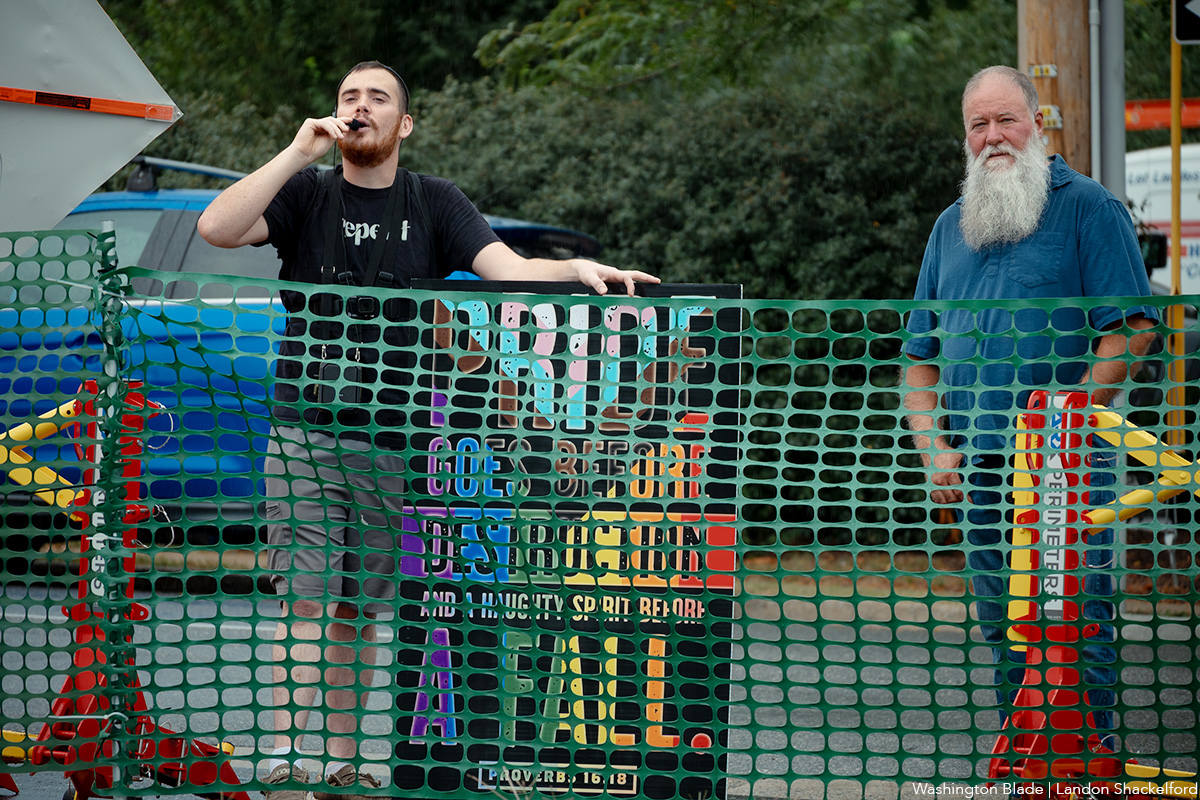
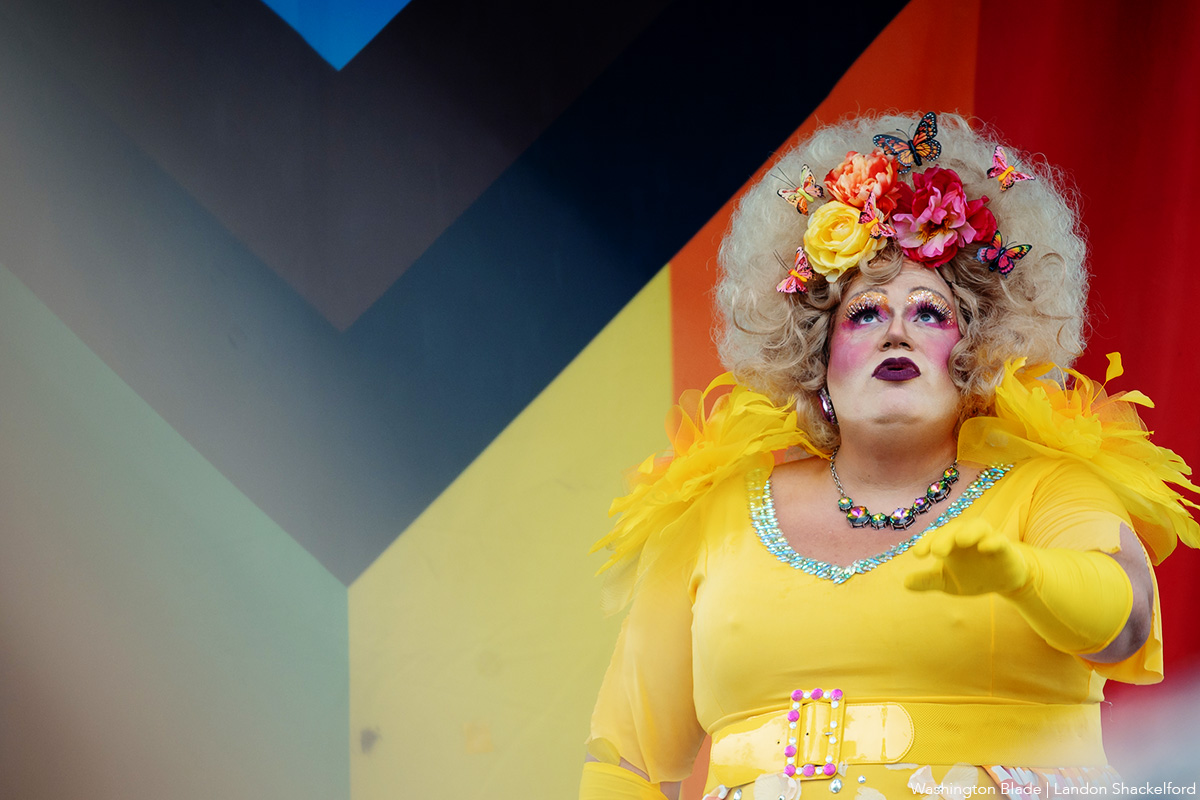
PHOTOS: Shenandoah Valley Pride
LGBTQ celebration held at Turner Pavilion in Harrisonburg, Va.
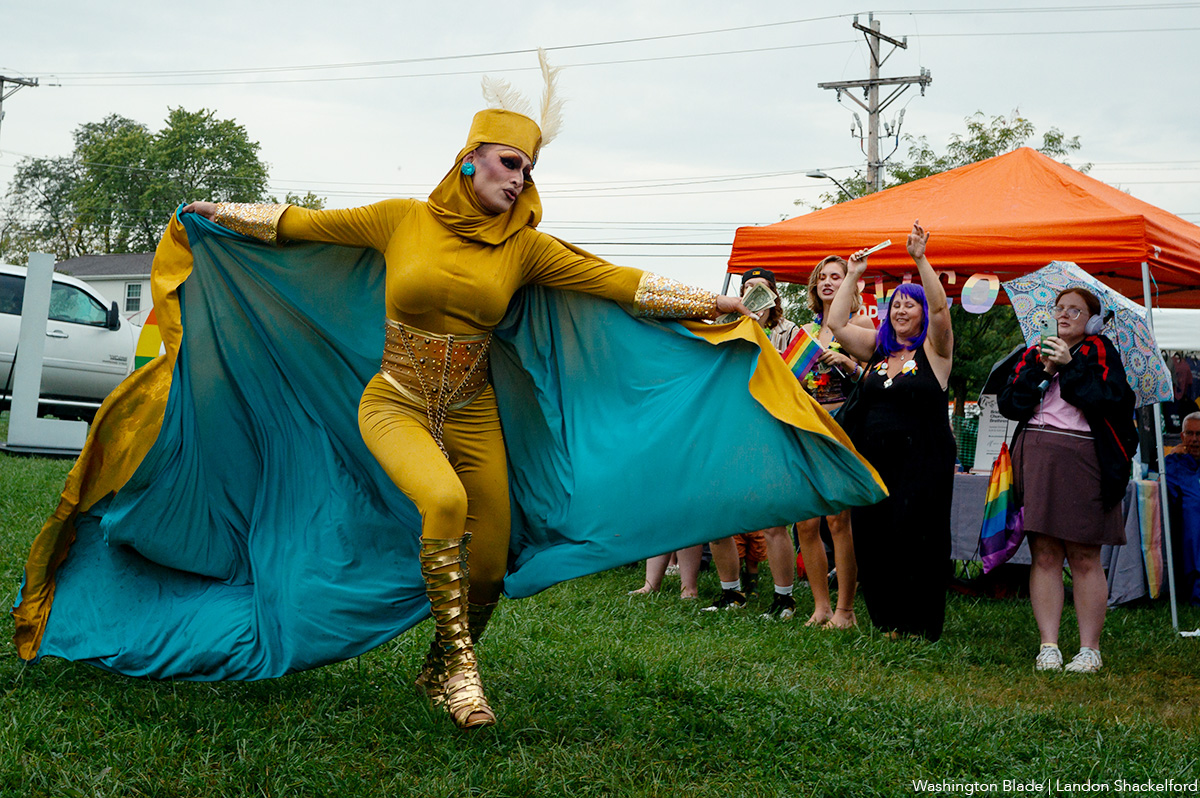
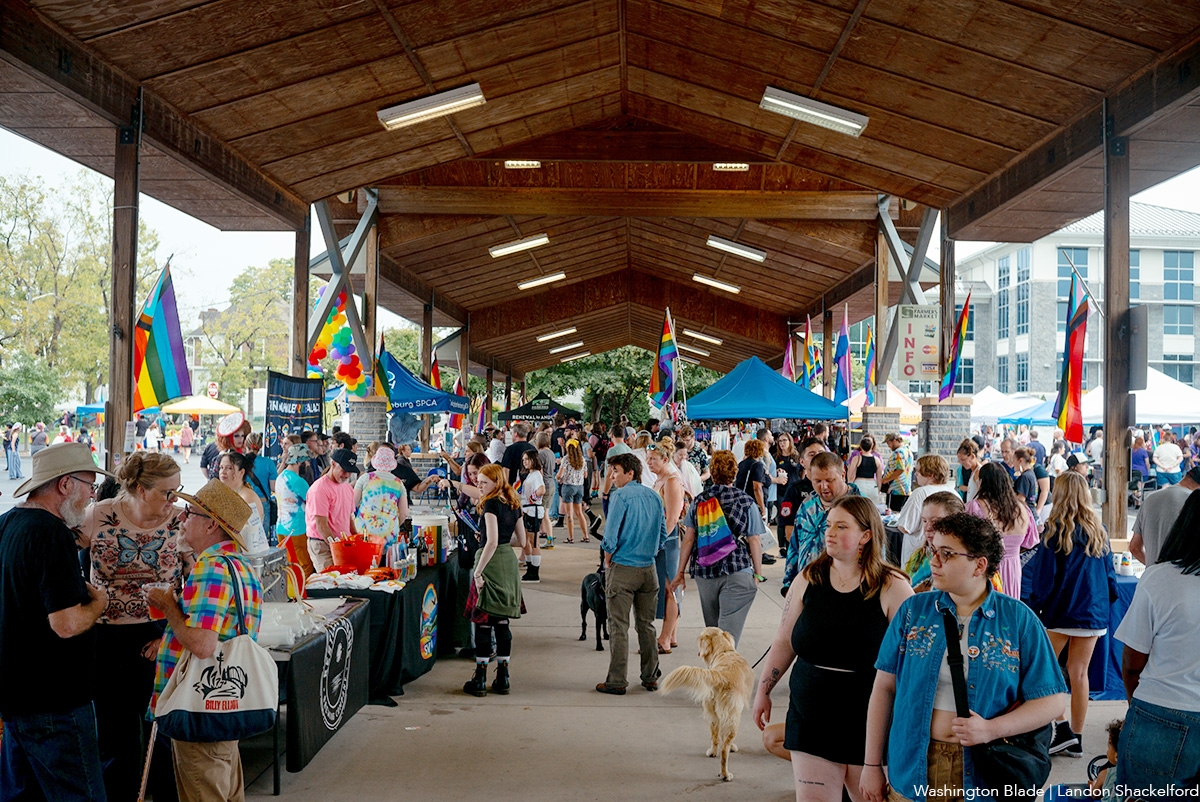
The 2026 Shenandoah Valley Pride Festival was held at Turner Pavilion in Harrisonburg, Va. on Sunday, Sept. 20.
(Washington Blade photos by Landon Shackelford)
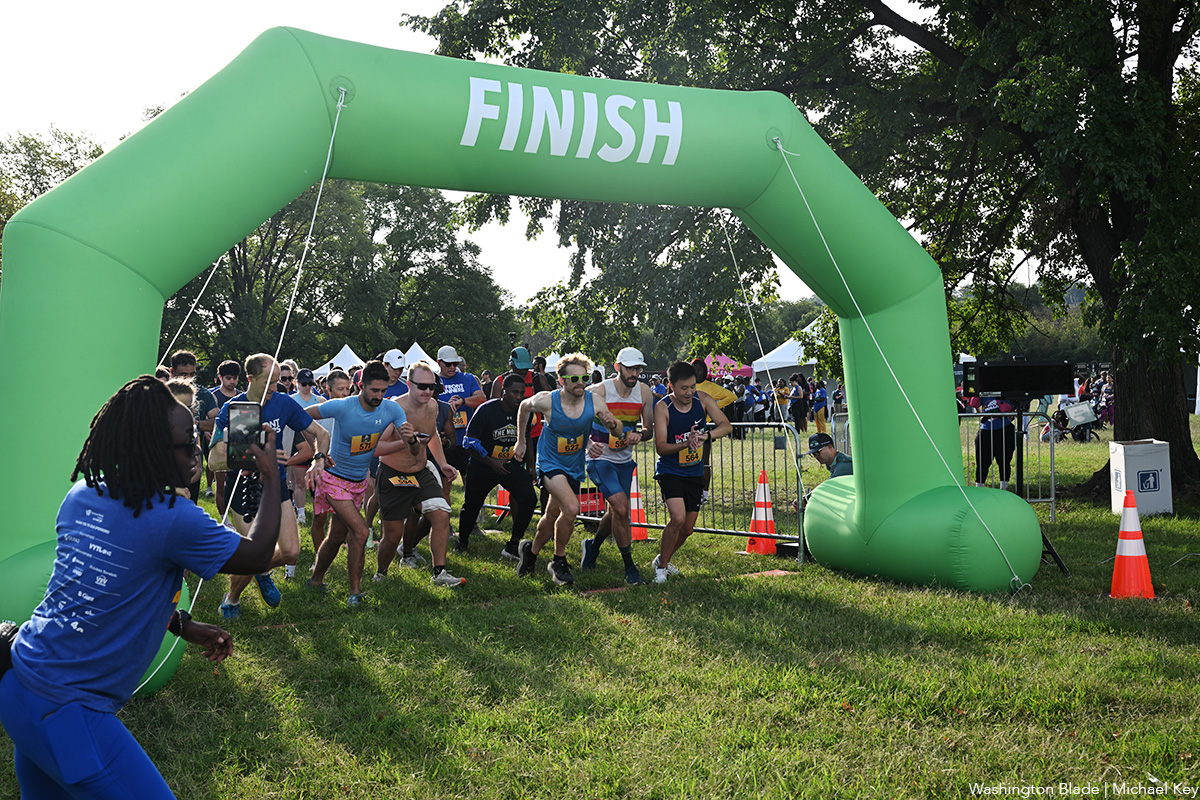
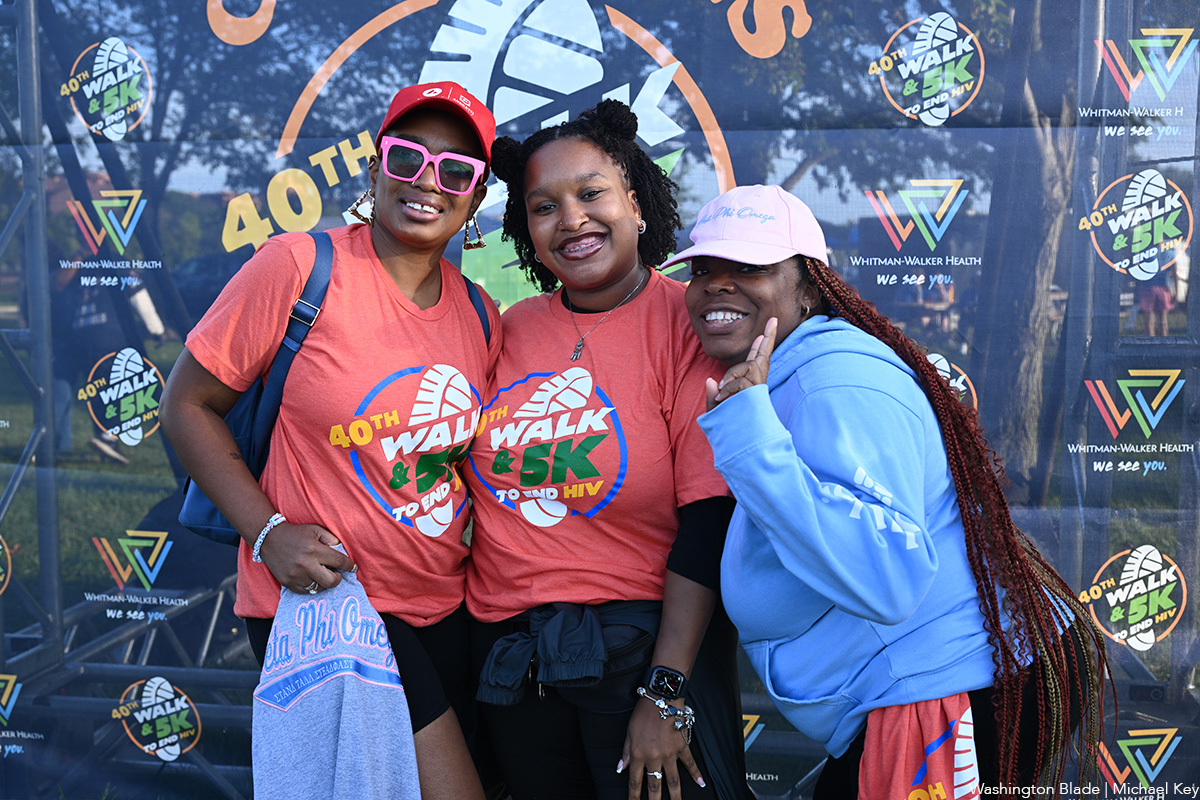
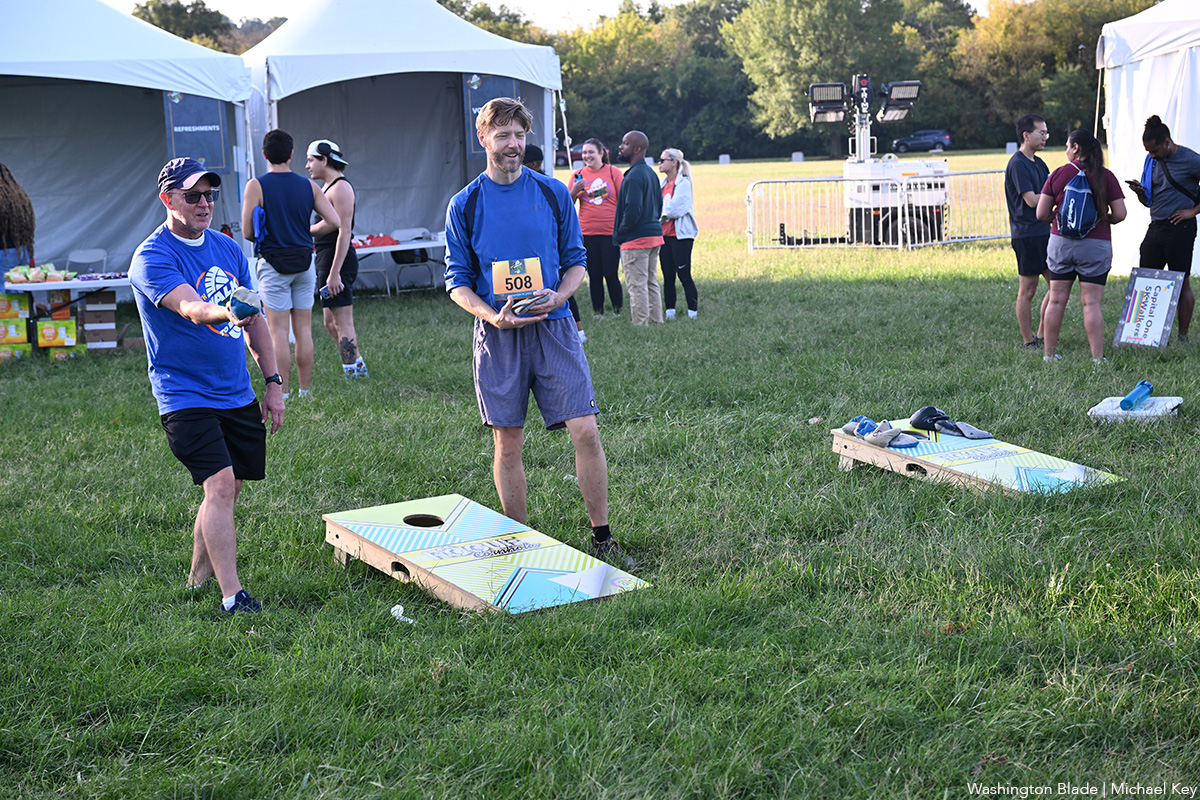
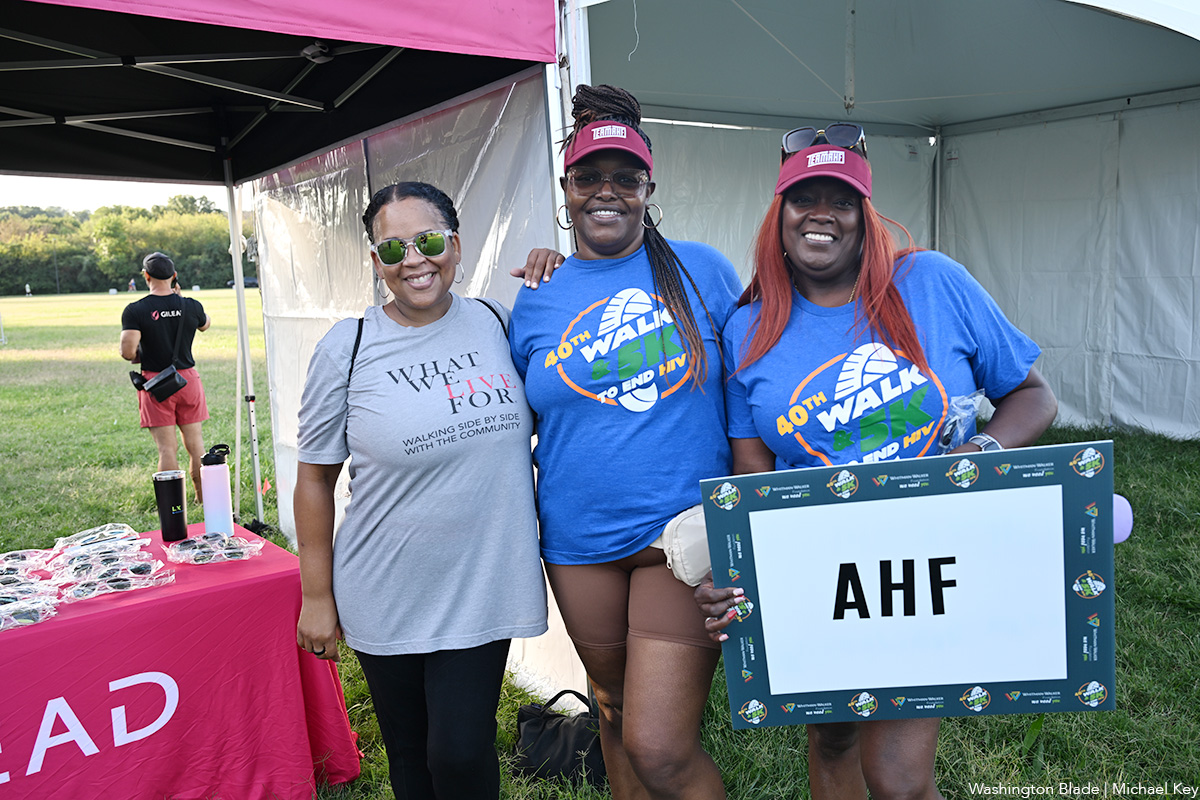
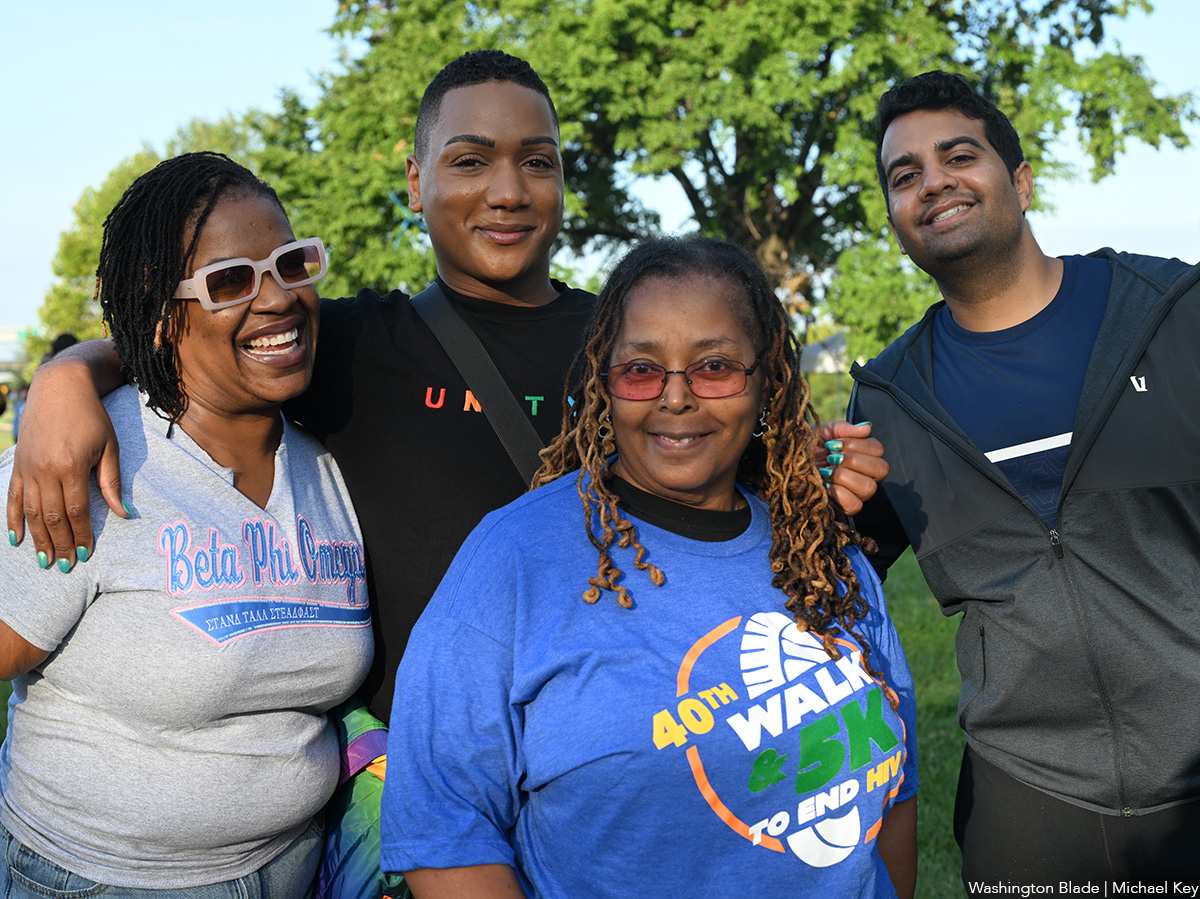
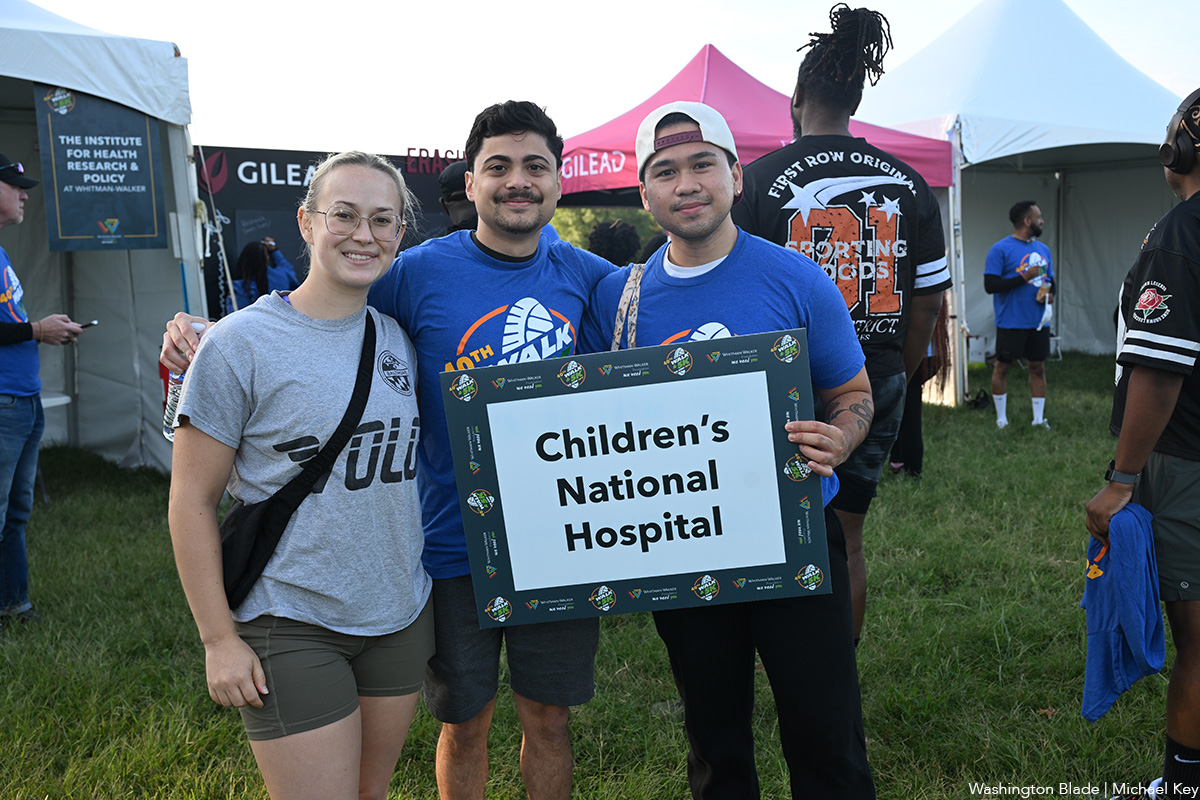
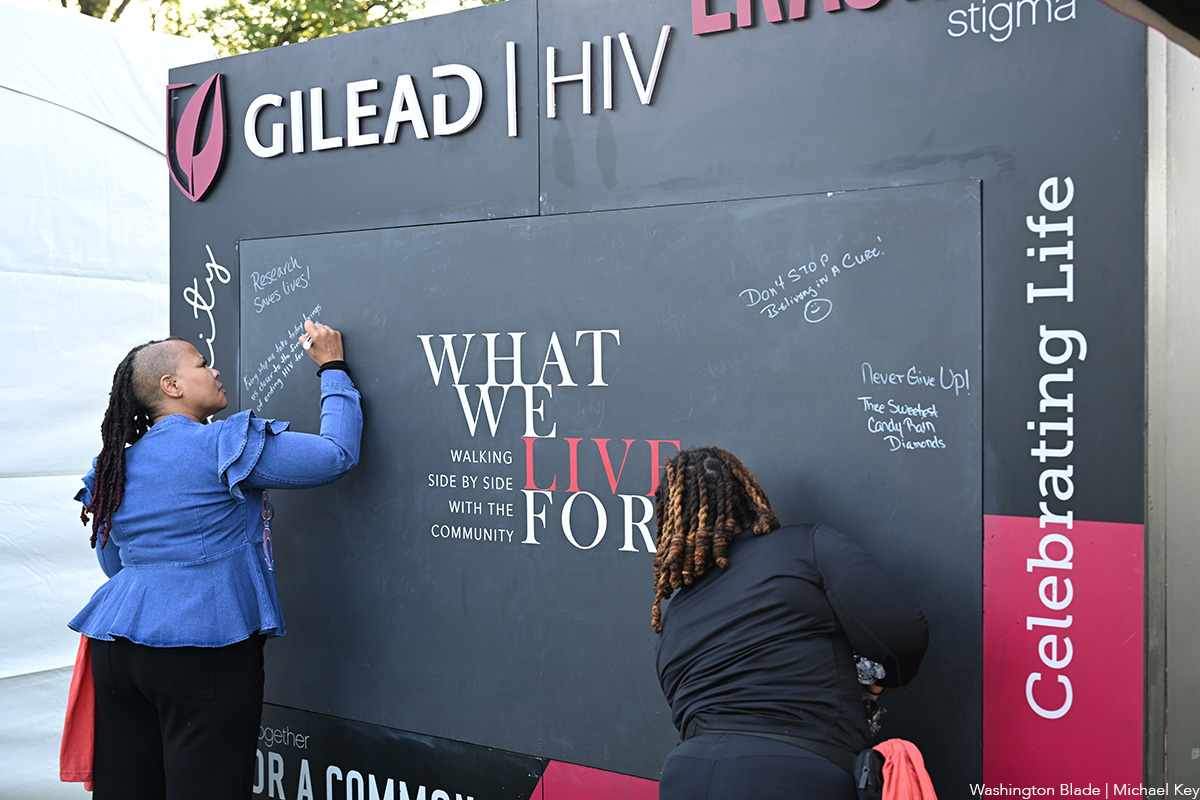
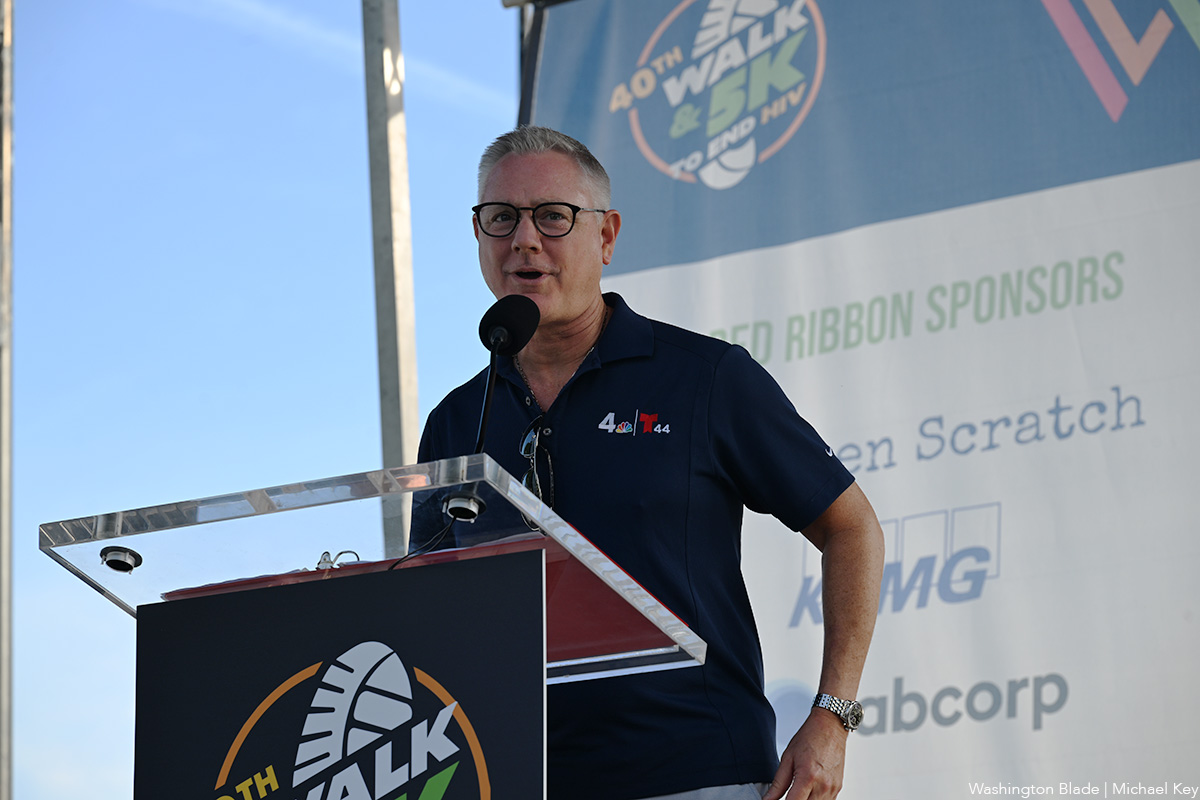
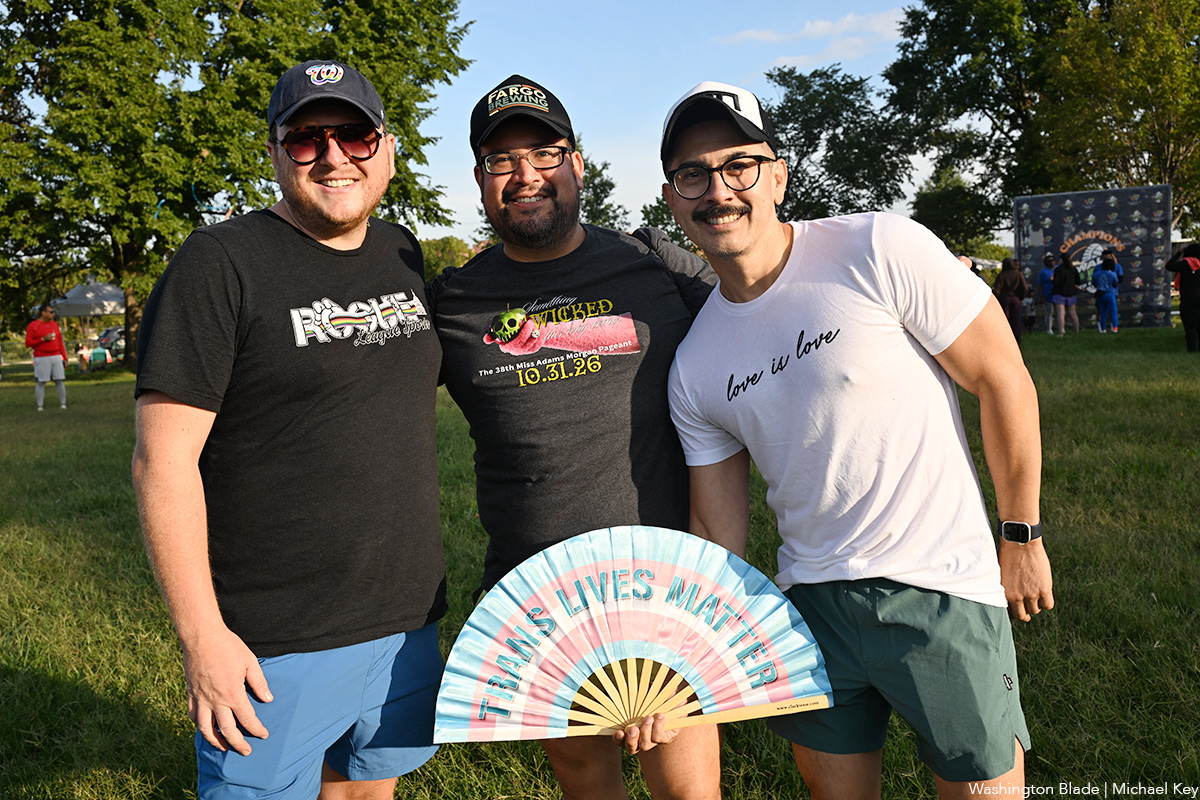
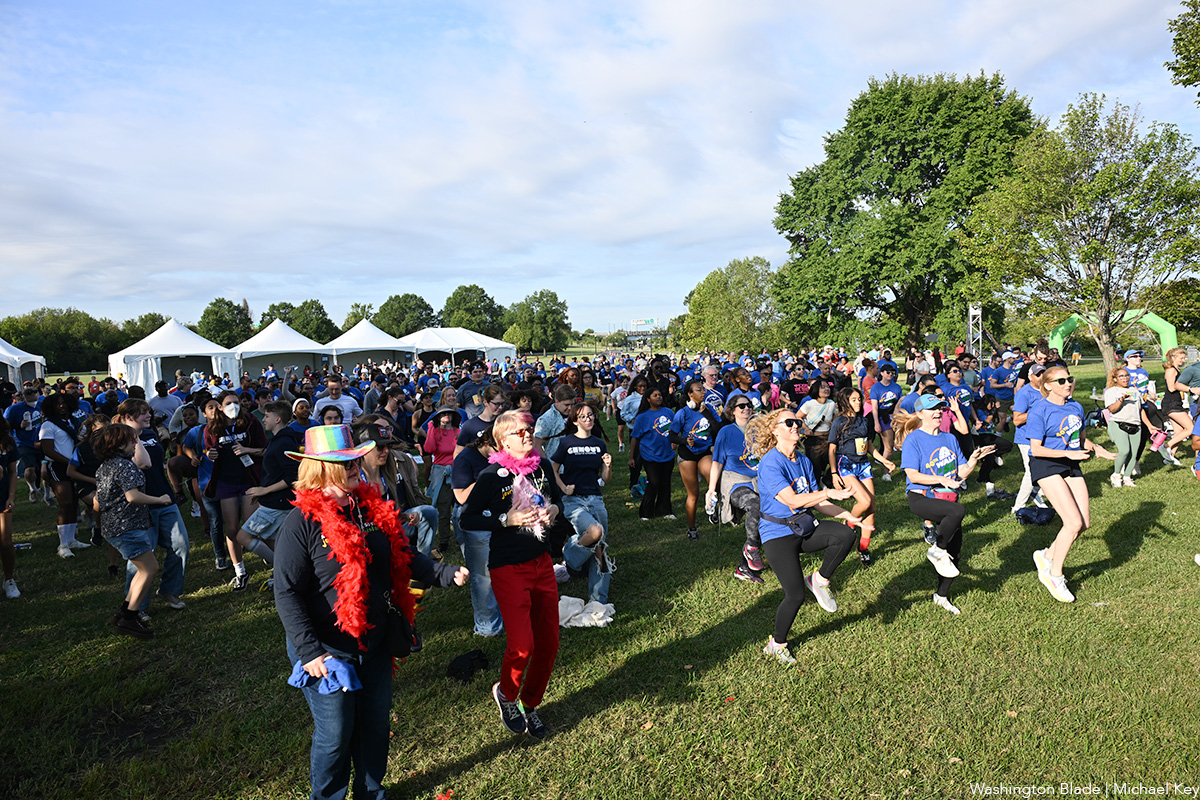
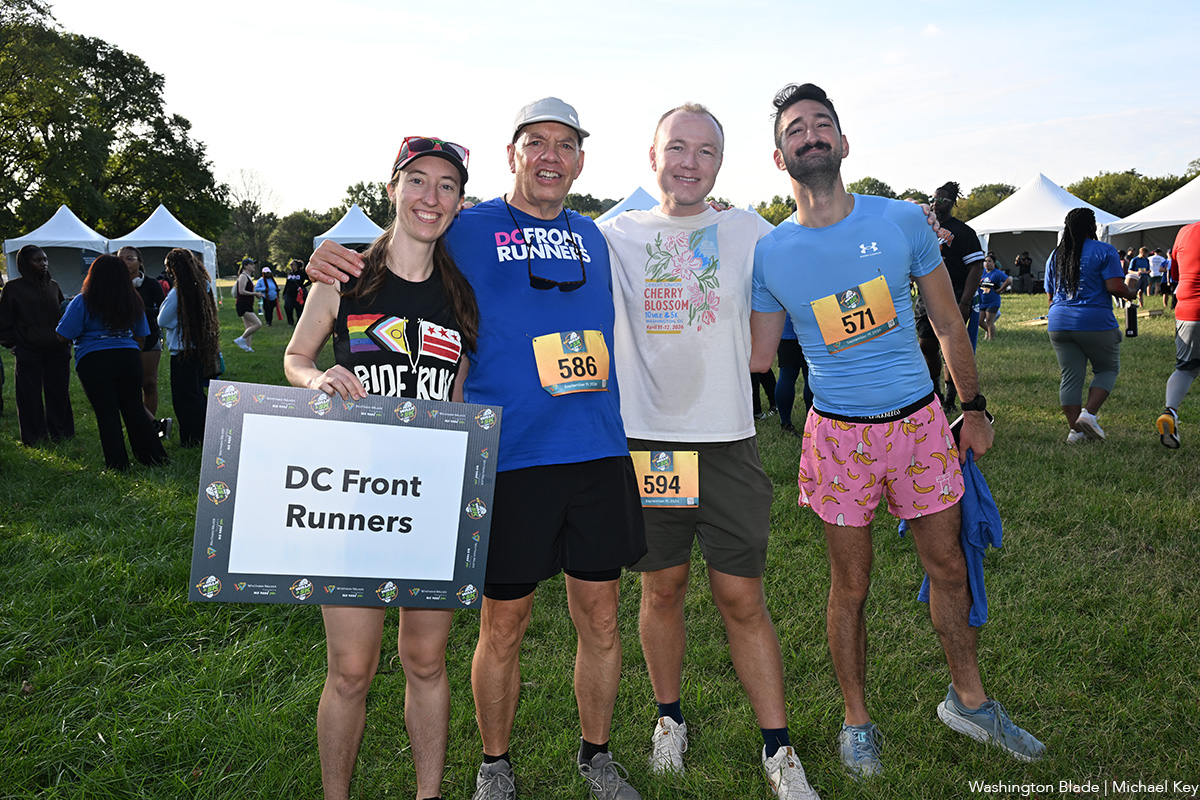
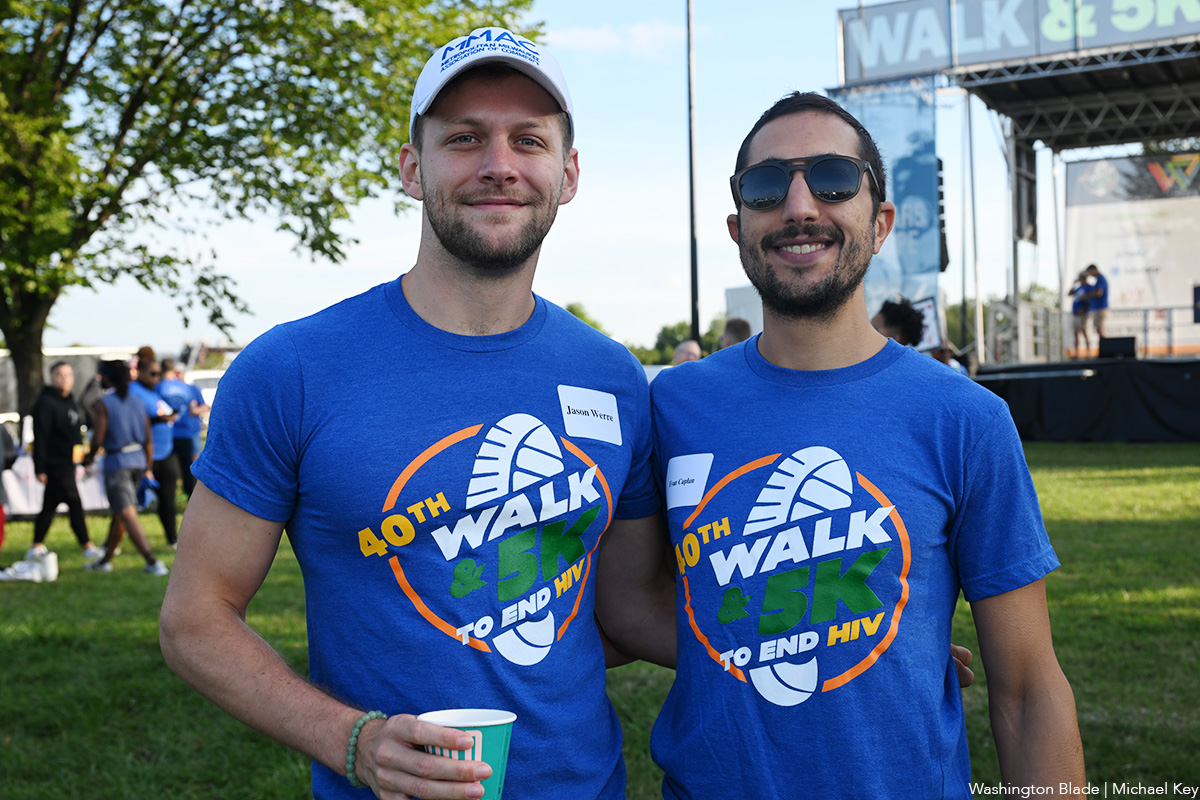
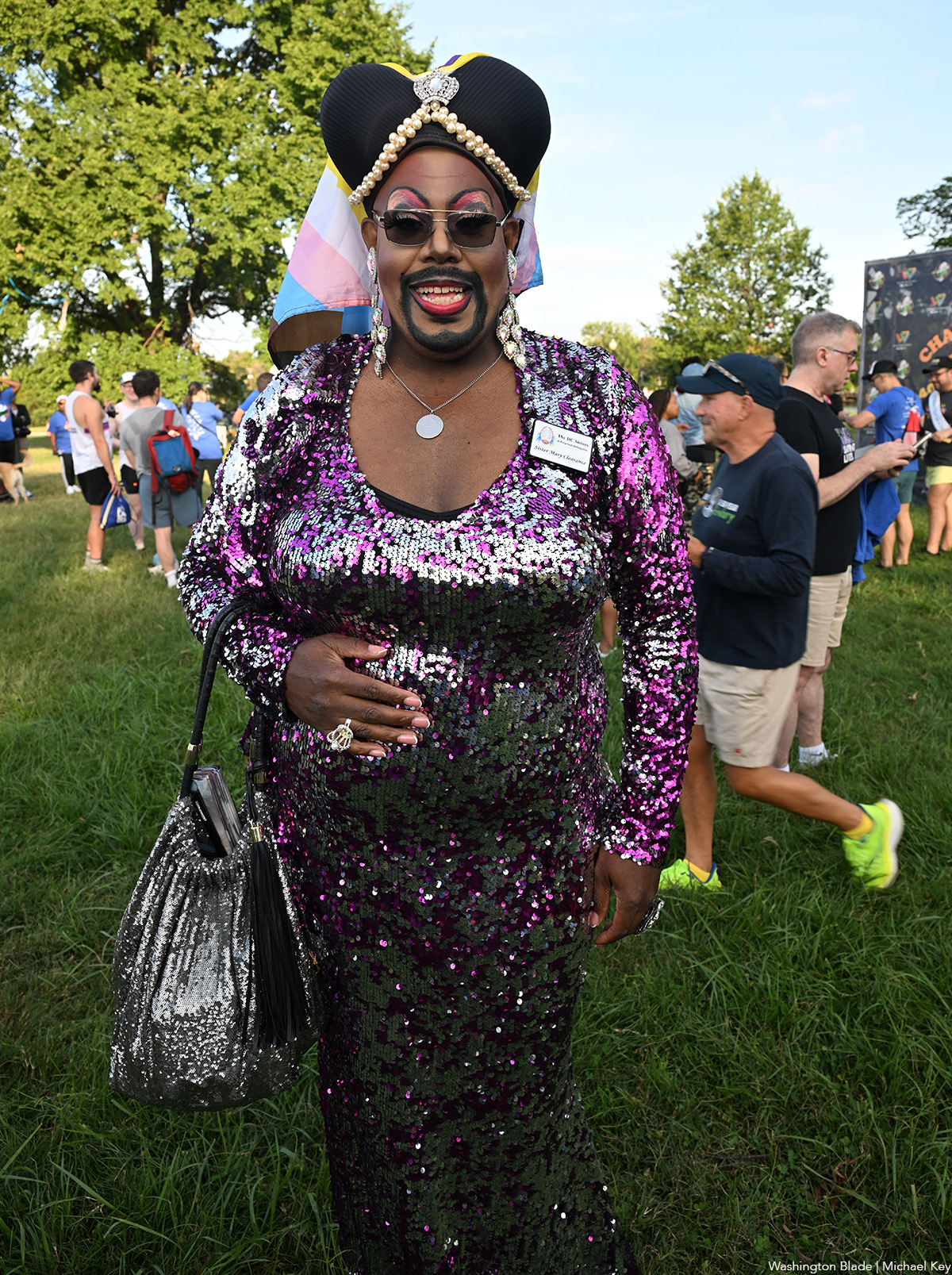
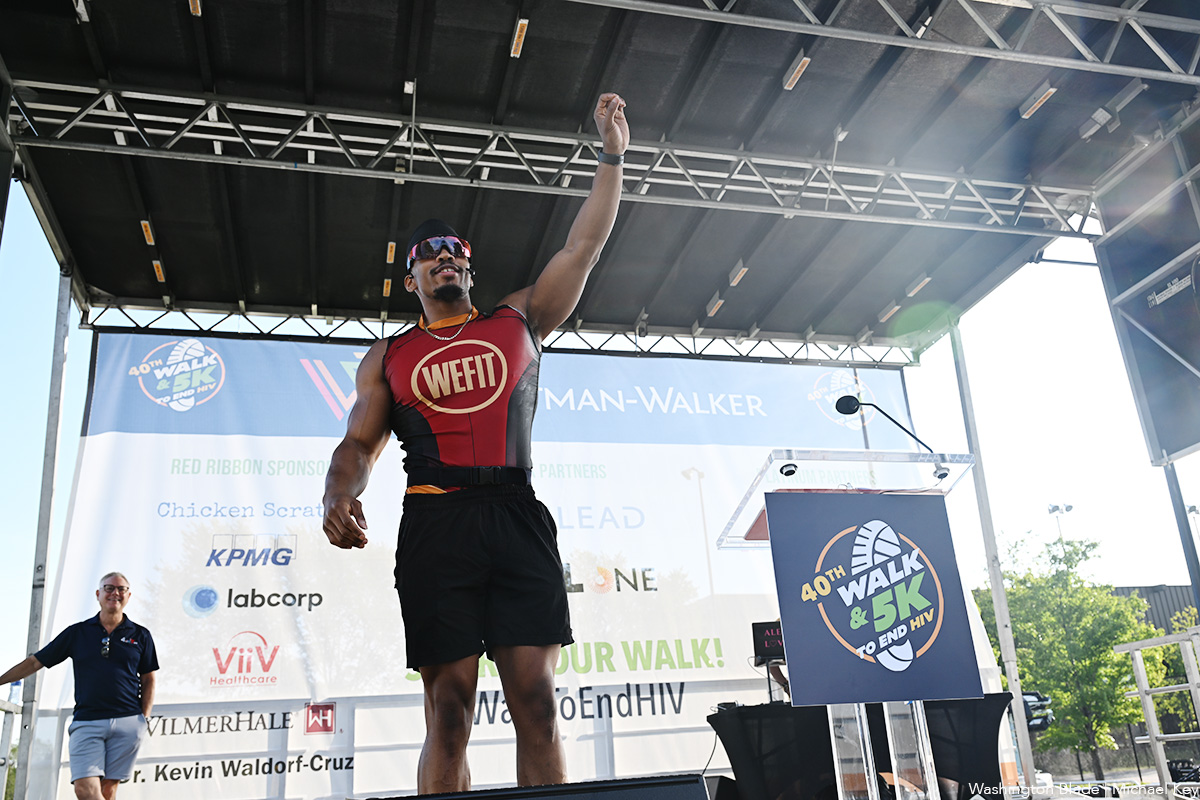
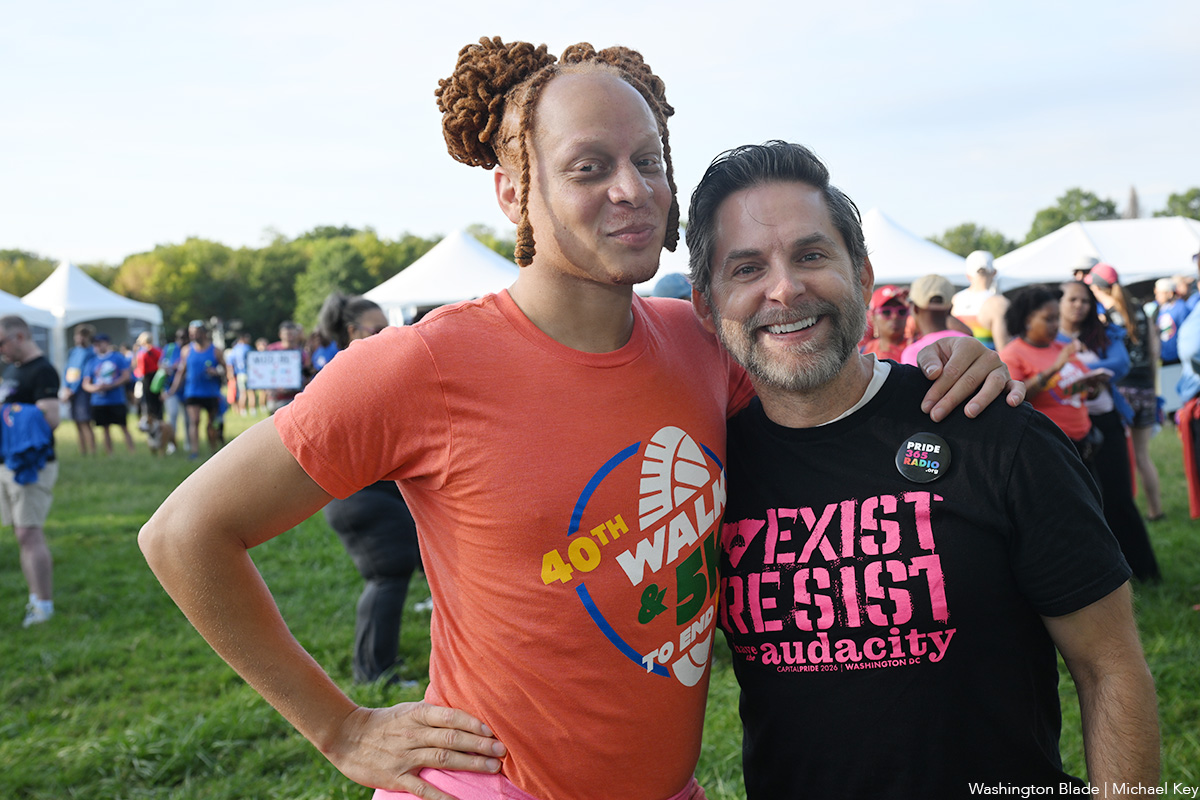
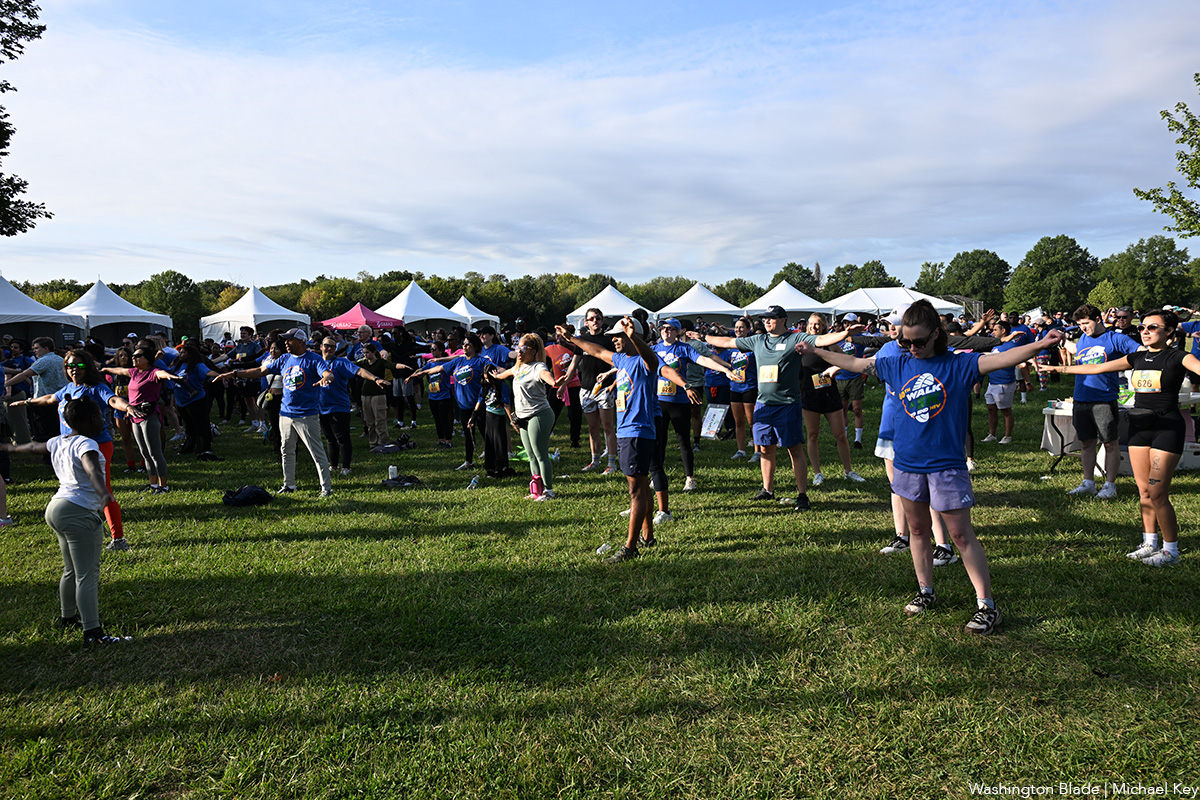
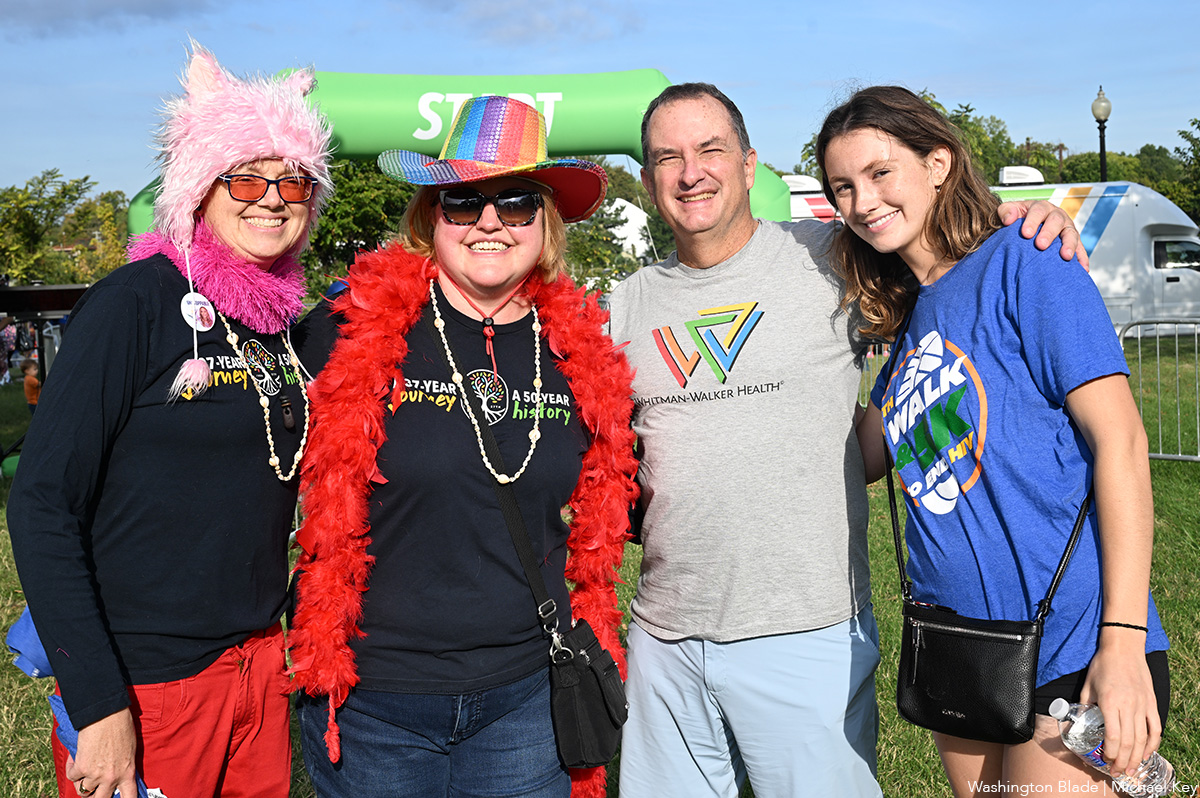
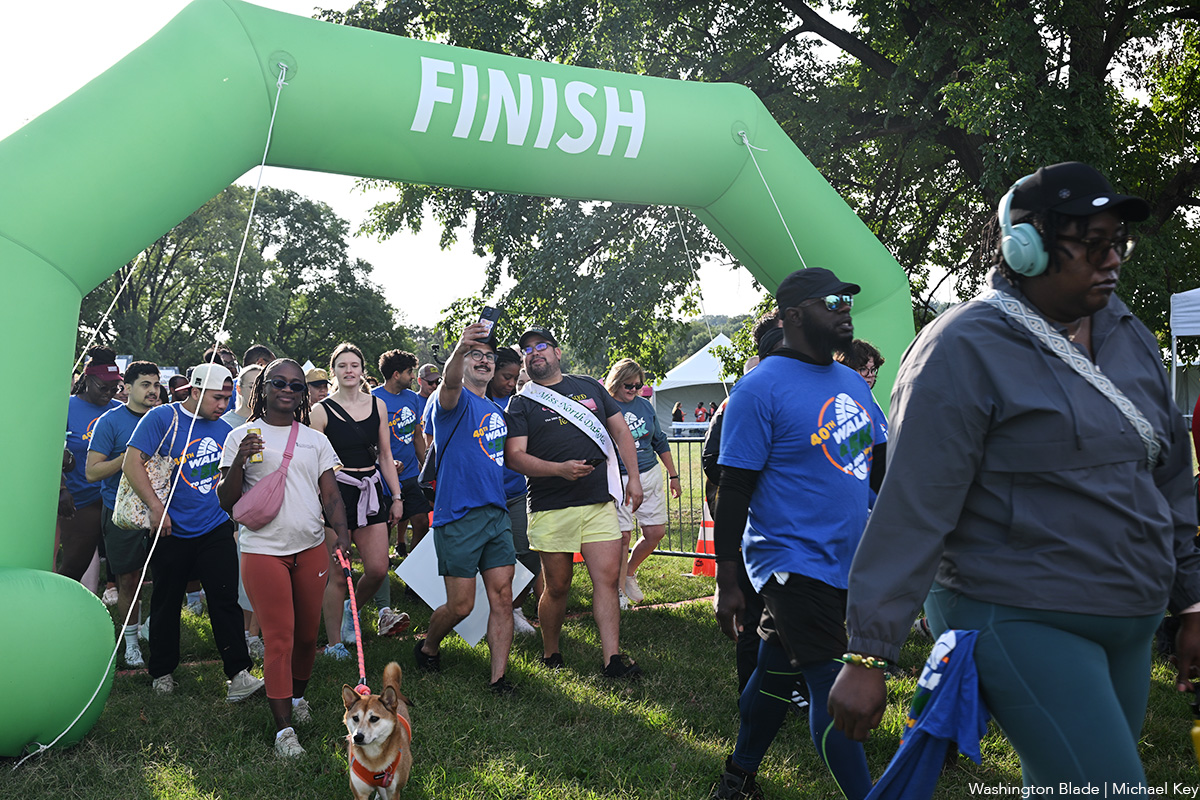
Whitman-Walker Health held the 40th annual Walk and 5K to End HIV at Anacostia Park on Saturday, Sept. 19.
(Washington Blade photos by Michael Key)



Philadelphia event to launch 2026 LGBT History Month

Colombia withdraws from Equal Rights Coalition

Caso Karlina: Una sentencia histórica contra las terapias de «conversión»

Washington Blade responds to concerns over White House pool duties

Young people should know history of the fight for human rights

Over 2,000 turn out for Hands Around the Kennedy Center protest

PHOTOS: Wanda Alston Foundation Fall Reception

PHOTOS: Walk and 5K to End HIV

What LGBTQ veterans are building after ‘Don’t Ask, Don’t Tell’